Karakoram Highway Road Trip – Part 01: Navigating Pakistan’s Northern Passes

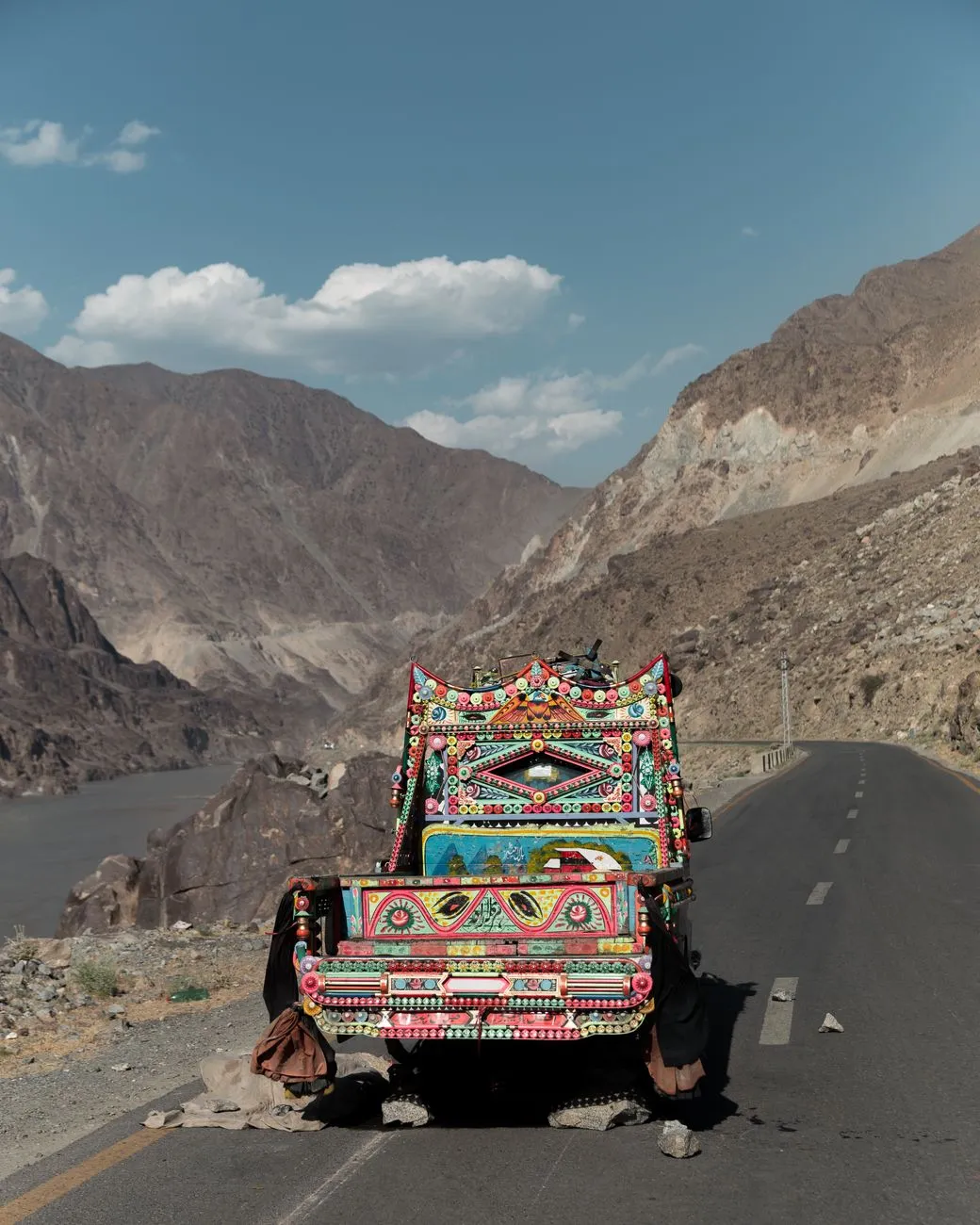
Crossing the Roof of the World: The Karakoram Highway Unveiled
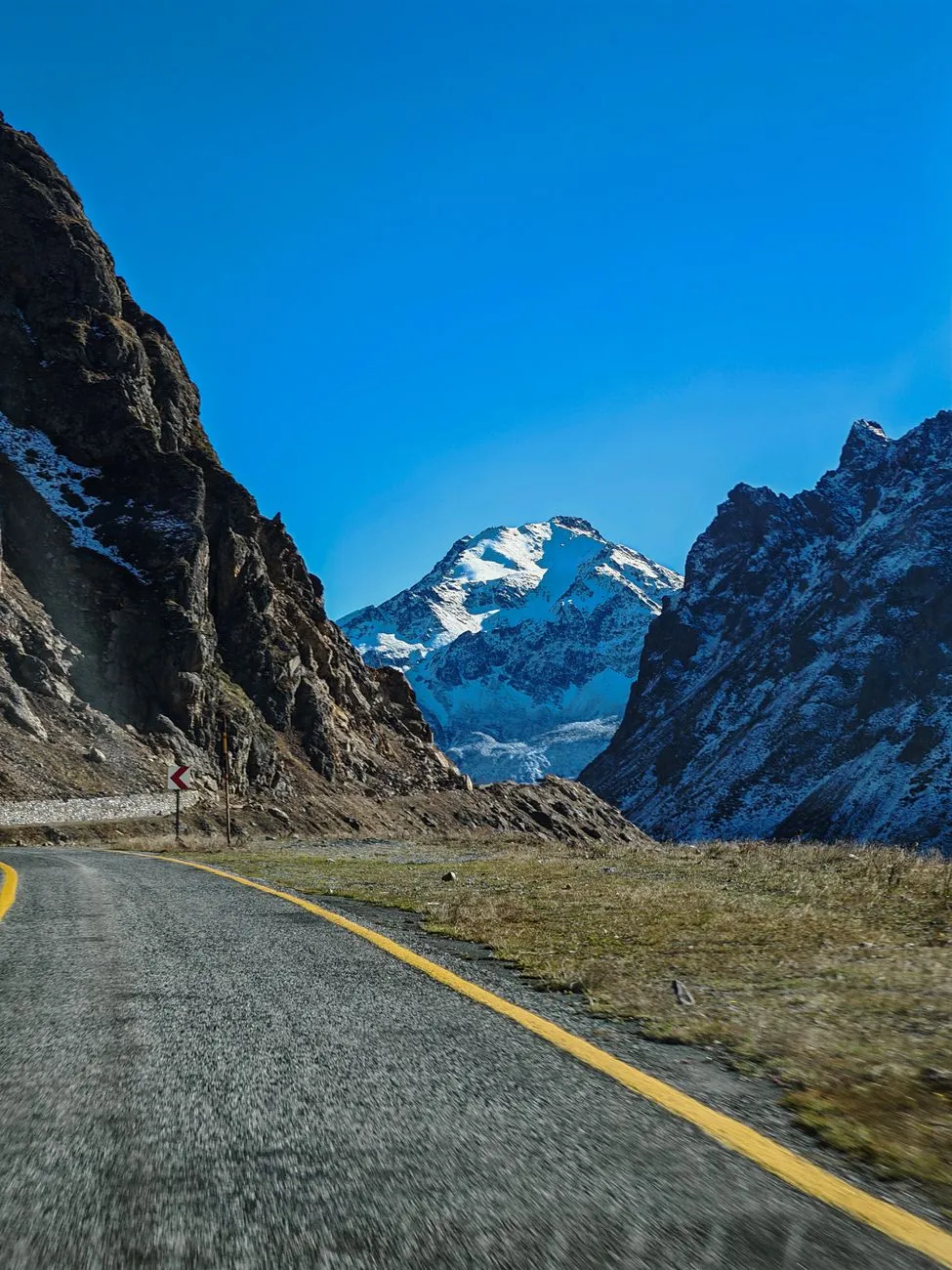
The Karakoram Highway (KKH) is often called the Eighth Wonder of the World, a 1,300‑kilometre ribbon of asphalt that stitches together the plains of Punjab with the icy ramparts of the Chinese border at Khunjerab Pass (4,714 m). Built between 1959 and 1979 by a joint Pakistani‑Chinese engineering corps, the road follows ancient Silk Road caravan routes, threading through the Indus, Gilgit, and Hunza valleys. The highway’s strategic importance is matched only by its raw beauty: sheer cliffs plunge into turquoise rivers, glaciers spill onto the tarmac, and villages cling to terraced slopes where apricot orchards bloom in spring.
Driving the KKH is not a casual weekend jaunt. The altitude gains are relentless — Islamabad sits at 540 m, while the highest point at Khunjerab exceeds 4,700 m — meaning oxygen levels drop by roughly 40 % and weather can shift from bright sun to blizzard in minutes. The Pakistan Tours local operations team notes that the road is open year‑round, but the 150‑kilometre stretch between Besham and Chilas is prone to landslides during the monsoon (July‑September). Winter snow can close Khunjerab for weeks, and the border crossing operates only from 1 May to 31 October.
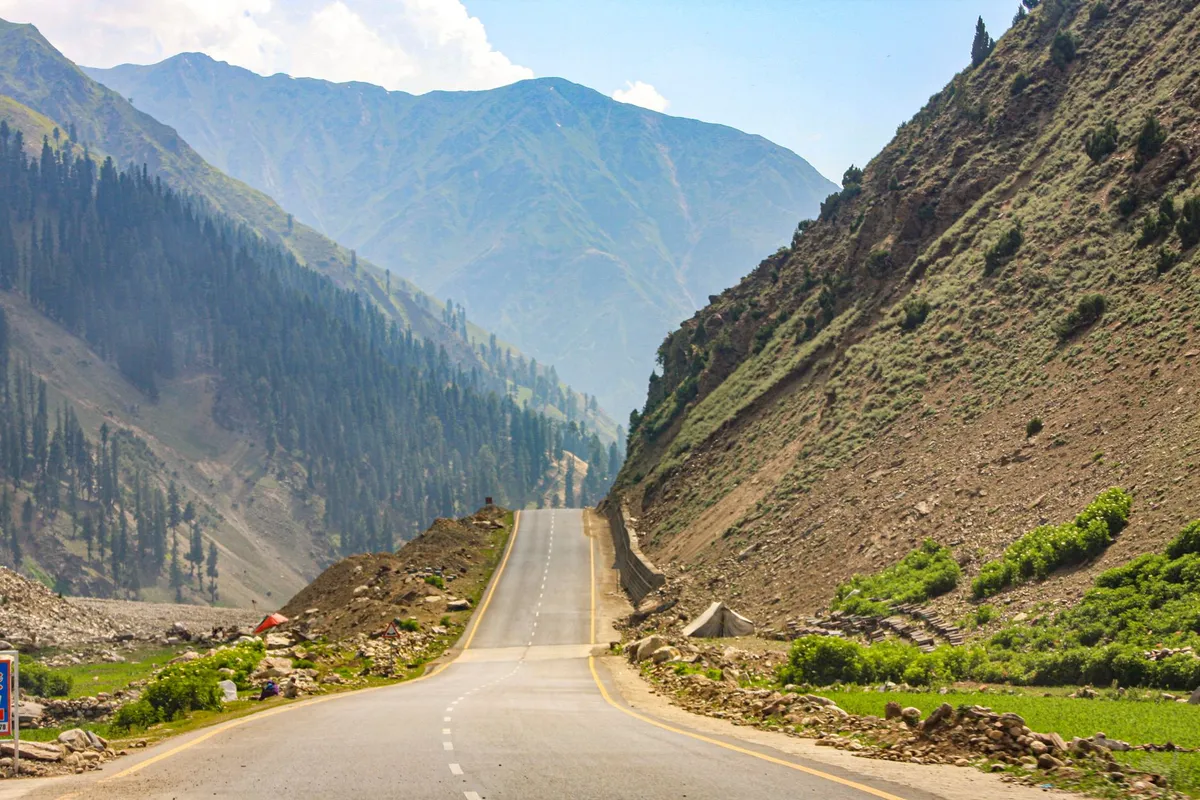
Preparation begins long before the engine turns over. A reliable 4×4 with high‑ground clearance, a full‑size spare, and a set of snow chains is mandatory. Fuel quality improves after the major towns, yet stations become sparse beyond Gilgit; carrying an extra 20‑liter jerrycan is prudent. Mobile coverage is patchy — Telenor and Zong work in most valleys, but a satellite messenger (e.g., Garmin inReach) adds a safety net for remote sections. Finally, travel insurance that explicitly covers high‑altitude driving and medical evacuation is non‑negotiable; many standard policies exclude altitudes above 3,000 m.
Visa, Permits, and the Paper Trail for the Northern Passes
Foreign nationals entering Pakistan for a KKH road trip must secure a tourist visa (usually 30‑day single entry, extendable to 90 days) through the Pakistan Online Visa System. The e‑visa requires a passport valid for six months, a recent photograph, and a letter of invitation or hotel booking confirmation. As of the 2026 season, the visa fee for most Western passports is US $60, payable online.
Beyond the visa, the highway demands two special permits. The first is the Northern Areas Permit (NAP), issued by the Ministry of Interior in Islamabad or at the Gilgit Deputy Commissioner’s office. The NAP covers travel in Gilgit‑Baltistan, including the Hunza, Nagar, and Skardu districts. Processing takes 2‑3 working days; applicants submit a copy of the visa, a detailed itinerary, and a no‑objection certificate (NOC) from their embassy if they are diplomatic or NGO staff.
The second permit is the Khunjerab Border Pass, required only if you intend to cross into China. It is obtained at the Sost customs post (the last Pakistani settlement before the border) and demands a valid Chinese visa, vehicle registration, and an international driving permit (IDP). The border operates on a strict schedule: 08:00‑16:00 Pakistan Standard Time, with a mandatory 30‑minute vehicle inspection.
Travelers should also carry a Vehicle Temporary Import Permit (VTIP) if the car is not registered in Pakistan. The VTIP is arranged at the customs office in Islamabad or at the border crossing at Torkham (for those entering from Afghanistan). The fee is roughly US $30 per month, plus a refundable security deposit of US $200.
A practical tip: keep printed copies of every permit, visa, and insurance policy in a waterproof folder. Police checkpoints appear every 30‑50 km, and officers routinely request to see the NAP and vehicle documents. Digital copies on a phone are accepted, but a dead battery in a snowstorm can turn a routine stop into a bureaucratic nightmare.
Milestones and Must‑Stop Valleys: From Islamabad to Khunjerab
The journey unfolds in distinct chapters, each offering a different palette of culture, geology, and hospitality. Departing Islamabad, the first 300 km follow the N‑5 National Highway to Besham, where the road begins its ascent into the Kohistan district. The Kohistan Gorge is a dramatic introduction: sheer limestone walls rise 1,000 m above the Indus, and the occasional rockfall reminds drivers why the KKH earned its “friendship highway” moniker — built at the cost of over 800 lives.
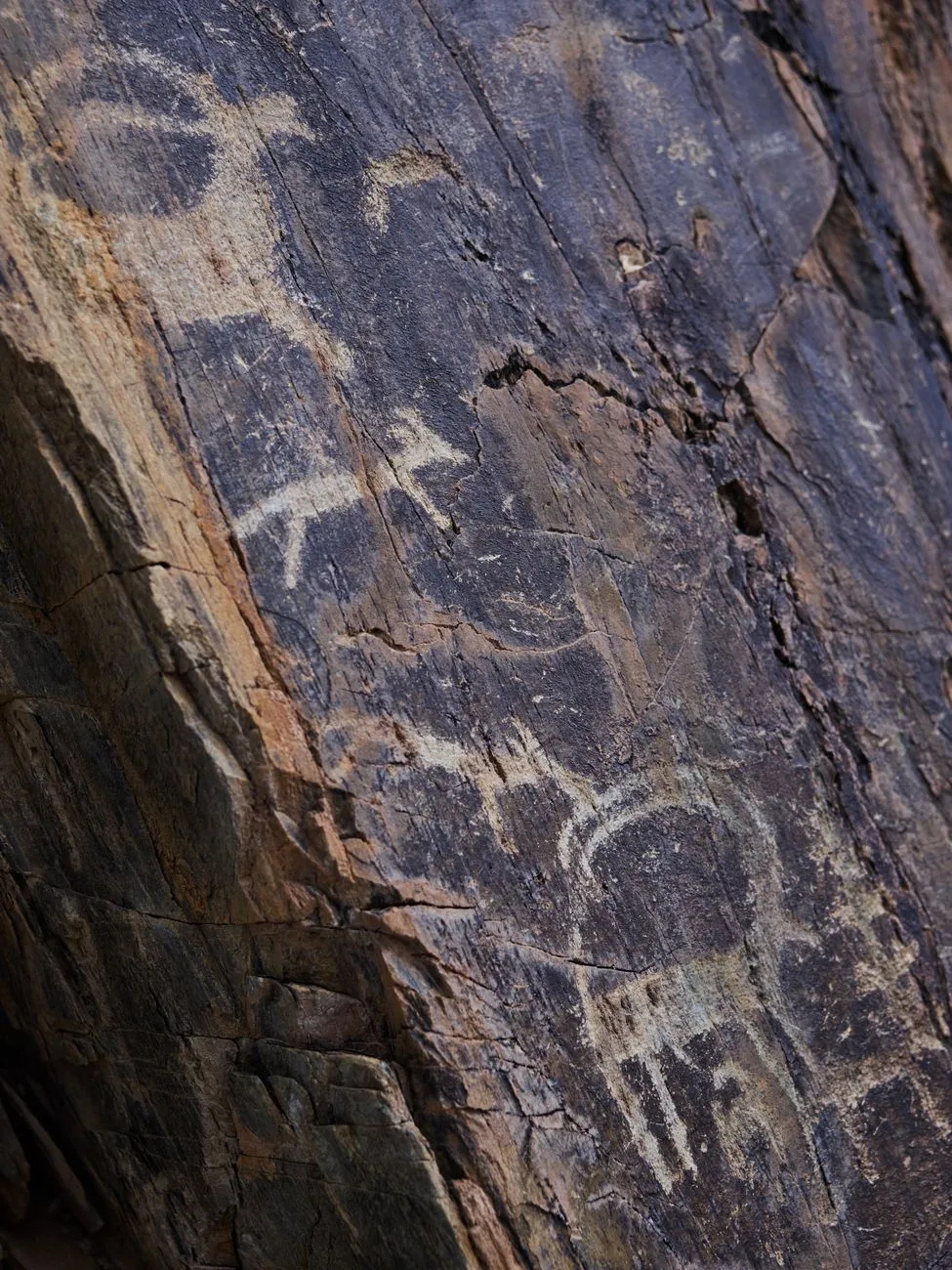
Continuing north, Chilas (1,200 m) marks the gateway to the Diamer District. Here, ancient petroglyphs at Thalpan and Shatial depict ibex, hunters, and Buddhist stupas, evidence of a crossroads traversed for millennia. A short detour to Nanga Parbat Base Camp (via the Fairy Meadows jeep track) rewards the adventurous with a view of the world’s ninth‑highest peak (8,126 m).
At Gilgit (1,500 m), the highway widens and the traffic eases. The city’s bazaar is a sensory overload — dried apricots, hand‑woven shawls, and the aroma of chapli kebabs. The Gilgit River offers a convenient spot for a riverside lunch of trout, a local specialty. From Gilgit, the road splits: the Karakoram Highway proper heads northeast toward Hunza, while the Skardu Road veers east toward the Baltoro Glacier.
The Hunza Valley is the crown jewel. Karimabad, the former capital, sits beneath the towering Rakaposhi (7,788 m). The Baltit Fort and Altit Fort showcase 700‑year‑old architecture, while the Attabad Lake — formed by a 2010 landslide — glows an otherworldly turquoise. A night in a family‑run guesthouse (average US $30‑$45) provides home‑cooked chapshuro (meat‑filled pastries) and a chance to hear Wakhi folklore.
Beyond Hunza, the road climbs through Passu (2,500 m) with its iconic Passu Cones, then Sost (2,800 m), the last Pakistani town before the border. The final 90 km to Khunjerab Pass traverse the Khunjerab National Park, home to snow leopards, Marco Polo sheep, and the rare Himalayan brown bear. The border crossing itself is a modest concrete structure, but the view of the Karakoram Range stretching into Xinjiang is unforgettable.
Budget Breakdown: Fuel, Food, and Lodging on the High Road
A realistic budget prevents unpleasant surprises on a route where ATMs vanish after Gilgit. The table below aggregates data from the Pakistan Tours operations team, Numbeo cost‑of‑living indices (2026), and on‑the‑ground reports from recent overlanders. All figures are in US dollars and assume a 7‑day, 1,200 km round‑trip from Islamabad to Khunjerab and back, using a 4×4 with a 2.5 L diesel engine.
| Item | Cost (USD) | Notes |
|---|---|---|
| Fuel (Islamabad‑Khunjerab round‑trip) | 250 | 1,200 km @ 0.21 USD/km (diesel) |
| Accommodation (mid‑range, 7 nights) | 420 | $60/night average (guesthouses, 2‑person rooms) |
| Meals (local restaurants) | 210 | $30/day (breakfast included in most stays) |
| Permits & Insurance | 85 | NAP, Khunjerab Pass, high‑altitude medical cover |
| Vehicle Prep (tyres, spare, chains) | 120 | High‑altitude rated tyres, 2‑spare set |
| Miscellaneous (souvenirs, tips, emergency fund) | 150 | 10 % contingency |
| Total Approx. | 1,235 |
Fuel prices fluctuate; as of October 2026, diesel in Islamabad averages PKR 280/L (≈ US $1.00/L) while remote stations in Sost can charge up to PKR 340/L. Carrying a 20‑liter reserve reduces the risk of price spikes. Accommodation costs drop sharply if you opt for basic homestays (US $15‑$20) or camp at designated sites (free with a park permit). Meals are cheapest when you buy fresh produce at local markets and cook on a portable stove — a popular choice among long‑term overlanders.
Insurance is the line item most travelers underestimate. A policy covering evacuation from 4,500 m costs roughly US $70 for a 30‑day window; standard travel insurance often caps coverage at 3,000 m. Vehicle preparation should include a full service (oil, filters, brake fluid) and a check of the cooling system — overheating is common on the long