Dive Into a Hidden World: The Most Breathtaking Underwater Museums and Sculpture Parks

Dive Into a Hidden World: The Most Breathtaking Underwater Museums and Sculpture Parks
The ocean has always been a canvas of mystery, but beneath its shimmering surface lies an even more extraordinary spectacle—underwater museums and sculpture parks. These submerged galleries are not just artistic marvels; they are sanctuaries for marine life, tools for conservation, and destinations that redefine travel. Imagine gliding through crystal-clear waters, surrounded by larger-than-life sculptures that tell stories of humanity, nature, and resilience. From the vibrant coral reefs of the Caribbean to the serene depths of the Mediterranean, these underwater museums offer an unparalleled fusion of art and ecology. Whether you’re a seasoned diver, a snorkeling enthusiast, or an armchair traveler, this guide will take you on a journey to the most breathtaking submerged art installations in the world.
In this article, we’ll explore the history, significance, and practicalities of visiting these underwater wonders. You’ll learn how these projects are transforming tourism, supporting marine ecosystems, and even combating climate change. We’ll also provide step-by-step guides on how to visit, including the best times to go, required certifications, and budget considerations. By the end, you’ll be inspired to dive into this hidden world and witness the magic for yourself.
The Rise of Underwater Museums: A Fusion of Art and Conservation
Underwater museums are a relatively recent phenomenon, born from the marriage of art, science, and environmental activism. The concept gained global attention in 2009 with the creation of MUSA (Museo Subacuático de Arte) in Cancún, Mexico, by British sculptor Jason deCaires Taylor. MUSA was the first large-scale underwater museum, featuring over 500 permanent life-sized sculptures designed to promote coral life and reduce pressure on natural reefs. Since then, the trend has exploded, with projects popping up in every corner of the globe, from the turquoise waters of the Maldives to the chilly depths of Norway’s fjords.
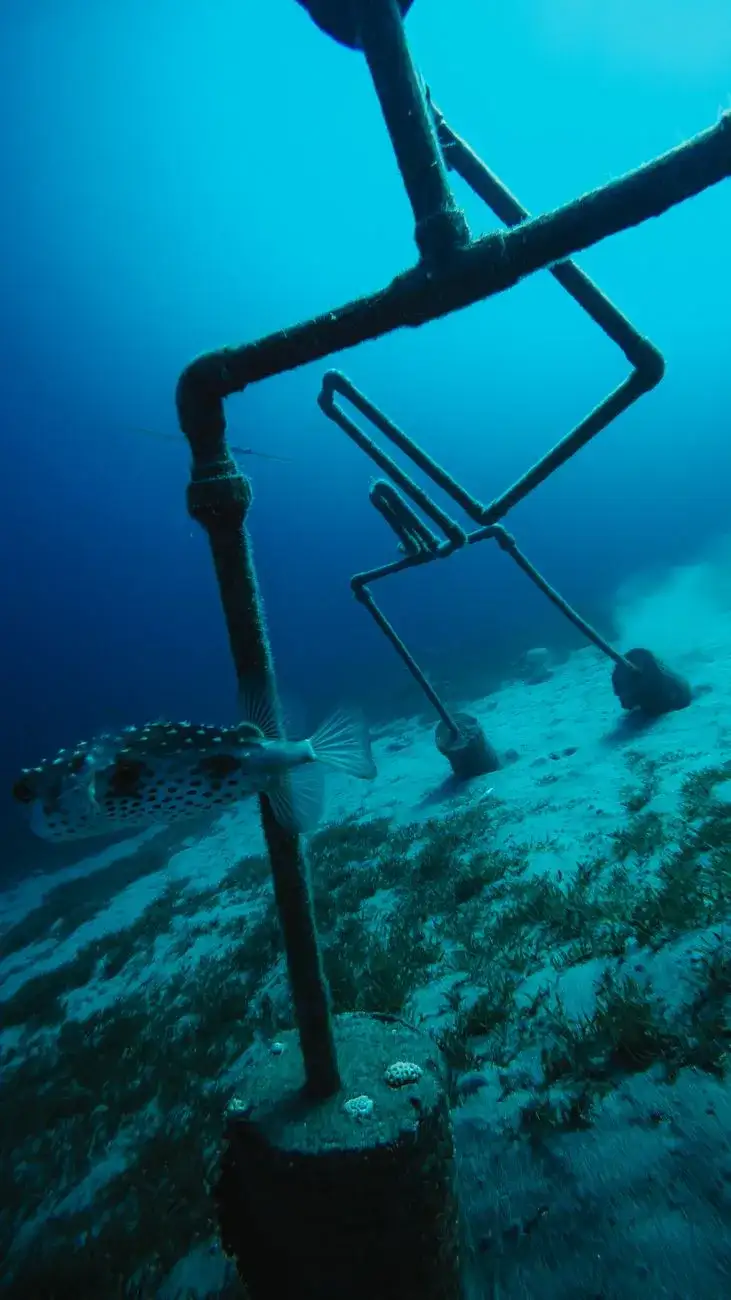
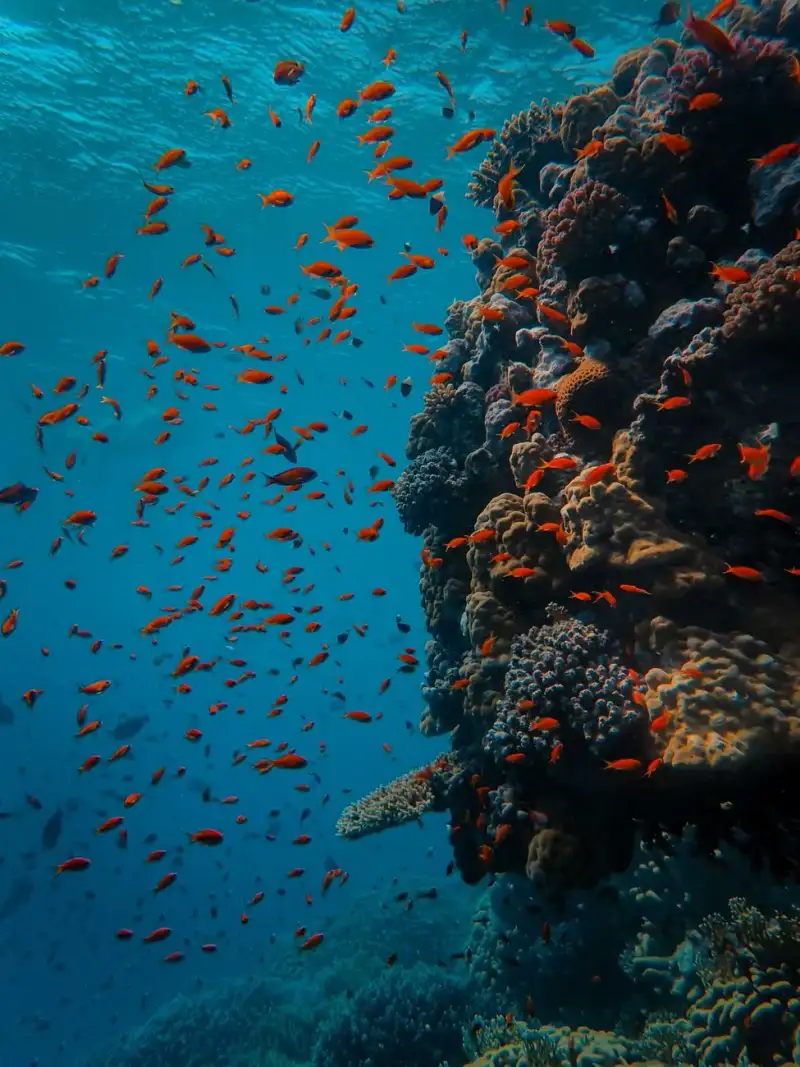
The primary goal of these museums is conservation. Traditional coral reefs are under immense threat from climate change, overfishing, and pollution. By creating artificial reefs from pH-neutral materials like marine-grade concrete or recycled steel, underwater museums provide a substrate for coral polyps to attach and grow. Over time, these sculptures become encrusted with marine life, transforming into vibrant ecosystems. For example, MUSA’s sculptures are now home to over 500 species of fish and coral, making them one of the most biodiverse spots in the Mexican Caribbean.
But these projects are more than just conservation tools—they are powerful statements about humanity’s relationship with nature. Many sculptures depict human figures in poses that evoke themes of climate change, migration, or cultural identity. Taylor’s The Silent Evolution in MUSA, for instance, features 400 life-sized human figures arranged in a spiral, symbolizing the collective impact of humanity on the planet. Similarly, Vicissitudes, another of Taylor’s works, shows a group of children holding hands, representing hope for future generations. These installations challenge viewers to reflect on their role in protecting the environment while offering a unique aesthetic experience.
Underwater museums also play a crucial role in eco-tourism. By diverting tourists away from fragile natural reefs, they help reduce physical damage caused by divers and snorkelers. In places like Grenada’s Molinière-Beauséjour Marine Protected Area, where the Grenada Underwater Sculpture Park is located, the project has become a cornerstone of sustainable tourism. The park attracts thousands of visitors annually, generating revenue that funds local conservation efforts and education programs. This model has been replicated in other destinations, proving that art and ecology can coexist—and even thrive—together.
As the movement grows, so does the diversity of projects. Some museums focus on education, like The Underwater Museum of Art (UMA) in Florida, which features sculptures designed to teach visitors about marine biology. Others, like Ocean Atlas in the Bahamas, are monumental in scale, with a 60-ton sculpture of a young girl holding up the ocean, symbolizing the fragility of marine ecosystems. Whether you’re drawn to the artistic, ecological, or educational aspects, there’s an underwater museum out there for you.
Top 5 Must-Visit Underwater Museums and Sculpture Parks Around the World
With so many incredible projects to choose from, it can be overwhelming to decide where to start. Below, we’ve curated a list of the top five underwater museums and sculpture parks, each offering a unique blend of art, adventure, and conservation. Whether you’re planning a bucket-list dive trip or simply dreaming of the experience, these destinations should be at the top of your list.
1. Museo Subacuático de Arte (MUSA), Cancún, Mexico
Why Visit? MUSA is the granddaddy of underwater museums and remains one of the most impressive. Located in the Mesoamerican Barrier Reef System, the museum spans two galleries: Salvador Dalí Park and The Silent Evolution. The former features 12 surrealist sculptures inspired by Dalí’s work, while the latter houses Taylor’s iconic 400-figure installation. Together, they attract over 750,000 visitors annually, making it one of the most visited underwater museums in the world.
What to Expect: The museum is accessible to both divers and snorkelers. The average depth is 8–12 meters (26–39 feet), making it suitable for beginners with an Open Water certification. The sculptures are arranged in a way that guides you through a narrative, from the surreal to the thought-provoking. The marine life here is spectacular, with schools of tropical fish, sea turtles, and even the occasional reef shark adding to the drama.
Practical Tips:
- Best Time to Visit: November to April for calm seas and optimal visibility (up to 30 meters/100 feet).
- Certification Required: Open Water for snorkelers; Advanced Open Water recommended for divers.
- Cost: Snorkeling tours start at $80 USD; full-day dive packages with two dives cost around $150 USD.
- Local Operators: Phantom Divers and Dive Mike are highly rated for MUSA tours.
2. Grenada Underwater Sculpture Park, Grenada
Why Visit? This was the world’s first underwater sculpture park, established in 2006 by artist Jason deCaires Taylor and local marine biologists. Located in the Molinière-Beauséjour Marine Protected Area, the park features 65 sculptures spread across 800 square meters (8,600 square feet) of seabed. The sculptures are designed to attract marine life, and many have become completely encrusted with coral, creating a surreal blend of art and nature.
What to Expect: The park is divided into two sections: The Gallery and The Garden. The Gallery is closer to shore and features human figures in various poses, while The Garden is a more naturalistic area with abstract forms. The depth ranges from 5 to 12 meters (16 to 39 feet), making it accessible to snorkelers and divers alike. The water is warm year-round, and visibility often exceeds 20 meters (65 feet).
Practical Tips:
- Best Time to Visit: December to April for the best weather and visibility.
- Certification Required: None for snorkelers; Open Water for divers.
- Cost: Snorkeling tours start at $70 USD; dive packages with two dives cost around $130 USD.
- Local Operators: True Blue Bay Resort and Dive Grenada offer excellent tours.
3. The Underwater Museum of Art (UMA), Florida, USA
Why Visit? Located off the coast of Sarasota, UMA is the first underwater museum in the United States and a pioneer in marine education. The museum features 10 sculptures by artists like Kim Anderson and Rachel Binske, each designed to tell a story about Florida’s marine ecosystem. The project is part of a larger effort to restore the local reef, which has been severely damaged by hurricanes and coral bleaching.
What to Expect: UMA is divided into three sections: The Garden, The Gallery, and The Sanctuary. The Garden is the shallowest area, perfect for snorkelers, while The Gallery and Sanctuary are deeper and require a scuba certification. The sculptures are made from marine-grade concrete and are designed to be colonized by coral, which has already begun to transform them into living art.
Practical Tips:
- Best Time to Visit: April to October for warm water and calm conditions.
- Certification Required: None for snorkelers; Open Water for divers.
- Cost: Snorkeling tours start at $60 USD; dive packages cost around $120 USD.
- Local Operators: Sarasota Dive Company and Dive Sarasota are top choices.
4. Ocean Atlas, Nassau, Bahamas
Why Visit? Ocean Atlas is one of the most ambitious underwater sculptures ever created. Standing at 5 meters (16 feet) tall and weighing 60 tons, this colossal statue depicts a young girl holding up the ocean—a powerful metaphor for the fragility of marine ecosystems. Created by artist Jason deCaires Taylor, the sculpture is part of the UNEXSO’s Underwater Sculpture Park and is located near the famous Stuart Cove’s Dive Bahamas site.
What to Expect: The sculpture is situated at a depth of 5 meters (16 feet), making it accessible to snorkelers and freedivers. The surrounding area is teeming with marine life, including reef sharks, eagle rays, and colorful tropical fish. The clarity of the water in the Bahamas is legendary, often exceeding 30 meters (100 feet), which makes for an unforgettable visual experience.
Practical Tips:
- Best Time to Visit: November to May for the best weather and visibility.
- Certification Required: None for snorkelers; Open Water for divers.
- Cost: Snorkeling tours start at $90 USD; dive packages cost around $160 USD.
- Local Operators: Stuart Cove’s Dive Bahamas and UNEXSO are the go-to choices.
5. The Underwater Museum of Cannes, France
Why Visit? Nestled off the coast of Cannes, this underwater museum is a hidden gem in the Mediterranean. The museum features 34 sculptures by artist Marc Andre 2 Figueres, each designed to blend seamlessly with the natural environment. The project was created to promote marine conservation and has become a popular spot for divers and snorkelers alike.
What to Expect: The sculptures are arranged in a circular formation at a depth of 8 to 12 meters (26 to 39 feet). The Mediterranean’s clear waters provide excellent visibility, and the sculptures are often surrounded by schools of fish and occasional sea turtles. The museum is also home to a variety of marine plants, adding to the natural beauty of the site.
Practical Tips:
- Best Time to Visit: June to September for warm water and calm seas.
- Certification Required: None for snorkelers; Open Water for divers.
- Cost: Snorkeling tours start at €70; dive packages cost around €140.
- Local Operators: Cannes Dive Center and Plongee Azur offer excellent tours.
#UnderwaterArt #MarineConservation #EcoTourism #ScubaDiving #TravelWithPurpose