Crossing the Roof of the World: Karakoram Highway Road Trip – Part 02: The Khunjerab Border
-
 Chloe Tremblay
 - 12 Oct, 2026 15:58
Dawn Over Kashgar: The Gateway to the Sky Road
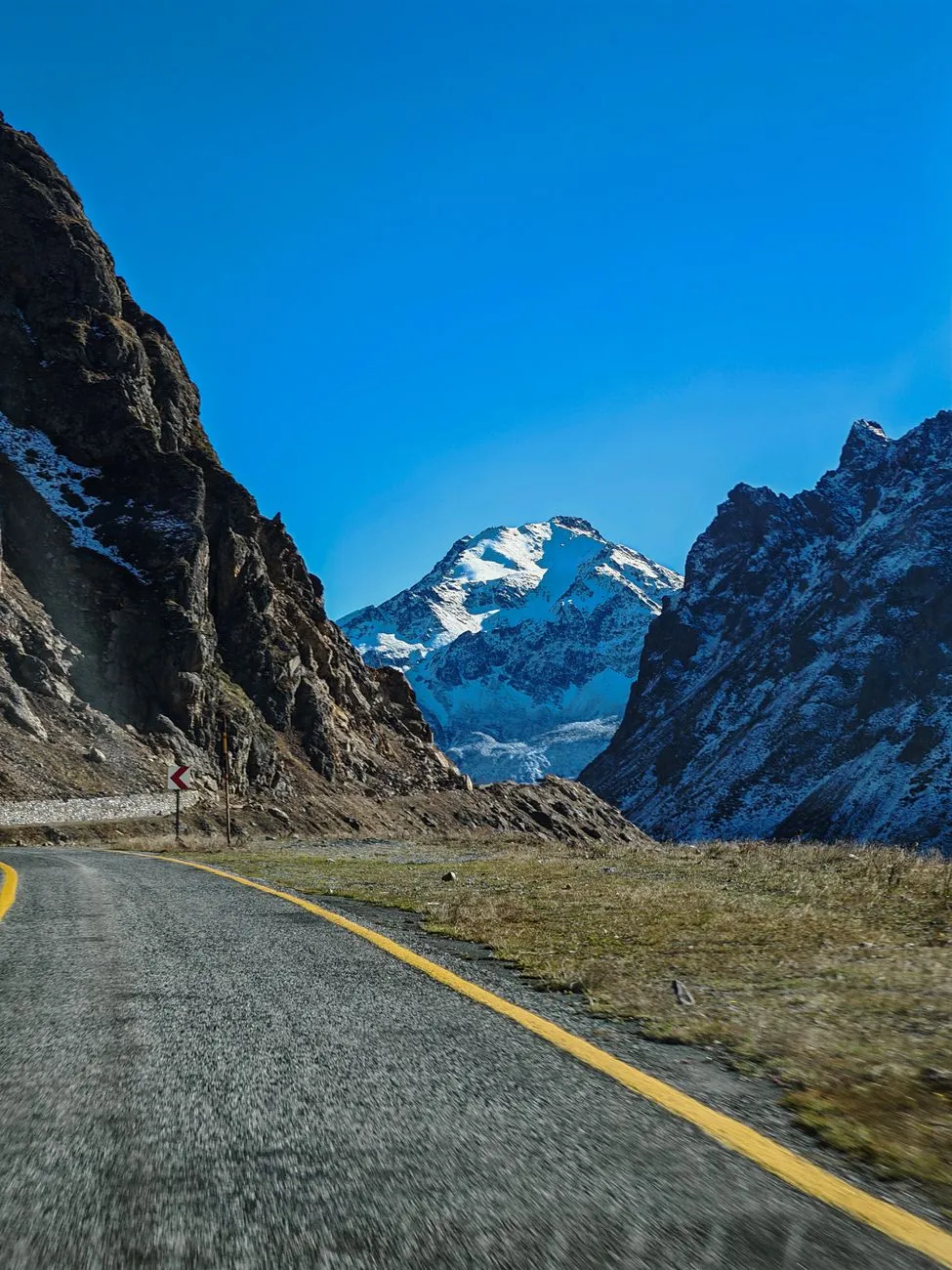
Kashgar’s ancient bazaar awakens long before the first bus rolls toward the Karakoram Highway. The city sits at 1,289 m, a cultural crossroads where Uyghur spices mingle with the scent of fresh naan. From here the highway climbs relentlessly, threading through the Taklamakan’s fringe before surging into the Pamir foothills. Travelers who have driven the Chinese segment describe a rhythm: wide‑open desert flats give way to jagged limestone cliffs, then to alpine meadows dotted with yaks. The road is paved, well‑marked, and maintained by the Xinjiang Transport Bureau, yet the altitude gain is relentless — each 100 km adds roughly 300 m of elevation. Fuel stations are spaced every 150 km; carry at least 20 L of reserve diesel if you plan a self‑drive leg beyond the last major depot at Tashkurgan.
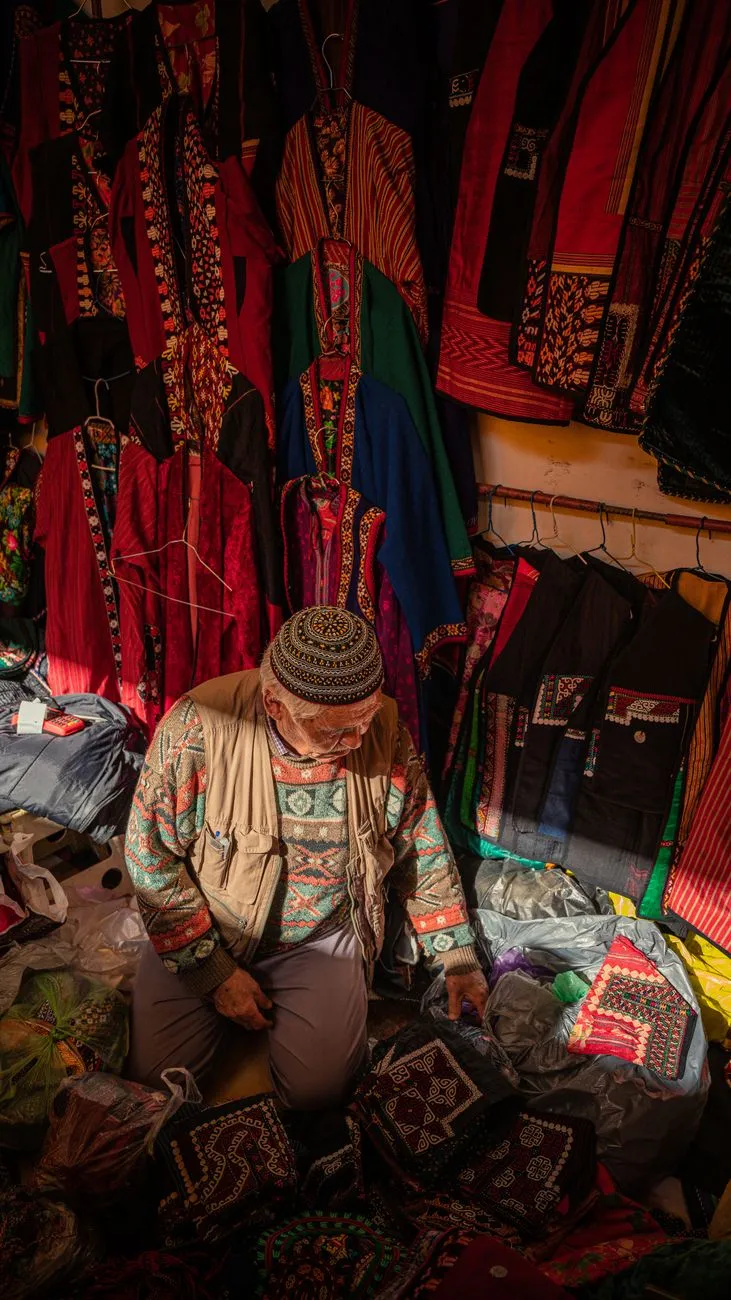
The Chinese section is officially divided into three stages: Kashgar → Yarkand → Tashkurgan → Khunjerab Pass. Yarkand offers a brief respite with its historic mosque and a chance to stock up on dried apricots. Tashkurgan, at 3,200 m, is the last Chinese town before the border; its checkpoint is where the Xinjiang border permit is inspected. The permit, issued by the Kashgar Public Security Bureau, is mandatory for all travelers — Chinese citizens included — and must be presented alongside a valid passport. Processing takes 3‑5 working days; expedited service is available for an extra fee. Keep a printed copy and a digital backup; mobile signal disappears above 4,000 m.
Navigating the Permit Maze: Xinjiang Border Permit & Pakistani Visa
Securing the paperwork is the single most time‑sensitive task. The Xinjiang border permit (often called the “Frontier Pass”) authorizes travel on the highway up to the Khunjerab checkpoint. It is not a visa for Pakistan. For the Pakistani side, most nationalities require a tourist visa obtained through the e‑visa portal (valid 30 days, single entry). The visa application asks for a confirmed hotel booking in Islamabad or a letter of invitation from a Pakistani host.
| Item | Cost (USD) | Notes |
|---|---|---|
| Xinjiang Border Permit (per person) | $30 | Issued by Kashgar PSB; valid 30 days |
| Pakistani Visa (tourist, single entry) | $60 | Apply via e‑visa portal; 30‑day validity |
| Cross‑border Bus Seat (Kashgar‑Sust) | $45 | Fixed schedule, 2‑day journey |
| Vehicle Insurance (if self‑drive) | $120 | Mandatory for foreign plates |
| Miscellaneous (food, fuel surcharge) | $80 | Approx. per person |
The table above reflects 2024‑2025 pricing gathered from official consular sources and on‑ground operators. Note that the bus seat price includes the mandatory overnight stop at the Chinese customs yard in Sust; meals are not covered.
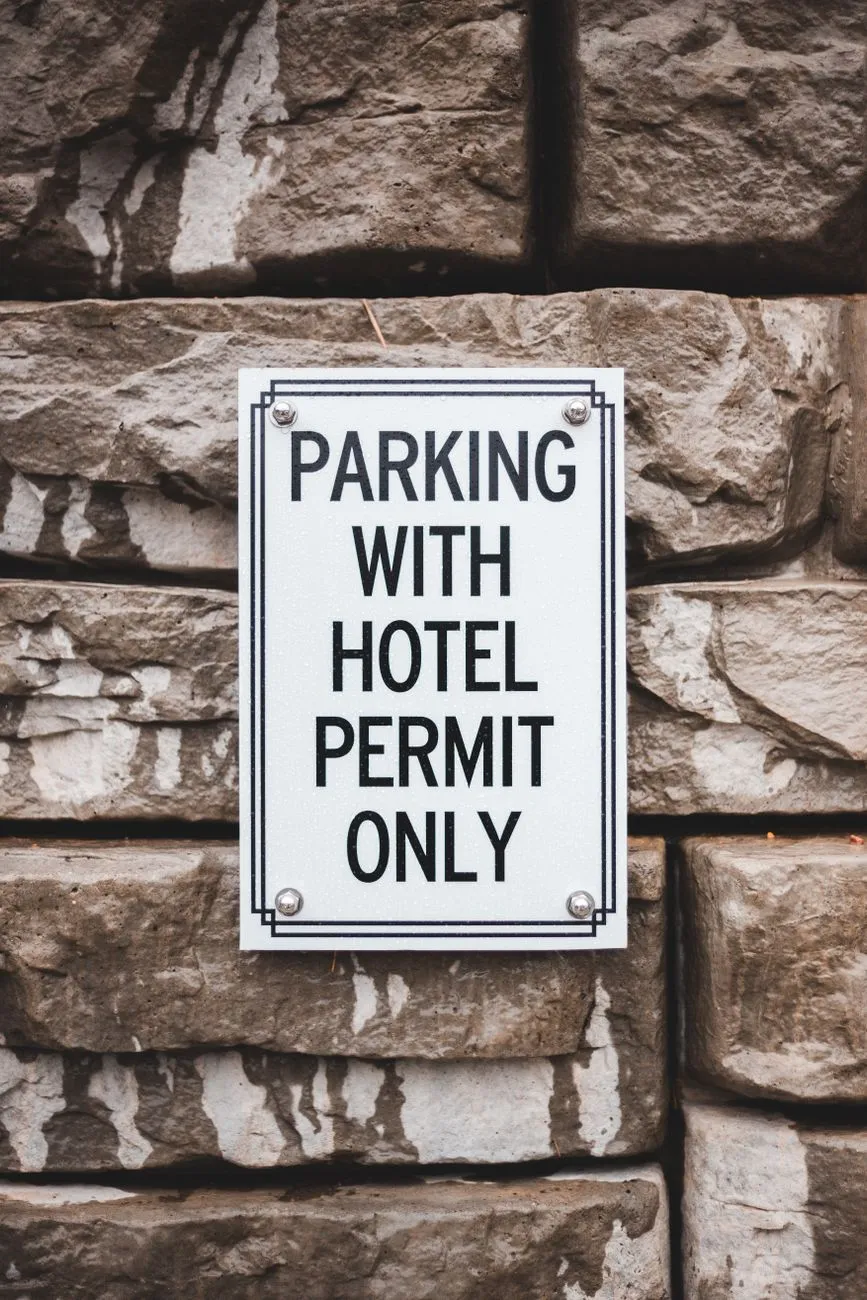
A common pitfall is assuming the permit alone grants entry into Pakistan. The Pakistani immigration officer at Khunjerab will stamp your passport only after verifying the visa, the bus ticket, and a completed embarkation card. If you arrive by private vehicle, you must also present a Carnet de Passage and a temporary import permit issued at the Pakistani customs office in Sust. Failure to produce any of these documents results in immediate denial and a return to the Chinese side — a costly delay given the limited bus frequency.
The Scheduled Bus Ballet: Securing a Seat Across Khunjerab
The cross‑border bus is the only public conveyance that traverses the pass. Operated jointly by China Road Transport and Pakistan’s National Highway Authority, it runs twice weekly (typically Monday and Thursday) from Kashgar’s International Bus Station to Sust, then onward to Gilgit and Islamabad. Seats sell out weeks in advance during the high season (June‑September). Booking is done through the Kashgar station’s ticket window or via authorized travel agencies in Urumqi; online reservation is not yet available.
The journey unfolds in two distinct legs. The first leg (Kashgar → Sust) covers 420 km and takes roughly 14 hours, including a mandatory 2‑hour customs hold at the Chinese checkpoint. The bus is a 45‑seat coach with reclining seats, heating, and a small onboard toilet. Altitude sickness is a real concern; the driver makes a brief stop at 4,200 m for oxygen checks. Carry personal medication (acetazolamide) and stay hydrated.
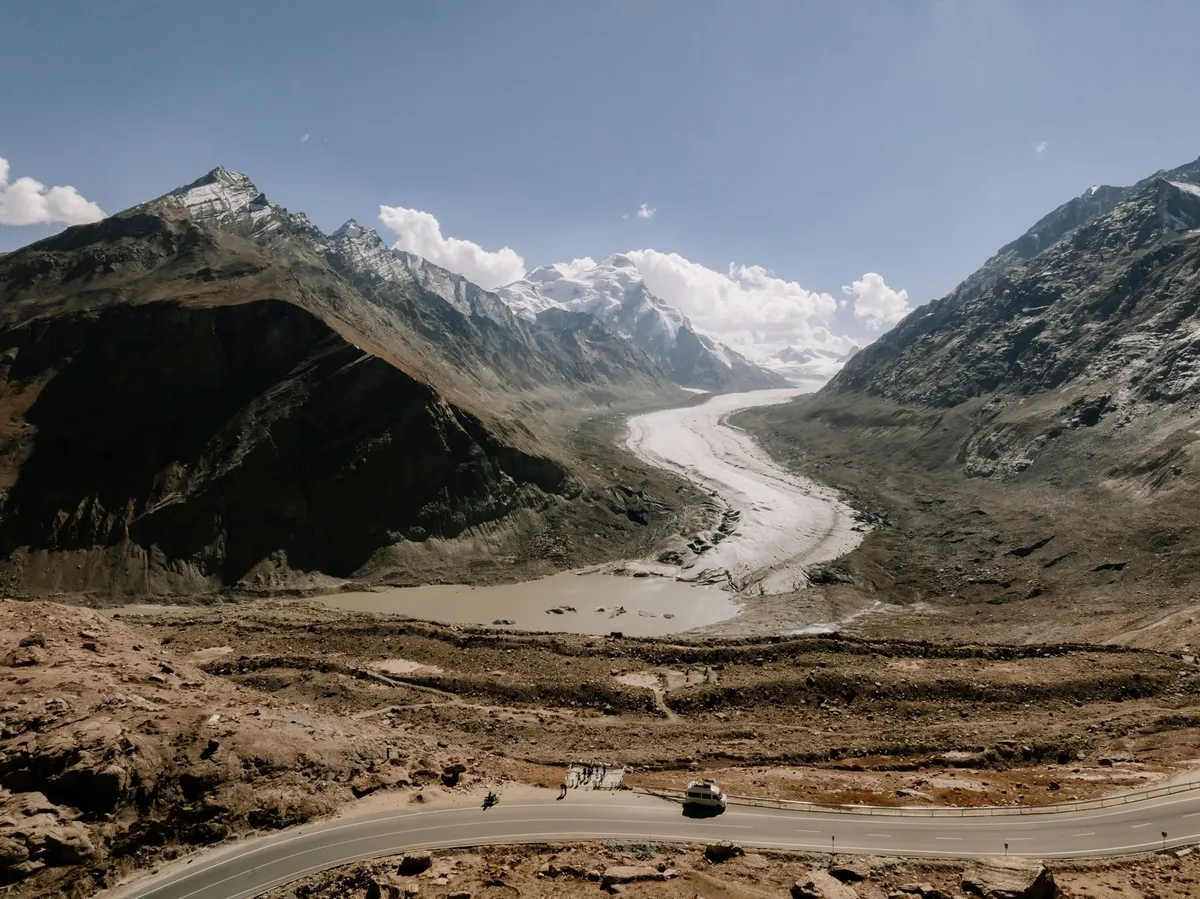
The second leg (Sust → Gilgit → Islamabad) is longer — 1,200 km over 24 hours — and traverses the spectacular Hunza Valley. The bus does not stop at the Khunjerab Pass summit for sightseeing; the border formalities are completed at the Sust customs yard (Chinese side) and the Khunjerab immigration post (Pakistani side). Luggage is screened twice. Travelers report that the Pakistani side’s immigration officers are thorough but courteous; a printed copy of your visa approval email speeds the process.
If you miss the scheduled bus, the only alternatives are chartering a private 4×4 (costly, requires a Chinese driver with a special permit) or waiting up to two weeks for the next departure. Flexibility in your itinerary is therefore essential; build at least a three‑day buffer before any onward flights from Islamabad.
Altitude, Weather, and the Pass: Seasonal Realities at 4,693 m
Khunjerab Pass sits at 4,693 m (15,397 ft), making it the highest paved international border crossing on Earth. The pass is open from 1 May to 31 October, weather permitting. Outside this window, heavy snow and avalanche risk force a complete closure; the Chinese and Pakistani authorities coordinate the exact opening date each year, usually announced in early April.
During the operating season, daytime temperatures hover between 5 °C and 15 °C, while night‑time lows can plunge to –10 °C. UV radiation is intense; broad‑spectrum SPF 50+ sunscreen, UV‑blocking sunglasses, and a wide‑brim hat are non‑negotiable. The thin air reduces oxygen saturation to roughly 55 % of sea‑level values. Acclimatization in Tashkurgan (3,200 m) for at least one night is strongly recommended before attempting the pass.
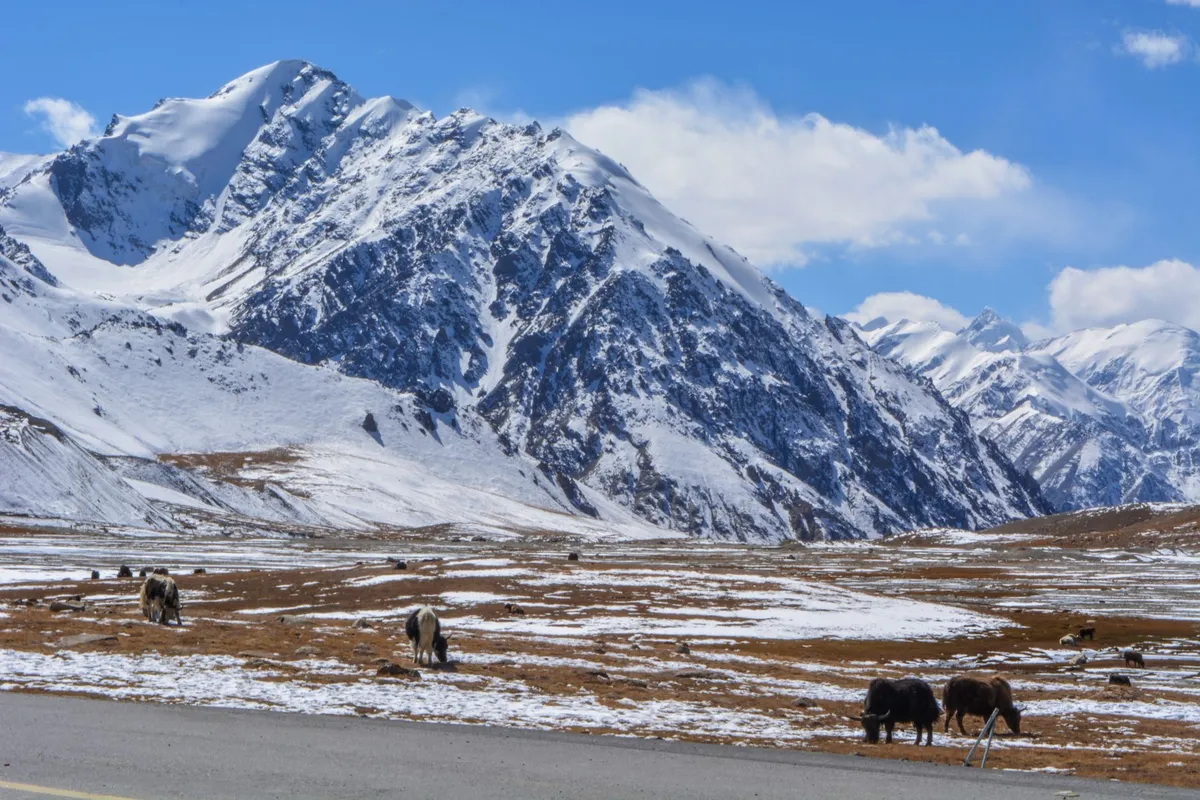
Road conditions are generally good, but sudden rockfalls and ice patches appear without warning, especially after afternoon thunderstorms. The Chinese side maintains a 24‑hour road‑condition hotline ( +86‑998‑123‑4567 ) and posts real‑time updates on the Xinjiang Transport Bureau’s WeChat channel. On the Pakistani side, the National Highway Authority broadcasts alerts via the “NHA Travel” app. Carry a satellite messenger (e.g., Garmin inReach) for emergencies; mobile coverage is non‑existent above 4,000 m.
Travel insurance that covers high‑altitude medical evacuation is mandatory for most foreign nationals. Policies must explicitly list “mountaineering up to 5,000 m” or “high‑altitude travel” as covered activities. Verify the fine print before departure; many standard travel policies exclude altitudes above 3,000 m.
From Sust to Islamabad: The Pakistani Descent Unveiled
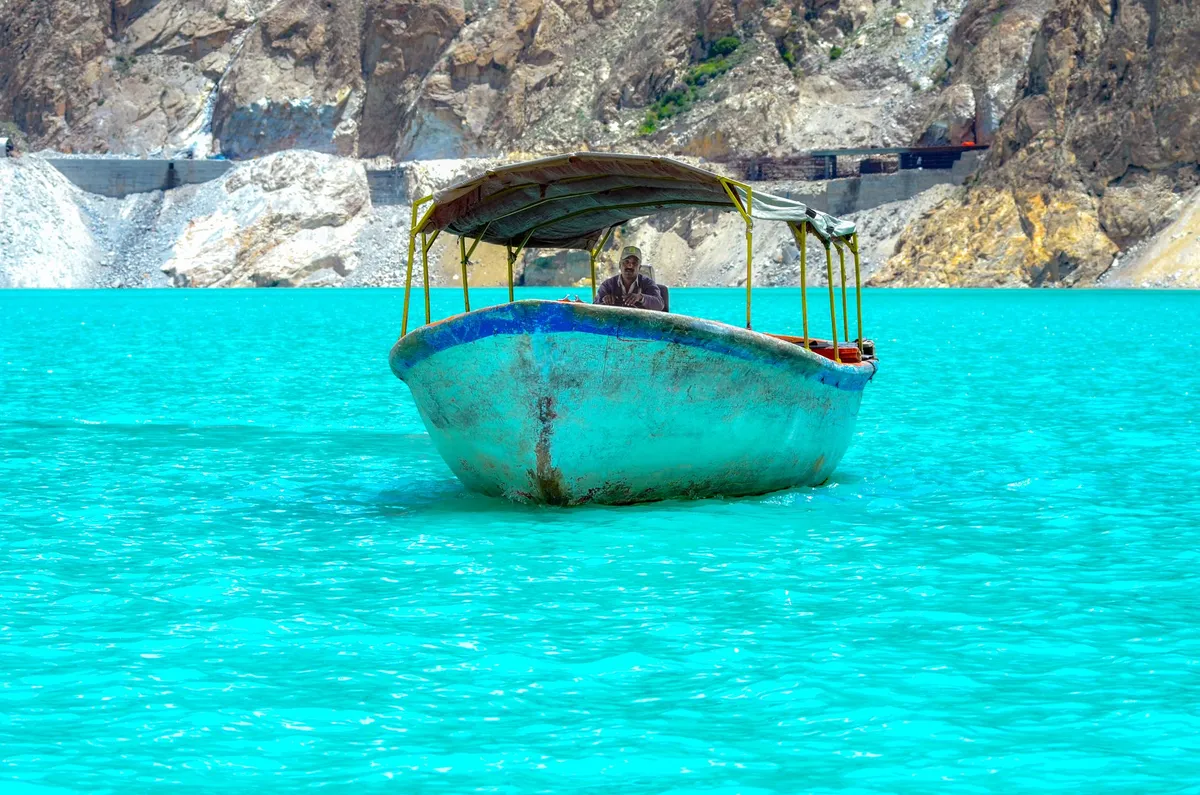
Once the passport receives the Pakistani entry stamp, the bus descends through the Khunjerab National Park, a UNESCO‑listed biosphere reserve home to snow leopards, Marco Polo sheep, and the elusive Himalayan brown bear. The first Pakistani settlement is Sust (2,800 m), a modest customs town with a handful of guesthouses and a basic clinic. The road then follows the Hunza River, carving through dramatic gorges and passing the iconic Attabad Lake — a turquoise reservoir formed by a 2010 landslide.
The Hunza Valley is renowned for its hospitality. Stop at Karimabad to visit the 700‑year‑old Baltit Fort and sample apricot kernel tea. The bus typically pauses for a 30‑minute stretch at the Rakaposhi viewpoint (7,788 m), offering one of the most photographed mountain vistas on the planet. Fuel quality improves after Gilgit; the highway widens to a dual‑carriageway for the final 300 km to Islamabad.
Arrival in Islamabad usually occurs late evening on the second day. The bus terminates at the Pir Wadhai Bus Terminal, where taxis and ride‑hailing services are plentiful. If you have a connecting flight, allow at least three hours for traffic through the capital’s ring road. Many travelers choose to overnight in Islamabad’s diplomatic enclave (F‑7/F‑8) before onward travel, giving a chance to recover from the altitude transition and savor a proper Pakistani breakfast of halwa puri.
Epilogue: The Road Keeps Calling
The Karakoram Highway is more than asphalt; it is a living corridor where history, geology, and human ambition converge. Crossing Khunjerab demands meticulous paperwork, respect for altitude, and patience with the rhythm of a twice‑weekly bus. Yet the reward — standing at the roof of the world, watching the sun paint the Pamirs gold — etches a memory no itinerary can replicate. Prepare thoroughly, travel light, and let the highway write its own story on your passport.
#TravelDiaries #HighAltitudeAd