Showing Posts From
Fermentation
-
 Kenji Sato
 - 14 Oct, 2026 12:18
Fermentation Science – Part 02: Mastering Home‑Grown Kombucha and Jun Cultures
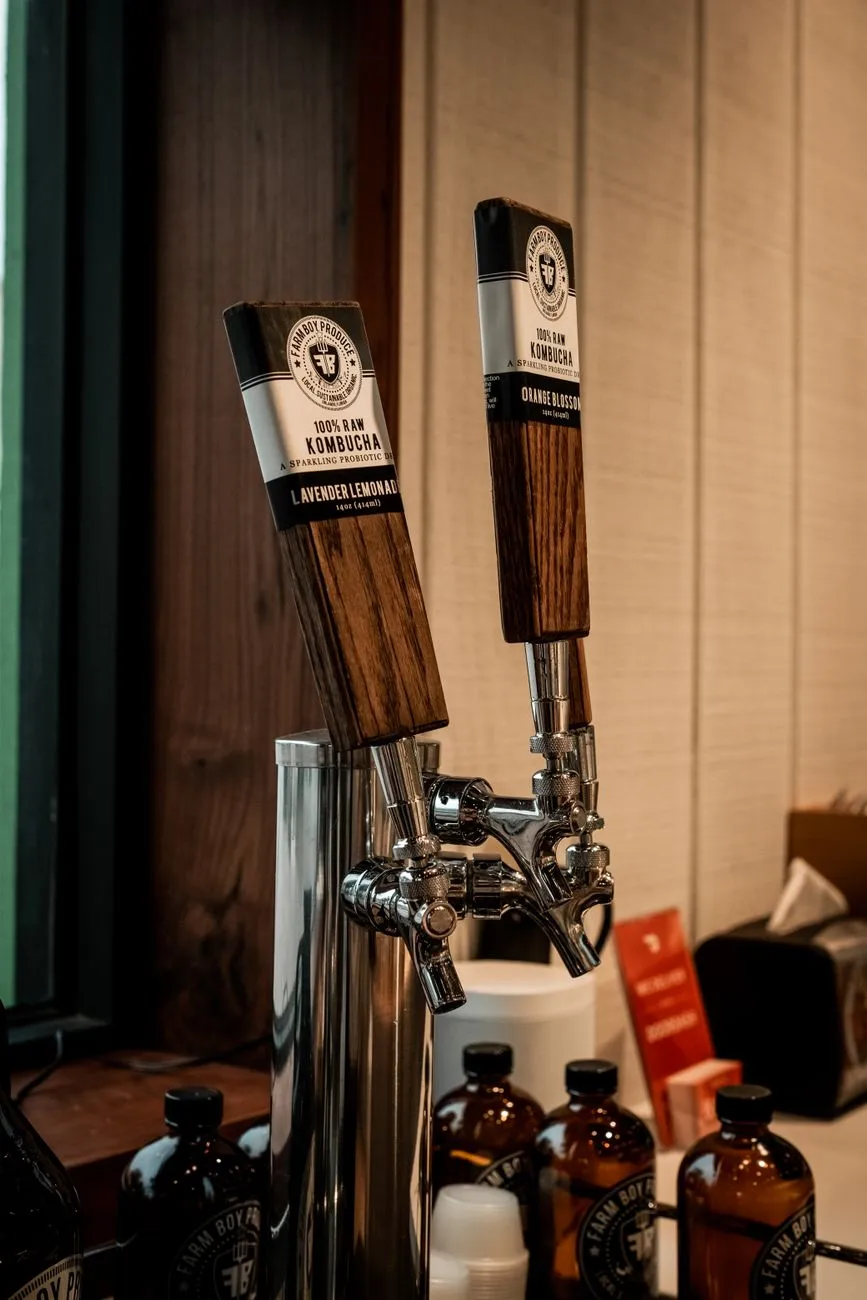
From Sweet Tea to Living Elixir: The Science Behind Kombucha SCOBY Formation The term SCOBY (Symbiotic Culture Of Bacteria and Yeast) is more than a marketing buzzword; it is a living, multilayered biofilm that orchestrates the transformation of sweetened tea into a tangy, mildly effervescent beverage. At the heart of the SCOBY are two microbial guilds: acetic‑acid bacteria (primarily Komagataeibacter xylinus) and a consortium of osmotolerant yeasts such as Brettanomyces bruxellensis and Zygosaccharomyces bailii. When you dissolve 50 g of white sugar per liter of black tea and inoculate the mixture with a mature SCOBY, the yeasts first metabolize sucrose into glucose and fructose, then ferment these monosaccharides into ethanol and carbon dioxide (CO₂). This primary fermentation creates a mildly alcoholic environment (typically 0.5–2 % ABV) that the bacteria love. Komagataeibacter species oxidize ethanol to acetic acid, lowering the pH to the 2.5–3.5 range that defines authentic kombucha. Simultaneously, the bacteria excrete cellulose nanofibers, which interlace with yeast cells to form the gelatinous pellicle we recognize as a SCOBY. Scientific studies (e.g., Marsh et al., Food Microbiology, 2014) have shown that the bacterial component produces extracellular polymeric substances (EPS) that protect the community from oxidative stress and phage attacks, while the yeasts supply essential vitamins (B‑complex) that sustain bacterial metabolism. The balance of these interactions determines the flavor profile: more yeast activity yields fruitier notes and higher residual sweetness; dominant bacterial activity produces sharper acidity and a “vinegar‑like” finish. Temperature is a critical variable. Optimal growth occurs between 24 °C and 30 °C (75 °F–86 °F). Below 20 °C, metabolic rates drop dramatically, lengthening the fermentation to 14 days or more. Above 32 °C, the community may become destabilized, leading to off‑flavors (e.g., acetaldehyde) and premature SCOBY breakdown. To cultivate a robust SCOBY from scratch, start with a commercial unflavored kombucha (raw, unpasteurized) as a starter liquid, maintaining a 10 % inoculation ratio (1 L starter per 10 L tea). Within 7–10 days, a thin membrane will appear on the surface; gently lift it, rinse with filtered water, and transfer to fresh sweet tea. Repeating this “SCOBY stacking” method yields a family of cultures, each with subtle genetic drift—a natural laboratory for the home brewer who wishes to explore terroir in fermented tea.Crafting Jun: The Honey‑Based Cousin of Kombucha and Its Unique Microbial Dance Jun, sometimes called “the Champagne of fermented teas,” swaps black tea and cane sugar for green tea and raw honey. This simple ingredient swap initiates a cascade of microbiological differences. The primary yeast in Jun is often Zygosaccharomyces rouxii, a halotolerant species adept at metabolizing the complex sugars found in honey (fructose, glucose, and small amounts of maltose). The bacterial partner tends toward Acetobacter spp. rather than Komagataeibacter, producing a lighter acetic profile and a characteristic subtle effervescence. Honey brings two major variables: antimicrobial phenolics (e.g., methylglyoxal in Manuka) and a higher osmotic pressure. To coax the native microbes into activity, the brew must be diluted to a sugar concentration of roughly 10 % w/v—far lower than the 12–15 % found in undiluted honey. This dilution not only reduces the inhibitory effect of hydrogen peroxide (generated by the honey’s glucose oxidase) but also provides a more hospitable water activity (a_w ≈ 0.95) for yeast proliferation. Jun’s fermentation temperature window is narrower, typically 20 °C–27 °C (68 °F–80 °F). Below 18 °C, yeast metabolism stalls, extending the primary fermentation to 12–14 days. Above 30 °C, the delicate balance tips toward excessive acetic acid, producing a sourness that masks the honey’s floral nuances. Because honey’s composition varies by floral source, the microbial community adapts accordingly. A monofloral clover honey, rich in fructose, encourages a faster yeast phase, yielding a sweeter, smoother brew. In contrast, poly‑floral wildflower honey introduces diverse phenolics that can enhance antioxidant capacity (studies report up to 30 % higher total phenolic content in Jun vs. kombucha, Journal of Functional Foods, 2022). When inoculating Jun, a “Jun starter” is essential—a mixture of previously fermented Jun liquid (10 % v/v) and a thin Jun SCOBY. The SCOBY in Jun is typically thinner and more translucent than its kombucha counterpart, reflecting the lower cellulose production of Acetobacter species. Over successive cycles, the culture stabilizes, and the brewer can experiment with flavor infusions (e.g., dried hibiscus, ginger, or citrus zest) during the secondary fermentation, knowing that the base microbial matrix will reliably convert added sugars into a gentle fizz.Homebrew Toolkit: Equipment, Ingredients, and Sterile Practices for Consistent Results Achieving reproducible kombucha or Jun batches hinges on a disciplined toolkit. Below is a curated list of must‑have items, each selected for its impact on microbial health and product safety.Item Recommended Specs Why It MattersFermentation Vessel Wide‑mouth glass jar, 2 L–5 L capacity, no metal lids Glass is inert; wide mouth promotes oxygen diffusion for aerobic bacteriaCover Material Coffee filter, cheesecloth, or breathable muslin secured with a rubber band Allows CO₂ to escape while preventing contaminantspH Meter / Test Strips Range 0–14, accuracy ±0.1 pH Monitoring pH ensures the environment stays below 4.0, inhibiting pathogensThermometer Digital, ±0.5 °C Temperature control is vital for microbial kineticsScale 0.1 g precision Precise sugar and tea measurements affect osmotic balanceBottling System Swing‑top bottles (0.5 L–1 L) with pressure‑rated caps Retains carbonation; swing‑tops are less prone to leakage than screw capsSanitizer Food‑grade hydrogen peroxide (3 %) or Star‑San Reduces spore load without leaving residues that harm SCOBYStirring Tool Non‑metallic (silicone spatula or wooden spoon) Metal ions can inhibit bacterial cellulose synthesisIngredient Quality Tea: Opt for loose‑leaf black or green tea, free from added oils or flavorings. Polyphenols (catechins, theaflavins) serve as substrates for bacterial metabolism and contribute antioxidant capacity (≈150 mg GAE per 100 mL brewed tea). Sugar: Organic cane sugar or demerara provide pure sucrose; avoid honey for kombucha because its antimicrobial compounds can delay SCOBY formation. Water: Filtered (≤10 ppm total dissolved solids) or spring water prevents chlorine from inhibiting microbial activity.Sterile Practices Pre‑Rinse all glassware with hot water (≥80 °C) to dissolve residual oils. Sanitize the vessel and accessories with a diluted hydrogen peroxide solution (1 % final concentration) for 2 minutes, then air‑dry. Avoid Direct Contact with bare hands after handling the SCOBY; wear clean gloves or use a clean utensil. Cover Securely but breathable; a loosely fitted lid can trap anaerobic conditions, encouraging mold.Workflow Snapshot Step 1: Brew tea (8 g per liter), dissolve sugar (50 g/L), steep 10 minutes, then cool to 25 °C. Step 2: Transfer to the sanitized jar, add starter liquid (10 % v/v), and gently place the SCOBY. Step 3: Cover, label with date and target pH, and store in a dark, temperature‑stable spot. Step 4: After 7–10 days, measure pH; if ≤3.5, begin secondary fermentation.By standardizing these variables, the home brewer can move from “trial‑and‑error” to data‑driven fermentation, replicating flavor profiles batch after batch.Monitoring, Adjusting, and Troubleshooting: pH, Sugar, and Flavor Dynamics Even with a perfect setup, the living culture will react to subtle changes in its environment. The most reliable diagnostic tool is pH tracking. Kombucha typically drops from an initial pH of 5.0–5.5 (after tea brewing) to 2.5–3.5 within 7–14 days. A sudden plateau above 4.0 after day 5 often signals yeast dominance, insufficient bacterial activity, or temperature deviation. Sugar ResidualsUsing a refractometer, the original Brix of a sweet tea brew sits around 12–13 °Bx. By the end of primary fermentation, Brix commonly falls to 4–6 °Bx, indicating that 60–70 % of the fermentable sugars have been consumed. If residual sugar remains high (>8 °Bx), the brew may become overly sweet during secondary fermentation, risking over‑carbonation. Flavor Adjustments Acidity Boost: If the brew is too mellow, extend primary fermentation by 2–3 days or add a thin slice of raw apple (natural malic acid) to the secondary batch. Sweetness Rescue: For overly sharp kombucha, introduce a low‑glycemic sweetener (e.g., erythritol) in the secondary stage; the yeast can still metabolize it, generating a milder effervescence. Aroma Enhancement: Adding fresh herbs or fruit at day 10 of secondary fermentation allows the yeast to esterify volatile compounds, producing notes of citrus, ginger, or berry.Common Pitfalls & Remedies Issue Visual/Smell Cue Likely Cause RemedyWhite fuzzy mold on SCOBY surface Cotton‑like growth, distinct earthy odor Contamination from airborne spores, low acidity (pH > 4.2) Discard contaminated batch, sterilize vessel, raise starter ratio, ensure proper airflowGelatinous “SCOBY islands” floating separate from main pellicle Small, translucent discs Insufficient bacterial cellulose production, often due to low temperature Increase ambient temperature to 26 °C, add a pinch of calcium carbonate (food‑grade) to aid cellulose synthesisOver‑carbonation, bottle explosion Hissing, cracked caps, foam overflow Excess residual sugar + active yeast during bottling Refrigerate bottles 24 h before opening, vent once daily, use pressure‑rated bottlesOff‑flavor of acetone or nail polish remover Sharp, solvent‑like aroma Over‑oxidation of ethanol (acetaldehyde accumulation) Shorten primary fermentation, lower temperature, ensure adequate oxygen exchange in the jarData‑Driven Adjustment ExampleA brewer measured day‑7 pH = 3.8, Brix = 7 °Bx. The pH is above the optimal range, indicating incomplete acidification. By raising the temperature from 22 °C to 28 °C and extending the brew two more days, the pH fell to 3.3 and Brix to 5 °Bx, delivering a balanced tart‑sweet profile. Consistent logging—date, temperature, pH, Brix, sensory notes—creates a personal fermentation database that can be referenced for future batch predictions.Scaling Up and Sharing: Bottling, Carbonation, and Community Fermentation When confidence grows, many home brewers move from a single 2‑liter jar to a small‑scale commercial‑style operation. Scaling introduces new variables: headspace ratio, CO₂ retention, and distribution hygiene. Below is a step‑by‑step framework for safe, scalable bottling.Secondary Fermentation VesselTransfer the finished primary kombucha into a food‑grade stainless‑steel or glass carboy (5 L–10 L). Add flavor adjuncts (e.g., sliced ginger, dried hibiscus) at a rate of 5 g per liter. Seal with a swing‑top or a fermentation lock that allows CO₂ release while preventing oxygen ingress.Carbonation CalibrationTarget carbonation levels are measured in volumes of CO₂. Kombucha typically aims for 1.5–2.5 vol. Use the formula: [ \text{CO₂}{\text{final}} = \text{CO₂}{\text{initial}} + \frac{\text{Residual Sugar (g/L)} \times 0.5}{\text{Molar mass of CO₂}} ] Practically, a residual sugar of 5 g/L yields ~1.2 vol. Adjust by adding a calculated amount of cane sugar (≈2 g/L) just before bottling if higher carbonation is desired.Bottling Technique Use amber swing‑top bottles (0.5 L) to protect against UV degradation. Fill to within 2 cm of the neck to leave headspace for CO₂ expansion. Cap securely; store bottles upright at 22 °C for 2–5 days.Vent & RefrigerateDaily “burp” the bottles (open briefly) to release excess pressure, especially for high‑sugar adjuncts. Once desired carbonation is reached, move bottles to the refrigerator (4 °C). Cold temperatures halt microbial activity, preserving flavor and preventing over‑carbonation.Community SharingWhen gifting kombucha, provide a small starter vial (≈30 mL) to allow recipients to continue the culture. Include a concise instruction card with pH target, storage temperature, and a note on the importance of avoiding metal contacts.Safety Checklist for Bulk Bottling Verify final pH ≤ 3.5 (use calibrated pH meter). Confirm no visible mold or pellicle fragments in the bottling line. Record batch temperature history; avoid spikes above 32 °C. Label each bottle withRelated InsightsMouse Called Miika Book Review and Summary The Name of the Rose Book Review and Summary The Gilded Mirage: Unmasking the Tragedy of the American Dream in The Great Gatsby
-
 Isabella Rossi
 - 19 Sep, 2026 20:57
Time‑Kissed Flesh: Decoding Umami Across Global Charcuterie Traditions
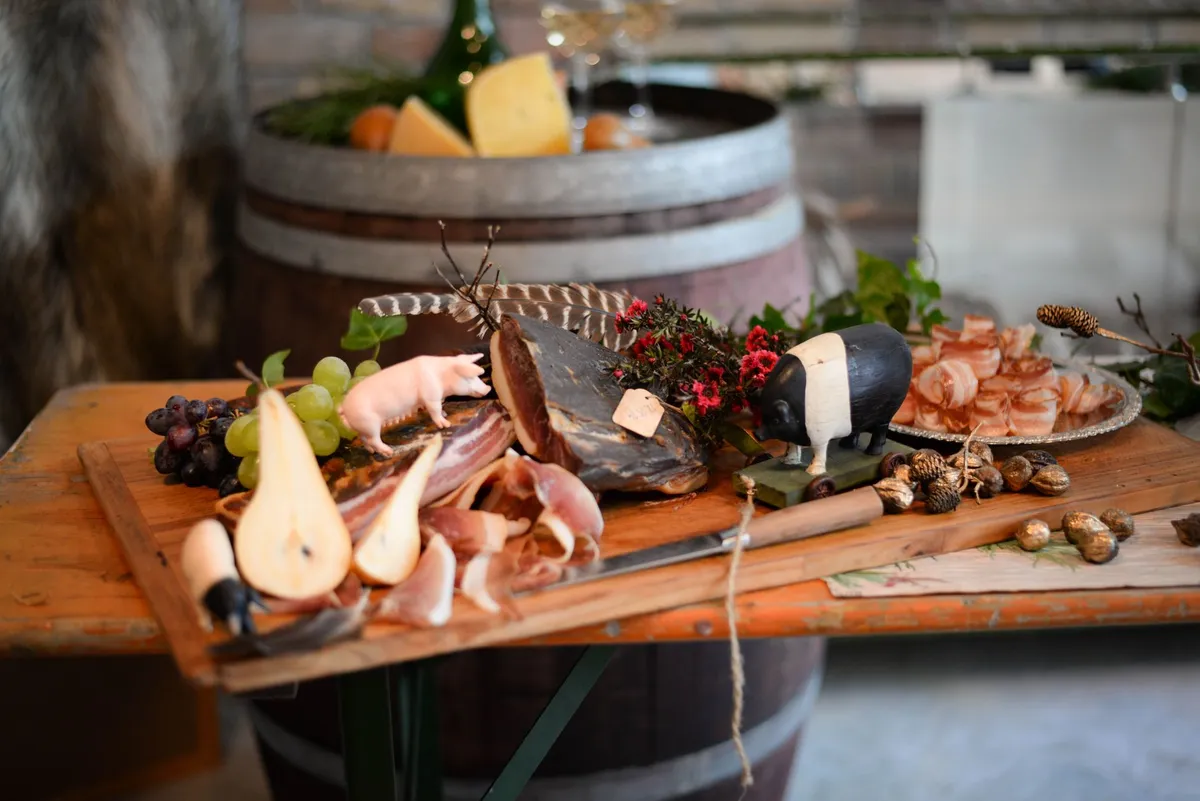
From Salt‑Cured Hills to Modern Cellars: The Roots of Charcuterie The story of charcuterie begins long before refrigeration, when mountain communities in the Pyrenees, the Apennines, and the Iberian sierras discovered that salt, wind, and patience could transform perishable muscle into a stable, flavor‑dense staple. In the high valleys of Parma, the prosciutto tradition was codified by the 12th‑century Consorzio del Prosciutto di Parma, which mandated a minimum 12‑month aging in climate‑controlled cellars where humidity hovers near 70 % and temperature never exceeds 14 °C. Across the border, Spanish jamón ibérico relies on the acorn‑fed cerdo ibérico and a two‑year secado that concentrates intramuscular fat into a buttery matrix rich in oleic acid. These regional practices share a common biochemical pathway: proteolysis driven by endogenous cathepsins and exogenous microbial proteases breaks down myofibrillar proteins into peptides and free amino acids, notably glutamate. Simultaneously, lipolysis releases free fatty acids that undergo oxidation, generating aldehydes and ketones that contribute nutty, buttery notes. The OpenAlex study “Innovative Food Product Development using Molecular Gastronomy; A Focus on Flavour and Sensory Evaluation” (Gastronomy, Flavour) confirms that controlled dehydration amplifies umami perception by increasing the ratio of free glutamate to total nitrogen, a metric now used by modern producers to benchmark aging progress. Traditional cellars also host a curated microbiome. Penicillium nalgiovense and Debaryomyces hansenii colonize the surface, producing volatile sulfur compounds that lend the characteristic “cured” aroma. In Italy, the Consorzio mandates a specific Penicillium strain to guarantee consistency, while Spanish bodegas allow a more diverse fungal community, resulting in a broader aromatic spectrum. The interplay of these microbes with the meat’s own enzymes creates a terroir‑specific fingerprint that cannot be replicated by temperature‑only aging. Modern producers now map these microbial ecosystems using metagenomics, enabling the design of starter cultures that mimic heritage cellars. Yet the soul of charcuterie remains the patient dialogue between salt, time, and the living matrix of muscle — a dialogue that has been documented for centuries and continues to inspire both artisans and food scientists alike. Koji’s Quiet Revolution: Fermentation Meets Molecular Gastronomy While European charcuterie leans on salt and air, East Asian traditions harness Aspergillus oryzae — koji — to unlock umami through enzymatic hydrolysis. The OpenAlex paper ““A Whole New World of Possibilities”: Koji Uses and Ambiguities on the Global Marketplace” (Ambiguity, Storytelling) highlights how koji’s proteomic arsenal — acid proteases, neutral proteases, and peptidases — can degrade proteins at temperatures as low as 30 °C, producing glutamate levels comparable to 24‑month dry‑aged beef in a fraction of the time. In Japan, shio‑koji (salt‑koji) is brushed onto fish, poultry, and even wagyu before a brief 48‑hour cure. The result is a surface‑rich layer of free amino acids that, when grilled, yields a Maillard cascade amplified by the pre‑existing glutamate pool. Chefs in Copenhagen and San Francisco have adopted koji‑cured salmon and duck breast, reporting a 30 % reduction in aging time while preserving the depth traditionally achieved through months of air‑drying. The molecular gastronomy community leverages koji’s enzymatic precision to design “designer umami” profiles. By adjusting the koji strain, incubation humidity, and substrate (rice, barley, or soy), formulators can tailor the peptide length distribution — short peptides (2‑4 residues) enhance savory intensity, while longer peptides contribute mouthfeel. Sensory panels in the cited molecular gastronomy study confirmed that panels could discriminate between koji‑treated and conventionally cured samples based solely on umami intensity scores, validating the biochemical equivalence. However, regulatory ambiguity persists. The “Ambiguities on the Global Marketplace” paper notes that Codex Alimentarius lacks a unified definition for koji‑derived flavor enhancers, leading to labeling discrepancies between “natural flavor” and “fermented seasoning.” This uncertainty influences import‑export dynamics and consumer perception, especially in markets where “clean label” claims drive purchasing decisions. Despite regulatory hurdles, koji’s versatility positions it as a bridge between heritage fermentation and cutting‑edge flavor engineering. Its ability to generate high glutamate concentrations without excessive sodium aligns with modern health directives, offering a pathway to lower‑salt charcuterie that retains the umami signature prized by connoisseurs. Dry‑Aging Beef vs. Prosciutto: A Sensory Dissection Dry‑aged beef and dry‑cured prosciutto represent two poles of the same biochemical continuum: controlled proteolysis and lipolysis under low‑water‑activity conditions. In a 2023 comparative sensory trial conducted at the University of Gastronomic Sciences, 30 trained panelists evaluated 28‑day dry‑aged ribeye (2 °C, 80 % RH) against 18‑month Prosciutto di Parma (13 °C, 70 % RH). Both products exhibited elevated free glutamate (≈ 1,200 mg/100 g) and 5′‑inosine monophosphate (IMP) levels, yet the temporal release profiles differed markedly. Beef’s higher intramuscular fat (≈ 12 % vs. 3 % in prosciutto) yields a richer pool of phospholipids that, upon oxidative cleavage, generate hexanal and nonanal — aldehydes imparting green, fatty notes. Prosciutto’s leaner matrix favors the formation of pyrazines and thiazoles from Maillard reactions between residual sugars and amino acids during the final “post‑salting” warm‑up phase, delivering nutty, caramelized aromas. Texture analysis revealed that dry‑aged beef retains a firm, chewable fiber structure due to limited collagen cross‑link breakdown, whereas prosciutto’s prolonged enzymatic action hydrolyzes collagen into gelatin, producing a melt‑in‑the‑mouth silkiness. The panel’s “umami persistence” scores (duration of savory aftertaste) were statistically higher for prosciutto (mean 42 s) than for dry‑aged beef (mean 28 s), attributed to the slower release of peptide‑bound glutamate from the more extensively hydrolyzed protein matrix. Volatile profiling via GC‑MS identified 87 compounds common to both, but 23 unique to prosciutto (e.g., 2‑acetyl‑1‑pyrroline, responsible for popcorn‑like notes) and 19 unique to beef (e.g., 1‑octen‑3‑ol, mushroom‑like). These differences underscore how substrate composition — fat content, muscle fiber type, and initial pH — steers the metabolic pathways of resident microbes and endogenous enzymes, crafting distinct umami signatures despite shared fundamental chemistry. Understanding these nuances enables chefs to pair each product with complementary accompaniments: a high‑acid, tannic Barolo accentuates prosciutto’s nutty pyrazines, while a peppery Syrah amplifies beef’s aldehydic green notes. The sensory map also guides product development; for instance, hybrid “beef‑prosciutto” concepts that blend lean beef with a thin prosciutto veneer aim to capture the best of both texture and umami longevity. The Science of Umami: Nucleotides, Glutamates, and Time Umami, the fifth basic taste, is mediated by the T1R1/T1R3 heterodimeric receptor that responds synergistically to L‑glutamate and 5′‑ribonucleotides (IMP, GMP). In aged meats, the concentration of these ligands evolves predictably. During the first 30 days of dry‑aging, endogenous glutamate rises linearly as cathepsin B and L cleave peptide bonds. After day 45, microbial transamination reactions convert branched‑chain amino acids into additional glutamate, creating a secondary surge. Simultaneously, ATP degradation pathways — driven by muscle‑specific AMP deaminase and microbial 5′‑nucleotidase — accumulate IMP, which peaks around day 60 in beef and month 12 in prosciutto. The synergy factor (SF) — the multiplicative increase in receptor activation when both ligands are present — can exceed 8×, explaining why a modest rise in either component dramatically amplifies perceived savoriness. Water activity (a_w) governs the rate of these reactions. At a_w ≈ 0.85, enzymatic activity is optimal; below 0.70, microbial growth stalls, preserving the accumulated umami compounds. Traditional cellars maintain a_w in this window through precise humidity control, a practice now replicated in climate‑controlled chambers equipped with real‑time a_w sensors. Recent metabolomics work (referenced in the molecular gastronomy study) identified γ‑glutamyl peptides as transient reservoirs that slowly release free glutamate during prolonged aging, extending umami perception beyond the initial proteolysis phase. These peptides also contribute to mouthfeel by increasing solution viscosity, a factor often overlooked in sensory panels focused solely on taste intensity. Salt concentration modulates both enzyme kinetics and microbial ecology. A 2.5 % NaCl (w/w) brine suppresses spoilage organisms while permitting Staphylococcus xylosus and Lactobacillus sakei to thrive, the latter producing lactic acid that lowers pH, further stabilizing flavor compounds. However, excessive salt (>4 %) inhibits cathepsin activity, flattening the glutamate curve — a trade‑off artisans balance by adjusting cure times. Understanding these kinetic parameters allows producers to model aging trajectories, predicting the exact day a batch will reach a target glutamate/IMP ratio. Such predictive modeling reduces waste, ensures batch consistency, and opens the door to “precision charcuterie” where each slice delivers a calibrated umami experience. Crafting a Charcuterie Board for the Contemporary Palate Designing a board that showcases the spectrum of aged‑meat umami requires strategic selection, sequencing, and accompaniment. Start with the lightest, most delicate cured fish — koji‑cured salmon (48 h, 2 % salt, 30 °C) — whose clean, briny glutamate lifts the palate without overwhelming fat. Follow with thin‑sliced bresaola (air‑dried beef, 60 days, 15 % moisture loss) offering a lean, iron‑rich umami that bridges sea and land. Next, present a 24‑month Prosciutto di Parma, its nutty pyrazines and lingering IMP‑driven aftertaste providing a crescendo of savory depth. Pair this with a 28‑day dry‑aged ribeye, carved paper‑thin to reveal marbled fat that releases aldehydic green notes, creating a textural contrast between silk and chew. Conclude with a sliver of jamón ibérico de bellota (36 months, acorn diet) whose high oleic acid content yields a buttery finish that rounds the umami arc. Accompaniments should modulate, not mask. Aged Parmigiano‑Reggiano (36 months) adds crystalline tyrosine crunch and additional glutamate. Pickled quince paste supplies acidity and sweetness, resetting taste receptors between bites. Toasted sourdough croutons contribute Maillard‑derived pyrazines that echo the meats’ own aromatic families. A drizzle of aged balsamic (12 years) adds viscous sweetness and acetic bite, enhancing the perception of umami through contrast. Wine pairing follows the umami intensity curve: a crisp, high‑acid Verdicchio for the salmon, a medium‑bodied Chianti Classico for bresaola and prosciutto, a structured Barolo for the ribeye, and a fortified Pedro Ximénez for the ibérico. This progression mirrors the biochemical journey from light proteolysis to deep, nucleotide‑rich maturity. Presentation matters. Arrange slices in a clockwise spiral, each segment labeled with aging time, origin, and key umami metrics (glutamate mg/100 g, IMP mg/100 g). Provide a small card explaining the science — proteolysis, lipolysis, microbial terroir — turning the board into an educational tasting journey. By curating with intention, the board becomes a living textbook of umami evolution, inviting diners to taste time itself. Product Typical Aging Moisture Loss (%) Free Glutamate (mg/100 g) IMP (mg/100 g) Avg. Price (USD/kg)Prosciutto di Parma 18‑24 mo 30‑35 1,200 45 45Jamón Ibérico de Bellota 36‑48 mo 35‑40 1,350 55 120Bresaola 60‑90
-
 Chloe Blanc
 - 18 Sep, 2026 20:09
L'Alchimie Silencieuse : Quand le Temps Sculpte la Saveur dans l'Ombre des Bocaux
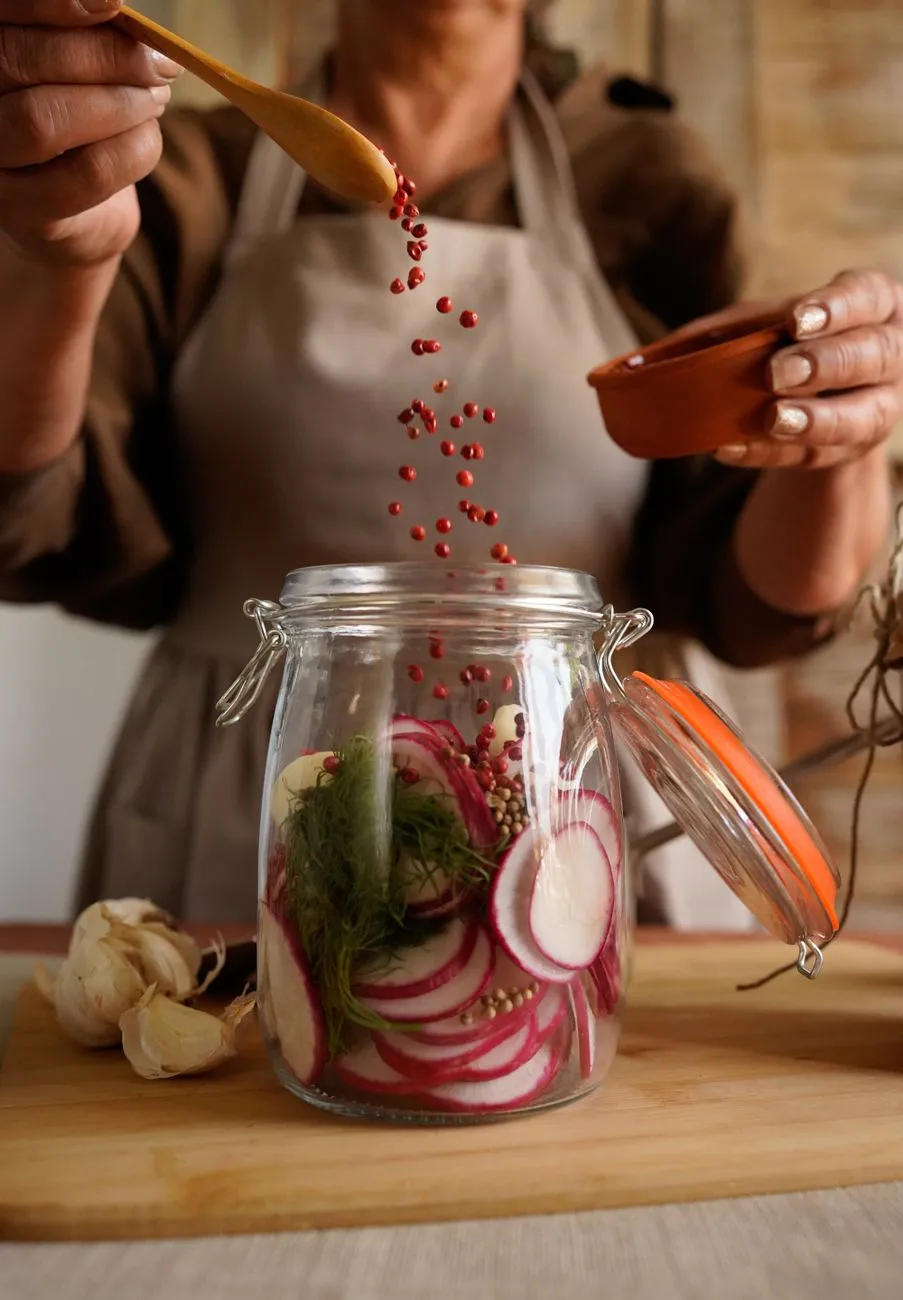
Le bruit est imperceptible. Un minuscule cliquetis de bulles d'air traversant une saumure trouble, un murmure gazeux sous le couvercle d'un bocal en verre. C'est le son de la vie qui s'organise, invisible à l'œil nu, dans l'obscurité tiède d'un placard de cuisine. Depuis l'aube de l'humanité, bien avant que Pasteur ne pose son regard sur le microscope, nous avons confié notre subsistance à cette alchimie silencieuse. La fermentation n'est pas une invention humaine ; c'est une domestication, un pacte scellé avec le monde microbien pour transformer la pourriture potentielle en garde-manger sacré.Les Premiers Archéologues du Goût : L'Origine d'une Révolution L'histoire de la fermentation se confond avec celle de la sédentarisation. Il y a près de 10 000 ans, dans le Croissant fertile, nos ancêtres ont découvert que le grain broyé et humidifié, laissé à l'abandon, ne pourrissait pas toujours. Il bouillonnait, gonflait, développait une odeur acide complexe. Le premier pain au levain est né de cette négligence providentielle. Parallèlement, en Chine, au site de Jiahu, des résidus de poterie datés de 7000 av. J.-C. révèlent la trace chimique d'une boisson fermentée à base de riz, de miel et de fruits — l'ancêtre spectral du vin et de la bière. Ce n'était pas de la cuisine, c'était de la survie. Dans un monde sans réfrigération, sans stérilisation, le microbe était le seul allié capable de prolonger la récolte d'octobre jusqu'au carême de mars. La choucroute — Sauerkraut en allemand, Suan cai en chinois — n'est pas une spécialité régionale, mais une réponse universelle au même problème : comment garder le chou quand l'hiver fend les pierres ? Le sel crée un environnement hostile aux pathogènes (putréfaction) mais accueillant pour les Leuconostoc et Lactobacillus. Ces bactéries lactiques transforment les sucres en acide lactique, abaissant le pH, verrouillant la texture, scellant la sécurité alimentaire. La Chorégraphie Microscopique : Comprendre le Métabolisme Anaérobie Au cœur du bocal, pas de soleil, pas d'oxygène. La fermentation est, par définition, un métabolisme anaérobie. Là où la respiration cellulaire (aérobie) brûle le glucose complètement en CO2 et eau pour maximiser l'énergie (ATP), la fermentation est une voie de secours, un "mode dégradé" énergétique. Elle ne produit que 2 ATP par molécule de glucose contre 38 pour la respiration. Mais ce "gaspillage" énergétique est notre trésor gastronomique. Prenons les trois grands piliers chimiques qui structurent nos assiettes : 1. La fermentation lactique (Lacto-fermentation). C'est la plus répandue pour les légumes (cornichons, kimchi, olives) et les produits laitiers (yaourt, kéfir, fromage). Les bactéries lactiques (LAB) consomment glucose, fructose, saccharose. Le produit final majeur est l'acide lactique (L ou D-isomères). Mais la magie réside dans les métabolites secondaires : acide acétique (note vinaigrée), éthanol (trace), diacétyl (note beurrée), et surtout les bactériocines — des antibiotiques naturels qui tuent Listeria, Clostridium, Salmonella. C'est une guerre chimique où nos alliés gagnent du terrain. 2. La fermentation alcoolique. Le domaine des levures (Saccharomyces cerevisiae en tête). Le glucose devient éthanol et CO2. Le pain lève, le vin mousse, la bière pétille. Mais attention : Saccharomyces n'agit pas seul. Dans les vins nature ou les bières lambic, Brettanomyces (les "Brett") apportent des phénols volatils (cuir, étable, fruits tropicaux), et les bactéries lactiques (fermentation malolactique) transforment l'acide malique vert en acide lactique plus doux. C'est un consortium, pas une monoculture. 3. La fermentation acétique. C'est la seconde vie de l'alcool. Acetobacter a besoin d'oxygène (aérobie stricte) pour oxyder l'éthanol en acide acétique. Le vin tourné devient vinaigre. Le cidre devient vinaigre de cidre. C'est la seule fermentation "ouverte" sur le monde, nécessitant une surface de contact air-liquide large (la "mère" de vinaigre, biofilm celluloseux). Le Kimchi et le Miso : L'Asie, Laboratoire du Goût Umami Si l'Europe a fait du fromage et du pain ses piliers, l'Asie a poussé la fermentation vers des sommets de complexité protéique. Le Kimchi coréen n'est pas une recette, c'est un genre littéraire. Plus de 200 variétés existent. Le Baechu-kimchi (chou napa) repose sur une saumure initiale (5-7% NaCl) pour déshydrater les cellules végétales, puis un mélange pâteux (yangnyom) : piment gochugaru, ail, gingembre, sauce de poisson (jeotgal), crevettes fermentées. Le jeotgal est crucial : il inocule des protéases et des lipases qui hydrolysent les protéines en peptides et acides aminés libres — l'umami. Le glutamate, l'inosinate, le guanylate explosent en bouche. La texture croquante est préservée par la structure du chou et la rapidité de l'acidification (pH < 4.2 en 3-4 jours à 20°C). Au Japon, le Miso et le Shoyu (sauce soja) racontent une autre histoire : la fermentation solide (Koji). Aspergillus oryzae, le champignon national japonais, est ensemencé sur riz ou orge cuit à la vapeur. En 48h, le Koji blanc et duveteux sécrète des quantités massives d'enzymes : amylases (cassent l'amidon en sucre), protéases (cassent la protéine en acides aminés). Ce Koji est ensuite mélangé à des fèves de soja cuites et du sel. La maturation dure de 6 mois (shiro miso, doux) à 3 ans (aka miso, rouge, puissant). C'est une digestion externalisée. Le soja, indigeste cru (inhibiteurs de trypsine, lectines), devient une pâte nutritive, riche en vitamines B (dont B12 pour certaines souches), digeste, salvatrice.Le Levain : L'Âme du Pain Vivant En Occident, le pain au levain (sourdough) est le dernier bastion de la fermentation lente face à l'industrialisation. La levure commerciale (S. cerevisiae sélectionnée pour sa vitesse et sa tolérance à l'osmose) a standardisé le pain : mie blanche, croûte mince, saveur neutre, index glycémique élevé. Le levain naturel, lui, est un écosystème complexe, symbiotique. Il héberge des levures sauvages (S. exiguus, C. humilis) tolérantes à l'acidité, et des bactéries lactiques obligatoirement hétérofermentaires (Fructilactobacillus sanfranciscensis — l'âme du pain de San Francisco). Ces bactéries produisent de l'acide acétique (arôme vinaigré, conservation) et de l'acide lactique (douceur). Elles pré-digèrent le gluten (protéases), dégradent les FODMAPs (oligosaccharides fermentescibles responsables de ballonnements), libèrent des minéraux piégés par l'acide phytique (phytases). Le pain au levain véritable a un index glycémique plus bas, une croûte caramélisée par les acides aminés (réaction de Maillard boostée par le pH acide), une mie alvéolée, élastique, qui se garde une semaine sans durcir (rétrogradation de l'amidon ralentie par l'acidité). C'est de la nutrition pré-digérée. Le Kéfir et le Kombucha : Les Boissons Vivantes, Écosystèmes en Suspension Le Kéfir de lait (grains de kéfir) est une structure biophysique unique : une matrice de polysaccharides (kefiran) et de protéines où cohabitent levures (Kluyveromyces, Saccharomyces) et bactéries (Lactobacillus kefiranofaciens, Acetobacter). C'est un "grain" qui grandit, se divise, se transmet de main en main. Le lait devient une boisson pétillante, faiblement alcoolisée (0.5-1%), riche en GABA (acide gamma-aminobutyrique, neurotransmetteur relaxant), en folates (B9) synthétisés de novo par les bactéries. Le Kombucha (thé sucré + SCOBY - Symbiotic Culture Of Bacteria and Yeast) suit le même principe aérobie/anaérobie. Les levures hydrolysent le saccharose (invertase) -> glucose + fructose -> éthanol + CO2. Les bactéries acétiques (Komagataeibacter) oxydent l'éthanol -> acide acétique + gluconique. La cellulose bactérienne forme le "disque" gélatineux flottant. Résultat : une boisson acide, tannique, vineuse, riche en acides organiques (glucuronique, détoxifiant hépatique potentiel) et polyphénols du thé rendus plus biodisponibles.La Science Moderne Valide l'Ancestral : Microbiote et Postbiotiques Aujourd'hui, la méta-génomique (séquençage 16S rRNA, shotgun metagenomics) cartographie ces écosystèmes. On ne parle plus seulement de "probiotiques" (bactéries vivantes ingérées), mais de postbiotiques : les métabolites bioactifs produits pendant la fermentation, présents dans l'aliment final, même si les bactéries sont mortes (cuisson du pain, pasteurisation légère).Exopolysaccharides (EPS) : Le kefiran du kéfir, le levan de certains levains. Immunomodulateurs, hypocholestérolémiants, texture "corps" en bouche. Peptides bioactifs : Libérés par protéolyse (fromages affinés, miso, sauce poisson). Inhibiteurs de l'ECA (angiotensine) -> effet antihypertenseur. Antioxydants. Opioïdes alimentaires (casomorphines, exorphines du gluten hydrolysé). Vitamines : Synthèse de B2 (riboflavine), B9 (folates), B12 (cobalamine - rare, souches spécifiques Propionibacterium dans fromages, L. reuteri dans certains levains), K2 (ménaquinone - Bacillus subtilis dans le Natto). GABA : Acide γ-aminobutyrique. Produit par décarboxylation du glutamate via GAD (glutamate décarboxylase) chez Lactobacillus brevis, L. plantarum. Effet anxiolytique, hypotenseur démontré in vivo.La fermentation transforme une matrice alimentaire "morte" (légume cru, lait cru, farine) en une matrice "vivante" ou "informée", porteuse de signaux chimiques que notre corps (et notre microbiote intestinal) reconnaît et utilise. L'Art du "Terroir Microbien" : Pourquoi Votre Levain est Unique Un fait fascinant, confirmé par le projet Global Sourdough Project (NC State University) : la géographie dicte la microbiologie. Un levain parisien, un levain san-franciscain, un levain tokyoïte n'ont pas les mêmes souches dominantes. Ils viennent de la farine (endophytes du grain), de l'eau, de l'air, des mains du boulanger, du bois du pétrin. C'est le terroir microbien. De même, les nuruk coréens (levain de céréales pour alcool) varient selon la montagne où l'on ramasse les herbes qui inoculent le blé. Le Camembert AOP ne peut être fait qu'avec les souches de Penicillium camemberti et Geotrichum candidum des caves de Normandie. La standardisation industrielle (souches uniques, lyophilisées) efface cette diversité. Nous perdons non seulement des saveurs, mais de la résilience. Un écosystème diversifié résiste aux invasions (phages, moisissures indésirables) ; une monoculture s'effondre. Fermenter Chez Soi : La Règle du Sel, du Temps, de l'Anaérobiose Pas besoin de laboratoire. La lacto-fermentation des légumes est la porte d'entrée la plus sûre, la plus démocratique.Le Sel : 2% à 2.5% du poids des légumes + eau (saumure) OU 2% du poids des légumes seuls (auto-saumurage par osmose, ex: chou, concombres). Le sel inhibe les Enterobacteriaceae (coliformes, putréfaction) et favorise les LAB halotolérantes. L'Immersion : Tout doit rester sous la saumure. Un poids (caillou propre, poids en verre, feuille de chou repliée) est impératif. L'oxygène = moisissures (champignons filamenteux) + levures d'oxydation (film blanc Kahm — inoffensif mais désagréable). La Température : 18-22°C idéale. < 15°C : trop lent, risque pathogènes. > 25°C : trop vite, texture molle, acide acétique dominant (goût vinaigré agressif), risque butyrique (odeur beurre rance). Le Temps : 3 à 7 jours pour l'acidification primaire (pH < 4.3 = sécurité). Puis 3 semaines à 6 mois au frais (cave, frigo) pour l'affinage (développement aromatique, ramollissement pectines contrôlé).Le Kimchi demande une étape de salage sec (2-4h) pour craquer la structure cellulaire du chou, puis rinçage, puis enrobage de la pâte yangnyom. Le Levain demande de la régularité : rafraîchi (nourri farine/eau) toutes les 12-24h à température ambiante, ou 1 fois/semaine au frigo. La constance nourrit la population stable. Au-Delà de la Conservation : Une Philosophie du Vivant Fermenter, c'est accepter de ne pas tout contrôler. C'est observer, sentir, goûter. C'est voir une bulle se former et se dire : "Ça vit". C'est accepter qu'un bocal puisse parfois sentir le pieds (fermentation butyrique ratée) et le composter sans drame. C'est refuser l'asepsie stérile de l'industrie agroalimentaire pour embrasser la biodiversité fonctionnelle. Dans un monde obsédé par le "sans" (sans gluten, sans lactose, sans additifs, sans conservateurs), la fermentation offre le "avec". Avec des enzymes. Avec des vitamines. Avec des save Related InsightsFrom Mongolian Steppes to American Diner Classics: The Untold Saga of the Hamburger The Ultimate High-Protein Turkey Chili: A Masterclass in Gastronomy and Science Prahok: The Fermented Soul of Cambodia's Culinary Identity{ "@context": "https://schema.org", "@type": "FAQPage", "mainEntity": [ { "@type": "Question", "name": "What is the main focus of L'Alchimie Silencieuse : Quand le Temps Sculpte la Saveur dans l'Ombre des Bocaux?", "acceptedAnswer": { "@type": "Answer", "text": "Plongée au cœur de la fermentation, cette métamorphose millénaire où bactéries et levures transforment l'éphémère en éternel, du kimchi coréen au pain au levain ancestral." } }, { "@type": "Question", "name": "Who authored the comprehensive guide on L'Alchimie Silencieuse : Quand le Temps Sculpte la Saveur dans l'Ombre des Bocaux?", "acceptedAnswer": { "@type": "Answer", "text": "This detailed article and its insights were carefully researched and authored by Chloe Blanc." } }, { "@type": "Question", "name": "Where can I find more related content about Food?", "acceptedAnswer": { "@type": "Answer", "text": "You can explore more articles, detailed reviews, and similar insights by browsing the Related Insights section at the bottom of this article or visiting our dedicated Food category page." } } ] }
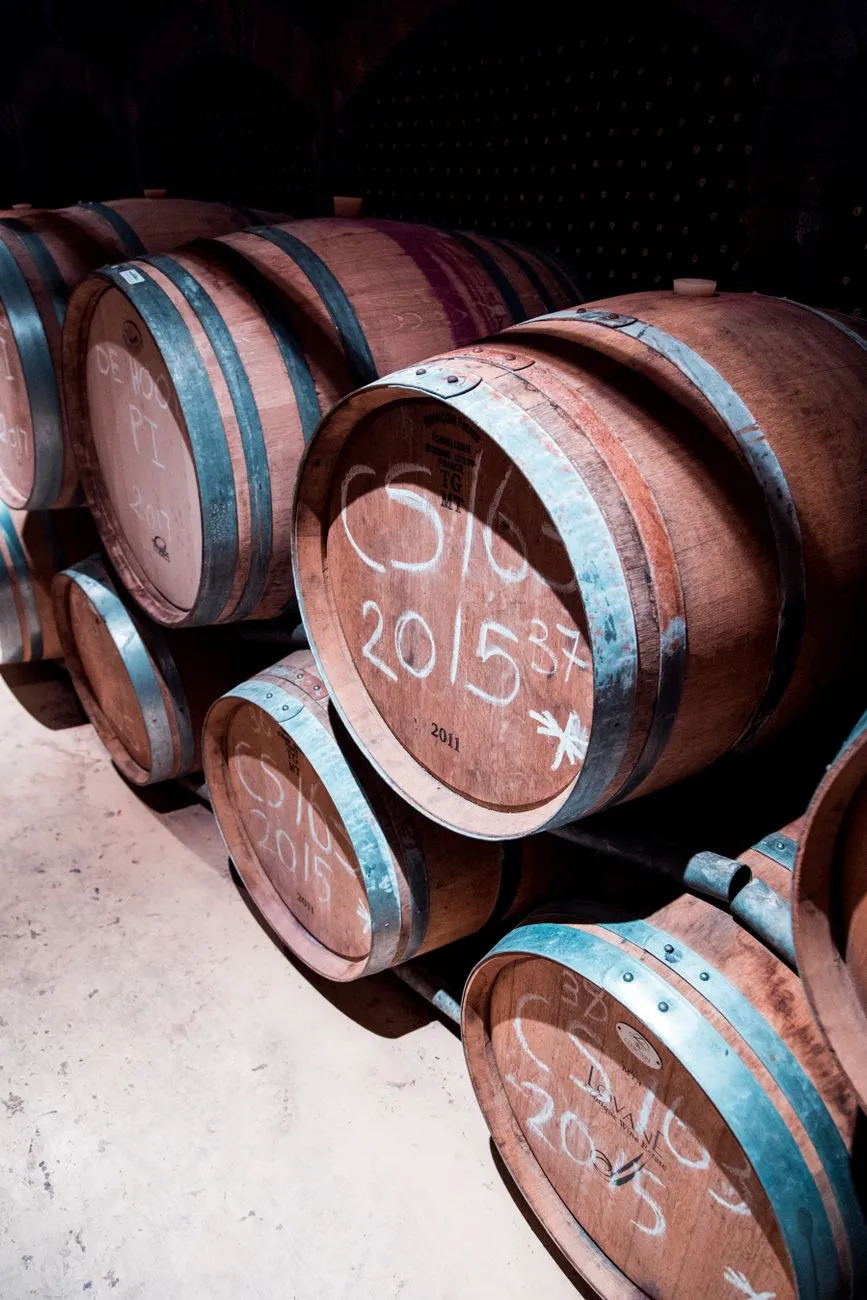
From Soybean to Koji: The Microbial Blueprint The journey of miso begins long before the first bubble rises in a crock. Selecting soybeans with a moisture content near 13 % ensures a predictable hydration curve during cooking. After soaking 12–16 hours, the beans are steamed until the cotyledons split cleanly — a tactile cue that the starch granules have gelatinized, making them accessible to koji enzymes. The koji starter, Aspergillus oryzae, is inoculated onto polished rice or barley at a rate of 0.2 % by weight. Over 48 hours at 30 °C and 85 % relative humidity, the fungus produces a cocktail of proteases, amylases, and lipases that will later hydrolyze soybean proteins into peptides, starches into maltose, and lipids into free fatty acids. Research on solid‑state fermentation demonstrates that the enzyme profile peaks when the koji moisture hovers around 40 % (w/w). Deviations above 45 % encourage unwanted bacterial growth, while below 35 % stunt enzyme synthesis. Home brewers can monitor this by weighing a small koji sample before and after a 2‑hour drying at 60 °C; the weight loss approximates moisture. Maintaining the target moisture is the single most influential lever for reproducible proteolysis, which directly shapes the umami intensity of the final miso. When scaling from a 2‑kilogram batch to a 20‑kilogram batch, the koji‑to‑soybean ratio must stay constant at 1:1 by weight, but the surface‑area‑to‑volume ratio of the koji bed changes. A shallow tray (≈3 cm depth) preserves oxygen diffusion, preventing anaerobic pockets that produce off‑flavors. For larger volumes, multiple trays stacked with 2‑cm air gaps replicate the laboratory geometry. This modular approach preserves the microbial ecology while allowing linear scale‑up. Finally, the cooked soybeans should be cooled to 35 °C before mixing with koji. Temperatures above 40 °C denature the freshly produced enzymes, while temperatures below 30 °C slow the initial hydrolysis, extending the lag phase. A rapid, uniform cooling — achieved by spreading the beans on sanitized stainless‑steel trays and fanning — locks in the enzymatic potential that will drive the months‑long maturation. Balancing Salt, Water Activity, and Time Salt is the architect of miso’s selective microbiome. By depressing water activity (a_w) to roughly 0.85, it suppresses spoilage organisms while allowing halotolerant Tetragenococcus halophilus and Zygosaccharomyces rouxii to dominate. The classic weight ratio for a balanced shiro miso is soybeans : koji : salt = 1 : 1 : 0.5. This yields a final salt concentration near 12 % (w/w) after the soybeans absorb water during fermentation. Miso Style Soybean : Koji : Salt (wt) Fermentation Temp (°C) Typical Time Final Salt % (w/w) Protein % (dry wt)Shiro (white) 1 : 1 : 0.5 15–20 3–6 months 11–13 12–14Aka (red) 1 : 1 : 0.6 18–22 12–18 months 13–15 13–15Mugi (barley) 1 : 1 : 0.55 20–25 6–12 months 12–14 11–13Hatcho (soy‑only) 1 : 0.8 : 0.7 15–18 24–36 months 14–16 15–17The table above reflects peer‑reviewed compositional surveys (e.g., Journal of Food Science, 2021) and serves as a quick reference when designing a new batch. Water activity can be measured with a handheld a_w meter; targeting 0.84–0.86 ensures the desired microbial consortium. If a_w drifts above 0.90, Bacillus spp. may produce ammonia, raising pH and generating harsh alkaline notes. Conversely, a_w below 0.80 stalls yeast activity, flattening the aromatic ester profile that gives miso its fruity top notes. Time is not merely a calendar entry; it is a kinetic variable. The Maillard reaction between reducing sugars (from koji amylase action) and amino acids accelerates exponentially with temperature. A 5 °C rise roughly doubles the rate of melanoidin formation, deepening color and developing nutty, caramel nuances. Artisanal producers often employ a two‑stage temperature regime: an initial 25 °C “kick‑start” for 2–3 weeks to establish a robust microbial population, followed by a slow 12–15 °C maturation that stretches flavor development over a year. This temperature curve mimics the seasonal shifts of traditional cedar barrels, where winter’s chill naturally slows metabolism. For home brewers scaling up, the salt mass must be scaled linearly, but the salt dissolution step deserves attention. Dissolving the full salt charge in a minimal volume of warm (40 °C) water creates a brine that can be evenly sprayed over the soybean‑koji mixture, guaranteeing homogeneous a_w distribution. In a 20‑kilogram batch, this means preparing ~2 L of 20 % brine, then misting while tumbling the mass in a food‑grade rotary drum for 10 minutes. The mechanical action also breaks up clumps, improving oxygen penetration for the early aerobic phase. Vessel Geometry: Scaling the Fermentation Chamber The vessel is more than a container; it defines the physicochemical gradients that shape flavor. Traditional Japanese cedar kioke barrels (≈180 L) provide a porous wall that breathes, allowing slow gas exchange and subtle wood‑derived phenolics. Modern home brewers often use food‑grade HDPE buckets or glass carboys, which are impermeable. The key is to replicate the surface‑area‑to‑volume (SA Related InsightsUnlock the Secrets of Craft Beer: Your Step-by-Step Guide to Brewing at Home Like a Pro High‑Pressure Culinary Science: Exploring Hydrothermal Cooking Techniques From Sacred Cacao to Velvet Bars: The Lost Art and Modern Renaissance of Artisanal Chocolate{ "@context": "https://schema.org", "@type": "FAQPage", "mainEntity": [ { "@type": "Question", "name": "What is the main focus of Miso Alchemy: Scaling Home Fermentation to Artisanal Mastery?", "acceptedAnswer": { "@type": "Answer", "text": "Unlock the science of miso fermentation and learn how to scale your home brew into a craft‑level product with precise microbial control." } }, { "@type": "Question", "name": "Who authored the comprehensive guide on Miso Alchemy: Scaling Home Fermentation to Artisanal Mastery?", "acceptedAnswer": { "@type": "Answer", "text": "This detailed article and its insights were carefully researched and authored by Kenji Sato." } }, { "@type": "Question", "name": "Where can I find more related content about Food?", "acceptedAnswer": { "@type": "Answer", "text": "You can explore more articles, detailed reviews, and similar insights by browsing the Related Insights section at the bottom of this article or visiting our dedicated Food category page." } } ] }


High in the mist-shrouded peaks of the Andes, where the air thins and the silence of the mountains rings with the gravity of centuries, a forgotten chemistry pulses beneath the soil. I am Mark Dinn, and my travels have taken me across six continents, but few places command the spirit like the rugged heart of Peru and Bolivia. Here, the history of civilization is not written merely in stone temples or golden artifacts, but in the slow, bubbling transformation of grains. This is the story of the lost alchemy—the ancestral practice of fermenting Andean staples, a process that once sustained empires and defined the cultural rhythm of the Inca and their predecessors. As a traveler navigating these high-altitude terrains, one does not just eat; one participates in an ancient conversation with the earth. The process of fermentation, often misunderstood in our modern, sterilized world, was the primary technology of survival in the Andes. It turned humble maize and quinoa into the lifeblood of ritual, medicinal, and nutritional necessity. To understand this, we must look past the tourist traps and into the communal kitchens where the "cora" (sprouted grain) is still prepared by hand.The practice of "chicha de jora," the most famous of these fermented maize drinks, begins with the germination of the grain. This is not a hobbyist’s endeavor; it is a labor-intensive ritual involving the soaking of corn in water until it begins to sprout. As the grain sprouts, enzymes are activated, breaking down complex starches into fermentable sugars. In the local Quechua tongue, the process is one of rebirth. For the modern traveler, finding an authentic chicha house—often marked by a simple red plastic bag tied to a pole outside a home—is a rite of passage. It is here, amidst the low hum of conversation and the pungent, earthy aroma of fermenting mash, that you realize the sophistication of the Andean diet. While travelers often focus on the cost of living or the safety of transit, referencing tools like Numbeo to manage their budget, the real currency here is tradition. Understanding the effort required to produce these artisanal ferments shifts the way we perceive value. We aren't just paying for a drink; we are subsidizing the survival of a lineage. The Chemistry of the High Altitude Harvest The survival of the Andean people is an architectural marvel of bio-chemistry. At altitudes exceeding 3,000 meters, the human body undergoes extreme stress, and the nutritional profile of the local grains—specifically quinoa, amaranth, and kañiwa—provides the necessary fortification. Fermentation acts as a catalyst here, increasing the bioavailability of micronutrients. When I trek through the Sacred Valley, I am constantly reminded that the fermentation process is essentially a form of pre-digestion. By introducing lactic acid bacteria and indigenous yeasts to the grain, these ancient practitioners effectively unlocked minerals that would otherwise be sequestered by phytic acid. This is why the Quechua people possess such endurance; their diet is engineered for the oxygen-deprived environment. For the digital nomad looking to settle in Cusco or La Paz, the reliance on these fermented grains can offer a transformative nutritional baseline. However, one must approach this with the rigor of a researcher. While Numbeo provides excellent data on the rising cost of imported goods, the savvy traveler learns that the local markets—where fermented products are sold in earthen vessels—offer the most nutrient-dense options for a fraction of the cost. The local market is not just a place to buy produce; it is a laboratory of health. The "chicha" you find there is rarely the filtered, pasteurized version exported to tourist restaurants. It is raw, alive, and teeming with beneficial microbes. I have spent countless hours speaking with local market vendors who hold the knowledge of how to stabilize these ferments using native herbs like "muña," which not only flavors the drink but adds potent antimicrobial properties. This is the intersection of botany and history, a tangible alchemy that defines the Andean traveler's journey.Nutrient Type Traditional Fermented Grain (per 100g) Modern Processed EquivalentBioavailable Protein 14g 9gDigestive Enzymes High (Active) Minimal (Inactive)Glycemic Index Low (Stable) High (Spiking)Microbiome Impact Beneficial Bacteria Neutral/NegligibleMineral Density High (Bioavailable) Low (Sequestered)The Rhythms of the Sacred Grain Fermentation Process To observe the fermentation process in a rural Andean village is to witness time slowing down. The craft is rarely documented in textbooks; it is passed through the hands of elders to the next generation. The grains—specifically the "jora" maize—are dried and ground, then boiled in massive clay vats over wood fires. This heat treatment is critical, yet it is the cooling and the subsequent inoculation that determines the quality of the final product. Many travelers make the mistake of assuming all chicha is alcoholic, but the spectrum of fermentation here ranges from the non-alcoholic "api" (a warm, sweet corn porridge) to the highly potent, long-aged chicha. Each stage of the fermentation creates a different chemical composition and a different cultural context.When you sit with a family in the highlands, observing the bubbling vats, you aren't just a guest; you are a witness to the preservation of Andean identity. The temperature fluctuations of the mountain nights play a vital role. The cool, crisp air slows the fermentation, allowing complex flavor profiles to develop over days rather than hours. As someone who evaluates cities for work-life balance using the metrics provided by databases like Numbeo, I find a fascinating parallel here. The "cost of living" in a city is often measured in currency, but in the Andes, the "cost of living" is measured in the patience required for food to mature. In our hurried world, we have forgotten that the most profound things—whether it is a career path or a jar of fermented quinoa—require the stability of time and the right environment to flourish. This realization is what keeps me returning to these mountains; it is the ultimate grounding mechanism for any traveler. Navigating the Modern Andes with Ancient Wisdom Traveling through the Andes requires a balance of modern logistics and respect for ancient protocols. If you are planning a trip to the region, utilize every available digital resource—check Numbeo for the relative cost of living, transport, and healthcare in cities like Lima, Arequipa, or Sucre. These data points are essential for long-term travelers. However, do not let the digital convenience blind you to the reality on the ground. When you arrive in these hubs, your first goal should be to bridge the gap between the modern city and the ancient mountain life. This means seeking out the "picanterías," the traditional kitchens that act as the gatekeepers of regional fermentation traditions. When visiting these establishments, the protocol is simple: humility and curiosity. Ask about the grains. Ask about the source of the "cora." You will find that when you move past the transactional nature of tourism, you unlock a depth of hospitality that is rare in the modern age. The Andes are not just a backdrop for trekking; they are a living system. If you take the time to understand the local fermentation practices, you will find that your travel budget goes much further, as you are accessing locally produced, nutrient-rich foods that sustain the population. Your health—often challenged by altitude and the rigors of constant travel—will benefit immensely from the probiotic density of these ancestral staples. Furthermore, by supporting these small-scale producers, you ensure that the ancient alchemy does not vanish into the tide of industrial, pre-packaged commodities that are slowly encroaching on urban Andean markets.The Philosophical Legacy of the Andean Vat The "Lost Alchemy" of the Andes is not truly lost; it is waiting in the silent corners of the highlands for those who have the patience to seek it out. It is a reminder that human ingenuity is not always about forward-facing progress; sometimes, the most sophisticated answers to our modern problems of health, nutrition, and environmental sustainability were perfected thousands of years ago in clay pots heated by open fires. As we move forward into a future where sustainability is no longer an option but a requirement, we would do well to look back at the Andean methods of grain utilization. The fermentation of native seeds and grains is a low-energy, high-output, and deeply ecological practice. As an expert blogger and a seasoned traveler, my mission is to bridge these worlds. Whether I am analyzing the cost of transport in a bustling South American metropolis or tasting the tart, effervescent notes of a fresh chicha in a remote village, the underlying theme is the same: value. Value is found in the connections we make, the knowledge we preserve, and the way we nourish ourselves. The Andes have taught me that the best journey is one that changes your internal chemistry as much as your geographic coordinates. So, pack your bags with the necessary technical tools to survive the modern world, but keep a small space in your heart and your schedule for the ancient, the slow, and the fermented. The echoes of the Andes are calling, and they speak in the language of bubbling grains, mountain air, and a tradition that refuses to be forgotten. In this final assessment, I urge you to look beyond the superficial travel guides and seek the heartbeat of the land, for it is there that you will find the most authentic travel experience of your life. Keep searching, keep learning, and above all, keep honoring the alchemy of the world around you, for it is the secret ingredient to a life well-traveled. The mountain paths are waiting to reveal their secrets, but only to those who are willing to drink from the cup of history. #CulinaryTravel #AndeanCulture #SustainableTravel #Fermentation #AncientGrains Related InsightsArctic Circle Digital Nomadism: Building Connectivity in Greenland's Remote Towns Le Cattedrali Sotterranee di Puglia: Un Viaggio Intimo nelle Città Rupestri delle Gravine Corsica: The Island of Beauty in the Mediterranean{ "@context": "https://schema.org", "@type": "FAQPage", "mainEntity": [ { "@type": "Question", "name": "What is the main focus of The Lost Alchemy of Ancient Fermented Grains: Echoes from the Andes?", "acceptedAnswer": { "@type": "Answer", "text": "Journey through the high-altitude landscapes of the Andes to rediscover the ancestral secrets of chicha and fermented grains, blending history with modern travel insights." } }, { "@type": "Question", "name": "Who authored the comprehensive guide on The Lost Alchemy of Ancient Fermented Grains: Echoes from the Andes?", "acceptedAnswer": { "@type": "Answer", "text": "This detailed article and its insights were carefully researched and authored by Mark Dinn." } }, { "@type": "Question", "name": "Where can I find more related content about Travel?", "acceptedAnswer": { "@type": "Answer", "text": "You can explore more articles, detailed reviews, and similar insights by browsing the Related Insights section at the bottom of this article or visiting our dedicated Travel category page." } } ] }
-
 Marcus Vance
 - 15 Sep, 2026 12:02
The Alchemy of Microbes: Crafting Kombucha, Kefir, and Fermented Elixirs at Home
Harnessing the Invisible Universe Within Your Kitchen Counter The transformation of raw ingredients into complex, effervescent, and nutrient-dense elixirs is not merely cooking; it is a profound biological dance. When we discuss fermentation, we are inviting a symbiotic community of microorganisms—bacteria and yeasts—to perform the heavy lifting that our digestive systems often find taxing. As a professional observer of culinary trends and biological realities, I have spent years demystifying the "alchemy" that occurs within a glass jar. At its core, fermentation is the metabolic process where microorganisms break down carbohydrates, such as sugars and starches, into alcohols or acids. Whether you are crafting a tangy kombucha or a creamy milk kefir, you are engaging in a practice that predates modern food preservation by millennia. The science behind this is grounded in the stability of the SCOBY (Symbiotic Culture of Bacteria and Yeast) in kombucha and the "grains" in kefir. These are not just inanimate starters; they are living ecosystems. When you introduce a SCOBY to sweetened tea, the Acetobacter species begin to oxidize the ethanol produced by the yeast into acetic acid, creating that signature sharp, vinegary profile that defines a well-fermented batch. The health implications of this microbial mastery are profound. According to clinical research published in journals such as PubMed, the regular consumption of fermented beverages can modulate the gut microbiome, potentially enhancing the diversity of the intestinal flora. This diversity is linked to everything from improved immune response to regulated glucose metabolism. As you begin your journey, understand that you are essentially acting as a steward for these colonies. Temperature control is the silent partner in your success; most mesophilic ferments thrive between 68°F and 78°F. Straying outside this range invites unwanted guests—mold—which thrive in erratic environments. Always prioritize sterile glass vessels, as reactive metals or plastics can leach into your acidic brews, disrupting the delicate pH balance necessary for healthy fermentation. The Symbiotic Strategy of Kombucha Cultivation Kombucha is, perhaps, the most iconic gateway into the world of home fermentation. It is a tea-based beverage that relies on a specific sequence of aerobic and anaerobic reactions. To master this, one must view the SCOBY as the engine of the operation. When you brew your black or green tea base, ensure you are using high-quality, non-flavored, organic leaves. Essential oils found in flavored teas can be antimicrobial, potentially harming your SCOBY. Begin by dissolving cane sugar into boiling water and steeping your tea. The sugar is not for you; it is the fuel for the yeast. Once the liquid cools to room temperature—this is non-negotiable, as high heat will kill your culture—you introduce the SCOBY and a portion of "starter liquid" from a previous batch. This starter liquid is vital, as it lowers the initial pH of the mixture, preventing the colonization of pathogenic bacteria like Listeria or Salmonella before the beneficial lactic acid bacteria take hold. During the primary fermentation, which lasts typically seven to ten days, the mixture transforms from a sweet tea into a complex elixir. During this phase, oxygen is necessary, which is why a breathable cloth cover is essential. If you seal it too tightly, you stop the gas exchange that the Acetobacter requires. After primary fermentation, you move to the bottling phase. This is where the magic happens: the secondary fermentation. By adding fruit juices or botanicals and sealing the bottle airtight, you trap the carbon dioxide produced by the remaining yeast, resulting in that crisp, natural effervescence. If you find the brew too vinegary, you have let it ferment too long; if it is too sweet, it needs more time. The balance lies in your palate and your patience. Kefir Grains: The Living Pioneers of Gut Health Milk kefir is arguably superior to kombucha in its probiotic density. Unlike the SCOBY, which is a cellulose mat, milk kefir grains are complex, cauliflower-like clusters consisting of proteins, lipids, and a symbiotic community of lactic acid bacteria and yeasts. These grains are essentially a biological "starter pack" that can last for years, potentially decades, if treated with proper care. To cultivate kefir, you simply submerge the grains in fresh cow, goat, or sheep milk. The bacteria within the grains metabolize the lactose (milk sugar) into lactic acid, which causes the milk to thicken and take on a tart, yogurt-like profile. One of the most fascinating aspects of kefir is its ability to produce exopolysaccharides, specifically "kefiran," which is a gel-like substance that gives the drink its thick mouthfeel and has been studied for its potential anti-inflammatory properties in the gut.When managing your grains, consistency is key. If you leave the grains in the milk for too long, the separation of whey and curds is inevitable—a sign that the microorganisms have exhausted the available lactose. While this "over-fermented" kefir is not harmful, it is significantly more sour. I recommend a 24-hour cycle at room temperature. Use a plastic strainer, as metal can damage the soft structure of the grains over time. When you harvest your kefir, keep the grains in a small amount of finished kefir to keep them hydrated while you prepare the next batch. Unlike kombucha, which is a beverage of leisure, kefir is a daily ritual of replenishment. By incorporating just a few ounces into your morning routine, you are introducing a diverse array of Lactobacillus species into your system, which have been shown in various dietary studies to assist in lactose digestion and support the mucosal lining of the gastrointestinal tract. Comparative Nutrient Profiles of Fermented Beverages When assessing the "alchemy" of these ferments, it is important to understand the macronutrient shift that occurs during the process. Because the microorganisms consume the sugars present in the raw ingredients, the final product is inherently lower in glycemic impact than the starting liquid. Below is a breakdown of how the fermentation process alters the composition of your favorite home-brewed elixirs per 8-ounce serving.Beverage Type Primary Substrate Sugar Content (Post-Ferment) Probiotic Count (Approx.) Flavor ProfileKombucha Sucrose/Tea 2-6g 1-5 Billion CFU Tart, Effervescent, CrispMilk Kefir Lactose/Milk 4-8g 50+ Billion CFU Creamy, Sour, TangyWater Kefir Glucose/Water 3-5g 10-20 Billion CFU Light, Sweet, CleanBeet Kvass Starch/Beets 1-2g 5-10 Billion CFU Earthy, Salty, RobustNote: CFU (Colony Forming Units) are approximations and vary significantly based on fermentation time, temperature, and specific microbial strains present in the starter. The data indicates that while kombucha is an excellent entry-level beverage, milk kefir acts as a nutritional powerhouse, delivering significantly higher counts of diverse bacterial strains. Beet kvass, often overlooked, provides a unique mineral profile due to the concentration of beet nutrients combined with the preservative nature of salt-brine fermentation. By understanding these profiles, you can tailor your "home lab" to address specific dietary goals, whether you are seeking a refreshing tonic or a dense probiotic supplement for daily gut maintenance. Beyond the Basics: Botanical Infusions and Second Fermentation Once you have mastered the basics of kombucha and kefir, the true alchemy begins in the creative realm of flavoring and secondary fermentation. This is where your kitchen becomes an apothecary. For kombucha, secondary fermentation is not just for carbonation; it is for extracting flavors. Think of it as a cold-brew infusion. Using ginger, hibiscus flowers, or turmeric does more than improve the taste—it introduces bioactive compounds that can synergize with the fermented base. For instance, adding fresh ginger to your second ferment adds gingerol, a potent anti-inflammatory compound, to a drink that is already packed with organic acids. When you combine the polyphenols found in green tea (from your base) with the gingerols of the infusion, you are crafting a truly medicinal beverage. However, caution is advised. Always use "pressure-rated" bottles, such as Grolsch-style swing-top bottles. During secondary fermentation, the production of carbon dioxide creates significant pressure. Standard glass jars not designed for carbonation can shatter under the force of trapped gas.When experimenting with ingredients, consider the "sugar content" of your additions. If you add high-sugar fruits like mango or pineapple, the fermentation will occur much faster than if you use low-sugar herbs or roots. The yeast will feast on the fruit sugars, leading to a rapid spike in carbonation. Always "burp" your bottles if the room temperature is high, or store them in a cool, dark place to manage the rate of activity. This process is about observation. Smell your ferment—it should be pleasantly acidic and fruity. If it smells like rotten eggs or possesses a slimy, neon-colored film, discard the batch entirely. While botulism is incredibly rare in acidic, fermented beverages (as it cannot survive in a pH below 4.6), one must always maintain the standard hygiene of a professional kitchen. Sanitize your equipment with hot water and avoid cross-contamination. Your commitment to these protocols ensures that your "alchemy" remains a healthy endeavor. The Future of Your Fermentation Journey You have now moved from a novice to a practitioner of microbial arts. Fermentation is a lifelong pursuit; it is a conversation with the invisible world that happens in every corner of your home. It teaches us that decay and growth are often two sides of the same coin. By manipulating these environmental variables—time, temperature, sugar, and substrate—you are not just creating drinks; you are participating in the evolution of your own gut health and fostering a more sustainable lifestyle. Remember, these elixirs are not magical "cures" that replace medical care, but they are potent allies in a health-conscious diet. The modern gut is often starved of the microbial diversity that our ancestors thrived upon. Every glass of homemade kefir or tart kombucha is a step toward reclaiming that ancestral legacy. As you continue to refine your technique, invite others into the fold. Share your grains, trade your SCOBYs, and discuss the nuances of your ferments. The community of home fermenters is as vibrant and active as the cultures sitting on your counter. Maintain your journals, track your temperatures, and never fear the failure of a batch. A "failed" batch is merely a data point in your journey toward perfection. You have the tools, the data, and the methodology. The kitchen is now your laboratory, and the microbes are your partners. Go forth and craft something truly transformative, something that nourishes not only the body but the curiosity of the mind. Your next batch is only a few days away from greatness, and in that time, the alchemy will continue—unseen, silent, and wonderfully persistent. Happy brewing, and may your ferments always be balanced, effervescent, and deeply, undeniably alive. #Fermentation #GutHealth #Probiotics #HomeBrewing #CulinaryAlchemy Related InsightsChicken Yassa: The Tangy and Tender Onion Stew The Golden Harvest: Transforming Your Vitality with Quinoa, Sweet Potatoes, and Kale Mumbai's Sizzling Soul: The Spice, Sweet, and Chaotic Heartbeat of Street Food{ "@context": "https://schema.org", "@type": "FAQPage", "mainEntity": [ { "@type": "Question", "name": "What is the main focus of The Alchemy of Microbes: Crafting Kombucha, Kefir, and Fermented Elixirs at Home?", "acceptedAnswer": { "@type": "Answer", "text": "Unlock the ancient secrets of microbial alchemy by mastering the art of homemade kombucha, kefir, and probiotic elixirs in your own kitchen." } }, { "@type": "Question", "name": "Who authored the comprehensive guide on The Alchemy of Microbes: Crafting Kombucha, Kefir, and Fermented Elixirs at Home?", "acceptedAnswer": { "@type": "Answer", "text": "This detailed article and its insights were carefully researched and authored by Marcus Vance." } }, { "@type": "Question", "name": "Where can I find more related content about Food?", "acceptedAnswer": { "@type": "Answer", "text": "You can explore more articles, detailed reviews, and similar insights by browsing the Related Insights section at the bottom of this article or visiting our dedicated Food category page." } } ] }
- Isabella Rossi
- 11 Aug, 2026 07:47
Unlock the Secrets of Craft Beer: Your Step-by-Step Guide to Brewing at Home Like a Pro
The first sip of a perfectly crafted beer is more than just a taste—it’s a journey through time, tradition, and terroir. Every bubble, every note of citrus or caramel, tells a story of patience, precision, and passion. But what if you could write that story yourself? What if the next great craft beer wasn’t brewed in a sprawling industrial facility, but in your own kitchen, garage, or backyard shed? Welcome to the world of home brewing—a craft that has exploded in popularity over the past decade, transforming hobbyists into artisans and basement setups into microbreweries. The rise of craft beer isn’t just a trend; it’s a cultural shift. In Ontario, for example, the craft brewing scene has surged from a handful of pioneers in the 1980s to over 400 licensed breweries today, each with its own identity and flavor profile. This isn’t just about beer—it’s about identity, resilience, and the power of small-scale innovation. But how do you begin? Where do you start when the world of malt, hops, and yeast feels as vast as the ocean? Don’t worry—this guide will walk you through every step, from choosing your first ingredients to bottling your first batch. Whether you’re drawn to the crisp bitterness of an IPA, the malty sweetness of a stout, or the fruity complexity of a saison, we’ll help you unlock the secrets of brewing at home.The Roots of the Revolution: How Craft Beer Rewrote the Rules of Brewing Long before craft beer became a global phenomenon, beer was a humble staple—nourishment, celebration, and even currency in ancient societies. But the modern craft beer movement traces its lineage to a rebellion against mass-produced, flavorless lagers. In Ontario, the craft brewing revival began in the late 1980s, when a handful of visionaries dared to challenge the dominance of large commercial breweries. These early pioneers weren’t just brewers; they were storytellers, using beer as a medium to express local identity and heritage. Fast forward to today, and the craft beer landscape has evolved into a dynamic ecosystem. According to research from OpenAlex, the craft brewing industry in Ontario isn’t just about beer—it’s about identity. Each brewery, from Toronto’s sleek urban taprooms to rural farmhouse operations, reflects the values and culture of its community. This isn’t merely production; it’s a form of cultural expression, much like music or art. But craft brewing isn’t just an artistic endeavor—it’s a testament to resilience. The UK craft brewing sector, for instance, has faced immense challenges, from fluctuating ingredient costs to shifting consumer preferences. Yet, despite these obstacles, small and medium-sized enterprises (SMEs) in the craft brewing industry have thrived. A thematic analysis of these businesses reveals a common thread: psychological resilience. Brewers who succeed are those who adapt, innovate, and embrace failure as part of the process. They experiment with wild yeast strains, barrel-aging techniques, and unconventional ingredients like coffee, chili, or even seaweed. This spirit of experimentation is what sets craft beer apart. While industrial breweries prioritize consistency and efficiency, craft brewers chase complexity and uniqueness. They revive forgotten styles, such as the historic "small beer" of medieval England, or reimagine classics like the Belgian saison. The result? A beer culture that’s as diverse as it is delicious. So, how can you tap into this tradition? Start by understanding the core ingredients of beer and how they interact. Malt provides the backbone—caramel, toasted, or chocolatey notes depending on the grain. Hops add bitterness, aroma, and floral or citrusy flavors. Yeast is the unsung hero, transforming sugar into alcohol and carbon dioxide while creating a spectrum of esters and phenols that define a beer’s character. Water, often overlooked, is the canvas on which all these flavors are painted.Your Brewing Arsenal: Tools, Techniques, and the Essentials You Can’t Skip Before you dive into brewing, you’ll need the right tools. While it’s possible to start with a basic starter kit—often called a "Mr. Beer" or "Brooklyn Brew Shop" setup—serious brewers quickly outgrow these limitations. Here’s a breakdown of the essential equipment you’ll need for all-grain brewing, the gold standard for craft beer enthusiasts:Equipment Purpose Budget-Friendly TipBrew Kettle (5+ gallons) Boils wort (unfermented beer) and sterilizes equipment. Use a stainless steel stockpot from a restaurant supply store.Fermenter (6+ gallons) Holds the wort during fermentation. Plastic buckets or glass carboys work. A food-grade plastic bucket with an airlock is a great start.Airlock & Bung Allows CO2 to escape while preventing contaminants from entering. DIY airlocks can be made from tubing and a jar lid.Hydrometer Measures specific gravity to determine alcohol content and fermentation progress. Borrow one from a local homebrew club.Thermometer Ensures precise temperature control during mashing and boiling. A simple candy thermometer works in a pinch.Sanitizer Kills bacteria and wild yeast that can spoil your beer. Star San or diluted bleach solution (1 tbsp per gallon of water).Siphon Transfers beer between vessels without disturbing sediment. A racking cane with tubing is essential.Bottle Filler Fills bottles without creating foam or introducing oxygen. Use a spring-loaded bottle filler attachment.Bottles & Caps Stores your finished beer. Use 12-ounce brown glass bottles with twist-off or pry-off caps. Save and sanitize used beer bottles.Now, let’s talk technique. The brewing process can be broken down into four main stages: mashing, boiling, fermenting, and bottling. Each step is critical, and even small deviations can drastically alter the final product. Mashing is where the magic begins. You’ll mix crushed malted barley (or other grains) with hot water in a process called "sparging." The goal is to convert the grain’s starches into fermentable sugars. The temperature of the water determines the beer’s body and mouthfeel. For example, a mash temperature of 152–156°F (67–69°C) produces a medium-bodied beer with moderate fermentability, while a lower temperature (149–153°F or 65–67°C) creates a lighter, crisper beer. Boiling follows mashing and involves adding hops at specific intervals to extract bitterness, flavor, and aroma. The boil also sterilizes the wort and helps precipitate proteins that could cloud your beer. A typical boil lasts 60–90 minutes, with hops added at intervals like 60 minutes (for bitterness), 15 minutes (for flavor), and 5 minutes (for aroma). Fermenting is where yeast works its magic. After cooling the wort to around 68–72°F (20–22°C), you’ll pitch the yeast and seal the fermenter with an airlock. Fermentation typically takes 1–2 weeks, during which the yeast consumes the sugars and produces alcohol and CO2. The temperature is crucial here—too hot, and you risk off-flavors; too cold, and the yeast may go dormant. Bottling is the final act. After fermentation, you’ll add a small amount of priming sugar to the beer, which the remaining yeast will consume in the bottle, creating carbonation. The beer must then carbonate for 2–4 weeks before it’s ready to drink. Patience is key—rushing this step can result in flat or over-carbonated beer.From Grain to Glass: Crafting Your First Batch of Liquid Gold Now that you’re equipped with the tools and techniques, it’s time to brew your first batch. Let’s walk through a classic American Pale Ale (APA) recipe—a crowd-pleaser that’s approachable for beginners but complex enough to showcase your skills. Recipe: Isabella’s Beginner-Friendly Pale Ale Batch Size: 5 gallons OG (Original Gravity): 1.052 FG (Final Gravity): 1.012 ABV: ~5.3% IBU (International Bitterness Units): 35 Ingredients:9 lbs (4.1 kg) Pale Malt (2-row) 1 lb (0.45 kg) Crystal Malt (60L) 1 oz (28 g) Cascade Hops (60 min) 1 oz (28 g) Cascade Hops (15 min) 1 oz (28 g) Cascade Hops (5 min) 1 oz (28 g) Cascade Hops (Dry Hop, Day 5) 1 packet American Ale Yeast (e.g., US-05)Step-by-Step Guide:Mashing (1 hour):Heat 3.5 gallons (13.2 L) of water to 165°F (74°C). Mix the water with the crushed grains in your mash tun (or a cooler with a false bottom). Maintain a mash temperature of 154°F (68°C) for 60 minutes. Stir occasionally to ensure even heating.Sparging (30 minutes):Drain the sweet wort from the mash tun into your brew kettle. Add 3.5 gallons (13.2 L) of 170°F (77°C) water to the mash tun to rinse out remaining sugars. Combine the sparged wort with the initial wort in the kettle.Boiling (60 minutes):Bring the wort to a rolling boil. At 60 minutes, add the first dose of Cascade hops. At 15 minutes, add the second dose. At 5 minutes, add the third dose. After boiling, cool the wort rapidly to 68°F (20°C) using an immersion chiller or ice bath.Fermenting (2 weeks):Transfer the cooled wort to your sanitized fermenter. Pitch the yeast and seal the fermenter with an airlock. Ferment at 68°F (20°C) for 1–2 weeks, or until the airlock stops bubbling.Dry Hopping (Optional, Day 5):Add the final 1 oz of Cascade hops to the fermenter for 3–5 days to enhance aroma.Bottling (2–4 weeks):Sanitize your bottles and priming sugar. Boil ¾ cup (150 g) of priming sugar in 2 cups (473 mL) of water, then add it to the beer. Transfer the beer to the bottles using a siphon, leaving 1–2 inches of headspace. Cap the bottles and store them at room temperature for 2–4 weeks to carbonate.Enjoying:Chill a bottle and pour it into a glass. Observe the color (a golden amber hue), the head (a creamy, white foam), and the aroma (bright citrus and floral notes from the Cascade hops). Take a sip. Notice the balance of malt sweetness and hop bitterness, the crisp finish, and the lingering hop aroma.Troubleshooting the Pitfalls: When Your Beer Doesn’t Turn Out as Planned Even the most experienced brewers encounter setbacks. Maybe your beer is too bitter, too sweet, or worse—infected. Don’t panic. Most issues have simple solutions, and every "mistake" is a learning opportunity. Common Problems and Fixes:Issue Cause SolutionCloudy Beer Proteins or yeast not fully settled. Use fining agents like Irish moss or gelatin during boiling or fermentation.Overly Bitter Beer Too many hops or long boil times. Reduce hop additions or shorten the boil time.Flat Beer Insufficient priming sugar or old yeast. Ensure proper priming sugar calculation and use fresh yeast.Sour or Funky Taste Bacterial or wild yeast contamination. Sanitize all equipment thoroughly and avoid introducing contaminants.Yeasty or Estery Flavor Fermenting too warm or using old yeast. Ferment at the recommended temperature and use fresh yeast.One of the most common mistakes beginners make is skimming the importance of sanitation. A single unsterilized surface or utensil can introduce bacteria or wild yeast, leading to off-flavors or spoilage. Always sanitize your fermenter, airlock, siphon, and bottles with a no-rinse sanitizer like Star San or a diluted bleach solution. Another pitfall is rushing the process. Fermentation and carbonation take time. While it’s tempting to crack open a bottle after just a week, patience will reward you with a smoother, more balanced beer. Use a hydrometer to track fermentation progress—if the gravity hasn’t dropped after two weeks, your yeast may have stalled, and you might need to repitch or adjust the temperature. Temperature control is also critical. Yeast is sensitive to heat, and fermenting too warm (above 75°F or 24°C) can produce fusel alcohols, which taste harsh or solvent-like. Conversely, fermenting too cold (below 60°F or 15°C) can slow or stop fermentation entirely. Invest in a fermentation chamber or temperature controller if your home environment fluctuates wildly. Finally, don’t be afraid to experiment. Brewing is as much an art as it is a science. Swap out ingredients to create your own signature style. Try adding vanilla beans to a stout, or dry-hopping with experimental hops like Citra or Mosaic. Keep detailed notes on each batch—what worked, what didn’t, and how you’d adjust next time. Over time, you’ll develop an intuition for brewing, and your beers will reflect your unique taste and creativity.The Future in a Pint: Trends, Innovations, and Where Home Brewing is Headed The craft beer movement shows no signs of slowing down. In fact, it’s evolving at a breakneck pace, with new trends emerging every year. For home brewers, this means endless opportunities to innovate and push boundaries. One of the most exciting trends is the rise of sour beers. Styles like Berliner Weisse, Gose, and Flanders Red rely on lactic acid bacteria or wild yeast to create tart, complex flavors. Brewing these beers requires a separate fermentation vessel and meticulous attention to sanitation, but the results are worth it. Imagine a crisp, effervescent beer with notes of lemon, pineapple, or even yogurt—all from your own kitchen. Another burgeoning trend is experimental ingredients. Craft brewers are no longer limited to barley, hops, yeast, and water. The modern home brewery might include adjuncts like oats, rye, or even unconventional additions like coffee, chocolate, fruit, or spices. For example, a pumpkin ale brewed with real pumpkin puree and autumnal spices like cinnamon and nutmeg can evoke the cozy flavors of the season. Sustainability is also becoming a cornerstone of craft brewing. Home brewers are increasingly mindful of their environmental impact, opting for locally sourced ingredients, reusing spent grain as compost or in baking, and minimizing water waste. Some even experiment with grain-free beers, using alternative bases like sorghum, millet, or buckwheat for gluten-free options. Technology is another game-changer. Smart fermentation chambers, digital hydrometers, and brewing apps like Brewfather or BeerSmith allow brewers to monitor and control every aspect of the process remotely. These tools democratize precision brewing, making it easier than ever to replicate professional results at home. But perhaps the most significant trend is the community aspect of craft brewing. Home brewing clubs, online forums, and local competitions foster camaraderie and knowledge-sharing. In the UK, for instance, the craft brewing sector’s resilience is partly attributed to the strong networks between brewers, suppliers, and consumers. These communities provide support, feedback, and inspiration, turning solo brewers into part of a global movement. As you embark on your brewing journey, remember that every great brewer started where you are now. Whether your first batch is a triumph or a learning experience, it’s a step toward mastering the art of craft beer. So raise a glass—to the past, to the present, and to the future you’re brewing, one pint at a time.The journey of craft beer is one of discovery, creativity, and connection. From the historic breweries of Ontario to the resilient SMEs of the UK, the craft beer movement is a testament to the power of passion and innovation. Whether you’re brewing your first batch or your fiftieth, remember that every beer tells a story—yours is just beginning. So, what are you waiting for? Gather your ingredients, sanitize your equipment, and let the alchemy begin. The world of craft beer is yours to explore, one batch at a time.#HomeBrewing #CraftBeerRevolution #SmallBatchMagic
- Marcus Vance
- 10 Aug, 2026 19:34
Sourdough Bread: The Ancient Art of Fermentation That’s Revolutionizing Modern Baking
The Alchemy of Time: How a 5,000-Year-Old Tradition Still Shapes Our Bread Few foods carry the weight of history like sourdough bread. Its origins trace back to ancient Egypt, where archaeologists have uncovered evidence of fermented bread dating to 3000 BCE. Unlike modern bread, which relies on commercial yeast for a quick rise, sourdough harnesses wild yeast and lactic acid bacteria—naturally present in flour and the environment—to leaven and flavor the dough over days, not hours. This slow fermentation isn’t just a culinary technique; it’s a biological marvel that transforms humble ingredients into a loaf with depth, complexity, and a shelf life that defies convention. The magic begins with the starter—a living ecosystem of microbes that, when nurtured correctly, can produce bread with a tangy brightness, an airy crumb, and a crust so crisp it shatters like glass. But here’s the paradox: while sourdough is one of the oldest forms of bread, its modern revival is fueled by cutting-edge food science. Researchers at institutions like the University of Copenhagen and the Technical University of Munich have spent years dissecting the microbial communities in starters, uncovering how specific strains of Lactobacillus and Pediococcus can enhance texture, delay staling, and even inhibit mold growth. A 2023 study published in PubMed titled "The quest for the perfect loaf of sourdough bread continues: Novel developments for selection of sourdough starter cultures" highlights how selecting the right microbial allies can elevate sourdough from a weekend hobby to a bakery-grade masterpiece. Yet, for all its scientific intrigue, sourdough remains deeply personal. Every baker’s starter is a fingerprint—shaped by local flour, water, and the invisible microbes in their kitchen. Whether you’re a novice kneading your first dough or a seasoned artisan refining a decades-old culture, the journey from starter to loaf is a testament to patience, precision, and the quiet power of fermentation.The Science of Sourdough: Why Wild Yeast and Bacteria Are Your Secret Weapons At the heart of every sourdough loaf lies a delicate balance of microorganisms, each playing a distinct role in flavor, texture, and preservation. The primary players are wild yeast (Saccharomyces cerevisiae and related species) and lactic acid bacteria (LAB), which include genera like Lactobacillus, Leuconostoc, and Pediococcus. When combined in a starter—a mixture of flour and water left to ferment—they engage in a metabolic dance that’s as much chemistry as it is biology. Here’s how it works: The wild yeast consumes sugars in the flour, producing carbon dioxide (which leavens the dough) and ethanol (which evaporates during baking). Meanwhile, LAB ferment sugars into lactic acid and acetic acid, giving sourdough its signature tang. The ratio of these acids determines the flavor profile—more lactic acid yields a milder, yogurt-like tang, while acetic acid (found in vinegar) adds a sharper, almost fruity note. A 2022 review in OpenAlex titled "Sourdoughs as Natural Enhancers of Bread Quality and Shelf Life" found that starters dominated by Lactobacillus plantarum or Pediococcus pentosaceus not only improved crumb structure but also extended shelf life by up to 50% compared to commercial yeast breads. This is due to the antimicrobial properties of LAB, which produce compounds like bacteriocins that inhibit spoilage organisms. But not all starters are created equal. The microbial composition varies wildly based on factors like flour type, hydration, temperature, and feeding schedule. A study evaluating Pediococcus pentosaceus SP2 as a starter culture (OpenAlex, 2023) demonstrated that carefully selected LAB strains could reduce proofing time by 30% while enhancing loaf volume by 15%. This suggests that while traditional starters rely on chance microbial colonization, modern science offers tools to optimize fermentation for consistency and efficiency. For bakers, this means two things: First, your starter is alive, and its health dictates your bread’s success. Second, the environment you create—temperature, humidity, and feeding rhythm—is as crucial as the ingredients themselves. A starter kept at 75°F (24°C) will ferment faster than one at 60°F (15°C), but the latter may develop more complex flavors. Similarly, whole-grain flours (like rye or whole wheat) introduce more nutrients for microbes, fostering a more diverse and robust ecosystem.Crafting the Perfect Starter: A Step-by-Step Guide to Building Your Microbial Masterpiece Creating a sourdough starter is less about following a rigid recipe and more about cultivating a relationship with microorganisms. The process is simple in theory—mix flour and water, wait, feed it daily—but the devil is in the details. Here’s how to do it right, backed by both tradition and science. Day 1: The Birth of Your Starter Combine 50g whole wheat or rye flour (these flours contain more nutrients for microbes) with 50g lukewarm water (around 80°F/27°C) in a clean glass jar. Stir until smooth, cover loosely (to allow gas exchange), and let it sit at room temperature (ideally 70–75°F/21–24°C). Avoid metal utensils, as they can react with acids. By Day 2, you may see tiny bubbles—a sign that wild yeast and bacteria are waking up. If not, don’t panic; some starters take longer to activate. Days 2–5: The Feeding Ritual Discard half the starter (about 50g) to prevent overgrowth of harmful bacteria and refresh it with 50g flour + 50g water. Repeat every 24 hours. By Day 3, you should notice a noticeable rise and fall in the starter, along with a tangy aroma (think yogurt with a hint of fruit). If it smells putrid or develops a gray liquid (hooch), it’s hungry—feed it more frequently or increase the discard amount. Pro Tip: Use unbleached, organic flour for the best microbial diversity. A 2023 study in Food Microbiology found that starters made with organic flours had 30% more LAB diversity than those made with conventional flours, likely due to the absence of antifungal agents. Days 5–7: The Maturation Phase Your starter should now double in size within 4–8 hours of feeding—a sign it’s ready for baking. It should smell pleasantly sour, with notes of apple cider vinegar or yogurt. If it’s sluggish, try feeding it twice daily or moving it to a warmer spot (like an oven with the light on). If it develops a pink or orange hue, discard it immediately—this indicates harmful bacteria. Troubleshooting:No activity? Try a different flour (rye often kickstarts fermentation faster). Hooch layer? Stir it back in or pour it off—it’s a sign of hunger, not spoilage. Mold? Toss it and start over.Once mature, your starter can live indefinitely with proper care. Store it in the fridge (feed weekly) or keep it at room temperature (feed daily). The choice depends on your baking frequency—fridge starters develop deeper flavors over time but require reactivation.The Art of the Dough: Kneading, Proofing, and Baking for Maximum Crust and Crumb With a healthy starter in hand, the real challenge begins: transforming flour, water, and salt into a loaf that’s light yet chewy, with a crust that crackles under the knife. The key lies in mastering three stages: autolyse, bulk fermentation, and final proofing. Step 1: The Autolyse (Resting the Dough) Before adding starter or salt, mix 500g bread flour (or a mix of bread and whole wheat) with 350g water (70% hydration) and let it rest for 30–60 minutes. This hydrates the flour, develops gluten naturally, and reduces kneading time. Autolyse also improves extensibility, making the dough easier to shape. Step 2: Incorporating the Starter and Salt Add 100g active starter (fed 4–12 hours prior) and 10g salt to the autolysed dough. The salt strengthens gluten and controls fermentation. Mix gently by hand (or with a dough whisk) until fully incorporated. The dough should feel tacky but not sticky. Step 3: Bulk Fermentation (The Slow Rise) Cover the dough and let it ferment at 75–78°F (24–26°C) for 4–6 hours, performing stretch-and-folds every 30–60 minutes for the first 2 hours. Stretch-and-folds build strength without over-kneading. You’ll know fermentation is complete when the dough has increased in volume by 50–75% and jiggles like a water balloon when shaken. Signs of Over- or Under-Fermentation:Too fast? The dough may collapse or taste bland. Lower the temperature or reduce starter percentage. Too slow? The dough may taste overly sour. Increase temperature or use a more active starter.Step 4: Shaping and Final Proof Gently shape the dough into a boule (round) or batard (oval), then place it in a proofing basket (banneton) dusted with rice flour (prevents sticking). Proof at room temperature for 1–2 hours, then refrigerate overnight (12–16 hours). Cold proofing slows fermentation, enhancing flavor and improving oven spring (the dramatic rise during baking). Step 5: Baking to Perfection Preheat your oven to 475°F (245°C) with a Dutch oven inside for 30–45 minutes. Turn the dough onto parchment paper, score the top with a razor (helps control expansion), and transfer it to the hot Dutch oven. Bake covered for 20 minutes, then uncovered for 20–25 minutes until deep golden brown. The internal temperature should reach 205–210°F (96–99°C). Pro Tips for the Best Crust:Steam is key. The Dutch oven traps steam, which gelatinizes the starches for a crisp crust. Don’t skip the score. A shallow cut (½ inch deep) prevents cracks and gives the loaf its signature "ear." Cool completely. Slicing too soon traps moisture, making the crumb gummy. Wait at least 1 hour.Flour Power: How Grain Choices Shape Your Sourdough’s Soul Not all flours are created equal when it comes to sourdough. The type of flour you use influences fermentation speed, flavor, texture, and even nutritional profile. Here’s a breakdown of the most popular options, backed by food science:Flour Type Fermentation Speed Flavor Profile Best For Nutritional NotesBread Flour Moderate Mild, slightly sweet Classic sourdough loaves High protein (12–14%), strong glutenAll-Purpose Flour Fast Neutral Beginners, quick bakes Lower protein (10–12%), versatileWhole Wheat Slow Nutty, earthy, tangy Hearty loaves Rich in fiber, B vitamins, and mineralsRye Flour Very Slow Intense, sour, malty Traditional German-style High in fiber, low gluten, prebioticSpelt Flour Moderate Sweet, slightly fruity Artisan loaves Easier to digest, lower gluten** Einkorn** Slow Buttery, rich Gourmet baking Ancient grain, high in luteinWhy It Matters:Whole grain flours (rye, whole wheat) contain more nutrients, feeding microbes and slowing fermentation. This results in a more complex flavor but requires more patience. Low-protein flours (like all-purpose) produce a softer crumb but may lack structure for high-hydration doughs. Ancient grains (einkorn, spelt) offer unique flavors but can be finicky due to lower gluten content.Blending for Balance: Many bakers use a 70/30 mix of bread flour and whole wheat for the best of both worlds—strong gluten structure with depth of flavor. For a tangier loaf, try 50% bread flour + 50% rye, which ferments slowly and develops a pronounced sourness.The Sourdough Paradox: Why This Ancient Bread Is the Future of Sustainable Baking In an era of industrialized food, sourdough stands as a rebellion against mass production. It’s a craft that demands time, attention, and respect for natural processes—qualities that resonate with modern consumers seeking authenticity. But sourdough’s appeal isn’t just philosophical; it’s practical. Research shows that sourdough bread offers tangible benefits over commercial yeast breads, from improved digestibility to extended freshness. Digestibility and Gut Health The fermentation process breaks down gluten and phytic acid, making sourdough easier to digest for many people with mild gluten sensitivities. A 2021 study in Nutrients found that sourdough bread had a lower glycemic index than conventional bread, leading to more stable blood sugar levels. Additionally, the LAB in sourdough produce exopolysaccharides, which act as prebiotics, feeding beneficial gut bacteria. Shelf Life and Waste Reduction Sourdough’s natural acidity inhibits mold and staling, extending shelf life by 3–5 days compared to commercial breads. This is particularly valuable in an age where food waste is a global crisis. A 2023 review in Food Control highlighted that sourdough starters containing Pediococcus strains could reduce bread spoilage by up to 40% due to their antimicrobial properties. Sustainability Unlike commercial yeast, which requires energy-intensive fermentation vats, sourdough relies on ambient microbes and minimal inputs. Using locally milled flour and reducing packaging waste (by baking at home) further lowers its carbon footprint. For urban bakers, sourdough is a way to reconnect with food systems—turning a handful of flour and water into sustenance with almost zero waste. The Future of Sourdough As climate change threatens wheat yields, researchers are exploring alternative flours for sourdough, including sorghum, teff, and buckwheat. These grains require less water and can thrive in harsher conditions, making them a potential solution for sustainable baking. Meanwhile, bakeries are reviving heirloom starters passed down for generations, preserving microbial biodiversity that could be lost to industrialization. Sourdough isn’t just bread—it’s a movement. It’s a return to slow food in a fast world, a celebration of microbial alchemy, and a testament to the idea that the best things in life take time. Whether you’re baking your first loaf or perfecting a 10-year-old starter, remember: every rise, every fold, every hour of proofing is a step toward something extraordinary.The Last Crumb: Why Your Sourdough Journey Is Just Beginning If you’ve ever pulled a golden-brown loaf from the oven, listened to its crust crackle, and inhaled its intoxicating aroma, you know the magic of sourdough. It’s more than food; it’s a connection to the past, a collaboration with nature, and a daily reminder that patience and care yield the sweetest rewards. But here’s the secret no one tells you: Sourdough is a living relationship. Your starter will evolve with you, adapting to your kitchen, your flour, your habits. Some days it will rise like a dream; other days it will rebel. And that’s okay. Each loaf is a lesson, each discard a chance to start anew. So go ahead—feed your starter, knead the dough, and let time do its work. The perfect loaf isn’t a destination; it’s the journey itself.#SourdoughRevolution #ArtisanBaking #FermentationMagic #BreadWithPurpose #SlowFoodMovement Related InsightsPav Bhaji: A Symphony of Spices on the Tawa Summit Sips: Unveiling the Soul of Himalayan Butter Tea Ndambe: The Comforting Black-Eyed Pea Stew{ "@context": "https://schema.org", "@type": "FAQPage", "mainEntity": [ { "@type": "Question", "name": "What is the main focus of Sourdough Bread: The Ancient Art of Fermentation That’s Revolutionizing Modern Baking?", "acceptedAnswer": { "@type": "Answer", "text": "Unlock the secrets of sourdough bread—from crafting the perfect starter to baking a loaf with unmatched flavor and texture. Dive into the science and tradition behind this timeless craft." } }, { "@type": "Question", "name": "Who authored the comprehensive guide on Sourdough Bread: The Ancient Art of Fermentation That’s Revolutionizing Modern Baking?", "acceptedAnswer": { "@type": "Answer", "text": "This detailed article and its insights were carefully researched and authored by Marcus Vance." } }, { "@type": "Question", "name": "Where can I find more related content about Food?", "acceptedAnswer": { "@type": "Answer", "text": "You can explore more articles, detailed reviews, and similar insights by browsing the Related Insights section at the bottom of this article or visiting our dedicated Food category page." } } ] }
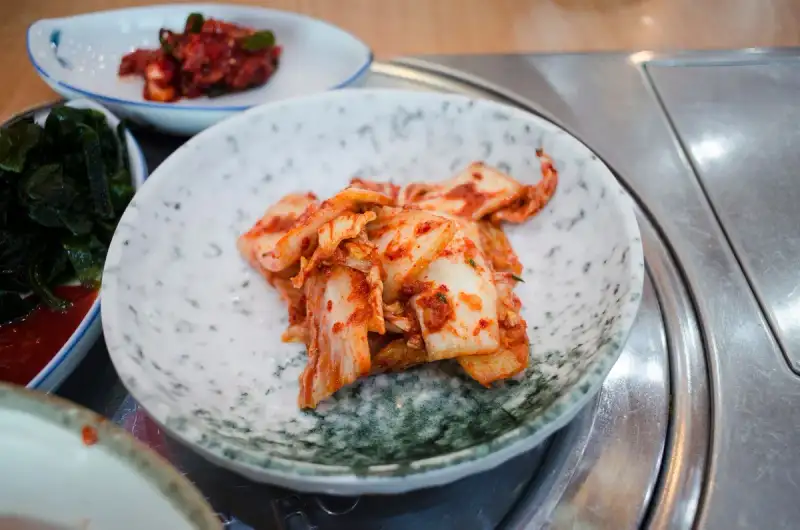
- Chloe Blanc
- 16 Jul, 2026 14:59
L'Âme Fermentée de la Corée : Odyssée Sensorielle et Historique du Kimchi
Le silence des hivers coréens, autrefois, n'était rompu que par le craquement de la glace et le souffle court des villageois s'activant autour des onggi. Imaginez l'odeur terreuse des racines fraîchement déterrées, le piquant ancestral du sel et l'attente patiente d'une transformation invisible. Le kimchi n'est pas un simple accompagnement ; c'est un dialogue entre l'homme et la nature, une alchimie où le temps devient l'ingrédient principal, transformant le végétal brut en un trésor probiotique vibrant de vie. L'Essence du Kimchi : Bien plus qu'un Banchan Au cœur de chaque table coréenne, le kimchi s'impose comme l'élément central, le banchan indispensable. Ce plat, composé de légumes salés et fermentés, est l'âme même de la cuisine de la péninsule. Si le chou chinois (napape) et le radis coréen en sont les piliers les plus fréquents, l'univers du kimchi est d'une diversité vertigineuse. La magie opère grâce à un mélange précis d'aromates : le gochugaru (poudre de piment coréen) apporte cette couleur rouge emblématique et ce feu maîtrisé, tandis que les oignons verts, l'ail et le gingembre ajoutent des couches de complexité aromatique. L'ajout de jeotgal (fruits de mer salés) vient apporter une profondeur umami incomparable, liant les saveurs terreuses des légumes à la salinité de l'océan.Le kimchi ne se limite pas à être consommé cru. Sa polyvalence permet de l'intégrer dans une multitude de soupes et de ragoûts, où sa saveur acidulée et fermentée apporte une structure unique aux bouillons. #KoreanFood #FermentationTraditionnelle Les Racines Linguistiques : Le Voyage du Mot Pour comprendre le kimchi, il faut plonger dans l'étymologie, là où les sons racontent l'évolution d'un peuple. Le terme "ji" (지), issu de l'ancien coréen dihi (디히), est utilisé depuis des temps immémoriaux pour désigner les légumes fermentés. Cette racine a survécu à travers les siècles, se retrouvant aujourd'hui comme suffixe dans des variantes comme le jjanji ou le seokbak-ji. Le mot "kimchi" lui-même est le résultat d'une mutation phonétique fascinante. À l'origine, on trouvait thimchoy (팀ᄎᆡ), une transcription du terme sino-coréen 沈菜, signifiant littéralement "légume submergé". À travers les époques, le mot a voyagé : thimchoy est devenu timchoy, puis cimchoy, puis cimchuy, pour enfin aboutir au kimchi moderne. Cette évolution reflète non seulement l'adaptation linguistique, mais aussi l'enracinement du plat dans l'identité nationale, tant au Nord qu'au Sud. Une Histoire Millénaire : Du Silence au Piment L'histoire du kimchi est celle d'une adaptation constante. Le Samguk Sagi, chronique historique des Trois Royaumes de Corée, mentionne déjà l'utilisation de jarres pour fermenter les légumes, prouvant que cette pratique était courante dès l'aube de la civilisation coréenne. Le peuple de Goguryeo était particulièrement reconnu pour sa maîtrise de la fermentation. Plus tard, sous la dynastie Silla (57 av. J.-C. – 935 apr. J.-C.), l'essor du bouddhisme a favorisé un mode de vie végétarien, propulsant le kimchi au rang de pilier alimentaire. Avant l'invention de la réfrigération, le salage était la seule arme contre la famine hivernale. On enterrait les onggi (pots en céramique brune) dans le sol pour protéger les légumes du gel en hiver et maintenir une température fraîche en été, ralentissant ainsi la fermentation.L'un des aspects les plus surprenants pour le néophyte est que le kimchi originel n'était pas piquant. Les archives anciennes ne mentionnent ni l'ail ni le piment. Le piment, ingrédient désormais indissociable du plat, est une culture du Nouveau Monde. Introduit en Asie de l'Est par les commerçants portugais, il n'apparaît pour la première fois dans les textes coréens qu'en 1614, dans l'encyclopédie Jibong yuseol. Ce n'est qu'au XIXe siècle que l'usage du piment s'est généralisé, donnant naissance aux recettes que nous connaissons aujourd'hui. Le Gimjang : Un Rite Social et Familial Le gimjang n'est pas simplement l'acte de préparer le kimchi d'hiver ; c'est un acte de communion. Traditionnellement, c'était un événement communautaire où tout le village participait. Les femmes des familles se réunissaient pour préparer des quantités massives de légumes, renforçant ainsi les liens sociaux et familiaux. Le stockage se faisait sur des terrasses spéciales appelées jangdokdae, où les onggi étaient alignés, tournés vers le soleil, respirant à travers la porosité de l'argile. Si aujourd'hui les réfrigérateurs à kimchi spécialisés ont remplacé les fosses terrestres dans les appartements modernes de Séoul, l'esprit du gimjang demeure un symbole de solidarité. La Diversité des Variétés Il existe des centaines de types de kimchi, chacun reflétant une région ou une saison. Parmi les plus emblématiques, on trouve :Baechu-kimchi : Le classique au chou chinois. Kkakdugi : Un kimchi de radis coupé en cubes, croquant et vif. Chonggak-kimchi : Préparé avec des radis "queue de renard". Oi-sobagi : Un kimchi de concombre, rafraîchissant et parfumé.C'est dans le livre Jeungbo sallim gyeongje de 1766 que l'on trouve déjà des rapports sur cette myriade d'ingrédients, prouvant que la créativité culinaire coréenne était déjà florissante bien avant la mondialisation. #Gastronomie #HealthyEatingDu Terroir à l'Espace : Le Kimchi Moderne Le kimchi a su traverser les frontières et même l'atmosphère terrestre. Pendant la guerre du Vietnam, le gouvernement sud-coréen a dû industrialiser la production de kimchi pour ravitailler ses troupes, dont le besoin pour ce plat était décrit comme "désespéré". Cette nécessité a accéléré la commercialisation et la standardisation du produit. L'aventure a atteint son apogée en 2008, lorsque des scientifiques sud-coréens ont créé un "kimchi spatial" pour l'astronaute Yi So-yeon. Contrairement au kimchi traditionnel, cette version était dépourvue de bactéries pour éviter que les rayons cosmiques ne provoquent des mutations bactériennes, tout en conservant la richesse en vitamines et un faible apport calorique. La Bataille des Standards : Kimchi vs Kimuchi L'identité du kimchi est si forte qu'elle a fait l'objet de disputes diplomatiques. En 1996, la Corée a protesté contre la production commerciale japonaise de "kimuchi". L'argument était simple : le produit japonais n'était pas fermenté, se rapprochant davantage de l' asazuke (légumes saumurés rapides) que du véritable kimchi. La Corée a alors sollicité le Codex Alimentarius, l'organisme de l'OMS et de la FAO, pour établir une norme internationale. En 2001, le Codex a officiellement défini le kimchi comme un aliment fermenté utilisant principalement du chou chinois salé, mélangé à des assaisonnements et subissant un processus de production d'acide lactique. Cette reconnaissance mondiale a ancré le kimchi non seulement comme un plat, mais comme un produit culturel protégé. Conclusion : Un Héritage Vivant Le kimchi est le miroir de l'histoire coréenne : résilient, transformateur et profondément lié à la terre. De la poésie d'Yi Gyubo au XIIIe siècle, qui comparait le goût du radis d'hiver à celui d'une poire, jusqu'aux programmes destinés aux adoptés coréens souhaitant redécouvrir leurs racines à travers la préparation du kimchi, ce plat est un fil conducteur. Il nous enseigne que la patience — le temps nécessaire à la fermentation — est l'ingrédient le plus précieux. En goûtant un morceau de kimchi, on ne goûte pas seulement du chou et du piment, on goûte des siècles de survie, de science empirique et d'amour familial.#Kimchi #KoreanCulture #Fermentation #HealthyFood #WorldGastronomy #FoodHistory Related InsightsThe Golden Threads of History: Unraveling the Millennia-Old Tapestry of Pasta L'Épopée Gourmande des Rues : Quand le Monde se Déguste à Ciel Ouvert Char Siu Bao: The Fluffy BBQ Pork Bun{ "@context": "https://schema.org", "@type": "FAQPage", "mainEntity": [ { "@type": "Question", "name": "What is the main focus of L'Âme Fermentée de la Corée : Odyssée Sensorielle et Historique du Kimchi?", "acceptedAnswer": { "@type": "Answer", "text": "Plongez dans l'univers fascinant du kimchi, bien plus qu'un simple plat : un héritage millénaire de fermentation, de culture et de survie." } }, { "@type": "Question", "name": "Who authored the comprehensive guide on L'Âme Fermentée de la Corée : Odyssée Sensorielle et Historique du Kimchi?", "acceptedAnswer": { "@type": "Answer", "text": "This detailed article and its insights were carefully researched and authored by Chloe Blanc." } }, { "@type": "Question", "name": "Where can I find more related content about Food?", "acceptedAnswer": { "@type": "Answer", "text": "You can explore more articles, detailed reviews, and similar insights by browsing the Related Insights section at the bottom of this article or visiting our dedicated Food category page." } } ] }
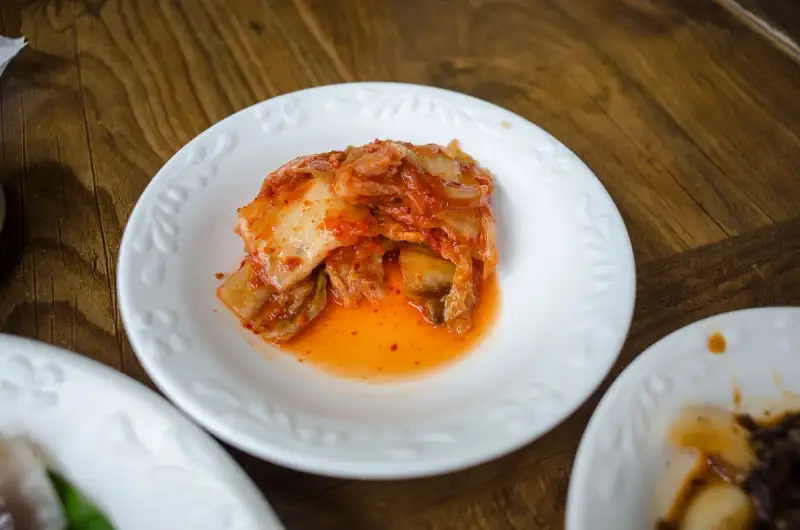
- Marcus Vance
- 13 Jul, 2026 21:40
Kimchi's Untold Saga: Unearthing the Fermented Superfoods Beyond the Cabbage You Thought You Knew
For many across the globe, the word "kimchi" conjures a singular image: vibrant red, spicy fermented napa cabbage, a quintessential side dish on every Korean table. It's a culinary icon, celebrated for its unique flavor profile—a complex interplay of spicy, sour, savory, and umami notes—and its burgeoning reputation as a global superfood. Indeed, baechu-kimchi, or napa cabbage kimchi, is undoubtedly the most famous and widely consumed variety, representing a cornerstone of Korean gastronomic identity. Its journey from a staple peasant food to a global health trend is a testament to its compelling taste and undeniable nutritional merits. Yet, to limit kimchi to just fermented napa cabbage is akin to believing that "bread" only refers to sliced white loaf. The truth is, kimchi is not a single dish, but rather a vast and intricate category encompassing hundreds of distinct varieties, each a unique testament to Korea's rich agricultural heritage and deep understanding of fermentation. From crisp radishes to fresh cucumbers, pungent mustard greens to refreshing water kimchis, the world of kimchi extends far beyond the familiar leafy greens. These often-overlooked varieties offer a dazzling array of textures, flavors, and nutritional benefits, each prepared with meticulous care and a keen understanding of seasonal ingredients. In this comprehensive exploration, we will peel back the layers of this fermented marvel, venturing beyond the ubiquitous cabbage to discover a universe of probiotic-rich wonders, dissecting their scientific contributions to human health, and inspiring you to explore the boundless possibilities of Korean fermentation. Prepare to have your perception of kimchi profoundly transformed. The Fermentation Marvel: A Microbiome Powerhouse The magic of kimchi, irrespective of its primary vegetable, lies fundamentally in its fermentation process—a microbiological transformation that elevates simple ingredients into a complex, nutrient-dense superfood. This ancient preservation technique, rooted in millennia of human ingenuity, leverages specific strains of beneficial bacteria to create a profoundly healthful product. The primary drivers of kimchi fermentation are lactic acid bacteria (LAB), predominantly species from the genera Lactobacillus, Leuconostoc, and Weissella. These microscopic heroes initiate a carefully orchestrated cascade of biochemical changes that define kimchi's characteristic flavor, texture, and, most importantly, its remarkable health benefits. When raw vegetables, typically salted to draw out moisture and inhibit spoilage organisms, are mixed with a paste containing chili powder (gochugaru), garlic, ginger, green onions, and often fish sauce or salted shrimp, they provide a fertile ground for LAB. These anaerobic bacteria thrive in the low-oxygen environment of a sealed fermentation vessel, converting carbohydrates present in the vegetables into lactic acid. This process dramatically lowers the pH of the mixture, inhibiting the growth of harmful pathogens while preserving the vegetables and developing complex flavor compounds. The tangy, sour taste characteristic of well-fermented kimchi is a direct result of this lactic acid production. Beyond preservation and flavor enhancement, the health implications of this microbial activity are profound. The high concentration of live LAB in kimchi acts as a potent probiotic, directly contributing to a healthy gut microbiome. Research published in Frontiers in Microbiology (2018) extensively details how the diverse microbial consortium in kimchi can modulate the composition and function of the human gut microbiota, potentially improving digestive health and enhancing nutrient absorption. Furthermore, LAB produce short-chain fatty acids (SCFAs), such as butyrate, acetate, and propionate, which are vital for gut health. Butyrate, in particular, serves as a primary energy source for colonocytes, helps maintain the integrity of the intestinal barrier, and possesses significant anti-inflammatory properties, as highlighted in numerous studies including a review in the Journal of Medicinal Food (2020). Moreover, the fermentation process makes certain nutrients more bioavailable and generates novel bioactive compounds. It enhances the vitamin content, particularly B vitamins (B1, B2, B12), and can even increase the antioxidant capacity of the original ingredients. The synergistic interaction between the prebiotics (fiber from vegetables) and probiotics (LAB) in kimchi creates a synbiotic effect, fostering a robust internal ecosystem crucial for overall well-being. Regular consumption of kimchi has been linked to improved immune function, reduced inflammation, and even potential benefits for metabolic health, making it far more than just a tasty condiment—it's a vibrant microbial ecosystem on a plate.Diving Deeper: Kimchi Varieties Beyond Baechu While baechu-kimchi rightfully holds its throne, the true marvel of Korean fermentation lies in the sheer diversity of its kimchi family. To venture beyond napa cabbage is to discover a spectrum of textures, flavor profiles, and seasonal delights, each offering a unique culinary experience and specific health benefits derived from its distinct ingredients. This exploration unveils the ingenuity and adaptability of Korean culinary traditions. One of the most popular alternatives is Kkakdugi (깍두기), or cubed radish kimchi. This variety utilizes Korean radish (mu), which is denser and sweeter than daikon radish. Cut into satisfyingly crunchy cubes, it's typically seasoned with gochugaru, garlic, ginger, green onions, and often fermented with a hint of fish sauce. Kkakdugi offers a delightful textural contrast to baechu-kimchi, providing a refreshing crunch and a subtly different spicy-tangy profile that perfectly complements richer Korean stews and soups. Its high fiber content, derived from the radish, aids digestion and gut motility. For a taste of summer, Oi Sobagi (오이소박이), or stuffed cucumber kimchi, is a seasonal favorite. Fresh cucumbers are quartered but left attached at one end, then stuffed with a vibrant mixture of chives, carrots, garlic, ginger, and chili paste. The short fermentation period results in a crisp, refreshing kimchi with a light spice and herbaceous notes. It’s a superb palate cleanser, particularly invigorating during warmer months, and its high water content from cucumbers contributes to hydration. Another distinctive radish kimchi is Chonggak Kimchi (총각김치), often called "ponytail radish kimchi" due to the small radishes being fermented whole with their long greens attached. This presentation gives it a rustic charm and a potent, peppery flavor from the radish greens, which are rich in vitamins K and C. Chonggak kimchi has a more robust, earthy taste and a satisfying chew, making it a favorite for those who appreciate bolder flavors and textures. Moving away from the fiery red, we find the elegant Nabak Kimchi (나박김치) and Dongchimi (동치미), both types of "water kimchi" (mul-kimchi). These are characterized by their clear, refreshing brine rather than a thick chili paste. Nabak kimchi usually features thinly sliced napa cabbage and radish, often with garlic, ginger, red chili threads, and sometimes pear or apple slices, creating a delicately sweet and subtly spicy broth. Dongchimi, on the other hand, is typically less spicy, focusing on whole or large pieces of radish, sometimes with green onions, ginger, and fruits like Asian pear. These water kimchis are excellent digestive aids, often served cold to refresh the palate, and are rich in beneficial probiotics within their liquid component, offering a gentler introduction to fermented foods for those sensitive to spice. They are particularly beneficial for hydration and electrolyte balance, especially given the natural mineral content of the brine. Finally, Gat Kimchi (갓김치), or mustard leaf kimchi, offers a powerfully pungent and slightly bitter flavor profile, cherished by connoisseurs. Made from Korean mustard greens, it’s seasoned similarly to baechu-kimchi but delivers a more intense, peppery kick that stands out. The mustard greens themselves are nutritional powerhouses, packed with vitamins A, C, and K, along with potent antioxidants and glucosinolates, which are known for their detoxifying properties. Each of these varieties, with its unique sensory profile and ingredient base, showcases the incredible breadth of the kimchi tradition, inviting endless exploration. The Nutritional Powerhouse: Macros, Micros, and Bioactive Compounds Beyond its tantalizing flavors and probiotic benefits, kimchi stands as a formidable nutritional powerhouse, a testament to the concentrated goodness derived from its vegetable base and the transformative power of fermentation. Its profile is remarkably rich in essential macronutrients, micronutrients, and a diverse array of bioactive compounds, all contributing to its esteemed superfood status. From a macronutrient perspective, most kimchi varieties are commendably low in calories and fat, making them an excellent addition to a health-conscious diet. A typical 100g serving of baechu-kimchi, for instance, provides approximately 15-20 calories, with minimal fat content (often less than 0.5g, unless additional oils are used in preparation). Carbohydrates typically range from 2-4g, a significant portion of which is dietary fiber (1-2g). The fermentation process consumes some of the sugars, further reducing the overall carbohydrate load while increasing the bioavailability of other nutrients. Protein content is generally low, around 1-2g, primarily derived from the vegetables and any added seafood components like fish sauce or salted shrimp. However, where kimchi truly shines is in its micronutrient and bioactive compound profile. It is an exceptional source of several vital vitamins and minerals:Vitamin C: Abundant in fresh cabbage, radishes, and other vegetables, kimchi retains a significant amount of vitamin C, a powerful antioxidant crucial for immune function and collagen synthesis. Vitamin K: Particularly K1, found in dark leafy greens, which is essential for blood clotting and bone health. B Vitamins: The fermentation process enhances the B vitamin content, including folate, riboflavin (B2), and even some B12, which is rare in plant-based foods, making kimchi a notable source for vegetarians and vegans. Vitamin A (as beta-carotene): Especially in varieties with more orange or red vegetables, vital for vision, immune function, and skin health. Minerals: Kimchi is a good source of minerals like iron (important for oxygen transport), calcium (for bone health), potassium (for blood pressure regulation), and selenium (an antioxidant).Beyond these well-known nutrients, kimchi is brimming with bioactive compounds that contribute to its anti-inflammatory, antioxidant, and potential anti-carcinogenic properties.Isothiocyanates: Derived from cruciferous vegetables like napa cabbage and radishes, these compounds have been extensively studied for their potential in cancer prevention and detoxification pathways. Studies in the British Journal of Nutrition (2019) have linked dietary intake of isothiocyanates to enhanced antioxidant enzyme activity in the human body. Capsaicinoids: The active compounds in gochugaru (Korean chili powder) are responsible for kimchi's characteristic heat. Capsaicin has been shown to possess anti-inflammatory and pain-relieving properties, and its impact on metabolism has been reviewed in Food & Function (2021). Allicin: Found in garlic, allicin is a sulfur-containing compound known for its potent antimicrobial, antiviral, and antioxidant effects. Gingerol: The primary active compound in ginger, contributing powerful anti-inflammatory and antioxidant benefits. Choline: Present in cabbage, choline plays a crucial role in liver function, brain development, nerve function, muscle movement, and metabolism.The synergistic interaction of these components—the fiber acting as a prebiotic, the live cultures as probiotics, and the array of vitamins, minerals, and bioactive compounds—makes kimchi a holistic food that supports gut health, modulates the immune system, reduces systemic inflammation, and contributes to overall cellular protection.👉 Continue Reading: Kimchi's Untold Saga: Unearthing the Fermented Superfoods Beyond the Cabbage You Thought You Knew (Part 2)#KimchiLove #KoreanFood #ProbioticPower #FermentedFoods #HealthyEating Related InsightsSteel-Cut Oats with Chia Seeds and Blueberries: A Delicious and Nutritious Breakfast Option Sailing the Cheese Seas: A Masterclass in Georgian Khachapuri Variations Peruvian Ceviche Revealed: The Ancient Citrus Alchemy That Transforms Seafood into a Nutritional Powerhouse{ "@context": "https://schema.org", "@type": "FAQPage", "mainEntity": [ { "@type": "Question", "name": "What is the main focus of Kimchi's Untold Saga: Unearthing the Fermented Superfoods Beyond the Cabbage You Thought You Knew?", "acceptedAnswer": { "@type": "Answer", "text": "Dive deep into the extraordinary world of Korean kimchi, exploring its diverse forms beyond napa cabbage and the profound health benefits backed by scientific research." } }, { "@type": "Question", "name": "Who authored the comprehensive guide on Kimchi's Untold Saga: Unearthing the Fermented Superfoods Beyond the Cabbage You Thought You Knew?", "acceptedAnswer": { "@type": "Answer", "text": "This detailed article and its insights were carefully researched and authored by Marcus Vance." } }, { "@type": "Question", "name": "Where can I find more related content about Food?", "acceptedAnswer": { "@type": "Answer", "text": "You can explore more articles, detailed reviews, and similar insights by browsing the Related Insights section at the bottom of this article or visiting our dedicated Food category page." } } ] }
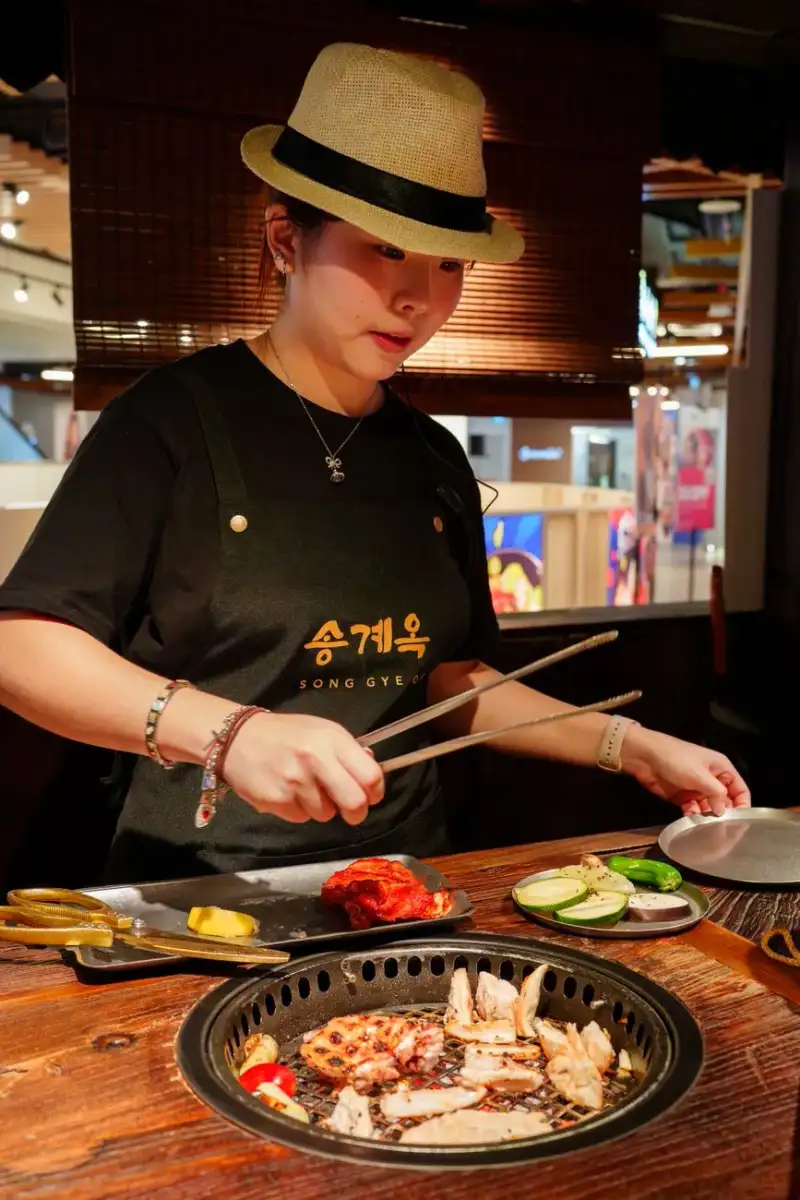
- Marcus Vance
- 13 Jul, 2026 21:40
Kimchi's Untold Saga: Unearthing the Fermented Superfoods Beyond the Cabbage You Thought You Knew (Part 2)
This is Part 2 of the series. Read Part 1 here.Crafting Your Own: A Simplified Guide to Kkakdugi Kimchi Embarking on the journey of making your own kimchi is immensely rewarding, offering fresh, personalized flavors and the satisfaction of traditional food preservation. While baechu-kimchi can be complex, Kkakdugi (깍두기), the cubed radish kimchi, provides a fantastic entry point for beginners due to its simpler preparation and forgiving nature. Here's a step-by-step guide to crafting your own batch of crisp, tangy kkakdugi: Yields: Approx. 2 kg | Prep time: 30 minutes | Fermentation: 2-5 days Ingredients:1.5 kg Korean radish (mu), or daikon radish, peeled 2-3 tbsp coarse sea salt (non-iodized) For the Paste: ½ cup Korean chili powder (gochugaru), adjust to taste ¼ cup fish sauce (or vegan alternative like soy sauce for flavor) 2 tbsp minced garlic (approx. 6-8 cloves) 1 tbsp minced ginger 2 tbsp sugar (or maple syrup for a more nuanced sweetness) ¼ cup glutinous rice flour paste (mix 1 tbsp rice flour with ¼ cup water, simmer until thick, cool) – optional, for binding ¼ cup water (if not using rice flour paste)For the Fresh Additions: 3-4 green onions, chopped into 1-inch piecesEquipment:Large mixing bowl Airtight fermentation jar or container (glass or food-grade plastic)Step-by-Step Instructions:Prepare the Radish:Peel the Korean radish and cut it into approximately 1-inch (2.5 cm) cubes. Uniform size ensures even salting and fermentation. Place the radish cubes in a large bowl and sprinkle generously with the coarse sea salt. Toss well to ensure all radish pieces are coated. Let it sit for 30-45 minutes. The salt will draw out excess water, making the radish crispier and preventing it from getting soggy. Stir occasionally. After salting, drain the radish thoroughly. Do not rinse the radish, as the residual salt will aid in fermentation. Tip: While draining, gently squeeze handfuls of radish to remove more water without breaking them.Make the Seasoning Paste:In a separate medium-sized bowl, combine the gochugaru, fish sauce, minced garlic, minced ginger, sugar, and the cooled glutinous rice flour paste (if using, otherwise use ¼ cup water). Mix everything thoroughly until a smooth, thick paste forms. The glutinous rice flour paste helps to bind the spices to the radish and feeds the lactic acid bacteria, encouraging fermentation.Combine and Mix:Add the drained radish cubes to the bowl with the seasoning paste. Wearing food-grade gloves (highly recommended due to chili and potential skin irritation), mix everything thoroughly. Ensure every radish cube is evenly coated with the vibrant red paste. Add the chopped green onions and gently mix them in.Pack and Ferment:Carefully transfer the seasoned kkakdugi into your clean, airtight fermentation jar or container. Press down firmly on the kimchi to remove air pockets. This also helps submerge the kimchi under its own liquid (brine), which is crucial for anaerobic fermentation. Leave about 1-2 inches of headspace from the top of the jar, as the kimchi will produce gas and liquid during fermentation. Close the lid tightly. Place the jar at room temperature (ideally 18-22°C or 65-72°F) for 2-5 days. The fermentation time can vary based on temperature and your desired level of sourness. Monitoring: After 24-48 hours, you might notice small bubbles forming, and the lid might start to bulge if it's not a self-burping type. "Burp" the jar daily by opening the lid briefly to release gas, then re-seal. Taste Test: After 2 days, taste a piece of radish. Once it reaches a pleasant sourness that you enjoy, move it to the refrigerator. Fermentation will slow down significantly in the cold, preserving its flavor.Serve and Store:Your homemade kkakdugi is ready to enjoy! It will continue to ferment slowly in the refrigerator, developing deeper flavors over several weeks. Serve it as a side dish with any meal. It's particularly fantastic with grilled meats, rice, and hearty stews.Making kkakdugi is an incredibly rewarding experience that connects you directly to the vibrant world of Korean fermented foods. It’s fresh, flavorful, and packed with beneficial probiotics—a true labor of love that nourishes both body and soul. Beyond the Bowl: Innovative Culinary Applications of Kimchi To relegate kimchi solely to a side dish, however revered, is to overlook its immense potential as a dynamic, flavor-enhancing ingredient in a myriad of culinary contexts. Its complex profile—a harmonious blend of spicy, sour, umami, and sometimes sweet notes—makes it incredibly versatile, capable of transforming ordinary dishes into extraordinary experiences. Moving beyond the traditional Korean table, kimchi has steadily infiltrated global cuisine, proving its adaptability and allure. Traditionally, kimchi is a foundational element in many beloved Korean dishes. Classic applications include Kimchi Jjigae (김치찌개), a hearty, spicy stew often featuring pork or tofu, where aged, sour kimchi provides the essential depth and tang. Kimchi Bokkeumbap (김치볶음밥), or kimchi fried rice, capitalizes on the aged kimchi's intense flavor, stir-fried with rice, meat, and often topped with a fried egg. Kimchi Buchimgae (김치부침개), savory kimchi pancakes, offer a delightful crunch and chew, with the kimchi lending its characteristic zest and a pleasing texture. Even something as simple as Kimchi Mandu (김치만두), kimchi dumplings, showcases its ability to elevate ground meat or vegetable fillings. However, the true innovation lies in kimchi's contemporary and fusion applications, demonstrating its seamless integration into diverse culinary traditions:Kimchi Tacos/Burritos: The crisp, spicy, and tangy elements of kimchi provide a fantastic counterpoint to rich meats like carnitas or bulgogi, adding a fresh, zesty kick to a classic Mexican format. Kimchi Grilled Cheese: Imagine the ultimate comfort food elevated by the piquant bite of fermented cabbage, cutting through the richness of melted cheese. It's a game-changer. Kimchi Pasta/Pizza Topping: Finely chopped kimchi can be stirred into pasta sauces for an umami boost or scattered over pizza as a vibrant, unconventional topping, pairing surprisingly well with savory meats and cheeses. Kimchi Slaw for Sandwiches/Burgers: Replacing traditional coleslaw with a kimchi-infused version adds a fiery, tangy crunch that can cut through the richness of a burger or pulled pork sandwich. Kimchi-infused Dressings/Sauces: Blending kimchi into vinaigrettes, mayonnaise, or even creating a kimchi aioli can add a unique depth of flavor to salads, grilled vegetables, or as a dipping sauce for fries. Kimchi Stews (Non-Korean): Think beyond jjigae. Kimchi can lend an incredible complexity to lentil stews, bean chilis, or even curries, providing a fermented depth that is hard to replicate. Kimchi with Eggs: A simple yet profound upgrade to breakfast or brunch. Scrambled eggs with finely chopped kimchi, a kimchi omelet, or even kimchi-topped avocado toast offer a burst of flavor. Water Kimchis as Refreshers: Varieties like Nabak Kimchi or Dongchimi, with their delicate, refreshing broths, can be used as unique bases for cold noodle soups or even as a clean, probiotic-rich palate cleanser between courses.The key to successful integration is understanding kimchi's core flavor profile and textural contributions. Aged, sour kimchi, for instance, shines in cooked dishes like stews and fried rice, where its flavors meld and deepen. Fresher, crisper varieties like oi sobagi or kkakdugi are excellent for adding crunch and brightness to salads or sandwiches. The umami from fermentation, the heat from gochugaru, and the tang from lactic acid—all combine to offer a multifaceted ingredient that encourages experimentation. So, next time you reach for that jar of kimchi, consider its boundless potential to reinvent your everyday meals. Comparative Nutritional Profile of Selected Kimchi Varieties (Per 100g serving, approximate values) The nutritional composition of kimchi can vary based on ingredients, fermentation time, and specific recipes. However, this table provides a general overview of the macronutrient and key micronutrient profiles for common kimchi varieties. These values highlight the diverse health benefits each type offers, beyond just the familiar baechu-kimchi. Note that probiotic counts are highly variable and depend on the specific fermentation conditions and freshness of the kimchi.Kimchi Type Calories (kcal) Protein (g) Fat (g) Carbs (g) Fiber (g) Vit C (%DV) Calcium (%DV) Probiotics (CFU/g) (Approx.) Key Nutritional NotesBaechu Kimchi 15-20 1-2 0.3-0.5 3-4 1-2 15-25% 2-4% 10^7 - 10^9 Rich in vitamins C, K, B; source of isothiocyanates and capsaicin. Promotes gut health.Kkakdugi Kimchi 18-25 1-2 0.3-0.5 4-5 1.5-2.5 20-30% 3-5% 10^7 - 10^9 Higher in fiber due to radish. Good source of Vitamin C and minerals. Distinct crisp texture aids digestion.Oi Sobagi Kimchi 10-15 0.5-1 0.2-0.4 2-3 0.8-1.5 10-18% 1-3% 10^6 - 10^8 Very low calorie, high water content from cucumbers. Hydrating and refreshing. Contains beneficial compounds from chives and garlic.Nabak Kimchi (Water) 8-12 0.5-1 0.1-0.2 1.5-2.5 0.5-1 8-15% 1-2% 10^6 - 10^8 (in brine) Extremely low calorie. Focus on the probiotic-rich liquid. Hydrating, gentle on the stomach, and a good source of electrolytes. Often contains natural sugars from fruit additions for milder fermentation.Gat Kimchi 20-28 1.5-2.5 0.4-0.6 4-6 2-3.5 25-35% 5-8% 10^7 - 10^9 Higher nutrient density from mustard greens. Rich in Vitamins A, C, K, and folate. Contains glucosinolates with potential detoxifying properties. Stronger, pungent flavor.Note: %DV refers to Percent Daily Value based on a 2,000 calorie diet. Probiotic counts are highly variable and represent a general estimate for well-fermented kimchi. Individual recipes and ingredients will lead to variations in these nutritional values. Conclusion: A Universe of Flavor and Wellness in Every Fermented Bite Our journey through the multifaceted world of Korean kimchi has unveiled a culinary marvel far grander than its most famous representative, baechu-kimchi. We've delved into the scientific wonders of its fermentation, a process orchestrated by beneficial lactic acid bacteria that transform humble vegetables into a microbiome powerhouse, contributing significantly to gut health, immune function, and overall well-being. Beyond the familiar, we've explored an astounding array of varieties—from the crisp bite of kkakdugi and the refreshing zest of oi sobagi, to the pungent complexity of gat kimchi and the delicate clarity of nabak kimchi. Each offers a distinct sensory experience, reflecting Korea's profound connection to its land and seasons. We've meticulously broken down kimchi's impressive nutritional profile, highlighting its richness in essential vitamins, minerals, and potent bioactive compounds like isothiocyanates, capsaicinoids, and allicin, all working in synergy to provide anti-inflammatory and antioxidant benefits. For the adventurous spirit, we've provided a clear pathway to crafting your own batch of kkakdugi, demonstrating that the art of kimchi-making is accessible and profoundly rewarding. Finally, we've transcended the traditional serving bowl, showcasing how kimchi's versatile flavor profile can revolutionize everything from tacos and grilled cheese to stews and innovative dressings, proving its place as a dynamic ingredient in global gastronomy. Kimchi is not merely a condiment; it is a living food, a testament to ancient wisdom, and a vibrant cornerstone of health. It embodies the essence of "food as medicine," delivering a complex symphony of flavors alongside a formidable boost to your internal ecosystem. I urge you, dear reader, to move beyond your preconceived notions. Seek out the diverse varieties of kimchi available, experiment with making your own, and integrate its incredible depth into your daily cooking. The world of kimchi is vast, delicious, and waiting to enrich your life, one fermented bite at a time. Embrace the tang, savor the spice, and celebrate the health benefits of this extraordinary superfood.#KimchiLove #KoreanFood #ProbioticPower #FermentedFoods #HealthyEating Related InsightsAndean Superfoods Unveiled: The Alchemical Power of Quinoa, Kiwicha, and Canihua Unlocking the Power of Roasted Beetroot Hummus with Toasted Sesame: A Delicious Anti-Inflammatory Delight Exploring the Nutritional Haven of Buckwheat Kasha with Sautéed Mushrooms and Onions{ "@context": "https://schema.org", "@type": "FAQPage", "mainEntity": [ { "@type": "Question", "name": "What is the main focus of Kimchi's Untold Saga: Unearthing the Fermented Superfoods Beyond the Cabbage You Thought You Knew (Part 2)?", "acceptedAnswer": { "@type": "Answer", "text": "Dive deep into the extraordinary world of Korean kimchi, exploring its diverse forms beyond napa cabbage and the profound health benefits backed by scientific research." } }, { "@type": "Question", "name": "Who authored the comprehensive guide on Kimchi's Untold Saga: Unearthing the Fermented Superfoods Beyond the Cabbage You Thought You Knew (Part 2)?", "acceptedAnswer": { "@type": "Answer", "text": "This detailed article and its insights were carefully researched and authored by Marcus Vance." } }, { "@type": "Question", "name": "Where can I find more related content about Food?", "acceptedAnswer": { "@type": "Answer", "text": "You can explore more articles, detailed reviews, and similar insights by browsing the Related Insights section at the bottom of this article or visiting our dedicated Food category page." } } ] }
-
 Klaus Weber
 - 11 Jul, 2026 09:57
Der verborgene Tanz der Transformation: Eine Odyssee durch die Welt der Fermentation
In den Tiefen der Geschichte, lange bevor der Mensch das Feuer zähmte oder die Schrift erfand, wirkte bereits eine stille, unsichtbare Kraft in der Natur. Eine Kraft, die rohe Materie in etwas Neues, oft Köstlicheres und Haltbareres verwandelte. Es ist der geheime Tanz der Mikroorganismen, eine Alchemie des Geschmacks und der Konservierung, die wir heute als Fermentation kennen. Ein Phänomen, das die Menschheit seit Urzeiten prägt und dessen wissenschaftliche Ergründung uns immer wieder aufs Neue fasziniert. Die Wissenschaft dieser wundersamen Wandlung trägt einen klangvollen Namen: Zymologie oder Zymurgie. Im Kern ist Fermentation in der Lebensmittelverarbeitung die kunstvolle Umwandlung von Kohlenhydraten in Alkohol oder organische Säuren. Dabei kommen winzige Helfer zum Einsatz – Hefen oder Bakterien –, und das alles ohne die Notwendigkeit eines oxidierenden Agens. Was diese Prozesse so besonders macht, ist ihre Absicht: Die Aktion der Mikroorganismen ist hierbei ausdrücklich erwünscht. Manchmal wird der Begriff „Fermentation“ spezifisch auf die chemische Umwandlung von Zuckern in Ethanol bezogen, die uns alkoholische Getränke wie Wein, Bier und Apfelwein beschert. Doch ihr Reich ist weitaus größer und umfasst ähnliche Wunderwerke wie das Treiben von Brot durch die Kohlendioxidproduktion der Hefe oder die Konservierung säuerlicher Lebensmittel, wie sie in Sauerkraut und Joghurt durch Milchsäuregärung geschieht. Die globale Speisekammer wäre ohne diese transformierende Kraft undenkbar: Essig, Oliven und Käse sind nur einige der allgegenwärtigen Zeugen. Doch auch regional prägen fermentierte Köstlichkeiten auf Basis von Bohnen, Getreide, Gemüse, Obst, Honig, Milchprodukten und Fisch die kulinarische Identität unzähliger Kulturen. Ein Blick in die Urgeschichte: Die Geburt der Fermentation Die natürliche Fermentation ist älter als die menschliche Geschichte selbst. Doch seit alten Zeiten hat der Mensch diesen Prozess für sich nutzbar gemacht, oft wohl eher unabsichtlich, durch glückliche Fügungen des Zufalls. Man kann sich vorstellen, wie unsere Vorfahren überschüssige Nahrungsmittel in Gefäßen lagerten und diese mit der Zeit in Vergessenheit gerieten. Im Laufe der Zeit begannen Hefen und Bakterien, sich in diesen vergessenen Schätzen auszubreiten, und führten den Menschen so zur Entdeckung fermentierter Lebensmittel. Die archäologischen Zeugnisse dieser frühen Entdeckungen sind atemberaubend und zeugen von einer tief verwurzelten Tradition. Das früheste uns bekannte Indiz für Fermentation stammt aus einer Höhle in der Nähe von Haifa in Israel: 13.000 Jahre alte Rückstände eines Bieres, das in seiner Konsistenz wohl eher einem Brei ähnelte. Dies ist ein Echo aus einer Zeit, die unsere Vorstellungskraft kaum fassen kann.Nicht viel jünger sind weitere Zeugnisse alkoholischen Genusses: Zwischen 7000 und 6600 v. Chr. wurde in dem neolithischen chinesischen Dorf Jiahu ein Getränk aus Früchten, Reis und Honig hergestellt. Und die Kunst des Weinbaus? Sie reicht bis etwa 6000 v. Chr. zurück, mit Ursprung in Georgien, im Kaukasusgebiet. Siebentausend Jahre alte Krüge mit Weinresten, die heute an der University of Pennsylvania ausgestellt sind, wurden im Zagros-Gebirge im Iran ausgegraben. Die Beweise verdichten sich, dass alkoholische Getränke bereits um 3000 v. Chr. in Babylon, um 3150 v. Chr. im alten Ägypten, um 2000 v. Chr. im vorspanischen Mexiko und um 1500 v. Chr. im Sudan fermentiert wurden. Diese Spuren ziehen sich wie ein roter Faden durch die Geschichte der menschlichen Zivilisation und offenbaren eine universelle Faszination für die Gaben der Fermentation. Das Licht der Erkenntnis: Die Rolle der Hefe entschlüsselt Jahrtausende vergingen, in denen der Mensch die Fermentation nutzte, ohne ihre innersten Mechanismen zu verstehen. Erst im Jahr 1856 betrat ein Mann die Bühne der Wissenschaft, der unser Verständnis revolutionieren sollte: der französische Chemiker Louis Pasteur, der als Begründer der Zymologie gilt. Es war Pasteur, der die entscheidende Verbindung zwischen Hefe und Fermentation herstellte. Bei seinen Studien zur Fermentation von Zucker zu Alkohol durch Hefe kam Pasteur zu dem Schluss, dass dieser Prozess durch eine „vitale Kraft“, die er „Fermente“ nannte, innerhalb der Hefezellen katalysiert wurde. Diese „Fermente“ galten als nur innerhalb lebender Organismen funktionsfähig. Pasteur formulierte es unmissverständlich: „Die alkoholische Gärung ist ein Akt, der mit dem Leben und der Organisation der Hefezellen korreliert, nicht mit dem Tod oder der Fäulnis der Zellen.“ Eine tiefgreifende Erkenntnis, die den Weg für die moderne Mikrobiologie ebnete. Das Geheimnis der „zellfreien Fermentation“ Doch die Wissenschaft ruht nie. Trotz Pasteurs Überzeugung, dass die Fermente nur in lebenden Zellen wirken, war bereits bekannt, dass Hefeextrakte Zucker auch in Abwesenheit lebender Hefezellen fermentieren konnten. Diesem Phänomen widmete sich der deutsche Chemiker und Zymologe Eduard Buchner von der Humboldt-Universität zu Berlin. Im Jahr 1897 machte er eine bahnbrechende Entdeckung: Zucker wurde auch dann fermentiert, wenn keine lebenden Hefezellen in der Mischung vorhanden waren. Verantwortlich dafür war ein Enzymkomplex, der von der Hefe abgesondert wurde und den Buchner als Zymase bezeichnete. Diese Entdeckung der „zellfreien Fermentation“ war so fundamental, dass Buchner 1907 den Nobelpreis für Chemie erhielt. Seine Forschung erweiterte das Verständnis der Fermentation von einem rein biologischen Prozess auf einen biochemischen, der durch spezifische Enzyme katalysiert wird. Nur ein Jahr zuvor, im Jahr 1906, führten Studien zur Ethanolgärung zur frühen Entdeckung von oxidiertem Nicotinamid-Adenin-Dinukleotid (NAD+), einem entscheidenden Coenzym im Stoffwechsel. Solche Entdeckungen legten das Fundament für die moderne Biotechnologie. Die vielfältigen Anwendungen: Fermentation als kulinarischer Baumeister Lebensmittelfermentation ist die Umwandlung von Zuckern und anderen Kohlenhydraten in Alkohol oder konservierende organische Säuren und Kohlendioxid. Alle drei Produkte haben die Menschheit in vielfältiger Weise bereichert. Die Produktion von Alkohol wird genutzt, wenn Fruchtsäfte zu Wein werden, wenn Getreide zu Bier verarbeitet wird und wenn stärkereiche Lebensmittel wie Kartoffeln fermentiert und dann destilliert werden, um Spirituosen wie Gin und Wodka herzustellen. Kohlendioxid ist der unsichtbare Helfer, der Brot aufgehen lässt und ihm seine luftige Textur verleiht. Die Produktion organischer Säuren wiederum wird zur Konservierung und Aromatisierung von Gemüse und Milchprodukten genutzt – man denke nur an das pikante Aroma von Sauerkraut oder die cremige Säure von Joghurt. Die Fermentation dient fünf Hauptzwecken, die unsere Ernährung seit jeher tiefgreifend beeinflussen:Aromenvielfalt: Sie bereichert die Ernährung durch die Entwicklung einer Vielfalt an Geschmäckern, Aromen und Texturen in den Lebensmittelrohstoffen. Haltbarkeit: Sie ermöglicht die Konservierung erheblicher Mengen an Lebensmitteln durch Milchsäure-, Alkohol-, Essigsäure- und alkalische Fermentationen. Nährwertsteigerung: Sie reichert Lebensmittelrohstoffe mit Proteinen, essenziellen Aminosäuren und Vitaminen an. Antinährstoffreduktion: Sie hilft, Antinährstoffe zu eliminieren, die sonst die Aufnahme von Nährstoffen behindern könnten. Kochzeitverkürzung: Sie reduziert die Kochzeit und den damit verbundenen Brennstoffverbrauch.Fermentierte Getränke sind wahrscheinlich universell mit Zeremonien und Festen verbunden gewesen. Die Art und Weise, wie sie in solchen Kontexten konsumiert wurden, lässt sich teilweise aus der Konstruktion von Trinkgefäßen und den darin enthaltenen Rückständen ableiten – ein stilles Zeugnis alter Bräuche. Eine globale Speisekammer: Fermentierte Köstlichkeiten weltweit Die Geografie der Fermentation ist so vielfältig wie die Menschheit selbst. Jede Region hat ihre eigenen, einzigartigen Methoden und Rezepte entwickelt, die oft tief in der Kultur und Geschichte verankert sind. Weltweit bekannte Klassiker: Alkoholische Getränke (Bier, Wein), Essig, Oliven, Joghurt, Brot und Käse sind globale Grundnahrungsmittel, die ohne Fermentation undenkbar wären. Asien – Ein Fest der Fermentation:Ost- und Südostasien: Hier finden sich so unterschiedliche Spezialitäten wie Amazake (ein süßer, fermentierter Reiswein), Atchara (fermentiertes Papayagemüse), Belacan (Garnelenpaste), Doenjang (Sojabohnenpaste), Douchi (fermentierte schwarze Bohnen), Fischsauce, Kimchi (fermentiertes Gemüse), Kombucha, Miso, Nata de Coco, Natto (fermentierte Sojabohnen), Ngapi (Fisch- oder Garnelenpaste), Sake, Sojasauce, Stinky Tofu und Tempeh. Zentralasien: Kumis (fermentierte Stutenmilch), Kefir, Schubat (fermentierte Kamelmilch) und Qatiq (Joghurt) prägen die Milchwirtschaft. Südasien: Achar (eingelegtes Gemüse/Obst), Appam, Dosa, Dhokla, Dahi (Joghurt) und Idli sind Beispiele für fermentierte Köstlichkeiten, oft auf Getreide- oder Linsenbasis.Afrika – Die Vielfalt des Kontinents: Garri (fermentierte Maniok), Injera (Fladenbrot), Laxoox, Mageu, Ogi und Ogiri sind nur einige Beispiele, die die Grundlage vieler Mahlzeiten bilden. Amerika – Von Kakao bis Chicha: Chicha (fermentiertes Maisgetränk), Schokolade, Vanille, Hot Sauce, Tepache, Pulque, Muktuk und Kiviak zeigen die breite Palette von fermentierten Lebensmitteln, von Getränken bis zu traditionellen Inuit-Gerichten. Mittlerer Osten: Torshi (eingelegtes Gemüse) und Boza (fermentiertes Getreidegetränk) sind hier beheimatet. Europa – Eine reiche Tradition: Sauerteigbrot, Holunderwein, Kombucha, Einlegen von Gemüse (Pickling), Rakfisk, Sauerkraut, Essiggurken, Surströmming, Met, Kwass, Salami, Sucuk, Prosciutto und eine Vielzahl von Kultmilchprodukten wie Quark, Kefir, Filmjölk, Crème fraîche, Smetana, Skyr, Rakı und Tupí zeugen von einer tiefen Fermentationskultur. Ozeanien: Poi und Kanga Pirau sind Beispiele aus dieser Region.Fermentierte Lebensmittel nach Typ: Eine kulinarische Klassifizierung Die Wunder der Fermentation erstrecken sich über alle Kategorien von Lebensmitteln und transformieren Grundzutaten in kulinarische Meisterwerke. Bohnen: Fermentierte Bohnenprodukte sind ein Eckpfeiler vieler Küchen, insbesondere in Asien. Cheonggukjang, Doenjang, Douchi, fermentierter Bohnenkäse, Miso, Natto, Sojasauce, Stinky Tofu, Tempeh, Oncom, Sojabohnenpaste, Beijing Mungbohnenmilch, Kinama, Iru und Thua Nao sind Beispiele für die unglaubliche Vielfalt, die aus der Fermentation von Bohnen entsteht. Getreide: Getreide ist die Basis für unzählige fermentierte Produkte. Amazake, Bier, Brot, Choujiu, Gamju, Injera, Kwass, Makgeolli, Murri, Ogi, Rejuvelac, Sake, Sikhye, Sauerteig, Sowans, Reiswein, Malt Whisky, Grain Whisky, Idli, Dosa, Bangla (Getränk), Wodka, Boza und Chicha sind nur einige der vielen Beispiele, die zeigen, wie Getreide durch Fermentation zu nahrhaften und genussvollen Lebensmitteln und Getränken verarbeitet wird. Gemüse: Die Kunst des Einlegens und Fermentierens von Gemüse ist eine der ältesten Konservierungsmethoden. Kimchi, Mixed Pickle, Sauerkraut, Indian Pickle, Gundruk und Tursu sind nur einige der würzigen, sauren und oft probiotischen Köstlichkeiten, die durch die Milchsäuregärung von Gemüse entstehen. Obst: Früchte werden ebenfalls durch Fermentation veredelt. Wein, Essig, Apfelwein, Birnenwein, Branntwein, Atchara, Nata de Coco, Burong Mangga, Asinan, Pickling, Vişinată, Schokolade, Rakı, Aragh Sagi, Chacha und Tempoyak sind allesamt Produkte, die ihre einzigartigen Geschmacksprofile und Eigenschaften der Fermentation verdanken. Honig: Der süße Nektar des Honigs verwandelt sich durch Fermentation in berauschende Getränke. Met (Honigwein), Metheglin (gewürzter Met) und Tej (äthiopischer Honigwein) sind uralte Beispiele dieser Transformation. Milchprodukte: Milchprodukte sind eine weitere Domäne der Fermentation, die eine Fülle von Texturen und Geschmacksrichtungen hervorbringt. Viele Käsesorten, Kefir, Kumis (Stutenmilch), Schubat (Kamelmilch), Ayran und Kulturmilchprodukte wie Quark, Filmjölk, Crème fraîche, Smetana, Skyr und Joghurt sind das Ergebnis der enzymatischen Aktivität von Bakterien und Hefen. Fisch: Auch Fischprodukte werden durch Fermentation konserviert und aromatisiert. Bagoong, Faseekh, Fischsauce, Garum, Hákarl, Jeotgal, Ngapi, Padaek, Pla Ra, Prahok, Rakfisk, Garnelenpaste, Surströmming und Shidal sind Beispiele für die kreative Nutzung der Fermentation zur Veredelung dieser Rohstoffe. Fleisch: Fermentiertes Fleisch ist ebenfalls eine lange Tradition, die Wurstwaren wie Chorizo, Salami, Sucuk, Pepperoni, Nem Chua, Som Moo und Saucisson hervorgebracht hat. Diese fermentierten Würste zeichnen sich durch ihre Haltbarkeit und ihren intensiven Geschmack aus. Tee: Selbst Tee ist nicht vor der Fermentation sicher. Pu-erh Tee, Kombucha (ein fermentiertes Teegetränk), Lahpet (fermentierte Teeblätter) und Goishicha sind Beispiele dafür, wie die Fermentation auch Teeblätter in einzigartige Genüsse verwandelt. Risiken und die Kunst der Kontrolle Die Fermentation ist ein wundersamer Prozess, doch sie erfordert Präzision und Kontrolle. Sterilisation ist ein entscheidender Faktor bei der Fermentation von Lebensmitteln. Das Versäumnis, Mikroben von Geräten und Lagergefäßen vollständig zu entfernen, kann dazu führen, dass unerwünschte Mikroorganismen die Oberhand gewinnen. Während die Fermentation in der Regel die erwünschte Aktivität spezifischer Mikroben impliziert, birgt die unkontrollierte Vermehrung schädlicher Keime immer ein Risiko für die Lebensmittelsicherheit. Die Kunst besteht darin, die erwünschten Mikroben gedeihen zu lassen und gleichzeitig unerwünschte Kontaminanten fernzuhalten, um die magische Transformation sicher zu ermöglichen. Die ewige Faszination der Fermentation Die Fermentation ist weit mehr als nur eine Methode zur Lebensmittelkonservierung; sie ist eine Brücke in die Vergangenheit, eine Säule der kulinarischen Gegenwart und ein vielversprechender Weg in die Zukunft. Von den ältesten Bierrezepten der Menschheit bis zu den raffiniertesten modernen Käsesorten zeugt sie von der genialen Anpassungsfähigkeit und Kreativität des Menschen im Umgang mit seiner Umwelt. Sie ist eine stille, aber mächtige Kraft, die uns lehrt, die verborgenen Potenziale der Natur zu erkennen und zu nutzen – ein ewiger Tanz der Transformation, der unsere Sinne bereichert und unsere Geschichte prägt.#Fermentation #Lebensmittelverarbeitung #Zymologie #KulinarischeTransformation #TraditionelleKüche Related InsightsSavor the World: The Ultimate Guide to the Planet’s Most Exquisite Food Markets From Sacred Cacao to Velvet Bars: The Lost Art and Modern Renaissance of Artisanal Chocolate Banh Mi: The Perfect French-Vietnamese Fusion Sandwich{ "@context": "https://schema.org", "@type": "FAQPage", "mainEntity": [ { "@type": "Question", "name": "What is the main focus of Der verborgene Tanz der Transformation: Eine Odyssee durch die Welt der Fermentation?", "acceptedAnswer": { "@type": "Answer", "text": "Tauchen Sie ein in die faszinierende Welt der Fermentation, einer uralten Technik, die Geschmack, Textur und Haltbarkeit unserer Lebensmittel seit Jahrtausenden revolutioniert hat – von den ältesten Bierrezepten bis zur modernen Mikrobiologie." } }, { "@type": "Question", "name": "Who authored the comprehensive guide on Der verborgene Tanz der Transformation: Eine Odyssee durch die Welt der Fermentation?", "acceptedAnswer": { "@type": "Answer", "text": "This detailed article and its insights were carefully researched and authored by Klaus Weber." } }, { "@type": "Question", "name": "Where can I find more related content about Food?", "acceptedAnswer": { "@type": "Answer", "text": "You can explore more articles, detailed reviews, and similar insights by browsing the Related Insights section at the bottom of this article or visiting our dedicated Food category page." } } ] }
- Chloe Blanc
- 06 Jul, 2026 05:54
Le Garum Oublié : Voyage au Cœur de l'Umami Antique et de ses Résurrections Modernes
Le soleil mordant d'une côte méditerranéenne antique, l'air salé chargé d'une odeur insistante, presque entêtante, un mélange de mer, de chair et d'une fermentation profonde. Cette fragrance, loin d'être un désagrément, était le souffle même de la richesse, l'arôme entêtant d'un empire. Imaginez un condiment si omniprésent qu'il traversait toutes les couches de la société, de la table la plus humble du plébéien à la fastueuse cena de l'empereur, un liquide doré et puissant capable de transformer les mets les plus simples en festins divins. Ce n'était pas l'huile d'olive, ni le vin, mais le garum, la saveur perdue de Rome, le précurseur oublié de ce que nous appelons aujourd'hui l'umami. Oubliez tout ce que vous pensiez savoir sur la cuisine romaine ; nous sommes sur le point de déterrer une histoire où le goût, la fortune et un processus de transformation des plus audacieux se rencontrent. L'Essence Oubliée : Qu'était le Garum ? Le garum, ou son cousin plus courant, le liquamen, était bien plus qu'une simple sauce. C'était l'âme liquide de la cuisine romaine, un exhausteur de goût fabriqué à partir de la fermentation de poissons (principalement des anchois, des maquereaux, des thons, des sardines) et de leurs entrailles, mélangés à une grande quantité de sel, le tout exposé au soleil pendant des semaines, voire des mois. Le processus était simple dans son principe, mais complexe dans son art et ses nuances. Les Romains utilisaient de grands récipients en pierre ou en argile, appelés cetariae, où des couches alternées de poissons entiers ou de leurs viscères, d'herbes aromatiques (origan, coriandre, fenouil) et de sel étaient soigneusement disposées. Le sel jouait un rôle crucial : non seulement il tirait l'humidité des poissons et stoppait la putréfaction, mais il favorisait également l'action d'enzymes spécifiques présentes dans les entrailles du poisson. Sous l'effet de la chaleur solaire, ces enzymes cassaient les protéines du poisson en acides aminés, créant ainsi un liquide riche en saveurs, doté d'une profondeur et d'une complexité incomparables. C'est ce processus qui libérait ce goût salé, charnu et profondément savoureux que nous identifions aujourd'hui comme l'umami. Il existait une véritable typologie du garum, avec des variantes pour tous les goûts et toutes les bourses. Le garum flos flos (fleur de garum) ou garum optimum était le produit le plus fin, obtenu à partir de la première pression, clair et aromatique. Des versions plus épaisses, avec des morceaux de poisson, étaient appelées allec. Le muria, quant à lui, était une saumure pure, souvent utilisée pour la conservation. La couleur variait du jaune clair au brun rougeâtre profond, et la saveur, si l'on en croit les rares textes qui la décrivent, était un mélange puissant de salé, d'acide, d'un soupçon d'amertume et d'une richesse umami qui saturait le palais. Au Cœur de la Table Romaine : Un Condiment Universel Le garum n'était pas un simple ingrédient ; c'était un mode de vie. Sa présence était si fondamentale qu'il était impensable d'imaginer une cuisine romaine sans lui. Il était utilisé à la place du sel dans de nombreux plats, mais sa complexité de saveurs le rendait bien plus qu'un simple assaisonnement. Les recettes du célèbre livre de cuisine d'Apicius, De Re Coquinaria, regorgent de références au garum. Il servait de base pour des sauces froides et chaudes, il relevait les légumes, le gibier, les fruits de mer et même certains desserts inattendus. Il était souvent mélangé à du vin, du vinaigre, du miel ou de l'huile d'olive pour créer des combinaisons sophistiquées. Les Romains aimaient les contrastes, et le garum, avec sa saveur intense, était l'allié parfait pour équilibrer l'acidité des agrumes, la douceur du miel ou l'amertume de certaines herbes. On l'utilisait pour mariner la viande, pour créer des bouillons savoureux, et même comme boisson énergisante, dilué avec de l'eau. Imaginez la surprise du palais moderne devant un plat sucré-salé-umami à la romaine, où le garum joue un rôle aussi central que le sucre dans nos pâtisseries. Son statut social était aussi varié que ses utilisations. Si les versions les plus raffinées étaient l'apanage des élites, échangées comme des cadeaux précieux entre provinces et monarques, le garum de base était un aliment de subsistance, accessible à tous. Les soldats en campagne portaient leurs rations de garum, et les travailleurs le consommaient quotidiennement pour accompagner leur pain et leurs légumes. Le garum était la démocratisation du goût, offrant à chacun, riche ou pauvre, une touche de saveur exquise. L'Économie du Goût : Une Industrie Florissante Derrière cette omniprésence culinaire se cachait une industrie massive et incroyablement lucrative. La production de garum était une entreprise de grande envergure, nécessitant d'importantes infrastructures et une main-d'œuvre considérable. Des usines dédiées, appelées officinae garum, s'étendaient le long des côtes de l'Empire romain, notamment en Hispanie (aujourd'hui l'Espagne et le Portugal), en Maurétanie (Afrique du Nord) et en Gaule. Le site archéologique de Baelo Claudia, en Espagne, en est un témoignage frappant. On y trouve des vestiges impressionnants de cuves de fermentation, parfois de plusieurs mètres cubes, alignées pour maximiser l'exposition au soleil. Ces usines étaient souvent implantées près des zones de pêche abondantes, afin de minimiser le transport des matières premières hautement périssables. La production était saisonnière, liée aux migrations des poissons, et nécessitait une organisation logistique impeccable pour gérer la récolte, la transformation et l'emballage. Le garum était ensuite transporté dans des amphores en terre cuite, souvent estampillées du nom du producteur ou de la région d'origine, agissant comme de véritables marques commerciales antiques. Ces amphores voyageaient sur d'immenses réseaux commerciaux, par voie maritime et terrestre, atteignant les confins de l'Empire. Le commerce du garum était si florissant qu'il a contribué à la richesse de certaines cités et de familles entières. C'était un produit de luxe et de première nécessité, un moteur économique qui soulignait l'ingéniosité romaine à exploiter les ressources naturelles et à satisfaire une demande insatiable de saveur.Le Voile de l'Oubli : La Disparition d'une Saveur Impériale Pourtant, malgré son importance capitale, le garum disparut presque entièrement de la scène culinaire occidentale avec la chute de l'Empire romain. Plusieurs facteurs peuvent expliquer son déclin. La désorganisation des routes commerciales et la fragmentation politique rendirent la production et le transport à grande échelle de plus en plus difficiles et coûteux. La réputation olfactive du garum, qui pouvait être... disons, prononcée, n'a sans doute pas aidé à sa survie dans des contextes urbains moins hygiéniques. De plus, les goûts évoluèrent. L'arrivée de nouvelles épices, le développement d'autres techniques de conservation et l'émergence de nouvelles cultures culinaires ont progressivement relégué le garum au rang de curiosité historique. Cependant, comme souvent avec les traditions culinaires, certaines bribes ont survécu. En Campanie, dans le sud de l'Italie, on trouve encore une spécialité appelée colatura di alici di Cetara, une sauce d'anchois fermentée qui est le descendant direct et vivant du garum romain. Produite selon des méthodes ancestrales, elle offre un aperçu fascinant de ce que pouvait être la saveur de son illustre ancêtre. C'est un testament silencieux à la persévérance des traditions, un murmure de l'Antiquité dans le tumulte du monde moderne. L'Umami Avant l'Umami : Parallèles Orientaux La disparition du garum en Occident contraste fortement avec la permanence et l'évolution des sauces de poisson fermentées en Orient. En Asie du Sud-Est, des condiments comme le nuoc mâm vietnamien, le nam pla thaïlandais ou le patis philippin sont des piliers indéfectibles de leurs cuisines respectives. Leurs méthodes de fabrication sont étonnamment similaires à celles du garum : poissons (souvent des anchois), sel, fermentation lente en présence d'enzymes, pour produire un liquide ambré riche en saveur umami. Ces sauces orientales sont l'incarnation même du cinquième goût, l'umami, découvert et théorisé par le scientifique japonais Kikunae Ikeda au début du XXe siècle. Ce goût, décrit comme "savoureux", "charnu" ou "délicieux", est caractérisé par la présence de glutamate, d'inosinate et de guanylate. Le garum antique, sans le savoir, était une bombe d'umami. Est-ce une simple coïncidence culturelle ? Ou y a-t-il eu des échanges ? L'idée d'une influence directe du garum romain sur les sauces de poisson asiatiques est difficile à prouver, car les traditions de fermentation de poisson existent indépendamment dans de nombreuses cultures depuis des millénaires. Cependant, les similitudes frappantes dans le processus et le produit final soulignent une compréhension universelle et intemporelle de la puissance de la fermentation pour extraire et concentrer les saveurs les plus profondes des aliments. C'est une convergence culinaire fascinante qui transcende les frontières géographiques et les époques.La Résurrection d'un Mythe : Le Garum à l'Ère Moderne Ces dernières décennies, avec l'intérêt croissant pour l'archéologie culinaire, l'histoire de la gastronomie et la quête de saveurs inédites, le garum a connu une forme de résurrection. Des historiens, des chefs et des passionnés ont entrepris de recréer cette sauce légendaire. Le défi est immense : reconstituer un goût avec des ingrédients modernes, sans les souches de bactéries spécifiques, les types de poissons exacts ou le contexte sensoriel complet de l'époque romaine. Des équipes de chercheurs ont analysé les résidus d'amphores antiques, étudié les textes d'auteurs comme Pline l'Ancien ou Dioscoride, et expérimenté diverses méthodes de fermentation. Certains chefs étoilés, poussés par une curiosité insatiable, ont commencé à produire leur propre "néo-garum", parfois en utilisant des poissons locaux, parfois en intégrant d'autres protéines (viande, champignons) dans le processus pour créer des saveurs umami originales. Ces tentatives modernes sont à la fois des hommages à l'ingéniosité romaine et des explorations audacieuses des limites du goût. Ces recréations ne sont peut-être pas une copie exacte de l'original, mais elles nous offrent un pont sensoriel vers le passé. Elles nous permettent d'imaginer, de goûter et de comprendre un peu mieux la sophistication et la diversité de la cuisine romaine, souvent stéréotypée comme étant simple ou "barbare". C'est une démarche qui va au-delà de la simple recette : c'est une réappropriation culturelle, une tentative de redonner vie à un patrimoine gustatif oublié. Au-delà du Goût : Une Réflexion sur l'Héritage Culinaire L'histoire du garum nous enseigne bien plus qu'une simple leçon de cuisine antique. Elle nous invite à une réflexion plus profonde sur notre rapport à la nourriture, à l'histoire et à la culture. Le garum est un puissant rappel que les saveurs, les techniques et les ingrédients voyagent à travers le temps et l'espace, se transformant, disparaissant et réapparaissant sous de nouvelles formes. Il souligne l'ingéniosité humaine face aux ressources disponibles et la capacité à transformer le "non comestible" en délice. Il nous montre que la quête de l'umami, de cette saveur profonde et satisfaisante, n'est pas une invention moderne mais une constante universelle de l'expérience culinaire. Enfin, l'exploration du garum nous pousse à nous interroger sur la nature de l'authenticité en cuisine. Faut-il recréer à l'identique, ou s'inspirer du passé pour innover ? La "cuisine du futur" ne résiderait-elle pas, paradoxalement, dans la redécouverte et la réinterprétation des saveurs et des techniques ancestrales ? Le garum est un testament liquide à cette idée, une capsule temporelle de saveurs qui continue de nous interpeller, des profondeurs de l'Antiquité jusqu'à nos tables contemporaines. Ne vous contentez pas d'imaginer, explorez. La cuisine n'est pas qu'une affaire de recettes, c'est une affaire de temps, de culture, de persévérance et de redécouverte. Le garum en est la preuve vivante, un testament à l'ingéniosité humaine et à la profondeur inattendue de nos papilles.#Garum #CuisineRomaine #UmamiAntique #Fermentation #HistoireCulinaire Related InsightsEchoes of the Andes: Unearthing the Lost Alchemy of Ancient Fermented Grains Hawawshi: The Spiced Meat Bread of Cairo L'Epopea Della Pizza: Un Viaggio Millenario Tra Impasti, Leggende e Conquiste Globali, Dal Cuore Bizantino di Gaeta all'Icona Gastronomica del Mondo{ "@context": "https://schema.org", "@type": "FAQPage", "mainEntity": [ { "@type": "Question", "name": "What is the main focus of Le Garum Oublié : Voyage au Cœur de l'Umami Antique et de ses Résurrections Modernes?", "acceptedAnswer": { "@type": "Answer", "text": "Plongez dans l'histoire fascinante du Garum, la sauce de poisson fermentée des Romains, et découvrez son impact sur la cuisine antique et ses échos contemporains." } }, { "@type": "Question", "name": "Who authored the comprehensive guide on Le Garum Oublié : Voyage au Cœur de l'Umami Antique et de ses Résurrections Modernes?", "acceptedAnswer": { "@type": "Answer", "text": "This detailed article and its insights were carefully researched and authored by Chloe Blanc." } }, { "@type": "Question", "name": "Where can I find more related content about Food?", "acceptedAnswer": { "@type": "Answer", "text": "You can explore more articles, detailed reviews, and similar insights by browsing the Related Insights section at the bottom of this article or visiting our dedicated Food category page." } } ] }
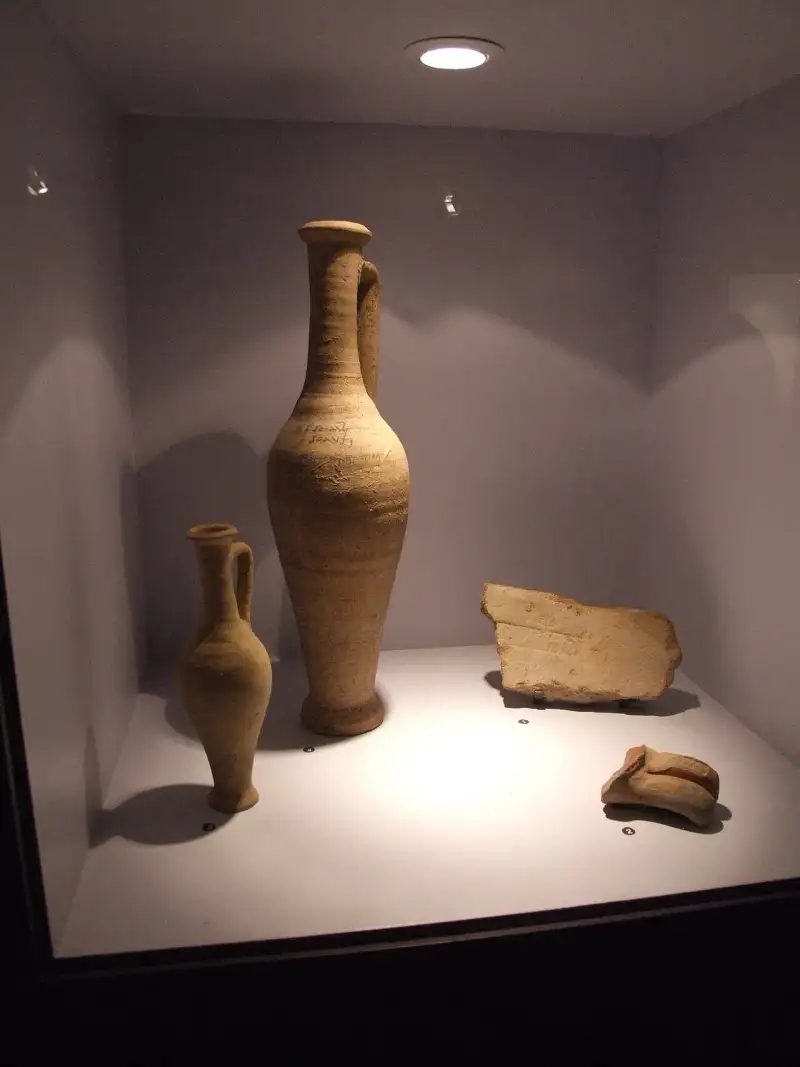

Picture the grandeur of ancient Rome: sprawling forums, magnificent aqueducts, and legions marching with disciplined precision. But beyond the public spectacle and political machinations, lies a culinary secret so pervasive, so fundamental to the Roman palate, that its very absence today leaves a gaping hole in our understanding of their gastronomy. This isn't about gladiatorial feasts or bacchanalian revels, but rather the humble, yet incredibly complex, condiment that permeated virtually every dish: garum. For millennia, the concept of "umami" – that elusive fifth taste, often described as savory or meaty – has been attributed to modern East Asian culinary traditions or the comparatively recent discovery of MSG. Yet, long before shoyu graced Japanese tables or nuoc cham seasoned Vietnamese cuisine, a pungent, savory elixir from the Mediterranean basin reigned supreme. Garum was not merely a seasoning; it was the lifeblood of Roman cooking, an alchemical transformation of fish and salt into a liquid gold that defined the flavor profile of an empire. The Genesis of a Gastronomic Giant: Origins and Production The origins of garum, or its close cousin muria, stretch back further than Rome itself, likely to the Greeks, Phoenicians, and even earlier civilizations. The coastal peoples of the Mediterranean, adept at fishing and salt preservation, inadvertently discovered the power of enzymatic fermentation. The process was simple in concept but meticulous in execution: whole small fish, or the entrails of larger fish (especially mackerel, tuna, and anchovies), were layered with large quantities of salt. This mixture was then left to ferment under the scorching Mediterranean sun for weeks, sometimes months, in large open-air vats or sealed terracotta dolia. The salt acted as a microbial inhibitor, preventing spoilage while drawing out moisture and facilitating autolysis – the breakdown of proteins by the fish's own enzymes. This prolonged, anaerobic decomposition released a rich spectrum of amino acids, particularly glutamate, which is the primary driver of umami. The resulting liquid, clear and amber-hued, was garum. The leftover fermented fish paste was known as allec, often a cheaper byproduct for the masses, while the most prized garum, often from Mackerel or Tuna, was revered. Ancient texts, particularly the Roman cookbook Apicius, offer tantalizing glimpses into its ubiquity. It wasn't just a seasoning for meat or fish; it enhanced vegetables, soups, and even sweet dishes. Imagine a Roman kitchen without garum—it would be akin to a modern Italian kitchen without olive oil or a French kitchen devoid of butter.The Economic Engine: Garum's Industrial Scale and Trade Routes The production of garum was not a cottage industry; it was a massive, industrialized enterprise. Coastal cities like Pompeii and Leptis Magna in North Africa, and Baelo Claudia in Hispania (modern Spain), housed colossal factories dedicated solely to its manufacture. These sites featured rows upon rows of massive stone vats, some capable of holding thousands of liters, indicating an output designed to feed an empire. The stench, one can only imagine, must have been overwhelming, leading these factories to be typically located on the outskirts of towns, downwind from residential areas. The finished product was decanted into distinctive amphorae, sealed, and shipped across the vast Roman network. From the shores of Hispania to the bustling markets of Rome, from the military outposts on the Rhine to the distant provinces of Britannia, garum was a cornerstone of both commerce and cuisine. Its economic importance rivaled that of olive oil and wine, with specific brands and regional varieties commanding premium prices, much like fine wines today. Pliny the Elder, in his Natural History, even discusses the various qualities and origins of garum, lamenting the exorbitant cost of the most prized varieties. This widespread distribution meant that soldiers, senators, slaves, and citizens alike consumed garum. It was democratic in its reach, yet aristocratic in its most refined forms. The ability to flavor food effectively in an age before refrigeration and complex spice routes made garum indispensable. It masked the taste of less-than-fresh ingredients, amplified the flavors of simple staples, and provided vital nutrients. Beyond the Palate: Medicinal and Cultural Significance Garum's role extended beyond mere culinary enhancement. Roman physicians, including Galen, believed in its medicinal properties, prescribing it for various ailments. Its high salt content and fermentation byproducts were thought to have therapeutic effects, from treating indigestion to boosting vitality. While modern science might question its efficacy as a panacea, it undoubtedly contributed electrolytes and minerals to the Roman diet. Culturally, garum became intrinsically linked to Roman identity. To dine like a Roman was to dine with garum. It symbolized Roman ingenuity in food preservation and their ability to harness the elements – sun, sea, and salt – to create something both delicious and enduring. Its decline, therefore, mirrored the decline of the Western Roman Empire itself. As trade routes fragmented, centralized production faltered, and the infrastructure required for its large-scale manufacture dwindled, garum gradually faded from the European culinary landscape, replaced by simpler forms of salt and other spices introduced through new trade. A Pungent Paradox: The Taste of Garum So, what did garum actually taste like? It's a question that has tantalized historians and food enthusiasts for centuries. Descriptions range from "salty and fishy" to "complex, savory, and rich." Modern attempts to recreate garum, often based on ancient recipes and archaeological findings, provide some clues. The consensus points to a flavor profile that is intensely umami, deeply savory, and undeniably fishy, but in a way that is integrated and nuanced, not overtly "fishy" in the way a raw anchovy might be. Think of the depth of aged Parmesan, the complexity of a good soy sauce, or the punch of modern Vietnamese fish sauce (nuoc mam) or Thai fish sauce (nam pla), but with its own distinct Mediterranean terroir. It would have provided a crucial baseline of flavor, elevating simple stews, transforming bland grains, and adding a layer of sophistication to elaborate dishes. Unlike the perception of fish sauce in some modern Western cuisines, where it's often seen as a pungent additive used sparingly, garum was a primary seasoning, often mixed directly into dishes or used as a dipping sauce. Its versatility was legendary, from liquamen (a general term for fish sauce) to oxygarum (garum mixed with vinegar) and hydrogarum (garum diluted with water), demonstrating its adaptability to different culinary applications and social strata. The Echoes of Garum: Modern Resurgence and Parallel Traditions While garum itself largely vanished from European tables after the fall of Rome, the fundamental principle of fermented fish sauce never truly disappeared globally. Across Southeast Asia, fish sauces like nuoc mam and nam pla have thrived for centuries, fulfilling a remarkably similar culinary role. In Italy, the colatura di alici from Cetara, a highly prized artisanal anchovy sauce, is often cited as a direct descendant, or at least a powerful echo, of ancient garum, made through a remarkably similar process of slow fermentation of anchovies in brine. In recent decades, there has been a resurgence of interest in historical gastronomy, leading chefs and food scientists to attempt to recreate garum. These modern iterations often experiment with different fish, fermentation times, and salt ratios, striving to unlock the elusive flavors of antiquity. The motivation is twofold: historical curiosity and the desire to reintroduce a powerful, natural source of umami into contemporary cooking, aligning with the broader movement towards fermentation and ancient techniques. with a vintage-style label on a wooden table with fresh anchovies and sea salt) This revival isn't just about recreating a historical artifact; it's about understanding how our ancestors flavored their world and perhaps even discovering new dimensions of taste. Modern culinary explorations are showing that garum's umami depth can enhance a vast array of dishes, from dressings and marinades to sophisticated sauces, proving that a taste once lost can be found again, enriching our palates with the echoes of empires. Conclusion: A Legacy Reclaimed The story of garum is more than just the tale of an ancient condiment; it's a testament to the enduring human ingenuity in food preservation and flavor enhancement. It reveals how a simple combination of fish and salt, transformed by time and microbes, could become an indispensable pillar of an entire civilization's diet and economy. Its decline reminds us of the fragility of culinary traditions in the face of societal upheaval, yet its modern resurgence highlights our persistent fascination with the past and our ongoing quest for profound, complex flavors. From the sun-drenched vats of Roman Hispania to the artisanal kitchens of today, garum, in its original form or its modern echoes, continues to whisper tales of umami. It reminds us that sometimes, the greatest culinary treasures are not exotic spices from distant lands, but rather the transformative power of nature, patiently harnessed, and patiently rediscovered. As Demir Şef, I urge you to seek out these ancient flavors, for in them lies not just taste, but a living history.#AncientCuisine #Garum #UmamiHistory #RomanFood #Fermentation #CulinaryHistory Related InsightsChettinad Flavors: Fiery Vegan Curries The Alchemy of Appetite: Decoding the Molecular Soul of Our Sustenance The Alchemy of Oaxaca: Decoding the Molecular Symphony of Mole Negro{ "@context": "https://schema.org", "@type": "FAQPage", "mainEntity": [ { "@type": "Question", "name": "What is the main focus of The Liquid Gold of Antiquity: Rediscovering Garum, Rome's Fermented Umami Elixir and Its Forgotten Legacy?", "acceptedAnswer": { "@type": "Answer", "text": "Beyond the opulent banquets, ancient Rome's true culinary foundation lay in garum – a potent, fermented fish sauce. Join Demir Şef as we unearth the pungent paradox that flavored an empire and shaped global gastronomy." } }, { "@type": "Question", "name": "Who authored the comprehensive guide on The Liquid Gold of Antiquity: Rediscovering Garum, Rome's Fermented Umami Elixir and Its Forgotten Legacy?", "acceptedAnswer": { "@type": "Answer", "text": "This detailed article and its insights were carefully researched and authored by Demir Şef." } }, { "@type": "Question", "name": "Where can I find more related content about Food?", "acceptedAnswer": { "@type": "Answer", "text": "You can explore more articles, detailed reviews, and similar insights by browsing the Related Insights section at the bottom of this article or visiting our dedicated Food category page." } } ] }
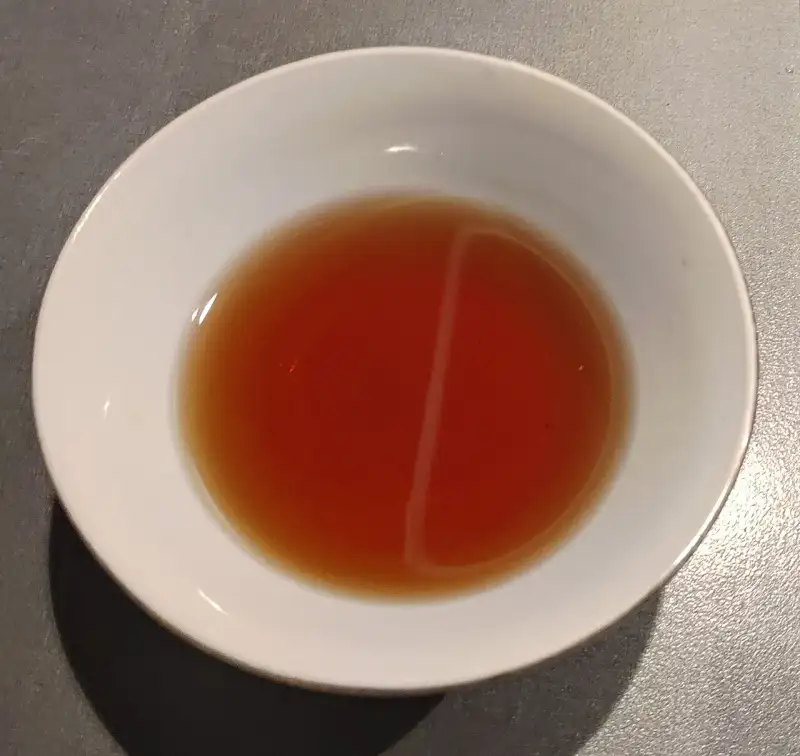
-
 Michael Chef
 - 05 Jul, 2026 02:13
The Umami Echo: Tracing the Ancient Origins of Fermented Fish Sauce Beyond Roman Garum's Shadow
Imagine a flavour so fundamental, so deeply satisfying, that it has permeated human diets for millennia, shaping empires and defining culinary landscapes long before the advent of refrigeration or even organised agriculture. It is a taste that bridges cultures, transcends time, and yet, for many, remains shrouded in a single, often romanticised, historical narrative: Roman garum. But what if the story we've been told is merely a footnote in a much grander, more ancient, and far more geographically expansive epic of umami? What if the pungent, golden elixir of fermented fish sauce, far from being a singular Roman invention, represents a convergent culinary evolution, a universal human quest for depth of flavour born independently across disparate maritime civilisations? This journey into the past isn't merely an academic exercise; it's an exploration of human ingenuity, resourcefulness, and a profound connection to the sea. It challenges us to look beyond the popular historical spotlight and discover the true, diverse origins of a condiment that continues to define many global cuisines today. Prepare to navigate a world where the sea yielded not just sustenance, but a liquid gold of flavour, painstakingly crafted and fiercely valued, echoing through history long before any Roman legionnaire dipped his bread into a jar of liquamen. The Roman Legacy: A Familiar Narrative, An Incomplete Picture For centuries, any mention of ancient fish sauce inevitably conjured images of the Roman Empire. Garum, or its more dilute cousin liquamen, is frequently cited as the quintessential condiment of antiquity. Roman texts, from the culinary treatise of Apicius to the agricultural writings of Columella, meticulously detail its production: layers of whole small fish, or fish entrails, mixed with salt, left to ferment under the scorching Mediterranean sun for weeks, sometimes months. The resulting amber liquid, strained and prized, was a staple, used to enhance everything from simple stews to elaborate banquets. It was a trade commodity, its production sites sprawling along coastal areas from Spain to North Africa, employing vast numbers and generating immense wealth. The distinct, savoury, almost meaty flavour it imparted was, without question, the umami of its age. However, this widespread familiarity with Roman garum often overshadows a crucial fact: fermentation, particularly of fish, is not a uniquely Roman or even Mediterranean phenomenon. The very concept of utilising salt and time to transform perishable protein into a concentrated flavour bomb is a testament to universal human resourcefulness in regions rich with seafood and a pressing need for preservation. The Romans were, in essence, inheritors and refiners of a tradition that likely predated them by centuries, and which was simultaneously flourishing, and perhaps even originating, in entirely different corners of the globe. The Southeast Asian Cradle: A Symphony of Fermented Flavours To truly understand the primordial genesis of fish sauce, our compass must point eastward, to the verdant coastlines and archipelagic wonders of Southeast Asia. Here, long before the rise of Rome, communities were already perfecting the art of fish fermentation. Archaeological evidence, supported by linguistic and ethnographic studies, suggests a deeply entrenched tradition of processing fish with salt. Consider the modern staples: Vietnamese nước mắm, Thai nam pla, Filipino patis, Cambodian prahok, and Burmese ngapi. These aren't merely contemporary iterations; they are the direct descendants of an unbroken chain of culinary practices stretching back at least two millennia, if not more. While pinpointing the exact "first" occurrence is a fool's errand, the sheer diversity and pervasiveness of fermented fish products in Southeast Asia argue for an independent, possibly earlier, origin story than that of the Mediterranean. The production methods, though varying in specific fish species, salt ratios, and fermentation times, share fundamental similarities with their Roman counterparts. Small, oily fish like anchovies, mackerel, or sometimes even freshwater fish, are layered with salt in large earthenware jars or colossal wooden vats. These are left to ferment, often under the tropical sun, a process that relies on natural enzymes in the fish guts and halophilic bacteria to break down proteins into amino acids – the very source of umami. The resulting liquid is a potent, aromatic condiment, foundational to the regional diet.Unlike the Roman tradition, which largely faded with the Empire's decline, the Southeast Asian tradition not only endured but thrived, evolving into the sophisticated, highly valued products we know today. This continuity points to a deep cultural embedment, where fish sauce is not just a flavour enhancer, but a cultural touchstone, a symbol of identity and culinary heritage. Beyond the Mediterranean and Mekong: Other Ancient Fermentation Frontiers The narrative isn't confined to these two primary epicentres. The concept of fermenting fish and other seafood was, in various forms, a global culinary imperative driven by the need for preservation and flavour enhancement in pre-industrial societies. While liquid fish sauce, as a strained condiment, is most strongly associated with Rome and Southeast Asia, other cultures developed related methods. The ancient Egyptians, for example, were masters of fermentation and preserved fish in various ways, though liquid sauce evidence is less clear. However, their use of salt for preserving fish and the cultural significance of fish in their diet suggest the possibility of related, albeit perhaps less documented, practices. Furthermore, a lesser-known but equally fascinating thread leads us to the indigenous communities of the circumpolar regions. While their methods often leaned towards whole fish fermentation (e.g., Greenlandic kiviaq or Icelandic hákarl, though these are distinct in their specific fermentation processes), they highlight the universal human drive to transform and preserve protein, often resulting in incredibly potent, umami-rich foods. These examples, though not directly fish sauce, underscore the deeply rooted human understanding of fermentation's power across vastly different environments. Even in parts of ancient Europe beyond Rome, rudimentary forms of fermented fish products likely existed. The Celts and Germanic tribes, with their riverine and coastal settlements, would have had abundant access to fish and the salt needed for preservation. While archaeological evidence for widespread, highly refined fish sauce production akin to garum is scarce, it's plausible that localised, less industrialised methods of salting and fermenting fish to create flavourful pastes or rudimentary sauces were part of their dietary repertoire. The absence of textual records doesn't necessarily mean absence of practice. The Alchemy of Umami: Why Fish Sauce? What explains this global, independent invention of fish sauce? The answer lies in the potent synergy of biology, chemistry, and environmental necessity. Fish are inherently rich in proteins, and their guts contain powerful proteolytic enzymes. When combined with salt, these enzymes, along with specific halophilic (salt-loving) bacteria, begin a process of autolysis and fermentation. This breaks down complex proteins into their constituent amino acids, most notably glutamate, aspartate, and inosine monophosphate (IMP). These are the chemical compounds that trigger our taste receptors for umami – that elusive, savory "fifth taste" that provides depth, richness, and mouthfeel. Salt plays a dual role: it draws out moisture, creating a brine, and simultaneously inhibits the growth of spoilage-causing bacteria while encouraging the beneficial, fermenting microbes. The resulting liquid is not only deeply flavourful but also remarkably stable, making it an invaluable foodstuff for ancient societies lacking refrigeration. It was a caloric and flavour dense concentrate, a means of making bland staples palatable, and a vital source of nutrients. Vessels of Flavour: Ancient Techniques and Tools The archaeological record provides tantalising glimpses into the ancient production of fish sauce. In the Roman world, vast complexes of cetariae (fish-salting and garum-making factories) have been unearthed, complete with large fermentation vats (dolia) made of clay or stone, intricate drainage systems, and amphorae for storage and transport. These factories were often strategically located near fishing grounds and sources of salt, highlighting the industrial scale of Roman production.In Southeast Asia, the archaeological footprint is somewhat different, often featuring large earthenware jars found at ancient coastal sites. While less "industrial" in the Roman sense, the sheer number and size of these vessels attest to large-scale, communal, or regional production. Traditional Southeast Asian methods also frequently employ large wooden vats, often made from tropical hardwoods, which are still used by artisanal producers today – a testament to the enduring efficacy of ancient techniques. The use of natural materials, reliance on local fish species, and integration with local knowledge systems allowed these practices to become deeply embedded within the culinary fabric of their respective societies. More Than a Condiment: Economic Power and Cultural Identity Beyond its gastronomic appeal, fermented fish sauce held profound economic and cultural significance. In Rome, garum was a luxury item, traded across the entire empire, its quality and provenance debated by connoisseurs. It was a symbol of Roman culinary sophistication, and its production was a major industry, driving innovation in transport and trade. In Southeast Asia, fish sauce continues to be a cornerstone of the economy in many coastal regions. It is a vital export, a household staple, and a source of national pride. Its distinct regional variations reflect local ingredients, traditions, and even family recipes passed down through generations. It acts as a culinary identifier, with specific nước mắm or nam pla being intrinsically linked to a particular region or culture. The depth of its integration into daily life, religious ceremonies, and social customs far surpasses its role as a mere flavouring. The Fading and the Flourishing: Why Some Traditions Endure The decline of Roman garum production largely coincides with the collapse of the Western Roman Empire. The sophisticated infrastructure, extensive trade networks, and stable political environment required for industrial-scale production dwindled. Salt production became less centralised, and new culinary trends and ingredients emerged. While some localised production might have continued, garum never regained its former prominence. Conversely, the Southeast Asian tradition of fish sauce production not only survived but flourished. This resilience can be attributed to several factors: the perennial abundance of fish, the stable tropical climate ideal for fermentation, deeply embedded cultural practices, and the absence of a large-scale, disruptive political or economic collapse comparable to the Roman Empire's fragmentation. The techniques remained artisanal, adaptable, and essential to local diets, ensuring their continued relevance and evolution. Conclusion: A Global Heritage of Umami The ubiquitous, unassuming bottle of fish sauce on our shelves holds a history far richer and more complex than most realise. It is a legacy not merely of Roman innovation, but of a shared human quest for flavour, preservation, and culinary ingenuity that manifested independently across vast oceans and continents. The "umami echo" resonates from the ancient Mediterranean shores to the bustling markets of Southeast Asia, a testament to the timeless appeal of this pungent, profound condiment. By delving into its global origins, we gain a deeper appreciation for the interconnectedness of human culinary history, the genius of ancient food technologies, and the enduring power of a simple, salty liquid to transform meals and cultures alike. So, the next time you taste that savoury depth, remember: you're partaking in a tradition that predates empires, a global legacy of delicious ingenuity, born from the bounty of the sea and the wisdom of our ancestors.#AncientCuisine #FoodHistory #UmamiResearch #Fermentation #GlobalFlavors Related InsightsDer Apfelstrudel: Ein Meisterwerk der Wiener Mehlspeisenkultur und seine faszinierende Geschichte Unlocking Nature's Secret: How New Nordic Cuisine is Revolutionizing Health and Gastronomy Forever Congee (Jook): The Ultimate Comforting Rice Porridge{ "@context": "https://schema.org", "@type": "FAQPage", "mainEntity": [ { "@type": "Question", "name": "What is the main focus of The Umami Echo: Tracing the Ancient Origins of Fermented Fish Sauce Beyond Roman Garum's Shadow?", "acceptedAnswer": { "@type": "Answer", "text": "Dive into the pungent, profound history of fermented fish sauces, exploring their global genesis far beyond the famed Roman garum, from Southeast Asia to the Mediterranean's forgotten depths." } }, { "@type": "Question", "name": "Who authored the comprehensive guide on The Umami Echo: Tracing the Ancient Origins of Fermented Fish Sauce Beyond Roman Garum's Shadow?", "acceptedAnswer": { "@type": "Answer", "text": "This detailed article and its insights were carefully researched and authored by Michael Chef." } }, { "@type": "Question", "name": "Where can I find more related content about Food?", "acceptedAnswer": { "@type": "Answer", "text": "You can explore more articles, detailed reviews, and similar insights by browsing the Related Insights section at the bottom of this article or visiting our dedicated Food category page." } } ] }
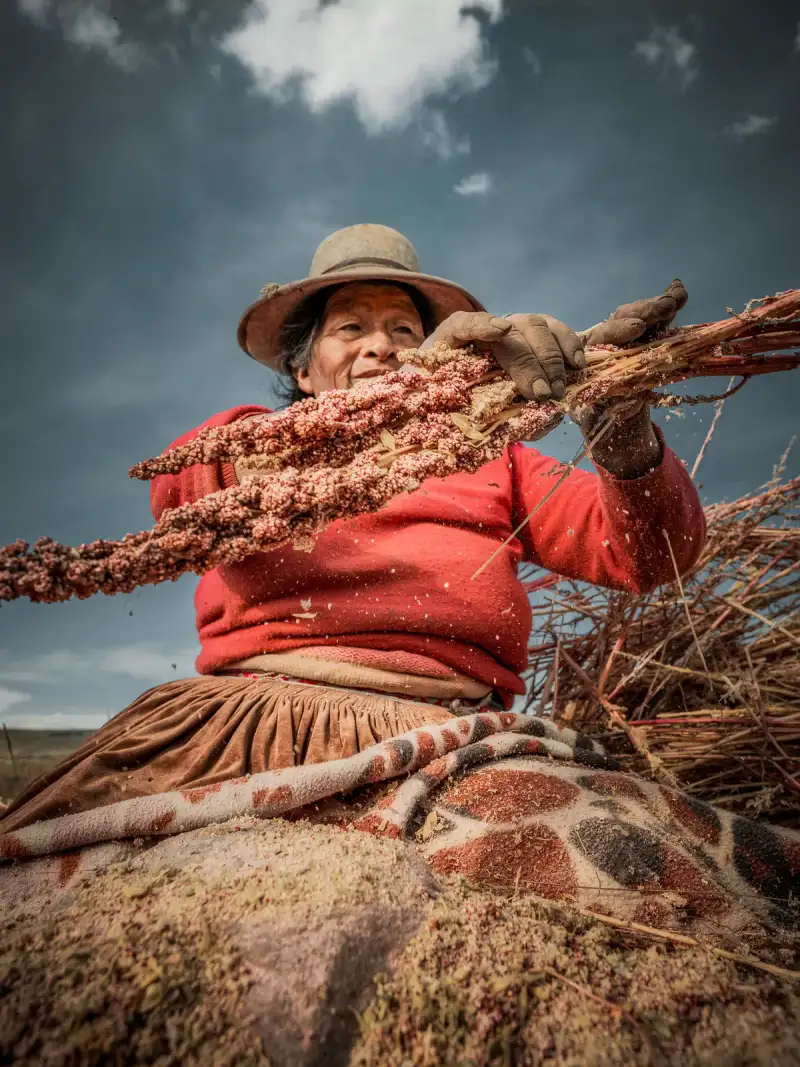
What if the most sophisticated culinary advancements weren't born in the gilded kitchens of European royalty, but beneath the unforgiving, sun-drenched peaks of the Andes, thousands of years before the first European spade ever broke ground on American soil? We often romanticize sourdough or kimchi, hailing them as pinnacles of fermented food, yet a largely untold story lies buried within the pre-Columbian diets of the Inca and their predecessors: a profound, almost mystical mastery of grain fermentation that sustained empires, nourished spiritual life, and unlocked nutritional secrets still being unraveled today. This is not a tale of simple brewing, but of an intricate, climate-driven alchemy that transformed humble seeds into lifelines, rituals, and the very foundation of civilization. The High-Altitude Crucible: Necessity as the Mother of Culinary Invention Imagine a civilization thriving at altitudes where frost claims crops for much of the year, where arable land is scarce, and the air itself thins the barrier between life and scarcity. For millennia, the indigenous peoples of the Andean highlands, from the Norte Chico to the Inca, faced these daunting conditions. Their genius wasn't just in cultivating resilient crops like quinoa, amaranth, kiwicha, and various forms of maize; it was in understanding how to extract maximum value from them, extending their shelf life, enhancing their nutritional profile, and making them digestible in ways that modern science is only beginning to fully appreciate. Fermentation, in this context, was not a luxury; it was an existential imperative. The severe climate demanded methods of preservation that went beyond simple drying. It required a deep, empirical understanding of microbial processes long before microscopes were conceived. The Andean peoples developed a vast lexicon of fermented products, many of which remain obscure outside remote communities, overshadowed by the more widely known chicha (corn beer). But chicha itself is merely the tip of a much larger, more diverse iceberg of fermented grains. Beyond Chicha: A Pantry of Probiotic Powerhouses While chicha holds an important place in Andean culinary and ceremonial history, its prevalence often eclipses a fascinating array of other fermented grain preparations. These lesser-known ferments served various purposes – from highly portable, nutrient-dense travel rations to vital sources of vitamins and minerals in a diet that often lacked fresh produce. Consider, for example, the fermentation of quinoa (Chenopodium quinoa). Quinoa, often lauded today as a "superfood," was a staple for ancient Andeans. While commonly consumed as flour or whole grains, evidence suggests that it was also subjected to various fermentation processes. One method involved soaking and then allowing the grains to naturally ferment, sometimes in combination with local fruits or herbs. This process would have served multiple functions:Detoxification: Raw quinoa contains saponins, bitter compounds that can inhibit nutrient absorption and cause digestive discomfort. Fermentation, much like soaking and rinsing, effectively reduces these antinutrients, making the grain more palatable and digestible. Nutrient Bioavailability: The fermentation process breaks down complex carbohydrates and proteins, making their constituent sugars and amino acids more readily available for absorption. It also synthesizes B vitamins and enhances the bioavailability of minerals like iron and zinc, which are crucial in diets that might be low in animal products. Preservation: The acidic environment created by lactic acid bacteria inhibits the growth of spoilage microorganisms, allowing the fermented product to be stored for extended periods, a critical factor for food security in a harsh climate.This fermented quinoa, perhaps consumed as a gruel or added to stews, would have been a nutritional powerhouse, a far cry from the bland, dried grain. It speaks to an intuitive understanding of biochemistry and microbiology that predates any modern scientific framework. The Enigma of Kispiñu and Cau-Cau Delving deeper, we encounter terms like kispiñu and cau-cau, which, while sometimes referring to different preparations across various regions, often hint at fermented grain components. Kispiñu, for instance, is a traditional Bolivian food typically made from quinoa flour, sometimes soaked and fermented before being shaped and cooked. The fermentation step is crucial for its distinct texture and digestibility. While modern versions might skip the fermentation, historical accounts suggest this was a foundational element, contributing a subtle tang and enhancing its nutritional properties. Cau-cau, another dish with variations, occasionally refers to a fermented grain or potato product. The very act of taking a staple and intentionally exposing it to microbial action suggests a deliberate, learned process passed down through generations. These were not accidental discoveries but refined techniques perfected over centuries of observation and survival. The subtle nuances in flavor, texture, and nutritional output of these ancient ferments would have been as significant to Andean palates as the difference between various cheeses is to a European gourmand. Spiritual Sustenance and Social Cohesion Food, especially fermented food, was never merely fuel in the Andes; it was a conduit for spiritual connection and social cohesion. Chicha, the most famous fermented beverage, played a central role in religious ceremonies, agricultural rituals, and social gatherings. Offering chicha to the Pachamama (Mother Earth) was a common act of reverence, and its consumption fostered communal bonds. The shared act of preparing and partaking in fermented foods reinforced social structures and identity. The knowledge of fermentation was often held by women, passed from mother to daughter, making them custodians of critical cultural and nutritional heritage. The patience required for fermentation mirrored the cyclical nature of Andean agriculture and the deep respect for natural processes. These foods weren't just fermented; they were consecrated, imbued with the spirit of the land and the ancestors. The Science of Ancient Nutrition: A Modern Perspective From a modern nutritional standpoint, the Andean practice of fermenting grains was remarkably advanced.Probiotic Benefits: The presence of lactic acid bacteria in these ferments would have contributed to gut health, a concept now widely recognized for its impact on overall well-being, immunity, and even mental health. Enhanced Nutrient Absorption: Fermentation reduces phytic acid, an antinutrient common in grains that binds to minerals like iron, zinc, and calcium, making them unavailable for absorption. By breaking down phytic acid, fermentation significantly boosts the bioavailability of these essential micronutrients. Reduced Glycemic Index: The partial breakdown of carbohydrates during fermentation can lead to a lower glycemic index, meaning a more stable release of energy, which would have been vital for sustained physical activity in a challenging environment.This intricate dance between grain and microbe represents an astounding level of empirical food science. Without petri dishes or biochemical assays, the Andean peoples harnessed invisible forces to optimize their food supply, creating a robust, resilient diet that fueled millennia of civilization. Legacy and Rediscovery: Bridging Ancient Wisdom and Modern Foodways Today, as the global food system grapples with issues of sustainability, nutrition, and food security, there is a growing interest in ancestral foodways. Chefs, nutritionists, and anthropologists are increasingly turning to indigenous practices for inspiration. The principles behind Andean grain fermentation – resourcefulness, respect for natural processes, and a holistic approach to nutrition – offer invaluable lessons. While many of these ancient fermentation traditions have been marginalized or lost due to colonization and modernization, efforts are underway to revive them. Indigenous communities are working to preserve their culinary heritage, recognizing the profound wisdom embedded in these practices. Contemporary chefs are experimenting with incorporating fermented quinoa or amaranth into modern dishes, not just for their unique flavors, but for their incredible nutritional benefits and the story they tell. The humble grain, transformed by microbial magic under the watchful eyes of Andean innovators, stands as a testament to humanity's enduring ingenuity. It reminds us that often, the most sophisticated solutions are not those forged in laboratories, but those whispered across generations, tested against the unforgiving canvas of nature, and perfected with a profound understanding of the world around us. These echoes of the Andes are not just a footnote in culinary history; they are a vibrant, living legacy offering a taste of forgotten brilliance and a path forward for a more sustainable and nourishing future.#AndeanFermentation #AncientGrains #CulinaryHistory #FermentedFoods #IndigenousFoodways Related InsightsIdli Sambar: The Ultimate Steamed Vegan Breakfast Delving into Sardinian Fregola with Seafood and Fennel: A High Protein Culinary Journey Shakshuka with Spinach and Spiced Poached Eggs: A Mediterranean Masterpiece{ "@context": "https://schema.org", "@type": "FAQPage", "mainEntity": [ { "@type": "Question", "name": "What is the main focus of Echoes of the Andes: Unearthing the Lost Alchemy of Ancient Fermented Grains?", "acceptedAnswer": { "@type": "Answer", "text": "Journey into the heart of the Andes to discover the forgotten world of fermented grains – a testament to ancient ingenuity and a treasure trove of flavor and nutrition." } }, { "@type": "Question", "name": "Who authored the comprehensive guide on Echoes of the Andes: Unearthing the Lost Alchemy of Ancient Fermented Grains?", "acceptedAnswer": { "@type": "Answer", "text": "This detailed article and its insights were carefully researched and authored by Demir Sef." } }, { "@type": "Question", "name": "Where can I find more related content about Food?", "acceptedAnswer": { "@type": "Answer", "text": "You can explore more articles, detailed reviews, and similar insights by browsing the Related Insights section at the bottom of this article or visiting our dedicated Food category page." } } ] }
- Chloe Blanc
- 29 Jun, 2026 04:23
Le Garum : L'Élixir Umami Oublié de l'Empire Romain – Une Plongée dans les Abysses Salées de l'Histoire Culinaire
Dans les annales silencieuses de la gastronomie, se tapissent des secrets culinaires dont l'écho peine à traverser les millénaires. Tandis que nos tables modernes s'enorgueillissent de saveurs exquises et de techniques d'avant-garde, il fut un temps où le palais des empereurs et des plébéiens romains vibrait au diapason d'un condiment si puissant, si omniprésent, qu'il est difficile d'imaginer la cuisine antique sans lui. Loin des truffes noires et des vins millésimés que l'on associe aujourd'hui à l'opulence, le véritable or liquide de l'Antiquité romaine n'était autre que le garum, une sauce de poisson fermentée, dont l'intensité umami surpassait tout ce que nous connaissons. Oubliez la sauce soja ou le nuoc-mâm ; le garum était le maître incontesté, une quintessence de saveurs complexes, à la fois salées, acides, douces et résolument savoureuses. Il n'était pas un simple exhausteur de goût ; il était l'âme même de la cuisine romaine, capable de transformer les plats les plus humbles en festins et d'élever les mets les plus raffinés à des sommets d'extase gustative. Mais comment un tel ingrédient, si vital à une civilisation qui a régné pendant des siècles, a-t-il pu sombrer dans l'oubli quasi total ? Et que nous apprend sa résurrection progressive sur notre propre quête de saveurs profondes et authentiques ? L'Archéologie du Goût : Aux Origines d'un Mystère Salin Le garum, ou plus précisément le liquamen dans sa forme la plus pure et filtrée, n'est pas né à Rome. Ses racines plongent bien plus profondément, dans les civilisations orientales et méditerranéennes anciennes. Les Grecs connaissaient une sauce similaire, le γάρος (garos), et il est probable que les Phéniciens, maîtres incontestés du commerce maritime, aient contribué à sa diffusion. Mais c'est sous l'Empire Romain qu'il atteignit son apogée, devenant une véritable industrie, avec des centres de production massifs s'étendant de l'Espagne à l'Afrique du Nord, en passant par la Gaule et l'Asie Mineure. Imaginez des rivages baignés de soleil, où des usines à ciel ouvert, faites de bassins en pierre et d'argile, dégageaient une odeur intense, presque insoutenable pour le nez moderne, mais synonyme de richesse pour l'époque. Ces lieux étaient les temples du garum. Les meilleurs spécimens provenaient de Carthagène (Espagne), de Pompéi et d'Ampurias, chacun avec ses particularités, ses nuances, dignes des appellations d'origine contrôlée d'aujourd'hui. Le plus prisé de tous était le garum sociorum de Carthagène, un produit de luxe dont le prix pouvait rivaliser avec celui des parfums les plus rares. Le garum n'était pas monolithique. Il existait en diverses qualités et saveurs, du garum flos flos (le fleuron, le summum de la qualité, fabriqué à partir du sang et des viscères de thon rouge ou de maquereau, fermenté lentement) aux versions plus rustiques, produites à partir de poissons plus communs et destinées à la consommation quotidienne. Il y avait aussi le muria (une saumure de poisson moins fermentée), l'allec (les résidus solides du garum, utilisés comme pâte à tartiner ou comme condiment épais) et le haemation (fabriqué à partir du sang de thon). Cette diversité témoigne de son rôle central et adaptable dans l'alimentation romaine.L'Alchimie de la Fermentation : Un Art Perdu et Retrouvé La fabrication du garum était un processus fascinant de décomposition contrôlée et de transformation biochimique, une forme d'alchimie avant l'heure. Les poissons – le plus souvent des petits poissons comme les anchois, les sardines, ou des abats de thon et de maquereau – étaient mélangés avec une grande quantité de sel (environ 15 à 20% du poids total du poisson). Ce mélange était ensuite placé dans de larges cuves en plein air, exposé au soleil méditerranéen. Le rôle du sel était crucial : il empêchait la putréfaction en inhibant les bactéries indésirables, tout en permettant aux enzymes présentes dans les intestins du poisson de faire leur travail. Pendant plusieurs semaines, voire plusieurs mois, ces enzymes décomposaient les protéines du poisson en acides aminés, créant ainsi les saveurs complexes et profondes caractéristiques du garum. Le soleil accélérait ce processus, réchauffant la mixture et favorisant la fermentation. Les cuves étaient souvent ouvertes, exposées aux éléments, ce qui ajoutait probablement des levures et bactéries ambiantes au processus, contribuant à la complexité aromatique finale. De temps à autre, le mélange était remué. Lorsque la fermentation était jugée complète, le liquide était filtré à travers des paniers serrés ou des tissus, recueillant ainsi le précieux garum. Le liquide clair et ambré était ensuite transféré dans des amphores et scellé pour le transport et le stockage. Les résidus solides, comme mentionné, devenaient l'allec, un produit à part entière. Ce processus, bien que simple dans ses principes, demandait une expertise certaine pour obtenir un produit de qualité constante. La température, la proportion de sel, le type de poisson et la durée de fermentation étaient autant de variables à maîtriser. C'était une véritable science du goût, transmise de génération en génération, et la marque de fabrique des grands producteurs. Symbole de Statut et Pilier Commercial Le garum n'était pas seulement un condiment ; il était un indicateur social et un moteur économique colossal. Sa production et son commerce étaient des industries de pointe, générant des fortunes et soutenant des réseaux commerciaux complexes à travers tout l'Empire. Les amphores de garum, marquées de timbres indiquant leur provenance et leur qualité, étaient omniprésentes dans les épaves méditerranéennes et les sites archéologiques. Pour les Romains fortunés, le garum était un signe d'élégance et de raffinement. Pline l'Ancien mentionne son coût élevé et sa valeur. Apicius, le célèbre gourmet romain, en fait l'ingrédient de base d'innombrables recettes, du ragoût de veau aux sauces pour légumes, en passant par les assaisonnements pour fruits de mer. Il était utilisé comme une sorte de "bouillon cube" avant l'heure, pour apporter de la profondeur et du "corps" aux plats. On l'ajoutait aux soupes, aux salades, aux viandes, et même, parfois, aux desserts aigres-doux. Il servait à masquer les saveurs trop fortes, mais aussi à rehausser la subtilité d'autres ingrédients. Pour le citoyen moyen, il existait des versions plus abordables. Sa richesse en protéines et en sel en faisait également un excellent conservateur, utilisé pour saler et aromatiser d'autres aliments. Il était un élément essentiel du régime alimentaire romain, fournissant des nutriments et un goût indispensable à une population souvent privée d'une grande variété d'ingrédients frais. Son universalité est un témoignage de son adaptabilité et de son importance nutritionnelle. Le Déclin et la Longue Nuit de l'Oubli Comment un produit si vital a-t-il pu disparaître ? Le déclin du garum est multifactoriel, lié à la chute de l'Empire Romain elle-même. Avec la désintégration de l'infrastructure impériale, les vastes réseaux commerciaux qui permettaient le transport des amphores de garum sur de longues distances ont commencé à s'effilocher. La production de masse est devenue difficile à maintenir sans un système économique stable et des routes maritimes sécurisées. De plus, l'odeur forte et le processus de fermentation en plein air, bien que tolérés à l'époque romaine, étaient probablement de plus en plus mal perçus à mesure que les centres de population se densifiaient et que les normes d'hygiène évoluaient (même si de manière rudimentaire). Les usines de garum étaient souvent reléguées en périphérie des villes précisément à cause de leurs effluves puissants. Mais surtout, l'émergence de nouvelles techniques culinaires et de nouveaux ingrédients, ainsi que l'influence croissante des traditions culinaires du nord de l'Europe, moins axées sur les sauces de poisson fermentées, ont contribué à son abandon progressif. Les sauces à base de vinaigre, de vin, de verjus et d'épices ont commencé à remplacer le garum comme agents de saveur primaires. Au Moyen Âge, le garum était devenu une relique culinaire, une note de bas de page dans les textes des érudits, son goût et sa production presque entièrement oubliés. Seules quelques poches de traditions côtières, notamment en Asie du Sud-Est, ont perpétué la fabrication de sauces de poisson similaires, qui sont devenues les nuoc-mâm et autres condiments que nous connaissons aujourd'hui. La Résurrection Culinaire : Un Goût du Passé pour l'Avenir Cependant, l'histoire ne s'arrête jamais vraiment. Au cours des dernières décennies, avec l'intérêt croissant pour la cuisine historique, l'archéologie expérimentale et la quête de saveurs umami, le garum connaît une renaissance fascinante. Des chefs, des historiens de la gastronomie et des entreprises artisanales se sont lancés dans la quête de recréer l'authentique garum romain. Les efforts de recréation sont basés sur des textes anciens comme ceux d'Apicius et de Pline, ainsi que sur les découvertes archéologiques. Le défi est immense : retrouver les méthodes exactes, les ratios de sel et de poisson, les températures de fermentation, et même les types de poissons utilisés. Beaucoup expérimentent avec des anchois, des sardines, et des abats de maquereau, dans des conditions contrôlées, pour reproduire au mieux l'élixir antique. Les résultats sont variés, mais souvent surprenants. Le garum moderne, artisanal, est un produit d'une profondeur de saveur incroyable, bien au-delà des sauces de poisson asiatiques contemporaines. Il est moins salé et plus complexe, avec des notes fruitées, fromagères, et une umami persistante qui se marie à merveille avec une multitude de plats. Certains chefs l'utilisent comme un secret bien gardé pour sublimer leurs créations, l'incorporant dans des vinaigrettes, des bouillons, des marinades, ou simplement quelques gouttes pour finir un plat.Cette résurrection du garum est plus qu'une simple curiosité historique. Elle représente une reconnexion avec un aspect fondamental de la cuisine humaine : l'art de la fermentation et l'exploration de l'umami. Dans un monde où nous cherchons constamment de nouvelles saveurs et des techniques innovantes, le garum nous rappelle que les réponses se trouvent parfois dans les profondeurs de notre passé culinaire. C'est une invitation à repenser nos ingrédients de base et à embrasser la complexité des saveurs ancestrales. Le garum n'est plus un secret perdu. Il est une fenêtre ouverte sur une époque révolue, un pont entre le palais des Romains antiques et celui des gourmets d'aujourd'hui. Sa renaissance n'est pas seulement un hommage à l'ingéniosité culinaire d'une civilisation perdue, mais aussi une source d'inspiration pour l'avenir de la gastronomie, prouvant que les saveurs les plus intenses et les plus mémorables sont souvent le fruit d'une patiente alchimie, oubliée puis redécouverte.#GastronomieAntique #RecettesRomaines #FermentationCulinaire #UmamiSecret #HistoireAlimentaire Related InsightsAwadhi Biryani: The Aromatic Slow-Cooked Masterpiece Aromatic Flavors of India: Understanding Biryani's Rich Legacy Echoes of the Sun God: Unearthing the Lost Amaranth Varieties of Ancient Mesoamerica{ "@context": "https://schema.org", "@type": "FAQPage", "mainEntity": [ { "@type": "Question", "name": "What is the main focus of Le Garum : L'Élixir Umami Oublié de l'Empire Romain – Une Plongée dans les Abysses Salées de l'Histoire Culinaire?", "acceptedAnswer": { "@type": "Answer", "text": "Explorez le garum, le condiment mystérieux et puissant qui a façonné la gastronomie romaine, de ses origines archaïques à sa quête de redécouverte moderne." } }, { "@type": "Question", "name": "Who authored the comprehensive guide on Le Garum : L'Élixir Umami Oublié de l'Empire Romain – Une Plongée dans les Abysses Salées de l'Histoire Culinaire?", "acceptedAnswer": { "@type": "Answer", "text": "This detailed article and its insights were carefully researched and authored by Chloe Blanc." } }, { "@type": "Question", "name": "Where can I find more related content about Food?", "acceptedAnswer": { "@type": "Answer", "text": "You can explore more articles, detailed reviews, and similar insights by browsing the Related Insights section at the bottom of this article or visiting our dedicated Food category page." } } ] }
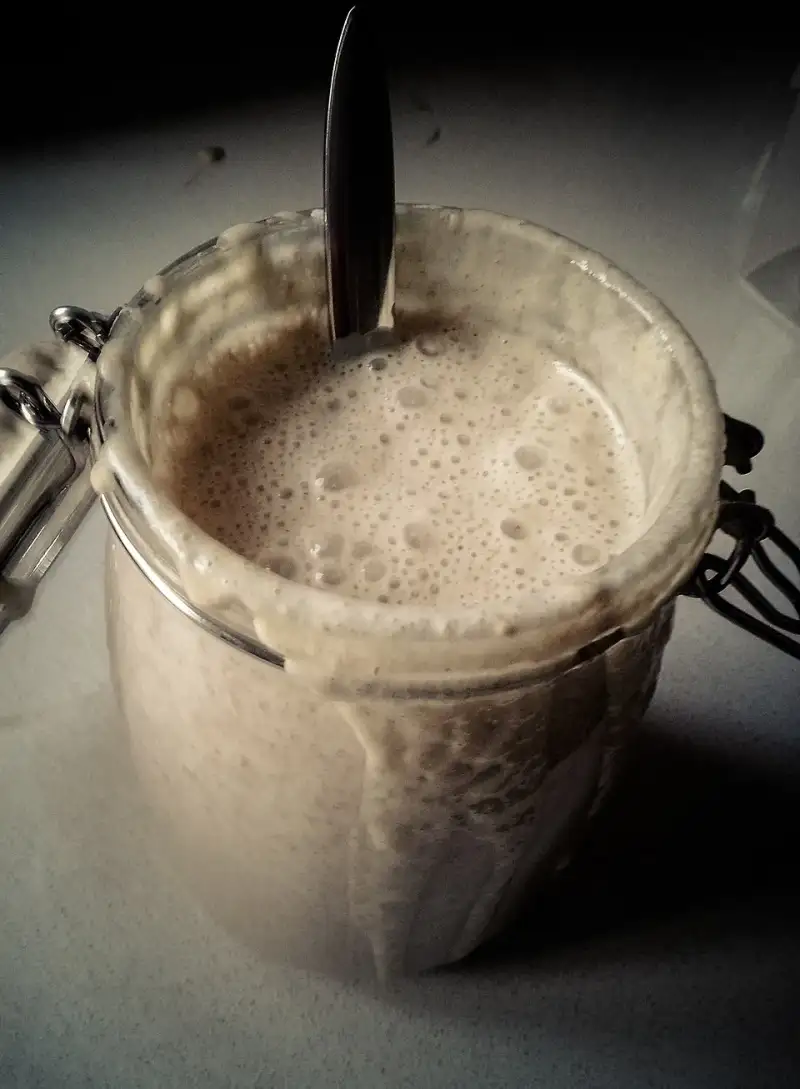
-
 Hans Müller
 - 12 Jun, 2026 10:00
Die Magie des Sauerteigbrots: Eine tiefgehende Reise in das traditionelle Backhandwerk
Die Magie des Sauerteigbrots: Eine tiefgehende Reise in das traditionelle Backhandwerk Einleitung: Die Rückkehr zur Ursprünglichkeit Sauerteigbrot ist nicht einfach nur ein weiteres Nahrungsmittel in unserem täglichen Speiseplan; es ist eine echte Lebenseinstellung, eine Rückkehr zu unseren kulinarischen und kulturellen Wurzeln sowie ein leiser, aber bestimmter Akt der Rebellion gegen die schnelllebige, hochgradig industrialisierte Welt der modernen Lebensmittelproduktion. Wenn wir an ein frisch gebackenes, duftendes #Sauerteigbrot denken, steigen uns unweigerlich Bilder von einer dicken, rustikal aufgerissenen und knusprigen Kruste in den Kopf. Wir stellen uns eine unregelmäßig geporte, saftige, glänzende Krume vor, gepaart mit diesem unverwechselbaren, leicht säuerlichen und zutiefst erdigen Aroma, das unsere Geschmacksknospen auf eine Weise anspricht, wie es ein herkömmliches, mit Industriehefe gebackenes Brot niemals vermag. In einer Zeit, in der alles sofort verfügbar sein muss und Supermarktregale voll von hochverarbeiteten Backwaren sind, die in wenigen Stunden vom Mehl bis zum fertigen Produkt durch Maschinen getrieben werden, zwingt uns das #Brotbacken mit Sauerteig dazu, innezuhalten. Es lehrt uns die verloren gegangene Tugend der Geduld. Es fordert Hingabe und Respekt vor den natürlichen Prozessen, die weitgehend außerhalb unserer direkten, vollumfänglichen Kontrolle liegen. Ein simpler, klebriger Teig aus nicht mehr als Mehl und Wasser erwacht durch die unsichtbare Magie von frei in der Luft und im Korn schwebenden wilden Hefen und Milchsäurebakterien förmlich zum Leben. Dieses biochemische Phänomen ist so alt wie die menschliche Zivilisation selbst und doch heute aktueller und faszinierender denn je. Die Faszination für das handwerkliche Backen hat in den letzten Jahren, nicht zuletzt beschleunigt durch globale Ereignisse, die uns wieder mehr an unser Zuhause banden, eine beispiellose Renaissance erlebt. Menschen auf der ganzen Welt entdecken die tief therapeutische Wirkung des Knetens und Faltens. Sie spüren das befriedigende Gefühl, einen eigenen Starter – das sogenannte Anstellgut – über Monate und Jahre zu hegen und zu pflegen, fast so, als wäre es ein geliebtes Haustier. Und schließlich erleben sie den unbeschreiblichen Stolz, wenn man einen dampfenden, herrlich duftenden Laib aus dem eigenen, heimischen Ofen zieht. Dieser umfassende Artikel ist eine tiefgehende Hommage an das Sauerteigbrot. Er ist eine ausführliche Reise durch seine faszinierende Geschichte, seine komplexe biologische Beschaffenheit, seine unbestreitbaren und vielseitigen gesundheitlichen Vorteile und schließlich die unvergleichliche Kunst und Wissenschaft seines Erschaffens. Die faszinierende Geschichte des Sauerteigs: Von Ägypten in die moderne Welt Die wahren Ursprünge des Sauerteigs reichen Jahrtausende zurück und sind untrennbar, ja fast symbiotisch, mit der Entwicklung der menschlichen Kultur und Sesshaftigkeit verbunden. Historiker, Anthropologen und Archäologen gehen nach fundierten Ausgrabungen davon aus, dass das allererste Sauerteigbrot der Weltgeschichte eher durch einen glücklichen Zufall im alten Ägypten entstand – und zwar etwa um das Jahr 1500 vor Christus, manche Schätzungen gehen sogar noch weiter zurück. Man nimmt an, dass ein sehr einfacher, wasserreicher Teig aus zerkleinertem Urgetreide und Wasser in der brütenden Hitze der ägyptischen Sonne schlichtweg vergessen wurde. Anstatt jedoch zu verderben und ungenießbar zu werden, begannen die von Natur aus auf der Hülle des Getreidekorns und in der Umgebungsluft vorhandenen Mikroorganismen mit der natürlichen #Fermentation. Der Teig begann zu leben: Er schlug kleine Blasen, dehnte sich sichtbar aus, wurde weicher und luftiger. Als dieser seltsam veränderte Teig schließlich über dem offenen Feuer oder in primitiven Lehmöfen gebacken wurde, entstand ein lockeres, hochgewölbtes und äußerst schmackhaftes Brot. Dieses unterschied sich fundamental und auf revolutionäre Weise von den bis dahin üblichen, extrem flachen, harten und oft schwer zu kauenden Fladenbroten. Diese bahnbrechende Entdeckung revolutionierte die Ernährung der Menschheit maßgeblich, da sie Kalorien leichter verdaulich und schmackhafter machte. Auch in der nachfolgenden Antike war die Kunst des Säuerns und Backens tief verankert und wohlbekannt. Plinius der Ältere, ein berühmter römischer Gelehrter, beschrieb im ersten Jahrhundert nach Christus detailliert, wie man einen Brotteig ansäuert. Er notierte das Verfahren, bei dem man einen kleinen Teil des rohen Teiges vom Vortag zurückbehält, ihn aufbewahrt und am darauffolgenden Tag als Triebmittel für den neuen Teig verwendet. Diese geniale Praxis bildet bis heute, tausende Jahre später, die absolute Grundlage jeder ernstzunehmenden Sauerteigbäckerei. Im Mittelalter war Sauerteig in weiten Teilen Europas, insbesondere in den klimatisch raueren nördlichen und östlichen Regionen wie dem heutigen Deutschland, Polen und Skandinavien, absolut unverzichtbar. Der Grund hierfür ist agrarischer Natur: Roggen gedieh in diesen feuchten, kalten Böden wesentlich besser als der anspruchsvollere Weizen. Roggenmehl enthält jedoch andere Enzyme (insbesondere Amylasen) und bildet kein so stabiles Glutengerüst wie Weizen. Ohne die stark säuernde Wirkung des Sauerteigs, die diese Enzyme bremst und den Teig stabilisiert, ist reines Roggenmehl schlichtweg nicht backfähig; das Brot würde zu einer feuchten, klebrigen und ungenießbaren Masse verkommen. Ein weiteres, überaus faszinierendes und viel zitiertes Kapitel in der #Geschichte des Sauerteigs schrieb der kalifornische Goldrausch Mitte des 19. Jahrhunderts. Die harten, vom Wetter gezeichneten Goldgräber, die bezeichnenderweise bald selbst den Spitznamen "Sourdoughs" erhielten, trugen ihre überlebenswichtigen Starterkulturen in kleinen Töpfen, Holzkisten oder Beuteln stets bei sich. Oft banden sie sich diese Beutel nachts direkt an den Körper, um die empfindlichen Kulturen in den eiskalten, unbarmherzigen Winternächten am Klondike River oder in der Sierra Nevada durch ihre eigene Körperwärme vor dem Erfrieren zu schützen. Diese unglaubliche Hingabe brachte das noch heute weltberühmte "San Francisco Sourdough" hervor. Dieses spezifische Brot erhält durch den dort vorherrschenden und einzigartigen Bakterienstamm Lactobacillus sanfranciscensis seinen charakteristischen, besonders saftig-sauren und intensiven Geschmack, der Touristen aus aller Welt anlockt. Bis zur wissenschaftlichen Erfindung und der massenhaften industriellen Produktion der Bäckerhefe im späten 19. und frühen 20. Jahrhundert war Sauerteig die absolut dominierende, universelle Methode, um Brot weltweit zu lockern. Die Erfindung der isolierten Bäckerhefe drängte den Sauerteig dann jedoch aus simplen wirtschaftlichen Gründen – vor allem Zeitersparnis, Berechenbarkeit und Standardisierung in großen Fabriken – für lange Zeit in den Hintergrund. Dennoch: Seine immense geschmackliche Tiefe, seine Haltbarkeit und seine unvergleichliche gesundheitliche Überlegenheit konnten niemals wirklich von der Industriehefe ersetzt werden. Biologie und Chemie: Die unsichtbare Welt im Anstellgut Um die tiefe Magie und das Wesen des Sauerteigs wirklich in Gänze zu begreifen, müssen wir eine stark vergrößernde Linse nehmen und einen detaillierten Blick durch das Mikroskop auf diese wundersame Substanz werfen. Ein klassischer Sauerteigstarter (das Anstellgut) ist alles andere als eine leblose, sterile Backzutat aus der Fabrik; er ist ein pulsierendes, hochdynamisches und faszinierendes Mikro-Ökosystem. Es handelt sich um eine komplexe, aufeinander abgestimmte #Symbiose aus unzähligen wilden Hefen und einer Vielzahl von Milchsäurebakterien. Im scharfen Gegensatz zur industriellen Bäckerhefe, die in der Regel aus einem einzigen, hochgezüchteten und monokulturellen Hefestamm (zumeist Saccharomyces cerevisiae) besteht, beherbergt ein reifer, gut gepflegter Sauerteig eine unfassbar vielfältige Gemeinschaft von Mikroorganismen. Die Milchsäurebakterien (Lactobacillaceae) spielen hierbei die absolute Hauptrolle bei der Fermentation. Sie sind in einem gesunden, starken Starter oft in einem überwältigenden Verhältnis von 100:1 gegenüber den Hefen in der Überzahl. Diese fleißigen Bakterien verstoffwechseln die im Mehl enthaltenen komplexen Kohlenhydrate und Zuckerarten und wandeln sie durch Fermentation hauptsächlich in Milchsäure und Essigsäure um. Die gebildete Milchsäure sorgt für einen sehr milden, cremigen, fast joghurtartigen Geschmack, der sich sanft am Gaumen ablagert. Die Essigsäure hingegen verleiht dem Brot seine prägnante, scharfe und durchdringende Säure, die das #Sauerteigbrot so unverwechselbar und charakterstark macht. Das genaue Verhältnis dieser beiden entscheidenden Säuren zueinander kann durch die sogenannte Führung des Sauerteigs – also die bewusste Manipulation von Temperatur, der Wassermenge (Hydratation) und der Art des gefütterten Mehls – vom kundigen Bäcker präzise gesteuert werden. Ein festerer Starter, der kühler geführt wird, neigt dazu, essigsaurer zu werden, während ein flüssigerer, wärmer geführter Starter mehr milde Milchsäure produziert. Die wilden Hefen hingegen, unter denen sich häufig Spezies wie Candida milleri, Saccharomyces exiguus oder auch wilde Stämme von Saccharomyces cerevisiae befinden, sind in diesem komplexen Tanz hauptsächlich für die Produktion von Kohlendioxidgas (CO2) sowie von winzigen Mengen Alkohol verantwortlich. Das entstehende Kohlendioxid wird in dem durch das Kneten gebildeten, dehnbaren Glutennetzwerk des Teiges gefangen. Diese gefangenen Gasbläschen sind es, die den Teig schließlich zum Aufgehen bringen und für die luftige Struktur sorgen. Interessanterweise – und hier zeigt sich das Wunder der Evolution – tolerieren diese spezifischen wilden Hefen die von den Milchsäurebakterien erzeugte, stark saure Umgebung ganz hervorragend. Sie fühlen sich darin sogar wohl. Fremde, potenziell schädliche Bakterien, unerwünschte Keime und Schimmelpilze hingegen werden durch genau diesen niedrigen, aggressiven pH-Wert (der oft extrem niedrig, zwischen 3,5 und 4,5, liegt) rigoros abgetötet oder zumindest massiv in ihrem Wachstum gehemmt. Diese natürliche, durch Säure herbeigeführte Konservierung war in historischen Zeiten vor der Erfindung des elektrischen Kühlschranks schlichtweg überlebenswichtig, da Brote so wochenlang gelagert werden konnten, ohne zu verderben. Während der langen Fermentation passiert in den Tiefen des Teiges jedoch noch sehr viel mehr als nur simple Säuerung und sichtbare Gasbildung. Eine Vielzahl von Enzymen, die sowohl von den Mikroorganismen als auch vom Getreidekorn selbst produziert werden, beginnen systematisch damit, die hochkomplexen, schwer verdaulichen Stärken und Proteine im Mehl in kleinere, leichter verdauliche Bestandteile aufzuspalten. Dieser hochgradig biochemische Prozess der Vorverdauung ist der eigentliche Schlüssel zu den einzigartigen ernährungsphysiologischen und geschmacklichen Eigenschaften des fertigen Brotes. Die #Wissenschaft hinter dem handwerklichen Backen ist somit ein ständiger, faszinierender Tanz zwischen den Elementen Zeit, Temperatur und dem verfügbaren Nährstoffangebot. Wer diese vielfältigen Faktoren meistert, wird mit majestätischen Broten belohnt, deren tiefes Aromenspektrum von süßlich-karamellig, erdig und nussig bis hin zu fruchtig, malzig und buttrig reichen kann. Gesundheitliche Vorteile: Ein Segen für Darm und Stoffwechsel In den letzten Jahrzehnten wurden Brot und Kohlenhydrate in der Diät-Kultur leider sehr oft pauschal verteufelt. Insbesondere im Zusammenhang mit der Zunahme von Glutenunverträglichkeiten, Reizdarmsyndromen und allgemeinen Verdauungsproblemen geriet herkömmliches Backwerk stark in Verruf. Hier bietet das echte, mit Hingabe und viel Zeit traditionell hergestellte Sauerteigbrot eine leuchtende Ausnahme und stellt eine wichtige Brücke zu einer gesünderen, verträglicheren Ernährung dar. Die vielfältigen gesundheitlichen Vorteile sind dabei nicht bloß romantisierte Anekdoten leidenschaftlicher Heimbäcker, sondern werden zunehmend durch harte wissenschaftliche und medizinische Studien weltweit belegt. Einer der absolut wichtigsten und heilsamsten Prozesse während der extrem langen Fermentationszeit eines Sauerteiges ist der signifikante Abbau von Phytinsäure. Phytinsäure ist ein natürlicher, schützender Bestandteil von Getreidekleie, der in der Pflanze als Phosphorspeicher dient. Für den menschlichen Körper fungiert sie jedoch als sogenannter "Antinährstoff". Wenn wir ungepuffertes Vollkornbrot essen, bindet die Phytinsäure im Magen-Darm-Trakt essenzielle, überlebenswichtige Mineralien wie Eisen, Zink, Magnesium und Kalzium fest an sich. Sie formt unlösliche Komplexe, die der Körper nicht aufnehmen kann, und diese wertvollen Nährstoffe werden schlichtweg ungenutzt wieder ausgeschieden. Die im langzeitgeführten Sauerteig hochaktiven Milchsäurebakterien jedoch produzieren in großem Maße das rettende Enzym Phytase. Dieses Enzym spaltet und neutralisiert die Phytinsäure fast vollständig. Durch diesen genialen biologischen Kniff wird das Sauerteigbrot im krassen Gegensatz zu schnell hergestellten Hefe-Kurzzeitbroten zu einer hervorragenden, hoch bioverfügbaren und fantastischen Mineralienquelle für unseren Körper. #Gesundheit Darüber hinaus weist Sauerteigbrot einen deutlich und messbar niedrigeren glykämischen Index (GI) auf als konventionelles Weiß- oder Hefebrot. Die von den zahlreichen Bakterien produzierten organischen Säuren (Milch- und Essigsäure) verlangsamen die physikalische Entleerung des Magens und hemmen zudem bestimmte Verdauungsenzyme in unserem Körper. Das führt in der Praxis dazu, dass die im Brot enthaltenen komplexen Kohlenhydrate wesentlich langsamer und kontrollierter in einfache Glukose aufgespalten und in den Blutkreislauf abgegeben werden. Dies verhindert drastische, ungesunde Blutzuckerspitzen und die darauf unweigerlich folgenden, von Heißhunger geprägten Blutzuckerabfälle. Es sorgt für ein sehr viel längeres, angenehmes Sättigungsgefühl, was nicht nur beim Abnehmen hilft, sondern besonders für Diabetiker und alle gesundheitsbewussten Menschen von unschätzbarem Vorteil ist. Auch für Menschen mit einer leichten bis mittelschweren Glutenempfindlichkeit (Achtung: Dies gilt ausdrücklich nicht für Menschen mit diagnostizierter Zöliakie!) kann echtes Sauerteigbrot oft völlig ohne die sonst so üblichen und quälenden Beschwerden wie starke Blähungen, Bauchschmerzen oder bleierne Müdigkeit verzehrt werden. Die langen, oft über 24 Stunden andauernden Ruhezeiten erlauben es den bakteriellen und mehl-eigenen Enzymen, das stark komplexe Glutennetzwerk bereits im Teig teilweise abzubauen und gewissermaßen für uns "vorzuverdauen". Dies macht das Brot insgesamt um ein Vielfaches bekömmlicher für den menschlichen Magen. Zusätzlich dazu wirken die während der Fermentation produzierten wertvollen Substanzen, Polysaccharide und Säuren als hochwirksame Präbiotika. Das bedeutet, sie dienen tief in unserem Verdauungstrakt als exzellente Nahrung für die lebenswichtigen, "guten" Bakterien in unserer empfindlichen #Darmflora. Durch den regelmäßigen Verzehr von echtem Sauerteigbrot fördern wir somit aktiv ein gesundes, diverses Mikrobiom, welches nach heutigem Stand der Wissenschaft für ein starkes, wehrhaftes Immunsystem, eine intakte Psyche und unsere generelle körperliche Abwehrkraft absolut unerlässlich ist. Die Philosophie des "Slow Baking": Geduld als wichtigste Zutat In unserer hypervernetzten, ununterbrochen von Bildschirmen dominierten und extrem schnelllebigen Gegenwart, in der Mahlzeiten oft hastig, nebenbei und im Gehen ("To Go") konsumiert werden, stellt das traditionelle Backen mit Sauerteig einen radikalen, fast schon meditativen Gegenentwurf dar. Es ist eine intensive, praktische Übung im Entschleunigen, ein erzwungenes Warten, das wir – ganz gleich wie sehr wir uns auch anstrengen – durch keinerlei Technologie oder smarte Apps künstlich beschleunigen können. Es ist #SlowFood in seiner absolut reinsten, ehrlichsten Form. Wenn Sie den Beschluss fassen, ein echtes Sauerteigbrot zu backen, müssen Sie rasch lernen, dass Sie den Prozess nicht nach einem starren, auf die Minute getakteten Zeitplan richten können. Stattdessen müssen Sie lernen, den Teig aufmerksam zu lesen und auf seine Bedürfnisse einzugehen. Wie warm oder kalt ist es heute in der heimischen Küche? Wie aktiv, wie hungrig ist das Anstellgut heute Morgen? Welche spezifische Mehlmischung wurde diesmal verwendet und wie stark saugt sie Wasser auf? Ist die Luftfeuchtigkeit hoch oder niedrig? All diese Variablen, diese kleinen, scheinbar unbedeutenden Faktoren, beeinflussen die Geschwindigkeit und den Charakter der biologischen Fermentation drastisch. Das regelmäßige Backen lehrt uns daher unweigerlich tiefste #Achtsamkeit. Wir lernen wieder, auf kleinste Nuancen zu achten: Wir riechen den betörenden, süßlich-sauren, leicht apfeligen Geruch eines reifen, blubbernden Starters. Wir spüren das fast seidige, lebendige Gefühl eines exzellent gekneteten Teigs zwischen unseren Fingern, der langsam Blasen schlägt und sich elastisch dehnen lässt. Wir hören das befriedigende, tief hohle Klopfen auf der harten Unterseite eines frisch gebackenen Laibes, wenn wir ihn aus dem Ofen holen – ein akustisches Signal, das die absolute Vollendung unseres handwerklichen Werkes signalisiert. Diese uralte Philosophie des bewussten, langsamen Backens verbindet uns auf ganz direkte Weise wieder mit den natürlichen Rhythmen der Natur, mit dem Lauf der Jahreszeiten, und lässt uns den immensen, unbezahlbaren Wert von wirklich handgemachten, mit reiner Hingabe geschaffenen Dingen wieder tief in unserer Seele schätzen. Die Geburt eines Starters: Ihr eigenes Anstellgut züchten Jeder wirklich große, atemberaubende Brotlaib beginnt sein Leben mit einem lebendigen, winzigen Starter. Das bewusste Erschaffen eines #SauerteigStarter s aus dem absoluten Nichts ist ein kleines, tägliches biologisches Wunder, das sich direkt auf unserer Küchenzeile abspielt. Es ist überraschend simpel in der Theorie, erfordert in der Praxis jedoch absolute Konsequenz, Sauberkeit und Durchhaltevermögen. Alles, was Sie wirklich benötigen, ist hochwertiges Mehl, sauberes Wasser und viel Zeit. Tag 1: Der erste Funke Mischen Sie in einem sauberen, klaren Einmachglas genau 50 Gramm biologisches Vollkornroggenmehl mit exakt 50 Gramm lauwarmem, idealerweise gefiltertem Wasser. Roggenmehl ist hierfür der absolute Champion, denn es enthält auf seiner Schale besonders viele wilde Mikroorganismen und essenzielle Nährstoffe, die den Fermentationsprozess stark ankurbeln. Rühren Sie diese Mischung kräftig durch, bis eine dicke, dunkle Paste entsteht. Das bewusste Einbringen von viel Sauerstoff durch das Rühren hilft den Hefen beim ersten Wachstumsschub. Decken Sie das Glas nur lose ab (zum Beispiel mit einem sauberen Tuch oder einem nur aufgelegten Deckel), damit Gase entweichen können, und lassen Sie es ruhig für 24 Stunden an einem zimmerwarmen, vor direkter Sonne geschützten Ort stehen. Tag 2: Das unsichtbare Erwachen Sie werden an diesem Punkt äußerlich vielleicht noch nicht viel spektakuläre Aktivität sehen, vielleicht entdecken Sie bei genauem Hinsehen ein oder zwei winzige, feine Bläschen an der Glaswand. Dennoch passiert im Inneren viel. Geben Sie nun weitere 50 Gramm frisches Roggenmehl und 50 Gramm Wasser zu der bestehenden Paste hinzu. Rühren Sie alles wieder kräftig und klümpchenfrei durch. Tag 3 bis 4: Der Kampf der Bakterien Spätestens jetzt sollte die #Fermentation deutlich und unübersehbar sichtbar werden. Der Starter beginnt Blasen zu werfen, dehnt sich im Glas spürbar nach oben aus und fällt im Laufe des Tages möglicherweise wieder müde in sich zusammen. Der Geruch wird sich nun dramatisch verändern – von nass, muffig und mehlig zu etwas völlig Neuem, das stark an überreifes, gärendes Obst, säuerlichen Naturjoghurt, alten Käse oder sogar leicht nach Essig erinnert. Dies ist ein Zeichen dafür, dass die Milchsäurebakterien die Überhand gewinnen. Ab jetzt müssen Sie zwingend "füttern". Dabei entnehmen Sie jeden Tag den Großteil (etwa 80%) der Mischung und entsorgen ihn (oder verbacken ihn in Pfannkuchen, dazu später mehr), um die stark angewachsene Säurelast im Glas drastisch zu verringern. Dem kleinen Rest im Glas fügen Sie frisches Mehl und Wasser hinzu. Ein typisches, solides Erhaltungs-Verhältnis ist 1 Teil alter Starter, 1 Teil Mehl, 1 Teil Wasser (das berühmte 1:1:1 Verhältnis). Tag 5 bis 7 (und darüber hinaus): Die Reife Wenn sich Ihr gepflegter Starter nach einer Fütterung zuverlässig und vorhersehbar innerhalb von 4 bis 8 Stunden im Volumen verdoppelt oder gar verdreifacht und dabei eine kuppelartige Form an der Oberfläche bildet, ist das große Ziel erreicht. Er ist voller Leben und nun bereit für seinen ersten, mutigen Einsatz im Brotteig. Dieser reife Starter ist fortan Ihr treustes "Haustier". Er braucht regelmäßige, liebevolle Pflege, gute Nahrung in Form von Mehl und Zuneigung. Im Gegenzug wird er Sie Ihr ganzes Leben lang mit unzähligen, fantastischen, köstlichen Broten reichlich belohnen. Wenn Sie nicht täglich backen wollen, was die meisten Heimbäcker nicht tun, kann der Starter völlig problemlos, gut verschlossen in den kühlen "Winterschlaf" im Kühlschrank geschickt werden. Dort verlangsamt sich sein Stoffwechsel extrem, und er muss nur noch einmal pro Woche oder sogar nur alle zwei Wochen aufgefrischt und gefüttert werden. Werkzeuge des Handwerks: Die Ausrüstung für perfekte Ergebnisse Obwohl man in der Theorie und streng genommen nur eine simple Schüssel, seine bloßen Hände und einen heißen Ofen braucht, um Brot zu backen, gibt es in der Praxis einige spezialisierte Werkzeuge, die die #Backkunst spürbar auf ein völlig neues, professionelles Level heben und den Frustrationsgrad massiv senken. Das mit Abstand wichtigste, geradezu essenzielle Utensil für den modernen Heimbäcker ist ein massiver, schwerer gusseiserner Topf mit Deckel, im englischsprachigen Raum oft "Dutch Oven" genannt. Da herkömmliche, handelsübliche Haushaltsöfen nicht über eine professionelle, programmierbare Dampf-Einspritzung verfügen wie die Öfen beim Handwerksbäcker, simuliert der eng geschlossene Gusseisentopf diesen magischen Effekt auf geniale Weise. Das Brot backt in den ersten 20 Minuten in seinem absolut eigenen, aus dem Teig verdampfenden Wasser. Dieser gefangene Dampf ist unerlässlich und zwingend notwendig, damit die äußere Kruste des Teiges in der extremen Hitze weich und elastisch bleibt. Nur so kann sich das Brot im Ofen maximal ausdehnen und in die Höhe schießen (der sogenannte und heiß ersehnte "Ofentrieb" oder "Oven Spring"), bevor die Kruste schließlich karamellisiert, aushärtet und ihre finale, knackige Form annimmt. Ein traditionelles Gärkörbchen (oft Banneton genannt), das in der Regel aus natürlichem Peddigrohr oder Holzschliff besteht, ist ebenfalls ein absolut entscheidendes Werkzeug. Es unterstützt den extrem weichen, hoch hydratisierten (wasserreichen) und empfindlichen Teig während seiner finalen, oft stundenlangen Ruhephase, der sogenannten Stückgare. Es stützt die Form, entzieht der Oberfläche minimal Feuchtigkeit und verleiht dem fertigen Laib durch sein feines Muster diese so traditionelle, wunderschön bemehlte Spiralform, die sofort an eine rustikale Landbäckerei erinnert. Eine rasierklingenscharfe Klinge oder ein spezielles Bäckermesser (die sogenannte "Lame") wird zwingend benötigt, um die gespannte Teigoberfläche unmittelbar, also Sekunden vor dem Backen, gezielt und tief einzuschneiden. Dieses kunstvolle Einschneiden (im Fachjargon "Scoring" genannt) ist beileibe nicht nur ein dekorativer Selbstzweck. Es ist ein physikalischer Notausgang! Es steuert ganz präzise, wo das Brot beim rasanten Aufgehen im Ofen aufreißt. Würde man diesen Schnitt mutwillig weglassen, würde der enorme Gasdruck im Inneren das Brot unkontrolliert an der schwächsten, dünnsten Stelle völlig unästhetisch aufplatzen lassen. Absolut präzise digitale Küchenwaagen sind in der Sauerteigbäckerei ebenfalls kein Luxus, sondern ein absolutes, unumstößliches Muss. In der professionellen Brotbäckerei wird strikt nach sogenannten "Bäckerprozenten" gearbeitet, bei denen das Gesamtgewicht des Mehls immer als 100% gesetzt wird und alle anderen Zutaten (Wasser, Salz, Starter) relativ dazu abgewogen werden. Volumeneinheiten wie Tassen oder Esslöffel sind für diesen chemischen Prozess schlichtweg viel zu ungenau und anfällig für Fehler. Zuletzt sind solide, flexible Teigschaber aus Metall und Kunststoff (Teigkarte) absolut unverzichtbar, um die oft sehr klebrigen, störrischen Teige mühelos aus der Schüssel zu kratzen, sie schonend von der Arbeitsfläche zu lösen und ihnen die entscheidende Oberflächenspannung (das sogenannte "Shaping") zu verleihen, ohne die Hände vollständig im Teig zu verkleben. Die Meisterklasse: Der Backprozess von A bis Z Das eigentliche Backen eines echten Sauerteigbrotes ist kein schneller Snack für zwischendurch. Es ist ein hochgradig ritualisierter, mehrstufiger Prozess, der sich, wenn man es richtig macht, meist über mindestens zwei Tage erstreckt. Genau diese langsame, kühle Führung entwickelt den unvergleichlichen Geschmack und die fantastische Textur. Der tiefgreifende Prozess beginnt sehr oft mit einem Schritt namens Autolyse. Bei der Autolyse werden zunächst ausschließlich das Mehl und das Wasser grob vermengt. Diese zottelige Masse lässt man dann abgedeckt für mindestens 30 bis hin zu 60 Minuten (oder länger) ruhen. In dieser erstaunlichen Phase saugt das Mehl das Wasser wie ein Schwamm vollständig auf. Die mehl-eigenen Enzyme beginnen sofort damit, das komplexe, dehnbare Glutennetzwerk von ganz alleine aufzubauen, noch bevor der säuernde Starter oder das hemmende Salz überhaupt hinzugefügt werden. Diese Technik führt zu einem dramatisch geschmeidigeren, leichter dehnbaren und viel leichter zu knetenden Teig. Nach der erfolgreichen Autolyse folgt die vorsichtige Zugabe des sehr aktiven, blubbernden Starters und des unverzichtbaren Salzes. Nun beginnt die Phase der Stockgare (auf Englisch Bulk Fermentation). Im starken Gegensatz zu klassischen, schnellen Hefeteigen, die oft maschinell und brutal geknetet werden, wird Sauerteigbrot sehr oft äußerst schonend und liebevoll behandelt. Statt zu kneten, wendet man die Technik des "Dehnens und Faltens" (Stretch and Fold) an. Etwa alle 30 bis 45 Minuten nimmt man den Teig in der Schüssel an einer Seite, zieht ihn sanft in die Höhe, bis er Widerstand leistet, und faltet ihn über sich selbst. Dies wiederholt man reihum. Durch diesen sanften Prozess wird der Teig nach und nach unglaublich gestärkt, das Glutengerüst gespannt, und es wird wertvolle Luft eingearbeitet, ohne die entstehende, zarte Porenstruktur wieder brutal zu zerstören. Während dieser mehrstündigen, bei Raumtemperatur stattfindenden Ruhephase verrichtet das #Anstellgut unermüdlich seine unsichtbare Arbeit. Der Teig wird fluffig, luftig, vergrößert sein Volumen deutlich (oft um 30-50%) und entwickelt ein intensives, betörendes Aroma. Wenn die entscheidende Stockgare erfolgreich abgeschlossen ist, wird der große Teigling schonend aus der Schüssel gleiten gelassen, portioniert (falls man mehrere Brote backt) und mit geübten Handgriffen in seine finale, straffe Form gebracht (Shaping). Dies ist ein Moment, der etwas Übung und Feingefühl erfordert. Das Ziel ist es, eine starke, straffe Oberflächenspannung wie bei einem Luftballon zu erzeugen, die dem weichen Brot später im Ofen die nötige Stabilität verleiht, damit es nicht in die Breite fließt. Der fertig geformte Laib wandert dann, meist mit dem "Schluss" (der Naht) nach oben, in das gut bemehlte Gärkörbchen. Nun folgt bei den meisten Artisanal-Bäckern die sogenannte kalte Stückgare (Retardation). Der Teig im Gärkörbchen wird abgedeckt und kommt direkt in den kalten Kühlschrank, wo er dort für 12 bis sogar 48 Stunden ruht. Die Kälte des Kühlschranks verlangsamt die Aktivität der wilden Hefen extrem, weshalb der Teig kaum noch an Volumen zunimmt. Aber – und das ist der Trick – die Milchsäurebakterien arbeiten auch bei diesen niedrigen Temperaturen langsam, aber stetig weiter und produzieren komplexe, unglaublich tiefe, fruchtige Säureprofile, die bei Zimmertemperatur niemals entstehen würden. Zudem wird der wasserreiche Teig durch die Kälte deutlich fester und stabiler, was das spätere Herauskippen und das wichtige Einschneiden massiv erleichtert. Am heiß ersehnten Backtag wird der Gusseisentopf mitsamt Deckel im Ofen für mindestens 45 Minuten auf brutale 250 Grad Celsius vorgeheizt. Der eiskalte Teigling wird dann direkt aus dem Kühlschrank vorsichtig auf ein Stück Backpapier oder direkt in den glühend heißen Topf gekippt. Mit rascher Hand wird die Lame angesetzt und der Laib tief und zielgerichtet eingeschnitten. Der schwere Deckel kommt sofort darauf, und das Ganze wandert in den Ofen. Nun backt das Brot für die ersten, kritischen 20 Minuten im eigenen Dampf. Danach wird der Deckel entfernt, um die Feuchtigkeit entweichen zu lassen, die Temperatur wird oft leicht auf 220 Grad gesenkt, und das Brot backt frei für weitere 20 bis 25 Minuten. Es wird gebacken, bis die Kruste tiefbraun, fast an den Rändern röstig-schwarz und maximal knusprig ist. Ein wirklich perfektes Sauerteigbrot muss nach dem Herausnehmen förmlich "singen" – man hört ein leises, faszinierendes Knistern und Knacken, wenn das heiße Innere abkühlt und die glasharte Kruste unter der minimalen Schrumpfung mikroskopisch feine, wunderschöne Risse bildet. Fehlerquellen und Problemlösungen (Troubleshooting) Auch der meisterhafteste, erfahrenste Bäcker steht hin und wieder kopfschüttelnd vor einem flachen, traurigen und dichten Fladen anstatt eines majestätisch hochgewölbten Laibes. Sauerteig ist und bleibt ein wildes, lebendiges Naturprodukt, und tägliche Abweichungen sind nicht die Ausnahme, sondern die absolute Regel. Wer diese Fehler zu lesen weiß, wird zum wahren Meister. Ein sehr häufiges, besonders bei Anfängern verbreitetes Problem ist die Über- oder Unterfermentation. Ein unterfermentierter Teig (Underproofed) stand während der Stockgare nicht lange genug warm oder der Starter war zu schwach. Das deprimierende Resultat nach dem Backen ist oft ein sehr kompaktes Brot mit einigen riesigen, höhlenartigen Löchern direkt unter der oberen Kruste (oft als "Fool's Crumb" bezeichnet), umgeben von einer dichten, nassen und extrem kompakten Masse. Ein überfermentierter Teig (Overproofed) hingegen stand in der Wärme viel zu lange. Die Säure hat das Glutennetzwerk buchstäblich zerfressen, die Struktur ist komplett zusammengebrochen. Der Teig ist eine weiche Pfütze und zerfließt hoffnungslos flach, wenn er aus dem Gärkörbchen auf das Blech gestürzt wird, und das Brot geht im Ofen keinen Millimeter mehr nach oben auf. Die Lösung für beide Probleme liegt im obsessiven, genauen Beobachten des Teigvolumens, im Fühlen der Teigstruktur während der Stockgare und dem cleveren Anpassen der Wassertemperatur je nach Raumtemperatur. Wenn Ihr Starter unangenehm riecht wie scharfer Nagellackentferner (Aceton) oder sich gar eine trübe, dunkelgraue Flüssigkeit auf der Oberfläche absetzt (im Englischen oft "Hooch" genannt), ist keine Panik angebracht: Er ist nicht tot, er ist einfach nur extrem hungrig und gestresst! Die fleißigen Bakterien haben all ihre Nahrungsreserven komplett aufgebraucht und beginnen nun, in einem verzweifelten Überlebensmechanismus Alkohol und andere Nebenprodukte zu produzieren. Gießen Sie diese dunkle Flüssigkeit einfach ab, entsorgen Sie fast den gesamten Starter bis auf einen winzigen Rest, und füttern Sie diesen Rest großzügig (z.B. im hoch dosierten Verhältnis 1 Teil Starter zu 5 Teilen Mehl zu 5 Teilen Wasser). Er wird sich bei Zimmertemperatur verblüffend schnell erholen und frischer duften denn je. Eine zu dichte, schwere Krume, bei der man das Gefühl hat, auf einen Backstein zu beißen, kann auch schlichtweg daran liegen, dass der verwendete Starter vor dem Mischen in den Brotteig nicht auf dem absoluten Höhepunkt seiner Aktivität war. Stellen Sie bei jedem Backvorhaben sicher, dass Ihr Anstellgut wirklich den sogenannten "Schwimmtest" (Float Test) besteht. Nehmen Sie einen kleinen, vorsichtigen Klecks Ihres reifen Starters und lassen Sie ihn in ein Glas mit Wasser fallen. Bleibt er an der Wasseroberfläche schwimmen, beweist dies zweifelsfrei, dass er voll von eingeschlossenen Gasen ist und stark genug ist, um ein ganzes Brot zu heben. Geht er wie ein Stein unter, braucht er dringend noch mehr Zeit, mehr Wärme oder eine weitere Fütterung, bevor Sie ihn verwenden. #Backtipps #Fehlersuche Zero Waste: Kreative Rezeptideen für Sauerteigreste (Discard) Einer der Aspekte, der Neueinsteiger in die Welt des Sauerteigs oft am meisten stört, ist die scheinbare Verschwendung von Lebensmitteln. Bei jeder täglichen oder wöchentlichen Fütterung muss ein großer Teil des alten Starters entfernt werden, damit die Mikroorganismen im Glas genug Nahrung finden, ohne dass die Menge im Glas exponentiell und unkontrollierbar anwächst. Dieser entfernte Starter wird oft als "Discard" bezeichnet. Ihn in den Müll zu werfen, ist jedoch ein großer Fehler und bricht jedem wahren Bäcker das Herz. Discard ist voller Geschmack und noch immer lebendig. Dieses säuerliche Mehl-Wasser-Gemisch ist eine absolute Geheimwaffe in der Küche. Sie können ihn als fantastischen Geschmacksverstärker für zahllose andere Rezepte verwenden. Geben Sie eine Kelle voll Discard in Ihren nächsten Pfannkuchen- oder Waffelteig. Die Säure reagiert beim Backen wundervoll mit dem Backpulver, was zu den fluffigsten und geschmackvollsten Pancakes führt, die Sie je gegessen haben. Auch in herzhaften Gerichten ist Discard ein Star: Wenn Sie den flüssigen Discard dünn auf Backpapier streichen, großzügig mit grobem Meersalz, Rosmarin und Olivenöl bestreuen und im Ofen knusprig backen, erhalten Sie fantastische, aromatische Sauerteig-Cracker, die jeden Gast begeistern werden. Auch in Bananenbrot, Pizzateig oder Brownies sorgt die leichte, komplexe Säurenoten des Discards für eine ungeahnte, tiefe geschmackliche Dimension. Sauerteigbäckerei bedeutet, den gesamten Kreislauf der Zutaten zu ehren und nichts zu verschwenden. #ZeroWaste #Nachhaltigkeit Sauerteig in der modernen Welt und die globale Kultur Während das uralte, handwerkliche Backen durch die voranschreitende Industrialisierung im 20. Jahrhundert fast auf ein Nischendasein zurückgedrängt wurde, erlebt es genau heute, in unserer hochtechnisierten Gegenwart, eine wahrhaft gewaltige, nicht zu stoppende Renaissance. Insbesondere während der unfreiwilligen globalen Lockdowns der Corona-Pandemie, als die Menschen zu Hause gefangen waren, wurde das Backen mit Sauerteig zu einem massiven, grenzüberschreitenden internationalen Phänomen. Als die sterilen Supermarktregale plötzlich alarmierend leer von Hefe und Backpulver waren, wandten sich buchstäblich Millionen von Menschen wieder der Sicherheit und den Traditionen ihrer Ur-Vorfahren zu. Die Plattformen der sozialen Medien explodierten mit Fotos und Videos von blubbernden Einmachgläsern, stolz präsentierten, komplizierten kunstvollen Einschnitten auf runden Brotlaiben und der unendlichen Suche nach der "perfekten, wilden, offenen Krume". Das regelmäßige, rituelle #Brotbacken wurde in dieser unsicheren Zeit für viele zu einem tiefgreifenden kollektiven Bewältigungsmechanismus. Es war eine beruhigende Möglichkeit, in einer scheinbar völlig unkontrollierbaren Welt zumindest in den eigenen vier Wänden die Kontrolle zurückzuerlangen. Etwas Reales, Greifbares, Nährendes und Lebensspendendes mit den eigenen Händen aus dem Nichts zu erschaffen, schenkte vielen Menschen Trost und psychologischen Halt. Gleichzeitig haben verschiedene Länder auf dem gesamten Globus ihre ganz eigenen, stolzen Sauerteig-Traditionen über die Jahrhunderte bewahrt. In Deutschland, der nach wie vor unangefochtenen Brotnation Nummer eins der Welt, dominiert der dunkle, schwere und hochgradig aromatische Roggensauerteig. Er ist die unverzichtbare Basis und das pulsierende Herz für kräftige, dunkle und extrem lange haltbare Brote wie das berühmte westfälische Pumpernickel, kräftige Bauernbrote oder klassische, herzhafte Mischbrote. Ohne Sauerteig gäbe es die deutsche Brotkultur schlichtweg nicht. In Frankreich hingegen, der Heimat des Feingebäcks, findet man den extrem eleganten, flüssigen "Levain", der liebevoll aus hellem Weizenmehl gezogen wird. Er wird für die legendären, weltberühmten Baguettes de Tradition und feine, helle Landbrote verwendet, denen er eine unglaubliche Leichtigkeit, eine krachende Kruste und eine süßliche Cremigkeit in der Krume verleiht. Italien wiederum feiert seine eigene, süße Sauerteigkultur mit dem "Lievito Madre" (Mutterhefe). Dies ist ein oft sehr fester, fast teigartiger und extrem milder Starter, der liebevoll, fast wie ein Baby gewickelt und gepflegt wird. Er ist die absolute Grundvoraussetzung für die wolkengleichen, butterreichen und anspruchsvollen Panettone an Weihnachten. Das krosse, harte skandinavische Knäckebrot, das den langen Wintern trotzt, oder das weiche, schwammartige äthiopische Injera-Fladenbrot aus winzigem Teffmehl – sie alle, so unterschiedlich sie optisch und geschmacklich auch sein mögen, basieren tief in ihrem Inneren auf dem exakt gleichen, universellen Prinzip der wilden Fermentation. Diese immense, globale Vielfalt zeigt eindrücklich, dass Sauerteig keine eindimensionale Backzutat ist, sondern vielmehr eine lebendige Leinwand, auf der die gesamte #Kultur, die Landwirtschaft und die Geschichte einer ganzen Region abgebildet wird. Fazit: Mehr als nur Brot – Eine lebenslange Reise Das Backen von echtem Sauerteigbrot ist definitiv kein einfaches Hobby, das man an einem verregneten Nachmittag einmal ausprobiert und dann wieder vergisst. Es ist der Beginn einer lebenslangen, faszinierenden Reise des Lernens. Kein einziger Brotlaib, den Sie in Ihrem Leben aus dem Ofen ziehen werden, wird jemals exakt wie der andere sein. Und genau das, diese ewige Unberechenbarkeit, macht den unglaublichen, fast schon süchtig machenden Reiz aus. Es ist die ständige, niemals endende Suche nach Perfektion in einem Medium, das von der Natur aus zutiefst und wunderschön imperfekt ist. Das Backen mit wilden Hefen lehrt uns Demut, es lehrt uns, mit Fehlern und Rückschlägen konstruktiv umzugehen, den gesamten, langen Prozess an sich wertzuschätzen und nicht immer nur gierig das schnelle Endresultat zu fokussieren. Wenn Sie das allererste Mal (oder auch das hundertste Mal) in ein dickes Stück frisch gebackenes, noch leicht warmes und herrlich duftendes Sauerteigbrot beißen, das Sie vielleicht nur ganz schlicht mit etwas sehr guter, leicht salziger Butter bestrichen haben, dann tun Sie sich einen Gefallen: Nehmen Sie sich bewusst einen stillen Moment Zeit. Schließen Sie die Augen und schmecken Sie die unzähligen Stunden der Fermentation. Schmecken Sie die pure Leidenschaft, die physische Arbeit Ihrer eigenen Hände und denken Sie an die Millionen von winzigen, unsichtbaren Lebensformen, die in perfekter Harmonie zusammengearbeitet haben, um genau dieses kleine Meisterwerk auf Ihrem Teller zu erschaffen. Echtes Sauerteigbrot verbindet uns auf direktem Wege wieder mit der Erde, von der wir stammen, mit der langen und entbehrungsreichen landwirtschaftlichen Geschichte unserer Zivilisation und natürlich mit unseren Mitmenschen, mit denen wir das Brot schließlich an einem Tisch brechen und teilen. Es ist das wohl ursprünglichste, purste aller von Menschenhand geschaffenen Nahrungsmittel und repräsentiert gleichzeitig die absolut höchste, respektvollste Form kulinarischer Kunst. Trauen Sie sich. Mischen Sie noch heute eine Handvoll Mehl und etwas Wasser in einem Glas, haben Sie Geduld und lassen Sie sich mit offenem Herzen von der uralten, allgegenwärtigen Magie des #Sauerteigbrot es verzaubern. Es ist nicht übertrieben zu sagen: Es könnte tatsächlich die Art und Weise verändern, wie Sie die Welt der Lebensmittel und Ihr eigenes Leben betrachten. #Sauerteig #Brotbacken #Fermentation #Handwerk Related InsightsDer Bienenstich: Ein himmlischer Genuss mit geschichtlichen Wurzeln und süßen Geheimnissen Die ultimative Geschichte und Kunst des Käsekuchens: Eine kulinarische Reise{ "@context": "https://schema.org", "@type": "FAQPage", "mainEntity": [ { "@type": "Question", "name": "What is the main focus of Die Magie des Sauerteigbrots: Eine tiefgehende Reise in das traditionelle Backhandwerk?", "acceptedAnswer": { "@type": "Answer", "text": "Entdecken Sie die faszinierende Welt des Sauerteigbrots. Von der Biologie des Anstellguts bis zur perfekten Kruste – ein umfassender Ratgeber für leidenschaftliche Bäcker." } }, { "@type": "Question", "name": "Who authored the comprehensive guide on Die Magie des Sauerteigbrots: Eine tiefgehende Reise in das traditionelle Backhandwerk?", "acceptedAnswer": { "@type": "Answer", "text": "This detailed article and its insights were carefully researched and authored by Hans Müller." } }, { "@type": "Question", "name": "Where can I find more related content about Backen?", "acceptedAnswer": { "@type": "Answer", "text": "You can explore more articles, detailed reviews, and similar insights by browsing the Related Insights section at the bottom of this article or visiting our dedicated Backen category page." } } ] }