Showing Posts From
Guthealth
-
 Marcus Vance
 - 15 Sep, 2026 12:02
The Alchemy of Microbes: Crafting Kombucha, Kefir, and Fermented Elixirs at Home
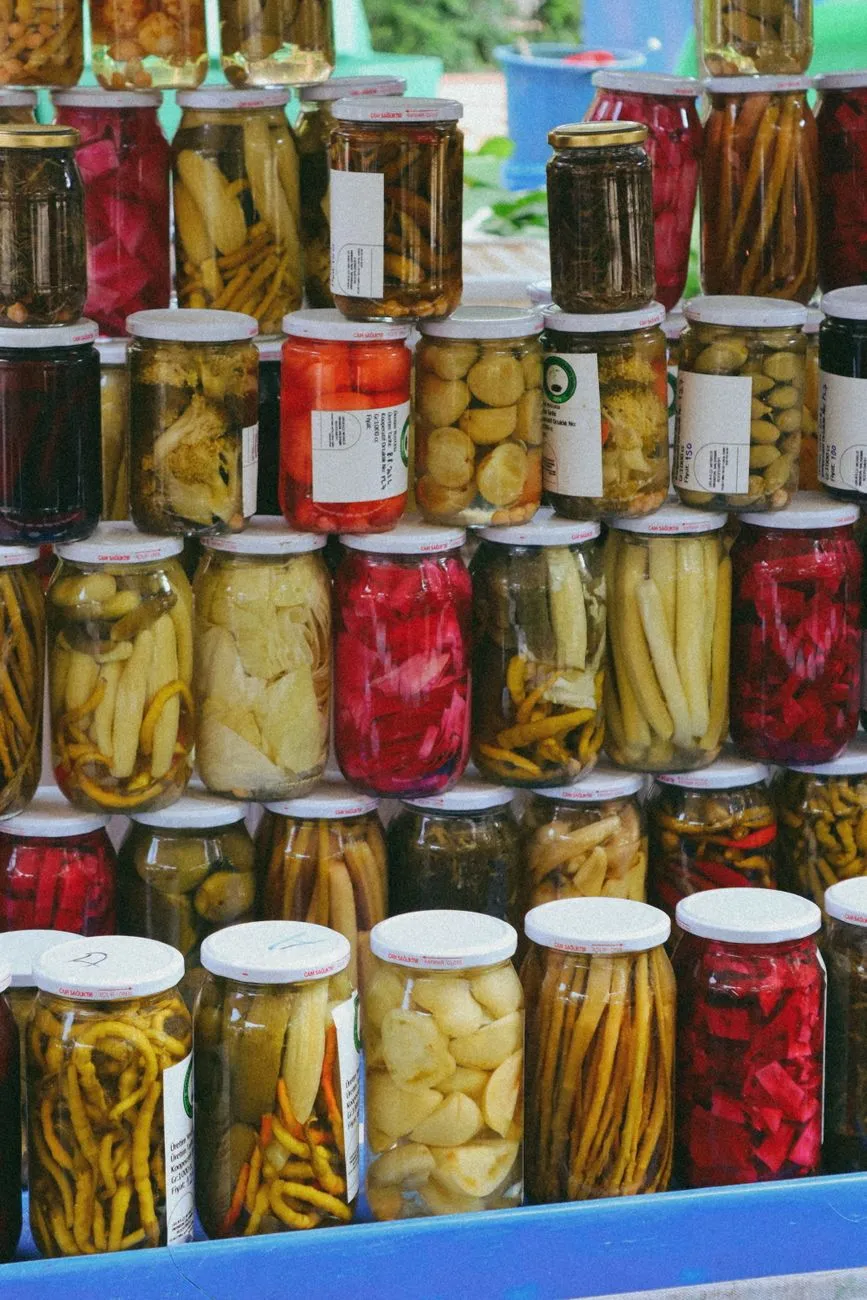
Harnessing the Invisible Universe Within Your Kitchen Counter The transformation of raw ingredients into complex, effervescent, and nutrient-dense elixirs is not merely cooking; it is a profound biological dance. When we discuss fermentation, we are inviting a symbiotic community of microorganisms—bacteria and yeasts—to perform the heavy lifting that our digestive systems often find taxing. As a professional observer of culinary trends and biological realities, I have spent years demystifying the "alchemy" that occurs within a glass jar. At its core, fermentation is the metabolic process where microorganisms break down carbohydrates, such as sugars and starches, into alcohols or acids. Whether you are crafting a tangy kombucha or a creamy milk kefir, you are engaging in a practice that predates modern food preservation by millennia. The science behind this is grounded in the stability of the SCOBY (Symbiotic Culture of Bacteria and Yeast) in kombucha and the "grains" in kefir. These are not just inanimate starters; they are living ecosystems. When you introduce a SCOBY to sweetened tea, the Acetobacter species begin to oxidize the ethanol produced by the yeast into acetic acid, creating that signature sharp, vinegary profile that defines a well-fermented batch. The health implications of this microbial mastery are profound. According to clinical research published in journals such as PubMed, the regular consumption of fermented beverages can modulate the gut microbiome, potentially enhancing the diversity of the intestinal flora. This diversity is linked to everything from improved immune response to regulated glucose metabolism. As you begin your journey, understand that you are essentially acting as a steward for these colonies. Temperature control is the silent partner in your success; most mesophilic ferments thrive between 68°F and 78°F. Straying outside this range invites unwanted guests—mold—which thrive in erratic environments. Always prioritize sterile glass vessels, as reactive metals or plastics can leach into your acidic brews, disrupting the delicate pH balance necessary for healthy fermentation. The Symbiotic Strategy of Kombucha Cultivation Kombucha is, perhaps, the most iconic gateway into the world of home fermentation. It is a tea-based beverage that relies on a specific sequence of aerobic and anaerobic reactions. To master this, one must view the SCOBY as the engine of the operation. When you brew your black or green tea base, ensure you are using high-quality, non-flavored, organic leaves. Essential oils found in flavored teas can be antimicrobial, potentially harming your SCOBY. Begin by dissolving cane sugar into boiling water and steeping your tea. The sugar is not for you; it is the fuel for the yeast. Once the liquid cools to room temperature—this is non-negotiable, as high heat will kill your culture—you introduce the SCOBY and a portion of "starter liquid" from a previous batch. This starter liquid is vital, as it lowers the initial pH of the mixture, preventing the colonization of pathogenic bacteria like Listeria or Salmonella before the beneficial lactic acid bacteria take hold. During the primary fermentation, which lasts typically seven to ten days, the mixture transforms from a sweet tea into a complex elixir. During this phase, oxygen is necessary, which is why a breathable cloth cover is essential. If you seal it too tightly, you stop the gas exchange that the Acetobacter requires. After primary fermentation, you move to the bottling phase. This is where the magic happens: the secondary fermentation. By adding fruit juices or botanicals and sealing the bottle airtight, you trap the carbon dioxide produced by the remaining yeast, resulting in that crisp, natural effervescence. If you find the brew too vinegary, you have let it ferment too long; if it is too sweet, it needs more time. The balance lies in your palate and your patience. Kefir Grains: The Living Pioneers of Gut Health Milk kefir is arguably superior to kombucha in its probiotic density. Unlike the SCOBY, which is a cellulose mat, milk kefir grains are complex, cauliflower-like clusters consisting of proteins, lipids, and a symbiotic community of lactic acid bacteria and yeasts. These grains are essentially a biological "starter pack" that can last for years, potentially decades, if treated with proper care. To cultivate kefir, you simply submerge the grains in fresh cow, goat, or sheep milk. The bacteria within the grains metabolize the lactose (milk sugar) into lactic acid, which causes the milk to thicken and take on a tart, yogurt-like profile. One of the most fascinating aspects of kefir is its ability to produce exopolysaccharides, specifically "kefiran," which is a gel-like substance that gives the drink its thick mouthfeel and has been studied for its potential anti-inflammatory properties in the gut.When managing your grains, consistency is key. If you leave the grains in the milk for too long, the separation of whey and curds is inevitable—a sign that the microorganisms have exhausted the available lactose. While this "over-fermented" kefir is not harmful, it is significantly more sour. I recommend a 24-hour cycle at room temperature. Use a plastic strainer, as metal can damage the soft structure of the grains over time. When you harvest your kefir, keep the grains in a small amount of finished kefir to keep them hydrated while you prepare the next batch. Unlike kombucha, which is a beverage of leisure, kefir is a daily ritual of replenishment. By incorporating just a few ounces into your morning routine, you are introducing a diverse array of Lactobacillus species into your system, which have been shown in various dietary studies to assist in lactose digestion and support the mucosal lining of the gastrointestinal tract. Comparative Nutrient Profiles of Fermented Beverages When assessing the "alchemy" of these ferments, it is important to understand the macronutrient shift that occurs during the process. Because the microorganisms consume the sugars present in the raw ingredients, the final product is inherently lower in glycemic impact than the starting liquid. Below is a breakdown of how the fermentation process alters the composition of your favorite home-brewed elixirs per 8-ounce serving.Beverage Type Primary Substrate Sugar Content (Post-Ferment) Probiotic Count (Approx.) Flavor ProfileKombucha Sucrose/Tea 2-6g 1-5 Billion CFU Tart, Effervescent, CrispMilk Kefir Lactose/Milk 4-8g 50+ Billion CFU Creamy, Sour, TangyWater Kefir Glucose/Water 3-5g 10-20 Billion CFU Light, Sweet, CleanBeet Kvass Starch/Beets 1-2g 5-10 Billion CFU Earthy, Salty, RobustNote: CFU (Colony Forming Units) are approximations and vary significantly based on fermentation time, temperature, and specific microbial strains present in the starter. The data indicates that while kombucha is an excellent entry-level beverage, milk kefir acts as a nutritional powerhouse, delivering significantly higher counts of diverse bacterial strains. Beet kvass, often overlooked, provides a unique mineral profile due to the concentration of beet nutrients combined with the preservative nature of salt-brine fermentation. By understanding these profiles, you can tailor your "home lab" to address specific dietary goals, whether you are seeking a refreshing tonic or a dense probiotic supplement for daily gut maintenance. Beyond the Basics: Botanical Infusions and Second Fermentation Once you have mastered the basics of kombucha and kefir, the true alchemy begins in the creative realm of flavoring and secondary fermentation. This is where your kitchen becomes an apothecary. For kombucha, secondary fermentation is not just for carbonation; it is for extracting flavors. Think of it as a cold-brew infusion. Using ginger, hibiscus flowers, or turmeric does more than improve the taste—it introduces bioactive compounds that can synergize with the fermented base. For instance, adding fresh ginger to your second ferment adds gingerol, a potent anti-inflammatory compound, to a drink that is already packed with organic acids. When you combine the polyphenols found in green tea (from your base) with the gingerols of the infusion, you are crafting a truly medicinal beverage. However, caution is advised. Always use "pressure-rated" bottles, such as Grolsch-style swing-top bottles. During secondary fermentation, the production of carbon dioxide creates significant pressure. Standard glass jars not designed for carbonation can shatter under the force of trapped gas.When experimenting with ingredients, consider the "sugar content" of your additions. If you add high-sugar fruits like mango or pineapple, the fermentation will occur much faster than if you use low-sugar herbs or roots. The yeast will feast on the fruit sugars, leading to a rapid spike in carbonation. Always "burp" your bottles if the room temperature is high, or store them in a cool, dark place to manage the rate of activity. This process is about observation. Smell your ferment—it should be pleasantly acidic and fruity. If it smells like rotten eggs or possesses a slimy, neon-colored film, discard the batch entirely. While botulism is incredibly rare in acidic, fermented beverages (as it cannot survive in a pH below 4.6), one must always maintain the standard hygiene of a professional kitchen. Sanitize your equipment with hot water and avoid cross-contamination. Your commitment to these protocols ensures that your "alchemy" remains a healthy endeavor. The Future of Your Fermentation Journey You have now moved from a novice to a practitioner of microbial arts. Fermentation is a lifelong pursuit; it is a conversation with the invisible world that happens in every corner of your home. It teaches us that decay and growth are often two sides of the same coin. By manipulating these environmental variables—time, temperature, sugar, and substrate—you are not just creating drinks; you are participating in the evolution of your own gut health and fostering a more sustainable lifestyle. Remember, these elixirs are not magical "cures" that replace medical care, but they are potent allies in a health-conscious diet. The modern gut is often starved of the microbial diversity that our ancestors thrived upon. Every glass of homemade kefir or tart kombucha is a step toward reclaiming that ancestral legacy. As you continue to refine your technique, invite others into the fold. Share your grains, trade your SCOBYs, and discuss the nuances of your ferments. The community of home fermenters is as vibrant and active as the cultures sitting on your counter. Maintain your journals, track your temperatures, and never fear the failure of a batch. A "failed" batch is merely a data point in your journey toward perfection. You have the tools, the data, and the methodology. The kitchen is now your laboratory, and the microbes are your partners. Go forth and craft something truly transformative, something that nourishes not only the body but the curiosity of the mind. Your next batch is only a few days away from greatness, and in that time, the alchemy will continue—unseen, silent, and wonderfully persistent. Happy brewing, and may your ferments always be balanced, effervescent, and deeply, undeniably alive. #Fermentation #GutHealth #Probiotics #HomeBrewing #CulinaryAlchemy Related InsightsChicken Yassa: The Tangy and Tender Onion Stew The Golden Harvest: Transforming Your Vitality with Quinoa, Sweet Potatoes, and Kale Mumbai's Sizzling Soul: The Spice, Sweet, and Chaotic Heartbeat of Street Food{ "@context": "https://schema.org", "@type": "FAQPage", "mainEntity": [ { "@type": "Question", "name": "What is the main focus of The Alchemy of Microbes: Crafting Kombucha, Kefir, and Fermented Elixirs at Home?", "acceptedAnswer": { "@type": "Answer", "text": "Unlock the ancient secrets of microbial alchemy by mastering the art of homemade kombucha, kefir, and probiotic elixirs in your own kitchen." } }, { "@type": "Question", "name": "Who authored the comprehensive guide on The Alchemy of Microbes: Crafting Kombucha, Kefir, and Fermented Elixirs at Home?", "acceptedAnswer": { "@type": "Answer", "text": "This detailed article and its insights were carefully researched and authored by Marcus Vance." } }, { "@type": "Question", "name": "Where can I find more related content about Food?", "acceptedAnswer": { "@type": "Answer", "text": "You can explore more articles, detailed reviews, and similar insights by browsing the Related Insights section at the bottom of this article or visiting our dedicated Food category page." } } ] }
- Marcus Vance
- 13 Jul, 2026 21:40
Kimchi's Untold Saga: Unearthing the Fermented Superfoods Beyond the Cabbage You Thought You Knew
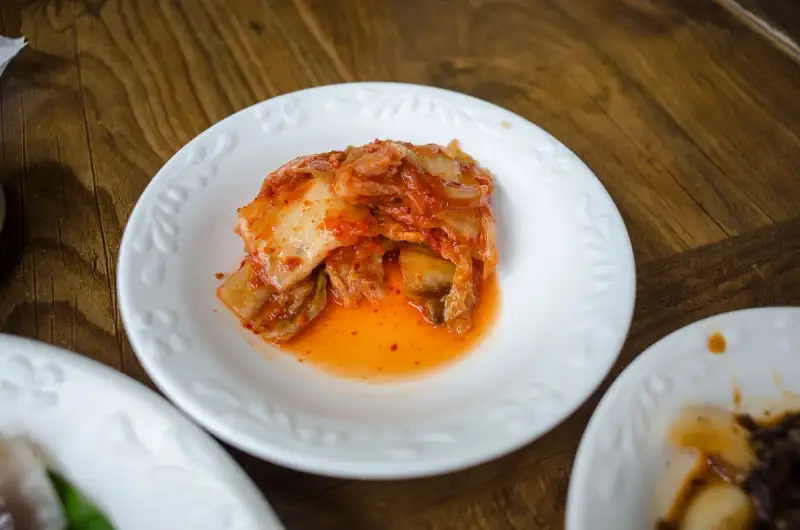
For many across the globe, the word "kimchi" conjures a singular image: vibrant red, spicy fermented napa cabbage, a quintessential side dish on every Korean table. It's a culinary icon, celebrated for its unique flavor profile—a complex interplay of spicy, sour, savory, and umami notes—and its burgeoning reputation as a global superfood. Indeed, baechu-kimchi, or napa cabbage kimchi, is undoubtedly the most famous and widely consumed variety, representing a cornerstone of Korean gastronomic identity. Its journey from a staple peasant food to a global health trend is a testament to its compelling taste and undeniable nutritional merits. Yet, to limit kimchi to just fermented napa cabbage is akin to believing that "bread" only refers to sliced white loaf. The truth is, kimchi is not a single dish, but rather a vast and intricate category encompassing hundreds of distinct varieties, each a unique testament to Korea's rich agricultural heritage and deep understanding of fermentation. From crisp radishes to fresh cucumbers, pungent mustard greens to refreshing water kimchis, the world of kimchi extends far beyond the familiar leafy greens. These often-overlooked varieties offer a dazzling array of textures, flavors, and nutritional benefits, each prepared with meticulous care and a keen understanding of seasonal ingredients. In this comprehensive exploration, we will peel back the layers of this fermented marvel, venturing beyond the ubiquitous cabbage to discover a universe of probiotic-rich wonders, dissecting their scientific contributions to human health, and inspiring you to explore the boundless possibilities of Korean fermentation. Prepare to have your perception of kimchi profoundly transformed. The Fermentation Marvel: A Microbiome Powerhouse The magic of kimchi, irrespective of its primary vegetable, lies fundamentally in its fermentation process—a microbiological transformation that elevates simple ingredients into a complex, nutrient-dense superfood. This ancient preservation technique, rooted in millennia of human ingenuity, leverages specific strains of beneficial bacteria to create a profoundly healthful product. The primary drivers of kimchi fermentation are lactic acid bacteria (LAB), predominantly species from the genera Lactobacillus, Leuconostoc, and Weissella. These microscopic heroes initiate a carefully orchestrated cascade of biochemical changes that define kimchi's characteristic flavor, texture, and, most importantly, its remarkable health benefits. When raw vegetables, typically salted to draw out moisture and inhibit spoilage organisms, are mixed with a paste containing chili powder (gochugaru), garlic, ginger, green onions, and often fish sauce or salted shrimp, they provide a fertile ground for LAB. These anaerobic bacteria thrive in the low-oxygen environment of a sealed fermentation vessel, converting carbohydrates present in the vegetables into lactic acid. This process dramatically lowers the pH of the mixture, inhibiting the growth of harmful pathogens while preserving the vegetables and developing complex flavor compounds. The tangy, sour taste characteristic of well-fermented kimchi is a direct result of this lactic acid production. Beyond preservation and flavor enhancement, the health implications of this microbial activity are profound. The high concentration of live LAB in kimchi acts as a potent probiotic, directly contributing to a healthy gut microbiome. Research published in Frontiers in Microbiology (2018) extensively details how the diverse microbial consortium in kimchi can modulate the composition and function of the human gut microbiota, potentially improving digestive health and enhancing nutrient absorption. Furthermore, LAB produce short-chain fatty acids (SCFAs), such as butyrate, acetate, and propionate, which are vital for gut health. Butyrate, in particular, serves as a primary energy source for colonocytes, helps maintain the integrity of the intestinal barrier, and possesses significant anti-inflammatory properties, as highlighted in numerous studies including a review in the Journal of Medicinal Food (2020). Moreover, the fermentation process makes certain nutrients more bioavailable and generates novel bioactive compounds. It enhances the vitamin content, particularly B vitamins (B1, B2, B12), and can even increase the antioxidant capacity of the original ingredients. The synergistic interaction between the prebiotics (fiber from vegetables) and probiotics (LAB) in kimchi creates a synbiotic effect, fostering a robust internal ecosystem crucial for overall well-being. Regular consumption of kimchi has been linked to improved immune function, reduced inflammation, and even potential benefits for metabolic health, making it far more than just a tasty condiment—it's a vibrant microbial ecosystem on a plate.Diving Deeper: Kimchi Varieties Beyond Baechu While baechu-kimchi rightfully holds its throne, the true marvel of Korean fermentation lies in the sheer diversity of its kimchi family. To venture beyond napa cabbage is to discover a spectrum of textures, flavor profiles, and seasonal delights, each offering a unique culinary experience and specific health benefits derived from its distinct ingredients. This exploration unveils the ingenuity and adaptability of Korean culinary traditions. One of the most popular alternatives is Kkakdugi (깍두기), or cubed radish kimchi. This variety utilizes Korean radish (mu), which is denser and sweeter than daikon radish. Cut into satisfyingly crunchy cubes, it's typically seasoned with gochugaru, garlic, ginger, green onions, and often fermented with a hint of fish sauce. Kkakdugi offers a delightful textural contrast to baechu-kimchi, providing a refreshing crunch and a subtly different spicy-tangy profile that perfectly complements richer Korean stews and soups. Its high fiber content, derived from the radish, aids digestion and gut motility. For a taste of summer, Oi Sobagi (오이소박이), or stuffed cucumber kimchi, is a seasonal favorite. Fresh cucumbers are quartered but left attached at one end, then stuffed with a vibrant mixture of chives, carrots, garlic, ginger, and chili paste. The short fermentation period results in a crisp, refreshing kimchi with a light spice and herbaceous notes. It’s a superb palate cleanser, particularly invigorating during warmer months, and its high water content from cucumbers contributes to hydration. Another distinctive radish kimchi is Chonggak Kimchi (총각김치), often called "ponytail radish kimchi" due to the small radishes being fermented whole with their long greens attached. This presentation gives it a rustic charm and a potent, peppery flavor from the radish greens, which are rich in vitamins K and C. Chonggak kimchi has a more robust, earthy taste and a satisfying chew, making it a favorite for those who appreciate bolder flavors and textures. Moving away from the fiery red, we find the elegant Nabak Kimchi (나박김치) and Dongchimi (동치미), both types of "water kimchi" (mul-kimchi). These are characterized by their clear, refreshing brine rather than a thick chili paste. Nabak kimchi usually features thinly sliced napa cabbage and radish, often with garlic, ginger, red chili threads, and sometimes pear or apple slices, creating a delicately sweet and subtly spicy broth. Dongchimi, on the other hand, is typically less spicy, focusing on whole or large pieces of radish, sometimes with green onions, ginger, and fruits like Asian pear. These water kimchis are excellent digestive aids, often served cold to refresh the palate, and are rich in beneficial probiotics within their liquid component, offering a gentler introduction to fermented foods for those sensitive to spice. They are particularly beneficial for hydration and electrolyte balance, especially given the natural mineral content of the brine. Finally, Gat Kimchi (갓김치), or mustard leaf kimchi, offers a powerfully pungent and slightly bitter flavor profile, cherished by connoisseurs. Made from Korean mustard greens, it’s seasoned similarly to baechu-kimchi but delivers a more intense, peppery kick that stands out. The mustard greens themselves are nutritional powerhouses, packed with vitamins A, C, and K, along with potent antioxidants and glucosinolates, which are known for their detoxifying properties. Each of these varieties, with its unique sensory profile and ingredient base, showcases the incredible breadth of the kimchi tradition, inviting endless exploration. The Nutritional Powerhouse: Macros, Micros, and Bioactive Compounds Beyond its tantalizing flavors and probiotic benefits, kimchi stands as a formidable nutritional powerhouse, a testament to the concentrated goodness derived from its vegetable base and the transformative power of fermentation. Its profile is remarkably rich in essential macronutrients, micronutrients, and a diverse array of bioactive compounds, all contributing to its esteemed superfood status. From a macronutrient perspective, most kimchi varieties are commendably low in calories and fat, making them an excellent addition to a health-conscious diet. A typical 100g serving of baechu-kimchi, for instance, provides approximately 15-20 calories, with minimal fat content (often less than 0.5g, unless additional oils are used in preparation). Carbohydrates typically range from 2-4g, a significant portion of which is dietary fiber (1-2g). The fermentation process consumes some of the sugars, further reducing the overall carbohydrate load while increasing the bioavailability of other nutrients. Protein content is generally low, around 1-2g, primarily derived from the vegetables and any added seafood components like fish sauce or salted shrimp. However, where kimchi truly shines is in its micronutrient and bioactive compound profile. It is an exceptional source of several vital vitamins and minerals:Vitamin C: Abundant in fresh cabbage, radishes, and other vegetables, kimchi retains a significant amount of vitamin C, a powerful antioxidant crucial for immune function and collagen synthesis. Vitamin K: Particularly K1, found in dark leafy greens, which is essential for blood clotting and bone health. B Vitamins: The fermentation process enhances the B vitamin content, including folate, riboflavin (B2), and even some B12, which is rare in plant-based foods, making kimchi a notable source for vegetarians and vegans. Vitamin A (as beta-carotene): Especially in varieties with more orange or red vegetables, vital for vision, immune function, and skin health. Minerals: Kimchi is a good source of minerals like iron (important for oxygen transport), calcium (for bone health), potassium (for blood pressure regulation), and selenium (an antioxidant).Beyond these well-known nutrients, kimchi is brimming with bioactive compounds that contribute to its anti-inflammatory, antioxidant, and potential anti-carcinogenic properties.Isothiocyanates: Derived from cruciferous vegetables like napa cabbage and radishes, these compounds have been extensively studied for their potential in cancer prevention and detoxification pathways. Studies in the British Journal of Nutrition (2019) have linked dietary intake of isothiocyanates to enhanced antioxidant enzyme activity in the human body. Capsaicinoids: The active compounds in gochugaru (Korean chili powder) are responsible for kimchi's characteristic heat. Capsaicin has been shown to possess anti-inflammatory and pain-relieving properties, and its impact on metabolism has been reviewed in Food & Function (2021). Allicin: Found in garlic, allicin is a sulfur-containing compound known for its potent antimicrobial, antiviral, and antioxidant effects. Gingerol: The primary active compound in ginger, contributing powerful anti-inflammatory and antioxidant benefits. Choline: Present in cabbage, choline plays a crucial role in liver function, brain development, nerve function, muscle movement, and metabolism.The synergistic interaction of these components—the fiber acting as a prebiotic, the live cultures as probiotics, and the array of vitamins, minerals, and bioactive compounds—makes kimchi a holistic food that supports gut health, modulates the immune system, reduces systemic inflammation, and contributes to overall cellular protection.👉 Continue Reading: Kimchi's Untold Saga: Unearthing the Fermented Superfoods Beyond the Cabbage You Thought You Knew (Part 2)#KimchiLove #KoreanFood #ProbioticPower #FermentedFoods #HealthyEating Related InsightsSteel-Cut Oats with Chia Seeds and Blueberries: A Delicious and Nutritious Breakfast Option Sailing the Cheese Seas: A Masterclass in Georgian Khachapuri Variations Peruvian Ceviche Revealed: The Ancient Citrus Alchemy That Transforms Seafood into a Nutritional Powerhouse{ "@context": "https://schema.org", "@type": "FAQPage", "mainEntity": [ { "@type": "Question", "name": "What is the main focus of Kimchi's Untold Saga: Unearthing the Fermented Superfoods Beyond the Cabbage You Thought You Knew?", "acceptedAnswer": { "@type": "Answer", "text": "Dive deep into the extraordinary world of Korean kimchi, exploring its diverse forms beyond napa cabbage and the profound health benefits backed by scientific research." } }, { "@type": "Question", "name": "Who authored the comprehensive guide on Kimchi's Untold Saga: Unearthing the Fermented Superfoods Beyond the Cabbage You Thought You Knew?", "acceptedAnswer": { "@type": "Answer", "text": "This detailed article and its insights were carefully researched and authored by Marcus Vance." } }, { "@type": "Question", "name": "Where can I find more related content about Food?", "acceptedAnswer": { "@type": "Answer", "text": "You can explore more articles, detailed reviews, and similar insights by browsing the Related Insights section at the bottom of this article or visiting our dedicated Food category page." } } ] }

- Marcus Vance
- 13 Jul, 2026 21:40
Kimchi's Untold Saga: Unearthing the Fermented Superfoods Beyond the Cabbage You Thought You Knew (Part 2)
This is Part 2 of the series. Read Part 1 here.Crafting Your Own: A Simplified Guide to Kkakdugi Kimchi Embarking on the journey of making your own kimchi is immensely rewarding, offering fresh, personalized flavors and the satisfaction of traditional food preservation. While baechu-kimchi can be complex, Kkakdugi (깍두기), the cubed radish kimchi, provides a fantastic entry point for beginners due to its simpler preparation and forgiving nature. Here's a step-by-step guide to crafting your own batch of crisp, tangy kkakdugi: Yields: Approx. 2 kg | Prep time: 30 minutes | Fermentation: 2-5 days Ingredients:1.5 kg Korean radish (mu), or daikon radish, peeled 2-3 tbsp coarse sea salt (non-iodized) For the Paste: ½ cup Korean chili powder (gochugaru), adjust to taste ¼ cup fish sauce (or vegan alternative like soy sauce for flavor) 2 tbsp minced garlic (approx. 6-8 cloves) 1 tbsp minced ginger 2 tbsp sugar (or maple syrup for a more nuanced sweetness) ¼ cup glutinous rice flour paste (mix 1 tbsp rice flour with ¼ cup water, simmer until thick, cool) – optional, for binding ¼ cup water (if not using rice flour paste)For the Fresh Additions: 3-4 green onions, chopped into 1-inch piecesEquipment:Large mixing bowl Airtight fermentation jar or container (glass or food-grade plastic)Step-by-Step Instructions:Prepare the Radish:Peel the Korean radish and cut it into approximately 1-inch (2.5 cm) cubes. Uniform size ensures even salting and fermentation. Place the radish cubes in a large bowl and sprinkle generously with the coarse sea salt. Toss well to ensure all radish pieces are coated. Let it sit for 30-45 minutes. The salt will draw out excess water, making the radish crispier and preventing it from getting soggy. Stir occasionally. After salting, drain the radish thoroughly. Do not rinse the radish, as the residual salt will aid in fermentation. Tip: While draining, gently squeeze handfuls of radish to remove more water without breaking them.Make the Seasoning Paste:In a separate medium-sized bowl, combine the gochugaru, fish sauce, minced garlic, minced ginger, sugar, and the cooled glutinous rice flour paste (if using, otherwise use ¼ cup water). Mix everything thoroughly until a smooth, thick paste forms. The glutinous rice flour paste helps to bind the spices to the radish and feeds the lactic acid bacteria, encouraging fermentation.Combine and Mix:Add the drained radish cubes to the bowl with the seasoning paste. Wearing food-grade gloves (highly recommended due to chili and potential skin irritation), mix everything thoroughly. Ensure every radish cube is evenly coated with the vibrant red paste. Add the chopped green onions and gently mix them in.Pack and Ferment:Carefully transfer the seasoned kkakdugi into your clean, airtight fermentation jar or container. Press down firmly on the kimchi to remove air pockets. This also helps submerge the kimchi under its own liquid (brine), which is crucial for anaerobic fermentation. Leave about 1-2 inches of headspace from the top of the jar, as the kimchi will produce gas and liquid during fermentation. Close the lid tightly. Place the jar at room temperature (ideally 18-22°C or 65-72°F) for 2-5 days. The fermentation time can vary based on temperature and your desired level of sourness. Monitoring: After 24-48 hours, you might notice small bubbles forming, and the lid might start to bulge if it's not a self-burping type. "Burp" the jar daily by opening the lid briefly to release gas, then re-seal. Taste Test: After 2 days, taste a piece of radish. Once it reaches a pleasant sourness that you enjoy, move it to the refrigerator. Fermentation will slow down significantly in the cold, preserving its flavor.Serve and Store:Your homemade kkakdugi is ready to enjoy! It will continue to ferment slowly in the refrigerator, developing deeper flavors over several weeks. Serve it as a side dish with any meal. It's particularly fantastic with grilled meats, rice, and hearty stews.Making kkakdugi is an incredibly rewarding experience that connects you directly to the vibrant world of Korean fermented foods. It’s fresh, flavorful, and packed with beneficial probiotics—a true labor of love that nourishes both body and soul. Beyond the Bowl: Innovative Culinary Applications of Kimchi To relegate kimchi solely to a side dish, however revered, is to overlook its immense potential as a dynamic, flavor-enhancing ingredient in a myriad of culinary contexts. Its complex profile—a harmonious blend of spicy, sour, umami, and sometimes sweet notes—makes it incredibly versatile, capable of transforming ordinary dishes into extraordinary experiences. Moving beyond the traditional Korean table, kimchi has steadily infiltrated global cuisine, proving its adaptability and allure. Traditionally, kimchi is a foundational element in many beloved Korean dishes. Classic applications include Kimchi Jjigae (김치찌개), a hearty, spicy stew often featuring pork or tofu, where aged, sour kimchi provides the essential depth and tang. Kimchi Bokkeumbap (김치볶음밥), or kimchi fried rice, capitalizes on the aged kimchi's intense flavor, stir-fried with rice, meat, and often topped with a fried egg. Kimchi Buchimgae (김치부침개), savory kimchi pancakes, offer a delightful crunch and chew, with the kimchi lending its characteristic zest and a pleasing texture. Even something as simple as Kimchi Mandu (김치만두), kimchi dumplings, showcases its ability to elevate ground meat or vegetable fillings. However, the true innovation lies in kimchi's contemporary and fusion applications, demonstrating its seamless integration into diverse culinary traditions:Kimchi Tacos/Burritos: The crisp, spicy, and tangy elements of kimchi provide a fantastic counterpoint to rich meats like carnitas or bulgogi, adding a fresh, zesty kick to a classic Mexican format. Kimchi Grilled Cheese: Imagine the ultimate comfort food elevated by the piquant bite of fermented cabbage, cutting through the richness of melted cheese. It's a game-changer. Kimchi Pasta/Pizza Topping: Finely chopped kimchi can be stirred into pasta sauces for an umami boost or scattered over pizza as a vibrant, unconventional topping, pairing surprisingly well with savory meats and cheeses. Kimchi Slaw for Sandwiches/Burgers: Replacing traditional coleslaw with a kimchi-infused version adds a fiery, tangy crunch that can cut through the richness of a burger or pulled pork sandwich. Kimchi-infused Dressings/Sauces: Blending kimchi into vinaigrettes, mayonnaise, or even creating a kimchi aioli can add a unique depth of flavor to salads, grilled vegetables, or as a dipping sauce for fries. Kimchi Stews (Non-Korean): Think beyond jjigae. Kimchi can lend an incredible complexity to lentil stews, bean chilis, or even curries, providing a fermented depth that is hard to replicate. Kimchi with Eggs: A simple yet profound upgrade to breakfast or brunch. Scrambled eggs with finely chopped kimchi, a kimchi omelet, or even kimchi-topped avocado toast offer a burst of flavor. Water Kimchis as Refreshers: Varieties like Nabak Kimchi or Dongchimi, with their delicate, refreshing broths, can be used as unique bases for cold noodle soups or even as a clean, probiotic-rich palate cleanser between courses.The key to successful integration is understanding kimchi's core flavor profile and textural contributions. Aged, sour kimchi, for instance, shines in cooked dishes like stews and fried rice, where its flavors meld and deepen. Fresher, crisper varieties like oi sobagi or kkakdugi are excellent for adding crunch and brightness to salads or sandwiches. The umami from fermentation, the heat from gochugaru, and the tang from lactic acid—all combine to offer a multifaceted ingredient that encourages experimentation. So, next time you reach for that jar of kimchi, consider its boundless potential to reinvent your everyday meals. Comparative Nutritional Profile of Selected Kimchi Varieties (Per 100g serving, approximate values) The nutritional composition of kimchi can vary based on ingredients, fermentation time, and specific recipes. However, this table provides a general overview of the macronutrient and key micronutrient profiles for common kimchi varieties. These values highlight the diverse health benefits each type offers, beyond just the familiar baechu-kimchi. Note that probiotic counts are highly variable and depend on the specific fermentation conditions and freshness of the kimchi.Kimchi Type Calories (kcal) Protein (g) Fat (g) Carbs (g) Fiber (g) Vit C (%DV) Calcium (%DV) Probiotics (CFU/g) (Approx.) Key Nutritional NotesBaechu Kimchi 15-20 1-2 0.3-0.5 3-4 1-2 15-25% 2-4% 10^7 - 10^9 Rich in vitamins C, K, B; source of isothiocyanates and capsaicin. Promotes gut health.Kkakdugi Kimchi 18-25 1-2 0.3-0.5 4-5 1.5-2.5 20-30% 3-5% 10^7 - 10^9 Higher in fiber due to radish. Good source of Vitamin C and minerals. Distinct crisp texture aids digestion.Oi Sobagi Kimchi 10-15 0.5-1 0.2-0.4 2-3 0.8-1.5 10-18% 1-3% 10^6 - 10^8 Very low calorie, high water content from cucumbers. Hydrating and refreshing. Contains beneficial compounds from chives and garlic.Nabak Kimchi (Water) 8-12 0.5-1 0.1-0.2 1.5-2.5 0.5-1 8-15% 1-2% 10^6 - 10^8 (in brine) Extremely low calorie. Focus on the probiotic-rich liquid. Hydrating, gentle on the stomach, and a good source of electrolytes. Often contains natural sugars from fruit additions for milder fermentation.Gat Kimchi 20-28 1.5-2.5 0.4-0.6 4-6 2-3.5 25-35% 5-8% 10^7 - 10^9 Higher nutrient density from mustard greens. Rich in Vitamins A, C, K, and folate. Contains glucosinolates with potential detoxifying properties. Stronger, pungent flavor.Note: %DV refers to Percent Daily Value based on a 2,000 calorie diet. Probiotic counts are highly variable and represent a general estimate for well-fermented kimchi. Individual recipes and ingredients will lead to variations in these nutritional values. Conclusion: A Universe of Flavor and Wellness in Every Fermented Bite Our journey through the multifaceted world of Korean kimchi has unveiled a culinary marvel far grander than its most famous representative, baechu-kimchi. We've delved into the scientific wonders of its fermentation, a process orchestrated by beneficial lactic acid bacteria that transform humble vegetables into a microbiome powerhouse, contributing significantly to gut health, immune function, and overall well-being. Beyond the familiar, we've explored an astounding array of varieties—from the crisp bite of kkakdugi and the refreshing zest of oi sobagi, to the pungent complexity of gat kimchi and the delicate clarity of nabak kimchi. Each offers a distinct sensory experience, reflecting Korea's profound connection to its land and seasons. We've meticulously broken down kimchi's impressive nutritional profile, highlighting its richness in essential vitamins, minerals, and potent bioactive compounds like isothiocyanates, capsaicinoids, and allicin, all working in synergy to provide anti-inflammatory and antioxidant benefits. For the adventurous spirit, we've provided a clear pathway to crafting your own batch of kkakdugi, demonstrating that the art of kimchi-making is accessible and profoundly rewarding. Finally, we've transcended the traditional serving bowl, showcasing how kimchi's versatile flavor profile can revolutionize everything from tacos and grilled cheese to stews and innovative dressings, proving its place as a dynamic ingredient in global gastronomy. Kimchi is not merely a condiment; it is a living food, a testament to ancient wisdom, and a vibrant cornerstone of health. It embodies the essence of "food as medicine," delivering a complex symphony of flavors alongside a formidable boost to your internal ecosystem. I urge you, dear reader, to move beyond your preconceived notions. Seek out the diverse varieties of kimchi available, experiment with making your own, and integrate its incredible depth into your daily cooking. The world of kimchi is vast, delicious, and waiting to enrich your life, one fermented bite at a time. Embrace the tang, savor the spice, and celebrate the health benefits of this extraordinary superfood.#KimchiLove #KoreanFood #ProbioticPower #FermentedFoods #HealthyEating Related InsightsAndean Superfoods Unveiled: The Alchemical Power of Quinoa, Kiwicha, and Canihua Unlocking the Power of Roasted Beetroot Hummus with Toasted Sesame: A Delicious Anti-Inflammatory Delight Exploring the Nutritional Haven of Buckwheat Kasha with Sautéed Mushrooms and Onions{ "@context": "https://schema.org", "@type": "FAQPage", "mainEntity": [ { "@type": "Question", "name": "What is the main focus of Kimchi's Untold Saga: Unearthing the Fermented Superfoods Beyond the Cabbage You Thought You Knew (Part 2)?", "acceptedAnswer": { "@type": "Answer", "text": "Dive deep into the extraordinary world of Korean kimchi, exploring its diverse forms beyond napa cabbage and the profound health benefits backed by scientific research." } }, { "@type": "Question", "name": "Who authored the comprehensive guide on Kimchi's Untold Saga: Unearthing the Fermented Superfoods Beyond the Cabbage You Thought You Knew (Part 2)?", "acceptedAnswer": { "@type": "Answer", "text": "This detailed article and its insights were carefully researched and authored by Marcus Vance." } }, { "@type": "Question", "name": "Where can I find more related content about Food?", "acceptedAnswer": { "@type": "Answer", "text": "You can explore more articles, detailed reviews, and similar insights by browsing the Related Insights section at the bottom of this article or visiting our dedicated Food category page." } } ] }
-
 Eleanor Hughes
 - 13 Jul, 2026 13:51
Unveiling Injera: Why This Sour, Spongy Ethiopian Staple Is the World's Most Underrated Superfood (And How to Master It)
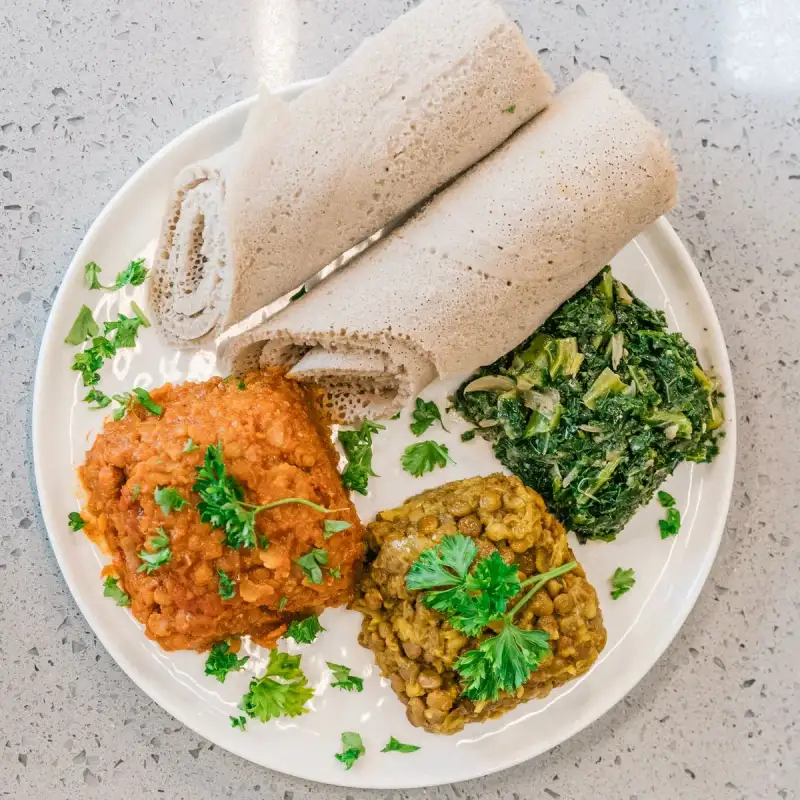
In the vibrant tapestry of global cuisine, few dishes possess the mystique, cultural gravitas, and sheer nutritional power of Injera. This isn't just a flatbread; it's the very soul of Ethiopian and Eritrean gastronomy, a sour, spongy, and endlessly fascinating staple that transcends mere sustenance to become a communal canvas for some of the world's most aromatic and flavorful stews. For the uninitiated, the first encounter with Injera can be an enigma: its unique tangy profile, its distinctive "eyes" (tiny holes), and its role as both plate and utensil are unlike anything found in Western dining. Yet, beneath its humble appearance lies a complex interplay of ancient grains, sophisticated fermentation, and profound health benefits that make it a compelling subject for any culinary explorer or health enthusiast. My journey into the world of Ethiopian cuisine began years ago, spurred by a quest for foods that tell a story – a narrative of tradition, resilience, and connection to the earth. Injera, crafted from the tiny, iron-rich grain called Teff, quickly emerged as a revelation. It's a food that demands patience and respect, a slow art passed down through generations. But the rewards are immense: not only a delicious, versatile accompaniment to a dazzling array of dishes but also a powerhouse of nutrition that quietly supports digestive health, bolsters mineral intake, and offers a naturally gluten-free alternative to common grains. Join me as we peel back the layers of this extraordinary food, from the fields of Ethiopia where Teff flourishes to the warmth of the Mitad where Injera comes to life, uncovering why this "sour sponge" is truly an underrated global superfood. The Ancient Grain: Teff and Its Nutritional Powerhouse Status At the heart of every authentic Injera lies Teff, an ancient, resilient grain native to Ethiopia and Eritrea. Despite its minuscule size – it’s often described as the smallest grain in the world, about the size of a poppy seed – Teff (scientific name: Eragrostis tef) boasts an exceptionally robust nutritional profile that puts many modern grains to shame. Cultivated for thousands of years, Teff thrives in diverse Ethiopian climates, adapting to both drought and waterlogging, making it a sustainable and vital food source for millions. There are primarily three types: white (Nech), red (Key), and brown (Sergegna), with white Teff yielding the lightest-colored Injera, while red and brown varieties contribute a deeper hue and often a more pronounced earthy flavor. What makes Teff a veritable nutritional powerhouse? Its micronutrient density is simply staggering. Teff is remarkably rich in iron, a critical mineral for oxygen transport and energy production. A single cup of cooked Teff can provide approximately 20% of the recommended daily intake for iron, a significant contribution, especially in regions where iron deficiency anemia is prevalent. This bioavailability of iron in Teff is a subject of ongoing research; a study published in the Journal of Cereal Science (2018) highlighted Teff's superior iron and zinc absorption compared to other grains, attributing it to its unique phytate-to-mineral ratio and specific processing methods like fermentation. Beyond iron, Teff is an excellent source of calcium, containing more of this bone-building mineral than most other grains, often cited as equivalent to a glass of milk per serving. It also provides a significant amount of magnesium, phosphorus, copper, and B vitamins. Furthermore, Teff is celebrated for its high fiber content, particularly its resistant starch. This type of starch escapes digestion in the small intestine and ferments in the large intestine, acting as a prebiotic that feeds beneficial gut bacteria. Research from the American Journal of Clinical Nutrition (2020) demonstrated that Teff's resistant starch content is notably higher than that found in common grains like wheat or rice, contributing to improved digestive health, better blood sugar regulation, and enhanced satiety, which can aid in weight management. Its protein content is also noteworthy, offering a complete amino acid profile, a rare trait for a plant-based food, making it an invaluable protein source for vegetarians and vegans. Critically, Teff is naturally gluten-free, a characteristic that has propelled it into the global spotlight as a safe and nutritious alternative for individuals with celiac disease or gluten sensitivity. Its distinctive properties, from its ancient origins to its modern nutritional acclaim, firmly establish Teff as the bedrock of Injera's status as a superfood.The Art of Fermentation: Crafting the Perfect Injera Batter The transformation of humble Teff flour into the iconic Injera is a testament to the ancient art of fermentation, a process that imbues the flatbread with its signature sour tang, airy texture, and enhanced nutritional profile. This isn't a quick bake; it's a slow, deliberate dance with microorganisms that demands patience and a keen understanding of natural processes. The journey begins with what appears to be a simple mixture: Teff flour and water. However, the secret ingredient is "ersho" (or irsho), a sourdough starter reserved from a previous batch, which acts as the microbial inoculant, much like a sourdough starter for bread. To craft the perfect Injera batter, a ratio of approximately 1 part Teff flour to 2 parts water is typically used, though this can vary slightly based on the flour's absorption. The flour is mixed with water in a large bowl, traditionally a clay pot called a "barmile," to form a thick, smooth batter, similar in consistency to pancake batter. The ersho is then incorporated, introducing a complex community of wild yeasts (Saccharomyces cerevisiae and related species) and lactic acid bacteria (Lactobacillus plantarum, Lactobacillus fermentum, Pediococcus pentosaceus, among others). This microbial symphony, as elucidated in studies like one published in Food Microbiology (2019), is responsible for the intricate flavor profile and increased nutrient bioavailability observed in fermented Teff products. The covered batter is then left to ferment at room temperature, ideally between 20-25°C (68-77°F), for anywhere from two to five days. During this period, the lactic acid bacteria convert carbohydrates into lactic acid, acetic acid, and other organic acids, which impart the characteristic sourness. Simultaneously, yeasts produce carbon dioxide, creating the tiny gas bubbles that will eventually form Injera's distinctive "eyes." The appearance of a watery, greyish layer on top, known as "aflegn," and a frothy, bubbly surface are visual cues that fermentation is progressing successfully. To prevent excessive sourness or spoilage, this aflegn is typically removed, and a small portion of the fermented batter, along with fresh flour and water, is cooked into a thin porridge called "absit" or "mokaka." This absit is then cooled and stirred back into the main batter, providing a final boost of starch and flavor, regulating the pH, and ensuring a smooth final texture. Troubleshooting is an inherent part of this art: if the batter isn't sour enough, it may need more time or a warmer environment; if it's too sour, the fermentation might have gone too long or lacked the absit step. A well-fermented batter will possess a pleasant, distinctly sour aroma and a consistency that is pourable but not watery, ready for its transformation on the griddle. This elaborate process is not just about taste; it also pre-digests certain components of the Teff, making nutrients more accessible and aiding digestion, truly enhancing its superfood status. From Batter to Bread: Mastering the Injera Cooking Technique The culinary magic of Injera culminates on a hot griddle, where the fermented Teff batter is transformed into its iconic, spongy form. This stage, while seemingly straightforward, requires precision, timing, and a practiced hand to achieve the perfect texture and signature "eyes" (enat) that define authentic Injera. Traditionally, Injera is cooked on a "mitad" (or mogogo), a large, round, flat clay or cast-iron griddle heated over an open fire or an electric element. For home cooks outside of Ethiopia, a large non-stick skillet or an electric griddle can serve as an effective substitute, though achieving the exact Mitad temperature and heat distribution requires some experimentation. The key to success lies in maintaining a consistent, medium-high heat. Too low, and the Injera will be tough and lack eyes; too high, and it will burn quickly before the top can steam properly. Before pouring, the griddle should be lightly greased with a small amount of oil, then wiped clean, leaving only a fine film to prevent sticking. The batter, having undergone its meticulous fermentation, should be stirred gently to reincorporate any settled flour, ensuring a uniform consistency. The pouring technique is perhaps the most crucial step. Using a measuring cup or a ladle, a precise amount of batter (typically about 1/2 to 3/4 cup for an 8-10 inch Injera) is poured onto the hot griddle. Starting from the outer edge, the batter is swiftly poured in a continuous, spiral motion, working inward to cover the entire surface evenly. Speed and confidence are paramount here; hesitation can result in an uneven thickness. As soon as the surface is covered, the griddle is immediately covered with a tight-fitting lid. This traps the steam, allowing the top of the Injera to cook and firm up, and crucially, encouraging the formation of those characteristic "eyes" as trapped gases escape. Cooking time is brief, typically 2-3 minutes. You'll know it's ready when the edges begin to curl slightly, and the entire surface is dotted with numerous small holes, indicating the steam has worked its magic. The top should be firm but not browned, retaining its light, moist quality. The Injera is then carefully lifted with a spatula, ensuring it doesn't tear, and transferred to a cooling rack or a clean cloth to cool completely before stacking. It’s essential to let each piece cool fully to prevent stickiness before layering them. A well-cooked Injera will be soft, flexible, and possess a slight springiness, perfectly ready to absorb the rich flavors of Ethiopian stews. Mastering this stage is not just about cooking a flatbread; it's about perfecting the canvas upon which an entire culinary tradition is presented.Unveiling the Wots and Tibs: A Symphony of Ethiopian Stews Injera, in its magnificent simplicity, serves as the perfect edible plate and utensil for the vibrant, aromatic, and deeply flavorful stews that constitute the heart of Ethiopian cuisine. These stews, primarily known as "wots" (pronounced "woats") and "tibs," are a symphony of spices, textures, and ingredients, offering a culinary journey that is both hearty and profoundly satisfying. The communal act of dining, where multiple wots and tibs are arranged on a large platter of Injera, encourages sharing and connection, embodying the spirit of Ethiopian hospitality. The foundation of many traditional wots is a generous amount of finely chopped red onions, slowly cooked until caramelized, forming a rich base. To this, garlic and ginger are added, creating a pungent aromatic layer. However, the true soul of Ethiopian stews lies in two essential ingredients: "Berbere" and "Niter Kibbeh." Berbere is an intricate, fiery red spice blend, often comprising 16 or more ingredients, including chili powder, fenugreek, ginger, garlic, cardamom, allspice, and paprika. Its complexity offers layers of heat, sweetness, and earthiness. Research in the Journal of Ethnopharmacology (2017) has explored Berbere's rich antioxidant profile, attributed to its diverse blend of spices, suggesting potential anti-inflammatory benefits. Niter Kibbeh, on the other hand, is a spiced clarified butter, infused with herbs and spices such as fenugreek, cumin, coriander, and turmeric. This golden elixir imparts a distinct depth of flavor and richness that is incomparable to plain butter. Among the most iconic wots is Doro Wot, a national dish, featuring chicken drumsticks and hard-boiled eggs simmered in a rich, spicy Berbere sauce. For those seeking milder flavors, Alicha Wot offers a delicious alternative, typically made with beef, lamb, or vegetables (like potatoes and carrots) in a turmeric-based sauce without Berbere. Vegetarian options are abundant and equally celebrated. Misir Wot (red lentil stew) is a staple, seasoned with Berbere, onions, garlic, and ginger, providing a protein and fiber-rich meal. Shiro Wot, a creamy, smooth stew made from powdered chickpeas or fava beans, is another vegetarian favorite, often prepared with or without Berbere. "Tibs" refer to sautéed pieces of meat or vegetables, usually lamb, beef, or chicken, often cooked quickly with onions, peppers, and various spices, served sizzling hot. Key Wot (spicy beef stew) and Derek Tibs (dry-fried meat) are particularly popular. The beauty of these stews is their versatility and the balance they strike: the cooling, tangy Injera perfectly complements the robust, often spicy, and deeply savory flavors of the wots and tibs. A typical Injera meal offers a harmonious blend of macros, with the carbohydrates from Injera, protein from meats or lentils, and healthy fats from Niter Kibbeh, making for a holistic and incredibly satisfying dining experience. The tradition of scooping up these stews with pieces of Injera, eschewing cutlery, is not just cultural but also enhances the sensory experience, connecting the diner more intimately with the food.The Health Benefits Beyond Gluten-Free: A Holistic Perspective While Injera's naturally gluten-free nature is a significant draw for many, its health benefits extend far beyond catering to gluten sensitivities. The holistic combination of its Teff base and the traditional fermentation process creates a food that is a powerhouse of nutrition, contributing to digestive health, micronutrient intake, and overall well-being. From a nutritional science standpoint, Injera embodies several principles of a healthy, traditional diet. Firstly, digestive health is profoundly supported. Teff's high fiber content, particularly its resistant starch, acts as a potent prebiotic. This resistant starch ferments in the colon, nurturing beneficial gut bacteria and promoting a healthy microbiome. Furthermore, the fermentation process used to create Injera batter introduces live probiotic cultures, including Lactobacillus species. While cooking reduces the live cultures, the byproducts of fermentation, such as lactic acid, can still contribute to a healthier gut environment by making nutrients more digestible and creating a slightly acidic pH that inhibits the growth of pathogenic bacteria. A meta-analysis published in Nutrition Reviews (2021) indicated that fermented grains like Injera can significantly enhance micronutrient absorption by breaking down phytates, which are compounds that bind to minerals and hinder their absorption. Secondly, Injera is an exceptional source of micronutrients. As highlighted earlier, Teff is notably rich in iron, calcium, and zinc. For populations globally facing deficiencies in these critical minerals, Injera offers a bioavailable and culturally significant dietary source. The fermentation process further aids in the liberation and absorption of these minerals, making them more accessible to the body. Its complete protein profile makes it a valuable plant-based option for muscle repair and satiety. Thirdly, its impact on blood sugar regulation is significant. The complex carbohydrates and high fiber content of Teff contribute to a lower glycemic index compared to refined grains. This means that Injera releases glucose into the bloodstream more slowly, helping to prevent sharp spikes and crashes in blood sugar levels, making it beneficial for individuals managing diabetes or seeking sustained energy. Lastly, the overall nutritional density of an Injera meal, especially when paired with traditional wots and tibs, offers a balanced intake of macronutrients (carbohydrates, proteins, fats) and a wide array of vitamins and minerals. The spices used in Ethiopian stews, such as fenugreek, turmeric, and ginger, are themselves rich in antioxidants and possess documented anti-inflammatory properties, further contributing to a holistic health profile. The traditional method of preparation, relying on whole ingredients and minimal processing, aligns perfectly with contemporary dietary recommendations for health and longevity. Injera, therefore, is not merely a component of a meal; it is a nutritional foundation that showcases the profound wisdom embedded in ancient culinary practices, offering a delicious path to improved health and a deeper connection to food.Nutritional Component Teff Flour (100g) Typical Wheat Flour (100g) Notes on Injera PreparationCalories 367 kcal 364 kcal Similar caloric density, but Injera's fermentation enhances digestibility.Protein 13.0g 12.0g Complete amino acid profile in Teff, rare for a grain.Fat 2.4g 1.0g Low in fat; often served with Niter Kibbeh (spiced clarified butter).Carbohydrates 73.0g 76.0g Primarily complex carbs, including resistant starch.Fiber 8.0g 3.0g Significantly higher fiber, contributing to gut health.Iron 7.6mg (42% DV) 3.6mg (20% DV) Exceptionally high; fermentation improves bioavailability.Calcium 180mg (18% DV) 15mg (1% DV) Outstanding source, aiding bone health.Magnesium 183mg (46% DV) 47mg (12% DV) Crucial for numerous bodily functions.Zinc 4.6mg (31% DV) 1.0mg (7% DV) Enhanced absorption due to fermentation process.Gluten None Present Naturally gluten-free, safe for celiacs.Note: DV = Daily Value. Values are approximate and can vary based on specific Teff varieties and processing. Injera's final nutritional profile is also influenced by water content and residual fermentation products.Conclusion The journey through the world of Ethiopian Injera reveals far more than just a unique flatbread. It unearths a culinary legacy deeply rooted in ancient wisdom, sustainable agriculture, and profound respect for natural processes. From the incredible nutritional density of Teff, the tiny grain that defies expectations, to the intricate art of fermentation that gives Injera its distinctive sourness and spongy texture, every aspect of this food tells a story of health, tradition, and community. Injera is not merely a vehicle for stews; it is a superfood in its own right. Its naturally gluten-free composition, coupled with its remarkable content of iron, calcium, fiber, and complete protein, positions it as an exceptional dietary staple. The traditional fermentation process further enhances its digestibility and nutrient bioavailability, nurturing gut health and offering sustained energy. When paired with the vibrant, spice-rich wots and tibs, an Injera meal becomes a perfectly balanced, holistic culinary experience that nourishes both body and soul. For too long, Injera has remained a hidden gem outside its native lands. Yet, as we increasingly seek out wholesome, naturally beneficial, and culturally rich foods, Injera stands ready to take its rightful place on the global stage. I encourage you to seek out authentic Ethiopian restaurants, or better yet, embark on the rewarding journey of making your own Injera at home. It’s an act of culinary exploration that promises not only exquisite flavors but also a deeper appreciation for the power of traditional foodways. Dive into this sour sponge; your palate, and your health, will thank you.#EthiopianFood #InjeraLove #TeffGrain #FermentedFoods #GutHealth #GlutenFreeEats #SuperfoodDiscovery