Making Beef Wellington
-
 Michael Chef
 - 14 Jun, 2026 22:41
A Feast for Royalty: Making Beef Wellington
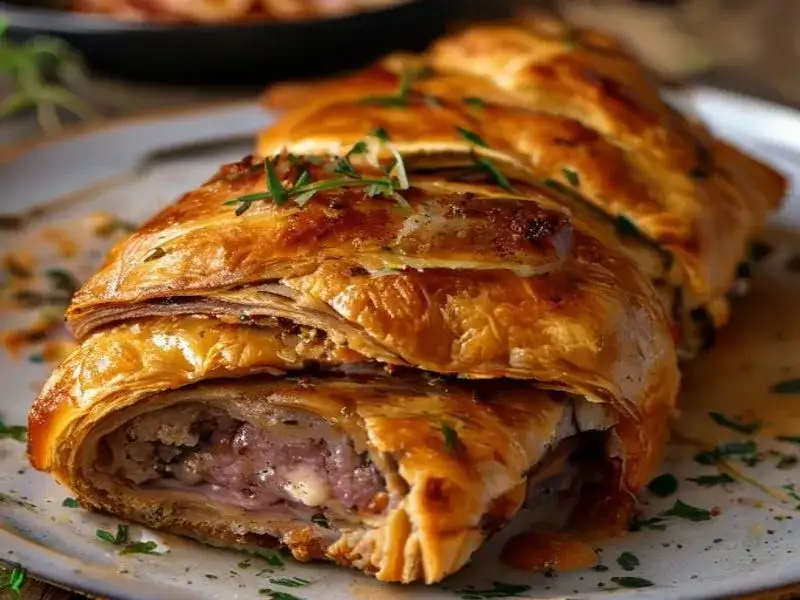
In the pantheon of British gastronomy, few dishes command as much respect, intimidation, and sheer culinary theater as the Beef Wellington. It is the ultimate celebratory centerpiece—a dish that requires precision, timing, and an unapologetic celebration of luxury ingredients. Wrapping a prime cut of beef in a delicate pastry shell is an art form that has graced banquet tables for generations.
The Mystery of its Origins
The origins of Beef Wellington are surprisingly shrouded in culinary mystery. The most popular legend attributes the dish to Arthur Wellesley, the 1st Duke of Wellington, who famously defeated Napoleon at the Battle of Waterloo in 1815. According to lore, the Duke had notoriously unpredictable meal times due to his military campaigns, and his personal chef created a dish of beef wrapped in pastry so that it could be easily sliced and served regardless of when the Duke sat down to eat.
Another theory suggests the name is purely patriotic, attempting to rebrand the French filet de bœuf en croûte with an aggressively English moniker during the Napoleonic Wars. Curiously, the first recorded mention of “Beef Wellington” in a cookbook didn’t appear until the mid-20th century in America, leaving food historians fiercely divided over whether the dish is a true British heirloom or a mid-century retro classic that borrowed a famous historical name.
The Complex Construction
Constructing a Beef Wellington is a multi-step process that tests a chef’s technical prowess. The core is a whole beef tenderloin (fillet), the most tender and expensive cut of the cow. The meat is seared quickly at a high temperature to develop a crust and lock in the juices, then chilled completely.
The next layer is the duxelles—a finely chopped, intensely savory paste made from mushrooms, shallots, garlic, and thyme, cooked down until all moisture has evaporated. This is crucial; if the duxelles is too wet, it will turn the pastry into a soggy disaster. Often, the beef and duxelles are tightly wrapped in a layer of Parma ham or a thin savory crêpe. This barrier layer stops the meat’s juices from escaping.
Finally, the entire parcel is encased in buttery puff pastry, egg-washed, and scored with intricate lattice patterns before baking.
The Ultimate Carve
The true terror and triumph of a Beef Wellington lie in the carve. Because the meat is completely hidden by the pastry, the chef must rely entirely on timing and a meat thermometer to ensure the beef remains a perfect, blushing medium-rare while the pastry achieves a crisp, golden-brown finish. Served alongside a rich Madeira wine sauce, Beef Wellington remains the undisputed king of the British dinner party.
#BeefWellington #BritishFood #FineDining #CulinaryHistory #CookingFacts #GourmetFood #MeatLovers
#britishfood #michaelchef #recipe #ukcuisine