Mumbai's Sizzling Soul: The Spice, Sweet, and Chaotic Heartbeat of Street Food

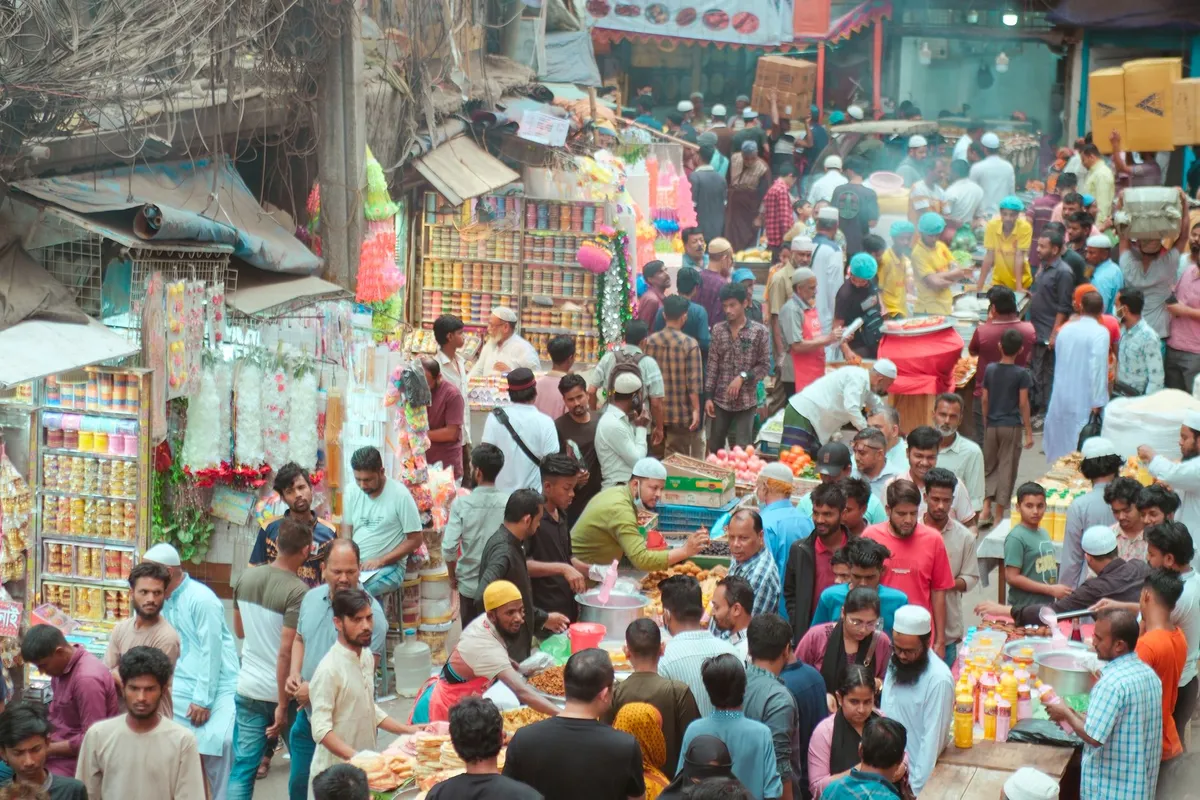
The aroma of crushed coriander seeds, toasted cumin, and sizzling butter dances through the humid air of the Arabian Sea. This is not merely the smell of cooking; it is the olfactory fingerprint of Mumbai, a sprawling, breathless metropolis where millions gather every single day to partake in one of the most vibrant culinary rituals on planet Earth. As Demir Şef, I have wandered through the sprawling alleys of grand European capitals, navigated the spice-laden souks of the Middle East, and studied the ancient techniques of Asian kitchens, but nothing—absolutely nothing—prepares the human spirit for the sensory overload of Mumbai’s street food culture.
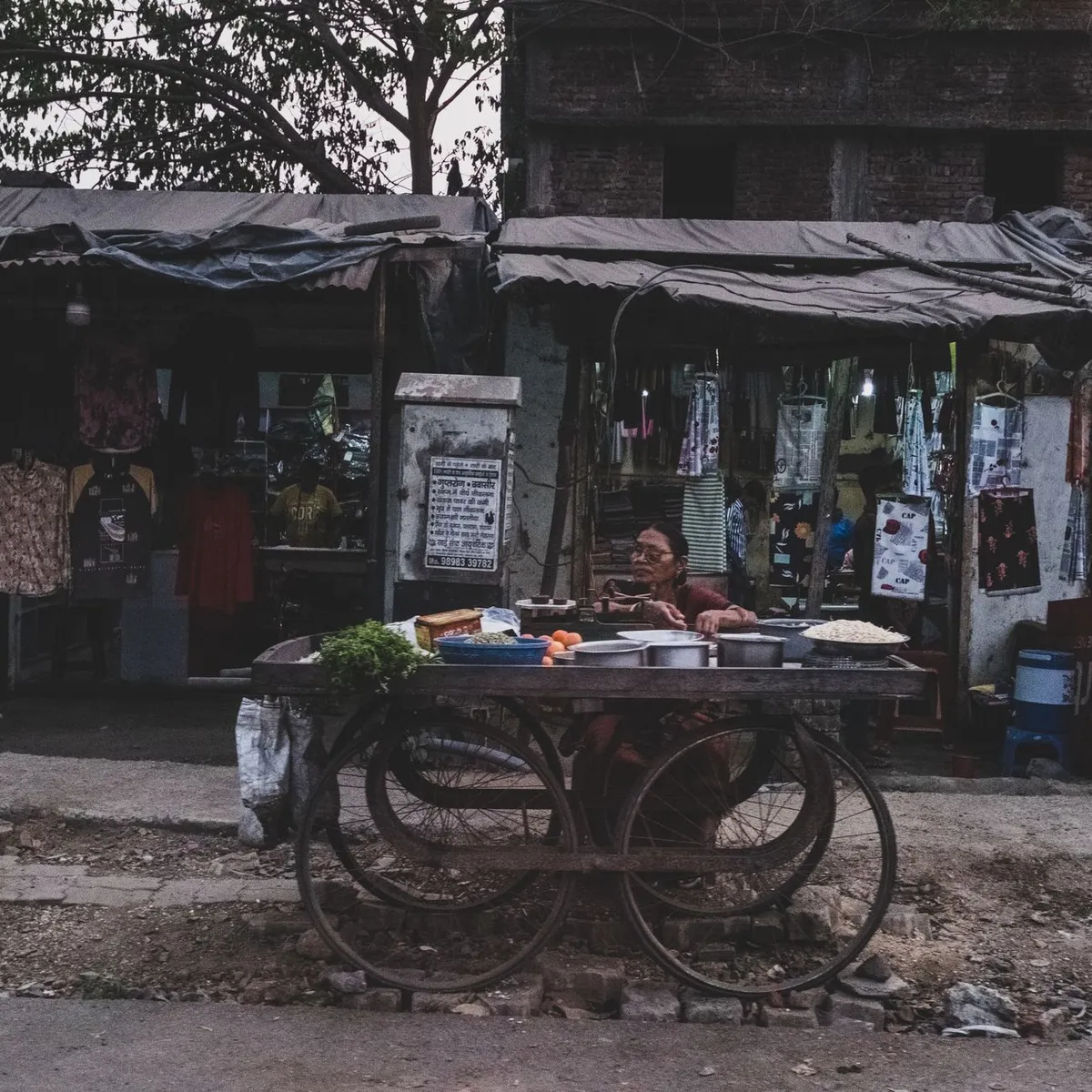
To understand Mumbai is to understand its streets. The city does not merely feed its inhabitants; it embraces them with a fiery, chaotic, and unapologetic passion. Here, food is democratized. A corporate executive in a crisp linen shirt and a weary daily-wage laborer standing side by side at a wheeled metal cart, both holding the same paper plate of spiced potatoes, bonded by the universal language of flavor. This is a city built on resilience, speed, and ingenuity, and nowhere is that truer than on the metal griddles of its roadside vendors.
The Symphony of Pav Bhaji: Butter, Bread, and Brashness
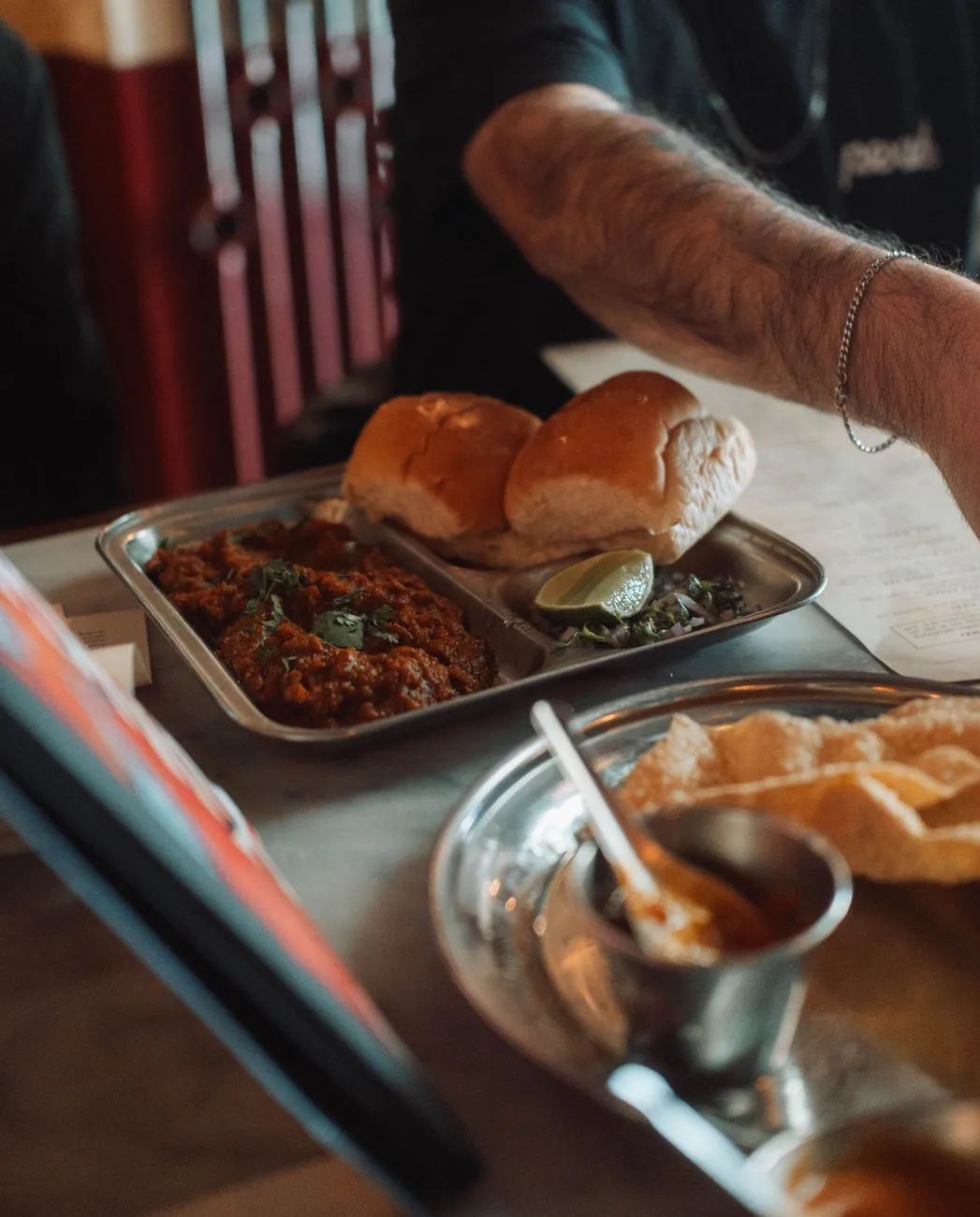
If the heartbeat of Mumbai has a rhythm, it is the rhythmic clack-clack-clack of heavy iron mashers beating against a wide, flat griddle known as a tava. This is the birth place of Pav Bhaji, a dish born out of industrial necessity and transformed into an absolute culinary icon. In the 1850s, textile mill workers in Bombay needed a quick, hot, and energy-dense lunch that could be consumed during brief breaks between grueling shifts. Street vendors improvised, mashing together leftover vegetables—potatoes, peas, tomatoes, cauliflowers—with a potent blend of spices, drenching the mixture in an ocean of golden, bubbling butter.
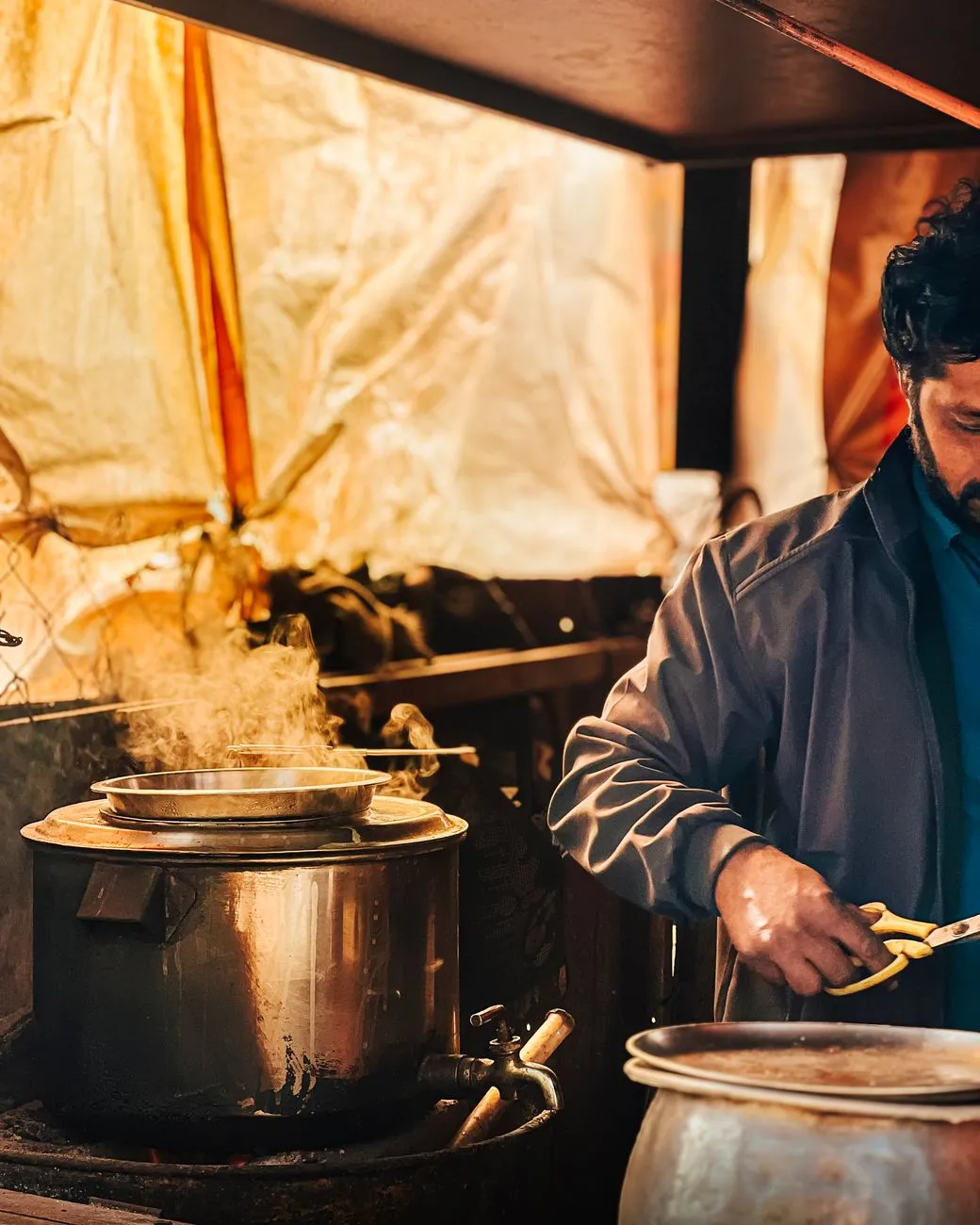
When you order Pav Bhaji at a bustling stall in Girgaum Chowpatty, watching the vendor work is like watching a master percussionist. He scoops a massive ladle of the thick, crimson vegetable mash onto the griddle, adds a generous pat of Amul butter that melts instantly into a fragrant pool, and tosses in finely chopped onions and fresh coriander. Next to it, soft white bread rolls (pav) are split open, toasted on the same butter-slicked iron until they are golden-brown and pillowy.
Eating it requires total surrender. You tear a piece of the buttery bread, use it to scoop up a mound of the spiced bhaji, and let the explosion of flavors take over. It is rich, spicy, slightly tangy from the tomatoes, and deeply comforting. It represents the very essence of Mumbai: fast, unpretentious, and overwhelmingly alive.
Crunch, Tang, and Tears: The Bhel Puri Phenomenon
Move away from the heavy butter of the griddle, and you will find yourself drawn toward the coastal breeze of the city’s beaches, where the air rings with the sound of hollowed-out puris being cracked and tossed. This is the domain of chaat, the king of Indian street snacks, and specifically Bhel Puri, Mumbai’s ultimate beachside snack.
The architecture of a great Bhel Puri is a masterclass in texture and balance. It is a dry, crunchy salad composed of puffed rice (muri), crispy fried wheat noodles (sev), finely diced potatoes, raw onions, and a vibrant medley of chutneys. There is the sweet-tart tamarind chutney, the fiery green chili and mint chutney, and occasionally a splash of garlic paste.
The Anatomy of Mumbai Bhel Puri:
1. Base: Puffed rice & crispy sev (Crunch)
2. Body: Boiled potatoes & raw onions (Texture)
3. Accents: Roasted peanuts & fresh coriander (Earthy notes)
4. Dressings: Tamarind & green chili chutneys (Sweet & Heat)
5. Finish: A squeeze of fresh lime juice (Acidic brightness)
Watching a bhelwallah assemble this snack is mesmerizing. With lightning-fast movements, ingredients are scooped from various compartments of a wooden box, tossed skillfully in a battered metal bowl, and wrapped in a makeshift cone of old newspaper. You grab a handful and eat it immediately before the moisture of the chutneys can soften the crisp puffed rice. It is crunchy, sweet, spicy, sour, and salty all at once—a literal party on your palate that forces your eyes to water and your lips to tingle, yet leaves you reaching instantly for another handful.
The King of Burgers: Vada Pav and the Working Man’s Feast
No exploration of Mumbai’s culinary soul is complete without paying homage to the Vada Pav, often affectionately (and slightly inaccurately) dubbed the “Indian Burger.” Invented in the 1960s near Dadar station by Ashok Vaidya, who realized that commuters needed a portable, cheap, and filling meal, this humble creation conquered the city in record time.
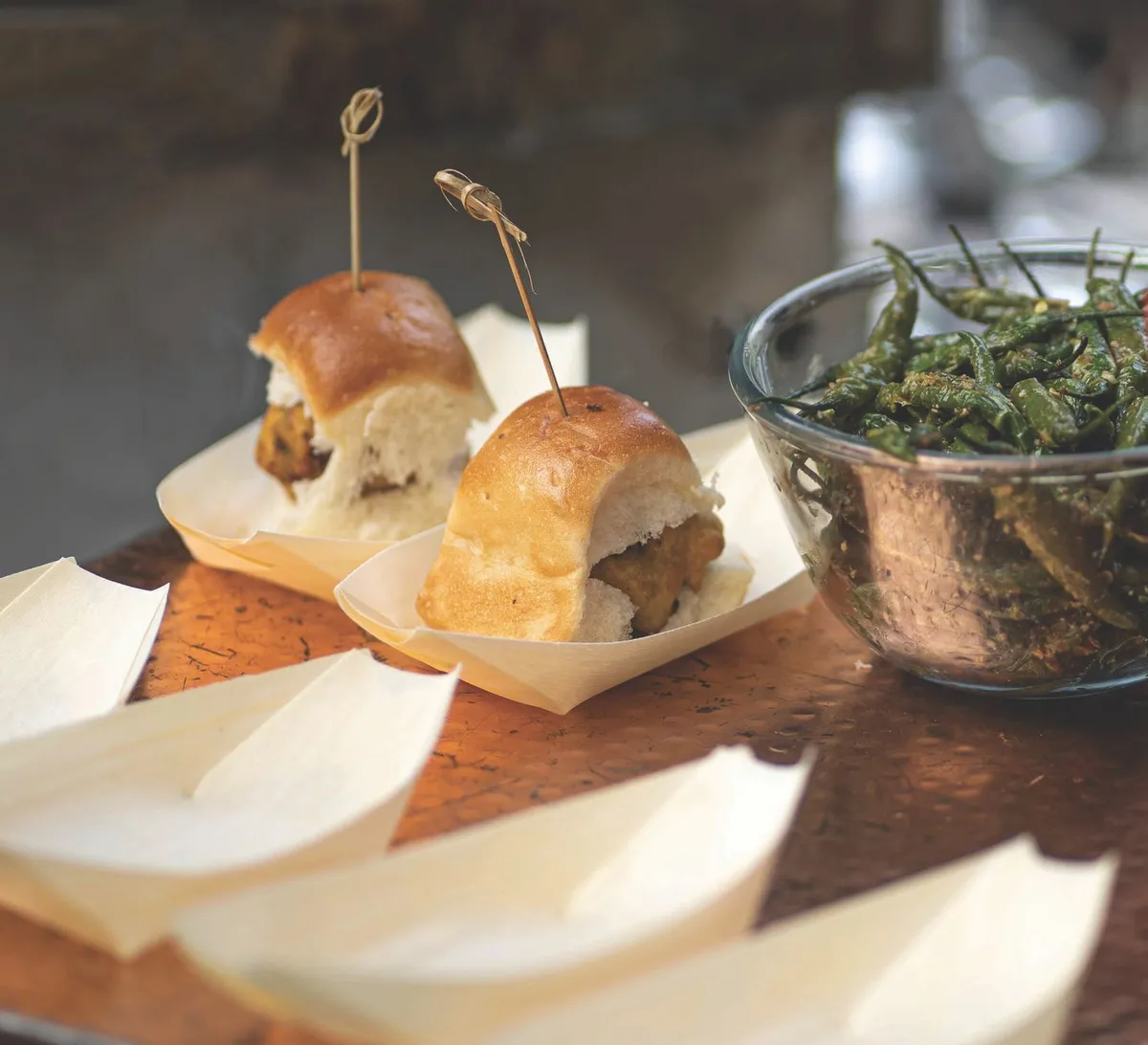
At its core, a Vada Pav is simple: a spiced, mashed potato dumpling (batata vada) coated in a seasoned chickpea flour batter, deep-fried until golden and crispy, and sandwiched inside a soft pav. But the magic lies in the accompaniments. It is never served plain. A bright dusting of dry garlic and chili chutney (dry lasun chutney) is smeared inside the bread, and a fried green chili is tucked right alongside it for the brave-hearted.
Biting into a hot Vada Pav during a sudden Mumbai monsoon is a transcendent experience. The contrast between the soft, yielding bread, the fiery, earthy warmth of the spiced potato filling, and the sharp crunch of the chickpea crust creates a harmony that no Michelin-starred tasting menu can easily replicate. It is democratic, accessible, and bursting with the unapologetic spirit of local pride.
Sweet Endings and Cooling Sips: Balancing the Fire
After navigating the fiery realms of green chilies, garlic pastes, and chaat masala, your palate will undoubtedly cry out for mercy. Fortunately, Mumbai’s streets are as adept at cooling you down as they are at firing you up.
Turn the corner, and you will find vendors slicing open young green coconuts, offering the sweet, mineral-rich water inside, followed by scraping out the soft, jelly-like malai. Alternatively, seek out a Gola vendor near the promenades—crushed ice packed tightly around a wooden stick, drenched in neon-colored syrups ranging from tangy kala Khatta (blackberry and black salt) to sweet rose and orange. It is nostalgic, vibrant, and delightfully messy, turning adults back into laughing children under the tropical sun.
For a richer treat, a glass of thick, creamy Piyush—a sweet, chilled blend of shrikhand (sweetened strained yogurt), buttermilk, nutmeg, and cardamom—provides a velvety conclusion to a heavy meal. Every sip washes away the lingering heat of the spices, leaving you calm, contented, and deeply connected to the rhythm of the city.
The Eternal Charm of the Pavement Kitchen
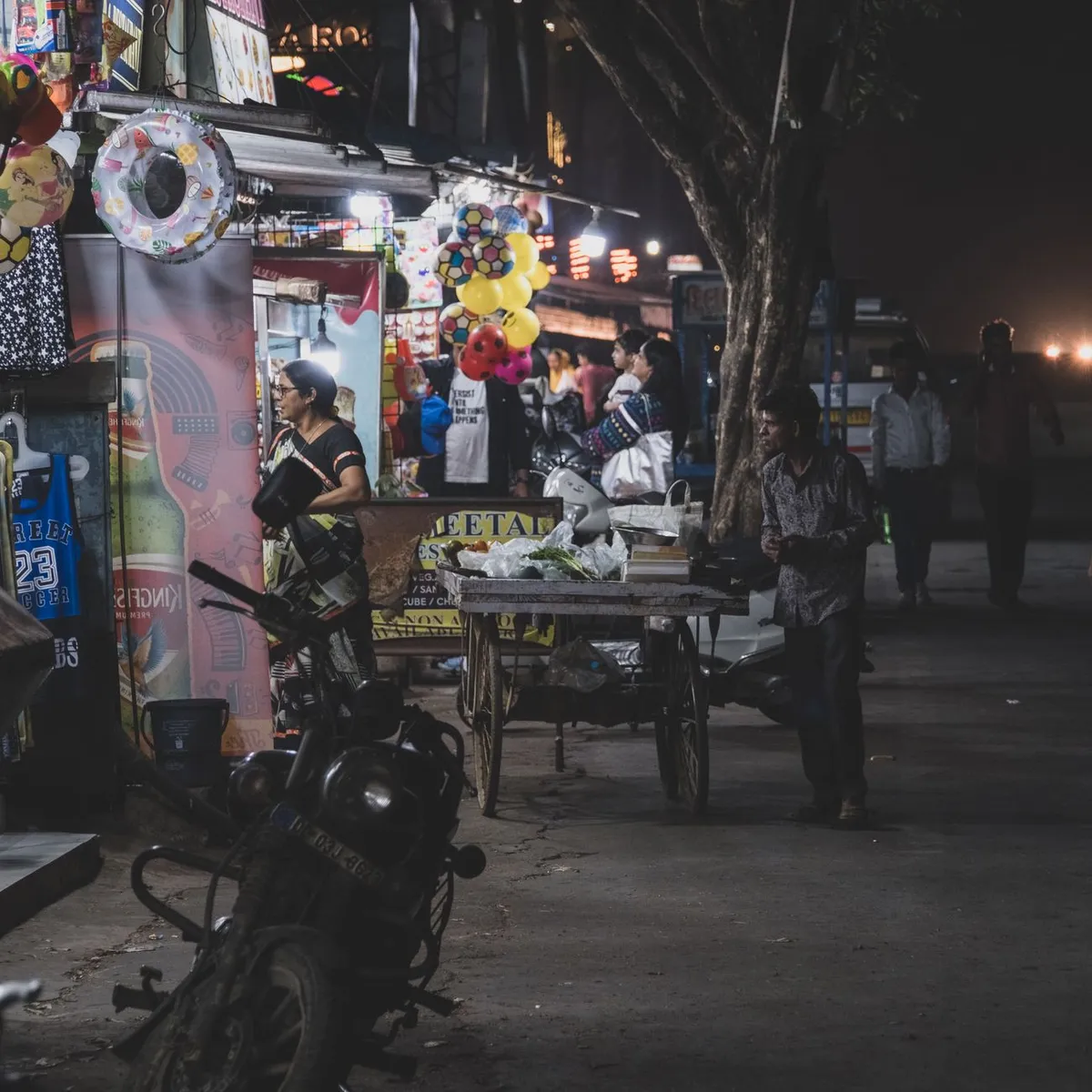
As the sun dips below the Arabian Sea, casting a golden-orange hue over Marine Drive—affectionately known as the Queen’s Necklace—the lights of the street food stalls flicker to life. The smoke rises again, carrying the scent of roasting spices into the evening breeze.
Mumbai’s street food is not merely about survival or sustenance; it is a celebration of human ingenuity, cultural fusion, and community. It proves that some of the greatest culinary masterpieces in the world do not require white tablecloths or silver cutlery. They require only a hot griddle, a handful of fresh ingredients, generations of passed-down wisdom, and a heart large enough to welcome every hungry traveler who walks past.
When you find yourself standing on a crowded pavement in this magnificent city, holding a paper plate of steaming hot food while horns blare in the background, remember to breathe it all in. You are not just eating; you are tasting the beating heart of Mumbai.
#MumbaiStreetFood #IndianCuisine #CulinaryTravel #StreetFoodLovers #FoodieAdventure