Showing Posts From
Mumbaistreetfood
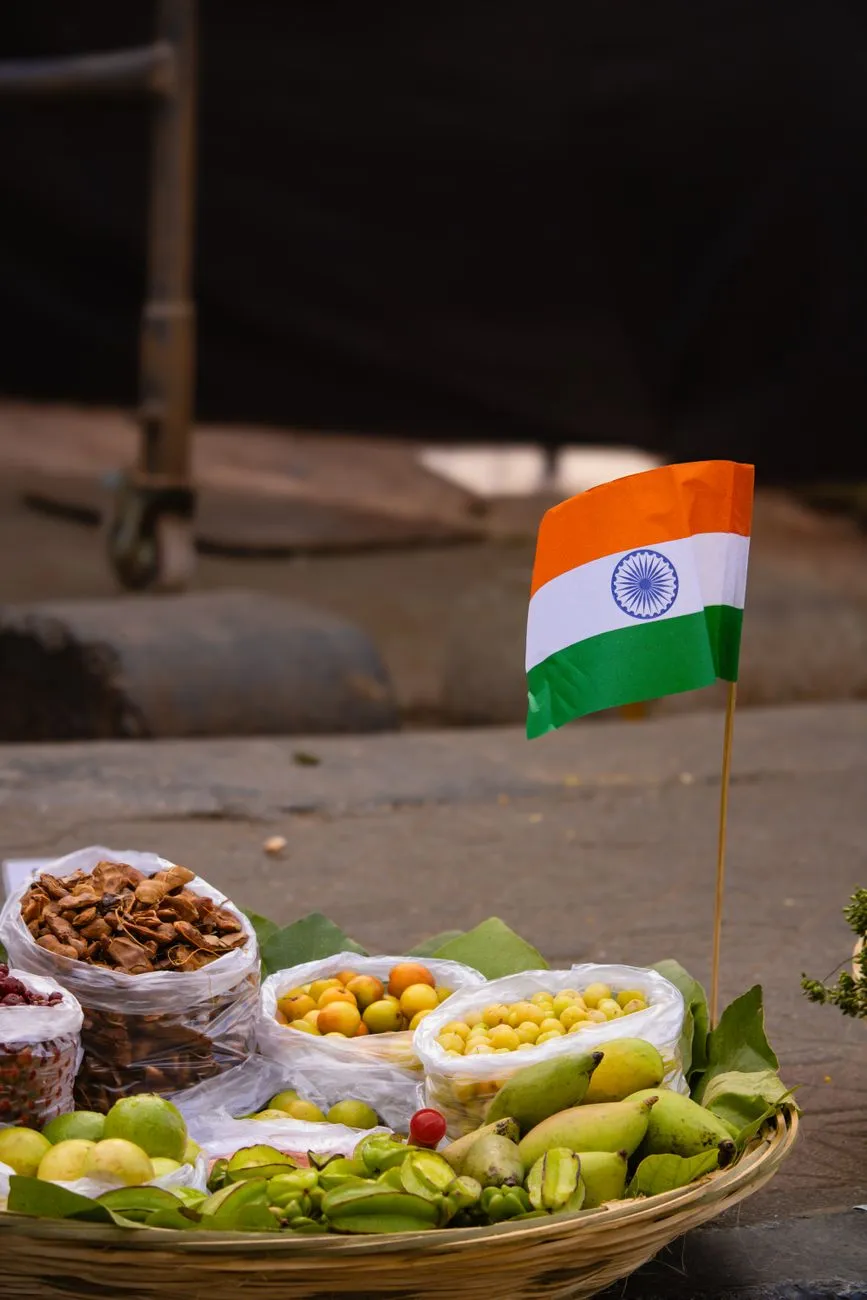

The aroma of crushed coriander seeds, toasted cumin, and sizzling butter dances through the humid air of the Arabian Sea. This is not merely the smell of cooking; it is the olfactory fingerprint of Mumbai, a sprawling, breathless metropolis where millions gather every single day to partake in one of the most vibrant culinary rituals on planet Earth. As Demir Şef, I have wandered through the sprawling alleys of grand European capitals, navigated the spice-laden souks of the Middle East, and studied the ancient techniques of Asian kitchens, but nothing—absolutely nothing—prepares the human spirit for the sensory overload of Mumbai’s street food culture. To understand Mumbai is to understand its streets. The city does not merely feed its inhabitants; it embraces them with a fiery, chaotic, and unapologetic passion. Here, food is democratized. A corporate executive in a crisp linen shirt and a weary daily-wage laborer standing side by side at a wheeled metal cart, both holding the same paper plate of spiced potatoes, bonded by the universal language of flavor. This is a city built on resilience, speed, and ingenuity, and nowhere is that truer than on the metal griddles of its roadside vendors. The Symphony of Pav Bhaji: Butter, Bread, and Brashness If the heartbeat of Mumbai has a rhythm, it is the rhythmic clack-clack-clack of heavy iron mashers beating against a wide, flat griddle known as a tava. This is the birth place of Pav Bhaji, a dish born out of industrial necessity and transformed into an absolute culinary icon. In the 1850s, textile mill workers in Bombay needed a quick, hot, and energy-dense lunch that could be consumed during brief breaks between grueling shifts. Street vendors improvised, mashing together leftover vegetables—potatoes, peas, tomatoes, cauliflowers—with a potent blend of spices, drenching the mixture in an ocean of golden, bubbling butter.When you order Pav Bhaji at a bustling stall in Girgaum Chowpatty, watching the vendor work is like watching a master percussionist. He scoops a massive ladle of the thick, crimson vegetable mash onto the griddle, adds a generous pat of Amul butter that melts instantly into a fragrant pool, and tosses in finely chopped onions and fresh coriander. Next to it, soft white bread rolls (pav) are split open, toasted on the same butter-slicked iron until they are golden-brown and pillowy. Eating it requires total surrender. You tear a piece of the buttery bread, use it to scoop up a mound of the spiced bhaji, and let the explosion of flavors take over. It is rich, spicy, slightly tangy from the tomatoes, and deeply comforting. It represents the very essence of Mumbai: fast, unpretentious, and overwhelmingly alive. Crunch, Tang, and Tears: The Bhel Puri Phenomenon Move away from the heavy butter of the griddle, and you will find yourself drawn toward the coastal breeze of the city's beaches, where the air rings with the sound of hollowed-out puris being cracked and tossed. This is the domain of chaat, the king of Indian street snacks, and specifically Bhel Puri, Mumbai’s ultimate beachside snack. The architecture of a great Bhel Puri is a masterclass in texture and balance. It is a dry, crunchy salad composed of puffed rice (muri), crispy fried wheat noodles (sev), finely diced potatoes, raw onions, and a vibrant medley of chutneys. There is the sweet-tart tamarind chutney, the fiery green chili and mint chutney, and occasionally a splash of garlic paste. The Anatomy of Mumbai Bhel Puri: 1. Base: Puffed rice & crispy sev (Crunch) 2. Body: Boiled potatoes & raw onions (Texture) 3. Accents: Roasted peanuts & fresh coriander (Earthy notes) 4. Dressings: Tamarind & green chili chutneys (Sweet & Heat) 5. Finish: A squeeze of fresh lime juice (Acidic brightness)Watching a bhelwallah assemble this snack is mesmerizing. With lightning-fast movements, ingredients are scooped from various compartments of a wooden box, tossed skillfully in a battered metal bowl, and wrapped in a makeshift cone of old newspaper. You grab a handful and eat it immediately before the moisture of the chutneys can soften the crisp puffed rice. It is crunchy, sweet, spicy, sour, and salty all at once—a literal party on your palate that forces your eyes to water and your lips to tingle, yet leaves you reaching instantly for another handful. The King of Burgers: Vada Pav and the Working Man's Feast No exploration of Mumbai's culinary soul is complete without paying homage to the Vada Pav, often affectionately (and slightly inaccurately) dubbed the "Indian Burger." Invented in the 1960s near Dadar station by Ashok Vaidya, who realized that commuters needed a portable, cheap, and filling meal, this humble creation conquered the city in record time.At its core, a Vada Pav is simple: a spiced, mashed potato dumpling (batata vada) coated in a seasoned chickpea flour batter, deep-fried until golden and crispy, and sandwiched inside a soft pav. But the magic lies in the accompaniments. It is never served plain. A bright dusting of dry garlic and chili chutney (dry lasun chutney) is smeared inside the bread, and a fried green chili is tucked right alongside it for the brave-hearted. Biting into a hot Vada Pav during a sudden Mumbai monsoon is a transcendent experience. The contrast between the soft, yielding bread, the fiery, earthy warmth of the spiced potato filling, and the sharp crunch of the chickpea crust creates a harmony that no Michelin-starred tasting menu can easily replicate. It is democratic, accessible, and bursting with the unapologetic spirit of local pride. Sweet Endings and Cooling Sips: Balancing the Fire After navigating the fiery realms of green chilies, garlic pastes, and chaat masala, your palate will undoubtedly cry out for mercy. Fortunately, Mumbai’s streets are as adept at cooling you down as they are at firing you up. Turn the corner, and you will find vendors slicing open young green coconuts, offering the sweet, mineral-rich water inside, followed by scraping out the soft, jelly-like malai. Alternatively, seek out a Gola vendor near the promenades—crushed ice packed tightly around a wooden stick, drenched in neon-colored syrups ranging from tangy kala Khatta (blackberry and black salt) to sweet rose and orange. It is nostalgic, vibrant, and delightfully messy, turning adults back into laughing children under the tropical sun. For a richer treat, a glass of thick, creamy Piyush—a sweet, chilled blend of shrikhand (sweetened strained yogurt), buttermilk, nutmeg, and cardamom—provides a velvety conclusion to a heavy meal. Every sip washes away the lingering heat of the spices, leaving you calm, contented, and deeply connected to the rhythm of the city. The Eternal Charm of the Pavement Kitchen As the sun dips below the Arabian Sea, casting a golden-orange hue over Marine Drive—affectionately known as the Queen’s Necklace—the lights of the street food stalls flicker to life. The smoke rises again, carrying the scent of roasting spices into the evening breeze. Mumbai's street food is not merely about survival or sustenance; it is a celebration of human ingenuity, cultural fusion, and community. It proves that some of the greatest culinary masterpieces in the world do not require white tablecloths or silver cutlery. They require only a hot griddle, a handful of fresh ingredients, generations of passed-down wisdom, and a heart large enough to welcome every hungry traveler who walks past. When you find yourself standing on a crowded pavement in this magnificent city, holding a paper plate of steaming hot food while horns blare in the background, remember to breathe it all in. You are not just eating; you are tasting the beating heart of Mumbai.#MumbaiStreetFood #IndianCuisine #CulinaryTravel #StreetFoodLovers #FoodieAdventure Related InsightsThe Alchemist’s Pantry: Mastering the Art of Perfect Cheese Pairings Coq au Vin: A Healthy Twist on a Classic Dish Avocado and Poached Egg Toast on Sourdough{ "@context": "https://schema.org", "@type": "FAQPage", "mainEntity": [ { "@type": "Question", "name": "What is the main focus of Mumbai's Sizzling Soul: The Spice, Sweet, and Chaotic Heartbeat of Street Food?", "acceptedAnswer": { "@type": "Answer", "text": "Explore the chaotic, vibrant, and deeply flavorful world of Mumbai street food through the eyes and palate of Chef Demir." } }, { "@type": "Question", "name": "Who authored the comprehensive guide on Mumbai's Sizzling Soul: The Spice, Sweet, and Chaotic Heartbeat of Street Food?", "acceptedAnswer": { "@type": "Answer", "text": "This detailed article and its insights were carefully researched and authored by Demir Şef." } }, { "@type": "Question", "name": "Where can I find more related content about Food?", "acceptedAnswer": { "@type": "Answer", "text": "You can explore more articles, detailed reviews, and similar insights by browsing the Related Insights section at the bottom of this article or visiting our dedicated Food category page." } } ] }
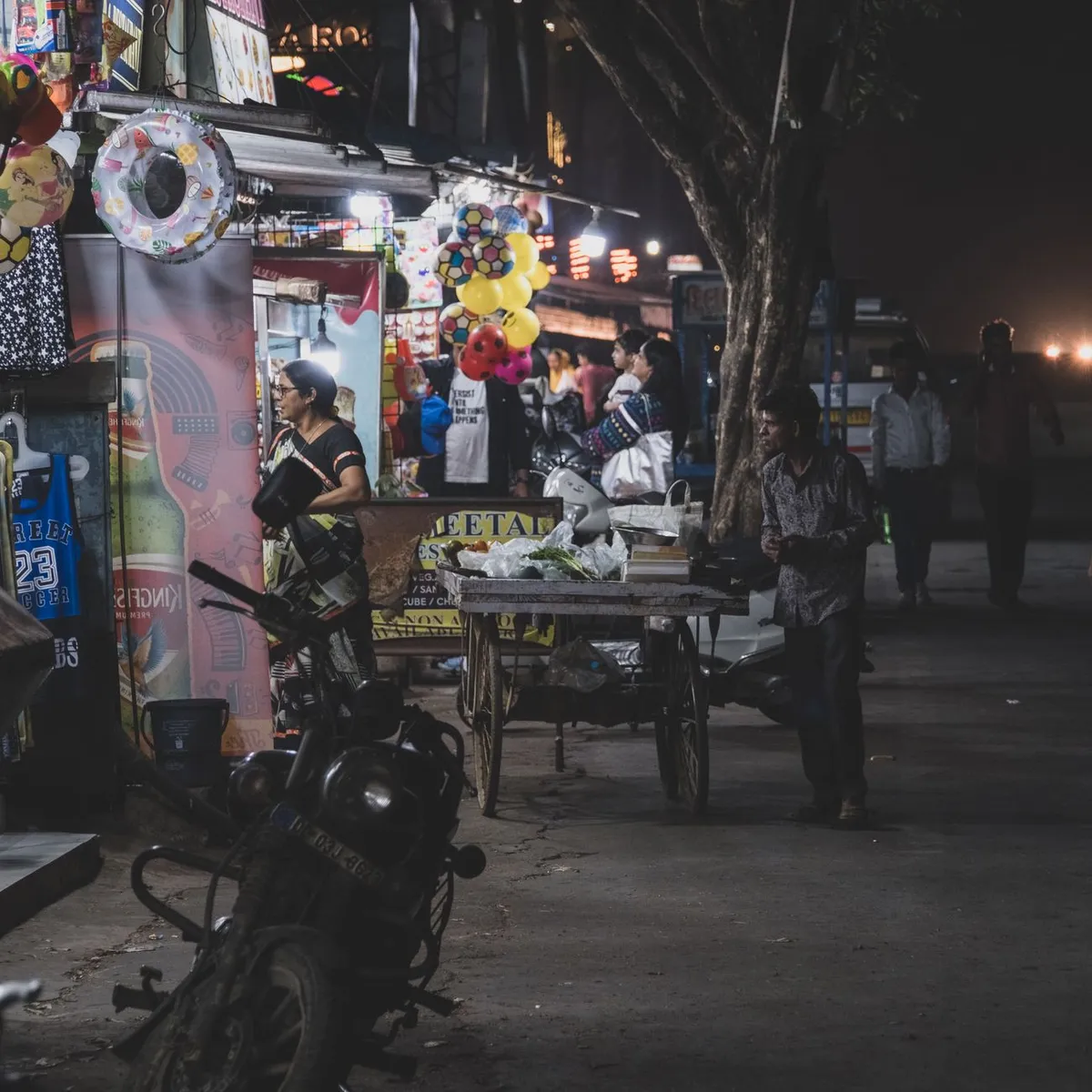
The sun dips below the horizon, yet in Mumbai, the day is only just beginning. As the humidity of the Arabian Sea settles over the city, the air becomes thick with the intoxicating aroma of toasted buns, sizzling spices, and the sharp, bright tang of tamarind chutney. This is not merely a place to eat; it is a sprawling, sensory-rich theater where every vendor is a performer and every plate of food is a testament to the city’s unyielding spirit. I am Demir Şef, and today, I invite you to navigate the chaotic, aromatic, and undeniably delicious labyrinth of Mumbai’s street food culture. The Rhythm of the Concrete Kitchen In Mumbai, street food is not just a convenience—it is a societal equalizer. Whether you are a bustling office goer navigating the rush at Nariman Point or a student huddled in a corner near a college campus, the roadside stall is your dining room. It is a unique characteristic of this metropolis that individuals from every economic stratum converge at these portable market stalls. Many locals, in fact, argue that the authentic, unpolished, and intensely flavored street offerings far surpass the refined dishes served in the city’s high-end restaurants. The sheer variety available is a direct reflection of Mumbai’s cosmopolitan DNA. As the capital of Maharashtra, the city is steeped in Maharashtrian culinary traditions, yet it has opened its arms to global influences. This culture of eating on the move—often round the clock—has allowed street vendors to become the unsung architects of the city’s food identity.The Reign of the Vada Pav and Beyond If one were to crown a king of Mumbai’s street food, it would undoubtedly be the Vada Pav. This iconic snack—a golden-fried potato patty tucked into a soft, pillowy bread roll—is the quintessential fuel for the city. But the list of delights does not end there. From the chaotic assembly of Panipuri, where a single bite offers a burst of spicy, tangy water, to the textural crunch of Bhel puri and Sev puri, the variety is staggering. Vegetarianism dominates the street landscape, with delicacies like Ragda pattice, Pav bhaji, and the comforting, soul-warming Dosa and Idli holding court. Even the adventurous palate is catered to; in the 1980s, Indianised Chinese food exploded onto the scene, giving birth to the phenomenon of Chinese bhel—a fusion that perfectly captures the inventive, slightly defiant nature of Mumbai’s hawkers. For those seeking non-vegetarian bites, the streets offer savory omelettes, succulent kebabs, and fresh catches of fish, ensuring that every craving finds its match. Coolants and Sugarcane Dreams Mumbai’s tropical heat necessitates a liquid remedy, and the streets provide this in abundance. Fresh sugarcane juice vendors, their machines grinding stalks into a sweet, refreshing elixir, are as synonymous with the city as the iconic black-and-yellow taxis. Juice and milkshake bars dot the sidewalks, offering everything from thick, creamy shakes to revitalizing fruit juices. As the sun sets, those with a sweet tooth turn to Kulfi, the dense, slow-cooked frozen dairy dessert that defies the heat with its milky richness. And for a unique, nostalgic treat, there is the golah—an Indian snow cone that transforms simple shaved ice into a vibrant, syrup-drenched delight on a stick. Even the tradition of the post-meal mouth freshener, the paan, remains a staple at roadside stalls, a lingering burst of betel leaf and aromatic spices that marks the end of a culinary adventure.Navigating the Khau Galli To truly understand Mumbai, one must step into a Khau Galli—a 'Food Alley' in the local Marathi tongue. These narrow arteries are the heart of the city’s gastronomy. At Girgaon Chowpatty, the rhythm of the waves provides the soundtrack to a plate of Bhel puri. Near the financial districts, the lunch hour creates a frenetic energy as workers descend upon stalls for a quick, affordable, and incredibly flavorful meal. These vendors are the bedrock of the city’s rhythm. They operate with a resilience that is rare; even during general strikes, the smoke from the charcoal grills rarely fades. They cycle through the city, tea vendors carrying piping hot chai to the doorsteps of offices and homes, ensuring that the city is always caffeinated and fed. The Complex Reality of the Hawker The story of Mumbai’s street food is not without its tensions. The legal status of these hawkers is a perennial debate. Despite being the backbone of the city's food culture, many trade without official permits, navigating a cycle of fines, seizures, and the constant threat of eviction. A 2009 report revealed that out of approximately 250,000 hawkers, only a tiny fraction held valid licenses, illustrating the deep-seated bureaucracy that these entrepreneurs must circumvent to survive. While the Supreme Court has made efforts to designate legal hawking zones, the implementation remains a challenge. There are, of course, hygiene concerns often raised by critics, yet the public’s loyalty remains unshaken. In fact, the phenomenon is so influential that high-end restaurants and five-star hotels have begun incorporating these 'humble' street snacks into their own menus. The demand is so high that homegrown fast-food chains have even emerged to package the street experience for a wider, perhaps more cautious, audience. When Worlds Collide: Passion and Prejudice The vulnerability of these vendors is sometimes exposed by the volatility of the city's politics. A notable controversy in 2011 involving a panipuri vendor turned into a city-wide drama, where political groups targeted specific communities, forcing many to abandon their livelihoods. It serves as a stark reminder that in a city as large and diverse as Mumbai, the simple act of selling food is inextricably linked to the complex social and political fabric of the nation. Despite this, the vendors persist. They are the survivors, the early risers, and the late-night protectors of the city’s appetite.Why Mumbai Remains the Culinary North Star What makes Mumbai’s street food superior to anywhere else? It is the intersection of urgency and craft. The hawkers have honed their skills over decades, often passing the recipes down through generations. Whether it is the perfect balance of spice in a Misal pav or the specific texture of a vegetable frankie, there is an artistry here that cannot be replicated in a commercial kitchen. When you stand on a busy corner, clutching a steaming paper plate of food, surrounded by the noise and the motion of one of the world's most populous cities, you are participating in a living history. It is a culture that honors the worker, the student, and the traveler alike. It is cheap, it is accessible, and above all, it is honest. So, the next time you find yourself in the bustling metropolis of Mumbai, do not look for the quiet, air-conditioned dining room. Follow the smoke. Follow the crowd. Find the nearest Khau Galli, and let the street food of Mumbai tell you its story, one bite at a time. It is a journey that will stay with you long after the taste of the chutney has faded from your palate. The city is waiting, the grill is hot, and the pav is soft. There is no better time to eat. #MumbaiStreetFood #IndianCuisine #StreetFoodCulture #FoodLovers #HiddenGems Related InsightsThe Fifth Taste Unlocked: Mastering Umami to Transform Every Bite into a Flavor Explosion Baba Ghanoush: The Smoky Eggplant Dip Mapo Tofu: The Spicy and Numbing Classic{ "@context": "https://schema.org", "@type": "FAQPage", "mainEntity": [ { "@type": "Question", "name": "What is the main focus of The Edible Pulse of Mumbai: A Gastronomic Odyssey Through the Khau Gallis?", "acceptedAnswer": { "@type": "Answer", "text": "Discover the vibrant world of Mumbai’s street food, where legendary snacks and bustling food alleys define the pulse of a city that never stops eating." } }, { "@type": "Question", "name": "Who authored the comprehensive guide on The Edible Pulse of Mumbai: A Gastronomic Odyssey Through the Khau Gallis?", "acceptedAnswer": { "@type": "Answer", "text": "This detailed article and its insights were carefully researched and authored by Demir Şef." } }, { "@type": "Question", "name": "Where can I find more related content about Food?", "acceptedAnswer": { "@type": "Answer", "text": "You can explore more articles, detailed reviews, and similar insights by browsing the Related Insights section at the bottom of this article or visiting our dedicated Food category page." } } ] }
-
 Giovanni Luigi
 - 19 Aug, 2026 18:19
Il Battito Speziato di Mumbai: Un Viaggio nei Vicoli del Gusto che Sfida le Convenzioni
C’è un aroma che danza tra il rumore incessante del traffico e il respiro frenetico dei treni pendolari di Mumbai, un profumo che definisce l’identità di una metropoli dove il tempo non sembra mai scorrere, ma semplicemente bollire. A Mumbai, il cibo di strada non è un semplice pasto veloce: è il sangue che scorre nelle vene della città, un rito collettivo che ignora le barriere sociali e sfida, quotidianamente, l’autorità dei ristoranti più blasonati. Qui, dove milioni di persone si incrociano ogni giorno, la strada è la cucina più democratica del mondo. L'Arte della Sopravvivenza in un Boccone di Vada Pav Se dovessimo eleggere il re indiscusso di questa giungla urbana, il trono spetterebbe senza ombra di dubbio al Vada Pav. Non si tratta solo di una frittella di patate racchiusa in un soffice panino indiano; è il simbolo di una città che vive in movimento. Questo snack onnipresente incarna perfettamente l'anima di Mumbai: economico, immediato, irresistibile. Tuttavia, Mumbai è una tavolozza di sapori cosmopoliti. Mentre il Vada Pav regna, la varietà degli snack vegetariani — tra cui spiccano Dabeli, Panipuri, Bhel puri, Sev puri e Dahipuri — racconta la storia di un'India che si fonde in Maharashtra. Il "Ragda pattice" o il "Pav bhaji" non sono solo piatti, sono la prova concreta che la cultura culinaria di Mumbai è stata forgiata proprio da questi venditori ambulanti, pionieri di un gusto che ha saputo resistere al passaggio dei decenni.Oltre il Vegetariano: Una Metropoli dai Mille Volti Sebbene la tradizione vegetariana sia predominante, la cosmopolita Mumbai nasconde angoli dove il non-vegetariano diventa protagonista. Non è raro imbattersi in omelette fumanti, kebab succulenti e piatti a base di pesce che raccontano la vicinanza della città al Mar Arabico. Negli anni '80, abbiamo assistito a una rivoluzione: l'ascesa dell'Indianised Chinese food, una tendenza che ha trasformato i marciapiedi della metropoli in una fusion inaspettata. Penso al "Chinese bhel", un'invenzione tanto audace quanto popolare, che dimostra come la cucina di strada di Mumbai sia viva, plastica e capace di reinventarsi costantemente. E per chi cerca qualcosa di più sostanzioso, il "vegetable frankie" — una versione accessibile e rapida dei famosi involtini — è diventato il compagno fedele di studenti universitari e impiegati durante la pausa pranzo. I Khau Galli: Santuari di Sapori nei Labirinti Urbani Esistono luoghi a Mumbai chiamati Khau Galli, che in lingua marathi significa letteralmente "Vicolo del Cibo". Sono corridoi stretti, avvolti da una nuvola costante di spezie e vapore, dove la vita urbana si ferma per un istante. A Girgaon Chowpatty, la spiaggia si trasforma in un palcoscenico per i venditori di Bhel puri e kulfi, mentre le zone finanziarie come Nariman Point brulicano di vita durante l'ora di pranzo, creando un contrasto affascinante tra il rigore degli affari e la semplicità di un pasto consumato in piedi. Questi venditori sono l'ossatura della città. Nonostante le sfide, le intemperie e le chiamate agli scioperi che paralizzano altri settori, i venditori ambulanti di Mumbai sono una costante incrollabile. Sono lì, instancabili, a offrire un sorso di fresco succo di canna da zucchero — sinonimo visivo e gustativo delle strade di Mumbai — o a preparare un caldo tè, venduto da coraggiosi ciclisti che pedalano tra il traffico caotico portando ristoro in ogni angolo.Il Paradosso della Legalità e il Gusto del Rischio Non si può parlare di Mumbai senza menzionare l'eterna tensione che circonda i suoi venditori. Il 2007 ha segnato una pietra miliare con la sentenza della Corte Suprema che chiedeva di demarcare zone di vendita legali, una promessa burocratica che ancora oggi fatica a trovare piena attuazione. La realtà è fatta di stime approssimative: su circa 250.000 hawkers, solo una frazione infinitesimale possiede una licenza valida. Questa fragilità crea un rapporto ambiguo con l'autorità: sequestri di attrezzature, multe e periodi di sgombero seguiti dal ritorno inesorabile dei venditori. Eppure, la gente continua a scegliere il cibo di strada, ignorando spesso le critiche sull'igiene a favore di una tradizione che è percepita, spesso, come superiore per gusto rispetto alla cucina dei ristoranti convenzionali. Anche nei momenti di crisi, come il controverso incidente del 2011 che ha visto coinvolto un venditore di Panipuri, la resilienza di questo settore è sorprendente: il sistema si scuote, le tensioni politiche emergono, ma il desiderio di un boccone speziato all'angolo della via rimane radicato nel profondo dell'animo di ogni Mumbaikar. Dalle Strade alle Tabelle dei Ristoranti Cinque Stelle Ciò che rende Mumbai un caso studio unico è la transizione del suo cibo di strada verso l'alta gastronomia. Quello che nasce su un carrettino fatiscente finisce oggi nelle cucine dei ristoranti di lusso e persino nei menù dei grandi alberghi internazionali. È una consacrazione meritata per un'arte, quella del cibo di strada, che ha saputo evolversi diventando un'icona globale.Che si tratti di concludere un pasto con il Paan — la tipica preparazione a base di foglie di betel, vero e proprio rinfrescante orale — o di rinfrescarsi con un golah (la granita indiana), Mumbai offre un’esperienza sensoriale completa. Non è solo nutrizione; è un atto di appartenenza. Mangiare per strada a Mumbai significa partecipare al respiro di una città che non chiede permesso, che non si scusa per il suo caos, ma che ti offre, in cambio di pochi spiccioli, il sapore autentico della vita. I venditori di strada di Mumbai non sono solo commercianti; sono i custodi di una cultura che si rifiuta di essere chiusa tra quattro mura. Sono la voce di milioni di persone che, tra una stazione ferroviaria e un campus universitario, trovano nella semplicità di un "pav bhaji" o in un bicchiere di succo fresco, un momento di pace e di piacere nel cuore pulsante dell'India. #MumbaiStreetFood #CucinaIndiana #ViaggioGastronomico #StreetFoodCulture #IndiaTravel Related InsightsIl Cuore della Città: Il Cibo di Strada di Mumbai Kung Pao: Die Alchemie des Feuers und die Kunst des perfekten Kontrasts Delving into the World of Anti-Inflammatory German Potato Salad with Dill and Apple Cider Vinaigrette (Vegan){ "@context": "https://schema.org", "@type": "FAQPage", "mainEntity": [ { "@type": "Question", "name": "What is the main focus of Il Battito Speziato di Mumbai: Un Viaggio nei Vicoli del Gusto che Sfida le Convenzioni?", "acceptedAnswer": { "@type": "Answer", "text": "Esplora l'anima vibrante di Mumbai attraverso i suoi leggendari venditori ambulanti, dove la cultura culinaria incontra la storia vivente di una metropoli inarrestabile." } }, { "@type": "Question", "name": "Who authored the comprehensive guide on Il Battito Speziato di Mumbai: Un Viaggio nei Vicoli del Gusto che Sfida le Convenzioni?", "acceptedAnswer": { "@type": "Answer", "text": "This detailed article and its insights were carefully researched and authored by Giovanni Luigi." } }, { "@type": "Question", "name": "Where can I find more related content about Food?", "acceptedAnswer": { "@type": "Answer", "text": "You can explore more articles, detailed reviews, and similar insights by browsing the Related Insights section at the bottom of this article or visiting our dedicated Food category page." } } ] }