Myanmar’s Inle Lake: Where Leg-Rowing Fishermen Dance on Water and Floating Gardens Feed a Nation (Part 2)

This is Part 2 of the series. Read Part 1 here.
Inle Lake’s Hidden Gems: Villages, Crafts, and Conservation
Beyond the leg-rowing fishermen and floating gardens, Inle Lake is home to a wealth of cultural and natural treasures. Venturing beyond the main tourist spots reveals a side of the lake that is equally captivating, from traditional crafts to conservation efforts that are preserving the lake’s fragile ecosystem.
The Villages of Inle Lake
Inle Lake is dotted with over 200 villages, each with its own unique character and traditions. One of the most fascinating is Ywama, a village built entirely on stilts over the water. Here, you can see how the Intha people live in close-knit communities, with houses, schools, and even temples constructed on wooden platforms. The village is also known for its silk weaving, a craft that has been passed down through generations. The women of Ywama are renowned for their skill in weaving intricate patterns using traditional looms, and you can visit their workshops to see the process firsthand.
Another village worth exploring is Kyaing Khan, home to the Inle Lake Bird Sanctuary. This protected area is a haven for migratory birds, including the rare spot-billed pelican and lesser adjutant stork. The sanctuary is a great place for birdwatching, with guided tours available to help you spot and identify the various species that call the lake home.
For a glimpse into the past, visit Shwe Yan Pyay Monastery, a stunning wooden structure built on stilts in the middle of the lake. The monastery is a masterpiece of Shan architecture, with intricate carvings and a serene atmosphere. It’s also a place of spiritual significance, where monks and locals gather for prayers and ceremonies.
Traditional Crafts and Workshops
Inle Lake is a hub for traditional crafts, many of which are practiced by local artisans in their homes or small workshops. One of the most famous is silver smithing, a craft that has been practiced in the region for centuries. The village of Kyauk Ka village is known for its silver workshops, where artisans create intricate jewelry, utensils, and decorative items using traditional techniques. Visitors can watch the smiths at work and even purchase handmade souvenirs.
Another craft to explore is lotus weaving, a unique art form that uses fibers from the lotus plant to create delicate textiles. The lotus plant grows abundantly in the lake’s waters, and its fibers are harvested, processed, and woven into scarves, shawls, and other garments. The lotus weaving workshop in Nyaungshwe offers hands-on experiences where you can try your hand at this labor-intensive craft.
For those interested in lacquerware, the village of Kyaing Khan is home to skilled artisans who create beautiful bowls, boxes, and decorative items using traditional lacquer techniques. The process involves layering natural resins onto a bamboo or wood base, creating a durable and glossy finish. Many workshops offer demonstrations and the opportunity to purchase one-of-a-kind pieces.
Conservation Efforts and Sustainable Tourism
Inle Lake faces significant environmental challenges, including pollution, overfishing, and the impacts of climate change. Recognizing the need for conservation, local organizations and international groups have launched initiatives to protect the lake’s ecosystem and support sustainable tourism.
One such initiative is the Inle Lake Conservation Project, which works with local communities to promote eco-friendly farming practices, reduce plastic waste, and restore degraded areas of the lake. The project also offers educational programs to raise awareness about the importance of preserving the lake’s biodiversity.
Another organization making a difference is the Inle Heritage Foundation, which focuses on cultural preservation and sustainable development. The foundation runs workshops on traditional crafts, supports local artisans, and advocates for policies that protect the lake’s environment.
As a traveler, you can support these efforts by choosing eco-friendly tour operators, minimizing your plastic use, and respecting the lake’s natural and cultural heritage. Simple actions like carrying a reusable water bottle, avoiding single-use plastics, and supporting local businesses can make a big difference.
Practical Tips: Costs, Logistics, and Local Etiquette
Planning a trip to Inle Lake requires careful consideration of practical details, from budgeting to cultural norms. While Myanmar remains one of Southeast Asia’s most affordable destinations, prices can vary depending on the season and your travel style. Here’s a breakdown of what to expect in terms of costs, logistics, and local etiquette.
Cost of Living and Travel Expenses
Myanmar is known for its affordability, and Inle Lake is no exception. Here’s a rough estimate of costs for a mid-range traveler:
| Expense | Cost (USD) | Notes |
|---|---|---|
| Budget guesthouse | $10–$25/night | Basic but clean, often with shared bathrooms |
| Mid-range hotel | $30–$80/night | Private rooms, en-suite bathrooms, often lakeside |
| Luxury resort | $100–$250/night | High-end amenities, often with spa and fine dining |
| Local meal | $2–$5 | Simple dishes like mohinga (noodle soup) or shan tofu |
| Restaurant meal | $5–$15 | Western-style dishes or local specialties in tourist areas |
| Boat tour (half-day) | $15–$30 | Group tours are cheaper; private tours cost more |
| Boat tour (full-day) | $30–$60 | Includes visits to multiple villages and attractions |
| Local transport (taxi) | $5–$15 | Short trips within Nyaungshwe or to Heho Airport |
| Entrance fees | $5–$10 | Some temples and attractions charge small fees |
Currency: The local currency is the Myanmar Kyat (MMK). As of 2026, the exchange rate is approximately 1 USD = 2,100 MMK, though rates can fluctuate. It’s advisable to carry small denominations of kyats for markets and local vendors, as many places do not accept credit cards or foreign currency.
ATMs: ATMs are available in Nyaungshwe, but they can be unreliable or out of cash, especially during peak tourist seasons. Withdraw larger amounts when you have the chance, and carry backup cash.
Visa Requirements
Most travelers to Myanmar require a visa, which can be obtained online through the e-Visa system or at a Myanmar embassy. The e-Visa is valid for 90 days from the date of issue and allows a stay of up to 30 days. The application process is straightforward, but it’s best to apply at least a few weeks before your trip to avoid delays.
Visa on Arrival (VOA): Some nationalities may be eligible for a visa on arrival, but this is less reliable than the e-Visa. Check the latest requirements on the official Myanmar e-Visa website before traveling.
Health and Safety
Inle Lake is generally safe for travelers, but it’s important to take precautions to ensure a healthy and enjoyable trip.
- Vaccinations: Recommended vaccines include hepatitis A and B, typhoid, and Japanese encephalitis. Consult your doctor or a travel clinic at least 4–6 weeks before your trip.
- Malaria and Dengue: The lake’s tropical climate means mosquito-borne illnesses are a risk. Use insect repellent, wear long sleeves and pants, and consider taking antimalarial medication if recommended by your doctor.
- Water and Food: Drink only bottled or purified water, and avoid ice in drinks unless you’re sure it’s made from purified water. Street food can be delicious but opt for busy stalls where food is freshly prepared.
- Altitude Sickness: Inle Lake sits at an elevation of 880 meters (2,890 feet), which can cause mild altitude sickness in some travelers. Stay hydrated and take it easy for the first day or two.
Local Etiquette and Cultural Norms
Myanmar is a deeply Buddhist country, and respecting local customs is essential for a positive experience.
- Dress Modestly: When visiting temples or religious sites, wear clothing that covers your shoulders and knees. This is especially important for women.
- Remove Shoes: Always remove your shoes before entering a temple, monastery, or someone’s home.
- Respect the Monks: Monks are highly revered in Myanmar. If you encounter a monk, avoid physical contact, especially with women, as it is considered inappropriate.
- Ask Before Taking Photos: Always ask for permission before photographing locals, especially in villages or during religious ceremonies.
- Bargaining: Haggling is common in markets, but do so politely and with a smile. Start at about 50% of the asking price and negotiate from there.
Connectivity and Communication
Internet access in Inle Lake is limited, especially in rural areas. Most guesthouses and hotels offer Wi-Fi, but the connection can be slow and unreliable. Consider purchasing a local SIM card for better connectivity. MPT (Myanmar Posts and Telecommunications) and Telenor are the main providers, with coverage in Nyaungshwe and some lakeside areas.
Conclusion & Sign-off
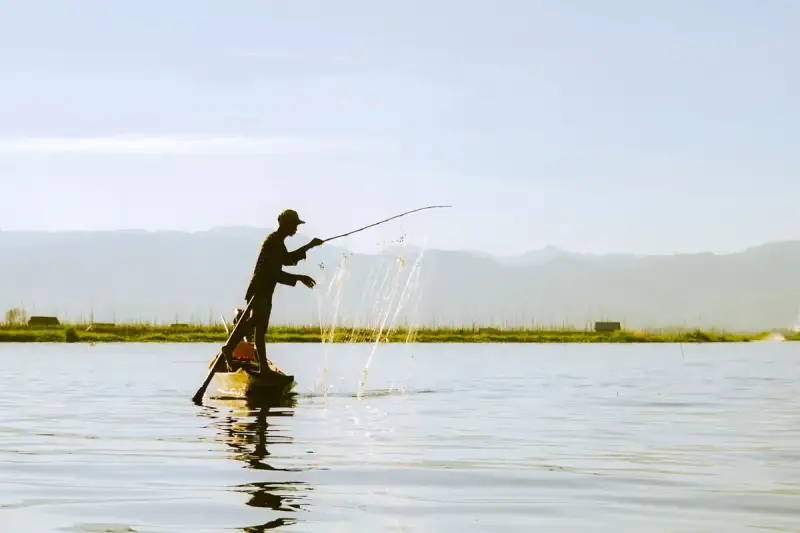
Inle Lake is more than just a destination—it is a journey into the heart of Myanmar’s cultural and natural heritage. From the leg-rowing fishermen who glide effortlessly across the water to the floating gardens that nourish entire communities, every aspect of the lake tells a story of resilience, innovation, and harmony with nature. It’s a place where time slows down, where traditions are preserved with pride, and where every visit leaves a lasting impression.
But Inle Lake is also a reminder of the fragility of such ecosystems. Climate change, overfishing, and pollution threaten the lake’s delicate balance, making sustainable tourism more important than ever. As travelers, we have a responsibility to explore mindfully, to support local communities, and to leave no trace behind. By doing so, we can help ensure that the magic of Inle Lake endures for generations to come.
Whether you’re drawn by the allure of the leg-rowing fishermen, the vibrant floating gardens, or the rich cultural tapestry of the Intha people, Inle Lake promises an experience that is both unforgettable and transformative. It’s a place where the water reflects not just the sky, but the soul of a people who have made the impossible possible.
So pack your bags, leave your preconceptions behind, and prepare to be enchanted. Inle Lake awaits, and it’s ready to share its secrets with those who seek them.
Safe travels, and may your journey be as serene and inspiring as the waters of Inle Lake itself.
#MyanmarTravel #InleLakeMagic #SustainableTourism #LegRowingFishermen #FloatingGardens