Norse Mythology Volume 2 (Graphic Novel) Book Review and Summary
-
 Sofia Bianchi
 - 20 Dec, 2025 00:03
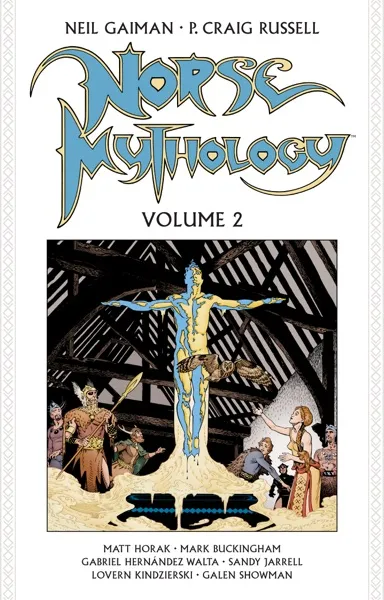
Norse Mythology Volume 2 (Graphic Novel)
Author: Neil Gaiman
Page Count: Unknown
Publication Year: 2022-GB
Dive Into the Realm of Gods and Heroes: Neil Gaiman’s Norse Mythology Volume 2 Graphic Novel Review
Few authors can transport readers to the frost-kissed halls of Asgard or the shadowy depths of Jotunheim with the same effortless magic as Neil Gaiman. His Norse Mythology series has already redefined modern retellings of ancient myths, blending wit, darkness, and raw storytelling power into a tapestry that feels both timeless and urgently alive. Now, with Norse Mythology Volume 2 (2022), Gaiman and illustrator P. Craig Russell deliver a graphic novel masterpiece that’s as visually stunning as it is narratively gripping. Whether you’re a longtime fan of Norse lore or a newcomer eager to explore the exploits of Thor, Loki, and Odin, this book is a must-read—one that cements Gaiman’s place as a modern mythmaker.
At its core, Norse Mythology Volume 2 continues the tradition of Gaiman’s earlier work by distilling the essence of Old Norse sagas into a cohesive, accessible narrative. The graphic novel format elevates the experience, allowing Russell’s breathtaking artwork to breathe life into gods who are as flawed as they are formidable. Themes of fate, trickery, and the cyclical nature of destruction and rebirth permeate the story, mirroring the harsh realities of Viking life where survival often hinged on cunning and brute strength. Gaiman’s prose remains sharp and evocative, but it’s the collaboration with Russell that truly sets this volume apart. The illustrations—rich in detail and dynamic in composition—capture the grandeur of Asgard’s palaces, the eerie vastness of the cosmos, and the raw emotion of gods caught in their own schemes.
One of the most compelling aspects of Gaiman’s approach is his humanization of divine figures. Thor, often portrayed as a thunderous brute, is given depth as a god who struggles with his own limitations, while Loki’s mischief is framed as both a curse and a necessity for the cosmic balance. Odin, the Allfather, looms large as a figure of wisdom and manipulation, his one-eyed gaze a constant reminder of the sacrifices made for knowledge. These characters feel real, their flaws and triumphs resonating in a way that makes the myths feel immediate rather than distant. Gaiman’s writing style is deceptively simple—it’s the kind of prose that makes complex ideas feel intuitive, drawing readers in without overwhelming them.
The graphic novel format enhances the storytelling by immersing readers in the world of the myths. Russell’s art is a masterclass in visual storytelling, with each panel meticulously crafted to evoke the tone of the narrative. Whether it’s the fiery glow of Muspelheim or the icy desolation of Niflheim, the illustrations transport readers directly into the action. The use of color and shadow adds depth to the storytelling, making moments of triumph feel electric and moments of despair feel haunting. The synergy between Gaiman’s words and Russell’s art creates an experience that’s greater than the sum of its parts—a testament to the power of collaboration in modern storytelling.
For those unfamiliar with Norse mythology, Gaiman’s retellings serve as an excellent entry point. He distills centuries of oral tradition into a narrative that’s both faithful to the source material and uniquely his own. The myths are presented with a modern sensibility, making them accessible to contemporary audiences without sacrificing their mythic weight. This volume, in particular, delves into some of the most iconic tales, including Thor’s journey to the land of the giants and Loki’s role in the creation of some of the most dangerous artifacts in the Nine Realms. The pacing is tight, the dialogue sharp, and the stakes always high, ensuring that readers are hooked from the first page to the last.
Gaiman’s ability to balance humor and horror is on full display here. The gods of Norse mythology are not the sanitized figures of later adaptations; they are capricious, violent, and deeply human in their flaws. Loki’s antics are as likely to inspire laughter as they are to fill readers with dread, while Thor’s bravery is often undercut by his own arrogance. This blend of tones keeps the narrative fresh and unpredictable, making it impossible to predict what will happen next. It’s a reminder that mythology, at its heart, is a reflection of the human experience—full of contradictions, triumphs, and tragedies.
Norse Mythology Volume 2 is more than just a graphic novel; it’s a love letter to the power of myth and the enduring appeal of these ancient stories. Gaiman’s passion for the material shines through in every page, and Russell’s art ensures that the visual spectacle matches the narrative’s intensity. Whether you’re a scholar of mythology or a casual reader looking for an adventure, this book delivers on every level. It’s a testament to the fact that great stories never truly die—they simply find new ways to be told.
For fans of Gaiman’s work, this volume is a treasure trove of familiar faces and new revelations. For newcomers, it’s an invitation into a world where gods walk among mortals and the boundaries between legend and reality blur. In a literary landscape crowded with retellings, Norse Mythology Volume 2 stands out as a modern classic, a work that honors the past while forging its own path.
#NorseMythology #NeilGaiman #GraphicNovels #MythologyRetellings #FantasyBooks