
In the realm of comfort foods, few dishes evoke the same sense of warmth and nostalgia as congee, also affectionately known as jook. This traditional rice porridge has been a staple in many Eastern cultures for centuries, serving as a remedy for the sick, a comfort for the weary, and a staple for the hungry. Congee’s gentle, soothing nature has captivated the hearts and taste buds of people worldwide, making it a universal symbol of care, love, and community.
Introduction to Congee
Congee is essentially a rice porridge made from rice and water, with the ratio of water to rice typically being much higher than regular cooked rice. This high water ratio and prolonged cooking time break down the starches in the rice, resulting in a creamy, smooth texture that is easily digestible. The simplicity of congee belies its depth of flavor and versatility, as it can be flavored with a wide array of ingredients to suit any taste or dietary need.

Cultural Significance of Congee
The cultural significance of congee spans across many Asian countries, including China, Japan, Korea, and Southeast Asia. In Chinese culture, congee is more than just a food; it’s a symbol of nurturing and care. It’s common for family members to prepare congee for those who are sick or recovering, as its easy-to-digest nature makes it an ideal meal for convalescents. Similarly, in Japan, a dishes like “okayu” (Japanese congee) is often served to those who are unwell.
Varieties of Congee
One of the fascinating aspects of congee is its diversity. Depending on the region and personal preferences, congee can be flavored and textured in countless ways. For instance, in China, congee can be made with various types of rice, including glutinous (sticky) rice, which gives it a distinctive chewy texture. It can also be flavored with ginger, soy sauce, and sesame oil for added depth. In Korea, congee might be made with other grains like barley or millet, offering a nuttier, earthier taste.
Preparing Congee
Preparing congee is an art that requires patience and attention to detail. The basic process involves rinsing the rice thoroughly, then cooking it in a large amount of water over low heat for an extended period. The duration of cooking can vary, but generally, it takes about an hour or more for the rice to break down into a smooth porridge. The key to making good congee is to stir it occasionally to prevent the rice from sticking to the bottom of the pot and to ensure even cooking.
Serving and Enjoying Congee
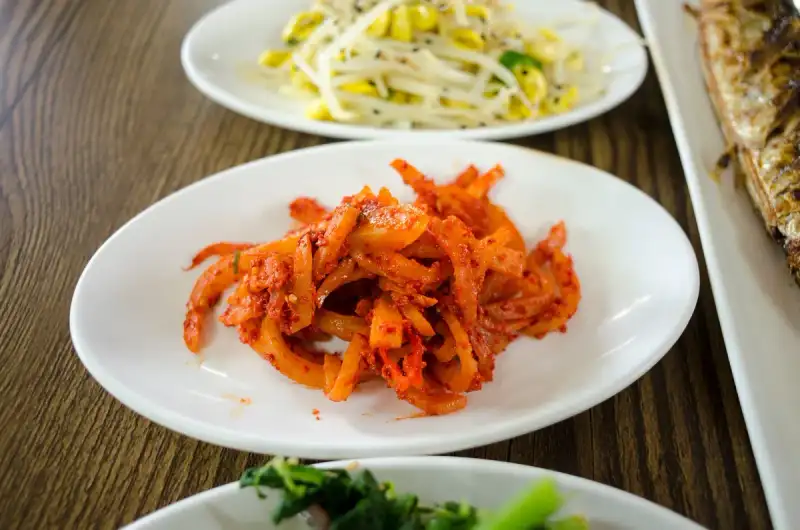
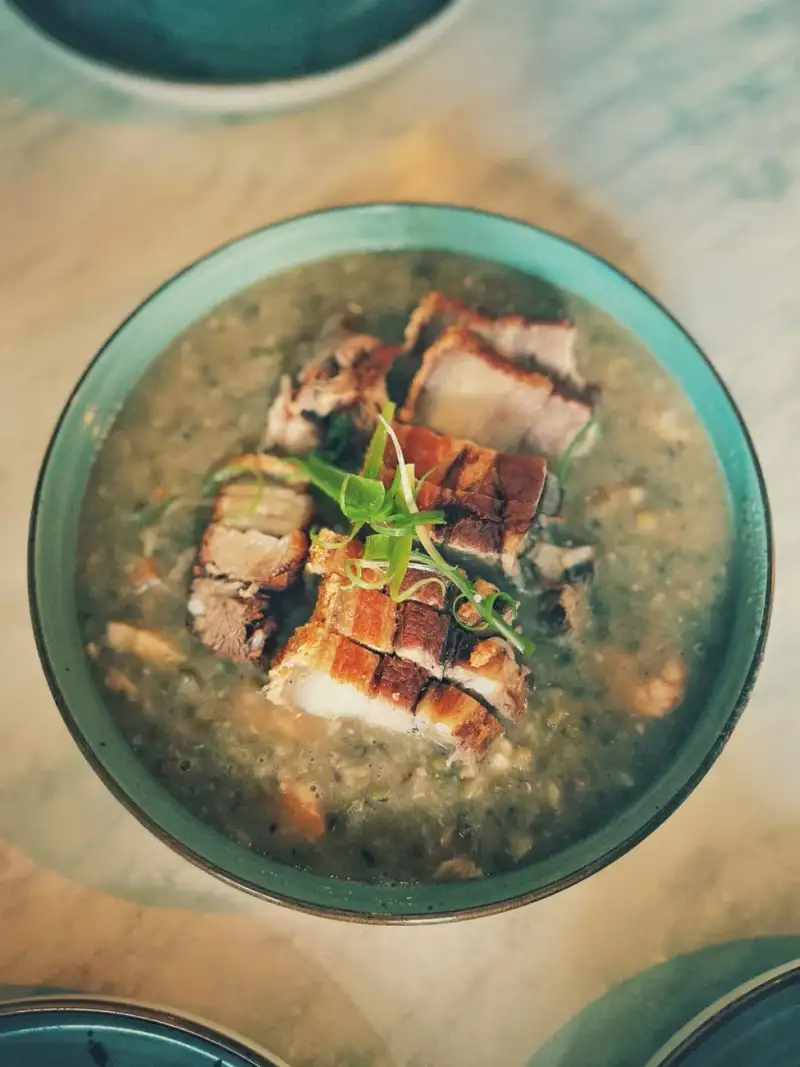
Congee is best enjoyed hot, fresh from the pot. It can be served plain or garnished with a variety of toppings to enhance its flavor and nutritional value. Common toppings include diced vegetables, lean meats, fish, and fermented products like kimchi or pickled ginger. The simplicity of congee makes it an excellent canvas for creative expression, allowing each person to tailor their bowl to their liking.
Health Benefits of Congee
Beyond its emotional comfort, congee also offers several health benefits. It’s easy on the stomach, making it an ideal food for those with digestive issues. The high water content helps with hydration, and when flavored with herbs and spices, congee can have medicinal properties. For example, ginger congee is often consumed to alleviate nausea and aid in digestion.
Conclusion
Congee, or jook, stands as a testament to the power of simple, traditional foods to bring comfort, joy, and nourishment to our lives. Its rich history, diverse flavors, and numerous health benefits make it a dish that transcends cultural boundaries, inviting everyone to experience the warmth and love embedded in each bowl. Whether you’re exploring the depths of traditional cuisine or simply seeking a meal that soothes the soul, congee is sure to become a cherished favorite.
#CongeeLove #ComfortFood #RicePorridge #TraditionalCuisine #FoodForTheSoul #GlobalFoodTrends #HealthyEating #NourishingRecipes