Savor the World: The Ultimate Guide to the Planet’s Most Exquisite Food Markets
-
 Isabella Rossi
 - 16 Aug, 2026 07:10
Where the World’s Flavors Collide: A Culinary Journey Through the Best Food Markets
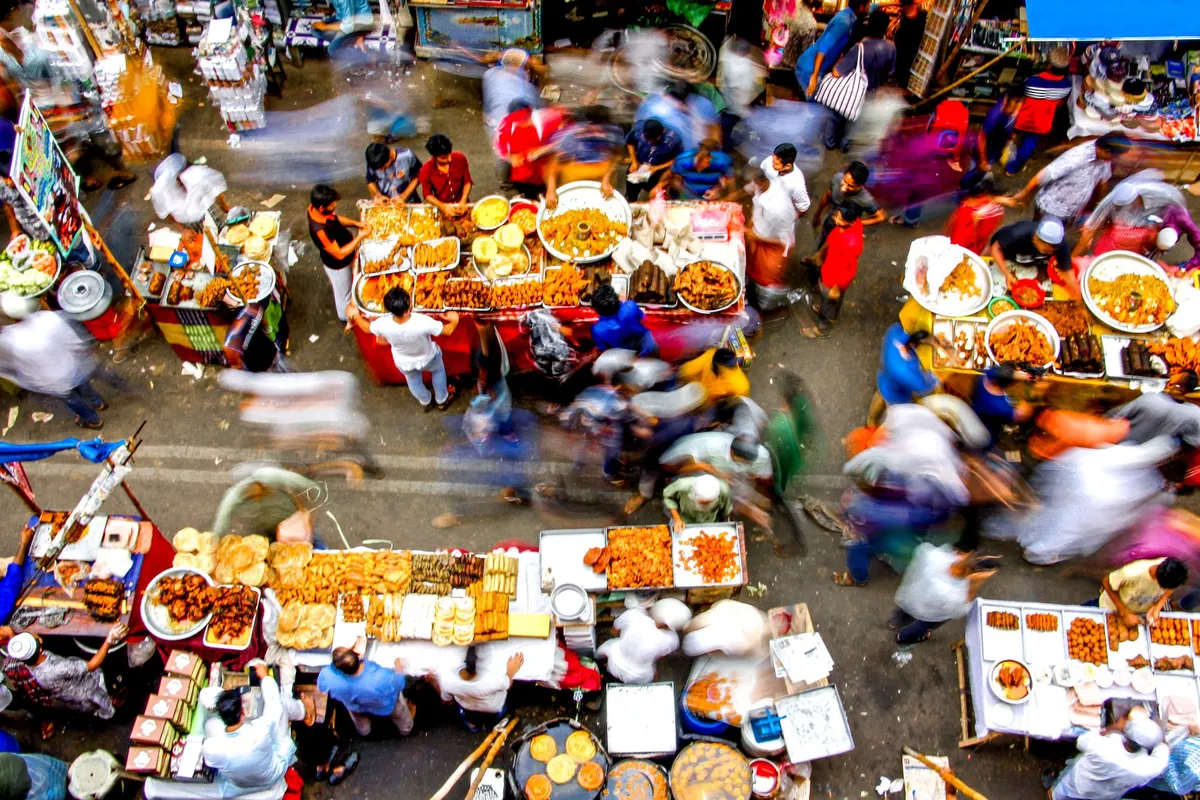
Food markets are the beating hearts of cities, where history, culture, and flavor intertwine in every bite. They are not just places to shop—they are living museums of culinary tradition, innovation, and community. Whether you’re a seasoned traveler or a curious foodie, these markets offer an unfiltered glimpse into the soul of a destination. From the aromatic spice stalls of Istanbul to the sizzling seafood grills of Tokyo, each market tells a story through its ingredients, techniques, and the people who bring them to life.
But with so many incredible markets around the world, how do you choose where to go? What dishes should you prioritize? And how can you navigate these bustling hubs like a local? In this guide, we’ll take you on a gastronomic tour of the planet’s most extraordinary food markets, breaking down the must-try foods, hidden gems, and insider tips to make your visit unforgettable.
Marrakech’s Jemaa el-Fnaa: A Symphony of Spices and Street Food Magic
Few places on Earth capture the essence of a culture as vividly as Marrakech’s Jemaa el-Fnaa. This UNESCO-listed square transforms from a quiet plaza by day into a pulsating food market by night, where the air is thick with the scent of cumin, saffron, and grilled meats. The market is a sensory overload in the best possible way—vendors shout in Arabic and French, the clatter of tagines echoes through the alleys, and the flicker of lanterns casts a golden glow over the stalls.
At the heart of Jemaa el-Fnaa is the food section, where rows of makeshift kitchens serve up Morocco’s most iconic dishes. Must-try foods include:
- Tanjia: A slow-cooked lamb dish named after the clay pot it’s prepared in. The meat is marinated in preserved lemon, garlic, and spices, then simmered for hours until it’s fall-off-the-bone tender. Locals swear by the tanjia from the stalls near the center of the square.
- Harira: A hearty soup made with tomatoes, lentils, chickpeas, and lamb, traditionally eaten to break the fast during Ramadan. The version sold here is rich, spiced with cinnamon and ginger, and often served with a squeeze of lemon.
- Snail soup: A surprisingly popular street food, this dish features snails simmered in a spicy broth with herbs. It’s an acquired taste but a rite of passage for visitors looking to dive deep into Moroccan cuisine.
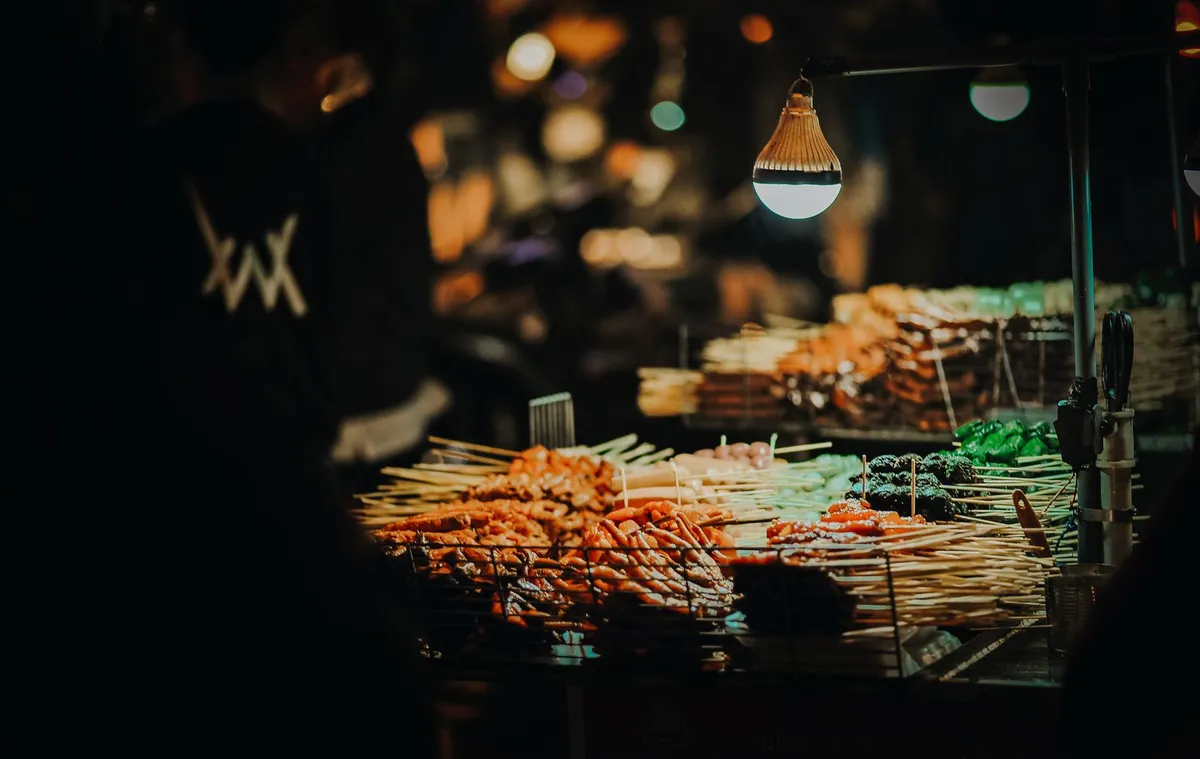
Pro tip: Arrive at sunset to watch the market come alive, but don’t eat right away. Wander through the spice stalls first—vendors will often let you sample their wares, and you’ll get a better sense of the flavors you’re about to encounter. For the best tanjia, head to the stalls run by older men in traditional djellabas; they’ve been perfecting the recipe for decades.
Bangkok’s Chatuchak Weekend Market: A Feast for the Senses
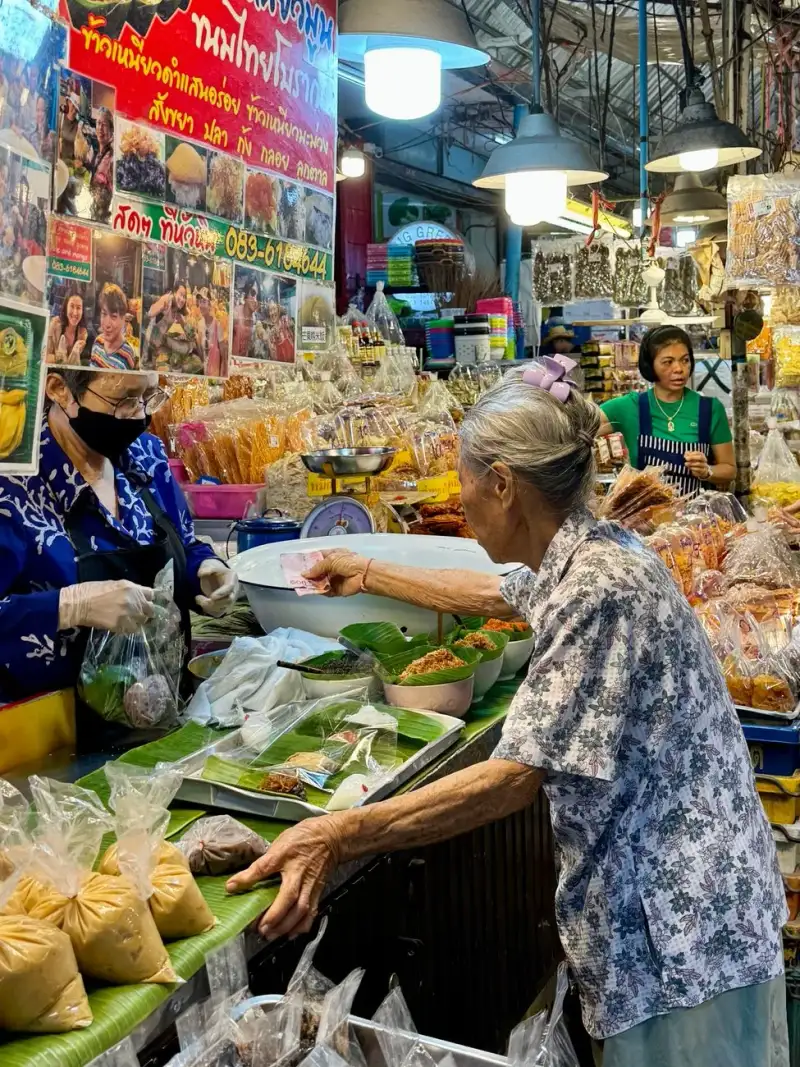
Bangkok’s Chatuchak Weekend Market is not just a market—it’s a phenomenon. Spanning 35 acres and housing over 15,000 stalls, it’s one of the largest markets in the world. But beyond its sheer size, Chatuchak is a paradise for food lovers, offering everything from Thai street food classics to exotic delicacies you won’t find anywhere else.
The market is divided into sections, but the food area is where the real magic happens. Here’s what you can’t miss:
- Som Tam (Green Papaya Salad): A fiery, tangy salad made with shredded unripe papaya, chili, lime, fish sauce, and palm sugar. The best versions are made to order, with vendors pounding the ingredients in a mortar and pestle right in front of you.
- Grilled river prawns: These massive prawns are marinated in garlic, pepper, and cilantro, then grilled over charcoal until they’re crispy on the outside and juicy on the inside. They’re often served with a spicy dipping sauce made from chili and tamarind.
- Mango Sticky Rice: Thailand’s most beloved dessert, this dish features sweet, ripe mango served over glutinous rice drizzled with coconut milk. The version at Chatuchak is legendary—creamy, fragrant, and perfectly balanced.
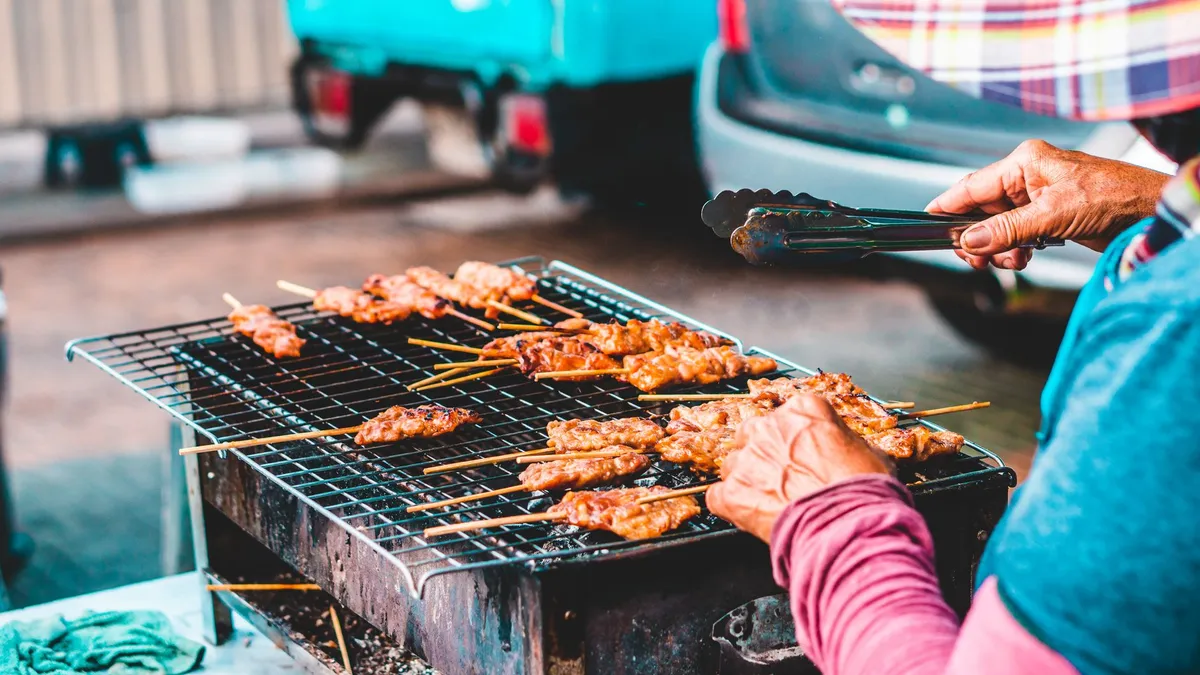
Pro tip: Chatuchak is enormous, so plan your route. The food section is in the northern part of the market, near the exit at Kamphaeng Phet 2. Go early to avoid the midday heat and crowds, and bring cash—many stalls don’t accept cards. Also, be adventurous: Chatuchak is one of the few places where you can try insects like crickets or silkworm larvae, if you’re feeling daring.
Tokyo’s Tsukiji Outer Market: A Seafood Lover’s Paradise
Tokyo’s Tsukiji Outer Market is a shrine to seafood, where the freshest fish in the world changes hands before dawn. While the inner wholesale market has moved to Toyosu, the outer market remains a must-visit for food enthusiasts. Here, you’ll find everything from sushi-grade tuna to steaming bowls of ramen, all within a few blocks.
The market is divided into two main areas: the sushi stalls and the general food stalls. Don’t leave without trying:
- Otorodako (Giant Pacific Octopus): A local specialty, this dish features octopus that’s been boiled and sliced, then served with a sweet soy-based sauce. The texture is tender and slightly chewy, with a mild oceanic flavor.
- Tamagoyaki (Japanese Omelette): A sweet, layered omelette made with eggs, sugar, and soy sauce. The version at Tsukiji is fluffy and slightly caramelized, often served as a side dish or in bento boxes.
- Uni (Sea Urchin): Tsukiji is one of the best places in the world to try uni, which is prized for its creamy, briny flavor. It’s often served over rice as a sushi topping or in a bowl of steamed rice as a uni-don.
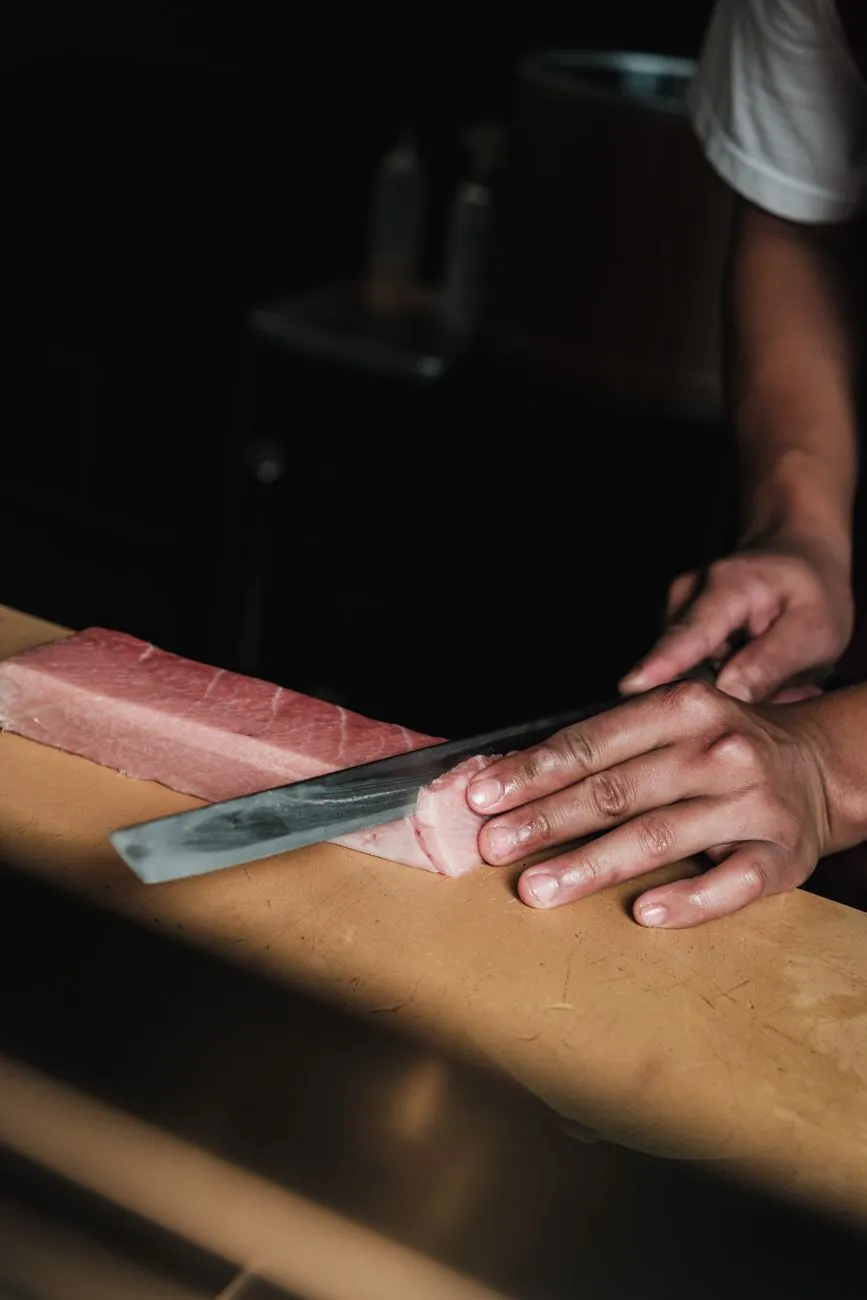
Pro tip: Arrive early—many stalls open around 5 AM, and the best spots sell out by 9 AM. If you’re not an early riser, don’t worry; the market stays lively until the afternoon. For the freshest seafood, head to the sushi stalls along the main street, where chefs prepare nigiri right in front of you. And if you’re feeling adventurous, try the fugu (pufferfish) if it’s in season—just make sure the chef is licensed to prepare it!
Istanbul’s Spice Bazaar and the Grand Bazaar: A Feast for the Eyes and Palate
Istanbul’s Spice Bazaar (Mısır Çarşısı) and the Grand Bazaar are two of the most iconic markets in the world, but their culinary offerings are often overshadowed by their reputation as shopping destinations. However, hidden among the textiles and jewelry are some of the most delicious foods Turkey has to offer.
The Spice Bazaar is a labyrinth of stalls selling everything from dried fruits to Turkish delight, but the real gems are the food vendors tucked away in the corners. Must-try foods include:
- Baklava: While baklava is available throughout Turkey, the version at the Spice Bazaar is legendary. Look for stalls that use pistachios and honey, and ask for a sample before buying—some vendors will happily give you a tiny piece to taste.
- Künefe: A sweet cheese pastry soaked in syrup and baked until crispy, often served with clotted cream. The best kunefe in Istanbul is made with fresh cheese and cooked in a copper pan over charcoal.
- Simit: A circular sesame-crusted bread that’s a staple of Turkish breakfast. The simit sold at the Spice Bazaar is freshly baked and best eaten warm, with a sprinkle of salt or a smear of kaymak (clotted cream).
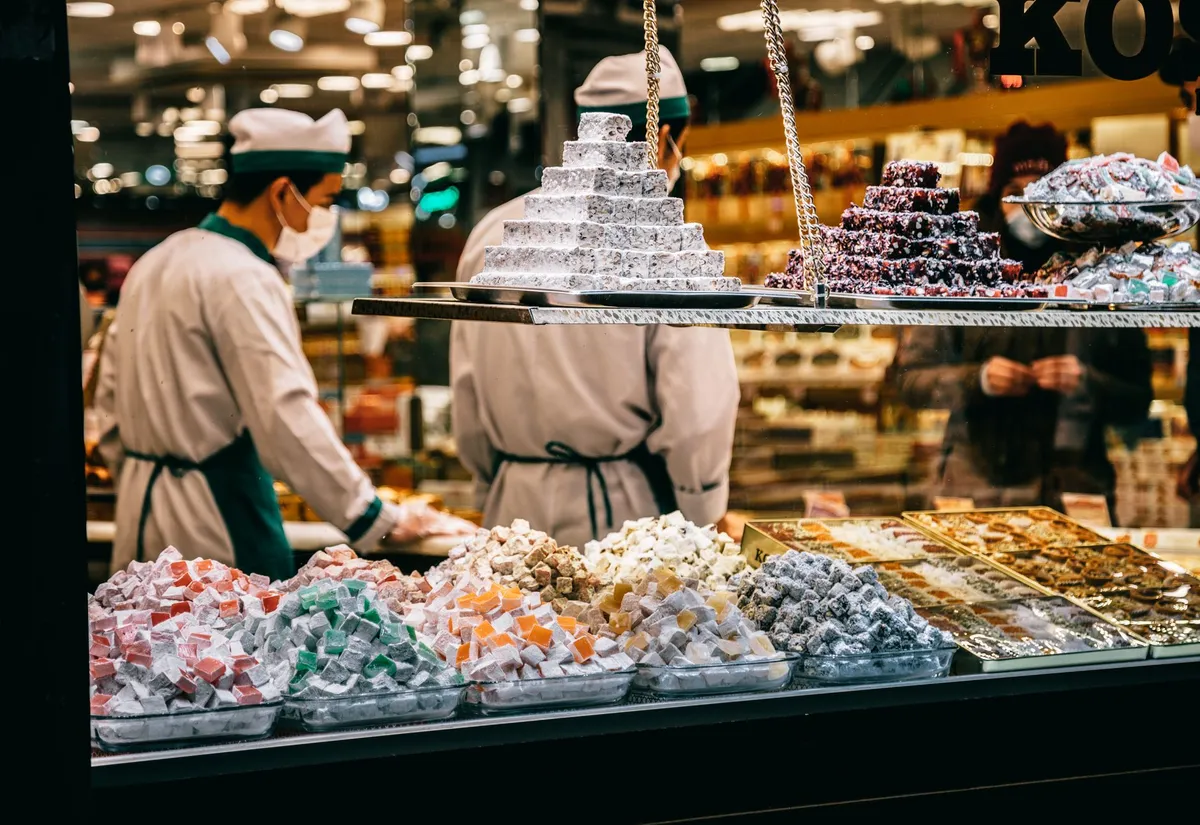
Pro tip: The Spice Bazaar can be overwhelming, so focus on the food stalls near the entrance on the Eminönü side. For a more immersive experience, visit the Grand Bazaar’s food section, where you’ll find vendors selling everything from simit to kebabs. And don’t forget to haggle—it’s expected in Turkish markets, and a little negotiation can go a long way in getting a better price.
Mexico City’s Mercado de San Juan: A Celebration of Mexican Gastronomy
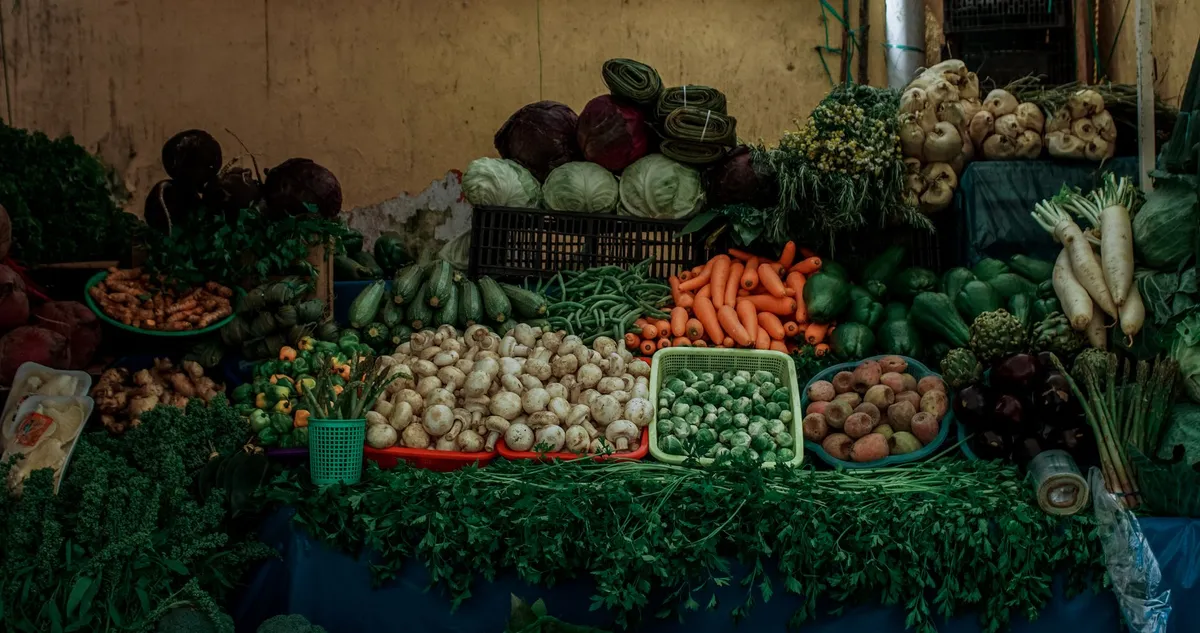
Mexico City’s Mercado de San Juan is a gourmet’s dream, where high-end ingredients meet traditional street food. Unlike the more touristy markets, San Juan is a favorite among locals and chefs, offering everything from exotic meats to artisanal cheeses.
The market is divided into sections, but the food hall is where the magic happens. Here’s what you should try:
- Chapulines (Grasshoppers): A Oaxacan specialty, these toasted grasshoppers are seasoned with chili and lime, offering a crunchy, savory snack. They’re often served in tacos or as a topping for guacamole.
- Cochinita Pibil: A Yucatecan slow-roasted pork dish marinated in achiote and sour orange juice, then wrapped in banana leaves and baked. The version at San Juan is tender and infused with citrusy, earthy flavors.
- Queso de Tuna: A unique cheese made from the fruit of the prickly pear cactus, often served with honey or in salads. It’s creamy, slightly sweet, and unlike anything you’ve ever tasted.
Pro tip: Mercado de San Juan is a bit more upscale than other markets, so prices are higher. However, the quality is unmatched. For the best cochinita pibil, head to the stall run by a woman in a traditional huipil—she’s been perfecting the recipe for years. And if you’re feeling adventurous, ask for a tasting of escamoles (ant larvae), a delicacy in Mexican cuisine.
A Taste of the World: What to Eat and Where
Food markets are more than just places to eat—they’re cultural landmarks that offer a glimpse into the heart of a city. Whether you’re feasting on tanjia in Marrakech, slurping som tam in Bangkok, or savoring fresh sushi in Tokyo, each market tells a story through its flavors and traditions.
To help you plan your culinary adventures, here’s a quick breakdown of the must-try dishes and where to find them:
| Market | Must-Try Dish | Price Range (USD) | Best Time to Visit |
|---|---|---|---|
| Jemaa el-Fnaa (Marrakech) | Tanjia | $3–$5 | Sunset to late night |
| Chatuchak (Bangkok) | Som Tam | $2–$4 | Early morning to afternoon |
| Tsukiji (Tokyo) | Otorodako | $5–$10 | Dawn to mid-morning |
| Spice Bazaar (Istanbul) | Baklava | $1–$3 | Morning to afternoon |
| Mercado de San Juan (Mexico City) | Cochinita Pibil | $4–$8 | Mid-morning to evening |
Beyond the Plate: The Soul of Food Markets
Food markets are where culture, history, and community come together in the most delicious way possible. They are places of connection, where strangers become friends over shared plates of food, and where the past and present collide in every bite.
As you explore these markets, remember that the best experiences often come from stepping outside your comfort zone. Try that dish you’ve never heard of. Strike up a conversation with a vendor. Let the flavors guide you. Because in the end, the best food markets aren’t just about what you eat—they’re about the stories you take home with you.
So pack your appetite, leave your reservations at the door, and get ready to savor the world, one market at a time.
#FoodMarkets #StreetFoodAroundTheWorld #CulinaryTravel #EatLikeALocal #GlobalFlavors