Showing Posts From
Street food
-
 Giovanni Luigi
 - 03 Sep, 2026 20:17
Mumbai di Mezzanotte: Il Piccante, Croccante, Indimenticabile Cuore delle Strade della Città
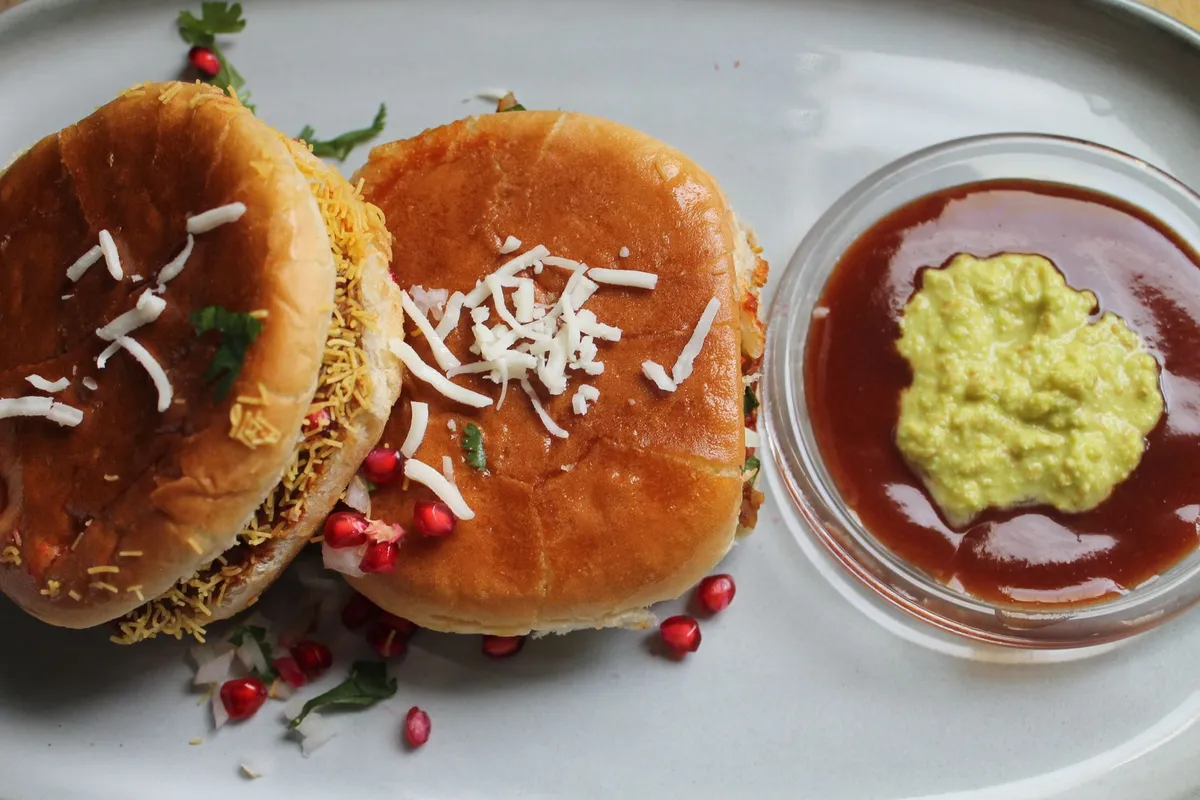
Quando il sole si tuffa nel Mar Arabico e le luci di Mumbai si accendono come stelle cadute sulla terra, le strade della città non dormono mai. È qui, tra il frastuono dei clacson e il profumo di spezie bruciate, che nasce il vero cuore pulsante della metropoli: il suo street food notturno. Non è solo cibo. È una sinfonia di sapori, una danza di consistenze, un rituale che unisce milioni di anime affamate dopo il tramonto.Il Pani Puri: Piccoli Gusci di FelicitàImmaginate un boccone così piccolo da stare nel palmo di una mano, ma così intenso da scatenare una tempesta di sapori sulla lingua. Il pani puri—o gol gappa come lo chiamano in alcune parti dell’India—è il re incontrastato delle strade di Mumbai dopo il tramonto. Si tratta di una sfera croccante di farina fritta, riempita con una miscela di patate schiacciate, ceci, coriandolo fresco e una salsa piccante chiamata pani. Il tocco finale? Un sorso di quella stessa salsa, gelida e speziata, che vi farà lacrimare gli occhi e sorridere allo stesso tempo. Perché è così speciale?Origini antiche: Le radici del pani puri risalgono a oltre 2.000 anni fa, quando veniva preparato come offerta agli dei nei templi dell’India settentrionale. Varianti regionali: A Mumbai, la versione più famosa è quella del Bhel Puri, una combinazione di pani puri, riso soffiato, cipolle, tamarindo e chutney di menta, servito su una foglia di banana. Rituale sociale: Mangiare pani puri non è un atto solitario. È un’esperienza collettiva, spesso condivisa tra sconosciuti su un marciapiede affollato, con le mani che si intingono nella stessa ciotola di salsa.Dove trovarlo?Juhu Beach: Uno dei posti più famosi per gustare pani puri freschi, soprattutto dopo una passeggiata sulla spiaggia. Dadar: Il quartiere è noto per i suoi venditori ambulanti che preparano il pani puri al momento, con una salsa pani così piccante da far sudare anche in inverno. Crawford Market: Un mercato storico dove si possono trovare versioni gourmet, con ripieni di formaggio o carne, per i palati più avventurosi.Il Pav Bhaji: Il Re dei Piatti di MezzanotteSe il pani puri è un’esplosione di sapore in un boccone, il pav bhaji è un abbraccio caldo e speziato che avvolge l’intero palato. Questo piatto, originario dello stato del Maharashtra, è diventato un simbolo della cucina di strada di Mumbai. Consiste in un purè di verdure—patate, cavolfiori, piselli e carote—cotto con una miscela di spezie che include cumino, coriandolo, curcuma e peperoncino rosso. Il tutto viene servito con pav, piccoli panini morbidi e leggermente dolci, perfetti per intingere nel purè fumante. La leggenda del pav bhaji Si dice che il pav bhaji sia nato come piatto per i lavoratori delle ferrovie britanniche nel XIX secolo. Gli operai, stanchi dopo lunghe giornate di lavoro, avevano bisogno di un pasto sostanzioso e veloce. I venditori ambulanti di Mumbai risposero con questo piatto economico, nutriente e incredibilmente saporito. Oggi, è un must per chiunque voglia sperimentare l’autentico sapore della città. Come si mangia?Tradizionale: Il purè viene servito su una piastra rovente (tava), con burro chiarificato (ghee) e una spruzzata di limone. Moderno: Alcuni ristoranti lo servono con formaggio fuso o uova in camicia, per un tocco contemporaneo. Street style: I venditori ambulanti lo preparano al momento, aggiungendo cipolle crude, coriandolo fresco e una generosa dose di lime per bilanciare la piccantezza.Dove assaggiarlo?Jogeshwari: Un quartiere dove i venditori di pav bhaji sono famosi per la loro generosità nelle porzioni. Matunga: Qui si trovano alcune delle versioni più autentiche, con spezie macinate al momento. Colaba Causeway: Un luogo ideale per gustare pav bhaji dopo una giornata di shopping, con vista sul mare.Il Vada Pav: Il "Hamburger" IndianoSe doveste scegliere un solo piatto per rappresentare lo street food di Mumbai, il vada pav sarebbe la scelta perfetta. Questo "hamburger" indiano è composto da un panino morbido (pav) riempito con una polpetta di patate fritte (vada), immersa in una salsa piccante di peperoncino e tamarindo. È economico, sostanzioso e così popolare che viene spesso chiamato il "cibo della classe operaia". La storia del vada pav Le origini del vada pav risalgono al movimento Samyukta Maharashtra degli anni '50, quando Mumbai lottava per diventare la capitale del nuovo stato del Maharashtra. I venditori ambulanti cercavano un piatto economico e nutriente per sfamare i manifestanti, e così nacque questa delizia. Oggi, è un simbolo di resilienza e identità cittadina. Varianti e segretiVada speziato: Alcuni venditori aggiungono peperoncino in polvere o chaat masala per un tocco extra di piccantezza. Vada al formaggio: Una versione moderna con formaggio fuso all’interno del vada. Salse segrete: Ogni venditore ha la sua ricetta per la salsa, spesso tramandata di generazione in generazione.Dove trovarlo?Dadar: Il quartiere è famoso per i suoi venditori di vada pav, che lo preparano al momento con patate fresche. Bandra: Qui si trovano versioni gourmet, con vada fritti in olio di cocco e salse artigianali. Chowpatty Beach: Un luogo ideale per gustare vada pav dopo una passeggiata sulla spiaggia, con il rumore delle onde in sottofondo.Il Kebabs e i Tandoori: Il Sapore del Nord a MumbaiMentre il pani puri, il pav bhaji e il vada pav rappresentano il cuore dello street food di Mumbai, i kebabs e i piatti tandoori portano un tocco del nord dell’India nelle strade della città. Questi piatti, cotti al forno tandoor o alla griglia, sono diventati così popolari che oggi li si trova in ogni angolo di Mumbai, soprattutto dopo il tramonto. Tipi di kebabs a MumbaiSeekh kebab: Carne di agnello o manzo macinata, mescolata con spezie e cotta su uno spiedo. Chicken tikka: Pezzi di pollo marinati in yogurt e spezie, poi cotti al tandoor. Boti kebab: Cubetti di carne marinati in una miscela di spezie e cotti alla griglia.Perché sono così amati?Spezie aromatiche: Il garam masala, il cumino e il coriandolo donano un profumo inconfondibile. Tecnica di cottura: Il tandoor, un forno di argilla, cuoce la carne in modo uniforme, rendendola succosa e saporita. Versatilità: Possono essere mangiati da soli, in un panino (kebab roll) o con pane naan e chutney.Dove assaggiarli?Mohammed Ali Road: Durante il mese sacro del Ramadan, le strade si riempiono di bancarelle che servono kebabs freschi fino a tarda notte. Bandra: Qui si trovano alcuni dei migliori ristoranti di kebabs della città, con ricette tramandate da generazioni. Carter Road: Un luogo ideale per gustare kebabs mentre si passeggia lungo la costa.Il Jalebi: Il Dolce che Scioglie il CuoreDopo un viaggio tra spezie, croccantezza e sapori intensi, è il momento di concedersi un dolce. Il jalebi è il re indiscusso dei dessert di strada a Mumbai. Si tratta di una spirale di pasta fritta, immersa in uno sciroppo di zucchero e acqua di rose, che si scioglie in bocca lasciando un sapore dolce e floreale. La storia del jalebi Le origini del jalebi risalgono all’antica Persia, dove veniva chiamato zulbia. Arrivò in India attraverso le rotte commerciali e si adattò ai gusti locali, diventando uno dei dolci più amati del paese. Varianti moderneJalebi al mango: Uno sciroppo aromatizzato con polpa di mango per un tocco tropicale. Jalebi al pistacchio: Una versione lussuosa con pistacchi tritati sopra. Jalebi fuso: Alcuni venditori lo servono con gelato alla vaniglia per un contrasto di temperature e sapori.Dove trovarlo?Sardar Pav Bhaji: Un ristorante famoso per i suoi jalebi freschi, serviti caldi con una tazza di chai. Kemps Corner: Qui si trovano versioni artigianali, con spirali perfettamente simmetriche. Colaba: Un luogo ideale per gustare jalebi dopo una cena a base di kebabs.Il Rituale del Chai: Il Companion Perfetto dello Street FoodNessun viaggio nello street food di Mumbai sarebbe completo senza una tazza di chai. Questo tè speziato, preparato con latte, zucchero e una miscela di spezie come cardamomo, zenzero e chiodi di garofano, è il companion perfetto per ogni piatto. Lo si trova in ogni angolo della città, servito in bicchieri di vetro o in piccole tazze di metallo. Perché il chai è così speciale?Spezie aromatiche: Il masala chai è una miscela unica che riscalda il corpo e lo spirito. Sociale: Bere chai è un atto collettivo, spesso condiviso tra sconosciuti su un marciapiede affollato. Adattabilità: Può essere dolce, speziato o leggermente amaro, a seconda dei gusti.Dove berlo?Dharavi: Uno dei quartieri più poveri di Mumbai, dove i venditori di chai preparano la bevanda con ingredienti semplici ma gustosi. Marine Drive: Un luogo ideale per gustare chai mentre si ammira il tramonto sul mare. Local tea stalls: I piccoli chioschi sparsi per la città, dove il chai viene preparato al momento con spezie fresche.I Segreti per Godersi lo Street Food di MumbaiMangiare per strada a Mumbai non è solo una questione di sapore—è un’esperienza sensoriale che coinvolge tutti e cinque i sensi. Ecco alcuni consigli per vivere appieno questa avventura:Scegliere i posti giusti: Evitate i venditori con cibo stantio o condizioni igieniche dubbie. Optate per bancarelle affollate, dove la rotazione del cibo è alta. Provare tutto: Lo street food di Mumbai è una festa di sapori contrastanti. Non abbiate paura di sperimentare! Mangiare con le mani: Molti piatti, come il pani puri o il vada pav, sono pensati per essere mangiati con le mani. È parte dell’esperienza! Bere acqua in bottiglia: Anche se il cibo è delizioso, è sempre meglio bere acqua in bottiglia per evitare problemi di stomaco. Interagire con i venditori: I locali amano condividere storie e segreti sui loro piatti. Chiedete consigli e lasciatevi guidare dalla loro esperienza.Conclusione: Un Viaggio che Resta nel Cuore Quando il sole sorge su Mumbai, le strade si svuotano e i venditori di street food si preparano per un altro giorno di lavoro. Ma per chi ha avuto la fortuna di assaggiare i sapori della notte, il ricordo rimane indelebile. Lo street food di Mumbai non è solo cibo—è una celebrazione della vita, della resilienza e della gioia di condividere. Che siate alla ricerca di un pani puri croccante, di un pav bhaji speziato o di un jalebi dolce, Mumbai vi aspetta con le sue strade illuminate e i suoi profumi inconfondibili. Non resta che indossare le scarpe comode, prendere coraggio e tuffarsi in questa avventura gastronomica senza fine.#streetfoodmumbai #MumbaiFoodTour #IndianStreetFood #SpicyDelights #NightMarkets Related InsightsCaprese Salad: A Symphony of Flavors and Antioxidants Kung Pao: Die Alchemie des Feuers und die Kunst des perfekten Kontrasts Japanese Ramen: The Ultimate Guide to Regional Styles, Secret Broths, and How to Make Them at Home{ "@context": "https://schema.org", "@type": "FAQPage", "mainEntity": [ { "@type": "Question", "name": "What is the main focus of Mumbai di Mezzanotte: Il Piccante, Croccante, Indimenticabile Cuore delle Strade della Città?", "acceptedAnswer": { "@type": "Answer", "text": "Scopri i sapori indimenticabili dello street food di Mumbai: dai pani puri al pav bhaji, un viaggio tra spezie, croccantezza e tradizioni che solo la notte può svelare." } }, { "@type": "Question", "name": "Who authored the comprehensive guide on Mumbai di Mezzanotte: Il Piccante, Croccante, Indimenticabile Cuore delle Strade della Città?", "acceptedAnswer": { "@type": "Answer", "text": "This detailed article and its insights were carefully researched and authored by Giovanni Luigi." } }, { "@type": "Question", "name": "Where can I find more related content about Food?", "acceptedAnswer": { "@type": "Answer", "text": "You can explore more articles, detailed reviews, and similar insights by browsing the Related Insights section at the bottom of this article or visiting our dedicated Food category page." } } ] }
-
 Klaus Weber
 - 19 Aug, 2026 06:26
Mumbais flüchtige Gaumenfreuden: Wo Straßenstände die Stadt zum Kochen bringen
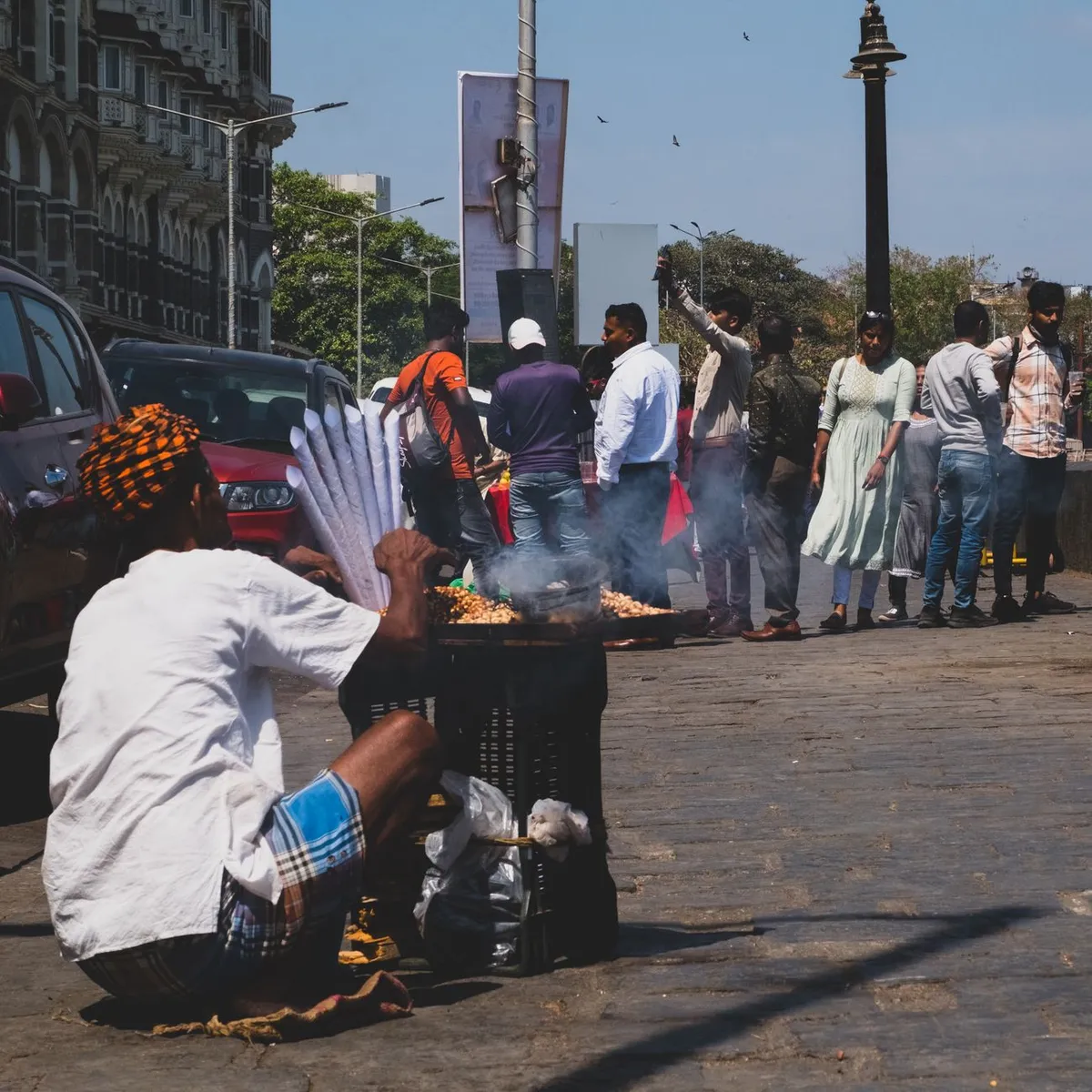
Der Duft von frittiertem Teig, der scharfe Kick von Chutneys, das leise Klirren von Metallschüsseln – wenn die Sonne über Mumbai untergeht, erwacht eine andere Stadt. Nicht die der gläsernen Wolkenkratzer oder der hektischen Börsen, sondern die der Straßenstände, wo das wahre Herz der Megacity schlägt. Hier, zwischen dem Hupen der Taxis und dem Lachen von Schulkindern, wird jede Mahlzeit zu einem Fest. Willkommen in der Welt des Mumbai Street Food, wo Armut und Luxus aufeinandertreffen, wo Tradition und Innovation sich küssen – und wo jeder Bissen eine Geschichte erzählt.Die unsichtbaren Könige der Gassen: Wer steht hinter dem Geschmack? Hinter jedem dampfenden Teller Bhel Puri, jedem knusprigen Vada Pav, steckt ein Mensch mit einer Geschichte. Die Straßenhändler von Mumbai sind keine bloßen Verkäufer – sie sind die Architekten einer kulinarischen Revolution. Viele von ihnen stammen aus bescheidenen Verhältnissen, manche aus ländlichen Regionen Maharashtras, die in der Stadt ihr Glück suchten. Doch statt in Fabriken zu arbeiten, entschieden sie sich für den Straßenverkauf. Warum? Weil hier, zwischen den Rissen des Asphalts, die wahre Seele Mumbais schmeckbar wird. Die meisten Händler sind Männer, oft in ihren 30ern oder 40ern, die seit Jahrzehnten dieselben Rezepte perfektionieren. Ihre Stände sind oft nur ein paar Quadratmeter groß, ausgestattet mit rostigen Pfannen, dampfenden Bottichen und einem unerschöpflichen Vorrat an Gewürzen. Doch was sie an Ausstattung fehlt, machen sie durch Leidenschaft wett. Viele von ihnen arbeiten 16 Stunden am Tag, von frühmorgens bis spät in die Nacht, während die Stadt schläft und erwacht. Doch nicht alle sind legal. Schätzungsweise 250.000 Straßenhändler gibt es in Mumbai – doch nur etwa 17.000 besitzen eine offizielle Lizenz. Der Rest operiert im Schatten, zahlt Schmiergelder an korrupte Beamte oder riskiert ständige Räumungen. Die Behörden führen regelmäßig Razzien durch, beschlagnahmen Kochutensilien und vertreiben die Händler – doch nach ein paar Tagen sind sie zurück, als wäre nichts gewesen. Die Stadt braucht sie. Ohne sie würde Mumbai hungern.Von Vada Pav bis Misal Pav: Die ungeschriebenen Gesetze der Straßenküche Mumbai ist eine Stadt der Extreme – und das spiegelt sich in ihrem Street Food wider. Hier gibt es keine halben Sachen: Entweder ist es scharf, fettig und unwiderstehlich, oder es ist einfach nur da. Doch eines haben alle Gerichte gemeinsam: Sie sind günstig. Während ein Restaurantbesuch in der Stadt schnell 500 Rupien (ca. 6 Euro) kostet, bekommt man für denselben Betrag ein Festmahl an der nächsten Ecke. Die vegetarischen Ikonen: Wenn die Götter der Maharashtrian-Küche lächeln Vada Pav – Das "Burger" der Armen Wenn es ein Gericht gibt, das Mumbai definiert, dann ist es der Vada Pav. Ein knuspriges, frittiertes Kartoffelbällchen (Vada) in einem weichen Brötchen (Pav), serviert mit scharfer grünen Chutney und süßem Tamarinden-Dip. Erfunden in den 1970er Jahren von Ashok Vaidya, einem Straßenhändler aus Dadar, wurde es schnell zum Nationalgericht der Stadt. Heute gibt es ihn an jeder Ecke – doch die besten Exemplare findet man in den engen Gassen von Matunga oder bei den alten Händlern in Girgaon. Misal Pav – Der scharfe Weckruf des Morgens Misal Pav ist kein Gericht für schwache Mägen. Eine würzige Curry aus gekeimten Mungbohnen (Misal), serviert mit geröstetem Brot (Pav) und einer Prise Zwiebeln, Zitrone und Koriander. Ursprünglich ein Gericht der Arbeiterklasse, hat es sich längst in die Herzen aller Schichten geschlichen. Besonders beliebt ist es zum Frühstück – wer es schafft, den ersten Bissen zu überleben, ist für den Rest des Tages wach. Bhel Puri – Der Tanz der Texturen Ein knuspriges, süß-saures, scharfes Chaos in einem Papierteller: Bhel Puri ist das ultimative Street-Food-Erlebnis. Puffreis, gebratene Nudeln, Kichererbsen, Chutneys und eine Handvoll frischer Kräuter – alles vermischt zu einem Geschmacksexplosionscocktail. Der beste Ort, um ihn zu probieren? Girgaon Chowpatty, wo die Wellen des Arabischen Meeres im Hintergrund rauschen und der Wind die Aromen der Stadt mit sich trägt. Pani Puri – Die kleine Kugel der Glückseligkeit Pani Puri (auch Golgappa genannt) ist ein Spiel mit Kontrasten: knusprige, hohle Teigkugeln, gefüllt mit Kartoffelpüree, Kichererbsen und einer würzigen Minz-Wasser-Mischung (Pani). Der erste Biss ist ein Schock – dann kommt der Rausch. Doch Vorsicht: Nicht alle Händler halten sich an Hygienestandards. Im Jahr 2011 sorgte ein Vorfall in Thane für einen Skandal, als ein Verkäufer in einen Behälter urinierte. Die Folge? Politische Grabenkämpfe, Angriffe auf nordindische Händler und ein generelles Misstrauen gegenüber Pani Puri-Ständen. Die fleischlichen Verführungen: Wenn Mumbai seinen Hunger nicht versteckt Während die meisten Street-Food-Gerichte vegetarisch sind, gibt es auch fleischliche Optionen – allerdings in kleinerem Umfang. Omeletts – Das Frühstück der Studenten Ein einfaches, aber geniales Gericht: ein dickes Omelett, gefüllt mit Zwiebeln, Chilis und manchmal sogar Käse, serviert in einem Brötchen. Beliebt bei College-Studenten, die nach einer durchzechten Nacht einen schnellen Energiekick brauchen. Kebabs – Die gegrillten Träume der Nachtarbeiter An den Straßen von Mohammed Ali Road oder Crawford Market findet man oft kleine Grillstände, an denen Lamm- oder Hähnchenkebabs über Holzkohle gegrillt werden. Serviert mit Zwiebeln, Limette und einem Stück Fladenbrot – perfekt für diejenigen, die nachts durch die Stadt streifen. Fisch – Der Geschmack des Meeres in der Stadt Mumbai ist eine Hafenstadt, und das merkt man. An den Küstenstraßen wie Chowpatty oder Juhu findet man frischen Fisch, gebraten oder in Currys zubereitet. Besonders beliebt: der "Bombil" (fliegender Fisch), der knusprig frittiert und mit einer scharfen Tamarinden-Chutney serviert wird. Die süßen Verführungen: Wenn die Hitze der Stadt schmilzt Kulfi – Das Eis, das die Seele wärmt Kein Mumbai Street Food ohne Kulfi. Dieses cremige, gefrorene Dessert aus Milch, Nüssen und Safran ist die Antwort auf die drückende Hitze der Stadt. Serviert in einem konischen Behälter oder auf einem Stock, oft mit Pistazien oder Rosenwasser aromatisiert. Der beste Ort, um es zu probieren? Chowpatty Beach, wo der Wind die Süße der Kulfi mit dem Salz des Meeres vermischt. Gola – Der Zuckerrausch der Kinder Ein einfaches, aber geniales Konzept: zerstoßenes Eis, übergossen mit süßen Sirups (Mango, Rose, Kala Khatta) und einer Prise Salz. Serviert in einem Plastikbecher oder auf einem Stock – perfekt für die heißen Nachmittage. Milchshakes – Die flüssigen Träume der Teenager An jeder zweiten Ecke findet man kleine Milchshake-Stände, die mit exotischen Geschmacksrichtungen wie "Thandai" (eine Gewürzmilch mit Mandeln und Safran) oder "Badam" (Mandel) locken. Besonders beliebt bei Teenagern, die nach der Schule eine süße Pause brauchen.Die unsichtbaren Straßen: Wo die besten Stände versteckt sind Mumbai ist eine Stadt der Kontraste – und das gilt auch für ihre Street-Food-Szene. Während einige Stände in den touristischen Hotspots wie Colaba oder Bandra zu finden sind, verstecken sich die wahren Juwelen in den weniger bekannten Ecken. Girgaon Chowpatty – Wo das Meer die Aromen trägt Hier, wo die Wellen des Arabischen Meeres gegen den Sand schlagen, wird Street Food zu einem sinnlichen Erlebnis. Die besten Bhel Puri-Stände der Stadt finden sich hier, ebenso wie frische Kokosnüsse und süße Kulfi. Besonders abends, wenn die Sonne untergeht und die Lichter der Stadt zu glitzern beginnen, wird Chowpatty zu einem Ort der Magie. Nariman Point – Wo die Bürohengste ihre Mittagspause verbringen In der Mittagspause, wenn die Straßen von Nariman Point mit Anzugträgern überflutet werden, erwachen die Straßenstände zum Leben. Hier gibt es schnelle, sättigende Snacks wie Pav Bhaji (ein cremiges Kartoffel-Curry mit Brötchen) oder Chinese Bhel (eine indisch-chinesische Fusion aus Nudeln, Gemüse und Sojasauce). Dadar – Das Herz der Maharashtrian-Küche Dadar ist der Ort, an dem die traditionelle Küche Maharashtras am lebendigsten ist. Hier findet man Misal Pav, Vada Pav und sogar Khandvi (gedämpfte Kichererbsenflocken) – alles in authentischer, hausgemachter Qualität. Besonders empfehlenswert: die Stände in der Nähe des Dadar Bahnhofs, wo die Händler seit Jahrzehnten dieselben Rezepte perfektionieren. Crawford Market – Wo die Welt in einem Markt zusammenkommt Dieser historische Markt ist ein Schmelztiegel der Kulturen. Hier gibt es nicht nur frisches Obst und Gewürze, sondern auch Street Food aus allen Ecken Indiens. Von süßem Jalebi (knusprige, spiralförmige Teigringe) bis zu scharfen Kebabs – hier findet jeder etwas, das ihm das Wasser im Mund zusammenlaufen lässt.Die dunklen Seiten der Gassen: Hygiene, Politik und die unsichtbaren Kämpfe So verlockend das Mumbai Street Food auch sein mag – es ist nicht ohne Risiken. Die größten Kontroversen drehen sich um Hygiene, Korruption und politische Machtspiele. Die Hygiene-Falle: Wenn der Magen zum Glücksspiel wird Für viele Touristen und Einheimische ist das größte Hindernis beim Genuss von Street Food die Angst vor Magenverstimmungen. Die Realität? Ja, es gibt Händler, die ihre Zutaten in schmutzigen Eimern lagern oder ihr Wasser aus undichten Leitungen beziehen. Doch die meisten Stände halten erstaunlich hohe Hygienestandards ein – schließlich geht es um ihren Ruf. Doch selbst die besten Händler können nicht immer kontrollieren, was in ihre Zutaten gelangt. In den Monsunmonaten, wenn die Straßen überschwemmt sind und Ratten durch die Gassen huschen, wird die Situation prekär. Viele Händler wechseln dann zu konservierten Zutaten – doch das verändert den Geschmack. Die politische Arena: Wenn Street Food zum Spielball wird Street Food ist nicht nur Nahrung – es ist Macht. Politische Parteien nutzen die Stände, um ihre Agenden voranzutreiben. Im Jahr 2011 sorgte ein Vorfall in Thane für einen Skandal, als ein Pani Puri-Verkäufer gefilmt wurde, wie er in einen Behälter urinierte. Die Folge? Shiv Sena und Maharashtra Navnirman Sena starteten eine Hetzkampagne gegen nordindische Händler, die mit Pani Puri und Bhel Puri in Verbindung gebracht wurden. Doch das war nicht das erste Mal, dass Street Food zum politischen Spielball wurde. In den 1990er Jahren wurden nordindische Händler beschuldigt, "die Kultur Maharashtras zu korrumpieren" – ein Vorwand, um sie aus der Stadt zu vertreiben. Heute ist die Situation etwas entspannter, doch die Spannungen bleiben. Die rechtliche Grauzone: Wo das Gesetz ignoriert wird Offiziell sind Straßenhändler in Mumbai illegal – es sei denn, sie besitzen eine Lizenz. Doch die Realität sieht anders aus. Die meisten Händler zahlen Schmiergelder an korrupte Beamte, um weiterarbeiten zu dürfen. Die Behörden führen regelmäßig Razzien durch, beschlagnahmen Kochutensilien und vertreiben die Händler – doch nach ein paar Tagen sind sie zurück. Im Jahr 2007 urteilte der Oberste Gerichtshof, dass die Stadt 230 legale Verkaufszonen einrichten sollte. Die Zahl wurde später auf 1.700 erhöht – doch bis heute ist die Umsetzung schleppend. Viele Händler warten seit Jahrzehnten auf ihre Papiere. Bis dahin bleibt die Street-Food-Szene ein Spiel mit dem Feuer: legal oder illegal, sauber oder schmutzig – Hauptsache, es schmeckt.Wenn die Gassen in die Restaurants wandern: Wie Mumbai Street Food die Welt erobert Was in den engen Gassen Mumbais beginnt, endet oft in den kulinarischen Tempeln der Stadt – und manchmal sogar in den Restaurants der Welt. Die Street-Food-Kultur hat die Gastronomie revolutioniert, und viele Köche haben die Rezepte der Straßenstände adaptiert. Von den Ständen in die Sterneküche Restaurants wie "Bombay Canteen" oder "Peshawri" in den Taj-Hotels haben Street-Food-Klassiker wie Pav Bhaji oder Kebabs in ihre Menüs aufgenommen – allerdings in einer verfeinerten, teureren Version. Doch die wahre Magie liegt im Original: Ein Pav Bhaji, der auf der Straße zubereitet wird, schmeckt nach mehr als nur Gewürzen – er schmeckt nach Mumbai. Die Fast-Food-Revolution: Wenn Start-ups Street Food kommerzialisieren In den letzten Jahren haben sich mehrere Start-ups gegründet, die Street Food in eine moderne, verpackbare Form bringen. Unternehmen wie "Faasos" oder "FreshMenu" bieten Vada Pav, Misal Pav und andere Klassiker als Lieferservice an – doch puristische Street-Food-Liebhaber lehnen diese Versionen oft ab. Für sie ist Street Food mehr als nur Essen – es ist ein Erlebnis. Die globale Expansion: Wenn die Welt Mumbai schmeckt Mumbai Street Food hat längst die Grenzen Indiens überschritten. In London, New York oder Berlin findet man heute Restaurants, die indische Street-Food-Klassiker anbieten. Doch die meisten von ihnen scheitern daran, den wahren Geschmack einzufangen. Denn das Geheimnis des Mumbai Street Food liegt nicht nur in den Zutaten – es liegt in der Atmosphäre, im Chaos, im Leben der Stadt selbst.Ein letzter Bissen: Warum Mumbai ohne seine Straßenstände nicht dasselbe wäre Wenn man durch Mumbai läuft, sieht man nicht nur Wolkenkratzer und Slums – man sieht die Seele der Stadt. Die Straßenstände sind die Pulse der Stadt, die Orte, an denen Menschen aus allen Schichten zusammenkommen. Hier, zwischen dampfenden Pfannen und schreienden Händlern, wird die Hierarchie der Stadt für einen Moment aufgehoben. Street Food ist mehr als nur Essen – es ist Kultur, Tradition und Rebellion in einem. Es ist das Lachen der Schulmädchen, die sich eine Portion Bhel Puri teilen. Es ist der müde Blick des Büroangestellten, der nach einem langen Tag einen Vada Pav in sich hineinstopft. Es ist die Hand, die einem Fremden eine kostenlose Kostprobe gibt, weil "das Leben zu kurz ist, um nicht zu teilen". Doch es ist auch ein Kampf. Ein Kampf um Hygiene, um Rechte, um Anerkennung. Ein Kampf, der seit Jahrzehnten geführt wird – und der noch lange nicht vorbei ist. Also, wenn Sie das nächste Mal in Mumbai sind: Halten Sie inne. Atmen Sie den Duft von frittiertem Teig ein. Probieren Sie einen Bissen – und lassen Sie sich von der Stadt verführen. Denn hier, zwischen den Gassen und den Träumen, schmeckt Mumbai am besten.#MumbaiStreetFood #IndischesStreetFood #VadaPav #MumbaiKulinarik #IndienKulinarisch Related InsightsBaba Ghanoush: The Smoky Eggplant Dip The Golden Threads of History: Unraveling the Millennia-Old Tapestry of Pasta The Mediterranean Symphony: Whole Wheat Pasta Primavera with Abundant Vegetables{ "@context": "https://schema.org", "@type": "FAQPage", "mainEntity": [ { "@type": "Question", "name": "What is the main focus of Mumbais flüchtige Gaumenfreuden: Wo Straßenstände die Stadt zum Kochen bringen?", "acceptedAnswer": { "@type": "Answer", "text": "Entdecken Sie die pulsierende Welt des Mumbai Street Food – von würzigem Vada Pav bis zu süßer Kulfi. Eine kulinarische Reise durch die Gassen der Megacity." } }, { "@type": "Question", "name": "Who authored the comprehensive guide on Mumbais flüchtige Gaumenfreuden: Wo Straßenstände die Stadt zum Kochen bringen?", "acceptedAnswer": { "@type": "Answer", "text": "This detailed article and its insights were carefully researched and authored by Klaus Weber." } }, { "@type": "Question", "name": "Where can I find more related content about Food?", "acceptedAnswer": { "@type": "Answer", "text": "You can explore more articles, detailed reviews, and similar insights by browsing the Related Insights section at the bottom of this article or visiting our dedicated Food category page." } } ] }
-
 Kenji Sato
 - 18 Aug, 2026 19:09
The Art of Dim Sum: Hong Kong’s Tiny Bites That Pack a World of Flavor
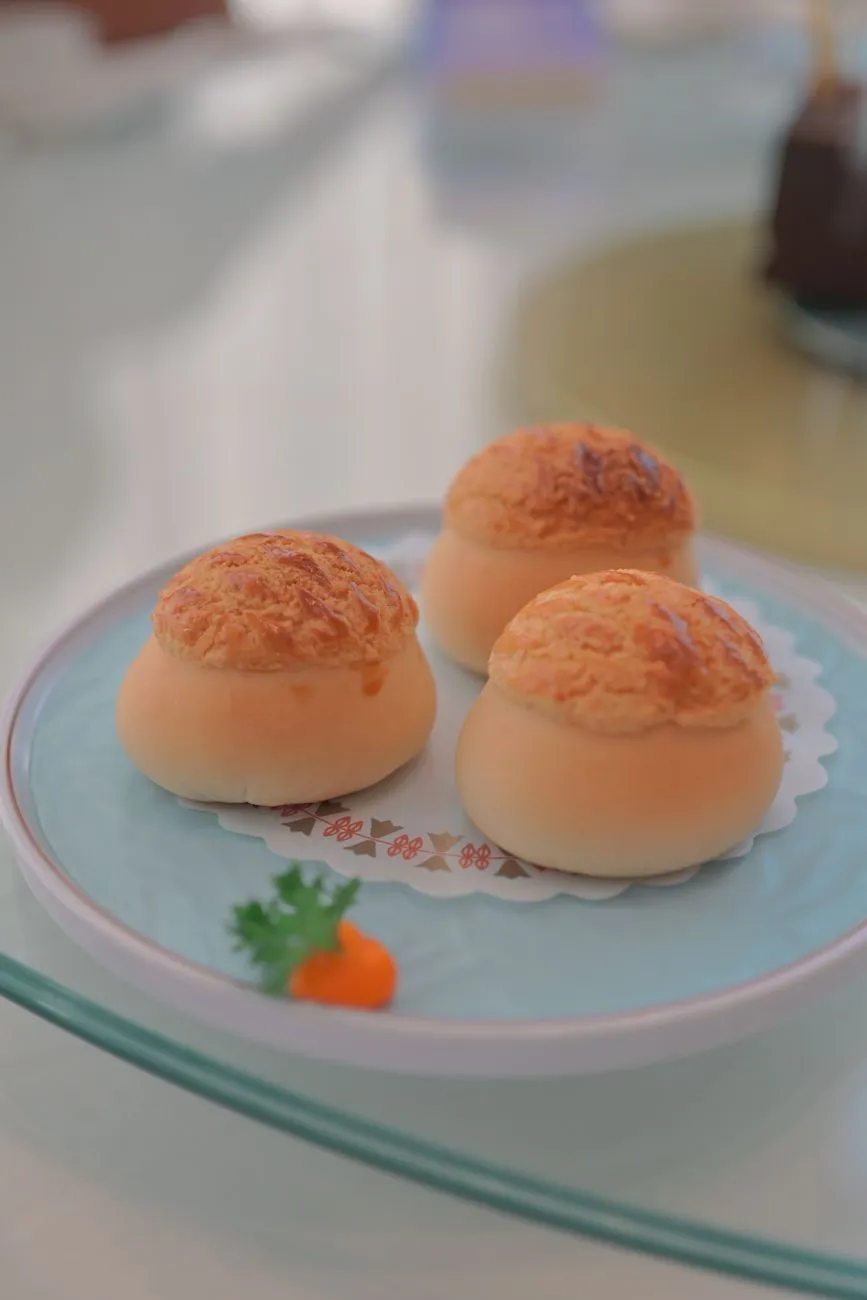
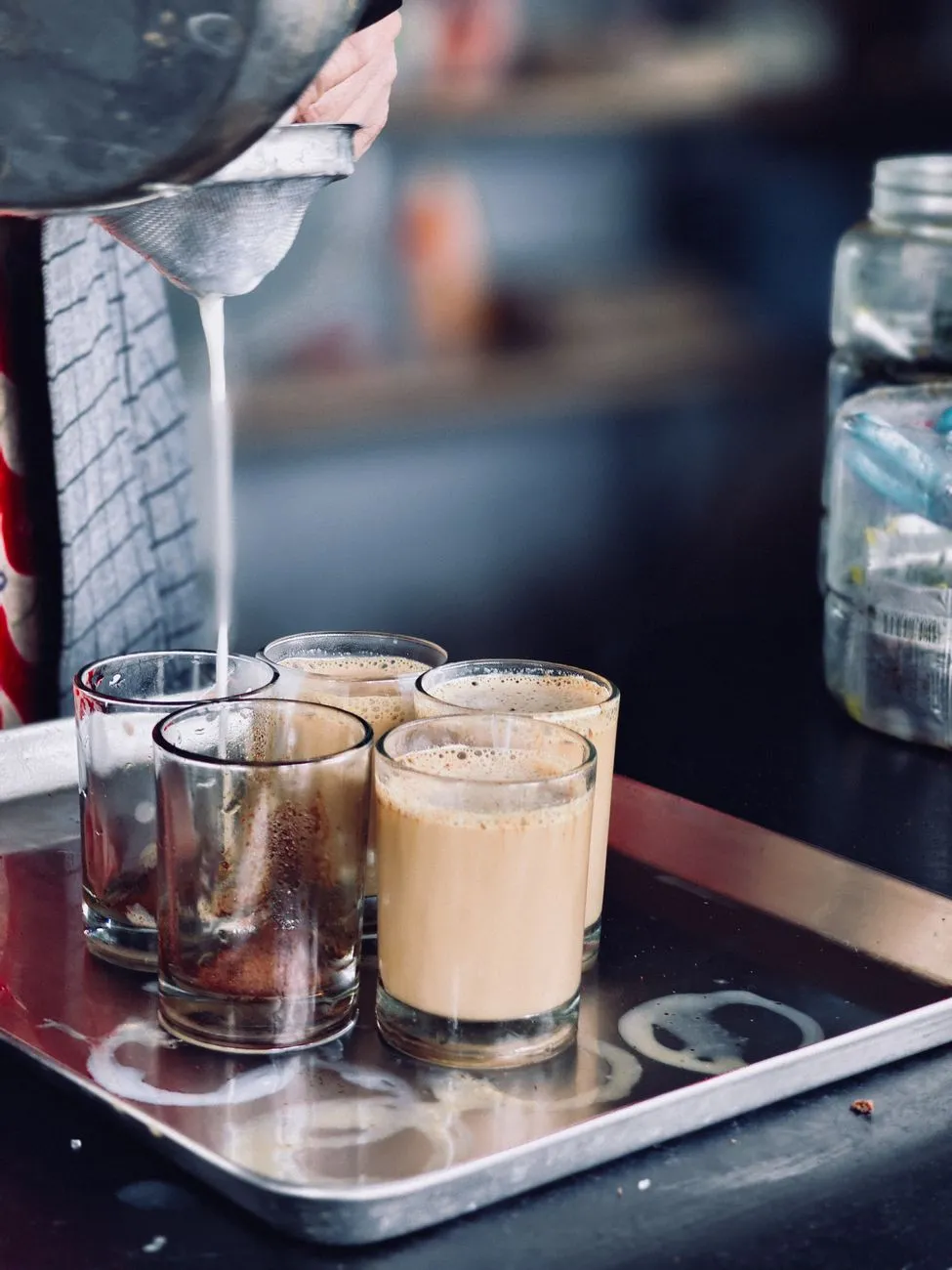
Where Bamboo Steamers Meet Century-Old Traditions Hong Kong’s dim sum culture is a living museum of culinary artistry, where the clatter of bamboo steamers and the hum of teacups create a symphony of tradition. Born in the teahouses of Cantonese-speaking regions during the Song Dynasty (960–1279 AD), dim sum—literally translating to "touch the heart"—was originally a snack served with tea to travelers and farmers. By the time British colonial rule took hold in the 19th century, these humble bites evolved into a sophisticated dining ritual, blending Chinese heritage with Western influences. Today, dim sum is the heartbeat of Hong Kong’s food scene, a daily ritual for locals and a must-try experience for visitors. The magic of dim sum lies in its communal nature. Unlike Western meals where dishes are served sequentially, dim sum is a parade of small plates passed around the table, encouraging sharing and conversation. Each bite tells a story—whether it’s the delicate folds of a har gow (shrimp dumpling) that reveal a chef’s skill or the crispy layers of a char siu bao (barbecue pork bun) that hint at hours of steaming. The artistry extends beyond taste to presentation: dumplings are pleated into intricate shapes, buns are dusted with sesame seeds, and rice rolls are garnished with vibrant vegetables. Even the choice of tea—from floral jasmine to robust pu-erh—plays a role in balancing the flavors of the meal. But dim sum is more than just food; it’s a cultural institution. In Hong Kong, teahouses like Lin Heung Tea House in Central or the legendary Luk Yu Tea House in Central District have been serving dim sum since the 1920s, their wooden booths and tiled floors echoing with the laughter of families and the clinking of teacups. These institutions are where generations gather to celebrate birthdays, weddings, and even business deals. The tradition is so ingrained that the Hong Kong Tourism Board has designated dim sum as an intangible cultural heritage, recognizing its role in shaping the city’s identity.To truly understand dim sum, one must start with its foundation: the teahouse. In Hong Kong, these establishments are more than just restaurants; they’re social hubs where the elderly sip tea for hours while younger generations catch up over plates of siu mai (pork dumplings) and turnip cakes. The teahouse culture is a testament to the city’s fast-paced yet deeply rooted lifestyle. Here, time slows down, and every bite is savored with intention. The teahouse isn’t just a place to eat—it’s a sanctuary where the past and present collide in a steam-filled embrace.From Har Gow to Egg Tarts: The Dim Sum Pantheon You Must Know Dim sum is a vast and varied world, with over 100 dishes that can be broadly categorized into steamed, fried, baked, and rice-based bites. Each category offers a unique texture and flavor profile, making the dim sum menu a playground for adventurous eaters. To navigate this culinary labyrinth, it’s essential to familiarize yourself with the most iconic dishes, each a masterpiece in its own right. Steamed Delights: The Art of the Dumpling Steamed dim sum is where precision meets passion. The most celebrated of these is har gow (虾饺), the translucent shrimp dumpling with a pleated edge that resembles a lotus bud. Made from wheat starch and tapioca flour, har gow’s skin is so thin it’s almost translucent, revealing the plump shrimp and pork filling inside. The dumpling’s texture is a delicate balance—chewy yet tender, with a slight bounce that melts in the mouth. Authentic har gow is made with fresh, high-quality shrimp, and the pleats are hand-folded, a skill that takes years to master. In Hong Kong, teahouses like Maxim’s Palace pride themselves on their har gow, often serving it as the first dish to whet the appetite. Next in line is siu mai (烧卖), the open-faced pork dumpling that’s a staple in every dim sum spread. Unlike har gow, siu mai’s skin is thicker and slightly chewy, designed to hold its shape during steaming. The filling is a mix of minced pork, shrimp, and sometimes mushrooms or water chestnuts for added texture. The top is often garnished with a tiny piece of carrot or a pea, adding a pop of color. The best siu mai are juicy and flavorful, with a hint of sweetness from the pork fat. In Hong Kong, siu mai is often paired with chili sauce or soy sauce, but purists prefer it plain to appreciate the purity of the ingredients. Another steamed gem is the cheung fun (肠粉), a delicate rice noodle roll filled with shrimp, beef, or barbecue pork. The noodles are steamed into thin sheets, then rolled around the filling and sliced into bite-sized pieces. Cheung fun is often served with a drizzle of soy sauce and sesame oil, and in some teahouses, it’s topped with crispy fried dough sticks for added crunch. The texture is silky and smooth, with a slight chewiness that makes it irresistible. Cheung fun is a favorite among locals, especially as a breakfast item, and it’s a dish that showcases the versatility of rice in Cantonese cuisine. Fried and Baked Wonders: Crisp, Golden, and Irresistible Fried dim sum is where texture takes center stage. The most iconic of these is the char siu bao (叉烧包), a fluffy steamed bun filled with sweet and savory barbecue pork. The bun’s skin is soft and pillowy, with a slight sheen from the steaming process, while the filling is sticky, sweet, and infused with the smoky aroma of char siu. In Hong Kong, char siu bao is often served as a mid-morning snack or as part of a dim sum brunch. The best versions are made with slow-cooked pork that’s been marinated in a blend of soy sauce, honey, and five-spice powder, then glazed with a sweet hoisin sauce. Another fried delight is the turnip cake (萝卜糕), a savory cake made from shredded daikon radish and rice flour. The cake is steamed until firm, then pan-fried until crispy on the outside and tender on the inside. Turnip cake is often served with a side of chili sauce or soy sauce, and it’s a popular choice for those who prefer a heartier bite. The texture is a delightful contrast—crispy on the outside, soft and slightly sticky on the inside, with a subtle sweetness from the radish. In Hong Kong, turnip cake is a common sight in dim sum teahouses, often served as part of a larger spread. For those with a sweet tooth, the egg tart (蛋挞) is a must-try. This Portuguese-inspired pastry features a buttery, flaky crust filled with a rich, creamy custard. The custard is made from egg yolks, sugar, and condensed milk, giving it a velvety texture and a deep golden color. In Hong Kong, egg tarts are a staple in dim sum menus, with each teahouse offering its own twist. Some versions are baked until the custard is slightly caramelized on top, while others are steamed for a softer finish. The best egg tarts have a custard that’s just set, with a slight wobble when shaken, and a crust that’s crisp yet tender. Rice-Based Bites: Comfort in Every Bite Rice-based dim sum offers a comforting alternative to dumplings and buns. The most beloved of these is the glutinous rice roll (糯米卷), a sticky rice roll filled with mushrooms, pork, or shrimp. The rice is steamed until tender, then rolled into a cylinder and sliced into bite-sized pieces. Glutinous rice rolls are often served with a drizzle of soy sauce or a sprinkle of sesame seeds, and they’re a popular choice for those who prefer a heartier texture. In Hong Kong, glutinous rice rolls are a common sight in dim sum teahouses, often served as part of a larger spread. Another rice-based gem is the congee (粥), a savory rice porridge that’s often served as a starter or a light meal. In dim sum culture, congee is typically topped with ingredients like century egg, pork floss, or pickled vegetables. The porridge itself is smooth and creamy, with a subtle sweetness from the rice. Congee is a comforting dish that’s perfect for a chilly morning or a late-night snack, and it’s a staple in many Hong Kong teahouses.The Dim Sum Ritual: How to Order, Eat, and Savor Like a Local Ordering dim sum can be intimidating for first-timers, but with a few insider tips, you’ll be navigating the menu like a pro. The key is to start with a mix of steamed, fried, and rice-based dishes to get a sense of the flavors and textures. In Hong Kong, dim sum is typically served in a continuous stream, with carts or waitstaff circling the restaurant to offer dishes. To order, simply point at the dishes you want or ask the server for recommendations. If you’re unsure, look for dishes with high turnover—like har gow or char siu bao—as these are often fresher. One of the most important aspects of dim sum is the tea. In Hong Kong, tea is more than just a beverage; it’s a ritual. The most common teas served with dim sum are pu-erh, jasmine, and oolong, each chosen for its ability to cleanse the palate and complement the flavors of the food. When the tea arrives, it’s poured into small cups, and the server will often leave the pot at the table so you can refill as needed. A local tip: never fill your own cup; instead, let the server or a dining companion pour for you as a sign of respect. Timing is everything when it comes to dim sum. In Hong Kong, the best time to go is between 8 AM and 11 AM, when the teahouses are buzzing with locals enjoying their morning ritual. If you’re visiting a popular spot like Lin Heung Tea House or Luk Yu Tea House, be prepared to wait—these places are often packed, and the wait can be up to an hour during peak hours. Once seated, don’t rush. Dim sum is meant to be savored slowly, with plenty of time for conversation and laughter. Another local custom is the use of dim sum lingo. For example, har gow is often called "prawn dumplings," while siu mai is referred to as "pork dumplings." If you’re unsure about a dish, don’t hesitate to ask the server for clarification. And remember, in Hong Kong, it’s perfectly acceptable to order just one or two dishes and share them with your dining companions. Dim sum is all about variety, so don’t feel pressured to try everything at once. When it comes to eating, the rules are simple: use chopsticks for dumplings and buns, and a spoon for rice-based dishes. If you’re unsure how to eat a particular dish, watch what the locals do and follow their lead. And don’t forget to try the dipping sauces! Soy sauce, chili sauce, and vinegar are common accompaniments, but some teahouses offer unique sauces like XO sauce or hoisin sauce for added depth of flavor.Beyond the Basics: Regional Variations and Modern Twists While Cantonese dim sum is the most widely recognized, Hong Kong’s culinary scene is a melting pot of influences, and this is reflected in the city’s dim sum offerings. From traditional teahouses to modern fusion restaurants, there’s a dim sum experience for every palate. One of the most exciting trends in Hong Kong’s dim sum scene is the rise of modern twists on classic dishes. Chefs are experimenting with ingredients and techniques to create innovative takes on traditional bites. For example, some restaurants now offer har gow made with lobster instead of shrimp, or siu mai filled with truffle-infused pork. Others are reimagining egg tarts with matcha or black sesame custard, or turning turnip cake into a deconstructed dish with crispy elements and dipping sauces. These modern interpretations are a testament to Hong Kong’s dynamic food culture, where tradition and innovation coexist. Another trend is the fusion of dim sum with other cuisines. In recent years, some restaurants have begun offering dim sum-inspired dishes with Japanese, Korean, or even Western influences. For example, you might find sushi rolls made with dim sum fillings, or dumplings stuffed with cheese and bacon. These fusion dishes are a fun way to explore the versatility of dim sum, but purists argue that they stray too far from the traditional roots of the cuisine. Regional variations also play a role in Hong Kong’s dim sum scene. While Cantonese dim sum dominates, you’ll also find dishes inspired by other Chinese regional cuisines. For example, Shanghai-style soup dumplings (xiao long bao) are now a common sight in some teahouses, as are Sichuan-style dumplings with spicy fillings. These regional variations add a new dimension to the dim sum experience, allowing diners to explore the diverse flavors of China in a single meal. For those looking to dive deeper into Hong Kong’s dim sum culture, there are plenty of resources available. Cookbooks like Dim Sum: The Art of Chinese Tea Lunch by Eileen Yin-Fei Lo offer step-by-step guides to making classic dishes at home, while food tours like the Dim Sum Crawl in Central provide a hands-on introduction to the city’s best teahouses. And if you’re visiting Hong Kong, be sure to check out the annual Dim Sum Festival, where local chefs showcase their creativity and innovation in the world of dim sum.The Dim Sum Diet: Nutrition, Calories, and How to Enjoy Guilt-Free Dim sum is often associated with indulgence, and for good reason. Many dishes are fried, steamed in oil, or filled with rich ingredients like pork fat and barbecue sauce. However, dim sum can also be a balanced and nutritious meal if you make smart choices. The key is to focus on dishes that are steamed or baked rather than fried, and to balance richer bites with lighter options. Here’s a breakdown of the nutritional profiles of some popular dim sum dishes, based on standard serving sizes:Dish Calories (per serving) Protein (g) Carbs (g) Fat (g) Fiber (g)Har gow (3 pieces) 120 6 18 2 1Siu mai (3 pieces) 150 8 15 5 1Char siu bao (1 bun) 250 10 35 8 1Turnip cake (1 slice) 180 3 25 7 2Egg tart (1 tart) 200 3 22 12 0Cheung fun (1 roll) 100 4 18 2 1As you can see, dim sum dishes vary widely in their nutritional content. Steamed dishes like har gow and cheung fun are lighter and lower in calories, while fried and baked items like char siu bao and egg tarts are richer and higher in fat. To enjoy dim sum without overindulging, consider sharing dishes with your dining companions, and opt for steamed or baked options whenever possible. You can also balance richer bites with lighter dishes like congee or rice rolls. Another tip is to pay attention to portion sizes. In Hong Kong, dim sum dishes are typically served in small portions, but it’s easy to overindulge when faced with a table full of delicious bites. To avoid overeating, try to limit yourself to 6–8 dishes per meal, and take your time savoring each bite. And don’t forget to hydrate! Tea is a great way to cleanse the palate and aid digestion, so be sure to sip plenty throughout the meal. For those with dietary restrictions, dim sum can still be enjoyed with a few adjustments. Many teahouses offer vegetarian or gluten-free options, such as steamed vegetable dumplings or rice-based dishes like cheung fun. Be sure to ask the server about ingredients and preparation methods to avoid allergens or unwanted ingredients. And if you’re watching your sodium intake, opt for dishes that are steamed or baked rather than fried, and ask for sauces on the side to control the amount you consume.Where to Find the Best Dim Sum in Hong Kong: A Local’s Guide Hong Kong is a city of culinary wonders, and its dim sum scene is no exception. From century-old teahouses to modern fusion restaurants, there’s a dim sum experience for every taste and budget. Here’s a local’s guide to the best spots to indulge in Hong Kong’s iconic bites. Classic Teahouses: Timeless Elegance For a taste of old-school Hong Kong, head to one of the city’s classic teahouses. Lin Heung Tea House in Central is a must-visit, with its wooden booths, tiled floors, and bustling atmosphere. The har gow here is legendary, and the siu mai is juicy and flavorful. Another iconic spot is Luk Yu Tea House in Central District, which has been serving dim sum since 1933. The egg tarts here are a standout, with a buttery crust and a rich, creamy custard. Modern Twists: Innovation Meets Tradition If you’re looking for a contemporary take on dim sum, check out restaurants like Tim Ho Wan, which gained fame as the world’s cheapest Michelin-starred restaurant. Tim Ho Wan offers a modern dim sum menu with dishes like baked BBQ pork buns and truffle dumplings. Another great option is Lung King Heen, the first Chinese restaurant in the world to earn three Michelin stars. Their dim sum menu features dishes like lobster dumplings and abalone congee, showcasing the best of Cantonese cuisine with a modern twist. Hidden Gems: Off the Beaten Path For a more local experience, venture off the beaten path to teahouses like Yum Lai Yuen in Mong Kok. This no-frills spot is beloved by locals for its generous portions and affordable prices. The turnip cake here is a must-try, and the congee is comforting and flavorful. Another hidden gem is the Tsui Hang Village Teahouse in Sheung Wan, which offers a mix of traditional and modern dim sum in a cozy, rustic setting. Late-Night Dim Sum: For the Night Owls Dim sum isn’t just a breakfast or lunch affair in Hong Kong—it’s a 24-hour culture. For late-night dim sum, head to Maxim’s Palace in Tsim Sha Tsui, which stays open until 4 AM. The char siu bao here is a standout, and the atmosphere is lively and bustling, even in the wee hours. Another great option is the New Asia Tea House in Tsuen Wan, which offers a mix of classic and modern dim sum until the early morning. Street Food Dim Sum: Casual and Delicious If you’re looking for a more casual dim sum experience, check out the city’s street food stalls. At the Sham Shui Po Cooked Food Market, you’ll find vendors selling everything from steamed dumplings to fried rice rolls. The prices are unbeatable, and the flavors are authentic. Another great spot is the Temple Street Night Market, where you can enjoy dim sum while soaking in the vibrant atmosphere of the market.The Last Bite: Why Dim Sum is More Than Just Food Dim sum is more than just a meal—it’s a cultural experience that embodies the spirit of Hong Kong. It’s a celebration of tradition, innovation, and community, where every bite tells a story and every teahouse has its own unique charm. Whether you’re a first-time visitor or a seasoned local, dim sum offers something for everyone, from the delicate folds of a har gow to the crispy layers of a char siu bao. In a city that’s constantly evolving, dim sum remains a constant, a reminder of Hong Kong’s rich culinary heritage. It’s a dish that brings people together, fostering connections and creating memories that last a lifetime. So the next time you find yourself in Hong Kong, skip the fancy restaurants and head to a teahouse instead. Pull up a stool, pour yourself a cup of tea, and let the magic of dim sum unfold. And remember, the best dim sum is the kind that’s shared with good company. So gather your friends and family, order a spread of your favorite dishes, and savor every bite. Because in the end, dim sum isn’t just about the food—it’s about the people you share it with.#DimSumDelights #HongKongEats #CantoneseCuisine #TeaHouseCulture #FoodieAdventures Related InsightsAromatic Flavors of India: Understanding Biryani's Rich Legacy The Heartbeat of Anatolia: Demir Şef's High-Protein Red Lentil Soup with Invigorating Mint and Chili Il Farro Inquieto: Tracce di un Cereale Millenario Tra Imperi Dimenticati e Rivoluzioni Gastronomiche Rurali{ "@context": "https://schema.org", "@type": "FAQPage", "mainEntity": [ { "@type": "Question", "name": "What is the main focus of The Art of Dim Sum: Hong Kong’s Tiny Bites That Pack a World of Flavor?", "acceptedAnswer": { "@type": "Answer", "text": "Dive into the vibrant world of Hong Kong dim sum, where tradition meets innovation in steamed, fried, and baked morsels. Discover the history, must-try dishes, and insider tips to savor these iconic bites like a local." } }, { "@type": "Question", "name": "Who authored the comprehensive guide on The Art of Dim Sum: Hong Kong’s Tiny Bites That Pack a World of Flavor?", "acceptedAnswer": { "@type": "Answer", "text": "This detailed article and its insights were carefully researched and authored by Kenji Sato." } }, { "@type": "Question", "name": "Where can I find more related content about Food?", "acceptedAnswer": { "@type": "Answer", "text": "You can explore more articles, detailed reviews, and similar insights by browsing the Related Insights section at the bottom of this article or visiting our dedicated Food category page." } } ] }
-
 Michael Chef
 - 18 Aug, 2026 18:22
Mumbai’s Midnight Feast: The Spicy, Crunchy, Unforgettable Soul of the City’s Streets
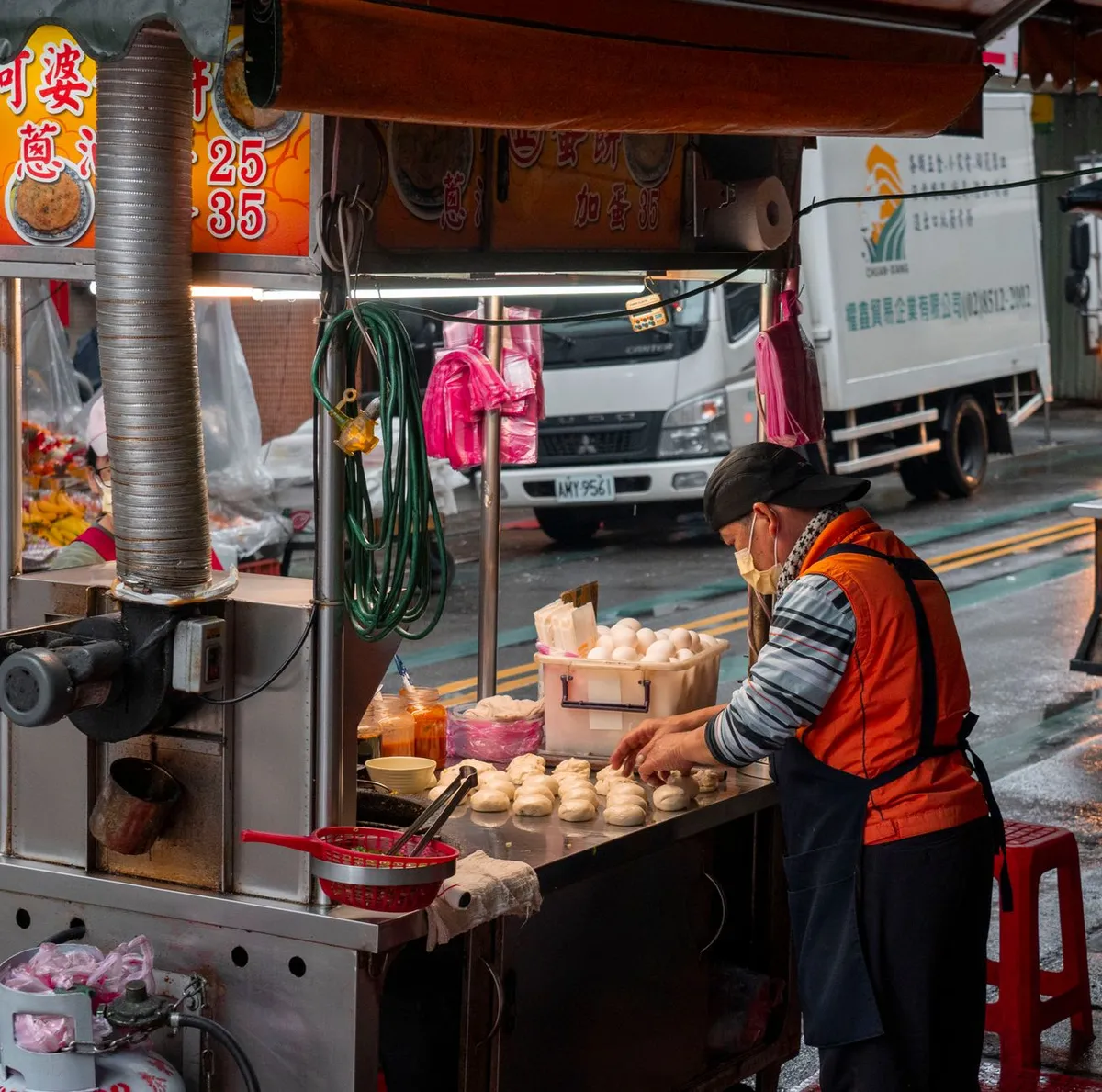
The neon glow of Mumbai’s streets doesn’t just illuminate the skyline—it ignites the senses. Beneath the hum of traffic and the shuffle of a million footsteps, the city’s true heartbeat pulses in the sizzle of oil, the crackle of spices, and the laughter of vendors calling out their wares. This is where the soul of Mumbai isn’t just tasted—it’s felt. From the first light of dawn to the witching hour past midnight, the streets of this metropolis are a living, breathing buffet of flavors, where a humble vada pav can taste like a revolution and a cup of sugarcane juice feels like liquid gold. Mumbai’s street food isn’t just food—it’s a cultural phenomenon, a daily ritual, and a defiant act of joy in a city that never sleeps. Here, the rich and the poor, the student and the CEO, the night-shift worker and the daydreamer all stand side by side, united by the same cravings. The stalls, crammed into alleyways and perched on railway platforms, are temples of taste where recipes have been perfected over generations. And yet, for all its fame, Mumbai’s street food remains a mystery to outsiders—a labyrinth of flavors where every corner hides a new discovery. So, pull up a plastic stool, ignore the honking horns for a moment, and let’s take a bite out of the real Mumbai. The Golden Triangle of Mumbai’s Street Food: Where Every Bite is a Story Mumbai’s street food isn’t just a meal—it’s a passport to the city’s soul. And at the heart of this edible adventure are three iconic dishes that define the Mumbai experience: Vada Pav, Bhel Puri, and Pav Bhaji. These aren’t just snacks; they’re cultural landmarks, each with its own history, its own loyal fanbase, and its own way of making your taste buds dance. Vada Pav: The Poor Man’s Burger That Conquered a MegacityIf Mumbai had a national dish, it would be the vada pav—a humble yet revolutionary street food that’s as much a part of the city as the local trains. Born in the 1960s in the working-class neighborhoods of central Mumbai, the vada pav was the brainchild of street food pioneer Ashok Vaidya, who wanted to create an affordable, portable snack for the city’s laborers. His creation? A spicy potato fritter (vada) stuffed inside a soft, buttered bread roll (pav), served with a fiery green chutney and a side of fried green chilies. What started as a 4-anna (25 paise) snack for mill workers is now a 50-rupee (less than a dollar) legend. The vada pav’s magic lies in its simplicity: a crispy, golden-brown potato patty, mashed with garlic, ginger, and green chilies, dunked in a tangy tamarind-chili sauce, and sandwiched in a fluffy pav. The first bite is a revelation—a crunch that gives way to a burst of spice, followed by the buttery softness of the bread. It’s the kind of dish that makes you understand why Mumbaikars swear by street food over restaurant meals. Today, vada pav stalls are everywhere—from the crowded lanes of Dadar to the railway stations of Andheri. But the most famous? Jai Hind Vada Pav in Dadar East, where the queue snakes around the block before sunrise. Or Raj Thackeray’s favorite stall in Thane, where the vada is so good it’s said to have political clout. The vada pav isn’t just food; it’s a symbol of Mumbai’s resilience, a dish that feeds the city’s dreams as much as its stomachs. Bhel Puri: The Crunchy, Tangy, Addictive Chaos of Mumbai’s BeachesIf the vada pav is Mumbai’s burger, then Bhel Puri is its answer to nachos—a chaotic, crunchy, tangy symphony of flavors that’s as much about the experience as it is about the taste. Born in the coastal neighborhoods of Girgaon Chowpatty, where the Arabian Sea meets the city’s bustling streets, Bhel Puri is a dish that thrives on imperfection. There’s no single recipe; every vendor has their own twist, their own secret blend of puffed rice, sev (crispy chickpea noodles), onions, tomatoes, cilantro, and the all-important tamarind-chili-green chutney. The magic of Bhel Puri lies in its textural anarchy. One moment, you’re biting into the crispness of the puffed rice; the next, you’re hit with the chewiness of the sev. The tamarind sauce adds a sweet-sour tang, while the green chutney brings the heat. And then there’s the golgappa factor—the tiny, crispy hollow spheres that burst in your mouth, releasing a rush of flavors. Eating Bhel Puri isn’t just a meal; it’s a performance. You have to mix it yourself, adjust the spice levels, and eat it fast before the puffed rice turns soggy. At Girgaon Chowpatty, Bhel Puri stalls light up as the sun sets, drawing crowds of office workers, families, and groups of friends. The best stalls? Bhel Puriwala at Chowpatty, where the mix is just right—crunchy, tangy, and spicy enough to make your eyes water. Or Trishna’s Bhel Puri, a more upscale version served with a side of Mumbai’s famous seafood. But no matter where you go, one thing’s certain: Bhel Puri is the snack that turns strangers into friends, as everyone gathers around the same stall, sharing stories and laughter over a plate of this addictive chaos. Pav Bhaji: The Comfort Food That Feeds a City’s SoulWhen the monsoon rains lash Mumbai and the humidity turns the air thick enough to chew, there’s only one dish that can warm the soul: Pav Bhaji. A buttery, spicy curry made from mashed vegetables (traditionally potatoes, cauliflower, peas, and capsicum), served with soft, buttered bread rolls (pav), this dish is Mumbai’s answer to comfort food. Its origins are murky—some say it was created by Maharashtrian housewives to use up leftover vegetables, while others claim it was born in the colonial-era cafes of Mumbai, where British officers demanded a hearty meal to survive the city’s chaos. What’s undeniable is Pav Bhaji’s universal appeal. It’s the dish that office workers devour after a long day, the snack that college students survive on during exam season, and the late-night feast that night-shift workers crave at 3 AM. The key to a great Pav Bhaji lies in the butter. A generous dollop of melted butter is stirred into the curry, giving it a rich, velvety texture that clings to the pav. The bread itself is toasted in butter until it’s golden and crisp, perfect for scooping up the spicy, tangy bhaji. The best Pav Bhaji stalls are legendary. Sardar Pav Bhaji in Matunga is a favorite among locals, where the bhaji is thick, spicy, and loaded with vegetables. Juhu’s Beach Pav Bhaji stall offers a seafood twist, with prawns or fish added to the mix. And at Dadar’s Khau Galli, you’ll find stalls where the pav is grilled over open flames, adding a smoky depth to the dish. But no matter where you go, Pav Bhaji is more than just food—it’s a ritual. It’s the dish that brings people together, that turns a simple meal into a celebration.Beyond the Classics: Mumbai’s Hidden Gems of the Street Food World While Vada Pav, Bhel Puri, and Pav Bhaji are the superstars of Mumbai’s street food scene, the city’s hawkers serve up a treasure trove of lesser-known delights that are just as worthy of your time. These are the dishes that locals swear by, the snacks that fuel late-night cravings, and the flavors that make Mumbai’s streets unforgettable. Misal Pav: The Spicy, Sprouted Bean Curry That Packs a PunchIf you think you know spice, wait until you try Misal Pav. This fiery dish is a Maharashtrian masterpiece—a spicy curry made from sprouted moth beans (matki), slow-cooked with onions, tomatoes, and a blend of aromatic spices like goda masala and red chili powder. Served with pav (bread rolls) and topped with farsan (crispy chickpea noodles), fried onions, and a squeeze of lemon, Misal Pav is the kind of dish that makes your forehead sweat and your heart race. The name "Misal" comes from the Marathi word for "mix," and that’s exactly what this dish is—a flavor explosion in every bite. The sprouted beans give it a nutty, earthy base, while the spices build a slow, smoldering heat. The farsan adds a crunchy contrast, and the lemon brightens it all up. It’s a dish that’s not for the faint-hearted, but for those who love heat, Misal Pav is a religious experience. The best place to try it? Shree Thaker Bhojanalay in Girgaon, where the Misal Pav is legendary. Or Prabhat in Dadar, where the curry is so spicy it’s said to cure hangovers. But be warned: once you try Misal Pav, you’ll never look at lentils the same way again. Dabeli: The Sweet, Spicy, Tangy Street Food Sensation from KutchHailing from the Kutch region of Gujarat, Dabeli is Mumbai’s answer to the sloppy joe—a messy, delicious, and utterly addictive street food that’s a flavor bomb in every sense. The dish consists of a spicy potato filling, stuffed inside a pav (bread roll), and topped with a mix of sweet, tangy, and spicy chutneys, sev, and pomegranate seeds. The name "Dabeli" comes from the Gujarati word for "shake," referring to the way the filling is tossed in spices to coat it evenly. What makes Dabeli special is its contrasting flavors. The potato filling is spiced with garlic, green chilies, and a blend of aromatic spices, giving it a deep, savory kick. But then come the chutneys—sweet tamarind sauce, spicy green chili sauce, and sometimes even a tangy date-chili chutney—that balance the heat with sweetness and tang. Topped with sev and pomegranate seeds for crunch, Dabeli is a textural and flavor rollercoaster. The best Dabeli in Mumbai? Kutch Dabeli in Andheri is a local favorite, where the filling is perfectly spiced and the chutneys are just sweet enough. Or Dabeli House in Bandra, where the dish is served with a side of crispy fried green chilies. Once you try Dabeli, you’ll understand why Mumbaikars queue up for hours just to get a taste. Ragda Pattice: The Mumbai Street Food That’s a Hug in a BiteIf you’ve ever craved a dish that’s crispy, creamy, and spicy all at once, then Ragda Pattice is your answer. This Mumbai street food staple consists of potato patties (pattice) that are shallow-fried until golden and crispy, topped with a white pea curry (ragda), and garnished with onions, cilantro, sev, and a squeeze of lemon. The contrast between the crunchy pattie and the creamy, tangy ragda is nothing short of magical. The ragda itself is a slow-cooked curry made from white peas, potatoes, and a blend of spices like turmeric, cumin, and coriander. It’s thick, hearty, and packed with protein, making it the perfect comfort food for Mumbai’s chilly monsoon evenings. The pattie, on the other hand, is a crispy, golden-brown shell that holds the ragda together, adding a satisfying crunch to every bite. Where to find the best Ragda Pattice in Mumbai? Ragda Pattice stall at Dadar Station is a classic, where the curry is spicy and the patties are perfectly fried. Or Sardar Ragda Pattice in Matunga, where the dish is served with a side of green chutney for extra heat. Ragda Pattice isn’t just a snack—it’s a warm, spicy hug that reminds you why Mumbai’s streets are the best place to eat.The Dark Side of Mumbai’s Street Food: Hygiene, Politics, and the Fight for Survival Mumbai’s street food is legendary, but it’s not without its controversies and challenges. From hygiene concerns to political battles and legal battles, the hawkers who bring the city’s flavors to life face an uphill struggle. Yet, despite the odds, they persist—because Mumbai’s streets would be a lot less vibrant without them.👉 Continue Reading: Mumbai’s Midnight Feast: The Spicy, Crunchy, Unforgettable Soul of the City’s Streets (Part 2)MumbaiStreetFood #VadaPavLove #BhelPuriMagic #PavBhajiDiaries #MumbaiEats Related InsightsHot, Tempting and Delicious Pad Thai: The World's Most Unique Noodles French Lentil Soup with Kale and Dijon: A High Protein Delight Au Cœur du Sénégal : Une Odyssée Sensorielle entre Tradition et Épices{ "@context": "https://schema.org", "@type": "FAQPage", "mainEntity": [ { "@type": "Question", "name": "What is the main focus of Mumbai’s Midnight Feast: The Spicy, Crunchy, Unforgettable Soul of the City’s Streets?", "acceptedAnswer": { "@type": "Answer", "text": "Dive into Mumbai’s chaotic, flavor-packed street food scene—where every bite tells a story of culture, chaos, and culinary genius." } }, { "@type": "Question", "name": "Who authored the comprehensive guide on Mumbai’s Midnight Feast: The Spicy, Crunchy, Unforgettable Soul of the City’s Streets?", "acceptedAnswer": { "@type": "Answer", "text": "This detailed article and its insights were carefully researched and authored by Michael Chef." } }, { "@type": "Question", "name": "Where can I find more related content about Food?", "acceptedAnswer": { "@type": "Answer", "text": "You can explore more articles, detailed reviews, and similar insights by browsing the Related Insights section at the bottom of this article or visiting our dedicated Food category page." } } ] }
- Michael Chef
- 18 Aug, 2026 18:22
Mumbai’s Midnight Feast: The Spicy, Crunchy, Unforgettable Soul of the City’s Streets (Part 2)
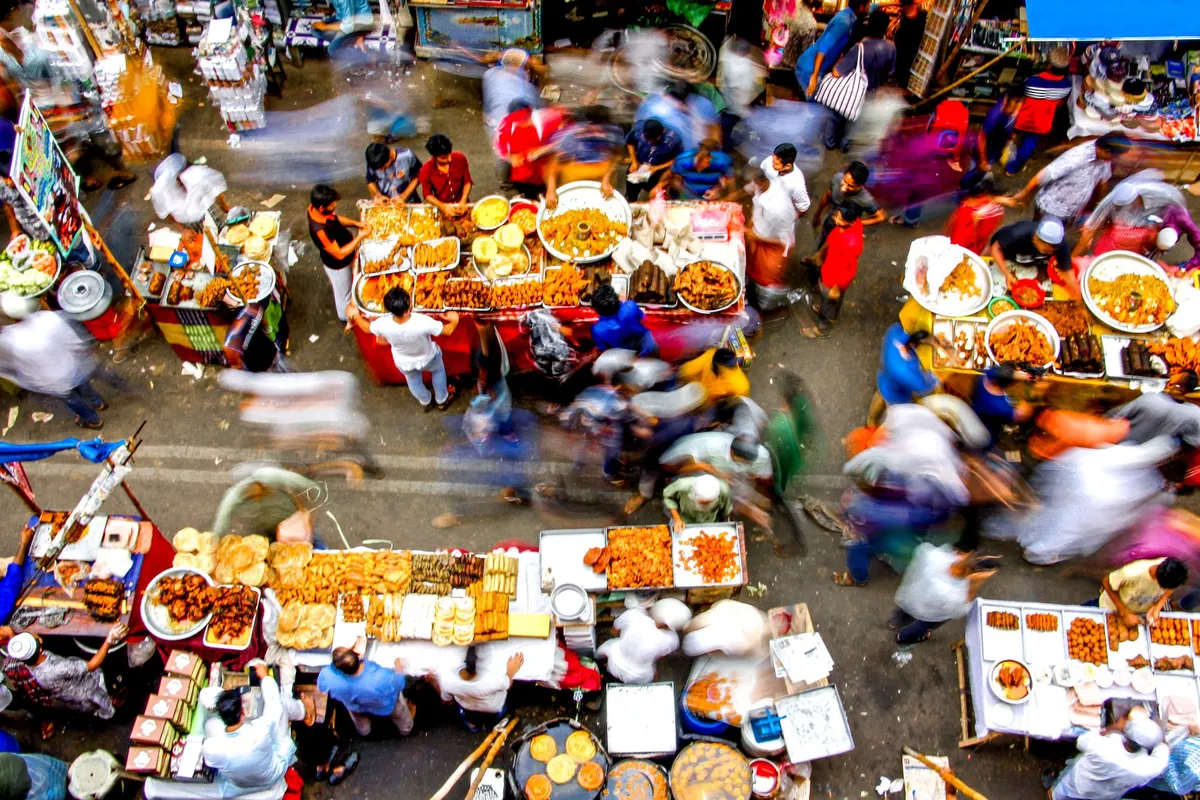
The neon glow of Mumbai’s streets doesn’t just illuminate the skyline—it ignites the senses. Beneath the hum of traffic and the shuffle of a million footsteps, the city’s true heartbeat pulses in the sizzle of oil, the crackle of spices, and the laughter of vendors calling out their wares. This is where the soul of Mumbai isn’t just tasted—it’s felt. From the first light of dawn to the witching hour past midnight, the streets of this metropolis are a living, breathing buffet of flavors, where a humble vada pav can taste like a revolution and a cup of sugarcane juice feels like liquid gold. Mumbai’s street food isn’t just food—it’s a cultural phenomenon, a daily ritual, and a defiant act of joy in a city that never sleeps. Here, the rich and the poor, the student and the CEO, the night-shift worker and the daydreamer all stand side by side, united by the same cravings. The stalls, crammed into alleyways and perched on railway platforms, are temples of taste where recipes have been perfected over generations. And yet, for all its fame, Mumbai’s street food remains a mystery to outsiders—a labyrinth of flavors where every corner hides a new discovery. So, pull up a plastic stool, ignore the honking horns for a moment, and let’s take a bite out of the real Mumbai. This is Part 2 of the series. Read Part 1 here.The Hygiene Dilemma: Can You Really Eat That? For all its charm, Mumbai’s street food scene has a dark underbelly: hygiene concerns. The same stalls that serve up piping hot vada pav and sizzling Pav Bhaji often operate in less-than-ideal conditions. Open drains, dusty streets, and a lack of refrigeration can turn a simple snack into a health hazard. And yet, Mumbaikars keep coming back. Why? The answer lies in trust. For generations, street food vendors have built loyal customer bases by perfecting their recipes and maintaining consistency. Many vendors use fresh ingredients daily, and some even have their own secret techniques to keep their food safe. But the risks are real. In 2011, a Pani Puri vendor in Thane was caught on camera urine into a container used to serve customers, sparking a public uproar and a political firestorm. The incident led to crackdowns on street food vendors, with political parties like Shiv Sena and Maharashtra Navnirman Sena targeting Pani Puri and Bhel Puri stalls. The controversy highlighted the vulnerability of street food vendors, who often operate without licenses or permits. In 2009, a news report revealed that no hawking licenses had been issued in Mumbai for 20 years, despite the city having an estimated 250,000 hawkers. The Supreme Court later ruled in favor of legalizing hawking zones, but the implementation has been slow. Today, only about 17,000 vendors have valid licenses, leaving the rest in a legal gray area. For Mumbaikars, the choice is simple: support the street food they love or risk losing it forever. Many vendors have taken matters into their own hands, installing handwashing stations and using disposable plates to improve hygiene. But the battle is far from over. The Political Battles: When Street Food Becomes a Pawn  across the country. Kwality Walls, a Mumbai-based ice cream brand, turned kulfi into a global dessert. And Haldiram’s, a Rajasthani snack brand with a strong Mumbai presence, started selling Bhel Puri and Sev Puri in supermarkets worldwide. The result? Mumbai’s street food is no longer just a local treasure—it’s a global brand. The Dark Side of Globalization: When Street Food Loses Its Soul  are being paved over, street vendors are being relocated, and traditional stalls are being replaced by sterile food courts. The loss of street food stalls isn’t just a culinary tragedy—it’s a cultural one. These stalls are more than just places to eat; they’re community hubs, social equalizers, and living museums of Mumbai’s history. When they disappear, so does a piece of the city’s soul. The solution? Preservation through innovation. Some vendors are moving indoors, setting up pop-up stalls in food halls or food trucks. Others are embracing technology, using social media to attract customers and delivery apps to reach new audiences. But the real challenge is keeping the spirit alive. Can a Vada Pav served in a sterile food court ever taste as good as one from a gritty street stall? Probably not. The Legal Battles: When the Law Doesn’t Understand the StreetMumbai’s street food vendors are entrepreneurs, artists, and cultural ambassadors. But they’re also outlaws—operating without licenses, permits, or legal protection. The municipality’s crackdowns on hawkers are short-sighted, treating street food as a nuisance rather than a cultural treasure. The Supreme Court’s ruling to legalize hawking zones was a step in the right direction, but the implementation has been slow. Until vendors are given proper infrastructure—like covered stalls, waste disposal systems, and training in food safety—they’ll continue to operate in the shadows. The real solution is collaboration. The municipality, vendors, and consumers need to work together to create a sustainable model for street food. That means legalizing hawking zones, providing training in hygiene, and promoting street food as a cultural asset. The Global Opportunity: Can Mumbai’s Street Food Go Mainstream Without Losing Its Soul?Mumbai’s street food has global potential. Dishes like Vada Pav, Bhel Puri, and Pav Bhaji are flavor-packed, affordable, and easy to adapt for international palates. But the key to success is authenticity. If Mumbai’s street food becomes too commercialized, it risks losing the magic that makes it special. The future lies in balancing tradition with innovation. That means preserving the recipes, supporting local vendors, and celebrating the culture behind the food. It means educating the world about the history and heritage of Mumbai’s street food, not just its taste. For now, the best way to experience Mumbai’s street food is still on the streets—where the chaos, the flavor, and the soul of the city come together in every bite.Mumbai’s Street Food: A Love Letter to the City’s Soul Mumbai’s street food isn’t just a culinary experience—it’s a cultural journey. It’s the sizzle of the oil on a rainy afternoon, the laughter of friends sharing a plate of Bhel Puri, the spicy kick of a Misal Pav that makes your eyes water. It’s the defiant joy of eating on the streets in a city that never stops moving. For all its controversies and challenges, Mumbai’s street food remains alive and thriving. It’s a testament to the city’s resilience, its diversity, and its unbreakable spirit. And as long as there are hawkers with carts, students with empty stomachs, and dreamers with cravings, Mumbai’s streets will keep serving up the flavors of a city that never sleeps. So the next time you’re in Mumbai, forget the restaurants. Skip the fancy cafes. Head to the streets, find a plastic stool, and let the magic of Mumbai’s street food take over. Because in this city, the best meals aren’t served on plates—they’re served on the wind, with a side of chaos, flavor, and soul.MumbaiStreetFood #VadaPavLove #BhelPuriMagic #PavBhajiDiaries #MumbaiEats Related InsightsL'Alchimie du Levant : Quand l'Histoire se Déguste en Mezze Portuguese Pastéis de Nata: The Custard Tart's Sweet History (Part 2) Har Gow: The Translucent Shrimp Dumpling Masterpiece{ "@context": "https://schema.org", "@type": "FAQPage", "mainEntity": [ { "@type": "Question", "name": "What is the main focus of Mumbai’s Midnight Feast: The Spicy, Crunchy, Unforgettable Soul of the City’s Streets (Part 2)?", "acceptedAnswer": { "@type": "Answer", "text": "Dive into Mumbai’s chaotic, flavor-packed street food scene—where every bite tells a story of culture, chaos, and culinary genius." } }, { "@type": "Question", "name": "Who authored the comprehensive guide on Mumbai’s Midnight Feast: The Spicy, Crunchy, Unforgettable Soul of the City’s Streets (Part 2)?", "acceptedAnswer": { "@type": "Answer", "text": "This detailed article and its insights were carefully researched and authored by Michael Chef." } }, { "@type": "Question", "name": "Where can I find more related content about Food?", "acceptedAnswer": { "@type": "Answer", "text": "You can explore more articles, detailed reviews, and similar insights by browsing the Related Insights section at the bottom of this article or visiting our dedicated Food category page." } } ] }
-
 Isabella Rossi
 - 16 Aug, 2026 07:10
Savor the World: The Ultimate Guide to the Planet’s Most Exquisite Food Markets
Where the World’s Flavors Collide: A Culinary Journey Through the Best Food Markets Food markets are the beating hearts of cities, where history, culture, and flavor intertwine in every bite. They are not just places to shop—they are living museums of culinary tradition, innovation, and community. Whether you’re a seasoned traveler or a curious foodie, these markets offer an unfiltered glimpse into the soul of a destination. From the aromatic spice stalls of Istanbul to the sizzling seafood grills of Tokyo, each market tells a story through its ingredients, techniques, and the people who bring them to life. But with so many incredible markets around the world, how do you choose where to go? What dishes should you prioritize? And how can you navigate these bustling hubs like a local? In this guide, we’ll take you on a gastronomic tour of the planet’s most extraordinary food markets, breaking down the must-try foods, hidden gems, and insider tips to make your visit unforgettable.Marrakech’s Jemaa el-Fnaa: A Symphony of Spices and Street Food Magic Few places on Earth capture the essence of a culture as vividly as Marrakech’s Jemaa el-Fnaa. This UNESCO-listed square transforms from a quiet plaza by day into a pulsating food market by night, where the air is thick with the scent of cumin, saffron, and grilled meats. The market is a sensory overload in the best possible way—vendors shout in Arabic and French, the clatter of tagines echoes through the alleys, and the flicker of lanterns casts a golden glow over the stalls. At the heart of Jemaa el-Fnaa is the food section, where rows of makeshift kitchens serve up Morocco’s most iconic dishes. Must-try foods include:Tanjia: A slow-cooked lamb dish named after the clay pot it’s prepared in. The meat is marinated in preserved lemon, garlic, and spices, then simmered for hours until it’s fall-off-the-bone tender. Locals swear by the tanjia from the stalls near the center of the square. Harira: A hearty soup made with tomatoes, lentils, chickpeas, and lamb, traditionally eaten to break the fast during Ramadan. The version sold here is rich, spiced with cinnamon and ginger, and often served with a squeeze of lemon. Snail soup: A surprisingly popular street food, this dish features snails simmered in a spicy broth with herbs. It’s an acquired taste but a rite of passage for visitors looking to dive deep into Moroccan cuisine.Pro tip: Arrive at sunset to watch the market come alive, but don’t eat right away. Wander through the spice stalls first—vendors will often let you sample their wares, and you’ll get a better sense of the flavors you’re about to encounter. For the best tanjia, head to the stalls run by older men in traditional djellabas; they’ve been perfecting the recipe for decades.Bangkok’s Chatuchak Weekend Market: A Feast for the Senses Bangkok’s Chatuchak Weekend Market is not just a market—it’s a phenomenon. Spanning 35 acres and housing over 15,000 stalls, it’s one of the largest markets in the world. But beyond its sheer size, Chatuchak is a paradise for food lovers, offering everything from Thai street food classics to exotic delicacies you won’t find anywhere else. The market is divided into sections, but the food area is where the real magic happens. Here’s what you can’t miss:Som Tam (Green Papaya Salad): A fiery, tangy salad made with shredded unripe papaya, chili, lime, fish sauce, and palm sugar. The best versions are made to order, with vendors pounding the ingredients in a mortar and pestle right in front of you. Grilled river prawns: These massive prawns are marinated in garlic, pepper, and cilantro, then grilled over charcoal until they’re crispy on the outside and juicy on the inside. They’re often served with a spicy dipping sauce made from chili and tamarind. Mango Sticky Rice: Thailand’s most beloved dessert, this dish features sweet, ripe mango served over glutinous rice drizzled with coconut milk. The version at Chatuchak is legendary—creamy, fragrant, and perfectly balanced.Pro tip: Chatuchak is enormous, so plan your route. The food section is in the northern part of the market, near the exit at Kamphaeng Phet 2. Go early to avoid the midday heat and crowds, and bring cash—many stalls don’t accept cards. Also, be adventurous: Chatuchak is one of the few places where you can try insects like crickets or silkworm larvae, if you’re feeling daring.Tokyo’s Tsukiji Outer Market: A Seafood Lover’s Paradise Tokyo’s Tsukiji Outer Market is a shrine to seafood, where the freshest fish in the world changes hands before dawn. While the inner wholesale market has moved to Toyosu, the outer market remains a must-visit for food enthusiasts. Here, you’ll find everything from sushi-grade tuna to steaming bowls of ramen, all within a few blocks. The market is divided into two main areas: the sushi stalls and the general food stalls. Don’t leave without trying:Otorodako (Giant Pacific Octopus): A local specialty, this dish features octopus that’s been boiled and sliced, then served with a sweet soy-based sauce. The texture is tender and slightly chewy, with a mild oceanic flavor. Tamagoyaki (Japanese Omelette): A sweet, layered omelette made with eggs, sugar, and soy sauce. The version at Tsukiji is fluffy and slightly caramelized, often served as a side dish or in bento boxes. Uni (Sea Urchin): Tsukiji is one of the best places in the world to try uni, which is prized for its creamy, briny flavor. It’s often served over rice as a sushi topping or in a bowl of steamed rice as a uni-don.Pro tip: Arrive early—many stalls open around 5 AM, and the best spots sell out by 9 AM. If you’re not an early riser, don’t worry; the market stays lively until the afternoon. For the freshest seafood, head to the sushi stalls along the main street, where chefs prepare nigiri right in front of you. And if you’re feeling adventurous, try the fugu (pufferfish) if it’s in season—just make sure the chef is licensed to prepare it!Istanbul’s Spice Bazaar and the Grand Bazaar: A Feast for the Eyes and Palate Istanbul’s Spice Bazaar (Mısır Çarşısı) and the Grand Bazaar are two of the most iconic markets in the world, but their culinary offerings are often overshadowed by their reputation as shopping destinations. However, hidden among the textiles and jewelry are some of the most delicious foods Turkey has to offer. The Spice Bazaar is a labyrinth of stalls selling everything from dried fruits to Turkish delight, but the real gems are the food vendors tucked away in the corners. Must-try foods include:Baklava: While baklava is available throughout Turkey, the version at the Spice Bazaar is legendary. Look for stalls that use pistachios and honey, and ask for a sample before buying—some vendors will happily give you a tiny piece to taste. Künefe: A sweet cheese pastry soaked in syrup and baked until crispy, often served with clotted cream. The best kunefe in Istanbul is made with fresh cheese and cooked in a copper pan over charcoal. Simit: A circular sesame-crusted bread that’s a staple of Turkish breakfast. The simit sold at the Spice Bazaar is freshly baked and best eaten warm, with a sprinkle of salt or a smear of kaymak (clotted cream).Pro tip: The Spice Bazaar can be overwhelming, so focus on the food stalls near the entrance on the Eminönü side. For a more immersive experience, visit the Grand Bazaar’s food section, where you’ll find vendors selling everything from simit to kebabs. And don’t forget to haggle—it’s expected in Turkish markets, and a little negotiation can go a long way in getting a better price.Mexico City’s Mercado de San Juan: A Celebration of Mexican Gastronomy Mexico City’s Mercado de San Juan is a gourmet’s dream, where high-end ingredients meet traditional street food. Unlike the more touristy markets, San Juan is a favorite among locals and chefs, offering everything from exotic meats to artisanal cheeses. The market is divided into sections, but the food hall is where the magic happens. Here’s what you should try:Chapulines (Grasshoppers): A Oaxacan specialty, these toasted grasshoppers are seasoned with chili and lime, offering a crunchy, savory snack. They’re often served in tacos or as a topping for guacamole. Cochinita Pibil: A Yucatecan slow-roasted pork dish marinated in achiote and sour orange juice, then wrapped in banana leaves and baked. The version at San Juan is tender and infused with citrusy, earthy flavors. Queso de Tuna: A unique cheese made from the fruit of the prickly pear cactus, often served with honey or in salads. It’s creamy, slightly sweet, and unlike anything you’ve ever tasted.Pro tip: Mercado de San Juan is a bit more upscale than other markets, so prices are higher. However, the quality is unmatched. For the best cochinita pibil, head to the stall run by a woman in a traditional huipil—she’s been perfecting the recipe for years. And if you’re feeling adventurous, ask for a tasting of escamoles (ant larvae), a delicacy in Mexican cuisine.A Taste of the World: What to Eat and Where Food markets are more than just places to eat—they’re cultural landmarks that offer a glimpse into the heart of a city. Whether you’re feasting on tanjia in Marrakech, slurping som tam in Bangkok, or savoring fresh sushi in Tokyo, each market tells a story through its flavors and traditions. To help you plan your culinary adventures, here’s a quick breakdown of the must-try dishes and where to find them:Market Must-Try Dish Price Range (USD) Best Time to VisitJemaa el-Fnaa (Marrakech) Tanjia $3–$5 Sunset to late nightChatuchak (Bangkok) Som Tam $2–$4 Early morning to afternoonTsukiji (Tokyo) Otorodako $5–$10 Dawn to mid-morningSpice Bazaar (Istanbul) Baklava $1–$3 Morning to afternoonMercado de San Juan (Mexico City) Cochinita Pibil $4–$8 Mid-morning to eveningBeyond the Plate: The Soul of Food Markets Food markets are where culture, history, and community come together in the most delicious way possible. They are places of connection, where strangers become friends over shared plates of food, and where the past and present collide in every bite. As you explore these markets, remember that the best experiences often come from stepping outside your comfort zone. Try that dish you’ve never heard of. Strike up a conversation with a vendor. Let the flavors guide you. Because in the end, the best food markets aren’t just about what you eat—they’re about the stories you take home with you. So pack your appetite, leave your reservations at the door, and get ready to savor the world, one market at a time.#FoodMarkets #StreetFoodAroundTheWorld #CulinaryTravel #EatLikeALocal #GlobalFlavors Related InsightsGlobal Secrets of Preserved Lemons & Salt‑Cured Citrus: From Marrakech Markets to Tokyo Kitchens The Alchemy of Butter and Flour: Unlocking the Secrets of French Pâtisserie The Edible Pulse of Mumbai: A Gastronomic Odyssey Through the Khau Gallis{ "@context": "https://schema.org", "@type": "FAQPage", "mainEntity": [ { "@type": "Question", "name": "What is the main focus of Savor the World: The Ultimate Guide to the Planet’s Most Exquisite Food Markets?", "acceptedAnswer": { "@type": "Answer", "text": "From the bustling souks of Marrakech to the vibrant night markets of Bangkok, discover the world’s best food markets and the must-try dishes that define them." } }, { "@type": "Question", "name": "Who authored the comprehensive guide on Savor the World: The Ultimate Guide to the Planet’s Most Exquisite Food Markets?", "acceptedAnswer": { "@type": "Answer", "text": "This detailed article and its insights were carefully researched and authored by Isabella Rossi." } }, { "@type": "Question", "name": "Where can I find more related content about Food?", "acceptedAnswer": { "@type": "Answer", "text": "You can explore more articles, detailed reviews, and similar insights by browsing the Related Insights section at the bottom of this article or visiting our dedicated Food category page." } } ] }
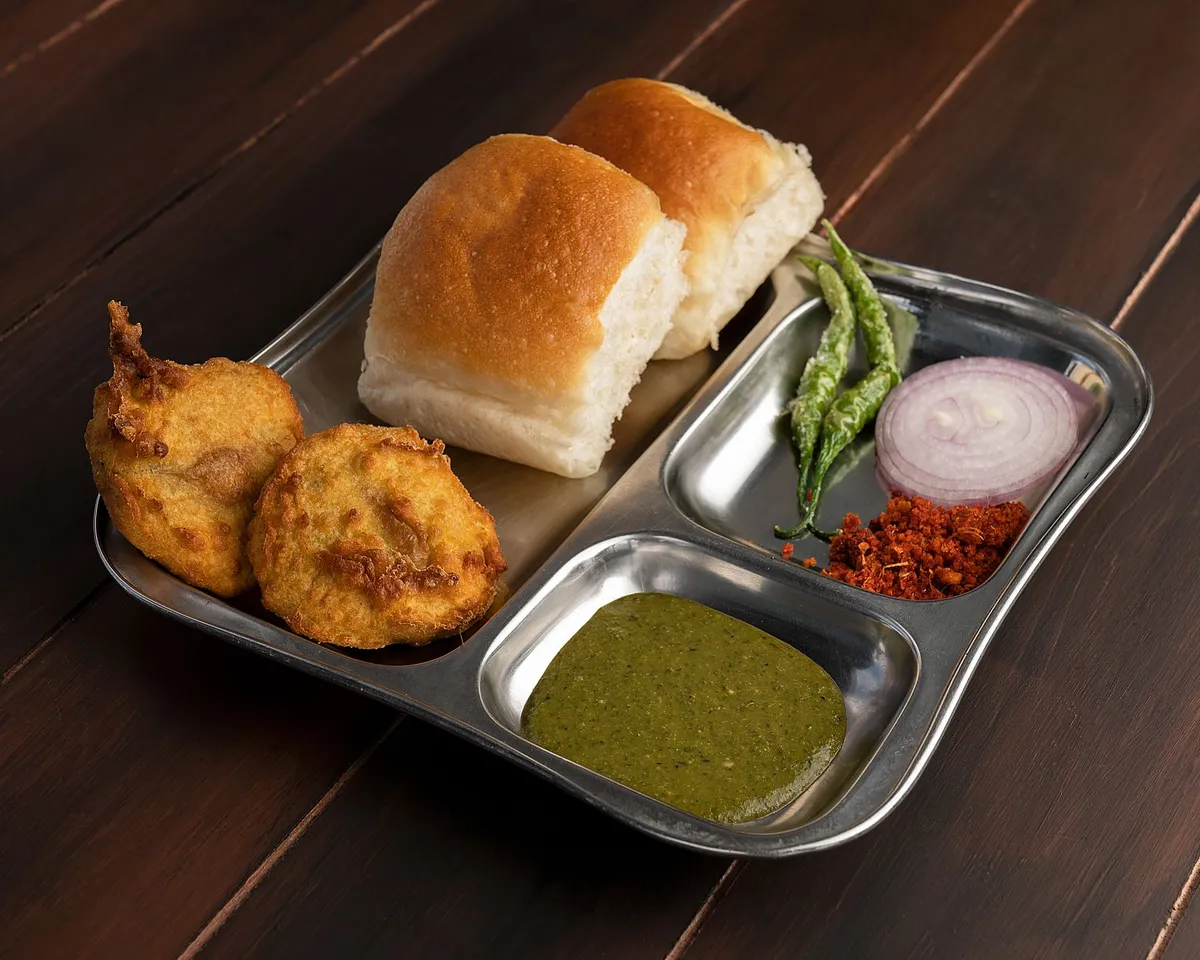
Die Straßen von Mumbai sind ein kulinarischer Traum, ein Ort, an dem die Sinne durch die vielfältigen Düfte und Geschmacksrichtungen der Straßenküche betört werden. Von den frühen Morgenstunden bis in die späten Abendstunden bieten die Straßenhändler ihre Köstlichkeiten an, von denen viele zu echten Klassikern der Stadt geworden sind. Die Straßenküche Mumbais ist nicht nur ein Teil der Stadt, sondern ein wichtiger Bestandteil ihrer Identität. Die Vielfalt der Straßenküche Mumbai, die Hauptstadt von Maharashtra, ist bekannt für ihre Maharashtrianische Küche, die sich in den Straßen der Stadt widerspiegelt. Vada Pav, ein Sandwich aus frittierten Kartoffeln und Weißbrot, ist eines der beliebtesten Straßenessen der Stadt. Ein weiteres Highlight ist Eggs Kejriwal, ein Sandwich aus Spiegeleiern und verschiedenen Gewürzen. Andere beliebte Straßenessen sind Dabeli, Panipuri, Bhel Puri, Sev Puri, Dahipuri, Sandwiches, Ragda Pattice, Pav Bhaji, Chinese Bhel, Khaman, Dhokla, Idli und Dosa, die alle vegetarisch sind.In den letzten Jahrzehnten hat sich die Straßenküche Mumbais weiterentwickelt und bietet jetzt auch eine Vielzahl an nicht-vegetarischen Gerichten an, wie Omelett, Kebab und Fisch. Die Stadt ist ein Schmelztiegel der Kulturen, und dies spiegelt sich auch in ihrer Küche wider. In den 80er Jahren begann die Indianisierte chinesische Küche, in Mumbai populär zu werden, und heute gibt es eine Vielzahl an chinesisch-indischen Gerichten in den Straßen der Stadt. Die Straßenhändler und ihre Stände Die Straßenhändler Mumbais sind die Seele der Stadt und bieten ihre Waren an, von früh bis spät. Sie sind überall in der Stadt zu finden, von den belebten Straßen in den Geschäftsbezirken bis zu den ruhigeren Vierteln. Die Straßenhändler bieten nicht nur Essen an, sondern auch Getränke, wie frischen Orangensaft, Wasser und Tee. Die Stadt hat auch eine Vielzahl an Saft- und Milkshake-Bars, die eine breite Palette an Getränken anbieten.Die Straßenhändler in Mumbai sind bekannt für ihre Freundlichkeit und ihre Fähigkeit, die Kunden zufriedenzustellen. Sie bieten eine Vielzahl an Gerichten an, von denen viele speziell für die Straßenküche entwickelt wurden. Die Preise sind sehr niedrig, und die Qualität der Gerichte ist hoch. Die Straßenhändler in Mumbai sind ein wichtiger Teil der Stadt und bieten eine einzigartige Erfahrung für die Besucher. Die Kontroversen um die Straßenküche Trotz ihrer Beliebtheit gibt es auch Kontroversen um die Straßenküche in Mumbai. Einige Menschen sind besorgt über die Hygiene und die Sicherheit der Gerichte, die auf den Straßen verkauft werden. Es gibt auch Bedenken über die Rechte der Straßenhändler, die oft ohne die notwendigen Genehmigungen arbeiten. Die Stadtverwaltung hat versucht, die Straßenhändler zu regulieren, aber es gibt immer noch viele Probleme, die gelöst werden müssen.Die Straßenküche in Mumbai ist ein wichtiger Teil der Stadt und ihrer Kultur. Sie bietet eine einzigartige Erfahrung für die Besucher und ist ein wichtiger Teil der Identität der Stadt. Es ist wichtig, dass die Stadtverwaltung und die Straßenhändler zusammenarbeiten, um sicherzustellen, dass die Straßenküche sicher und hygienisch ist. Die Zukunft der Straßenküche Die Zukunft der Straßenküche in Mumbai ist ungewiss. Es gibt viele Herausforderungen, die die Stadt und die Straßenhändler überwinden müssen, um sicherzustellen, dass die Straßenküche weiterhin ein wichtiger Teil der Stadt ist. Es ist wichtig, dass die Stadtverwaltung und die Straßenhändler zusammenarbeiten, um die Straßenküche zu regulieren und zu unterstützen.Die Straßenküche in Mumbai ist ein wichtiger Teil der Stadt und ihrer Kultur. Sie bietet eine einzigartige Erfahrung für die Besucher und ist ein wichtiger Teil der Identität der Stadt. Es ist wichtig, dass die Stadtverwaltung und die Straßenhändler zusammenarbeiten, um sicherzustellen, dass die Straßenküche weiterhin ein wichtiger Teil der Stadt ist. #Reise #Essen #Mumbai Related InsightsIl Garum Pompeiano: Il Sangue Salato degli Dei e la Sua Rinascita Gastronomica From Mongolian Steppes to American Diner Classics: The Untold Saga of the Hamburger Mumbai’s Edible Soul: The Spice, Chaos, and Unmatched Flavor of Its Street Food{ "@context": "https://schema.org", "@type": "FAQPage", "mainEntity": [ { "@type": "Question", "name": "What is the main focus of Die Straßen von Mumbai: Ein kulinarischer Traum?", "acceptedAnswer": { "@type": "Answer", "text": "Entdecken Sie die vielfältige und leckere Straßenküche Mumbais, von Vada Pav bis Bhel Puri." } }, { "@type": "Question", "name": "Who authored the comprehensive guide on Die Straßen von Mumbai: Ein kulinarischer Traum?", "acceptedAnswer": { "@type": "Answer", "text": "This detailed article and its insights were carefully researched and authored by Klaus Weber." } }, { "@type": "Question", "name": "Where can I find more related content about Food?", "acceptedAnswer": { "@type": "Answer", "text": "You can explore more articles, detailed reviews, and similar insights by browsing the Related Insights section at the bottom of this article or visiting our dedicated Food category page." } } ] }
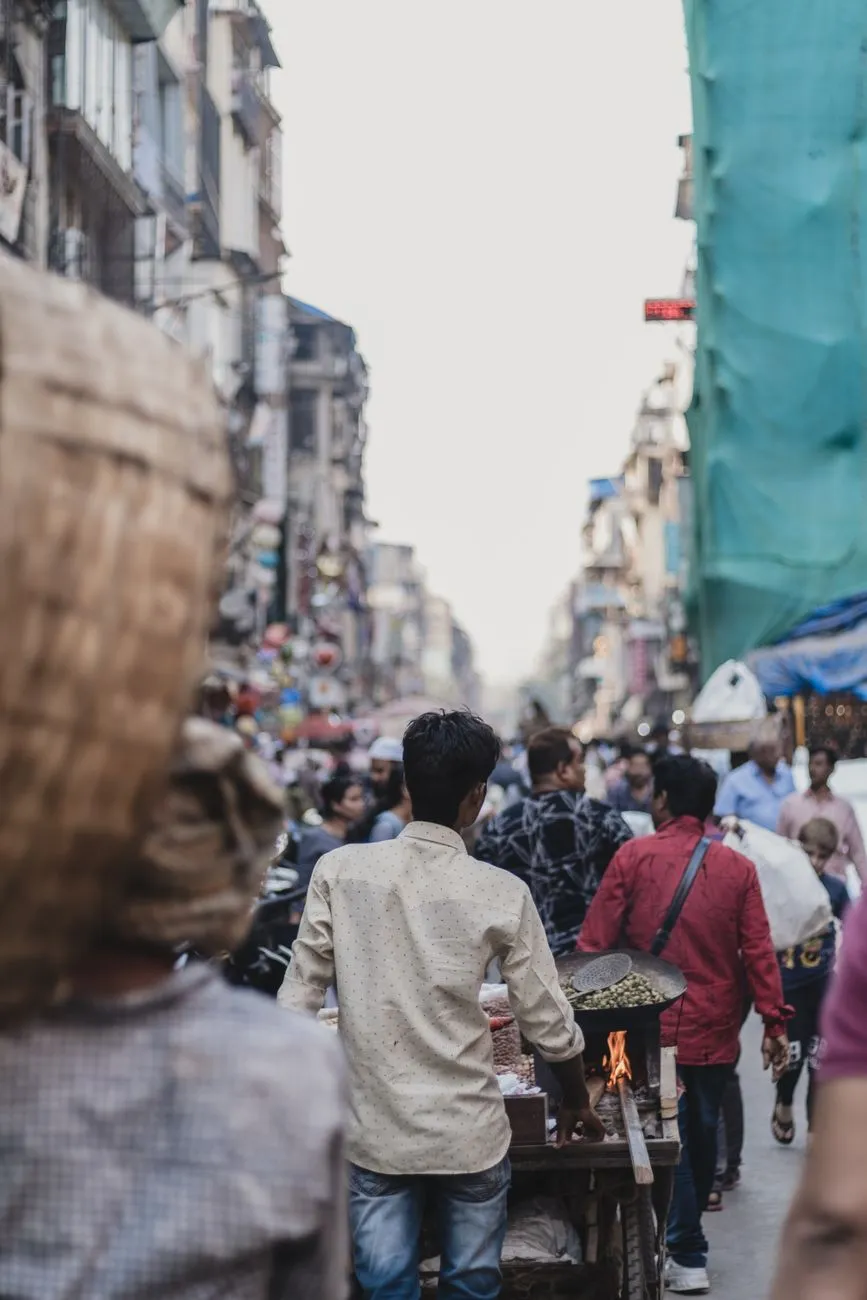
La città di Mumbai, conosciuta anche come la "città che non dorme", è un luogo dove la varietà di sapori e di culture si incontrano in ogni angolo. La strada dei sapori, infatti, è un percorso gastronomico che attraversa le vie di Mumbai, offrendo ai visitatori una vasta gamma di opzioni per soddisfare la loro fame e curiosità. In questo articolo, vi porterò in un viaggio alla scoperta dei sapori più autentici e deliziosi della strada dei sapori di Mumbai. La Varietà dei Sapori Mumbai, essendo la capitale del Maharashtra, è dominata dalla cucina maharashtriana. Tuttavia, la città è anche un melting pot di culture e sapori diversi, che si riflettono nella varietà di street food disponibili. Tra i più popolari, troviamo la Vada Pav, un sandwich di patate fritte servite in un panino, e la Eggs Kejriwal, un'omelette con verdure e spezie. Altri piatti famosi includono il Dabeli, il Panipuri, il Bhel Puri e il Sev Puri, tutti vegetariani.Le Zone dei Sapori Le strade di Mumbai sono piene di vita e di sapori, con venditori ambulanti che offrono una vasta gamma di opzioni per i visitatori. Le zone più famose per la strada dei sapori sono il Girgaon Chowpatty beach, dove si possono trovare i migliori Bhel Puri e Kulfi della città, e il Nariman Point, dove i venditori di street food fanno affari durante l'ora di pranzo. Inoltre, le strade di Mumbai sono piene di juice e milkshake bar, dove si possono trovare freschi succhi di frutta e milkshake deliziosi.I Controversi della Strada dei Sapori Nonostante la popolarità della strada dei sapori, ci sono anche alcune controversie legate alla sua gestione. Alcune persone evitano di mangiare street food a causa di problemi di igiene, mentre altri sostengono che la strada dei sapori sia un'importante parte della cultura della città. Inoltre, ci sono stati casi di venditori ambulanti che hanno subito attacchi da parte di gruppi politici, che hanno cercato di limitare la loro attività. Tuttavia, la strada dei sapori continua a essere un'importante parte della vita di Mumbai, e i suoi sapori e culture continuano a essere apprezzati da visitatori di tutto il mondo.La Cultura della Strada dei Sapori La strada dei sapori di Mumbai è più di un semplice luogo dove mangiare, è una cultura che riflette la varietà e la diversità della città. I venditori ambulanti sono spesso i custodi di tradizioni e ricette che vengono tramandate di generazione in generazione, e i loro piatti sono un riflesso della storia e della cultura della città. Inoltre, la strada dei sapori è anche un luogo dove le persone si incontrano e si scambiano storie, creando una comunità che trascende le barriere culturali e sociali.In conclusione, la strada dei sapori di Mumbai è un luogo unico e affascinante, dove la varietà di sapori e culture si incontrano in ogni angolo. Dai tradizionali piatti maharashtriani ai deliziosi dolci come il Kulfi, la strada dei sapori di Mumbai ha qualcosa da offrire a tutti. Quindi, se siete alla ricerca di un'esperienza gastronomica autentica e unica, la strada dei sapori di Mumbai è il luogo giusto per voi. #StreetFood #Mumbai #CucinaIndiana #ViaggioGastronomico #India Related InsightsIl Misterioso Goulash: Un Viaggio Gastronomico attraverso l'Europa Centrale{ "@context": "https://schema.org", "@type": "FAQPage", "mainEntity": [ { "@type": "Question", "name": "What is the main focus of La Strada dei Sapori: Un Viaggio Gastronomico a Mumbai?", "acceptedAnswer": { "@type": "Answer", "text": "Scopri la varietà infinita di street food a Mumbai, dalla tradizionale Vada Pav ai deliziosi dolci come il Kulfi." } }, { "@type": "Question", "name": "Who authored the comprehensive guide on La Strada dei Sapori: Un Viaggio Gastronomico a Mumbai?", "acceptedAnswer": { "@type": "Answer", "text": "This detailed article and its insights were carefully researched and authored by Giovanni Luigi." } }, { "@type": "Question", "name": "Where can I find more related content about Cibo?", "acceptedAnswer": { "@type": "Answer", "text": "You can explore more articles, detailed reviews, and similar insights by browsing the Related Insights section at the bottom of this article or visiting our dedicated Cibo category page." } } ] }
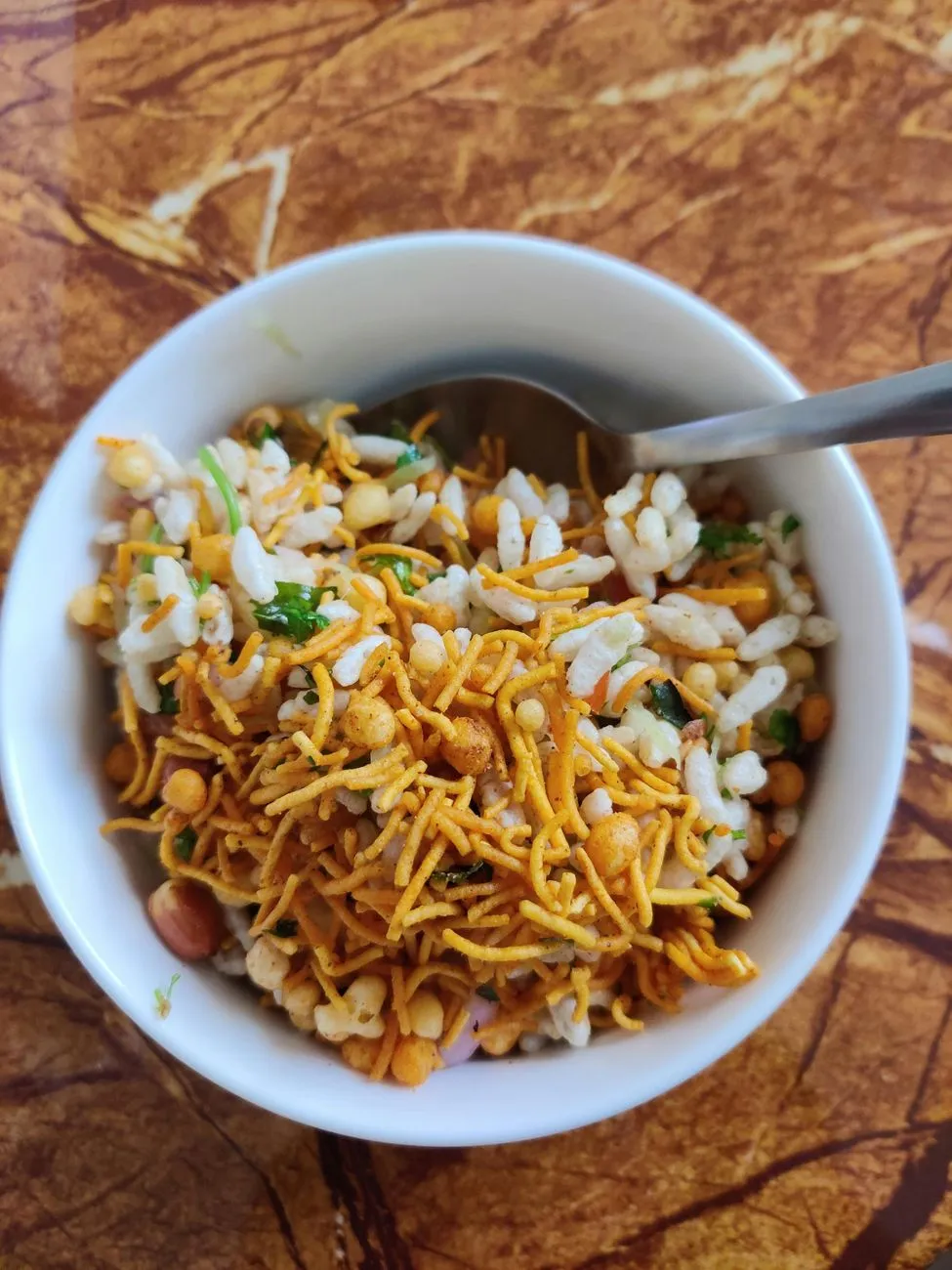
- Michael Chef
- 10 Aug, 2026 18:42
Mumbai’s Melting Pot of Flavors: The Soul-Satisfying Street Food That Defines the City
The neon glow of Mumbai’s streets doesn’t just illuminate the skyline—it ignites the senses. Beneath the hum of traffic and the rush of humanity, a symphony of sizzling pans, hissing steam, and the rhythmic clatter of utensils plays out in every corner. This is where the city’s heartbeat isn’t just felt; it’s tasted. Mumbai’s street food isn’t just sustenance—it’s a cultural mosaic, a rebellion against convention, and a testament to the city’s unapologetic love for bold, unfiltered flavors. From the first light of dawn to the late-night glow of neon signs, the streets of Mumbai serve up more than meals; they dish out memories, nostalgia, and a slice of the city’s chaotic soul.The Golden Age of Mumbai’s Street Food: A Legacy Carved in Spice and Chaos Long before Mumbai became the financial capital of India, its streets were already a thriving marketplace of flavors. The city’s street food culture didn’t emerge overnight—it evolved over centuries, shaped by waves of migration, colonial influences, and the relentless hustle of its people. The Portuguese, British, and Gujarati traders all left their culinary fingerprints, but it was the Marathi-speaking locals who truly made street food a way of life. The result? A culinary playground where affordability meets innovation, and where a humble vada pav or a plate of bhel puri can spark conversations that last for hours. What makes Mumbai’s street food so legendary isn’t just its taste—it’s its accessibility. Unlike the rigid menus of high-end restaurants, street food in Mumbai is democratic. A daily wage worker, a college student cramming for exams, and a corporate executive on a lunch break all stand side by side, united by their cravings. The stalls, often no bigger than a closet, become temporary sanctuaries where class distinctions dissolve into the aroma of fried onions, tangy chutneys, and the unmistakable smokiness of a kebab sizzling on a grill. The Crown Jewels of Mumbai’s Street Food: Dishes That Define the City Vada Pav: The Humble Burger That Conquered a Megacity No exploration of Mumbai’s street food is complete without bowing to the vada pav—the city’s unofficial national snack. Born in the 1970s in the bustling streets of Dadar, this deep-fried potato dumpling (vada) stuffed inside a soft pav (bread roll) is the ultimate comfort food. The vada, spiced with garlic, ginger, and green chilies, is coated in a crispy chickpea batter and fried to golden perfection. Served with a side of fiery green chutney and sweet tamarind sauce, it’s a flavor explosion that costs less than a dollar. What’s fascinating about vada pav is its adaptability. From the classic version to gourmet twists like cheese vada pav or schezwan vada pav, the dish has evolved without losing its soul. Street vendors, or bhaiyyas as they’re affectionately called, have turned vada pav into an art form, each stall boasting its own secret spice blend. It’s no wonder that even Michelin-starred chefs in London have tried to replicate its magic—though none can quite capture the magic of eating it under a Mumbai sky, with the city’s symphony of honks and chatter as your soundtrack. Panipuri: The Crunchy, Tangy, Addictive Bite-Sized Balloon Few things in life are as satisfying as the first pop of a panipuri between your teeth. This deceptively simple dish—crisp hollow puris filled with spiced water, tamarind chutney, potato, chickpeas, and sweet chutney—is a rollercoaster of textures and flavors. The puris themselves are made from semolina or wheat flour, fried until they’re light as air, then filled with a medley of ingredients that dance on your palate. Panipuri isn’t just a snack; it’s an experience. The act of assembling it yourself—choosing your fillings, balancing the flavors, and finally devouring it in one go—is almost meditative. Mumbai’s panipuri vendors are masters of their craft, their stalls often surrounded by a loyal crowd of regulars. Whether you prefer it spicy, sweet, or tangy, one thing’s for sure: once you’ve had panipuri from a Mumbai street, you’ll spend the rest of your life chasing that perfect bite. Bhel Puri: The Crunchy, Tangy, Umami-Packed Party in a Plate If panipuri is a bite-sized adventure, bhel puri is a full-blown flavor fiesta. This chaotic mix of puffed rice, sev (crispy chickpea noodles), onions, tomatoes, cilantro, and chutneys is a celebration of contrasts—crunchy yet soft, spicy yet sweet, tangy yet savory. The secret to a great bhel puri lies in the balance of its components, each adding its own personality to the dish. Mumbai’s beaches, especially Girgaon Chowpatty, are legendary for their bhel puri. Picture this: the salty breeze of the Arabian Sea, the golden hues of the setting sun, and a plate of bhel puri that’s been expertly tossed to perfection. It’s no wonder that this dish is a favorite among Mumbaikars looking to unwind after a long day. Pro tip: Add a squeeze of lemon and a sprinkle of sev right before eating to elevate the experience. Misal Pav: The Spicy, Hearty Breakfast That Fuels the City For those who wake up with a hunger that demands more than just a cup of chai, misal pav is the answer. This Maharashtrian street food staple consists of a spicy curry made from sprouted moth beans (matki), topped with onions, cilantro, lemon, and a dollop of butter. Served with a soft pav (bread roll), it’s a dish that’s as filling as it is flavorful. Misal pav is a dish with a history. Originally a humble farmer’s meal, it has evolved into a beloved street food that’s often enjoyed as a late-night snack or a post-party cure. The key to a great misal pav lies in the curry—it should be thick, spicy, and packed with the earthy flavors of sprouted beans. Top it with a fried egg, and you’ve got a meal that’s nothing short of a hug in a bowl. Pav Bhaji: The Buttery, Spicy, Comfort Food That Never Disappoints No list of Mumbai’s street food would be complete without pav bhaji—a dish that’s as much a part of the city’s identity as the local trains. This vibrant medley of mashed vegetables (typically potatoes, cauliflower, peas, and capsicum) cooked in a spicy tomato-based gravy is served with buttered pav (bread rolls). The dish originated in the 1850s as a quick meal for textile mill workers, but it has since become a staple in every Mumbaikar’s diet. What makes pav bhaji so special is its versatility. Whether you prefer it mild or fiery, with extra butter or a squeeze of lemon, there’s a version for everyone. Street vendors often customize the dish based on their customers’ preferences, making each plate a unique creation. And let’s not forget the theatrical flair with which pav bhaji is served—vendors often toss the bhaji in the air, a move that’s as much about showmanship as it is about mixing the flavors. The Unsung Heroes: Street Food Stalls and the People Behind Them Behind every plate of Mumbai’s street food is a story—a story of resilience, creativity, and an unshakable passion for the craft. The vendors, often referred to as hawker bhaiyyas or aunties, are the lifeblood of the city’s culinary scene. They wake up before dawn to prepare their ingredients, set up their stalls in the most unlikely of places, and work tirelessly until the last customer has been served. For many, this isn’t just a job; it’s a legacy passed down through generations. Take, for example, the panipuri vendor at Thane who was filmed urinating into a container in 2011. The incident sparked outrage and a political storm, but it also highlighted the struggles of street vendors in Mumbai. Many operate without licenses, paying bribes to avoid eviction, and living under the constant threat of municipal drives. Despite these challenges, they continue to serve the city with pride, their stalls becoming makeshift community centers where strangers become friends over a shared meal. The Dark Side of the Street: Hygiene, Controversies, and the Fight for Survival For all its charm, Mumbai’s street food scene isn’t without its controversies. Hygiene is a major concern, with critics pointing to the lack of proper sanitation and the use of questionable ingredients. The infamous 2011 panipuri incident, where a vendor was caught urinating into a serving container, was a stark reminder of the challenges faced by the city’s street food vendors. The incident led to a crackdown on panipuri and bhelpuri stalls, with political parties targeting vendors and forcing many to shut down. Yet, despite these controversies, the love for street food in Mumbai remains undiminished. The city’s residents are fiercely loyal to their favorite stalls, often ignoring hygiene concerns in favor of the unbeatable flavors. Recognizing this, the Mumbai Municipal Corporation has taken steps to legalize street vending, demarcating 1,700 zones for hawkers. However, the implementation has been slow, and many vendors continue to operate in legal gray areas. Where to Find Mumbai’s Best Street Food: A Guide for the Adventurous Eater Girgaon Chowpatty: The Beachside Bhel Puri Paradise No trip to Mumbai is complete without a visit to Girgaon Chowpatty. This iconic beach is a hub for street food lovers, with stalls lining the shore offering everything from bhel puri to kulfi. The best time to visit is during sunset, when the sky is painted in hues of orange and pink, and the salty breeze carries the aroma of sizzling snacks. Nariman Point: The Financial Hub’s Lunch Break Escape For the office-goers of Nariman Point, street food is a lifeline. During lunch hour, the sidewalks transform into a bustling marketplace, with vendors selling everything from vada pav to Chinese bhel. The energy here is electric, with professionals grabbing quick bites between meetings, their conversations punctuated by the sizzle of kebabs and the clatter of utensils. Mohammed Ali Road: The Night Market Extravaganza If you’re in Mumbai during Ramadan, Mohammed Ali Road is a must-visit. The street transforms into a nocturnal wonderland, with stalls serving up kebabs, biryanis, and an array of sweets. The air is thick with the scent of spices, and the sound of laughter and clinking glasses fills the night. It’s a sensory overload in the best possible way. Juhu Beach: The Kulfi and Chaat Lover’s Dream Juhu Beach is famous for its kulfi, a frozen dairy dessert that’s a refreshing respite from the city’s heat. Vendors serve kulfi in cones or on sticks, with flavors ranging from classic mango to exotic kesar pista. Pair it with a plate of sev puri, and you’ve got a dessert that’s as satisfying as it is indulgent.The Global Invasion: How Mumbai’s Street Food Conquered the World Mumbai’s street food isn’t just confined to the city’s streets—it’s made its way into kitchens around the world. From London to New York, restaurants are putting their own spin on dishes like vada pav, bhel puri, and pav bhaji. Even fast-food chains in India have jumped on the bandwagon, launching homegrown versions of street food staples. What’s fascinating about this global adoption is how it’s evolved. Chefs abroad often infuse local ingredients into traditional dishes, creating fusion versions that pay homage to Mumbai’s culinary heritage while embracing new flavors. For example, a London-based restaurant might serve a vada pav with avocado and chipotle mayo, while a New York eatery could offer a bhel puri-inspired salad with quinoa and kale. These adaptations are a testament to the versatility and universal appeal of Mumbai’s street food.The Future of Mumbai’s Street Food: Innovation Meets Tradition As Mumbai continues to grow and modernize, the future of its street food scene hangs in a delicate balance. On one hand, there’s a push for modernization—food trucks, pop-up stalls, and even app-based delivery services are making street food more accessible than ever. On the other hand, there’s a growing appreciation for tradition, with younger generations seeking out authentic, time-honored recipes. One exciting trend is the rise of homegrown fast-food companies that serve street food. Brands like Burger Singh and The Bombay Canteen have taken inspiration from Mumbai’s street food culture, offering gourmet versions of classic dishes. These ventures are not only preserving the city’s culinary heritage but also giving it a contemporary twist. Another trend to watch is the increasing focus on hygiene and sustainability. With stricter regulations and a growing awareness of food safety, street food vendors are adopting better practices, from using stainless steel utensils to sourcing ingredients locally. These changes are slowly but surely transforming Mumbai’s street food scene into a more sustainable and health-conscious one. A Love Letter to Mumbai’s Street Food Mumbai’s street food is more than just a culinary experience—it’s a cultural phenomenon. It’s the sound of a sizzling kebab grill at 3 AM, the sight of a crowded stall where strangers become friends over a shared plate of misal pav, and the taste of a kulfi that instantly transports you to a childhood memory. It’s the chaos, the passion, and the unapologetic love for flavor that makes Mumbai’s streets so magical. So, the next time you find yourself in this city of dreams, don’t just visit the landmarks—venture into the labyrinth of its streets. Let the aroma of fried spices guide you, the sizzle of pans enchant you, and the warmth of a street vendor’s smile welcome you. Because in Mumbai, the best stories—and the best meals—are found not in restaurants, but on the streets.#MumbaiStreetFood #FoodieParadise #HiddenGemsOfIndia #StreetFoodLovers #FlavorOfMumbai Related InsightsTacos Al Pastor: Il Mio Viaggio nel Cuore della Messicana Cucina The Concrete Palette: Unveiling the Sizzling Soul of Mumbai's Sidewalks The Emerald Jewel of Turkish Cuisine: Çoban Salata with Walnuts – A Masterclass in Antioxidant-Rich Gastronomy{ "@context": "https://schema.org", "@type": "FAQPage", "mainEntity": [ { "@type": "Question", "name": "What is the main focus of Mumbai’s Melting Pot of Flavors: The Soul-Satisfying Street Food That Defines the City?", "acceptedAnswer": { "@type": "Answer", "text": "Dive into Mumbai’s vibrant street food culture, where every bite tells a story of tradition, chaos, and unmatched flavor—from vada pav to panipuri, and beyond." } }, { "@type": "Question", "name": "Who authored the comprehensive guide on Mumbai’s Melting Pot of Flavors: The Soul-Satisfying Street Food That Defines the City?", "acceptedAnswer": { "@type": "Answer", "text": "This detailed article and its insights were carefully researched and authored by Michael Chef." } }, { "@type": "Question", "name": "Where can I find more related content about Food?", "acceptedAnswer": { "@type": "Answer", "text": "You can explore more articles, detailed reviews, and similar insights by browsing the Related Insights section at the bottom of this article or visiting our dedicated Food category page." } } ] }
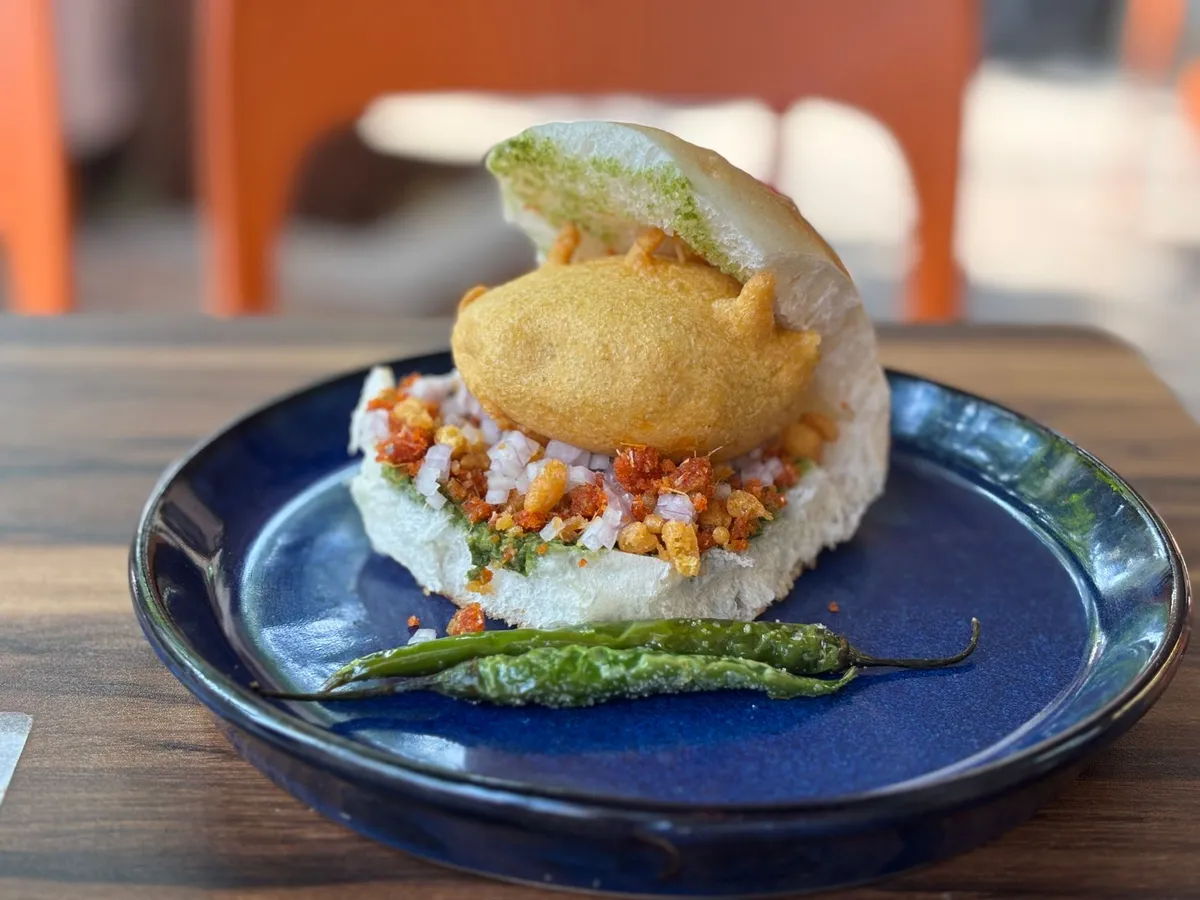
Les rues de Mumbai, la ville des rêves, sont un véritable paradis pour les amateurs de street food. Les odeurs de épices et de friture embaument l'air, tandis que les sons des vendeurs et des clients créent une symphonie animée. C'est dans ce contexte que nous allons explorer les saveurs et les secrets de la rue à Mumbai. Les Spécialités de la Rue Mumbai, la capitale de l'État du Maharashtra, est dominée par la cuisine maharashtrienne. Le Vada pav, un sandwich de pomme de terre frite, est considéré comme le street food le plus populaire de la ville. Mais il y a bien d'autres délices à découvrir, comme les Dabeli, les Panipuri, les Bhel puri, les Sev puri, les Dahipuri, les Sandwiches, les Ragda pattice, les Pav bhaji, les Chinese bhel, les Khaman, les Dhokla, les Idli et les Dosa, tous végétariens.Les non-végétariens ne sont pas en reste, avec des options comme les Omelettes, les Kebab et le poisson. La variété de street food est due à la culture cosmopolite de la ville. Dans les années 80, la cuisine chinoise indienne émergeait comme une tendance sur les rues de Mumbai. D'autres spécialités populaires incluent les Misal pav, un curry épicé à base de haricots, et les Vegetable frankie, une version végétarienne des wraps et des rolls. Les Desserts et les Rafraîchissements Les desserts et les rafraîchissements ne sont pas oubliés à Mumbai. Les Kulfi, des glaces à base de lait, et les Golah, des cones de neige indiens, sont parmi les options les plus populaires. Les vendeurs de jus et de milkshakes sont également très présents, offrant une grande variété de boissons fraîches. Les vendeurs de jus de canne à sucre sont synonymes des rues de Mumbai, offrant un moyen de se rafraîchir à petit prix.Les Quartiers et la Répartition Les rues avec un grand nombre de stands de street food sont connues sous le nom de Khau Galli, ce qui signifie « Allée de la nourriture » en marathi. La plage de Girgaon Chowpatty est célèbre pour ses Bhel puri et ses Kulfi. Les vendeurs de street food à Nariman Point, l'un des principaux quartiers d'affaires de la ville, font un excellent commerce pendant les heures de repas.Les Controverses Malgré la popularité de la street food à Mumbai, il y a des controverses autour de la question de l'hygiène. Certains évitent les stands de street food en raison des risques pour la santé, mais la majorité des gens, quelle que soit leur classe sociale, apprécient les délices de la rue. Les restaurants et les hôtels ont capitalisé sur ce phénomène en offrant des options de street food à leurs clients. La street food de Mumbai est un véritable trésor de la ville, offrant une grande variété de saveurs et de textures à découvrir. Que vous soyez végétarien ou non-végétarien, il y a quelque chose pour tout le monde dans les rues de Mumbai. Alors, venez découvrir les délices de la rue et laissez-vous emporter par les odeurs et les sons de cette ville vibrante. #StreetFood #Mumbai #Inde #CuisineIndienne #Foodie #Voyage #Découverte #SaveursDuMonde Related InsightsThe Mediterranean Elixir: A Masterclass in Baked Cod with Cherry Tomatoes, Capers, and Olives Aromatic Flavors of India: Understanding Biryani's Rich Legacy La Bottarga: Più che un Condimento, un Elixir di Mare tra Mito, Storia e Alta Cucina Italiana{ "@context": "https://schema.org", "@type": "FAQPage", "mainEntity": [ { "@type": "Question", "name": "What is the main focus of Les Saveurs de la Rue à Mumbai?", "acceptedAnswer": { "@type": "Answer", "text": "Découvrez les délices de la rue à Mumbai, où les saveurs et les parfums se mélangent dans un festival gustatif inoubliable." } }, { "@type": "Question", "name": "Who authored the comprehensive guide on Les Saveurs de la Rue à Mumbai?", "acceptedAnswer": { "@type": "Answer", "text": "This detailed article and its insights were carefully researched and authored by Chloe Blanc." } }, { "@type": "Question", "name": "Where can I find more related content about Food?", "acceptedAnswer": { "@type": "Answer", "text": "You can explore more articles, detailed reviews, and similar insights by browsing the Related Insights section at the bottom of this article or visiting our dedicated Food category page." } } ] }
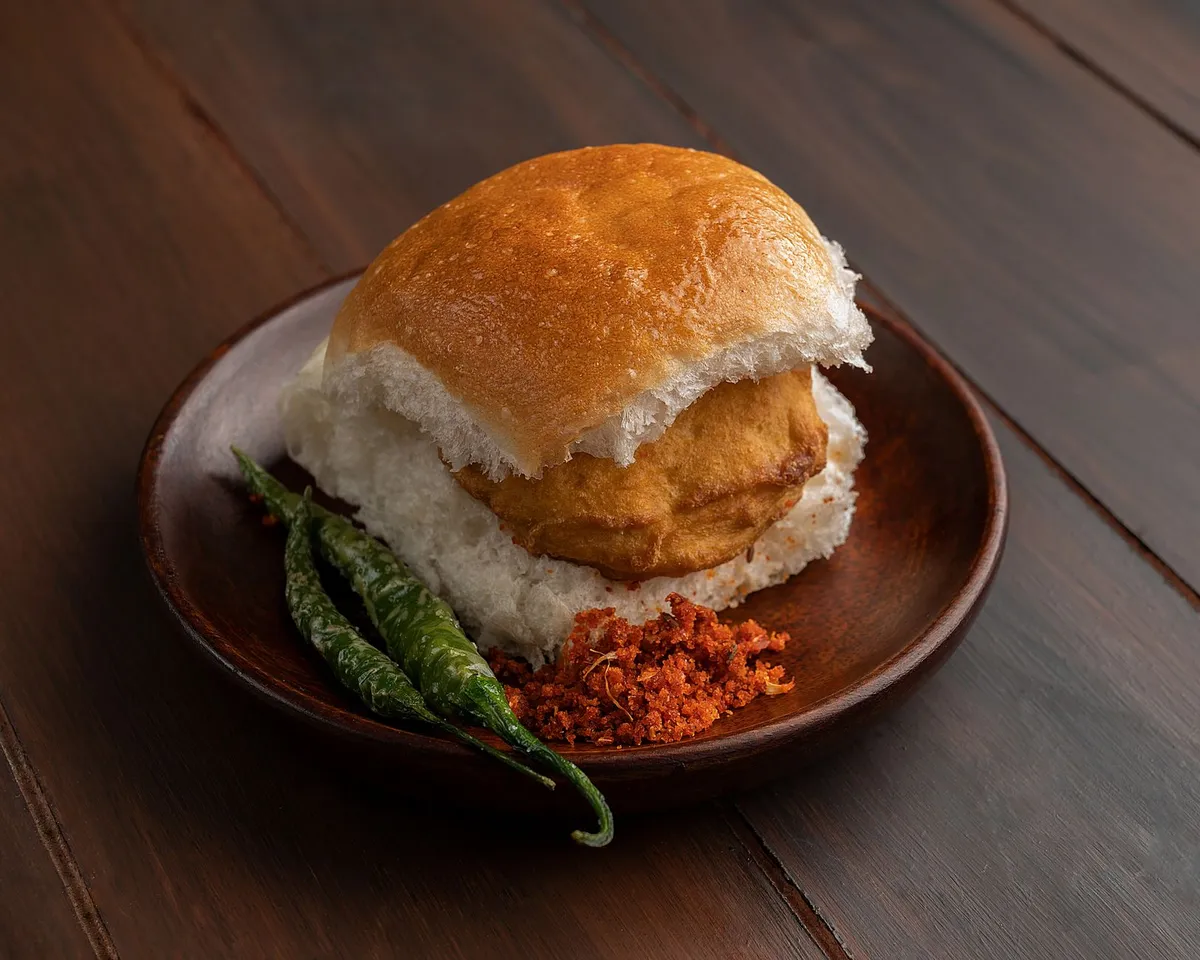
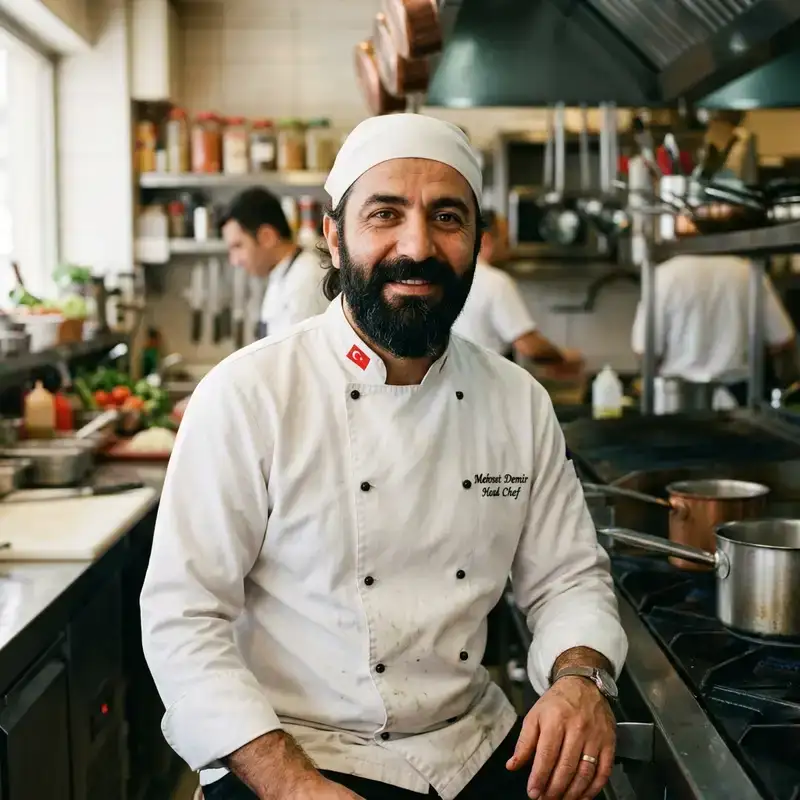
The Golden Arches of the Pavement: Where Mumbai’s Hunger Meets Its Heritage The first time you step into Mumbai’s labyrinth of streets, you don’t just smell the salt of the Arabian Sea—you taste it. It lingers in the tang of fresh lime squeezed over bhel puri, in the smoky aroma of kebabs sizzling on skewers, in the sweet, milky perfume of kulfi melting under the midday sun. This is a city where hunger isn’t just a need; it’s a ritual, a rebellion, a shared secret whispered between strangers in the glow of neon bulbs and the hum of traffic. Here, the pavement is the plate, and every hawker is a chef of chaos, crafting flavors that outshine even the fanciest five-star kitchens. Mumbai’s street food isn’t just sustenance—it’s a cultural manifesto. It’s the reason why a daily wage worker and a stockbroker can stand side by side, elbows deep in a paper cone of sev puri, arguing over whose version is spicier. It’s the reason why a city that never sleeps also never stops eating. From the crack of dawn, when tea vendors pedal their brass kettles through foggy alleys, to the witching hour when kulfi carts roll into Girgaon Chowpatty, Mumbai’s streets are a 24/7 banquet of the senses. And at the center of it all is vada pav—the crowned jewel of Mumbai’s culinary kingdom.Vada Pav: The Burger That Mumbai Made Its Own Imagine a burger, but instead of a beef patty, you have a golden, deep-fried potato dumpling, crisp on the outside and fluffy within, sandwiched between a soft, buttered pav (a pillowy bread roll). Now, slather it with green chutney, red chutney, and a generous dollop of garlic chutney. That, my friend, is vada pav—the unofficial national dish of Mumbai. Born in the 1970s in the working-class neighborhoods of Dadar and Matunga, vada pav was the brainchild of street food pioneer Ashok Vaidya. He wanted to create a snack that was cheap, filling, and portable—something a factory worker or a college student could grab on the go. What he got was a revolution. Today, vada pav stalls dot every corner, from the grime of CST to the glitter of Bandra. Some purists insist on the original recipe: potato, garlic, and spices, fried to perfection. Others push boundaries—adding paneer, cheese, or even mutton to the mix. But the magic isn’t just in the ingredients—it’s in the ritual. Watch a vendor at work: one hand deftly slicing the pav, the other pressing the vada into the bread with a flick of the wrist. The sizzle of oil, the aroma of spices, the way the chutney oozes out when you take a bite—it’s theater. It’s fast food, but not the sterile, assembly-line kind. This is food made with love, sweat, and a little bit of rebellion.The Crunch of Panipuri: A Symphony of Sweet, Sour, and Spicy If vada pav is Mumbai’s burger, then panipuri is its answer to the world’s obsession with crunchy, tangy snacks. These hollow, crispy puris are filled with a mix of mashed potatoes, chickpeas, sweet chutney, tamarind sauce, and a dash of chaat masala. The first bite is a revelation: the crunch of the puri gives way to a burst of flavors—sweet, sour, spicy, and salty—all at once. But panipuri isn’t just a snack; it’s a cultural battleground. In 2011, a single incident—a panipuri vendor in Thane urinating into his serving container—sparked a political firestorm. Shiv Sena and other parties launched a crackdown on panipuri and bhelpuri sellers, accusing them of spreading disease and “polluting” Mumbai’s streets. The vendor, a man who had sold panipuri for 15 years, was arrested and fined. The controversy exposed deeper tensions: the clash between Mumbai’s cosmopolitan identity and its conservative undercurrents, the stigma around street food, and the vulnerability of vendors who operate in legal gray zones. Yet, despite the controversy, panipuri endures. It’s a symbol of Mumbai’s resilience, its ability to turn even the most mundane snack into a political statement. Today, you’ll find panipuri stalls in every nook and cranny—from the posh lanes of South Mumbai to the crowded bylanes of Dharavi. Some vendors offer gourmet versions: pomegranate panipuri, mango panipuri, even paneer panipuri. But purists insist the classic is unbeatable.Bhel Puri: The Original Mumbai Mix Bhel puri is the street food equivalent of a Bollywood potboiler—chaotic, colorful, and impossible to resist. It’s a medley of puffed rice, sev (crispy chickpea noodles), onions, tomatoes, cilantro, and a tangy tamarind-chutney dressing. The key? The balance. Too much chutney, and it’s a soggy mess. Too little, and it’s bland. But when it’s done right, it’s a symphony of textures and flavors. Girgaon Chowpatty beach is the mecca of bhel puri, where vendors set up shop as the sun dips below the horizon. The salty sea breeze mingles with the aroma of spices, and the sound of waves crashing against the shore becomes the soundtrack to your snack. Some stalls add their own twists: a squeeze of lemon, a sprinkle of chaat masala, or even a handful of boiled potatoes for extra heartiness. But bhel puri isn’t just a beach snack. It’s a college staple, a post-movie treat, a midnight craving. It’s the kind of food that brings people together—strangers sharing a paper plate, friends debating whose bhel is the best, families gathering around a street cart after a long day.The Non-Vegetarian Delights: Kebabs, Omelettes, and Fish That Taste Like the Sea Mumbai’s street food isn’t all vegetarian. In fact, the city’s non-veg offerings are just as legendary. Take the Eggs Kejriwal, for instance—a sandwich so spicy it’s named after a former Indian Prime Minister. The filling? Scrambled eggs cooked with green chilies, onions, and a fiery red chutney, all stuffed between slices of buttered bread. It’s a breakfast that’ll wake you up faster than a Mumbai local train at rush hour. Then there are the kebabs. Whether it’s the succulent chicken tikka kebab sizzling on a skewer or the melt-in-your-mouth galouti kebab (a Lucknowi delicacy that’s found a second home in Mumbai’s streets), these skewers are a testament to the city’s love affair with meat. The best kebabs are cooked over charcoal, their smoky aroma wafting through the air and drawing crowds like moths to a flame. And let’s not forget the fish. Mumbai’s coastal location means fresh seafood is never far away. The Bombil (Bombay duck), a local fish with a pungent aroma, is often fried and served with a side of lemon and onions. Or there’s the Bombay sandwich, a vegetarian delight that’s somehow even more iconic—a layer of chutney, cucumber, tomato, and boiled potatoes between buttered bread, pressed and toasted to perfection. But the undisputed king of Mumbai’s non-veg street food? The Bombay omelette. Fluffy, buttery, and studded with onions, green chilies, and coriander, it’s the perfect hangover cure or late-night snack. Served with a side of ketchup and a cup of cutting chai, it’s a taste of Mumbai’s soul.The Sweet Side of the Street: Kulfi, Golah, and the Art of Frozen Bliss After the spice and crunch of chaat and kebabs, Mumbai’s streets offer a cool respite in the form of kulfi—India’s answer to ice cream. Unlike its Western counterpart, kulfi is denser, creamier, and infused with flavors like mango, pistachio, rose, or saffron. It’s served in a clay cup or on a stick, often garnished with chopped nuts or a drizzle of rose syrup. Then there’s golah—the Indian snow cone. Vendors shave ice into a paper cone and douse it with flavored syrups like lemon, orange, or even cola. It’s the ultimate summer refresher, a burst of sweetness on a hot Mumbai day. But the sweetest treat of all? Gulab jamun. These deep-fried dough balls soaked in sugar syrup are a street food staple, often sold by vendors pushing carts laden with trays of golden-brown orbs. The best gulab jamuns are crisp on the outside, syrupy on the inside, and melt in your mouth like a dream.The Dark Side of the Street: Hygiene, Politics, and the Fight for Survival For all its magic, Mumbai’s street food isn’t without its controversies. Hygiene is a constant concern. In a city where 250,000 hawkers operate without licenses, the risk of foodborne illness is real. Yet, Mumbaikars continue to eat street food with gusto, trusting in the vendors’ skill and the city’s collective immunity. Then there’s the issue of legality. Mumbai’s street vendors operate in a legal gray zone. In 2007, the Supreme Court ordered the municipality to demarcate 2,300 legal hawking zones—later increased to 1,700. But implementation has been slow. Out of 250,000 hawkers, only 17,000 have valid licenses. Vendors often pay bribes to avoid eviction, only to return after a few days. The cycle continues, a dance between law and survival. Politics, too, plays a role. In 2011, the panipuri controversy revealed the tensions between Mumbai’s cosmopolitan identity and its conservative undercurrents. Parties like Shiv Sena have targeted street food vendors in the past, accusing them of “polluting” the city. Yet, these same vendors are the backbone of Mumbai’s economy, feeding millions every day. Despite the challenges, street food vendors remain resilient. They adapt, innovate, and keep the city fed. They are the unsung heroes of Mumbai’s culinary scene.The Global Spread: How Mumbai’s Street Food Conquered the World Mumbai’s street food isn’t just confined to the city’s streets. It’s made its way into restaurants, fast-food chains, and even five-star hotels. From London to New York, you’ll find vada pav on menus, bhel puri in fusion dishes, and panipuri as a trendy appetizer. Homegrown fast-food companies have also capitalized on Mumbai’s street food craze. Brands like Mumbai’s Belly and Bombay Food Truck bring street food to offices, colleges, and events, serving up vada pav, pav bhaji, and more in a more “hygienic” setting. Even Bollywood has played a role. Films like Jaane Tu… Ya Jaane Na and Dil Chahta Hai have immortalized Mumbai’s street food, turning it into a symbol of youth, freedom, and rebellion. Today, street food tours are a growing trend, with foodies flocking to Mumbai to sample its iconic snacks.Where to Find the Best Street Food in Mumbai If you’re planning a street food tour of Mumbai, here are some must-visit spots: Juhu Beach Famous for its pav bhaji—a buttery bread roll served with a spicy potato and vegetable curry. The best stalls are near the beach, where the sea breeze adds to the experience. Crawford Market A bustling market where you’ll find everything from fresh fruits to spices. Don’t miss the Bombay sandwich or the egg rolls from the street vendors outside. Dadar East The birthplace of vada pav. Try the Ashok Vada Pav stall for an authentic taste of history. Girgaon Chowpatty The mecca of bhel puri and kulfi. Come here at sunset for the full experience. Colaba Causeway A haven for non-veg lovers. Try the Bombay omelette or the chicken kebabs from the stalls near the Regal Cinema. Bandra A melting pot of cultures, Bandra offers everything from misal pav (a spicy curry made of sprouted moth beans) to vegetable frankie (a Mumbai-style wrap).The Future of Mumbai’s Street Food: Innovation Meets Tradition As Mumbai grows and changes, so does its street food scene. Vendors are experimenting with new flavors and techniques, while still staying true to tradition. Vegan vada pav, gluten-free bhel puri, and organic kulfi are just a few of the innovations taking hold. At the same time, the city is grappling with the challenges of urbanization. Rising rents, stricter regulations, and gentrification threaten the survival of street food vendors. Yet, the spirit of Mumbai’s streets remains unbroken. For every stall that closes, a new one opens. For every controversy, there’s a vendor fighting to keep the tradition alive. Mumbai’s street food is more than just a snack—it’s a way of life. It’s the sound of sizzling oil, the smell of spices, the taste of rebellion. It’s the heartbeat of a city that never stops moving, never stops eating, never stops dreaming.#MumbaiStreetFood #VadaPavLove #BhelPuriMagic #KulfiDreams #BombayBites Related InsightsBun Cha: The Smoky Grilled Pork and Noodles of Hanoi Malaysian Laksa: The Spicy, Creamy Noodle Soup That Defines Southeast Asia’s Culinary Soul The Legacy of Nourishment: A Nutrient-Dense Chicken and Vegetable Pot Pie{ "@context": "https://schema.org", "@type": "FAQPage", "mainEntity": [ { "@type": "Question", "name": "What is the main focus of Mumbai’s Sizzling Soul: The Spicy, Sweet, and Chaotic Heartbeat of Street Food?", "acceptedAnswer": { "@type": "Answer", "text": "Dive into Mumbai’s vibrant street food culture, where vada pav meets panipuri, and every bite tells a story of the city’s fiery spirit." } }, { "@type": "Question", "name": "Who authored the comprehensive guide on Mumbai’s Sizzling Soul: The Spicy, Sweet, and Chaotic Heartbeat of Street Food?", "acceptedAnswer": { "@type": "Answer", "text": "This detailed article and its insights were carefully researched and authored by Demir Şef." } }, { "@type": "Question", "name": "Where can I find more related content about Food?", "acceptedAnswer": { "@type": "Answer", "text": "You can explore more articles, detailed reviews, and similar insights by browsing the Related Insights section at the bottom of this article or visiting our dedicated Food category page." } } ] }
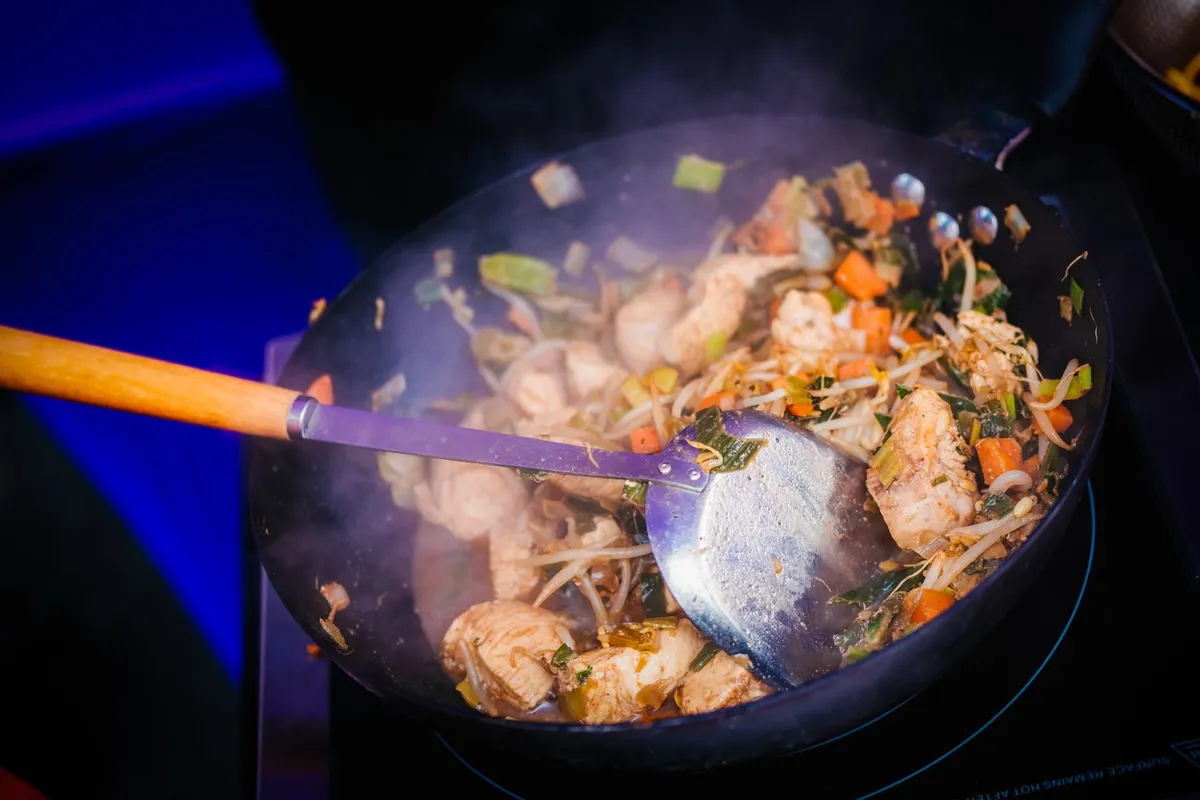
-
 Eleanor Hughes
 - 01 Aug, 2026 19:46
Thai Street Food Secrets: How to Recreate Bangkok’s Best Dishes at Home
Thai Street Food Secrets: How to Recreate Bangkok’s Best Dishes at Home Bangkok’s streets are a symphony of sizzling woks, fragrant herbs, and the unmistakable tang of lime and chili. The city’s street food isn’t just sustenance—it’s a cultural phenomenon, a daily ritual that binds communities and fuels millions. From the crack of dawn until well past midnight, vendors transform humble ingredients into dishes that have earned Bangkok the title of the world’s top street food city (CNN Travel, 2023). But what makes these dishes so irresistible? And how can you recreate their magic in your own kitchen? The answer lies in the alchemy of balance: the interplay of sweet, sour, salty, and spicy that defines Thai cuisine. It’s about understanding the role of fresh herbs like Thai basil and cilantro, the importance of fermented fish sauce, and the technique of pounding spices in a mortar and pestle. This article will peel back the layers of Bangkok’s most iconic street foods, offering step-by-step guides, insider tips, and the science behind their flavors. Whether you’re a seasoned home cook or a curious beginner, you’ll leave equipped to bring the spirit of Bangkok’s streets to your table.The Foundations of Thai Street Food Flavor At the heart of every Thai street food dish is a foundation of flavors that have been perfected over centuries. The balance of nam prik (chili pastes), nam pla (fish sauce), nam makham (tamarind), and nam tan (palm sugar) is non-negotiable. These ingredients are the building blocks of dishes like pad thai, som tam (green papaya salad), and tom yum goong (spicy shrimp soup). But it’s not just about the ingredients—it’s about the technique. The Role of Fermented Fish Sauce Fish sauce, or nam pla, is the backbone of Thai cooking. Made from fermented anchovies and salt, it adds a deep umami richness that salt alone cannot achieve. In Bangkok’s street food, it’s used liberally but judiciously. For example, in pad thai, a splash of fish sauce enhances the sweetness of the tamarind and the savoriness of the dried shrimp. The fermentation process breaks down proteins into glutamates, which is why fish sauce is often called "Thai soy sauce." To recreate this at home, use high-quality fish sauce like Red Boat or Tiparos. A little goes a long way—start with 1 teaspoon and adjust to taste. Remember, the goal is to enhance, not overpower. The Art of the Mortar and Pestle Thai cuisine relies heavily on freshly pounded spices and herbs. The mortar and pestle (kruk kruk) isn’t just a tool; it’s a ritual. In Bangkok’s street markets, vendors pound garlic, chilies, lemongrass, and shrimp paste together to create pastes like nam prik pao (chili jam) or krueng gaeng (curry paste). The friction releases essential oils, creating a paste that’s far more aromatic than pre-ground spices. For som tam, the mortar is essential for crushing peanuts, garlic, chilies, and lime juice into a coarse paste before adding shredded papaya. The texture should be chunky, not smooth. If you don’t have a mortar and pestle, a heavy-bottomed skillet or a food processor can work in a pinch, but the flavor won’t be as vibrant. The Importance of Fresh Herbs Thai basil (horapa), cilantro (pak chi), and mint are non-negotiable in dishes like phat kaphrao (stir-fried holy basil pork) or khao soi (Northern Thai coconut curry noodles). These herbs are added at the end of cooking to preserve their bright, fresh flavors. In Bangkok, vendors often grow their own herbs, ensuring they’re picked at peak freshness. At home, source herbs from an Asian market or grow them in your garden if possible.Pad Thai: Bangkok’s Most Iconic Noodle Dish No discussion of Bangkok’s street food would be complete without pad thai. Born in the 1930s as part of a nationalist campaign to reduce rice consumption, pad thai has since become a global ambassador for Thai cuisine. The dish’s magic lies in its balance of flavors and textures: chewy rice noodles, tender shrimp or tofu, crunchy bean sprouts, and a tangy-sweet tamarind sauce. The Perfect Pad Thai Sauce The sauce is the soul of pad thai. It’s a harmonious blend of:Tamarind paste (for sourness) Palm sugar (for sweetness) Fish sauce (for umami) Lime juice (for brightness)To make the sauce, combine 3 tablespoons tamarind paste, 2 tablespoons palm sugar, 2 tablespoons fish sauce, and 1 tablespoon lime juice. Simmer until the sugar dissolves. The ratio should be 2 parts tamarind to 1 part sugar, with fish sauce added to taste. Authentic pad thai sauce is slightly tangy with a hint of sweetness—never cloyingly sweet. Cooking TechniqueSoak the noodles: Use thin rice noodles (sen lek). Soak them in warm water for 20-30 minutes until pliable but still firm. Over-soaking leads to mushy noodles. Stir-fry the protein: Heat a wok or large skillet over high heat. Add oil, then shrimp, tofu, or chicken. Cook until just done, then set aside. Cook the noodles: Add a bit more oil to the wok, then add the noodles. Stir-fry for 1-2 minutes until they soften slightly. Combine and toss: Add the protein back to the wok, pour in the sauce, and toss everything together. The noodles should be evenly coated but still slightly chewy. Garnish: Top with crushed peanuts, bean sprouts, lime wedges, and cilantro.Common Mistakes to AvoidOver-soaking the noodles: They should be al dente. Using too much sauce: The noodles should glisten, not swim. Skipping the high heat: Pad thai should be cooked quickly to avoid sogginess.Som Tam: The Spicy Green Papaya Salad That Packs a Punch Som tam, or green papaya salad, is a dish that embodies the Thai love of bold, contrasting flavors. Shredded unripe papaya, chilies, lime juice, fish sauce, and palm sugar are pounded together in a mortar to create a salad that’s spicy, sour, sweet, and salty all at once. In Bangkok, vendors often add dried shrimp or crab to enhance the umami. The Right Papaya The key to som tam is using unripe papaya, which has a crisp, slightly crunchy texture. Look for papayas that are firm to the touch and have a pale green skin. If unripe papaya isn’t available, substitute with shredded green cabbage or green mango. The Pounding TechniquePound the garlic and chilies: Start with 2 cloves of garlic and 2-3 Thai chilies (adjust for heat). Pound them into a coarse paste. Add the papaya: Add 2 cups of shredded papaya and pound gently to bruise the fibers. Add the seasonings: Add 1 tablespoon fish sauce, 1 tablespoon palm sugar, and the juice of 1 lime. Pound again to combine. Finish with toppings: Toss in 2 tablespoons crushed peanuts, 1 tablespoon dried shrimp (optional), and a handful of cherry tomatoes. Toss gently.Balancing the Flavors The ideal som tam should have:Heat from the chilies Sourness from the lime Sweetness from the palm sugar Saltiness from the fish sauce Umami from the dried shrimpTaste as you go and adjust the seasonings. If it’s too spicy, add more palm sugar. If it’s too sour, add a bit more fish sauce. Serving Suggestion Som tam is traditionally eaten with sticky rice (khao niew), which helps balance the heat. In Bangkok, vendors often serve it with grilled chicken or kai yang (Thai-style grilled chicken) on the side.Tom Yum Goong: The Spicy-Sour Shrimp Soup That’s a Thai Classic Tom yum goong is the poster child of Thai street food—a fragrant, spicy-sour soup that’s as comforting as it is invigorating. Made with shrimp, lemongrass, galangal, kaffir lime leaves, and chilies, it’s a dish that showcases the Thai principle of hedonism: eating for pleasure. In Bangkok, vendors often serve it with a side of rice to soak up the broth. The Essential IngredientsShrimp: Use fresh, head-on shrimp for the best flavor. The heads add a deep, briny taste to the broth. Aromatics: Lemongrass, galangal, and kaffir lime leaves are non-negotiable. These ingredients are the backbone of the soup’s fragrance. Chilies: Thai bird’s eye chilies add heat. Adjust the quantity to your tolerance. Mushrooms: Straw mushrooms or button mushrooms add texture. Fish sauce and lime juice: For seasoning. Cilantro: For garnish.The Cooking ProcessPrepare the broth: In a pot, bring 4 cups of water to a boil. Add 2 stalks of lemongrass (bruised), 4 slices of galangal, 4 kaffir lime leaves, and 2-3 chilies. Simmer for 10 minutes to infuse the flavors. Add the shrimp: Add 1 pound of shrimp (shells on for extra flavor) and simmer for 3-4 minutes until pink. Season: Add 2 tablespoons fish sauce and the juice of 2 limes. Taste and adjust—it should be spicy, sour, and salty. Finish with herbs: Add 1 cup of sliced mushrooms and simmer for another 2 minutes. Garnish with cilantro.The Secret to a Great Broth The broth should be clear and fragrant, not cloudy. To achieve this:Don’t overcook the aromatics: Simmer just long enough to release their flavors. Use fresh ingredients: Stale lemongrass or galangal will make the broth taste flat. Strain if necessary: If you want a crystal-clear broth, strain out the aromatics before adding the shrimp.Serving Suggestion Tom yum goong is best served piping hot with steamed jasmine rice. In Bangkok, vendors often serve it with a side of nam prik pao (chili jam) for dipping.Moo Ping: The Sweet and Smoky Grilled Pork Skewers Moo ping, or grilled pork skewers, are a staple of Bangkok’s street food scene. Marinated in a sweet and savory sauce, then grilled over charcoal, these skewers are juicy, tender, and packed with flavor. In Bangkok, vendors often sell them from mobile carts, the aroma of grilling pork wafting through the air. The Marinade The marinade for moo ping is a blend of:Coconut milk: For richness and tenderness. Palm sugar: For sweetness. Fish sauce: For umami. Garlic and coriander root: For depth of flavor. White pepper: For a subtle kick.Combine 1 cup coconut milk, 3 tablespoons palm sugar, 2 tablespoons fish sauce, 4 cloves garlic (minced), 1 tablespoon coriander root (or cilantro stems), and 1 teaspoon white pepper. Marinate 1 pound of pork shoulder (cut into thin strips) for at least 4 hours, or overnight for maximum flavor. The Grilling TechniqueSkewer the pork: Thread the pork onto bamboo skewers, leaving a little space between each piece for even cooking. Grill over charcoal: Heat a charcoal grill or grill pan to medium-high. Grill the skewers for 2-3 minutes per side, basting with the leftover marinade. Char the edges: The pork should have a slight char for added flavor. Serve: Cut the skewers into bite-sized pieces and serve with sticky rice and nam jim (Thai dipping sauce).The Dipping Sauce The perfect nam jim for moo ping is a blend of:Fish sauce Lime juice Palm sugar Chilies GarlicCombine 2 tablespoons fish sauce, 1 tablespoon lime juice, 1 teaspoon palm sugar, 1 minced chili, and 1 clove minced garlic. Adjust to taste. Tips for SuccessUse pork shoulder: It’s fatty and stays juicy when grilled. Don’t overcook: The pork should be just cooked through. Charcoal is key: If you don’t have a charcoal grill, a grill pan will work, but the flavor won’t be as authentic.Khao Soi: The Creamy Northern Thai Curry Noodle Soup Khao soi is a dish that defies categorization. It’s a curry noodle soup with a rich, coconut milk-based broth, topped with crispy fried noodles and pickled mustard greens. Originating from Northern Thailand, khao soi is a fusion of Thai and Burmese influences, and it’s a must-try for any street food enthusiast. The Curry Paste The soul of khao soi is its curry paste, which includes:Dried chilies Turmeric Cumin Galangal Lemongrass Shallots Garlic Shrimp pasteToast the dried chilies, turmeric, and cumin in a dry pan until fragrant. Then, pound them in a mortar with the other ingredients until you have a coarse paste. The paste should be vibrant and aromatic, with a deep red color. The BrothSauté the paste: Heat 2 tablespoons oil in a pot. Add 3 tablespoons of the curry paste and sauté until fragrant. Add coconut milk: Pour in 2 cups of coconut milk and simmer for 5 minutes. Add protein: Add 1 pound of chicken thighs (bone-in for extra flavor) and simmer for 20 minutes. Season: Add 1 tablespoon fish sauce and 1 teaspoon palm sugar. Taste and adjust.The Noodles Khao soi uses two types of noodles:Egg noodles: Cooked until al dente. Crispy fried noodles: For topping.The ToppingsPickled mustard greens: Adds a tangy crunch. Lime wedges: For brightness. Cilantro: For freshness. Chilies: For heat.Serving Suggestion Ladle the broth over the cooked noodles, then top with the crispy fried noodles, pickled greens, lime, and cilantro. The contrast of textures and flavors is what makes khao soi so special.The Economics of Thai Street Food: A Global Perspective Thai street food isn’t just a culinary delight—it’s a economic powerhouse. According to research on the globalization of Chinese food (OpenAlex, 2023), street food cultures often serve as cultural ambassadors, introducing global audiences to a country’s culinary traditions. In the case of Thailand, street food has become a significant driver of tourism, with Bangkok’s markets attracting millions of visitors each year. The "Riches of the Forest" study (OpenAlex, 2023) highlights how traditional ingredients like lemongrass, galangal, and kaffir lime leaves have gained international popularity, appearing in fusion dishes worldwide. This global interest has led to a surge in demand for authentic Thai ingredients, benefiting local farmers and vendors in Thailand. The Price of Authenticity In Bangkok, a plate of pad thai costs between 40-70 THB ($1.20-$2.10 USD), while som tam ranges from 50-90 THB ($1.50-$2.70 USD). The affordability of street food is a key factor in its popularity, making it accessible to locals and tourists alike. However, the cost of ingredients abroad can be significantly higher. For example, fresh galangal may cost $5-$10 per pound in Western supermarkets, compared to $1-$2 per pound in Thailand. The Future of Thai Street Food As global interest in Thai cuisine grows, so does the demand for authentic street food experiences. Food trucks and pop-up markets in cities like New York, London, and Sydney are bringing the flavors of Bangkok to international audiences. However, the challenge lies in preserving the authenticity of these dishes while adapting to local tastes and ingredient availability.Nutritional Breakdown of Bangkok’s Best Street FoodsDish Calories (per serving) Protein (g) Carbs (g) Fat (g) Key NutrientsPad Thai 450 12 65 15 Fiber, Vitamin C, IronSom Tam 120 3 20 4 Vitamin A, Vitamin C, PotassiumTom Yum Goong 200 15 10 10 Omega-3, Vitamin C, AntioxidantsMoo Ping 300 20 15 18 Iron, Zinc, B VitaminsKhao Soi 500 25 50 20 Fiber, Calcium, Vitamin DNote: Nutritional values are approximate and based on standard recipes. Actual values may vary.Conclusion: Bring the Spirit of Bangkok to Your Kitchen Bangkok’s street food is more than just a meal—it’s an experience. It’s the sizzle of the wok, the aroma of lemongrass and galangal, the burst of lime and chili on your tongue. By understanding the foundations of Thai flavor—balance, freshness, and technique—you can recreate these dishes at home with authenticity and flair. Start with the basics: invest in high-quality fish sauce, fresh herbs, and a mortar and pestle. Master the art of the nam prik and nam jim, and don’t be afraid to experiment with heat and spice. Remember, the key to Thai cooking is balance. Each dish should be a symphony of flavors, where no single note overpowers the others. Whether you’re whipping up a quick pad thai for dinner or spending a lazy Sunday afternoon crafting khao soi, let the spirit of Bangkok guide you. And who knows? Your kitchen might just become the next best street food stall in your neighborhood. Now, grab your apron, fire up the wok, and let the flavors of Thailand transport you to the bustling streets of Bangkok.#ThaiStreetFood #BangkokEats #HomemadeThai #AuthenticRecipes #StreetFoodSecrets Related InsightsCaprese Salad: A Symphony of Flavors and Antioxidants Die Straßen von Mumbai: Ein kulinarischer Traum Il Garum Pompeiano: Il Sangue Salato degli Dei e la Sua Rinascita Gastronomica{ "@context": "https://schema.org", "@type": "FAQPage", "mainEntity": [ { "@type": "Question", "name": "What is the main focus of Thai Street Food Secrets: How to Recreate Bangkok’s Best Dishes at Home?", "acceptedAnswer": { "@type": "Answer", "text": "Unlock the secrets of Thailand’s most beloved street food with authentic recipes, insider tips, and a deep dive into the flavors that make Bangkok’s markets legendary." } }, { "@type": "Question", "name": "Who authored the comprehensive guide on Thai Street Food Secrets: How to Recreate Bangkok’s Best Dishes at Home?", "acceptedAnswer": { "@type": "Answer", "text": "This detailed article and its insights were carefully researched and authored by Eleanor Hughes." } }, { "@type": "Question", "name": "Where can I find more related content about Food?", "acceptedAnswer": { "@type": "Answer", "text": "You can explore more articles, detailed reviews, and similar insights by browsing the Related Insights section at the bottom of this article or visiting our dedicated Food category page." } } ] }
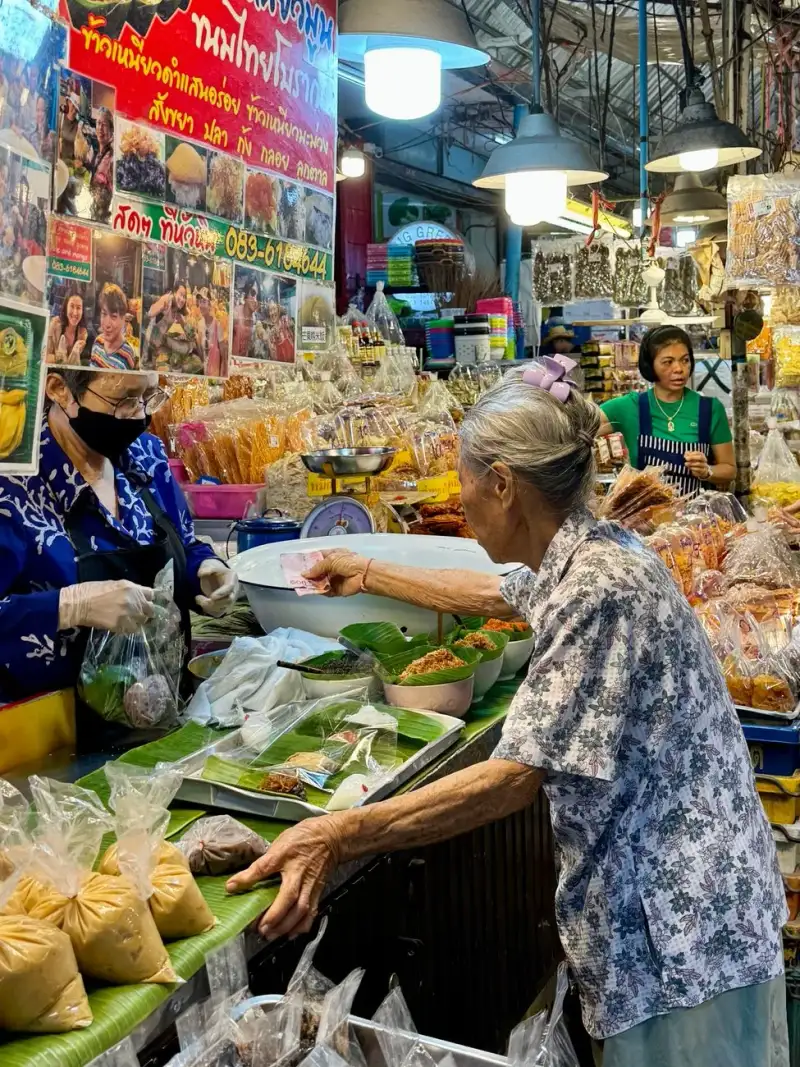
-
 Marcus Vance
 - 15 Jul, 2026 22:44
Thai Street Food: Aromatic Delights from Bangkok to Chiang Mai – The Ultimate Guide to Southeast Asia’s Most Vibrant Culinary Adventure
Introduction Thailand’s street food is more than just a meal—it’s a cultural phenomenon, a sensory explosion, and a testament to the country’s rich culinary heritage. From the bustling alleys of Bangkok to the serene night markets of Chiang Mai, every corner of Thailand offers a new adventure for the palate. Did you know that Thailand’s street food scene is so iconic it has been recognized by UNESCO as part of the country’s Intangible Cultural Heritage? This isn’t just food; it’s a way of life. But what makes Thai street food so irresistible? It’s the perfect balance of sweet, sour, spicy, and savory flavors, often achieved in a single dish. Whether it’s the sizzling wok of pad thai, the aromatic tom yum goong soup, or the crispy khao man gai (chicken rice), each bite tells a story of tradition, innovation, and passion. In this guide, we’ll dive deep into the heart of Thailand’s street food culture, uncovering the must-try dishes, regional specialties, and insider tips to make your culinary journey unforgettable.The Evolution of Thai Street Food: From Humble Origins to Global Fame Thai street food has evolved over centuries, shaped by trade, migration, and local ingenuity. The roots of this culinary tradition can be traced back to the Ayutthaya period (14th–18th centuries), when Thailand’s capital was a bustling hub of commerce and cultural exchange. Traders from China, India, and Persia introduced new ingredients and cooking techniques, which were quickly adapted by Thai chefs to create unique fusion dishes. One of the most significant influences on Thai street food is the Chinese diaspora. Dishes like khao man gai (chicken rice) and guay teow (noodle soup) are direct descendants of Chinese culinary traditions, but with a distinctly Thai twist. The use of fragrant herbs like lemongrass, galangal, and kaffir lime leaves is a hallmark of Thai cuisine, reflecting the country’s tropical climate and agricultural abundance. In the 20th century, Thai street food gained international recognition thanks to the rise of tourism and global media. The 1997 Asian financial crisis even played a role, as many Thais turned to street food vending as a means of survival, leading to an explosion of creativity and innovation in the street food scene. Today, Thai street food is celebrated worldwide, with dishes like pad thai and mango sticky rice becoming global icons.Bangkok’s Street Food Scene: A Symphony of Flavors and Chaos Bangkok is the undisputed capital of Thai street food, where the energy of the city is matched only by the intensity of the flavors. The city’s street food scene is a symphony of sizzling woks, aromatic curries, and the rhythmic clatter of vendors at work. To truly experience Bangkok’s street food, you need to dive into its neighborhoods, each with its own unique character. Chinatown (Yaowarat) is a must-visit for food lovers. This bustling district is home to some of the city’s most famous street food stalls, including Jek Pui Curry, a legendary spot for khao gaeng (curry rice). The dish here is a masterclass in balance—rich, coconut-based curries paired with fragrant jasmine rice and crispy pork belly. Another iconic spot is Nai Ek Roll Noodle, where you can try kuay teow neua (beef noodle soup), a dish that has been perfected over generations. Khao San Road is another hotspot, though it’s more touristy than the others. Here, you’ll find everything from grilled scorpions to som tam (green papaya salad). While the food is decent, the real draw is the atmosphere—vibrant, chaotic, and quintessentially backpacker. For a more authentic experience, head to Thipsamai, famous for its pad thai. This dish, now a global phenomenon, originated in Thailand and is best enjoyed fresh off the wok. Thipsamai’s version is legendary, with a perfect balance of sweet, sour, and savory flavors, topped with a crispy egg and a squeeze of lime.Chiang Mai’s Street Food: Northern Thailand’s Hidden Gems While Bangkok may be the heart of Thai street food, Chiang Mai is the soul. Nestled in the mountains of northern Thailand, Chiang Mai’s street food scene is a reflection of the region’s rich cultural heritage and agricultural bounty. The food here is heartier, spicier, and often more herbaceous than its southern counterpart, thanks to the influence of the Lanna culture. One of the must-try dishes in Chiang Mai is sai oua, a northern Thai sausage made with minced pork, lemongrass, galangal, and kaffir lime leaves. The sausage is grilled to perfection, with a smoky aroma that fills the air. Another iconic dish is khao soi, a coconut curry noodle soup that is Chiang Mai’s signature dish. The dish is a harmonious blend of textures and flavors—crispy fried noodles on top, soft egg noodles in the broth, and a rich, spicy coconut curry base. For a truly unique experience, visit the Sunday Walking Street Market. This weekly event transforms the city’s historic center into a food lover’s paradise, with stalls selling everything from khao tom mat (sticky rice stuffed with mung bean paste) to sai krok Isan (fermented sausage from the Isan region). Chiang Mai’s street food scene is also a great place to explore Thailand’s vegetarian and vegan options. Many stalls cater to Buddhist traditions, offering dishes like pad pak boong (stir-fried morning glory) and gaeng jued (clear vegetable soup).The Science of Thai Street Food: Why It Tastes So Good Thai street food is a masterclass in flavor chemistry, where the interplay of sweet, sour, spicy, and savory creates a harmonious experience. The secret lies in the balance of ingredients and the use of fresh, high-quality produce. One of the key components of Thai cuisine is the umami bomb—fermented fish sauce (nam pla), shrimp paste (kapi), and soy sauce. These ingredients add depth and complexity to dishes, enhancing the natural flavors of the ingredients. For example, tom yum goong, a hot and sour shrimp soup, relies on the umami-rich broth to create its signature taste. Another critical element is the use of fresh herbs and spices. Lemongrass, galangal, kaffir lime leaves, and Thai basil are staples in Thai cooking, adding bright, citrusy, and aromatic notes to dishes. The heat in Thai food comes from fresh chilies, which are used liberally in both paste and fresh form. The Scoville scale, which measures the heat of peppers, is a useful tool for understanding the spice levels in Thai dishes. For example, a prik kee noo (mouse-dropping chili) can reach up to 100,000 Scoville heat units, while a prik chi fa (sky-pointing chili) is milder at around 50,000 units. The cooking techniques also play a crucial role. Stir-frying (pad), deep-frying (tod), and grilling (yang) are common methods that create distinct textures and flavors. For instance, pad thai is stir-fried quickly over high heat to achieve a perfect balance of crispy and tender noodles, while moo ping (grilled pork skewers) is marinated in a sweet and savory sauce before being grilled to caramelized perfection.A Price Breakdown: How Much Does Thai Street Food Cost? Thai street food is not only delicious but also incredibly affordable. Whether you’re a budget traveler or a foodie looking for a bargain, you’ll find plenty of options to suit your wallet. Below is a breakdown of average prices for popular street food dishes in Thailand:Dish Price (THB) Price (USD) DescriptionPad Thai 50–80 $1.50–$2.50 Stir-fried rice noodles with egg, tofu, and shrimpKhao Man Gai 40–70 $1.20–$2.10 Steamed chicken over rice with ginger sauceSom Tam 50–90 $1.50–$2.70 Green papaya salad with chili and limeTom Yum Goong 80–120 $2.40–$3.60 Hot and sour shrimp soupMango Sticky Rice 60–100 $1.80–$3.00 Sweet coconut sticky rice with ripe mangoSai Oua 30–60 $0.90–$1.80 Northern Thai grilled pork sausageKhao Soi 60–100 $1.80–$3.00 Coconut curry noodle soup with crispy noodlesPrices can vary depending on the location and the vendor’s reputation. In tourist-heavy areas like Bangkok’s Khao San Road, prices may be slightly higher, while local markets and street stalls offer the best deals.The Health Benefits of Thai Street Food: More Than Just Taste Thai street food isn’t just a treat for the taste buds—it’s also packed with nutritional benefits. The cuisine is inherently balanced, with an emphasis on fresh vegetables, lean proteins, and aromatic herbs. Here’s why Thai street food is a healthy choice:Rich in Antioxidants: Thai cuisine makes heavy use of herbs like lemongrass, galangal, and kaffir lime leaves, which are rich in antioxidants and anti-inflammatory properties. High in Fiber: Dishes like som tam (green papaya salad) and pad pak boong (stir-fried morning glory) are loaded with fiber, aiding digestion and promoting gut health. Lean Proteins: Many street food dishes feature lean proteins like grilled chicken, shrimp, or tofu, making them a great option for health-conscious eaters. Low in Unhealthy Fats: While some dishes are fried, the use of coconut milk is often balanced with plenty of vegetables and lean meats, keeping the fat content in check. Hydrating Soups: Dishes like tom yum goong and tom kha gai are broth-based, helping to keep you hydrated in Thailand’s tropical climate.Of course, moderation is key. While Thai street food is generally healthy, some dishes can be high in sodium or sugar, so it’s important to balance your meals with plenty of water and fresh fruits.Conclusion Thai street food is a journey of the senses—a symphony of flavors, textures, and aromas that reflects the heart and soul of Thailand. From the sizzling woks of Bangkok to the hidden gems of Chiang Mai, every bite is a story waiting to be told. Whether you’re a seasoned traveler or a first-time visitor, the street food scene in Thailand offers an unparalleled culinary adventure. As you explore the vibrant markets and bustling stalls, remember that the best dishes are often found where the locals gather. Don’t be afraid to strike up a conversation with a vendor, ask for recommendations, or even try something new. After all, the magic of Thai street food lies in its spontaneity and authenticity. So, pack your appetite and your sense of adventure—Thailand’s street food scene is waiting to delight you.#ThaiStreetFood #BangkokEats #ChiangMaiFood #SoutheastAsianCuisine #FoodTravel#ThaiFood #StreetFood #Bangkok #ChiangMai #CulinaryAdventure Related InsightsCaprese Salad: A Symphony of Flavors and Antioxidants Unveiling Injera: Why This Sour, Spongy Ethiopian Staple Is the World's Most Underrated Superfood (And How to Master It) The Mediterranean Symphony: Whole Wheat Pasta Primavera with Abundant Vegetables{ "@context": "https://schema.org", "@type": "FAQPage", "mainEntity": [ { "@type": "Question", "name": "What is the main focus of Thai Street Food: Aromatic Delights from Bangkok to Chiang Mai – The Ultimate Guide to Southeast Asia’s Most Vibrant Culinary Adventure?", "acceptedAnswer": { "@type": "Answer", "text": "Explore Thailand’s iconic street food scene with expert insights on must-try dishes, regional specialties, and hidden gems from Bangkok to Chiang Mai." } }, { "@type": "Question", "name": "Who authored the comprehensive guide on Thai Street Food: Aromatic Delights from Bangkok to Chiang Mai – The Ultimate Guide to Southeast Asia’s Most Vibrant Culinary Adventure?", "acceptedAnswer": { "@type": "Answer", "text": "This detailed article and its insights were carefully researched and authored by Marcus Vance." } }, { "@type": "Question", "name": "Where can I find more related content about Food?", "acceptedAnswer": { "@type": "Answer", "text": "You can explore more articles, detailed reviews, and similar insights by browsing the Related Insights section at the bottom of this article or visiting our dedicated Food category page." } } ] }
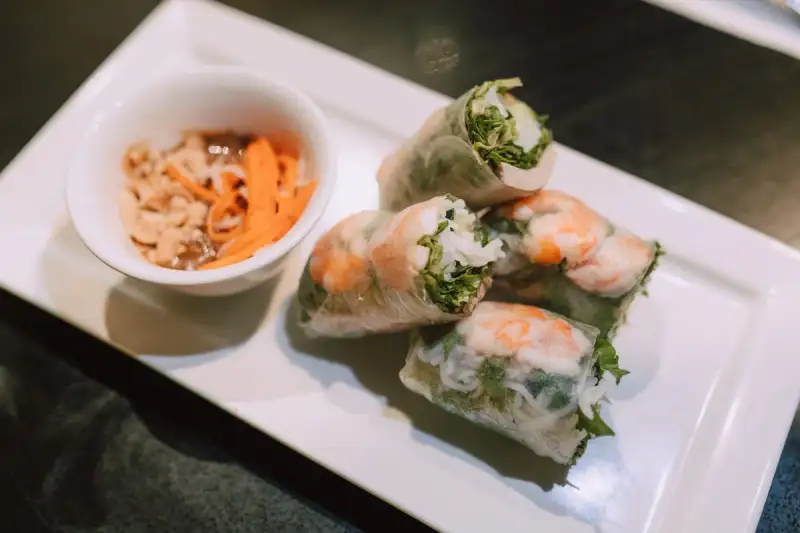
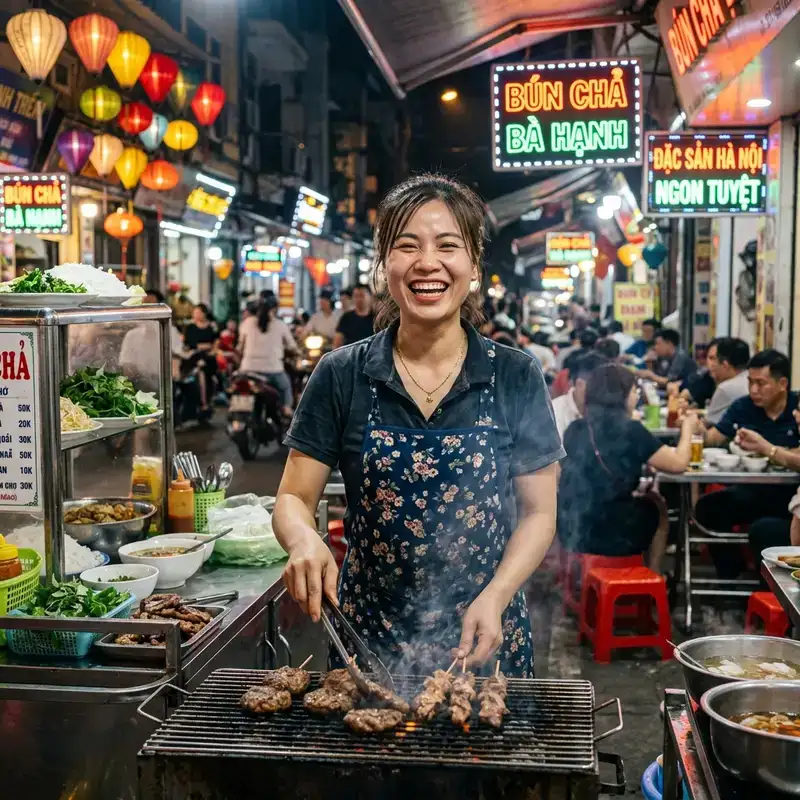
Goi Cuon: The Fresh and Healthy Summer Rolls Goi Cuon, the quintessential Vietnamese summer rolls, have long been a staple in Vietnamese cuisine and culture. These delicate and refreshing rolls have captured the hearts of food lovers around the world, and for good reason. From its rich history to its authentic flavors, Goi Cuon is a true culinary gem that deserves to be explored. History of Goi Cuon Goi Cuon originated in Northern Vietnam, specifically in the region of Hanoi, over a century ago. The rolls were initially created as a simple and nutritious snack for street vendors selling at local markets. These early versions of Goi Cuon were made with fresh vegetables, herbs, and sometimes meat or shrimp, wrapped in a thin sheet of rice paper. However, it was during the French colonial period in the early 20th century that Goi Cuon gained popularity. French colonizers introduced their own versions of spring rolls, which merged with the traditional Vietnamese dish to create the perfect fusion. The combination of crunchy rice paper, flavorful vegetables, and fragrant herbs resulted in a truly unique and irresistible snack. Ingredients To make authentic Goi Cuon, you need to use the freshest of ingredients. Here are some of the essential components:Rice paper: Freshly made or frozen rice paper sheets are essential for making good Goi Cuon. Vegetables: Shredded carrots, cucumbers, and lettuce are common choices, but feel free to experiment with other vegetables like bean sprouts, mint, and basil. Herbs: Mint, basil, and cilantro add a burst of freshness to the rolls. Protein: Shrimp, pork, or chicken can be used as protein sources, but vegetarian options like tofu and tempeh are also gaining popularity. Dipping sauce: A sweet and sour sauce made with fish sauce, lime juice, sugar, and chilies is the classic accompaniment to Goi Cuon.Preparing Goi Cuon Preparing Goi Cuon is an art that requires patience and skill. Here's a simple recipe to get you started: Wrapping Rice PaperDip a rice paper sheet in water for a few seconds, until it becomes pliable and soft. Place the rice paper on a clean surface and arrange your fillings in the center. Fold the bottom half of the rice paper over the fillings, followed by the sides, and finally the top half. Press the edges gently to seal the roll. Repeat with the remaining rice paper sheets and fillings.Dipping SauceMix fish sauce, lime juice, sugar, and chilies in a bowl. Adjust the seasoning to taste by adding more fish sauce, sugar, or chilies. Serve the dipping sauce chilled.GarnishesGarnish with fresh herbs like mint, basil, and cilantro for a pop of color and fragrance. Add sliced chilies or chili flakes for an extra spicy kick.Serving SuggestionsServe Goi Cuon as an appetizer or snack. Use them as a main course, served with a variety of dipping sauces. Experiment with different fillings, seasonings, and cooking methods to create your own unique versions.Tasting Goi Cuon The moment you take a bite of Goi Cuon is pure magic. The crunch of the rice paper, the freshness of the herbs, and the sweetness of the dipping sauce all combine to create a truly unforgettable experience. Here are some reasons why Goi Cuon stands out: Unique Texture The combination of crunchy rice paper, soft vegetables, and fragrant herbs creates a fascinating texture that's both refreshing and satisfying. Flavorful Filling The fillings in Goi Cuon are a perfect blend of sweet, sour, salty, and spicy flavors that cater to a wide range of tastes. Freshness Goi Cuon is a dish that's all about freshness. From the crunchy vegetables to the fragrant herbs, every component is designed to bring out the best flavors and textures. Cultural Significance Goi Cuon is more than just a snack or appetizer; it's a cultural symbol that represents the rich history and traditions of Vietnamese cuisine. Health Benefits Goi Cuon is a healthy snack option, made with fresh ingredients and minimal oil. It's an excellent choice for those looking for a nutritious and delicious meal. Innovations and Variations As Goi Cuon has gained popularity worldwide, it has inspired a range of creative variations and innovative ingredients. Here are some interesting takeaways from chefs and food bloggers: Goi Cuon with Seafood This variation features shrimp, crab meat, and fish sauce as the main ingredients. Veggie Goi Cuon For vegetarians and vegans, Goi Cuon can be made with tofu, tempeh, or seitan as protein sources. Spicy Goi Cuon For those who enjoy spicy food, adding more chilies or using spicy sauces like sriracha can create an exciting kick. Fusion Goi Cuon Fusion versions of Goi Cuon incorporate global flavors and ingredients into the traditional dish. Regional Variations Different regions in Vietnam have their own take on Goi Cuon, using unique ingredients and seasonings. Conclusion Goi Cuon, the Fresh and Healthy Summer Rolls, is an authentic Vietnamese dish with a rich history, unique flavors, and numerous health benefits. Whether you're a food enthusiast or a newcomer to the culinary world, Goi Cuon has something to offer. From classic recipes to innovative variations, this dish has captured the hearts of people everywhere. Explore the cultural significance, authentic flavors, and health benefits of Goi Cuon. Try out the recipe and discover why Goi Cuon has become an iconic dish worldwide.Essential Ingredients for Goi CuonRice paper Vegetables Herbs Protein sources Dipping sauceGarnishes and Seasonings for Goi CuonFresh herbs like mint, basil, and cilantro Sliced chilies or chili flakes Fish sauce, lime juice, sugar, and chilies for dipping sauceThe Art of Wrapping Goi Cuon Wrapping rice paper sheets around fillings and herbs requires patience and skill. Press the edges gently to seal the roll. Variations of Goi CuonGoi Cuon with Seafood Veggie Goi Cuon Spicy Goi Cuon Fusion Goi Cuon Regional VariationsHashtags #GoiCuon #VietnameseFood #SummerRolls #HealthySnacks #StreetFood #CulturalHistory #FoodBlog #RecipeGuide #TraditionalVietnameseRecipe Related InsightsThe Crystal Architecture of Chocolate: Mastering the Science of the Perfect Snap Feijoada: Brazil’s Hearty Black Bean Stew and the Soul of a Nation Global Secrets of Preserved Lemons & Salt‑Cured Citrus: From Marrakech Markets to Tokyo Kitchens{ "@context": "https://schema.org", "@type": "FAQPage", "mainEntity": [ { "@type": "Question", "name": "What is the main focus of Goi Cuon: The Fresh and Healthy Summer Rolls?", "acceptedAnswer": { "@type": "Answer", "text": "Discover the deep cultural roots, authentic flavors, and history of Goi Cuon: The Fresh and Healthy Summer Rolls." } }, { "@type": "Question", "name": "Who authored the comprehensive guide on Goi Cuon: The Fresh and Healthy Summer Rolls?", "acceptedAnswer": { "@type": "Answer", "text": "This detailed article and its insights were carefully researched and authored by Nguyen Thi Mai." } }, { "@type": "Question", "name": "Where can I find more related content about Food?", "acceptedAnswer": { "@type": "Answer", "text": "You can explore more articles, detailed reviews, and similar insights by browsing the Related Insights section at the bottom of this article or visiting our dedicated Food category page." } } ] }
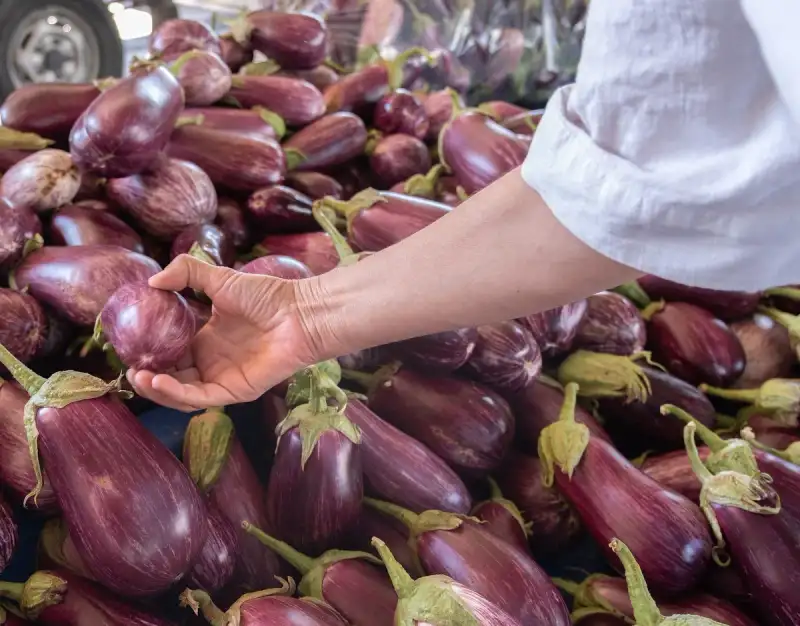
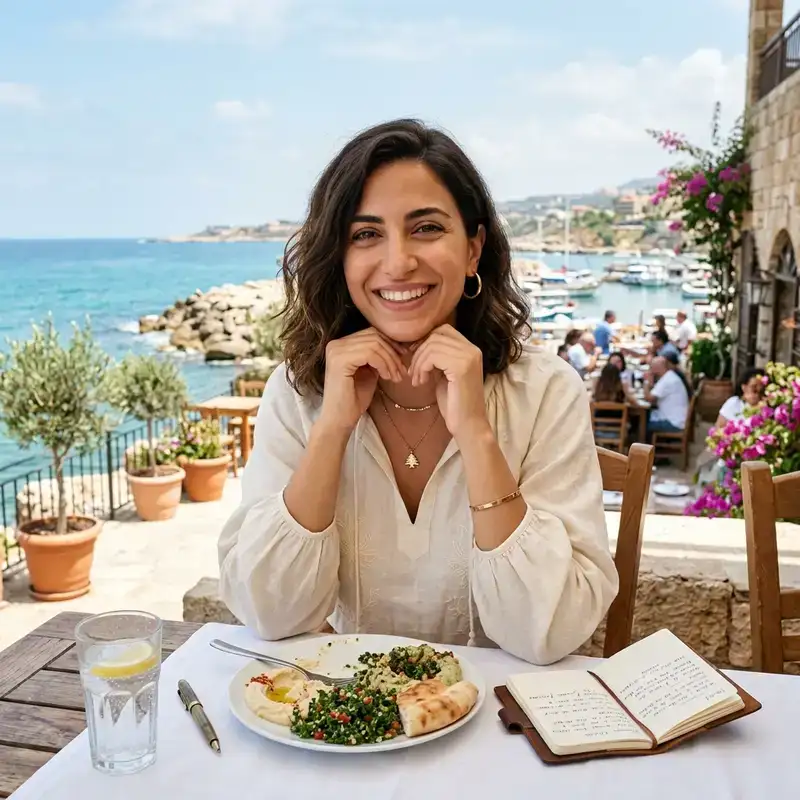
Baba Ghanoush: The Smoky Eggplant Dip A culinary masterpiece born from the heart of the Middle East, Baba Ghanoush has captivated taste buds for centuries. This velvety smooth dip, also known as the 'king of eggplant dips,' is a testament to the region's culinary ingenuity and love for simple, yet rich flavors. In this article, we will delve into the rich history, authentic flavors, and cultural significance of Baba Ghanoush. A Brief History of Baba Ghanoush Baba Ghanoush's origins are attributed to the Levant region of the Middle East, where it has been a staple dish since ancient times. The name 'Baba Ghanoush' translates to 'papa' or 'daddy,' which refers to the traditional practice of grilling eggplants over an open flame, often while sitting on the father's lap (ghanoush). This unique method of preparation has become an integral part of the dish's identity and charm. Roasting the Perfect EggplantRoasting is the most crucial step in preparing Baba Ghanoush. Eggplants are traditionally placed directly on the open flames of a fire or grill, allowing the charred skin to develop a deep, smoky flavor. However, for a more controlled environment, ovens or grills with a medium-high heat can be used. A perfectly roasted eggplant should have a wrinkled, dark brown skin and a slightly charred smell. The Art of Chilling and Pureeing Once the eggplant has cooled down, the next step is to extract the pulp and blend it with tahini, garlic, lemon juice, salt, and olive oil. This creamy mixture is then chilled in the refrigerator to allow the flavors to meld together. The consistency and smoothness of Baba Ghanoush rely heavily on the quality of the eggplant, so ensure that it is pureed to perfection. Cultural Significance of Baba Ghanoush Baba Ghanoush has become an integral part of the culinary culture in the Middle East, often served as an appetizer or side dish in social gatherings, parties, and family functions. The dish is a symbol of hospitality, generosity, and cultural exchange. In many households, Baba Ghanoush is also served as a comfort food, providing solace during difficult times. Traditional Variations and Modern Twists While traditional Baba Ghanoush remains a staple in many Middle Eastern cuisines, various regional and personal variations have emerged over the years. Some popular adaptations include the addition of spices, herbs, and even cheese. Modern twists often introduce new ingredients like roasted red peppers, sun-dried tomatoes, or olives, giving Baba Ghanoush a modern, vibrant twist. Classic Baba Ghanoush Recipe Ingredients:2 large eggplants 1/4 cup tahini 1/4 cup lemon juice 2 cloves garlic, minced 1/2 teaspoon salt 3 tablespoons olive oil Optional: spices, herbs, and other ingredients to tasteInstructions:Roast eggplants over medium-high heat until charred and wrinkled. Peel and puree the eggplant in a blender or food processor. In a separate bowl, combine tahini, lemon juice, garlic, salt, and olive oil. Gradually add the tahini mixture to the eggplant puree and blend until smooth. Chill the mixture in the refrigerator for at least 2 hours.Tips and Tricks for the Perfect Baba GhanoushChoose the right eggplant variety for optimal flavor and texture. Use high-quality tahini for the best flavor and consistency. Adjust the amount of garlic and lemon juice according to personal taste. Experiment with different spices and herbs to create unique variations.In conclusion, Baba Ghanoush is more than just a delicious dip – it's a cultural icon that represents the heart and soul of Middle Eastern cuisine. Its rich history, authentic flavors, and simplicity have captured the taste buds of people around the world. Whether you're a seasoned foodie or a beginner cook, Baba Ghanoush is a recipe waiting to be discovered. In a world filled with complex and intricate dishes, Baba Ghanoush reminds us of the beauty of simplicity and the importance of preserving cultural heritage. So, next time you're craving a taste of the Middle East, grab an eggplant, and get ready to indulge in the smoky, velvety goodness of Baba Ghanoush. #hashtag #BabaGhanoush #SmokyEggplantDip #MiddleEasternCuisine #FoodHistory #TraditionalFood #StreetFood #CulturalHistory #AuthenticRecipe Related InsightsMumbais flüchtige Gaumenfreuden: Wo Straßenstände die Stadt zum Kochen bringen Char Siu Bao: The Fluffy BBQ Pork Bun Honey’s Hidden DNA: Decoding Terroir and Floral Pollination in Every Golden Drop{ "@context": "https://schema.org", "@type": "FAQPage", "mainEntity": [ { "@type": "Question", "name": "What is the main focus of Baba Ghanoush: The Smoky Eggplant Dip?", "acceptedAnswer": { "@type": "Answer", "text": "Discover the deep cultural roots, authentic flavors, and history of Baba Ghanoush: The Smoky Eggplant Dip." } }, { "@type": "Question", "name": "Who authored the comprehensive guide on Baba Ghanoush: The Smoky Eggplant Dip?", "acceptedAnswer": { "@type": "Answer", "text": "This detailed article and its insights were carefully researched and authored by Layla Hariri." } }, { "@type": "Question", "name": "Where can I find more related content about Food?", "acceptedAnswer": { "@type": "Answer", "text": "You can explore more articles, detailed reviews, and similar insights by browsing the Related Insights section at the bottom of this article or visiting our dedicated Food category page." } } ] }
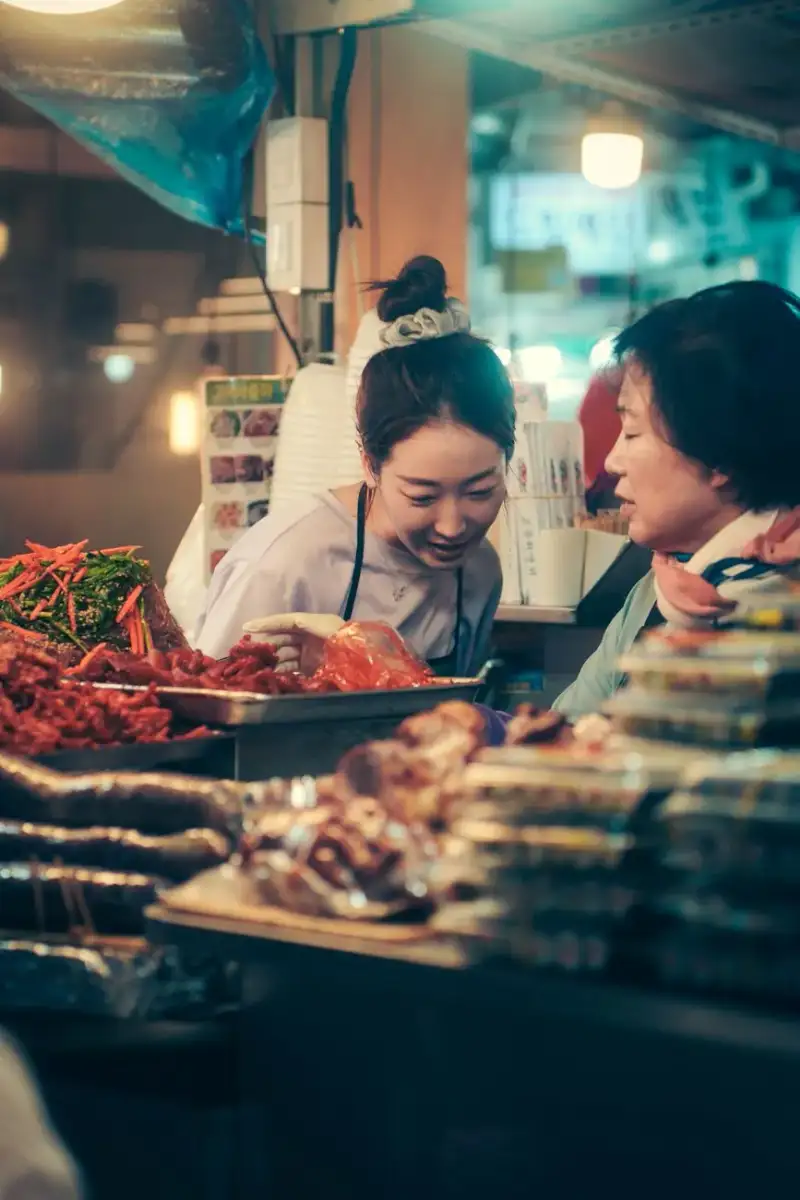
-
 Chloe Blanc
 - 13 Jul, 2026 20:12
L'Épopée Gourmande des Rues : Quand le Monde se Déguste à Ciel Ouvert
Dans le bruissement incessant des cités, au carrefour des destins et des cultures, une symphonie de parfums s'élève, s'accroche aux murmures du vent et éveille les sens. Ce n'est pas le faste des tables étoilées, ni le calme feutré des restaurants qui se manifeste ici, mais une autre forme de gastronomie, plus brute, plus vivante, plus intrinsèquement liée à l'âme des peuples : la street food. Elle est l'impulsion d'un besoin immédiat, l'expression d'un savoir-faire ancestral, le reflet d'une identité qui se mange, se partage et se transmet de génération en génération. De l'aube des civilisations à l'effervescence de nos métropoles contemporaines, la nourriture de rue a tracé un chemin ininterrompu, nourrissant les corps et les esprits, tissant des liens invisibles entre les passants, les vendeurs et l'histoire elle-même. Il ne s'agit pas simplement de manger sur le pouce ; il s'agit d'une immersion dans le tissu social, d'une rencontre fortuite avec l'authenticité. La street food, ce sont ces mets vendus par un colporteur ou un vendeur dans la rue ou tout autre lieu public – qu'il s'agisse d'un marché, d'une foire ou d'un parc – souvent proposés depuis un stand alimentaire portable, un chariot ou un camion, et destinés à une consommation immédiate. C'est un ballet quotidien, une danse perpétuelle entre l'offre et la demande, où la simplicité des gestes masque la complexité des saveurs et la richesse d'une tradition. Certains de ces délices sont profondément ancrés dans leur région d'origine, tandis que d'autres ont transcendé leurs frontières initiales pour conquérir le palais du monde entier. La plupart des aliments de rue sont classifiés à la fois comme des amuse-gueules ("finger food") et de la restauration rapide ("fast food"), et sont généralement plus économiques que les repas servis dans les restaurants, rendant ainsi la bonne chère accessible à tous. La diversité des mets de rue est aussi vaste que la mosaïque des cultures qui peuplent notre planète. Un rapport de 2007 de la Food and Agriculture Organization (FAO) révélait un chiffre stupéfiant : 2,5 milliards de personnes consomment de la street food chaque jour. Ce n'est pas qu'une question de commodité ; pour une majorité de consommateurs aux revenus moyens à élevés, c'est l'accès rapide et l'abordabilité de ces aliments qui répondent à leurs besoins nutritionnels quotidiens. Dans les pays en développement en particulier, ce secteur est un moteur économique crucial, créant des opportunités d'emploi pour des millions de personnes. Paradoxalement, si certaines cultures considèrent qu'il est impoli de manger en marchant dans la rue, la réalité économique et sociale des temps modernes a transformé cette habitude en une nécessité, une marque de l'urbanisation galopante et de l'accélération des modes de vie.Cependant, cette effervescence, cette démocratisation du goût, ne vient pas sans son lot de défis. Les gouvernements et autres organisations s'intéressent de plus en plus à l'importance socio-économique de la street food, mais aussi aux risques qui lui sont associés. Parmi ces préoccupations, la sécurité alimentaire et les problèmes d'assainissement figurent en tête de liste. L'utilisation parfois illégale d'espaces publics ou privés, les problèmes sociaux et la congestion du trafic dans les zones où se concentrent ces vendeurs sont également des points d'attention majeurs, soulignant la complexité de réguler un phénomène aussi organique et omniprésent. Aux Racines du Goût : Une Histoire Millénaire La street food n'est pas une invention moderne ; elle plonge ses racines dans les profondeurs de l'histoire, témoignant des besoins fondamentaux des sociétés humaines et de leur ingéniosité culinaire. L'Europe, Berceau des Premiers Colporteurs Dès l'Antiquité, l'Europe vibrait déjà au rythme des vendeurs de rue. En Grèce antique, le petit poisson frit était une nourriture de rue courante, bien que des philosophes comme Théophraste aient regardé cette pratique avec un certain dédain, la considérant peut-être comme peu raffinée. Mais les découvertes archéologiques, notamment lors de l'excavation de Pompéi, révèlent l'existence d'un grand nombre de vendeurs ambulants, soulignant l'omniprésence de cette forme de restauration. Dans la Rome antique, la street food était une composante essentielle de la vie quotidienne pour les habitants pauvres des insulae, ces immeubles d'habitation souvent dépourvus de fours ou de foyers pour cuisiner. La soupe de pois chiches accompagnée de pain et de pâte de céréales constituait alors des repas communs et nourrissants, illustrant la fonction vitale de ces vendeurs pour la survie urbaine. Au XIVe siècle, un voyageur florentin décrivait l'effervescence du Caire où les gens étendaient des napperons en cuir brut dans les rues pour s'asseoir et déguster des brochettes d'agneau, du riz et des beignets achetés auprès des vendeurs. Cette scène pittoresque témoigne de la dimension sociale et conviviale de la street food, bien au-delà de la simple transaction. La Turquie de la Renaissance n'était pas en reste. De nombreux carrefours grouillaient de vendeurs proposant des "bouchées parfumées de viande chaude", notamment du poulet et de l'agneau rôtis à la broche. C'est d'ailleurs dans l'Empire ottoman que fut établie la première législation et standardisation de la vente d'aliments de rue, dès 1502, une preuve de l'importance et de la reconnaissance institutionnelle de cette pratique. Au XIXe siècle, les vendeurs de rue en Transylvanie proposaient des noix de pain d'épices, de la crème mélangée à du maïs, et du bacon ou d'autres viandes frites sur des récipients en céramique contenant des charbons ardents. C'est également à cette période que les frites, ces lanières de pommes de terre frites, virent probablement le jour comme street food à Paris, dans les années 1840. À Londres, à l'époque victorienne, l'éventail des choix était large, allant des tripes et de la soupe de pois aux cosses de pois au beurre, en passant par les bulots, les crevettes et les anguilles en gelée, des mets qui résonnent encore dans l'imaginaire populaire.Les Amériques : Une Mosaïque de Saveurs Précolombiennes et Coloniales Le continent américain a lui aussi une riche histoire de street food, antérieure à l'arrivée des Européens. Sur les places de marché aztèques, les vendeurs proposaient des boissons telles que l'atolli, une bouillie à base de pâte de maïs, et près de 50 types de tamales aux garnitures variées : viande de dinde, de lapin, de gopher, de grenouille, de poisson, mais aussi des fruits, des œufs et des fleurs de maïs. Des insectes et des ragoûts complétaient cette offre déjà incroyablement diversifiée. La colonisation espagnole apporta en Amérique du Sud de nouvelles denrées comme le blé, la canne à sucre et le bétail. Cependant, la plupart des roturiers péruviens continuèrent à consommer principalement leurs régimes alimentaires traditionnels. Les importations européennes furent intégrées à la marge de leur alimentation, comme les cœurs de bœuf grillés vendus par les colporteurs de rue. Certains vendeurs de rue de Lima du XIXe siècle, comme "Erasmo, le vendeur 'negro' de Sango" et Na Agardite, sont encore cités aujourd'hui, témoignant de leur impact sur la mémoire collective. Pendant la période coloniale américaine, les vendeurs de rue proposaient des huîtres, des épis de maïs rôtis, des fruits et des sucreries à bas prix, accessibles à toutes les classes sociales. Les huîtres, en particulier, étaient un aliment de rue bon marché et très populaire jusqu'aux environs de 1910, date à laquelle la surpêche et la pollution entraînèrent une augmentation de leurs prix. Les vendeurs de rue de New York rencontrèrent une opposition considérable. Après des restrictions initiales limitant leurs heures d'ouverture, ils furent complètement interdits dans la ville en 1707. Malgré cela, de nombreuses femmes d'origine africaine gagnaient leur vie en vendant des aliments de rue en Amérique aux XVIIIe et XIXe siècles, proposant des fruits, des gâteaux et des noix à Savannah, ou du café, des biscuits, des pralines et d'autres douceurs à la Nouvelle-Orléans. Le célèbre Cracker Jack, lui, a débuté comme l'une des nombreuses friandises de rue présentées à l'Exposition universelle de Colomb.L'Asie : Un Continent Entier au Rythme des Saveurs de Rue L'Asie, avec ses marchés animés et ses traditions culinaires profondes, est sans doute le continent où la street food atteint son apogée, tant par sa diversité que par son importance culturelle et économique. En Chine, la vente d'aliments de rue remonte à des millénaires et devint une partie intégrante de la culture culinaire chinoise sous la dynastie Tang. Si elle s'adressait principalement aux pauvres, les résidents fortunés envoyaient souvent leurs serviteurs acheter des mets de rue pour les ramener chez eux. Aujourd'hui encore, la street food joue un rôle majeur dans la cuisine chinoise, les spécialités régionales suscitant un vif intérêt pour le tourisme culinaire, tant auprès des voyageurs nationaux qu'internationaux. La diaspora chinoise a eu une influence majeure sur d'autres cuisines asiatiques, introduisant même le concept de culture de la street food dans divers pays, notamment en Asie du Sud-Est où elle fut établie par les travailleurs coolies importés de Chine à la fin du XIXe siècle. Au Japon, le ramen, dont le prédécesseur fut introduit par des immigrants chinois à la fin du XIXe ou au début du XXe siècle, a commencé comme un aliment de rue pour les ouvriers et étudiants chinois vivant dans le quartier chinois de Yokohama. Mais ce plat humble a progressivement évolué pour devenir un "plat national" du Japon, acquérant même des variations régionales en se répandant dans tout le pays, illustrant la capacité de la street food à transcender ses origines pour devenir un emblème culturel. En Thaïlande, la street food, initialement vendue par la population d'origine chinoise, ne gagna en popularité auprès des Thaïlandais qu'au début des années 1960. La croissance rapide de la population urbaine stimula cette culture, et dès les années 1970, elle avait "déplacé la cuisine à domicile". En conséquence, de nombreux plats de rue thaïlandais sont dérivés ou fortement influencés par la cuisine chinoise. On estime qu'environ 76% des citadins thaïlandais fréquentent régulièrement les vendeurs d'aliments de rue. L'essor de l'industrie touristique du pays a également contribué à la popularité de la street food thaïlandaise. En 2017, les 103 000 vendeurs de rue de Thaïlande à eux seuls ont généré 270 milliards de bahts de revenus. Suvit Maesincee, ministre de l'Enseignement supérieur, de la Science, de la Recherche et de l'Innovation, prévoit une croissance annuelle de ce segment de six à sept pour cent à partir de 2020. Fait intéressant, plusieurs études ont montré que la contamination des aliments vendus par les vendeurs de rue est au même niveau que celle des restaurants, contredisant parfois les idées reçues. Environ 2% des 8 millions d'habitants de Bangkok, soit 160 000 vendeurs, assurent l'approvisionnement en nourriture de rue de la capitale. En Inde, l'Arthashastra, un ancien traité indien sur l'art de gouverner, mentionne déjà les vendeurs de nourriture. Une réglementation stipulait que "ceux qui commercent le riz cuit, l'alcool et la chair" devaient vivre au sud de la ville. Une autre précisait que les surintendants des entrepôts pouvaient donner les surplus de son et de farine à "ceux qui préparent le riz cuit et les gâteaux de riz", tandis qu'une réglementation concernant les surintendants de la ville faisait référence aux "vendeurs de chair cuite et de riz cuit". À Delhi, la légende raconte que les rois visitaient les vendeurs de brochettes dans la rue, dont certains sont encore en activité aujourd'hui. Pendant la période coloniale, une street food fusion fut créée, spécialement conçue pour les clients britanniques, illustrant l'adaptabilité et l'évolution constante de cette forme de cuisine.L'Âme du Monde dans une Bouchée La street food est bien plus qu'une simple commodité culinaire ; elle est un témoin de l'histoire, un pilier économique et un vecteur culturel irremplaçable. Elle raconte les migrations, les innovations, les adaptations et les résistances des peuples à travers les âges. Des marchés antiques aux rues animées des mégalopoles modernes, elle continue de nourrir, d'émerveiller et de rassembler, prouvant que la gastronomie la plus profonde n'est pas toujours celle qui se cache derrière les portes les plus lourdes, mais celle qui s'offre généreusement, à ciel ouvert, au cœur battant de nos villes. C'est une invitation constante à l'exploration, à la découverte des saveurs du monde, une bouchée à la fois.#StreetFood #CuisineDuMonde #HistoireCulinaire #VoyageGourmand #GastronomieDeRue Related InsightsThe Tuscan Secret: Why Minestrone with Farro is the Ultimate High-Fiber Superfood The Alchemy of Appetite: Decoding the Molecular Soul of Our Sustenance Sourdough Beyond Bread: The Art of Crafting Pizzas, Pastries, and Innovative Baked Delights{ "@context": "https://schema.org", "@type": "FAQPage", "mainEntity": [ { "@type": "Question", "name": "What is the main focus of L'Épopée Gourmande des Rues : Quand le Monde se Déguste à Ciel Ouvert?", "acceptedAnswer": { "@type": "Answer", "text": "Plongez dans l'histoire millénaire de la street food, un phénomène culinaire mondial qui façonne les cultures et nourrit des milliards de vies, des marchés antiques aux métropoles modernes." } }, { "@type": "Question", "name": "Who authored the comprehensive guide on L'Épopée Gourmande des Rues : Quand le Monde se Déguste à Ciel Ouvert?", "acceptedAnswer": { "@type": "Answer", "text": "This detailed article and its insights were carefully researched and authored by Chloe Blanc." } }, { "@type": "Question", "name": "Where can I find more related content about Food?", "acceptedAnswer": { "@type": "Answer", "text": "You can explore more articles, detailed reviews, and similar insights by browsing the Related Insights section at the bottom of this article or visiting our dedicated Food category page." } } ] }
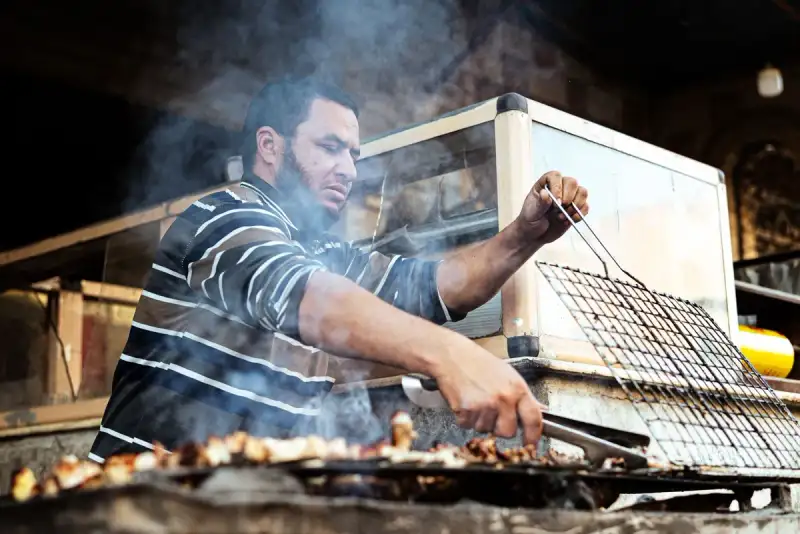

In the bustling streets of Cairo, where the aroma of exotic spices and freshly baked bread fills the air, lies a culinary treasure that has been a staple of Egyptian cuisine for centuries: Hawawshi. This delicious spiced meat bread is a testament to the country's rich cultural heritage, where flavors and traditions blend together in perfect harmony. As we delve into the world of Hawawshi, we will explore its history, cultural significance, and of course, the authentic recipe that has been passed down through generations. Introduction to Hawawshi Hawawshi is a type of Egyptian bread that is filled with a mixture of spiced meat, onions, and spices. The bread is typically made with a yeast-based dough, which is allowed to rise before being filled with the flavorful meat mixture. The filling is usually made with a combination of ground beef or lamb, onions, garlic, and a blend of spices that include cumin, coriander, and cinnamon. The bread is then baked in a wood-fired oven, giving it a crispy crust and a soft, fluffy interior.History and Cultural Significance Hawawshi has a long and storied history that dates back to the Ottoman Empire. The dish is believed to have originated in the 16th century, when Egyptian bakers began filling bread with spiced meat as a way to provide a convenient and filling meal for workers and travelers. Over time, Hawawshi became a staple of Egyptian cuisine, with different regions developing their own unique variations and fillings. Today, Hawawshi is enjoyed throughout Egypt, from street food vendors to high-end restaurants. Authentic Recipe To make authentic Hawawshi, you will need the following ingredients:2 cups of all-purpose flour 1 teaspoon of salt 1 teaspoon of sugar 1 packet of active dry yeast 1 cup of warm water 1 tablespoon of vegetable oil 1 onion, finely chopped 2 cloves of garlic, minced 1 pound of ground beef or lamb 1 teaspoon of cumin 1 teaspoon of coriander 1/2 teaspoon of cinnamon 1/2 teaspoon of black pepperTo prepare the dough, combine the flour, salt, sugar, and yeast in a large mixing bowl. Gradually add the warm water, stirring with a wooden spoon until a dough forms. Knead the dough for 10-15 minutes until it becomes smooth and elastic. Place the dough in a greased bowl, cover it with a damp cloth, and let it rise in a warm place for 1-2 hours. Preparation of the Filling To prepare the filling, heat the oil in a pan over medium heat. Add the chopped onion and cook until it is softened and translucent. Add the minced garlic and cook for an additional minute. Add the ground beef or lamb, breaking it up with a spoon as it cooks. Add the cumin, coriander, cinnamon, and black pepper, stirring well to combine. Cook the filling for 10-15 minutes, stirring occasionally, until it is browned and fragrant.Assembly and Baking To assemble the Hawawshi, punch down the risen dough and divide it into 4-6 equal pieces. Roll out each piece into a thin circle, about 1/4 inch thick. Place a tablespoon or two of the spiced meat filling in the center of each circle. Fold the dough over the filling, forming a triangle or a square shape, and press the edges together to seal. Place the Hawawshi on a baking sheet lined with parchment paper, leaving about 1 inch of space between each bread. Brush the tops with a little water and bake in a preheated oven at 400°F (200°C) for 20-25 minutes, or until golden brown. Conclusion Hawawshi is a true culinary treasure of Egyptian cuisine, with its rich history, cultural significance, and delicious flavor. Whether you are a foodie, a historian, or simply someone who loves to try new things, Hawawshi is a must-try dish that is sure to leave you wanting more. With its crispy crust, soft interior, and flavorful spiced meat filling, Hawawshi is a dish that will transport you to the bustling streets of Cairo, where the aroma of freshly baked bread and exotic spices fills the air.#Hawawshi #EgyptianFood #StreetFood #CairoCuisine #SpicedMeatBread #TraditionalFood #Foodie #MiddleEasternCuisine Related InsightsKale and Grilled Chicken Caesar Salad with Greek Yogurt Dressing: A High Protein Delight L'Épopée Gourmande des Rues : Quand le Monde se Déguste à Ciel Ouvert Jollof Rice: The Ultimate West African Party Dish{ "@context": "https://schema.org", "@type": "FAQPage", "mainEntity": [ { "@type": "Question", "name": "What is the main focus of Hawawshi: The Spiced Meat Bread of Cairo?", "acceptedAnswer": { "@type": "Answer", "text": "Discover the deep cultural roots, authentic flavors, and history of Hawawshi: The Spiced Meat Bread of Cairo." } }, { "@type": "Question", "name": "Who authored the comprehensive guide on Hawawshi: The Spiced Meat Bread of Cairo?", "acceptedAnswer": { "@type": "Answer", "text": "This detailed article and its insights were carefully researched and authored by Tariq Al-Fayed." } }, { "@type": "Question", "name": "Where can I find more related content about Food?", "acceptedAnswer": { "@type": "Answer", "text": "You can explore more articles, detailed reviews, and similar insights by browsing the Related Insights section at the bottom of this article or visiting our dedicated Food category page." } } ] }
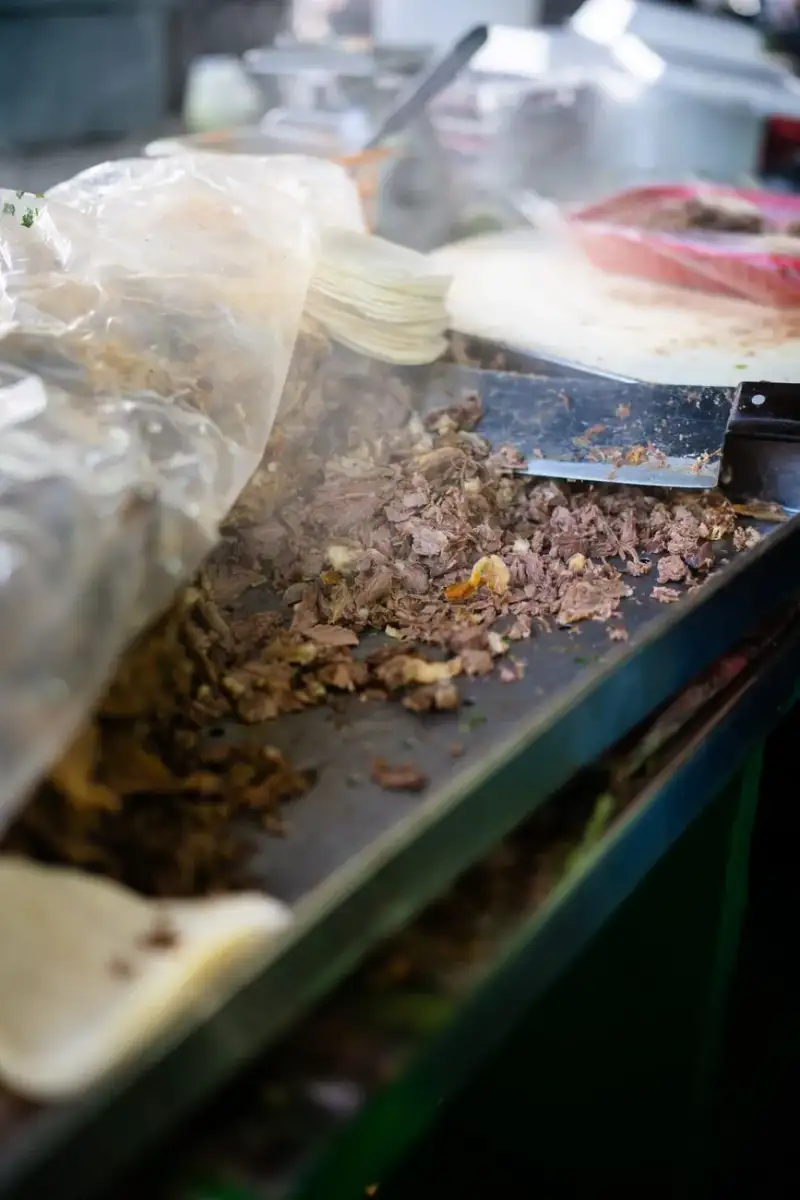
- Klaus Weber
- 08 Jul, 2026 16:01
Der gefaltete Mythos: Eine kulinarische Odyssee durch die tiefgründige Welt des Tacos
In den Annalen der Gastronomie gibt es Speisen, die weit mehr sind als nur die Summe ihrer Zutaten. Sie sind kulturelle Botschafter, Zeugen der Geschichte und ein Ausdruck tiefer regionaler Identität. Der Taco, dieses bescheidene, doch geniale Gebilde aus einer gefalteten Tortilla und einer Füllung, ist zweifellos ein solches Phänomen. Er repräsentiert die Seele Mexikos und hat von den staubigen Gassen seiner Ursprünge eine triumphalen Siegeszug um die ganze Welt angetreten. Eine kleine, handliche Kreation, die man direkt aus der Hand genießt, doch in ihrer Einfachheit eine unendliche Vielfalt verbirgt – das ist der Taco. Die Essenz des Tacos liegt in seiner fundamentalen Konstruktion: eine kleine, handgroße Tortilla, traditionell aus Mais, zunehmend aber auch aus Weizenmehl, die als Träger für eine schier grenzenlose Auswahl an Füllungen dient. Ob zartes Rindfleisch, saftiges Schweinefleisch, würziges Hähnchen, frische Meeresfrüchte, herzhafte Bohnen, knackiges Gemüse oder schmelzender Käse – die Möglichkeiten sind so vielfältig wie die Landschaften Mexikos selbst. Garniert wird dieses Ensemble oft mit einer Explosion von Aromen und Texturen: scharfe Salsa, cremige Guacamole, kühle Sauerrahm, frischer Salat, duftender Koriander, scharfe Zwiebeln, saftige Tomaten und die unverzichtbaren Chiles. Der Taco ist nicht nur eine Speise; er ist ein Antojito, ein kleines Verlangen, ein Stück mexikanischer Straßenkultur, das sich zu einem globalen Symbol entwickelt hat. Man darf den Taco jedoch nicht vorschnell mit seinen Verwandten verwechseln. Im Gegensatz zu Burritos, die oft wesentlich größer sind und gerollt statt gefaltet werden, oder Taquitos, die ebenfalls gerollt und dann frittiert werden, oder gar Chalupas und Tostadas, bei denen die Tortilla vor dem Füllen frittiert wird und offen bleibt, bewahrt der Taco seine charakteristische Falttechnik und seine handliche Größe. Diese scheinbare Einfachheit ist der Schlüssel zu seiner universellen Anziehungskraft und seiner tiefen Verwurzelung in der mexikanischen Esskultur. Die verborgenen Pfade der Sprache: Eine etymologische Spurensuche Die Ursprünge des Wortes „Taco“ im kulinarischen Sinne sind von einem Schleier des Mysteriums umhüllt, und die etymologischen Theorien, die seine Genese zu entschlüsseln versuchen, sind ebenso faszinierend wie vielfältig. Laut der Real Academia Española, dem Hüter der spanischen Sprache, ist „Taco“ im Sinne des typischen mexikanischen Gerichts lediglich eine von vielen Bedeutungen, die das Wort tragen kann. Diese kulinarische Konnotation ist eine mexikanische Innovation, doch das Wort selbst findet in anderen Kontexten eine reiche Verwendung. Es kann „Keil“, „Pfropfen“, „Stopfen“, „Billardqueue“, „Blasrohr“, „Ladestock“, „eine kurze, stämmige Person“ oder gar ein „kurzes, dickes Holzstück“ bedeuten. Die etymologischen Wurzeln dieses vielseitigen Wortes reichen tief in die germanische Sprachfamilie zurück und offenbaren Verwandtschaften mit Begriffen in anderen europäischen Sprachen, darunter das französische „tache“ (Fleck, Aufgabe) und das englische „tack“ (Heftzwecke, Kurs). In Spanien selbst begegnen wir dem Wort „Taco“ auch im Zusammenhang mit „Tacos de jamón“ – hierbei handelt es sich um gewürfelte Schinkenstücke oder manchmal um Reste und Späne, die beim Schneiden eines größeren Schinkenstücks anfallen. Diese können pur als Tapas oder Streetfood genossen werden oder bereichern andere Gerichte wie Salmorejo, Omeletts, Eintöpfe, Empanadas oder Melón con jamón. Diese Beispiele zeigen die semantische Breite des Wortes, bevor es seine spezifische kulinarische Bedeutung in Mexiko annahm. Eine der populärsten etymologischen Theorien zur kulinarischen Verwendung des Begriffs in Mexiko führt uns tief in die Silberminen des 18. Jahrhunderts. Dort wurde „Taco“ von den Bergleuten als Bezeichnung für einen „Pfropfen“ verwendet. Es handelte sich um explosive Ladungen in Pfropfenform, bestehend aus einer Papierhülle und einer Schwarzpulverfüllung. Die Vorstellung, dass die gefüllte Tortilla eine ähnliche Form oder Funktion – das „Füllen“ – wie diese Sprengpfropfen aufwies, könnte die metaphorische Brücke geschlagen haben. Doch die Etymologie des Tacos ist nicht ausschließlich europäisch verhaftet. Es gibt auch Theorien, die indigene Ursprünge nahelegen. Eine faszinierende Möglichkeit ist, dass das Wort vom Nahuatl-Wort „tlahco“ abstammt, was „Hälfte“ oder „in der Mitte“ bedeutet. Dies würde darauf hindeuten, dass die Speise, die in die Mitte einer Tortilla gelegt wird, dem Namen Pate stand. Hinzu kommt die Tatsache, dass bereits in der präkolumbianischen Gesellschaft Gerichte existierten, die dem heutigen Taco ähnelten. Das Nahuatl-Wort „tlaxcalli“ beispielsweise bezeichnete eine Art Maistortilla und beweist die lange Tradition des Füllens und Verzehrens dieser flachen Brote. Die Sprache, so scheint es, ist ein Spiegel der Geschichte und des kulinarischen Wandels. Eine Zeitreise: Die Geschichte des Tacos Die genaue Geburt des Tacos in Mexiko ist Gegenstand lebhafter Debatten. Einige Historiker und Anthropologen argumentieren, dass der Taco bereits vor der Ankunft der Spanier in Mexiko existierte. Es gibt anthropologische Beweise, die darauf hindeuten, dass die indigenen Völker, die in der Seenregion des Tals von Mexiko lebten, traditionell Tacos mit kleinen Fischen füllten. Diese frühen Formen wären somit ein Echo einer jahrtausendealten Kultur, die bereits die Kunst des Füllens von Maistortillas beherrschte. Bernal Díaz del Castillo, ein Chronist der spanischen Konquistadoren, dokumentierte sogar das erste Taco-Fest, das Europäer genossen – ein Mahl, das Hernán Cortés für seine Kapitäne in Coyoacán arrangierte. Dies würde die indigene Ursprungstheorie untermauern und dem Taco eine ehrwürdige Stellung in der vorspanischen Geschichte verleihen. Andere wiederum vertreten die Ansicht, dass die Entstehung des Tacos wesentlich jüngeren Datums ist. Eine der populärsten Theorien datiert die Erfindung des Tacos auf das 18. Jahrhundert, und zwar durch die bereits erwähnten Silberminenarbeiter. Die harten Arbeitsbedingungen und die Notwendigkeit einer schnell verzehrbaren, nahrhaften Mahlzeit könnten zur Entwicklung dieses praktischen Gerichts geführt haben. Die Bergleute, die ihren "Tacos" (Sprengladungen) gewohnt waren, könnten den Begriff auf die gefüllten Tortillas übertragen haben.Die früheste schriftliche Erwähnung des Begriffs „Taco“ findet sich in einem Kochbuch aus dem Jahr 1836 – „Nuevo y sencillo arte de cocina, reposteria y refrescos“ von Antonia Carrillo. In einem Rezept für eine gerollte Schweinelende (lomo de cerdo enrollado) weist sie die Leser an, die Lende so zu rollen, wie sie einen „taco de tortilla“ oder Tortilla-Taco rollen würden. Dies ist ein entscheidender Hinweis darauf, dass der Begriff und das Konzept bereits zu dieser Zeit etabliert waren. Eine weitere frühe Erwähnung des Wortes „Taco“ stammt aus dem Roman „El hombre de la situación“ (1861) des mexikanischen Schriftstellers Manuel Payno. Hier wird beschrieben, wie sich eine Familie um das Bett des Vaters versammelt, und die Mutter „mit einer Hand eine große Tasse weißen Atole schwenkte, während sie mit der anderen direkt zum Mund einen Tortilla-Taco trug, gefüllt mit einer roten Chilisauce.“ Diese literarischen Referenzen widerlegen die Behauptung, dass die erste Erwähnung des Wortes „Taco“ in Mexiko erst in demselben Autor Paynos späterem Roman „Los bandidos de Río Frío“ (1891) erfolgte. Die Zeitlinien sind somit klarer. Es ist auch wichtig zu beachten, dass der Begriff „Taco“ ursprünglich regional begrenzt war, insbesondere auf Mexiko-Stadt und die umliegenden Gebiete. In anderen Regionen existierten eigene Bezeichnungen. In Guanajuato, Guerrero, Michoacán und San Luis Potosí verwendete man die Begriffe „burrito“ und „burro“. In Yucatán und Quintana Roo war der Begriff „codzito“ (coçito) gebräuchlich. Doch aufgrund des kulturellen Einflusses von Mexiko-Stadt setzte sich der Begriff „Taco“ schließlich als Standard durch. Die regionalen Namen wie „burrito“ und „codzito“ wurden entweder vergessen oder entwickelten sich im Laufe der Zeit zu Bedeutungen, die sich von den ursprünglichen gefüllten Tortillas unterschieden. So wurde der "Burrito", wie wir ihn heute kennen, ein eigenständiges, größeres Gericht. Ein bemerkenswerter Höhepunkt in der jüngsten Geschichte des Tacos ereignete sich 2024, als El Califa de León in Mexiko-Stadt zum ersten Taco-Stand avancierte, der einen Michelin-Stern erhielt. Dies ist nicht nur eine Anerkennung für die Qualität und Raffinesse eines bestimmten Taco-Anbieters, sondern eine symbolträchtige Ehrerbietung an die gesamte Taco-Kultur, die damit endgültig ihren Platz in der Liga der Weltklasse-Gastronomie beansprucht hat. Die Symphonie der Aromen: Traditionelle Variationen des Tacos Die wahre Magie des Tacos offenbart sich in seiner grenzenlosen Vielfalt, die von regionalen Spezialitäten und kulinarischen Innovationen geprägt ist. Jeder Taco erzählt eine eigene Geschichte, gewürzt mit den Besonderheiten seiner Herkunft und Zubereitung. Tacos al Pastor und ihre orientalischen Wurzeln Ein leuchtendes Beispiel für kulturellen Austausch sind die Tacos al pastor („Hirtenart“), die auch als Tacos de adobada oder Tacos árabes („arabische Tacos“) bekannt sind. Ihre Zubereitung ist ein Spektakel für sich: Dünne Schweinefleischscheiben, die kunstvoll mit Adobo-Gewürz mariniert werden, werden auf einen vertikalen Drehspieß gesteckt und übereinandergeschichtet. Ähnlich wie beim Schawarma wird das Fleisch langsam über offenem Feuer gegrillt und flammengebraten, während es sich dreht. Die dünnen, knusprigen Scheiben werden dann direkt vom Spieß geschnitten. Diese Variation hat ihre tiefen Wurzeln in der libanesischen Einwandererbevölkerung Mexikos, die im frühen 20. Jahrhundert ihre Kochtraditionen mitbrachten und sie auf brillante Weise mit lokalen Zutaten und Geschmäckern verschmolzen. Serviert werden sie oft mit Ananas, Zwiebeln und Koriander – eine perfekte Balance aus Süße, Schärfe und Frische. Tacos de Asador: Vom Grill direkt auf die Hand Die Tacos de asador („Spieß-“ oder „Grill-Tacos“) umfassen eine Reihe von Köstlichkeiten, die alle auf dem Grill zubereitet werden und eine rauchige Tiefe entwickeln. Dazu gehören die allseits beliebten Carne asada tacos mit zart gegrilltem Rindfleisch, die Tacos de tripita („Kuttel-Tacos“), die bis zur perfekten Knusprigkeit gegrillt werden, und die Chorizo asado (traditionelle spanische Wurst). Jede dieser Varianten wird typischerweise auf zwei übereinanderliegenden kleinen Tortillas serviert, was für zusätzliche Stabilität sorgt und die Geschmacksaufnahme optimiert. Garniert werden sie oft mit Guacamole, Salsa, Zwiebeln und frischem Koriander. Eine besondere Form des Grill-Tacos ist die Mulita („kleines Maultier“). Hierbei handelt es sich um eine Art Sandwich-Taco, bei dem Fleisch zwischen zwei Tortillas gelegt und mit Oaxaca-Käse garniert wird. In den nördlichen Bundesstaaten Mexikos werden diese speziellen Sandwich-Tacos als Mulita bezeichnet, während sie im Süden Mexikos oft als Gringas bekannt sind und dann typischerweise mit Weizenmehl-Tortillas zubereitet werden. Diese regionalen Bezeichnungen und die leichte Variation der Tortillenart zeigen die feinen Nuancen innerhalb der Taco-Kultur. Tacos de Cabeza: Eine Hommage an das Ganze Für die Wagemutigeren und Kenner gibt es die Tacos de cabeza („Kopf-Tacos“). Hierbei wird ein perforiertes Metallblech verwendet, aus dem Dampf aufsteigt, um den Kopf einer Kuh sanft und langsam zu garen. Diese Methode sorgt für eine außergewöhnlich zarte Textur und einen intensiven Geschmack. Die Füllungen können vielfältig sein und umfassen: Cabeza (Muskelfleisch vom Kopf), Sesos („Gehirn“), Lengua („Zunge“), Cachete („Wangen“), Trompa („Lippen“) und Ojo („Auge“). Die Tortillas für diese Tacos werden auf demselben Dampfblech erwärmt, was ihnen eine einzigartige Konsistenz verleiht. Typischerweise werden diese Tacos paarweise serviert und ebenfalls mit Salsa, Zwiebeln und Koriander, gelegentlich auch mit Guacamole, garniert. Sie sind ein Zeugnis der mexikanischen Tradition, alle Teile des Tieres zu verwerten und in köstliche Speisen zu verwandeln. Tacos de Camarones: Die Meeresbrise in der Tortilla An der Küste Mexikos, insbesondere in Baja California, haben die Tacos de camarones („Garnelen-Tacos“) ihren Ursprung gefunden. Hier werden gegrillte oder frittierte Garnelen zum Star des Tacos. Die Begleitungen ähneln oft denen der Fisch-Tacos: knackiger Salat oder Kohl, frisches Pico de Gallo, cremige Avocado und eine Sauce auf Sauerrahm- oder Zitrus-Mayonnaise-Basis, alles kunstvoll auf einer Mais- oder Weizenmehl-Tortilla angerichtet. Diese Tacos fangen die Leichtigkeit und Frische der Pazifikküste ein und bieten eine willkommene Abwechslung zu den fleischlastigeren Varianten.Tacos de Cazo: Tief frittierte Perfektion Die Tacos de cazo (wörtlich „Eimer-Tacos“) sind eine weitere Spezialität, die ihren Namen einer spezifischen Zubereitungsart verdankt. Für diese Tacos wird ein großer Metalltopf oder „Cazo“, gefüllt mit Schmalz, typischerweise als Fritteuse verwendet. Die Fleischsorten für diese Art von Tacos sind oft Innereien wie Tripa („Kutteln“), die hier jedoch in der Regel vom Schwein statt vom Rind stammen und in dem heißen Schmalz langsam bis zur Perfektion frittiert werden, wodurch sie eine reiche Textur und einen tiefen Geschmack entwickeln. Diese Zubereitung verleiht dem Fleisch eine besondere Saftigkeit und Würze, die in Kombination mit frischen Tortillas und typischen Garnituren ein unvergessliches Geschmackserlebnis schafft. Der Taco ist somit nicht nur ein Gericht; er ist ein Panorama der mexikanischen Kochkunst, ein Ausdruck ihrer Geschichte, ihrer regionalen Vielfalt und ihrer Innovationskraft. Von den geheimnisvollen Wortursprüngen bis zu den raffinierten Zubereitungsarten, vom einfachen Streetfood bis zum Michelin-Stern – der Taco ist ein kulinarischer Schatz, der seine Geschichte in jeder Falte trägt und in jedem Bissen eine Welt von Aromen und Traditionen offenbart. Er ist ein Zeugnis dafür, wie ein einfaches Konzept zu einer universellen Ikone werden kann, die Generationen und Kontinente verbindet.#Taco #MexikanischeKüche #KulinarischeGeschichte #StreetFood #Gastronomie Related InsightsThe Antioxidant Powerhouse: Quinoa Salad with Roasted Sweet Potatoes and Kale The Golden Threads of History: Unraveling the Millennia-Old Tapestry of Pasta nicoise salad with seared tuna and green beans: a delicious omega-3 rich dish{ "@context": "https://schema.org", "@type": "FAQPage", "mainEntity": [ { "@type": "Question", "name": "What is the main focus of Der gefaltete Mythos: Eine kulinarische Odyssee durch die tiefgründige Welt des Tacos?", "acceptedAnswer": { "@type": "Answer", "text": "Von antiken Ursprüngen bis zur globalen Ikone: Entdecken Sie die faszinierende Geschichte, die sprachlichen Geheimnisse und die unzähligen Variationen des Tacos." } }, { "@type": "Question", "name": "Who authored the comprehensive guide on Der gefaltete Mythos: Eine kulinarische Odyssee durch die tiefgründige Welt des Tacos?", "acceptedAnswer": { "@type": "Answer", "text": "This detailed article and its insights were carefully researched and authored by Klaus Weber." } }, { "@type": "Question", "name": "Where can I find more related content about Food?", "acceptedAnswer": { "@type": "Answer", "text": "You can explore more articles, detailed reviews, and similar insights by browsing the Related Insights section at the bottom of this article or visiting our dedicated Food category page." } } ] }
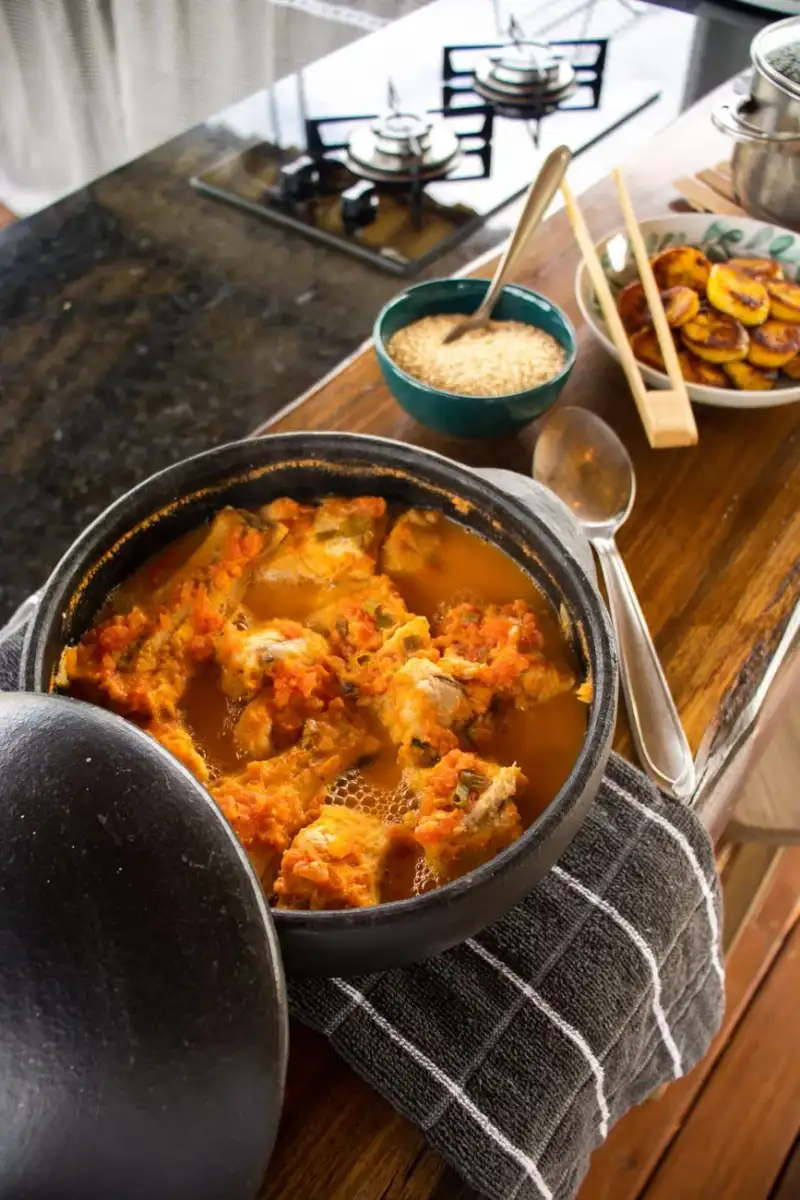
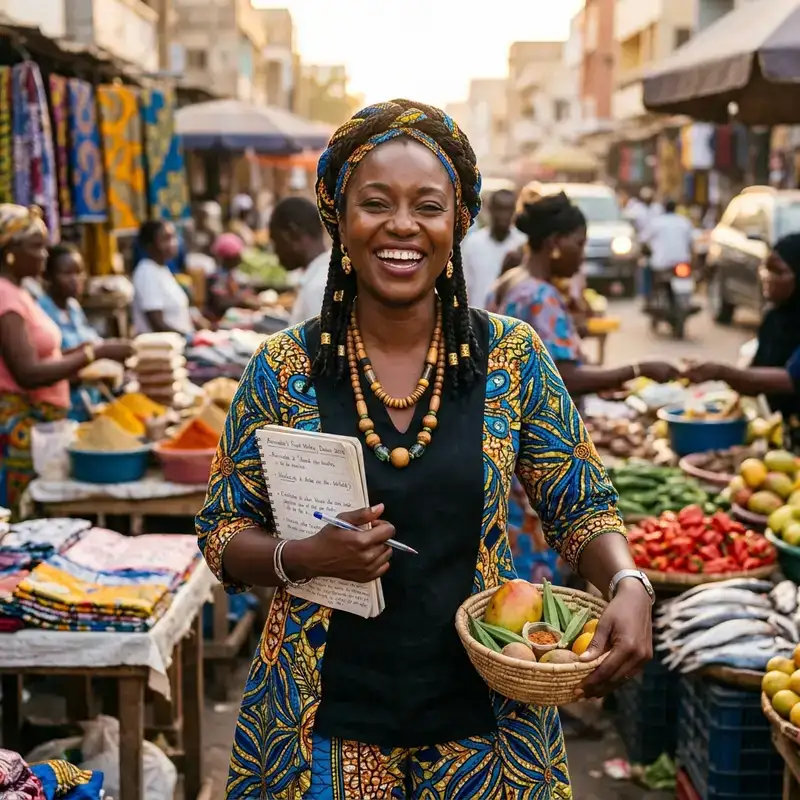
Thieboudienne, a dish so deeply ingrained in the culture of Senegal that it's often referred to as the country's national pride. This majestic one-pot meal is a testament to the rich culinary heritage of the Wolof people, who have lovingly crafted and perfected the recipe over generations. As a food writer, I'm excited to delve into the fascinating history, cultural significance, and mouth-watering flavors of Thieboudienne, the crown jewel of Senegalese cuisine. Introduction to Thieboudienne Thieboudienne, which translates to "rice and fish" in Wolof, is a hearty dish that combines the freshest catches from the Atlantic Ocean with an assortment of vegetables, spices, and a special type of broken rice called "mburru." The meal is typically cooked in a large, shallow pot over an open flame, allowing the aromas and flavors to meld together in perfect harmony. The result is a fragrant, flavorful, and satisfying dish that's both nourishing and delicious. History and Cultural Significance Thieboudienne has its roots in the medieval Wolof Empire, where it was served as a symbol of hospitality and generosity. The dish was originally prepared with rice, fish, and vegetables, but over time, it evolved to include a variety of ingredients, such as tomatoes, onions, and peppers. Today, Thieboudienne is an integral part of Senegalese culture, often served at special occasions, like weddings and holidays. The dish is also a staple of street food in Senegal, with vendors and markets offering their own unique versions.Ingredients and Preparation The ingredients used in Thieboudienne are a testament to the country's rich culinary heritage. The dish typically includes a variety of fish and seafood, such as tilapia, mussels, and shrimp, which are combined with an assortment of vegetables, like carrots, potatoes, and cabbage. The special type of broken rice, mburru, is also an essential component, as it absorbs the flavorful broth and helps to thicken the dish. A blend of spices, including cumin, coriander, and chili peppers, adds depth and warmth to the meal.To prepare Thieboudienne, the ingredients are first sautéed in a large pot, then simmered in a flavorful broth made with fish stock, water, and spices. The mburru rice is added towards the end of the cooking process, allowing it to absorb the rich flavors and textures of the dish. The result is a fragrant, flavorful, and nutritious meal that's both satisfying and delicious. Variations and Regional Influences While Thieboudienne is a national dish in Senegal, there are several regional variations and influences that have shaped the recipe over time. In the Casamance region, for example, the dish is often made with a variety of seafood, including crab and lobster, while in the north, it's more commonly prepared with meat, such as beef or lamb. The dish has also been influenced by other West African countries, such as The Gambia and Guinea, where similar one-pot meals are enjoyed.Authentic Recipe For those interested in trying Thieboudienne at home, here's an authentic recipe to get you started: Ingredients:1 cup of mburru rice 1 pound of fish and seafood (tilapia, mussels, shrimp) 2 tablespoons of vegetable oil 1 onion, chopped 2 cloves of garlic, minced 1 carrot, chopped 1 potato, chopped 1 cup of fish stock 1 cup of water 1 teaspoon of cumin 1 teaspoon of coriander 1/2 teaspoon of chili peppers Salt and pepper to tasteInstructions:Heat the oil in a large pot over medium heat. Add the onion, garlic, carrot, and potato, and sauté until the vegetables are tender. Add the fish and seafood, and cook until they're lightly browned. Add the fish stock, water, cumin, coriander, and chili peppers, and bring the mixture to a boil. Reduce the heat to low, and simmer the broth for 10-15 minutes. Add the mburru rice, and stir to combine. Cook the rice for an additional 5-10 minutes, or until it's tender and the liquid has been absorbed. Season the dish with salt and pepper to taste, and serve hot.Conclusion Thieboudienne is a true reflection of Senegal's rich cultural heritage and culinary expertise. This majestic one-pot meal is a testament to the country's love of good food, warm hospitality, and community bonding. Whether you're a food enthusiast, a cultural buff, or simply a lover of delicious cuisine, Thieboudienne is a dish that's sure to captivate and inspire. So why not give it a try, and experience the authentic flavors and traditions of Senegal? #Thieboudienne #SenegaleseCuisine #AfricanFood #TraditionalRecipes #FoodieAdventures #CulturalHeritage #WestAfricanDishes #SeafoodLovers #OnePotMeals
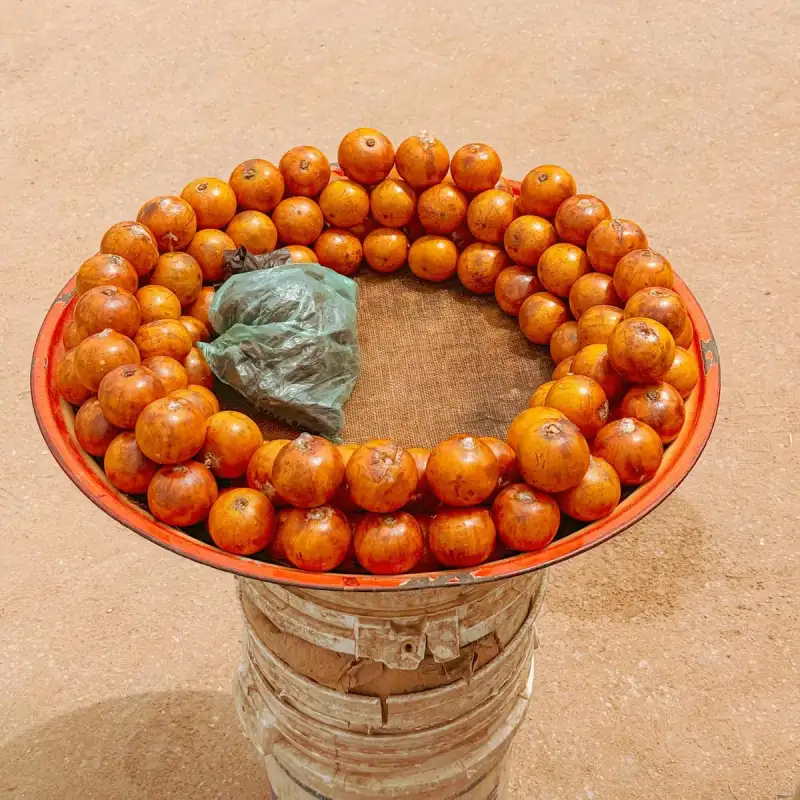
Mafe, a dish so quintessentially West African, its very name evokes a sensory journey through the bustling markets and aromatic kitchens of the region. This rich peanut stew, born from the cultural melting pot of West Africa, is a testament to the continent's incredible diversity and gastronomic richness. As we delve into the world of Mafe, we find ourselves immersed in a narrative of tradition, innovation, and community, all bound together by the universal language of food. Introduction to Mafe Mafe, also known as groundnut stew, is a beloved dish across West Africa, particularly in countries such as Senegal, The Gambia, Mali, and Guinea. The name "Mafe" itself is derived from the Wolof language, spoken in Senegal and The Gambia, and translates to "peanut" or "groundnut." This stew is characterized by its thick, velvety sauce made from ground peanuts, which serves as the foundation for an array of vegetables, meats, and spices. The preparation of Mafe is an art form, requiring patience, skill, and a deep understanding of the nuances of flavor and texture.History and Cultural Significance The history of Mafe is intertwined with the history of peanuts in West Africa. Introduced by Portuguese traders in the 16th century, peanuts quickly became a staple crop, valued for their nutritional richness and versatility. Over time, peanuts were incorporated into various local dishes, eventually giving birth to Mafe. This stew became an integral part of West African cuisine, often served at special occasions such as weddings, holidays, and community gatherings. Mafe's significance extends beyond its role as a nourishing meal; it symbolizes hospitality, generosity, and the bonds of community. Ingredients and Preparation At its core, Mafe consists of a rich peanut sauce, meat or fish, and an assortment of vegetables. The peanut sauce, the backbone of the dish, is made by grinding roasted peanuts into a smooth paste, which is then cooked in oil and mixed with onions, garlic, ginger, and a variety of spices. The choice of meat can vary, with beef, lamb, chicken, and fish being popular options. Vegetables such as potatoes, carrots, and cassava add depth and texture to the stew. The slow-cooking process allows the flavors to meld together, creating a complex and aromatic broth that is both comforting and exhilarating.Regional Variations Despite its shared roots, Mafe has evolved differently across West Africa, reflecting local preferences and ingredient availability. In Senegal, for example, Mafe is often made with beef or lamb, and the sauce is thicker and more intense. In The Gambia, fish is a common protein, reflecting the country's coastal location. These variations not only highlight the dish's adaptability but also its resilience and capacity to thrive in diverse culinary environments. Health Benefits and Nutrition Mafe is more than just a flavorful dish; it is a nutritious meal that provides a significant amount of protein, healthy fats, and fiber. Peanuts, the main ingredient, are rich in vitamins E and B3, and minerals like magnesium and potassium. The variety of vegetables adds vitamins, minerals, and antioxidants, making Mafe a well-rounded and healthy option. This stew is also relatively affordable and accessible, making it a staple in many West African households.Conclusion Mafe, the rich peanut stew of West Africa, is a culinary masterpiece that embodies the spirit of community, tradition, and innovation. Its rich history, cultural significance, and nutritional value make it a dish that resonates deeply with people from all walks of life. As we explore the diverse culinary landscapes of West Africa, Mafe stands out as a shining example of the region's gastronomic wealth and the power of food to unite and inspire. #WestAfricanCuisine #MafeRecipe #PeanutStew #AfricanFood #TraditionalDishes #FoodHistory #CulturalHeritage #NutritiousMeals #GlobalCuisine Related InsightsIl Macco di Fave Secche: Un Viaggio Nel Cuore Pulsante e Dimenticato Della Gastronomia Siciliana From Forest Floor to Flavor Lab: The Evolution of Umami in Vegan Stock The Fifth Element: How a Bowl of Seaweed Broth Rewrote the Language of Flavor{ "@context": "https://schema.org", "@type": "FAQPage", "mainEntity": [ { "@type": "Question", "name": "What is the main focus of Mafe: The Rich Peanut Stew of West Africa?", "acceptedAnswer": { "@type": "Answer", "text": "Discover the deep cultural roots, authentic flavors, and history of Mafe: The Rich Peanut Stew of West Africa." } }, { "@type": "Question", "name": "Who authored the comprehensive guide on Mafe: The Rich Peanut Stew of West Africa?", "acceptedAnswer": { "@type": "Answer", "text": "This detailed article and its insights were carefully researched and authored by Amara Ndiaye." } }, { "@type": "Question", "name": "Where can I find more related content about Food?", "acceptedAnswer": { "@type": "Answer", "text": "You can explore more articles, detailed reviews, and similar insights by browsing the Related Insights section at the bottom of this article or visiting our dedicated Food category page." } } ] }
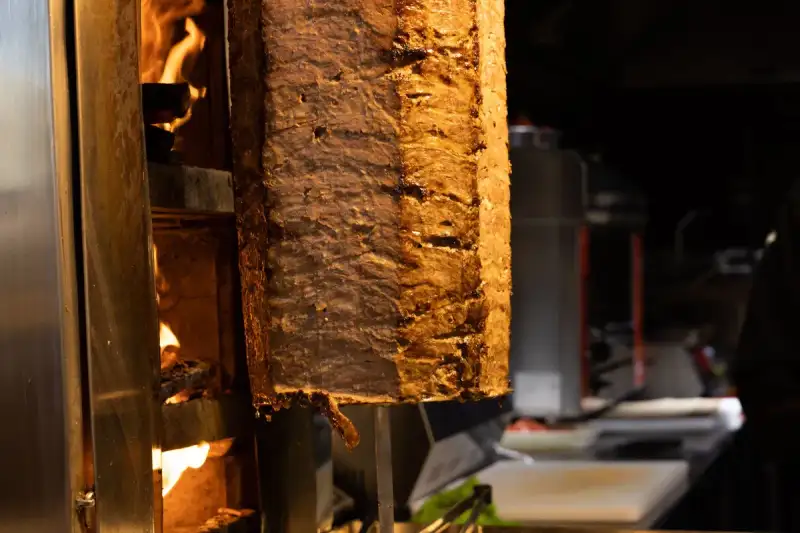
Shawarma: The Iconic Levantine Street Food Shawarma, a culinary masterpiece born from the Levantine region, has captivated the hearts of food enthusiasts worldwide. The mere mention of this iconic street food transports one to the vibrant streets of Beirut, Damascus, or Amman, where the pungent aroma of spices and marinated meats fills the air. This savory treat has its roots in the Ottoman Empire, evolving into a staple that not only quenches hunger but also tells a story of cultural heritage. Origins and Evolution Shawarma's history dates back to the early 19th century when Ottoman soldiers, primarily from Turkey, introduced spit-roasted meat (known as "Turkish Doner") to the region. This cooking method was a natural adaptation of the traditional Ottoman technique of grilling lamb on sticks. As the Ottoman Empire expanded, so did the popularity of this dish, with various Middle Eastern and Mediterranean cultures adopting and modifying it to suit their tastes. Regional Variations Shawarma has undergone countless transformations as it spread across the Levant. Each country and city boasts its unique flavor profile, reflecting local ingredients and preferences. Some notable variations include: Beirut-Style Shawarma Lebanon's take on Shawarma features thinly sliced, lamb or chicken, served on a soft, sesame-topped bun. The pita bread is lightly charred, while a dollop of creamy Tzatziki sauce adds a refreshing twist. Damascus-Style Shawarma In Syria, Shawarma is often served in a crispy roll, wrapped around a generous helping of marinated lamb or chicken. This variation is characterized by its rich, bold flavors and the presence of pickled turnips, radishes, and cucumbers. Amman-Style Shawarma Jordan's iteration is a masterclass in simplicity and elegance. The Shawarma is served on a delicate pita, topped with tender lamb or chicken, juicy tomatoes, onions, and a sprinkle of sumac. The Anatomy of Shawarma While variations abound, the fundamental components of Shawarma remain intact. A well-crafted Shawarma consists of:The Meat: Thinly sliced, high-quality lamb or chicken, marinated in a blend of aromatic spices, olive oil, and vinegar. The Pita: Soft, warm bread, often topped with sesame seeds, which provides a gentle crunch to the dish. The Toppings: A variety of fresh vegetables, including tomatoes, onions, pickled turnips, and cucumbers, add crunch and flavor to each bite. The Sauces: A drizzle of creamy Tzatziki, Tahini, or Sumac elevates the Shawarma to new heights.A Guide to Making Authentic Shawarma at Home While the convenience of Shawarma carts and restaurants is undeniable, there's a certain satisfaction in crafting your own authentic Shawarma. Follow these steps to experience the magic of Shawarma in your own kitchen: Ingredients:500g lean lamb or chicken 2 tbsp olive oil 2 tbsp lemon juice 2 tbsp paprika 1 tsp cumin Salt and black pepper 1 onion, thinly sliced 2 cloves garlic, minced 4 pita breads Tzatziki sauce or Tahini for servingInstructions:Marinate: Combine lamb or chicken with olive oil, lemon juice, paprika, cumin, salt, and black pepper. Allow the mixture to rest for at least 2 hours. Grill: Skewer the marinated meat onto a vertical spit or a grill, cooking to your desired level of doneness. Assemble: Warm the pita bread by wrapping it in foil and grilling for a few minutes. Fill each pita with thinly sliced meat, onions, garlic, tomatoes, pickled turnips, and a dollop of Tzatziki or Tahini sauce.In conclusion, Shawarma is more than a mere street food – it's an edible reflection of cultural heritage, a symphony of flavors, and a testament to the power of culinary adaptation. As we continue to explore the diverse world of Levantine cuisine, we find ourselves entwined in a rich tapestry of history, family traditions, and community. #hashtags #Shawarma #LevantineCuisine #StreetFood #MiddleEasternRecipes #FoodCulture #CulinaryHeritage #TraditionalStreetFood #AuthenticRecipe Related InsightsIl Segreto Dolce e Antico: Svelare l'Anima della Sapa e del Mosto Cotto tra Storia, Territorio e Rinascita Gastronomica The Alchemy of Vinegar and Ocean: The Deep Evolution of Sushi La Genesi Segreta del Miele Amaro di Corbezzolo: Un Elisir Sardo tra Botanica e Poesia Gustativa{ "@context": "https://schema.org", "@type": "FAQPage", "mainEntity": [ { "@type": "Question", "name": "What is the main focus of Shawarma: The Iconic Levantine Street Food?", "acceptedAnswer": { "@type": "Answer", "text": "Discover the deep cultural roots, authentic flavors, and history of Shawarma: The Iconic Levantine Street Food." } }, { "@type": "Question", "name": "Who authored the comprehensive guide on Shawarma: The Iconic Levantine Street Food?", "acceptedAnswer": { "@type": "Answer", "text": "This detailed article and its insights were carefully researched and authored by Layla Hariri." } }, { "@type": "Question", "name": "Where can I find more related content about Food?", "acceptedAnswer": { "@type": "Answer", "text": "You can explore more articles, detailed reviews, and similar insights by browsing the Related Insights section at the bottom of this article or visiting our dedicated Food category page." } } ] }