Mumbai’s Midnight Feast: The Spicy, Crunchy, Unforgettable Soul of the City’s Streets
-
 Michael Chef
 - 18 Aug, 2026 18:22
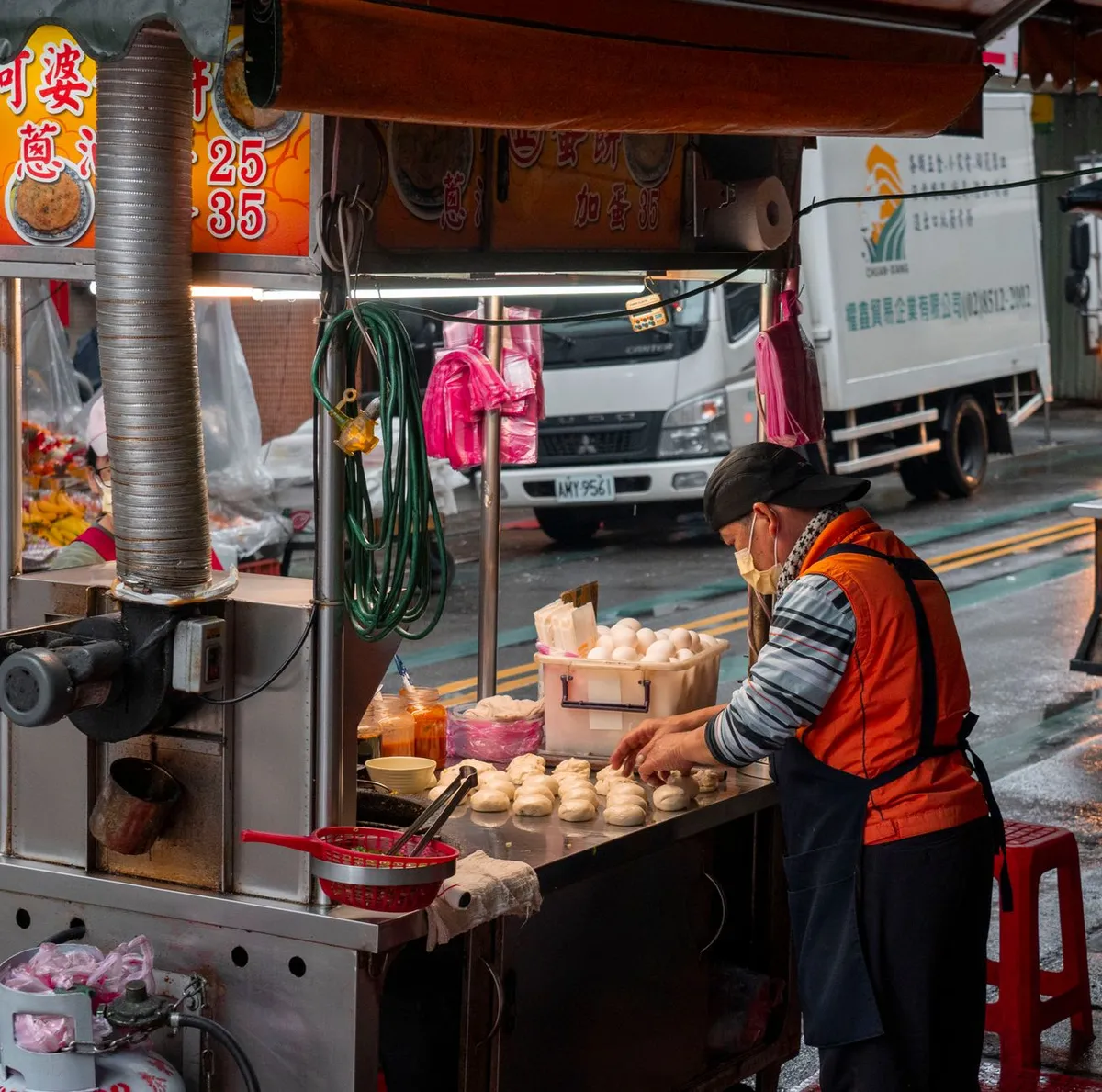
The neon glow of Mumbai’s streets doesn’t just illuminate the skyline—it ignites the senses. Beneath the hum of traffic and the shuffle of a million footsteps, the city’s true heartbeat pulses in the sizzle of oil, the crackle of spices, and the laughter of vendors calling out their wares. This is where the soul of Mumbai isn’t just tasted—it’s felt. From the first light of dawn to the witching hour past midnight, the streets of this metropolis are a living, breathing buffet of flavors, where a humble vada pav can taste like a revolution and a cup of sugarcane juice feels like liquid gold.
Mumbai’s street food isn’t just food—it’s a cultural phenomenon, a daily ritual, and a defiant act of joy in a city that never sleeps. Here, the rich and the poor, the student and the CEO, the night-shift worker and the daydreamer all stand side by side, united by the same cravings. The stalls, crammed into alleyways and perched on railway platforms, are temples of taste where recipes have been perfected over generations. And yet, for all its fame, Mumbai’s street food remains a mystery to outsiders—a labyrinth of flavors where every corner hides a new discovery.
So, pull up a plastic stool, ignore the honking horns for a moment, and let’s take a bite out of the real Mumbai.
The Golden Triangle of Mumbai’s Street Food: Where Every Bite is a Story
Mumbai’s street food isn’t just a meal—it’s a passport to the city’s soul. And at the heart of this edible adventure are three iconic dishes that define the Mumbai experience: Vada Pav, Bhel Puri, and Pav Bhaji. These aren’t just snacks; they’re cultural landmarks, each with its own history, its own loyal fanbase, and its own way of making your taste buds dance.
Vada Pav: The Poor Man’s Burger That Conquered a Megacity
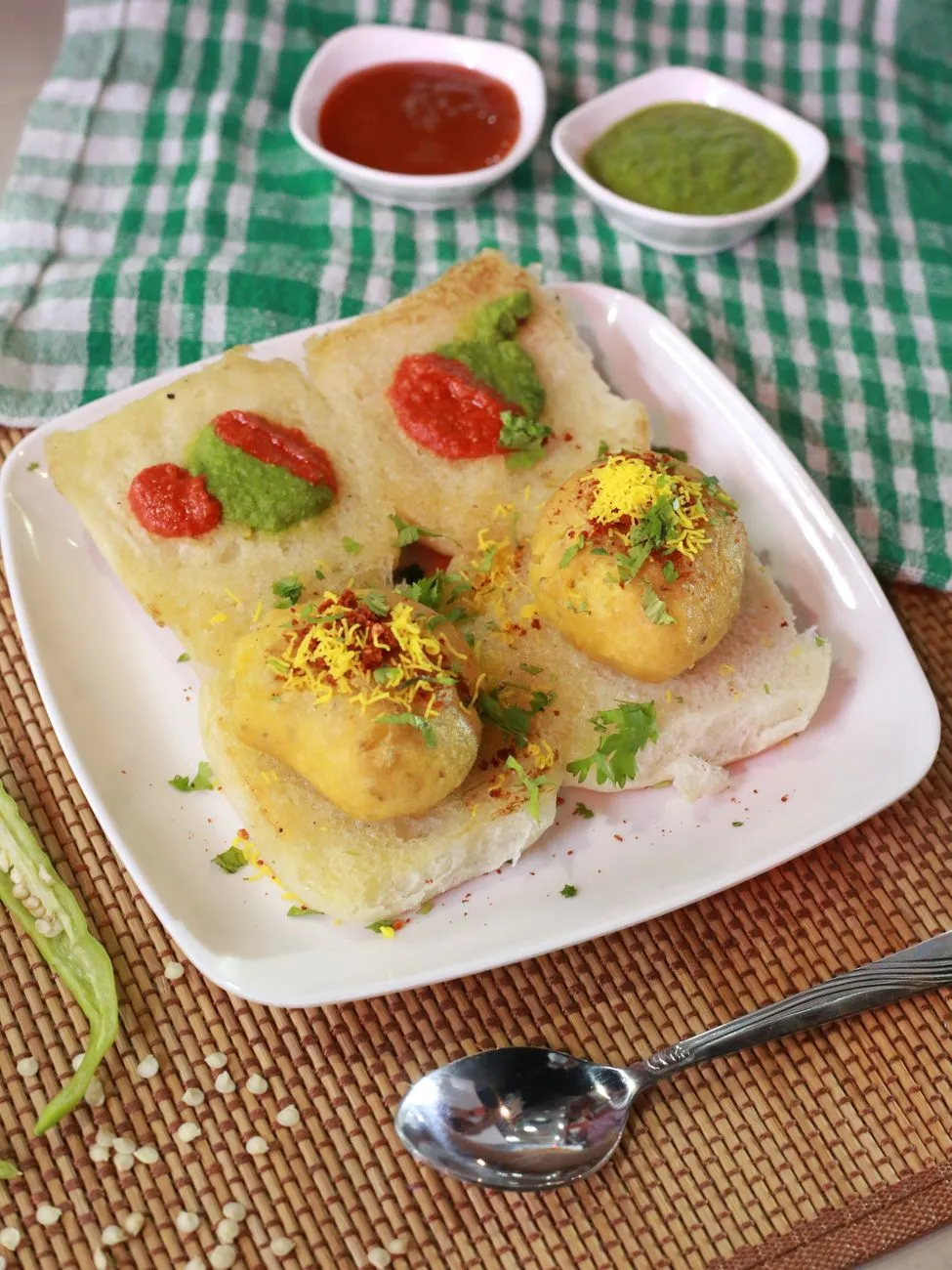
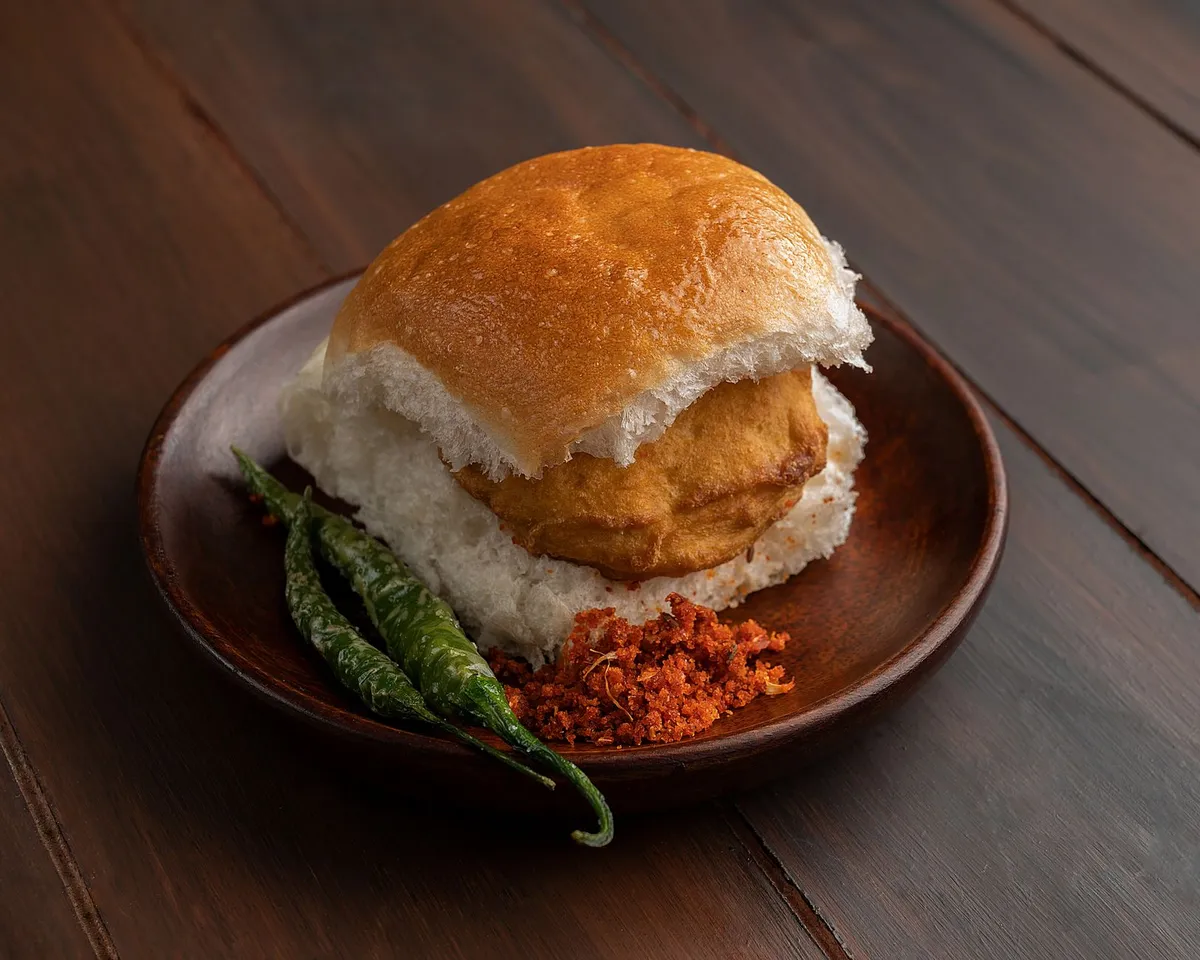
If Mumbai had a national dish, it would be the vada pav—a humble yet revolutionary street food that’s as much a part of the city as the local trains. Born in the 1960s in the working-class neighborhoods of central Mumbai, the vada pav was the brainchild of street food pioneer Ashok Vaidya, who wanted to create an affordable, portable snack for the city’s laborers. His creation? A spicy potato fritter (vada) stuffed inside a soft, buttered bread roll (pav), served with a fiery green chutney and a side of fried green chilies.
What started as a 4-anna (25 paise) snack for mill workers is now a 50-rupee (less than a dollar) legend. The vada pav’s magic lies in its simplicity: a crispy, golden-brown potato patty, mashed with garlic, ginger, and green chilies, dunked in a tangy tamarind-chili sauce, and sandwiched in a fluffy pav. The first bite is a revelation—a crunch that gives way to a burst of spice, followed by the buttery softness of the bread. It’s the kind of dish that makes you understand why Mumbaikars swear by street food over restaurant meals.
Today, vada pav stalls are everywhere—from the crowded lanes of Dadar to the railway stations of Andheri. But the most famous? Jai Hind Vada Pav in Dadar East, where the queue snakes around the block before sunrise. Or Raj Thackeray’s favorite stall in Thane, where the vada is so good it’s said to have political clout. The vada pav isn’t just food; it’s a symbol of Mumbai’s resilience, a dish that feeds the city’s dreams as much as its stomachs.
Bhel Puri: The Crunchy, Tangy, Addictive Chaos of Mumbai’s Beaches
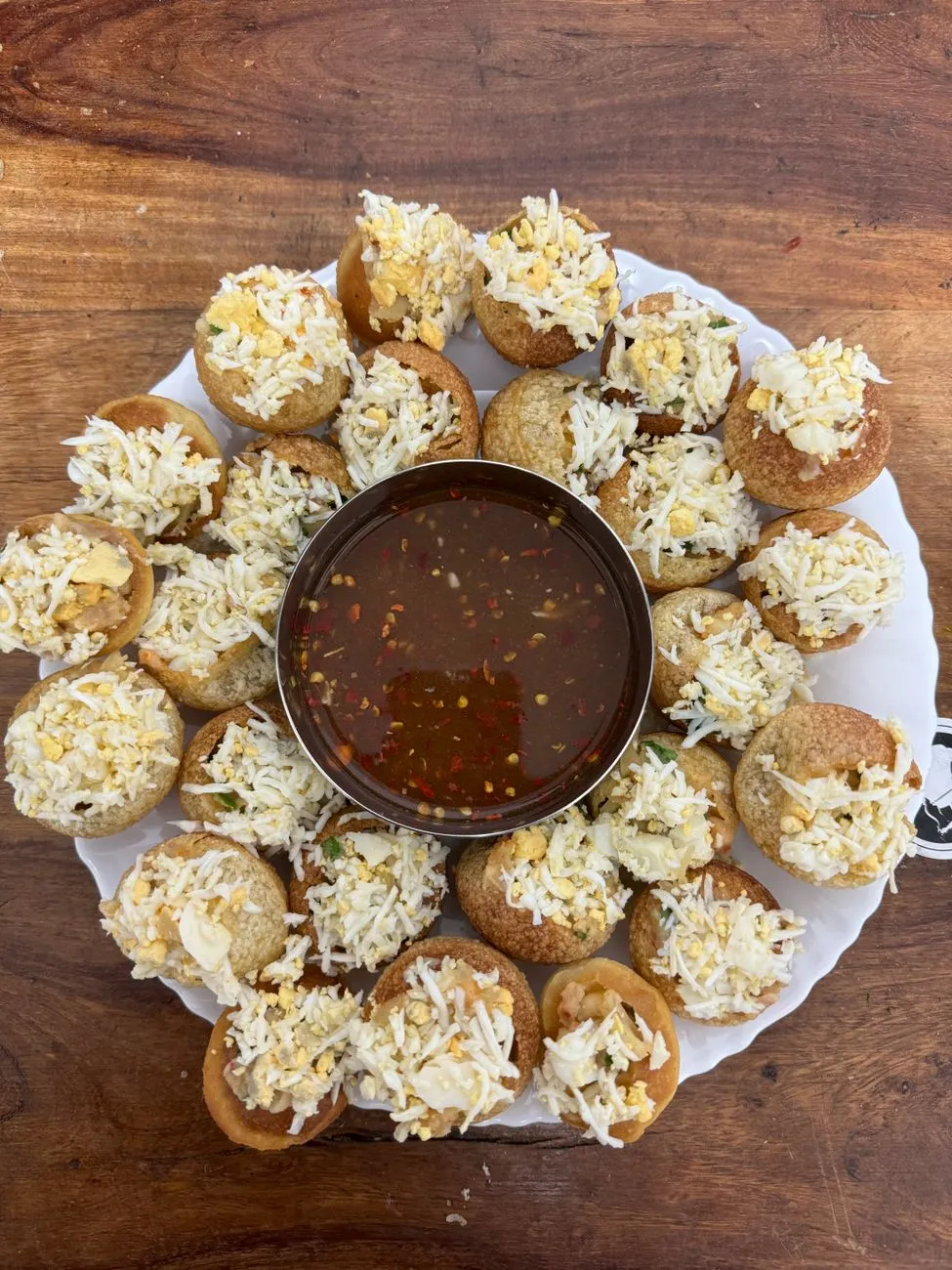
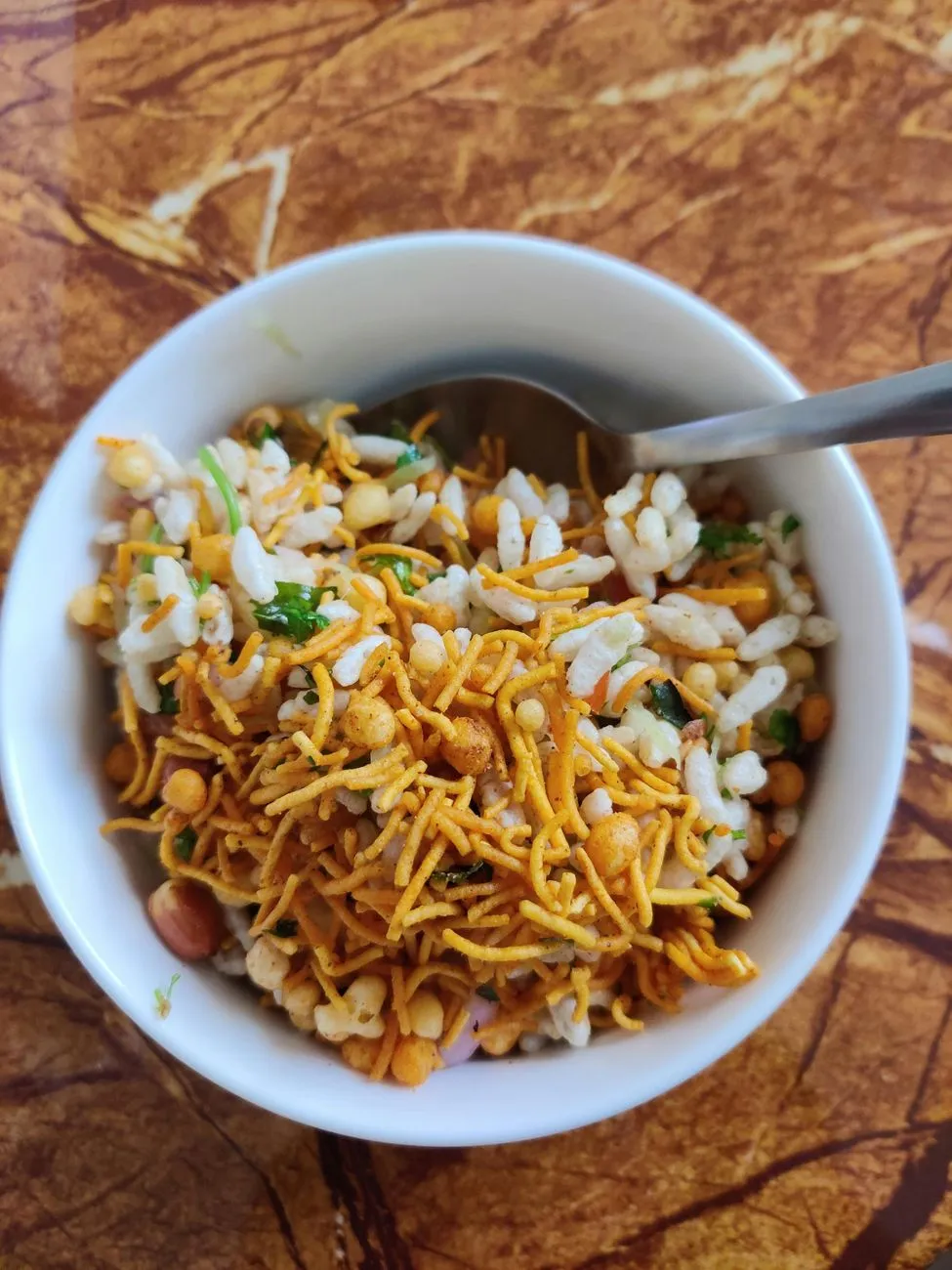
If the vada pav is Mumbai’s burger, then Bhel Puri is its answer to nachos—a chaotic, crunchy, tangy symphony of flavors that’s as much about the experience as it is about the taste. Born in the coastal neighborhoods of Girgaon Chowpatty, where the Arabian Sea meets the city’s bustling streets, Bhel Puri is a dish that thrives on imperfection. There’s no single recipe; every vendor has their own twist, their own secret blend of puffed rice, sev (crispy chickpea noodles), onions, tomatoes, cilantro, and the all-important tamarind-chili-green chutney.
The magic of Bhel Puri lies in its textural anarchy. One moment, you’re biting into the crispness of the puffed rice; the next, you’re hit with the chewiness of the sev. The tamarind sauce adds a sweet-sour tang, while the green chutney brings the heat. And then there’s the golgappa factor—the tiny, crispy hollow spheres that burst in your mouth, releasing a rush of flavors. Eating Bhel Puri isn’t just a meal; it’s a performance. You have to mix it yourself, adjust the spice levels, and eat it fast before the puffed rice turns soggy.
At Girgaon Chowpatty, Bhel Puri stalls light up as the sun sets, drawing crowds of office workers, families, and groups of friends. The best stalls? Bhel Puriwala at Chowpatty, where the mix is just right—crunchy, tangy, and spicy enough to make your eyes water. Or Trishna’s Bhel Puri, a more upscale version served with a side of Mumbai’s famous seafood. But no matter where you go, one thing’s certain: Bhel Puri is the snack that turns strangers into friends, as everyone gathers around the same stall, sharing stories and laughter over a plate of this addictive chaos.
Pav Bhaji: The Comfort Food That Feeds a City’s Soul
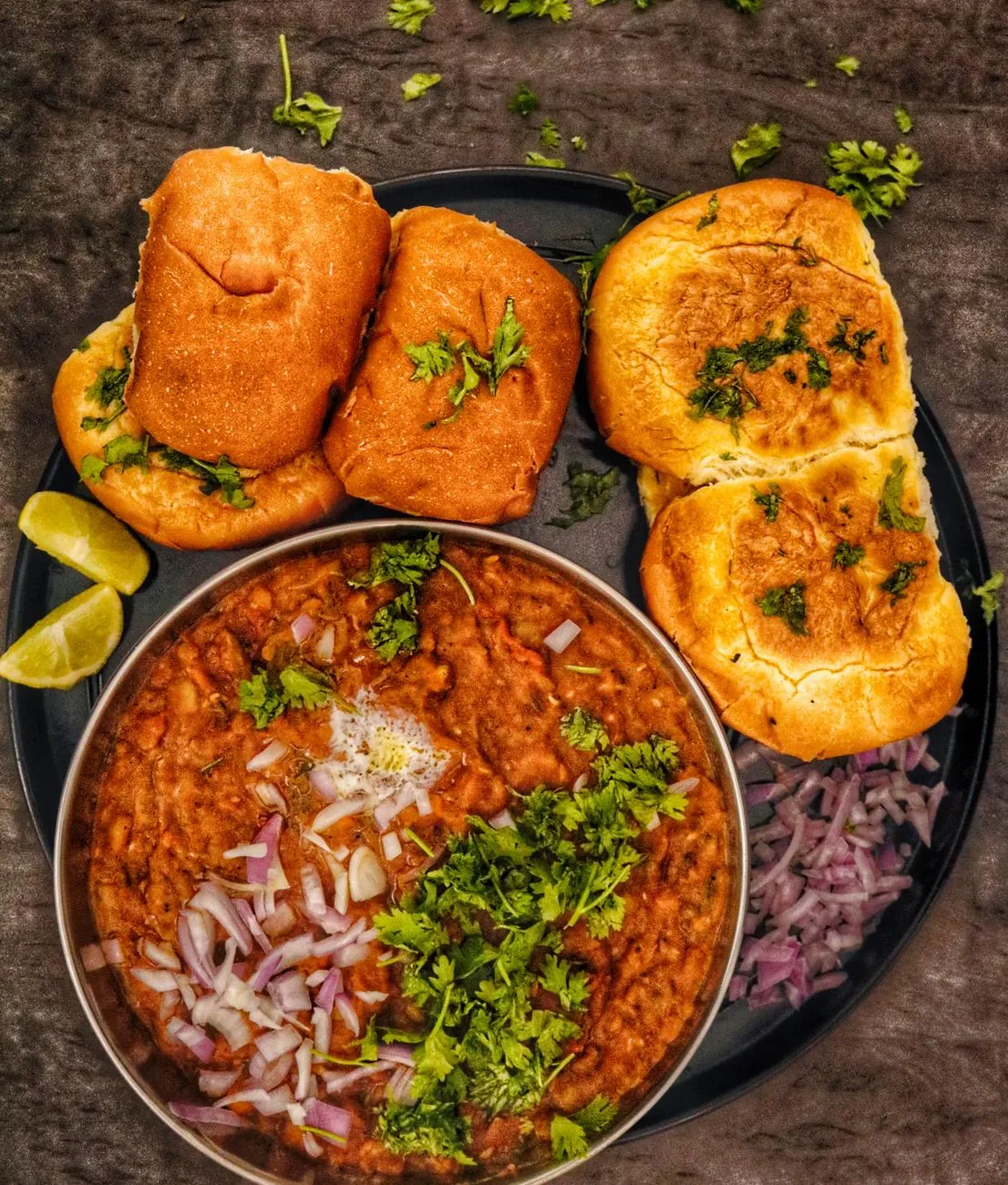
When the monsoon rains lash Mumbai and the humidity turns the air thick enough to chew, there’s only one dish that can warm the soul: Pav Bhaji. A buttery, spicy curry made from mashed vegetables (traditionally potatoes, cauliflower, peas, and capsicum), served with soft, buttered bread rolls (pav), this dish is Mumbai’s answer to comfort food. Its origins are murky—some say it was created by Maharashtrian housewives to use up leftover vegetables, while others claim it was born in the colonial-era cafes of Mumbai, where British officers demanded a hearty meal to survive the city’s chaos.
What’s undeniable is Pav Bhaji’s universal appeal. It’s the dish that office workers devour after a long day, the snack that college students survive on during exam season, and the late-night feast that night-shift workers crave at 3 AM. The key to a great Pav Bhaji lies in the butter. A generous dollop of melted butter is stirred into the curry, giving it a rich, velvety texture that clings to the pav. The bread itself is toasted in butter until it’s golden and crisp, perfect for scooping up the spicy, tangy bhaji.
The best Pav Bhaji stalls are legendary. Sardar Pav Bhaji in Matunga is a favorite among locals, where the bhaji is thick, spicy, and loaded with vegetables. Juhu’s Beach Pav Bhaji stall offers a seafood twist, with prawns or fish added to the mix. And at Dadar’s Khau Galli, you’ll find stalls where the pav is grilled over open flames, adding a smoky depth to the dish. But no matter where you go, Pav Bhaji is more than just food—it’s a ritual. It’s the dish that brings people together, that turns a simple meal into a celebration.
Beyond the Classics: Mumbai’s Hidden Gems of the Street Food World
While Vada Pav, Bhel Puri, and Pav Bhaji are the superstars of Mumbai’s street food scene, the city’s hawkers serve up a treasure trove of lesser-known delights that are just as worthy of your time. These are the dishes that locals swear by, the snacks that fuel late-night cravings, and the flavors that make Mumbai’s streets unforgettable.
Misal Pav: The Spicy, Sprouted Bean Curry That Packs a Punch
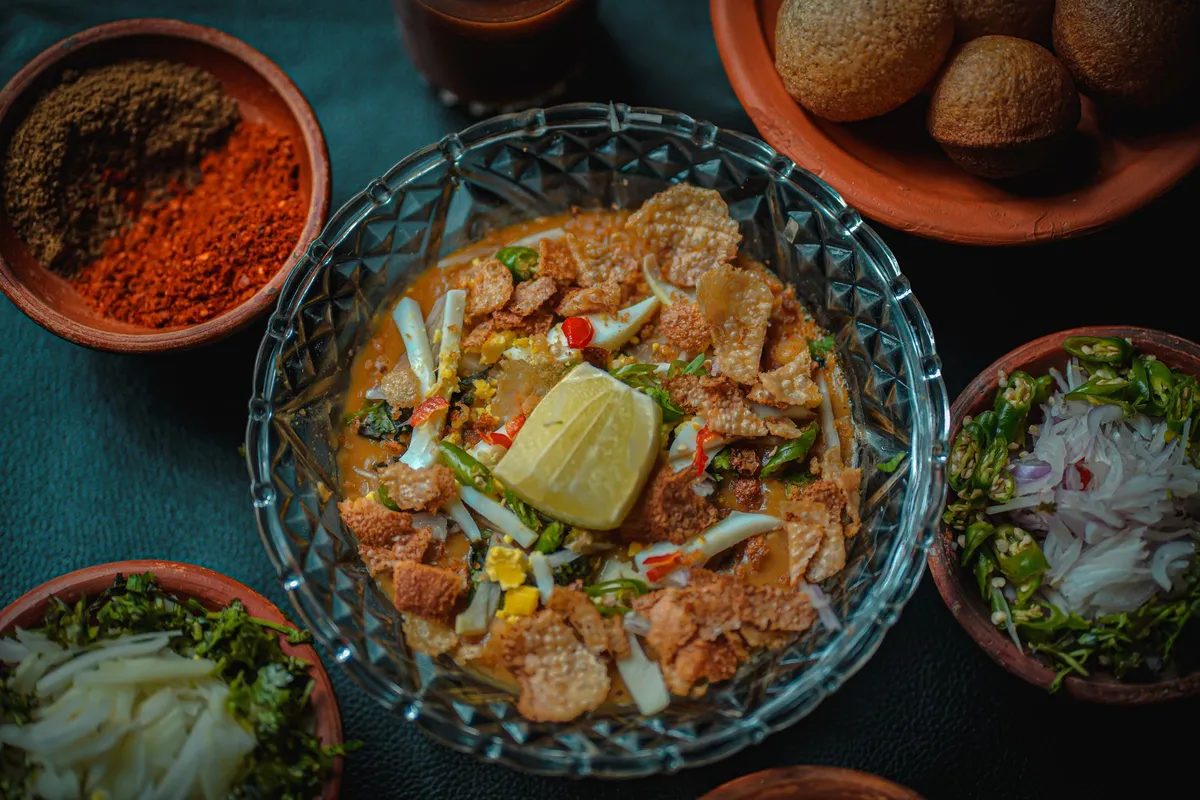
If you think you know spice, wait until you try Misal Pav. This fiery dish is a Maharashtrian masterpiece—a spicy curry made from sprouted moth beans (matki), slow-cooked with onions, tomatoes, and a blend of aromatic spices like goda masala and red chili powder. Served with pav (bread rolls) and topped with farsan (crispy chickpea noodles), fried onions, and a squeeze of lemon, Misal Pav is the kind of dish that makes your forehead sweat and your heart race.
The name “Misal” comes from the Marathi word for “mix,” and that’s exactly what this dish is—a flavor explosion in every bite. The sprouted beans give it a nutty, earthy base, while the spices build a slow, smoldering heat. The farsan adds a crunchy contrast, and the lemon brightens it all up. It’s a dish that’s not for the faint-hearted, but for those who love heat, Misal Pav is a religious experience.
The best place to try it? Shree Thaker Bhojanalay in Girgaon, where the Misal Pav is legendary. Or Prabhat in Dadar, where the curry is so spicy it’s said to cure hangovers. But be warned: once you try Misal Pav, you’ll never look at lentils the same way again.
Dabeli: The Sweet, Spicy, Tangy Street Food Sensation from Kutch
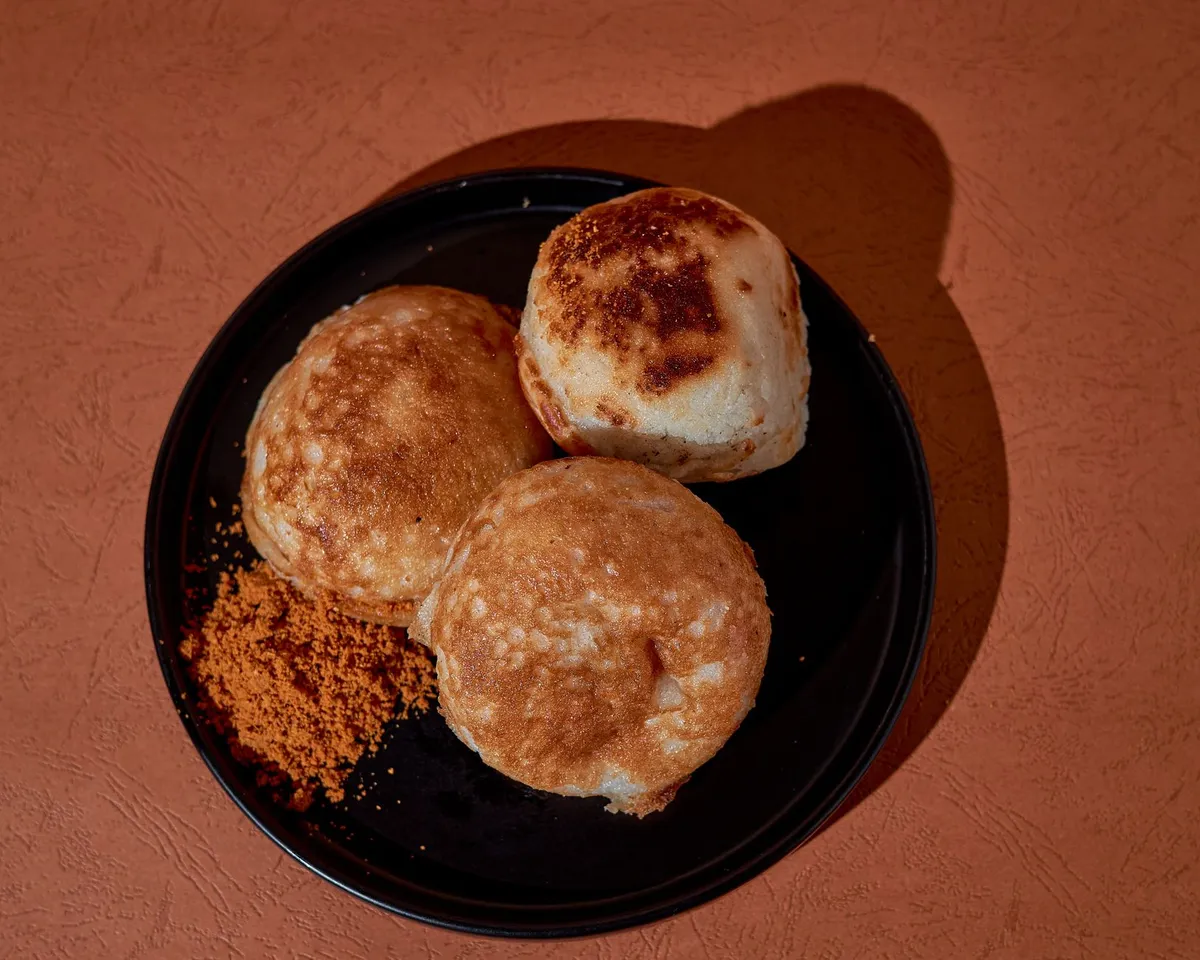
Hailing from the Kutch region of Gujarat, Dabeli is Mumbai’s answer to the sloppy joe—a messy, delicious, and utterly addictive street food that’s a flavor bomb in every sense. The dish consists of a spicy potato filling, stuffed inside a pav (bread roll), and topped with a mix of sweet, tangy, and spicy chutneys, sev, and pomegranate seeds. The name “Dabeli” comes from the Gujarati word for “shake,” referring to the way the filling is tossed in spices to coat it evenly.
What makes Dabeli special is its contrasting flavors. The potato filling is spiced with garlic, green chilies, and a blend of aromatic spices, giving it a deep, savory kick. But then come the chutneys—sweet tamarind sauce, spicy green chili sauce, and sometimes even a tangy date-chili chutney—that balance the heat with sweetness and tang. Topped with sev and pomegranate seeds for crunch, Dabeli is a textural and flavor rollercoaster.
The best Dabeli in Mumbai? Kutch Dabeli in Andheri is a local favorite, where the filling is perfectly spiced and the chutneys are just sweet enough. Or Dabeli House in Bandra, where the dish is served with a side of crispy fried green chilies. Once you try Dabeli, you’ll understand why Mumbaikars queue up for hours just to get a taste.
Ragda Pattice: The Mumbai Street Food That’s a Hug in a Bite
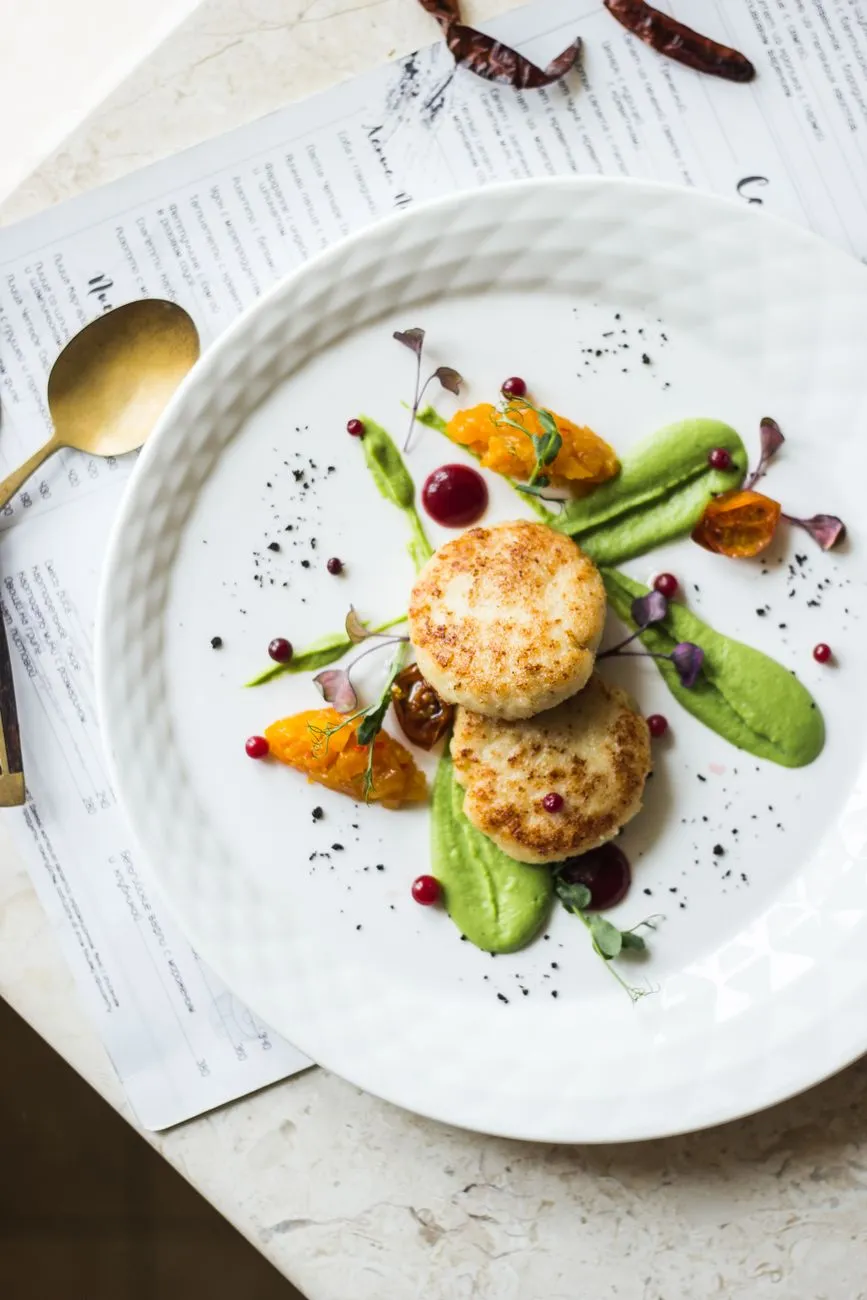
If you’ve ever craved a dish that’s crispy, creamy, and spicy all at once, then Ragda Pattice is your answer. This Mumbai street food staple consists of potato patties (pattice) that are shallow-fried until golden and crispy, topped with a white pea curry (ragda), and garnished with onions, cilantro, sev, and a squeeze of lemon. The contrast between the crunchy pattie and the creamy, tangy ragda is nothing short of magical.
The ragda itself is a slow-cooked curry made from white peas, potatoes, and a blend of spices like turmeric, cumin, and coriander. It’s thick, hearty, and packed with protein, making it the perfect comfort food for Mumbai’s chilly monsoon evenings. The pattie, on the other hand, is a crispy, golden-brown shell that holds the ragda together, adding a satisfying crunch to every bite.
Where to find the best Ragda Pattice in Mumbai? Ragda Pattice stall at Dadar Station is a classic, where the curry is spicy and the patties are perfectly fried. Or Sardar Ragda Pattice in Matunga, where the dish is served with a side of green chutney for extra heat. Ragda Pattice isn’t just a snack—it’s a warm, spicy hug that reminds you why Mumbai’s streets are the best place to eat.
The Dark Side of Mumbai’s Street Food: Hygiene, Politics, and the Fight for Survival
Mumbai’s street food is legendary, but it’s not without its controversies and challenges. From hygiene concerns to political battles and legal battles, the hawkers who bring the city’s flavors to life face an uphill struggle. Yet, despite the odds, they persist—because Mumbai’s streets would be a lot less vibrant without them.