Shawarma: The Iconic Levantine Street Food
-
 Layla Hariri
 - 03 Jul, 2026 22:01
Shawarma: The Iconic Levantine Street Food
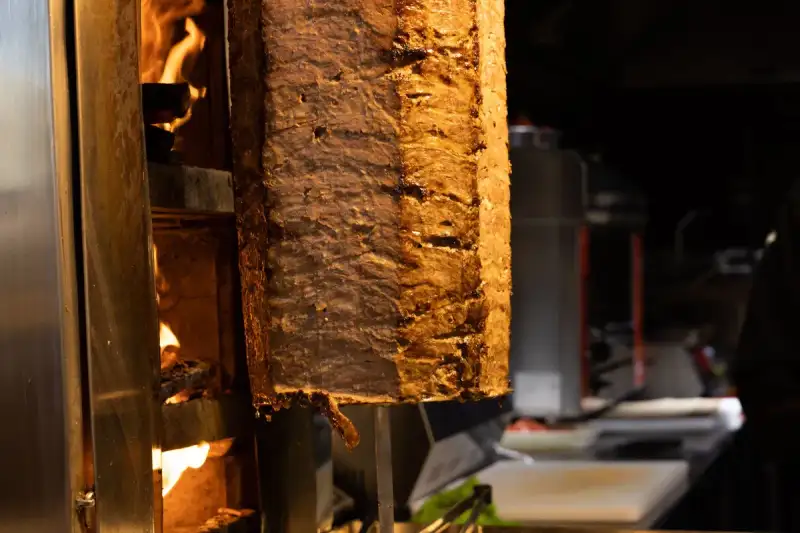
Shawarma, a culinary masterpiece born from the Levantine region, has captivated the hearts of food enthusiasts worldwide. The mere mention of this iconic street food transports one to the vibrant streets of Beirut, Damascus, or Amman, where the pungent aroma of spices and marinated meats fills the air. This savory treat has its roots in the Ottoman Empire, evolving into a staple that not only quenches hunger but also tells a story of cultural heritage.
Origins and Evolution
Shawarma’s history dates back to the early 19th century when Ottoman soldiers, primarily from Turkey, introduced spit-roasted meat (known as “Turkish Doner”) to the region. This cooking method was a natural adaptation of the traditional Ottoman technique of grilling lamb on sticks. As the Ottoman Empire expanded, so did the popularity of this dish, with various Middle Eastern and Mediterranean cultures adopting and modifying it to suit their tastes.
Regional Variations
Shawarma has undergone countless transformations as it spread across the Levant. Each country and city boasts its unique flavor profile, reflecting local ingredients and preferences. Some notable variations include:
Beirut-Style Shawarma
Lebanon’s take on Shawarma features thinly sliced, lamb or chicken, served on a soft, sesame-topped bun. The pita bread is lightly charred, while a dollop of creamy Tzatziki sauce adds a refreshing twist.
Damascus-Style Shawarma
In Syria, Shawarma is often served in a crispy roll, wrapped around a generous helping of marinated lamb or chicken. This variation is characterized by its rich, bold flavors and the presence of pickled turnips, radishes, and cucumbers.
Amman-Style Shawarma
Jordan’s iteration is a masterclass in simplicity and elegance. The Shawarma is served on a delicate pita, topped with tender lamb or chicken, juicy tomatoes, onions, and a sprinkle of sumac.
The Anatomy of Shawarma
While variations abound, the fundamental components of Shawarma remain intact. A well-crafted Shawarma consists of:
- The Meat: Thinly sliced, high-quality lamb or chicken, marinated in a blend of aromatic spices, olive oil, and vinegar.
- The Pita: Soft, warm bread, often topped with sesame seeds, which provides a gentle crunch to the dish.
- The Toppings: A variety of fresh vegetables, including tomatoes, onions, pickled turnips, and cucumbers, add crunch and flavor to each bite.
- The Sauces: A drizzle of creamy Tzatziki, Tahini, or Sumac elevates the Shawarma to new heights.

A Guide to Making Authentic Shawarma at Home
While the convenience of Shawarma carts and restaurants is undeniable, there’s a certain satisfaction in crafting your own authentic Shawarma. Follow these steps to experience the magic of Shawarma in your own kitchen:
Ingredients:
- 500g lean lamb or chicken
- 2 tbsp olive oil
- 2 tbsp lemon juice
- 2 tbsp paprika
- 1 tsp cumin
- Salt and black pepper
- 1 onion, thinly sliced
- 2 cloves garlic, minced
- 4 pita breads
- Tzatziki sauce or Tahini for serving
Instructions:
- Marinate: Combine lamb or chicken with olive oil, lemon juice, paprika, cumin, salt, and black pepper. Allow the mixture to rest for at least 2 hours.
- Grill: Skewer the marinated meat onto a vertical spit or a grill, cooking to your desired level of doneness.
- Assemble: Warm the pita bread by wrapping it in foil and grilling for a few minutes. Fill each pita with thinly sliced meat, onions, garlic, tomatoes, pickled turnips, and a dollop of Tzatziki or Tahini sauce.
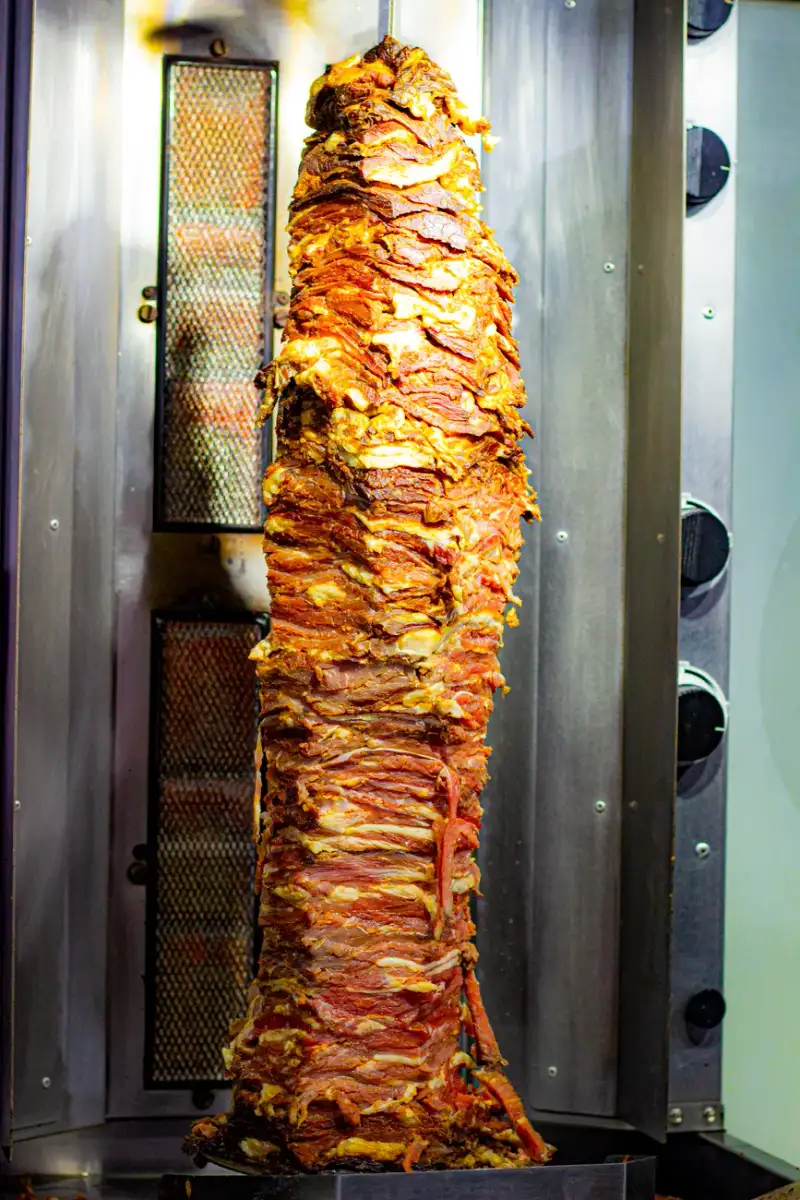
In conclusion, Shawarma is more than a mere street food – it’s an edible reflection of cultural heritage, a symphony of flavors, and a testament to the power of culinary adaptation. As we continue to explore the diverse world of Levantine cuisine, we find ourselves entwined in a rich tapestry of history, family traditions, and community.
#hashtags
#Shawarma #LevantineCuisine #StreetFood #MiddleEasternRecipes #FoodCulture #CulinaryHeritage #TraditionalStreetFood #AuthenticRecipe