Showing Posts From
Cultural history
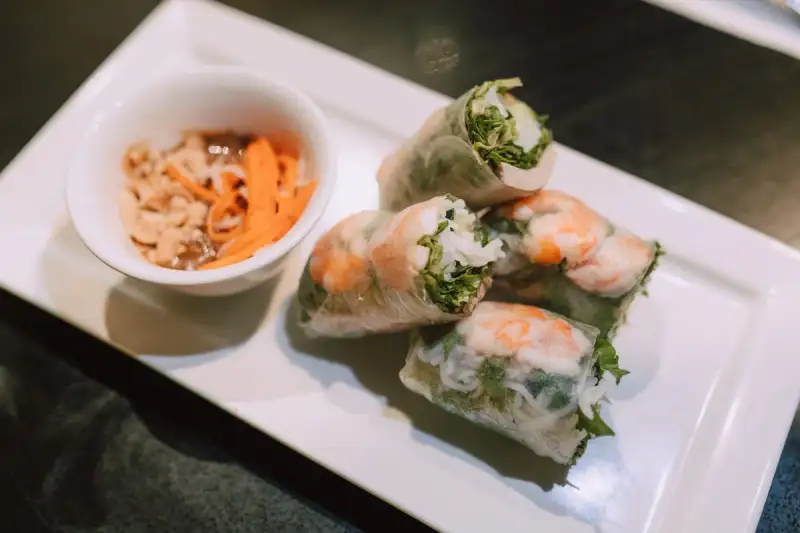
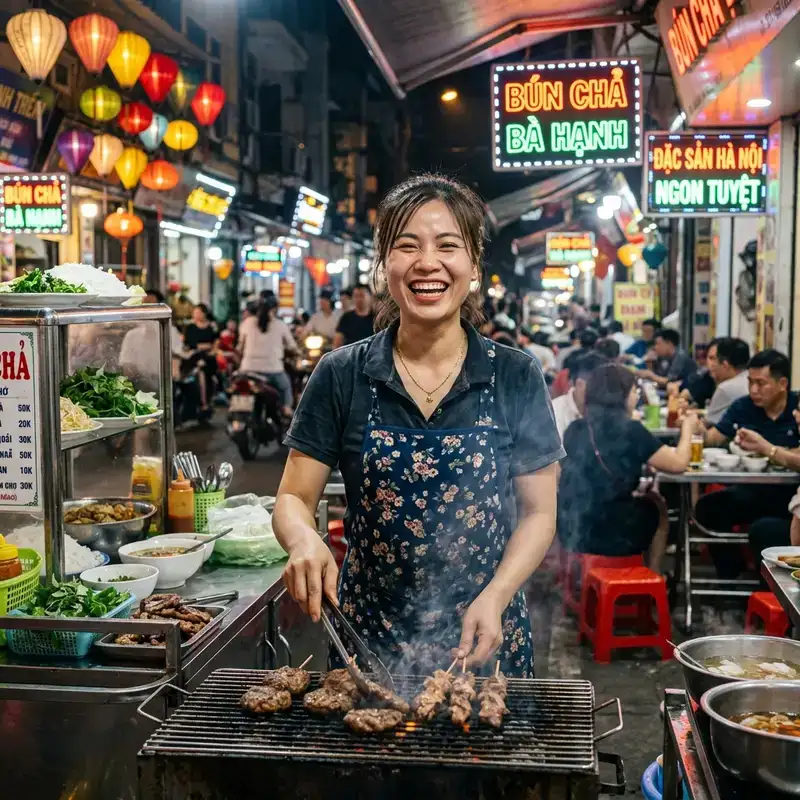
Goi Cuon: The Fresh and Healthy Summer Rolls Goi Cuon, the quintessential Vietnamese summer rolls, have long been a staple in Vietnamese cuisine and culture. These delicate and refreshing rolls have captured the hearts of food lovers around the world, and for good reason. From its rich history to its authentic flavors, Goi Cuon is a true culinary gem that deserves to be explored. History of Goi Cuon Goi Cuon originated in Northern Vietnam, specifically in the region of Hanoi, over a century ago. The rolls were initially created as a simple and nutritious snack for street vendors selling at local markets. These early versions of Goi Cuon were made with fresh vegetables, herbs, and sometimes meat or shrimp, wrapped in a thin sheet of rice paper. However, it was during the French colonial period in the early 20th century that Goi Cuon gained popularity. French colonizers introduced their own versions of spring rolls, which merged with the traditional Vietnamese dish to create the perfect fusion. The combination of crunchy rice paper, flavorful vegetables, and fragrant herbs resulted in a truly unique and irresistible snack. Ingredients To make authentic Goi Cuon, you need to use the freshest of ingredients. Here are some of the essential components:Rice paper: Freshly made or frozen rice paper sheets are essential for making good Goi Cuon. Vegetables: Shredded carrots, cucumbers, and lettuce are common choices, but feel free to experiment with other vegetables like bean sprouts, mint, and basil. Herbs: Mint, basil, and cilantro add a burst of freshness to the rolls. Protein: Shrimp, pork, or chicken can be used as protein sources, but vegetarian options like tofu and tempeh are also gaining popularity. Dipping sauce: A sweet and sour sauce made with fish sauce, lime juice, sugar, and chilies is the classic accompaniment to Goi Cuon.Preparing Goi Cuon Preparing Goi Cuon is an art that requires patience and skill. Here's a simple recipe to get you started: Wrapping Rice PaperDip a rice paper sheet in water for a few seconds, until it becomes pliable and soft. Place the rice paper on a clean surface and arrange your fillings in the center. Fold the bottom half of the rice paper over the fillings, followed by the sides, and finally the top half. Press the edges gently to seal the roll. Repeat with the remaining rice paper sheets and fillings.Dipping SauceMix fish sauce, lime juice, sugar, and chilies in a bowl. Adjust the seasoning to taste by adding more fish sauce, sugar, or chilies. Serve the dipping sauce chilled.GarnishesGarnish with fresh herbs like mint, basil, and cilantro for a pop of color and fragrance. Add sliced chilies or chili flakes for an extra spicy kick.Serving SuggestionsServe Goi Cuon as an appetizer or snack. Use them as a main course, served with a variety of dipping sauces. Experiment with different fillings, seasonings, and cooking methods to create your own unique versions.Tasting Goi Cuon The moment you take a bite of Goi Cuon is pure magic. The crunch of the rice paper, the freshness of the herbs, and the sweetness of the dipping sauce all combine to create a truly unforgettable experience. Here are some reasons why Goi Cuon stands out: Unique Texture The combination of crunchy rice paper, soft vegetables, and fragrant herbs creates a fascinating texture that's both refreshing and satisfying. Flavorful Filling The fillings in Goi Cuon are a perfect blend of sweet, sour, salty, and spicy flavors that cater to a wide range of tastes. Freshness Goi Cuon is a dish that's all about freshness. From the crunchy vegetables to the fragrant herbs, every component is designed to bring out the best flavors and textures. Cultural Significance Goi Cuon is more than just a snack or appetizer; it's a cultural symbol that represents the rich history and traditions of Vietnamese cuisine. Health Benefits Goi Cuon is a healthy snack option, made with fresh ingredients and minimal oil. It's an excellent choice for those looking for a nutritious and delicious meal. Innovations and Variations As Goi Cuon has gained popularity worldwide, it has inspired a range of creative variations and innovative ingredients. Here are some interesting takeaways from chefs and food bloggers: Goi Cuon with Seafood This variation features shrimp, crab meat, and fish sauce as the main ingredients. Veggie Goi Cuon For vegetarians and vegans, Goi Cuon can be made with tofu, tempeh, or seitan as protein sources. Spicy Goi Cuon For those who enjoy spicy food, adding more chilies or using spicy sauces like sriracha can create an exciting kick. Fusion Goi Cuon Fusion versions of Goi Cuon incorporate global flavors and ingredients into the traditional dish. Regional Variations Different regions in Vietnam have their own take on Goi Cuon, using unique ingredients and seasonings. Conclusion Goi Cuon, the Fresh and Healthy Summer Rolls, is an authentic Vietnamese dish with a rich history, unique flavors, and numerous health benefits. Whether you're a food enthusiast or a newcomer to the culinary world, Goi Cuon has something to offer. From classic recipes to innovative variations, this dish has captured the hearts of people everywhere. Explore the cultural significance, authentic flavors, and health benefits of Goi Cuon. Try out the recipe and discover why Goi Cuon has become an iconic dish worldwide.Essential Ingredients for Goi CuonRice paper Vegetables Herbs Protein sources Dipping sauceGarnishes and Seasonings for Goi CuonFresh herbs like mint, basil, and cilantro Sliced chilies or chili flakes Fish sauce, lime juice, sugar, and chilies for dipping sauceThe Art of Wrapping Goi Cuon Wrapping rice paper sheets around fillings and herbs requires patience and skill. Press the edges gently to seal the roll. Variations of Goi CuonGoi Cuon with Seafood Veggie Goi Cuon Spicy Goi Cuon Fusion Goi Cuon Regional VariationsHashtags #GoiCuon #VietnameseFood #SummerRolls #HealthySnacks #StreetFood #CulturalHistory #FoodBlog #RecipeGuide #TraditionalVietnameseRecipe Related InsightsThe Crystal Architecture of Chocolate: Mastering the Science of the Perfect Snap Feijoada: Brazil’s Hearty Black Bean Stew and the Soul of a Nation Global Secrets of Preserved Lemons & Salt‑Cured Citrus: From Marrakech Markets to Tokyo Kitchens{ "@context": "https://schema.org", "@type": "FAQPage", "mainEntity": [ { "@type": "Question", "name": "What is the main focus of Goi Cuon: The Fresh and Healthy Summer Rolls?", "acceptedAnswer": { "@type": "Answer", "text": "Discover the deep cultural roots, authentic flavors, and history of Goi Cuon: The Fresh and Healthy Summer Rolls." } }, { "@type": "Question", "name": "Who authored the comprehensive guide on Goi Cuon: The Fresh and Healthy Summer Rolls?", "acceptedAnswer": { "@type": "Answer", "text": "This detailed article and its insights were carefully researched and authored by Nguyen Thi Mai." } }, { "@type": "Question", "name": "Where can I find more related content about Food?", "acceptedAnswer": { "@type": "Answer", "text": "You can explore more articles, detailed reviews, and similar insights by browsing the Related Insights section at the bottom of this article or visiting our dedicated Food category page." } } ] }
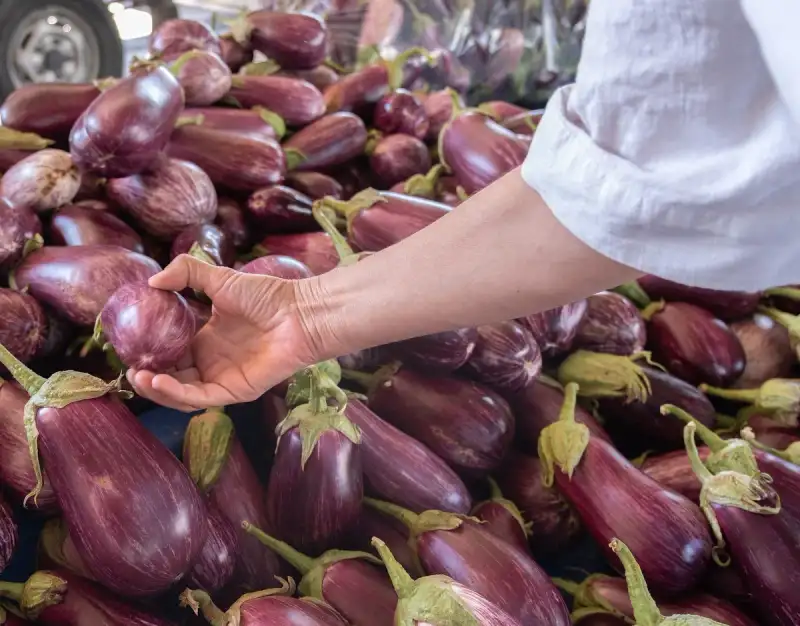

Baba Ghanoush: The Smoky Eggplant Dip A culinary masterpiece born from the heart of the Middle East, Baba Ghanoush has captivated taste buds for centuries. This velvety smooth dip, also known as the 'king of eggplant dips,' is a testament to the region's culinary ingenuity and love for simple, yet rich flavors. In this article, we will delve into the rich history, authentic flavors, and cultural significance of Baba Ghanoush. A Brief History of Baba Ghanoush Baba Ghanoush's origins are attributed to the Levant region of the Middle East, where it has been a staple dish since ancient times. The name 'Baba Ghanoush' translates to 'papa' or 'daddy,' which refers to the traditional practice of grilling eggplants over an open flame, often while sitting on the father's lap (ghanoush). This unique method of preparation has become an integral part of the dish's identity and charm. Roasting the Perfect EggplantRoasting is the most crucial step in preparing Baba Ghanoush. Eggplants are traditionally placed directly on the open flames of a fire or grill, allowing the charred skin to develop a deep, smoky flavor. However, for a more controlled environment, ovens or grills with a medium-high heat can be used. A perfectly roasted eggplant should have a wrinkled, dark brown skin and a slightly charred smell. The Art of Chilling and Pureeing Once the eggplant has cooled down, the next step is to extract the pulp and blend it with tahini, garlic, lemon juice, salt, and olive oil. This creamy mixture is then chilled in the refrigerator to allow the flavors to meld together. The consistency and smoothness of Baba Ghanoush rely heavily on the quality of the eggplant, so ensure that it is pureed to perfection. Cultural Significance of Baba Ghanoush Baba Ghanoush has become an integral part of the culinary culture in the Middle East, often served as an appetizer or side dish in social gatherings, parties, and family functions. The dish is a symbol of hospitality, generosity, and cultural exchange. In many households, Baba Ghanoush is also served as a comfort food, providing solace during difficult times. Traditional Variations and Modern Twists While traditional Baba Ghanoush remains a staple in many Middle Eastern cuisines, various regional and personal variations have emerged over the years. Some popular adaptations include the addition of spices, herbs, and even cheese. Modern twists often introduce new ingredients like roasted red peppers, sun-dried tomatoes, or olives, giving Baba Ghanoush a modern, vibrant twist. Classic Baba Ghanoush Recipe Ingredients:2 large eggplants 1/4 cup tahini 1/4 cup lemon juice 2 cloves garlic, minced 1/2 teaspoon salt 3 tablespoons olive oil Optional: spices, herbs, and other ingredients to tasteInstructions:Roast eggplants over medium-high heat until charred and wrinkled. Peel and puree the eggplant in a blender or food processor. In a separate bowl, combine tahini, lemon juice, garlic, salt, and olive oil. Gradually add the tahini mixture to the eggplant puree and blend until smooth. Chill the mixture in the refrigerator for at least 2 hours.Tips and Tricks for the Perfect Baba GhanoushChoose the right eggplant variety for optimal flavor and texture. Use high-quality tahini for the best flavor and consistency. Adjust the amount of garlic and lemon juice according to personal taste. Experiment with different spices and herbs to create unique variations.In conclusion, Baba Ghanoush is more than just a delicious dip – it's a cultural icon that represents the heart and soul of Middle Eastern cuisine. Its rich history, authentic flavors, and simplicity have captured the taste buds of people around the world. Whether you're a seasoned foodie or a beginner cook, Baba Ghanoush is a recipe waiting to be discovered. In a world filled with complex and intricate dishes, Baba Ghanoush reminds us of the beauty of simplicity and the importance of preserving cultural heritage. So, next time you're craving a taste of the Middle East, grab an eggplant, and get ready to indulge in the smoky, velvety goodness of Baba Ghanoush. #hashtag #BabaGhanoush #SmokyEggplantDip #MiddleEasternCuisine #FoodHistory #TraditionalFood #StreetFood #CulturalHistory #AuthenticRecipe Related InsightsMumbais flüchtige Gaumenfreuden: Wo Straßenstände die Stadt zum Kochen bringen Char Siu Bao: The Fluffy BBQ Pork Bun Honey’s Hidden DNA: Decoding Terroir and Floral Pollination in Every Golden Drop{ "@context": "https://schema.org", "@type": "FAQPage", "mainEntity": [ { "@type": "Question", "name": "What is the main focus of Baba Ghanoush: The Smoky Eggplant Dip?", "acceptedAnswer": { "@type": "Answer", "text": "Discover the deep cultural roots, authentic flavors, and history of Baba Ghanoush: The Smoky Eggplant Dip." } }, { "@type": "Question", "name": "Who authored the comprehensive guide on Baba Ghanoush: The Smoky Eggplant Dip?", "acceptedAnswer": { "@type": "Answer", "text": "This detailed article and its insights were carefully researched and authored by Layla Hariri." } }, { "@type": "Question", "name": "Where can I find more related content about Food?", "acceptedAnswer": { "@type": "Answer", "text": "You can explore more articles, detailed reviews, and similar insights by browsing the Related Insights section at the bottom of this article or visiting our dedicated Food category page." } } ] }


In the bustling streets of Cairo, where the aroma of exotic spices and freshly baked bread fills the air, lies a culinary treasure that has been a staple of Egyptian cuisine for centuries: Hawawshi. This delicious spiced meat bread is a testament to the country's rich cultural heritage, where flavors and traditions blend together in perfect harmony. As we delve into the world of Hawawshi, we will explore its history, cultural significance, and of course, the authentic recipe that has been passed down through generations. Introduction to Hawawshi Hawawshi is a type of Egyptian bread that is filled with a mixture of spiced meat, onions, and spices. The bread is typically made with a yeast-based dough, which is allowed to rise before being filled with the flavorful meat mixture. The filling is usually made with a combination of ground beef or lamb, onions, garlic, and a blend of spices that include cumin, coriander, and cinnamon. The bread is then baked in a wood-fired oven, giving it a crispy crust and a soft, fluffy interior.History and Cultural Significance Hawawshi has a long and storied history that dates back to the Ottoman Empire. The dish is believed to have originated in the 16th century, when Egyptian bakers began filling bread with spiced meat as a way to provide a convenient and filling meal for workers and travelers. Over time, Hawawshi became a staple of Egyptian cuisine, with different regions developing their own unique variations and fillings. Today, Hawawshi is enjoyed throughout Egypt, from street food vendors to high-end restaurants. Authentic Recipe To make authentic Hawawshi, you will need the following ingredients:2 cups of all-purpose flour 1 teaspoon of salt 1 teaspoon of sugar 1 packet of active dry yeast 1 cup of warm water 1 tablespoon of vegetable oil 1 onion, finely chopped 2 cloves of garlic, minced 1 pound of ground beef or lamb 1 teaspoon of cumin 1 teaspoon of coriander 1/2 teaspoon of cinnamon 1/2 teaspoon of black pepperTo prepare the dough, combine the flour, salt, sugar, and yeast in a large mixing bowl. Gradually add the warm water, stirring with a wooden spoon until a dough forms. Knead the dough for 10-15 minutes until it becomes smooth and elastic. Place the dough in a greased bowl, cover it with a damp cloth, and let it rise in a warm place for 1-2 hours. Preparation of the Filling To prepare the filling, heat the oil in a pan over medium heat. Add the chopped onion and cook until it is softened and translucent. Add the minced garlic and cook for an additional minute. Add the ground beef or lamb, breaking it up with a spoon as it cooks. Add the cumin, coriander, cinnamon, and black pepper, stirring well to combine. Cook the filling for 10-15 minutes, stirring occasionally, until it is browned and fragrant.Assembly and Baking To assemble the Hawawshi, punch down the risen dough and divide it into 4-6 equal pieces. Roll out each piece into a thin circle, about 1/4 inch thick. Place a tablespoon or two of the spiced meat filling in the center of each circle. Fold the dough over the filling, forming a triangle or a square shape, and press the edges together to seal. Place the Hawawshi on a baking sheet lined with parchment paper, leaving about 1 inch of space between each bread. Brush the tops with a little water and bake in a preheated oven at 400°F (200°C) for 20-25 minutes, or until golden brown. Conclusion Hawawshi is a true culinary treasure of Egyptian cuisine, with its rich history, cultural significance, and delicious flavor. Whether you are a foodie, a historian, or simply someone who loves to try new things, Hawawshi is a must-try dish that is sure to leave you wanting more. With its crispy crust, soft interior, and flavorful spiced meat filling, Hawawshi is a dish that will transport you to the bustling streets of Cairo, where the aroma of freshly baked bread and exotic spices fills the air.#Hawawshi #EgyptianFood #StreetFood #CairoCuisine #SpicedMeatBread #TraditionalFood #Foodie #MiddleEasternCuisine Related InsightsKale and Grilled Chicken Caesar Salad with Greek Yogurt Dressing: A High Protein Delight L'Épopée Gourmande des Rues : Quand le Monde se Déguste à Ciel Ouvert Jollof Rice: The Ultimate West African Party Dish{ "@context": "https://schema.org", "@type": "FAQPage", "mainEntity": [ { "@type": "Question", "name": "What is the main focus of Hawawshi: The Spiced Meat Bread of Cairo?", "acceptedAnswer": { "@type": "Answer", "text": "Discover the deep cultural roots, authentic flavors, and history of Hawawshi: The Spiced Meat Bread of Cairo." } }, { "@type": "Question", "name": "Who authored the comprehensive guide on Hawawshi: The Spiced Meat Bread of Cairo?", "acceptedAnswer": { "@type": "Answer", "text": "This detailed article and its insights were carefully researched and authored by Tariq Al-Fayed." } }, { "@type": "Question", "name": "Where can I find more related content about Food?", "acceptedAnswer": { "@type": "Answer", "text": "You can explore more articles, detailed reviews, and similar insights by browsing the Related Insights section at the bottom of this article or visiting our dedicated Food category page." } } ] }
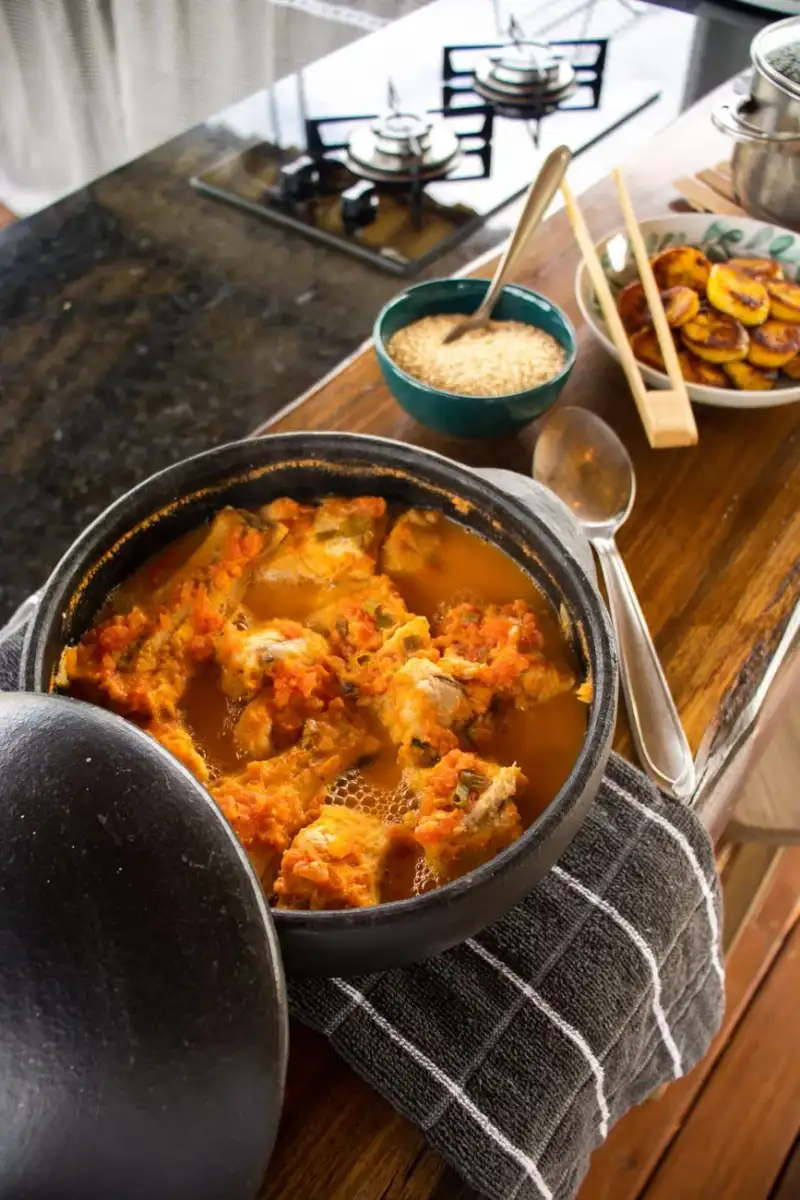

Thieboudienne, a dish so deeply ingrained in the culture of Senegal that it's often referred to as the country's national pride. This majestic one-pot meal is a testament to the rich culinary heritage of the Wolof people, who have lovingly crafted and perfected the recipe over generations. As a food writer, I'm excited to delve into the fascinating history, cultural significance, and mouth-watering flavors of Thieboudienne, the crown jewel of Senegalese cuisine. Introduction to Thieboudienne Thieboudienne, which translates to "rice and fish" in Wolof, is a hearty dish that combines the freshest catches from the Atlantic Ocean with an assortment of vegetables, spices, and a special type of broken rice called "mburru." The meal is typically cooked in a large, shallow pot over an open flame, allowing the aromas and flavors to meld together in perfect harmony. The result is a fragrant, flavorful, and satisfying dish that's both nourishing and delicious. History and Cultural Significance Thieboudienne has its roots in the medieval Wolof Empire, where it was served as a symbol of hospitality and generosity. The dish was originally prepared with rice, fish, and vegetables, but over time, it evolved to include a variety of ingredients, such as tomatoes, onions, and peppers. Today, Thieboudienne is an integral part of Senegalese culture, often served at special occasions, like weddings and holidays. The dish is also a staple of street food in Senegal, with vendors and markets offering their own unique versions.Ingredients and Preparation The ingredients used in Thieboudienne are a testament to the country's rich culinary heritage. The dish typically includes a variety of fish and seafood, such as tilapia, mussels, and shrimp, which are combined with an assortment of vegetables, like carrots, potatoes, and cabbage. The special type of broken rice, mburru, is also an essential component, as it absorbs the flavorful broth and helps to thicken the dish. A blend of spices, including cumin, coriander, and chili peppers, adds depth and warmth to the meal.To prepare Thieboudienne, the ingredients are first sautéed in a large pot, then simmered in a flavorful broth made with fish stock, water, and spices. The mburru rice is added towards the end of the cooking process, allowing it to absorb the rich flavors and textures of the dish. The result is a fragrant, flavorful, and nutritious meal that's both satisfying and delicious. Variations and Regional Influences While Thieboudienne is a national dish in Senegal, there are several regional variations and influences that have shaped the recipe over time. In the Casamance region, for example, the dish is often made with a variety of seafood, including crab and lobster, while in the north, it's more commonly prepared with meat, such as beef or lamb. The dish has also been influenced by other West African countries, such as The Gambia and Guinea, where similar one-pot meals are enjoyed.Authentic Recipe For those interested in trying Thieboudienne at home, here's an authentic recipe to get you started: Ingredients:1 cup of mburru rice 1 pound of fish and seafood (tilapia, mussels, shrimp) 2 tablespoons of vegetable oil 1 onion, chopped 2 cloves of garlic, minced 1 carrot, chopped 1 potato, chopped 1 cup of fish stock 1 cup of water 1 teaspoon of cumin 1 teaspoon of coriander 1/2 teaspoon of chili peppers Salt and pepper to tasteInstructions:Heat the oil in a large pot over medium heat. Add the onion, garlic, carrot, and potato, and sauté until the vegetables are tender. Add the fish and seafood, and cook until they're lightly browned. Add the fish stock, water, cumin, coriander, and chili peppers, and bring the mixture to a boil. Reduce the heat to low, and simmer the broth for 10-15 minutes. Add the mburru rice, and stir to combine. Cook the rice for an additional 5-10 minutes, or until it's tender and the liquid has been absorbed. Season the dish with salt and pepper to taste, and serve hot.Conclusion Thieboudienne is a true reflection of Senegal's rich cultural heritage and culinary expertise. This majestic one-pot meal is a testament to the country's love of good food, warm hospitality, and community bonding. Whether you're a food enthusiast, a cultural buff, or simply a lover of delicious cuisine, Thieboudienne is a dish that's sure to captivate and inspire. So why not give it a try, and experience the authentic flavors and traditions of Senegal? #Thieboudienne #SenegaleseCuisine #AfricanFood #TraditionalRecipes #FoodieAdventures #CulturalHeritage #WestAfricanDishes #SeafoodLovers #OnePotMeals
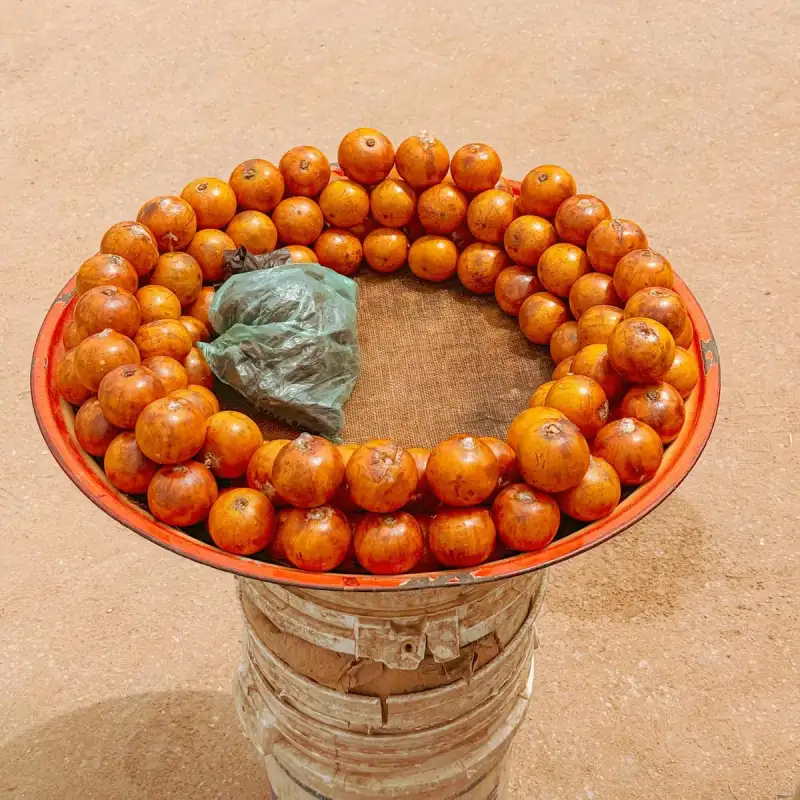
Mafe, a dish so quintessentially West African, its very name evokes a sensory journey through the bustling markets and aromatic kitchens of the region. This rich peanut stew, born from the cultural melting pot of West Africa, is a testament to the continent's incredible diversity and gastronomic richness. As we delve into the world of Mafe, we find ourselves immersed in a narrative of tradition, innovation, and community, all bound together by the universal language of food. Introduction to Mafe Mafe, also known as groundnut stew, is a beloved dish across West Africa, particularly in countries such as Senegal, The Gambia, Mali, and Guinea. The name "Mafe" itself is derived from the Wolof language, spoken in Senegal and The Gambia, and translates to "peanut" or "groundnut." This stew is characterized by its thick, velvety sauce made from ground peanuts, which serves as the foundation for an array of vegetables, meats, and spices. The preparation of Mafe is an art form, requiring patience, skill, and a deep understanding of the nuances of flavor and texture.History and Cultural Significance The history of Mafe is intertwined with the history of peanuts in West Africa. Introduced by Portuguese traders in the 16th century, peanuts quickly became a staple crop, valued for their nutritional richness and versatility. Over time, peanuts were incorporated into various local dishes, eventually giving birth to Mafe. This stew became an integral part of West African cuisine, often served at special occasions such as weddings, holidays, and community gatherings. Mafe's significance extends beyond its role as a nourishing meal; it symbolizes hospitality, generosity, and the bonds of community. Ingredients and Preparation At its core, Mafe consists of a rich peanut sauce, meat or fish, and an assortment of vegetables. The peanut sauce, the backbone of the dish, is made by grinding roasted peanuts into a smooth paste, which is then cooked in oil and mixed with onions, garlic, ginger, and a variety of spices. The choice of meat can vary, with beef, lamb, chicken, and fish being popular options. Vegetables such as potatoes, carrots, and cassava add depth and texture to the stew. The slow-cooking process allows the flavors to meld together, creating a complex and aromatic broth that is both comforting and exhilarating.Regional Variations Despite its shared roots, Mafe has evolved differently across West Africa, reflecting local preferences and ingredient availability. In Senegal, for example, Mafe is often made with beef or lamb, and the sauce is thicker and more intense. In The Gambia, fish is a common protein, reflecting the country's coastal location. These variations not only highlight the dish's adaptability but also its resilience and capacity to thrive in diverse culinary environments. Health Benefits and Nutrition Mafe is more than just a flavorful dish; it is a nutritious meal that provides a significant amount of protein, healthy fats, and fiber. Peanuts, the main ingredient, are rich in vitamins E and B3, and minerals like magnesium and potassium. The variety of vegetables adds vitamins, minerals, and antioxidants, making Mafe a well-rounded and healthy option. This stew is also relatively affordable and accessible, making it a staple in many West African households.Conclusion Mafe, the rich peanut stew of West Africa, is a culinary masterpiece that embodies the spirit of community, tradition, and innovation. Its rich history, cultural significance, and nutritional value make it a dish that resonates deeply with people from all walks of life. As we explore the diverse culinary landscapes of West Africa, Mafe stands out as a shining example of the region's gastronomic wealth and the power of food to unite and inspire. #WestAfricanCuisine #MafeRecipe #PeanutStew #AfricanFood #TraditionalDishes #FoodHistory #CulturalHeritage #NutritiousMeals #GlobalCuisine Related InsightsIl Macco di Fave Secche: Un Viaggio Nel Cuore Pulsante e Dimenticato Della Gastronomia Siciliana From Forest Floor to Flavor Lab: The Evolution of Umami in Vegan Stock The Fifth Element: How a Bowl of Seaweed Broth Rewrote the Language of Flavor{ "@context": "https://schema.org", "@type": "FAQPage", "mainEntity": [ { "@type": "Question", "name": "What is the main focus of Mafe: The Rich Peanut Stew of West Africa?", "acceptedAnswer": { "@type": "Answer", "text": "Discover the deep cultural roots, authentic flavors, and history of Mafe: The Rich Peanut Stew of West Africa." } }, { "@type": "Question", "name": "Who authored the comprehensive guide on Mafe: The Rich Peanut Stew of West Africa?", "acceptedAnswer": { "@type": "Answer", "text": "This detailed article and its insights were carefully researched and authored by Amara Ndiaye." } }, { "@type": "Question", "name": "Where can I find more related content about Food?", "acceptedAnswer": { "@type": "Answer", "text": "You can explore more articles, detailed reviews, and similar insights by browsing the Related Insights section at the bottom of this article or visiting our dedicated Food category page." } } ] }
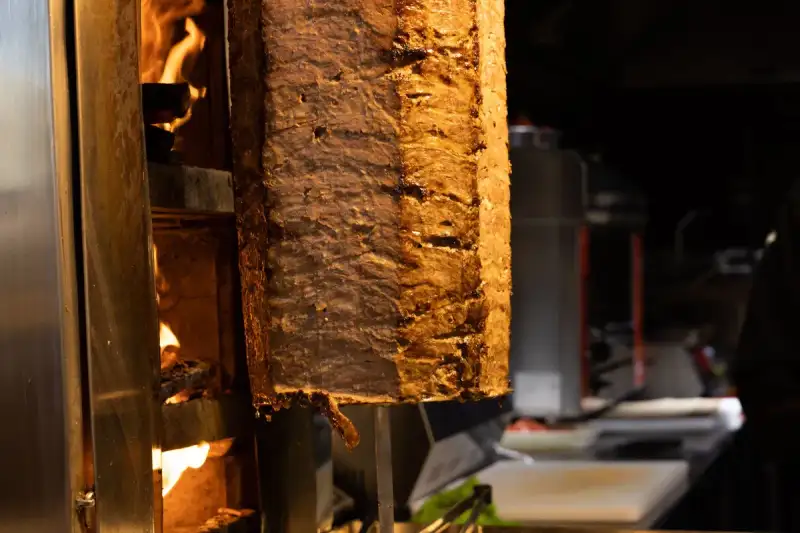
Shawarma: The Iconic Levantine Street Food Shawarma, a culinary masterpiece born from the Levantine region, has captivated the hearts of food enthusiasts worldwide. The mere mention of this iconic street food transports one to the vibrant streets of Beirut, Damascus, or Amman, where the pungent aroma of spices and marinated meats fills the air. This savory treat has its roots in the Ottoman Empire, evolving into a staple that not only quenches hunger but also tells a story of cultural heritage. Origins and Evolution Shawarma's history dates back to the early 19th century when Ottoman soldiers, primarily from Turkey, introduced spit-roasted meat (known as "Turkish Doner") to the region. This cooking method was a natural adaptation of the traditional Ottoman technique of grilling lamb on sticks. As the Ottoman Empire expanded, so did the popularity of this dish, with various Middle Eastern and Mediterranean cultures adopting and modifying it to suit their tastes. Regional Variations Shawarma has undergone countless transformations as it spread across the Levant. Each country and city boasts its unique flavor profile, reflecting local ingredients and preferences. Some notable variations include: Beirut-Style Shawarma Lebanon's take on Shawarma features thinly sliced, lamb or chicken, served on a soft, sesame-topped bun. The pita bread is lightly charred, while a dollop of creamy Tzatziki sauce adds a refreshing twist. Damascus-Style Shawarma In Syria, Shawarma is often served in a crispy roll, wrapped around a generous helping of marinated lamb or chicken. This variation is characterized by its rich, bold flavors and the presence of pickled turnips, radishes, and cucumbers. Amman-Style Shawarma Jordan's iteration is a masterclass in simplicity and elegance. The Shawarma is served on a delicate pita, topped with tender lamb or chicken, juicy tomatoes, onions, and a sprinkle of sumac. The Anatomy of Shawarma While variations abound, the fundamental components of Shawarma remain intact. A well-crafted Shawarma consists of:The Meat: Thinly sliced, high-quality lamb or chicken, marinated in a blend of aromatic spices, olive oil, and vinegar. The Pita: Soft, warm bread, often topped with sesame seeds, which provides a gentle crunch to the dish. The Toppings: A variety of fresh vegetables, including tomatoes, onions, pickled turnips, and cucumbers, add crunch and flavor to each bite. The Sauces: A drizzle of creamy Tzatziki, Tahini, or Sumac elevates the Shawarma to new heights.A Guide to Making Authentic Shawarma at Home While the convenience of Shawarma carts and restaurants is undeniable, there's a certain satisfaction in crafting your own authentic Shawarma. Follow these steps to experience the magic of Shawarma in your own kitchen: Ingredients:500g lean lamb or chicken 2 tbsp olive oil 2 tbsp lemon juice 2 tbsp paprika 1 tsp cumin Salt and black pepper 1 onion, thinly sliced 2 cloves garlic, minced 4 pita breads Tzatziki sauce or Tahini for servingInstructions:Marinate: Combine lamb or chicken with olive oil, lemon juice, paprika, cumin, salt, and black pepper. Allow the mixture to rest for at least 2 hours. Grill: Skewer the marinated meat onto a vertical spit or a grill, cooking to your desired level of doneness. Assemble: Warm the pita bread by wrapping it in foil and grilling for a few minutes. Fill each pita with thinly sliced meat, onions, garlic, tomatoes, pickled turnips, and a dollop of Tzatziki or Tahini sauce.In conclusion, Shawarma is more than a mere street food – it's an edible reflection of cultural heritage, a symphony of flavors, and a testament to the power of culinary adaptation. As we continue to explore the diverse world of Levantine cuisine, we find ourselves entwined in a rich tapestry of history, family traditions, and community. #hashtags #Shawarma #LevantineCuisine #StreetFood #MiddleEasternRecipes #FoodCulture #CulinaryHeritage #TraditionalStreetFood #AuthenticRecipe Related InsightsIl Segreto Dolce e Antico: Svelare l'Anima della Sapa e del Mosto Cotto tra Storia, Territorio e Rinascita Gastronomica The Alchemy of Vinegar and Ocean: The Deep Evolution of Sushi La Genesi Segreta del Miele Amaro di Corbezzolo: Un Elisir Sardo tra Botanica e Poesia Gustativa{ "@context": "https://schema.org", "@type": "FAQPage", "mainEntity": [ { "@type": "Question", "name": "What is the main focus of Shawarma: The Iconic Levantine Street Food?", "acceptedAnswer": { "@type": "Answer", "text": "Discover the deep cultural roots, authentic flavors, and history of Shawarma: The Iconic Levantine Street Food." } }, { "@type": "Question", "name": "Who authored the comprehensive guide on Shawarma: The Iconic Levantine Street Food?", "acceptedAnswer": { "@type": "Answer", "text": "This detailed article and its insights were carefully researched and authored by Layla Hariri." } }, { "@type": "Question", "name": "Where can I find more related content about Food?", "acceptedAnswer": { "@type": "Answer", "text": "You can explore more articles, detailed reviews, and similar insights by browsing the Related Insights section at the bottom of this article or visiting our dedicated Food category page." } } ] }
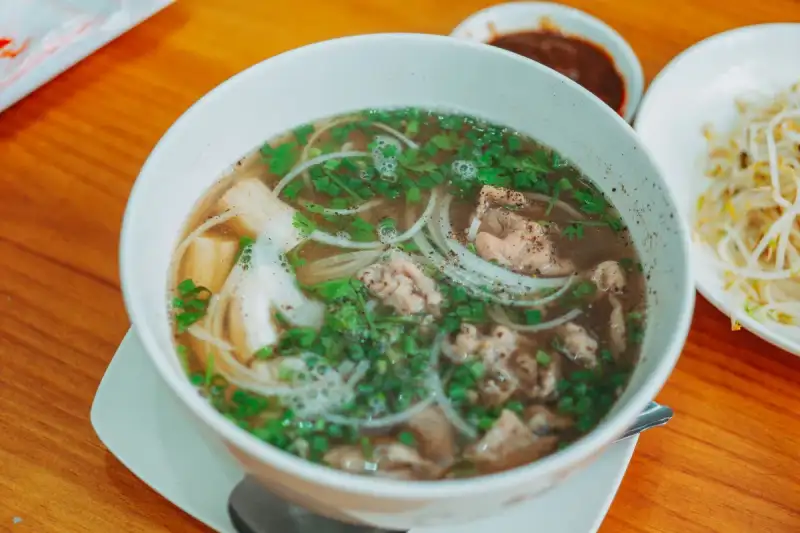
Pho: The Soul-Warming Noodle Soup of Vietnam A Cultural Icon of Vietnam Pho, pronounced as "fu," is the quintessential Vietnamese dish that warms the hearts of locals and international travelers alike. This fragrant, flavorful, and comforting noodle soup has become an integral part of Vietnamese culture, symbolizing the nation's rich history, resilience, and hospitality. In this article, we delve into the story behind Pho's creation, its cultural significance, and the secret to its soul-warming taste. Origins of Pho The origins of Pho are shrouded in mystery, with different theories pointing to its creation during the French colonial era (1862-1954) or during the Nguyen dynasty (1802-1945). One story suggests that Pho was inspired by the French pot-au-feu, a hearty beef stew, with modifications to suit the Vietnamese palate. Another theory proposes that Pho was inspired by the traditional Chinese noodle soups, such as wonton or la mian, with the addition of local ingredients. Regardless of its origins, Pho has become a staple in Vietnamese cuisine, with different regions offering their unique interpretations. The most popular variations are Pho Bo (beef noodle soup) and Pho Ga (chicken noodle soup), although other meat alternatives, such as Pho Chay (vegetarian noodle soup), have gained popularity in recent years.Regional Influences on Pho Pho's regional variations reflect the diversity of Vietnam's culinary landscape. In the north, Pho is typically served with a clearer broth, using bone marrow and ginger for added depth, while in the south, the broth is heartier and sweeter, with the addition of fish sauce and star anise. Central Vietnam's Pho is often served with a variety of herbs, including basil, chili, and mint, adding a fresh and aromatic twist to the dish. The regional differences are also reflected in the types of noodles used. In northern Pho, rice noodles (bun) are typically thin and soft, while in southern Pho, they are thicker and chewier. The beef used in Pho also varies, with northern Pho often featuring rare slices of beef (bò tái) or beef brisket, while southern Pho typically uses thinly sliced beef (bò chín). Traditional Pho Recipe While Pho varies across regions, the traditional recipe remains a closely guarded secret. However, we can reveal the basic ingredients and techniques involved in crafting an authentic Pho broth:Beef or Chicken: The choice of meat affects the flavor profile of the broth. For beef Pho, use oxtail or beef bones, while for chicken Pho, use chicken bones and wings.Aromatics: Onions, ginger, garlic, and star anise add depth and warmth to the broth.Spices: Fish sauce, soy sauce, and sugar balance the flavors and give the broth its characteristic umami taste.Herbs: Fresh herbs like basil, mint, and cilantro add freshness and aroma to the dish. The preparation involves a multi-step process:Soak the beef or chicken bones in cold water for at least 30 minutes to remove impurities. Blanch the bones in hot water to cook them before making the broth. Simmer the bones in a large pot with aromatics, spices, and herbs for at least 30 minutes to extract the flavors. Strain the broth through a fine-mesh sieve and discard the solids. Re-season the broth with salt and sugar to balance the flavors.The Perfect Bowl of Pho A traditional Pho bowl consists of a steaming hot broth, soft and chewy rice noodles, sliced beef or chicken, herbs, and a squeeze of lime juice. To assemble the perfect bowl, follow these steps:Broth: Ladle the hot broth over the noodles and meat. Noodles: Cook the noodles according to package instructions and add them to the bowl. Meat: Slice the beef or chicken thinly and arrange it on top of the noodles. Herbs: Sprinkle fresh herbs like basil, mint, and cilantro on top of the meat. Lime Juice: Squeeze a slice of lime juice over the herbs and noodles. Bean Sprouts: Add bean sprouts on top of the noodles for added crunch.Conclusion Pho is more than just a meal; it represents the soul of Vietnam, its rich cultural heritage, and its welcoming hospitality. Whether you're a food enthusiast or simply looking for a hearty and comforting meal, Pho is a must-try experience. With its fragrant broth, soft noodles, and fresh herbs, Pho will transport you to the streets of Vietnam, where the aroma of this beloved dish fills the air and lingers in the heart forever. [Hashtags] #VietnameseCuisine #PhoRecipe #TraditionalFood #StreetFood #CulturalHistory #Foodie #VietnamTourism #AuthenticPho #VietnameseNoodleSoup Related InsightsThai Street Food Secrets: How to Recreate Bangkok’s Best Dishes at Home The Umami Echo: Tracing the Ancient Origins of Fermented Fish Sauce Beyond Roman Garum's Shadow Steel-Cut Oats with Chia Seeds and Blueberries: A Delicious and Nutritious Breakfast Option{ "@context": "https://schema.org", "@type": "FAQPage", "mainEntity": [ { "@type": "Question", "name": "What is the main focus of Pho: The Soul-Warming Noodle Soup of Vietnam?", "acceptedAnswer": { "@type": "Answer", "text": "Discover the deep cultural roots, authentic flavors, and history of Pho: The Soul-Warming Noodle Soup of Vietnam." } }, { "@type": "Question", "name": "Who authored the comprehensive guide on Pho: The Soul-Warming Noodle Soup of Vietnam?", "acceptedAnswer": { "@type": "Answer", "text": "This detailed article and its insights were carefully researched and authored by Nguyen Thi Mai." } }, { "@type": "Question", "name": "Where can I find more related content about Food?", "acceptedAnswer": { "@type": "Answer", "text": "You can explore more articles, detailed reviews, and similar insights by browsing the Related Insights section at the bottom of this article or visiting our dedicated Food category page." } } ] }
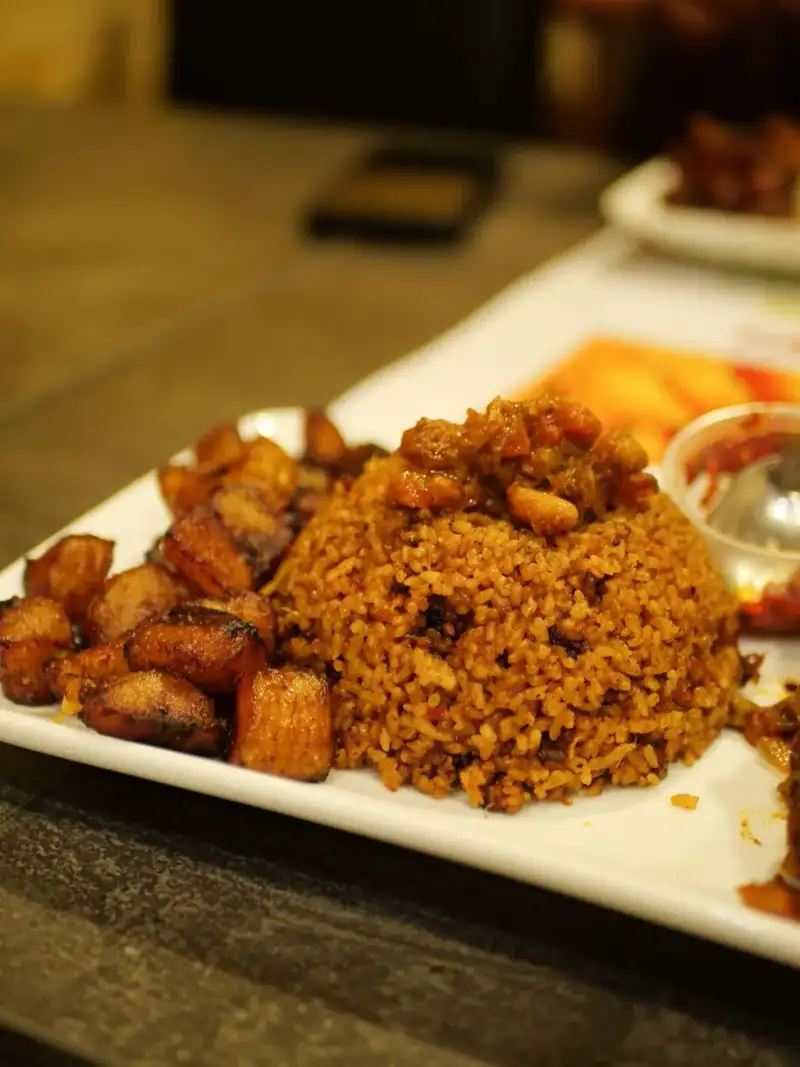

Jollof Rice is more than just a dish; it's an experience that embodies the vibrant spirit of West Africa. This iconic one-pot meal has been a cornerstone of social gatherings and celebrations across the region for centuries, weaving a rich tapestry of flavors, traditions, and community. As a staple of West African cuisine, Jollof Rice has become synonymous with joy, hospitality, and the unifying power of food. Introduction to Jollof Rice Jollof Rice, also known as Benachin, is a quintessential West African dish made from a flavorful combination of rice, tomatoes, onions, peppers, and a blend of spices. Its origins are deeply rooted in the culinary traditions of the Wolof Empire, which once flourished in what is now Senegal and The Gambia. Over time, Jollof Rice has evolved and spread throughout West Africa, with each country adding its unique twist to the recipe.The preparation of Jollof Rice is an art form in itself, requiring patience, skill, and a deep understanding of the intricacies involved in balancing the dish's complex flavors. The process begins with the careful selection of ingredients, including long-grain rice, fresh tomatoes, onions, Scotch bonnet peppers, and a variety of spices such as cumin, coriander, and paprika. The onions and peppers are sautéed in oil to create a flavorful base, followed by the addition of grated tomatoes, tomato paste, and the spice blend. Finally, the rice is added and cooked to perfection, absorbing the rich, aromatic flavors of the sauce. Cultural Significance of Jollof Rice Jollof Rice holds a revered place in West African culture, often serving as the centerpiece of social gatherings, festivals, and family celebrations. In Ghana, for example, Jollof Rice is a staple at weddings, funerals, and other significant life events, symbolizing unity, love, and the binding power of community. Similarly, in Nigeria, Jollof Rice is a beloved dish at parties and social gatherings, where it is often served alongside an array of colorful side dishes and refreshing beverages.The cultural significance of Jollof Rice extends beyond its role as a party dish, representing a deeper connection to the region's history, traditions, and values. In many West African societies, food plays a vital role in fostering community and social bonds, with meals often serving as opportunities for storytelling, laughter, and communal celebration. Jollof Rice, in particular, has become an emblem of West African hospitality, reflecting the region's warm and welcoming spirit. Variations of Jollof Rice While Jollof Rice is a beloved dish throughout West Africa, its recipe and preparation can vary significantly from country to country. In Ghana, for example, Jollof Rice is often made with a lighter, more delicate sauce, emphasizing the natural flavors of the ingredients. In contrast, Nigerian Jollof Rice tends to be spicier and more robust, with a deeper, richer flavor profile.In Senegal, Jollof Rice is often served with a variety of side dishes, including grilled meats, fried plantains, and spicy sauces. Similarly, in The Gambia, Jollof Rice is frequently paired with a refreshing peanut stew, adding a delicious and satisfying contrast to the meal. Authentic Recipe for Jollof Rice For those interested in preparing an authentic West African Jollof Rice, the following recipe offers a delicious and flavorful starting point: Ingredients:1 cup long-grain rice 2 cups water 2 tablespoons vegetable oil 1 large onion, chopped 2 Scotch bonnet peppers, chopped 2 tomatoes, grated 2 tablespoons tomato paste 1 teaspoon ground cumin 1 teaspoon ground coriander 1 teaspoon paprika Salt and black pepper, to tasteInstructions:Heat the oil in a large pot over medium heat. Add the chopped onion and sauté until softened, about 5 minutes. Add the chopped peppers and cook for an additional 2-3 minutes. Add the grated tomatoes, tomato paste, cumin, coriander, paprika, salt, and black pepper. Stir well to combine. Add the rice to the pot, stirring to coat the grains with the flavorful sauce. Add the water to the pot, bringing the mixture to a boil. Reduce the heat to low, cover the pot, and simmer for 20-25 minutes, or until the rice is cooked and the liquid has been absorbed.Conclusion Jollof Rice is more than just a delicious and flavorful dish; it's a symbol of West African culture, community, and hospitality. Whether served at a vibrant party or a quiet family gathering, Jollof Rice has the power to bring people together, fostering a sense of unity and connection. As a beloved staple of West African cuisine, Jollof Rice continues to inspire and delight people around the world, offering a taste of the region's rich cultural heritage and warm, welcoming spirit.#JollofRice #WestAfricanFood #AfricanCuisine #PartyDish #TraditionalFood #StreetFood #CulturalHistory #FoodieAdventures Related InsightsKimchi's Untold Saga: Unearthing the Fermented Superfoods Beyond the Cabbage You Thought You Knew (Part 2) Shahi Tukda: The Golden Dessert of Kings Vietnamese Pho: The Soulful Broth That Defines a Nation's Heritage{ "@context": "https://schema.org", "@type": "FAQPage", "mainEntity": [ { "@type": "Question", "name": "What is the main focus of Jollof Rice: The Ultimate West African Party Dish?", "acceptedAnswer": { "@type": "Answer", "text": "Discover the deep cultural roots, authentic flavors, and history of Jollof Rice: The Ultimate West African Party Dish." } }, { "@type": "Question", "name": "Who authored the comprehensive guide on Jollof Rice: The Ultimate West African Party Dish?", "acceptedAnswer": { "@type": "Answer", "text": "This detailed article and its insights were carefully researched and authored by Kwame Osei." } }, { "@type": "Question", "name": "Where can I find more related content about Food?", "acceptedAnswer": { "@type": "Answer", "text": "You can explore more articles, detailed reviews, and similar insights by browsing the Related Insights section at the bottom of this article or visiting our dedicated Food category page." } } ] }

Waakye, a traditional Ghanaian street food, is a harmonious blend of colors, flavors, and textures that awakens the senses and satisfies the palate. This vibrant breakfast dish, typically served in a large, steaming bowl, is a culinary embodiment of Ghanaian culture and hospitality. As the morning sun rises over the bustling streets of Accra, the aroma of waakye wafts through the air, enticing passersby to start their day with a delicious and filling meal. Introduction to Waakye Waakye is a one-pot dish made from a mixture of beans, rice, and a variety of spices, including garlic, ginger, and chili peppers. The name "waakye" is derived from the Ga language, in which "waakye" means "Wednesday," the day of the week when this dish was traditionally cooked. Over time, waakye has become an integral part of Ghanaian cuisine, with its popularity transcending cultural and geographical boundaries.The preparation of waakye is an art form that requires patience, skill, and attention to detail. The dish is typically cooked in large quantities, using a combination of cowpeas and rice, which are soaked overnight and then boiled in a flavorful broth. The cooking process is a labor of love, with the ingredients simmering together for hours to create a rich, savory sauce. The Cultural Significance of Waakye Waakye is more than just a meal; it is a symbol of community, hospitality, and cultural heritage. In Ghana, food plays a vital role in bringing people together, and waakye is no exception. This dish is often served at social gatherings, festivals, and family reunions, where it is shared among friends and loved ones. The communal nature of waakye is reflected in the way it is served, with large portions being ladled into bowls and shared among those present.The cultural significance of waakye is also reflected in its ingredients, which are carefully selected to reflect the country's rich agricultural heritage. The use of cowpeas, rice, and spices in waakye is a testament to Ghana's history as a major trading hub, with these ingredients being introduced by traders and travelers from across the continent. Preparing Waakye: A Recipe For those interested in trying their hand at making waakye, here is a simple recipe to get you started: Ingredients:1 cup cowpeas 1 cup uncooked rice 2 cloves garlic, minced 1-inch piece ginger, grated 1 teaspoon ground cumin 1 teaspoon paprika Salt and pepper to taste 2 cups water Vegetable oil for servingInstructions:Rinse the cowpeas and rice, and soak them in water overnight. Drain the cowpeas and rice, and place them in a large pot. Add the garlic, ginger, cumin, paprika, salt, and pepper to the pot. Pour in the water, and bring the mixture to a boil. Reduce the heat to low, and simmer the waakye for 2-3 hours, or until the cowpeas and rice are tender. Serve the waakye hot, garnished with chopped onions, tomatoes, and a sprinkle of pepper.This recipe is a basic guide, and you can adjust the ingredients and spices to suit your taste preferences. The key to making great waakye is to use high-quality ingredients and to cook the dish with love and care. Waakye: A Reflection of Ghanaian Cuisine Waakye is a prime example of Ghanaian cuisine, which is known for its bold flavors, vibrant colors, and hearty portions. Ghanaian cuisine is a fusion of traditional and modern influences, with dishes like waakye, jollof rice, and banku being staples of the national diet. The use of spices, herbs, and other ingredients in Ghanaian cooking reflects the country's rich cultural heritage, with influences from Africa, Europe, and the Middle East. Conclusion Waakye is a true reflection of Ghanaian culture and cuisine, with its rich flavors, vibrant colors, and hearty portions making it a beloved dish across the country. Whether you are a foodie, a culture enthusiast, or simply someone who loves to try new things, waakye is a must-try dish that is sure to leave you wanting more. So next time you are in Ghana, be sure to try a bowl of waakye, and experience the warmth and hospitality of this beautiful West African country. #GhanaianCuisine #StreetFood #Waakye #AfricanFood #Breakfast Recipes #TraditionalDishes #FoodieAdventures #CulturalHeritage
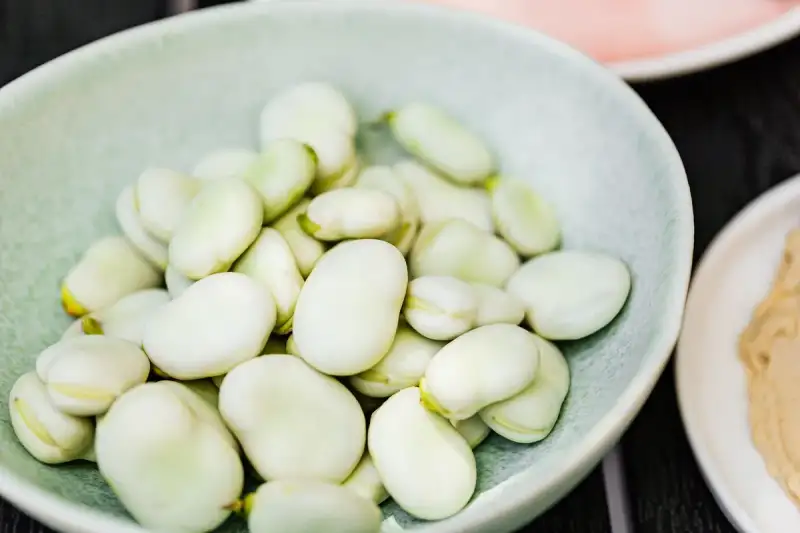
Ful Medames, the centuries-old fava bean dish, stands as a testament to the rich culinary heritage of the Mediterranean. This traditional breakfast staple, born from the humble fava bean, has traversed time and borders, weaving itself into the fabric of cultures across the region. Its origins lost in the mists of history, Ful Medames has evolved, adapting to the tastes and traditions of the people who have embraced it, from the sun-kissed fields of Egypt to the bustling streets of Lebanon. Introduction to Ful Medames Ful Medames is more than just a meal; it is an experience. The name itself, "Ful Medames," reflects its Egyptian roots, where "ful" refers to the fava beans and "medames" means "buried," alluding to the traditional method of cooking the beans in a pot buried in hot coals or sand. This ancient method allows for a slow, overnight cooking process, resulting in tender, flavorful beans that are then served with a variety of toppings.The dish is a symphony of textures and flavors, combining the creamy richness of fava beans with the tang of lemon juice, the depth of garlic, and the freshness of parsley. It's a meal that invites community, often served in large bowls from which everyone eats, fostering a sense of togetherness and sharing. The Cultural Significance of Ful Medames Ful Medames holds a special place in the hearts and stomachs of people across the Mediterranean. It's a dish that transcends borders, with variations found in Egyptian, Palestinian, Syrian, and Lebanese cuisines, among others. In Egypt, it's a national dish, often served at almost every meal, from casual breakfasts to more formal gatherings. The simplicity and nourishment it provides make it a staple for both the rich and the poor, bridging social divides.The cultural significance of Ful Medames is also reflected in its role during Ramadan, the Islamic holy month of fasting. After a long day of fasting, Ful Medames is often one of the first foods eaten at iftar, the meal that breaks the fast, providing necessary sustenance and energy. The History of Ful Medames The history of Ful Medames is as ancient as the fava bean itself, which has been cultivated for over 10,000 years. The use of fava beans in dishes dates back to the time of the pharaohs in Egypt, where they were considered a staple food due to their nutritional value and ease of cultivation. Over time, as civilizations rose and fell, and as trade and migration brought different cultures into contact with one another, the recipe for Ful Medames evolved. The addition of garlic, lemon juice, and olive oil, for example, reflects the influence of Mediterranean cuisine on the dish. Preparing Ful Medames Preparing Ful Medames is an art that requires patience and a bit of tradition. The process begins with soaking dried fava beans overnight, then boiling them until they are tender. The beans are then mashed and mixed with garlic, lemon juice, and olive oil, creating a creamy, flavorful paste. Traditional Recipe1 cup dried fava beans, soaked overnight and drained 4 cloves garlic, minced 2 tablespoons lemon juice 1/4 cup olive oil Salt and pepper, to taste Chopped parsley or cilantro, for garnishCombine the cooked fava beans, garlic, lemon juice, and olive oil in a bowl. Season with salt and pepper to taste. Serve warm, garnished with parsley or cilantro, and accompanied by pita bread or vegetables.Conclusion Ful Medames is more than a dish; it's a bridge between past and present, a symbol of community and sharing, and a testament to the enduring power of food to bring people together. Whether enjoyed in a bustling street food market in Cairo or prepared in the comfort of one's own home, Ful Medames offers a taste of tradition, history, and warmth. As we delve into the world of Ful Medames, we not only explore a culinary delight but also uncover the stories, traditions, and people behind this ancient fava bean breakfast. It's an invitation to experience the richness of Mediterranean culture, one bowl at a time. #FulMedames #MediterraneanCuisine #FavaBeanRecipe #TraditionalBreakfast #FoodHistory #CulturalHeritage #MediterraneanDiet #StreetFoodDelights Related InsightsLe Sushi : Odyssée Salée et Sucrée, de la Préservation Antique à l'Art Culinaire Éphémère Global Secrets of Preserved Lemons & Salt‑Cured Citrus: From Marrakech Markets to Tokyo Kitchens Delving into the World of Anti-Inflammatory German Potato Salad with Dill and Apple Cider Vinaigrette (Vegan){ "@context": "https://schema.org", "@type": "FAQPage", "mainEntity": [ { "@type": "Question", "name": "What is the main focus of Ful Medames: The Ancient Fava Bean Breakfast?", "acceptedAnswer": { "@type": "Answer", "text": "Discover the deep cultural roots, authentic flavors, and history of Ful Medames: The Ancient Fava Bean Breakfast." } }, { "@type": "Question", "name": "Who authored the comprehensive guide on Ful Medames: The Ancient Fava Bean Breakfast?", "acceptedAnswer": { "@type": "Answer", "text": "This detailed article and its insights were carefully researched and authored by Tariq Al-Fayed." } }, { "@type": "Question", "name": "Where can I find more related content about Food?", "acceptedAnswer": { "@type": "Answer", "text": "You can explore more articles, detailed reviews, and similar insights by browsing the Related Insights section at the bottom of this article or visiting our dedicated Food category page." } } ] }

In the lush valleys and arid deserts of ancient Egypt, a soup was born that would transcend the boundaries of time and geography, captivating the hearts and taste buds of people across the Middle East and beyond. Mulukhiyah, the royal green soup of the pharaohs, is a dish that weaves a tapestry of history, culture, and flavor, making it an integral part of the culinary heritage of the region. This velvety, nutrient-rich soup, made from the leaves of the mulukhiyah plant (Corchorus olitorius), is a testament to the ingenuity and culinary prowess of the ancient Egyptians. Introduction to Mulukhiyah The mulukhiyah plant, also known as Jew's mallow or Egyptian mallow, is a member of the mallow family. Its leaves, which are the primary ingredient in the soup, are packed with vitamins, minerals, and antioxidants, making mulukhiyah not only a delicious dish but also a nutritious one. The plant has been cultivated for thousands of years, with evidence of its use dating back to the time of the pharaohs. The name "mulukhiyah" itself is derived from the Arabic word for "king" or "royal," reflecting the high esteem in which this soup was held by ancient Egyptian royalty.Historical Significance of Mulukhiyah The historical significance of mulukhiyah cannot be overstated. It was a staple of the ancient Egyptian diet, particularly among the nobility and royalty. The soup was served at special occasions and was considered a delicacy due to the complexity of its preparation and the value of its ingredients. The use of mulukhiyah was not limited to Egypt; it spread throughout the Middle East and North Africa, where it was adapted and incorporated into local cuisines. Today, variations of mulukhiyah can be found in Lebanon, Syria, Jordan, and Palestine, each with its unique twist and flavor profile. Preparing Mulukhiyah: An Art and a Science Preparing mulukhiyah is an art that requires patience, skill, and attention to detail. The process begins with the selection of fresh mulukhiyah leaves, which are then cleaned and chopped. The leaves are sautéed in olive oil with garlic and sometimes meat or chicken, before being simmered in a flavorful broth. The soup is thickened with a roux made from flour and ghee (clarified butter), giving it a rich, velvety texture. The key to a good mulukhiyah is in the balance of flavors and the texture of the soup, which should be neither too thick nor too thin.Cultural Significance of Mulukhiyah Mulukhiyah holds a special place in the cultural heritage of the Middle East. It is often served on special occasions such as weddings and holidays, and its preparation and sharing are seen as acts of hospitality and generosity. The soup is also believed to have medicinal properties, with the mulukhiyah plant being used in traditional medicine for its anti-inflammatory and antioxidant effects. In many Middle Eastern countries, mulukhiyah is considered a comfort food, evoking memories of family gatherings and traditional meals. Authentic Recipe for Mulukhiyah For those interested in trying their hand at making authentic mulukhiyah, here is a simple recipe to get you started:1 pound of fresh mulukhiyah leaves 2 tablespoons of olive oil 3 cloves of garlic, minced 1 pound of chicken or beef, cut into small pieces 4 cups of chicken broth 2 tablespoons of flour 1 tablespoon of ghee Salt and pepper to taste Lemon wedges, for servingSaute the garlic and meat in olive oil until the meat is browned. Add the mulukhiyah leaves and cook until they are wilted. Add the broth and bring to a boil. Reduce the heat and simmer for 20 minutes. Mix the flour and ghee to make a roux, then add it to the soup, stirring constantly to avoid lumps. Season with salt and pepper to taste. Serve hot, with lemon wedges on the side.Conclusion Mulukhiyah, the royal green soup of the pharaohs, is a culinary treasure that embodies the rich cultural heritage and history of the Middle East. Its unique flavor, nutritional value, and cultural significance make it a dish that is worth exploring and savoring. Whether you are a food enthusiast, a historian, or simply someone looking to try new and exciting flavors, mulukhiyah is sure to delight and inspire.#Mulukhiyah #EgyptianCuisine #MiddleEasternFood #TraditionalRecipes #FoodHistory #CulturalHeritage #RoyalGreenSoup #PharaohsDish Related InsightsMumbai’s Midnight Feast: The Spicy, Crunchy, Unforgettable Soul of the City’s Streets The Fifth Taste Unlocked: Mastering Umami to Transform Every Bite into a Flavor Explosion The Gastronomic Odyssey: From Charred Street Corn to the Pinnacle of Michelin Perfection{ "@context": "https://schema.org", "@type": "FAQPage", "mainEntity": [ { "@type": "Question", "name": "What is the main focus of Mulukhiyah: The Royal Green Soup of the Pharaohs?", "acceptedAnswer": { "@type": "Answer", "text": "Discover the deep cultural roots, authentic flavors, and history of Mulukhiyah: The Royal Green Soup of the Pharaohs." } }, { "@type": "Question", "name": "Who authored the comprehensive guide on Mulukhiyah: The Royal Green Soup of the Pharaohs?", "acceptedAnswer": { "@type": "Answer", "text": "This detailed article and its insights were carefully researched and authored by Tariq Al-Fayed." } }, { "@type": "Question", "name": "Where can I find more related content about Food?", "acceptedAnswer": { "@type": "Answer", "text": "You can explore more articles, detailed reviews, and similar insights by browsing the Related Insights section at the bottom of this article or visiting our dedicated Food category page." } } ] }
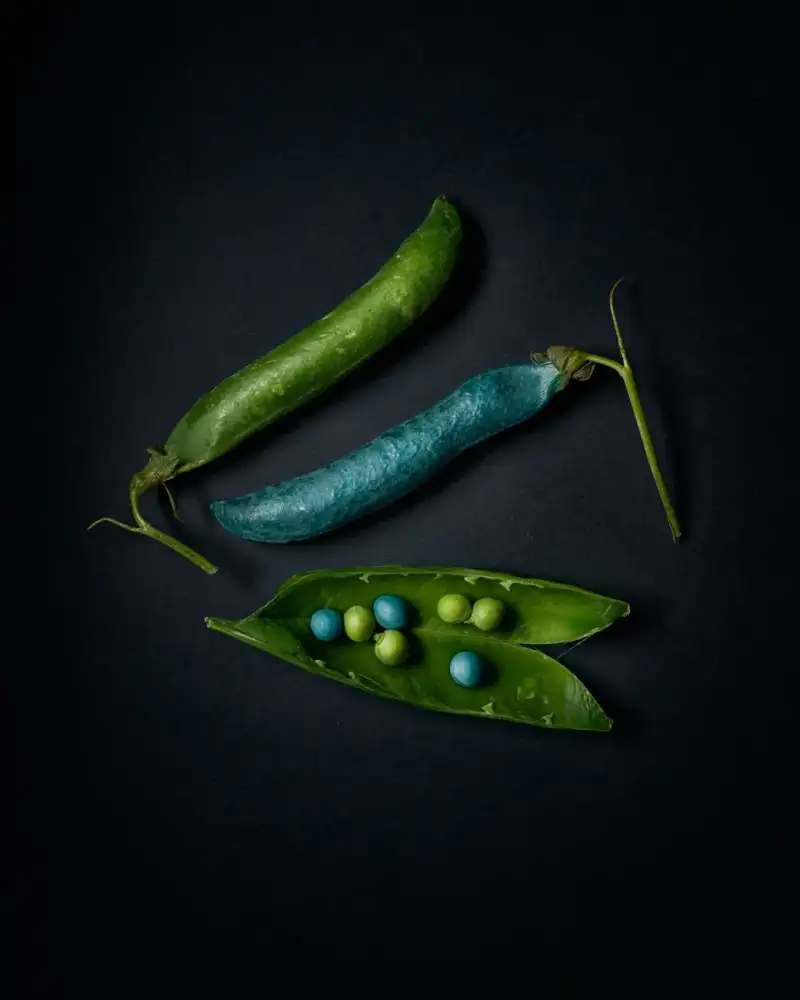
Ndambe, a hearty black-eyed pea stew, is more than just a dish - it's an embodiment of comfort, tradition, and community. Originating from the vibrant cultures of West Africa, this stew has traveled far and wide, adapting to various tastes and ingredients, yet retaining its essence. As we delve into the world of Ndambe, we find ourselves entwined in a narrative of history, cultural exchange, and the universal language of food. Introduction to Ndambe Ndambe is a testament to the resourcefulness and culinary ingenuity of African cuisine. Black-eyed peas, the main ingredient, are rich in protein, fiber, and nutrients, making them an ideal component for a nourishing stew. The peas are typically cooked with an assortment of vegetables, meats or fish, and a blend of aromatic spices, resulting in a flavorful broth that warms the heart and soul. History and Cultural Significance The history of Ndambe is deeply intertwined with the transatlantic slave trade and the displacement of African peoples to the Americas. Black-eyed peas, being a staple in many African diets, were among the crops brought to the New World by enslaved Africans. Over time, the dish evolved, incorporating local ingredients and cooking techniques, yet maintaining its African roots. Today, variations of Ndambe can be found in numerous countries, each with its unique twist, reflecting the dynamic nature of culinary traditions.Preparing Ndambe: A Step-by-Step Guide Preparing Ndambe is an act of love and patience, requiring careful selection of ingredients and attention to the cooking process. The basic recipe includes black-eyed peas, onions, garlic, tomatoes, peppers, and a choice of protein, which can range from beef to fish or chicken. The ingredients are sautéed in oil to bring out their flavors, then simmered in a broth until the peas are tender. The key to a delicious Ndambe lies in the balance of spices and the richness of the broth.Essential IngredientsBlack-eyed peas Onion Garlic Tomatoes Peppers Protein of choice (beef, fish, chicken) Aromatic spices (thyme, rosemary, bay leaves) Broth OilStep-by-Step InstructionsSoak the black-eyed peas overnight to reduce cooking time. Sauté the onions, garlic, and peppers in oil until they are soft and fragrant. Add the tomatoes and spices, cooking for a few minutes to blend the flavors. Incorporate the protein, cooking until it is browned. Add the soaked black-eyed peas and broth, bringing the mixture to a boil. Reduce heat and simmer until the peas are tender. Season to taste, adjusting the spices and salt as needed.Variations and Adaptations The beauty of Ndambe lies in its versatility. From the spicy versions of the Caribbean to the hearty stews of Southern America, each region has embraced and modified the dish according to local tastes and ingredients. In some parts of Africa, Ndambe is cooked with smoked fish or meat, giving it a distinctive flavor. The use of different spices and herbs can also significantly alter the character of the stew, making each variation a unique culinary experience.Ndambe in Modern Cuisine In contemporary culinary scenes, Ndambe has found its place as a symbol of cultural heritage and gastronomic excellence. Chefs and food enthusiasts alike are revisiting traditional recipes, adapting them to modern tastes while preserving their historical and cultural contexts. The dish has also become a centerpiece for community gatherings and cultural festivals, serving as a reminder of the power of food to unite and inspire. Conclusion Ndambe, the comforting black-eyed pea stew, stands as a testament to the enduring legacy of African cuisine and its profound impact on global culinary traditions. It is a dish that embodies warmth, community, and the shared human experience of breaking bread together. As we continue to explore and celebrate the diversity of world cuisine, Ndambe remains a cherished gem, inviting us to partake in its rich flavors and profound cultural significance.#NdambeRecipe #AfricanCuisine #BlackEyedPeas #ComfortFood #CulturalHeritage #FoodHistory #TraditionalDishes #GlobalCuisine Related InsightsAwadhi Biryani: The Aromatic Slow-Cooked Masterpiece Unlocking the Power of Roasted Beetroot Hummus with Toasted Sesame: A Delicious Anti-Inflammatory Delight Hannah Weber's Guide to Delicious and Healthy Sprouted Grain Bread with Avocado and Radish (Vegan){ "@context": "https://schema.org", "@type": "FAQPage", "mainEntity": [ { "@type": "Question", "name": "What is the main focus of Ndambe: The Comforting Black-Eyed Pea Stew?", "acceptedAnswer": { "@type": "Answer", "text": "Discover the deep cultural roots, authentic flavors, and history of Ndambe: The Comforting Black-Eyed Pea Stew." } }, { "@type": "Question", "name": "Who authored the comprehensive guide on Ndambe: The Comforting Black-Eyed Pea Stew?", "acceptedAnswer": { "@type": "Answer", "text": "This detailed article and its insights were carefully researched and authored by Amara Ndiaye." } }, { "@type": "Question", "name": "Where can I find more related content about Food?", "acceptedAnswer": { "@type": "Answer", "text": "You can explore more articles, detailed reviews, and similar insights by browsing the Related Insights section at the bottom of this article or visiting our dedicated Food category page." } } ] }

The aromatic landscape of the Middle East is dotted with dishes that evoke a sense of community, history, and rich cultural heritage. Among these, Kibbeh stands out as a testament to the ingenuity and culinary prowess of the region's ancient peoples. This spiced meat and bulgur masterpiece is a dish that transcends borders, embracing the diversity of Middle Eastern cuisine while remaining quintessentially authentic. Introduction to Kibbeh Kibbeh, pronounced as "kubbeh" or "kibbe," is a beloved dish across the Middle East, with variations found in Lebanese, Syrian, Palestinian, Iraqi, and Turkish cuisines. At its core, Kibbeh is a mixture of ground meat (usually beef, lamb, or a combination of the two) and bulgur (cracked wheat), spiced with a blend of aromatic herbs and spices. The simplicity of its ingredients belies the complexity of its preparations and the depth of its flavors.The Cultural Significance of Kibbeh Kibbeh is more than just a dish; it's a cultural phenomenon that brings people together. In many Middle Eastern households, the preparation of Kibbeh is a family affair, with each member contributing to the process. From the grinding of the meat and the soaking of the bulgur to the meticulous shaping of the Kibbeh balls or patties, every step is imbued with tradition and love. Kibbeh is often served at gatherings and celebrations, symbolizing warmth, hospitality, and the joy of sharing meals with others. Variations of Kibbeh The diversity of Kibbeh is as vast as the Middle East itself, with countless variations that reflect local tastes, ingredients, and cooking techniques. Some of the most popular forms include:Raw Kibbeh (Kibbeh Nayyeh): A Lebanese specialty made with raw ground meat, bulgur, and spices, often served as an appetizer. Fried Kibbeh: Crispy, golden balls filled with spiced meat and onions, perfect for snacking. Baked Kibbeh: A layer of ground meat and bulgur topped with a layer of the same mixture but with a finer texture, baked to perfection in the oven. Kibbeh Bil Sanieh: A Lebanese dish where layers of Kibbeh are topped with a mixture of ground meat and spices, then baked in a large tray.The Art of Making Kibbeh The process of making Kibbeh is an art form that requires patience, skill, and practice. The initial step involves preparing the bulgur, which is soaked and drained to achieve the right consistency. Meanwhile, the meat is ground and mixed with a blend of onions, spices, and salt. The key to a perfect Kibbeh is in the balance of its components and the finesse with which it is shaped. For those looking to try their hand at making Kibbeh, starting with simple recipes and gradually experimenting with different spices and techniques is highly recommended. Health Benefits of Kibbeh Beyond its culinary appeal, Kibbeh also offers several health benefits. The bulgur in Kibbeh is a good source of fiber, which can help with digestion and prevent constipation. The lean meat provides protein, essential for muscle repair and growth. Furthermore, many of the spices used in Kibbeh, such as cumin and coriander, have anti-inflammatory properties and can aid in boosting the immune system. Conclusion Kibbeh is a dish that embodies the spirit of Middle Eastern cuisine: rich, diverse, and warmly inviting. Whether you're exploring the streets of Beirut, the markets of Istanbul, or the comfort of your own home, Kibbeh is a culinary journey worth taking. With its blend of spiced meat and bulgur, this masterpiece invites all to experience the authentic flavors and deep cultural roots of the Middle East.#MiddleEasternCuisine #KibbehRecipe #TraditionalFood #StreetFood #CulturalHeritage #FoodieAdventures #MiddleEasternDishes #KibbehLover Related InsightsL'Âme Fermentée de la Corée : Odyssée Sensorielle et Historique du Kimchi Middle Eastern Mezze Beyond Turkish: Authentic Lebanese and Syrian Small Plates L'Epopea Della Pizza: Un Viaggio Millenario Tra Impasti, Leggende e Conquiste Globali, Dal Cuore Bizantino di Gaeta all'Icona Gastronomica del Mondo{ "@context": "https://schema.org", "@type": "FAQPage", "mainEntity": [ { "@type": "Question", "name": "What is the main focus of Kibbeh: The Spiced Meat and Bulgur Masterpiece?", "acceptedAnswer": { "@type": "Answer", "text": "Discover the deep cultural roots, authentic flavors, and history of Kibbeh: The Spiced Meat and Bulgur Masterpiece." } }, { "@type": "Question", "name": "Who authored the comprehensive guide on Kibbeh: The Spiced Meat and Bulgur Masterpiece?", "acceptedAnswer": { "@type": "Answer", "text": "This detailed article and its insights were carefully researched and authored by Layla Hariri." } }, { "@type": "Question", "name": "Where can I find more related content about Food?", "acceptedAnswer": { "@type": "Answer", "text": "You can explore more articles, detailed reviews, and similar insights by browsing the Related Insights section at the bottom of this article or visiting our dedicated Food category page." } } ] }

The vibrant streets of Egypt are a culinary wonderland, filled with the enticing aromas of traditional dishes that have been passed down through generations. Among these, Koshari stands out as a quintessential Egyptian street food bowl that embodies the country's rich cultural heritage and diverse culinary influences. This beloved dish is a masterful combination of flavors, textures, and presentation, making it a must-try for anyone exploring the authentic tastes of Egypt. Introduction to Koshari Koshari, also spelled Koshary or Kushari, is a hearty, comforting bowl filled with an assortment of ingredients, including pasta, lentils, tomato sauce, fried onions, and chickpeas, all topped with a sprinkle of vinegar and a side of garlic sauce. The dish is often served in small, unassuming eateries and street food stalls, where it is devoured by locals and visitors alike. Despite its humble appearance, Koshari boasts a complex flavor profile that reflects the cultural melting pot of Egyptian cuisine, with influences from Mediterranean, Middle Eastern, and African traditions.Historical Roots of Koshari The origins of Koshari are unclear, but it is believed to have emerged during the period of British occupation in Egypt, which lasted from 1882 to 1922. At that time, British colonial powers introduced pasta and other European ingredients to the country, which were incorporated into the local cuisine. Koshari is thought to have been created as a way to use up leftover pasta, lentils, and other staples, which were then combined with local ingredients like tomato sauce and chickpeas. Over time, the dish evolved and spread throughout Egypt, becoming a staple of street food culture. Components of Koshari A traditional Koshari bowl consists of several key components, each of which adds its own unique flavor and texture to the dish. The base of the bowl is typically made up of pasta, usually macaroni or penne, which is cooked al dente and then tossed with lentils. The lentils are usually brown or green, and are cooked until they are tender and slightly mushy. Next, a rich tomato sauce is added, made with a combination of fresh tomatoes, onions, garlic, and spices. The sauce is simmered for hours to develop a deep, intense flavor that is both tangy and slightly sweet.In addition to the pasta, lentils, and tomato sauce, Koshari is also topped with a variety of other ingredients, including fried onions, chickpeas, and vinegar. The fried onions add a crispy, caramelized texture to the dish, while the chickpeas provide a boost of protein and fiber. A sprinkle of vinegar adds a tangy, refreshing flavor that helps to balance out the richness of the tomato sauce. Regional Variations of Koshari While Koshari is a beloved dish throughout Egypt, there are regional variations that reflect the unique cultural and culinary traditions of different parts of the country. In Cairo, for example, Koshari is often made with a spicy tomato sauce and topped with a dollop of garlic sauce. In Alexandria, the dish is typically milder, with a focus on the natural flavors of the ingredients rather than added spices or seasonings.Cultural Significance of Koshari Koshari is more than just a dish - it is a cultural phenomenon that reflects the values and traditions of Egyptian society. In a country where food is often at the center of social gatherings and celebrations, Koshari is a staple that brings people together. Whether it is served at a family dinner, a street food stall, or a casual gathering with friends, Koshari is a dish that is shared and enjoyed by people of all ages and backgrounds. Authentic Koshari Recipe For those who want to try their hand at making authentic Koshari, here is a simple recipe to get you started: Ingredients:1 cup pasta (macaroni or penne) 1 cup lentils (brown or green) 2 cups tomato sauce 1 onion, chopped 2 cloves garlic, minced 1 cup chickpeas 1/4 cup fried onions 2 tablespoons vinegar Salt and pepper to taste Garlic sauce (optional)Instructions:Cook the pasta according to package instructions. Drain and set aside. Cook the lentils until they are tender and slightly mushy. Drain and set aside. Make the tomato sauce by sautéing the onions and garlic in a little oil until they are softened. Add the tomatoes and simmer for at least an hour, stirring occasionally. Assemble the Koshari bowls by placing a portion of pasta and lentils in the bottom of the bowl. Top with a spoonful of tomato sauce, followed by a sprinkle of chickpeas and fried onions. Drizzle with vinegar and serve with a side of garlic sauce, if desired.Conclusion Koshari is a true culinary gem of Egyptian street food culture, offering a unique and delicious combination of flavors, textures, and presentation. Whether you are a foodie, a cultural enthusiast, or simply someone who loves to try new things, Koshari is a must-try dish that is sure to leave you wanting more. With its rich history, cultural significance, and authentic flavors, Koshari is a true reflection of the warmth and hospitality of Egyptian cuisine.#EgyptianStreetFood #KoshariRecipe #MiddleEasternCuisine #FoodieAdventures #StreetFoodLovers #CulturalHeritage #TraditionalFood #EgyptianCuisine Related InsightsSavor the Spice: A Deep Dive into South India’s Coastal and Vegan Culinary Wonders From Naples to Your Kitchen: Mastering the Sacred Art of Authentic Neapolitan Pizza From Ancient Fields to Modern Crusts: Mastering Emmer & Spelt Sourdough{ "@context": "https://schema.org", "@type": "FAQPage", "mainEntity": [ { "@type": "Question", "name": "What is the main focus of Koshari: The Ultimate Egyptian Street Food Bowl?", "acceptedAnswer": { "@type": "Answer", "text": "Discover the deep cultural roots, authentic flavors, and history of Koshari: The Ultimate Egyptian Street Food Bowl." } }, { "@type": "Question", "name": "Who authored the comprehensive guide on Koshari: The Ultimate Egyptian Street Food Bowl?", "acceptedAnswer": { "@type": "Answer", "text": "This detailed article and its insights were carefully researched and authored by Tariq Al-Fayed." } }, { "@type": "Question", "name": "Where can I find more related content about Food?", "acceptedAnswer": { "@type": "Answer", "text": "You can explore more articles, detailed reviews, and similar insights by browsing the Related Insights section at the bottom of this article or visiting our dedicated Food category page." } } ] }
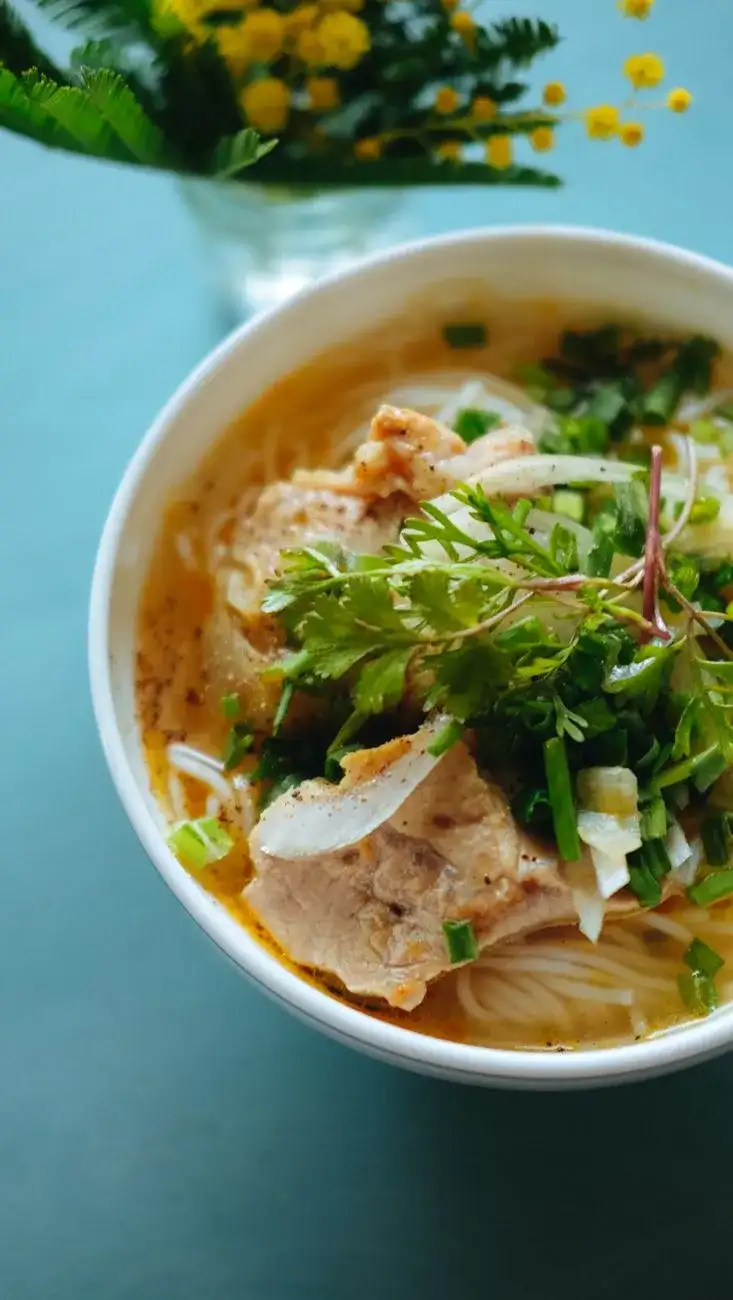
The Art of Banh Mi: Unveiling the Flavors of French-Vietnamese Cuisine For those familiar with the vibrant streets of Vietnam, the tantalizing aroma of freshly baked bread, the crunch of crispy vegetables, and the savory flavors of a variety of meats or tofu may evoke a sense of nostalgia and longing for the perfect fusion sandwich: Banh Mi. With its rich history, mouth-watering flavors, and versatility, Banh Mi has captivated the palates of food enthusiasts worldwide. Let us embark on a culinary journey to explore the origins, authentic recipes, and cultural significance of this beloved sandwich. A Historical Account of Vietnamese-French Fusion Cuisine The French colonization of Vietnam in the mid-19th century paved the way for a unique culinary fusion that would shape the future of Vietnamese cuisine. The French introduced their bread-baking techniques, while Vietnamese cooks integrated local ingredients and flavors into the mix. The resulting Banh Mi, which translates to "wheat bread" in Vietnamese, was born out of this cultural fusion.Banh Mi quickly became a staple of Vietnamese cuisine, offering a delicious and affordable meal option for workers and traders in bustling cities. The sandwich's popularity soared with the introduction of various meats, cheeses, and condiments, creating multiple regional varieties that catered to local tastes. The Anatomy of an Authentic Banh Mi A traditional Banh Mi consists of a crispy baguette, crunchy vegetables, and a range of savory ingredients. Let us dissect the essential components of this delectable sandwich. The Baguette: Crispy on the Outside, Soft on the Inside The foundation of a Banh Mi lies in its crunchy, golden-brown baguette. Made from wheat flour, yeast, water, sugar, and salt, this bread is baked to perfection in a brick oven or a large-scale bakery. To achieve the quintessential crunch, bakers often brush the bread with butter or oil before frying it to crispy perfection.Crunchy Vegetables: Add Texture and Flavor Thinly sliced cucumbers, carrots, and cilantro add a pop of color and texture to this culinary masterpiece. The crunch of these vegetables is essential in balancing the softness of the bread and the juiciness of the meat or tofu. Savory Fillings: Exploring the Diversity of Banh Mi Varieties From mouth-watering grilled pork to succulent roasted chicken, Banh Mi's versatility lies in its numerous regional fillings. Some popular variations include:Banh Mi Thit Heo: A classic combination of grilled pork, pickled carrots, and cilantro. Banh Mi Chay: A vegan version loaded with tofu, avocado, and sprouts. Banh Mi Xiu Mai: A meat-lover's dream, featuring crispy pork meatballs and a sweet and spicy sauce.Condiments and Spreads: Adding Depth and Zest A drizzle of sriracha sauce, a sprinkle of pickled carrots, or a smear of mayonnaise can elevate this sandwich to new heights. Experimenting with various condiments and spreads allows you to tailor your Banh Mi experience to your taste preferences. Regional Influences and Cultural Heritage Banh Mi has been a vital element in Vietnamese cuisine, playing a significant role in the country's social and cultural identity. This versatile sandwich has transcended local borders, with regional influences adding new flavors and textures to the mix. Banh Mi in Vietnamese Culture Banh Mi's importance extends beyond the culinary realm, symbolizing the rich cultural heritage and traditions of Vietnam. This iconic sandwich often serves as a reminder of family gatherings, street food vendors, and the vibrant spirit of the Vietnamese people.Conclusion: The Timeless Appeal of Banh Mi In a world where culinary traditions often give way to modernity and global influences, Banh Mi remains an endearing testament to the power of cultural fusion. This humble yet mouth-watering sandwich has captured the hearts and taste buds of people worldwide, transcending borders and time, offering an authentic and unforgettable experience. Banh Mi, more than just a sandwich, represents the harmonious blend of French and Vietnamese flavors, creativity, and resilience in the face of adversity. Join us on this culinary adventure as we delve into the intricate world of Banh Mi, uncovering the mysteries of this beloved fusion cuisine. Hashtags #BanhMiRecipe #FrenchVietnameseCuisine #VietnameseFoodCulture #AuthenticStreetFood #CulturalHeritage #FoodAnthropology #StreetFoodLovers Related InsightsThe Dark Elixir of Waking Minds: A Deep Historical, Etymological, and Economic Inquiry into Coffee The Gastronomic Odyssey: From Charred Street Corn to the Pinnacle of Michelin Perfection The Fifth Element: How a Bowl of Seaweed Broth Rewrote the Language of Flavor{ "@context": "https://schema.org", "@type": "FAQPage", "mainEntity": [ { "@type": "Question", "name": "What is the main focus of Banh Mi: The Perfect French-Vietnamese Fusion Sandwich?", "acceptedAnswer": { "@type": "Answer", "text": "Discover the deep cultural roots, authentic flavors, and history of Banh Mi: The Perfect French-Vietnamese Fusion Sandwich." } }, { "@type": "Question", "name": "Who authored the comprehensive guide on Banh Mi: The Perfect French-Vietnamese Fusion Sandwich?", "acceptedAnswer": { "@type": "Answer", "text": "This detailed article and its insights were carefully researched and authored by Nguyen Thi Mai." } }, { "@type": "Question", "name": "Where can I find more related content about Food?", "acceptedAnswer": { "@type": "Answer", "text": "You can explore more articles, detailed reviews, and similar insights by browsing the Related Insights section at the bottom of this article or visiting our dedicated Food category page." } } ] }
In the vibrant streets of West Africa, particularly in Ghana, a savory and spicy snack has captured the hearts and taste buds of locals and visitors alike. Kelewele, the spicy fried plantain snack, is more than just a flavorful treat; it's a cultural phenomenon that embodies the spirit of community, tradition, and delicious food. The word "Kelewele" itself is derived from the Ga language, which is spoken in the southern regions of Ghana, and it roughly translates to "pepper" or "spicy," which aptly describes the bold flavors infused into this beloved snack. Introduction to Kelewele Kelewele is made from plantains, which are staple starchy fruits in many tropical regions. The plantains used for Kelewele are typically ripe or overripe, as they yield a sweeter flavor when cooked. The preparation involves slicing the plantains into small pieces, typically into rounds or wedges, and then tossing them in a mixture of spices. The spice blend can vary depending on personal or regional preferences but commonly includes chili peppers, ginger, garlic, and onions. After being thoroughly coated with the spice mixture, the plantain pieces are then fried in oil until they are crispy and golden brown.The Cultural Significance of Kelewele Kelewele holds a significant cultural place in Ghanaian cuisine and society. It's not just a snack but a symbol of hospitality and community. In many Ghanaian homes, Kelewele is served as a welcome snack to guests, often accompanied by a glass of fresh juice or a soft drink. The preparation of Kelewele also brings families together, as it's commonly made in large batches during gatherings and celebrations. The streets of Accra, the capital city of Ghana, are filled with the aroma of Kelewele being fried in large pans over open flames, further enhancing its appeal as a quintessential street food. The History of Kelewele The origins of Kelewele are deeply rooted in the history of Ghana, particularly among the Ga and Akan peoples. These ethnic groups have a long tradition of frying plantains as a snack. Over time, with the influence of various cultures, including African, European, and Asian, the recipe for Kelewele evolved to include a variety of spices and seasonings. Today, Kelewele is enjoyed not only in Ghana but across West Africa and in diaspora communities around the world, where it's often served at African cultural events and festivals.Preparing Kelewele at Home For those interested in trying Kelewele at home, the process is relatively straightforward. The key ingredients include ripe plantains, chili peppers, ginger, garlic, onions, salt, and vegetable oil for frying. Here's a simplified recipe to get you started:Slice 2-3 ripe plantains into rounds or wedges. Blend 1-2 chili peppers, 1-inch piece of ginger, 2 cloves of garlic, and 1 small onion into a fine paste. Mix the spice paste with the plantain slices, ensuring they are well-coated. Heat about 1/2 inch of vegetable oil in a large frying pan over medium heat. Fry the plantain slices until they are golden brown and crispy. Remove the Kelewele from the oil and place them on paper towels to drain excess oil. Serve hot and enjoy.Variations of Kelewele While the traditional recipe for Kelewele remains a favorite, there are several variations that have emerged over the years. Some recipes include additional spices such as cumin or coriander for an extra layer of flavor. Others might use different types of peppers for varying levels of heat. There's also a baked version of Kelewele for those looking for a healthier alternative to fried foods. This version involves tossing the spice-coated plantain slices in the oven until they're crispy, which achieves a similar texture to frying without the added oil.Conclusion Kelewele, the spicy fried plantain snack, is a culinary gem that embodies the warmth and hospitality of Ghanaian culture. Its rich flavors, infused with a blend of spices, have captivated the taste buds of people worldwide. Whether enjoyed on the bustling streets of Accra or prepared in the comfort of one's home, Kelewele is a snack that brings people together. Its significance extends beyond the realm of food; it's a symbol of community, tradition, and the joy of sharing delicious meals with others.#GhanaianCuisine #KeleweleRecipe #SpicyFriedPlantain #AfricanStreetFood #TraditionalSnacks #FoodCulture #WestAfricanDelights #CulturalHeritageThroughFood Related InsightsMiso Alchemy: Scaling Home Fermentation to Artisanal Mastery Appam and Stew: Kerala's Comforting Coconut Duo Bhel Puri: The Crunchy, Tangy Beachside Snack{ "@context": "https://schema.org", "@type": "FAQPage", "mainEntity": [ { "@type": "Question", "name": "What is the main focus of Kelewele: The Spicy Fried Plantain Snack?", "acceptedAnswer": { "@type": "Answer", "text": "Discover the deep cultural roots, authentic flavors, and history of Kelewele: The Spicy Fried Plantain Snack." } }, { "@type": "Question", "name": "Who authored the comprehensive guide on Kelewele: The Spicy Fried Plantain Snack?", "acceptedAnswer": { "@type": "Answer", "text": "This detailed article and its insights were carefully researched and authored by Kwame Osei." } }, { "@type": "Question", "name": "Where can I find more related content about Food?", "acceptedAnswer": { "@type": "Answer", "text": "You can explore more articles, detailed reviews, and similar insights by browsing the Related Insights section at the bottom of this article or visiting our dedicated Food category page." } } ] }
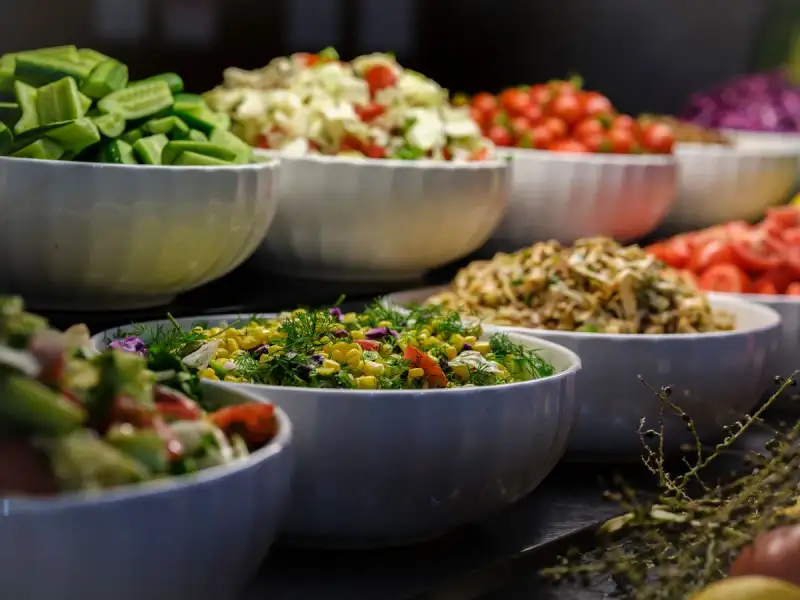
In the realm of Middle Eastern cuisine, there exists a dish so quintessential, so refreshing, and so deeply ingrained in the cultural fabric of the region that its mere mention evokes images of sun-drenched fields, vibrant marketplaces, and the warm hospitality of the people. This dish is none other than Tabbouleh, the fresh and herbaceous national salad of Lebanon, a culinary masterpiece that has transcended borders and won the hearts of food lovers worldwide. Introduction to Tabbouleh Tabbouleh, often spelled as Tabouli or Tabouleh, is more than just a salad; it is an embodiment of the region's rich culinary heritage. The name "Tabbouleh" is derived from the Arabic word "tabbula," which means "to season" or "to spice." This etymology reflects the salad's essence: a thoughtful blend of flavors, textures, and aromas, carefully seasoned to create a dish that is both simple and profound.At its core, Tabbouleh is a celebration of fresh herbs, particularly parsley, which is the backbone of the salad. Combined with bulgur, tomatoes, mint, onions, and a squeeze of lemon juice, all seasoned with salt and olive oil, Tabbouleh presents a symphony of flavors and textures that invigorate the palate and leave a lasting impression. History and Cultural Significance The history of Tabbouleh is intertwined with the history of the Middle East, reflecting the region's complex cultural tapestry. While its exact origin is unclear, Lebanon is widely recognized as the birthplace of this beloved salad. Over time, Tabbouleh has become an integral part of Lebanese cuisine and culture, often served as an appetizer or side dish in social gatherings and family meals.The cultural significance of Tabbouleh extends beyond its taste and nutritional value. It represents hospitality, community, and the joy of sharing meals with others. In Lebanese culture, meals are not just about sustenance; they are occasions for bonding, for strengthening family ties, and for fostering friendships. Tabbouleh, with its fresh, vibrant ingredients, embodies the spirit of these gatherings, bringing people together through the universal language of food. Ingredients and Preparation The authenticity of Tabbouleh lies in its simple yet precise preparation. The ingredients are minimal, but their quality and freshness are paramount. The traditional recipe calls for:Fresh parsley, finely chopped Fine bulgur, soaked and drained Fresh mint leaves, chopped Tomatoes, diced Red onion, finely chopped Lemon juice Olive oil SaltThe preparation of Tabbouleh is almost ritualistic, with each ingredient being carefully selected, prepared, and mixed. The parsley and mint are chopped with precision to release their oils and flavors, while the bulgur is soaked just long enough to soften without becoming mushy. The tomatoes and onions add a burst of freshness and a touch of sweetness, respectively. The lemon juice and olive oil serve as the dressing, bringing all the components together in harmony. Variations and Innovations While traditional Tabbouleh remains a staple in Middle Eastern cuisine, modern variations and innovations have emerged, offering creative twists on the classic recipe. Some variations include the addition of other herbs like basil or dill, while others incorporate different types of tomatoes or onions for varying flavors and textures.These innovations not only reflect the evolving nature of cuisine but also demonstrate the versatility of Tabbouleh as a dish. Whether sticking to the traditional recipe or experimenting with new ingredients, the essence of Tabbouleh remains unchanged—a celebration of freshness, flavor, and the joy of sharing meals with others. Conclusion Tabbouleh, the fresh and herbaceous national salad of Lebanon, is a culinary gem that has captured the hearts of food enthusiasts around the world. Its rich history, cultural significance, and authentic flavors make it more than just a dish; it is an experience. As we continue to explore the vast and diverse world of cuisine, Tabbouleh stands as a reminder of the power of food to bring us together, to evoke emotions, and to create lasting memories. #FoodLovers #MiddleEasternCuisine #TabboulehRecipe #LebaneseFood #FreshSalads #HerbaceousDelights #CulturalCuisine #TraditionalRecipes Related InsightsL'Anima della Cucina Italiana: Non Solo Cibo, ma una Storia d'Amore nel Piatto Galouti Kebab: The Melt-in-Mouth Royal Delicacy Der verborgene Tanz der Transformation: Eine Odyssee durch die Welt der Fermentation{ "@context": "https://schema.org", "@type": "FAQPage", "mainEntity": [ { "@type": "Question", "name": "What is the main focus of Tabbouleh: The Fresh and Herbaceous National Salad?", "acceptedAnswer": { "@type": "Answer", "text": "Discover the deep cultural roots, authentic flavors, and history of Tabbouleh: The Fresh and Herbaceous National Salad." } }, { "@type": "Question", "name": "Who authored the comprehensive guide on Tabbouleh: The Fresh and Herbaceous National Salad?", "acceptedAnswer": { "@type": "Answer", "text": "This detailed article and its insights were carefully researched and authored by Layla Hariri." } }, { "@type": "Question", "name": "Where can I find more related content about Food?", "acceptedAnswer": { "@type": "Answer", "text": "You can explore more articles, detailed reviews, and similar insights by browsing the Related Insights section at the bottom of this article or visiting our dedicated Food category page." } } ] }
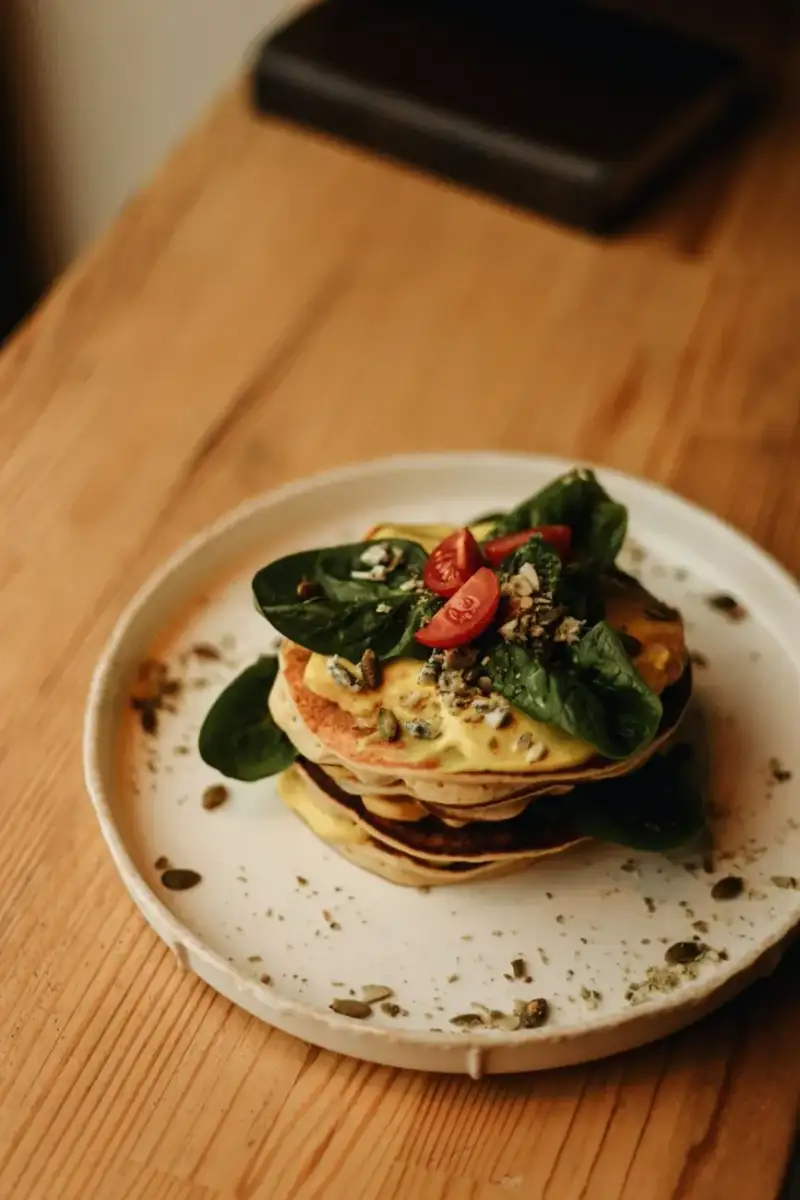
In the heart of West African cuisine, particularly in Ghana, lies a dish so revered for its simplicity, flavor, and cultural significance that it has become a staple of both everyday meals and special occasions. Red Red, the sweet and savory black-eyed pea stew, is more than just a meal; it is a symbol of community, tradition, and the rich culinary heritage of the region. This beloved dish, with its unique blend of spices, plantains, and black-eyed peas, has a story to tell, and its preparation is an art form passed down through generations. Introduction to Red Red Red Red, named for the reddish color it obtains from the combination of palm oil and tomatoes, is a dish that embodies the warmth and hospitality of Ghanaian culture. It is a meal that brings people together, whether it's a family gathering, a celebration, or simply a casual lunch. The aroma of simmering black-eyed peas, onions, garlic, and spices wafts through the air, tantalizing the taste buds and signaling the start of a truly satisfying culinary experience. The Cultural Significance of Red RedRed Red is deeply rooted in Ghanaian traditions and is often served at communal gatherings. The dish is a testament to the resourcefulness and culinary ingenuity of Ghanaian cooks, who, with minimal ingredients, manage to create a stew that is both nourishing and flavorful. The cultural significance of Red Red is also reflected in its preparation, which typically involves a communal effort, with family members and friends coming together to cook and share in the meal. The Ingredients of Red RedAt the heart of Red Red are black-eyed peas, which provide a rich source of protein and fiber. These peas are cooked with a variety of spices, including cumin, coriander, and chili peppers, which give the stew its distinctive flavor. Another critical component of Red Red is the plantain, which adds natural sweetness to balance out the savory flavors of the spices and peas. Palm oil, with its unique nutty flavor, is used to add depth and richness to the stew, while tomatoes and onions provide a burst of freshness and acidity. Preparing Red Red: A Step-by-Step Guide Preparing Red Red is an art that requires patience, attention to detail, and a deep understanding of the balance of flavors. The process begins with the preparation of the black-eyed peas, which are soaked overnight to rehydrate them. The next step involves sautéing onions, garlic, and ginger in palm oil to create a flavorful base for the stew. Once the aromatics are softened, the spices are added, followed by the black-eyed peas, plantains, and tomatoes. The stew is then left to simmer, allowing the flavors to meld together and the peas to absorb all the rich flavors of the spices and seasonings. The Authentic Flavor of Red RedThe authentic flavor of Red Red is a perfect balance of sweet, savory, and spicy. The sweetness comes from the plantains, which are cooked until they are tender and lightly caramelized. The savory element is provided by the black-eyed peas and the rich flavor of the palm oil, while the spiciness comes from the chili peppers and the blend of aromatic spices. This balance of flavors, combined with the hearty texture of the peas and plantains, makes Red Red a truly satisfying and comforting dish. Red Red in Modern Times In modern times, Red Red has evolved, with various adaptations and interpretations of the traditional recipe. Some versions include additional ingredients such as meat or fish, which add protein and flavor to the stew. However, the essence of Red Red remains unchanged, and its cultural significance continues to be celebrated in Ghana and around the world. Whether it's a traditional family recipe or a modern twist, Red Red remains a beloved dish that brings people together and serves as a reminder of the rich culinary heritage of West Africa. Conclusion Red Red, the sweet and savory black-eyed pea stew, is more than just a meal; it is a culinary tradition that embodies the warmth, hospitality, and community spirit of Ghanaian culture. With its unique blend of spices, plantains, and black-eyed peas, Red Red is a dish that is both nourishing and flavorful, making it a staple of West African cuisine. Whether you're a food enthusiast, a cultural explorer, or simply someone who loves good food, Red Red is a dish that is sure to delight and leave you wanting more.#GhanaianCuisine #RedRed #BlackEyedPeaStew #WestAfricanFood #TraditionalRecipes #FoodCulture #CulinaryHeritage #AfricanDishes Related InsightsThe Enigmatic Umami of Antiquity: Unearthing the Lost Flavors of Roman Garum Aromatic Flavors of India: Understanding Biryani's Rich Legacy From Andalusia to Galicia: The Definitive Journey Through Spain’s Tapas Culture and Recipes{ "@context": "https://schema.org", "@type": "FAQPage", "mainEntity": [ { "@type": "Question", "name": "What is the main focus of Red Red: The Sweet and Savory Black-Eyed Pea Stew?", "acceptedAnswer": { "@type": "Answer", "text": "Discover the deep cultural roots, authentic flavors, and history of Red Red: The Sweet and Savory Black-Eyed Pea Stew." } }, { "@type": "Question", "name": "Who authored the comprehensive guide on Red Red: The Sweet and Savory Black-Eyed Pea Stew?", "acceptedAnswer": { "@type": "Answer", "text": "This detailed article and its insights were carefully researched and authored by Kwame Osei." } }, { "@type": "Question", "name": "Where can I find more related content about Food?", "acceptedAnswer": { "@type": "Answer", "text": "You can explore more articles, detailed reviews, and similar insights by browsing the Related Insights section at the bottom of this article or visiting our dedicated Food category page." } } ] }

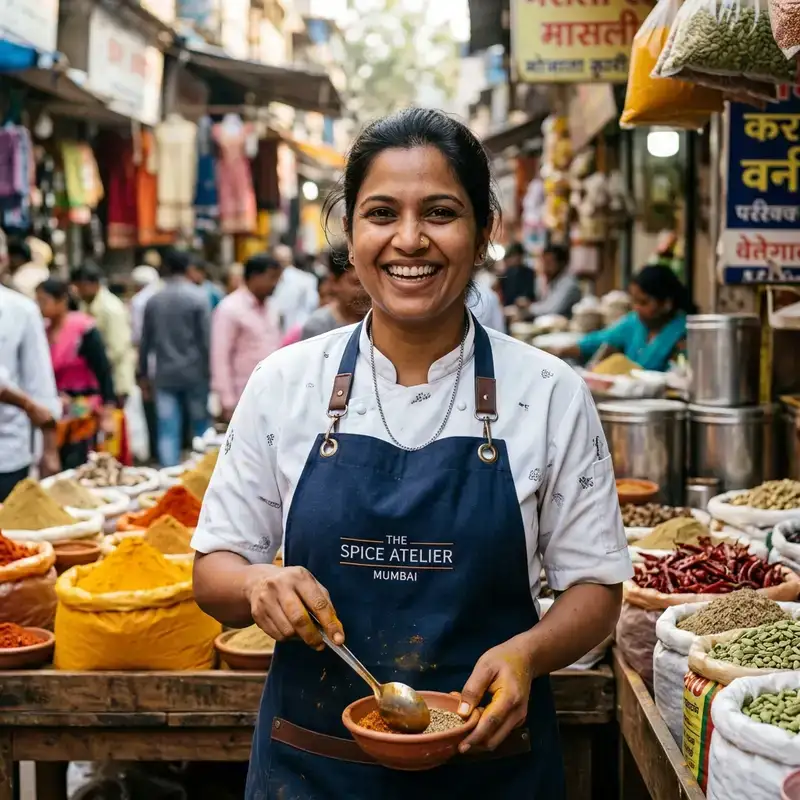
Pani Puri, a dish that embodies the essence of Indian street food, is a culinary masterpiece that explodes with flavors in every bite. This popular snack, also known as Golgappa or Puchka, is a testament to the country's rich cultural heritage and its love for bold, zesty flavors. As we delve into the world of Pani Puri, we'll uncover its history, cultural significance, and the secrets behind its irresistible taste. Introduction to Pani Puri Pani Puri is a bite-sized snack that consists of a crispy, hollow puri (bread) filled with a mixture of flavored water, tamarind chutney, chili, chaat masala, and boiled potatoes. The combination of these ingredients creates a symphony of flavors that tantalize the taste buds and leave you craving for more. The dish is typically served by street food vendors, who skillfully fill the puris with the flavored water and other ingredients, creating a delightful experience for the customers.History and Cultural Significance The origins of Pani Puri are shrouded in mystery, but it's believed to have originated in the eastern part of India, particularly in the states of Bihar and Uttar Pradesh. The dish is said to have been created by the ancient Indians, who used to fill puris with spiced water and other ingredients as a snack. Over time, Pani Puri evolved and spread to other parts of the country, with each region adding its own unique twist to the recipe. Pani Puri holds a special place in Indian culture, particularly during festivals and special occasions. It's a popular snack at weddings, parties, and other social gatherings, where it's served as a refreshing and flavorful treat. The dish is also a symbol of community and togetherness, as people gather around the street food vendors to savor the delicious flavors and enjoy each other's company.The Art of Making Pani Puri The process of making Pani Puri is an art that requires skill, patience, and attention to detail. The puris are typically made from a mixture of flour, water, and oil, which is kneaded and rolled out into thin circles. The puris are then deep-fried until they're crispy and golden brown, creating a delicate balance between crunch and softness. The flavored water, also known as "pani," is the soul of Pani Puri. It's made by mixing together a variety of ingredients, including tamarind, mint, cilantro, green chilies, and spices. The pani is then filled into the puris, along with boiled potatoes, chickpeas, and other ingredients, to create a harmonious balance of flavors and textures.Variations and Regional Twists Pani Puri is a versatile dish that has evolved over time, with different regions adding their own unique twists to the recipe. In Mumbai, for example, Pani Puri is known as "Pani Puri" or "Gol Gappa," and is filled with a spicy and tangy pani made with tamarind, mint, and cilantro. In Kolkata, the dish is known as "Puchka," and is filled with a flavorful pani made with mustard oil, chili, and spices. In other parts of the country, Pani Puri is served with a variety of fillings, including boiled potatoes, chickpeas, and even yogurt. The dish is also often garnished with a sprinkle of chaat masala, cumin powder, and coriander leaves, adding an extra layer of flavor and aroma. Conclusion Pani Puri is a culinary masterpiece that embodies the essence of Indian street food. With its crispy puris, flavorful pani, and assortment of fillings, this dish is a treat for the taste buds and a reflection of the country's rich cultural heritage. Whether you're a foodie, a culture enthusiast, or simply someone who loves to indulge in delicious flavors, Pani Puri is a must-try dish that will leave you wanting more. #PaniPuri #IndianStreetFood #FoodCulture #StreetFoodLovers #Golgappa #Puchka #TraditionalFood #CulinaryDelights Related Insights[The Sun-Drenched Symphony of Provence: Unveiling the Soul of Ratatouille] Il Segreto Dolce e Antico: Svelare l'Anima della Sapa e del Mosto Cotto tra Storia, Territorio e Rinascita Gastronomica Baba Ghanoush: The Smoky Eggplant Dip{ "@context": "https://schema.org", "@type": "FAQPage", "mainEntity": [ { "@type": "Question", "name": "What is the main focus of Pani Puri: Explosive Flavors in a Bite?", "acceptedAnswer": { "@type": "Answer", "text": "Discover the deep cultural roots, authentic flavors, and history of Pani Puri: Explosive Flavors in a Bite." } }, { "@type": "Question", "name": "Who authored the comprehensive guide on Pani Puri: Explosive Flavors in a Bite?", "acceptedAnswer": { "@type": "Answer", "text": "This detailed article and its insights were carefully researched and authored by Priya Kapoor." } }, { "@type": "Question", "name": "Where can I find more related content about Food?", "acceptedAnswer": { "@type": "Answer", "text": "You can explore more articles, detailed reviews, and similar insights by browsing the Related Insights section at the bottom of this article or visiting our dedicated Food category page." } } ] }
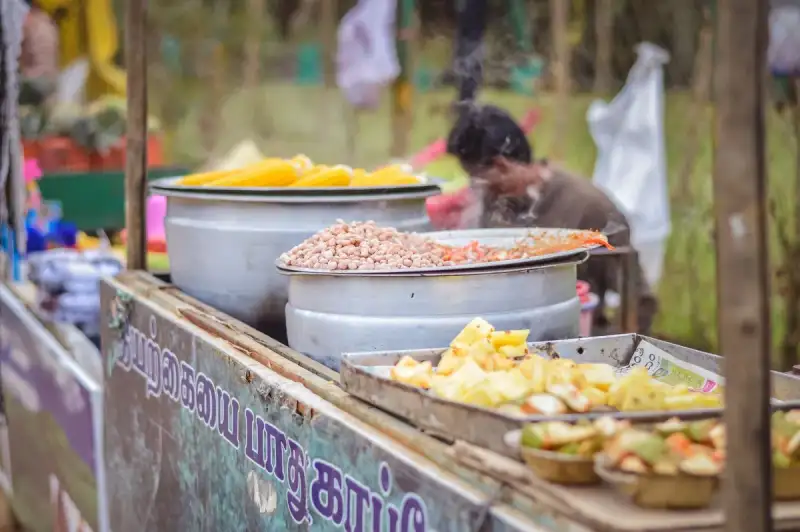
Pav Bhaji, a dish that embodies the vibrant spirit of Indian street food, is a culinary masterpiece that has been delighting the taste buds of people for generations. This beloved dish, born in the bustling streets of Mumbai, is a symphony of spices, a harmony of flavors, and a testament to the city's rich cultural heritage. As we delve into the world of Pav Bhaji, we will explore its history, cultural significance, and the secrets behind its irresistible flavor. Introduction to Pav Bhaji Pav Bhaji is a popular Indian street food dish that consists of a thick vegetable curry served with a soft, buttery bread roll. The curry, known as Bhaji, is a rich and flavorful mixture of sautéed vegetables, spices, and herbs, cooked to perfection on a large iron griddle called a Tawa. The Pav, a soft and fluffy bread roll, is toasted to a golden brown perfection and served alongside the Bhaji, allowing diners to mop up the flavorful curry with ease.The origins of Pav Bhaji date back to the 19th century, when it was created as a quick and affordable meal for the textile mill workers in Mumbai. The dish was designed to be a filling and nutritious meal that could be consumed on the go, and its popularity quickly spread throughout the city. Today, Pav Bhaji is a staple of Indian street food, with vendors and restaurants serving their own unique versions of the dish. The Cultural Significance of Pav Bhaji Pav Bhaji is more than just a dish; it's a cultural phenomenon that brings people together. In Mumbai, Pav Bhaji vendors are an integral part of the city's street food scene, with many vendors serving the dish for generations. The dish has also become a symbol of the city's cultural diversity, with vendors from different regions and communities adding their own unique twist to the recipe.Pav Bhaji has also played a significant role in Indian cuisine, influencing the development of other popular dishes such as Vada Pav and Misal Pav. The dish has also been featured in numerous films, television shows, and literature, cementing its place in Indian popular culture. The Art of Cooking Pav Bhaji Cooking Pav Bhaji is an art that requires skill, patience, and attention to detail. The dish is typically cooked on a large iron Tawa, which is heated to a high temperature to achieve the perfect balance of flavors and textures. The Bhaji is cooked in a series of stages, with each stage building on the previous one to create a rich and complex flavor profile.The recipe for Pav Bhaji typically includes a mixture of sautéed vegetables such as potatoes, peas, and onions, which are cooked in a mixture of spices and herbs. The Pav is toasted to a golden brown perfection and served alongside the Bhaji, allowing diners to mop up the flavorful curry with ease. Variations of Pav Bhaji While the traditional recipe for Pav Bhaji remains the same, there are many variations of the dish that can be found throughout India. Some popular variations include:Jain Pav Bhaji: A version of the dish that is cooked without onions and garlic, making it suitable for Jain vegetarians. Cheese Pav Bhaji: A variation of the dish that includes melted cheese, adding an extra layer of flavor and creaminess. Mushroom Pav Bhaji: A version of the dish that includes sautéed mushrooms, adding an earthy flavor and texture.Conclusion Pav Bhaji is a dish that embodies the spirit of Indian street food, with its rich flavors, vibrant colors, and cultural significance. Whether you're a foodie, a history buff, or simply someone who loves to try new things, Pav Bhaji is a dish that is sure to delight and inspire. So next time you're in Mumbai, be sure to try a plate of Pav Bhaji from a street vendor or restaurant, and experience the magic of this beloved dish for yourself. #PavBhaji #IndianStreetFood #MumbaiCuisine #Foodie #StreetFood #CulturalHeritage #TraditionalFood #IndianCuisine Related InsightsSlurp Your Way Through Japan: The Definitive Ramen Roadmap from Tonkotsu to Shoyu Mulukhiyah: The Royal Green Soup of the Pharaohs The Dark Elixir of Waking Minds: A Deep Historical, Etymological, and Economic Inquiry into Coffee{ "@context": "https://schema.org", "@type": "FAQPage", "mainEntity": [ { "@type": "Question", "name": "What is the main focus of Pav Bhaji: A Symphony of Spices on the Tawa?", "acceptedAnswer": { "@type": "Answer", "text": "Discover the deep cultural roots, authentic flavors, and history of Pav Bhaji: A Symphony of Spices on the Tawa." } }, { "@type": "Question", "name": "Who authored the comprehensive guide on Pav Bhaji: A Symphony of Spices on the Tawa?", "acceptedAnswer": { "@type": "Answer", "text": "This detailed article and its insights were carefully researched and authored by Priya Kapoor." } }, { "@type": "Question", "name": "Where can I find more related content about Food?", "acceptedAnswer": { "@type": "Answer", "text": "You can explore more articles, detailed reviews, and similar insights by browsing the Related Insights section at the bottom of this article or visiting our dedicated Food category page." } } ] }
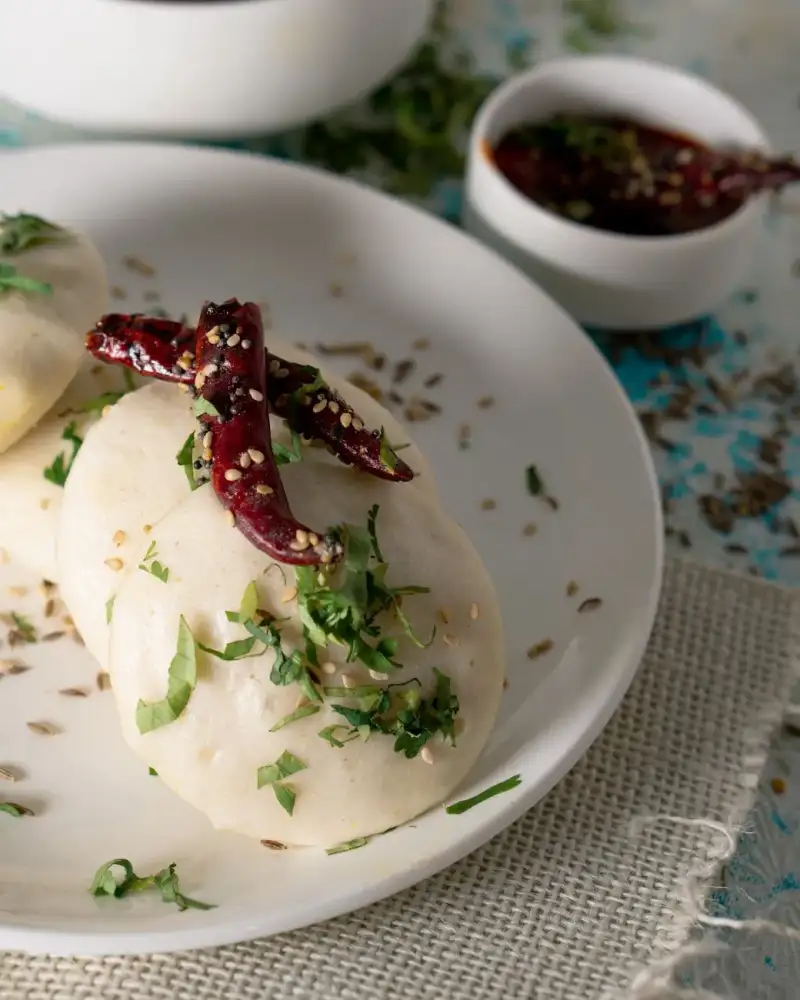
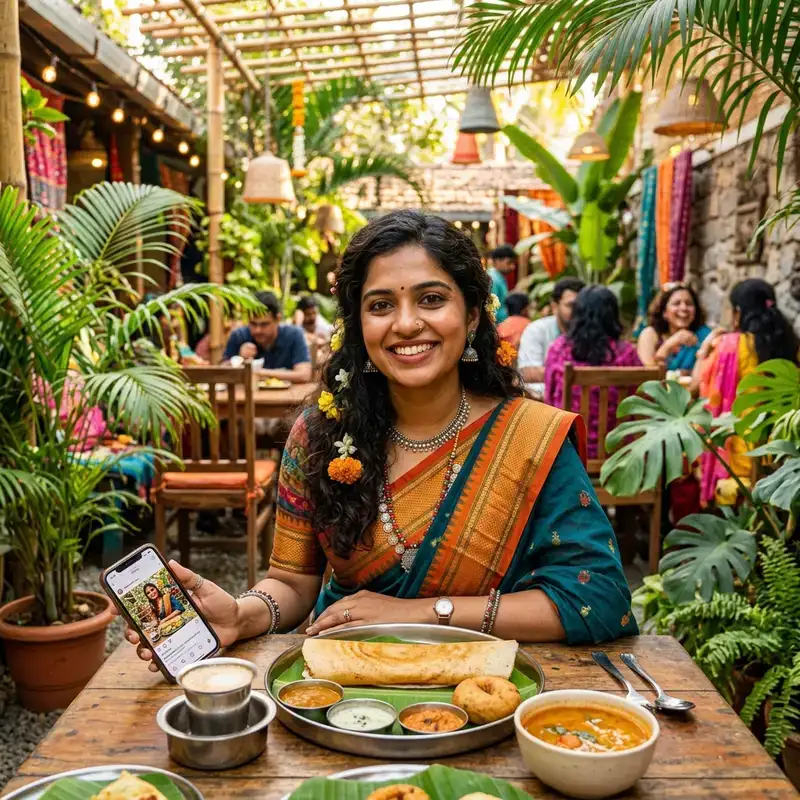
In the misty dawn of southern India, where the aroma of fresh coconut and spices fills the air, a traditional breakfast dish has been steaming its way into the hearts of locals and visitors alike for centuries. Idli Sambar, a harmonious union of soft, fluffy idlis (steamed rice cakes) and a flavorful, lentil-based sambar (stew), is more than just a meal – it's an experience that embodies the rich cultural heritage and warmth of Indian hospitality. As we delve into the world of Idli Sambar, we'll uncover its history, explore its cultural significance, and, of course, provide an authentic recipe to recreate this vegan breakfast masterpiece in the comfort of your own home. Introduction to Idli Sambar Idli Sambar is a staple breakfast dish in southern Indian cuisine, particularly in the states of Tamil Nadu, Karnataka, and Kerala. The dish is a perfect example of how simple, locally sourced ingredients can be transformed into a culinary masterpiece. Idlis, made from a fermented batter of rice and lentils, are steamed to perfection, resulting in a soft, spongy texture that absorbs the flavorful sambar beautifully. The sambar, a spicy stew made with lentils, vegetables, and a blend of aromatic spices, adds a depth of flavor that complements the idlis perfectly.The History of Idli Sambar The origins of Idli Sambar date back to the ancient times of the Indus Valley Civilization, where people consumed rice and lentil-based dishes as a staple part of their diet. Over time, the dish evolved and spread throughout southern India, with each region adding its own unique twist to the recipe. The fermented batter used to make idlis is believed to have been inspired by the traditional Indian practice of fermenting foods to enhance their nutritional value and shelf life. The sambar, on the other hand, has its roots in the ancient Indian system of medicine, Ayurveda, where lentils and spices were used to create balancing and nourishing meals. Cultural Significance of Idli Sambar Idli Sambar is more than just a breakfast dish in southern India – it's a symbol of hospitality, community, and tradition. In many Indian households, Idli Sambar is served as a special breakfast treat on weekends and holidays, bringing families and friends together to share in the joy of a delicious meal. The dish is also an integral part of Indian street food culture, with idli sambar stalls and restaurants lining the streets of cities and towns, serving up steaming hot plates of idlis and sambar to hungry locals and visitors.Authentic Recipe for Idli Sambar To recreate the authentic flavors of Idli Sambar in your own home, you'll need the following ingredients: For the idlis:2 cups of rice 1 cup of lentils (urad dal) 1/2 cup of fenugreek seeds 1/2 teaspoon of salt Water, as neededFor the sambar:1 cup of lentils (toor dal) 2 cups of water 1 onion, chopped 2 tomatoes, chopped 1 carrot, chopped 1 potato, chopped 1 drumstick, chopped 1 teaspoon of sambar powder 1 teaspoon of turmeric powder 1 teaspoon of red chili powder Salt, to taste 2 tablespoons of coconut oil Fresh cilantro, for garnishTo make the idlis, soak the rice, lentils, and fenugreek seeds in water for at least 4 hours. Grind the mixture into a smooth batter, adding salt and water as needed. Ferment the batter overnight, then steam the idlis in a steamer basket lined with cheesecloth or a clean cotton cloth. To make the sambar, cook the lentils in water until they're soft and mushy. Heat coconut oil in a pan, then add the chopped onion, tomatoes, carrot, potato, and drumstick. Cook the vegetables until they're tender, then add the cooked lentils, sambar powder, turmeric powder, red chili powder, and salt. Simmer the sambar for at least 10 minutes, allowing the flavors to meld together. Serving and Enjoying Idli Sambar To serve Idli Sambar, place a few steaming hot idlis on a plate, then ladle the flavorful sambar over them. Garnish with fresh cilantro and a dollop of coconut chutney, if desired. As you take your first bite, the soft idlis will absorb the spicy, tangy sambar, releasing a burst of flavors that will leave you craving for more.In conclusion, Idli Sambar is a true culinary treasure of southern India, offering a delicious, nutritious, and culturally rich breakfast experience that's steeped in tradition and history. Whether you're a foodie, a culture enthusiast, or simply a lover of good food, Idli Sambar is a dish that's sure to captivate your senses and leave you wanting more.#IdliSambar #VeganBreakfast #SouthernIndianCuisine #TraditionalFood #StreetFood #CulturalHistory #Foodie #IndianCuisine Related InsightsIl Farro Inquieto: Tracce di un Cereale Millenario Tra Imperi Dimenticati e Rivoluzioni Gastronomiche Rurali Nihari: The Rich Morning Stew of the Nawabs Tacos Al Pastor: Il Mio Viaggio nel Cuore della Messicana Cucina{ "@context": "https://schema.org", "@type": "FAQPage", "mainEntity": [ { "@type": "Question", "name": "What is the main focus of Idli Sambar: The Ultimate Steamed Vegan Breakfast?", "acceptedAnswer": { "@type": "Answer", "text": "Discover the deep cultural roots, authentic flavors, and history of Idli Sambar: The Ultimate Steamed Vegan Breakfast." } }, { "@type": "Question", "name": "Who authored the comprehensive guide on Idli Sambar: The Ultimate Steamed Vegan Breakfast?", "acceptedAnswer": { "@type": "Answer", "text": "This detailed article and its insights were carefully researched and authored by Anjali Desai." } }, { "@type": "Question", "name": "Where can I find more related content about Food?", "acceptedAnswer": { "@type": "Answer", "text": "You can explore more articles, detailed reviews, and similar insights by browsing the Related Insights section at the bottom of this article or visiting our dedicated Food category page." } } ] }