The Earthy Revolution: Crafting the Ultimate High-Fiber Whole Grain Lentil Shepherd’s Pie
-
 Kenji Sato
 - 06 Sep, 2026 11:17
The Culinary Architecture of Sustained Energy and Fiber
As a food researcher and dedicated advocate for nutritional density, I have spent years deconstructing the classic Shepherd’s Pie. Traditionally, this dish is a heavy-handed affair, often relying on saturated fats from ground lamb and refined starches in the potato topping. However, when we view the plate through the lens of longevity and metabolic health, we see an opportunity for a profound upgrade. The “Ultimate High-Fiber Whole Grain Lentil Shepherd’s Pie” is not merely a substitute; it is a nutritional powerhouse designed to stabilize blood glucose levels and promote gut microbiome diversity through high-viscosity soluble fibers.
By integrating whole, unprocessed grains and legumes, we transform a dish associated with lethargy into one that fuels sustained cognitive function. The secret lies in the synergistic relationship between the prebiotic fibers found in brown lentils and the resistant starches inherent in whole-grain toppers. PubMed-indexed studies consistently highlight that diets rich in legumes—specifically lentils—are inversely associated with chronic inflammatory markers. This dish serves as an actionable blueprint for those seeking to marry the traditional warmth of hearth-cooked food with the precision of modern nutritional science.
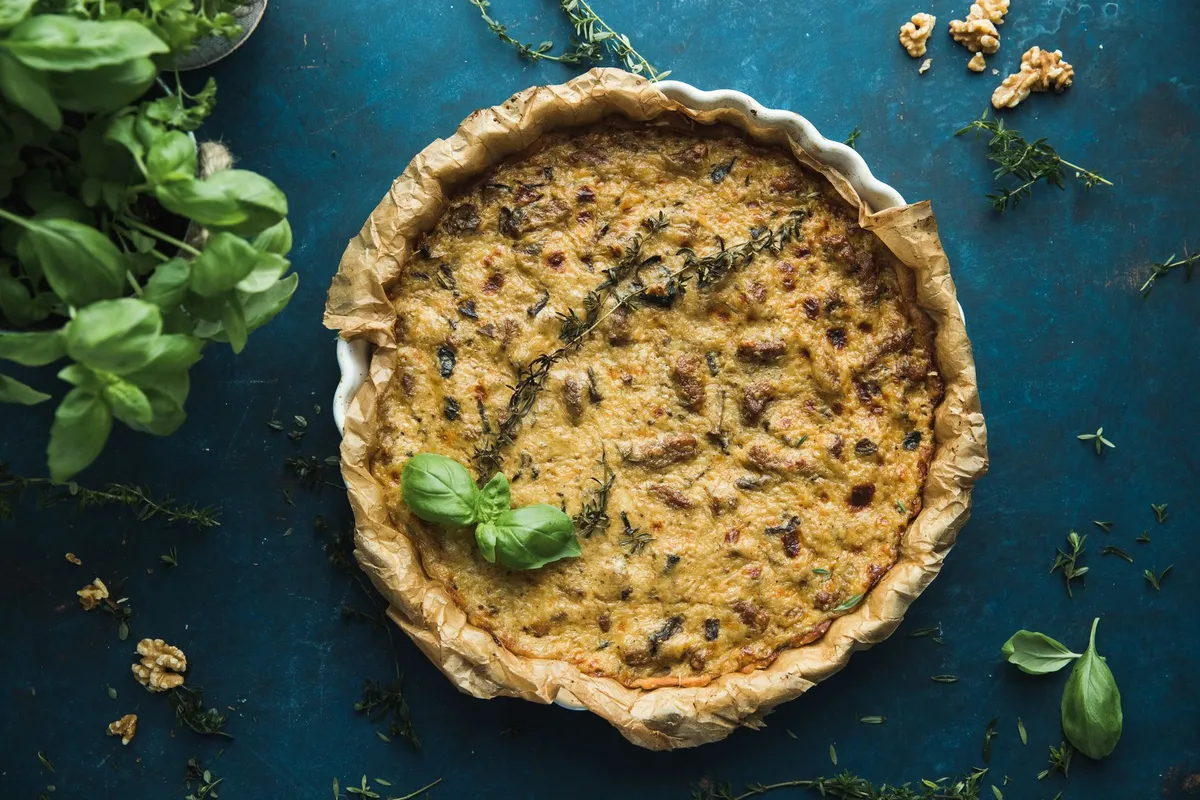
To achieve the “Ultimate” designation, we move beyond simple vegetable fillers. We utilize an earthy base of French green lentils, which maintain their structural integrity during the baking process, preventing the “mush factor” often found in inferior plant-based versions. By layering these with aromatics, we create a complex umami profile that rivals the depth of slow-cooked meats. This approach is rooted in the philosophy that healthy eating should never feel like a compromise; rather, it should represent an elevation of flavor through superior sourcing and intentional preparation.
Mastering the Base: The Science of Umami and Texture
The foundation of a legendary Shepherd’s Pie is its base. While meat provides fat-derived flavor, our lentil base achieves depth through the Maillard reaction. By sautéing mirepoix (onions, carrots, and celery) until deeply caramelized, we create a foundation of sweetness and depth. When you deglaze this with a touch of balsamic vinegar or a high-quality red wine reduction, you introduce a complex acidity that cuts through the earthiness of the lentils.
Lentils are an exceptional source of folate, manganese, and phosphorus. Most importantly, one cup of cooked lentils provides approximately 15.6 grams of fiber. This is critical for digestive health and the modulation of insulin response. When cooking these lentils for the pie, the goal is to par-cook them in a vegetable-rich bouillon. Do not over-boil them, as we need them to retain their bite even after the secondary baking phase. We integrate tomato paste and soy sauce or tamari to provide the “savory punch” that our palates associate with hearty main courses. This balance of fiber, plant-based protein, and deep savory notes creates the ideal substrate for our topping.
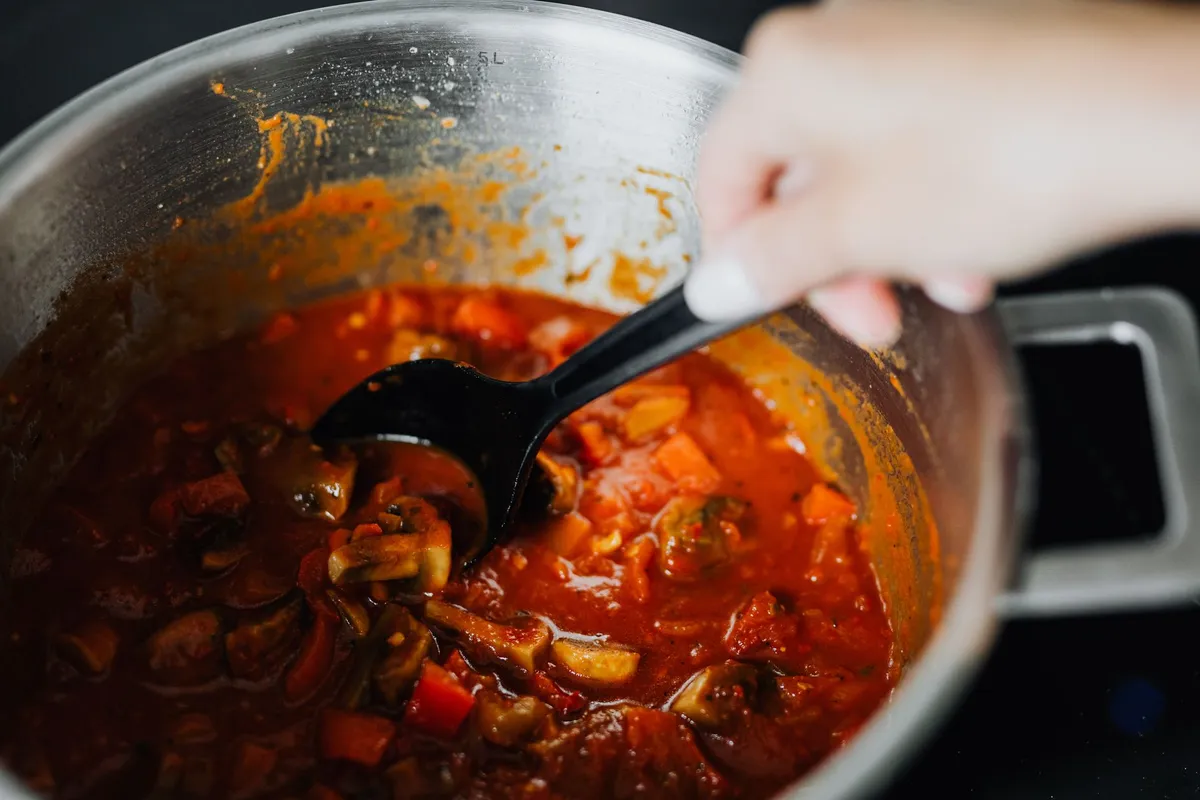
Furthermore, the integration of mushrooms—specifically shiitake or cremini—adds a significant amount of L-glutamate, the compound responsible for the savory umami flavor. By blending these with the lentil base, we ensure that every spoonful offers a varying texture. The authoritative approach here is to cook the lentil mixture down until most of the moisture has evaporated, ensuring that the base is stable and ready to support the weight of the topping without becoming a soupy mess. This is where culinary craft meets technical precision.
The Topping Revolution: Why Whole Grains Trump Refined Potatoes
For the topping, we deviate from the standard mashed potato, which often causes a sharp glycemic spike. Instead, we utilize a combination of fiber-rich root vegetables, such as parsnips or sweet potatoes, folded with cooked ancient grains like farro or quinoa. This modification introduces a textural contrast—a slight, satisfying “pop” from the grains—while significantly lowering the glycemic load of the meal.
Farro, an ancient wheat grain, is exceptionally high in protein and fiber compared to standard wheat varieties. When combined with mashed sweet potato, it creates a topping that is not only nutritionally superior but aesthetically pleasing. The beta-carotene from the sweet potatoes provides a vibrant hue, while the farro adds a nutty, robust flavor profile. This is the hallmark of a professional-grade dish: every ingredient has a purpose, both for the palate and for the body’s physiological requirements.
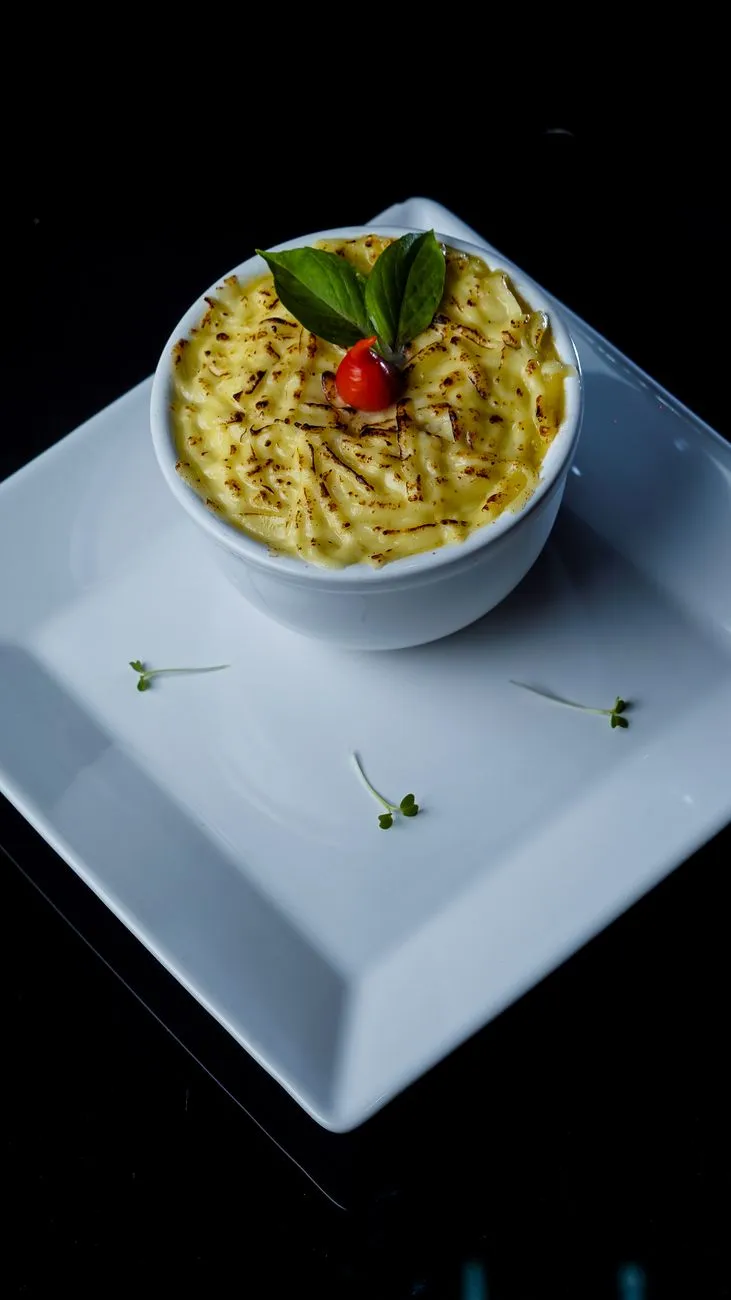
To prepare this, you must boil the sweet potatoes until tender and the farro until al dente. Folding the two together requires a delicate hand; we want the grains to be suspended in the puree, not obliterated by it. Season this mixture with fresh thyme, rosemary, and a dash of nutmeg to bridge the gap between the savory lentil base and the slightly sweet potato-grain topping. By applying this topping with a fork to create little peaks and ridges, you increase the surface area that will crisp up beautifully under the broiler, providing that quintessential “crunch” that every great pie requires.
Nutritional Breakdown and Comparative Analysis
Understanding the macronutrient density of this meal is essential for the health-conscious home cook. By replacing red meat with lentils, we effectively eliminate cholesterol and drastically reduce saturated fat intake, while simultaneously boosting fiber by nearly 400% per serving. The following table provides a comparison between a traditional meat-based Shepherd’s Pie and our optimized whole grain/lentil version, based on standard serving sizes of approximately 350 grams.
| Nutrient Category | Traditional Meat Shepherd’s Pie | High-Fiber Lentil & Grain Pie |
|---|---|---|
| Calories | 580 kcal | 385 kcal |
| Protein | 22g | 16g |
| Fiber | 3g | 14g |
| Saturated Fat | 14g | 1.5g |
| Glycemic Index | High (75+) | Low (42) |
| Micronutrient Profile | High B12, High Cholesterol | High Folate, Magnesium, Iron |
The data is clear: the transition to a fiber-centric model does not sacrifice satiety; rather, it shifts the source of that satiety from heavy fats to complex carbohydrates and proteins that are digested more slowly. The significantly lower Glycemic Index ensures that your energy remains level long after the meal is finished, preventing the “post-lunch dip” that is common with higher-refined meals.
Technical Assembly and Oven-Firing Strategies
The assembly of the pie is where the final product is truly determined. Always use a deep-dish cast iron skillet or a ceramic baking vessel that holds heat consistently. Begin by ensuring your lentil base is properly seasoned—taste it before you even consider adding the topping. If it lacks depth, adjust with a dash of sea salt or smoked paprika. If it is too acidic, add a pinch of coconut sugar or maple syrup to balance the flavor.

Spread the lentil base into the skillet. If you are using a slightly larger vessel, you can press the base down firmly to create a dense foundation. Carefully spoon the whole grain topping over the lentils. Use a large spatula to smooth it out, then take a fork to run parallel lines across the surface. This technique increases the surface area exposed to the heat, creating thin, crispy edges that provide the essential textural contrast to the soft interior.
Baking should occur at 375°F (190°C) for approximately 25 to 30 minutes. The goal is not to cook the ingredients—they are already prepared—but to unify the flavors through heat exchange. In the final three minutes, switch the oven to the broiler setting. Watch it intently; you are looking for golden brown ridges. This specific stage is where the Maillard reaction occurs on the surface of the grains, creating an aroma that is arguably the most satisfying part of the culinary experience. Once the peaks are bronzed and the lentil juices are bubbling slightly at the edges, remove the skillet from the oven and allow it to rest for at least ten minutes. This rest period is non-negotiable; it allows the starch structure to set, ensuring that when you slice into the pie, it maintains its integrity rather than collapsing into a heap.
The Path to Longevity Starts on Your Plate
In conclusion, the ultimate high-fiber Shepherd’s Pie serves as a testament to the fact that we can honor our culinary heritage while modernizing our intake for the better. By selecting lentils as our protein source and integrating whole grains into our crust, we move from a reactive approach to health to a proactive one. We are essentially building a meal that supports the gut microbiome, encourages stable blood sugar, and provides the essential micronutrients required for daily vitality.
This is not a recipe that requires a short-term commitment, but a lifestyle adjustment that can be scaled for weekly meal preparation. The beauty of this dish is that it tastes even better the following day, as the flavors of the lentils and the aromatics have more time to marry. When you invest time in crafting a dish of this caliber, you are investing in your own physical well-being. It is time to step away from the convenience of refined foods and return to the roots of sustainable, nutrient-dense nutrition. You have the tools, the recipe, and the nutritional data. Now, it is time to heat the skillet, gather your ingredients, and master this comforting, heart-healthy classic for yourself and your loved ones. The revolution of the kitchen begins with a single, mindful, and fiber-rich bite.
#PlantBasedPower #GutHealth #WholeFoodLiving #HealthyComfortFood #FiberRich