Pav Bhaji: A Symphony of Spices on the Tawa
-
 Priya Kapoor
 - 28 Apr, 2026 21:34
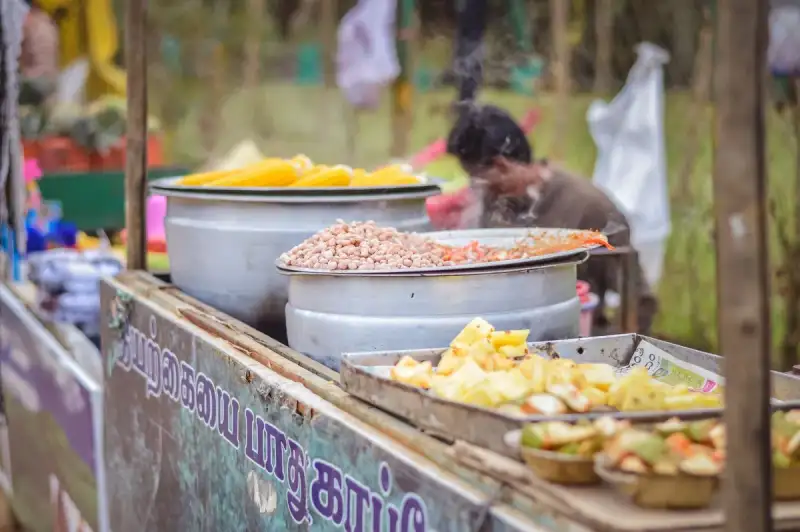
Pav Bhaji, a dish that embodies the vibrant spirit of Indian street food, is a culinary masterpiece that has been delighting the taste buds of people for generations. This beloved dish, born in the bustling streets of Mumbai, is a symphony of spices, a harmony of flavors, and a testament to the city’s rich cultural heritage. As we delve into the world of Pav Bhaji, we will explore its history, cultural significance, and the secrets behind its irresistible flavor.
Introduction to Pav Bhaji
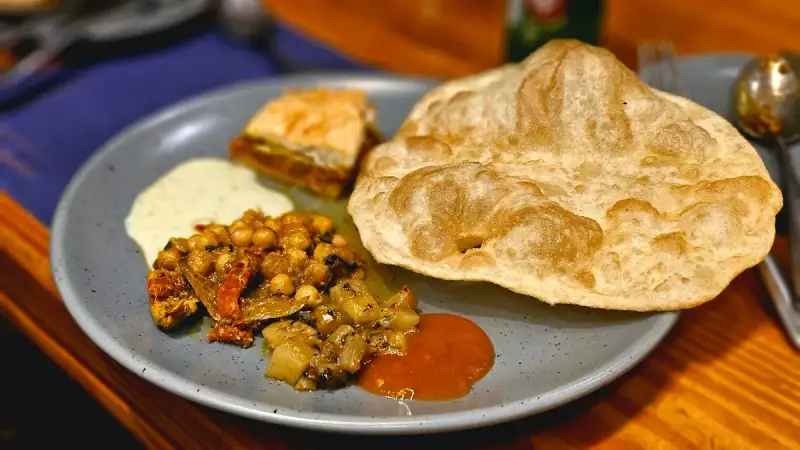
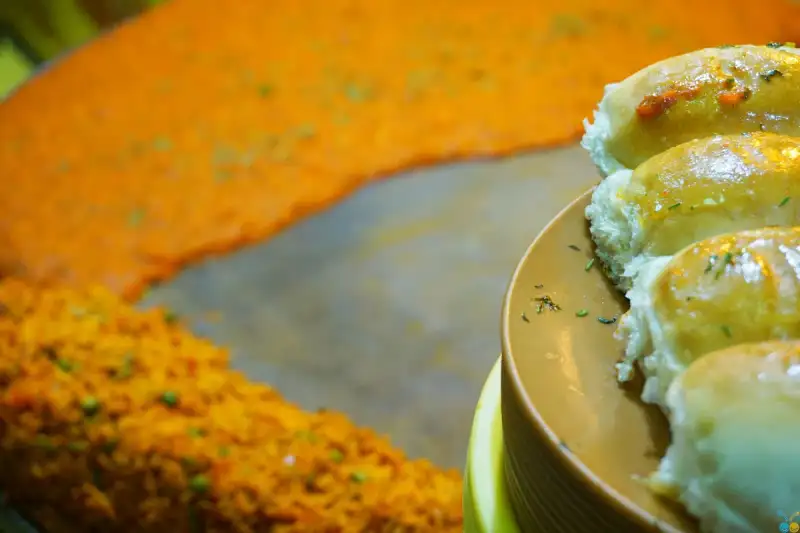
Pav Bhaji is a popular Indian street food dish that consists of a thick vegetable curry served with a soft, buttery bread roll. The curry, known as Bhaji, is a rich and flavorful mixture of sautéed vegetables, spices, and herbs, cooked to perfection on a large iron griddle called a Tawa. The Pav, a soft and fluffy bread roll, is toasted to a golden brown perfection and served alongside the Bhaji, allowing diners to mop up the flavorful curry with ease.
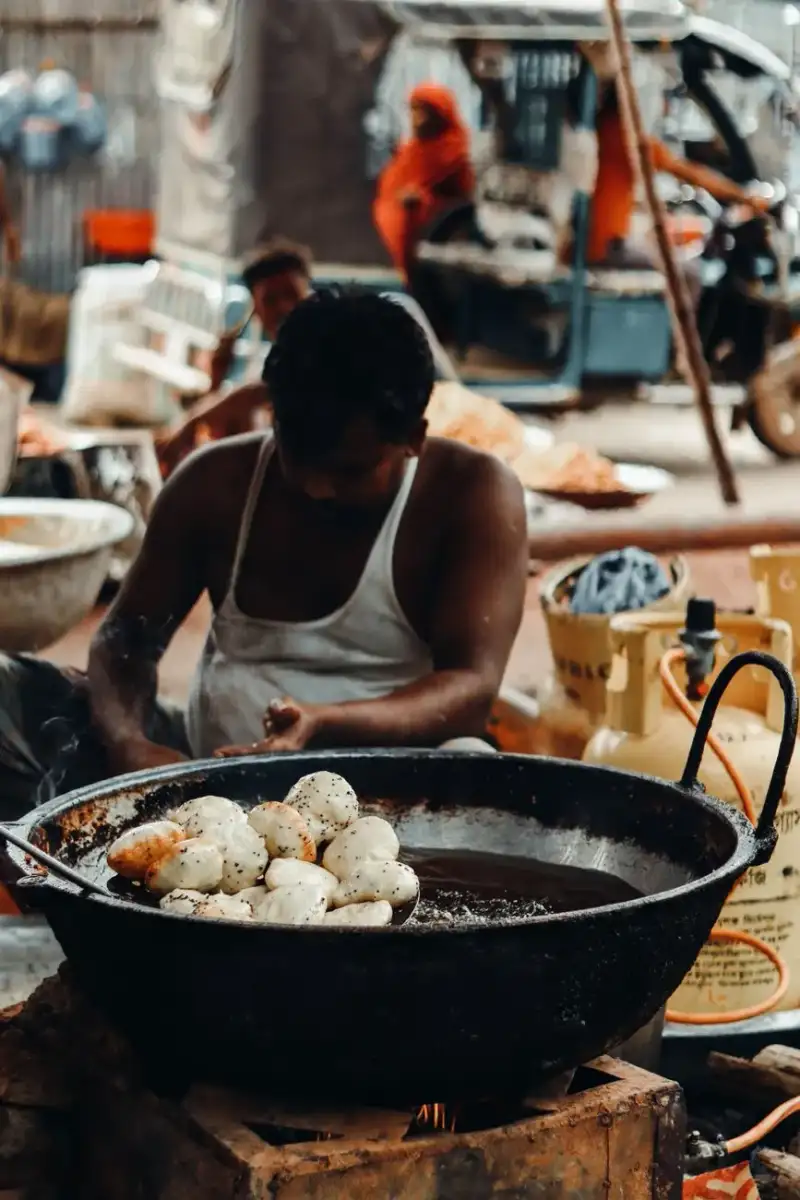
The origins of Pav Bhaji date back to the 19th century, when it was created as a quick and affordable meal for the textile mill workers in Mumbai. The dish was designed to be a filling and nutritious meal that could be consumed on the go, and its popularity quickly spread throughout the city. Today, Pav Bhaji is a staple of Indian street food, with vendors and restaurants serving their own unique versions of the dish.
The Cultural Significance of Pav Bhaji
Pav Bhaji is more than just a dish; it’s a cultural phenomenon that brings people together. In Mumbai, Pav Bhaji vendors are an integral part of the city’s street food scene, with many vendors serving the dish for generations. The dish has also become a symbol of the city’s cultural diversity, with vendors from different regions and communities adding their own unique twist to the recipe.
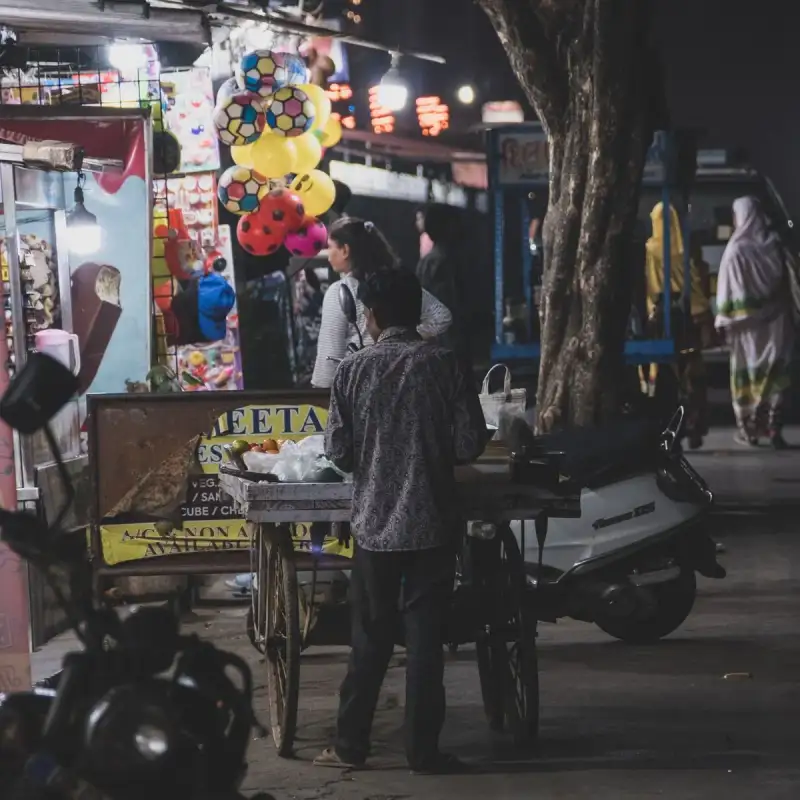
Pav Bhaji has also played a significant role in Indian cuisine, influencing the development of other popular dishes such as Vada Pav and Misal Pav. The dish has also been featured in numerous films, television shows, and literature, cementing its place in Indian popular culture.
The Art of Cooking Pav Bhaji
Cooking Pav Bhaji is an art that requires skill, patience, and attention to detail. The dish is typically cooked on a large iron Tawa, which is heated to a high temperature to achieve the perfect balance of flavors and textures. The Bhaji is cooked in a series of stages, with each stage building on the previous one to create a rich and complex flavor profile.
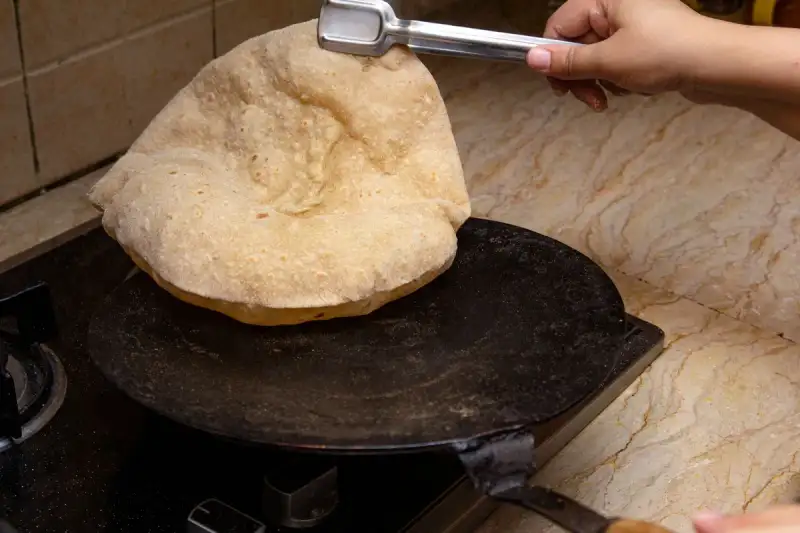
The recipe for Pav Bhaji typically includes a mixture of sautéed vegetables such as potatoes, peas, and onions, which are cooked in a mixture of spices and herbs. The Pav is toasted to a golden brown perfection and served alongside the Bhaji, allowing diners to mop up the flavorful curry with ease.
Variations of Pav Bhaji
While the traditional recipe for Pav Bhaji remains the same, there are many variations of the dish that can be found throughout India. Some popular variations include:
- Jain Pav Bhaji: A version of the dish that is cooked without onions and garlic, making it suitable for Jain vegetarians.
- Cheese Pav Bhaji: A variation of the dish that includes melted cheese, adding an extra layer of flavor and creaminess.
- Mushroom Pav Bhaji: A version of the dish that includes sautéed mushrooms, adding an earthy flavor and texture.
Conclusion
Pav Bhaji is a dish that embodies the spirit of Indian street food, with its rich flavors, vibrant colors, and cultural significance. Whether you’re a foodie, a history buff, or simply someone who loves to try new things, Pav Bhaji is a dish that is sure to delight and inspire. So next time you’re in Mumbai, be sure to try a plate of Pav Bhaji from a street vendor or restaurant, and experience the magic of this beloved dish for yourself.
#PavBhaji #IndianStreetFood #MumbaiCuisine #Foodie #StreetFood #CulturalHeritage #TraditionalFood #IndianCuisine