The Foreign Correspondent's Wife Book Review and Summary
-
 Sofia Bianchi
 - 22 Aug, 2026 00:38
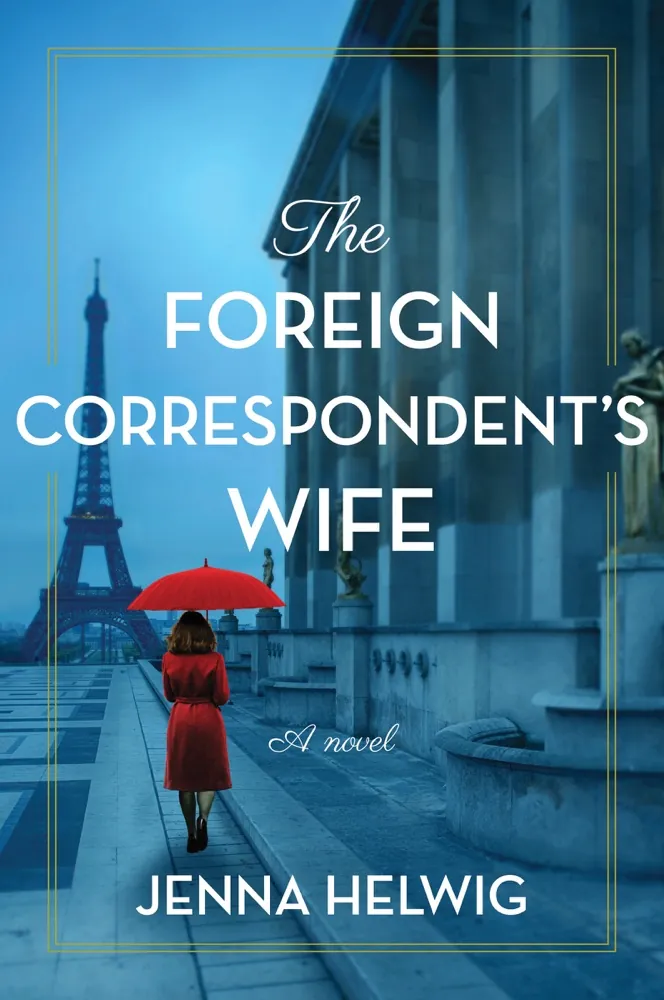
Author: Jenna Helwig
Page Count: Unknown
Publication Date: Expected publication 2026-10-20 APL
My brain currently feels like the interior of the Titanic dining room after the iceberg struck—utterly flooded, structurally compromised, and incapable of processing another declarative sentence about post-war Parisian ennui.
Jenna Helwig wants us to care about The Foreign Correspondent’s Wife. But do we? Really? Another American expat stumbling over a corpse in the City of Light because the local cordon bleu program apparently doubles as a drop-point for the French underworld. How terribly original. It reads like F. Scott Fitzgerald ghostwriting a mid-tier airport paperback while having a mild stroke at a bistro table.
The Gastronomic Guillotine of Clichés
Let us examine the architecture of this premise. We have a fiercely independent former reporter—because of course she is fierce, adjectives do the heavy lifting here—pushed out of journalism by the patriarchal machinery of the late nineteen-forties. Naturally, she pivots to butter, cream, and murder. The culinary arts as a metaphor for bourgeois concealment. Groundbreaking.
Yet the synopsis leans entirely on the most shopworn tropes of historical genre fiction. It smells faintly of stale Gauloises and desperate Netflix adaptation bids. We are expected to tremble at the notion that the glittering surface hides dark truths. Groundbreaking news, truly. One might as well write a thriller about the Vatican being vaguely shady.
The Geopolitics of Butter and Blood
The thematic aspirations here are painfully transparent. The juxtaposition of post-war recovery—this forced, glittering joie de vivre—with the rotting underbelly of intelligence networks and criminal syndicates. It is the literary equivalent of dressing up like Edie Sedgwick for a Tuesday grocery run. You are not channeling the avant-garde; you are merely cosplaying trauma for aesthetic symmetry.
Compare this to the chilling precision of Alan Furst, or the existential grit of early Graham Greene. Helwig trades in a sort of sanitized jeopardy. Kat Kelly finds a bloody body. She investigates. She saves her marriage. Because every mid-century murder mystery apparently requires a domestic reconciliation subplot to justify the word count. Heaven forbid an expat homicide investigation not double as couples therapy for people who drink too much vermouth at noon.
One shudders to imagine the dialogue. Charlie, the hotshot foreign correspondent, will undoubtedly say something profoundly tragic while adjusting his trench coat. It gives me the exact same visceral fatigue I felt watching the third season of The White Lotus get greenlit before the writers even finished their oat milk lattes.
Epilogue of Domestic Despair
Still, the marketing apparatus will push this into every curated airport bookstore from JFK to Heathrow. Readers will devour it between glasses of lukewarm Chardonnay. They will pretend to ponder the moral ambiguity of diplomacy versus the underworld while actually just waiting for the recipe for a passable cassoulet at the back.
Speaking of maintenance, I need to focus my dwindling cognitive reserves on far more pressing existential horrors. Namely, finding a decent dry cleaner in Manhattan who understands the structural fragility of vintage silk before my afternoon tea appointment.