The Sex Detective Book Review and Summary
-
 Michael Brown
 - 24 Aug, 2026 05:18
Author: Anna Natasha
Page Count: Unknown
Publication Date: Expected publication 2026 APL
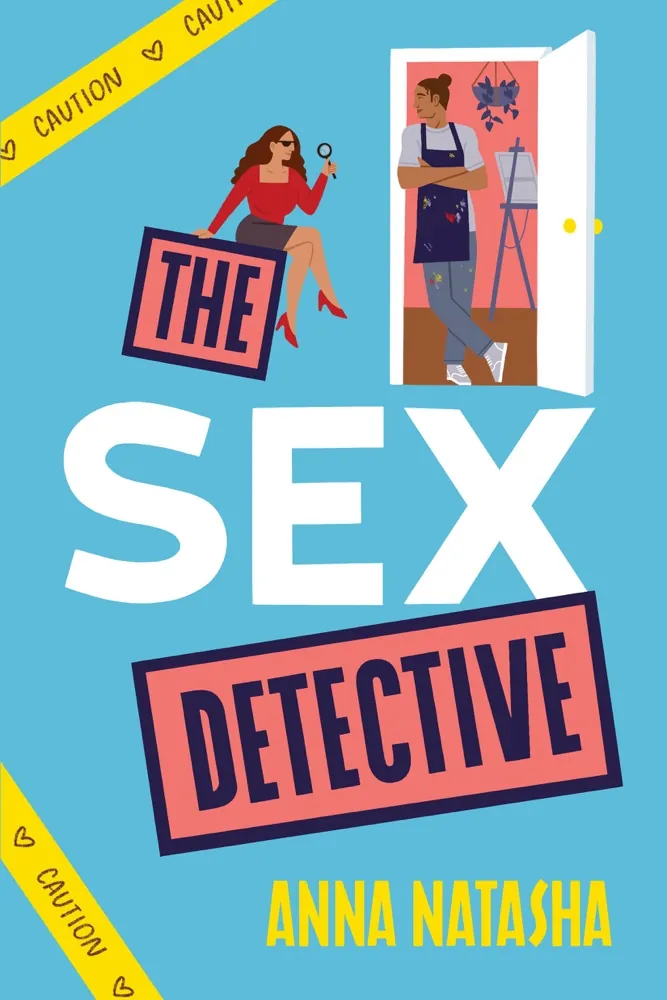
Another debut romcom centered around public health bureaus and high school crushes. Because what else are we doing in twenty-twenty-six? Anna Natasha drops The Sex Detective onto the market like a poorly wrapped brick, expecting us to swoon over a narrative framework that feels entirely reverse-engineered from a focus group of millennial copywriters. Look, I have zero patience for this tired routine. People demand nuance and grounded stakes, yet we are continually force-fed this hyper-marketed, brightly colored fluff that treats emotional recovery like a punchline on a tote bag.
The Architecture of Regret
Xochitl Ruth Bader Bernstein Buenaventura carries a name so excessively burdened with identity markers it reads like a manifesto drafted by a committee. But what lies beneath the hyphenated weight? A standard-issue second-chance romance where a miserable breakup drives an adult back to their childhood bedroom. How utterly thrilling. It is the same tired trope plaguing contemporary fiction—the absolute refusal of protagonists to simply process their childhood grief without turning it into a quirky workplace comedy. Give me a break. If I wanted to watch someone unravel because their mother passed away and their love life stalled, I would stare at the ceiling fan while paying bills at midnight after eight hours of soul-crushing corporate negotiation.
And let us talk about Cristian Martinez. Kicked out of an art residency—truly, the absolute tragedy of modern artistic struggle—only to hit rock bottom by contracting a sexually transmitted infection. Oh, the human condition in all its glory. Natasha attempts to frame this municipal nightmare as a laugh-out-loud romp. Yet, the emotional scaffolding is remarkably weak. People do not heal from foundational childhood trauma by stumbling into an underground adultery ring with the boy who ignored them during homeroom. That is not a plot. That is a fever dream born from reading too many contemporary paperbacks under fluorescent office lights.
The Industry Blindspot
Everyone compares these manuscripts to Emily Henry or Ali Hazelwood as if those are the gold standards of human literature. They are not. They are fast food for people who allergic to genuine catharsis. If you want a story about a child pulling themselves out of the wreckage of domestic instability, read something written with actual blood, sweat, and printer ink. Instead, we get “safe, shame-free sex” as a bureaucratic mandate in Los Angeles County. Because nothing screams romance quite like municipal code enforcement and contact tracing. Natasha relies on snappy dialogue to mask the sheer absurdity of the premise. Yet, the seams pull apart the second you apply a tiny bit of logical pressure. Why is the ex-girlfriend denying everything? Who cares. It is a manufactured obstacle designed to keep two thirty-somethings from communicating like actual adults for three hundred pages.
The synopsis practically begs us to applaud its sex-positive branding. But branding is not character development. Calling your protagonist a “Sex Detective” does not make her Sherlock Holmes; it just makes her an employee of the state who needs better boundaries.
Step one foot out of the office and you immediately regret every single life choice that led you to this exact hallway. My heel just connected directly with a microscopic, jagged plastic dinosaur left out in the dark by someone who refuses to learn the basic concept of tidying up after themselves.