Showing Posts From
Thriller
Author: Emily HeilPage Count: UnknownPublication Date: Expected publication 2026-10-06 APL Some manuscripts arrive holding the exact weight of a quiet Tuesday night when the floorboards creak and you find yourself staring at the ceiling, wondering if the foundations are rotting away while the kids finally sleep upstairs. Emily Heil’s upcoming A Pinch of Magic promises precisely that brand of domestic escapism. A ghostwriter hiding in plain sight. A storm-wrecked grandmotherly estate. A spectral visitor demanding justice for a century-old slight. The Recipe for Unfinished Business Cam Parker is invisible by design. But invisibility is just fear wearing a tailored coat. The synopsis leans hard into the cozy paranormal playbook—think Legends & Lattes crossed with a Nora Ephron script, though let us be entirely honest: half these contemporary cozy entries feel manufactured in a sterile board meeting where an algorithm cross-referenced baking shows with local ghost tours. Yet, the premise hints at something slightly heavier beneath the sugar dusting. Grief, perhaps. Or the terrifying mandate of having to fix what broke while you were looking away. Actually, scratch that entire observation about algorithms. The culinary backdrop might just be an excuse for lazy prose, a crutch for authors who think mentioning an underbaked soufflé passes for emotional depth. Speaking of culinary disasters, why is it that every single animated cooking show my eight-year-old watches features a frantic raccoon dropping salt into the batter while screaming about time management? It makes absolutely zero sense. You have talking woodland creatures operating commercial-grade deep fryers without basic health inspections, and I am supposed to sit there nodding along pretending the physics hold up while my coffee goes stone cold and the drywall dust from the hallway patch job settles permanently into my lungs. Where was I? Right. Silver Cove. Small-Town Scaffolding The coastal-Virginia setting implies a specific kind of claustrophobia where everyone knows your middle name and your old debts. Enter Ian McCabe, the requisite carpenter with charm and complication written into his DNA. He is a walking red flag wrapped in flannel. Or maybe he is just a guy holding a hammer. The synopsis does not grant him enough dimension to tell the difference. The thematic core here revolves around control. Cam’s predictable world collapses because she lets in variables—ghosts, carpenters, hurricanes. Life refuses to stay inside the lines of a recipe card. We build these elaborate routines to keep the chaos at bay, pretending that if we just measure the flour right, the ceiling will not cave in and the kids will stay safe in their beds. Then a storm hits Brooklyn, or a Tuesday hits you sideways, and you are scrambling for a ghost to tell you what to do next. This book will likely land on bestseller lists this October. Readers crave the illusion of safety wrapped in supernatural whimsy. Whether Heil delivers actual emotional resonance or just recycled tropes remains to be seen from a three-paragraph blurb. I really need to get the plastic skeletons up on the front porch before my spouse loses patience and hires a neighborhood teenager to do it out of sheer pity. #CozyMystery #BookTwitter #ReadingCommunity
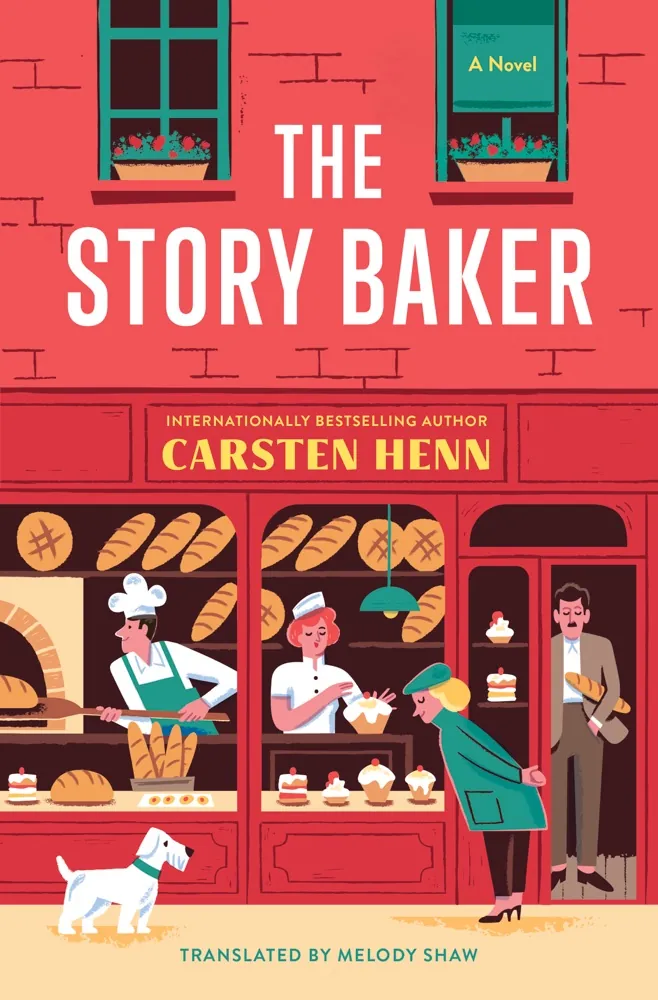
Author: Carsten HennPage Count: UnknownPublication Date: Expected publication 2026-10-13 APL God give me strength, another novel about a broken person fixing their shattered psyche by learning how to knead sourdough. Because what humanity truly requires right now is yet another literary protagonist who discovers that flour fixes everything. Carsten Henn follows up The Door-to-Door Bookstore with The Story Baker, dropping us straight into the predictable archetype of the fallen artist. Sofie is a former ballerina whose career snapped alongside her injury, leaving her staring down the existential abyss. And naturally, she secures a temporary job at a village bakery that she desperately wants to quit on day one. Groundbreaking. Truly, I have never seen this narrative trajectory executed seventy thousand times in contemporary fiction. Flour, Footwork, and Other Clichés We are expected to believe that watching an old Italian baker named Giacomo move his hips on beat magically cures profound psychological devastation. The synopsis leans hard into the synesthesia of baking. The dough is a dance. The kneading is a practiced routine. Sofie looks at a lump of carbohydrates and suddenly finds the courage to embrace change. Forget years of physical therapy or the agonizing grief of losing an identity built from childhood. Just smell the brioche and watch your trauma evaporate into the oven steam. Actually, scratch that. Maybe I am being too cynical about the structural healing power of mundane labor. There is something intensely grounding about physical repetition when your brain feels like it is rattling apart inside your skull. No, wait. I take it back. That is garbage. It is an insult to anyone who has ever tried to outrun a catastrophe with a wooden spoon and a bag of unbleached flour. Real life does not pivot because an old man swings his hips near a convection oven. The synopsis promises a "bestselling phenomenon" before the ink is even dry, which tells you everything you need to know about the modern publishing apparatus. It is engineered for airport gift shops and maximal comfort. Fans of Fredrik Backman and Robin Sloan will undoubtedly preorder this instantly. They want the cozy redemption arc without the messy reality of human collateral damage. The Comfort Food Trap The thematic architecture relies entirely on the worn trope of the restorative rural enclave. Sofie enters the village bakery and—surprise—finds solace, love, and community. The emotional stakes are practically non-existent because the trajectory is telegraphed in the first paragraph. We get the standard beats: initial resistance, sudden aesthetic appreciation of manual labor, philosophical musings from a folksy mentor figure, and finally, emotional resurrection. Yet the execution might just charm the pants off me despite my better judgment. Henn writes with a certain international heft that elevates standard commercial fare into something palatable. Or perhaps I am simply projecting my desperate need for a quiet room and a moment of silence onto a piece of promotional copy. When your daily existence involves dodging flying Legos and pretending to understand why the blue cup is an absolute tragedy, reading about a ballerina finding peace in a loaf of bread starts to look suspiciously like luxury. I am going to take a nap, assuming the house doesn't burn down first. Related InsightsThe Inmate Book Review and Summary A Canticle for Leibowitz Book Review and Summary A Magical Girl Rehired Book Review and Summary{ "@context": "https://schema.org", "@type": "FAQPage", "mainEntity": [ { "@type": "Question", "name": "What is the main focus of The Story Baker Book Review and Summary?", "acceptedAnswer": { "@type": "Answer", "text": "Everything you need to know about The Story Baker with our detailed review." } }, { "@type": "Question", "name": "Who authored the comprehensive guide on The Story Baker Book Review and Summary?", "acceptedAnswer": { "@type": "Answer", "text": "This detailed article and its insights were carefully researched and authored by Michael Brown." } }, { "@type": "Question", "name": "Where can I find more related content about Books?", "acceptedAnswer": { "@type": "Answer", "text": "You can explore more articles, detailed reviews, and similar insights by browsing the Related Insights section at the bottom of this article or visiting our dedicated Books category page." } } ] }
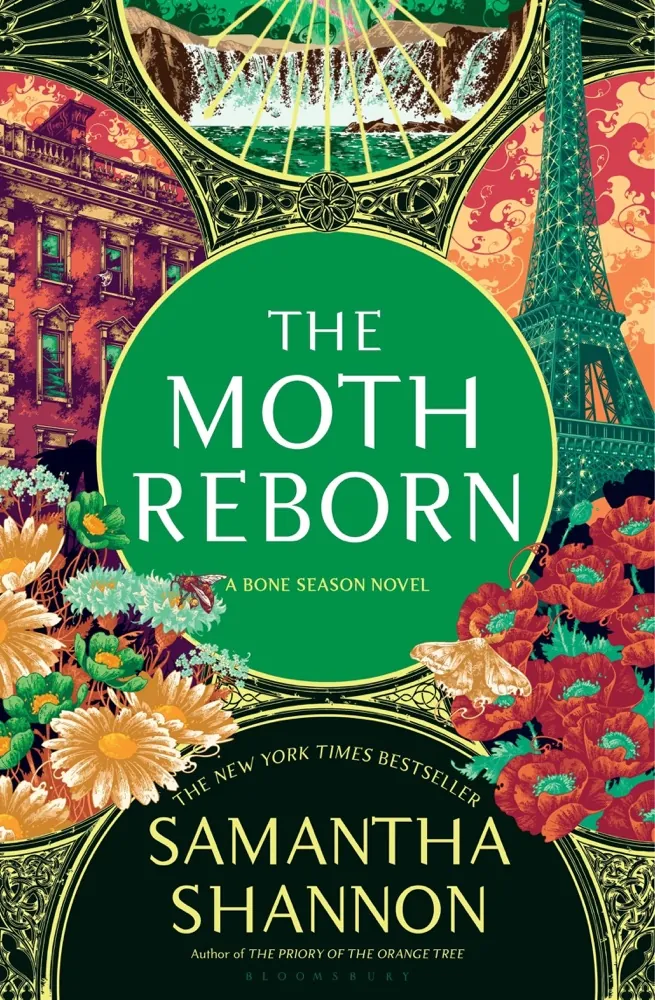
Author: Samantha ShannonPage Count: UnknownPublication Date: Expected publication 2026 APL The synopsis for The Moth Reborn reads like a fever dream someone scribbled in the margins of a half-empty coffee cup—too much white noise, not enough substance. "Infiltrate a dystopian New York run by both gods and monsters"—okay, but which gods? The ones from the last book, or new ones? The Ranthen’s leadership crisis in Iceland? A labyrinth in Lyon? Paige Mahoney’s "mystery of her own existence"? It’s all so deliberately vague it feels like Shannon’s either too clever for her own good or too lazy to commit. Either way, it’s frustrating. The problem isn’t that the synopsis is wrong—it’s that it’s useless. We know Paige’s been abroad, we know she’s reuniting with Arcturus, we know there’s violence, chaos, and ancient truths. But where’s the why? Why does the Ranthen’s leadership matter now? Why the Alps? Why Lyon? The synopsis treats the reader like a child who’s been told a story but never given the plot. It’s the literary equivalent of a movie trailer that only shows a character running through a forest—we don’t know if they’re escaping, being chased, or just really bad at hiking. And yet—there’s something deliciously chaotic about it. Shannon’s series has always thrived on ambiguity, on the idea that the world is too vast, too brutal, to be neatly explained. But this synopsis doesn’t even lean into that. It just drops the reader into the abyss and says, "Good luck." It’s like if The Left Hand of Darkness started with a paragraph about a spaceship crash and then cut to black. You’d be left wondering if it’s a sci-fi novel, a political thriller, or a metaphor for existential dread. But here’s the thing—Shannon’s done this before. She’s built entire worlds on the backs of half-formed ideas, on the tension between what’s said and what’s implied. The Bone Season started with a single sentence—"Paige Mahoney was dead"—and turned it into a sprawling, mythic epic. So maybe this synopsis is just the synopsis. Maybe the book will deliver the payoff, the way The Priory of the Orange Tree delivered its dragons after years of teasing. Or maybe it’ll be another The Poppy War, where the hype is so thick it chokes the story. The real question is: does Shannon have the chops to make this vague, sprawling mess work? Because right now, it feels like she’s playing a game of telephone with the reader, and the message keeps getting lost in translation. And that’s not just frustrating—it’s dangerous. Because if the book doesn’t deliver on the promise of its own synopsis, it’ll leave readers feeling like they’ve been played. But then again, maybe that’s the point. Maybe The Moth Reborn is supposed to be a book where the reader has to earn the answers, where the mystery isn’t just about Paige’s past but about the very nature of storytelling itself. If so, then Shannon’s synopsis is a masterclass in withholding—like if House of Leaves started with a single sentence about a missing hallway. It’s maddening, but it’s also brilliant. Yet— I can’t help but think about The Last of Us’s marketing. They spent years teasing the story, building up the lore, and when the show finally dropped, it was so much better than the synopses could ever hope to be. But The Moth Reborn’s synopsis doesn’t even have the decency to be interesting. It’s just… there. Like a half-baked idea someone scribbled down in a notebook and then forgot about. And that’s the problem. Because if Shannon’s not going to commit to the story, why should we? Literally.I have to go unclock the lawnmower deck because the grass was too wet. Related InsightsThe Bone Woman: A Mystery Book Review and Summary A Glimmer of Death (Merry Gentry, #10) Book Review and Summary Gallant Book Review and Summary{ "@context": "https://schema.org", "@type": "FAQPage", "mainEntity": [ { "@type": "Question", "name": "What is the main focus of The Moth Reborn (The Bone Season, #6) Book Review and Summary?", "acceptedAnswer": { "@type": "Answer", "text": "Everything you need to know about The Moth Reborn (The Bone Season, #6) with our detailed review." } }, { "@type": "Question", "name": "Who authored the comprehensive guide on The Moth Reborn (The Bone Season, #6) Book Review and Summary?", "acceptedAnswer": { "@type": "Answer", "text": "This detailed article and its insights were carefully researched and authored by Michael Brown." } }, { "@type": "Question", "name": "Where can I find more related content about Books?", "acceptedAnswer": { "@type": "Answer", "text": "You can explore more articles, detailed reviews, and similar insights by browsing the Related Insights section at the bottom of this article or visiting our dedicated Books category page." } } ] }
-
 Michael Brown
 - 08 Oct, 2026 20:36
A Court of Splintered Harmony (A Court of Thorns and Roses, #6) Book Review and Summary
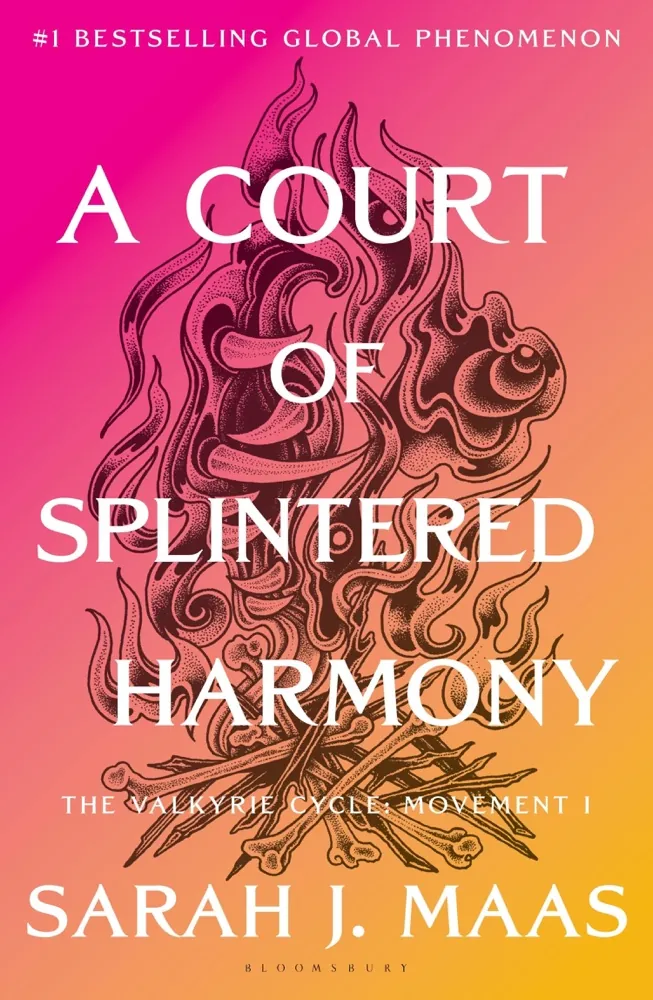
Author: Sarah J. MaasPage Count: UnknownPublication Date: Expected publication 2026-10-27 APL The synopsis for A Court of Splintered Harmony arrives like a whispered threat in a library of half-remembered prophecies—elegant, yes, but so vague it might as well be a love letter to a ghost. "What was broken will be remade." How poetic. How deliberately opaque. Koschei the Deathless, bound to a mountain lake for millennia, is stirring—because of course he is. The Fae territories are under siege, the Night Court is fractured, and the Hybern War’s wreckage still bleeds into the present. It’s all so familiar, like a villain’s monologue from a book you’ve read three times but still can’t quite place. The prose here is the kind that makes you wonder if Maas is playing a game of literary telephone with herself. "The rifts dividing them seem insurmountable"—but which "them"? The Night Court? The Fae? The humans, now that Koschei’s shadow is creeping toward them like a bad metaphor? The vagueness is deliberate, of course. It’s the same strategy she’s used since A Court of Thorns and Roses, where the real tension wasn’t in the plot so much as in the implied plot, the way the reader’s imagination fills in the gaps like a Rorschach test for fantasy fans. And yet—this time, it feels less like a puzzle and more like a half-assembled jigsaw where half the pieces are missing. But then—the title. "Splintered Harmony." That’s rich. It’s the kind of phrasing that makes you suspect Maas is channeling something darker than her usual brand of romantic fatalism. It’s the title of a book that might finally grapple with the cost of unity, the way The Lies of Locke Lamora or The Poppy War forces its characters to confront the violence beneath their alliances. Or is it just another step in the series’ slow, inevitable march toward a grand, inevitable climax? The synopsis doesn’t say. It doesn’t have to. That’s the beauty—and the frustration—of Maas’ worldbuilding. She doesn’t need to spell everything out. She just needs to drop a few breadcrumbs and let the reader’s obsession do the rest. And yet—here’s where I pivot, because I’m a stubborn bastard. I remain entirely unconvinced that this book will be anything more than a glorified bridge. The synopsis reads like a press release for a sequel that’s been written to order, the kind of thing that exists solely to set up the next big payoff. Where’s the risk? Where’s the moment where Maas leans into the psychological unraveling of her characters, the way The Priory of the Orange Tree does with its court politics or The Name of the Wind does with its protagonist’s self-destruction? Instead, we get Koschei stirring, the Night Court fracturing, and the vague promise of "remade" harmony. It’s the kind of setup that makes you wonder if Maas is finally running out of ideas—or if she’s just waiting for the right moment to drop the hammer. But then again, maybe that’s the point. Maybe A Court of Splintered Harmony is the book that finally forces the reader to ask: What have we built, and at what cost? The Hybern War left Prythian in ruins, and now the Night Court is picking through the wreckage like vultures over a feast. The synopsis doesn’t tell us who’s betrayed whom, who’s mourned what, or who’s still holding onto the illusion that they can fix it. It just tells us that they have to. And that’s the kind of emotional blackmail that makes you wonder if Maas is finally ready to write a book that’s as much about the cost of power as it is about the romance of it. I don’t know if she is. But if she isn’t, then she’s not writing fantasy anymore—she’s writing a very expensive fanfic for a series that’s already been overstayed its welcome. The problem with Maas’ world is that it’s become so vast, so full, that it’s hard to see the individual threads anymore. The synopsis for this book reads like a checklist: Koschei, the Night Court, the Hybern War, the promise of unity. It’s the kind of thing that makes you wonder if Maas is more interested in the idea of a story than the story itself. And yet—there’s something to be said for the way she handles her villains. Koschei isn’t just a threat; he’s a symbol. He’s the kind of villain that lingers in the reader’s mind long after the book is over, the way The Dark Tower’s Randall Flagg or The First Law’s Glokta does. He’s not just a monster; he’s a force of nature, something that can’t be reasoned with, only endured. And if Maas can make this book about the way Koschei’s return forces the Night Court to confront their own fractures, then maybe—just maybe—she’ll finally deliver something that feels like more than just another installment in a series. But I’m not holding my breath. The synopsis is too vague, the stakes too broad, the emotional beats too predictable. It’s the kind of thing that makes you wonder if Maas is finally running out of steam—or if she’s just waiting for the right moment to pull the rug out from under her readers. I have to develop photographs in my makeshift darkroom. The light’s fading, and the negatives are starting to bleed. #FantasyBooks #BookSynopsis #ACOTAR #DarkroomMagic #WhatWasBroken Related InsightsThe Unseen Tapestry: Weaving Wonder into the Fabric of Reality with Magical Realism Alanna: The First Adventure Book Review and Summary All I Know (Silver Springs, #3) Book Review and Summary{ "@context": "https://schema.org", "@type": "FAQPage", "mainEntity": [ { "@type": "Question", "name": "What is the main focus of A Court of Splintered Harmony (A Court of Thorns and Roses, #6) Book Review and Summary?", "acceptedAnswer": { "@type": "Answer", "text": "Everything you need to know about A Court of Splintered Harmony (A Court of Thorns and Roses, #6) with our detailed review." } }, { "@type": "Question", "name": "Who authored the comprehensive guide on A Court of Splintered Harmony (A Court of Thorns and Roses, #6) Book Review and Summary?", "acceptedAnswer": { "@type": "Answer", "text": "This detailed article and its insights were carefully researched and authored by Michael Brown." } }, { "@type": "Question", "name": "Where can I find more related content about Books?", "acceptedAnswer": { "@type": "Answer", "text": "You can explore more articles, detailed reviews, and similar insights by browsing the Related Insights section at the bottom of this article or visiting our dedicated Books category page." } } ] }
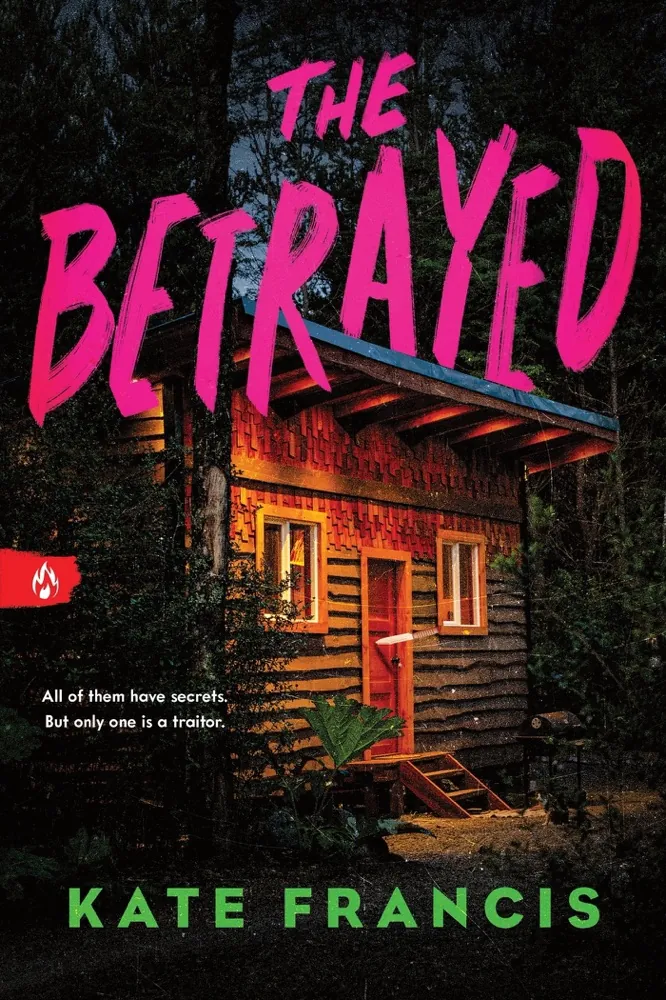
Author: Kate FrancisPage Count: UnknownPublication Date: Expected publication 2026 APL Another glossy brochure arrived in the mail this morning, promising a weekend retreat for "troubled adolescents" who just need a little discipline to straighten out their jagged edges—because nothing screams rehabilitation quite like tearing a kid out of their bed at three in the morning by masked mercenaries and shipping them off to the woods to sleep on a cot. Kate Francis is leaning heavily into this exact brand of institutional paranoia with The Betrayed, a 2026 release that uses the well-worn YA thriller trope of the predatory summer camp and strips it down to pure psychological isolation. And let us be honest, the plot outlined in this synopsis is as predictable as the chilly September wind currently rattling the loose shingles off my porch. We have Liv Walker, the mandatory betrayed protagonist whose own flesh and blood traded her trust for a glossy pamphlet. Yet the real structural annoyance here isn't the kidnapping—it is the absurd reliance on parlor games turning fatal. Remember when books like One of Us Is Lying or Karen McManus's entire bibliography actually grounded their high school tension in social media gossip and genuine teenage malice instead of turning summer camp into a cheap slasher flick where people die because they played Werewolf by the campfire? Honestly, speaking of overhyped media, my youngest has been watching this utterly mindless cartoon about a yellow sponge for three hours straight, and the existential dread I feel listening to those relentless, synthesized chuckles from the living room is somehow still more coherent than the logic of sending a teenager to a brutal survival camp just because she rolled her eyes at dinner. Trust issues. Thematic analysis of this kind of fiction usually tries to dress itself up as a profound commentary on adolescent alienation and the systemic failure of the nuclear family. But when the baseline premise relies on sadistic counselors and a mysterious traitor mimicking a party game, any genuine exploration of adolescent trust evaporates into hollow genre mechanics. Francis clearly wants to invoke the claustrophobia of Lord of the Flies mixed with contemporary boarding school thrillers, but without a page count or any original character beats beyond the synopsis clichés, it reads like an algorithm generated it in a boardroom. Hard pass. I need to go outside and fire up the grill before the neighborhood barbecue descends into absolute anarchy. #BookTwitter #TheBetrayed #KateFrancis #YoungAdultBooks Related InsightsCatching Fire Book Review and Summary Unti Sharpe Book Review and Summary Endless Promises (Harmony Hills, #2) Book Review and Summary{ "@context": "https://schema.org", "@type": "FAQPage", "mainEntity": [ { "@type": "Question", "name": "What is the main focus of The Betrayed Book Review and Summary?", "acceptedAnswer": { "@type": "Answer", "text": "Everything you need to know about The Betrayed with our detailed review." } }, { "@type": "Question", "name": "Who authored the comprehensive guide on The Betrayed Book Review and Summary?", "acceptedAnswer": { "@type": "Answer", "text": "This detailed article and its insights were carefully researched and authored by Michael Brown." } }, { "@type": "Question", "name": "Where can I find more related content about Books?", "acceptedAnswer": { "@type": "Answer", "text": "You can explore more articles, detailed reviews, and similar insights by browsing the Related Insights section at the bottom of this article or visiting our dedicated Books category page." } } ] }
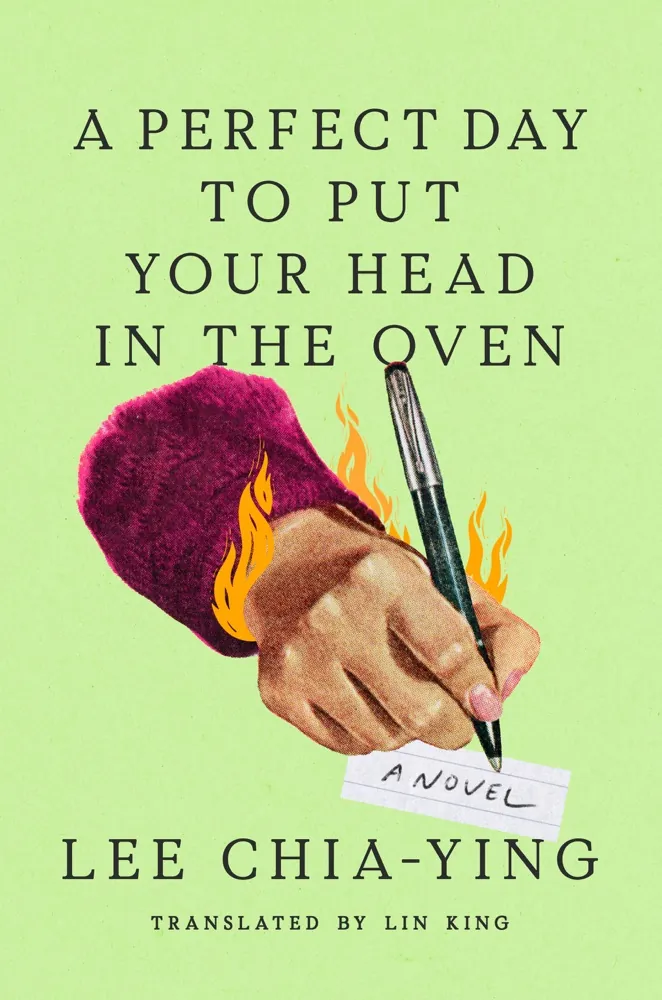
Author: Lee Chia-YingPage Count: UnknownPublication Date: Expected publication 2026 APL The synopsis for A Perfect Day to Put Your Head in the Oven is so deliberately vague it feels like a middle-schooler’s half-hearted attempt at a haiku—three lines, no rhyme, and the emotional punchline is left to the reader’s imagination. But here’s the thing: that’s exactly the kind of ambiguity that makes Lee Chia-Ying’s work so compelling. The title alone is a masterclass in provocative understatement—it doesn’t promise a story, it invites one, like a dare. And the synopsis? It’s less a roadmap and more a series of breadcrumbs meant to be stepped on, then forgotten. Which is fine. The best books don’t need to spell everything out. They need to happen. The protagonist, Tan, is a writer in the throes of creative paralysis, which is a trope so overworked it’s practically a genre unto itself—think of the endless parade of artists in The Perks of Being a Wallflower or Eat Pray Love, all chasing some mythical moment of clarity while their lives unravel around them. But here’s where the synopsis starts to feel alive: the way it frames Tan’s attempt to write a memoir as a kind of archaeological dig, sifting through childhood memories that may or may not be real. It’s not just about unreliable narration—it’s about the performance of memory, the way we edit our past to fit the story we want to tell. And the fact that her old friends react with skepticism—"Are you dying?"—isn’t just comedic relief; it’s a gut punch to the idea that we’re only ever as interesting as the stories we’re willing to let people believe. The synopsis also drops a few of those perfect little details that make you want to read the book just to see how they land: the guessing game on the day of her parents’ divorce, the kissing ritual among boarding school roommates, the spinach in the sink that becomes a meditation. These aren’t just plot devices; they’re vibes, the kind of moments that make you think, Oh, this is going to be the kind of book where the mundane becomes sacred, where a single memory can unravel everything. It’s the literary equivalent of finding a single, perfect lyric in a song and knowing the rest of the album is going to be worth it. But—and this is where the ADHD tangent kicks in—why does this remind me of that godforsaken Bluey episode where the characters keep trying to build a sandcastle and keep collapsing it? The way Tan’s memories keep shifting, the way her attempts to reconstruct her past keep falling apart, it’s like watching a group of toddlers with a shovel. Except in Bluey, at least the chaos is charming. Here, the chaos is necessary—it’s the point. The book isn’t about stability; it’s about the mess of growing up, the way love and betrayal and death and even spinach can become these weird, beautiful, terrifying symbols of what it means to be human. It’s the kind of thing that makes you think of The Vegetarian by Han Kang, where the mundane becomes a site of rebellion, or My Brilliant Friend by Elena Ferrante, where childhood friendships are both the foundation and the ruin of everything. Yet. The synopsis doesn’t tell us enough. It doesn’t say whether Tan’s memories are deliberately unreliable or just naturally so. It doesn’t say whether the book is a comedy, a tragedy, or something in between. And that’s the thing about books like this—they’re not about the answers. They’re about the questions, the way they sit in your stomach like a half-digested meal, making you wonder if you’re overthinking it or if you’re finally getting it. Literally. I need to go retrieve my favorite fountain pen from my grandson’s sticky hands before I start comparing this to The Goldfinch or something equally ridiculous. The point is, this synopsis has the kind of potential that makes you want to pre-order it sight unseen, like a first date where you know the chemistry is already there. And if it delivers on even half of what it promises, it’ll be the kind of book that makes you laugh, cry, and question everything you thought you knew about memory, love, and the way we tell our own stories. #BookTok #LiteraryGems #ComingSoon #AutumnReads #MemoirMystery Related InsightsWhen the Moon Hits Your Eye Book Review and Summary Kitapların Büyülü Dünyası: Okumak Bir Yaşam Biçimidir Heartstopper, Volume 4 Book Review and Summary{ "@context": "https://schema.org", "@type": "FAQPage", "mainEntity": [ { "@type": "Question", "name": "What is the main focus of A Perfect Day to Put Your Head in the Oven Book Review and Summary?", "acceptedAnswer": { "@type": "Answer", "text": "Everything you need to know about A Perfect Day to Put Your Head in the Oven with our detailed review." } }, { "@type": "Question", "name": "Who authored the comprehensive guide on A Perfect Day to Put Your Head in the Oven Book Review and Summary?", "acceptedAnswer": { "@type": "Answer", "text": "This detailed article and its insights were carefully researched and authored by Michael Brown." } }, { "@type": "Question", "name": "Where can I find more related content about Books?", "acceptedAnswer": { "@type": "Answer", "text": "You can explore more articles, detailed reviews, and similar insights by browsing the Related Insights section at the bottom of this article or visiting our dedicated Books category page." } } ] }
- Michael Brown
- 02 Sep, 2026 03:13
Ascendancy: A Novel (The Ascendancy Trilogy, 1) Book Review and Summary
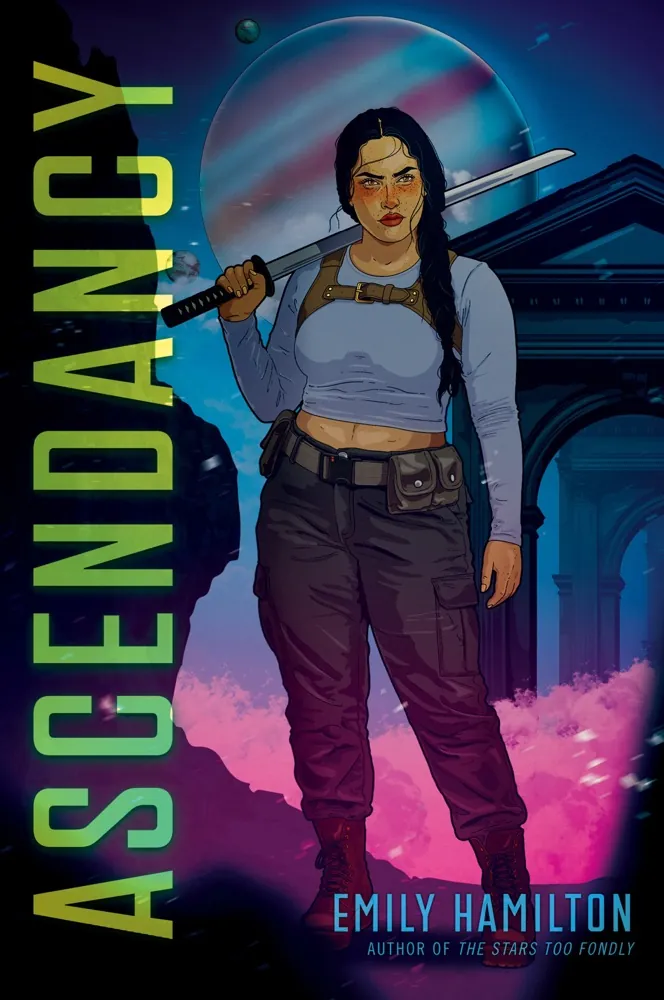
Author: Emily HamiltonPage Count: UnknownPublication Date: Expected publication 2026 APL Emily Hamilton's Ascendancy arrives with the heavy, glittering burden of comparison to Tamsyn Muir and Arkady Martine, which usually means the literary marketing machine is trying to sell us a prefabricated revolution. But let us look at the raw structural mechanics of this synopsis. We have Neev—a pilot chipped, monitored, and effectively abandoned by a maternal figure at an academy on Jupiter's moons—and Ida, a sword-wielding product of a transhumanist death cult. A classic case of overpromising. Because how many times must we watch the dutiful institutional cog fall for the feral, leather-clad dissident, only for fate to tear them apart by page fifty just so they can stare at each other across opposing barricades a decade later? And speaking of institutional abandonment, my youngest spent forty-five minutes this morning crying because his oatmeal was brown instead of white, completely melting down over a reality he refused to accept, which honestly feels less exhausting than reading another sprawling space opera where the salvation of the entire species apparently hinges on whether two traumatized ex-lovers can communicate their feelings instead of shooting at each other with plasma rifles. Why must every cosmic conflict be a thinly veiled metaphor for bad childhood attachment styles? Just fix the leaky infrastructure of your fictional Jovian moons and stop weaponizing daddy issues against the proletariat. The Anatomy of Engineered Longing The thematic architecture here relies entirely on the worn-out dichotomy between authoritarian surveillance and violent anarchism. The synopsis breathlessly trades in buzzwords: the Neionet, chips in heads, iron grips, and the hollow promise of technology. Yet it refuses to examine the actual mess of institutional dependency. When a child learns never to question the invisible architecture keeping them alive, the trauma isn't just political—it is cellular. Yet Hamilton seems more interested in the "blazing romance" and the "power of the erotic" than the agonizing, tedious reality of unlearning a lifetime of neurological conditioning. Love does not overthrow fascist councils. Concrete does. The Inevitable Betrayal of Happy Endings Expect a tragic, blood-soaked cliffhanger masquerading as emotional depth. Anyone promising that a queer cyberpunk space opera will unite humanity with a single, sweeping romance is selling a fairy tale to adults who should know better. People who grow up in death cults do not just walk away because a handsome rebel pilot smiles at them; they spend decades flinching at sudden movements in quiet rooms. But the market demands glossy, high-stakes melodrama where a blade to the heart heals all systemic injuries. I refuse to buy into the marketing hype. I really must go outside now and untangle the garden hose that has tied itself into a Gordian knot across the back patio, because unlike the characters in this trilogy, at least that catastrophe has a physical logic I can unravel before sunset. #Ascendancy #Cyberpunk #SpaceOpera #SciFiReads Related InsightsTao Te Ching Book Review and Summary Tender Is the Night Book Review and Summary The Cider House Rules Book Review and Summary{ "@context": "https://schema.org", "@type": "FAQPage", "mainEntity": [ { "@type": "Question", "name": "What is the main focus of Ascendancy: A Novel (The Ascendancy Trilogy, 1) Book Review and Summary?", "acceptedAnswer": { "@type": "Answer", "text": "Everything you need to know about Ascendancy: A Novel (The Ascendancy Trilogy, 1) with our detailed review." } }, { "@type": "Question", "name": "Who authored the comprehensive guide on Ascendancy: A Novel (The Ascendancy Trilogy, 1) Book Review and Summary?", "acceptedAnswer": { "@type": "Answer", "text": "This detailed article and its insights were carefully researched and authored by Michael Brown." } }, { "@type": "Question", "name": "Where can I find more related content about Books?", "acceptedAnswer": { "@type": "Answer", "text": "You can explore more articles, detailed reviews, and similar insights by browsing the Related Insights section at the bottom of this article or visiting our dedicated Books category page." } } ] }
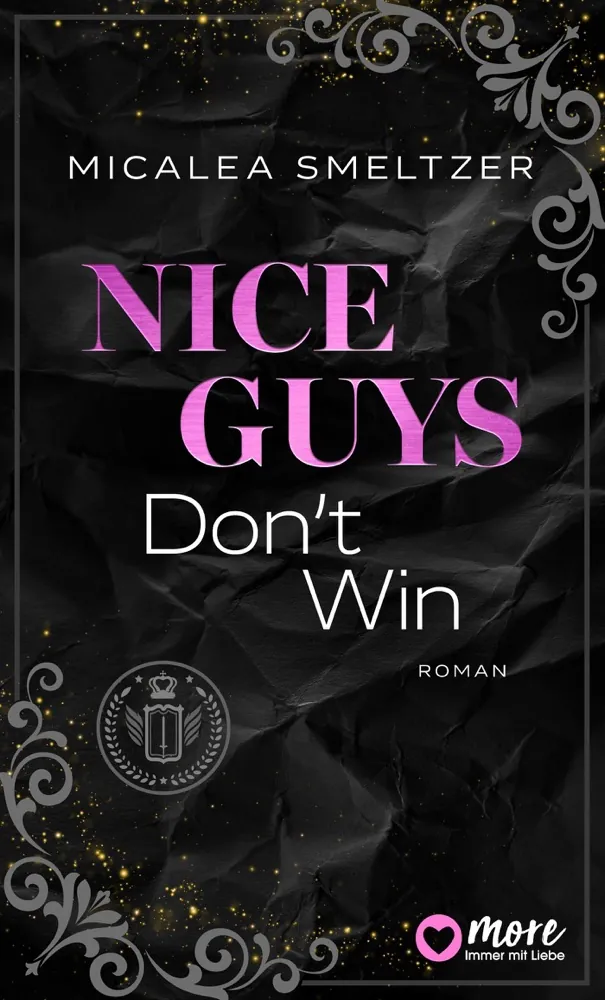
Author: Micalea SmeltzerPage Count: UnknownPublication Date: Expected publication 2026 APL The synopsis of Honest Boys Don’t Play reads like a love letter to the kind of sports romance that’s been written so many times before—so many times that the only thing more predictable than the plot is the way it’ll feel like a warm, sticky blanket you’ve already worn out. The tension between daughter and basketball prodigy, the forbidden attraction, the explosive reveal—it’s the same old script, but with the kind of glossy, self-aware sheen that makes you wonder if the author is laughing at the formula or just too tired to invent something new. And yet—there’s something in the phrasing, the way the protagonist’s fascination with Cole is framed as an almost physical force, that makes you pause. It’s not the plot that’s interesting; it’s the vibe. The way the synopsis leans into the magnetic, almost supernatural pull of Cole’s charisma—"diese magnetische Ausstrahlung"—suggests a story that wants to be more than just another Honey, I Shrunk the Kids meets Friday Night Lights mashup. But does it have the chops to pull it off? The real question isn’t whether this will be a rom-com or a slow-burn drama—it’s whether it’ll feel like it’s been written by someone who’s actually lived the tension between obligation and desire, or if it’s just another iteration of the "I’m the daughter of the coach, but I’m also a person" trope, which, let’s be honest, has been mined so thoroughly that it’s starting to feel like a haunted house attraction. The synopsis doesn’t even try to hide the clichés—it’s all there in the setup: the new town, the rule-breaking, the inevitable fallout. But here’s the thing: the best sports romances—think The Love Hypothesis or The Hating Game—don’t just use the setting as a backdrop; they let it breathe. They make the stakes feel real because the characters do. And right now, this synopsis doesn’t do that. It just sets up a chessboard where the pieces are already moving in predictable patterns. And then there’s the ADHD tangent—because of course there is. I was just thinking about how Bluey manages to be both hilarious and deeply human in its portrayal of childhood, how the show’s ability to make mundane moments feel like emotional gut-punches is what separates it from the endless cycle of kids’ cartoons that treat conflict as a series of escalating meltdowns. Meanwhile, this book’s synopsis treats emotional conflict like a video game difficulty setting—you know exactly what’s coming, and you can’t wait to skip ahead to the part where the protagonist finally snaps. But I digress. The point is, Honest Boys Don’t Play doesn’t have the same kind of aliveness that makes you care about the characters’ internal worlds. It’s all surface-level chemistry, all the time. The thematic core here—if we can even call it that—is the tension between identity and expectation. The protagonist is trapped between being the "good girl" and the woman who wants to defy the rules, but the synopsis doesn’t give us enough to believe she’s anything more than a vessel for the plot. Cole, meanwhile, is the classic "mysterious athlete" archetype—charismatic, untouchable, and just different enough to make the protagonist question everything she thought she knew. But is anyone actually falling for this? The synopsis doesn’t even attempt to make Cole feel like a real person; he’s just a plot device with a basketball and a smirk. And the daughter? She’s either a saint or a sinner, depending on which side of the reveal you’re on. There’s no gray area, no nuance—just the kind of black-and-white morality that makes you wonder if the author is trying to write a romance or a morality play. The biggest red flag isn’t the clichés—it’s the way the synopsis treats the conflict as something that can be resolved with a simple reveal. As if the protagonist’s entire worldview isn’t built on the foundation of her father’s legacy, and as if Cole’s reaction isn’t going to be more complicated than a simple "oh shit, my girlfriend’s my dad’s daughter." But then again, why bother with complexity when you can have a neat, tidy explosion? The synopsis reads like a Twitter thread—short, punchy, and designed to hook you with the promise of drama, but without any real substance to back it up. I’m going to hide in my study for exactly ten minutes of uninterrupted silence. Maybe I’ll read something by Tayari Jones instead. At least her books don’t make me feel like I’m watching a rerun of The Bachelor with better lighting. #BookTok #SportsRomance #WhyDoWeKeepDoingThis Related InsightsThe Westing Game Book Review and Summary How to Love in Sanskrit: Ancient Poems for Modern Readers Book Review and Summary Blood Lust (Blood Chronicles, #2) Book Review and Summary{ "@context": "https://schema.org", "@type": "FAQPage", "mainEntity": [ { "@type": "Question", "name": "What is the main focus of Honest Boys Don't Play Book Review and Summary?", "acceptedAnswer": { "@type": "Answer", "text": "Everything you need to know about Honest Boys Don't Play with our detailed review." } }, { "@type": "Question", "name": "Who authored the comprehensive guide on Honest Boys Don't Play Book Review and Summary?", "acceptedAnswer": { "@type": "Answer", "text": "This detailed article and its insights were carefully researched and authored by Michael Brown." } }, { "@type": "Question", "name": "Where can I find more related content about Books?", "acceptedAnswer": { "@type": "Answer", "text": "You can explore more articles, detailed reviews, and similar insights by browsing the Related Insights section at the bottom of this article or visiting our dedicated Books category page." } } ] }
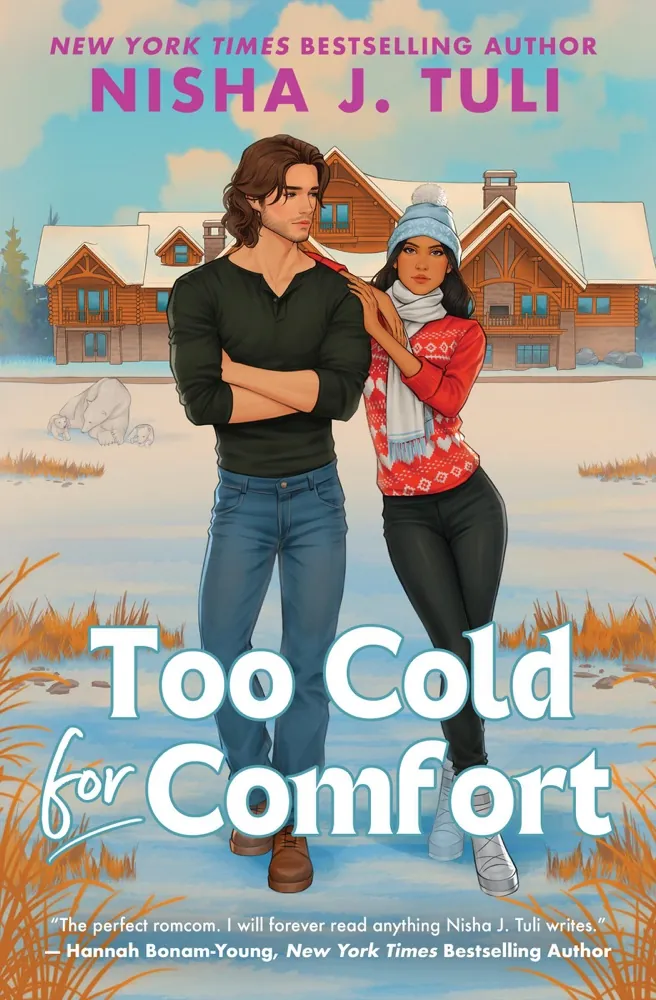
Author: Nisha J. TuliPage Count: UnknownPublication Date: Expected publication 2026-11-10 APL The tundra of the human heart - a vast, unforgiving expanse where the frostbite of past wounds can leave one numb, and yet, a spark of attraction can set the whole landscape ablaze. Nisha J. Tuli's latest offering, Too Cold for Comfort, promises to be a steamy romance that will thaw even the coldest of hearts. In the frozen wilderness of northern Canada, photographer Aadya Williams finds herself face-to-face with the gruff Reid Doerksen, the owner of the Northern Wilderness Polar Bear Lodge. Their forced proximity, thanks to an overbooked lodge, sets the stage for a battle of wills, with Aadya's free-spirited nature pitted against Reid's tightly wound reserve. But as the storm clouds gather, and the snow begins to fall, the boundaries between them start to blur. And yet, I find myself wondering - what lies beneath Reid's gruff exterior? Is he a wounded soul, hiding behind a mask of indifference, or is he simply a man who has learned to shield himself from the world? The synopsis hints at a deeper complexity, but I'm left wanting more. How will Tuli peel back the layers of Reid's character, revealing the vulnerabilities that lie beneath? As I ponder this, my mind wanders to the likes of Kristan Higgins and her ability to craft complex, emotionally nuanced characters. Will Tuli follow in her footsteps, or will she forge her own path? The uncertainty is tantalizing, like a whispered promise of a winter's night. But, I must confess, my attention span is currently being tested by the antics of my youngest, who insists on watching an endless loop of Paw Patrol. The adventures of Marshall and Chase are all well and good, but I find myself longing for the quiet, introspective world of Too Cold for Comfort. The contrast between the two is jarring, like a splash of cold water on a sweltering summer day. And yet, as I return to the world of Aadya and Reid, I'm struck by the sense that this is a story about more than just romance - it's about the human need for connection, for understanding, and for healing. The frozen landscape of northern Canada serves as a backdrop for a deeper exploration of the human condition. I call bluff. If Tuli can deliver on the promise of this synopsis, Too Cold for Comfort will be a true masterpiece of the romance genre. But, if the characters remain one-dimensional, and the plot meanders into predictable territory, I fear it may fall flat. As I close this review, I'm reminded that I must explain to my teenager why the Wi-Fi has been temporarily disabled. It seems our router has decided to stage a rebellion, and I'm left to negotiate a peace treaty. #Romance #NewRelease #BookLovers
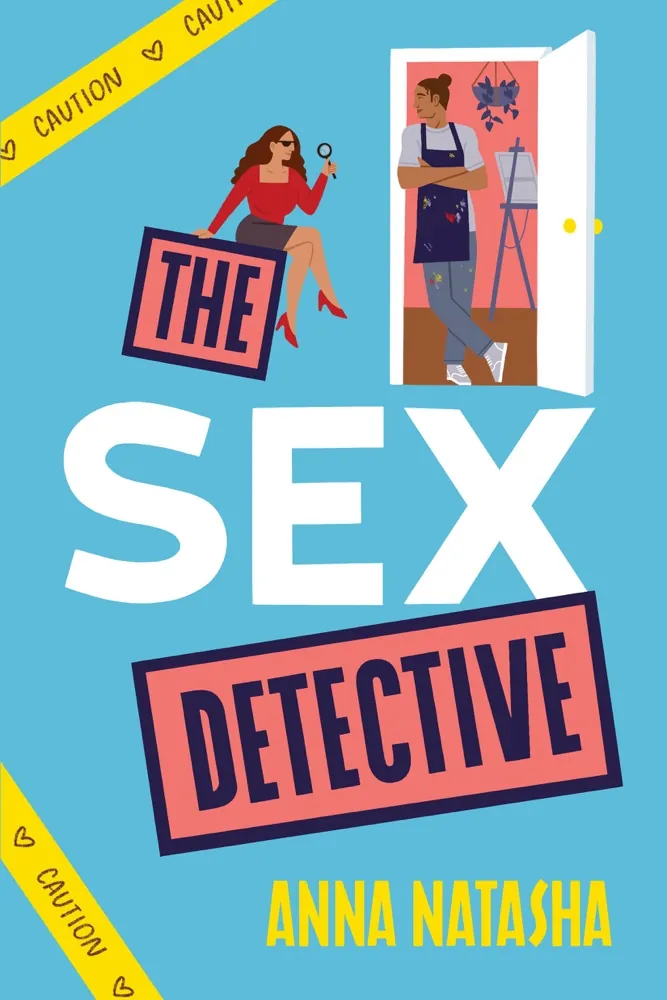
Author: Anna NatashaPage Count: UnknownPublication Date: Expected publication 2026 APL Another debut romcom centered around public health bureaus and high school crushes. Because what else are we doing in twenty-twenty-six? Anna Natasha drops The Sex Detective onto the market like a poorly wrapped brick, expecting us to swoon over a narrative framework that feels entirely reverse-engineered from a focus group of millennial copywriters. Look, I have zero patience for this tired routine. People demand nuance and grounded stakes, yet we are continually force-fed this hyper-marketed, brightly colored fluff that treats emotional recovery like a punchline on a tote bag. The Architecture of Regret Xochitl Ruth Bader Bernstein Buenaventura carries a name so excessively burdened with identity markers it reads like a manifesto drafted by a committee. But what lies beneath the hyphenated weight? A standard-issue second-chance romance where a miserable breakup drives an adult back to their childhood bedroom. How utterly thrilling. It is the same tired trope plaguing contemporary fiction—the absolute refusal of protagonists to simply process their childhood grief without turning it into a quirky workplace comedy. Give me a break. If I wanted to watch someone unravel because their mother passed away and their love life stalled, I would stare at the ceiling fan while paying bills at midnight after eight hours of soul-crushing corporate negotiation. And let us talk about Cristian Martinez. Kicked out of an art residency—truly, the absolute tragedy of modern artistic struggle—only to hit rock bottom by contracting a sexually transmitted infection. Oh, the human condition in all its glory. Natasha attempts to frame this municipal nightmare as a laugh-out-loud romp. Yet, the emotional scaffolding is remarkably weak. People do not heal from foundational childhood trauma by stumbling into an underground adultery ring with the boy who ignored them during homeroom. That is not a plot. That is a fever dream born from reading too many contemporary paperbacks under fluorescent office lights. The Industry Blindspot Everyone compares these manuscripts to Emily Henry or Ali Hazelwood as if those are the gold standards of human literature. They are not. They are fast food for people who allergic to genuine catharsis. If you want a story about a child pulling themselves out of the wreckage of domestic instability, read something written with actual blood, sweat, and printer ink. Instead, we get "safe, shame-free sex" as a bureaucratic mandate in Los Angeles County. Because nothing screams romance quite like municipal code enforcement and contact tracing. Natasha relies on snappy dialogue to mask the sheer absurdity of the premise. Yet, the seams pull apart the second you apply a tiny bit of logical pressure. Why is the ex-girlfriend denying everything? Who cares. It is a manufactured obstacle designed to keep two thirty-somethings from communicating like actual adults for three hundred pages. The synopsis practically begs us to applaud its sex-positive branding. But branding is not character development. Calling your protagonist a "Sex Detective" does not make her Sherlock Holmes; it just makes her an employee of the state who needs better boundaries. Step one foot out of the office and you immediately regret every single life choice that led you to this exact hallway. My heel just connected directly with a microscopic, jagged plastic dinosaur left out in the dark by someone who refuses to learn the basic concept of tidying up after themselves. Related InsightsGoodnight Moon Book Review and Summary Trigger Happy Book Review and Summary Rule of Wolves Book Review and Summary{ "@context": "https://schema.org", "@type": "FAQPage", "mainEntity": [ { "@type": "Question", "name": "What is the main focus of The Sex Detective Book Review and Summary?", "acceptedAnswer": { "@type": "Answer", "text": "Everything you need to know about The Sex Detective with our detailed review." } }, { "@type": "Question", "name": "Who authored the comprehensive guide on The Sex Detective Book Review and Summary?", "acceptedAnswer": { "@type": "Answer", "text": "This detailed article and its insights were carefully researched and authored by Michael Brown." } }, { "@type": "Question", "name": "Where can I find more related content about Books?", "acceptedAnswer": { "@type": "Answer", "text": "You can explore more articles, detailed reviews, and similar insights by browsing the Related Insights section at the bottom of this article or visiting our dedicated Books category page." } } ] }
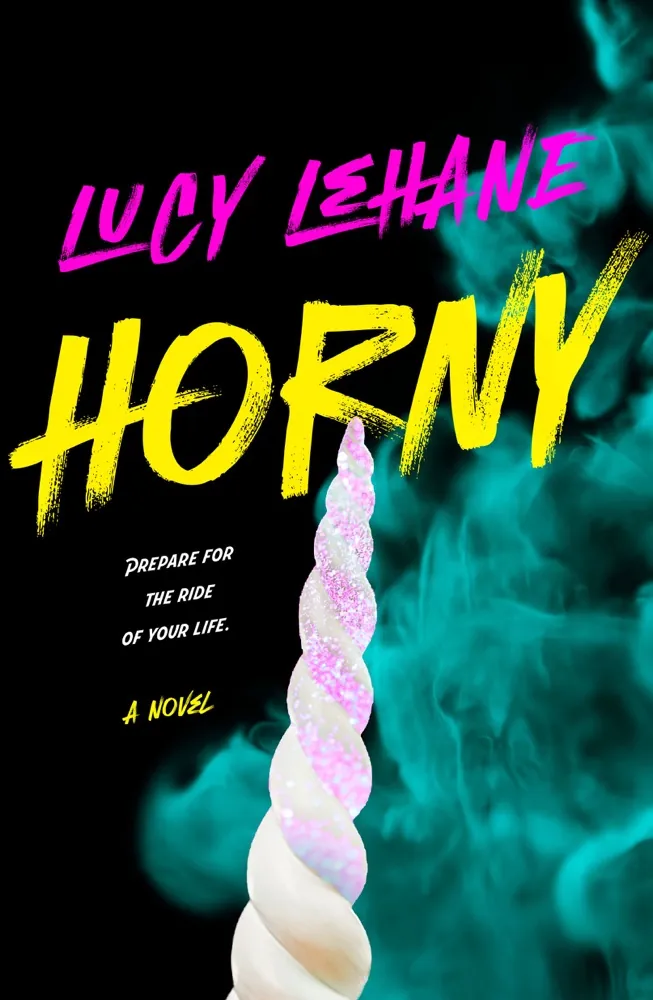
Author: Lucy LehanePage Count: UnknownPublication Date: Expected publication 2026-12-01 APL Look at this August heat beating against the windowpane while the cicadas outside create a ceaseless, maddening drone that makes coherent thought feel like wading through wet cement. Yet here I am, staring down Lucy Lehane’s upcoming Horny: A Novel, a title so aggressively juvenile it makes me want to launch my coffee mug across the living room rug. December 2026 cannot come fast enough simply so we can stop talking about whatever this is. The Architecture of the Absurd We have a deceased protagonist sharing a physical vessel with a squatter poltergeist, now forced to room with a dimension-hopping, soul-reading unicorn who apparently looks like a supermodel. And people wonder why kids today have trouble grounding themselves in reality when this is the literary pabulum being pumped out for consumption. It feels like someone took a blender to a Terry Pratchett manuscript and a midnight romance paperback found behind a dumpster. Speaking of which, why did the third-grade science fair board have to be made out of foam core that warps the second you slap school glue on it? We spent forty dollars on baking soda and vinegar volcanoes last year, only for the dog to chew the papier-mâché base to pieces while I was downstairs trying to get five minutes of quiet, and now we are doing a friction-coefficient ramp using Hot Wheels tracks that keep sliding off the linoleum because nothing in this house ever stays put. Lehane leans entirely into the high-concept chaos. The synopsis reads like a mad-libs session engineered by a marketing algorithm chasing the exact demographic that made Gail Carriger and TJ Klune rich. The Mechanics of Friction Opposites-attract tropes usually rely on stubbornness and wit. Here, we get interdimensional virginity mixed with post-mortem career anxiety. A Predictable Collision The friction between a cynical dead girl and a pristine mythical creature lacks subtlety. Lehane will undoubtedly give us three hundred pages of slamming doors, accidental eye contact, and heavy-handed metaphors about learning to love your inner darkness. It smells like every mediocre urban fantasy published since 2010. My editor is breathing down my neck about word counts and deadlines, but the science fair project takes precedence and I still need to find where the hot glue gun went. #bookstagram #romcom #paranormalromance #booklaunch Related InsightsBlue Hour Book Review and Summary Dangerous Impulses (The Naturals, #5) Book Review and Summary You Are Special Book Review and Summary{ "@context": "https://schema.org", "@type": "FAQPage", "mainEntity": [ { "@type": "Question", "name": "What is the main focus of Horny: A Novel Book Review and Summary?", "acceptedAnswer": { "@type": "Answer", "text": "Everything you need to know about Horny: A Novel with our detailed review." } }, { "@type": "Question", "name": "Who authored the comprehensive guide on Horny: A Novel Book Review and Summary?", "acceptedAnswer": { "@type": "Answer", "text": "This detailed article and its insights were carefully researched and authored by Michael Brown." } }, { "@type": "Question", "name": "Where can I find more related content about Books?", "acceptedAnswer": { "@type": "Answer", "text": "You can explore more articles, detailed reviews, and similar insights by browsing the Related Insights section at the bottom of this article or visiting our dedicated Books category page." } } ] }
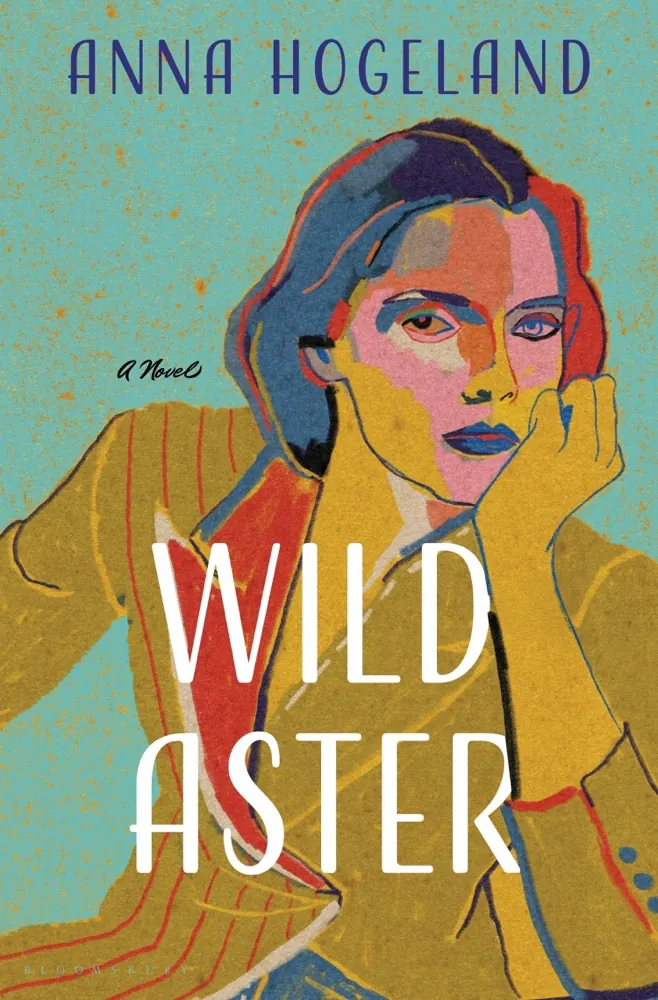
Author: Anna HogelandPage Count: UnknownPublication Date: Expected publication 2026-12-01 APL The lives we lead, and the lives we're given. Wild Aster, Anna Hogeland's forthcoming novel, promises to unfurl the intricate, fervent, and complex portrait of Mae Smith, a woman born of chaos and forged in the fires of mid-century America. And yet, the more I read about this book, the more I'm struck by the frustrating lack of specificity. What does it truly mean to be a "stolen good," to be kidnapped by one's biological mother and raised on the run? How does this shape Mae's psyche, her relationships, her very sense of self? But, I suppose that's the point. We're meant to be drawn in by the mystery, the allure of the unknown. The parallels to Alice McDermott and Anita Diamant are certainly intriguing – a nod to the lyrical, character-driven fiction that has captivated readers for decades. Still, I find myself wondering if Wild Aster will truly deliver on its promise of a "gentle, generous portrait" or if it will succumb to the pitfalls of melodrama, of relying too heavily on the sensational aspects of Mae's story. And then, of course, there's the elephant in the room – or rather, the elephant that isn't in the room. The synopsis is woefully vague, offering more platitudes than genuine insight into Mae's world. A classic case of overpromising. We're told that she must "reckon with the choices she's made and life's inexorable turns," but what does that even mean? How does she grapple with the consequences of her mother's actions, of her own desires and disappointments? The more I read, the more I'm left with questions, with a nagging sense that Wild Aster might be more style than substance. But, I digress. I've been reading a lot of children's books lately – my kid's obsessed with this one cartoon, Bluey, and I've found myself drawn into the world of anthropomorphic dogs and suburban Australian life. It's strange, but there's something about the way the show tackles complex themes – identity, family, community – that feels more honest, more raw, than a lot of the literary fiction I've been reading lately. Maybe that's the problem – we're so focused on crafting these elegant, lyrical narratives that we forget to get our hands dirty, to really explore the messiness of human experience. And yet, despite my reservations, I find myself drawn to Wild Aster. There's something about Mae's story that resonates, that speaks to the quiet desperation and resilience that defines so much of human existence. Perhaps, just perhaps, Hogeland will surprise me, will craft a narrative that's both beautiful and brutal, that truly captures the complexity of Mae's world. I need to unclog the shower drain before the entire second floor floods. #amreading #literaryfiction #bookreview

Author: Kayla MariaPage Count: UnknownPublication Date: Expected publication 2026 APL The seductive promise of How to Get the Girl—a romance novel that whispers secrets of the woods, of unyielding desire, and of the untamed thrill of the unknown. Yet, as I sit here, sipping coffee and staring at the synopsis, I find myself underwhelmed by the vagueness of it all. What exactly does "kinky fantasies" entail? Is it a genuine exploration of the human psyche, or a shallow attempt to titillate and provoke? And then, of course, there's the obligatory mention of a "thrilling journey" and a "captivating tale." Phrases that have been beaten to death by the romance genre, leaving me to wonder if How to Get the Girl will truly deliver on its promises. Will it be a nuanced exploration of love and desire, or a shallow, predictable romp through the woods? As I ponder these questions, my mind wanders to the works of Anaïs Nin, who wrote with such unflinching honesty about the complexities of human desire. Can How to Get the Girl possibly live up to the standards set by such literary giants? I highly doubt it. But, I must admit, the idea of a mysterious girl in the woods is tantalizing. It's a trope that's been explored countless times before, from the myth of the Green Man to the eerie, atmospheric landscapes of the Brothers Grimm. Yet, there's something undeniably alluring about the idea of a woman shrouded in mystery, waiting to be unraveled by our intrepid hero, David. Take all my money, right now. I'll buy into the hype, at least for now. But, as I delve deeper into the world of How to Get the Girl, I'll be watching closely for signs of substance, of depth, of a genuine attempt to explore the complexities of the human heart. And, yet, as I sit here, I find myself distracted by the memory of a particularly grueling episode of SpongeBob SquarePants. You know, the one where Squidward gets his tentacles stuck in a cheese grater? Ah, the existential despair that washes over me as I recall that episode. It's a feeling that I fear How to Get the Girl may not be able to replicate, no matter how hard it tries. As I return to the synopsis, I'm struck by the promise of a "relaxing tone." Ah, but what does that even mean? Is it a gentle, soothing balm for the weary soul, or a shallow attempt to lull the reader into a false sense of security? I suppose only time will tell. But, for now, I'll reserve my judgment. After all, I'm a father, a guardian of sorts, and I know that true wisdom lies in patience, in allowing the story to unfold without preconceptions or biases. So, I'll wait, and I'll watch, and I'll see if How to Get the Girl can truly deliver on its promises. And, now, if you'll excuse me, I have to go unclog the lawnmower deck because the grass was too wet. #RomanceNovel #LiteraryCriticism #TheStruggleIsReal Related InsightsTempest Book Review and Summary Mortal Things Book Review and Summary Last Exit to Brooklyn Book Review and Summary{ "@context": "https://schema.org", "@type": "FAQPage", "mainEntity": [ { "@type": "Question", "name": "What is the main focus of How To Get The Girl Book Review and Summary?", "acceptedAnswer": { "@type": "Answer", "text": "Everything you need to know about How To Get The Girl with our detailed review." } }, { "@type": "Question", "name": "Who authored the comprehensive guide on How To Get The Girl Book Review and Summary?", "acceptedAnswer": { "@type": "Answer", "text": "This detailed article and its insights were carefully researched and authored by Michael Brown." } }, { "@type": "Question", "name": "Where can I find more related content about Books?", "acceptedAnswer": { "@type": "Answer", "text": "You can explore more articles, detailed reviews, and similar insights by browsing the Related Insights section at the bottom of this article or visiting our dedicated Books category page." } } ] }
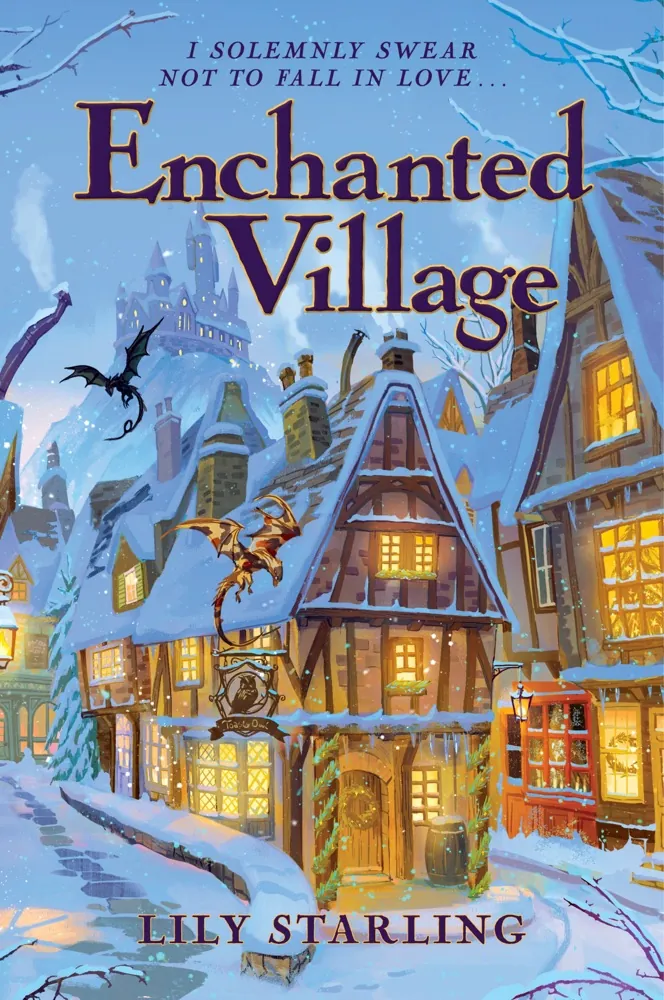
- Michael Brown
- 21 Aug, 2026 02:34
Enchanted Village: A Novel – A Heartwarming Cozy Holiday Romance of Grumpy Sunshine Love and Found Family Magic Book Review and Summary
Author: Lily StarlingPage Count: UnknownPublication Date: Expected publication 2026-10-20 APL Baking spices and institutional fluorescent lighting usually do not share a sentence, yet here we are looking at Enchanted Village: A Novel. Lily Starling has decided that what modern fiction lacks is the specific, teeth-aching sweetness of a comfort read crossed with the bureaucratic nightmare of a magic school that somehow employs a physics teacher. Or a biology teacher. The synopsis refuses to clarify which branch of the scientific method a non-magical instructor is inflicting upon children who presumably turn teacups into gerbils for extra credit. The Architecture of Hearth and Hex Small-town fiction relies on a precise brand of collective amnesia. Everyone knows your business, yet everyone conveniently forgets it until the plot demands a communal crisis. Margaret Nettle runs The Toasty Owl. She serves warming magical drinks to villagers who gather by the hearth. And honestly? I refuse to believe a pub relying entirely on a secret magical drink recipe would lose its footing just because a rival bar opens across the street. Competition breeds excellence, Margaret. Stop sulking by the fireplace and hire a better marketing consultant. Actually, scratch that entire critique. The economic fragility of small-town artisan establishments is precisely what makes these narratives work. If the pub fails, the community loses its pulse. Starling understands the desperate human need for a third place—that physical anchor outside of home and work where you are known and welcomed. Even if your neighbor happens to practice necromancy on alternating Tuesdays. Scientific Rigor Meets Stubborn Grumps Silas Birchwood fixes things with a smile. Margaret has a grumpy heart. It is the literary equivalent of a warm wool blanket straight out of the dryer on a freezing morning when you are trying very hard not to think about the pediatrician bills piling up on the kitchen counter. We are looking at a dynamic reminiscent of Travis Baldree’s cozy fantasy output or Casey McQuiston dialed down to a PG rating with an extra dash of autumn foliage. The fish-out-of-water trope works wonders when executed with dry wit, though I sincerely hope Silas brings more to the page than just handy-man tropes and wide-eyed wonder at floating candles. Yet the inclusion of baby dragons feels entirely tacked on by an editor desperate to hit every marketable fantasy keyword on the publishing bingo card. Do the dragons serve a structural purpose? Probably not. Do they breathe fire on the artisanal toast? One can only pray. Starling is clearly leaning hard into the Dream Harbor aesthetic, trading coastal New England quaintness for cobblestones and broomsticks. The theft of the secret recipe sets up the inevitable third-act emotional plummet. Margaret will push Silas away. Silas will look devastatingly competent while fixing a drafty window frame. They will realize the real magic was the emotional safety they built along the way. It is predictable. It is engineered to soothe frayed nerves at the end of a long, bruising week. Sometimes art does not need to shatter your worldview; sometimes it just needs to sit quietly beside you in the dark while you listen for sirens in the distance. Hold on a second, I need to go outside and physically detach the family tabby from the highest branch of the front yard oak tree before animal control sends another invoice. Related InsightsInk Against the Iron Curtain: The Forbidden Library of the Soviet Union Le Pagine Proibite: Il Silenzio Forzato delle Biblioteche Sovietiche The Maze Runner Book Review and Summary{ "@context": "https://schema.org", "@type": "FAQPage", "mainEntity": [ { "@type": "Question", "name": "What is the main focus of Enchanted Village: A Novel – A Heartwarming Cozy Holiday Romance of Grumpy Sunshine Love and Found Family Magic Book Review and Summary?", "acceptedAnswer": { "@type": "Answer", "text": "Everything you need to know about Enchanted Village: A Novel – A Heartwarming Cozy Holiday Romance of Grumpy Sunshine Love and Found Family Magic with our detailed review." } }, { "@type": "Question", "name": "Who authored the comprehensive guide on Enchanted Village: A Novel – A Heartwarming Cozy Holiday Romance of Grumpy Sunshine Love and Found Family Magic Book Review and Summary?", "acceptedAnswer": { "@type": "Answer", "text": "This detailed article and its insights were carefully researched and authored by Michael Brown." } }, { "@type": "Question", "name": "Where can I find more related content about Books?", "acceptedAnswer": { "@type": "Answer", "text": "You can explore more articles, detailed reviews, and similar insights by browsing the Related Insights section at the bottom of this article or visiting our dedicated Books category page." } } ] }
![Mr. Mendlebee's Pandimensional Literary Repository [and Yarn] Book Review and Summary](/images/books/mr-mendlebee-s-pandimensional-literary-repository-and-yarn-rebecca-mckee.webp)
- Michael Brown
- 19 Aug, 2026 11:59
Mr. Mendlebee's Pandimensional Literary Repository [and Yarn] Book Review and Summary
Author: Rebecca McKeePage Count: UnknownPublication Date: Expected publication 2026-11-17 APL Coffee is currently cooling next to a half-built Lego starship while the muffled thud of a soccer ball hits the hallway drywall for the fourth consecutive minute, which is precisely the chaotic ecosystem required to properly evaluate Rebecca McKee’s upcoming debut, Mr. Mendlebee's Pandimensional Literary Repository [and Yarn]. The promotional machinery leans heavily on Matt Haig comparisons alongside Alix E. Harrow, which feels like an editor's desperate shorthand for anything involving magical bookshelves and existential dread, yet there is something jagged hiding underneath the whimsical safety net of a seaside shop that only opens to the desperate. Dust on the Countertops We are looking at a narrative engine built entirely around curated salvage—lost items, forgotten names, things that bite back when you try to shelve them. And honestly? I lied a second ago when I said the synopsis felt entirely derivative; actually, the inclusion of yarn alongside dark, dangerous literature introduces a domestic texture that saves the high-concept cosmic stakes from floating entirely off into pretentious ether. Yarn. The Cost of Keeping Score Memory is a messy business, especially when ghosts start showing up in a place designed to hide what the universe discarded. McKee wants us to care about the friction between a yeti-like clerk and a traumatized repeat customer named Rachel, framing community as a structural load-bearing wall against cosmic unraveling. Yet nobody in the publishing industry wants to admit that quirky found-family tropes are just Band-Aids slapped over structural grief until the glue fails under real pressure. Wait. Scratch that bit about the glue failing. Actually, the found-family element might be the only anchor keeping this entire speculative exercise from dissolving into pure whimsy, because if the emotional core isn't sharp enough to draw blood, the pandimensional stakes mean absolutely nothing to a reader sitting at a sticky table trying to ignore the noise. Let's be real. The Unread Ledger The synopsis leans hard on vagueness, offering ghosts and echoing knocks without showing us the machinery of the actual prose. We are promised a bond as solid as steel, which usually translates to three hundred pages of witty banter masking an authorial refusal to let anyone stay truly broken. If McKee actually commits to the horror of never being able to return home once you cross that threshold, we might have something genuinely unsettling on our hands. If she flinches and dips into cozy fantasy territory, it goes straight to the donation pile by December. Hold on a second. I need to go look at an inverted derivative problem involving limits and secant lines that stopped making sense thirty years ago. Related InsightsThe Best American Short Stories 2019 Book Review and Summary The Memory of Borrowed Books Book Review and Summary The Invisible Canvas of the Digital Age: A Deep Dive into Silicon Wafers{ "@context": "https://schema.org", "@type": "FAQPage", "mainEntity": [ { "@type": "Question", "name": "What is the main focus of Mr. Mendlebee's Pandimensional Literary Repository [and Yarn] Book Review and Summary?", "acceptedAnswer": { "@type": "Answer", "text": "Everything you need to know about Mr. Mendlebee's Pandimensional Literary Repository [and Yarn] with our detailed review." } }, { "@type": "Question", "name": "Who authored the comprehensive guide on Mr. Mendlebee's Pandimensional Literary Repository [and Yarn] Book Review and Summary?", "acceptedAnswer": { "@type": "Answer", "text": "This detailed article and its insights were carefully researched and authored by Michael Brown." } }, { "@type": "Question", "name": "Where can I find more related content about Books?", "acceptedAnswer": { "@type": "Answer", "text": "You can explore more articles, detailed reviews, and similar insights by browsing the Related Insights section at the bottom of this article or visiting our dedicated Books category page." } } ] }
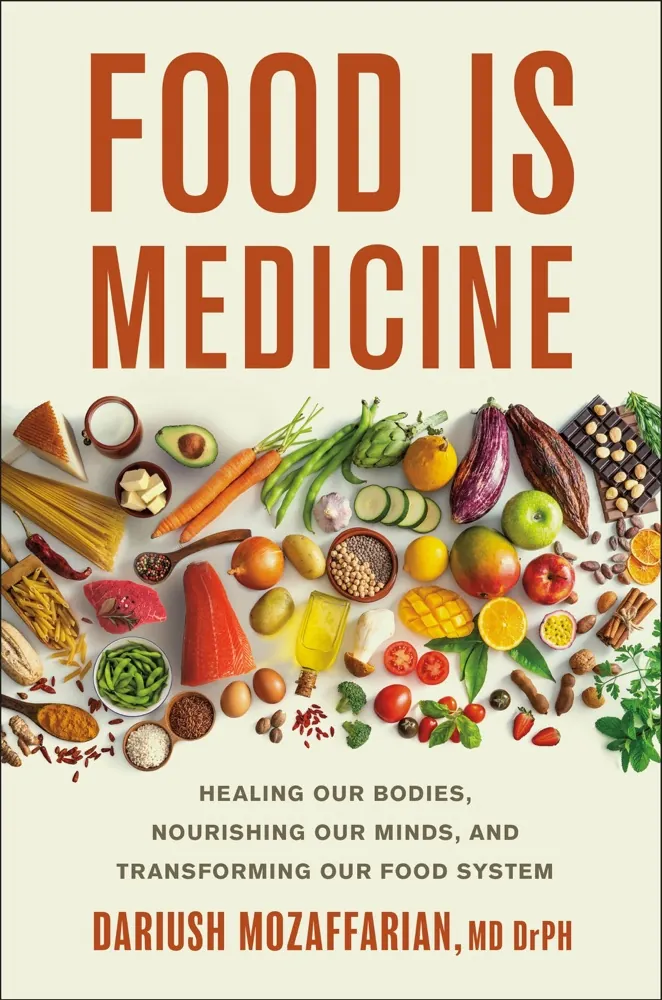
- Michael Brown
- 18 Aug, 2026 02:04
Food Is Medicine: Healing Our Bodies, Nourishing Our Minds, and Transforming Our Food System Book Review and Summary
Author: Dariush MozaffarianPage Count: UnknownPublication Date: Expected publication 2026-10-20 APL Diet has become the leading cause of illness and premature death. Tell that to someone who cares. Or rather, tell that to the kitchen floor of a house that hasn't seen a quiet Tuesday night in four years, where the pantry is a battlefield of beige cardboard boxes filled with hyper-palatable chemical constructs designed to hijack a developing brain. Dariush Mozaffarian wants to fix our plates. And our farms. And Congress. Right. Because the invisible hand of the free market is just dying to trade infinite shelf life for actual human biology. Food Is Medicine arrives with the heavy-handed optimism of a man who has never tried to negotiate a vegetable into a nine-year-old whose nervous system currently views broccoli as a personal threat to his physical safety. The Illusion of the Shopping List The synopsis promises cutting-edge science and a blueprint for a nutrition revolution. But let us be entirely serious for a moment. We do not suffer from a lack of blueprints. We suffer from a reality where working sixty hours a week makes a turnip look like an impossible logistical hurdle. Tell that to someone who cares. Mozaffarian argues that the real enemy isn't overeating, but what we undereat—the crucial nourishment missing from our lives. Yet the prose in this synopsis sounds awfully familiar. It carries the distinct scent of Michael Pollan’s Omnivore's Dilemma mixed with every policy white paper ever destined to collect dust in a legislative drawer. My youngest spent three solid months eating exclusively foods that were yellow and came out of a crinkly bag. Did I need a global authority to explain that this was suboptimal for his cellular repair? No. I needed five minutes of absolute silence and a grocery store that didn't price organic bell peppers like they were forged from solid gold. The book wants to tackle ultraprocessing. Good luck with that. The entire global economy is propped up by corn syrup and shelf-stable sadness. The Grand Strategy of the Kitchen Sink And while we are complaining about systemic failures, can we talk about the absolute disaster that is modern children's television? I am looking at you, CoComelon. The relentless, synthesized loops of hyper-stimulating nursery rhymes do to a toddler's dopamine receptors precisely what high-fructose corn syrup does to the liver. It rots them from the inside out, turning patience into a myth and quiet afternoons into a distant, faded memory. Both the screen and the cereal aisle are engineered by teams of PhDs who figured out how to bypass human free will before breakfast. Mozaffarian claims this upcoming text will bridge the gap between farms and supermarkets without sacrificing convenience. Bold words. We will see if the final product offers anything beyond standard public health scolding wrapped in academic jargon. I have to go outside now because the neighbor's unspayed calico has managed to climb twenty feet up the old oak tree again and it is howling like a banshee while my coffee goes completely cold on the counter. Related InsightsRise of the Dragon Book Review and Summary L'Occhio che ha Cambiato il Mondo: L'Ascesa Silenziosa della Fotografia Tascabile After Midnight Book Review and Summary{ "@context": "https://schema.org", "@type": "FAQPage", "mainEntity": [ { "@type": "Question", "name": "What is the main focus of Food Is Medicine: Healing Our Bodies, Nourishing Our Minds, and Transforming Our Food System Book Review and Summary?", "acceptedAnswer": { "@type": "Answer", "text": "Everything you need to know about Food Is Medicine: Healing Our Bodies, Nourishing Our Minds, and Transforming Our Food System with our detailed review." } }, { "@type": "Question", "name": "Who authored the comprehensive guide on Food Is Medicine: Healing Our Bodies, Nourishing Our Minds, and Transforming Our Food System Book Review and Summary?", "acceptedAnswer": { "@type": "Answer", "text": "This detailed article and its insights were carefully researched and authored by Michael Brown." } }, { "@type": "Question", "name": "Where can I find more related content about Books?", "acceptedAnswer": { "@type": "Answer", "text": "You can explore more articles, detailed reviews, and similar insights by browsing the Related Insights section at the bottom of this article or visiting our dedicated Books category page." } } ] }
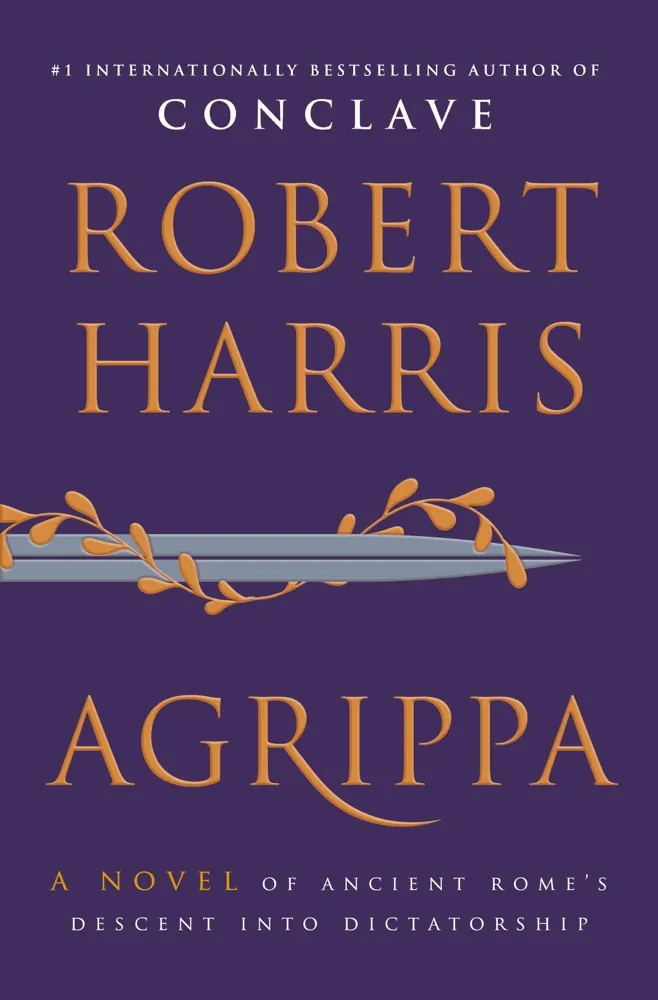
- Michael Brown
- 17 Aug, 2026 18:45
Agrippa: A Novel of Ancient Rome's Descent into Dictatorship Book Review and Summary
Author: Robert HarrisPage Count: UnknownPublication Date: Expected publication 2026-09-01 APL Smudge of lukewarm instant coffee rings right beside my elbow on the Formica, while someone upstairs screams about the exact configuration of a Lego spaceship. A Sunday morning should smell like pancakes. Instead, it smells like scorched toast and whatever terrifying chemical they use to clean cheap linoleum. Yet here I am, ignoring the sticky cereal bowls long enough to stare down Robert Harris returning to the mud and marble of the ancient world. The Weight of a Broken Entrance We are looking at a narrative engine built entirely on rejection. Born feet first—an ancient death sentence for the mother—and branded with a slur that somehow became a badge of supreme power. It is an old trick, granting your protagonist a monstrous origin story so we can watch them claw their way back into the light, or perhaps deeper into the dark. Think Colleen McCullough’s The First Man in Rome, but stripped of the academic bloat and weaponized for a modern thriller market obsessed with institutional decay. And why does every historical heavyweight insist on giving us these wounded boys who find solace only in the absolute subjugation of the Mediterranean? My five-year-old just tried to launch a half-eaten grape across the room and hit the cat. Missed completely, obviously. The cat didn't even blink. Just sat there absorbing the indignity of existence with the stoic resignation of a Roman senator watching his republic dissolve into an autocracy. Kids are basically tiny, chaotic tyrants anyway, demanding absolute obedience over bedtime routines while weaponizing exhaustion. We spend half our lives trying to undo the damage of our own early years, or at least smoothing out the rough edges so our kids don't grow up to march legions across the Rubicon. Or maybe we just read about violent military commanders because the alternative is listening to another verse of that infernal blue cartoon dog song. Actually, scratch that entire parenting angle. It's a cheap lens for this kind of high-stakes political machinery. Harris doesn't care about childhood healing arcs. He cares about the cold, unyielding mechanics of how democracies quietly surrender to strongmen. The Machinery of Autocracy The synopsis leans hard on the old trope of the loyal bodyguard turned architect of tyranny. Octavius inherits a crown of ash, and our plebeian hero acts as the merciless instrument of his will. But let us be honest about the promotional copy itself—it reads like a breathless press release trying desperately to ride the coattails of Conclave. We get the standard beats: the chance encounter, the battlefield prowess, the tragic betrayal in the Senate. It is dangerously vague. It promises the earth while hiding the actual architecture of the prose. Yet Harris rarely misses when he steps into the toga. Dictator proved he understands the grubby, transactional nature of power better than almost anyone else writing historical fiction today. He knows that empires do not fall to grand ideological shifts. They fall because men with nicknames like "mother killer" decide that survival requires the systematic destruction of their opponents. Must pull on my soaked nylon windbreaker now and pedal hard against the worsening drizzle just to clear the static out of my skull before someone asks for lunch. Related InsightsFirst Love Last Love: A Novel Book Review and Summary Stolen Heir Book Review and Summary Haunting Adeline Book Review and Summary{ "@context": "https://schema.org", "@type": "FAQPage", "mainEntity": [ { "@type": "Question", "name": "What is the main focus of Agrippa: A Novel of Ancient Rome's Descent into Dictatorship Book Review and Summary?", "acceptedAnswer": { "@type": "Answer", "text": "Everything you need to know about Agrippa: A Novel of Ancient Rome's Descent into Dictatorship with our detailed review." } }, { "@type": "Question", "name": "Who authored the comprehensive guide on Agrippa: A Novel of Ancient Rome's Descent into Dictatorship Book Review and Summary?", "acceptedAnswer": { "@type": "Answer", "text": "This detailed article and its insights were carefully researched and authored by Michael Brown." } }, { "@type": "Question", "name": "Where can I find more related content about Books?", "acceptedAnswer": { "@type": "Answer", "text": "You can explore more articles, detailed reviews, and similar insights by browsing the Related Insights section at the bottom of this article or visiting our dedicated Books category page." } } ] }
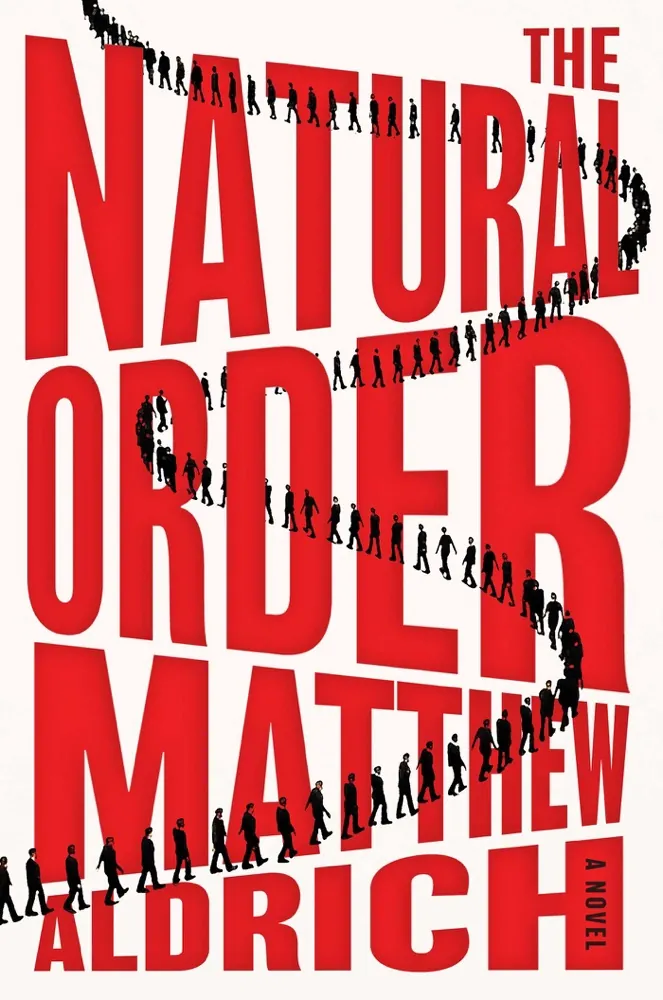
Author: Matthew AldrichPage Count: UnknownPublication Date: Expected publication 2026-10-27 APL The book synopsis has a certain... allure to it. The Natural Order, a novel by Matthew Aldrich, promises an unflinching look at our dystopian future. Paul Whitmore, the world's wealthiest man, has cracked the code to eternal life—a notion that should excite us, yet the author's warning signs are waving frantically like a reckless driver on a highway. The setup is straightforward: a billionaire with a foolproof plan to stop aging, an extremist group hell-bent on foiling his plans, and a tense reunion with his estranged son. It's a familiar, yet intriguing combination—think The Road meets The Immortalists with a dash of Black Mirror. The stakes are clear: the future of humanity hangs in the balance, and the protagonist's fragile family bond is put to the test. However, I find myself questioning the vagueness of it all. What does this "method" really entail? How does it work? These unanswered questions leave me with an unsettling feeling, as if the author is deliberately withholding crucial information. It's like being shown a fascinating but incomplete blueprint—enough to pique my curiosity, but not enough to fully commit to the project. This is where The Natural Order starts to feel like a Frankenstein's monster of themes and ideas. We have our familiar dystopian warning signs, our tech-obsessed billionaire, and our family drama. It's a mix that should resonate with fans of authors like Kim Stanley Robinson and Margaret Atwood, but somehow it feels... unrefined. Like a still-learning screenwriter trying too hard to make a point. Yet, despite my reservations, I can see the sparks flying. There's a potential richness here—this is a novel that could grapple with issues of technology, longevity, and the human condition in ways that would make for a thought-provoking and unsettling read. Aldrich has set the stage for a thought-provoking exploration of what it means to be human in a world where our mortality is a distant memory. I'm not yet convinced that The Natural Order will deliver on its promise, but I'm willing to give it a shot. With the right execution, this could be a haunting and humane novel that lingers in the reader's mind long after the final page is turned. Literally. Reviewing life insurance policies is not exactly my idea of a fun afternoon activity. #DystopianFiction #FutureScopes #EternalLife Related InsightsAnother Life Book Review and Summary Amarilla Book Review and Summary New Year's Grieve Book Review and Summary{ "@context": "https://schema.org", "@type": "FAQPage", "mainEntity": [ { "@type": "Question", "name": "What is the main focus of The Natural Order: A Novel Book Review and Summary?", "acceptedAnswer": { "@type": "Answer", "text": "Everything you need to know about The Natural Order: A Novel with our detailed review." } }, { "@type": "Question", "name": "Who authored the comprehensive guide on The Natural Order: A Novel Book Review and Summary?", "acceptedAnswer": { "@type": "Answer", "text": "This detailed article and its insights were carefully researched and authored by Michael Brown." } }, { "@type": "Question", "name": "Where can I find more related content about Books?", "acceptedAnswer": { "@type": "Answer", "text": "You can explore more articles, detailed reviews, and similar insights by browsing the Related Insights section at the bottom of this article or visiting our dedicated Books category page." } } ] }
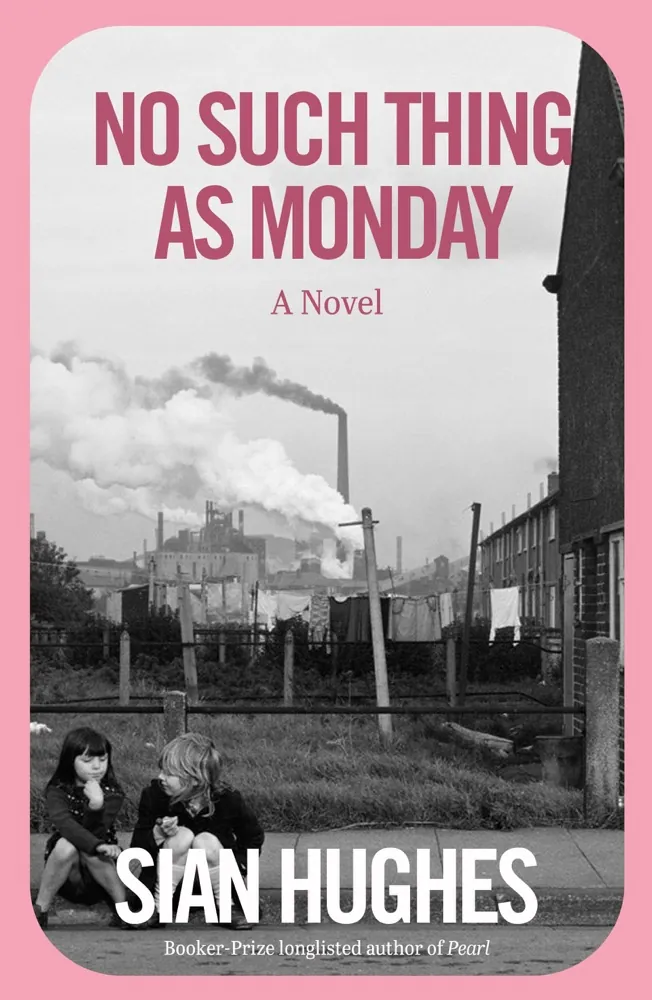
Author: Siân HughesPage Count: UnknownPublication Date: Expected publication 2026-11-10 APL Rain keeps drumming against the windowpane with the steady, heavy persistence of an unresolved argument from ten years ago. Siân Hughes is dropping No Such Thing as Monday upon us soon, and the publishing houses are already whispering about redemption arcs like they can be neatly packaged and sold at duty-free shops. The Architecture of Bruises Look at the premise. A dry cleaner. An impoverished father. The classic golden child holding the hand of a monster while the scapegoat runs for the horizon. It is a heavy pitch. But wait—actually, let me walk that back entirely. The synopsis leans so hard into the working-class misery trope that it borders on a caricature of British grit. We have seen this exact scaffolding before. Douglas Stuart builds these monuments to suffering with terrifying precision. Shuggie Bain left us gasping for air because the love in the filth felt earned. Does Hughes manage that same claustrophobic magic? The synopsis gives almost nothing away about the actual mechanics of the prose, hiding behind industry buzzwords like "scrappy" and "sardonic." And speaking of abrasive children—why must modern media insist on making every single adolescent character talk like a disillusioned thirty-year-old philosophy major who just discovered gin? My youngest has been watching some blindingly neon cartoon where a magical dog fixes every emotional rupture in twenty-two minutes flat with a catchy jingle and an apology. It makes me want to drive my car directly into the nearest hardware store. Real life doesn't resolve in a brightly colored montage. It staggers forward in the rain, smelling faintly of old bleach and cheap cigarettes, exactly where Steffie stands over her dead father. The Geography of Absence The real engine of this novel won't be the death of the old man. No. It will be the silence he left behind. Caroline fled, and Steffie stayed. That asymmetry is the only part of the synopsis that actually hurts. We carry the weights we choose, or the weights our parents glued to our spines before we had the vocabulary to resist. Hughes wants us to believe in a quest for forgiveness. Yet forgiveness is a lazy literary destination. True survival is just waking up on a Tuesday and deciding not to throw the iron through the front window. If the book leans too heavily into the comedy of working-class despair, it risks turning real trauma into a quirky indie film script. I am going to read a battered copy of Kerouac until the sun comes up. #SiânHughes #ContemporaryFiction #BookCritics Related InsightsThe Son of Neptune Book Review and Summary Kill For Her (Bree Taggert #11) Book Review and Summary Nobody's Fool Book Review and Summary{ "@context": "https://schema.org", "@type": "FAQPage", "mainEntity": [ { "@type": "Question", "name": "What is the main focus of No Such Thing as Monday Book Review and Summary?", "acceptedAnswer": { "@type": "Answer", "text": "Everything you need to know about No Such Thing as Monday with our detailed review." } }, { "@type": "Question", "name": "Who authored the comprehensive guide on No Such Thing as Monday Book Review and Summary?", "acceptedAnswer": { "@type": "Answer", "text": "This detailed article and its insights were carefully researched and authored by Michael Brown." } }, { "@type": "Question", "name": "Where can I find more related content about Books?", "acceptedAnswer": { "@type": "Answer", "text": "You can explore more articles, detailed reviews, and similar insights by browsing the Related Insights section at the bottom of this article or visiting our dedicated Books category page." } } ] }
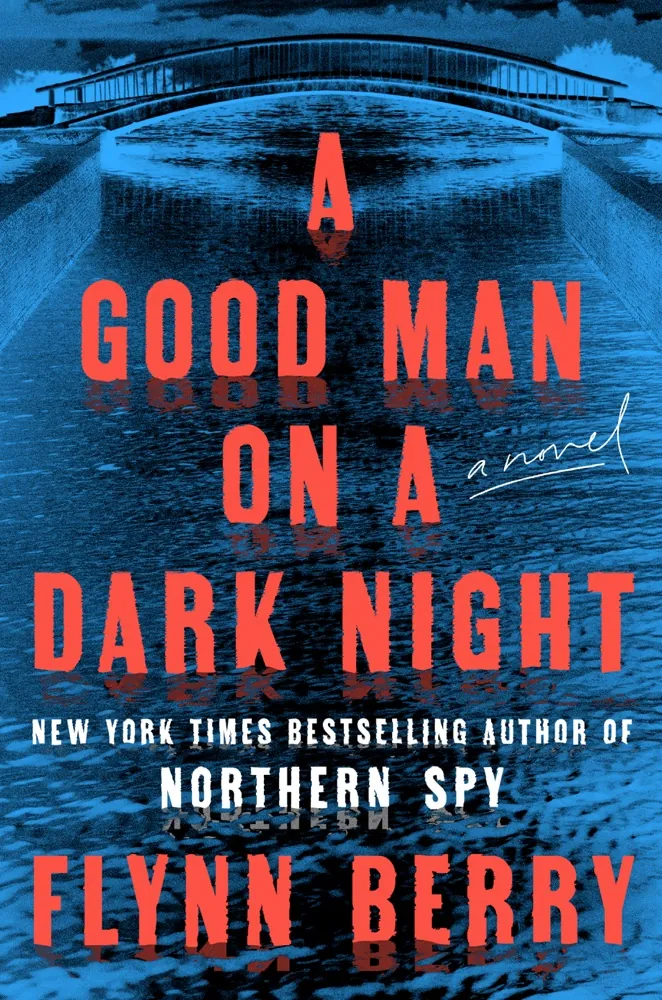
Author: Flynn BerryPage Count: UnknownPublication Date: Expected publication 2026 APL Flynn Berry is back with A Good Man on a Dark Night, and the industry is already losing its collective mind over a premise that relies entirely on an agency operative hiding in plain sight by a riverbank. I mean, sure, if you say so. Because when shadow-shrouded spooks routinely approach exhausted private nurses near the Potomac to demand state secrets, we just nod along and accept the geopolitical calculus. The Architecture of Paranoia The plot hinges on a classic institutional squeeze. Eleanor commutes from the quiet countryside into Washington, D.C.—the eternal playground of bureaucrats who have never patched a knee or sat vigil over a fever chart—only to be conscripted into an espionage game. Yet the synopsis remains maddeningly vague about the actual mechanics of the betrayal. What does Anna allegedly hide? A secret? Heavens forbid. We get the standard-issue thriller boilerplate about impossible choices and fractured trust. It feels less like a precise narrative architecture and more like a loose collection of mood boards designed for readers who consume John le Carré via TikTok summaries. Shadows and Playgrounds Speaking of manufactured tension, I spent forty-five minutes this morning trying to convince a small person that socks are not, in fact, instruments of state torture designed to strip away their autonomy. That is real resistance. That is the kind of trench warfare where you bargain with a tiny dictator over wool versus cotton while the coffee goes cold on the counter. Meanwhile, Berry’s characters are sipping tea and forging deep, soul-baring bonds with their assigned targets while the whole apparatus of the federal government watches from the bushes. Give me a break. Real betrayal happens when someone eats the last yogurt you specifically labeled with masking tape, not when a trench-coated cipher blackmails you into spying on a foreign service officer. The Predictable Trajectory Expect the usual cat-and-mouse choreography, complete with lingering glances across sterile office spaces and whispered conversations that should definitely be happening over encrypted messaging apps instead of a park bench. Berry writes lean, propulsive prose—evidenced by the success of Northern Spy—so the pacing will likely swallow up any glaring logic gaps. But I am exhausted by stories where women are forced to weaponize their empathy just to survive institutional machinery. We have enough systemic weight bearing down on us without turning friendship into a high-stakes intelligence asset. I am going to take a nap, assuming the house doesn't burn down first. Related InsightsExtremely Loud & Incredibly Close Book Review and Summary Sometimes I Scare Myself: A Collection of Horror Book Review and Summary Finding Mr Write Book Review and Summary{ "@context": "https://schema.org", "@type": "FAQPage", "mainEntity": [ { "@type": "Question", "name": "What is the main focus of A Good Man on a Dark Night Book Review and Summary?", "acceptedAnswer": { "@type": "Answer", "text": "Everything you need to know about A Good Man on a Dark Night with our detailed review." } }, { "@type": "Question", "name": "Who authored the comprehensive guide on A Good Man on a Dark Night Book Review and Summary?", "acceptedAnswer": { "@type": "Answer", "text": "This detailed article and its insights were carefully researched and authored by Michael Brown." } }, { "@type": "Question", "name": "Where can I find more related content about Books?", "acceptedAnswer": { "@type": "Answer", "text": "You can explore more articles, detailed reviews, and similar insights by browsing the Related Insights section at the bottom of this article or visiting our dedicated Books category page." } } ] }
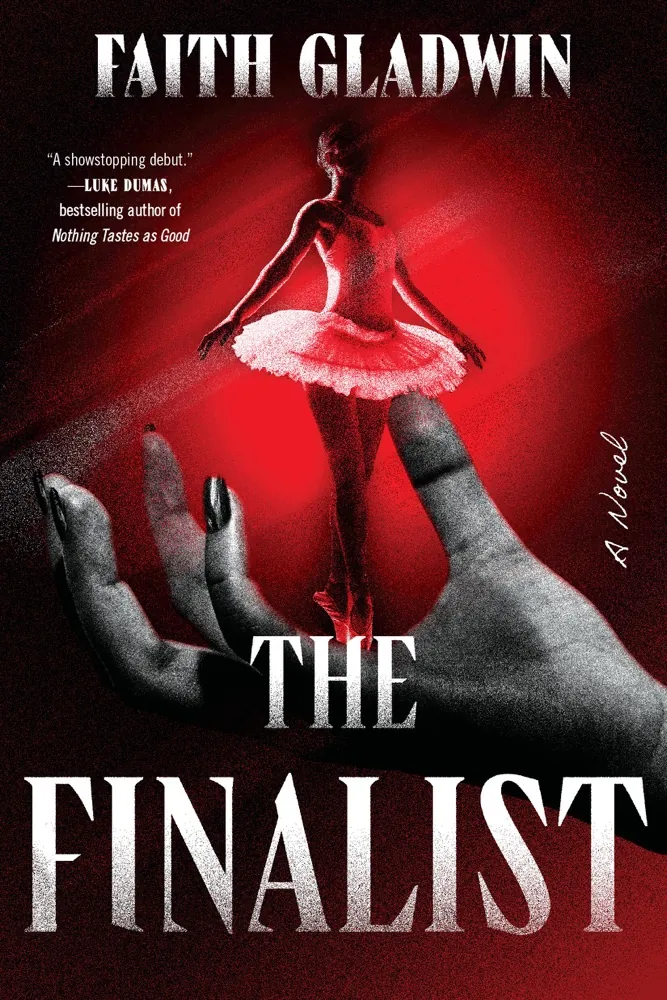
Author: Faith GladwinPage Count: UnknownPublication Date: Expected publication 2026-10-06 APL The synopsis for The Finalist reads like a fever dream stitched together from the discarded drafts of a gothic romance that never quite made it past the first act of a bad Netflix series. Seven ballerinas—seven?—trapped in a cursed manor where the house itself is a predatory entity, devouring the weakest one by one. And the stakes? A single audition. One lead role. One tragic, alluring ex-ballerina who might as well be a siren luring them to their doom. It’s the kind of premise that makes you wonder if the author was channeling The Hunger Games meets Black Swan while also nodding to the kind of campfire horror that belongs in a YA novel that got lost in translation. But here’s the thing—this isn’t just a gimmick. It’s a trap. The synopsis leans so hard into the "cursed house" trope that it forgets the house isn’t the real villain. The real villain is the audition itself, the idea that perfection is a performance, that art is violence, and that the body is always the first casualty. Eden, the protagonist, isn’t just a ballerina—she’s a ticking time bomb, her body already failing her, her ambition a kind of self-sabotage. And yet, the synopsis doesn’t show this. It tells us Eden is "punished" by her body, but it doesn’t tell us how that punishment manifests. Is it the kind of quiet, grinding exhaustion that comes from dancing until your bones scream? Or is it something more visceral, something that hints at the kind of trauma that would make a reader flinch? The vagueness here is deliberate, but it’s also lazy. It’s the difference between Rebecca and The Others—one leaves you breathless with dread, the other just leaves you confused. The synopsis also plays into the dangerous fantasy of the "tragic artist," the kind of figure who is both revered and reviled, who is both a muse and a monster. Leanora Karagianni is described as "mysterious, alluring, tragic"—a cliché so overused it’s lost its bite. But then again, the synopsis doesn’t give us enough to care. Is she a ghost? A villain? A victim? The way the text oscillates between her as a mentor figure and a seductive force of destruction is telling. It’s the same kind of ambiguity that makes The Lovely Bones work—except The Lovely Bones had the decency to actually show us the horror, not just hint at it like a bad horror movie trailer. And don’t even get me started on the "house that swallows the weakest one by one." This isn’t just a gothic house—it’s a metaphor for the audition process itself, the way art consumes its practitioners. But the synopsis doesn’t explore this. It just drops it like a red herring, as if the reader is supposed to fill in the blanks with their own worst fears. It’s the literary equivalent of a jump scare in a horror movie—you know it’s coming, but you don’t know how bad it’s going to be. The real question is: does The Finalist have the guts to deliver on this premise, or is it just another book that promises psychological horror but delivers campy melodrama? The synopsis suggests the latter. It’s the kind of writing that makes you think of The Secret History—but without the intellectual rigor, without the sharp, biting prose that makes it feel like a masterclass in moral ambiguity. Instead, it feels like it was written by someone who read too many fanfiction drafts and decided to turn them into a novel. But here’s the thing—if the book does deliver, if it actually commits to the psychological unraveling of its characters, if it turns the audition into a metaphor for the violence of art itself, then it could be something. It could be the kind of book that lingers, the kind that makes you question whether the house is the real enemy or if the enemy is the idea of perfection itself. But right now? It’s just a synopsis that smells like a missed opportunity. Literally. Must fire up the grill before the neighborhood barbecue descends into anarchy. #GothicHorror #BallerinaTrouble #CursedManorSeason Related InsightsDaisy Jones & The Six Book Review and Summary The Sun Also Rises Book Review and Summary Haunting Adeline Book Review and Summary{ "@context": "https://schema.org", "@type": "FAQPage", "mainEntity": [ { "@type": "Question", "name": "What is the main focus of The Finalist Book Review and Summary?", "acceptedAnswer": { "@type": "Answer", "text": "Everything you need to know about The Finalist with our detailed review." } }, { "@type": "Question", "name": "Who authored the comprehensive guide on The Finalist Book Review and Summary?", "acceptedAnswer": { "@type": "Answer", "text": "This detailed article and its insights were carefully researched and authored by Michael Brown." } }, { "@type": "Question", "name": "Where can I find more related content about Books?", "acceptedAnswer": { "@type": "Answer", "text": "You can explore more articles, detailed reviews, and similar insights by browsing the Related Insights section at the bottom of this article or visiting our dedicated Books category page." } } ] }