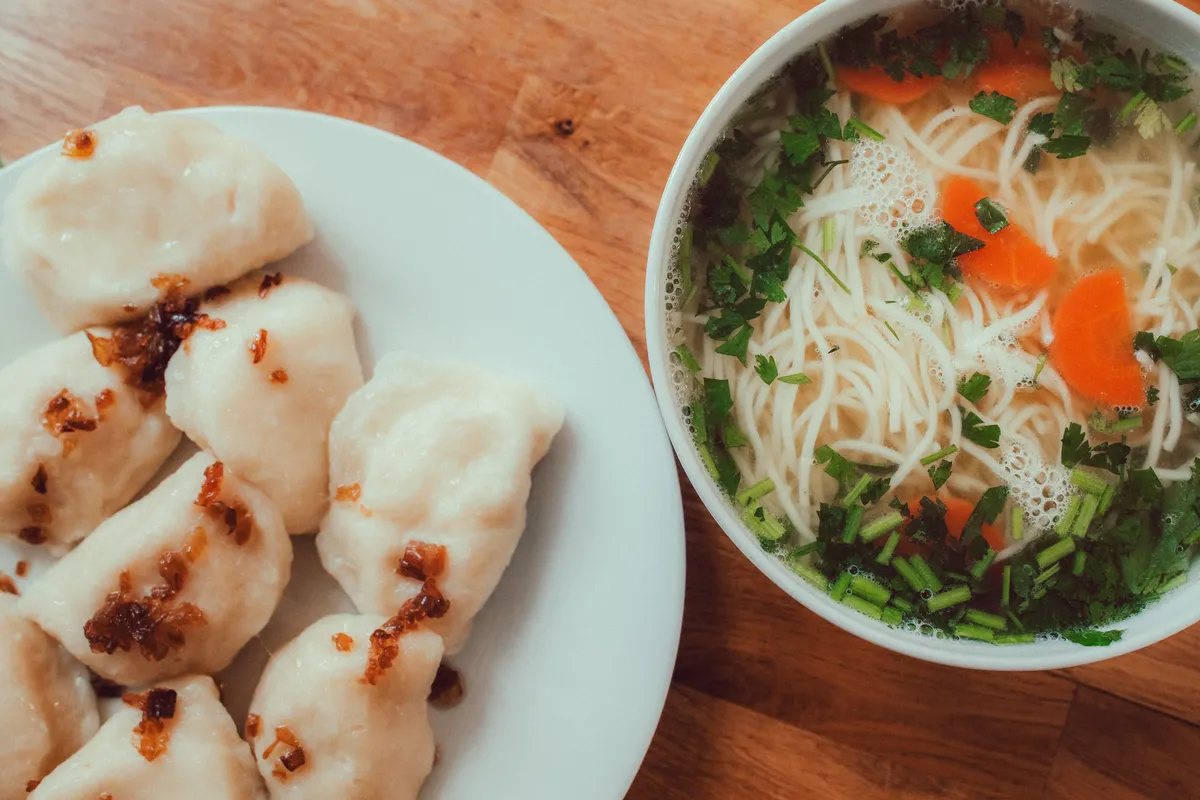
In the heart of Eastern Europe, where the air is crisp and the land is fertile, lies a culinary treasure that has been delighting palates for centuries. Pierogi, the traditional Polish dish, has become an integral part of the region’s gastronomic heritage, with its origins dating back to at least 1682. These filled dumplings, made by wrapping unleavened dough around a variety of sweet and savory fillings, have captured the hearts of many, and their popularity extends far beyond the borders of Poland.
A Brief History of Pierogi
The word “pierogi” is derived from the Proto-Slavic *pirъ, meaning “feast,” and is closely related to the Russian word “pirog,” meaning “pie.” This etymological connection highlights the dish’s common Slavic origins, which predate the modern nation-states and their standardized languages. While the exact origin of pierogi is unknown and unverifiable, it is believed that dumplings similar to pierogi were introduced to Europe from China during the Middle Ages. Some theories suggest that Marco Polo’s expeditions through the Silk Road may have played a role in the spread of pierogi, while others propose that the dish was brought to Eastern Europe by Saint Hyacinth of Poland from the Far East.
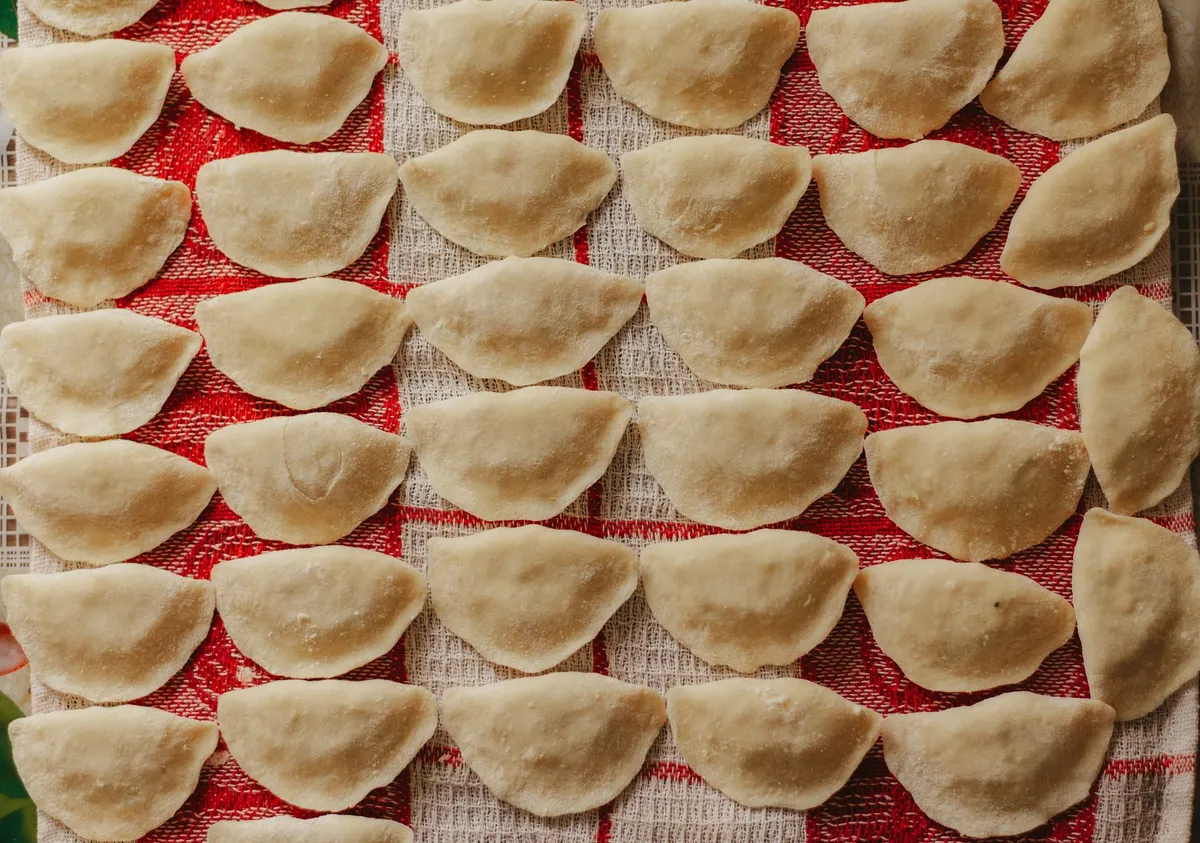 The first written records of pierogi can be found in Poland’s first cookbook, “Compendium ferculorum, albo Zebranie potraw,” published in 1682. This cookbook provides a glimpse into the culinary practices of the time, showcasing the diversity of fillings and cooking methods used in pierogi. From savory fillings like ground meat and sauerkraut to sweet fillings like fruits and berries, the possibilities are endless.
Fillings and Preparation
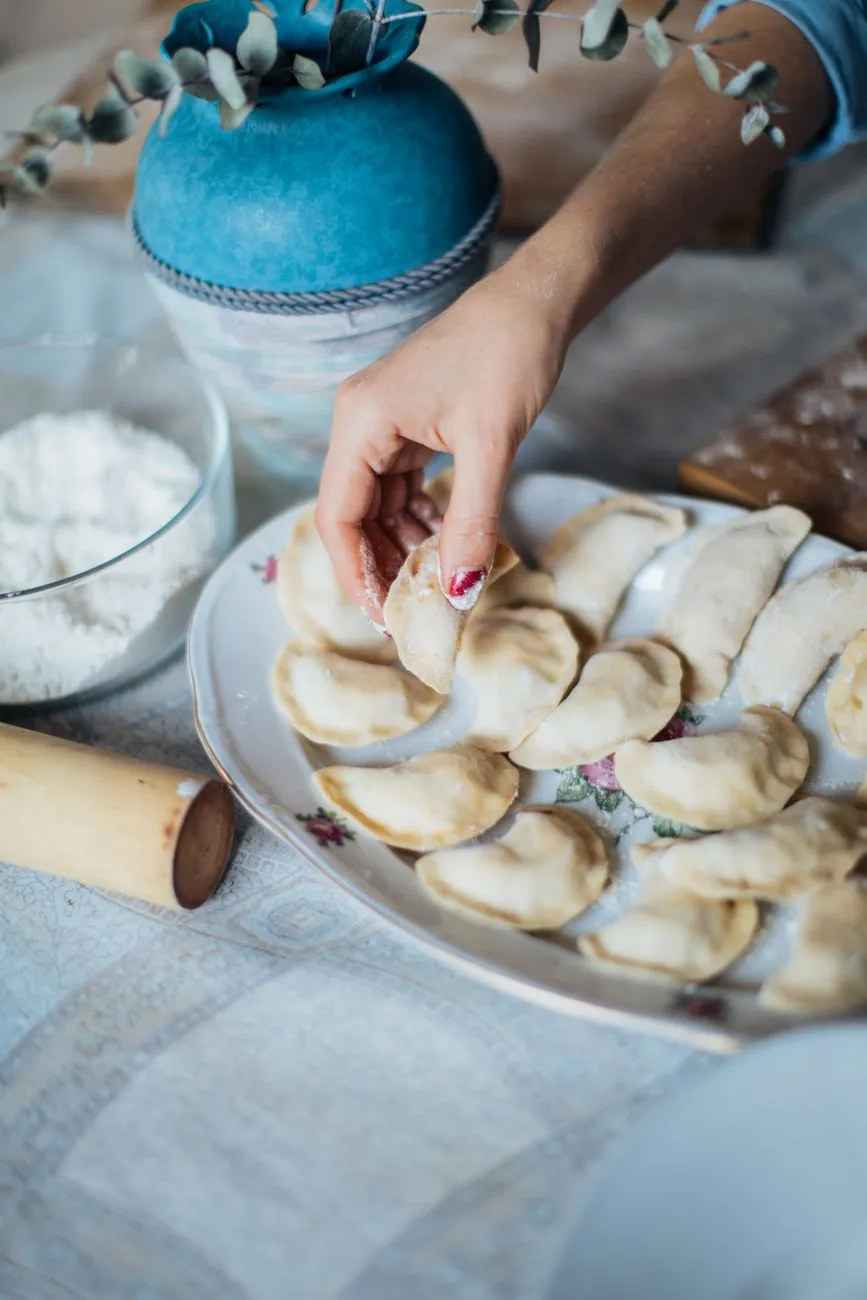
Pierogi can be stuffed with a wide variety of ingredients, depending on the cook’s preferences. Savory fillings like mashed potatoes, fried onions, and quark or farmer cheese are popular, while dessert versions can be filled with sweetened quark or fresh fruits like cherry, strawberry, or blueberry. The dough, made by mixing flour and warm water, sometimes with an egg, is rolled flat and cut into squares or circles. The filling is then placed in the middle, and the dough is folded over to form a half circle or rectangle. The seams are pressed together to seal the pierogi, ensuring that the filling remains inside during cooking.
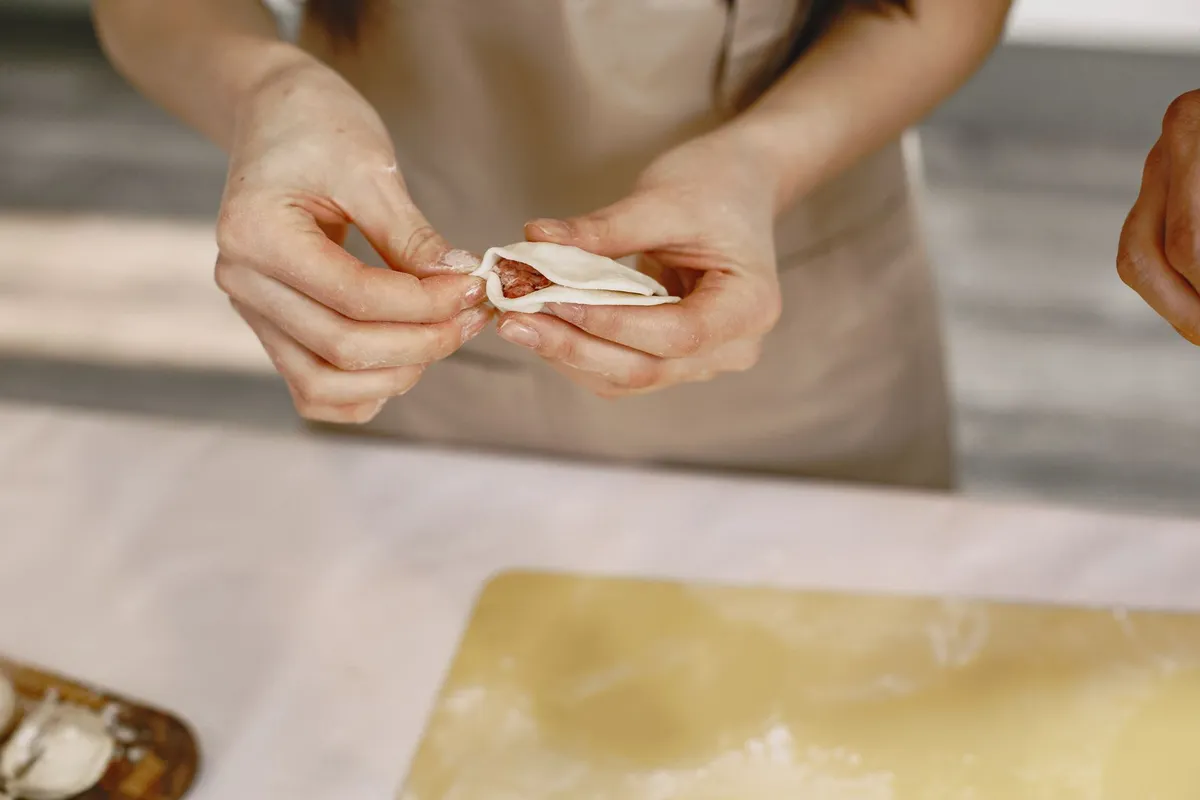 The preparation of pierogi is an art form in itself. The dough can be made with some mashed potato, creating a smoother texture, or with curd and eggs, salt, and water, as is popular in Slovakia. The pierogi are then simmered until they float, drained, and sometimes fried or baked in butter before serving. They can be served with melted butter or sour cream, or garnished with small pieces of fried bacon, onions, and mushrooms. Dessert varieties may be topped with apple sauce, jam, or varenye.
Countries and Variations
Pierogi have become an integral part of the cuisine in many Eastern European countries. In Poland, they are a staple of the diet, with each holiday having its own special kind of pierogi. The Biłgoraj pierogi, stuffed with buckwheat, potatoes, and cheese, and then baked in the oven, is a famous variation. In Ukraine, a related but distinct type of filled dumpling is known as varenyky, which are traditionally boiled but can also be steamed. The Slovak term for dumplings filled with sheep milk cheese is bryndzové pirohy, while the Romanian term for filled dumplings is colțunași.
 In Canada and the United States, pierogi have become a popular dish, with many restaurants and festivals celebrating the culinary delights of Eastern Europe. The 2007 Pierogi Festival in Kraków, where 30,000 pierogi were consumed daily, is a testament to the dish’s enduring popularity. Whether savory or sweet, pierogi have captured the hearts of many, and their rich history and cultural significance continue to inspire new generations of food enthusiasts.
Conclusion
Pierogi, the traditional Polish dish, is more than just a meal – it’s a culinary experience that brings people together. With its rich history, diverse fillings, and cultural significance, pierogi have become an integral part of Eastern European cuisine. Whether you’re a food enthusiast or just looking to try something new, pierogi are sure to delight your taste buds and leave you wanting more.
#Pierogi #PolishCuisine #EasternEuropeanFood #TraditionalDishes #FoodieAdventures #CulinaryDelights #Dumplings #SlavicCuisine