Where the Wild Things Roam: The World’s Most Unforgettable Wildlife Encounters
-
 Zola Ndlovu
 - 17 Aug, 2026 07:35
The Serengeti’s Great Migration: A Symphony of Survival
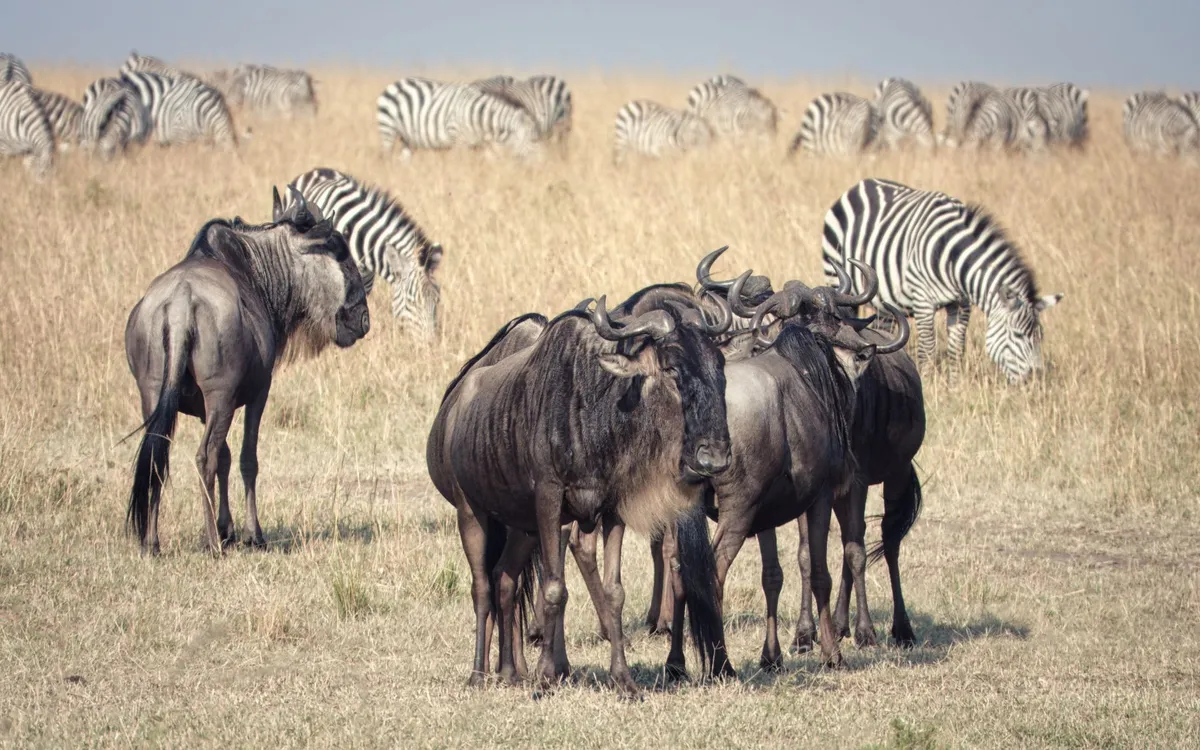
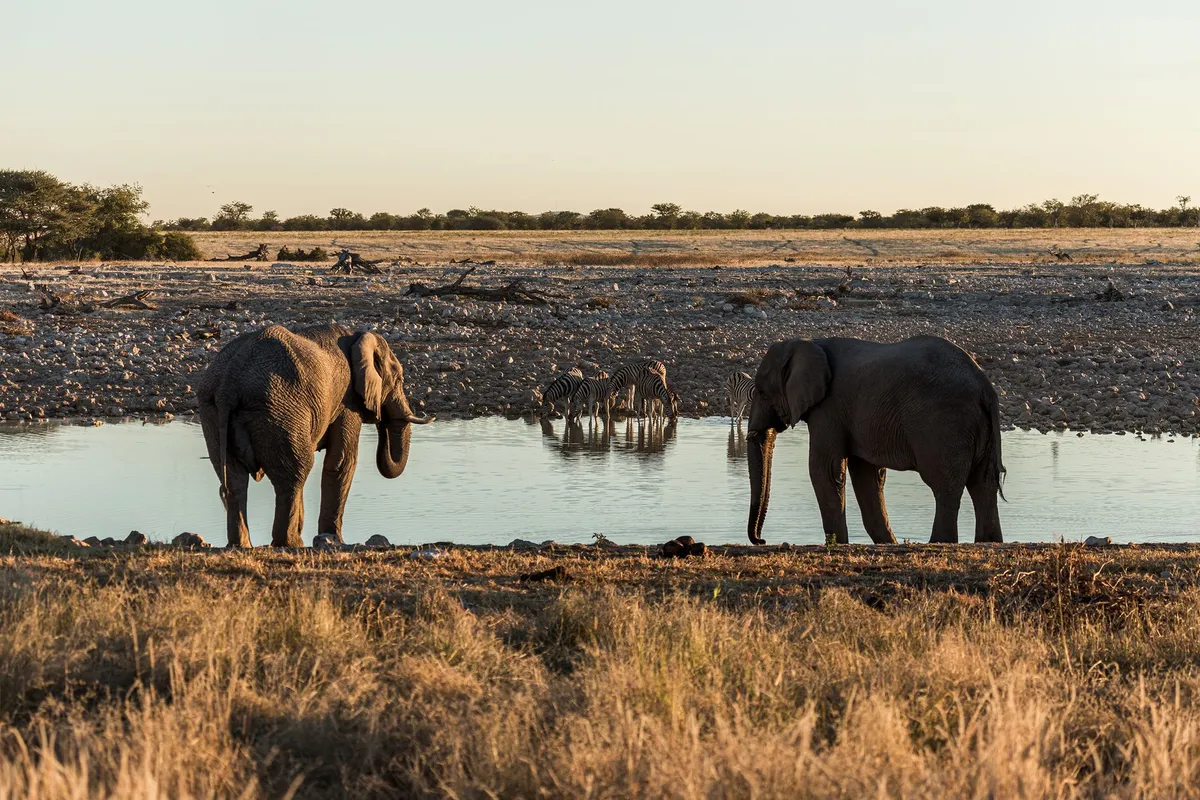
Few spectacles on Earth rival the raw, unfiltered drama of the Great Migration in the Serengeti. Every year, over 1.5 million wildebeest, 200,000 zebras, and 500,000 gazelles embark on a 1,800-mile circular journey across the plains of Tanzania and Kenya, driven by ancient instincts and the relentless search for fresh grazing. This isn’t just a migration—it’s a survival epic where predators lurk at every turn. Lions, cheetahs, and crocodiles lie in wait, turning river crossings into life-and-death battles. The Mara River, in particular, is a notorious killing field, where thousands of wildebeest drown or are snatched by Nile crocodiles in a single crossing.
To witness this phenomenon, time your visit between July and October, when the herds converge in Kenya’s Maasai Mara. Opt for a guided safari with operators like &Beyond or Asilia Africa, who offer mobile camps that follow the migration’s path. For the most intimate experience, consider a hot-air balloon safari at dawn, where you’ll float above the plains as the first light reveals the endless sea of animals below. The cost? Expect to spend $3,000–$6,000 for a 7–10-day luxury safari, including park fees ($70 per day for non-residents), accommodations, and guided game drives. Budget travelers can find mid-range options for $1,500–$2,500, but be prepared for basic lodges and shared game drives.
The Serengeti isn’t just about the migration, though. The park is home to over 500 bird species, including the iconic secretary bird, and rare predators like the African wild dog. For a deeper dive, visit the Seronera Valley, where leopards are frequently spotted lounging in acacia trees. Pro tip: Bring a high-quality zoom lens (300mm or more) to capture the action without disturbing the animals. And don’t forget to pack neutral-colored clothing—bright colors can spook wildlife and ruin your shot.
The Amazon Rainforest: Earth’s Last Great Wilderness
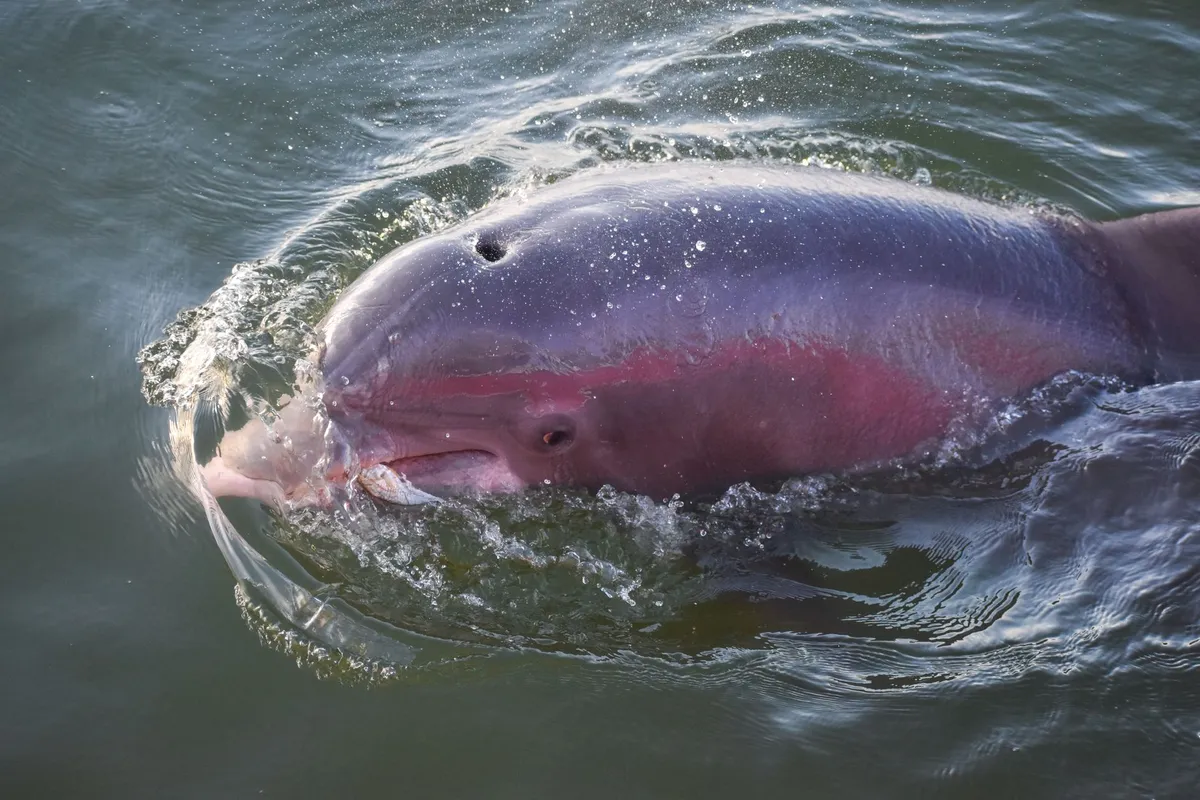
The Amazon isn’t just the largest rainforest on Earth—it’s a living, breathing ecosystem that defies comprehension. Stretching over 5.5 million square kilometers across nine countries, it’s home to 10% of the world’s known species, including jaguars, harpy eagles, and the elusive pink river dolphin. The sheer biodiversity here is staggering: one hectare of Amazon rainforest can contain more tree species than all of Europe. But the Amazon is more than just a wildlife hotspot—it’s a place where indigenous cultures, like the Yanomami and the Kayapó, have thrived for millennia, their survival intricately tied to the forest’s rhythms.
To explore this wonder, base yourself in Manaus, Brazil, the gateway to the Amazon. From there, take a multi-day riverboat expedition into the heart of the rainforest. Companies like Amazon Eco Adventures and Dersa offer all-inclusive tours that include guided hikes, night safaris, and visits to local communities. A 5-day tour typically costs $1,200–$2,500, covering accommodations in eco-lodges, meals, and expert guides. For a truly immersive experience, stay at the Cristalino Lodge in Mato Grosso, where you can trek canopy walkways to spot monkeys and toucans or take a dawn canoe ride to see giant otters in the wild.
The Amazon’s wildlife is most active at dawn and dusk, so plan your excursions accordingly. Listen for the haunting calls of howler monkeys at sunrise or the rustling of leaves as a tapir forages at night. Birdwatchers will be in heaven—over 1,300 species call the Amazon home, including the vibrant hyacinth macaw. But the forest’s magic isn’t just in its animals. The Amazon’s rivers are its lifeblood, teeming with pink dolphins, caimans, and piranhas. A nighttime canoe trip along the Rio Negro offers a chance to see the water glow with bioluminescent plankton, a surreal experience that feels like stepping into another world.
Antarctica: The Frozen Kingdom of Penguins and Whales
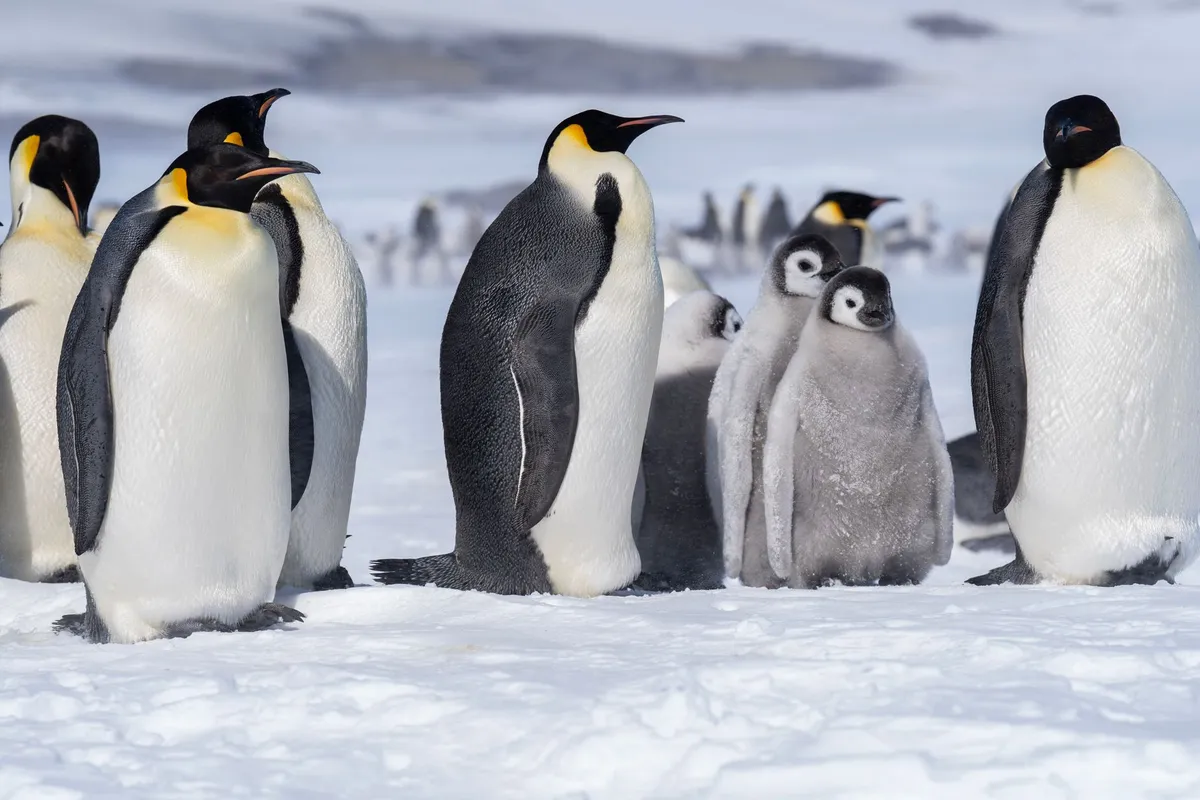
Antarctica is the last true wilderness—a continent untouched by permanent human settlement, where temperatures plummet to -80°C and winds howl at 200 mph. Yet, despite its harsh conditions, it’s a haven for wildlife. Over 100 million seabirds nest here, including 5 million pairs of Adélie penguins, while leopard seals, orcas, and humpback whales patrol the icy waters. The Antarctic Peninsula, particularly the islands of the South Shetlands and the Gerlache Strait, is the best place to witness this frozen spectacle. Here, you can stand just meters away from chinstrap penguins waddling across volcanic beaches or watch orcas breach in the frigid waters.
Visiting Antarctica isn’t cheap—it’s one of the most exclusive wildlife destinations on Earth. Most travelers arrive by expedition cruise ship, with trips lasting 10–21 days. Companies like Hurtigruten, Quark Expeditions, and Lindblad Expeditions offer voyages that include landings by Zodiac boat, expert lectures on glaciology and wildlife, and even polar plunges for the adventurous. A 14-day trip typically costs $12,000–$25,000, depending on cabin type and itinerary. Budget-conscious travelers can opt for shorter trips or last-minute deals, but be prepared to spend at least $8,000 for a basic experience.
The best time to visit is during the austral summer (November–March), when temperatures hover around -2°C to 8°C. December and January are peak months for penguin chicks hatching, while February offers the best whale-watching opportunities as orcas and humpbacks feed on krill. On shore, you’ll explore penguin colonies, hike glaciers, and even visit research stations like Port Lockroy, a historic British base turned museum. For the ultimate experience, consider a fly-cruise option, which cuts travel time by flying to King George Island and boarding your ship there, saving days at sea.
The Galápagos Islands: Darwin’s Living Laboratory
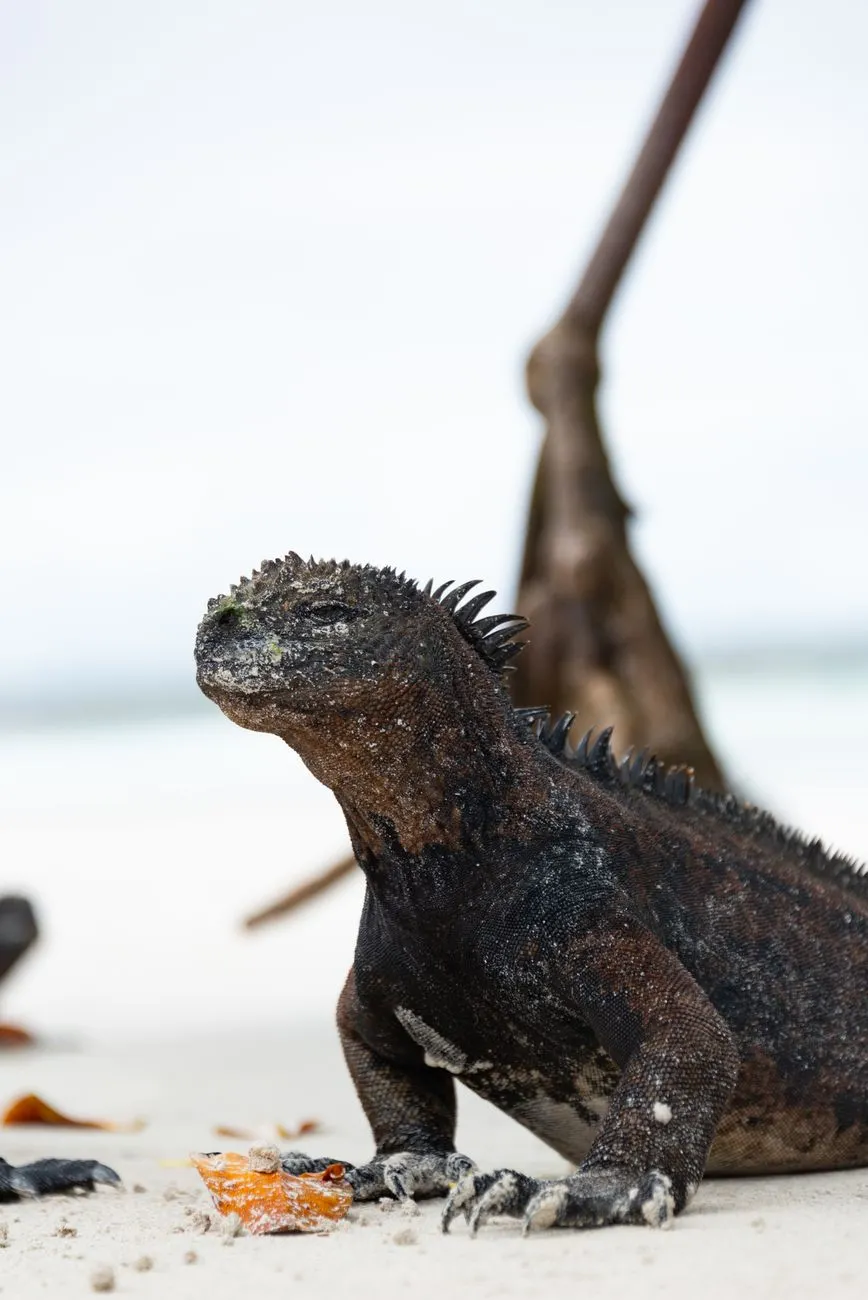
The Galápagos Islands are where Charles Darwin first formulated his theory of evolution, and today, they remain one of the most pristine wildlife destinations on Earth. Located 1,000 kilometers off the coast of Ecuador, these volcanic islands are home to species found nowhere else, including the giant tortoise, the marine iguana, and the blue-footed booby. The islands’ isolation has led to remarkable adaptations—marine iguanas, the world’s only seagoing lizards, graze on algae underwater, while flightless cormorants have evolved to dive for fish in the deep waters.
To explore the Galápagos, you’ll need to book a liveaboard cruise or stay on one of the main islands (Santa Cruz, Isabela, or San Cristóbal). The National Park requires all visitors to be accompanied by a licensed guide, and most tours operate under strict sustainability guidelines to protect the fragile ecosystem. A 5–8-day cruise with operators like Metropolitan Touring or Ecoventura costs $4,000–$8,000, including meals, accommodations, and daily excursions. Land-based travelers can find mid-range hotels for $150–$300 per night, but you’ll miss out on the remote islands like Fernandina and Española, which are only accessible by boat.
The Galápagos’ wildlife is famously unafraid of humans, allowing for incredible close-up encounters. Snorkel with sea lions playing in the waves, walk among nesting albatrosses on Española Island, or observe waved albatrosses performing their elaborate mating dances. The islands are also a birdwatcher’s paradise, with 28 endemic species, including the Galápagos hawk and the vermilion flycatcher. For a unique experience, visit the Charles Darwin Research Station on Santa Cruz Island, where you can see baby tortoises being raised in captivity before being released into the wild.
Sri Lanka’s National Parks: Where Elephants and Leopards Roam Free
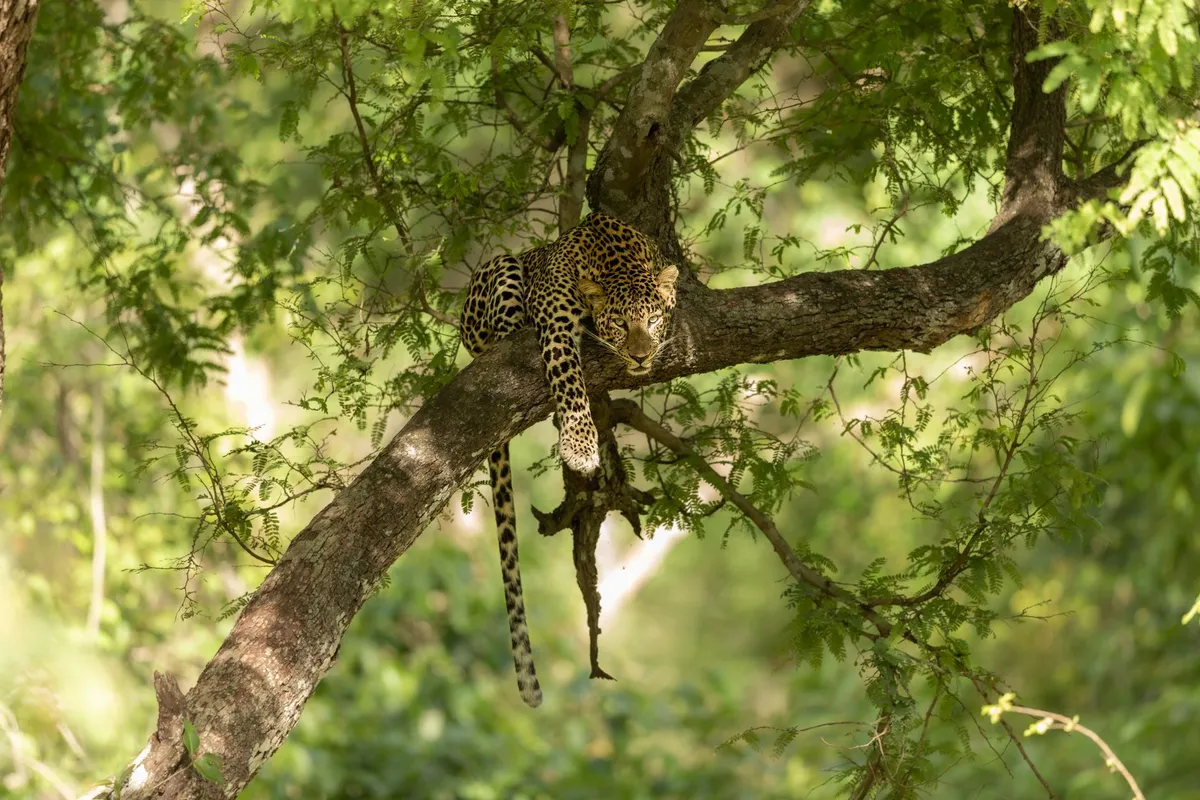
Sri Lanka is a wildlife lover’s paradise, boasting the highest density of leopards in the world and one of the largest populations of Asian elephants. The island’s compact size makes it easy to explore multiple parks in a single trip, but each offers a distinct experience. Yala National Park, in the southeast, is famous for its leopard sightings—spotting one of these elusive cats lounging in a tree is a photographer’s dream. Udawalawe National Park, meanwhile, is a sanctuary for orphaned elephants, where you can observe herds bathing in the Udawalawe Reservoir. And in Minneriya National Park, the “Gathering” of over 300 elephants is one of the most spectacular wildlife events in Asia, where herds migrate seasonally to graze on the lush grasslands.
A 5–7-day wildlife tour of Sri Lanka’s parks typically costs $1,500–$3,000, depending on your accommodation choices. Luxury options like Wild Coast Tented Lodge or Jetwing Vil Uyana offer eco-friendly stays with private game drives, while budget travelers can find guesthouses for $50–$100 per night. The best time to visit is during the dry season (February–October), when animals congregate around water sources. For the ultimate experience, combine a safari with a visit to the nearby Knuckles Mountain Range, where you can trek through cloud forests teeming with endemic birds like the Sri Lanka whistling thrush.
Sri Lanka’s wildlife isn’t just about big mammals, though. The island is also a haven for birdwatchers, with over 430 species, including the vibrant Sri Lanka blue magpie and the endemic Ceylon frogmouth. For a unique twist, visit the Bundala National Park, a UNESCO Biosphere Reserve where you can spot flamingos, crocodiles, and even leopards along the coastal lagoons. And don’t miss the chance to interact with rescued elephants at the Elephant Freedom Project, where you can learn about conservation efforts while observing these gentle giants up close.
Wildlife Travel Cost Comparison Table
| Destination | Best Time to Visit | Average Cost (Per Person) | Key Wildlife Highlights |
|---|---|---|---|
| Serengeti (Tanzania) | July–October | $1,500–$6,000 | Wildebeest migration, lions, leopards |
| Amazon (Brazil) | June–November | $1,200–$2,500 | Pink dolphins, jaguars, harpy eagles |
| Antarctica | November–March | $8,000–$25,000 | Penguins, whales, orcas, seals |
| Galápagos (Ecuador) | December–May | $4,000–$8,000 | Giant tortoises, marine iguanas, blue-footed boobies |
| Sri Lanka | February–October | $1,500–$3,000 | Leopards, Asian elephants, flamingos |
Your Passport to the Wild: A Final Invitation
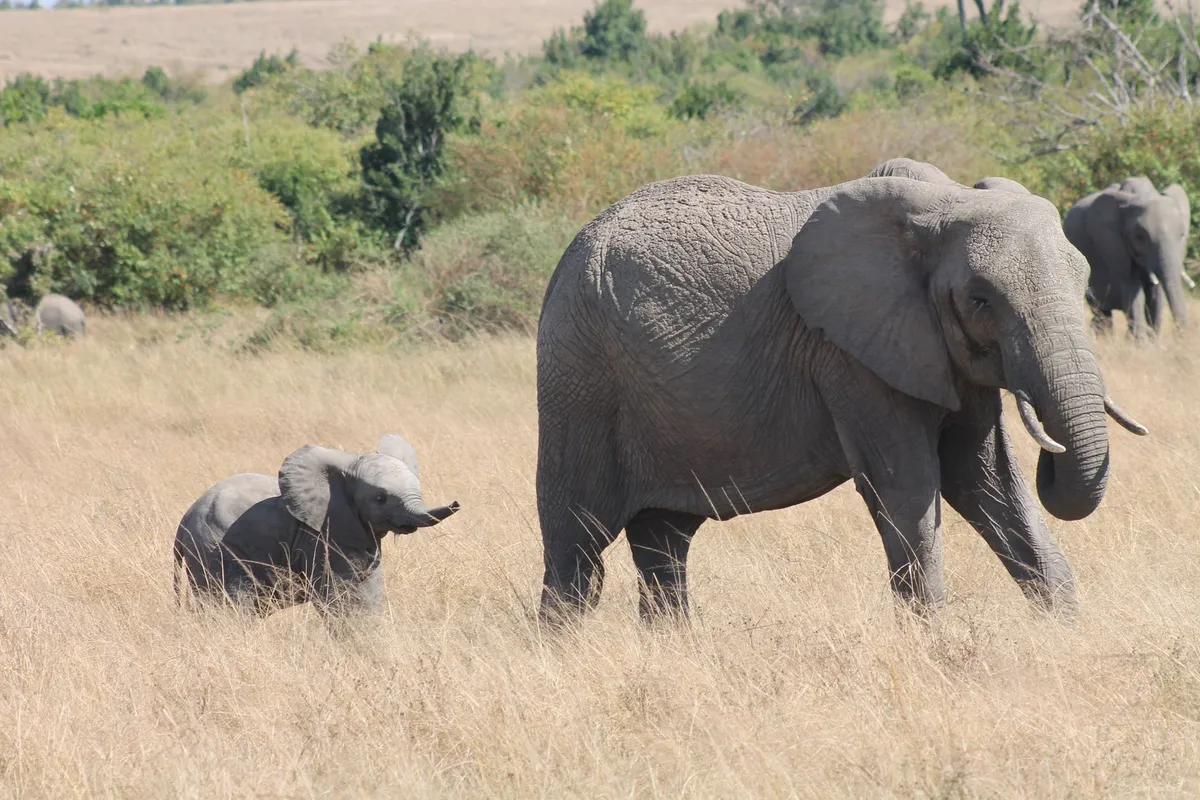
The world’s wildest places are not just destinations—they’re portals to another time, where humans are mere observers in a drama that has played out for millennia. Whether you’re standing in the shadow of a charging elephant in Sri Lanka, watching a polar bear prowl the Arctic ice, or listening to the haunting calls of wolves in Yellowstone, these experiences have a way of rewiring your soul. They remind us that we are not the center of the universe but one small part of an intricate, interconnected web of life.
But wildlife travel isn’t just about ticking boxes or snapping photos. It’s about humility—about recognizing that we are guests in these animals’ homes and that our presence must not disrupt their fragile existence. Choose ethical operators, respect park guidelines, and support conservation initiatives. The future of these wild places depends on the choices we make today.
So where will your journey take you? The Serengeti’s golden plains call to those who crave drama, the Amazon’s emerald depths beckon the intrepid, and Antarctica’s icy expanse whispers to the adventurous. Each destination offers a unique lens through which to view the natural world, and each leaves an indelible mark on the heart. Pack your bags, leave only footprints, and let the wild guide you.
#WildlifeTravel #EcoTourism #NatureEscape #SafariDreams #ConservationMatters