Showing Posts From
Eco tourism
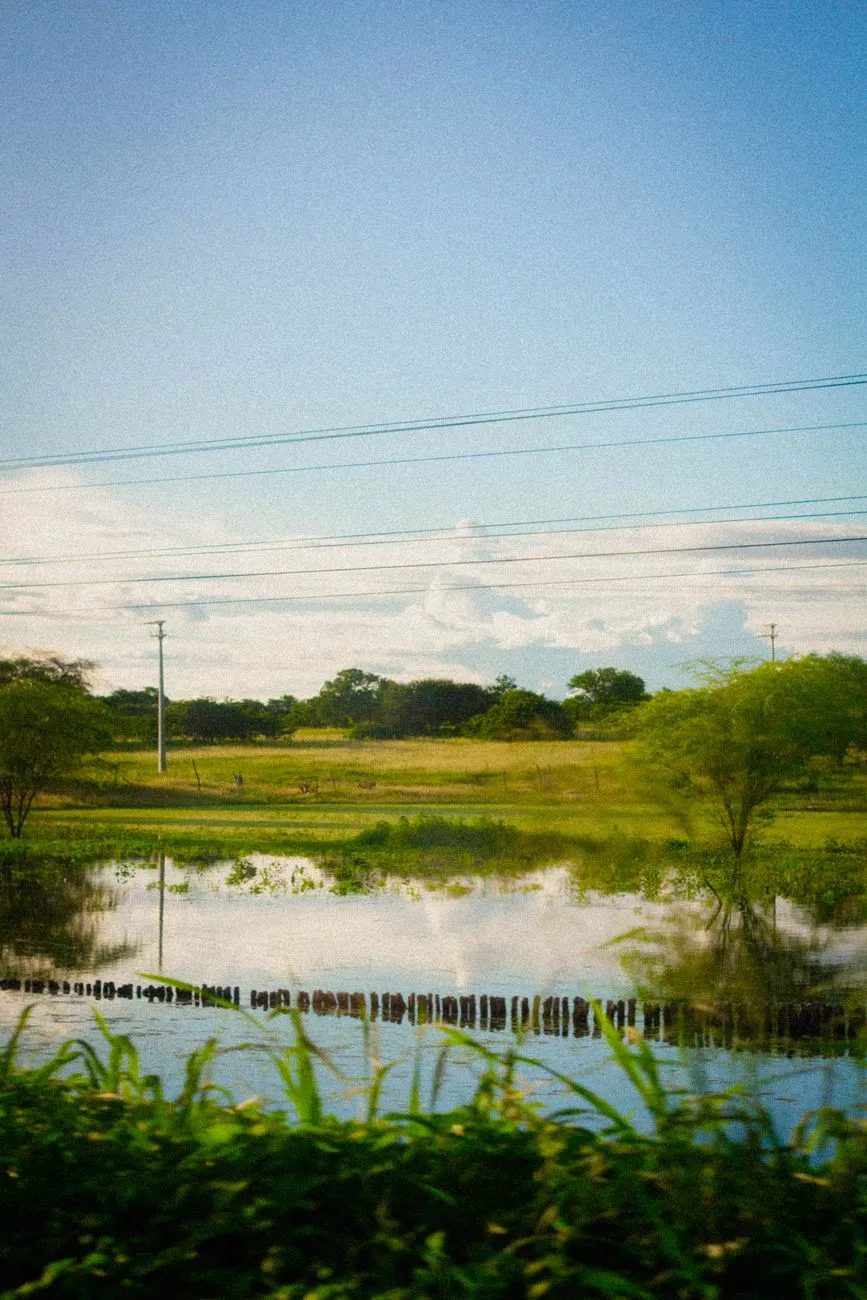

A Symphony of Water and Wildfire: Understanding the Pantanal’s Geographic Majesty Stepping into the Pantanal is not merely a trip; it is an immersion into a biological masterclass. Spanning an estimated 150,000 to 195,000 square kilometers, this colossal alluvial plain sits primarily within the Brazilian states of Mato Grosso and Mato Grosso do Sul, while extending its reach into parts of Bolivia and Paraguay. Unlike the dense, canopy-choked rainforests of the Amazon, the Pantanal offers an open theater of life. Its geography is defined by a pulse—a rhythmic, seasonal flooding pattern where the Paraguay River and its tributaries spill over their banks, transforming this vast depression into a kaleidoscopic mosaic of aquatic forests, savanna grasslands, and semi-aquatic habitats. For the intrepid traveler, understanding the hydrological cycle is paramount. The "flood season" (December to March) sees the plains submerged, forcing terrestrial life to retreat to the "cordilheiras" or higher ground. Conversely, the dry season (June to October) acts as a crucible of concentration. As the waters recede, they leave behind isolated ponds and lagoons that act as magnets for wildlife. This is the golden era for visitors. When you venture into the Transpantaneira—a rugged, 147-kilometer unpaved road that serves as the primary artery of the northern Pantanal—you are not just watching from a distance; you are traversing a corridor where caimans bask by the roadside and jabiru storks stalk the drying banks. From an expert perspective, the Pantanal’s ecological value is disproportionate to its visibility on typical travel maps. While its sister ecosystem, the Amazon, captures the world’s imagination with its scale, the Pantanal offers superior wildlife viewing simply because the vegetation is less dense. Here, the challenge isn't finding the animals; it’s keeping up with the relentless pace of their activity. The ecosystem supports the world’s densest concentration of jaguars, a staggering variety of avian life exceeding 650 species, and the largest concentration of crocodilians on the planet.The Jaguar Kingdom: Tracking the Apex Predator of the Wetlands There is a singular thrill that permeates the air of Porto Jofre, the epicenter for jaguar sightings in the northern sector. The Pantanal jaguar is a physical marvel; evolution has favored size and boldness here, with individuals often exceeding the mass of their Amazonian counterparts. These cats have uniquely adapted to an amphibious lifestyle, frequently seen swimming across wide channels with purposeful, muscular grace, or patrolling the riverbanks for caiman or capybara. For the modern traveler, tracking these magnificent felines requires patience and the right local expertise. I always advise travelers to engage dedicated river guides who are fluent in the "language of the river"—understanding alarm calls from capuchin monkeys or the silent dispersal of waterfowl that signals a hunting cat. Unlike safaris in the African savanna, where tracking is conducted via land vehicles, the pursuit here is largely fluvial. You move through narrow tributaries in aluminum skiffs, the silence broken only by the hum of an outboard motor that cuts out when a spotter identifies a flash of gold in the brush. The data supports the efficacy of this eco-tourism model. In the last two decades, the shift from ranching-centric land use to wildlife-centric tourism has provided an economic incentive for local landowners to protect the jaguars rather than cull them as threats to cattle. This "Jaguar Economy" has turned the Pantanal into one of the world’s most successful examples of predatory conservation. To ensure a successful encounter, one must plan for at least three full days in the Porto Jofre area. Jaguar behavior is unpredictable, but their territorial nature means they are creatures of habit, patrolling specific stretches of the Cuiabá River and its tributaries. When you finally lock eyes with a male jaguar—undisturbed, massive, and master of his domain—the sheer scale of the Pantanal’s untamed nature becomes an indelible memory. Navigating the Logistical Labyrinth: Visas, Costs, and Infrastructure Brazil, for all its splendor, remains a nation of bureaucratic precision. If you are planning an extended stay to document the biodiversity, you must be cognizant of the visa landscape. Brazil utilizes a reciprocal visa policy. Many Western travelers benefit from visa-free entry for up to 90 days, but it is vital to check the latest consular updates via the Brazilian Ministry of Foreign Affairs. For digital nomads seeking to utilize the "Nomad Visa," Brazil offers a specialized permit that allows remote workers to stay for a year, provided they meet specific income thresholds—typically around $1,500 USD per month or significant savings. Regarding expenses, the Pantanal is not a budget destination. The remoteness of the lodges requires a premium for logistics—food transport, fuel, and specialized equipment like safari boats and 4x4 vehicles. Expect to budget between $300 and $600 USD per day for a high-end, all-inclusive eco-lodge experience. These lodges are the backbone of the region, providing guided excursions that are essential for safety and educational depth. While Numbeo data suggests that general living costs in Brazil are significantly lower than in the United States or Western Europe, the "Pantanal premium" is a separate entity entirely. Prices for groceries and simple supplies in local hubs like Cuiabá or Campo Grande are modest, but once you head into the deep bush, the economy of supply chains takes over. I highly recommend purchasing your essential gear, high-quality cameras, and specialized medical supplies in the urban centers before embarking. ATMs are non-existent in the wetlands, and credit card connectivity is intermittent at best; therefore, maintaining a reserve of Brazilian Real (BRL) is an essential, if old-fashioned, necessity. Connectivity-wise, if you are looking to work while there, be warned: while some lodges offer Starlink, you should consider this a trip of digital disconnection.Item Category Estimated Cost Range (USD) NotesSafari Lodge (Per Day) $300 - $650 Inclusive of meals/guidesPrivate Boat Rental $150 - $300 Daily rate for trackingRegional Transport $100 - $250 Transfers from Cuiabá/Campo GrandeDaily Sustenance (Outside Lodge) $20 - $40 Modest local diningNational Park Entrance $10 - $25 Per day/visitor feesThe Avian Heartland: A Birdwatcher’s Infinite Paradise If the jaguar is the king of the Pantanal, the jabiru stork is its undisputed sentry. Standing over a meter tall with a massive, black, slightly upturned bill and a distinctive red band around its neck, the jabiru is the symbol of the wetlands. But they are merely the tip of the iceberg. The Pantanal is arguably the finest birdwatching destination on Earth, a sanctuary where the sheer density of avian life can leave even the most seasoned ornithologist overwhelmed. The Hyacinth Macaw, the largest flying parrot species in the world, is perhaps the most iconic resident. Once pushed to the brink by the pet trade and habitat loss, these cobalt-blue beauties have made a spectacular comeback thanks to intense conservation efforts in the southern Pantanal. Watching a pair of macaws nesting in a hollowed-out manduvi tree is an experience that highlights the delicate balance of this ecosystem. They are noisy, social, and strikingly vibrant against the muted greens and browns of the landscape. To maximize your birding experience, the timing of your visit is non-negotiable. While wildlife is present year-round, the avian migration patterns align with the dry season, when the receding waters concentrate fish in shallow pools, turning them into buffets for egrets, spoonbills, and kingfishers. I recommend bringing at least a 400mm lens and a pair of high-definition binoculars with at least 10x magnification. The birdlife here is so accustomed to the presence of human-operated boats that you can often drift within a few meters of rare species, provided you remain quiet. This proximity is the hallmark of the Pantanal; it is a place where the wild does not flee, but simply tolerates your presence, allowing for an intimate look into the habits of creatures that, elsewhere, would remain distant silhouettes against the sky.The Human Element: Ranching, Conservation, and Future Horizons The Pantanal is not a wilderness devoid of human presence; it is a landscape shaped by three centuries of cattle ranching. The "Pantaneiro" culture is deeply embedded in the identity of this region. These cowboys are the stewards of the land, and their symbiotic relationship with the environment is a fascinating counter-narrative to standard conservation tropes. Many traditional ranches, or "fazendas," have opened their doors to eco-tourism, effectively turning their lands into private reserves. This transition is essential for the future. The Pantanal faces threats from climate change, specifically the increasing frequency of forest fires during prolonged dry periods, as well as upstream agricultural runoff. The integrity of the Pantanal depends on the health of the Paraguay River basin. When we visit, we are not just observers; we are participants in an economic system that values the standing tree and the roaming predator over the cleared pasture. As a professional, I urge all travelers to research their lodges’ commitment to sustainability. Look for certifications, support for local school programs, and transparent waste management practices. The human history of this region is defined by isolation. The vast distances and the impassable nature of the land during the flood season have kept the Pantanal relatively insulated from the rapid development seen in other parts of Brazil. However, this isolation is fading. Improved road infrastructure and the rise of "glamping" experiences are making the region more accessible, which brings both opportunity and risk. As visitors, we carry the responsibility of low-impact exploration. Avoid plastic waste, support local handicrafts, and ensure that your presence leaves the wildlife undisturbed. The Pantanal is one of the few places left on Earth where you can witness the natural order of things in near-perfect equilibrium. To lose this would be an irreparable blow to the planet’s biological heritage. Respect the silence, honor the pace of the wild, and recognize that in the Pantanal, we are merely guests in an ancient, breathing cathedral of water and light.A Call to the Wild: Preserving the Eternal Pulse The journey through the Pantanal leaves an indelible mark on the soul of any traveler. It is a place where the grandeur of nature is not hidden behind the thick foliage of a jungle, but laid bare under the expansive horizon of a vast, flooding plain. We have navigated the logistics of its wild rivers, tracked the apex predators that command its silence, and observed the vibrant avian life that paints its sky. Whether you are an avid photographer, a seasoned researcher, or a soul simply seeking the raw, untamed beauty of our planet, the Pantanal offers a profound, life-altering experience. However, as we conclude this exploration, remember that this wetland is not an immortal museum; it is a living, fragile system. Its preservation rests on the informed choices we make as travelers. Choose the operators that respect the land, engage with the local communities that protect these habitats, and always advocate for the conservation of this critical biosphere. The heartbeat of the Pantanal is the sound of the rainfall, the ripple of the jaguar’s swim, and the wind through the grasses. It is a rhythmic, constant pulse that has persisted for millennia. By traveling with intention and authority, we ensure that this pulse continues to beat long after our return home. Brazil’s greatest treasure remains the Pantanal, and it is waiting, ever-patient, to reveal its deepest secrets to those who possess the patience to look and the humility to listen. The wild is not somewhere we go; it is a part of us, and in the heart of this wetland, we find our way back to it. #PantanalWildlife #BrazilTravel #EcoTourism #JaguarTracking #NatureConservation Related Insights厳島神社: 海に浮かぶ神々の住処 Surviving the Overland: Mastering Tasmania's Wild Heart in Shifting Skies La Cathédrale Saint-Guy de Prague : Joyau de Bohême{ "@context": "https://schema.org", "@type": "FAQPage", "mainEntity": [ { "@type": "Question", "name": "What is the main focus of The Pantanal Chronicles: Into the Heart of Earth’s Greatest Wetland Sanctuary?", "acceptedAnswer": { "@type": "Answer", "text": "Discover the unparalleled biodiversity of the Pantanal, the world's largest tropical wetland, and master the logistics of exploring this wild Brazilian frontier." } }, { "@type": "Question", "name": "Who authored the comprehensive guide on The Pantanal Chronicles: Into the Heart of Earth’s Greatest Wetland Sanctuary?", "acceptedAnswer": { "@type": "Answer", "text": "This detailed article and its insights were carefully researched and authored by Wei Chen." } }, { "@type": "Question", "name": "Where can I find more related content about Travel?", "acceptedAnswer": { "@type": "Answer", "text": "You can explore more articles, detailed reviews, and similar insights by browsing the Related Insights section at the bottom of this article or visiting our dedicated Travel category page." } } ] }
-
 Aisha Sharma
 - 01 Sep, 2026 21:15
Palawan’s Hidden Lagoons: The Philippines’ Most Breathtaking Coastal Escapes You Can’t Miss
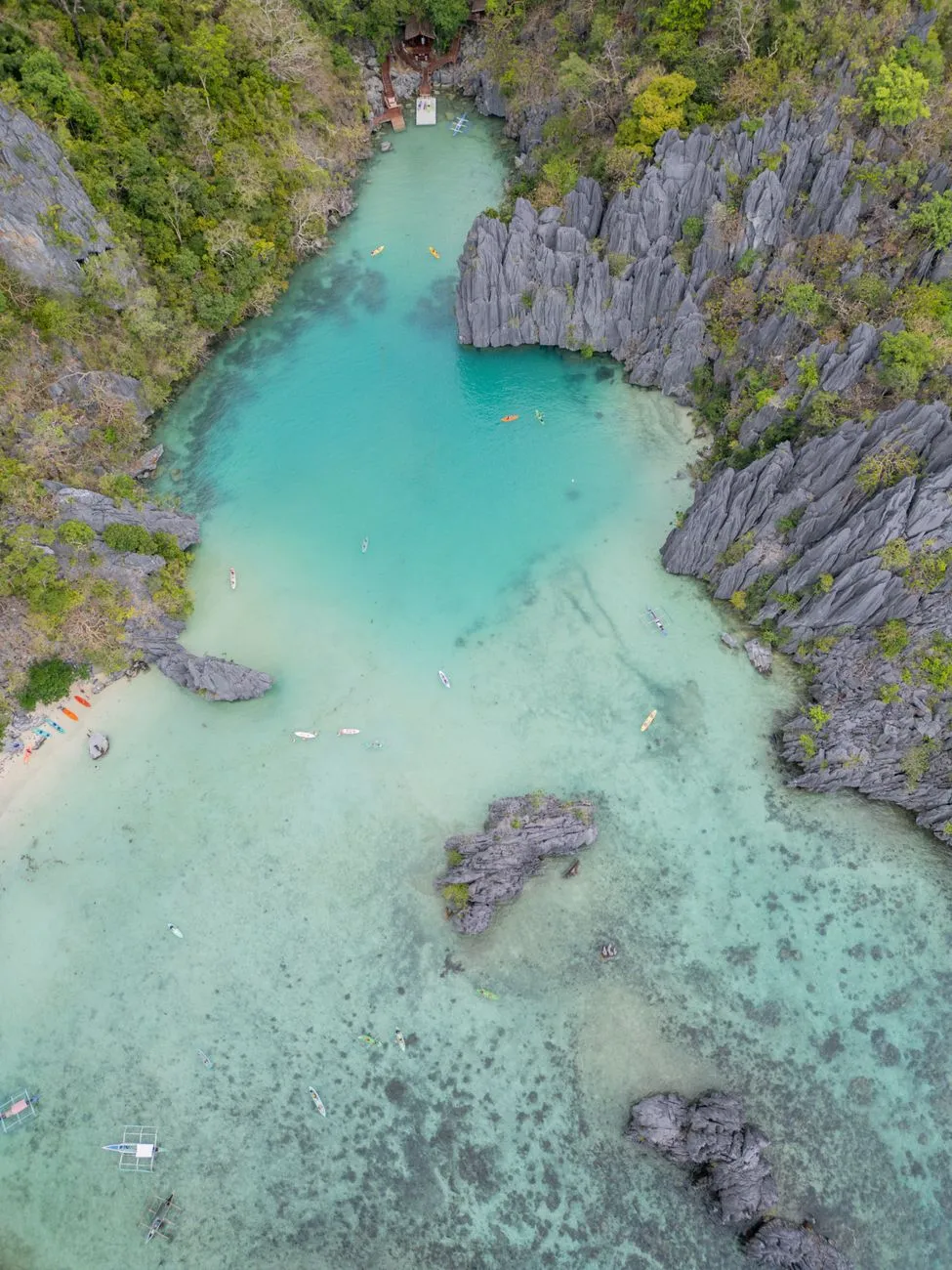
Where the Ocean Meets Myth: Palawan’s Lagoons Beckon the Adventurous Soul Nestled in the western Philippines, Palawan is a dream woven from emerald forests, powder-white beaches, and lagoons so pristine they feel plucked from a painter’s palette. While El Nido and Coron hog the spotlight, the true magic lies in the hidden lagoons—secluded pockets of water where limestone karsts rise like ancient sentinels, and the sea whispers secrets to those willing to listen. These are not just destinations; they are experiences that linger in the soul long after the tide has pulled you back to shore. For the intrepid traveler, Palawan’s lagoons offer more than Instagram-worthy backdrops. They are gateways to untouched ecosystems, where bioluminescent plankton dance under moonlight and mangroves cradle rare bird species. Whether you’re a digital nomad seeking inspiration, a honeymooner chasing romance, or a solo explorer mapping uncharted waters, these lagoons promise an escape that feels both timeless and exhilarating. But how do you uncover these hidden gems without falling into the tourist traps? What’s the real cost of living in this paradise, and how can you make the most of your visit? Let’s dive into the heart of Palawan’s lagoons, where every ripple tells a story.The Lagoons That Time Forgot: A Journey Through Palawan’s Secret Waterways Palawan’s lagoons are not just bodies of water; they are living museums of geological wonder. Formed over millions of years by the slow dissolution of limestone, these lagoons are part of a vast karst landscape that stretches from El Nido to Coron. The most famous among them—Big Lagoon, Small Lagoon, and Secret Lagoon in El Nido—are often crowded, but the real treasures lie beyond the beaten path. Take Taraw Cliff Lagoon, for instance. Accessible only by a steep hike through dense jungle, this lagoon rewards adventurers with a panoramic view of Bacuit Bay. The water here is so clear that you can spot fish darting between coral formations, and the limestone walls echo with the calls of swiftlets nesting in the caves. For those who prefer a quieter experience, Cadlao Lagoon in Coron offers a secluded escape with fewer boats and more wildlife sightings, including monitor lizards and kingfishers. But the crown jewel might just be Kayangan Lake, often hailed as the cleanest lake in Asia. Surrounded by towering cliffs, this lagoon is a snorkeler’s paradise, with vibrant coral reefs teeming with marine life. The water is so transparent that you can see the lakebed from the surface, making it a photographer’s dream. To reach it, you’ll need to climb a series of wooden steps, but the effort is worth every bead of sweat. For the truly off-the-beaten-path explorer, Dipuyai Lagoon in Taytay offers a raw, untouched beauty. Unlike the more touristy lagoons, Dipuyai is rarely visited, making it a perfect spot for solitude and reflection. The lagoon is nestled within a mangrove forest, and the water here is a mesmerizing shade of blue-green, reflecting the sky above.From Budget Backpacker to Luxury Seeker: The Real Cost of Living in Palawan Palawan is a paradise, but it’s not without its costs. Whether you’re planning a short visit or a long-term stay, understanding the financial landscape is crucial. According to recent data, the cost of living in Palawan for a digital nomad hovers around $1,280 per month for a mid-tier lifestyle. This includes rent, groceries, dining out, transportation, utilities, and coworking space access. Here’s a detailed breakdown of what you can expect:Expense Category Monthly Cost (USD) NotesRent (1-bedroom apartment) $550 Prices vary by location; El Nido and Coron are pricier than smaller towns.Groceries $240 Local markets offer fresh produce at lower prices than supermarkets.Dining Out $200 Street food and local eateries are affordable; Western restaurants cost more.Transportation $50 Tricycles and jeepneys are cheap; renting a scooter costs ~$10/day.Utilities (electricity, water, internet) $110 Internet speeds are decent but can be unreliable in remote areas.Coworking Space $130 Spaces like The Hub in Puerto Princesa or Do It El Nido offer modern amenities.Miscellaneous (tours, tips, etc.) $100 Includes entrance fees to lagoons, tips for guides, and unexpected expenses.For budget travelers, it’s possible to live on $800–$1,000 per month by opting for homestays, cooking your own meals, and using public transport. However, if you’re looking for comfort and convenience, budget closer to $1,500–$2,000 to enjoy Palawan’s finer offerings, such as private boat tours or luxury resorts.Visa Voyages: Navigating Palawan’s Entry Requirements Without the Headache Palawan’s allure is undeniable, but before you pack your bags, you’ll need to navigate the visa landscape. The good news? The Philippines offers visa-free entry for up to 30 days for citizens of over 150 countries, including the US, UK, Canada, Australia, and most EU nations. This visa-on-arrival is extendable for up to 36 months, making Palawan an ideal long-term destination for digital nomads and remote workers. Here’s what you need to know:Visa-Free Entry: If you’re from a visa-exempt country, you’ll receive a 30-day stamp upon arrival. No prior application is needed. Extensions: To extend your stay, visit the Bureau of Immigration office in Puerto Princesa or El Nido. Extensions are typically granted in 30-day increments, with a maximum stay of 36 months. Special Visa Programs: For digital nomads, the Philippines offers the Special Working Visa, which allows remote workers to stay for up to 6 months. Requirements include proof of employment or business ownership and a minimum monthly income of $800. Overstaying Penalties: Overstaying can result in fines of ₱500 per day, so it’s best to plan your extensions in advance.Pro tip: If you’re planning to stay long-term, consider applying for a Tourist Visa Extension (TVE) before your initial 30 days expire. The process is straightforward, but it’s wise to hire a local agent to handle the paperwork, as the bureaucracy can be daunting.Beyond the Postcard: Sustainable Ways to Explore Palawan’s Lagoons Palawan’s lagoons are fragile ecosystems, and their beauty is under threat from overtourism and environmental degradation. As a responsible traveler, you can minimize your impact—and even contribute to conservation efforts—by adopting sustainable practices.Choose Eco-Friendly Tour Operators: Opt for operators that prioritize sustainability, such as those using solar-powered boats or offering plastic-free tours. In El Nido, El Nido Resorts and Lagen Island Resort are leaders in eco-tourism, with initiatives like coral restoration and waste management programs. Leave No Trace: Pack out all your trash, including biodegradable items like fruit peels, which can harm wildlife. Avoid using chemical sunscreens, as they can bleach coral reefs. Support Local Communities: Buy souvenirs directly from local artisans in Palawan’s markets, such as the Puerto Princesa Public Market or El Nido’s Art in Paradise. This ensures your money goes to the people who call Palawan home. Respect Wildlife: Keep a safe distance from marine life, including dolphins and sea turtles. Never touch or feed wild animals, as this can disrupt their natural behaviors. Offset Your Carbon Footprint: Consider donating to local conservation projects, such as the Palawan Council for Sustainable Development, which works to protect the province’s biodiversity.By traveling responsibly, you’re not just preserving Palawan’s lagoons for future generations—you’re ensuring that your own memories of this paradise remain untarnished.The Unwritten Rules of Palawan’s Lagoons: Etiquette for the Conscious Traveler Palawan’s lagoons are not just attractions; they are sacred spaces for the communities that call them home. To ensure your visit is respectful—and unforgettable—here are some unwritten rules to follow:Ask Before You Enter: Some lagoons, like Nacpan Beach’s hidden coves, are on private land. Always ask locals or your guide for permission before exploring. Dress Modestly: While swimwear is acceptable at the lagoons, cover up when walking through villages or religious sites. Shoulders and knees should be covered in churches and local communities. Hire Local Guides: Not only do local guides provide invaluable insights into the lagoons’ history and ecology, but they also support the local economy. In Coron, guides often share stories about the lagoons’ formation or point out hidden caves. Avoid Peak Hours: The lagoons are at their most magical in the early morning or late afternoon. Avoid visiting between 10 AM and 3 PM to reduce crowds and give the ecosystem a chance to breathe. Learn a Few Local Phrases: A simple "Salamat" (thank you) in Tagalog goes a long way in showing respect to the locals. Many Palawan locals speak Cuyonon, a distinct dialect, so learning a few phrases can enhance your interactions.By following these guidelines, you’ll not only enrich your own experience but also foster a deeper connection with the people and places that make Palawan so special.When the Tide Calls: The Best Time to Visit Palawan’s Lagoons Palawan’s lagoons are a year-round destination, but the best time to visit depends on your priorities. Here’s a seasonal breakdown to help you plan:November to February (Dry Season): This is the peak tourist season, with sunny skies and calm waters. Expect higher prices and crowded lagoons, but also the best snorkeling conditions. If you’re planning a visit during this time, book accommodations and tours well in advance. March to May (Hot Season): Temperatures soar, but the lagoons are less crowded. This is a great time for budget travelers, as prices drop significantly. However, be prepared for occasional heatwaves and water shortages in some areas. June to October (Rainy Season): The rains bring lush greenery and fewer tourists, but the seas can be rough, making boat tours less reliable. If you’re seeking solitude and don’t mind the occasional downpour, this is the perfect time to visit. Just pack a waterproof bag for your gear!For the ultimate lagoon experience, aim for late January or early February, when the weather is ideal, and the crowds haven’t yet peaked. If you’re a photographer, the golden hours of sunrise and sunset cast a magical glow over the lagoons, making them even more photogenic.The Lagoons’ Legacy: How Palawan’s Hidden Gems Are Shaping the Future of Travel Palawan’s lagoons are more than just Instagram backdrops—they are a testament to the power of sustainable tourism. As travelers increasingly seek authentic, off-the-beaten-path experiences, Palawan has emerged as a model for responsible exploration. From community-led eco-tours to conservation initiatives, the province is proving that tourism can be both profitable and protective. One shining example is the El Nido-Taytay Managed Resource Protected Area (ENTMRPA), which oversees the conservation of Palawan’s marine ecosystems. Through partnerships with local NGOs and government agencies, the ENTMRPA has implemented measures like no-anchoring zones to protect coral reefs and fishing quotas to preserve marine biodiversity. Meanwhile, initiatives like The Palawan Sustainable Tourism Project are training local guides in eco-friendly practices and promoting homestays to distribute tourism revenue more evenly. These efforts not only safeguard Palawan’s natural beauty but also empower local communities to take ownership of their heritage. For travelers, this means that visiting Palawan’s lagoons is not just a vacation—it’s an opportunity to be part of a larger movement. By choosing sustainable options, supporting local businesses, and respecting the environment, you’re helping to ensure that these hidden gems remain unspoiled for generations to come.Where the Journey Never Ends: Palawan’s Lagoons Await Your Footsteps Palawan’s lagoons are not just destinations; they are invitations. Invitations to explore, to reflect, to connect with nature, and to rediscover the joy of unhurried travel. Whether you’re paddling through the emerald waters of Kayangan Lake, snorkeling in the vibrant reefs of Cadlao Lagoon, or simply sitting on the shore of a secluded cove, these lagoons have a way of slowing time and awakening the senses. But remember, the magic of Palawan lies not just in its beauty, but in the stories you’ll carry home. The fisherman who shared his lunch with you, the guide who pointed out a rare bird, the sunset that painted the sky in hues you never thought possible. These are the moments that transform a trip into a journey. So pack your bags, leave your worries behind, and let Palawan’s lagoons weave their spell on you. The tide is calling—will you answer?#PalawanParadise #HiddenGemsPhilippines #SustainableTravel #LagoonLover #OffTheBeatenPath Related InsightsSun-Drenched Serenity vs. The Fjord’s Embrace: Choosing Between the Albanian Riviera and the Bay of Kotor La Signora di Ferro che Sfidò il Cielo: Storie, Segreti e le Ombre Nascoste della Torre Eiffel 清水寺: 断崖に立つ祈りの舞台{ "@context": "https://schema.org", "@type": "FAQPage", "mainEntity": [ { "@type": "Question", "name": "What is the main focus of Palawan’s Hidden Lagoons: The Philippines’ Most Breathtaking Coastal Escapes You Can’t Miss?", "acceptedAnswer": { "@type": "Answer", "text": "Discover Palawan’s secret lagoons, where turquoise waters and limestone cliffs create paradise. Dive into the Philippines’ most stunning coastal escapes with this insider’s guide." } }, { "@type": "Question", "name": "Who authored the comprehensive guide on Palawan’s Hidden Lagoons: The Philippines’ Most Breathtaking Coastal Escapes You Can’t Miss?", "acceptedAnswer": { "@type": "Answer", "text": "This detailed article and its insights were carefully researched and authored by Aisha Sharma." } }, { "@type": "Question", "name": "Where can I find more related content about Travel?", "acceptedAnswer": { "@type": "Answer", "text": "You can explore more articles, detailed reviews, and similar insights by browsing the Related Insights section at the bottom of this article or visiting our dedicated Travel category page." } } ] }
-
 Zola Ndlovu
 - 17 Aug, 2026 07:35
Where the Wild Things Roam: The World’s Most Unforgettable Wildlife Encounters
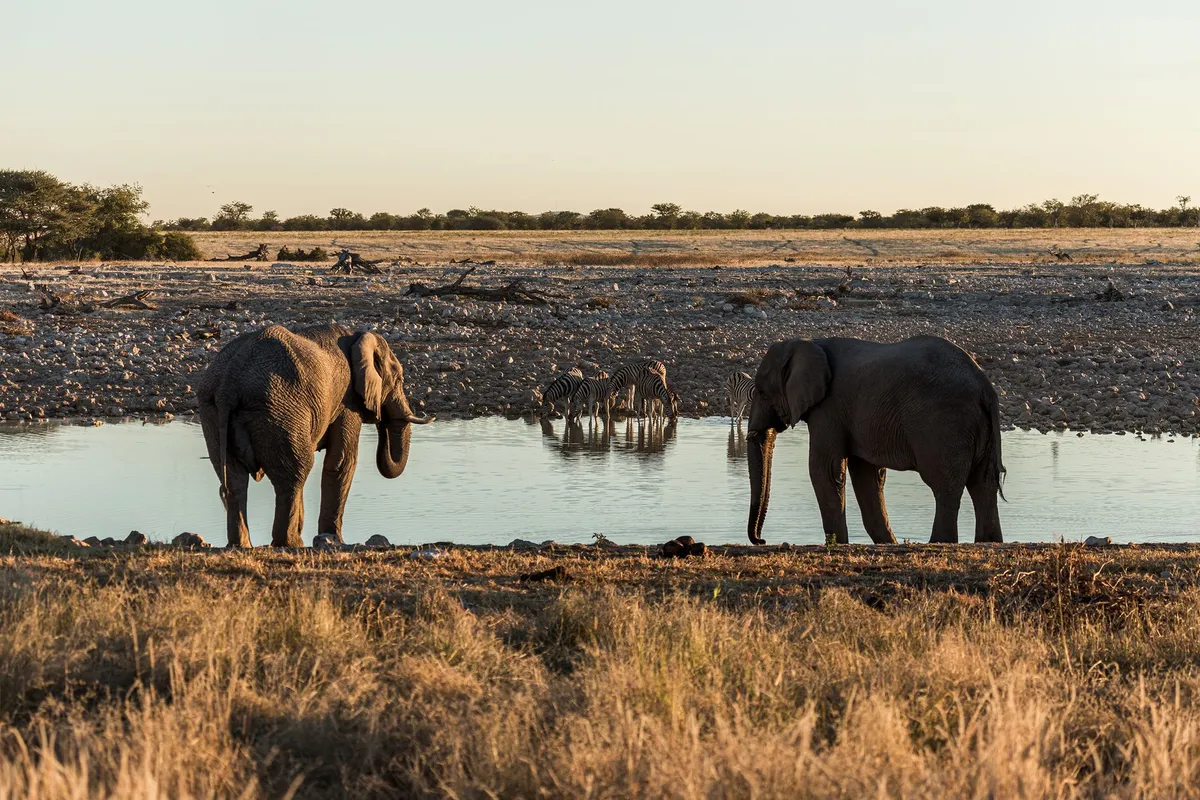
The Serengeti’s Great Migration: A Symphony of SurvivalFew spectacles on Earth rival the raw, unfiltered drama of the Great Migration in the Serengeti. Every year, over 1.5 million wildebeest, 200,000 zebras, and 500,000 gazelles embark on a 1,800-mile circular journey across the plains of Tanzania and Kenya, driven by ancient instincts and the relentless search for fresh grazing. This isn’t just a migration—it’s a survival epic where predators lurk at every turn. Lions, cheetahs, and crocodiles lie in wait, turning river crossings into life-and-death battles. The Mara River, in particular, is a notorious killing field, where thousands of wildebeest drown or are snatched by Nile crocodiles in a single crossing. To witness this phenomenon, time your visit between July and October, when the herds converge in Kenya’s Maasai Mara. Opt for a guided safari with operators like &Beyond or Asilia Africa, who offer mobile camps that follow the migration’s path. For the most intimate experience, consider a hot-air balloon safari at dawn, where you’ll float above the plains as the first light reveals the endless sea of animals below. The cost? Expect to spend $3,000–$6,000 for a 7–10-day luxury safari, including park fees ($70 per day for non-residents), accommodations, and guided game drives. Budget travelers can find mid-range options for $1,500–$2,500, but be prepared for basic lodges and shared game drives. The Serengeti isn’t just about the migration, though. The park is home to over 500 bird species, including the iconic secretary bird, and rare predators like the African wild dog. For a deeper dive, visit the Seronera Valley, where leopards are frequently spotted lounging in acacia trees. Pro tip: Bring a high-quality zoom lens (300mm or more) to capture the action without disturbing the animals. And don’t forget to pack neutral-colored clothing—bright colors can spook wildlife and ruin your shot.The Amazon Rainforest: Earth’s Last Great WildernessThe Amazon isn’t just the largest rainforest on Earth—it’s a living, breathing ecosystem that defies comprehension. Stretching over 5.5 million square kilometers across nine countries, it’s home to 10% of the world’s known species, including jaguars, harpy eagles, and the elusive pink river dolphin. The sheer biodiversity here is staggering: one hectare of Amazon rainforest can contain more tree species than all of Europe. But the Amazon is more than just a wildlife hotspot—it’s a place where indigenous cultures, like the Yanomami and the Kayapó, have thrived for millennia, their survival intricately tied to the forest’s rhythms. To explore this wonder, base yourself in Manaus, Brazil, the gateway to the Amazon. From there, take a multi-day riverboat expedition into the heart of the rainforest. Companies like Amazon Eco Adventures and Dersa offer all-inclusive tours that include guided hikes, night safaris, and visits to local communities. A 5-day tour typically costs $1,200–$2,500, covering accommodations in eco-lodges, meals, and expert guides. For a truly immersive experience, stay at the Cristalino Lodge in Mato Grosso, where you can trek canopy walkways to spot monkeys and toucans or take a dawn canoe ride to see giant otters in the wild. The Amazon’s wildlife is most active at dawn and dusk, so plan your excursions accordingly. Listen for the haunting calls of howler monkeys at sunrise or the rustling of leaves as a tapir forages at night. Birdwatchers will be in heaven—over 1,300 species call the Amazon home, including the vibrant hyacinth macaw. But the forest’s magic isn’t just in its animals. The Amazon’s rivers are its lifeblood, teeming with pink dolphins, caimans, and piranhas. A nighttime canoe trip along the Rio Negro offers a chance to see the water glow with bioluminescent plankton, a surreal experience that feels like stepping into another world.Antarctica: The Frozen Kingdom of Penguins and WhalesAntarctica is the last true wilderness—a continent untouched by permanent human settlement, where temperatures plummet to -80°C and winds howl at 200 mph. Yet, despite its harsh conditions, it’s a haven for wildlife. Over 100 million seabirds nest here, including 5 million pairs of Adélie penguins, while leopard seals, orcas, and humpback whales patrol the icy waters. The Antarctic Peninsula, particularly the islands of the South Shetlands and the Gerlache Strait, is the best place to witness this frozen spectacle. Here, you can stand just meters away from chinstrap penguins waddling across volcanic beaches or watch orcas breach in the frigid waters. Visiting Antarctica isn’t cheap—it’s one of the most exclusive wildlife destinations on Earth. Most travelers arrive by expedition cruise ship, with trips lasting 10–21 days. Companies like Hurtigruten, Quark Expeditions, and Lindblad Expeditions offer voyages that include landings by Zodiac boat, expert lectures on glaciology and wildlife, and even polar plunges for the adventurous. A 14-day trip typically costs $12,000–$25,000, depending on cabin type and itinerary. Budget-conscious travelers can opt for shorter trips or last-minute deals, but be prepared to spend at least $8,000 for a basic experience. The best time to visit is during the austral summer (November–March), when temperatures hover around -2°C to 8°C. December and January are peak months for penguin chicks hatching, while February offers the best whale-watching opportunities as orcas and humpbacks feed on krill. On shore, you’ll explore penguin colonies, hike glaciers, and even visit research stations like Port Lockroy, a historic British base turned museum. For the ultimate experience, consider a fly-cruise option, which cuts travel time by flying to King George Island and boarding your ship there, saving days at sea.The Galápagos Islands: Darwin’s Living LaboratoryThe Galápagos Islands are where Charles Darwin first formulated his theory of evolution, and today, they remain one of the most pristine wildlife destinations on Earth. Located 1,000 kilometers off the coast of Ecuador, these volcanic islands are home to species found nowhere else, including the giant tortoise, the marine iguana, and the blue-footed booby. The islands’ isolation has led to remarkable adaptations—marine iguanas, the world’s only seagoing lizards, graze on algae underwater, while flightless cormorants have evolved to dive for fish in the deep waters. To explore the Galápagos, you’ll need to book a liveaboard cruise or stay on one of the main islands (Santa Cruz, Isabela, or San Cristóbal). The National Park requires all visitors to be accompanied by a licensed guide, and most tours operate under strict sustainability guidelines to protect the fragile ecosystem. A 5–8-day cruise with operators like Metropolitan Touring or Ecoventura costs $4,000–$8,000, including meals, accommodations, and daily excursions. Land-based travelers can find mid-range hotels for $150–$300 per night, but you’ll miss out on the remote islands like Fernandina and Española, which are only accessible by boat. The Galápagos’ wildlife is famously unafraid of humans, allowing for incredible close-up encounters. Snorkel with sea lions playing in the waves, walk among nesting albatrosses on Española Island, or observe waved albatrosses performing their elaborate mating dances. The islands are also a birdwatcher’s paradise, with 28 endemic species, including the Galápagos hawk and the vermilion flycatcher. For a unique experience, visit the Charles Darwin Research Station on Santa Cruz Island, where you can see baby tortoises being raised in captivity before being released into the wild.Sri Lanka’s National Parks: Where Elephants and Leopards Roam FreeSri Lanka is a wildlife lover’s paradise, boasting the highest density of leopards in the world and one of the largest populations of Asian elephants. The island’s compact size makes it easy to explore multiple parks in a single trip, but each offers a distinct experience. Yala National Park, in the southeast, is famous for its leopard sightings—spotting one of these elusive cats lounging in a tree is a photographer’s dream. Udawalawe National Park, meanwhile, is a sanctuary for orphaned elephants, where you can observe herds bathing in the Udawalawe Reservoir. And in Minneriya National Park, the "Gathering" of over 300 elephants is one of the most spectacular wildlife events in Asia, where herds migrate seasonally to graze on the lush grasslands. A 5–7-day wildlife tour of Sri Lanka’s parks typically costs $1,500–$3,000, depending on your accommodation choices. Luxury options like Wild Coast Tented Lodge or Jetwing Vil Uyana offer eco-friendly stays with private game drives, while budget travelers can find guesthouses for $50–$100 per night. The best time to visit is during the dry season (February–October), when animals congregate around water sources. For the ultimate experience, combine a safari with a visit to the nearby Knuckles Mountain Range, where you can trek through cloud forests teeming with endemic birds like the Sri Lanka whistling thrush. Sri Lanka’s wildlife isn’t just about big mammals, though. The island is also a haven for birdwatchers, with over 430 species, including the vibrant Sri Lanka blue magpie and the endemic Ceylon frogmouth. For a unique twist, visit the Bundala National Park, a UNESCO Biosphere Reserve where you can spot flamingos, crocodiles, and even leopards along the coastal lagoons. And don’t miss the chance to interact with rescued elephants at the Elephant Freedom Project, where you can learn about conservation efforts while observing these gentle giants up close.Wildlife Travel Cost Comparison TableDestination Best Time to Visit Average Cost (Per Person) Key Wildlife HighlightsSerengeti (Tanzania) July–October $1,500–$6,000 Wildebeest migration, lions, leopardsAmazon (Brazil) June–November $1,200–$2,500 Pink dolphins, jaguars, harpy eaglesAntarctica November–March $8,000–$25,000 Penguins, whales, orcas, sealsGalápagos (Ecuador) December–May $4,000–$8,000 Giant tortoises, marine iguanas, blue-footed boobiesSri Lanka February–October $1,500–$3,000 Leopards, Asian elephants, flamingosYour Passport to the Wild: A Final InvitationThe world’s wildest places are not just destinations—they’re portals to another time, where humans are mere observers in a drama that has played out for millennia. Whether you’re standing in the shadow of a charging elephant in Sri Lanka, watching a polar bear prowl the Arctic ice, or listening to the haunting calls of wolves in Yellowstone, these experiences have a way of rewiring your soul. They remind us that we are not the center of the universe but one small part of an intricate, interconnected web of life. But wildlife travel isn’t just about ticking boxes or snapping photos. It’s about humility—about recognizing that we are guests in these animals’ homes and that our presence must not disrupt their fragile existence. Choose ethical operators, respect park guidelines, and support conservation initiatives. The future of these wild places depends on the choices we make today. So where will your journey take you? The Serengeti’s golden plains call to those who crave drama, the Amazon’s emerald depths beckon the intrepid, and Antarctica’s icy expanse whispers to the adventurous. Each destination offers a unique lens through which to view the natural world, and each leaves an indelible mark on the heart. Pack your bags, leave only footprints, and let the wild guide you.#WildlifeTravel #EcoTourism #NatureEscape #SafariDreams #ConservationMatters
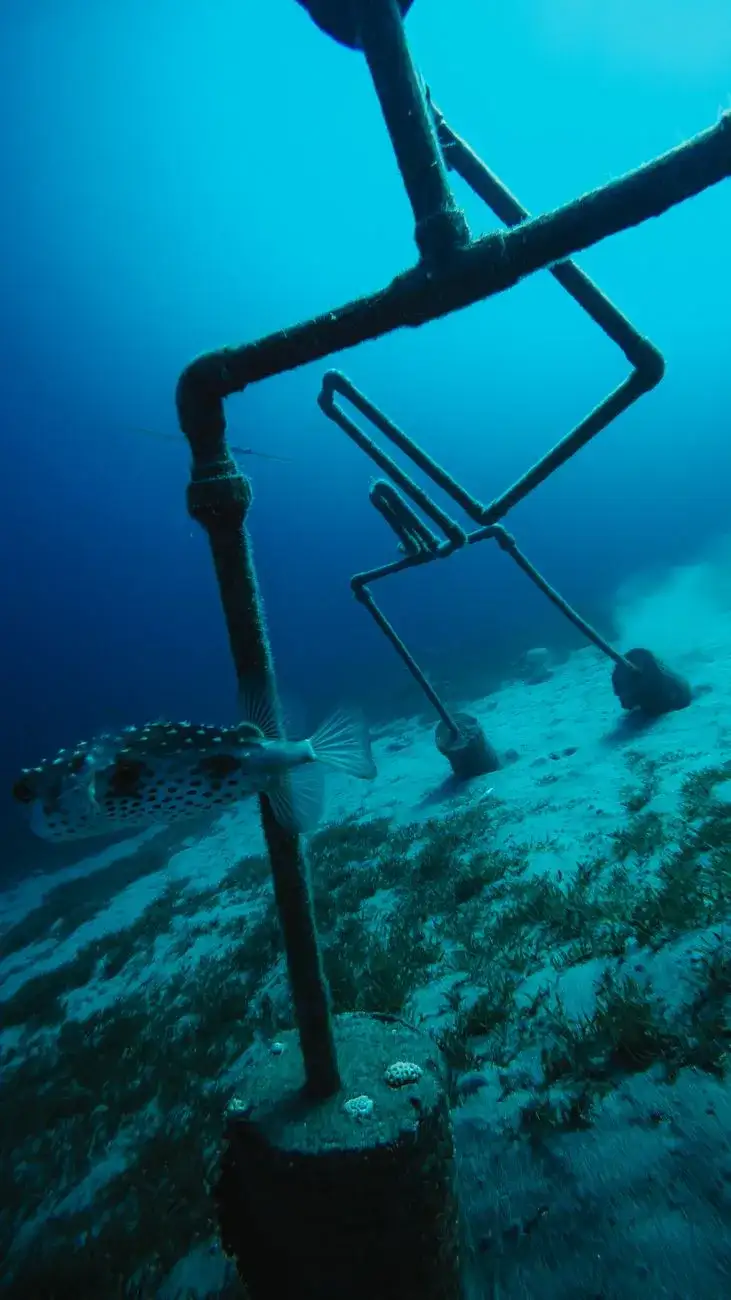
Dive Into a Hidden World: The Most Breathtaking Underwater Museums and Sculpture Parks The ocean has always been a canvas of mystery, but beneath its shimmering surface lies an even more extraordinary spectacle—underwater museums and sculpture parks. These submerged galleries are not just artistic marvels; they are sanctuaries for marine life, tools for conservation, and destinations that redefine travel. Imagine gliding through crystal-clear waters, surrounded by larger-than-life sculptures that tell stories of humanity, nature, and resilience. From the vibrant coral reefs of the Caribbean to the serene depths of the Mediterranean, these underwater museums offer an unparalleled fusion of art and ecology. Whether you're a seasoned diver, a snorkeling enthusiast, or an armchair traveler, this guide will take you on a journey to the most breathtaking submerged art installations in the world. In this article, we’ll explore the history, significance, and practicalities of visiting these underwater wonders. You’ll learn how these projects are transforming tourism, supporting marine ecosystems, and even combating climate change. We’ll also provide step-by-step guides on how to visit, including the best times to go, required certifications, and budget considerations. By the end, you’ll be inspired to dive into this hidden world and witness the magic for yourself.The Rise of Underwater Museums: A Fusion of Art and Conservation Underwater museums are a relatively recent phenomenon, born from the marriage of art, science, and environmental activism. The concept gained global attention in 2009 with the creation of MUSA (Museo Subacuático de Arte) in Cancún, Mexico, by British sculptor Jason deCaires Taylor. MUSA was the first large-scale underwater museum, featuring over 500 permanent life-sized sculptures designed to promote coral life and reduce pressure on natural reefs. Since then, the trend has exploded, with projects popping up in every corner of the globe, from the turquoise waters of the Maldives to the chilly depths of Norway’s fjords. The primary goal of these museums is conservation. Traditional coral reefs are under immense threat from climate change, overfishing, and pollution. By creating artificial reefs from pH-neutral materials like marine-grade concrete or recycled steel, underwater museums provide a substrate for coral polyps to attach and grow. Over time, these sculptures become encrusted with marine life, transforming into vibrant ecosystems. For example, MUSA’s sculptures are now home to over 500 species of fish and coral, making them one of the most biodiverse spots in the Mexican Caribbean. But these projects are more than just conservation tools—they are powerful statements about humanity’s relationship with nature. Many sculptures depict human figures in poses that evoke themes of climate change, migration, or cultural identity. Taylor’s The Silent Evolution in MUSA, for instance, features 400 life-sized human figures arranged in a spiral, symbolizing the collective impact of humanity on the planet. Similarly, Vicissitudes, another of Taylor’s works, shows a group of children holding hands, representing hope for future generations. These installations challenge viewers to reflect on their role in protecting the environment while offering a unique aesthetic experience. Underwater museums also play a crucial role in eco-tourism. By diverting tourists away from fragile natural reefs, they help reduce physical damage caused by divers and snorkelers. In places like Grenada’s Molinière-Beauséjour Marine Protected Area, where the Grenada Underwater Sculpture Park is located, the project has become a cornerstone of sustainable tourism. The park attracts thousands of visitors annually, generating revenue that funds local conservation efforts and education programs. This model has been replicated in other destinations, proving that art and ecology can coexist—and even thrive—together. As the movement grows, so does the diversity of projects. Some museums focus on education, like The Underwater Museum of Art (UMA) in Florida, which features sculptures designed to teach visitors about marine biology. Others, like Ocean Atlas in the Bahamas, are monumental in scale, with a 60-ton sculpture of a young girl holding up the ocean, symbolizing the fragility of marine ecosystems. Whether you’re drawn to the artistic, ecological, or educational aspects, there’s an underwater museum out there for you.Top 5 Must-Visit Underwater Museums and Sculpture Parks Around the World With so many incredible projects to choose from, it can be overwhelming to decide where to start. Below, we’ve curated a list of the top five underwater museums and sculpture parks, each offering a unique blend of art, adventure, and conservation. Whether you’re planning a bucket-list dive trip or simply dreaming of the experience, these destinations should be at the top of your list. 1. Museo Subacuático de Arte (MUSA), Cancún, Mexico Why Visit? MUSA is the granddaddy of underwater museums and remains one of the most impressive. Located in the Mesoamerican Barrier Reef System, the museum spans two galleries: Salvador Dalí Park and The Silent Evolution. The former features 12 surrealist sculptures inspired by Dalí’s work, while the latter houses Taylor’s iconic 400-figure installation. Together, they attract over 750,000 visitors annually, making it one of the most visited underwater museums in the world. What to Expect: The museum is accessible to both divers and snorkelers. The average depth is 8–12 meters (26–39 feet), making it suitable for beginners with an Open Water certification. The sculptures are arranged in a way that guides you through a narrative, from the surreal to the thought-provoking. The marine life here is spectacular, with schools of tropical fish, sea turtles, and even the occasional reef shark adding to the drama. Practical Tips:Best Time to Visit: November to April for calm seas and optimal visibility (up to 30 meters/100 feet). Certification Required: Open Water for snorkelers; Advanced Open Water recommended for divers. Cost: Snorkeling tours start at $80 USD; full-day dive packages with two dives cost around $150 USD. Local Operators: Phantom Divers and Dive Mike are highly rated for MUSA tours.2. Grenada Underwater Sculpture Park, Grenada Why Visit? This was the world’s first underwater sculpture park, established in 2006 by artist Jason deCaires Taylor and local marine biologists. Located in the Molinière-Beauséjour Marine Protected Area, the park features 65 sculptures spread across 800 square meters (8,600 square feet) of seabed. The sculptures are designed to attract marine life, and many have become completely encrusted with coral, creating a surreal blend of art and nature. What to Expect: The park is divided into two sections: The Gallery and The Garden. The Gallery is closer to shore and features human figures in various poses, while The Garden is a more naturalistic area with abstract forms. The depth ranges from 5 to 12 meters (16 to 39 feet), making it accessible to snorkelers and divers alike. The water is warm year-round, and visibility often exceeds 20 meters (65 feet). Practical Tips:Best Time to Visit: December to April for the best weather and visibility. Certification Required: None for snorkelers; Open Water for divers. Cost: Snorkeling tours start at $70 USD; dive packages with two dives cost around $130 USD. Local Operators: True Blue Bay Resort and Dive Grenada offer excellent tours.3. The Underwater Museum of Art (UMA), Florida, USA Why Visit? Located off the coast of Sarasota, UMA is the first underwater museum in the United States and a pioneer in marine education. The museum features 10 sculptures by artists like Kim Anderson and Rachel Binske, each designed to tell a story about Florida’s marine ecosystem. The project is part of a larger effort to restore the local reef, which has been severely damaged by hurricanes and coral bleaching. What to Expect: UMA is divided into three sections: The Garden, The Gallery, and The Sanctuary. The Garden is the shallowest area, perfect for snorkelers, while The Gallery and Sanctuary are deeper and require a scuba certification. The sculptures are made from marine-grade concrete and are designed to be colonized by coral, which has already begun to transform them into living art. Practical Tips:Best Time to Visit: April to October for warm water and calm conditions. Certification Required: None for snorkelers; Open Water for divers. Cost: Snorkeling tours start at $60 USD; dive packages cost around $120 USD. Local Operators: Sarasota Dive Company and Dive Sarasota are top choices.4. Ocean Atlas, Nassau, Bahamas Why Visit? Ocean Atlas is one of the most ambitious underwater sculptures ever created. Standing at 5 meters (16 feet) tall and weighing 60 tons, this colossal statue depicts a young girl holding up the ocean—a powerful metaphor for the fragility of marine ecosystems. Created by artist Jason deCaires Taylor, the sculpture is part of the UNEXSO’s Underwater Sculpture Park and is located near the famous Stuart Cove’s Dive Bahamas site. What to Expect: The sculpture is situated at a depth of 5 meters (16 feet), making it accessible to snorkelers and freedivers. The surrounding area is teeming with marine life, including reef sharks, eagle rays, and colorful tropical fish. The clarity of the water in the Bahamas is legendary, often exceeding 30 meters (100 feet), which makes for an unforgettable visual experience. Practical Tips:Best Time to Visit: November to May for the best weather and visibility. Certification Required: None for snorkelers; Open Water for divers. Cost: Snorkeling tours start at $90 USD; dive packages cost around $160 USD. Local Operators: Stuart Cove’s Dive Bahamas and UNEXSO are the go-to choices.5. The Underwater Museum of Cannes, France Why Visit? Nestled off the coast of Cannes, this underwater museum is a hidden gem in the Mediterranean. The museum features 34 sculptures by artist Marc Andre 2 Figueres, each designed to blend seamlessly with the natural environment. The project was created to promote marine conservation and has become a popular spot for divers and snorkelers alike. What to Expect: The sculptures are arranged in a circular formation at a depth of 8 to 12 meters (26 to 39 feet). The Mediterranean’s clear waters provide excellent visibility, and the sculptures are often surrounded by schools of fish and occasional sea turtles. The museum is also home to a variety of marine plants, adding to the natural beauty of the site. Practical Tips:Best Time to Visit: June to September for warm water and calm seas. Certification Required: None for snorkelers; Open Water for divers. Cost: Snorkeling tours start at €70; dive packages cost around €140. Local Operators: Cannes Dive Center and Plongee Azur offer excellent tours.👉 Continue Reading: Dive Into a Hidden World: The Most Breathtaking Underwater Museums and Sculpture Parks (Part 2)#UnderwaterArt #MarineConservation #EcoTourism #ScubaDiving #TravelWithPurpose Related InsightsVertical Dreams: Navigating the Dolomitic Majesty of Northern Italy Jalid ibn al-Walid: La Espada de Dios Mahoma: El Profeta del Islam{ "@context": "https://schema.org", "@type": "FAQPage", "mainEntity": [ { "@type": "Question", "name": "What is the main focus of Dive Into a Hidden World: The Most Breathtaking Underwater Museums and Sculpture Parks?", "acceptedAnswer": { "@type": "Answer", "text": "Discover the world’s most stunning underwater museums and sculpture parks where art meets marine life. From Mexico to the Maldives, explore how these submerged galleries are revolutionizing eco-tourism and conservation." } }, { "@type": "Question", "name": "Who authored the comprehensive guide on Dive Into a Hidden World: The Most Breathtaking Underwater Museums and Sculpture Parks?", "acceptedAnswer": { "@type": "Answer", "text": "This detailed article and its insights were carefully researched and authored by Wei Chen." } }, { "@type": "Question", "name": "Where can I find more related content about Travel?", "acceptedAnswer": { "@type": "Answer", "text": "You can explore more articles, detailed reviews, and similar insights by browsing the Related Insights section at the bottom of this article or visiting our dedicated Travel category page." } } ] }
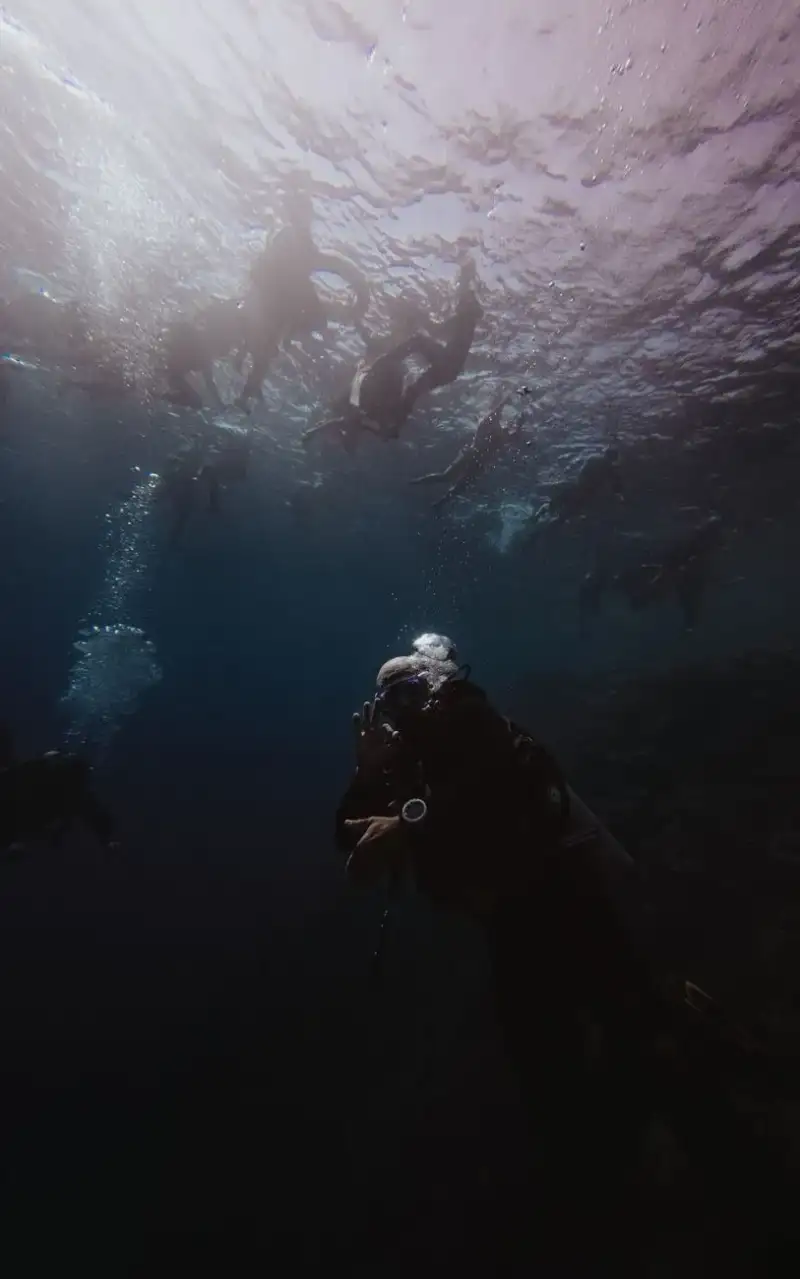
This is Part 2 of the series. Read Part 1 here.How to Plan Your Underwater Museum Adventure: A Step-by-Step Guide Visiting an underwater museum is an unforgettable experience, but it requires careful planning to ensure safety, comfort, and enjoyment. Whether you’re a seasoned diver or a first-time snorkeler, this step-by-step guide will help you prepare for your underwater adventure. From choosing the right destination to packing the essentials, we’ve got you covered. Step 1: Choose Your Destination and Timing The first step is selecting the right underwater museum for your interests and skill level. Consider factors like:Accessibility: Some museums, like Grenada’s, are perfect for beginners, while others, like MUSA’s deeper sections, require advanced certifications. Water Conditions: Research the best time of year for calm seas and optimal visibility. For example, the Caribbean is best from November to April, while the Mediterranean is ideal in summer. Marine Life: If you’re keen on seeing specific species, check which museums are known for attracting certain marine life. MUSA, for instance, is famous for its sea turtles and reef sharks.Step 2: Get Certified (If Necessary) If you plan to dive, you’ll need a scuba certification. Here’s a quick breakdown of the requirements:Open Water Certification: Required for most underwater museums. This certification allows you to dive to depths of 18 meters (60 feet). Advanced Open Water Certification: Recommended for museums with deeper sections or more challenging conditions. Specialty Courses: Some museums, like UMA, offer specialty courses in underwater photography or marine conservation, which can enhance your experience.If you’re not certified, many destinations offer discovery dives or resort courses that allow you to try scuba diving in a controlled environment. These are perfect for beginners who want to experience an underwater museum without committing to a full certification. Step 3: Book a Tour with a Reputable Operator Underwater museums are typically accessed through guided tours, which provide equipment, safety briefings, and local insights. When choosing a tour operator, look for:Safety Record: Check reviews and ratings on platforms like TripAdvisor or ScubaBoard. Group Size: Smaller groups often mean a more personalized experience. Equipment Quality: Ensure the operator provides well-maintained gear, including wetsuits, masks, and BCDs (buoyancy control devices). Environmental Practices: Choose operators that follow eco-friendly guidelines, such as avoiding touching coral or disturbing marine life.Step 4: Pack the Essentials Packing for an underwater museum adventure is similar to preparing for any dive or snorkeling trip, but there are a few key items to prioritize:Dive Certification Card: Bring your certification card if you’re diving. Dive Logbook: Some operators may ask to see your logbook, especially if you’re visiting deeper sections. Reef-Safe Sunscreen: Regular sunscreen can harm marine life, so opt for a mineral-based, reef-safe alternative. Wetsuit: Even in warm waters, a wetsuit can provide protection from the sun, jellyfish, and abrasions. Waterproof Camera: Capture the magic of your experience with a waterproof camera or GoPro. Dive Insurance: Consider purchasing dive insurance, especially if you’re traveling to remote locations.Step 5: Follow Safety and Eco-Friendly Guidelines Safety and environmental responsibility are paramount when visiting underwater museums. Here are some key guidelines to follow:Buoyancy Control: Master your buoyancy to avoid damaging coral or disturbing the sculptures. Many operators offer buoyancy workshops for beginners. No Touching: Resist the urge to touch the sculptures or marine life. Even gentle contact can damage delicate ecosystems. Stay with Your Group: Never wander off alone. Always follow your guide’s instructions. Respect Depth Limits: Adhere to the depth limits of your certification and the tour operator’s guidelines. Leave No Trace: Take all your trash with you, including food wrappers and plastic bottles.Step 6: Capture the Experience Underwater photography is a fantastic way to document your adventure and share it with others. Here are some tips for capturing stunning images:Use a Waterproof Camera: Invest in a good-quality waterproof camera or a GoPro with an underwater housing. Get Close: The closer you are to the subject, the clearer your photos will be. Use your camera’s macro mode for small details. Use Natural Light: Avoid using the camera’s flash, as it can create backscatter (floating particles in the water). Instead, rely on natural light or a video light. Practice Patience: Underwater photography takes time. Don’t rush; take your time to frame the perfect shot.Step 7: Reflect and Share After your dive or snorkeling adventure, take some time to reflect on the experience. Consider the following questions:How did the underwater museum change your perspective on art or conservation? What did you learn about marine ecosystems and the threats they face? How can you support conservation efforts in your own community?Sharing your experience can inspire others to visit these incredible sites and support sustainable tourism. Post your photos on social media with relevant hashtags, write a blog post, or even volunteer with a local marine conservation organization.The Environmental and Economic Impact of Underwater Museums Underwater museums are more than just tourist attractions—they are powerful tools for environmental conservation and economic development. By analyzing their impact, we can see how these projects are transforming coastal communities and marine ecosystems. Below, we break down the key benefits and challenges of underwater museums, supported by real-world data and case studies. Environmental BenefitsCoral Reef RestorationUnderwater museums provide a substrate for coral polyps to attach and grow, helping to restore damaged reefs. For example, MUSA’s sculptures are now 50% covered in coral, providing habitat for over 500 species of fish and invertebrates. A study by the University of Exeter found that artificial reefs can increase fish biomass by up to 200% compared to natural reefs in the same area.Reduction of Overfishing and PollutionBy attracting tourists to underwater museums, these projects divert pressure away from natural reefs, reducing physical damage from fishing gear and pollution. In Grenada, the Underwater Sculpture Park has become a focal point for marine education, with local schools incorporating the park into their curriculum.Climate Change MitigationCoral reefs are vital carbon sinks, absorbing CO2 from the atmosphere. By restoring reefs, underwater museums contribute to climate change mitigation. The Global Coral Reef Monitoring Network estimates that healthy coral reefs can sequester up to 1 kg of carbon per square meter per year.Economic BenefitsBoosting Eco-TourismUnderwater museums generate significant revenue for local communities. In Cancún, MUSA contributes an estimated $5 million USD annually to the local economy through tourism. A report by The Nature Conservancy found that eco-tourism can generate up to 10 times more revenue per hectare than traditional tourism.Job CreationThese projects create jobs in tourism, conservation, and education. In the Bahamas, the Ocean Atlas sculpture has led to the creation of dive guide positions and marine conservation roles. A study by the World Travel & Tourism Council estimates that the travel and tourism sector employs 1 in 10 people globally.Funding for ConservationRevenue from underwater museums often funds local conservation efforts. For example, Grenada’s sculpture park generates funds for the Molinière-Beauséjour Marine Protected Area, which supports research and habitat restoration.Challenges and CriticismsHigh Initial CostsCreating an underwater museum is expensive, with costs ranging from $100,000 to over $1 million USD, depending on the scale and materials used. Funding often comes from a mix of public and private sources, including grants, donations, and tourism revenue.Maintenance and MonitoringUnderwater museums require ongoing maintenance to ensure the sculptures remain structurally sound and continue to support marine life. Regular monitoring is needed to assess the health of the reef and the impact of tourism. In some cases, this requires partnerships with universities or research institutions.Potential for Over-TourismWhile underwater museums can reduce pressure on natural reefs, they can also become victims of their own success. Over-tourism can lead to damage from careless divers or snorkelers. To mitigate this, many museums implement visitor limits, guided tours, and educational programs to promote responsible tourism.Case Study: MUSA’s Success Story MUSA is a prime example of how underwater museums can drive conservation and economic growth. Since its inception in 2009, the museum has:Attracted over 750,000 visitors. Generated over $5 million USD in annual tourism revenue. Supported the growth of over 500 species of fish and coral. Inspired similar projects around the world, including Grenada’s sculpture park and the Bahamas’ Ocean Atlas.The success of MUSA has led to increased investment in underwater museums, with new projects planned in Indonesia, the Philippines, and the United Arab Emirates.Underwater Museum Location Year Established Number of Sculptures Estimated Annual Visitors Estimated Annual Revenue (USD)MUSA Cancún, Mexico 2009 500+ 750,000 $5,000,000Grenada Underwater Sculpture Park Grenada 2006 65 20,000 $1,500,000UMA Florida, USA 2018 10 15,000 $800,000Ocean Atlas Nassau, Bahamas 2014 1 50,000 $2,000,000Underwater Museum of Cannes Cannes, France 2015 34 10,000 $500,000Table: Key metrics for the world’s top underwater museums.Conclusion: Dive In and Make a Difference Underwater museums and sculpture parks are a testament to the power of art to inspire change. They offer a unique blend of adventure, education, and conservation, inviting us to explore the hidden beauty of the ocean while reminding us of our responsibility to protect it. Whether you’re drawn to the surreal sculptures of MUSA, the educational focus of UMA, or the monumental scale of Ocean Atlas, these destinations promise an experience that is as thought-provoking as it is breathtaking. As you plan your underwater adventure, remember that your visit supports conservation efforts and sustainable tourism. By choosing eco-friendly operators, respecting marine life, and sharing your experience, you become part of a global movement to preserve our oceans for future generations. So, take the plunge—literally—and discover the magic that lies beneath the waves. The ocean is not just a place to visit; it’s a world to protect. Underwater museums give us a glimpse of its wonders while offering a path forward for conservation. Whether you’re a diver, a snorkeler, or an armchair traveler, these submerged galleries are a call to action. So, grab your wetsuit, pack your camera, and get ready to dive into a world where art and nature collide in the most extraordinary way.#UnderwaterArt #MarineConservation #EcoTourism #ScubaDiving #TravelWithPurpose Related InsightsKamchatka Volcanoes The Twenty Million Dollar View: A History of Humanity's Most Exclusive Destination Beneath the City of Light: Descending into the Empire of the Dead in Paris{ "@context": "https://schema.org", "@type": "FAQPage", "mainEntity": [ { "@type": "Question", "name": "What is the main focus of Dive Into a Hidden World: The Most Breathtaking Underwater Museums and Sculpture Parks (Part 2)?", "acceptedAnswer": { "@type": "Answer", "text": "Discover the world’s most stunning underwater museums and sculpture parks where art meets marine life. From Mexico to the Maldives, explore how these submerged galleries are revolutionizing eco-tourism and conservation." } }, { "@type": "Question", "name": "Who authored the comprehensive guide on Dive Into a Hidden World: The Most Breathtaking Underwater Museums and Sculpture Parks (Part 2)?", "acceptedAnswer": { "@type": "Answer", "text": "This detailed article and its insights were carefully researched and authored by Wei Chen." } }, { "@type": "Question", "name": "Where can I find more related content about Travel?", "acceptedAnswer": { "@type": "Answer", "text": "You can explore more articles, detailed reviews, and similar insights by browsing the Related Insights section at the bottom of this article or visiting our dedicated Travel category page." } } ] }