Istanbul: Two Continents
-
 Cemre Seyyah
 - 04 Apr, 2026 15:55
A whisper of the East carried on a breeze from the Sea of Marmara, mingling with the bustling clamor of the West echoing from the Golden Horn. Here, where continents kiss and histories collide, stands #Istanbul – a city woven from the very fabric of contradiction and harmony. It is not merely a city that spans two landmasses; it is a profound philosophical statement etched in stone and water, a place where every step is a #journey through millennia and across worlds. #IstanbulDreams #CrossContinental
The Bosphorus: #Istanbul’s Pulsating Artery
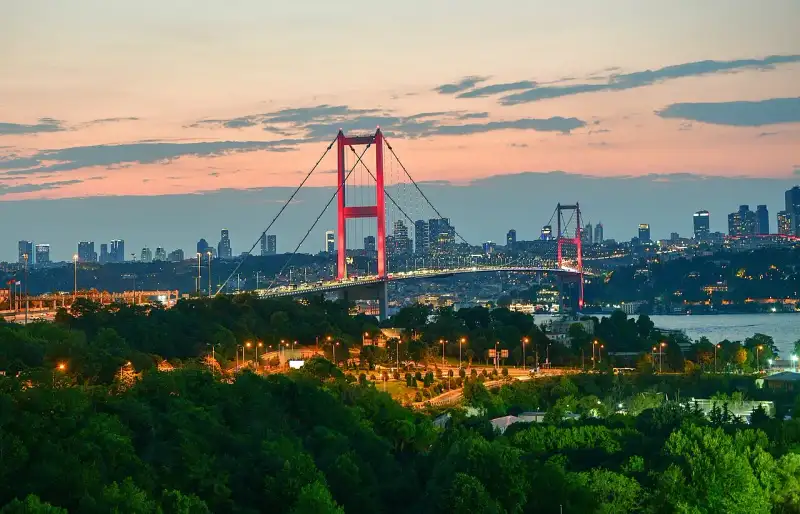
To comprehend Istanbul is to understand the Bosphorus, the narrow, serpentine strait that slices through its heart, carving a natural, undeniable boundary between Asia and Europe. This isn’t just a geographical divide; it’s a living, breathing entity, a liquid highway that has witnessed empires rise and fall, carried countless ships of trade and war, and continues to be the lifeblood of this colossal metropolis. Its shores are lined with verdant hills, opulent palaces, charming wooden yalı houses, and fortresses that stand as silent sentinels to its strategic importance. From the #ancient Greek colonies to the mighty Roman, Byzantine, and Ottoman Empires, control over the Bosphorus meant dominion over critical trade routes between the Black Sea and the Mediterranean. #BosphorusStrait #GatewayToWorlds
A ferry ride across the Bosphorus is perhaps the most quintessential Istanbul experience. As the boat slices through the azure waters, the air is alive with the cry of seagulls, the distant call to prayer, and the murmur of a thousand conversations. Looking back, the European skyline, a silhouette of domes and minarets, gradually gives way to the more serene, residential hills of the Asian side. It’s a #journey not just across water, but across a conceptual chasm, a tangible bridge between two vastly different cultural perspectives. The Bosphorus itself is a miracle of #Nature and geopolitics, dictating much of the city’s unique charm and enduring significance.
Echoes of #empire: The European Side
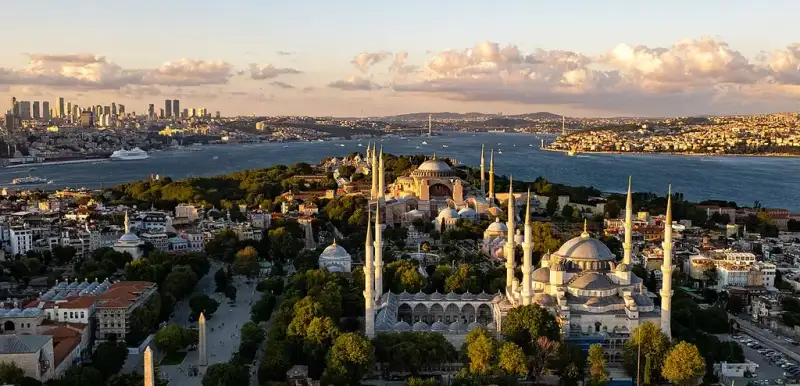
The European side of Istanbul, historically known as Thrace, is where the grand narratives of Byzantium and the Ottoman #empire are most vividly etched. Its historic peninsula, Sultanahmet, is a concentration of monuments that defy belief, each bearing layers of #history.
Sultanahmet: The Cradle of Empires
No visit to Istanbul is complete without losing oneself in Sultanahmet Square, once the mighty Hippodrome of Constantinople, the epicenter of Byzantine public life. Here, chariot races thrilled crowds, political factions clashed, and emperors displayed their power. Today, it remains an open-air museum, flanked by monuments that define the city’s skyline. The Egyptian Obelisk of Thutmose III, brought from Luxor, still stands tall, a testament to the city’s #ancient connections. The Serpent Column, originally from Delphi, and the Walled Obelisk further underscore the area’s incredible lineage. #AncientHistory #SultanahmetSquare
Dominating the square, and indeed the entire city, is Hagia Sophia. A monumental architectural achievement, it has served as a patriarchal basilica, a mosque, a museum, and once again, a mosque. Its colossal dome, seemingly suspended by divine grace, has for centuries inspired awe. Stepping inside, one is enveloped by a spiritual grandeur that transcends religious boundaries. The interplay of light filtering through its numerous windows, illuminating the intricate calligraphy and the faint mosaics peering from behind plaster, speaks volumes of its multi-layered identity. It is a symbol of #ArchitecturalMarvels and human ingenuity.
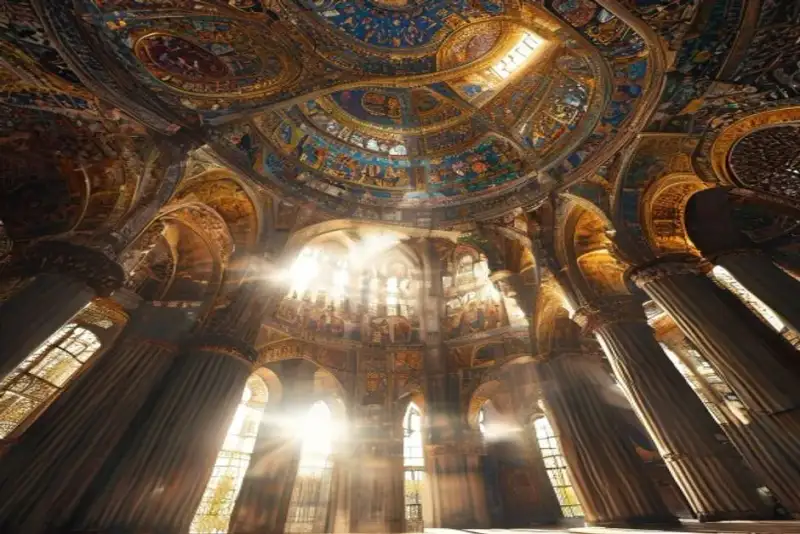
Opposite Hagia Sophia, with its six slender minarets piercing the sky, stands the Blue Mosque (Sultan Ahmed Mosque). Commissioned by Sultan Ahmed I, it was built to rival and surpass the grandeur of its Byzantine neighbor. Its interior is a kaleidoscope of more than 20,000 handmade Iznik tiles, predominantly blue, depicting traditional Ottoman patterns of flowers, trees, and abstract designs. The delicate stained-glass windows, the sweeping calligraphy, and the sheer scale create an atmosphere of profound serenity and devotion. Walking between these two titans of faith and #architecture, one feels the weight of #history pressing down, a tangible sense of the eternal dialogue between East and West. #BlueMosque #OttomanArt
A short stroll away lies Topkapı Palace, the opulent residence of Ottoman sultans for nearly 400 years. This sprawling complex, a city within a city, offers a fascinating glimpse into imperial life. Its numerous courtyards, treasury filled with dazzling jewels (including the legendary Spoonmaker’s Diamond), the armory, the imperial kitchens, and above all, the labyrinthine Harem, reveal the intricacies of Ottoman court life. The Harem, a world unto itself, housed hundreds of concubines, eunuchs, and the sultan’s family, each chamber whispering tales of power, intrigue, and domesticity. The breathtaking views of the Bosphorus and the Golden Horn from the palace gardens are a reminder of the strategic genius behind its placement. #TopkapiPalace #ImperialHistory
Beneath the bustling streets of Sultanahmet lies another marvel: the Basilica Cistern (Yerebatan Sarnıcı). A vast underground water reservoir built in the 6th century by Emperor Justinian, its dimly lit, vaulted chambers supported by 336 marble columns create an otherworldly atmosphere. The two Medusa heads, repurposed as column bases, add to the mystique, their inverted and sideways placement sparking endless legends. It’s a truly #UniqueExperience, a cool, quiet respite from the city’s energy.
Beyoğlu: The Modern Pulse
Crossing the Galata Bridge from Sultanahmet, one enters the vibrant district of Beyoğlu, historically known as Pera. This area, once home to foreign embassies and European merchants, still carries an air of cosmopolitan sophistication. The iconic Istiklal Avenue, a bustling pedestrian thoroughfare, pulsates with life day and night. Vintage trams clatter along its length, past grand Belle Époque buildings, international boutiques, art galleries, cinemas, and historic passages like the elegant Çiçek Pasajı (Flower Passage). It’s a place where modern Turkish #culture intermingles with echoes of its European past. #IstiklalAvenue #UrbanExploration
Rising majestically above Beyoğlu is the Galata Tower. Built by the Genoese in the 14th century, this cylindrical stone tower offers unparalleled panoramic views of Istanbul. From its observation deck, one can see the entire sweep of the city: the historic peninsula with its iconic mosques, the serpentine Bosphorus, the Golden Horn, and the sprawling Asian side. It’s a breathtaking vista that underscores Istanbul’s sheer scale and beauty. #GalataTower #CityViews
Beyond Istiklal, the neighborhoods of Cihangir and Karaköy beckon. Cihangir, with its bohemian vibe, charming cafes, and antique shops, is a haven for artists and intellectuals. Karaköy, once a gritty port district, has transformed into a trendy hub with contemporary art galleries, design studios, and chic eateries housed in renovated warehouses. These areas demonstrate Istanbul’s dynamic evolution, where tradition and innovation dance a delicate tango.
Fener and Balat: A Step Back in Time
For those seeking a deeper dive into Istanbul’s multicultural past, the UNESCO-listed neighborhoods of Fener and Balat are essential. These winding, cobblestone streets, lined with brightly painted Ottoman houses, were historically home to Greek Orthodox and Jewish communities. The Patriarchate of Constantinople, the spiritual center of the Greek Orthodox Church, stands proudly in Fener. Balat, with its synagogue and charming cafes nestled amidst restored houses, offers a glimpse into a bygone era, a quiet contrast to the city’s major tourist hubs. Exploring these areas feels like uncovering hidden #IstanbulGems.
The Asian Side: A Different Rhythm
To truly experience Istanbul’s duality, one must venture across the Bosphorus to the Asian side, historically known as Anatolia. While often overlooked by first-time visitors, it offers a more relaxed, authentic glimpse into contemporary Turkish life, away from the historical grandeur of Sultanahmet. It’s where the city lives, eats, and unwinds.
Kadıköy: The Soul of Anatolia
Taking a ferry from Eminönü or Karaköy to Kadıköy is an experience in itself. The 20-minute journey offers spectacular views of the European skyline receding and the Asian shore approaching. Kadıköy, a vibrant, sprawling district, feels immediately different – less monumental, more everyday, yet equally captivating. #AsianSideIstanbul #KadıköyLife
The Kadıköy Market is a foodie’s paradise. A bustling labyrinth of stalls overflowing with fresh produce, aromatic spices, local cheeses, olives, and an impressive array of seafood, it’s a sensory feast. Locals flock here for their daily groceries, and visitors can sample an array of Turkish delights, from freshly roasted nuts to succulent midye dolma (stuffed mussels). The market is a true reflection of Istanbul’s culinary heart. #FoodieParadise #LocalMarkets
Beyond the market, the neighborhood of Moda offers a laid-back, bohemian atmosphere. Its tree-lined streets are dotted with charming cafes, boutique shops, and a #beautiful seaside promenade perfect for an evening stroll, watching the sunset over the European continent. Moda is where Istanbul’s youth gathers, enjoying coffee, live music, and the simple pleasure of sea air.
Üsküdar: Legends and Panoramas
North of Kadıköy, Üsküdar is another historically significant district on the Asian side, replete with #beautiful Ottoman mosques and a distinctly traditional feel. The Mihrimah Sultan Mosque, designed by the legendary Mimar Sinan, stands gracefully by the ferry terminal, its elegant #architecture complementing the Bosphorus backdrop.
The most iconic symbol of Üsküdar, and indeed a major emblem of Istanbul, is the Maiden’s Tower (Kız Kulesi). Perched on a tiny islet just off the shore, this small, enigmatic tower is steeped in legends – from a Byzantine emperor hiding his daughter from a prophecy of snakebite to a tragic love story. It stands as a solitary, romantic beacon, especially enchanting at sunset when its silhouette is cast against the fiery sky. #MaidenTower #IstanbulLegends
For breathtaking panoramic views that encompass both continents, a trip up Çamlıca Hill is a must. Home to the monumental Çamlıca Mosque, Turkey’s largest, the hill offers an elevated perspective of the entire cityscape, from the historic peninsula to the sprawling suburbs of Asia, with the Bosphorus weaving its majestic path in between. It’s a perfect spot to grasp the sheer scale of Istanbul.
The Culinary Tapestry: A Feast for the Senses
Istanbul is a city that eats, breathes, and dreams food. Its cuisine is a delectable fusion of Central Asian, Middle Eastern, and Mediterranean influences, refined over centuries in the imperial kitchens of the Ottoman sultans. From humble street food to elegant fine dining, every meal is an adventure. #TurkishCuisine #FoodTravel
Start your day with a traditional Turkish breakfast (kahvaltı), a lavish spread of cheeses, olives, tomatoes, cucumbers, honey, jams, eggs, and an endless supply of strong Turkish tea. For lunch, embrace the street food #culture. A freshly baked simit (sesame-crusted bread ring) from a street vendor, a succulent döner kebab, or the spicy, earthy kokoreç are essential experiences. Don’t forget midye dolma – mussels stuffed with aromatic rice, lemon, and spices, found on almost every corner.
Evenings invite more elaborate meals. Meze, a selection of small, flavorful dishes, sets the stage for a feast. Then come the kebabs – countless varieties, from the classic Adana and Urfa to the more refined Iskender. Seafood, caught fresh from the Bosphorus and the Marmara Sea, is another highlight, especially in restaurants along the strait.
No meal is complete without indulging in the famous Turkish desserts. Baklava, layers of filo pastry filled with pistachios or walnuts and drenched in syrup, is a sweet symphony. Künefe, a hot, stretchy cheese pastry topped with pistachios, is heavenly. And of course, the ubiquitous Turkish Delight (lokum), available in a myriad of flavors, makes for a perfect souvenir. Wash it all down with strong Turkish coffee, served in small cups, or endless glasses of black tea. For something stronger, try rakı, the anise-flavored spirit often enjoyed with meze and fish.
Cultural Immersion: Beyond the Sights
Istanbul’s magic isn’t just in its landmarks; it’s in its soul, its daily rhythms, and its ancient traditions.
A visit to a Turkish Hamam is a purifying ritual, a journey back in time. These traditional bathhouses offer a unique experience of steam, exfoliation, and massage, leaving one feeling utterly refreshed and rejuvenated. It’s not just a bath; it’s a social and cultural institution. #TurkishHamam #WellnessTravel
The hauntingly beautiful sound of the Ezan, the call to prayer, echoes through the city five times a day, weaving its way into the urban soundscape. It’s a reminder of Istanbul’s deep spiritual roots and its enduring faith.
Witnessing a performance of the Whirling Dervishes (Sema) is a profoundly moving experience. This spiritual ceremony of the Mevlevi Order, with its mesmerizing circular dance, is a form of active meditation that seeks spiritual union. It is a powerful display of #SufiCulture and tradition.
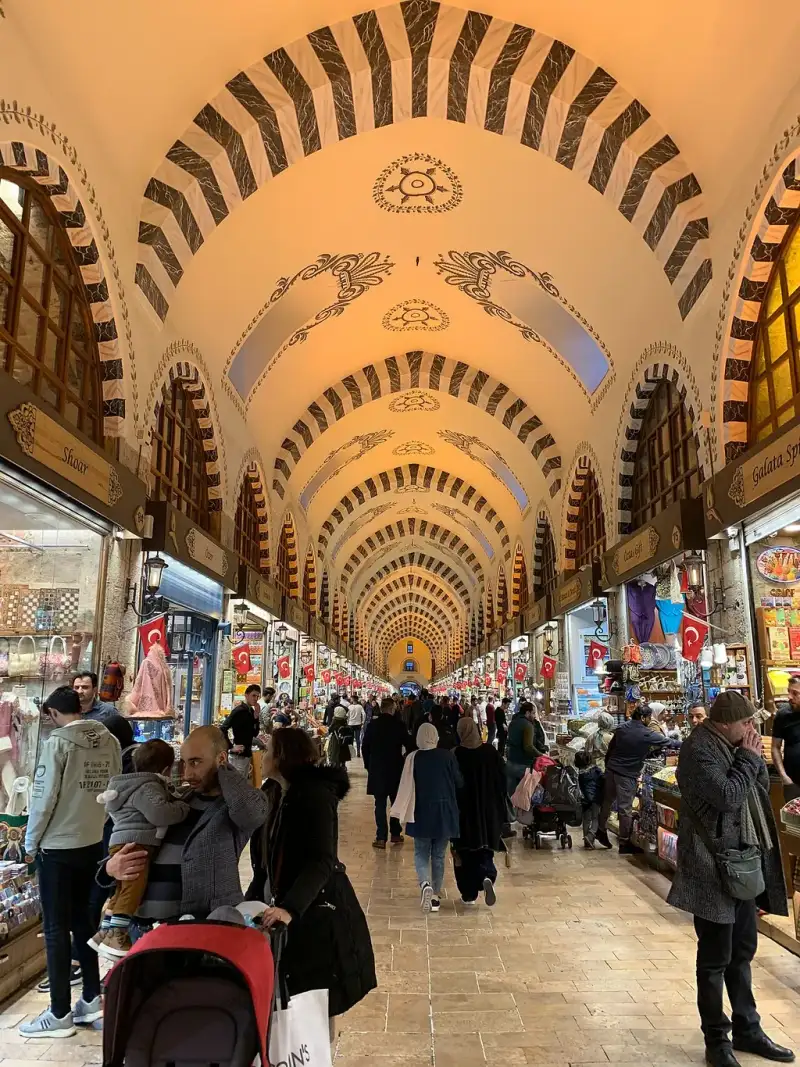
Walking through the Grand Bazaar and the Spice Bazaar is a sensory overload in the best possible way. The Grand Bazaar, one of the world’s oldest and largest covered markets, is a maze of over 4,000 shops selling everything from carpets and jewelry to ceramics and leather. The Spice Bazaar, equally vibrant, assaults the senses with the aromas of exotic spices, dried fruits, nuts, and Turkish Delight. Haggling is expected, and the experience is as much about the lively banter as it is about the purchases. #GrandBazaar #SpiceBazaar
Navigating the Metropolis: Practicalities
Istanbul is a vast city, but its public transportation system is efficient and comprehensive. An Istanbulkart (a rechargeable smart card) is essential for seamless #travel on trams, metros, buses, and ferries. The tram (T1 line) is particularly useful for reaching most major historical sites on the European side. Ferries are not just transport; they are a vital part of the Istanbul experience, offering stunning views and a refreshing journey across the Bosphorus. Taxis are plentiful but ensure the meter is used.
The best time to visit Istanbul is during the spring (April-May) and autumn (September-October), when the weather is pleasant, and the crowds are manageable. Summers can be hot and humid, while winters can be cold and occasionally snowy, though they offer a different, quieter charm.
Accommodation options are diverse, ranging from luxury hotels in restored Ottoman palaces along the Bosphorus to charming boutique hotels in Sultanahmet and trendy hostels in Beyoğlu. Staying in Sultanahmet keeps you close to the major historical sites, while Beyoğlu offers a more modern, lively atmosphere. For a more local experience, consider the Asian side.
Safety in Istanbul is generally good, but like any large city, awareness of your surroundings and safeguarding your belongings is advisable. The warmth and hospitality of the Turkish people (misafirperverlik) are legendary; you’ll often find strangers eager to help or share a cup of tea.
The Enduring Allure
Istanbul is more than a city; it is a crossroads of civilizations, a living museum, and a vibrant, modern metropolis all rolled into one. It is a place where every corner holds a story, every scent evokes a memory, and every view is a masterpiece. Its unique position, straddling two continents, has imbued it with an unparalleled richness – a fusion of logic and mysticism, tradition and innovation, East and West.
As the sun sets, casting a golden glow over the Bosphorus, illuminating the minarets and bridges, one realizes that Istanbul doesn’t merely exist between two continents; it defines what it means for two worlds to coexist, to enrich each other, and to create something utterly magnificent. It challenges perceptions, broadens horizons, and leaves an indelible mark on the soul of every traveler fortunate enough to wander its storied streets. This city, forever in motion, forever ancient, forever new, truly embodies the spirit of #EternalIstanbul. Come, and let its two hearts beat within you. #TravelInspiration #ExploreTurkey #CulturalCrossroads #CityOfDreams #HistoricalJourney #BreathtakingViews #Wanderlust #EpicDestinations #MustVisit
#travel #explore #guide