Showing Posts From
Architecture
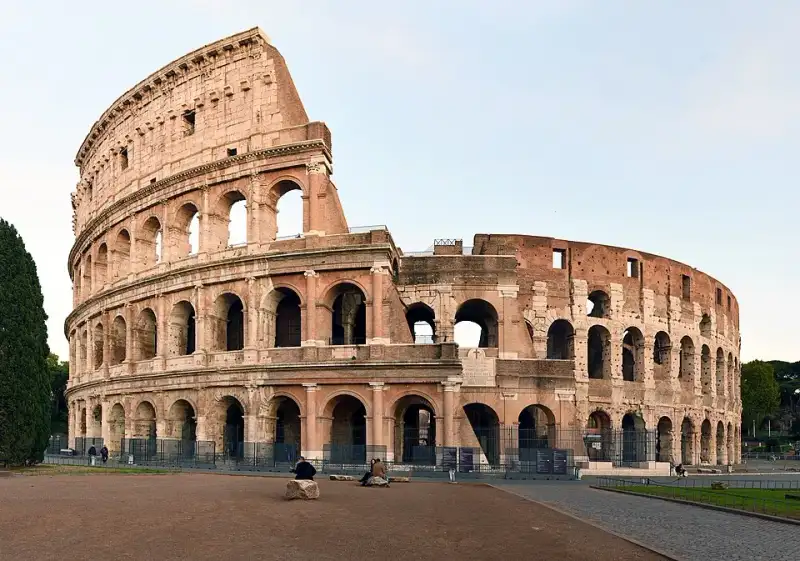

In the very center of the Eternal City, amidst the bustling streets of modern Rome, stands a monument that defies the relentless march of time. The Colosseum, originally known as the Flavian Amphitheatre, is not merely a ruin; it is a profound testament to the ambition, engineering prowess, and complex societal fabric of the Roman Empire. For nearly two millennia, this colossal structure of stone and concrete has captured the imagination of travelers, historians, and artists alike. Its massive, scarred walls whisper tales of glorious triumphs, agonizing defeats, and the roaring crowds that once filled its tiers. To stand before the Colosseum is to stand before the crystallized essence of an empire that once ruled the known world. The story of the Colosseum #Colosseum is inextricably linked to the narrative of Rome itself. It is a story of political maneuvering, architectural innovation, and a cultural obsession with spectacle and violence. From its foundation by Emperor Vespasian to its eventual decline and modern resurrection as a global icon, the Colosseum's journey is a microcosm of human history. This comprehensive exploration will delve into the origins, construction, architectural genius, and the bloody reality of the games that defined this magnificent structure, shedding light on why it remains one of the most recognizable and revered landmarks on the planet #AncientRome. Out of the Ashes: The Origins and Construction The genesis of the Colosseum is rooted in chaos and revolution. Following the suicide of the infamous Emperor Nero in 68 AD, the Roman Empire plunged into a period of violent instability known as the Year of the Four Emperors. Out of this civil war emerged Vespasian, a seasoned military commander who founded the Flavian dynasty. Vespasian was a pragmatic ruler, keenly aware of the need to consolidate his power and appease a populace weary of turmoil and the excesses of his predecessor. Nero had alienated the Roman citizens by confiscating a vast tract of prime real estate in the city center—devastated by the Great Fire of Rome in 64 AD—to build his opulent Domus Aurea, or Golden House. This sprawling palace complex, complete with a massive artificial lake, was a symbol of Nero's tyranny and extravagance #RomanHistory. In a masterstroke of political propaganda, Vespasian decided to dismantle the Domus Aurea and return the land to the people. At the site of Nero's private lake, he decreed the construction of a colossal public amphitheater. This was a clear message: whereas Nero built for his own pleasure, the Flavian emperors would build for the entertainment and benefit of the Roman citizens. The financing for this immense project came from a grim source: the spoils of the First Jewish-Roman War. Following the brutal sack of Jerusalem in 70 AD, immense wealth was brought back to Rome, alongside tens of thousands of Jewish captives who would provide the backbreaking labor required to raise the amphitheater from the ground #AncientEngineering. Construction began around 70-72 AD and proceeded at a remarkable pace, driven by the sheer will of the emperor and the limitless supply of slave labor. The engineering challenges were immense. The site of the former lake had to be drained, a feat accomplished by constructing a massive network of underground drains that channeled the water to the river Tiber. Once the ground was stabilized, the foundations—massive concrete rings up to 13 meters deep—were poured to support the immense weight of the structure. The building materials were sourced from across the region. Over 100,000 cubic meters of travertine limestone, quarried in Tivoli, were transported to Rome along a specially built road. This gleaming white stone was used for the exterior facade and the main load-bearing pillars. Tuff, a softer volcanic rock, and brick-faced concrete were used extensively for the inner walls and vaults, demonstrating the Romans' mastery of concrete (opus caementicium)—a material that revolutionized ancient architecture by allowing for the construction of vast, soaring spaces without the need for internal supports #Architecture. Vespasian did not live to see the completion of his great project. He died in 79 AD, and the amphitheater was inaugurated by his son and successor, Titus, in 80 AD. The inaugural games were an extravagant affair, lasting 100 days and resulting in the slaughter of thousands of wild animals and gladiators. The Colosseum was further modified by Titus's brother, Domitian, who added the highest tier and, crucially, constructed the complex underground network known as the hypogeum. A Symphony of Stone: Architectural Grandeur and Design The sheer scale of the Colosseum is staggering, even by modern standards. It is an elliptical structure, measuring 189 meters (615 feet) long, 156 meters (510 feet) wide, and originally rising to a height of nearly 50 meters (164 feet). It is estimated that it could hold between 50,000 and 80,000 spectators, making it the largest amphitheater ever built. The design is a triumph of functionality and aesthetics, a perfect marriage of form and purpose #MonumentalArchitecture. The exterior facade is perhaps the most iconic element of the Colosseum. It consists of three arcaded tiers, surmounted by a solid, un-arcaded attic story. What makes the facade particularly fascinating is the deliberate progression of architectural orders. The half-columns on the ground floor are of the sturdy, simple Doric order; the second floor features the more elegant Ionic order; and the third floor is adorned with the ornate Corinthian order. The top story features Corinthian pilasters framing rectangular windows. This upward progression, from the heaviest to the most delicate, gives the massive structure a sense of lightness and upward thrust, drawing the eye toward the sky #RomanArchitecture. Inside the amphitheater, the seating arrangement, known as the cavea, was a rigid reflection of Roman social hierarchy. The Colosseum was a microcosm of Roman society, where every citizen knew their place. The podium, the lowest and best tier, was reserved for the Emperor, the Vestal Virgins, senators, and visiting dignitaries. Their seats were inscribed with their names, some of which can still be seen today. The maenianum primum was situated above the podium and was occupied by the equestrian class (knights) and noblemen. The maenianum secundum, divided into an upper and lower section, was for the ordinary Roman citizens (plebeians). The lower part was for wealthier citizens, while the upper part was for poorer individuals. Finally, the maenianum summum in ligneis, added by Domitian, was a steep wooden gallery at the very top of the structure, designated for the lowest classes, including women and slaves #AncientSocieties.One of the most impressive functional aspects of the Colosseum's design was its crowd control system. The architects incorporated 80 numbered arched entrances on the ground level, 76 of which were for the general public. These led into a complex network of vaulted corridors, staircases, and passageways that allowed tens of thousands of spectators to enter and exit the building with astonishing efficiency. These exit points were called vomitoria—not because they were places to regurgitate, as a popular myth suggests, but from the Latin word vomere, meaning "to spew forth," accurately describing how the amphitheater could rapidly empty its vast crowds into the streets of Rome #UrbanPlanning. To protect the spectators from the blistering Roman sun, the Colosseum was equipped with a velarium, an immense retractable awning. This marvel of ancient engineering consisted of a vast canvas suspended from a network of ropes, supported by 240 wooden masts set into corbels around the top cornice. The velarium was operated by a specialized detachment of sailors from the Roman imperial fleet, stationed at the nearby Castra Misenatium. They used complex rigging, similar to that used on a ship, to unfurl and retract the awning, providing shade while allowing a cooling breeze to circulate through the arena #EngineeringMarvel. The Hypogeum: The Beating Heart of the Arena While the soaring arches and tiered seating are the most visible aspects of the Colosseum, its true technological marvel lay hidden beneath the sandy floor of the arena. This subterranean world, known as the hypogeum (Greek for "underground"), was added by Emperor Domitian shortly after the inauguration. It transformed the Colosseum from a simple amphitheater into a highly sophisticated machine designed for death and spectacle #Hypogeum. The hypogeum was a complex, two-level labyrinth of tunnels, chambers, and holding pens. It served as the staging area for the games, a place of frenzied activity where gladiators prepared for battle and exotic beasts were kept in darkness before being thrust into the blinding light of the arena. The logistics of managing this underground city were immense. Hundreds of workers—animal handlers, stagehands, guards, and engineers—toiled in the stifling, foul-smelling darkness to ensure the smooth running of the spectacles above #HiddenHistory. The most ingenious feature of the hypogeum was its intricate system of elevators, pulleys, and trapdoors. The Romans constructed at least 28 sophisticated wooden elevators, powered by capstans turned by slaves. These elevators were used to hoist wild animals—lions, bears, leopards, and wolves—from their cages up to the arena floor. The simultaneous release of dozens of predators from hidden trapdoors across the arena would have created a terrifying and awe-inspiring effect for the audience. Furthermore, the hypogeum was used to raise elaborate stage sets (sylvae). Trees, rocks, and entire buildings could be hoisted into the arena to recreate mythological landscapes or exotic locales, providing a dramatic backdrop for the hunts and executions. The sheer theatricality of these mechanisms demonstrates that the Roman games were not merely bloody slaughters, but highly produced, immersive theatrical events designed to shock, amaze, and entertain #AncientTech. Blood and Sand: The Spectacles of the Colosseum The events held within the Colosseum were central to Roman culture. The games, or ludi, were sponsored by the emperor or wealthy politicians as a means of gaining popularity, demonstrating power, and placating the masses—a strategy famously summarized by the poet Juvenal as "bread and circuses" (panem et circenses). The games were multi-day festivals, and a typical day at the Colosseum followed a structured, gruesome schedule #Gladiators. The morning was typically dedicated to the venationes, or wild animal hunts. The Roman Empire stretched from the deserts of Africa to the forests of Northern Europe, and the emperors used the games to showcase their dominion over the natural world. Exotic beasts—elephants, rhinos, hippos, crocodiles, ostriches, and big cats—were imported at enormous expense and systematically slaughtered. Specially trained hunters, called venatores and bestiarii, armed with spears and bows, would battle the beasts in recreated natural settings. The scale of the slaughter was staggering; it is said that 9,000 animals were killed during the 100-day inaugural games alone, driving some species to the brink of local extinction #RomanEmpire. The midday slot was reserved for the ludi meridiani, the public executions. This was a brutal demonstration of Roman justice, designed to deter crime and reinforce the authority of the state. Criminals, prisoners of war, and, during periods of persecution, Christians, were put to death in increasingly theatrical and sadistic ways. The most common method was damnatio ad bestias, where the condemned were thrown unarmed to starved predators. Others were forced to participate in fatal reenactments of mythological stories, ensuring their deaths were both agonizing and entertaining to the bloodthirsty crowd #AncientJustice. The climax of the day, held in the late afternoon, was the munera—the gladiatorial combats. Gladiators were the superstars of the ancient world. Though predominantly slaves, prisoners of war, or condemned criminals, successful gladiators could achieve immense fame, wealth, and even freedom. They lived in specialized barracks (such as the Ludus Magnus, located near the Colosseum) and underwent rigorous training under the harsh discipline of a lanista #GladiatorLife. There were many distinct types of gladiators, each with specialized armor and weapons, designed to create thrilling and balanced match-ups. The heavily armored Murmillo, with his fish-crested helmet and large rectangular shield, often fought the Thraex, who carried a small square shield and a curved sword. Perhaps the most iconic was the Retiarius, who fought with minimal armor, relying on a weighted net and a trident to entangle and spear his opponent, typically a heavily armored Secutor. The combats were not always chaotic brawls; they were highly regulated martial arts contests overseen by referees. While death was a common outcome, it was not inevitable. Gladiators were expensive investments, and organizers often spared the lives of brave but defeated fighters. The fate of a vanquished gladiator rested in the hands of the emperor, who would heed the roar of the crowd, signaling their preference with a gesture—the infamous "thumbs up" or "thumbs down," though the exact nature of this gesture remains debated among historians #HistoryFacts. There are also ancient accounts of naumachiae, or mock sea battles, being held in the Colosseum. Writers such as Cassius Dio report that the arena was flooded to recreate famous naval engagements. However, the logistics of waterproofing the arena and the subsequent construction of the complex hypogeum make it highly likely that if these sea battles did occur, they happened only in the earliest years of the Colosseum's history, before Domitian's underground renovations made flooding impossible. The Long Twilight: Decline, Fall, and Transformation The bloody spectacles of the Colosseum continued for over four centuries, but the turning point came with the gradual transformation of the Roman Empire. The rise of Christianity, which prioritized the sanctity of human life, increasingly clashed with the brutality of the games. In 325 AD, Emperor Constantine I, the first Christian emperor, issued an edict condemning gladiatorial combat, though the practice persisted. It was not until the early 5th century, under Emperor Honorius, that gladiatorial games were definitively banned, largely due to the martyrdom of a monk named Telemachus, who was stoned to death by the crowd when he tried to intervene in a fight #ChristianHistory. The venationes continued for another century, but as the Western Roman Empire crumbled under economic strain and barbarian invasions, the enormous cost of importing animals and maintaining the vast structure became unsustainable. The last recorded animal hunt took place in 523 AD. Following the cessation of the games, the Colosseum fell into a long period of decline and transformation. It was battered by the forces of nature; a series of devastating earthquakes, particularly a massive tremor in 1349, caused the collapse of the southern side of the outer ring. The ruined structure ceased to be an entertainment venue and was repurposed by the pragmatic citizens of Rome #MiddleAges. During the medieval period, the vast interior was transformed into a bustling neighborhood. The vaulted corridors beneath the seating were walled off and rented out as housing, workshops, and even stables. A small church was built into the structure, and the arena floor was used as a cemetery. In the 12th century, the powerful Frangipani family fortified the Colosseum, turning the ancient monument into a formidable castle to assert their dominance over Rome. Perhaps the greatest damage to the Colosseum was inflicted not by nature, but by humans. For centuries, the building was treated as a vast, convenient quarry. The massive blocks of travertine that had tumbled down during earthquakes were carted away to build palaces, churches, and hospitals throughout Rome, including St. Peter's Basilica. The iron and bronze clamps that held down the stones were meticulously chipped out, leaving the pockmarked facade that is visible today. It is estimated that nearly two-thirds of the original structure was destroyed or removed during this period #HistoricalRuins. Resurrection: The Colosseum in the Modern Era The systematic plundering of the Colosseum only ceased in the mid-18th century. In a bid to preserve the monument, Pope Benedict XIV consecrated the arena in 1749, declaring it a sacred site sanctified by the blood of Christian martyrs—a historically dubious claim, as most early Christian martyrdoms likely occurred in the Circus Maximus or other arenas, but a crucial turning point for the building's survival. The Pope erected the Stations of the Cross around the arena floor, establishing a tradition that continues to this day, with the current Pope leading the Good Friday procession at the Colosseum #Vatican. The 19th and 20th centuries saw concerted efforts to stabilize and restore the ruins. French architects under Napoleon began the first modern excavations of the arena floor, uncovering the forgotten hypogeum. Subsequent Italian governments continued the restoration, shoring up the collapsing outer walls with massive brick buttresses that remain visible today. Under the Fascist regime of Benito Mussolini, the area around the Colosseum was radically altered with the construction of the Via dei Fori Imperiali, an imposing boulevard that cuts through the ancient forums, intended to link Mussolini's new Rome with the glories of the imperial past. Today, the Colosseum stands as one of the most visited archaeological sites on earth, drawing millions of tourists annually. In 1980, it was designated a UNESCO World Heritage Site, and in 2007, it was overwhelmingly voted as one of the New Seven Wonders of the World. Recent restoration projects, funded both by the Italian state and private luxury brands, have meticulously cleaned the facade, restoring the travertine to its original gleaming hue, and opened up new areas of the hypogeum and the upper tiers to the public #WonderOfTheWorld. The cultural impact of the Colosseum is immeasurable. It is a ubiquitous symbol of Rome and Italy, instantly recognizable across the globe. It has served as the dramatic backdrop for countless films, from the classic Roman Holiday to the epic Gladiator, continuing to shape our modern perception of ancient Rome. It remains a powerful muse for artists, writers, and architects, a testament to the enduring power of monumental architecture to inspire awe and reflection #TravelRome. Conclusion The Colosseum is far more than a pile of ancient stones; it is a profound monument to the complexities of human nature. It stands as a pinnacle of Roman engineering, a structure of breathtaking scale and ingenuity that has survived earthquakes, fires, and centuries of plunder. Yet, it is also a chilling reminder of the cruelty and bloodlust that characterized Roman society, an arena where the suffering of men and beasts was consumed as entertainment. To walk through the shadowed archways of the Colosseum is to step back in time. One can almost hear the roar of the eighty thousand spectators, the clash of steel, and the desperate cries of the condemned. It is a place where glory and horror are inextricably linked. As long as its towering walls remain standing, the Colosseum will continue to dominate the skyline of Rome, serving as an eternal bridge between the modern world and the faded, bloody grandeur of the Roman Empire. As the 8th-century English monk the Venerable Bede famously prophesied: "While the Colosseum stands, Rome shall stand; when the Colosseum falls, Rome shall fall; when Rome falls, the world shall fall." #EternalCity #RomeHistory #Colosseum #Rome #AncientHistory #Gladiators Related InsightsEchoes from the Ash: The Rise, Fall, and Resurrection of Pompeii The Acropolis of Athens: A Timeless Citadel of Human Triumph The Whispering Stones of Chichen Itza: Echoes of the Maya{ "@context": "https://schema.org", "@type": "FAQPage", "mainEntity": [ { "@type": "Question", "name": "What is the main focus of The Colosseum: Echoes of Eternity in the Heart of Rome?", "acceptedAnswer": { "@type": "Answer", "text": "Discover the fascinating history, architectural brilliance, and enduring legacy of the Colosseum, Rome's greatest monument and an icon of the ancient world." } }, { "@type": "Question", "name": "Who authored the comprehensive guide on The Colosseum: Echoes of Eternity in the Heart of Rome?", "acceptedAnswer": { "@type": "Answer", "text": "This detailed article and its insights were carefully researched and authored by Liam Carter." } }, { "@type": "Question", "name": "Where can I find more related content about History?", "acceptedAnswer": { "@type": "Answer", "text": "You can explore more articles, detailed reviews, and similar insights by browsing the Related Insights section at the bottom of this article or visiting our dedicated History category page." } } ] }
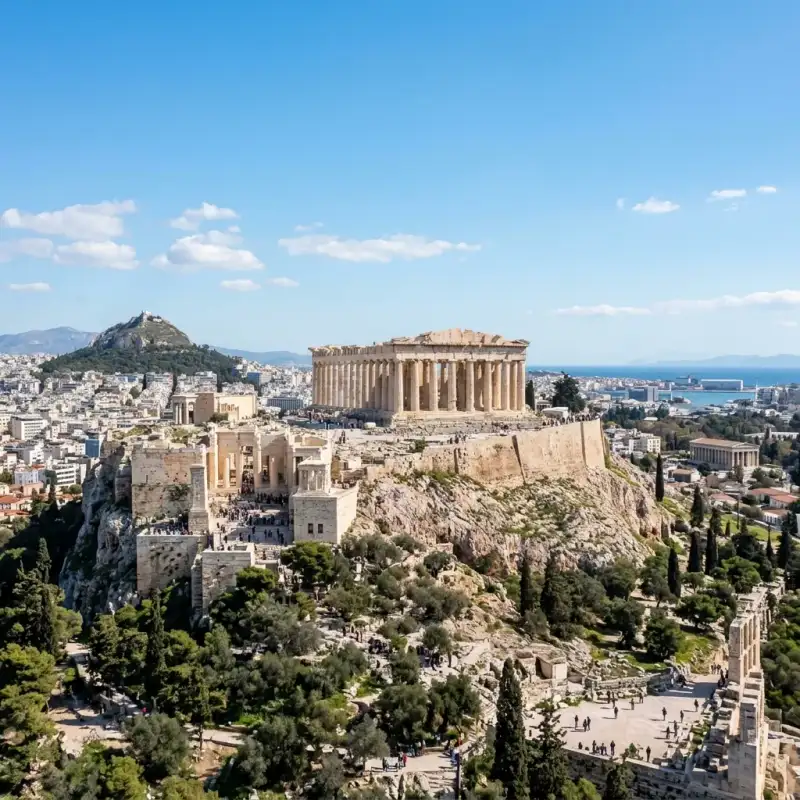
High above the sprawling, sun-drenched metropolis of modern Athens stands a limestone outcropping that has captured the human imagination for millennia. The Acropolis of Athens is not simply a collection of ancient ruins; it is the physical manifestation of the zenith of classical antiquity, the very cradle of Western civilization, and a breathtaking testament to the boundless potential of human creativity. As you stand at the foot of this sacred rock and gaze upwards, the sheer magnitude of its historical and cultural weight is palpable in the dry Mediterranean air. The temples that crown its summit—the Parthenon, the Erechtheion, the Temple of Athena Nike, and the majestic Propylaea—have withstood the ravages of time, brutal wars, and the relentless elements to remain as eternal beacons of philosophical, artistic, and political achievement. #AcropolisOfAthens #AncientHistory #TravelGreece When we speak of the Acropolis, we are inherently speaking of the birth of democracy, the flourishing of philosophy under the brilliant minds of Socrates, Plato, and Aristotle, and the genesis of theatrical tragedy and comedy. It is a place where myth and history intertwine so intimately that it becomes nearly impossible to separate the divine pantheon from the mortal men and women who worshipped them. For passionate travelers, diligent historians, and romantic dreamers alike, the Acropolis serves as the ultimate pilgrimage site, a place to connect viscerally with the deep roots of our modern world. In this comprehensive and immersive exploration, we will delve deep into the rich history, the astounding architectural marvels, the captivating legends, and the enduring legacy of this magnificent citadel. Prepare to be transported back to the Golden Age of Pericles, to walk the sacred paths of the Panathenaic Way, and to discover precisely why the Acropolis of Athens remains one of the most significant and awe-inspiring cultural landmarks on Earth. #Wanderlust #GreekMythology #WorldHeritage The Sacred Rock: Geography and Early Origins To truly understand the essence of the Acropolis, one must first understand the formidable rock upon which it is painstakingly built. Rising approximately 150 meters (490 feet) above sea level, the flat-topped limestone rock is a natural fortress par excellence. Its steep, almost vertical slopes provided excellent defensive capabilities, making it the most logical and ideal location for an ancient citadel. The word "acropolis" itself is derived from the Greek words "akron" (meaning highest point or extremity) and "polis" (meaning city). While there are countless acropoleis scattered across the mountainous terrain of Greece, the Acropolis of Athens is so universally iconic that it is almost always referred to simply as "The Acropolis" without any further qualification needed. #Geography #AthensGreece #AncientCitadel Human habitation on the Acropolis dates back deep into prehistory, specifically to the Neolithic period, around the 4th millennium BC. The earliest settlers were undoubtedly attracted by the formidable natural defense offered by the rock, as well as the crucial presence of fresh water springs, such as the famous Clepsydra spring tucked into the northwestern slope, which provided a reliable and life-saving water source during times of prolonged siege. By the Mycenaean period (around the 13th century BC), the Acropolis had transformed into a heavily fortified royal residence. Massive cyclopean walls, remarkably similar to those found at the legendary sites of Mycenae and Tiryns, were constructed around the perimeter of the rock. Traces of these ancient, awe-inspiring Mycenaean walls can still be seen today, silently woven into the later classical fortifications. This era was characterized by a fierce warrior culture, and the Acropolis served as the impenetrable heart of a burgeoning, ambitious city-state. #Mycenaean #AncientRuins #Archaeology As Athens slowly transitioned from a monarchy ruled by kings to an aristocracy of nobles and eventually to a revolutionary, fledgling democracy, the primary function of the Acropolis evolved in tandem. The royal palaces of old were replaced by grand temples dedicated to the fierce and wise patron goddess of the city, Athena. During the archaic period, several large and impressive temples were constructed, including the "Bluebeard" temple (named after a vividly painted sculpture found there) and the Old Temple of Athena, which housed the ancient, deeply venerated wooden cult statue of the goddess. These early structures were proudly adorned with vibrant, garish colors and elaborate pedimental sculptures, a stark contrast to the bleached, austere white marble we typically associate with antiquity today. However, this vibrant period of architectural experimentation and religious devotion was brutally interrupted by the Persian invasions of Greece. In 480 BC, under the command of the vengeful King Xerxes, the Persians successfully sacked Athens and razed the Acropolis to the ground, mercilessly burning the temples and destroying the sacred statues. This catastrophic, heart-breaking event, known archaeologically as the Perserschutt (Persian debris), left the Acropolis in smoldering ruins, but paradoxically, it also cleared the physical and psychological slate, paving the way for the most glorious chapter in its long history. #PersianWars #HistoryNerd #AncientGreece The Golden Age of Pericles: A Vision Realized in Marble Following the decisive and miraculous Greek victories over the vast Persian forces at the naval battle of Salamis and the land battle of Plataea, Athens emerged proudly as the dominant naval and political power in the Aegean Sea. The formation of the Delian League, initially an alliance of Greek city-states intended to defend against any future Persian attacks, slowly and inevitably transformed into a lucrative Athenian empire. The vast wealth flowing directly into Athens from its subordinate allies provided the city with unprecedented financial resources. It was in this intoxicating atmosphere of military triumph, economic prosperity, and renewed cultural confidence that the visionary Athenian statesman Pericles proposed a wildly ambitious, incredibly expensive building program for the devastated Acropolis. #Pericles #GoldenAge #AthenianEmpire Pericles envisioned an Acropolis that would not only honor the victorious gods but also serve as a monumental, undeniable display of Athenian wealth, imperial power, and absolute cultural superiority. To realize this grand vision, he assembled a veritable dream team of the greatest architects, sculptors, and artists of the classical age. The brilliant and renowned sculptor Phidias was appointed as the general overseer and artistic director of the entire massive project, while the genius architects Ictinus, Callicrates, and Mnesicles were specifically tasked with designing the individual, ground-breaking structures. The construction, which officially began in 447 BC and continued relentlessly for several decades, was an absolute marvel of logistical organization, structural engineering, and harmonious artistic collaboration. The primary building material, the pristine, dazzling white marble from nearby Mount Pentelicus, had to be painstakingly quarried, transported over rough, uneven terrain, and hoisted up the incredibly steep slopes of the Acropolis using innovative cranes and pulley systems. Thousands of highly skilled artisans, master stonemasons, carpenters, and laborers worked tirelessly, day in and day out, to bring Pericles' audacious vision to brilliant life. #Phidias #GreekArt #ClassicalArchitecture The ideological and philosophical underpinnings of Periclean Athens were deeply and intentionally woven into the very fabric of the new Acropolis. The monuments were purposefully designed to celebrate the ultimate victory of order over chaos, of enlightened civilization over savage barbarism, and naturally, of the Greeks over the Persians (a theme often allegorically represented by the mythological battles of the Olympian gods against the monstrous giants, or the civilized Lapiths against the unruly centaurs). It was a true golden era of intense intellectual and artistic ferment. As the towering temples steadily rose against the blue Attic sky, so too did the foundational pillars of Western philosophy, political science, and dramatic arts in the city below. The Acropolis was not a dead sanctuary isolated from the vibrant, noisy life of the city; it was the sacred, beating apex of a society that was rapidly and radically reinventing what it meant to be a civilized human being. The Periclean building program utterly transformed the battered, sad ruins of the old Acropolis into the ultimate expression of the classical ideal, forging an architectural ensemble of unparalleled beauty, mathematical harmony, and spiritual resonance that continues to inspire absolute awe today. #Architecture #ClassicalHistory #Humanism The Parthenon: The Crown Jewel of Classical Perfection At the very center of the Acropolis, commanding the highest point of the rock, stands the Parthenon, the undeniable masterpiece of ancient Greek architecture and the enduring, globally recognized symbol of ancient Greece itself. Dedicated entirely to Athena Parthenos (Athena the Virgin), the fierce patron goddess of the city, the Parthenon was built between 447 and 432 BC. Designed by the visionary architects Ictinus and Callicrates under the strict supervision of Phidias, the colossal temple represents the absolute culmination of the austere Doric order, yet it masterfully and subtly incorporates elegant Ionic elements to create a structure of perfect proportion, visual harmony, and majestic grace. #Parthenon #AncientArchitecture #Masterpiece What makes the Parthenon so profoundly extraordinary is not merely its immense physical size, but its incredibly sophisticated understanding of optical illusions and the quirks of human visual perception. The masterful architects knew inherently that perfectly straight lines and strict right angles, when viewed from a distance under the glaring Mediterranean sun, can easily appear rigid, dead, or even distorted. To counteract this natural phenomenon, they introduced a brilliant series of subtle structural refinements collectively known as "entasis." Astoundingly, there are virtually no perfectly straight lines anywhere in the Parthenon. The massive columns bulge ever so slightly in the middle to prevent them from looking awkwardly concave; the stylobate (the stepped platform upon which the entire colonnade rests) curves gently upward in the center to completely prevent the optical illusion of sagging beneath the immense weight of the roof; and the columns themselves lean slightly inward, giving the incredibly heavy stone building a wondrous sense of dynamic uplift, organic life, and breathing elasticity. This meticulous, almost obsessive attention to mathematical proportion (often romantically associated with the Golden Ratio) and clever visual trickery breathes vital life into the cold marble, making the Parthenon appear as though it grew organically and perfectly from the sacred bedrock itself. #GoldenRatio #ArchitectureLovers #OpticalIllusion The magnificent sculptural decoration of the Parthenon, carefully supervised by Phidias himself, was equally groundbreaking and ambitious. The massive pediments (the triangular gables at the east and west ends of the roof) depicted incredibly important mythological events tied to the city: the miraculous birth of fully-armed Athena from the head of Zeus on the east pediment, and the fiercely contested battle between Athena and Poseidon for the divine patronage of Athens on the west. The meticulously carved metopes (the square panels situated just above the outer colonnade) vividly illustrated dramatic mythical battles that symbolized the grand triumph of civilization over barbarism, such as the epic battle of the gods and giants, and the bloody clash between the Greeks and the Amazons. But perhaps the most famous, studied, and controversial sculptural element is the exquisite Ionic frieze that ran continuously around the high exterior wall of the inner sanctuary (the cella). This long, continuous band of breathtakingly detailed relief sculpture is widely believed by scholars to depict the Panathenaic procession, the absolute most important religious and civic festival in ancient Athens. It is a remarkably rare and significant instance of ordinary mortal citizens being proudly depicted alongside the divine gods on a major religious temple. Inside the dimly lit cella stood the crowning, awe-inspiring glory of the temple: the colossal chryselephantine (gleaming gold and ivory) statue of Athena Parthenos, created by the master Phidias himself. Standing nearly 12 meters (40 feet) tall, this dazzling, unimaginably expensive colossus held a life-sized statue of Nike (Victory) in her outstretched right hand, serving as a glittering, unforgettable testament to the city's immense wealth, imperial power, and devout religious dedication. #Sculpture #Athena #AncientArt The Erechtheion: Where Myth Meets Marble While the Parthenon is the undeniable star and focal point of the Acropolis, the Erechtheion is undeniably its most complex, enigmatic, mysterious, and arguably most enchanting structure. Built on the northern side of the Acropolis bedrock between 421 and 406 BC, the Erechtheion is a glaring architectural anomaly. Unlike the strictly symmetrical, perfectly proportioned, and rational Parthenon, the Erechtheion features a highly irregular, bizarrely asymmetrical floor plan. This was entirely necessary to gracefully accommodate the severely uneven terrain of the site and, more importantly, the strict religious requirement to house multiple ancient, deeply venerated shrines and sacred relics under one roof without disturbing them. #Erechtheion #Mythology #AncientMysteries The Erechtheion occupies the absolute most sacred ground on the entire Acropolis. It was deliberately built exactly on the legendary, mythic site of the famous contest between Athena and Poseidon. According to the foundational myth, the two powerful deities fiercely vied for the lucrative patronage of the city. Poseidon forcefully struck the solid rock with his mighty trident, bringing forth a bubbling spring of saltwater (or a magnificent, wild warhorse, in some thrilling versions of the tale). Athena, in turn, calmly struck the ground with her spear and magically brought forth the very first domesticated olive tree, a profound symbol of lasting peace, agricultural abundance, and economic prosperity. The Olympian gods sagely judged Athena's practical gift to be the far more valuable of the two, and she rightfully became the eternal patroness of Athens. The complex Erechtheion was ingeniously designed to encompass both of these sacred, physical marks: a specific opening in the roof and floor supposedly indicated exactly where Poseidon's trident had violently struck, and a sacred, living olive tree grew within the temple's walled precinct (a beautiful olive tree continues to grow precisely there today, lovingly replanted in modern times as a living, breathing link to the ancient myth). Furthermore, the temple housed the most ancient, holiest olive-wood cult statue of Athena Polias (Athena of the City), which was fervently believed to have miraculously fallen from heaven itself and was the central, revered focus of the grand Panathenaic festival. #Poseidon #GreekMyths #SacredOliveTree The absolute most iconic and beloved feature of the Erechtheion, however, is the breathtaking Porch of the Maidens gracefully attached to its southern side. Here, in a stunning departure from traditional architectural norms, the heavy marble roof is not supported by standard columns, but by six gracefully sculpted, beautifully idealized female figures known as the Caryatids. These stoic maidens stand with quiet, unwavering dignity, their intricately carved, flowing drapery purposefully resembling the vertical fluting of a traditional column, their strong, serene heads effortlessly bearing the immense crushing weight of the stone entablature above. The captivating figures currently standing exposed on the Acropolis are meticulous, high-quality modern replicas; five of the priceless original Caryatids are safely housed in the nearby, climate-controlled Acropolis Museum to protect them from further devastation by modern air pollution, while the sixth was tragically and controversially removed by Lord Elgin in the early 19th century and currently resides far away in the British Museum. The Caryatids remain one of the most instantly recognizable, endlessly copied, and universally beloved elements of classical Greek art, embodying a truly perfect, unparalleled fusion of structural utility and sublime aesthetic beauty. #Caryatids #ArtHistory #ClassicalBeauty The Propylaea and the Delicate Temple of Athena Nike The magnificent, awe-inspiring entrance to the sacred Acropolis precinct is the Propylaea, a truly monumental gateway brilliantly designed by the architect Mnesicles. Construction on this massive undertaking began in 437 BC but was tragically interrupted by the devastating outbreak of the Peloponnesian War in 432 BC and was, sadly, never fully completed according to its original, grandiose plan. Despite this, the Propylaea stands as a masterpiece of architectural ingenuity and spatial manipulation. Mnesicles was faced with the daunting task of designing a massive structure that could successfully bridge the incredibly steep, aggressively uneven slope of the western approach while simultaneously providing a grand, dramatic, and awe-inspiring transition from the noisy, secular world of the city below to the quiet, sacred sanctuary above. He masterfully achieved this by creating a highly complex structure with a massive central hall and two wide projecting wings, ingeniously utilizing a combination of robust, imposing Doric columns on the bold exterior facades and elegant, slender Ionic columns flanking the central, ascending passageway. The Propylaea was not merely a functional gate; it was a carefully choreographed psychological experience, designed to induce a profound sense of religious reverence, physical smallness, and breathless anticipation in the approaching visitor. Fascinatingly, one of the large wings even functioned as an early, public art gallery (known as the Pinakotheke), proudly displaying beautiful panel paintings for the enjoyment of weary travelers and devout pilgrims. #Propylaea #AncientGateway #MonumentalArchitecture Perched incredibly precariously on a sheer, steep bastion immediately to the right of the massive Propylaea is the tiny, exquisite Temple of Athena Nike (Athena of Victory). Designed by the Parthenon's co-architect, Callicrates, this incredibly small, graceful Ionic temple was finally completed around 420 BC. It replaced a much earlier, simpler shrine dedicated to the exact same victorious goddess. The temple's design is amphiprostyle, meaning it features a delicate colonnade at both the front and the rear but none along its enclosed sides. Interestingly, its intricately carved frieze boldly depicted scenes of actual, historical military battles between Greeks and Persians, a highly unusual and significant departure from the purely mythological, allegorical scenes traditionally found on other sacred temples of the era. The absolute most striking and famous sculptural element associated with this small temple was the beautifully carved marble parapet that surrounded the perilous edge of the bastion, added a few years after the temple's initial completion to protect visitors from falling. The parapet was lavishly adorned with high-relief sculptures of the winged goddess Nike in various everyday poses, the absolute most famous of which is the breathtakingly beautiful "Nike Adjusting Her Sandal." This undisputed masterpiece of the High Classical style is globally renowned for its incredibly masterful use of the "wet drapery" technique, wherein the thin marble fabric appears to cling wetly to the goddess's form, revealing the perfect human anatomy beneath with astonishing, almost provocative grace and sensuality. The Temple of Athena Nike stands proudly as a delicate, refined jewel, offering a striking, necessary architectural counterpoint to the massive, imposing scale of the Propylaea and the Parthenon. #AthenaNike #GreekTemple #WetDrapery A Citadel Through Time: Conquests, Transformations, and Tragedies The pristine classical perfection of the Periclean Acropolis was, unfortunately, not destined to remain undisturbed in a vacuum of time. Over the subsequent two and a half long, tumultuous millennia, the sacred rock bore silent witness to the endless rise and violent fall of vast empires, each successive conqueror leaving its distinct, often destructive mark on the ancient monuments. During the Hellenistic and subsequent Roman periods, the Acropolis remained a highly respected, heavily visited sanctuary. The Romans, who were profound and eager admirers of Greek culture and art, enthusiastically added their own monuments to the site, such as the small circular Temple of Rome and Augustus, and generously funded the restoration of several of the older, weathering structures. However, with the eventual rise and total dominance of Christianity, the ancient pagan temples underwent a radical, forced transformation. In the 6th century AD, the glorious Parthenon was officially converted into a Christian church dedicated to the Virgin Mary (known locally as Panagia Atheniotissa). This drastic conversion involved highly significant structural alterations to the ancient fabric, including the complete removal of the inner columns, the construction of a large Christian apse at the east end (which necessitated destroying part of the ancient frieze), and the unfortunate, deliberate defacement and destruction of many of the original "pagan" sculptures. The Erechtheion and the Temple of Athena Nike were similarly converted into active Christian churches. #ByzantineHistory #RomanEmpire #HistoricalTransformations In the 15th century, the expanding Ottoman Empire violently conquered Athens, and the long-suffering Acropolis underwent yet another radical transformation. The Parthenon, once a pagan temple and then a Christian church, was promptly converted into an Islamic mosque, and a tall, slender minaret was prominently added to its southwest corner. The elegant Erechtheion, once the holiest of ancient shrines, was repurposed to serve as the private harem for the local Turkish military commander, and the grand Propylaea was dangerously used as a heavily fortified gunpowder magazine. For several centuries, despite these dramatic changes in use, the monuments remained relatively intact structurally. However, the absolute greatest physical tragedy to ever befall the Acropolis occurred in the fateful year of 1687 during the brutal Morean War. Expanding Venetian forces, led by the aggressive General Francesco Morosini, laid heavy siege to the entrenched Ottoman garrison stationed on the Acropolis. The defending Ottomans had been actively using the Parthenon to store their massive reserves of gunpowder, foolishly believing the cultured Venetians would not dare fire their devastating artillery upon such a globally revered, ancient monument. They were tragically, disastrously mistaken. A fateful Venetian mortar shell struck the Parthenon dead-on, instantly igniting the massive stores of gunpowder and causing an absolutely massive, catastrophic explosion that violently blew out the entire center of the building, instantly destroying the heavy roof, the massive cella walls, and blowing out many of the exterior columns. The magnificent, pristine temple, which had miraculously stood largely intact for over two thousand long years, was tragically reduced to a shattered ruin in a single, deafening, catastrophic moment of war. #OttomanEmpire #VenetianSiege #HistoryOfWar The Controversy of the Marbles and The Modern Era The dawn of the 19th century brought an entirely different, highly controversial kind of tragedy to the scarred rock. Between 1801 and 1812, Thomas Bruce, the 7th Earl of Elgin and the acting British ambassador to the Ottoman Empire, controversially utilized an ambiguous Ottoman decree to brutally hack away and remove roughly half of all the surviving, priceless sculptures from the ruins of the Parthenon, as well as violently extracting one of the beautiful Caryatids from the Erechtheion and plundering numerous architectural fragments from other buildings. These violently removed sculptures, now widely known as the Elgin Marbles or the Parthenon Sculptures, were eventually shipped back to England, sold to the British government, and are currently housed in the British Museum in London. The removal of the marbles remains to this day a highly contentious, incredibly emotional international issue, with the modern Greek government and numerous passionate international organizations fiercely campaigning for their immediate return to Athens. They correctly argue that the sculptures are an integral, inseparable part of the unified monument and belong solely in their original, intended context, where they can be beautifully, safely displayed under the bright Attic sun in the state-of-the-art, purpose-built Acropolis Museum. #ElginMarbles #CulturalHeritage #Repatriation #ParthenonSculptures Modern Conservation: Protecting the Past for the Future Following the bloody but successful establishment of the fully independent Greek state in the 1830s, the Acropolis was immediately and proudly declared a protected archaeological site. The various medieval, Frankish, and Ottoman additions (including the minaret and a prominent Frankish tower) were systematically and aggressively cleared away in a determined, purist effort to forcefully restore the rock to its pristine, classical appearance. However, many early, enthusiastic restoration efforts in the 19th and early 20th centuries, though undoubtedly well-intentioned, tragically often caused far more long-term harm than good. The widespread use of ordinary iron clamps to physically hold shattered marble blocks together proved absolutely disastrous; as the iron inevitably rusted over the decades, it expanded violently, splitting and cracking the ancient, irreplaceable marble from the inside out. #Archaeology #Restoration #HeritageConservation Recognizing the dire, escalating crisis, in 1975, the Greek government officially launched the Acropolis Restoration Project, an incredibly monumental, highly scientific, and meticulously planned endeavor aimed at properly preserving and accurately, safely restoring the fragile monuments. This massive project, which successfully continues to this very day, represents the absolute pinnacle of modern conservation science and techniques. The highly destructive, rusty iron clamps of the past have been painstakingly removed and replaced with completely non-corrosive, custom-machined titanium. Thousands of fragments of shattered marble scattered aimlessly around the site have been meticulously cataloged, scanned, and, where structurally possible, seamlessly reincorporated into the standing buildings. The brilliant architects, engineers, and archaeologists involved in the project strictly adhere to the vital principle of complete reversibility, ensuring that any modern, structural additions can be safely and easily removed in the future if superior techniques or materials become available. Furthermore, all necessary modern interventions are carefully carved from fresh, bright Pentelic marble, ensuring they can be easily visually distinguished from the weathered ancient stone by future scholars. #HistoricPreservation #ScienceInArchaeology #Titanium The exposed Acropolis also faces severe, ongoing modern environmental threats, particularly from corrosive acid rain and heavy urban air pollution, which can rapidly eat away at the incredibly delicate, carved marble surfaces. To aggressively mitigate this grave threat, many of the most precious original sculptures, including the remaining majestic Caryatids and the delicate surviving frieze panels, have been carefully removed from the corrosive outdoor air and moved to the perfectly climate-controlled, protective environment of the breathtaking, modern Acropolis Museum, located just at the foot of the hill. The brilliant museum not only perfectly protects these priceless, irreplaceable artifacts but also masterfully provides millions of global visitors with unparalleled, profound contextual understanding of the entire site. As a proudly designated, highly protected UNESCO World Heritage site, the Acropolis inherently belongs not just to the people of Greece, but to the entirety of humanity. The massive, ongoing, dedicated efforts to meticulously protect and restore it are a beautiful, inspiring testament to our enduring, global commitment to honoring and preserving the physical, sacred remnants of our shared cultural heritage. #UNESCOWorldHeritage #AcropolisMuseum #Preservation Conclusion: The Eternal Flame of Human Civilization The Acropolis of Athens is far, far more than simply a dusty hill covered in beautiful, broken ancient stones. It is a profound, deeply moving testament to the absolute heights of human ambition, towering intellect, and sublime artistic endeavor. Through the brutal rise and violent fall of countless empires, through devastating wars, catastrophic explosions, religious conversions, and the slow, relentless, grinding passage of time, the Acropolis has stubbornly, magnificently endured. It stands proudly as a silent, powerful witness to the messy, brilliant birth of modern democracy, the breathtaking dawn of critical Western philosophy, and the absolute, unsurpassed perfection of classical art and architecture. #CulturalLegacy #HumanAchievement #HistoryMatters When we reverently walk the worn, ancient marble paths of the Acropolis today, we are quite literally walking in the exact footsteps of giants like Pericles, Socrates, Plato, and Phidias. We are actively engaging in a profound, silent dialogue with a distant, golden past that continues to fundamentally shape and inform our modern present. The magnificent Parthenon, with its exquisitely harmonious, mathematical proportions and its breathtaking, timeless beauty, remains the ultimate, unrivaled symbol of the classical ideal—a glowing beacon of pure reason, civic order, and exalted humanism in an increasingly complex, chaotic world. The Acropolis serves to constantly remind us of exactly what humanity is truly capable of achieving when we are guided by bold vision, peaceful collaboration, and an unwavering pursuit of absolute excellence. It is not merely a static monument to a dead past; it is an incredibly powerful, enduring source of inspiration for the future, a sacred, luminous rock that will undoubtedly continue to captivate, challenge, and uplift the human spirit for countless generations to come. #AthensForever #Inspiration #WondersOfTheWorld #Acropolis #Athens #Greece #Parthenon #History Related InsightsThe Great Fire of London (1666): An Empire Reborn from Ashes Viking Raids: The True Norse Warriors Behind the Legends The Enigma of Stonehenge: Druids and Giant Stones in Ancient Britain{ "@context": "https://schema.org", "@type": "FAQPage", "mainEntity": [ { "@type": "Question", "name": "What is the main focus of The Acropolis of Athens: A Timeless Citadel of Human Triumph?", "acceptedAnswer": { "@type": "Answer", "text": "Explore the majestic Acropolis of Athens, its magnificent architecture like the Parthenon, and its enduring legacy as the cradle of Western civilization." } }, { "@type": "Question", "name": "Who authored the comprehensive guide on The Acropolis of Athens: A Timeless Citadel of Human Triumph?", "acceptedAnswer": { "@type": "Answer", "text": "This detailed article and its insights were carefully researched and authored by Liam Carter." } }, { "@type": "Question", "name": "Where can I find more related content about History?", "acceptedAnswer": { "@type": "Answer", "text": "You can explore more articles, detailed reviews, and similar insights by browsing the Related Insights section at the bottom of this article or visiting our dedicated History category page." } } ] }
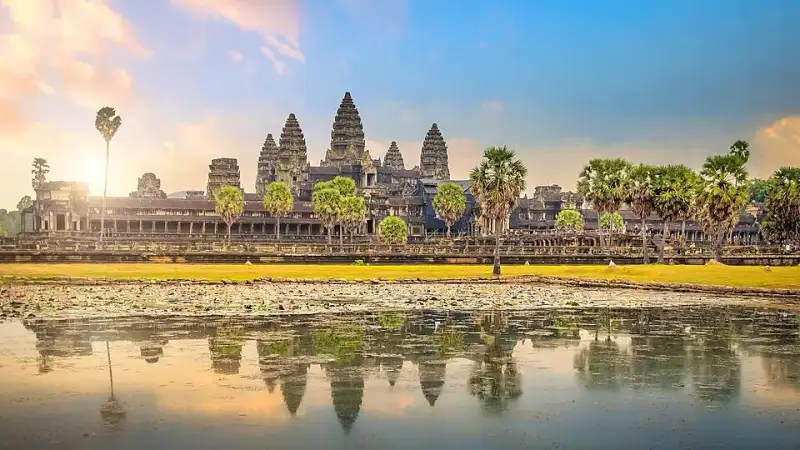
The morning air in Siem Reap is thick with anticipation and the humid, earthy promise of a tropical day. Long before the first rays of light breach the eastern horizon, thousands of travelers, pilgrims, and photographers gather in the pre-dawn darkness at the edge of a massive reflective pool. Their eyes are fixed collectively on the silhouetted horizon, waiting in hushed reverence. They are here to witness the awakening of a giant. As the sky slowly transitions from an inky indigo to vibrant hues of purple, crimson, and finally a brilliant, piercing gold, the iconic quincunx of lotus-bud towers comes into sharp relief against the dawn. The dark waters of the pond mirror this celestial painting perfectly, creating an illusion of infinite symmetry. This is the unforgettable, timeless magic of #AngkorWat, a sight that has captivated the human imagination for centuries and unequivocally stands as one of the most profound architectural achievements in the history of human civilization. #SunriseAtAngkor #CambodiaTravel #AncientWonders To stand physically before Angkor Wat is to stand before the absolute zenith of the Khmer Empire's architectural ambition and engineering prowess. Built in the early 12th century under the visionary reign of King Suryavarman II, this colossal stone edifice was never meant to be merely a place of mundane worship; it was intricately conceived as an earthly replica of the universe itself, an astronomical instrument of stone. Spanning an astonishing 162.6 hectares, it proudly holds the Guinness World Record for the largest religious structure in the world, dwarfing European cathedrals and Mesoamerican pyramids alike. But beyond its sheer, mind-boggling scale, it is the meticulous detail, the profound cosmic symbolism, and the narrative power carved into every square inch of its sandstone walls that elevate it from a monumental ruin to a living, breathing testament of spiritual devotion. #WorldHeritage #ArchitectureLovers #TempleArchitecture Unlike the vast majority of preceding Angkorian state temples that were strictly dedicated to Shiva, Suryavarman II boldly broke with centuries of religious tradition and dedicated his magnum opus to Vishnu, the Hindu god of preservation and the protector of the universe. This specific dedication is reflected in the temple's highly unusual westward orientation—a direction typically associated with death in classical Hindu cosmology, but also intrinsically linked to the supreme deity Vishnu. This anomaly has led many prominent historians and archaeologists to suggest that Angkor Wat originally served a profound dual purpose: it functioned as the primary state temple during the all-powerful king's life and was designed to be his ultimate, grandiose mausoleum upon his death. The westward orientation also provides the magnificent, slanted afternoon light that perfectly illuminates the extensive bas-reliefs on the first-level galleries, creating a daily spectacle of shadows and glowing, golden stone. #HinduMythology #KhmerEmpire #HistoricalWonders The architectural layout of Angkor Wat is a masterful, mathematically precise synthesis of two fundamental plans in classic Khmer temple architecture: the imposing temple-mountain and the expansive galleried temple. At its absolute core, the structure is designed to represent Mount Meru, the mythical home of the gods in both Hindu and Buddhist cosmological traditions. The five central towers, reaching toward the heavens, symbolize the five jagged peaks of this sacred mountain. Meanwhile, the towering enclosing walls represent the impenetrable mountain ranges at the edge of the world, and the expansive, deep moat represents the boundless cosmic ocean that encircles everything. This microcosm of the universe was not merely symbolic; it was a literal, physical manifestation of the divine order, strategically designed to legitimize the king's supreme rule and his direct, unassailable connection to the gods above. #SacredArchitecture #MountMeru #DivineDesign One cannot fully appreciate the staggering majesty of Angkor Wat without attempting to understand the monumental engineering effort required to construct it. The temple is built from millions of precisely cut blocks of sandstone, with some individual stones weighing up to an incredible 1.5 tons. These colossal stones were not found locally; they were quarried from the sacred slopes of Mount Kulen, located roughly 40 kilometers to the northeast of the temple site. To transport this massive volume of heavy stone across the dense jungle terrain, the brilliant Khmer engineers devised an intricate, highly efficient network of canals, allowing massive wooden rafts to carry the blocks directly to the construction site. It is estimated by scholars that the relentless construction took over 30 years to complete, involving the backbreaking labor of hundreds of thousands of highly skilled artisans, master sculptors, and laborers, working in tandem with thousands of powerful Asian elephants. #AncientEngineering #HistoryFascinates #ArchaeologicalMarvel The colossal moat surrounding Angkor Wat is another breathtaking marvel of ancient environmental engineering. A massive, perfect rectangle of water measuring 1.5 kilometers by 1.3 kilometers, it is not simply a decorative feature, a defensive barrier, or a symbolic cosmic ocean. It plays a highly critical structural role that keeps the entire complex standing. The temple is built on a relatively unstable foundation of sand, and the water table beneath the immense weight of the temple is inextricably linked to the precise water level in the surrounding moat. By meticulously maintaining a constant water level in the moat year-round, despite the extreme fluctuations of the monsoon seasons, the Khmer engineers cleverly ensured that the subterranean sand foundation remained perfectly stable and compacted. Without this continuous hydrostatic pressure pushing inward, the massive stone towers would have long since collapsed outward under their own immense weight. It is a brilliant, lasting example of an ancient civilization working harmoniously with nature's forces rather than fighting stubbornly against them. #Hydrology #EngineeringMarvels #AncientTechnology As you physically cross the massive, ancient sandstone causeway over the dark waters of the moat, flanked by imposing stone naga (serpent) balustrades, you undergo a palpable spatial and spiritual transition. You are symbolically leaving the chaotic, mundane world behind and entering the ordered, sacred realm of the gods. The western entry pavilion, or gopura, is an impressively massive structure in its own right, beautifully adorned with intricate floral carvings and towering gateways that cast long, cooling shadows. Passing through this dark, cool threshold, the expansive inner grounds are suddenly revealed, leading your eye down a seemingly endless, elevated avenue toward the looming central sanctuary. The sense of scale is manipulated masterfully by the ancient architects; the temple seems to grow larger, more imposing, and more intricate with every single step you take, a deliberate design choice meant to humble the mortal visitor before the immense power of the divine. #SpiritualJourney #TempleDesign #ArchitecturePhotography The true narrative heartbeat and historical record of Angkor Wat lies firmly within its sprawling, shaded outer galleries. This first enclosure encompasses nearly 1,200 square meters of continuous, unbroken bas-reliefs, offering a mesmerizing visual encyclopedia of sacred Hindu epics, glorious historical battles, and the opulent royal court of King Suryavarman II. The sheer craftsmanship is breathtaking. Every surface is incredibly alive with fluid movement; fierce warriors clash with swords and spears, delicate celestial beings soar through the stone sky, and triumphant kings ride majestically atop heavily armored war elephants. The master artisans carved these complex scenes with such extraordinary depth, perspective, and precision that they almost seem to leap off the flat stone, capturing the terrifying chaos of war and the sublime serenity of the heavens with equal, unmatched mastery. #AncientArt #StoneCarving #ArtHistory #KhmerArt Perhaps the most famous, most analyzed, and artistically significant of these immense bas-reliefs is the stunning depiction of the Churning of the Ocean of Milk. Located in the southern section of the eastern gallery, this 49-meter-long, perfectly preserved panel vividly illustrates a pivotal Hindu creation myth. It vividly shows 92 terrifying asuras (demons) and 88 serene devas (gods) engaged in a grueling, cosmic tug-of-war, using the giant, multi-headed serpent Vasuki as a massive rope wrapped securely around Mount Mandara. They churn the cosmic ocean for thousands of weary years to produce amrita, the legendary, coveted elixir of immortality. At the exact center stands the four-armed Vishnu, the temple's patron deity, in his avatar as the giant tortoise Kurma, providing a stable pivot for the rotating mountain. The sheer dynamism, the rhythmic composition, and the mathematical perfection of this panel make it an undisputed masterpiece of classical Khmer art. #HinduEpics #Mythology #AsianArt #StorytellingInStone In stark, sobering contrast to the mythological grandeur of the Churning of the Ocean of Milk is the visceral, horrifying depiction of the Battle of Kurukshetra, drawn directly from the great Hindu epic, the Mahabharata. Located in the dimly lit western gallery, this chaotic, claustrophobic scene shows the bloody, apocalyptic climax of the devastating war between the rival Kauravas and the Pandavas. The carved stone is a tangled, terrifying mass of falling infantry, charging horse-drawn chariots, and dying soldiers trampled underfoot. The level of agonizing detail is staggering; one can clearly see the individual expressions of raw agony on the faces of fallen warriors and the intricate, diverse armor of the commanding generals. It is a deeply sobering reflection on the terrible human cost of conflict, rendered eternally in unyielding sandstone. #Mahabharata #EpicPoetry #WarInArt #AncientBattles Amidst the grand, sweeping narratives of bloody battles and cosmic gods, the massive walls of Angkor Wat are also gracefully graced by the delicate, omnipresent figures of over 3,000 devatas and apsaras—celestial nymphs and divine dancers. These beautiful figures are not merely decorative afterthoughts; they serve as vital spiritual guardians and essential intermediaries between the flawed human realm and the perfect divine realm. What makes these thousands of apsaras truly remarkable is their incredible individuality. No two figures are exactly alike. They exhibit an astonishing, almost overwhelming variety of complex hairstyles, intricate jewelry, elaborate headdresses, and subtle facial expressions. Some smile enigmatically with closed lips, while others cast downcast, demure glances or hold delicate lotus flowers. They are a lasting testament to the incredible individual creativity of the thousands of Khmer sculptors who worked tirelessly within the otherwise strict parameters of state religious iconography. #Apsara #KhmerSculpture #DivineFeminine #WomenInAncientArt As the centuries slowly passed and empires rose and fell, the spiritual landscape of the Khmer Empire began to undergo a profound shift. By the end of the 12th century, under the powerful reign of King Jayavarman VII, the empire officially embraced Mahayana Buddhism, and later, the more austere Theravada Buddhism became the overwhelmingly dominant religion of the region. Angkor Wat reflects this profound, gradual religious metamorphosis beautifully. While its architectural bones, its cosmic layout, and its narrative bas-reliefs remain fiercely and unapologetically Hindu, the temple itself gradually transformed into an active Buddhist site of deep worship. Large, serene Buddha statues were carefully added to the central, towering sanctuaries, and devout Buddhist monks clad in saffron robes took up permanent residence within the sprawling temple grounds. This remarkably seamless blending of Hindu cosmology and Buddhist devotion is a defining, beautiful characteristic of Cambodian spirituality that persists to this very day. #Buddhism #ReligiousHistory #SpiritualEvolution #Syncretism A deeply enduring, wildly popular myth surrounding Angkor Wat is that it was completely abandoned, forgotten by its people, and "lost" to the voracious appetite of the suffocating jungle until it was dramatically "discovered" by intrepid French explorers in the 19th century. This narrative, while highly romanticized and beloved by Hollywood, is fundamentally historically inaccurate. While the bustling political capital of the Khmer Empire eventually moved south to the region of modern-day Phnom Penh due to economic shifts and Siamese invasions, Angkor Wat was never entirely forgotten or abandoned by the local populace. It was continuously maintained, swept, and fiercely protected by a dedicated lineage of Buddhist monks, and it remained a highly significant, active pilgrimage site for Buddhists from all across Southeast Asia. The thick jungle certainly encroached heavily on the surrounding, wooden city of Yasodharapura, swallowing homes and roads, but the great stone temple itself was always a visible, towering beacon of enduring faith. #LostCityMyth #HistoryUncovered #TruthInHistory The intense Western fascination with Angkor Wat was indeed formally ignited by the highly evocative writings and incredibly detailed sketches of the French naturalist and explorer Henri Mouhot in the early 1860s. Mouhot's posthumously published, widely read travelogues described a monumental, breathtaking ruin hidden in the jungle that rivaled the architectural grandeur of ancient Greece and Rome, immediately sparking a frenzy of academic and public interest across Europe. Mouhot wrote with characteristic Victorian melodrama and awe, famously questioning how a civilization capable of such profound architectural genius could have seemingly vanished into the ether without a trace. His passionate work inadvertently laid the foundation for the intense colonial-era scholarship, looting, and exploration that would ultimately bring Angkor Wat out of regional obscurity and to the forefront of global archaeological consciousness. #HenriMouhot #Exploration #ColonialHistory #ArchaeologicalDiscovery The early 20th century saw the formal establishment of the prestigious École française d'Extrême-Orient (EFEO), which bravely spearheaded the monumental, incredibly dangerous task of clearing the aggressively encroaching jungle and physically stabilizing the dangerously crumbling stone ruins. The brilliant French archaeologists introduced the meticulous technique of anastylosis to the site—a painstaking method of carefully dismantling and perfectly reassembling ruined structures using entirely their original, scattered materials, piece by piece like a giant 3D jigsaw puzzle. This incredibly slow, methodical work undoubtedly saved countless temples within the complex from total, irreversible collapse. However, this golden period of intense archaeological activity and restoration was tragically and abruptly halted by the devastating outbreak of the Cambodian Civil War and the subsequent, horrific rise of the brutal Khmer Rouge regime in the 1970s. #ArchaeologicalPreservation #HistoricRestoration #HeritageConservation The dark Khmer Rouge era was a horrific period of unimaginable tragedy, genocide, and suffering for Cambodia, and sadly, Angkor Wat did not escape the deep scars of this brutal war. The ancient temple complex briefly became a literal, heavily fortified battlefield, and the terrifying echoes of modern gunfire ruthlessly replaced the peaceful, rhythmic chants of the monks. Tragic bullet holes and shrapnel scars can still be clearly seen today, permanently pockmarking the intricate bas-reliefs and towering stone columns, serving as somber, chilling reminders of the country's dark recent history. Despite the intense violence, artillery fire, and widespread looting, the massive physical structure of Angkor Wat miraculously survived the terrible conflict largely intact, standing today as a silent, enduring, powerful witness to the incredible resilience and strength of the Cambodian people. #CambodianHistory #Resilience #KhmerRouge #WarAndPeace In the hopeful wake of the devastating war, the global international community quickly rallied to help a shattered Cambodia preserve its most precious cultural heritage. In 1992, the entire sprawling Angkor Archaeological Park was officially designated a UNESCO World Heritage site in danger, triggering a massive, unprecedented, globally coordinated conservation effort. Elite teams of archaeologists, engineers, and scientists from Japan, India, France, Germany, and the United States worked tirelessly shoulder-to-shoulder with newly trained Cambodian experts to painstakingly repair the immense damage caused by decades of forced neglect, water damage, and armed conflict. Today, the ongoing conservation of Angkor Wat is a continuing, incredibly complex scientific challenge, requiring a highly delicate balance between physically preserving the fragile, crumbling ancient stone and safely accommodating the millions of eager visitors who flock to the site each year. #UNESCOWorldHeritage #GlobalCooperation #ConservationEfforts #SaveOurHeritage The modern, booming tourist experience at Angkor Wat is undeniably a complex double-edged sword for the nation. On one hand, the massive influx of millions of global visitors provides utterly crucial, lifeblood revenue for the recovering Cambodian economy, creating thousands of local jobs and funding the exorbitant costs of ongoing restoration work across the park. The daily sight of travelers from literally every corner of the globe standing together in silent awe beneath the towering gopuras is a beautiful testament to the universal, unifying appeal of this architectural masterpiece. On the other hand, the sheer, unrelenting volume of daily foot traffic poses a very real, significant physical threat to the incredibly soft sandstone steps and delicate, irreplaceable carvings. Implementing sustainable tourism practices, such as wooden walkways and visitor caps, is more critical right now than ever before to ensure that future generations can safely experience the untouched magic of Angkor. #SustainableTourism #Wanderlust #TravelResponsibly #Overtourism For the resilient people of Cambodia, Angkor Wat is far, far more than just a lucrative tourist attraction or an interesting archaeological site; it is the very soul, the beating heart, and the ultimate symbol of the nation. It is proudly the only building in the world to be prominently featured right in the center of a national flag, serving as a powerful, daily symbol of Khmer identity, endurance, and fierce national pride. Through long centuries of empire expansion, painful colonization, horrific war, and modern rebirth, the iconic silhouette of the five lotus towers has remained a constant, reassuring source of deep unity and unyielding inspiration. When modern Cambodians look at Angkor Wat, they see not just piles of old stones, but the brilliant, enduring legacy of their great ancestors and the unbreakable spirit of their ancient culture. #CambodianCulture #NationalPride #KhmerIdentity #HeartOfCambodia Beyond the visible, towering stones that tourists see today, modern, cutting-edge technology is rapidly revealing that Angkor Wat was merely the religious epicenter of a vast, incredibly complex urban metropolis hidden beneath the trees. Recent airborne LiDAR (Light Detection and Ranging) laser surveys, flown by helicopters over the dense jungle canopy, have miraculously pierced through the thick vegetation to clearly reveal a sprawling, highly organized grid of ancient highways, hidden canals, massive ponds, and densely packed neighborhoods that once surrounded the temple for miles in every direction. This groundbreaking, revolutionary research has fundamentally and permanently shifted our modern understanding of Angkor, revealing it not just as a loose collection of isolated stone temples in the woods, but as the absolute largest pre-industrial city in the entire world, easily capable of supporting a staggering population of nearly one million people at its absolute height in the 12th century. #SpaceArchaeology #LiDAR #AncientCities #TechInArchaeology The incredible success and longevity of this massive, unprecedented urban center was entirely, precariously dependent on the Khmer empire's absolute, unparalleled mastery of water management. The harsh landscape of the Angkor region is aggressively defined by severe seasonal monsoons—six brutal months of relentless, flooding deluge followed quickly by six parched months of bone-dry drought. To survive and thrive in this extreme environment, the brilliant Khmer engineers built a highly sophisticated, gravity-fed hydraulic network of massive, hand-dug reservoirs (called barays), deep moats, and intricate canals to efficiently capture, safely store, and slowly distribute precious water for year-round rice agriculture and domestic city use. It was a brilliant but ultimately delicate ecological balance, and many leading scholars now firmly believe that sudden climate change, prolonged droughts, and the eventual, catastrophic failure of this overly complex water system played a massive, undeniable role in the once-mighty empire's ultimate decline and abandonment of the city. #ClimateAdaptation #WaterManagement #EnvironmentalHistory #AncientEngineering Despite the overwhelming crowds that flock to the main causeway at sunrise, there are still magical moments of profound, untouched stillness to be found within the sprawling walls of Angkor Wat. If you purposefully wander away from the noisy main tourist arteries and quietly explore the shaded, cool cloisters of the outer galleries, you can still easily hear the soft, rhythmic chanting of a solitary Buddhist monk or the loud, omnipresent, vibrating hum of cicadas hidden in the surrounding jungle canopy. The earthy smell of damp sandstone beautifully mixes with the fragrant, sweet smoke of burning joss sticks placed reverently before a weathered, smiling Buddha statue. In these quiet, hidden corners, the bustling centuries seem to slip away entirely, and the true, deeply peaceful spiritual resonance of the great temple finally makes itself fully known to the patient traveler. #MindfulTravel #SpiritualAwakening #QuietMoments #ZenTravel The profound aesthetic experience of visiting Angkor Wat is intimately, inextricably tied to the steady passage of time and the constantly shifting, dramatic light of the tropical sun. The vast temple is a completely, entirely different architectural entity at the cool dawn than it is at the sweltering dusk. In the early, misty morning, the massive stone complex is cool, grey, and imposing, deeply shrouded in thick fog and ancient mystery. By harsh midday, the relentless, directly overhead tropical sun flattens the intricate details, instead powerfully highlighting the sheer, massive, unbelievable scale of the architecture against the bright blue sky. But it is undoubtedly during the famed golden hour, as the hot sun finally dips low and heavy in the western sky, that the temple truly, vibrantly comes alive. The porous sandstone eagerly absorbs the light and glows from within with an intense, fiery warmth, and the deep, lengthening shadows bring the intricate, sprawling bas-reliefs leaping off the walls in stunning, three-dimensional perfection. #GoldenHour #LightAndShadow #TravelPhotography #SunsetLovers To truly, deeply understand and appreciate Angkor Wat, one must deliberately look beyond the impressive, record-breaking statistics and the undeniable architectural grandeur. It is, at its core, a magnificent monument built precariously on the very precipice of human capability, driven relentlessly by an unyielding, burning devotion to the divine. It is the incredible, true story of an ambitious empire that audacious sought to physically pull the sacred cosmos down to the muddy earth and painstakingly carve it into eternal stone. From the monumental, backbreaking labor of the anonymous quarrymen on Mount Kulen to the delicate, loving touch of the master sculptors who breathed eternal life into the smiling apsaras, absolutely every single inch of the sprawling temple is heavily saturated with raw human endeavor, suffering, and triumph. #HumanEndeavor #HistoricalLegacy #AngkorWatJourney #TravelInspiration Today, majestic Angkor Wat proudly stands as an eternal, unbroken bridge between the distant past and the bustling present, firmly connecting the earthly realm with the celestial heavens. It serves as a powerful, poignant reminder that while great empires inevitably rise and fall, and while the relentless jungle may temporarily reclaim the greatest works of man, the deep human pursuit of beauty, meaning, and spiritual connection leaves a permanent, indelible mark on the world. For the fortunate traveler who stands humbled before its towering, ancient gates, the temple generously offers not just a fleeting glimpse into a fascinating history, but a profound, lasting reflection on the incredibly enduring power of the human spirit. The ancient echoes of the cosmos still resonate deeply within these sacred, weathered stones, quietly waiting for those who are willing to travel far and truly listen. #TravelBlogger #BucketListDestination #EternalEchoes #CambodiaTrip #AngkorWat #Cambodia #KhmerEmpire #Temples #Travel Related InsightsThe Azores: Europe’s Hidden Paradise Where Wild Volcanoes Meet Turquoise Oceans Whispers in the Verdant Depths: Unearthing Japan's Secret 'Shizen no Koe' Moss Worlds Un'Avventura Italiana in Cappadocia: La Terra dei Camini delle Fate e delle Mongolfiere{ "@context": "https://schema.org", "@type": "FAQPage", "mainEntity": [ { "@type": "Question", "name": "What is the main focus of Echoes of the Cosmos: Unveiling the Mysteries of Angkor Wat?", "acceptedAnswer": { "@type": "Answer", "text": "A comprehensive deep dive into the history, architectural majesty, and spiritual significance of Cambodia's Angkor Wat." } }, { "@type": "Question", "name": "Who authored the comprehensive guide on Echoes of the Cosmos: Unveiling the Mysteries of Angkor Wat?", "acceptedAnswer": { "@type": "Answer", "text": "This detailed article and its insights were carefully researched and authored by Liam Carter." } }, { "@type": "Question", "name": "Where can I find more related content about Travel?", "acceptedAnswer": { "@type": "Answer", "text": "You can explore more articles, detailed reviews, and similar insights by browsing the Related Insights section at the bottom of this article or visiting our dedicated Travel category page." } } ] }