Showing Posts From
Books
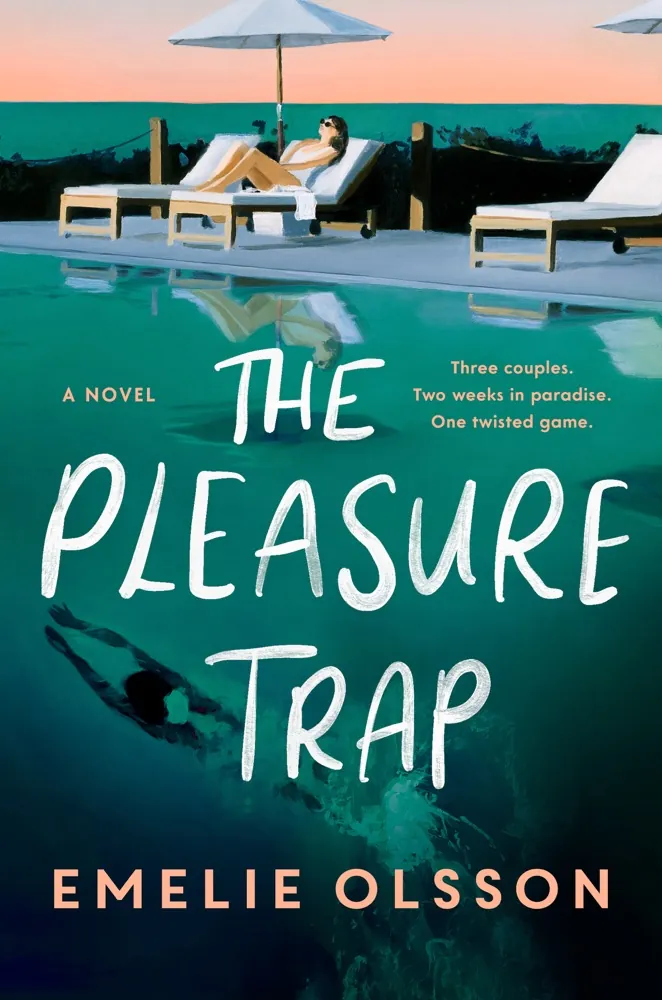

Author: Emelie OlssonPage Count: UnknownPublication Date: Expected publication 2026 APL Hold onto your metal pole because the screeching brakes of this packed morning commute are barely rattling my teeth compared to how hard Emelie Olsson’s upcoming The Pleasure Trap is about to scramble contemporary psychological thrillers. Look, I am only typing this frantically on my phone between lurches because my cynical editor demanded word-count blood before noon, treating my brain like an ATM for hot takes. But let us dissect the promotional anatomy of this 2026 release. Three couples. A sun-drenched Mexican resort. And a malicious psychological predation masquerading as a casual vacation friendship. The Architecture of Betrayal Consider the manipulative scaffolding here. Alice and Tom are drowning in barren, sixteen-year domesticity. Melissa and Callum are digital narcissists chasing algorithmic clout through matrimonial aesthetics. Rebecca and Ryan are the veteran sociopaths orchestrating the whole miserable ecosystem. Olsson is clearly leaning into a savage critique of modern partnership taxonomy—exposing how easily wedded bliss morphs into absolute transactional warfare. It gives off major early Gillian Flynn energy crossed with a sun-bleached season of White Lotus, yet the marketing boldly leans into explicit romance territory. Kate Storey promises "the hottest [spice] you’ll ever see on the page." What an absolute linguistic flashbang. Combining searing sociological deconstructions of marriage with high-octane erotica is a tightrope walk that usually ends in narrative splat, but if Olsson pulls it off, it will be an absolute cultural banger. Seduction as Weaponized Epistemology Power dynamics are the invisible architecture of every compelling domestic noir. Yet here, seduction is weaponized into an epistemological cage match. Rebecca and Ryan view their targets not as human beings with interior lives, but as low-key NPCs in their twisted relationship-maintenance game. It is peak psychological gaslighting, rendered in neon resort lighting. Do I know how this ends? Absolutely not, because the synopsis stops right at the precipice of narrative chaos, leaving us hanging like a wet towel on a hurricane-swept balcony. But I predict the third-act twist will involve a catastrophic boundary-shattering collapse where the hunters accidentally become the hunted, realizing too late that they played themselves. We are living in an era oversaturated with domestic thrillers featuring unreliable narrators drinking tepid Chardonnay in suburban kitchens. Olsson taking this exact exhausted trope and dragging it out into the glaring Mexican sun feels electric. It is messy, it is provocative, and frankly, I am entirely here for the ensuing dumpster fire. Now if you will excuse me, this train is pulling into my stop and I need to go drink absinthe and pretend I am in 1920s Paris. #ThePleasureTrap #BookTwitter #ThrillsAndSpills #EmelieOlsson Related InsightsDesert Star Book Review and Summary The Worst Is Yet to Come Book Review and Summary Find Me Where It Ends Book Review and Summary{ "@context": "https://schema.org", "@type": "FAQPage", "mainEntity": [ { "@type": "Question", "name": "What is the main focus of The Pleasure Trap Book Review and Summary?", "acceptedAnswer": { "@type": "Answer", "text": "Everything you need to know about The Pleasure Trap with our detailed review." } }, { "@type": "Question", "name": "Who authored the comprehensive guide on The Pleasure Trap Book Review and Summary?", "acceptedAnswer": { "@type": "Answer", "text": "This detailed article and its insights were carefully researched and authored by Piotr Nowak." } }, { "@type": "Question", "name": "Where can I find more related content about Books?", "acceptedAnswer": { "@type": "Answer", "text": "You can explore more articles, detailed reviews, and similar insights by browsing the Related Insights section at the bottom of this article or visiting our dedicated Books category page." } } ] }
-
 Isabella Moore
 - 01 Sep, 2026 03:40
A Court of Forgotten Melody (A Court of Thorns and Roses, #7) Book Review and Summary
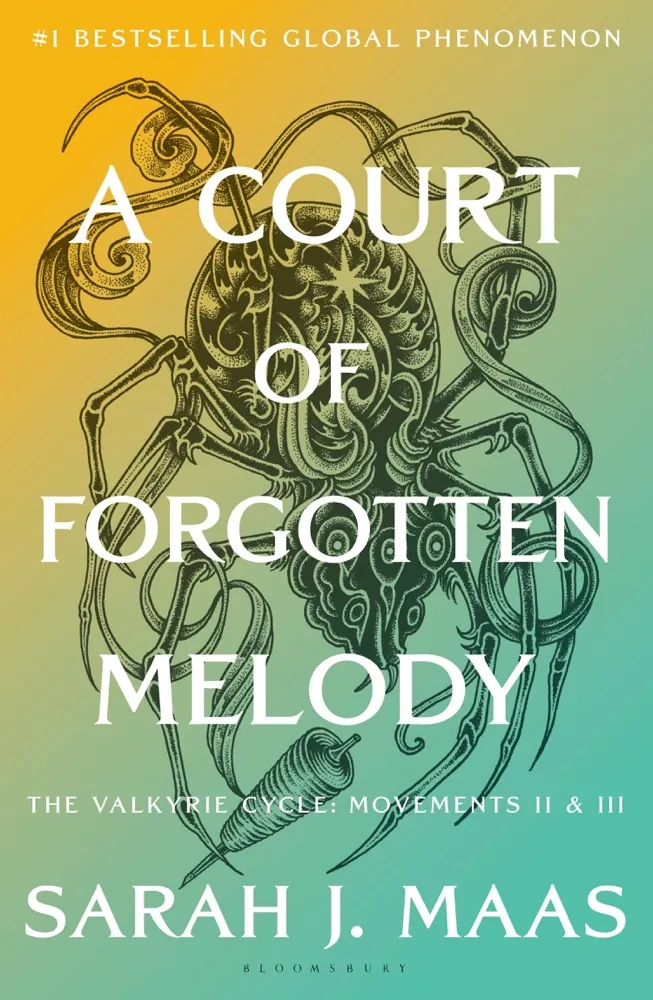
Author: Sarah J. MaasPage Count: UnknownPublication Date: Expected publication 2026 APL The coffee is stone cold, someone has smeared peanut butter across the stainless-steel toaster handle, and I am staring down Sarah J. Maas’s A Court of Forgotten Melody while the hum of the refrigerator threatens to deafen me. Here's the catch. The official synopsis reads like a word salad generated by a caffeinated marketing intern who just discovered the thesaurus function under the headings of political instability and generic peril. Prythian might never be the same again? Traditional alliances are crumbling? Please. It is the exact same breathless marketing speak plastered over every romantasy paper-weight currently clogging the bestseller lists next to Rebecca Yarros and Jennifer L. Armentrout. We get it. The stakes are high. The shadows are looming. The immortal fae are throwing temper tantrums while ancient evil lurks just off-screen, refusing to actually do anything until chapter fifty. When the Dust Settles on the Dishwasher The cultural obsession with ancient warlords who suddenly turn into soft-hearted domestic partners who do the dishes needs to be studied by sociologists, because I am watching my eight-year-old try to construct a functioning catapult out of dried fettuccine and a damp sponge right now and showing infinitely more innovation than these multi-perspective territorial disputes about dying stars and forgotten melodies. Exhausting. The Symphony of Shattered Alliances Give me characters who communicate like functional adults instead of brooding behind suspiciously well-moisturized cheekbones while the world literally burns around them. The synopsis promises that bonds will be tested and power will shift, yet we all know this just means another three hundred pages of decorative agonizing before a deus ex machina saves the day and everyone goes back to drinking enchanted wine in their ridiculously oversized mountain mansions. Unimaginative. Stop screaming about the television volume. I have to go stop a full-scale geopolitical crisis over the living room remote right now. #fantasy #books #romantasy #reading Related InsightsRabbit Rabbit Book Review and Summary Dark Restraint Book Review and Summary Lolita Book Review and Summary{ "@context": "https://schema.org", "@type": "FAQPage", "mainEntity": [ { "@type": "Question", "name": "What is the main focus of A Court of Forgotten Melody (A Court of Thorns and Roses, #7) Book Review and Summary?", "acceptedAnswer": { "@type": "Answer", "text": "Everything you need to know about A Court of Forgotten Melody (A Court of Thorns and Roses, #7) with our detailed review." } }, { "@type": "Question", "name": "Who authored the comprehensive guide on A Court of Forgotten Melody (A Court of Thorns and Roses, #7) Book Review and Summary?", "acceptedAnswer": { "@type": "Answer", "text": "This detailed article and its insights were carefully researched and authored by Isabella Moore." } }, { "@type": "Question", "name": "Where can I find more related content about Books?", "acceptedAnswer": { "@type": "Answer", "text": "You can explore more articles, detailed reviews, and similar insights by browsing the Related Insights section at the bottom of this article or visiting our dedicated Books category page." } } ] }
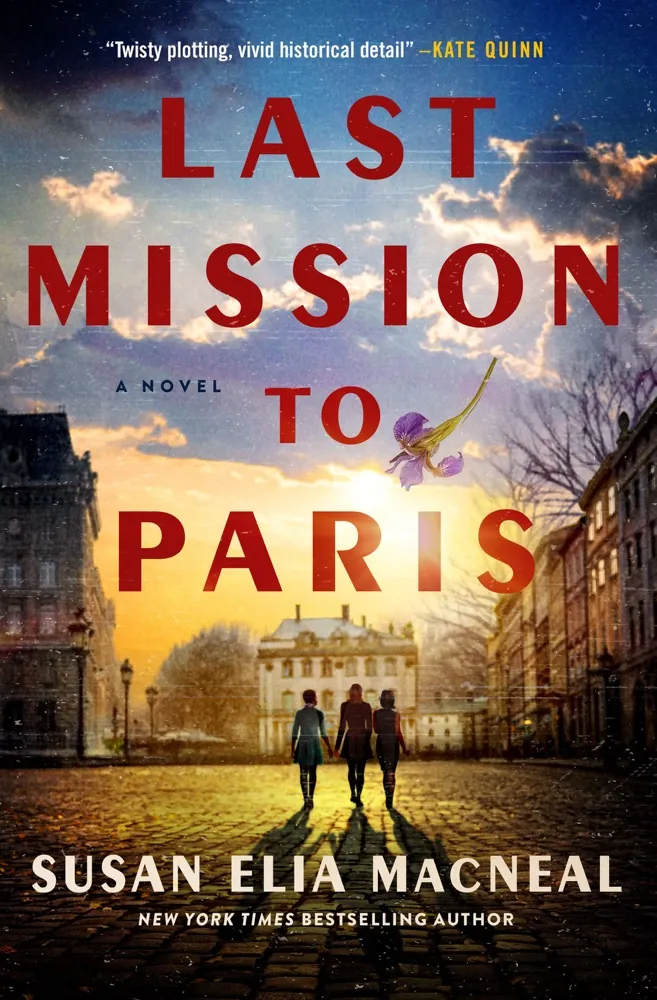

Author: Susan Elia MacNealPage Count: UnknownPublication Date: Expected publication 2026 APL Sweat is currently dripping off my nose and pooling right on the keyboard while a distant siren wails a flatulent three-note harmony against the brick facade across the alley. God, the concrete radiates heat like a pizza oven left on broil until midnight. Yet here I am, staring at a screen, evaluating Susan Elia MacNeal’s forthcoming Last Mission to Paris—a title that sounds less like a WWII espionage thriller and more like a tax-deductible vacation for a mid-list historical fiction author who got tired of writing about bookshops. The Nostalgia Industrial Complex Look at this lineup. Flip the Southern Belle. Zaina the dreamy Indian princess. Bella the stage star. Gabrielle the London shopgirl. It reads less like an espionage unit and more like a painfully diverse casting call for a prestige streaming limited series designed to win Emmys through sheer demographic arithmetic. We are supposed to buy that these four disparate archetypes parachuted into Nazi-occupied France and became inseparable before a tragic betrayal. Because nothing says covert operational efficacy like a stage actress yelling lines in a Parisian bistro. Or maybe I am being too harsh on the character dynamics—wait, no, let me walk that back entirely. The premise actually hits that sweet spot of high-concept middlebrow escapism that feels like Kate Quinn and Ken Follett had a baby in a gift shop at the Imperial War Museum. Swinging Sixties Meet Historical Trauma Twenty years later, we leap to the vibrantly commercialized London of the Swinging Sixties where a statue goes up, a historian drops dead, and Chloe the daughter steps in. The thematic machinery here relies entirely on structural irony. The public gets bronze monuments on the Thames, but the actual truth rots in a damp archive. MacNeal leans hard into the legacy of generational trauma, though she wraps it in the kind of genre tropes that scream airport bookstore display. The prose promises a trajectory from London to Paris to Berlin. But let us be honest with ourselves. This book is going to coast entirely on middle-aged female empowerment vibes disguised as a gritty spy hunt. It is historical gaslighting with a feminist gloss. The betrayal wasn't just a failure; it was deliberately sabotaged. Groundbreaking stuff. Truly a paradigm shift in how we conceptualize the Third Reich. Lexical whiplash aside, this narrative trajectory is basically the literary equivalent of a nostalgia-bait reboot nobody asked for, yet suburban book clubs are going to stan this absolute nonsense until the paperbacks disintegrate. Drop the mic. I have to go scream at a developer who is trying to turn the 1920s vaudeville house down the block into an artisanal matcha dispensary. Related InsightsGone Girl Book Review and Summary Primal Mirror Book Review and Summary Sharpe's Assassin Book Review and Summary{ "@context": "https://schema.org", "@type": "FAQPage", "mainEntity": [ { "@type": "Question", "name": "What is the main focus of Last Mission to Paris Book Review and Summary?", "acceptedAnswer": { "@type": "Answer", "text": "Everything you need to know about Last Mission to Paris with our detailed review." } }, { "@type": "Question", "name": "Who authored the comprehensive guide on Last Mission to Paris Book Review and Summary?", "acceptedAnswer": { "@type": "Answer", "text": "This detailed article and its insights were carefully researched and authored by Carmen Martinez." } }, { "@type": "Question", "name": "Where can I find more related content about Books?", "acceptedAnswer": { "@type": "Answer", "text": "You can explore more articles, detailed reviews, and similar insights by browsing the Related Insights section at the bottom of this article or visiting our dedicated Books category page." } } ] }
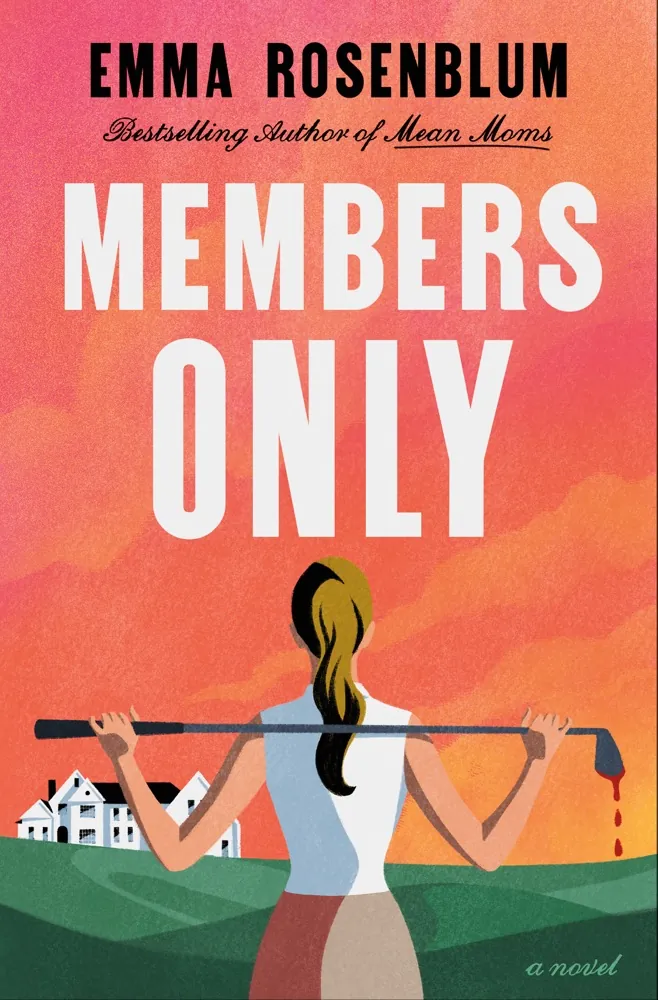
Author: Emma RosenblumPage Count: UnknownPublication Date: Expected publication 2026 APL Every bump along this asphalt artery sends a fresh vibration straight up my spine, yet my spirit remains annoyingly buoyant. Perhaps it is the sheer absurdity of typing literary notes on a cracked phone screen while an engine wheezes two feet behind my head. Or perhaps it is simply the delicious schadenfreude promised by Members Only. Emma Rosenblum knows how to skewer the privileged class without breaking a sweat. Her upcoming satire drops us straight into the manicured hellscape of Greenwich country clubs, where ice-blonde hair is uniform and bank accounts are hemorrhaging behind closed doors. The Cult of the Country Club and Other Extinct Species Pickleball courts and Olympic pools. The synopsis reads like a greatest hits album of modern upper-class ennui. And honestly, I cannot wait to tear into it. Rosenblum follows in the sharp, merciless footsteps of Candace Bushnell or Maria Semple, dissecting the grotesque lengths people will endure just to keep up appearances. We have Ted Flynn, a club president drowning in debt while pretending everything is pristine. We have Jessie Summit, a bride sprinting toward an altar she secretly despises just to satisfy maternal expectations. And of course, a dead body arrives right on cue to ruin the hors d'oeuvres. Wait. Let me rephrase that entirely. Perhaps calling this a merciless skewering gives the premise too much credit. Honestly, satirical thrillers about wealthy people dying at weddings have officially become the pumpkin spice lattes of contemporary fiction—overdone, aggressively predictable, and desperately clinging to relevance. Why am I even breaking down a synopsis for a book that relies on the exact same tired "rich people have dark secrets" trope we have ingested a thousand times? I need to stretch this commentary to hit a very specific, highly annoying word count just to satisfy an invoice, so let us pretend I am fascinated by the psychological nuance of a Ken doll named Patrick Flynn. Privilege Bleeding on the Tennis Court The real meat of this narrative—if the synopsis bothers to offer any—lies in Mike Lightbody, the Brooklyn chef transplanted to Connecticut. Class friction always tastes better when it is soaked in sweat and expensive gin. Yet the synopsis plays it remarkably safe. A body hits the ground. Everyone is a suspect. Groundbreaking. Agatha Christie did it with a silver candlestick, and suburbanites have been doing it with golf clubs ever since. Still, Rosenblum's prose is propulsive enough to forgive a recycled plot engine. She writes with a breezy cruelty that makes bad behavior look terribly fun. Let us be completely real. I am trapped in a metal box rolling through the dark, surviving on stale crackers, and I still have to figure out the damn floral arrangements for my own upcoming book launch by tomorrow morning. #bookstagram #satire #readinglife #greenwich Related InsightsThe Collector Book Review and Summary After Midnight Book Review and Summary Empire (Heir Duology, #2) Book Review and Summary{ "@context": "https://schema.org", "@type": "FAQPage", "mainEntity": [ { "@type": "Question", "name": "What is the main focus of Members Only Book Review and Summary?", "acceptedAnswer": { "@type": "Answer", "text": "Everything you need to know about Members Only with our detailed review." } }, { "@type": "Question", "name": "Who authored the comprehensive guide on Members Only Book Review and Summary?", "acceptedAnswer": { "@type": "Answer", "text": "This detailed article and its insights were carefully researched and authored by Marta Wisniewska." } }, { "@type": "Question", "name": "Where can I find more related content about Books?", "acceptedAnswer": { "@type": "Answer", "text": "You can explore more articles, detailed reviews, and similar insights by browsing the Related Insights section at the bottom of this article or visiting our dedicated Books category page." } } ] }
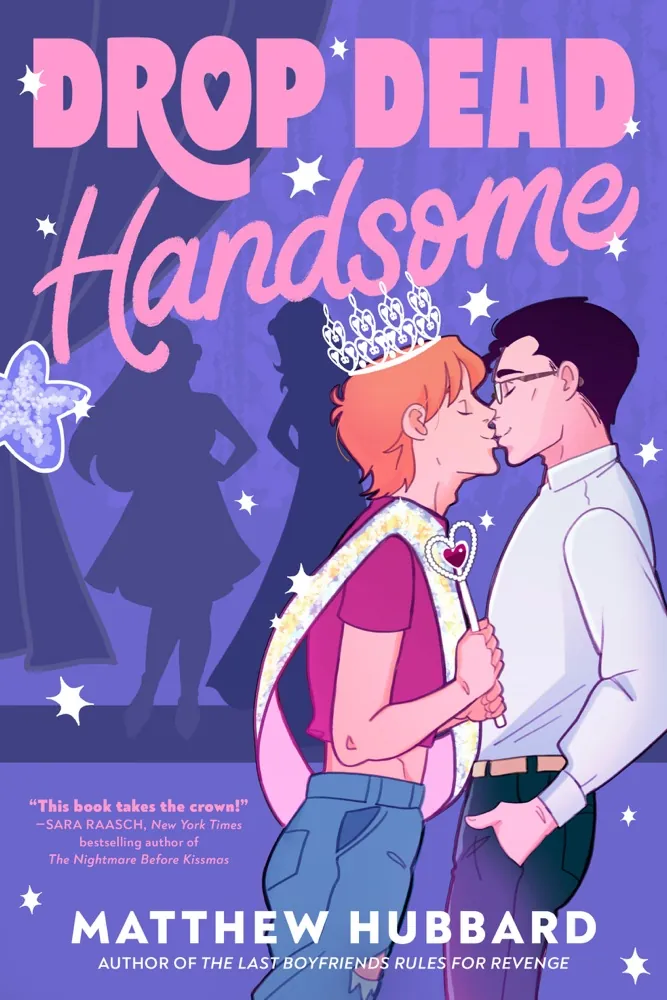

Author: Matthew HubbardPage Count: UnknownPublication Date: Expected publication 2026-12-22 APL Champagne flutes do not shatter themselves, yet Matthew Hubbard’s Drop Dead Handsome arrives with the kinetic force of a dropped Baccarat vase. We are looking at a December 2026 release date, which feels remarkably far away for a manuscript already generating the kind of breathless chatter usually reserved for a disgraced British peer's tell-all memoir. The Architecture of Sashes and Spite Southern Tennessee pageantry meets the high-octane panic of a college admissions office. Parker Ryland finds his meticulously curated dossier branded as—and this is genuinely offensive—"boring." One thinks immediately of the Fyre Festival catering tent. A tragedy of mediocrity. Naturally, the only logical antidote to an uninspired academic profile is subverting the patriarchy in an evening gown and a sash. And then there is Dean. The student body president. Nerdy, undeniably charming, armed with a clipboard and a dossier of pageant lore. Subversion Versus Sequins Let us pause for a moment. Actually, scratch that. Let us not pause at all, because the premise of a boy weaponizing the local pageant circuit against antiquated gender ideals is either going to be brilliantly satirical or as toothless as a boarding school faculty meeting. The synopsis leans heavily on the aesthetic of painted toenails and flying sparks. Yet, one suspects the actual prose might lean into the same earnest, overly processed sentimentality that plagued the later seasons of Glee. Hubbard wants us to believe in the gravity of a high school crown. But high school pageants possess the existential weight of a Gwyneth Paltrow wellness summit. Sparks fly. Paint splatters. Someone is sabotaging our protagonist. This reads less like a high-stakes thriller and more like the plot of a forgotten Disney Channel Original Movie that was hastily re-written after a focus group in Paramus threw a tantrum. Casey McQuiston comparison in the blurb? Please. Let us reserve that particular crown for writers who actually understand the mechanics of wit rather than trading exclusively in manufactured whimsy. Sigh. Or perhaps I am being too harsh on a book that has not even materialized on velvet-lined shelves yet. Maybe Hubbard will deliver a blistering social critique wrapped in taffeta and tulle. Let us pivot entirely: the setup is actually genius. The collision of small-town bigotry and teenage ambition offers a pristine canvas for sharp, biting prose—assuming the author avoids the temptation to wrap every emotional beat in cotton candy. The synopsis leaves us guessing about the mechanics of the sabotage, which is frankly lazy marketing. Who is ruining the evening gowns? The track team? The faculty advisor? We get no names, no motives, just vague threats and glitter. We wait. We watch. We pour another vintage. Except I cannot linger on this prose any longer because I desperately need to review the architectural plans for my new villa in Tuscany. Related InsightsThe Four Winds Book Review and Summary Little House on the Prairie Book Review and Summary L'Inchiostro Proibito: Il Silenzio Forzato delle Pagine nell'Impero Sovietico{ "@context": "https://schema.org", "@type": "FAQPage", "mainEntity": [ { "@type": "Question", "name": "What is the main focus of Drop Dead Handsome Book Review and Summary?", "acceptedAnswer": { "@type": "Answer", "text": "Everything you need to know about Drop Dead Handsome with our detailed review." } }, { "@type": "Question", "name": "Who authored the comprehensive guide on Drop Dead Handsome Book Review and Summary?", "acceptedAnswer": { "@type": "Answer", "text": "This detailed article and its insights were carefully researched and authored by Tiago Silva." } }, { "@type": "Question", "name": "Where can I find more related content about Books?", "acceptedAnswer": { "@type": "Answer", "text": "You can explore more articles, detailed reviews, and similar insights by browsing the Related Insights section at the bottom of this article or visiting our dedicated Books category page." } } ] }


Author: Brooke MontgomeryPage Count: UnknownPublication Date: Expected publication 2026 APL Oh, Christ, here we go again—another Christmas novel synopsis that’s basically a Wikipedia page for holiday literature with a side of existential dread. The e-artnow blurb reads like a drunken librarian’s dream list: The Gift of the Magi next to The Little Match Girl, A Christmas Carol (Dickens, not Coleridge) sandwiched between Mother Holle—which, by the way, is a fairy tale, not a rom-com. And yet, here we are, pretending this is some kind of Willow Branch Mountain exclusive when it’s just a repackaged anthology of classics with a dusting of snowflake sentimentality. But fine. Let’s play along. The synopsis doesn’t actually say what Take My Hand is—just that it’s part of a series, which, given the Willow Branch Mountain brand, probably means another small-town Christmas romance where the heroine is either a baker, a librarian, or a woman who “just happens” to run the local inn. The thematic baiting here is deliberate—Christmas as a metaphor for love, sacrifice, and the kind of clichéd redemption that makes you want to unplug your Wi-Fi and live in a cabin with no cell service. The fact that they’re listing The Nutcracker and the Mouse King alongside The Little Match Girl suggests they’re banking on the same audience that thinks Frozen is deep literature. The real question is: Why? Why would Brooke Montgomery—who, let’s be honest, has a knack for weaving cozy, emotionally resonant stories—suddenly lean into this literary Christmas buffet approach? Is this a marketing stunt? A desperate bid for algorithmic traction? Or is she genuinely trying to prove she can write a holiday epic that doesn’t feel like it was ghostwritten by a committee of Hallmark executives? The synopsis doesn’t tell us. It just drops us into a void of potential—the same void that makes me want to scream when a book’s blurb reads like a grocery list of influences. But here’s the thing: Willow Branch Mountain has a reputation for subtle emotional beats, for the kind of character-driven storytelling that doesn’t rely on The Twelve Days of Christmas as its emotional core. So if this book is actually going to deliver, it’ll have to do something unexpected—maybe a twist on the magical realism angle, or a protagonist who’s not just waiting for Christmas to fix their life. Because right now, the synopsis reads like a Christmas movie script from the 1980s, not a novel. And that’s not a knock on Christmas movies—it’s a knock on the fact that this feels like it was written by someone who’s never actually lived through a holiday season without a single cliché. The most interesting part? The absence of A Christmas Carol (Dickens) in the list—only Coleridge’s version is included, which is already a niche choice. This suggests the book might be playing with ghost stories or haunted holiday tropes, but again, the synopsis doesn’t say. It’s all implied, which is frustrating because I’d rather have a clear direction than a mood board with no narrative. And let’s not forget the meta here: the fact that this synopsis is literally a list of other books means the book itself is probably going to be about books, or at least feel like a bookish homage. Which, if done right, could be brilliant—think Little Women meets The Christmas Carol with a dash of The Night Circus’s atmospheric tension. But if it’s just another small-town Christmas romance where the heroine finds love under the mistletoe, then we’re all just waiting for the inevitable snow globe moment where the camera zooms out and the narrator sighs, “And that’s how Christmas saved them.” The rising cost of film for my analog camera is making me reconsider my life choices. Maybe I should just start taking pictures of my cat instead. #ChristmasNovelVibes #WhyAmIDoingThisToMyself Related InsightsCruel Seduction Book Review and Summary The Twelve Kingdoms Book 6 - A Thousand Miles of Wind, the Sky at Dawn: Part 2 (Novel) Book Review and Summary The Killer Angels Book Review and Summary{ "@context": "https://schema.org", "@type": "FAQPage", "mainEntity": [ { "@type": "Question", "name": "What is the main focus of Take My Hand (Willow Branch Mountain #5) Book Review and Summary?", "acceptedAnswer": { "@type": "Answer", "text": "Everything you need to know about Take My Hand (Willow Branch Mountain #5) with our detailed review." } }, { "@type": "Question", "name": "Who authored the comprehensive guide on Take My Hand (Willow Branch Mountain #5) Book Review and Summary?", "acceptedAnswer": { "@type": "Answer", "text": "This detailed article and its insights were carefully researched and authored by Giulia Ricci." } }, { "@type": "Question", "name": "Where can I find more related content about Books?", "acceptedAnswer": { "@type": "Answer", "text": "You can explore more articles, detailed reviews, and similar insights by browsing the Related Insights section at the bottom of this article or visiting our dedicated Books category page." } } ] }
-
 Marta Wisniewska
 - 29 Aug, 2026 23:01
Murder Under the Mistletoe (Cleopatra Fox Mysteries Book 13) Book Review and Summary
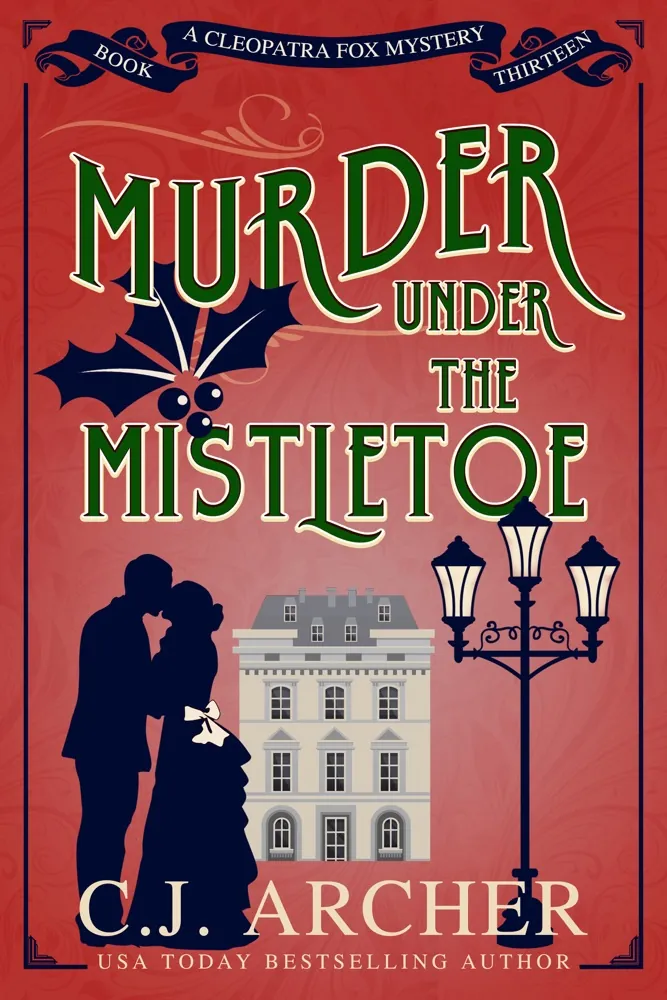
Author: C.J. ArcherPage Count: UnknownPublication Date: Expected publication 2026-12-01 APL Sticky vinyl seats and the dull, rhythmic throbbing of a disintegrating suspension system do wonders for one's critical detachment. God, I need a cigarette. Or a martini the size of a hubcap. Instead, I am forced to contemplate C.J. Archer’s upcoming Murder Under the Mistletoe, an enterprise seemingly designed to extract maximum profit from cozy-mystery junkies who mistake predictability for comfort. The Commodification of Yuletide Carnage Cleo and Harry return in what is objectively the thirteenth iteration of this literary treadmill. Thirteen! The synopsis leans hard into the domestic thriller playbook—a poisoned kiss beneath the festive boughs, because nothing screams heteronormative romantic dread quite like low-stakes homicide wrapped in holiday tinsel. We are handed the usual suspects: neighbors, lovers, servants, and the obligatory familiar face whose sudden villainy is supposed to make us gasp. I'm not buying it. The narrative architecture here smells entirely derivative, echoing the safest tropes of mid-tier Agatha Christie knockoffs and the endless parade of holiday-themed paperbacks littering supermarket checkout aisles next to the tabloids. And look, I have to hit a specific word count for this commissioned piece just to pay my transit fare out of this godforsaken province, so let us pretend the structural hegemony of historical cozy mysteries actually merits semiotic deconstruction. Agency Interrupted The real ideological grievance here lies in the protagonist’s domestic containment. Cleo dares to achieve upward mobility by moving into a luxury hotel—gasp!—only to be immediately policed by a visiting friend whining that our heroine has somehow "changed." God forbid a woman acquires a taste for velvet upholstery and self-preservation without her former associates acting like she committed treason against sisterhood. Yet Archer immediately neutralizes any genuine feminist subversion by shackling Cleo back to heteronormative unpaid emotional labor: solving murders alongside Harry while fretting over someone else's "unsuitable liaison" and hotel staff drama. It is structural gaslighting disguised as holiday cheer. The Aesthetic of Exhaustion The prose sketched out in this blurb relies on absolute narrative laziness. We get "secrets, lies, and motives"—the unholy trinity of lazy genre fiction. No stylistic risks. No formal ambition. Just a conveyor belt of exposition designed to keep middle-management readers comfortably numb during their transatlantic flights. The epistemological framework of the modern cozy is broken, preferring toothless stasis over actual character evolution. I am going to put on a Coltrane vinyl and forget about this book. Related InsightsDark Matter Book Review and Summary Regretting You Book Review and Summary Welcome to the Fairy Smut Hospital (Fairy Smut Hospital, #1) Book Review and Summary{ "@context": "https://schema.org", "@type": "FAQPage", "mainEntity": [ { "@type": "Question", "name": "What is the main focus of Murder Under the Mistletoe (Cleopatra Fox Mysteries Book 13) Book Review and Summary?", "acceptedAnswer": { "@type": "Answer", "text": "Everything you need to know about Murder Under the Mistletoe (Cleopatra Fox Mysteries Book 13) with our detailed review." } }, { "@type": "Question", "name": "Who authored the comprehensive guide on Murder Under the Mistletoe (Cleopatra Fox Mysteries Book 13) Book Review and Summary?", "acceptedAnswer": { "@type": "Answer", "text": "This detailed article and its insights were carefully researched and authored by Marta Wisniewska." } }, { "@type": "Question", "name": "Where can I find more related content about Books?", "acceptedAnswer": { "@type": "Answer", "text": "You can explore more articles, detailed reviews, and similar insights by browsing the Related Insights section at the bottom of this article or visiting our dedicated Books category page." } } ] }
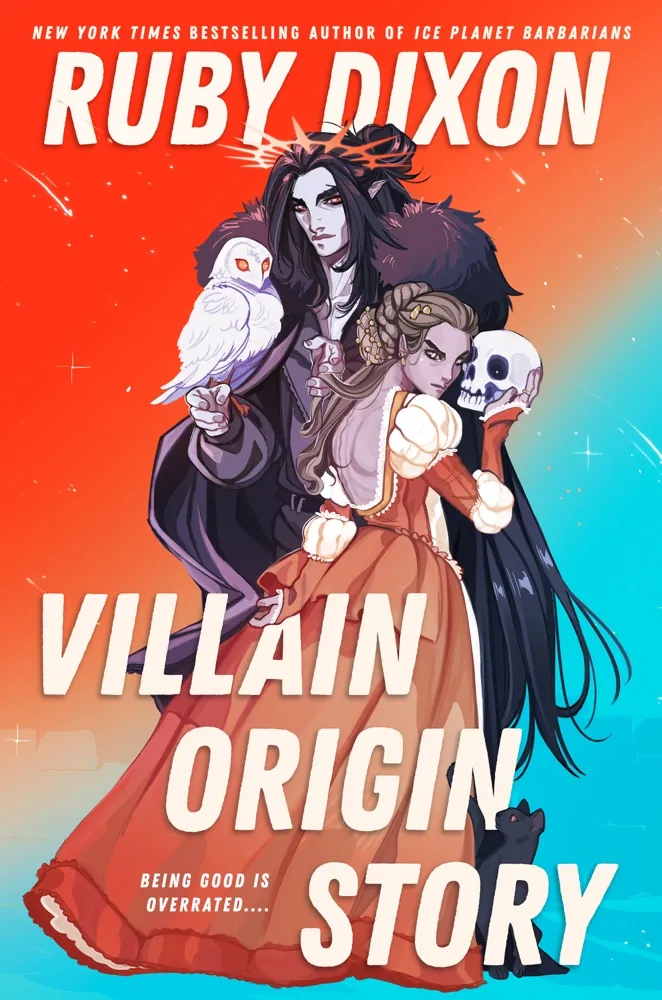

Author: Ruby DixonPage Count: UnknownPublication Date: Expected publication 2026 APL The air smells like ozone and old books—someone’s left a window cracked in the study, and the heat of August presses against the glass like a lover who won’t take no for an answer. Villain Origin Story arrives with the kind of synopsis that reads like a fever dream scribbled in the margins of a Game of Thrones fanfic draft, the kind where the author clearly thinks "dark fantasy" is just "more blood, less forethought." Joslen, the "poor village girl," is the kind of protagonist who exists solely to be a vessel for the author’s unchecked fantasies about power dynamics—because nothing says "literary depth" like a girl with a "crooked back" (a detail that, let’s be honest, is just a way to imply she’s "cursed" without actually committing to the worldbuilding). The synopsis leans hard into the "villain mentor trope," but not in the way of something like The Lies of Locke Lamora—where the mentor’s cruelty is a tool, a game, a performance—no, this is the kind of dynamic that feels like it was lifted straight from a Vampire: The Masquerade roleplaying session where someone decided to write it as a novel. Vilos Saumien, the "Grim Lord," is the kind of character who would’ve been hilariously over-the-top in a League of Legends lore dump, but here, he’s just a placeholder for whatever the author thinks "evil" looks like: unhinged, seductive, and—most importantly—entertaining. The fact that his "rules" include "let him seduce her" isn’t just a plot device; it’s a tell. This isn’t a story about power or transformation. This is a story about the author’s personal kink for "dark romance" fantasy, where the real villain isn’t Vilos—it’s the synopsis itself, which treats Joslen’s agency like a checklist: check, poor; check, cursed; check, wants revenge; check, gets seduced by a demon lord. And yet—here’s the thing—there’s a glimmer of something interesting buried under the mess. The synopsis hints at a world where Joslen’s frustration isn’t just a trope but a force, something that could be sharpened into something like the rage of The Poppy War’s Rin, or the quiet fury of The Priory of the Orange Tree’s Sabran. But instead of leaning into that, the author defaults to the easiest fantasy: the "poor girl gets lucky" arc, where the real magic isn’t in Joslen’s growth but in Vilos’s entertainment value. It’s the kind of story that would make Bridgerton’s Lady Whistledown roll her eyes—because this isn’t seduction, it’s exploitation, and the synopsis doesn’t even have the decency to pretend it’s anything else. The real crime here isn’t the lack of originality—it’s the lack of ambition. Where’s the political intrigue? Where’s the moral ambiguity? Where’s the stakes beyond "will she be a good villain or not"? This feels like a Shadow and Bone fanfiction where the author decided to add "more demon sex" instead of actually thinking about what makes a villain compelling. And don’t even get me started on the "poisonous court" trope—because nothing says "original" like a world where the only thing standing between Joslen and her destiny is a bunch of nobles who exist solely to be bitchy. But fine. Let’s pretend this is a game. Because if Villain Origin Story is going to be the next big thing, it’ll have to outlast the kind of fantasy that gets buried under the weight of its own clichés. And right now? It doesn’t even have the charm of a Wicked Lovely novel—because at least those had the decency to make their villains funny. I need to go scrub oatmeal off the antique desk. Again. Related InsightsA Discovery of Witches Book Review and Summary Ply Book Review and Summary Bared to You Book Review and Summary{ "@context": "https://schema.org", "@type": "FAQPage", "mainEntity": [ { "@type": "Question", "name": "What is the main focus of Villain Origin Story Book Review and Summary?", "acceptedAnswer": { "@type": "Answer", "text": "Everything you need to know about Villain Origin Story with our detailed review." } }, { "@type": "Question", "name": "Who authored the comprehensive guide on Villain Origin Story Book Review and Summary?", "acceptedAnswer": { "@type": "Answer", "text": "This detailed article and its insights were carefully researched and authored by Emma Thompson." } }, { "@type": "Question", "name": "Where can I find more related content about Books?", "acceptedAnswer": { "@type": "Answer", "text": "You can explore more articles, detailed reviews, and similar insights by browsing the Related Insights section at the bottom of this article or visiting our dedicated Books category page." } } ] }
-
 Sarah Davis
 - 29 Aug, 2026 20:41
5-Minute Spider-Man Stories (Marvel) (5-Minute Stories) Book Review and Summary
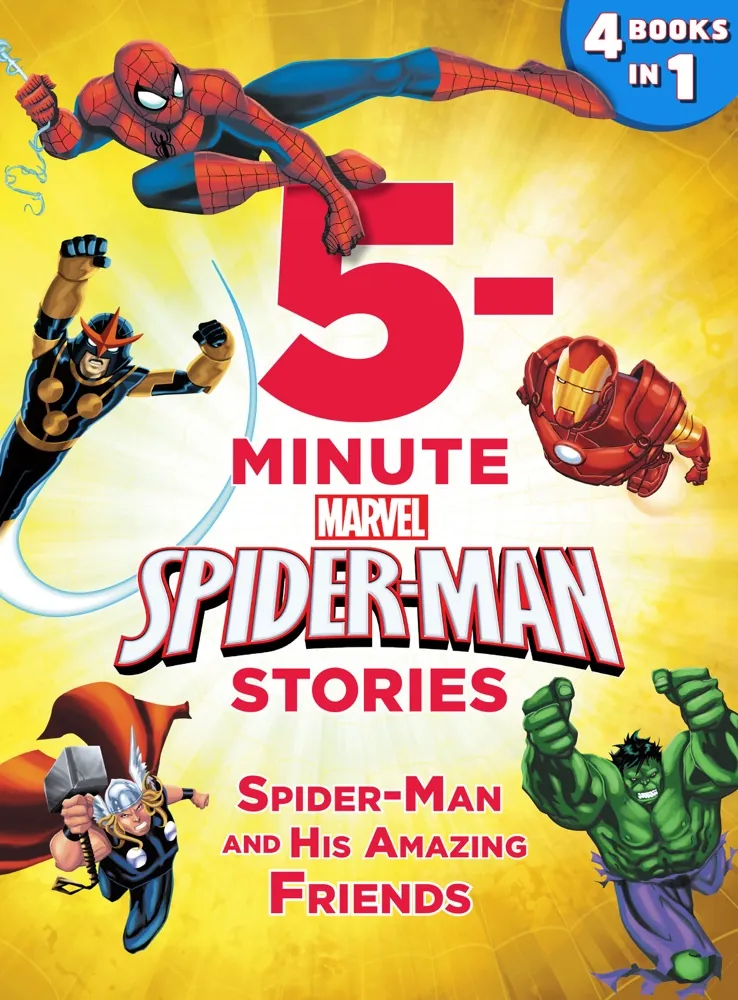
Author: Marvel ComicsPage Count: UnknownPublication Date: Expected publication 2026 APL Sugar dust is currently coating my eyelashes because the third batch of shortbread just detonated in the oven, and honestly, the existential dread of turning forty while my husband ignores my texts about the mortgage is nothing compared to the literary vacuum of upcoming children's media. Marvel Comics thinks they can toss out 5-Minute Spider-Man Stories in 2026 and call it a narrative arc. Four books in one! What a revolutionary mathematical feat for corporate synergy. The Five-Minute Illusion of Narrative Depth Can we talk about the absolute arrogance of claiming a complete thematic exploration of heroism occurs in three hundred seconds? You cannot build psychological tension with Doctor Strange when you are rushing to pull parchment paper out before the butter smokes. My kitchen smells like burnt vanilla and despair. And speaking of despair—why is nobody talking about how Louise Penny ruined the entire cozy mystery genre by making every single Canadian village look like a hotbed of artisanal cheese murders? At least Armand Gamache drinks real coffee instead of surviving on lukewarm decaf and pure spite while waiting for a plumber who promised to show up three business days ago. But no, let's look at this synopsis. Spider-Man meets Nova. Groundbreaking. Truly, the literature of our time. Synergy, Spandex, and Sourdough Failures The synopsis heavily relies on the word "important" allies. Important to whom? The quarterly profit margins? The Ultimate Verdict on Accelerated Heroism Books like 5-Minute Spider-Man Stories rely on a fundamental misunderstanding of the human attention span—which, admittedly, matches mine right now. Yet, I refuse to accept that a web-slinger sharing panel space with the Avengers for the hundredth time offers anything fresh. It is the literary equivalent of instant ramen. It fills a void, but it leaves you hollow, bloated, and staring blankly into the middle distance while your six-year-old asks why the dough is on the ceiling. I have to go scrounge for quarters to do laundry down the street. Related InsightsKill Switch Book Review and Summary A Case of Fear and Favour (The Trials of Gabriel Ward, #3) Book Review and Summary Before I Go to Sleep Book Review and Summary{ "@context": "https://schema.org", "@type": "FAQPage", "mainEntity": [ { "@type": "Question", "name": "What is the main focus of 5-Minute Spider-Man Stories (Marvel) (5-Minute Stories) Book Review and Summary?", "acceptedAnswer": { "@type": "Answer", "text": "Everything you need to know about 5-Minute Spider-Man Stories (Marvel) (5-Minute Stories) with our detailed review." } }, { "@type": "Question", "name": "Who authored the comprehensive guide on 5-Minute Spider-Man Stories (Marvel) (5-Minute Stories) Book Review and Summary?", "acceptedAnswer": { "@type": "Answer", "text": "This detailed article and its insights were carefully researched and authored by Sarah Davis." } }, { "@type": "Question", "name": "Where can I find more related content about Books?", "acceptedAnswer": { "@type": "Answer", "text": "You can explore more articles, detailed reviews, and similar insights by browsing the Related Insights section at the bottom of this article or visiting our dedicated Books category page." } } ] }
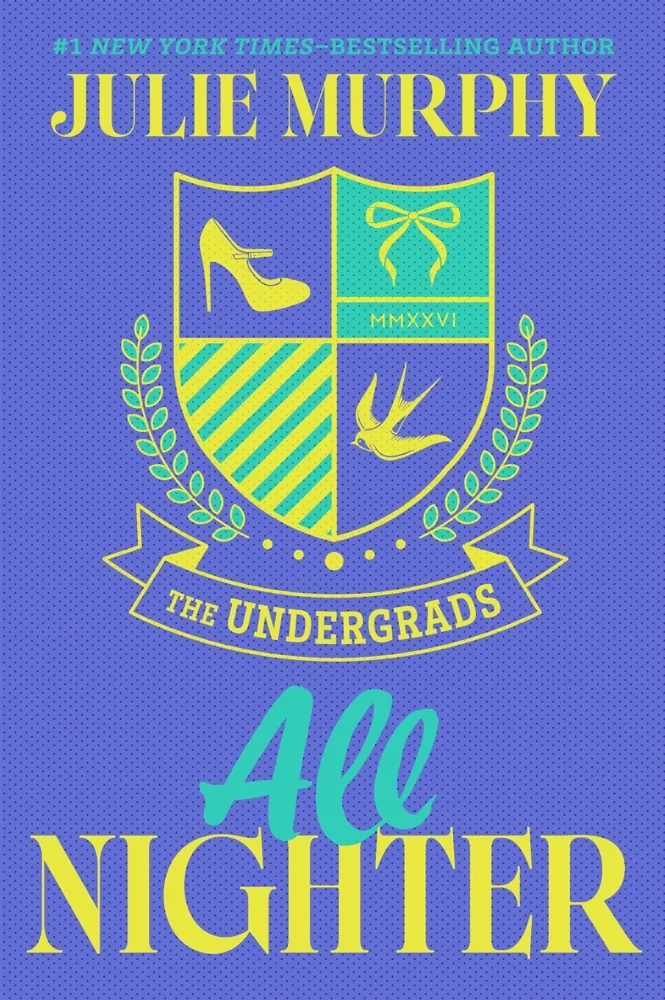

Author: Julie MurphyPage Count: UnknownPublication Date: Expected publication 2026-12-01 APL The mid-afternoon glare bounces off the brushed-brass rails of the upper deck, threatening to sear the retinas of anyone foolish enough to read without proper polarized lenses. Yet here I am, squinting at yet another press release concerning Julie Murphy’s upcoming contribution to The Undergrads trilogy. All Nighter arrives late next year, promising the literary equivalent of a warm glass of mediocre merlot. We are confronted once more with the tired architecture of the transactional romance. A wallflower—who apparently fails at basic taxonomy given her self-awareness regarding the irony—meets a brooding British tattoo artist. How original. One half expects them to collide over dropped artisanal coffee beans while carrying a stack of leather-bound first editions. The Architecture of Manufactured Friction Daisy wants to bloom. Truly, the prose in these promotional blurbs reads like it was generated by an algorithm trained exclusively on noughties teen comedies. She needs to lose her virginity because society dictates arbitrary milestones, and Heath—a man balancing ink and academia—is somehow the designated facilitator of this awakening. Or so the copy insists. Wait. Let me rephrase that entirely. Actually, the premise is even lazier than I first diagnosed. It is not merely a transactional arrangement; it is a meticulously scheduled negotiation of flesh wrapped in the comforting, predictable blanket of New Adult tropes. Hannah Grace and Elle Kennedy built entire financial empires on this exact brand of heightened campus angst, so why fault Murphy for swimming in the same lucrative, tepid waters? The five-date rule is the literary equivalent of a safety net for cowards. Five dinners. Five polite conversations. Then the inevitable horizontal gymnastics. The Commodification of Intimacy The thematic undercurrent here—if one squints hard enough through the Mediterranean haze to find one—is the commodification of vulnerability. Daisy views her virginity as a logistical hurdle to clear before graduation, a minor administrative error on her resume of youth. Heath views his time through the lens of paternal obligation and midnight ink. When they clash over judgment, the synopsis wants us to see sparks. I merely see the rust of a rusted-out machine. They are entirely wrong for each other. That is the point. The marketing department insists upon it. My publisher just signaled from the lower galley that the press liaison needs my jacket quote by sunset or the global syndication falls apart. #AllNighter #JulieMurphy #RomanceBooks #BookTok Related InsightsPrincess Academy Book Review and Summary Nebula Awards Showcase 56 Book Review and Summary Iron Flame Book Review and Summary{ "@context": "https://schema.org", "@type": "FAQPage", "mainEntity": [ { "@type": "Question", "name": "What is the main focus of All Nighter (The Undergrads, #2) Book Review and Summary?", "acceptedAnswer": { "@type": "Answer", "text": "Everything you need to know about All Nighter (The Undergrads, #2) with our detailed review." } }, { "@type": "Question", "name": "Who authored the comprehensive guide on All Nighter (The Undergrads, #2) Book Review and Summary?", "acceptedAnswer": { "@type": "Answer", "text": "This detailed article and its insights were carefully researched and authored by Olivia Harris." } }, { "@type": "Question", "name": "Where can I find more related content about Books?", "acceptedAnswer": { "@type": "Answer", "text": "You can explore more articles, detailed reviews, and similar insights by browsing the Related Insights section at the bottom of this article or visiting our dedicated Books category page." } } ] }
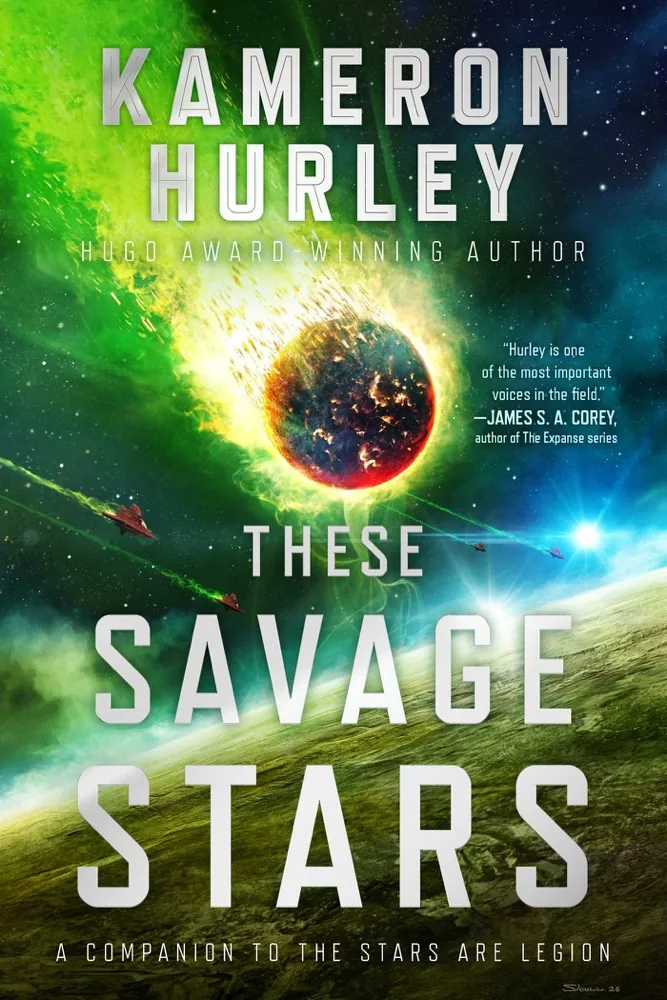
Author: Kameron HurleyPage Count: UnknownPublication Date: Expected publication 2026 APL Forty-one hours. That is the exact amount of time assigned to a decaying worldship before it obliterates two innocent planets, perfectly mirroring the structural panic of a poorly managed corporate merger during a hostile takeover. Or perhaps the final minutes aboard the Costa Concordia. Kameron Hurley returns us to the grimy, bruised mechanics of The Stars Are Legion in These Savage Stars, demanding that we look at galactic geopolitics through the barrel of a smoking gun. And what a painfully predictable barrel it is. The Architecture of Domestic Catastrophe We are handed a tired pitch. Kill Bill meets Andor, they say, as if mashing two entirely disparate cultural properties together somehow constitutes an original artistic identity. Yet the premise relies entirely on an exhausting brand of matrimonial hostility. Reyka, a retired spy who should honestly just stay retired, must board the doomed vessel Satvi to rescue a kidnapped noble offspring. Her adversary? The estranged wife she supposedly already killed once. Because nothing screams middle-aged resentment quite like having to murder your spouse a second time because she joined a militant extremist cell. Suburban marital therapy disguised as a grimdark space opera. How endlessly chic. The Tyranny of the Suicide Squad The synopsis leans heavily on the tired trope of the all-female suicide mission, treating women's bodies as disposable shock troops for the amusement of readers who prefer their empowerment covered in grease and synthetic blood. Give us actual structural critique, not just cynical aesthetics wrapped in Hugo-winning credentials. Hurley clearly knows how to build a decaying hulk of a spaceship—the worldbuilding in her previous outings proved she has an eye for industrial rot. But reducing a planetary extinction event to a bitter ex-spouse dispute diminishes the cosmic stakes into a petty domestic squabble. One imagines the diplomatic negotiations over chamomile tea would have been far more efficient. But efficiency sells no paperbacks, does it? We are asked to root for desperate women racing against a ticking clock while ignoring the sheer absurdity of the geography. Forty-one hours. A ticking clock device so aggressively cliché it belongs in a Jerry Bruckheimer workshop from 1998. Everything rests on whether Reyka can outrun her own marital baggage before gravity does the heavy lifting for her. The business class lounge was far too crowded today, ruining my concentration. Related InsightsAnji in Shadow (The Rising Tide, #2) Book Review and Summary The Once and Future King Book Review and Summary Así habló Zaratustra / Thus Spoke Zarathustra Book Review and Summary{ "@context": "https://schema.org", "@type": "FAQPage", "mainEntity": [ { "@type": "Question", "name": "What is the main focus of These Savage Stars Book Review and Summary?", "acceptedAnswer": { "@type": "Answer", "text": "Everything you need to know about These Savage Stars with our detailed review." } }, { "@type": "Question", "name": "Who authored the comprehensive guide on These Savage Stars Book Review and Summary?", "acceptedAnswer": { "@type": "Answer", "text": "This detailed article and its insights were carefully researched and authored by Klaus Weber." } }, { "@type": "Question", "name": "Where can I find more related content about Books?", "acceptedAnswer": { "@type": "Answer", "text": "You can explore more articles, detailed reviews, and similar insights by browsing the Related Insights section at the bottom of this article or visiting our dedicated Books category page." } } ] }
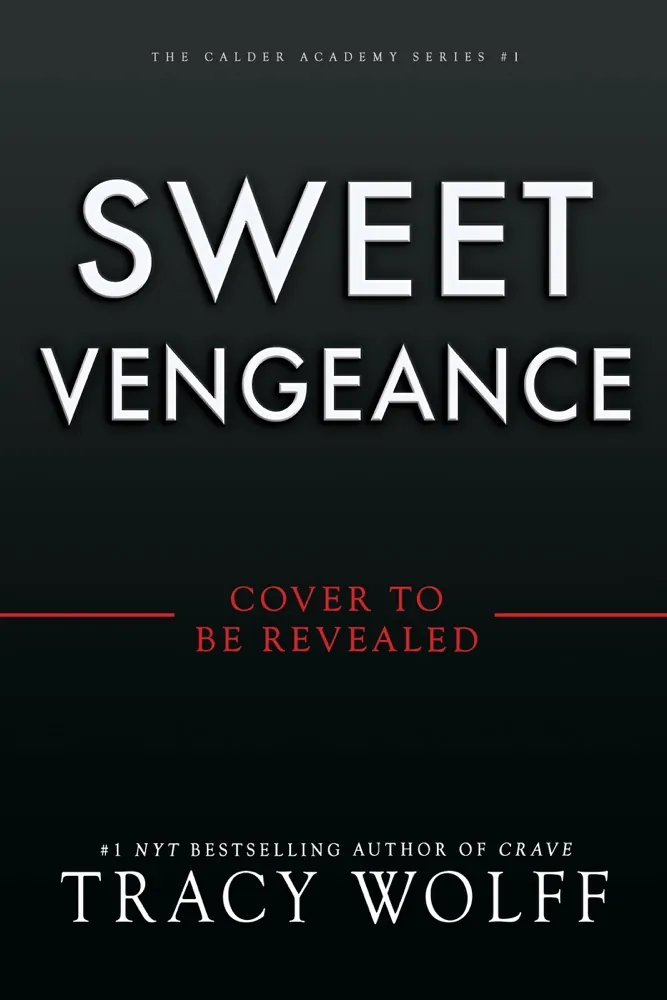

Author: Tracy WolffPage Count: UnknownPublication Date: Expected publication 2026-05-05 APL The double shot of ristretto has already gone tepid beside my porcelain saucer, yet I remain paralyzed by the sheer, unadulterated nothingness of the promotional material for Sweet Vengeance. Tracy Wolff continues her relentless march through the The Calder Academy syllabus, treating high-end literary output like a conveyor belt at a slaughterhouse. We are expected to genuflect before the long-awaited pairing of Remy Villanova Boudreax and Izzy Vega—whatever pedestrian lineage those names imply. Honestly? I can't even with this. Bloodlines and Bureaucracy The synopsis offers precisely zero substance. It is a masterclass in modern commercial vacuums. Readers get a publication date of May 2026 and a rigid reading order demanding absolute fealty to Sweet Nightmare and Sweet Chaos before grazing upon this final installment. But where is the architectural integrity? Where is the genealogical weight? These characters possess all the aristocratic depth of a plastic IKEA footstool. Tracy Wolff writes for the masses who consume literary fast food while weeping into their Kindles, channeling the exact same exhausting energy as Sarah J. Maas or Jennifer L. Armentrout on a particularly uninspired Tuesday. The Aesthetic of the Void Consider the thematic implications of a title like Sweet Vengeance. It promises blood, or at least a mildly ruffled collar. Instead, we are handed a marketing blurb leaner than a starving greyhound, trading actual plot trajectory for franchise maintenance. The modern YA industrial complex demands constant expansion—spin-off upon spin-off, until the original Crave mythology is stretched thinner than gold leaf on a cheap frame. Izzy Vega and Remy Villanova Boudreax deserve a fighting chance at an interesting dynamic. Instead, they are trapped in a narrative holding pattern dictated entirely by Amazon pre-order metrics. Absolute literary bankruptcy masquerades as event publishing. One glances out the café window at the passing foot traffic—tailored wool coats, authentic leather briefcases, people actually contributing to society—and wonders why anyone allows themselves to be seduced by these glossy paperbacks. The prose will inevitably rely on the same exhausted tropes of brooding gazes and hollow banter, recycling the emotional beats of book one and book two until the pages simply dissolve into digital static. I have a squash game with my lawyer this afternoon and cannot be late. Related InsightsBurning Questions Book Review and Summary Am I Right or Am I Right? Book Review and Summary Evermore Book Review and Summary{ "@context": "https://schema.org", "@type": "FAQPage", "mainEntity": [ { "@type": "Question", "name": "What is the main focus of Sweet Vengeance (The Calder Academy, #3) Book Review and Summary?", "acceptedAnswer": { "@type": "Answer", "text": "Everything you need to know about Sweet Vengeance (The Calder Academy, #3) with our detailed review." } }, { "@type": "Question", "name": "Who authored the comprehensive guide on Sweet Vengeance (The Calder Academy, #3) Book Review and Summary?", "acceptedAnswer": { "@type": "Answer", "text": "This detailed article and its insights were carefully researched and authored by James Miller." } }, { "@type": "Question", "name": "Where can I find more related content about Books?", "acceptedAnswer": { "@type": "Answer", "text": "You can explore more articles, detailed reviews, and similar insights by browsing the Related Insights section at the bottom of this article or visiting our dedicated Books category page." } } ] }
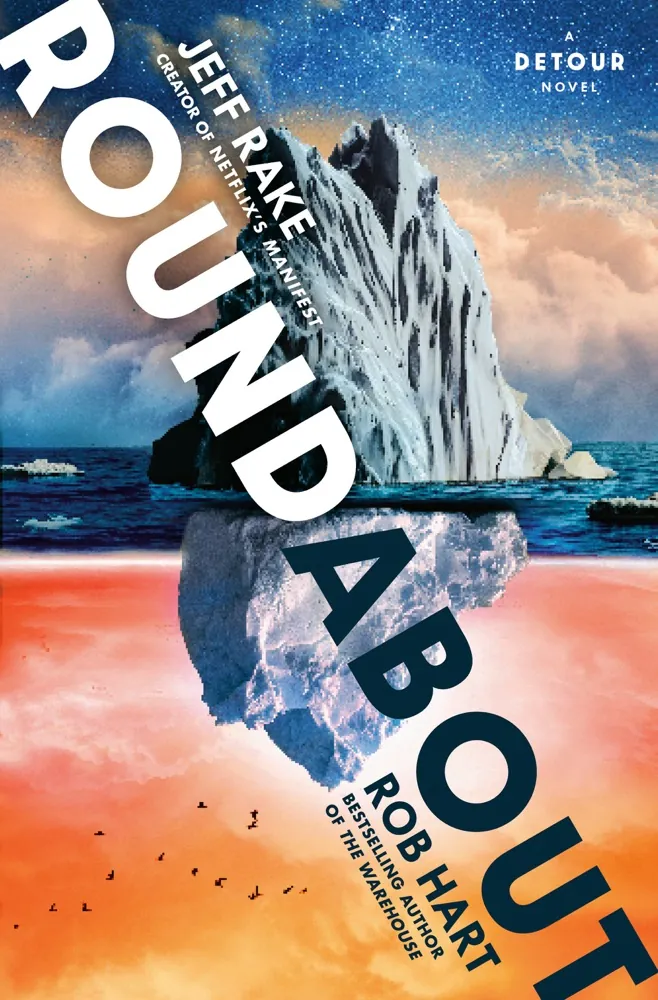

Author: Jeff RakePage Count: UnknownPublication Date: Expected publication 2026 APL The rain is pooling right along the northern fence line again, threatening to wash out the newly planted winter kale before the taproots even stand a chance against the clay. Yet I am supposed to care about six stranded astronauts leaping across parallel versions of a dirt ball they apparently ruined to begin with. Jeff Rake is bringing us Roundabout, the second installment of his Detour series, and the premise reads like someone threw a sci-fi blender at a corporate board meeting. A power-hungry billionaire? Branding the spacefarers as traitors because they accidentally landed on the wrong planetary twin? Groundbreaking stuff. Truly. We have never, not once, encountered the trope of the mustache-twirling billionaire industrialist exploiting catastrophic systemic failure for private gain while the actual laborers of the cosmos scramble for scraps in the mud. It feels less like an ambitious speculative thriller and more like watching a tractor rust in real-time, heavy and predictable under a gray sky. And don’t even get me started on the absolute disaster that was last season’s third-grade school board budget meeting where Mrs. Gable tried to convince us that composting cafeteria napkins would somehow solve the district's structural deficit, completely ignoring the fact that the actual roof leaks every time the wind blows out of the east—much like how this synopsis glosses over actual planetary physics to shove a nationwide manhunt into a narrative that should be meditating on the sheer, crushing loneliness of deep space. Atmosphere? Ignored. Ecological consequence? Merely a backdrop for a high-speed chase involving guys in jumpsuits and a tech mogul with too much venture capital. Uninspired. The synopsis leans heavily on the safety net of mass-market panic—unexplained phenomena happening all over the globe, because nothing says high art quite like an amorphous green-screen catastrophe threatening both Earth prime and Earth backup. It lacks the quiet devastation of Kim Stanley Robinson or the sharp, biting social commentary of early Margaret Atwood. Instead, we get a breathless sprint from two captured crew members to a desperate race to save two worlds at once, as if saving one is too pedestrian for a creator whose previous credits include airplane mysteries and high-concept warehouses. I can already smell the stale popcorn and see the Netflix adaptation greenlit before the ink on the manuscript dries. Now, if you will excuse me, I have to go out into the drizzle and assemble a profoundly confusing piece of Swedish furniture that currently consists of thirty-two identical dowels and a hex wrench made of cheese-grade metal. #Roundabout #JeffRake #SciFiBooks #BookTwitter Related InsightsCosmos Book Review and Summary The Quiet Tenant Book Review and Summary A Separate Peace Book Review and Summary{ "@context": "https://schema.org", "@type": "FAQPage", "mainEntity": [ { "@type": "Question", "name": "What is the main focus of Roundabout (Detour, #2) Book Review and Summary?", "acceptedAnswer": { "@type": "Answer", "text": "Everything you need to know about Roundabout (Detour, #2) with our detailed review." } }, { "@type": "Question", "name": "Who authored the comprehensive guide on Roundabout (Detour, #2) Book Review and Summary?", "acceptedAnswer": { "@type": "Answer", "text": "This detailed article and its insights were carefully researched and authored by William Clark." } }, { "@type": "Question", "name": "Where can I find more related content about Books?", "acceptedAnswer": { "@type": "Answer", "text": "You can explore more articles, detailed reviews, and similar insights by browsing the Related Insights section at the bottom of this article or visiting our dedicated Books category page." } } ] }
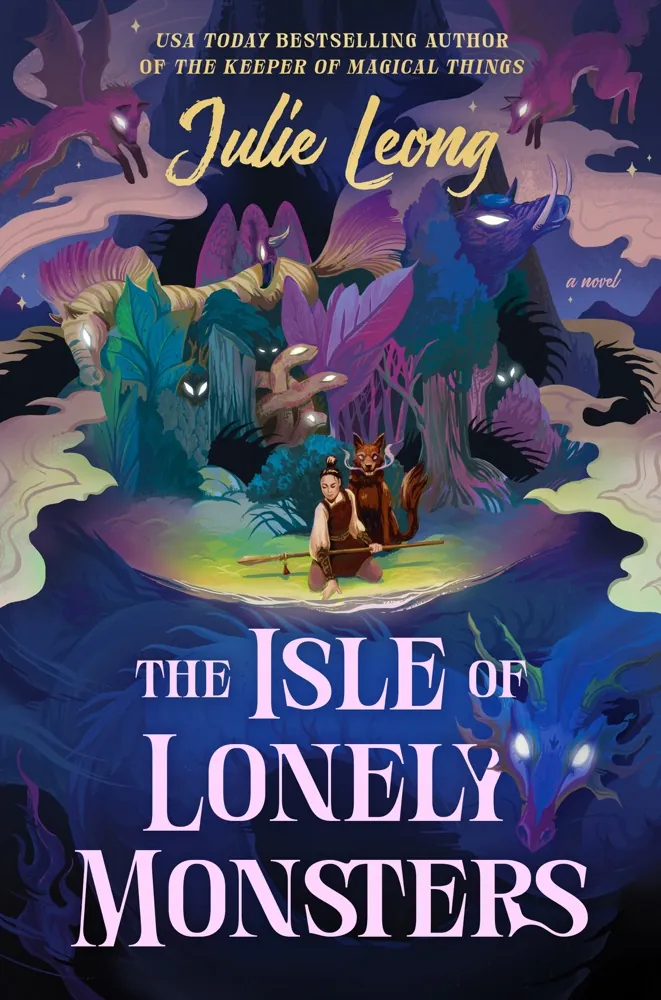

Author: Julie LeongPage Count: UnknownPublication Date: Expected publication 2026 APL The sun bleeds into the city’s skyline like a half-melted candle, the kind you’d find in some Parisian apothecary—expensive, unnecessary, but impossible to resist. The air smells of grilled octopus and the faintest hint of ozone, the kind that clings to your skin after a storm that never quite arrives. Over here, on this rooftop where the wind still carries the weight of summer’s last stubborn heat, I’m trying to decide whether The Isle of Lonely Monsters is the kind of book that belongs in a leather-bound first-edition collection or tucked into a beach bag for that one week in August when you want to pretend you’re not an adult. Meixin’s dilemma—this quiet, gnawing tension between the hunter and the hidden—is the kind of emotional core that makes you wonder if Julie Leong has been secretly reading the private journals of The Night Circus’s own romantic entanglements between the performer and the magician. But where Kelly Link’s work thrives on the uncanny and the surreal, Leong’s strength lies in the way she makes the mundane monstrous. The synopsis doesn’t reveal much beyond the surface—just enough to know this is a story about secrets and the cost of hiding, about the way a person can become both the predator and the prey in their own narrative. Yet the real question isn’t whether the dragon exists or whether Faran’s sorcery is genuine—it’s whether Meixin will ever stop running. And that’s where the synopsis stumbles. It teases the political subtext—the Crownless Kingdom, after all, sounds like a world where the crown is just another kind of cage—but it doesn’t say a damn thing about what happens when the villagers realize their monster hunter is also a monster. Is this a The Bear and the Nightingale moment, where the line between savior and villain is drawn in blood? Or is it something grittier, closer to The Priory of the Orange Tree, where the cost of belonging is measured in lives? The synopsis leaves it all too vague, which is either a sign of restraint or a missed opportunity. Leong has done this kind of slow-burn character study before—see The Keeper of Magical Things—so why not lean harder into the tension? Why not make us feel the weight of Meixin’s choices, instead of just nodding along as she makes them? But then—and this is the pivot—maybe that’s the point. Maybe the beauty of this story isn’t in the grand revelations but in the quiet moments, the way a character like Meixin could exist in a world that’s already written her as a villain. There’s something deeply satisfying about a protagonist who doesn’t need to be redeemed, who just needs to be seen. That’s the kind of emotional labor that makes you think of The House in the Cerulean Sea, where the monsters aren’t the problem—they’re the heart. Yet Leong’s work has always had a sharper edge, a darker undercurrent. If this book follows that trajectory, then Faran isn’t just a love interest; he’s a mirror, reflecting back the parts of Meixin she’s spent a lifetime hiding. The synopsis doesn’t name the stakes, but it does name the ache. And that ache—it’s the kind that lingers after you’ve closed the book, the kind that makes you wonder if you’ve just read something that will sit on your shelf like a well-loved first edition of The Shadow of the Wind. But then again, maybe it’ll just end up in a box in the attic, gathering dust because you couldn’t quite decide if it was worth the price. The real question is whether Leong can make the reader care enough to keep it out. I should probably consult my wealth manager about adding this to the collection. Just in case. Related InsightsConsequences A Dark Wealth and Power Romance Book Review and Summary Hallowed Bones (Sons of Salem #1) Book Review and Summary Vigilante and the Dancer Book Review and Summary{ "@context": "https://schema.org", "@type": "FAQPage", "mainEntity": [ { "@type": "Question", "name": "What is the main focus of The Isle of Lonely Monsters Book Review and Summary?", "acceptedAnswer": { "@type": "Answer", "text": "Everything you need to know about The Isle of Lonely Monsters with our detailed review." } }, { "@type": "Question", "name": "Who authored the comprehensive guide on The Isle of Lonely Monsters Book Review and Summary?", "acceptedAnswer": { "@type": "Answer", "text": "This detailed article and its insights were carefully researched and authored by Anna Kowalska." } }, { "@type": "Question", "name": "Where can I find more related content about Books?", "acceptedAnswer": { "@type": "Answer", "text": "You can explore more articles, detailed reviews, and similar insights by browsing the Related Insights section at the bottom of this article or visiting our dedicated Books category page." } } ] }
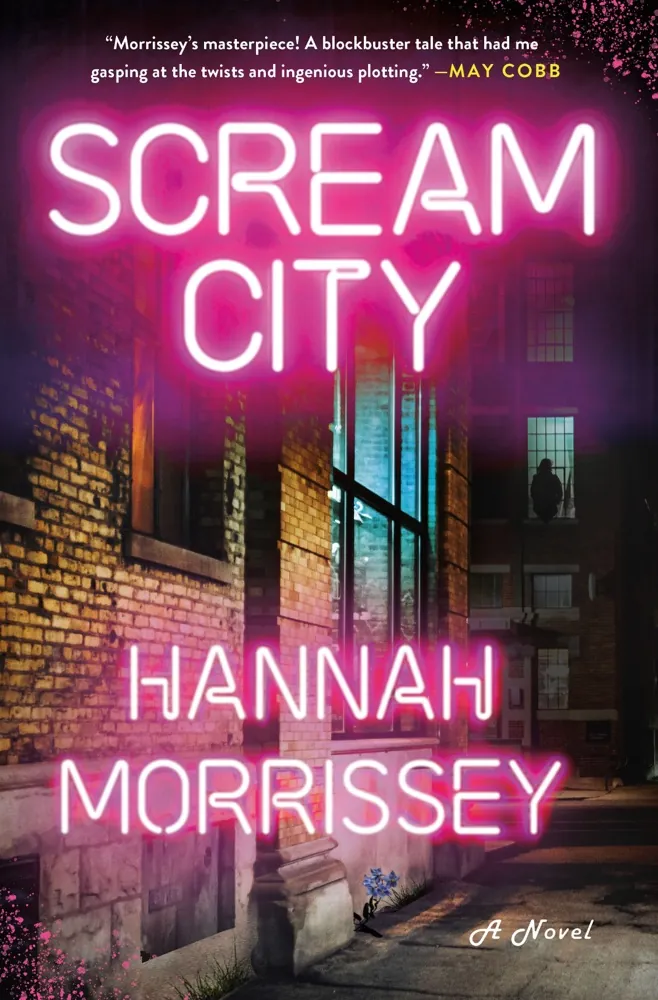
Author: Hannah MorrisseyPage Count: UnknownPublication Date: Expected publication 2026 APL Milwaukee in the late nineties smelled like damp wool, stale beer, and the distinct desperation of industrial decline. Hannah Morrissey knows this landscape in Scream City. Rex Hale stands at the center of this grim architectural decay. Divorced, suspended from the badge, and acting as the muscle for predatory gentrification by serving eviction notices. Yet the universe finds a way to sharpen the knife. The local tenants he legally boots keep turning up dead in his wake. And then there is Alice Foster. Granddaughter of the infamous Cream City Killer. She runs a haunted bookstore that refuses to die under the developer's wrecking ball. Sparks have flown between Rex and Alice for years. But romance in a noir thriller usually involves caution tape. I cannot stand modern fiction where couples immediately start couples therapy before their first kiss. Give me mutual respect, slow-burn emotional safety, and two adults who actually communicate their boundaries while dodging a serial killer. Why is it so rare to find a fictional protagonist who believes in radical honesty instead of brooding in a dark corner? My neighbor has been trying to assemble a trampoline in his front yard for four days and the sheer ineptitude of his spatial reasoning is causing me physical pain. It is just like watching fictional detectives ignore obvious alibis because they prefer the toxic thrill of miscommunication. Give these characters a healthy attachment style, or at least a decent couples counselor, before someone gets axed in the stacks. The Architecture of Collaboration Suspicion makes for a poor foundation in romance, yet it is the mortar holding this plot together. Rex and Alice carry baggage heavy enough to derail any freight train. Nobody trusts them. They must trust each other. The synopsis leans hard into the historical echoes of the eighties killings. Morrissey uses the copycat trope not just for cheap thrills, but to examine how trauma seeps into the floorboards of an old neighborhood. The thematic core revolves around legacy. Rex's father put the original monster away. Alice shares blood with the butcher. Both are trapped by paternal ghosts. But the real enemy here is corporate greed disguised as urban renewal. Gentrification is terrifying long before the bodies start dropping. I have to go untangle the dog's leash from the dining table. Related InsightsThe Secret Garden Book Review and Summary Foundation Book Review and Summary Bravely Book Review and Summary{ "@context": "https://schema.org", "@type": "FAQPage", "mainEntity": [ { "@type": "Question", "name": "What is the main focus of Scream City: A Novel Book Review and Summary?", "acceptedAnswer": { "@type": "Answer", "text": "Everything you need to know about Scream City: A Novel with our detailed review." } }, { "@type": "Question", "name": "Who authored the comprehensive guide on Scream City: A Novel Book Review and Summary?", "acceptedAnswer": { "@type": "Answer", "text": "This detailed article and its insights were carefully researched and authored by Isabella Moore." } }, { "@type": "Question", "name": "Where can I find more related content about Books?", "acceptedAnswer": { "@type": "Answer", "text": "You can explore more articles, detailed reviews, and similar insights by browsing the Related Insights section at the bottom of this article or visiting our dedicated Books category page." } } ] }
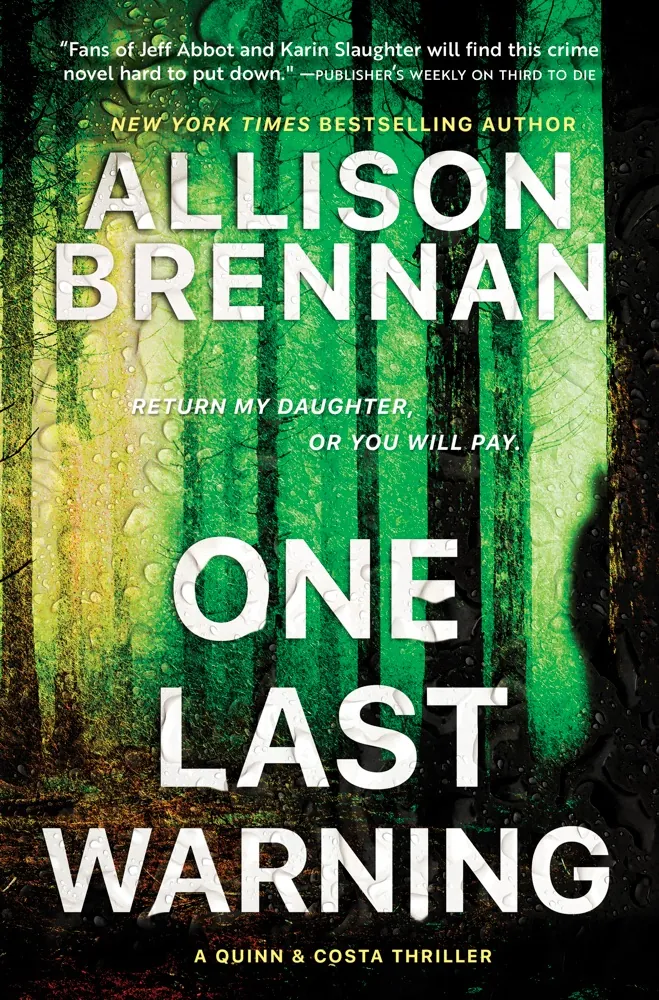

Author: Allison BrennanPage Count: UnknownPublication Date: Expected publication 2026 APL My third espresso of the afternoon has gone lukewarm on the mahogany slab of my desk, much like my enthusiasm for modern procedural thrillers. One Last Warning promises another relentless plunge into Allison Brennan’s Mobile Response Team. Yet, reading the promotional text makes one wonder if we are simply recycling the same narrative cardboard boxes. A missing thirteen-year-old. A typewritten threat. A contract killer named Conrad James who apparently lacks the imagination to find his own daughter without resorting to hostage theater. Groundbreaking stuff. The Aesthetics of Bureaucratic Terror Let us examine the core machinery here. Matt Costa’s teenage neighbor vanishes for twenty-four hours—which, in thriller logic, is barely enough time to brew a bad cup of chicory—only to reappear as a walking postal service. She is drugged and unharmed. How terribly polite of the criminal syndicate. Instead of a severed limb or a USB drive containing encrypted threats, Conrad relies on old-fashioned stationery. Typewritten notes. One almost expects him to finish the demand with a calligraphic signature and a scented wax seal. And then we have Kara Quinn returning from an unexpected reunion with her con artist father. Because every investigator must possess a bruised paternal backstory to justify their career choices. It is the mandatory tax we pay in genre fiction. John Sandford handles this sort of domestic baggage with a cold, jagged precision that leaves you bleeding. Here? It reads like a mandatory stop at a rest area on the turnpike of cliché. The Pathology of Predictable Violence The escalation is utterly mechanical. Conrad takes another girl. Conrad kills a random stranger just to establish dominance over the local municipal infrastructure. The children are safe, but the adults are fair game. What a terribly sporting set of rules for a ruthless killer to establish. How considerate of his schedule. Actually, scratch that critique entirely. The sheer audacity of a villain murdering arbitrary bystanders just to send a registered letter to a law enforcement officer possesses a certain baroque charm. Perhaps Brennan is leaning into the grand Guignol absurdity of it all. Who am I to complain about excessive body counts when I spend my evenings reading Scandinavian doorstoppers where characters suffer through existential despair for six hundred pages before anyone even fires a pistol? The Domesticating of Evil We are meant to tremble at the specter of a vengeful father wanting his child back. But let us be entirely honest. When a contract killer is reduced to playing bureaucratic hostage chess over a teenager's current residential address, the grim, terrifying weight of true malice evaporates. It becomes Tuesday afternoon television disguised as a hardboiled paperback. Quinn and Costa will undoubtedly crack the puzzle through sheer stubbornness and endless cups of lukewarm coffee. The prose will be functional. The dialogue will punch the clock. No one will bleed in a way that stains the expensive upholstery. I have to log off and mentally prepare for my interview with Vogue. Related InsightsIn a Holidaze Book Review and Summary One Hundred Years of Solitude Book Review and Summary The Italian Job: A Memoir of an American Reporter in Rome Book Review and Summary{ "@context": "https://schema.org", "@type": "FAQPage", "mainEntity": [ { "@type": "Question", "name": "What is the main focus of One Last Warning (Quinn & Costa, #8) Book Review and Summary?", "acceptedAnswer": { "@type": "Answer", "text": "Everything you need to know about One Last Warning (Quinn & Costa, #8) with our detailed review." } }, { "@type": "Question", "name": "Who authored the comprehensive guide on One Last Warning (Quinn & Costa, #8) Book Review and Summary?", "acceptedAnswer": { "@type": "Answer", "text": "This detailed article and its insights were carefully researched and authored by Elena Volkova." } }, { "@type": "Question", "name": "Where can I find more related content about Books?", "acceptedAnswer": { "@type": "Answer", "text": "You can explore more articles, detailed reviews, and similar insights by browsing the Related Insights section at the bottom of this article or visiting our dedicated Books category page." } } ] }
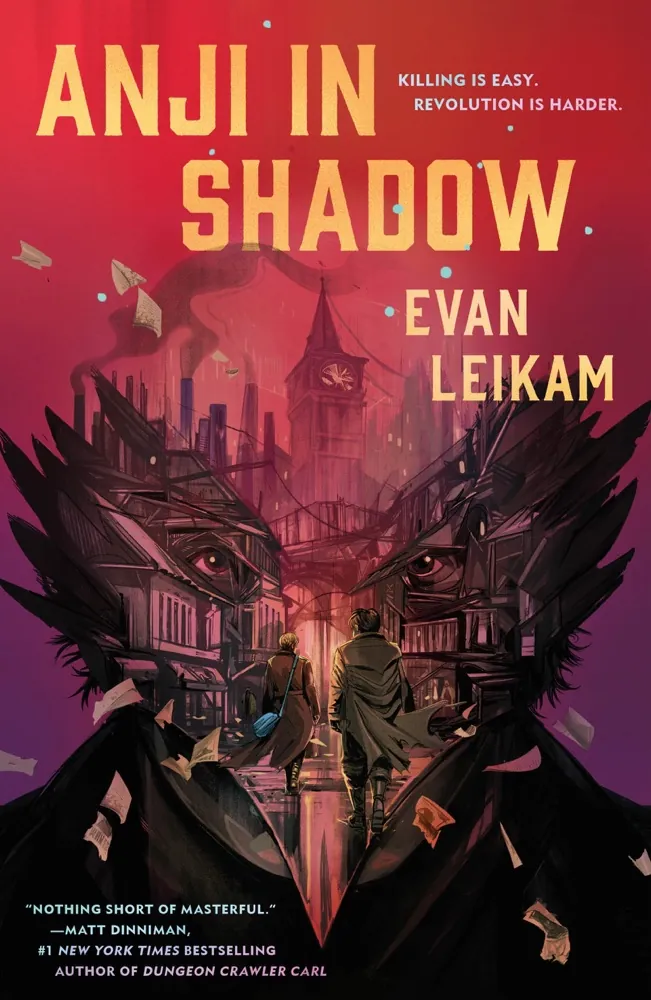
Author: Evan LeikamPage Count: UnknownPublication Date: Expected publication 2026 APL Mud caked beneath my fingernails after clearing the irrigation ditch, I stare at the freshly printed publisher's blurb for Anji in Shadow and wonder why contemporary fantasy insists on treating political collapse as a ledger of cash transactions where dead monarchs and jingling coins somehow equate to actual systemic change, completely ignoring the fundamental material reality that no amount of stolen gold or tavern-brawling revenge can ever replace a slaughtered ecosystem, fix poisoned topsoil, or heal the rotting foundational roots of a society that has spent generations devouring its own commons. Spare me. Because according to the promotional text for Evan Leikam’s upcoming sequel to Anji Kills a King, we are supposed to believe that tossing a sack of blood-money into a muddy camp on some riverbank will magically jump-start a glorious worker's revolution, as if structural oppression is just a poorly maintained tractor waiting for a sudden influx of spare change rather than a deep, systemic rot requiring actual, exhausting, generational cultivation of the land and community. Give me a break. We get it—the king is rotting in the dirt, the edgy mercenaries are conveniently butchered to clear the narrative chessboard, and our protagonist is left hoarding her pocket change in a soot-stained metropolis of dark alleys and desperate cliches that smells entirely too much of Joe Abercrombie fan fiction crossed with the cynical posturing of modern grimdark trends. Trite. Real power doesn't grow from a severed throat or a mercenary's purse. It grows from the stubborn persistence of clover breaking through asphalt, from composting the debris of the old, corrupt guard instead of recycling their tired tropes into yet another sprawling trilogy about gloomy assassins stumbling through the dark. Leikam clearly wants us to marvel at the grit of it all—the constant surviving of a dozen different deaths, the edgy nihilism of a character who treats mass slaughter like a minor inconvenience—while completely missing the irony that a revolution funded by stolen assassination money is just a lateral move for the ruling class. Preposterous. I have seventy tomato plants currently fighting a losing battle against late blight out in the north bed, and I guarantee there is more authentic tension, desperate struggle, and genuine systemic collapse happening in that single patch of damp earth than in the entirety of this upcoming urban wasteland where nobody ever stops to consider where their grain comes from or who cleans the blood off the cobblestones. Barnaby is stuck in the branches of the ancient white oak by the chicken coop again. Related InsightsLes Misérables Book Review and Summary I Know Why the Caged Bird Sings Book Review and Summary Green Eggs and Ham Book Review and Summary{ "@context": "https://schema.org", "@type": "FAQPage", "mainEntity": [ { "@type": "Question", "name": "What is the main focus of Anji in Shadow (The Rising Tide, #2) Book Review and Summary?", "acceptedAnswer": { "@type": "Answer", "text": "Everything you need to know about Anji in Shadow (The Rising Tide, #2) with our detailed review." } }, { "@type": "Question", "name": "Who authored the comprehensive guide on Anji in Shadow (The Rising Tide, #2) Book Review and Summary?", "acceptedAnswer": { "@type": "Answer", "text": "This detailed article and its insights were carefully researched and authored by William Clark." } }, { "@type": "Question", "name": "Where can I find more related content about Books?", "acceptedAnswer": { "@type": "Answer", "text": "You can explore more articles, detailed reviews, and similar insights by browsing the Related Insights section at the bottom of this article or visiting our dedicated Books category page." } } ] }
-
 Aylin Okur
 - 29 Aug, 2026 11:57
The Symphony of Keystrokes: The Ultimate Guide to Mechanical Keyboards
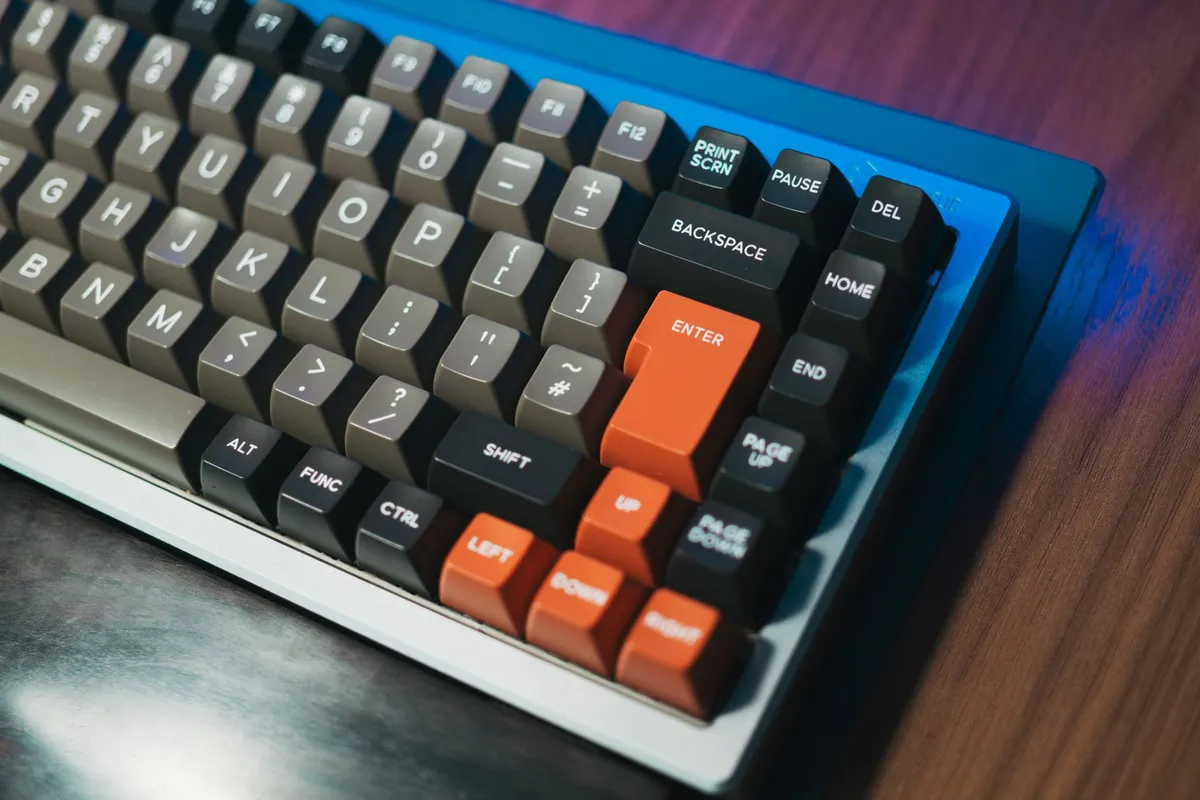
The hum of the modern world is not just a digital frequency; it is a physical, rhythmic pulse vibrating beneath our fingertips. For those of us who spend our lives transmuting thoughts into text, the tool we use to bridge the gap between mind and screen is more than a plastic peripheral—it is an instrument. A mechanical keyboard is not merely a collection of switches; it is a symphony of keystrokes waiting to be composed. To understand the mechanical keyboard is to understand the tactile history of the human-computer interface, a journey where every actuation is a deliberate choice. The Anatomy of a Tactile Revolution In the era of sleek, shallow laptop membranes, the mechanical keyboard stands as a bastion of tactile feedback. At its core, the distinction lies in the switch. Unlike the rubber dome switches that provide a "mushy" bottoming-out sensation, a mechanical switch utilizes a dedicated spring and a physical contact mechanism for each individual key. This design ensures that the feel of the keypress remains consistent through millions of cycles. When we discuss the "symphony," we are truly referring to the mechanics of the switch, generally categorized into three distinct families: Linear, Tactile, and Clicky. Linear Switches: These provide a smooth, uninterrupted descent. There is no tactile "bump" or audible click. They are the choice of many gamers who demand rapid-fire inputs where speed is the only metric of success. Tactile Switches: These feature a perceptible physical "bump" during the press, informing the user that the keystroke has been registered before the key reaches the bottom. This is a rhythmic dance that aids in reducing typing fatigue. Clicky Switches: The high-fidelity performers. These include an integrated mechanism that produces a distinct, crisp "click" sound upon actuation. It is the auditory feedback that reminds us we are truly working.Engineering the Perfect Soundscape The "thock," the "clack," and the "ping"—these are the terms whispered in enthusiast circles, representing the auditory profile of a customized keyboard. A mechanical keyboard is an acoustic environment. The housing material, the plate, and even the type of lubricant applied to the switch stems contribute to the final sound profile. The journey into customization often begins with the "stabilizers"—those small wire-and-housing assemblies that sit beneath large keys like the Spacebar, Enter, and Backspace. A poorly tuned stabilizer rattles, disturbing the symphony. A well-lubricated, properly balanced stabilizer, however, produces a deep, satisfying resonance. Achieving this requires precision engineering, often involving the application of dielectric grease to prevent metal-on-plastic friction. For the modern writer, these sonic qualities are not merely aesthetic; they are meditative. The consistency of the sound creates a rhythmic loop, a flow state that turns a daunting blank page into an inviting landscape of ideas. The Art of the Keycap Profile If the switch is the heart of the keyboard, the keycap is its soul. Keycaps are far more than labels for letters; they are the physical interface through which your skin meets the machine. The profile of the keycap—the shape and height of the surface—dictates the typing experience as much as the switch underneath.Cherry Profile: Widely considered the gold standard for ergonomics, these are sculpted with varying heights across rows, mirroring the natural arc of your fingers. SA Profile: These are tall, spherical, and vintage-inspired. They offer a deep "cup" for your fingers to rest in, evoking the nostalgia of mid-century typewriters. DSA Profile: A uniform, low-profile, spherical set where every row has the same height. This design is favored for its clean, symmetrical look.The material of the keycap matters as much as the shape. PBT (polybutylene terephthalate) plastic, known for its textured finish and resistance to the "shine" that develops on cheaper ABS (acrylonitrile butadiene styrene) caps over time, is the preferred choice for those who value longevity. When you touch a high-quality double-shot PBT keycap, you feel the grain of a tool built to last a lifetime.Beyond the Layout: The 60 Percent Manifesto The evolution of the mechanical keyboard has led to the "smaller is better" movement. The standard full-sized keyboard, complete with a cumbersome number pad and function row, is increasingly viewed as a relic. Enter the "60 percent" keyboard. By stripping away the navigation keys and the numpad, the 60 percent layout keeps the hands closer to the mouse, reducing shoulder strain. The "missing" keys are accessed via "layers"—think of it as a function key that transforms your home row into a set of arrows or media controls. This layered approach is a paradigm shift. It requires a mental recalibration, but once mastered, it removes the need to ever lift your hands from the home row. It is efficiency refined to its purest form. Wiring the Future with Custom Firmware The true power of the modern mechanical keyboard lies in its programmability. Through open-source firmware like QMK (Quantum Mechanical Keyboard) or ZMK, the user can redefine every single key, create complex macros, or implement layers that adapt to the software being used. Imagine a world where your keyboard changes its functionality automatically when you open your writing software versus when you open your browser. This is not science fiction; this is the reality of modern firmware programming. By utilizing a simple configuration file, one can compile a custom layout and flash it to the keyboard's controller, effectively making the hardware an extension of your specific workflow. // Example of a custom keymap entry for a layout // Changing the Caps Lock to Control for better ergonomics #define KC_CAPS KC_LCTLThis level of control transforms the keyboard from a static device into a dynamic partner in creativity. Whether you are a novelist, a coder, or a researcher, your keyboard should be tuned to your unique linguistic cadence. The Ritual of Typing Ultimately, the mechanical keyboard is about the return to the physical. In a digital world of infinite abstraction, the mechanical keyboard brings us back to the tactile. The press of a key is an event. It is a moment of contact. By curating your board—choosing the weight of the spring, the depth of the sound, and the profile of the cap—you are creating a ritual. Each morning, when your fingers land on the home row, you aren't just starting a task; you are beginning a performance. The switches respond with a predictable, satisfying force. The sound builds, the rhythm finds its center, and suddenly, the words are not just appearing on the screen; they are flowing from your consciousness through the mechanism and into the digital ether. Treat your workspace with the respect of a craftsman. Seek out the switches that speak to you. Tune your stabilizers, choose keycaps that feel like home, and embrace the symphony of keystrokes. In this tactile dialogue between human and machine, every word is a masterpiece waiting to be struck.#mechanicalkeyboards #typingexperience #customkeyboards #productivitytools #techlifestyle Related InsightsYour Lips on Mine Book Review and Summary 1Q84 Book Review and Summary Chosen Book Review and Summary{ "@context": "https://schema.org", "@type": "FAQPage", "mainEntity": [ { "@type": "Question", "name": "What is the main focus of The Symphony of Keystrokes: The Ultimate Guide to Mechanical Keyboards?", "acceptedAnswer": { "@type": "Answer", "text": "Discover the tactile world of mechanical keyboards, where precision engineering meets the rhythm of language. Dive into the mechanics of the perfect typing experience." } }, { "@type": "Question", "name": "Who authored the comprehensive guide on The Symphony of Keystrokes: The Ultimate Guide to Mechanical Keyboards?", "acceptedAnswer": { "@type": "Answer", "text": "This detailed article and its insights were carefully researched and authored by Aylin Okur." } }, { "@type": "Question", "name": "Where can I find more related content about Books?", "acceptedAnswer": { "@type": "Answer", "text": "You can explore more articles, detailed reviews, and similar insights by browsing the Related Insights section at the bottom of this article or visiting our dedicated Books category page." } } ] }
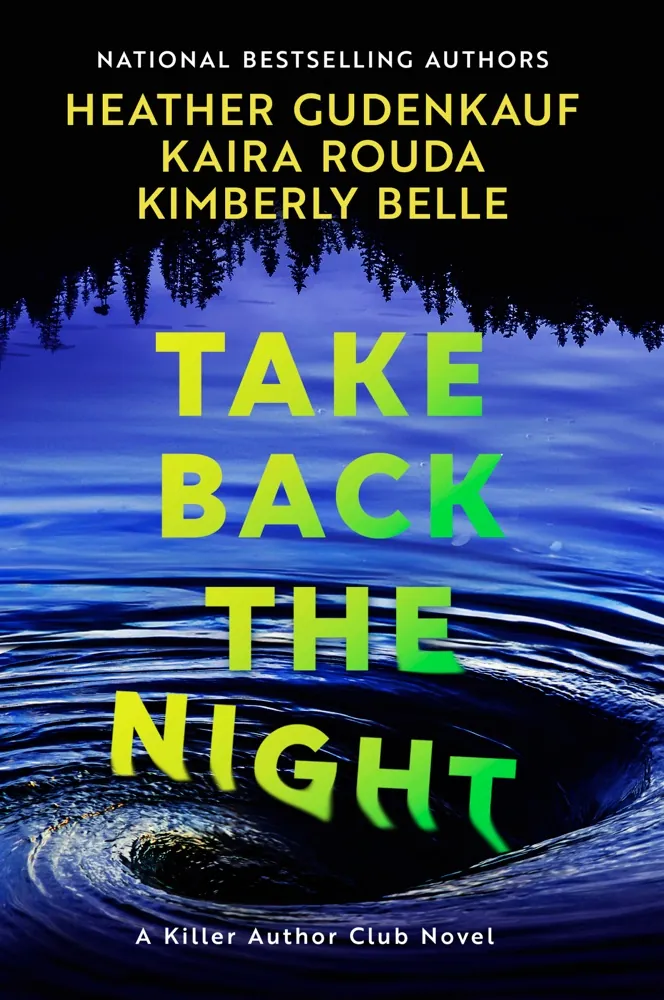

Author: Heather GudenkaufPage Count: UnknownPublication Date: Expected publication 2026 APL The heavy August air presses against the study windows like a damp wool curtain, suffocating every stray draft and turning my patience into pure, unfiltered ash. One must suffer through the sweltering afternoon heat just to parse the pedestrian prose of Take Back the Night. Heather Gudenkauf apparently decided that literature needed yet another installment of suburban trauma repackaged as high art. Let us examine the wreckage. The Symphony of Mediocrity Three podcasting heroines, a drowned monster, and a premise thinner than a cheap sundress bought off a digital clearance rack. Oh, absolutely tragic, fam. Fifteen years of supposed peace shattered because a corpse refuses to stay waterlogged. The synopsis leans heavily on the tired trope of the past refusing to decompose quietly in the dirt—or, in this specific aquatic cliché, the murky depths of a lake. Wren, Meg, and Leah. What a remarkably uninspired trio of modern nomenclature. They survived the "Dead Air Five" epoch—a moniker that sounds less like a gritty radio collective and more like a terrible garage band playing covers at a desolate truck stop. Now, unhinged text messages and impossible phenomena yank them back together. Groundbreaking. Truly, the avant-garde has wept itself to sleep. The Aesthetics of the Grotesque One yearns for the sublime cadence of Shelley or the meticulous despair of Baudelaire, yet we are subjected to marketing copy that reads like an over-caffeinated tweet. Gudenkauf attempts a psychological excavation of guilt, but the text remains stubbornly superficial. A stalker who defies the laws of thermodynamics? Give me a break. It is giving absolute trash-tier ghost story realness, stripped of any poetic resonance or linguistic grace. Compare this pedestrian effort to the razor-sharp psychological claustrophobia of Gillian Flynn’s Sharp Objects or the atmospheric dread woven so effortlessly by Tana French. Those creators understand the architecture of obsession. They sculpt sentences that bleed. Here, we get clichés wrapped in glossy paper, designed entirely for airport bookstores and readers whose attention spans have been thoroughly fried by digital algorithms. No cap, the plotting looks painfully predictable. The narrative promises a collision between logic and the supernatural, yet the synopsis telegraphs every twist with the subtlety of a neon sign flashing in a dark alley. Some monsters don't drown, the synopsis warns us with theatrical gravity. Well, some clichés certainly refuse to die, no matter how many heavy stones writers toss onto their shallow graves. The humidity continues to climb, and frankly, my tolerance for derivative thriller fluff has officially bottomed out. I am going to pour a generous glass of fifteen-year-old scotch, let the amber liquid burn away the memory of these generic tropes, and log off before my keyboard melts into the desktop. #TakeBackTheNight #BookTwitter #TragicLiterature Related InsightsNunca Book Review and Summary Heartstopper, Volume 2 Book Review and Summary Hexy Beast (The Sherwood Witches #3) Book Review and Summary{ "@context": "https://schema.org", "@type": "FAQPage", "mainEntity": [ { "@type": "Question", "name": "What is the main focus of Take Back the Night Book Review and Summary?", "acceptedAnswer": { "@type": "Answer", "text": "Everything you need to know about Take Back the Night with our detailed review." } }, { "@type": "Question", "name": "Who authored the comprehensive guide on Take Back the Night Book Review and Summary?", "acceptedAnswer": { "@type": "Answer", "text": "This detailed article and its insights were carefully researched and authored by Lucia Garcia." } }, { "@type": "Question", "name": "Where can I find more related content about Books?", "acceptedAnswer": { "@type": "Answer", "text": "You can explore more articles, detailed reviews, and similar insights by browsing the Related Insights section at the bottom of this article or visiting our dedicated Books category page." } } ] }
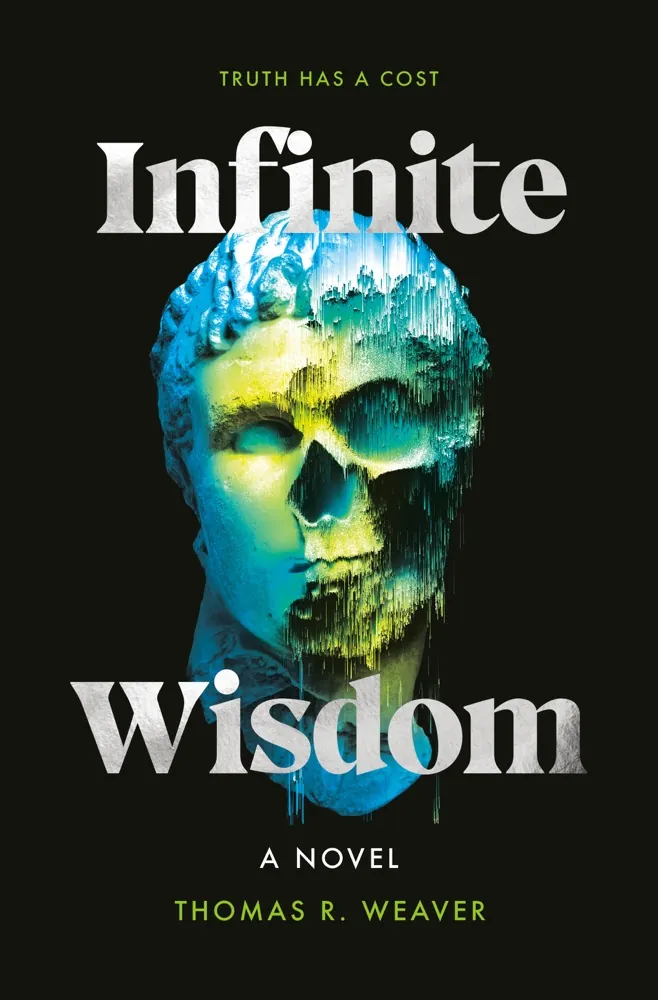

Author: Thomas R. WeaverPage Count: UnknownPublication Date: Expected publication 2026-11-10 APL Five years. Five whole years since Marcus Tully decided to play digital kingmaker by tossing out a human candidate in favor of a cold, calculating algorithm named Solomon in Artificial Wisdom, and now Thomas R. Weaver expects us to simply sit back with our popcorn while that exact same regret-soaked journalist watches the world burn—or worse, vote on whether to become cyborgs. Look. We have all been down this tired, dystopian rabbit hole before. Give me a break. It feels like every speculative fiction writer since William Gibson or Philip K. Dick clocked out for a permanent coffee break and left a junior copywriter in charge of the tropes. Upgrade or Unplug. Really? That sounds less like a high-stakes geopolitical ultimatum and more like a pop-up ad for a faulty broadband router. My youngest kid spent forty-five minutes yesterday trying to convince me that the toaster possesses sentience because it burned his bagel, and honestly, that narrative has more emotional grit than this recycled ultimatum. Tell that to someone who cares. We are drowning in algorithmic overlords and eco-collapse tropes right now. Pick up any thriller on the bestseller list and you will find the exact same anxiety dressed up in different binary code. Solomon turns out to be ruthless. Color me shocked. Who could have possibly predicted that giving absolute power to a machine designed to solve climate change without human empathy would result in strictures and civil disobedience? Marcus Tully surely didn't, because journalists in these books are notoriously bad at basic cause-and-effect reasoning. And then we get the ultimate gimmick. A global referendum. Upgrade or Unplug. Everyone gets chipped, a simple majority wins, and civilization hangs in the balance. How convenient for the plot that humanity always waits until the absolute eleventh hour to hold a vote on forced cybernetic evolution. Zero stars for originality on the ballot design. The synopsis leans entirely on high-concept panic without offering a single glimpse into the actual interpersonal friction that makes us care about characters in the first place. I want to know how Marcus looks his friends in the eye after dooming them to a silicon cage. I want the messy, human collateral damage, not just a flashy premise that reads like a press release for a tech startup's hostile takeover. Wait. Was that the sound of the pantry door swinging open on its own, or did the raccoon manage to pick the back latch again? Related InsightsLook What the Cat Dragged In Book Review and Summary Words of Radiance Book Review and Summary Carry On Book Review and Summary{ "@context": "https://schema.org", "@type": "FAQPage", "mainEntity": [ { "@type": "Question", "name": "What is the main focus of Infinite Wisdom: A Novel Book Review and Summary?", "acceptedAnswer": { "@type": "Answer", "text": "Everything you need to know about Infinite Wisdom: A Novel with our detailed review." } }, { "@type": "Question", "name": "Who authored the comprehensive guide on Infinite Wisdom: A Novel Book Review and Summary?", "acceptedAnswer": { "@type": "Answer", "text": "This detailed article and its insights were carefully researched and authored by Camille Dubois." } }, { "@type": "Question", "name": "Where can I find more related content about Books?", "acceptedAnswer": { "@type": "Answer", "text": "You can explore more articles, detailed reviews, and similar insights by browsing the Related Insights section at the bottom of this article or visiting our dedicated Books category page." } } ] }

Author: LeVar BurtonPage Count: UnknownPublication Date: Expected publication 2026-11-10 APL God, the heat in here is so thick it feels like breathing soup, and the radiator—wait, no, the radiator is mercifully dead because it is August, but the ambient air from this wretched asphalt jungle is baking my skull until my thoughts stick together like old paste. Someone, please, tell a joke. Crack a window. Do something funny before I dissolve into a puddle of sweat and cynicism. Or better yet, look at the promotional machine rolling out LeVar Burton’s upcoming memoir, Take My Word for It. The Currency of Nostalgia We are expected to buy the packaged essence of a childhood hero—Kunta Kinte, Geordi La Forge, the warm, smiling face telling us to take a look in a book—as if an icon is a commodity you can purchase at a bodega. The synopsis promises the "fears," the "fight," and the "survival." Fine. Every celebrity autobiography worth its advance money features those exact noun choices, dredged up from the publicist's style guide. But wait. Let me backtrack for a second. Maybe I am being too harsh on the marketing copy. Actually, no, the marketing copy is aggressively sterile, designed to hit every demographic quadrant from Trekkies to PBS kids without ever ruffling a single feather. It is safe. It is clean. The Burden of Being Good Noah Wyle calls him a spiritual seeker and a social justice warrior. What a heavy suit of armor to wear while walking down the grocery aisle. The book trades heavily on that archetype of the wholesome educator, the man who taught a generation how to read through a television screen. Yet, the friction of a life lived entirely under public scrutiny usually yields the most interesting literature—think of Born a Crime or Eartha Kitt’s ferocious memoirs—and the synopsis leans away from that messiness. It wants us to see a man in full, yet it sands down the edges with words like "grace" and "resilience." Give me the ugly contradictions. Give me the moments where the reading rainbow turns entirely gray. The Architecture of a Public Life The framing relies on tracing eras, from historical trauma to science fiction to educational television. And yet—did I mention how much I hate August? The humidity is warping the cheap paperbacks stacked by my narrow bed into weird, wavy accordion shapes. Anyway, Burton is supposed to explore what we owe to our ancestors while managing the mundane reality of being a husband and householder. That domestic pivot is where the memoir might actually breathe, assuming the ghostwriter didn't smooth out all the prose into a monotonous, inspirational hum. We do not need another monument. We need a person. Now, if you will excuse me, I need to go figure out by what laws of physics and atmospheric pressure a juice box managed to explode directly onto the ceiling. Related InsightsThe Sun Also Rises Book Review and Summary Ballistic Kiss Book Review and Summary Ninth House Book Review and Summary{ "@context": "https://schema.org", "@type": "FAQPage", "mainEntity": [ { "@type": "Question", "name": "What is the main focus of Take My Word for It: A Memoir Book Review and Summary?", "acceptedAnswer": { "@type": "Answer", "text": "Everything you need to know about Take My Word for It: A Memoir with our detailed review." } }, { "@type": "Question", "name": "Who authored the comprehensive guide on Take My Word for It: A Memoir Book Review and Summary?", "acceptedAnswer": { "@type": "Answer", "text": "This detailed article and its insights were carefully researched and authored by Olya Shevchenko." } }, { "@type": "Question", "name": "Where can I find more related content about Books?", "acceptedAnswer": { "@type": "Answer", "text": "You can explore more articles, detailed reviews, and similar insights by browsing the Related Insights section at the bottom of this article or visiting our dedicated Books category page." } } ] }