Showing Posts From
Books
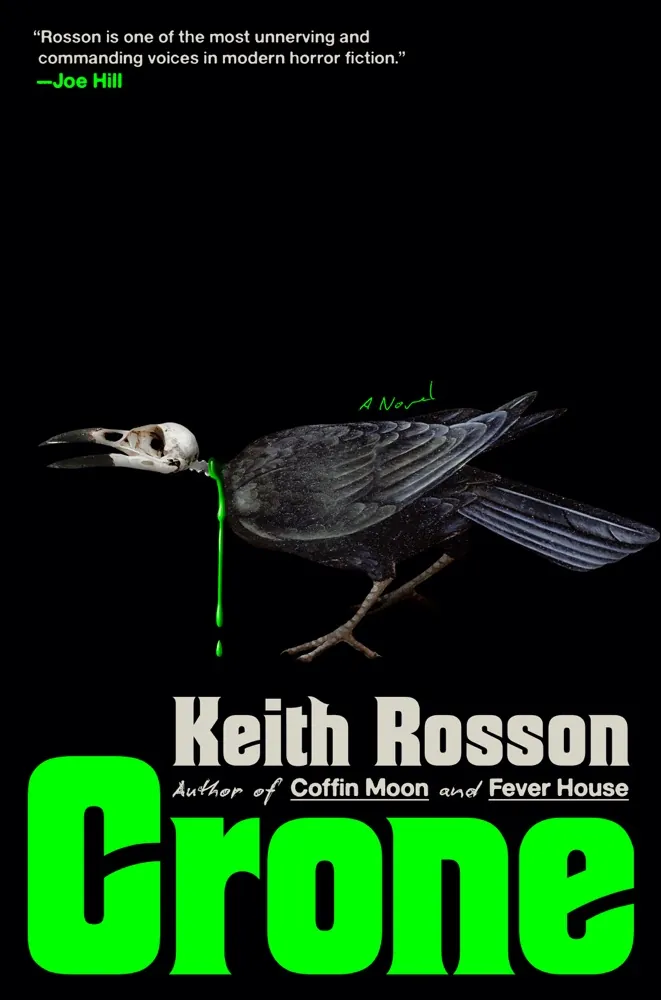
Author: Keith RossonPage Count: UnknownPublication Date: Expected publication 2026-09-22 APL People still want neat little bows on everything. They crave tidy resolutions where the missing child walks through the front door, homework in hand, and the parents weep tears of sweet redemption under a porch light that actually works. It is pathetic. Life does not hand out clean closes, and yet we shovel money at authors who promise that trauma can be neatly metabolized in three hundred pages. Eli Lamp is an ex-detective, ex-addict, and a father whose daughter vanished a decade ago. He lives in a rotting trailer, drowning in debt to a local drug gang called the Crooked Wheel, preserving a shrine to a child who is likely dust. Naturally, a convenient murder drops in his lap. Solve it, and the debt vanishes. It is the oldest, dustiest trope in the noir playbook. My ten-year-old has been obsessed with this animated series about a magical blue dog for months, and I am losing my mind. Every single episode wraps up with a gentle life lesson, soft acoustic strumming, and a warm parental hug that solves systemic emotional ruin in seven minutes flat. Why do we feed children this absolute poison? Life is a slow bleed of unreturned text messages and accumulating debt, not an afternoon cartoon where daddy learns how to communicate his feelings. If only real grief could be resolved by playing pretend in the backyard. Keith Rosson—fresh off Coffin Moon and Fever House—seems poised to drag us through the mud again. Clay McLeod Chapman calls him the reigning champ of horror noir, which usually means a lot of gratuitous violence masking a hollow character arc. Yet there is a distinct grit here that appeals to my current cynicism. Rotting Trailers and Broken Pledges The synopsis leans heavily on familiar genre machinery. An investigation spanning decades. A shady conspiracy linking current bloodshed to past sorrows. And, of course, the obligatory boogeyman in the woods. Is it a literal monster, or a manifestation of shared guilt? The synopsis refuses to commit, dangling the w-word—witch—like cheap bait. Add it to your TBR, or don't. It will likely sell a million copies to people who think a happy ending is just a tragedy you stopped reading five minutes early. I refuse to buy into the hype of miraculous healing. The woods do not give back what they take. They just wait for the next broken person to wander off the asphalt and into the dark. I have to go untangle the dog's leash from the dining table. Related InsightsBirth of the Witch (A Coven of Three Trilogy, #1) Book Review and Summary Snow Falling on Cedars Book Review and Summary Zero Days Book Review and Summary{ "@context": "https://schema.org", "@type": "FAQPage", "mainEntity": [ { "@type": "Question", "name": "What is the main focus of Crone Book Review and Summary?", "acceptedAnswer": { "@type": "Answer", "text": "Everything you need to know about Crone with our detailed review." } }, { "@type": "Question", "name": "Who authored the comprehensive guide on Crone Book Review and Summary?", "acceptedAnswer": { "@type": "Answer", "text": "This detailed article and its insights were carefully researched and authored by Victoria Smith." } }, { "@type": "Question", "name": "Where can I find more related content about Books?", "acceptedAnswer": { "@type": "Answer", "text": "You can explore more articles, detailed reviews, and similar insights by browsing the Related Insights section at the bottom of this article or visiting our dedicated Books category page." } } ] }
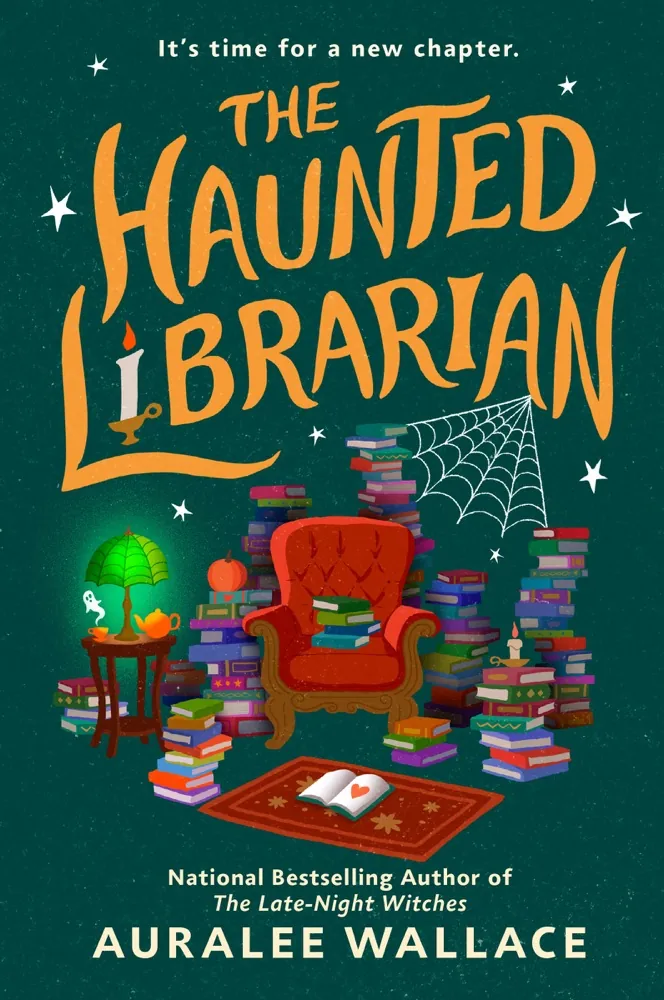

Author: Auralee WallacePage Count: UnknownPublication Date: Expected publication 2026-10-06 APL Another cozy paranormal manuscript lands on my walnut desk, smelling faintly of synthetic vanilla and desperation. Auralee Wallace is serving up The Haunted Librarian, and my coffee has already gone cold. Between the Dewey Decimal and the Netherworld The premise relies on a protagonist named Amelia Bates. She talks to ghosts. She hates living humans. She works in a library. Stop me if you have read this exact cozy mystery on Kindle Unlimited while eating stale popcorn during the 2022 crypto crash. The setup is predictable. Actually, let me walk that back—the architecture of the premise is actually quite airtight for the current mid-list comfort-reads gold rush, provided the execution avoids total banality. Rain slicked streets. A warm haven. A shy, bespectacled head librarian. The tropes are so heavily leaned upon they might snap clean in half. Wallace is clearly aiming for that sweet spot where The House in the Cerulean Sea meets a standard Hallmark channel autumn movie script. Yet the pacing hinted at in the copy feels dreadfully episodic. Three quirky spirits causing havoc? That sounds less like an overarching narrative arc and more like a checklist for a sitcom writer's room suffering from a severe lack of caffeine. The Architecture of Comfort The thematic core here is transparent. Isolation versus forced community. The library as a literal and figurative sanctuary for the emotionally battered. We see this exact psychological scaffolding in every second book pitched to us this quarter. But let us talk about the stakes. Three rowdy ghosts threatening the future of a municipal building? The stakes are lower than the Swiss franc interest rates. And yet, readers will devour it by the pallet load. Why? Because the market demands infinite bowls of literary oatmeal. Wallace knows her audience. She is not inventing the wheel. She is greasing the axles with pumpkin spice and spectral antics. If the romance with the bespectacled boss does not feature at least three painfully awkward conversations near the microfilm machine, I will demand a refund from my own ledger. I am closing the laptop now. I need to go browse multi-million-euro crumbling villas in Tuscany to cleanse my palate of all this aggressively wholesome nonsense. #cozyfantasy #ghosts #publishinglife Related InsightsThe Adventures of Sherlock Holmes Book Review and Summary Sweet Obsession Book Review and Summary The Four Wives and Five Deaths of Richard Milford Book Review and Summary{ "@context": "https://schema.org", "@type": "FAQPage", "mainEntity": [ { "@type": "Question", "name": "What is the main focus of The Haunted Librarian Book Review and Summary?", "acceptedAnswer": { "@type": "Answer", "text": "Everything you need to know about The Haunted Librarian with our detailed review." } }, { "@type": "Question", "name": "Who authored the comprehensive guide on The Haunted Librarian Book Review and Summary?", "acceptedAnswer": { "@type": "Answer", "text": "This detailed article and its insights were carefully researched and authored by Chloé Laurent." } }, { "@type": "Question", "name": "Where can I find more related content about Books?", "acceptedAnswer": { "@type": "Answer", "text": "You can explore more articles, detailed reviews, and similar insights by browsing the Related Insights section at the bottom of this article or visiting our dedicated Books category page." } } ] }
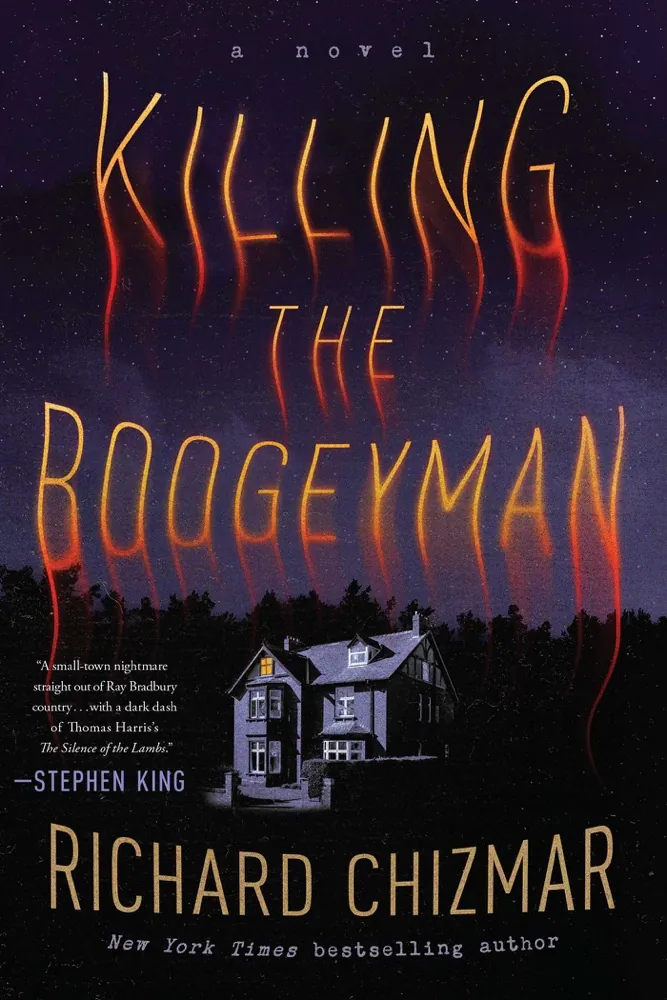

Author: Richard ChizmarPage Count: UnknownPublication Date: Expected publication 2026-10-06 APL Absolute diplomatic immunity never quite extends to the psychological wreckage left behind by a particularly vicious trilogy. Yet here we stand, bracing for the final descent of Richard Chizmar’s meta-fictional descent into madness with Killing the Boogeyman. Wait, strike that entire sentiment—diplomacy is entirely useless when a maximum-security prison cell fails to hold a monster who leaves behind crude hangman puzzles. The Jurisprudence of Mass Hysteria Let us examine the administrative failure of locking away a serial killer only for him to evaporate into thin air, leaving bureaucratic red tape fluttering in his wake. The synopsis promises a landscape where police chase literal shadows while the offender's digital fan club throws an online jubilee. Fascinating. We observe a chilling parallel to modern socio-political polarization, where institutional authority collapses completely while radicalized mobs champion total societal disruption for the lulz. And yet, is it truly a institutional failure, or merely a bureaucratic masterclass in futility? Chizmar leans heavily into the blurred lines between author, chronicler, and target. We find ourselves trapped inside a very specific kind of postmodern dread, echoing the self-referential terror perfected by Stephen King in The Dark Half or Mark Z. Danielewski’s spatial labyrinthine nightmares. But let us be entirely frank about the synopsis itself. It leans dangerously close to thriller-trope bingo. The vanished prisoner. The cryptic wall scrawling. The local confidante marked for doom. Oh, absolutely groundbreaking stuff for anyone who skipped the last three decades of crime fiction. The Evolution of the Absurd The marketing copy insists that this entity has evolved beyond human constraints. To everyone else, it is a desperate search for answers. To the protagonist writer, it is destiny. Such theatrical posturing. One moment we are evaluating the geopolitical fallout of a terrorist state vanishing into the ether, and the next we are subjected to internet edgelords treating a serial killer like an influencer. The dichotomy is jarring. Truly, this book hits like a freight train of pure cringe-fuel when the true crime fandom starts stanning a murderer on Main Street, proving that contemporary society is completely cooked. The structural integrity of this fictional town is fracturing under the sheer weight of its own lore. We watch a narrative construct stretch its suspension of disbelief to absolute breaking points. Will the payoff justify the escalating absurdities of a killer who apparently breaks the laws of physics just to leave a dramatic calling card? One suspects the conclusion will either brilliantly subvert the meta-fiction or collapse entirely under the weight of its own cleverness. There is zero middle ground in these multi-tiered storytelling experiments. Excuse me for a moment; I need to review a tedious legal contract for your film adaptation before the ambassador calls back. #KillingTheBoogeyman #RichardChizmar #BookTwitter #HorrorReads Related InsightsRandom in Death Book Review and Summary The Friday Bookshop Book Review and Summary The Purpose Driven Life: What on Earth Am I Here for? Book Review and Summary{ "@context": "https://schema.org", "@type": "FAQPage", "mainEntity": [ { "@type": "Question", "name": "What is the main focus of Killing the Boogeyman Book Review and Summary?", "acceptedAnswer": { "@type": "Answer", "text": "Everything you need to know about Killing the Boogeyman with our detailed review." } }, { "@type": "Question", "name": "Who authored the comprehensive guide on Killing the Boogeyman Book Review and Summary?", "acceptedAnswer": { "@type": "Answer", "text": "This detailed article and its insights were carefully researched and authored by Anna Kowalska." } }, { "@type": "Question", "name": "Where can I find more related content about Books?", "acceptedAnswer": { "@type": "Answer", "text": "You can explore more articles, detailed reviews, and similar insights by browsing the Related Insights section at the bottom of this article or visiting our dedicated Books category page." } } ] }
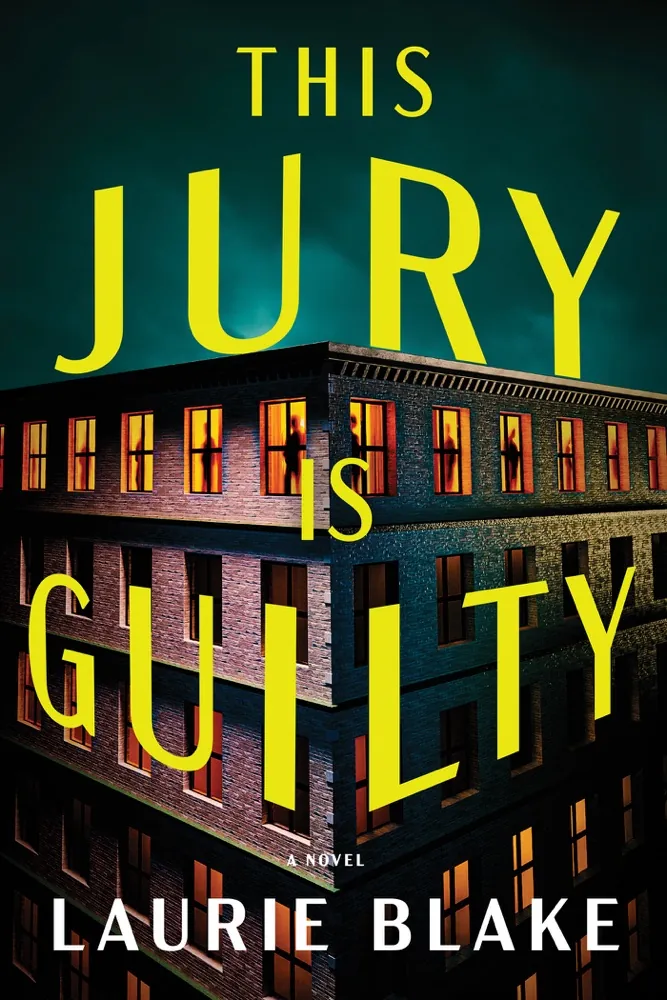

Author: Laurie BlakePage Count: UnknownPublication Date: Expected publication 2026-11-03 APL The synopsis for This Jury Is Guilty is so deliberately vague it’s almost a crime against clarity itself—like watching a trial where the prosecution never reveals the victim’s name. We’re told everyone is guilty, but not how or why, just that the jurors are a pack of wolves in legal robes, circling some unseen prey. It’s the literary equivalent of a Hollywood ending where the twist is that there is no twist, just a slow unraveling of fabric so thin you can see the seams stitching together lies. And yet—and yet—this is exactly the kind of game that sells in a true crime-obsessed culture where people devour podcasts about murderous spouses while scrolling through their own perfectly curated Instagram feeds. The comparison to Everyone Is Watching is lazy but not entirely unfair—both books exploit the voyeuristic thrill of being trapped in a room with people who think they’re the stars of their own drama. But where Everyone Is Watching at least had the decency to give us a clear villain (or so we thought), this synopsis leaves us with a jury so morally bankrupt it’s almost refreshing in its honesty. Juror 6 is "risking everything," Juror 2 is "playing games," Juror 13 is "doing anything"—it’s all so broad it might as well be a Law & Order episode where the moral of the story is "never trust a jury." The problem isn’t that the book is too vague; the problem is that it’s too willing to let the reader fill in the blanks with their own worst suspicions. And let’s be honest, we all have a Juror 13 in us, don’t we? The one who’d sell their soul for a front-row seat to the spectacle. The thematic promise here is rich—obsessions with true crime, the blurry line between fact and fiction, the lengths people go to for justice. But it’s also dangerously shallow. Where’s the nuance? Where’s the exploration of why these people are so desperate to convict or acquit? The synopsis treats the jurors like chess pieces, not human beings with motives beyond revenge or survival. And don’t even get me started on the current trend of "locked-room thrillers" where the real crime is the author’s inability to commit to a single, compelling narrative. It’s like watching a cooking show where the chef keeps adding random spices just to keep the audience guessing—eventually, you just want to scream, "Just tell us what’s in the damn soup!" But fine, let’s play along. The book is clearly aiming for the Twelve Angry Men of Hollywood, where the real drama isn’t the trial but the jurors themselves. And if that’s the case, then the synopsis is doing its job—it’s selling the idea of a jury so corrupt, so self-serving, that the verdict is less about the defendant and more about who among them can outmaneuver the others. It’s the ultimate power fantasy for people who love to watch others tear each other apart. And yet, where’s the heart? Where’s the moment where one juror actually changes? The synopsis doesn’t even hint at that. It’s all surface-level tension, no depth. I can already predict this book will be compared to Amy Tintera’s The Last Thing He Told Me and Steve Cavanagh’s The Jury, but with less substance and more spectacle. It’s the kind of book that will have readers screaming at their screens, "No! Don’t let her get away with it!"—but not because of any real emotional investment, just because the author has set up a game where the rules are constantly shifting. And that’s fine, I suppose. If you want a book that’s as satisfying as a box of chocolates where you’re not sure if you’re going to get a caramel or a poisoned truffle, then go for it. But don’t expect anything more than a quick, messy binge. I’m operating on three hours of sleep and pure espresso, so forgive me if I’m already judging this book before it’s even published. #BookTok #TrueCrimeObsession #JuryOfPeers #HollywoodMurder #LockdownThriller Related InsightsThe Bureau of Unknown Fates: A Novel Book Review and Summary National 5 French Book Review and Summary Carrying Book Review and Summary{ "@context": "https://schema.org", "@type": "FAQPage", "mainEntity": [ { "@type": "Question", "name": "What is the main focus of This Jury Is Guilty Book Review and Summary?", "acceptedAnswer": { "@type": "Answer", "text": "Everything you need to know about This Jury Is Guilty with our detailed review." } }, { "@type": "Question", "name": "Who authored the comprehensive guide on This Jury Is Guilty Book Review and Summary?", "acceptedAnswer": { "@type": "Answer", "text": "This detailed article and its insights were carefully researched and authored by Sarah Davis." } }, { "@type": "Question", "name": "Where can I find more related content about Books?", "acceptedAnswer": { "@type": "Answer", "text": "You can explore more articles, detailed reviews, and similar insights by browsing the Related Insights section at the bottom of this article or visiting our dedicated Books category page." } } ] }
-
 Lucia Garcia
 - 11 Aug, 2026 16:07
They Know If You've Been Bad or Good (Naughty or Nice, 3) Book Review and Summary
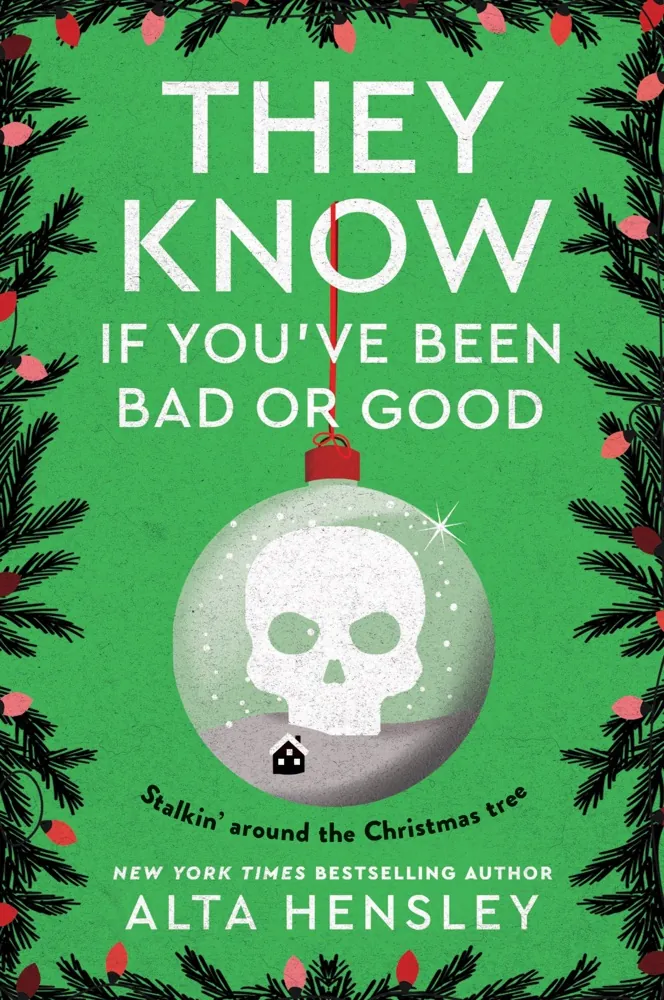
Author: Alta HensleyPage Count: UnknownPublication Date: Expected publication 2026-09-22 APL What's this I see, a trifecta of tropes bound together like a macabre Christmas tree. Alta Hensley's They Know If You've Been Bad or Good promises to be the unhinged, why-choose Christmas stalker romance we never knew we craved. But can this behemoth of a book truly deliver the goods—or will it leave readers feeling like coal in their stocking? One can't help but think of He Knows When You're Awake, its devious predecessor that spawned a certain... let's say "dark fascination" within the literary community. That novel's success no doubt birthed a certain expectation from devoted fans, an expectation that this sequel might inadvertently fulfill. Will Hensley prove herself worthy of this literary throne, or will They Know If You've Been Bad or Good fizzle like last week's eggnog? Stylistically, the synopsis reeks of forced-proximity, military romance, stalking, and one last job—or, rather, one last caper, this time set amidst a luxurious cabin and a winter storm of biblical proportions. It's a recipe that smells suspiciously like a rehashing of the 90s, à la The Thomas Crown Affair meets Thelma & Louise. Yet, with this particular author at the helm, I'm inclined to believe that even the most tired tropes can be repurposed and reinfused with a certain—dare I say it?—je ne sais quoi. But what of this unhinged billionaire, that enigmatic puppeteer pulling the strings from the shadows? Is this a nod to the great and powerful, American Psycho's Christian Bale, or rather a clever send-up of that very same iconography? Perhaps it's both, and both are equally irrelevant. The truth is, we're already knee-deep in billionaires with dark fascinations in the world of romance novels, and this particular iteration risks feeling like a rewarmed, lukewarm latte. In a literary landscape already teeming with dark, brooding heroes and the women who dare to love them, I predict that Hensley will once again tap into the deepest recesses of our collective psyche, this time exploiting the fraught dynamics of a love triangle amidst the icy wilderness of the Canadian North. The question remains: will this forced-proximity, why-choose Christmas stalker romance prove a delightful holiday treat or a crushing, coal-filled disappointment? Unpacking the Vagueness One thing is certain: Hensley has managed to craft a synopsis that's as opaque as a fog-shrouded forest. Where exactly do these characters exist within this narrative? What are their true motivations? What secrets will their cabin-bound encounter reveal? Alas, these questions are left to us to ponder, much like the enigmatic billionaire lurking in the shadows. The vagueness itself becomes a character, taunting us with hints of what might be, but ultimately serving only to deepen the sense of mystery. The "No Therapist" Rule Let's not forget that Hensley is a master weaver of tales that probe the darker corners of human psychology. Her stories often flirt with the boundaries of acceptability, always toeing the line between art and transgression. As such, I expect They Know If You've Been Bad or Good to be a novel that refuses to offer easy answers or pat resolutions. It will, instead, opt for a more measured, unsettling approach, one that forces readers to confront the harsh realities of love, obsession, and—dare I say it?—the holiday season. But wait, what's this? A pivot in my thought process, a sudden shift in my expectations. Perhaps, just perhaps, this Christmas stalker romance won't be a holiday treat at all. Maybe it will be something more, something that defies the very tropes that originally drew us in. Maybe it will be... a metaphor for our addiction to true crime podcasts? Yes, that's it. The parallels are undeniable. The billionaire, the captive trio, the claustrophobic cabin—all serve as a clever commentary on our own voyeuristic tendencies, our insatiable appetite for the dark and the sensational. And yet, I still cannot shake the feeling that this book is an unmitigated disaster waiting to happen. It's a trainwreck that's already careening down the tracks, a trainwreck that's already crashed into a rather... sensitive, post-Columbus-era scandal involving a certain billionaire's rather... problematic view on art history. I suppose only time will tell if They Know If You've Been Bad or Good will prove to be a holiday masterpiece or a catastrophic failure. But one thing's for certain: I have a dermatological appointment for a chemical peel that cannot wait. Related InsightsThe Governess Game Book Review and Summary Into the Burning Deep Book Review and Summary Mystic River Book Review and Summary{ "@context": "https://schema.org", "@type": "FAQPage", "mainEntity": [ { "@type": "Question", "name": "What is the main focus of They Know If You've Been Bad or Good (Naughty or Nice, 3) Book Review and Summary?", "acceptedAnswer": { "@type": "Answer", "text": "Everything you need to know about They Know If You've Been Bad or Good (Naughty or Nice, 3) with our detailed review." } }, { "@type": "Question", "name": "Who authored the comprehensive guide on They Know If You've Been Bad or Good (Naughty or Nice, 3) Book Review and Summary?", "acceptedAnswer": { "@type": "Answer", "text": "This detailed article and its insights were carefully researched and authored by Lucia Garcia." } }, { "@type": "Question", "name": "Where can I find more related content about Books?", "acceptedAnswer": { "@type": "Answer", "text": "You can explore more articles, detailed reviews, and similar insights by browsing the Related Insights section at the bottom of this article or visiting our dedicated Books category page." } } ] }
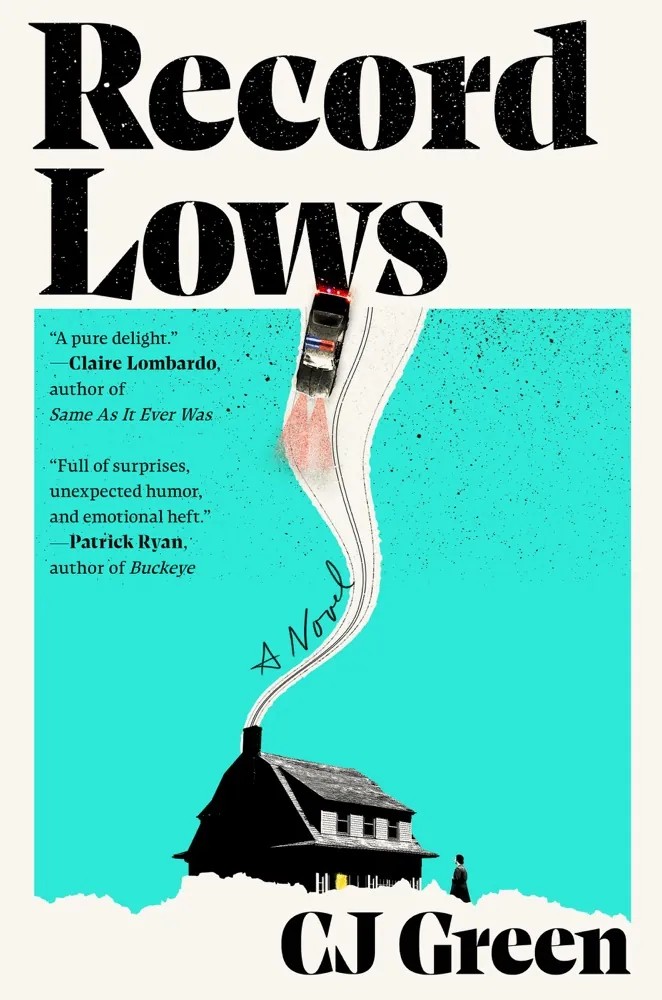
Author: CJ GreenPage Count: UnknownPublication Date: Expected publication 2026 APL Winter in Oneira, New York, 1977. A meteorological disaster wrapped in a missing-persons bulletin. One reads the premise of Record Lows and immediately reaches for an umbrella, or perhaps a cyanide capsule, given the sheer exhaustion promised by domestic fiction that insists on unearthing skeletons while the weather acts as a heavy-handed metaphor for emotional repression. We are being promised an intimate and epic family drama. We are always promised epics. Usually, we get a glorified tax audit with emotional baggage. The Currency of Secret Ruin Harmon Pond is drowning in debt. His daughter Teresa wants a Pulitzer. His wife Pauline is guarding Italian American Catholic trauma like a dragon atop a pile of tarnished silver. And beneath all this suburban decay lies the classic trope of the convenient disappearance—a creditor vanishes, and everyone breathes a sigh of relief until the snow falls and the secrets begin to rot in the frost. It is a narrative dynamic as predictable as the Andrea Doria hitting the bottom of the Atlantic. Wait. Let us rephrase that entirely. Predictable is perhaps too harsh an indictment for a debut. It might just be aggressively familiar. The Geography of Freezing to Death CJ Green’s staging relies heavily on the Buffalo blizzard of ’77, a historic whiteout that forces people indoors to confront the misery they spend fifty weeks a year avoiding. Yet, the children—middle-child Fran sneaking out, youngest-child Lonnie courting hypothermia—are classic literary scaffolding. They exist solely to wander into danger while the adults are too self-absorbed to notice. It is the JonBenét playbook filtered through mid-century nostalgia. And why do we constantly romanticize the mid-century family unit as a ticking time bomb? Every single debut novel arriving this season seems contractually obligated to feature a patriarch on the verge of bankruptcy and a matriarch hiding behind a rosary and a pastry crust. Give us ambition. Give us a crime that does not involve a mortgage payment or an errant uncle. The praise from Rumaan Alam and Claire Lombardo tells you precisely what demographic this book targets: readers who demand their misery wrapped in elegant prose and served with a side of mild suburban panic. I suspect the ending will offer a tidy little epiphany right as the snow melts. Happy endings are just delayed tragedies anyway. My sommelier just texted about a rare batch of bourbon that requires immediate tasting before the cork disintegrates. Related InsightsEl padrino / The Godfather Book Review and Summary The Secret of Secrets Book Review and Summary Meditations on Nature, Meditations on Silence Book Review and Summary{ "@context": "https://schema.org", "@type": "FAQPage", "mainEntity": [ { "@type": "Question", "name": "What is the main focus of Record Lows Book Review and Summary?", "acceptedAnswer": { "@type": "Answer", "text": "Everything you need to know about Record Lows with our detailed review." } }, { "@type": "Question", "name": "Who authored the comprehensive guide on Record Lows Book Review and Summary?", "acceptedAnswer": { "@type": "Answer", "text": "This detailed article and its insights were carefully researched and authored by Klaus Weber." } }, { "@type": "Question", "name": "Where can I find more related content about Books?", "acceptedAnswer": { "@type": "Answer", "text": "You can explore more articles, detailed reviews, and similar insights by browsing the Related Insights section at the bottom of this article or visiting our dedicated Books category page." } } ] }
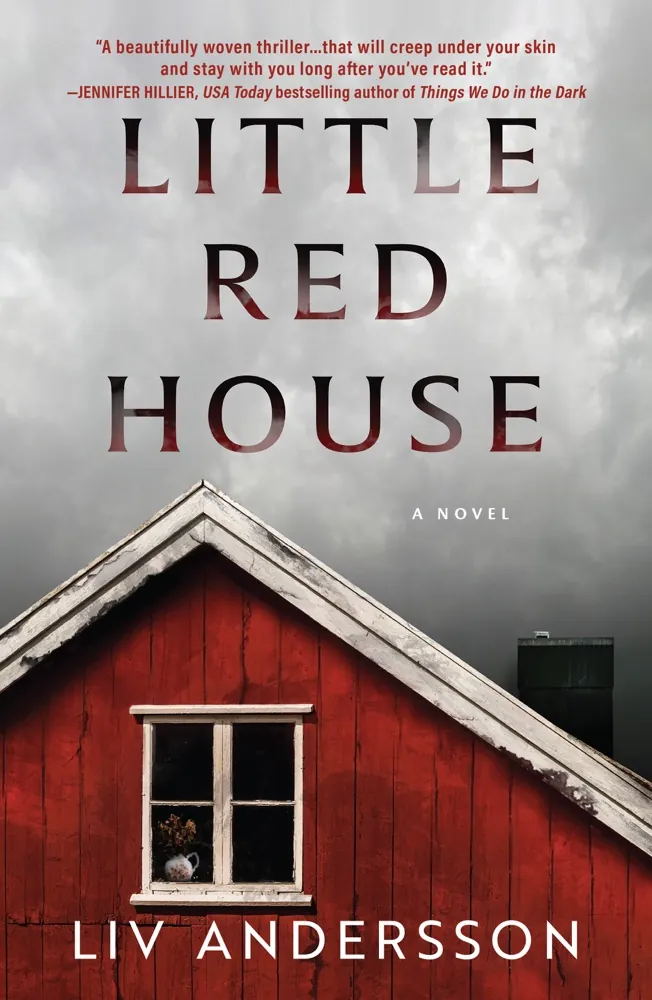
Author: Liv AnderssonPage Count: UnknownPublication Date: Expected publication 2026 APL Little Red House by Liv Andersson is a tantalizing proposition, a diabolically twisty thriller that promises to peel back the layers of dark family ties and long-buried secrets. Alma Katsu, author of The Hunger, calls it "diabolically twisty," and one can almost smell the musty scent of New Mexico's desert landscapes where the serial killer prowls in the shadows. But what does it say about our collective psyche that we're so enamored with the notion of the "tainted inheritance," the idea that some wounds run so deep, they're impossible to heal? We've seen it in Sharp Objects by Gillian Flynn, where the protagonist's past comes back to haunt her in the form of a gruesome, small-town mystery. We've seen it in The Silent Patient by Alex Michaelides, where the inner workings of a painter's troubled mind are laid bare for all to see. Yet, in Little Red House, it's not just about the tangled web of family dynamics or the killer's warped logic – it's about the suffocating grip of a mother's toxic legacy and the ways in which it can both destroy and define us. Or is it? Actually, scratch that – it's about absolutely nothing. We get a vague setup, a series of unsolved murders in New Mexico, and a narrator who receives a strange, dilapidated house as an inheritance. The setup is tantalizing, yet frustratingly vague. We get glimpses of Connie's toxic relationship with her mother, the cruel games she played, but nothing concrete. The plot promises to be a thrilling ride, but the more we learn, the more we realize that Andersson is setting up a series of tropes, not a cohesive narrative. Literally. But I digress – it's clear Andersson knows how to build tension, how to create a sense of foreboding that follows us through the pages like a predator stalking its prey. The writing is crisp, the pacing sharp, and the imagery evocative, conjuring up images of a desert landscape that's both beautiful and deadly. Hard pass. As I see it, Little Red House is a study in contrasts, a exploration of the darker aspects of motherhood and the ways in which our pasts can shape us into the people we become. It's a cautionary tale about the dangers of inheriting someone else's demons, and the ways in which we can both perpetuate and break free from toxic patterns. Or is it just a bunch of tired tropes strung together? One thing's for sure – I'm hiding in the pantry for five minutes of peace, sipping on some lukewarm coffee and trying to shake off the sense of disquiet that's been following me since I stumbled upon this book. #PsychologicalThriller #BookPrediction: I call it a 3-star read, an uneven but captivating exploration of the human condition. The writing's sharp, but the plot's a mess – a tangled web of threads that never quite come together. #TBA #DarkFamilySecrets #MysteriousInheritance Related InsightsDenialism Book Review and Summary The Ruined Book Review and Summary The Dragon Republic Book Review and Summary{ "@context": "https://schema.org", "@type": "FAQPage", "mainEntity": [ { "@type": "Question", "name": "What is the main focus of Little Red House Book Review and Summary?", "acceptedAnswer": { "@type": "Answer", "text": "Everything you need to know about Little Red House with our detailed review." } }, { "@type": "Question", "name": "Who authored the comprehensive guide on Little Red House Book Review and Summary?", "acceptedAnswer": { "@type": "Answer", "text": "This detailed article and its insights were carefully researched and authored by Hannah Schmidt." } }, { "@type": "Question", "name": "Where can I find more related content about Books?", "acceptedAnswer": { "@type": "Answer", "text": "You can explore more articles, detailed reviews, and similar insights by browsing the Related Insights section at the bottom of this article or visiting our dedicated Books category page." } } ] }
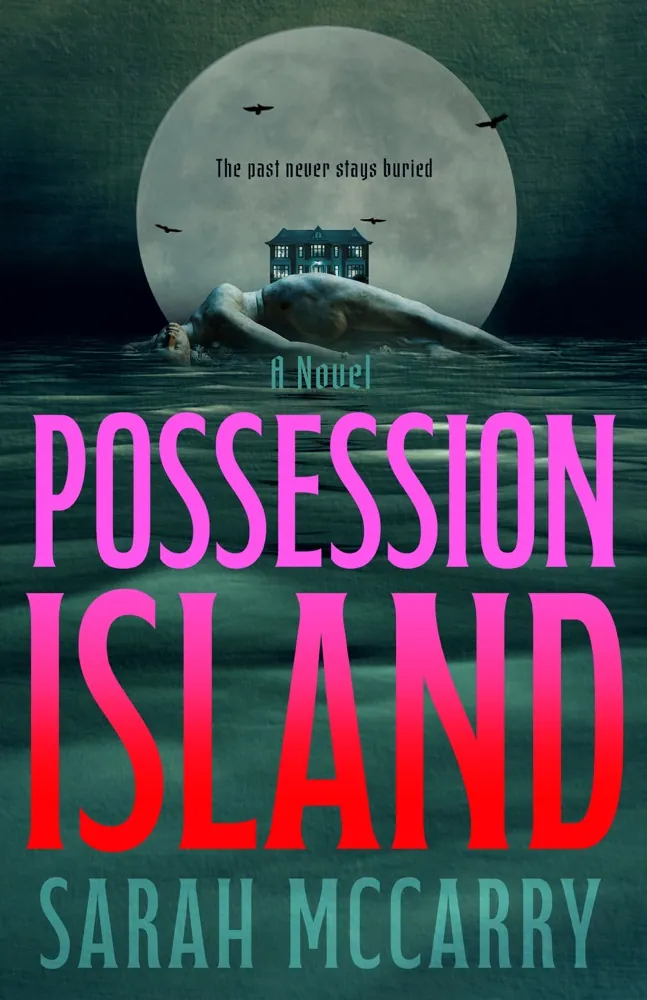

Author: Sarah McCarryPage Count: UnknownPublication Date: Expected publication 2026-12-01 APL Grade eight attendance sheets are an existential void from which no mortal soul returns unscarred, yet here we are dissecting Possession Island: A Novel by Sarah McCarry because a decent joke or a sharp narrative hook is the only thing standing between my sanity and a complete collapse into the linoleum floor. The premise gives us Angela Bell returning to her mother's gothic Pacific Northwest tourist trap of a hometown only for her estranged best friend to end up brutally murdered, leaving Angela cornered by a botched police investigation. Naturally. Because no literary protagonist can simply walk down to the local bodega for a bag of chips without stumbling over a corpse or uncovering a century-old town curse involving vampires and petty high school grudges. Speaking of absolute nonsense, why do we constantly subject ourselves to reading about moody teenagers solving crimes when I spent twenty uninterrupted minutes this morning trying to explain to twelve human children that the plural of octopus is not octopussies? A kid literally cried because I wouldn't let him name the classroom hamster "Apocalypse." It makes me want to scream into a bucket of industrial-strength sanitizer. At least Sarah McCarry has the decency to pit Angela against her former nemesis, Sally Raleigh—trapped by family duty and a charismatic twin—in an alliance born of grief and small-town claustrophobia. Shadows, Doppelgängers, and Damp Flannel The thematic mechanics rely heavily on the tired trope of the literary offspring haunted by maternal shadow-work. We have seen this exact mood board executed with varying degrees of success in Plain Bad Heroines and the endlessly undulating adaptations of Anne Rice. Yet, the queer gothic framing suggests a welcome dose of teeth—literally, if the marketing copy is to be trusted. Wait. Let me backtrack entirely. The marketing copy actually promises nothing of the sort regarding literal biting; it is probably just a metaphorical reclamation of female rage, which means we are in for three hundred pages of atmospheric brooding, damp moss, and lingering subtext that never quite transforms into the bloody spectacle we are promised. The synopsis leans entirely on atmospheric shorthand. Remote island? Check. Dead best friend? Check. High school enemies forced to cooperate while harboring dark secrets? Double check. It is a paint-by-numbers template for contemporary dark academia, relying on vibes rather than mechanical originality. And yet, McCarry writes with a precision that usually elevates these predictable structural beats into something genuinely sharp. The tension hinges on the lies these characters tell each other, which brings to mind the absolute nightmare of trying to police hallway gossip between periods when the hormonal fluctuations are severe enough to alter local gravity. Anyway, the book drops in December of 2026, which gives us plenty of time to brace for the inevitable wave of breathless blurbs comparing it to Interview with the Vampire. Let us just hope the prose carries enough bite to survive the comparison. I completely forgot to take the trash out and I can hear the diesel engine of the garbage truck rumbling down the alley right now. Related InsightsThe Stolen Crown (The Ever Seas, #4) Book Review and Summary Stardust Book Review and Summary Record Lows Book Review and Summary{ "@context": "https://schema.org", "@type": "FAQPage", "mainEntity": [ { "@type": "Question", "name": "What is the main focus of Possession Island: A Novel Book Review and Summary?", "acceptedAnswer": { "@type": "Answer", "text": "Everything you need to know about Possession Island: A Novel with our detailed review." } }, { "@type": "Question", "name": "Who authored the comprehensive guide on Possession Island: A Novel Book Review and Summary?", "acceptedAnswer": { "@type": "Answer", "text": "This detailed article and its insights were carefully researched and authored by Thomas Wright." } }, { "@type": "Question", "name": "Where can I find more related content about Books?", "acceptedAnswer": { "@type": "Answer", "text": "You can explore more articles, detailed reviews, and similar insights by browsing the Related Insights section at the bottom of this article or visiting our dedicated Books category page." } } ] }
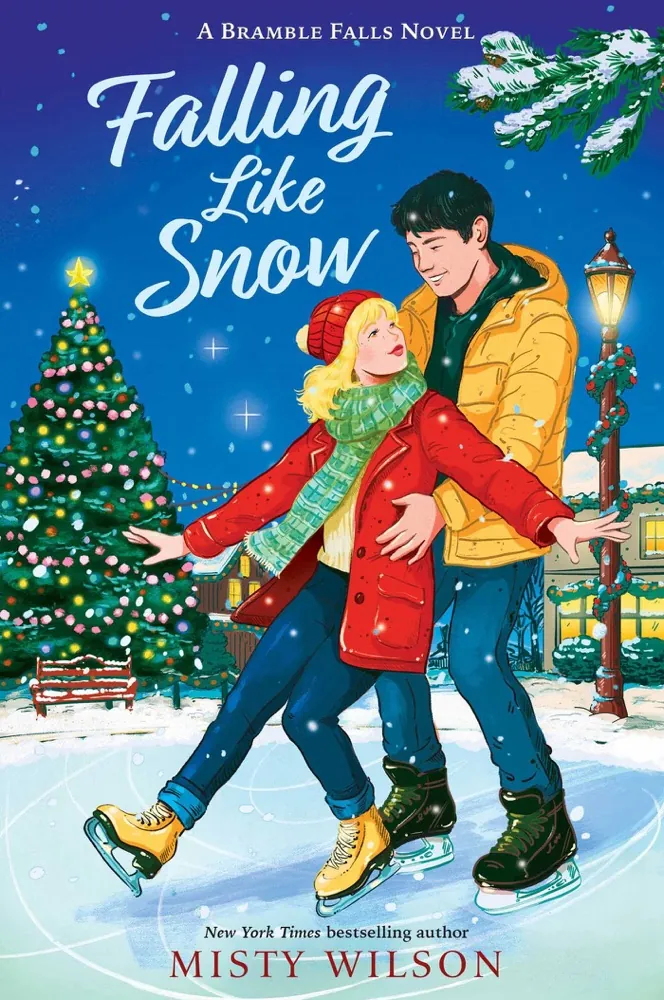
Author: Misty WilsonPage Count: UnknownPublication Date: Expected publication 2026-10-06 APL Outside the double-paned Belgian glass, the August sun is beating down on emerald pastures with the unyielding malice of a bad hangover, yet here I sit, contemplating the literary atrocity awaiting us in October. Falling Like Snow by Misty Wilson promises another descent into the small-town, flannel-clad purgatory of Falling Like Leaves. Because nothing screams high-art like recycling a municipal committee meeting for the sake of forced proximity. The Architecture of Cliché The premise rests on a foundation so painfully predictable it hurts. Sloane Sullivan survives one autumnal civic disaster only to be dragged headfirst into a winter bacchanal because her mother clearly lacks hobbies. Nora Ephron marathons with the platonic best friend? Groundbreaking. Truly, literature has never witnessed such raw, unfiltered cinematic audacity. Naturally, the universe must disrupt this cozy domesticity by parading a chisel-jawed hockey player across the page. Yet we must interrogate the sheer laziness of the love triangle trope here. It is the literary equivalent of eating gas-station sushi—you know it is going to end in digestive regret, but you do it anyway for the cheap thrill. Wilson leans so heavily into the manufactured confusion that one wonders if Sloane possesses the cognitive function of a damp tea towel. How does one suddenly look at the boy who hands her popcorn and realize he has a jawline? Make it make sense, bestie. This is pure brainrot dressed up in holiday wrapping paper. Seasonal Whiplash and Aesthetic Crimes Releasing a winter-themed book in October is a marketing choice, though perhaps "choice" is too generous a word for an editorial cash grab designed to capitalize on pumpkin-spice fatigue before the first icicle even forms. The synopsis relies on that tired, exhausted trope of forced event-planning as emotional scaffolding. If characters cannot communicate over a shared hot cocoa without a parade committee present, do they even possess interiority? No. They are merely puppets dancing for the YA industrial complex. Compare this pedestrian fluff to the biting, razor-sharp social dissection of Sally Rooney or the decadent emotional devastation found in Emily Henry’s better moments. Wilson’s dialogue sounds like it was generated by an algorithm fed exclusively on Hallmark Christmas movie scraps and frantic TikTok edits. The pacing will undoubtedly drag faster than an overloaded sleigh stuck in July mud, leaving readers drowning in a sea of manufactured angst. My managing editor is currently hyperventilating over the Q3 projections because nobody wants to buy winter fluff while we are still sweating through linen trousers on an express train to Zurich. #BookTok #FallReads #LiteraryTrash Related InsightsGhosts of the West Yorkshire Moors: The Savage Soul of Wuthering Heights What You Need to Be Warm Book Review and Summary A Little Princess Book Review and Summary{ "@context": "https://schema.org", "@type": "FAQPage", "mainEntity": [ { "@type": "Question", "name": "What is the main focus of Falling Like Snow (Bramble Falls #2) Book Review and Summary?", "acceptedAnswer": { "@type": "Answer", "text": "Everything you need to know about Falling Like Snow (Bramble Falls #2) with our detailed review." } }, { "@type": "Question", "name": "Who authored the comprehensive guide on Falling Like Snow (Bramble Falls #2) Book Review and Summary?", "acceptedAnswer": { "@type": "Answer", "text": "This detailed article and its insights were carefully researched and authored by Tiago Silva." } }, { "@type": "Question", "name": "Where can I find more related content about Books?", "acceptedAnswer": { "@type": "Answer", "text": "You can explore more articles, detailed reviews, and similar insights by browsing the Related Insights section at the bottom of this article or visiting our dedicated Books category page." } } ] }
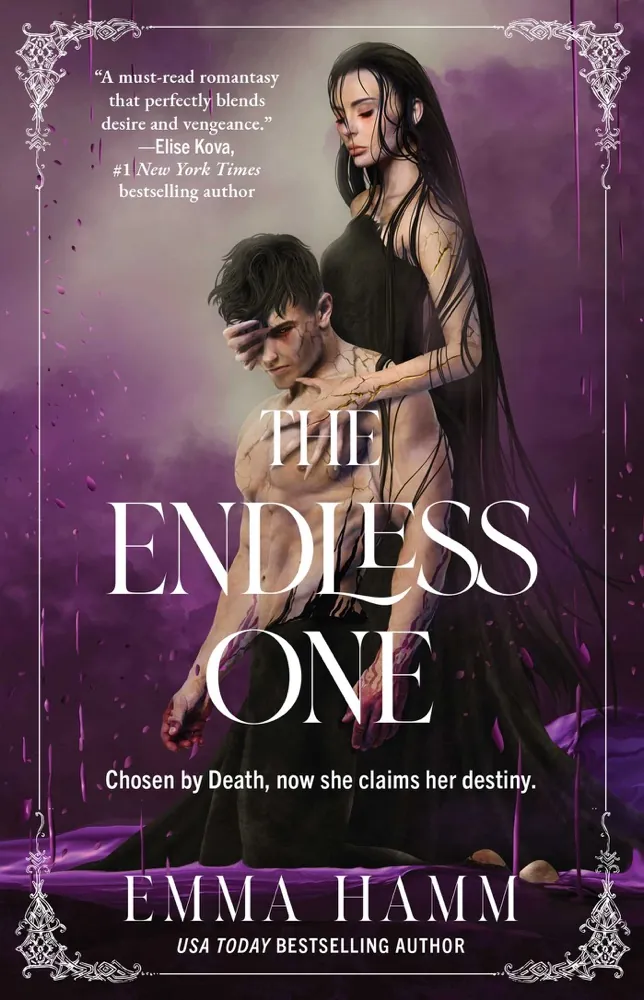

Author: Emma HammPage Count: UnknownPublication Date: Expected publication 2026-09-01 APL Flight 404 is now delayed by another three hours. The Riedel glass of Pinot sitting on this sticky marble table costs more than a decent quarterly dividend in the nineties, yet I am trapped staring at a carpet that looks like a crime scene at an airport Radisson. Perfect. Absolutely stellar vibes. Let us dissect the impending literary catastrophe that is The Endless One. Emma Hamm clearly decided that whatever psychological damage she inflicted in books one and two wasn't quite sufficient for the USA Today bestseller crowd. They want blood, babies, and bad-boy deities who somehow manage to keep their hair styled while committing war crimes. Groundbreaking. A girl gets murdered, gets mildly inconvenienced by death, upgrades her title to the Gravesinger—because why use a normal noun when you can use a spooky compound word?—and suddenly she is ready to deicide. The Aesthetic of Absolute Chaos Consider the sheer marketing gymnastics required to pitch this. We are looking at a protagonist who went from "innocent bride" to whatever grimdark-adjacent, leather-clad deity-slayer archetype we are pushing this quarter. It’s Sarah J. Maas meets a heavy metal album cover designed by a teenager in a basement. No, wait. It is Rebecca Yarros with a higher body count and less dragon-cholesterol. Jessamine has a throne stolen. Classic Tuesday. Her kingdom is in ruins. Yawn. But she is bound to Elric—who is apparently a god that loves her, which sounds exhausting—and she has to weigh humanity against cosmic violence. I mean, same. I weighed my humanity against the cost of a private charter out of this purgatory five minutes ago and humanity lost. The Deicide Industrial Complex What fascinates me, strictly from the perspective of someone paying fifty bucks for lukewarm airport cashews, is the sheer economy of scale behind the modern romantasy climax. You do not just kill a man anymore. That is so 2012. You have to kill a god at his source. It is an arms race of divine vandalism. Hamm is leaning hard into the "bound to the monster" trope. She is serving up absolute mid-tier emotional trauma porn, and frankly, my portfolio needs the distraction. Will the prose be absolute garbage? Probably. Will I buy the hardcover anyway just to throw it against the bulkhead of the Gulfstream once it clears air traffic control? Absolutely. We read to feel something, and if that something is secondary embarrassment for fictional immortals, so be it. It beats checking my stock ticker. I have to log off and mentally prepare for my interview with Vogue. #darkromantasy #theendlessone #emmahamm #booktoktears Related InsightsKingdom of Ash Book Review and Summary These Summer Storms Book Review and Summary Just a Shot Away: Martin Scorsese's Life in Film Book Review and Summary{ "@context": "https://schema.org", "@type": "FAQPage", "mainEntity": [ { "@type": "Question", "name": "What is the main focus of The Endless One (The Gravesinger Series) Book Review and Summary?", "acceptedAnswer": { "@type": "Answer", "text": "Everything you need to know about The Endless One (The Gravesinger Series) with our detailed review." } }, { "@type": "Question", "name": "Who authored the comprehensive guide on The Endless One (The Gravesinger Series) Book Review and Summary?", "acceptedAnswer": { "@type": "Answer", "text": "This detailed article and its insights were carefully researched and authored by Elena Volkova." } }, { "@type": "Question", "name": "Where can I find more related content about Books?", "acceptedAnswer": { "@type": "Answer", "text": "You can explore more articles, detailed reviews, and similar insights by browsing the Related Insights section at the bottom of this article or visiting our dedicated Books category page." } } ] }
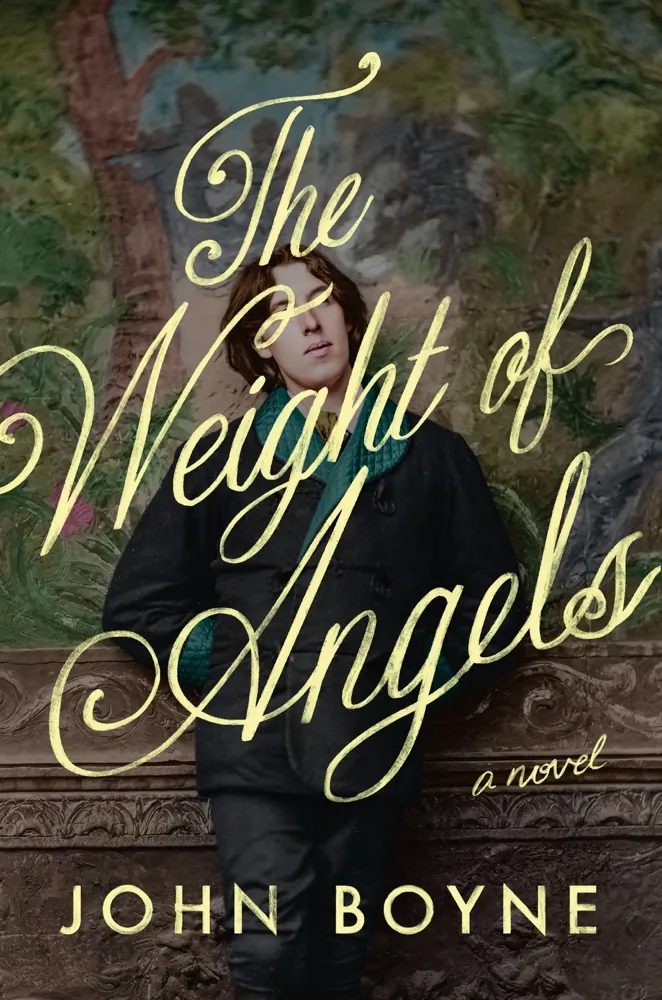
Author: John BoynePage Count: UnknownPublication Date: Expected publication 2026-09-29 APL The synopsis of The Weight of Angels is so aggressively vague it might as well be a Wildean epigram—elegant on the surface, but hollow beneath. What we’re promised is a speculative reimagining of Oscar Wilde’s life had he ignored the Marquess of Queensberry’s infamous libel, a narrative that unfurls like a Victorian-era Black Swan where the protagonist’s downfall is averted by sheer inertia. But inertia is the enemy of drama, and Boyne’s premise here is less a bold reworking of history and more a lazy thought experiment dressed in the trappings of literary ambition. The core question—what if Wilde had lived to witness the 20th century?—isn’t just tired; it’s the kind of premise that belongs in a Doctor Who episode where the Doctor casually rewinds time to prevent a tragedy. The problem isn’t the idea itself—it’s that Boyne seems to think Wilde’s genius would’ve been preserved in a vacuum, untouched by the very forces that made him Wilde in the first place. The man was a firebrand, a provocateur, a man who thrived on scandal. To imagine him surviving the 1920s without any of that—without the Salomé scandal, without the De Profundis letters, without the very weight of his own contradictions—is to suggest he was ever anything but a man of his time. And yet, here we are, being asked to believe he could’ve been a mild-mannered observer of history, a ghost at the feast of the century. The synopsis doesn’t even attempt to grapple with the psychological absurdity of this premise. Wilde’s life was a series of self-inflicted wounds, each one a deliberate act of defiance against the bourgeoisie that had already condemned him. To erase the libel trial is to erase the catalyst for his greatest work—De Profundis, the letter that became his most raw and unfiltered confession. But Boyne seems to think Wilde’s brilliance was a static thing, something that could’ve been bottled and preserved like a fine wine. It wasn’t. It was a flame, and flames require oxygen—preferably the kind that comes from public humiliation, exile, and the kind of existential crisis that turns a man into a legend. And then there’s the matter of the 20th century itself. Wilde’s survival would’ve required him to navigate the Great War, the Spanish Flu, the rise of fascism—all while somehow retaining his wit, his charm, his weight. It’s the literary equivalent of asking if a man who could’ve outwitted the entire establishment in 1895 could’ve done the same in 1935, when the establishment had learned how to burn books and imprison poets. The synopsis doesn’t even hint at the kind of moral compromises Wilde might’ve had to make to survive, the way The Remains of the Day forces its protagonist to confront the quiet complicity of his own silence. Instead, we’re given the impression that Wilde would’ve been a passive spectator, a man who simply witnessed history rather than shaped it. The most damning thing about this premise is that it’s not even original. It’s the same tired "what if" that powers every alternate-history novel that’s ever been written, the kind of thought experiment that feels more like an academic exercise than a novel. Where’s the The Man in the High Castle audacity? Where’s the Piranesi surrealism? Where’s even the The Shadow of the Wind sense of a world turned sideways by a single decision? Instead, we’re treated to the kind of speculative fiction that feels like it was cobbled together in a boardroom meeting, where the question wasn’t "What would Wilde’s life have been?" but rather "How can we make this sound like a bestseller?" And yet—despite all this—there’s a perverse appeal to the idea. Because Wilde was a man who thrived on the edge of destruction, and to imagine him surviving it is to imagine a man who never had to prove himself. It’s the literary equivalent of asking if a hurricane could’ve been a gentle breeze. The answer is no, and Boyne’s premise knows it, which is why the synopsis is so deliberately vague. It’s not a novel waiting to be written; it’s a placeholder for a novel that should’ve been something far more ambitious, something that didn’t settle for the easy path of "what if he’d just ignored it?" But then again, maybe that’s the point. Maybe The Weight of Angels is just another entry in the canon of books that mistake nostalgia for depth, that confuse the idea of a man surviving his own downfall with the idea of a man living a full life. And if that’s the case, then it’s a book that will be forgotten as quickly as it’s remembered, a blip in the literary landscape, a ghost at the feast of Wilde’s legacy. I must sign divorce papers today. The paperwork is tedious, but the separation is necessary. #WildeWasRight #AlternateHistoryFail #SpeculativeFictionFails Related InsightsSteelstriker Book Review and Summary Fahrenheit 451 Book Review and Summary In a Holidaze Book Review and Summary{ "@context": "https://schema.org", "@type": "FAQPage", "mainEntity": [ { "@type": "Question", "name": "What is the main focus of The Weight of Angels Book Review and Summary?", "acceptedAnswer": { "@type": "Answer", "text": "Everything you need to know about The Weight of Angels with our detailed review." } }, { "@type": "Question", "name": "Who authored the comprehensive guide on The Weight of Angels Book Review and Summary?", "acceptedAnswer": { "@type": "Answer", "text": "This detailed article and its insights were carefully researched and authored by Sofia Bianchi." } }, { "@type": "Question", "name": "Where can I find more related content about Books?", "acceptedAnswer": { "@type": "Answer", "text": "You can explore more articles, detailed reviews, and similar insights by browsing the Related Insights section at the bottom of this article or visiting our dedicated Books category page." } } ] }
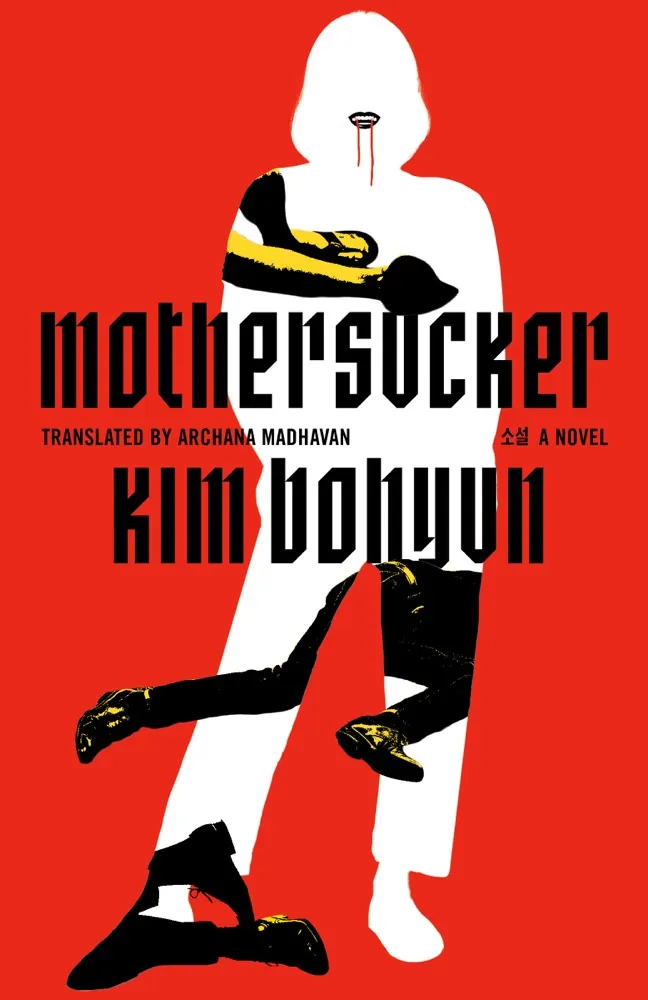

Author: Kim BohyunPage Count: UnknownPublication Date: Expected publication 2026-09-01 APL Rain has been tapping a slow, rhythmic pattern against the kitchen window for hours now, matching the quiet steady thrum of tea cooling in a chipped mug on the counter. There is a certain kind of peace found in gray afternoons, a stillness that invites darker thoughts to drift lazily across the mind without causing any real alarm. Kim Bohyun’s upcoming Mothersucker seems tailor-made for this exact atmospheric slump. Anatomy of an Unsolved Vengeance The premise is ruthlessly simple, even if the synopsis plays it remarkably close to the chest regarding actual mechanics. A vigilante entity—or perhaps a supernatural contagion of pure maternal fury—is systematically hunting down men who have harmed women. They are burned, drained of blood, and left without a single footprint to explain how the deed was done. Detective Noh Jin-seon steps into a procedural nightmare where the evidence defies physics and the perpetrators are whispered about in collective, feverish dreams. Yet I find myself skeptical of how this will actually play out on the page. Wait, let me rephrase that entirely. The supernatural framing feels remarkably tired in an era where every genre release tries to merge trauma with monsters, yet the specific cultural weight of gender-based violence in Korea might just elevate this above standard supernatural pulp. The psychological landscape promised here is vast, drawing obvious stylistic bloodlines to Monika Kim’s Molka and The Eyes Are the Best Part. Bohyun appears less interested in a standard cat-and-mouse detective yarn and far more focused on the rot of institutional protection for abusers. The Cost of Cold Blood Geum-hong anchors the emotional core as a mother whose grief over her murdered daughter has calcified into something weaponized. But how does a book sustain momentum when the killer’s identity or modus operandi is broadcast so clearly in the marketing copy? The synopsis practically begs the reader to root for the monsters, trading traditional mystery mechanics for an exploration of systemic rot and cathartic gore. Atmospheric. And entirely reliant on whether the prose can match the audacity of its own logline. If the pacing holds up, this might just scratch that very specific itch for dark, uncompromising speculative fiction that refuses to offer easy moral absolution. If it stumbles, it risks drowning in its own heavy-handed metaphors about patriarchal bloodlust. The grass out back grew far too thick this past week, and now the heavy afternoon mist has left the turf damp and clinging, which means I have to go out there with a scraper and unclog the lawnmower deck before the rust really sets in. #Mothersucker #KimBohyun #KoreanLiterature #SpeculativeFiction Related InsightsThe Rush: California Gold, the Civil War, and the Making of the Modern World Book Review and Summary A Year with the Classics: A Beginner’s Class in Twelve Books that Have Inspired Christian Heroes, Sinners, and Saints for Centuries Book Review and Summary A reaper at the gates Book Review and Summary{ "@context": "https://schema.org", "@type": "FAQPage", "mainEntity": [ { "@type": "Question", "name": "What is the main focus of Mothersucker Book Review and Summary?", "acceptedAnswer": { "@type": "Answer", "text": "Everything you need to know about Mothersucker with our detailed review." } }, { "@type": "Question", "name": "Who authored the comprehensive guide on Mothersucker Book Review and Summary?", "acceptedAnswer": { "@type": "Answer", "text": "This detailed article and its insights were carefully researched and authored by Maximilian Fischer." } }, { "@type": "Question", "name": "Where can I find more related content about Books?", "acceptedAnswer": { "@type": "Answer", "text": "You can explore more articles, detailed reviews, and similar insights by browsing the Related Insights section at the bottom of this article or visiting our dedicated Books category page." } } ] }


Le silence n'est jamais aussi bruyant que lorsqu'il est imposé par la force. Imaginez un monde où une simple page cornée, un chapitre lu à la lueur d'une bougie ou un poème chuchoté dans l'ombre d'une ruelle moscovite pouvait transformer un citoyen modèle en "ennemi du peuple". En Union Soviétique, le livre n'était pas seulement un objet de savoir, c'était une arme. Et pour le régime, toute arme non contrôlée était une menace existentielle. L'encre, lorsqu'elle refusait de chanter l'éloge du Parti, devenait un poison que l'État s'efforçait d'éradiquer par le feu, l'oubli ou le Goulag. Le Marteau et la Plume : L'Engrenage de la Censure Soviétique La censure en URSS n'était pas un simple filtre administratif, mais une architecture complexe et oppressante conçue pour remodeler la psyché humaine. Dès les premiers jours de la révolution, l'idée était claire : la littérature devait servir la cause du prolétariat. Ce concept, connu sous le nom de "réalisme socialiste", imposait que l'art soit partisan, accessible et optimiste quant à l'avenir du communisme. Tout ce qui s'écartait de cette ligne — qu'il s'agisse de formalisme, de pessimisme ou, pire encore, de critique politique — était systématiquement banni. Le Glavlit, l'organe officiel de la censure, surveillait chaque virgule. Aucun livre ne pouvait être publié sans son sceau d'approbation. Mais le bannissement ne s'arrêtait pas à l'interdiction d'imprimer. Il s'agissait d'une tentative d'effacement total. Les bibliothèques possédaient des "fonds spéciaux" (spetskhran), des sections verrouillées où les ouvrages jugés dangereux étaient conservés, accessibles uniquement sur autorisation spéciale du KGB. Posséder un exemplaire d'un livre interdit chez soi était un risque immense, un pari sur sa propre liberté.Les Voix Étouffées : Les Géants de la Littérature Proscrits Parmi les victimes de cette purge culturelle, on trouve des noms qui font aujourd'hui vibrer l'histoire mondiale. L'un des cas les plus emblématiques est sans doute celui d'Alexandre Soljenitsyne. Son œuvre monumentale, L'Archipel du Goulag, est peut-être le livre le plus redouté par le Kremlin. En documentant avec une précision chirurgicale le système des camps de travail forcé, Soljenitsyne a brisé le mythe de l'utopie soviétique. Le livre, publié d'abord à l'étranger, circulait clandestinement en URSS, chaque copie recopiée à la main devenant un acte de résistance. Mikhail Boulgakov, avec son chef-d'œuvre Le Maître et Marguerite, a également subi le sort de l'interdiction. Cette œuvre satirique, mêlant fantastique et critique acerbe de la société moscovite, était beaucoup trop subversive pour être tolérée. Boulgakov a écrit dans le secret, brûlant parfois ses propres manuscrits par peur ou par désespoir, sachant que son génie était incompatible avec la rigidité du stalinisme. On ne peut oublier Boris Pasternak et son roman Le Docteur Jivago. Ce livre, qui explorait l'intimité et la spiritualité d'un homme face au chaos de la Révolution, a provoqué un scandale international. Lorsque Pasternak reçut le prix Nobel de littérature en 1957, le régime soviétique tenta de lui retirer l'honneur par des pressions brutales, car le livre avait été publié en Italie après avoir été refusé en URSS. Le Samizdat : La Révolution du Papier Carbone Face à l'interdiction, l'esprit humain a inventé le Samizdat (littéralement "auto-édition"). C'était l'ancêtre analogique du partage de fichiers peer-to-peer. Le processus était fastidieux et périlleux : un individu obtenait un manuscrit interdit, le recopiait à la machine à écrire avec plusieurs feuilles de papier carbone, et transmettait les copies à des amis de confiance, qui recommençaient l'opération. Le Samizdat n'était pas seulement un moyen de diffuser des livres ; c'était un réseau social souterrain. Lire un ouvrage banni, c'était entrer dans une fraternité secrète. On y trouvait non seulement des romans, mais aussi des essais philosophiques, des poèmes d'Anna Akhmatova ou des analyses économiques interdites. La valeur d'un livre ne résidait plus dans sa reliure, mais dans le courage de celui qui l'avait transporté.Cette culture de la clandestinité a permis la survie d'une pensée critique. Même lorsque les auteurs étaient exilés ou emprisonnés, leurs mots continuaient de voyager, franchissant les frontières et les murs du Kremlin. Le Tamizdat (publication à l'étranger) complétait ce cycle : les textes étaient envoyés en Occident, imprimés, puis réimportés clandestinement en URSS, souvent cachés dans des doubles fonds de valises. Une Liste Noire : Les Catégories du Bannissement Pour comprendre l'ampleur de la censure, il faut analyser ce qui était précisément visé. Le bannissement ne concernait pas uniquement la politique active, mais tout ce qui pouvait altérer la perception "correcte" de la réalité.La Religion et la Spiritualité : La Bible et les textes théologiques étaient traqués, car l'athéisme d'État était la norme. Toute expression de foi organisée était vue comme une concurrence au culte de la personnalité du leader. L'Individualisme et le Romantisme : Les œuvres mettant l'accent sur le "moi" plutôt que sur le "nous" collectif étaient suspectes. Le romantisme mélancolique était souvent qualifié de "bourgeois" et donc éliminé. L'Histoire Non Officielle : Tout ouvrage remettant en cause la version officielle des événements (comme les purges staliniennes ou les famines comme l'Holodomor) était strictement interdit. La Littérature Occidentale "Décadente" : De nombreux auteurs américains ou européens étaient bannis pour éviter la "contamination" par les valeurs capitalistes.L'Héritage du Silence : Que Reste-t-il de ces Pages ? La chute de l'Union Soviétique a libéré des montagnes de textes autrefois interdits. Mais le traumatisme de la censure a laissé des traces indélébiles. Aujourd'hui, en explorant les archives ou les librairies de Moscou et Kiev, on réalise que le bannissement a paradoxalement anobli ces œuvres. Le fait qu'un livre ait été interdit lui a conféré une aura de vérité absolue. Le combat de ces auteurs nous rappelle que la liberté d'expression n'est jamais un acquis définitif. Lorsque l'État décide de ce qui peut être lu, il ne contrôle pas seulement l'information, il tente de contrôler l'imagination. Les livres bannis en URSS ne sont pas seulement des artefacts historiques ; ils sont des monuments à la résilience de l'intellect humain face à la tyrannie.En redécouvrant Le Maître et Marguerite ou L'Archipel du Goulag, nous ne lisons pas seulement des histoires ; nous écoutons les cris de ceux qui ont refusé de se taire. L'encre a survécu au plomb, et les pages ont fini par déchirer le Rideau de Fer. La Leçon des Archives Interdites Si l'on devait tirer une leçon de cette période sombre, c'est que la censure est l'aveu d'une faiblesse. Si un régime a peur d'un livre, c'est que le livre possède une puissance supérieure à celle des chars et des prisons. L'histoire soviétique nous montre que plus on tente d'étouffer une idée, plus elle gagne en intensité. Le passage du Samizdat à la publication libre a marqué la victoire de l'esprit sur la structure. Aujourd'hui, alors que les formes de censure évoluent (algorithmes, désinformation, pressions sociales), se souvenir des livres bannis de l'URSS est un acte de vigilance. C'est se rappeler que la lecture est, par essence, un acte de liberté. L'encre interdite ne s'est jamais vraiment effacée ; elle a simplement attendu que le monde soit prêt à l'entendre. En tournant les pages de ces œuvres, nous rendons hommage à tous ceux qui ont risqué leur vie pour un paragraphe, un poème ou une vérité dérangeante.#Histoire #Littérature #Censure #URSS #LibertéDExpression Related InsightsThe Girl Who Was Taken Book Review and Summary Look What You Did Book Review and Summary Big Little Truths Book Review and Summary{ "@context": "https://schema.org", "@type": "FAQPage", "mainEntity": [ { "@type": "Question", "name": "What is the main focus of L'Encre Interdite : Quand le Rideau de Fer S'abattait sur les Pages?", "acceptedAnswer": { "@type": "Answer", "text": "Plongez dans l'univers clandestin des livres proscrits en Union Soviétique et découvrez comment la littérature a résisté à la censure d'État." } }, { "@type": "Question", "name": "Who authored the comprehensive guide on L'Encre Interdite : Quand le Rideau de Fer S'abattait sur les Pages?", "acceptedAnswer": { "@type": "Answer", "text": "This detailed article and its insights were carefully researched and authored by Lucas Martin." } }, { "@type": "Question", "name": "Where can I find more related content about Books?", "acceptedAnswer": { "@type": "Answer", "text": "You can explore more articles, detailed reviews, and similar insights by browsing the Related Insights section at the bottom of this article or visiting our dedicated Books category page." } } ] }
-
 Camille Dubois
 - 11 Aug, 2026 04:08
The Museum of Lost Things: True Tales of Fabled Treasures, Legendary Cities, and Mythical Creatures That Vanished From History Book Review and Summary
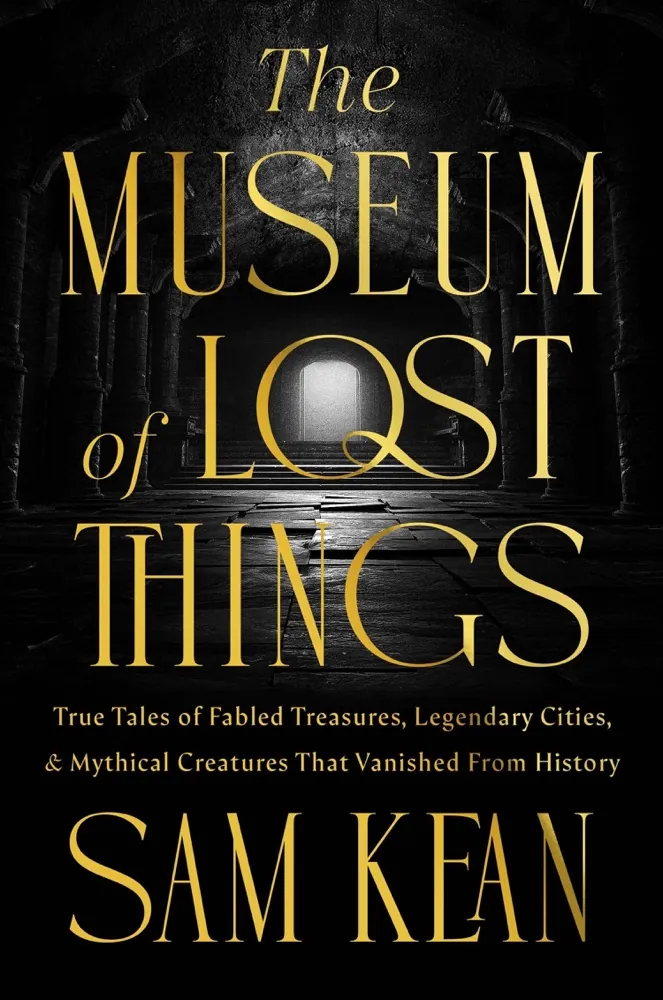
Author: Sam KeanPage Count: UnknownPublication Date: Expected publication 2026-09-15 APL Sam Kean is about to break my heart again, and honestly, I am entirely here for it. The Museum of Lost Things promises a sprawling, melancholic inventory of everything humanity has carelessly misplaced over a million years. Because nothing brings a family closer together quite like collectively staring at a blank wall and mourning the library of Alexandria before Sunday dinner. Dust and Disappearances The synopsis lays out a buffet of vanished grandeur—Troy, Genghis Khan’s hidden resting place, languages that humans simply forgot how to read. Yet the real hook here is the emotional resonance. Kean is not just listing old junk. He is diagnosing our chronic human habit of letting go of the things that matter most. And I refuse to read any early reviews claiming this is just a dry history text. Wait. Let me rephrase that. Actually, if it turns out to be a dry academic ledger of extinct dodos, I am throwing the hardcover directly into the recycling bin. Because we demand narrative drive. We need to feel the frantic panic of saving the Mona Lisa from destruction, or the eerie silence of an unspoken tongue. The Chemistry of Loss What makes Kean work so brilliantly on the page is his uncanny ability to make historical trivia feel like sitting across the kitchen table from a brilliant relative who drank four espressos too many. Think Mary Roach meeting Bill Bryson at a gloomy archaeological dig. But let us be fiercely honest for a moment. A sweeping thematic analysis of loss across a million years runs the distinct risk of feeling like an existential homework assignment. Can a book about vanishing cities maintain the crackling, conversational kinetic energy we expect from narrative nonfiction? History is messy. Our attics are messy. My teenager's bedroom is an active archaeological hazard zone of lost socks and forgotten ambitions. So Kean better deliver on the promised globe-trotting scope. If I do not close this book feeling personally offended by the entropy of the universe, he has failed. Give us the grief of the mammoth. Give us the intoxicating mystery of undeciphered scripts. Just do not make it boring. Hold on a second, do not move. Stay completely still. I need to get an ice cube out of the freezer right now because someone managed to get a piece of strawberry bubblegum hopelessly tangled in the back of the dog's fur again. Related InsightsChosen Son (Fallen City Duology, #2) Book Review and Summary The World We Make Book Review and Summary Beyond the Spine: Unearthing Stories in the Obscure World of Armorial Bookplates{ "@context": "https://schema.org", "@type": "FAQPage", "mainEntity": [ { "@type": "Question", "name": "What is the main focus of The Museum of Lost Things: True Tales of Fabled Treasures, Legendary Cities, and Mythical Creatures That Vanished From History Book Review and Summary?", "acceptedAnswer": { "@type": "Answer", "text": "Everything you need to know about The Museum of Lost Things: True Tales of Fabled Treasures, Legendary Cities, and Mythical Creatures That Vanished From History with our detailed review." } }, { "@type": "Question", "name": "Who authored the comprehensive guide on The Museum of Lost Things: True Tales of Fabled Treasures, Legendary Cities, and Mythical Creatures That Vanished From History Book Review and Summary?", "acceptedAnswer": { "@type": "Answer", "text": "This detailed article and its insights were carefully researched and authored by Camille Dubois." } }, { "@type": "Question", "name": "Where can I find more related content about Books?", "acceptedAnswer": { "@type": "Answer", "text": "You can explore more articles, detailed reviews, and similar insights by browsing the Related Insights section at the bottom of this article or visiting our dedicated Books category page." } } ] }
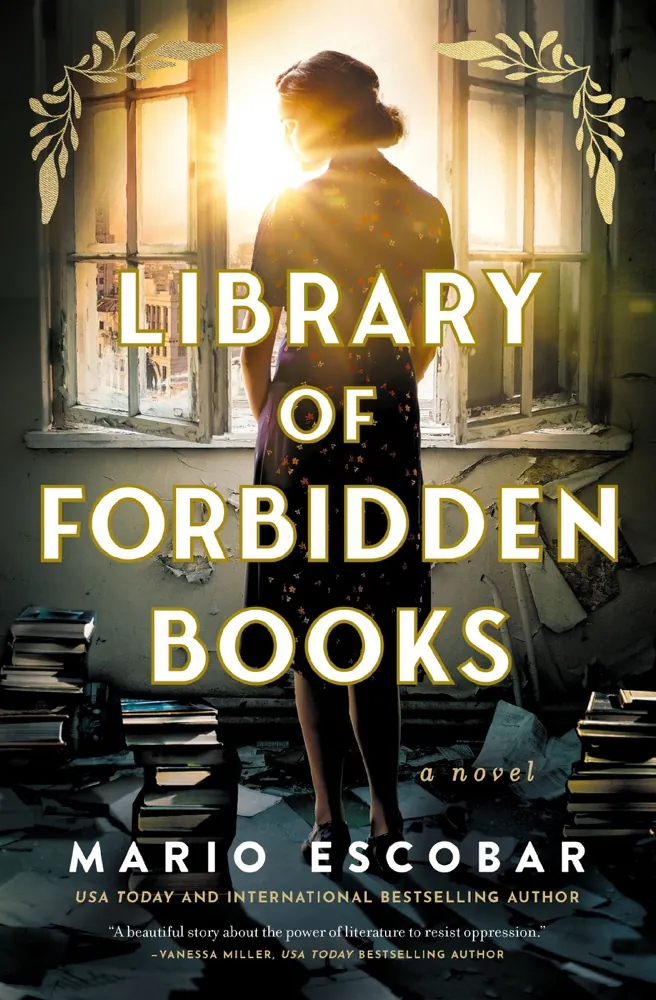

Author: Mario EscobarPage Count: UnknownPublication Date: Expected publication 2026-09-01 APL Ah, so Library of Forbidden Books—this isn’t just another historical fiction about a librarian saving books, is it? It’s a performance, a slow-burning pyre of a novel where the real villain isn’t just the Nazis but the idea that words can be erased without leaving scars. Helene Nathan isn’t just a character; she’s a tactical librarian, a woman who understands that books aren’t just paper and ink—they’re the last line of defense against a regime that wants to rewrite history before it’s even written. And yet—where’s the tension? The synopsis reads like a museum exhibit, all solemnity and no sweat. Where’s the moment when Helene realizes she’s not just hiding books but people in those shelves? Where’s the moment when she has to choose between saving a single volume or a life? The synopsis gives us the gesture—the defiance, the danger—but not the grit. It’s like reading about a storm without the wind. But then again, maybe that’s the point. Maybe the book is about the quiet resistance, the kind that doesn’t make headlines but still burns. The kind of courage that doesn’t shout but whispers—just loud enough for the right ears. And yet—where’s the personal cost? Helene is half-Jewish, and Rudolf Kummer is her nemesis, but the synopsis doesn’t tell us if she’s in love with him once, or if she’s hiding someone in her home, or if she’s been watching him for years, waiting for the right moment to strike. The psychological depth here is just a shadow, not a full portrait. It’s like being given a sketch of a face and told it’s a masterpiece. And the books—oh, the books! The synopsis mentions them like they’re sacred objects, but where’s the magic? Where’s the moment when Helene realizes that some books aren’t just forbidden because of their content but because of who wrote them? Where’s the moment when she has to decide whether to save a volume of poetry by a Jewish author or a medical text that could save lives? The synopsis treats the books as artifacts, not weapons. And that’s a problem, because in real life, books aren’t just things to be preserved—they’re tools. They’re the difference between a society that remembers and one that forgets. But then—what if the book is about the idea of preservation? What if it’s not about the thrill of the chase but the weight of the choice? What if Helene’s greatest act of defiance isn’t saving books but deciding which ones to save? That’s a different kind of story, one that doesn’t need explosions or betrayals but silence. And yet—where’s the human element? Where’s the moment when Helene has to look her reflection in the mirror and ask herself if she’s still a librarian or just a survivor? Literally. I mean, come on—this synopsis reads like a manifesto. It’s all about the power of literature, the courage of resistance, the sacredness of words. But where’s the mess? Where’s the moment when Helene makes a mistake, or when she’s terrified, or when she has to choose between her principles and her survival? The synopsis gives us the big picture, but not the close-up. And that’s a shame, because the best stories aren’t about the idea of resistance—they’re about the people who do it. But then again, maybe that’s the point. Maybe the book is about the idea of resistance, not the act. Maybe it’s about the hope that words can survive, even if the people who wrote them don’t. And if that’s the case, then the synopsis is perfect—because it’s not about the details but the essence. It’s about the idea of a world where books are burned, and one woman stands in the way. And if that’s the case, then I’m intrigued. But I’m also skeptical, because the best stories aren’t about the idea—they’re about the people. I need to go find where the dog hid my only good pair of dress shoes. #BookBurning #HistoricalFiction #LibrarianLife #NaziGermany #ResistanceStories Related InsightsA Really Short History of Nearly Everything Book Review and Summary Demian: Die Geschichte von Emil Sinclairs Jugend Book Review and Summary A Tree Grows in Brooklyn Book Review and Summary{ "@context": "https://schema.org", "@type": "FAQPage", "mainEntity": [ { "@type": "Question", "name": "What is the main focus of Library of Forbidden Books Book Review and Summary?", "acceptedAnswer": { "@type": "Answer", "text": "Everything you need to know about Library of Forbidden Books with our detailed review." } }, { "@type": "Question", "name": "Who authored the comprehensive guide on Library of Forbidden Books Book Review and Summary?", "acceptedAnswer": { "@type": "Answer", "text": "This detailed article and its insights were carefully researched and authored by Antoine Leroy." } }, { "@type": "Question", "name": "Where can I find more related content about Books?", "acceptedAnswer": { "@type": "Answer", "text": "You can explore more articles, detailed reviews, and similar insights by browsing the Related Insights section at the bottom of this article or visiting our dedicated Books category page." } } ] }
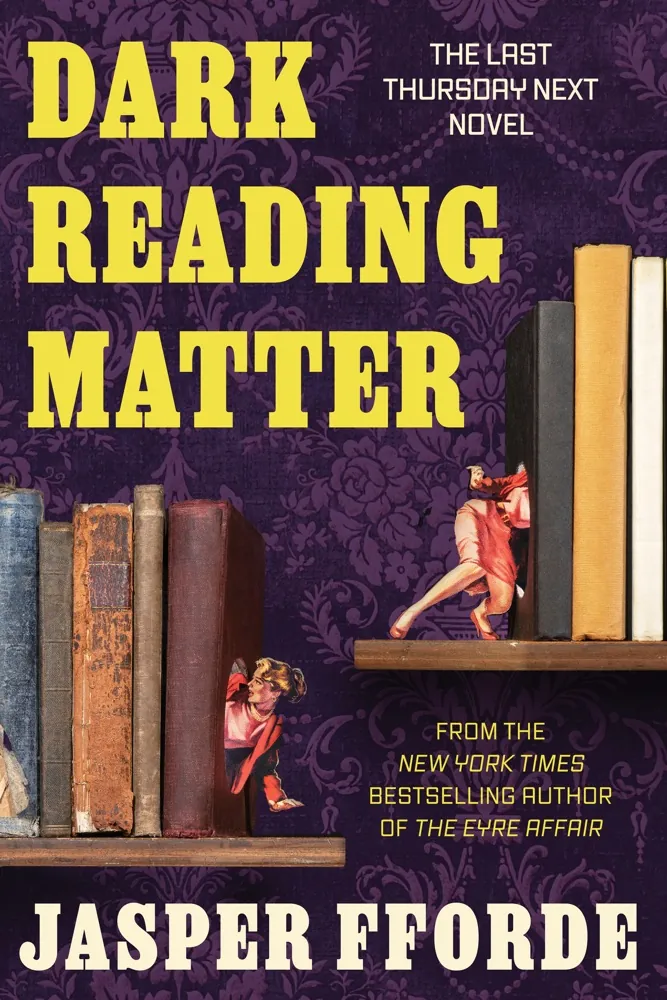
Author: Jasper FfordePage Count: UnknownPublication Date: Expected publication 2026-10-06 APL Jasper Fforde expects us to simply accept that Dark Reading Matter will neatly tie up a narrative arc spanning a quarter-century. As if human attention spans in the current year can handle closure without a complete structural collapse. My kitchen smells faintly of burnt fish fingers because the timer failed again—or perhaps because I stared at a blank wall for twenty minutes calculating the exact chronological trauma of watching a small child unlearn fear through three hundred viewings of Bluey, an animated masterpiece that understands emotional regulation better than any contemporary literary fiction writer currently clogging the bestseller lists. Anyway, Thursday Next is back. Or she is trying to be. The Metatextual Minefield of Finality The premise leans heavily on meta-fiction—because nothing screams desperation quite like a fictional character realizing they are in their final installment and immediately panicking about the word count. Fforde’s official synopsis promises Martians breaking containment, a literal Gateway to Hell at a second-rate Shakespeare theme park, and the terrifying weaponization of Enid Blyton by ultra-right-wing nationalists. And yet. Every single one of these ridiculous hazards feels engineered in a sterile laboratory to distract us from the sheer terror of things ending. We cling to absurdities because the alternative—actually sitting with the quiet, devastating realization that a beloved companion of a book series is going dark forever—requires an emotional bandwidth I currently allocate entirely toward keeping a fragile household from splintering into jagged pieces. Erasure and the Politics of the Unwritten Look closely at that synopsis. A partially redacted donkey. Big Tech draining imaginative energy from the BookWorld. A murderous stamp collector. It is pure, unfiltered narrative chaos masquerading as plot. But beneath the whimsy lies an acute anxiety about erasure. What happens when the stories we use to anchor ourselves—the fictional worlds we built out of desperation to survive the mundane brutality of actual existence—get audited, redacted, or optimized by algorithms? Fforde touches a raw nerve here, even if he hides it behind a clown suit of puns and literary gags. We are all just desperately trying to protect our internal landscapes from hostile corporate takeovers. Some days, defending an imaginary realm populated by literary special ops agents feels marginally more productive than negotiating why a nine-year-old refuses to wear socks in November. Yet I remain deeply suspicious of this whole enterprise. Fforde has painted himself into a conceptual corner where the only way out is a massive deus ex machina wrapped in self-referential irony. Terry Pratchett used to pull this off with a bittersweet grace that cut straight to the bone. Whether Fforde can stick the landing without resorting to cheap narrative gymnastics remains entirely unproven. The synopsis is vague where it counts, hiding behind a barrage of wacky set-pieces because the author is just as terrified of the final page as we are. Someone just adjusted the thermostat. I heard the distinct click in the hallway, and I am going to find out who touched the dial before the ambient temperature drops another fraction of a degree. #DarkReadingMatter #JasperFforde #BookWorld #LiteraryInsanity Related InsightsIf Not You Book Review and Summary Lanetli Kral [HC] Book Review and Summary Final Girls Book Review and Summary{ "@context": "https://schema.org", "@type": "FAQPage", "mainEntity": [ { "@type": "Question", "name": "What is the main focus of Dark Reading Matter (Thursday Next, #8) Book Review and Summary?", "acceptedAnswer": { "@type": "Answer", "text": "Everything you need to know about Dark Reading Matter (Thursday Next, #8) with our detailed review." } }, { "@type": "Question", "name": "Who authored the comprehensive guide on Dark Reading Matter (Thursday Next, #8) Book Review and Summary?", "acceptedAnswer": { "@type": "Answer", "text": "This detailed article and its insights were carefully researched and authored by Michael Brown." } }, { "@type": "Question", "name": "Where can I find more related content about Books?", "acceptedAnswer": { "@type": "Answer", "text": "You can explore more articles, detailed reviews, and similar insights by browsing the Related Insights section at the bottom of this article or visiting our dedicated Books category page." } } ] }
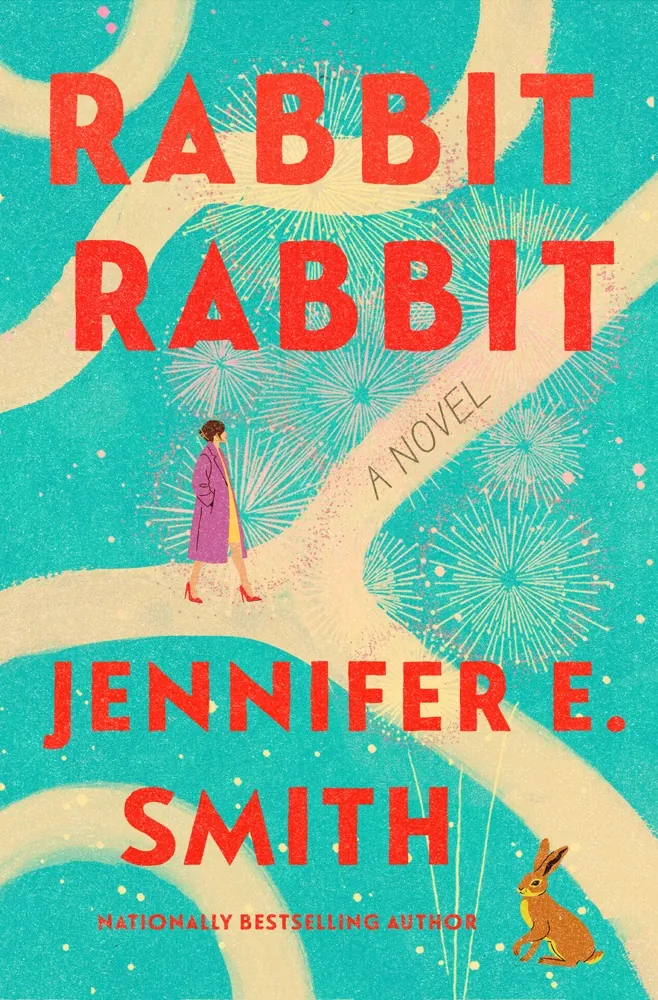
Author: Jennifer E. SmithPage Count: UnknownPublication Date: Expected publication 2026-12-15 APL Thirty-nine is a hell of an age to decide you’re going to force destiny to blink. Jennifer E. Smith’s Rabbit Rabbit gives us Billie, a film editor facing down the ticking biological clock with the kind of mid-life urgency that usually results in either a new puppy or a very expensive mistake. The premise? A New Year’s Eve meet-cute in Florence that is, frankly, teetering on the edge of a Hallmark script. She wants a baby; he’s a Scottish conservationist who thinks children are noise pollution. The Calculus of Compromise The conflict here is as old as the rom-com genre itself. Can you mold a person into the supporting actor your life script requires, or will you just end up resenting the rewrite? Smith is positioning this as a study of "paths not taken," but let’s be honest—it’s a study in how we justify our own stubbornness. Billie is choosing between two distinct versions of the future. One involves a fertility clinic, the other involves a man who represents the "wrong time" trope. This binary choice feels manufactured, a classic case of plot-driven agony meant to keep the reader guessing until the final page. It’s giving me major vibes of Rebecca Serle’s In Five Years, but with significantly less emotional carnage and more European travel aesthetics. Will Smith lean into the grit of the fertility journey, or will she gloss over the reality of it to keep the vibe breezy? My bet? It’s going to be a sugary, predictable romp through beautiful cities that serves as a backdrop for a very tidy epiphany. The Problem with Perfect Men Arthur sounds insufferable. A 44-year-old bachelor who travels the world and hasn't settled down? Please. We have seen this archetype in every airport-kiosk bestseller since the late nineties. He is the human equivalent of a glass of lukewarm white wine—pleasant, unremarkable, and ultimately disappointing. Yet, the friction between his child-free existence and Billie’s yearning for motherhood is where the actual narrative tension lives. If Smith chooses to resolve this through some miraculous change of heart from Arthur, I’m going to throw the ARC across the room. If it stays grounded in the uncomfortable reality that love rarely fixes structural incompatibility, she might actually have a book worth the paper it’s printed on. But I’m skeptical. The synopsis is painfully vague about how they reconcile these two irreconcilable goals. Maybe they don’t? Perhaps the "life-changing year" is actually about Billie realizing that her dream of motherhood doesn't require a partner, or that her dream of partnership doesn't require a nursery. Or maybe it’s just filler until December 2026. Either way, it’s a narrative experiment in the sunk-cost fallacy. I have to go make a Spotify playlist based on this terrible book. Related InsightsWolf Pack Book Review and Summary A Court of Frost and Starlight Book Review and Summary A Little Too Close - Madigan Mountain #2 Book Review and Summary{ "@context": "https://schema.org", "@type": "FAQPage", "mainEntity": [ { "@type": "Question", "name": "What is the main focus of Rabbit Rabbit Book Review and Summary?", "acceptedAnswer": { "@type": "Answer", "text": "Everything you need to know about Rabbit Rabbit with our detailed review." } }, { "@type": "Question", "name": "Who authored the comprehensive guide on Rabbit Rabbit Book Review and Summary?", "acceptedAnswer": { "@type": "Answer", "text": "This detailed article and its insights were carefully researched and authored by Irina Ivanova." } }, { "@type": "Question", "name": "Where can I find more related content about Books?", "acceptedAnswer": { "@type": "Answer", "text": "You can explore more articles, detailed reviews, and similar insights by browsing the Related Insights section at the bottom of this article or visiting our dedicated Books category page." } } ] }
-
 Irina Ivanova
 - 10 Aug, 2026 22:06
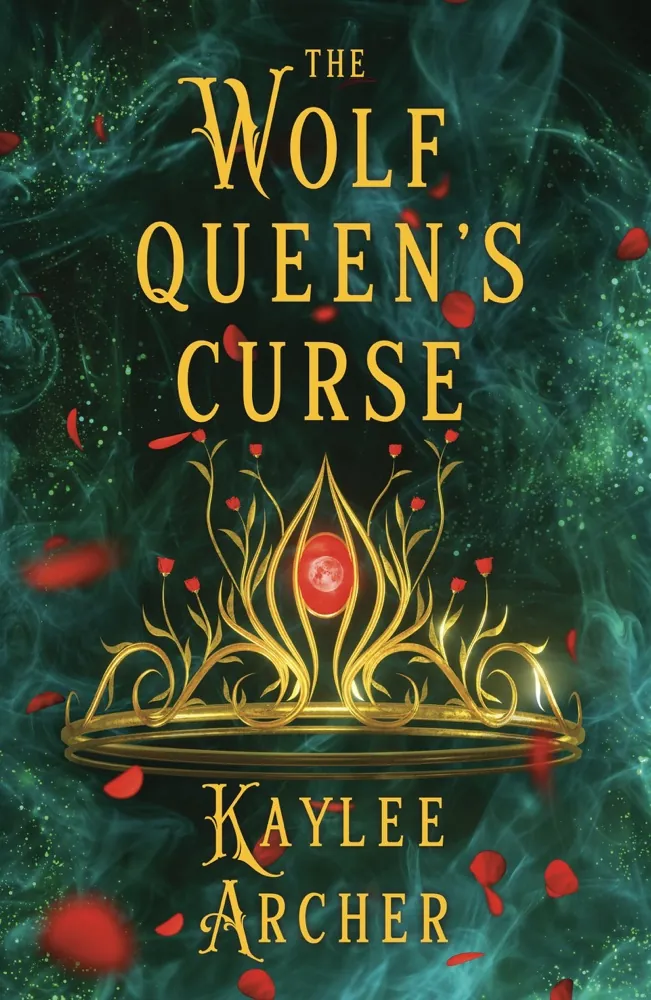
The Wolf Queen's Curse (Witch of the Wolves, #2) Book Review and Summary
Author: Kaylee ArcherPage Count: UnknownPublication Date: Expected publication 2026-09-01 APL God, this wretched fan is making a clicking sound that matches the exact rhythm of my dwindling sanity. And for what? So I can sit in a sweatbox evaluating the marketing copy for Kaylee Archer's upcoming The Wolf Queen's Curse? My landlord refuses to fix the AC, my coffee is lukewarm tap water, and yet I am expected to wax poetic about another YA paranormal romance synopsis written by someone who treats adverbs like optional garnish. Let us examine the wreckage. The Great Alliance Charade The promotional text for The Wolf Queen's Curse wants us to believe in high-stakes political maneuvering—the kind of grim, dirt-under-the-fingernails faction-building we usually see in Patricia Briggs or Ilona Andrews. Yet, what does the blurb actually give us? A half-baked roadmap of tropes. Cordelia Levine—who is supposedly "half-werewolf, all witch," a descriptor that sounds less like a compelling protagonist and more like a rejected character class from an indie tabletop RPG—must rally the packs. And how original. Alphas with their own agendas. Groundbreaking. Yet, I suppose we must look past the glaring lack of specific plot details—because let’s be honest, the synopsis is allergic to actual information—and look at the structural bones. Archer is leaning heavily into the forced-proximity marriage-of-convenience-turned-actual-devotion trope with Cordelia and her new Alpha husband, Bishop. It is lazy world-building armor. When you do not know how to generate organic tension, you simply slap a wedding band on the characters and tell the reader they are madly in love while the world burns around them. Grief, Orphans, and Other Marketing Staples What is the thematic core here? Orphanhood and domestic displacement. Both of Cordelia's parents are dead, her pack's home is trashed, and she is wearing the heavy crown of survival. But the execution smells like algorithmic focus-group testing. We have the rebellious witch-wolf hybrid, the brooding husband, the shadowy cabal—a word that writers use exclusively when they cannot be bothered to invent a proper antagonist. My bold prediction? This book will sell three hundred thousand copies on TikTok alone, completely bypassing the fact that the phrasing "turn upside down" has been beaten to death by a thousand fantasy manuscripts before this one. It feels recycled. It feels like fanfiction written by someone who skimmed A Court of Thorns and Roses while heavily concussed. Still, the pacing might just save it. If Archer can lean into the visceral, messy grief of a decimated pack rather than drowning us in endless descriptions of how strong Cordelia and Bishop's love has grown—seriously, gross, spare me the domestic bliss while people are dying—there might be a pulse beneath the shiny cover art. Or maybe I am just hallucinating from the heat. I need to go stick some more polaroids on my wall before my monitor melts. #BookTwitter #TheWolfQueensCurse #Romantasy #PublishingLife Related InsightsAngel Country Book Review and Summary Wrecked Book Review and Summary Freakonomics: A Rogue Economist Explores the Hidden Side of Everything Book Review and Summary{ "@context": "https://schema.org", "@type": "FAQPage", "mainEntity": [ { "@type": "Question", "name": "What is the main focus of The Wolf Queen's Curse (Witch of the Wolves, #2) Book Review and Summary?", "acceptedAnswer": { "@type": "Answer", "text": "Everything you need to know about The Wolf Queen's Curse (Witch of the Wolves, #2) with our detailed review." } }, { "@type": "Question", "name": "Who authored the comprehensive guide on The Wolf Queen's Curse (Witch of the Wolves, #2) Book Review and Summary?", "acceptedAnswer": { "@type": "Answer", "text": "This detailed article and its insights were carefully researched and authored by Irina Ivanova." } }, { "@type": "Question", "name": "Where can I find more related content about Books?", "acceptedAnswer": { "@type": "Answer", "text": "You can explore more articles, detailed reviews, and similar insights by browsing the Related Insights section at the bottom of this article or visiting our dedicated Books category page." } } ] }
-
 Olivia Harris
 - 10 Aug, 2026 20:51
In the Shadow of Eight: Surviving the Reality of My Childhood Book Review and Summary
Author: Collin GosselinPage Count: UnknownPublication Date: Expected publication 2026-10-13 APL The synopsis of In the Shadow of Eight arrives like a poorly edited first draft—all raw material, no polish, the kind of manuscript you’d expect from a debut novelist who’s spent too long in the dark. Collin Gosselin’s memoir isn’t just a confession; it’s a performance of trauma, the kind that thrives on the gap between what’s seen and what’s unseen. And yet—and yet—the prose here is less a literary artifact and more a press release for a reality TV ghost story. Paris Hilton’s blurb, dripping with the kind of performative empathy that’s become her signature, suggests this isn’t just a memoir; it’s a branding exercise. The question isn’t whether the story is true—it’s whether it’s marketable. The synopsis leans hard into the documentary aesthetic, that tired trope where the author positions themselves as a reluctant witness to their own suffering. But where The Glass Castle by Jeannette Walls or I Know Why the Caged Bird Sings by Maya Angelou turned personal tragedy into universal poetry, this feels like a limited-edition memoir—the kind that gets optioned for a Netflix limited series before the ink is dry. The details—the Christmas gifts reclaimed as soon as the cameras left, the basement cell, the antipsychotics—are the breadcrumbs of a tabloid narrative, not the scaffolding of a literary one. And yet, there’s a potential here, buried under the noise. The real intrigue isn’t the institutional abuse (though that’s undeniably compelling) but the psychological architecture of a man who spent his childhood in the shadow of eight siblings, all of them framed as the stars of a spectacle he was never meant to be part of. The synopsis doesn’t just describe trauma—it performs it. The language is clinical, almost bureaucratic, as if the author is reciting a police report rather than writing a memoir. But that’s the genius—or the folly—of modern memoir writing. Think of it like American Psycho meets The Real Housewives: the more you distance yourself from the emotional core, the more the reader is forced to fill in the gaps. And that’s where the real artistry lies, if this book ever transcends its synopsis. The challenge will be whether Collin can turn this into something more than a reality TV autopsy—or if he’ll just be another cautionary tale about the cost of fame, told in the same breathless, sensation-seeking style that made Jon & Kate Plus 8 infamous. The thematic weight here is undeniable. This isn’t just a story about abuse; it’s a story about erasure. The synopsis makes clear that Collin was literally hidden—both physically and narratively—from the world. That’s a theme that could resonate with the kind of readers who devoured The Sun Does Shine by Anthony Ray Hinton or Educated by Tara Westover, books that turn personal suffering into a critique of systemic failure. But the risk is that this becomes just another celebrity trauma narrative, the kind that sells well but doesn’t linger. The real test will be whether Collin can elevate this beyond the confessional and into the epic—whether he can make the reader feel the weight of being invisible, not just in a basement, but in the world at large. And then there’s the fame factor. The synopsis doesn’t just mention Jon & Kate Plus 8—it dwells on it, as if the audience needs a reminder that this is a story about a man who was once a product. That’s a double-edged sword. On one hand, it’s a built-in audience. On the other, it risks reducing the book to a tabloid curiosity. The question is whether Collin can turn his own celebrity into a literary advantage—or if he’ll just be another cautionary tale about the cost of being famous. I’m betting on the latter. But if he pulls it off? This could be the next I Am Malala—not because of the politics, but because of the raw, unfiltered nature of the storytelling. And if he doesn’t? Well, then it’ll just be another book that gets optioned for a Syfy Original Movie and forgotten by next Christmas. I’m going to drink this cold coffee I made three hours ago. #MemoirSeason #TraumaLiterature #RealityTVAftermath Related InsightsBlue Hour Book Review and Summary Dreams of Ruin (Soul of Shadow #3) Book Review and Summary Houdini Heart Book Review and Summary{ "@context": "https://schema.org", "@type": "FAQPage", "mainEntity": [ { "@type": "Question", "name": "What is the main focus of In the Shadow of Eight: Surviving the Reality of My Childhood Book Review and Summary?", "acceptedAnswer": { "@type": "Answer", "text": "Everything you need to know about In the Shadow of Eight: Surviving the Reality of My Childhood with our detailed review." } }, { "@type": "Question", "name": "Who authored the comprehensive guide on In the Shadow of Eight: Surviving the Reality of My Childhood Book Review and Summary?", "acceptedAnswer": { "@type": "Answer", "text": "This detailed article and its insights were carefully researched and authored by Olivia Harris." } }, { "@type": "Question", "name": "Where can I find more related content about Books?", "acceptedAnswer": { "@type": "Answer", "text": "You can explore more articles, detailed reviews, and similar insights by browsing the Related Insights section at the bottom of this article or visiting our dedicated Books category page." } } ] }
Author: Kate Stayman-LondonPage Count: UnknownPublication Date: Expected publication 2026-09-08 APL Darling, forgive me if I sound slightly jaded, but my trust fund didn’t pay for three degrees in comparative literature just so I could pretend contemporary political romance possesses the existential gravity of a Camus essay. Yet, here we are. Kate Stayman-London is attempting to weaponize The West Wing nostalgia for our current, deeply exhausting historical moment with See You Next Tuesday. But is this actually a critique of institutional machinery, or merely bourgeois escapism wrapped in bipartisan bunting? The Dialectic of the Copy-Room Consider the archetypes. Anya Katz—Type A, morality thicker than my grandmother's Swiss bank accounts—versus Gabe Hunt, the golden boy whose ethical compass clearly points toward whatever room has the best lighting. Classic Hegelian friction. Thesis meets antithesis. But does the synopsis give us any real ideological conflict? No. They agree on their politics. How dreadfully sterile. Where is the actual danger? Where is the intellectual blood sport? Instead, we get a decade of greasy takeout and late-night phone banks. A decade! One wonders if they ever pause to consider the ontological absurdity of American democracy, or if they are simply too busy engaging in what I can only describe as high-stakes professional foreplay. And yet, the structural ambition here is rather fascinating. Spanning ten years of elections—from glamorous celebrity fundraisers to devastating electoral losses—the book attempts to map the erosion of the human soul against the timeline of a campaign. Politics changes you. But does it destroy you? Or does it merely offer a shiny, highly photogenic excuse to avoid looking inward? I suspect Gabe and Anya use the adrenaline of public service as a prophylactic against genuine intimacy. How deliciously modern. The Cult of the Sizzling Banter We must talk about the dialogue. The blurbs promise "breakneck banter." One shudders. Nothing ages faster than attempts at rapid-fire, Aaron Sorkin-esque repartee written in the 2020s. Emily Henry and Ali Hazelwood have already thoroughly monetized this exact brand of academic and professional bickering, pushing the trope into the literary stratosphere. Stayman-London must do something truly feral with these pages to justify another enemies-to-lovers arc across ten calendar years. If they simply bicker about poll numbers while falling into each other's arms every time a primary goes south, I shall be writing a very strongly worded letter to my portfolio manager. Ultimately, this text stands as a litmus test for our collective exhaustion. Do we read political romance to process our dread, or to numb it? I am placing my bets on numbness. But packaged with enough gloss to distract us from the impending collapse of late-stage capitalism. Ouch. I just bit my own cheek. #BookTwitter #RomanceBooks #PoliticalJunkie Related InsightsThe Anatomy of the Written Word: Unraveling the Sacred and Secular History of Literary Criticism The Governess Game Book Review and Summary Stolen Heir Book Review and Summary{ "@context": "https://schema.org", "@type": "FAQPage", "mainEntity": [ { "@type": "Question", "name": "What is the main focus of See You Next Tuesday Book Review and Summary?", "acceptedAnswer": { "@type": "Answer", "text": "Everything you need to know about See You Next Tuesday with our detailed review." } }, { "@type": "Question", "name": "Who authored the comprehensive guide on See You Next Tuesday Book Review and Summary?", "acceptedAnswer": { "@type": "Answer", "text": "This detailed article and its insights were carefully researched and authored by Sofia Bianchi." } }, { "@type": "Question", "name": "Where can I find more related content about Books?", "acceptedAnswer": { "@type": "Answer", "text": "You can explore more articles, detailed reviews, and similar insights by browsing the Related Insights section at the bottom of this article or visiting our dedicated Books category page." } } ] }

Author: Elizabeth Wellington RollinsPage Count: UnknownPublication Date: Expected publication 2026-09-01 APL With the upcoming release of Elizabeth Wellington Rollins's The Three Graces of Pearl Street, one cannot help but ponder the revival of a most intriguing narrative tradition: the intergenerational family drama. Like our dear friend Ann Weinstock's In the Middle of Somewhere, The Three Graces promises to weave an intricate exploration of family dynamics—yet, unlike Weinstock's work,.Rollins' focus appears to be on the feminine, as embodied by three generations of women sharing the same first name. —And what a stroke of genius this is! By employing the Roman myth of the Three Graces, Rollins sets the stage for a rich thematic examination of femininity, tradition, and identity. One cannot help but think of the inimitable Anne Tyler's ability to imbue her characters with an effortless, if occasionally frustrating, humanity. Will Rollins's Three Graces meet a similar fate? Graziella, a ninety-six-year-old former nun, is the matriarch of this family drama, running the parish's food kitchen with a fierce dedication that borders on the obsessive. Her daughter, Grace, a respected psychology professor, appears accomplished and composed, yet finds herself unmoored as her personal life falters. Ella, Graziella's granddaughter and Grace's daughter, is a vegan, anti-capitalistic free spirit who longs for a place to belong. But—Hold your horses,—the question remains whether Rollins will opt for a more straightforward portrayal of her protagonists or instead craft a more complex, if occasionally maddening, exploration of the human experience. The Three Graces' exploration of the delicate balance between tradition and modernity is nothing new in literature, yet The Three Graces appears poised to offer a fresh perspective on this tired trope. Rollins's focus on the ways in which women reconcile their individuality with their familial responsibilities is both timely and timeless. And what of the titular Graces themselves— will they be depicted as one-dimensional symbols of femininity, or will they exhibit the depth and nuance that we've come to expect from contemporary fiction? Ultimately, one cannot help but wonder if Rollins will be able to avoid the pitfalls of the more sentimental family dramas that populate the contemporary literary scene. Will her exploration of the Three Graces' lives be as nuanced and insightful as it is moving? Only time will tell, but one thing is certain: this reviewer is eager to see how Rollins's vision plays out on the page. I do, however, have some reservations about the synopsis's rather...vague portrayal of the novel's themes. While I understand the desire to pique the reader's interest, a bit more specificity would be greatly appreciated—specifically regarding Rollins's treatment of the Three Graces' relationships with one another. Still, I suppose only a literary Luddite would quibble with the finer details at this point. In any case, I shall be eagerly awaiting the release of The Three Graces of Pearl Street, hoping that it will deliver on its promise of a "truly captivating" reading experience. Now, if you'll excuse me, I really must take out the recycling. #FeministLiterature #Inter generationalDrama #NYCLiving Related InsightsThe Reinvented Heart Book Review and Summary Familias fatales Book Review and Summary Kneel Before Me (Split or Swallow, #3) Book Review and Summary{ "@context": "https://schema.org", "@type": "FAQPage", "mainEntity": [ { "@type": "Question", "name": "What is the main focus of The Three Graces of Pearl Street Book Review and Summary?", "acceptedAnswer": { "@type": "Answer", "text": "Everything you need to know about The Three Graces of Pearl Street with our detailed review." } }, { "@type": "Question", "name": "Who authored the comprehensive guide on The Three Graces of Pearl Street Book Review and Summary?", "acceptedAnswer": { "@type": "Answer", "text": "This detailed article and its insights were carefully researched and authored by James Miller." } }, { "@type": "Question", "name": "Where can I find more related content about Books?", "acceptedAnswer": { "@type": "Answer", "text": "You can explore more articles, detailed reviews, and similar insights by browsing the Related Insights section at the bottom of this article or visiting our dedicated Books category page." } } ] }