
-
 Mariana Costa
 - 10 Apr, 2026 10:00
A Verdadeira Cultura da Comida de Rua Italiana em Nápoles
Olá almas aventureiras, viajantes e entusiastas da gastronomia! Sou a Mariana Costa. Sou uma nômade digital que saiu das ruas quentes, rítmicas e coloridas do Brasil para fazer do mundo inteiro o meu lar, e ao mesmo tempo, uma alma irremediavelmente apaixonada pelas páginas empoeiradas da história e pela sinceridade da comida de rua. Viajar para mim não é apenas visitar os pontos turísticos populares e tirar fotos; significa vivenciar profundamente a alma, a cultura, as pessoas dos lugares que visito e, claro, a sua comida, que é uma das suas formas de expressão mais básicas. A comida de rua é o espelho mais honesto que mostra como bate o coração de uma cidade, a sua história, como ela criou algo a partir do nada e a alegria de viver daquelas pessoas. Hoje, eu os levo para uma das cidades mais apaixonadas, caóticas, vibrantes e definitivamente uma das mais deliciosas da Europa, para a beleza selvagem no sul da Itália, Nápoles (Napoli). Apertem os cintos, libertem as suas almas e abram um espaço generoso no estômago; porque não estamos apenas embarcando em uma jornada geográfica, mas em uma épica aventura gastronômica que vai de dar água na boca, despertar os sentidos, cheirar intensamente a história e refletir a vida em sua forma mais pura. Nápoles: A Capital do Caos, das Cores e da Paixão Ao dar o primeiro passo em Nápoles, você é recebido por uma inundação de emoções. Este lugar não se parece com o ar aristocrático e organizado de Roma, com a elegância renascentista de Florença ou com a melancolia romântica de Veneza. Nápoles é a cidade dos vendedores gritando, das roupas balançando nos varais em ruas estreitas, das vespas vindo em sua direção a qualquer momento, das buzinas, dos músicos de rua e dos cheiros de alho, tomate e massa frita subindo de cada esquina. Esta é a cidade das pessoas que vivem à sombra do Monte Vesúvio, com uma energia pronta para explodir a qualquer momento. Eu nunca esquecerei o primeiro momento em que pisei na cidade; aquele intenso sentimento de pertencimento que senti ao caminhar por aquelas ruas estreitas de Spaccanapoli, onde até a luz do sol mal consegue entrar. Fez eu me sentir como se estivesse aqui há séculos. Encontrei aqui o calor familiar, o caos e a sinceridade nas relações humanas do Brasil também. Mas Nápoles tinha uma diferença: aqui, a história não estava apenas nos museus, mas nas pedras das ruas, no reboco descascado dos edifícios e, o mais importante, nos pratos. As Origens Históricas da Comida de Rua de Nápoles: A Revolução Culinária Nascida da Escassez Como uma entusiasta de história, saber o passado de cada mordida que dou é muito importante para mim. A origem da comida de rua de Nápoles remonta, na verdade, ao passado difícil da cidade, à pobreza e à luta pela sobrevivência. Nápoles, ao longo de sua história, foi governada por gregos, romanos, normandos, franceses e espanhóis, tornando-se um caldeirão multicultural. No entanto, ao mesmo tempo, foi uma cidade que lutou contra a superpopulação e a pobreza por muitos anos. Especialmente nos séculos XVIII e XIX, o povo de classe baixa de Nápoles, chamado "Lazzaroni", tinha que encher a barriga nas ruas, pois não tinha cozinha ou forno em suas casas. É desta necessidade que nasceram os sabores de rua napolitanos, que hoje se tornaram um fenômeno mundial. As pessoas usaram os ingredientes mais baratos que tinham em mãos (farinha, água, um pouco de tomate, banha de porco, anchovas ou miudezas) para criar os pratos práticos mais satisfatórios, saborosos e fáceis de comer em movimento. Portanto, aquela deliciosa fatia de pizza ou massa frita que seguramos hoje não é apenas uma refeição, mas também um símbolo da inteligência, da criatividade e do poder de sobrevivência dos napolitanos. Pizza a Portafoglio: Dobre como uma Carteira e Siga seu Caminho Todos sabem que a primeira coisa que vem à mente quando se fala de Nápoles é a pizza. Mas sentar e comer uma pizza inteira enquanto se caminha pelas ruas de Nápoles nem sempre é prático. É aqui que entra a "Pizza a Portafoglio", ou seja, "Pizza Carteira". Ela recebe este nome porque é comida dobrada ao meio e depois em quatro, como uma carteira. Uma minúscula pizza Margherita ou Marinara, recém-saída do forno de pedra, é dobrada bem quente por mãos experientes e entregue a você embrulhada em papel manteiga. Desta forma, o delicioso molho de tomate San Marzano e a mussarela fior di latte derretida não vazam, e você pode continuar o seu passeio enquanto examina os edifícios históricos naquelas ruas estreitas de Nápoles. Caminhando pela Via dei Tribunali, entrar nas filas em frente às minúsculas padarias que fazem isso há séculos tornou-se quase um ritual para mim. Aquele sabor levemente defumado que a massa bem fininha, fermentada e macia ganha no forno a lenha, o cheiro de manjericão fresco batendo no seu nariz... Ao dar a primeira mordida, o aroma levemente ácido, mas doce do tomate e a textura cremosa do queijo criam uma explosão tremenda na boca. Este sabor, que você pode comprar por apenas 2 ou 3 Euros, é para mim muito mais valioso e significativo do que os melhores restaurantes fine-dining do mundo. Pizza Fritta: Uma Lenda Dourada e o Legado da Segunda Guerra Mundial Entre os sabores de rua de Nápoles, um dos que tem um lugar mais especial para mim é definitivamente a "Pizza Fritta", ou seja, pizza frita. Por trás deste sabor, existe uma história muito profunda e, na verdade, triste. Após a Segunda Guerra Mundial, Nápoles estava em ruínas, a maioria dos fornos a lenha havia sido destruída e os ingredientes alimentares básicos tornaram-se difíceis de encontrar. Fazer a pizza tradicional era quase impossível. As mulheres, para poderem levar um pouco de dinheiro para casa, abriam a massa, recheavam com os ingredientes mais baratos que lhes restavam (geralmente um pouco de queijo ricota e as sobras de banha de porco chamadas "ciccioli"), fechavam e as jogavam no óleo fervente nas esquinas das ruas. A refeição que é o símbolo deste sacrifício e criatividade foi imortalizada no famoso filme de Vittorio De Sica, L'Oro di Napoli (O Ouro de Nápoles), com aquela cena lendária onde a belíssima Sophia Loren vende pizza frita na rua. Quando você vai a Nápoles hoje, você pode ver que essa tradição ainda vive em sua forma mais fresca e crocante em lugares históricos como a Antica Pizza Fritta da Zia Esterina Sorbillo ou a Pizzeria De' Figliole. Quando você divide ao meio aquela massa dourada como romã por fora, levemente oleosa e bem crocante, a mistura quente de ricota, queijo provola, pimenta preta e ciccioli fluindo de dentro quase a leva ao paraíso. Apesar de ser incrivelmente farta e uma bomba calórica, é uma das primeiras coisas a se comer para entender a alma de Nápoles. Cuoppo Napoletano: O Mar e a Terra Dentro do Cone Em Nápoles, que é uma cidade costeira, seria impensável que as dádivas do mar não se refletissem na comida de rua. "Il Cuoppo" significa comida frita recheada em um recipiente em formato de funil ou cone, feito de papel pardo. Existem basicamente duas variedades: Cuoppo di Mare (Cone de frutos do mar) e Cuoppo di Terra (Cone de produtos da terra). Enquanto caminho à beira-mar, eu tenho um prazer incrível em segurar um fumegante Cuoppo di Mare em minhas mãos. Nele se encontram minúsculos anéis de lula, camarões, anchovas, pedaços de bacalhau e, por vezes, polvo. O sabor bem fresco e levemente salgado dos frutos do mar combina com um empanado crocante. O sabor que surge quando você espreme um pouco de limão fresco por cima é indescritível em palavras. Por outro lado, o Cuoppo di Terra é composto principalmente por vegetais e massas. Croquetes de batata (panzarotti), arancini (bolinhos de arroz - embora sejam de origem siciliana, também são muito populares em Nápoles), flores de abobrinha fritas, fatias de berinjela e zeppoline (pequenas bolas de massa frita com algas marinhas) enchem o interior do cone. Explorar a cidade enquanto caminha pelas ruas de Nápoles com este cone quente em uma das mãos, sempre me faz sentir como uma verdadeira italiana local sendo uma nômade. Frittatina di Maccheroni: A Forma Mais Crocante e Pecaminosa da Massa Nós sabemos o quanto os italianos gostam de massa, mas e as sobras de massa? A regra básica da culinária de rua napolitana é a seguinte: nada é desperdiçado! As sobras de massa de ontem não são jogadas fora, elas são transformadas em uma tremenda obra-prima. Apresento a vocês a Frittatina di Maccheroni. Geralmente massas do tipo bucatini ou macarrão são misturadas com um denso molho bechamel, ervilhas, queijo provola, carne moída (e às vezes presunto ou pancetta), moldadas em pequenos discos redondos, empanadas na farinha de rosca e fritas no óleo quente até ficarem douradas. Quando você morde aquela crosta incrivelmente crocante por fora, fica surpreso ao ver o quão macio, cremoso e delicioso é por dentro. Comprei minha primeira frittatina de uma minúscula 'Rosticceria' (rotisseria de frituras) em Quartieri Spagnoli. Estava tão quente que eu mal conseguia segurar em minhas mãos, mas a harmonia daquele queijo denso e molho bechamel com a massa me arrebatou. Embora possa parecer uma sobrecarga de carboidrato em cima de carboidrato, acredite em mim, isso lhe dará muito mais do que a energia que você precisa para caminhar pelas ruas de Nápoles o dia todo. 'O Pere e 'o Musso: Uma Experiência Gastronômica Tradicional e Corajosa Se você realmente quer testar os limites do paladar de uma cidade e sair da ilusão turística para ter uma experiência totalmente local, o prato que você precisa experimentar é: 'O Pere e 'o Musso. Significa "Pé e Focinho" em napolitano, e este prato é na verdade um lanche histórico feito de pé de porco e focinho de vaca, pertencendo inteiramente à cultura das miudezas. Remontando à era dos Lazzaroni em Nápoles, esta tradição é baseada na filosofia de não desperdiçar nenhuma parte do animal. Ele é vendido em barracas especiais, geralmente em carrinhos de mão adornados com limões e decorações coloridas ao redor. As carnes são primeiro fervidas por muito tempo, completamente despojadas de seus pelos e ossos, resfriadas e fatiadas bem finas. Na hora de servir, é adicionado suco de limão de Amalfi espremido na hora e sal marinho grosso. A sua aparência pode não agradar a todos num primeiro momento, mas acredite, quando a textura levemente cartilaginosa e gelatinosa dessas carnes consumidas frias se combina com a forte acidez do limão e o sal, surge um sabor incrivelmente refrescante e diferente. Saborear este prato ao lado dos habitantes locais em torno de uma barraca, acompanhado de uma taça de vinho branco regional gelado, me dá a sensação de estar fazendo uma viagem pela história. Taralli Nzogna e Pepe: O Lanche Crocante e Salgado de Nápoles Se você for dar um passeio ao longo da bela costa de Nápoles, Lungomare Caracciolo, ao pôr do sol, há apenas uma coisa que você precisa levar consigo: Taralli nzogna e pepe. O Tarallo, na verdade, é um tipo de biscoito em formato de anel crocante encontrado em muitas regiões do sul da Itália. No entanto, a versão de Nápoles, como sempre, é mais rica, mais pesada e muito mais saborosa. Contém bastante banha de porco (nzogna), amêndoas torradas e muita pimenta preta (pepe). No passado, os padeiros não jogavam fora as partes que sobravam da massa de pão, eles as misturavam com banha de porco e pimenta preta, davam a forma de anel e as assavam. Esta tradição deu origem a um dos lanches mais queridos de Nápoles hoje. Aquele ardor leve da pimenta preta, a textura crocante que derrete na boca proporcionada pela banha de porco e o crocante das amêndoas estão em uma harmonia simplesmente perfeita. Como uma rotina de fim de tarde em Nápoles, comprar os seus taralli quentinhos nos quiosques da praia de Mergellina e abrir uma cerveja Peroni ou Nastro Azzurro bem gelada para acompanhar, enquanto assiste ao pôr do sol em direção à Ilha de Capri, é um dos momentos mais simples, porém mais fascinantes da vida. Uma Pausa Doce: Sfogliatella e Babà Rum As ruas de Nápoles não são feitas apenas de comidas salgadas e fritas, claro. Esta cidade é tão ambiciosa em relação a doces quanto é com a pizza. As duas primeiras obras-primas que vêm à mente quando os doces de Nápoles são mencionados são: Sfogliatella e Babà. Sfogliatella, na verdade, é um doce que nasceu num mosteiro na costa de Amalfi, mas foi aperfeiçoado em Nápoles. Existem duas versões: Riccia e Frolla. A versão Riccia é feita de centenas de camadas de massa folhada bem fininhas e se assemelha a uma concha de mexilhão. O interior é recheado com queijo ricota doce, sêmola, açúcar, canela e frutas cristalizadas de casca de laranja/limão. Quando você morde uma Sfogliatella Riccia recém-saída do forno e fumegante, o som de "crack" que as camadas daquela massa fazem em sua boca e o recheio quente e macio com cheiro de frutas cítricas dentro é quase uma sinfonia. A Frolla, por outro lado, é o mesmo recheio coberto com uma massa mais lisa e macia (pasta frolla), semelhante a um biscoito. O meu favorito é definitivamente a Riccia! O Babà Rum (ou apenas Babà), por sua vez, é de origem polonesa e francesa, chegou a Nápoles no século XIX e tornou-se parte inseparável deste lugar. Pense em um bolo de massa de fermento em formato de cogumelo, fofinho e esponjoso. Este bolo fica completamente saturado em uma tremenda calda feita de rum, água e açúcar. Um bom Babà Napolitano, quando você o pressiona, deve liberar levemente a calda de rum de dentro, mas nunca se desfazer. Às vezes, o meio é cortado e recheado com creme fresco ou morangos. Numa tarde quente em Nápoles, caminhar na rua comendo um Babà com aquele xarope doce grudado em suas mãos é literalmente a "doce vida" (La Dolce Vita). A Cultura do Café de Nápoles e a Tradição do Caffè Sospeso (Café Pendente) Falando em comida em Nápoles, não falar do café seria o maior insulto feito a esta cidade. Para Nápoles, o café não é uma bebida, é uma religião, um ritual, a própria vida social. O café italiano é famoso mundialmente, mas o café de Nápoles (Caffè Napoletano) está numa dimensão bem diferente. Os grãos aqui (geralmente predominantemente Robusta) são torrados por muito mais tempo e mais escuros. Isso dá ao café aquela consistência única e densa, forte, com sabor de chocolate e grossa quase como um xarope. Nos bares de Nápoles, o café é sempre bebido em pé, no balcão. Você faz o seu pedido, o barista lhe entrega primeiro um pequeno copo de água com gás para que você limpe o paladar e assim sinta melhor o aroma do café. Você bebe a água, depois vira o espresso daquela xícara minúscula e extremamente quente em um ou dois goles. Em Nápoles, os baristas podem até bater o açúcar no café com antecedência para que o creme do café (crema) não se desfaça. Mas o aspecto da cultura do café de Nápoles que mais me impressiona e toca o meu coração é a tradição do Caffè Sospeso, ou seja, "Café Pendente". Nesta tradição de solidariedade, surgida nos tempos difíceis do século XIX, quando um cliente em boa situação financeira bebe um café, ele paga o valor de dois cafés. Um é para ele mesmo e o outro fica "pendente". Durante o dia, quando alguém que não tem condições, que não tem dinheiro no bolso, entra no bar e pergunta: "Tem café pendente?", aquele segundo café lhe é oferecido. Este é um exemplo maravilhoso que mostra a incrível compaixão, o sentimento de partilha e a filosofia de que "Ninguém deve ficar sem café" que jaz por trás daquele exterior duro e caótico das pessoas de Nápoles. Sempre que vou a Nápoles, faço questão de deixar um "sospeso" também após cada café que bebo. Perdendo-se em Quartieri Spagnoli e Spaccanapoli A melhor maneira de saborear as comidas de rua de Nápoles é se perder na textura histórica da cidade. O Quartieri Spagnoli, conhecido como Bairro Espanhol, é onde o coração de Nápoles bate mais rápido. Este lugar, com suas ruas estreitas e íngremes, vizinhos que se falam aos gritos, bandeiras azuis e brancas do time de futebol do Napoli penduradas por toda parte, murais gigantes dedicados a Diego Armando Maradona e barracas de comida de rua grandes e pequenas, é exatamente como um set de filmagem. Maradona não é apenas um jogador de futebol para Nápoles, ele é quase um santo, uma religião. Parar em frente aos murais de Maradona nas paredes da cidade, comendo um "cuoppo" enquanto escuto as conversas dos moradores locais, é para mim uma experiência inestimável. Já a rua longa e reta que divide a cidade exatamente no meio, Spaccanapoli, é o legado de um plano de assentamento dos períodos romano e grego. Enquanto você caminha por esta rua, igrejas milenares, estátuas antigas e a agitação caótica da vida moderna se entrelaçam. As longas filas estendendo-se em frente às tradicionais pizzarias, as sfogliatellas que enfeitam as vitrines das confeitarias, aquele cheiro de alho e azeite pairando no ar... Tudo isso faz parte do ecossistema mágico, vivo e constantemente respirando de Nápoles. A Síntese Mágica da História, Cultura e Comida Como uma amante da história, acredito que a comida não é apenas um meio de saciar a fome. Cada mordida que damos conta a situação sociológica de uma época, as oportunidades oferecidas pela geografia e a evolução cultural daquelas pessoas. A comida de rua de Nápoles não é apenas massa, tomate e queijo. Elas são a genialidade de um povo que lutava contra a fome, a esperança surgindo dos escombros do pós-guerra, a gratidão pela generosidade do Mediterrâneo. Em cada fatia de pizza, há a abundância daquelas terras férteis (Campania Felix) alimentadas pelas cinzas vulcânicas do Monte Vesúvio. Como uma nômade digital, estive em muitas cidades do mundo, conheci muitas culturas, desde as comidas de rua apimentadas da Ásia até os mercados tropicais da América Latina. No entanto, a cultura da comida de rua de Nápoles, com aquele seu intenso senso de "experiência vivida", ocupa sempre o lugar mais alto no meu coração e no meu paladar. Aqui tudo é sem filtros, tudo é muito real, assim como o povo de Nápoles, é vivido aos gritos e com todo o seu entusiasmo. Conclusão: Saborear Nápoles é Viver Nápoles Se o seu caminho cruzar com Nápoles um dia, ignore as mesas com toalhas brancas dos restaurantes de luxo. Deixe-se levar pela correnteza de Spaccanapoli, siga os deliciosos cheiros que chegam ao seu nariz. Não se preocupe em sujar a sua roupa de óleo, devore aquela pizza quente e dobrada enquanto caminha na rua, perca-se no crocante de uma frittatina e assista ao pôr do sol caótico, porém igualmente romântico, de Nápoles, acompanhado de um limoncello ou um taralli, enquanto o sol se põe. Lembre-se, Nápoles não é apenas uma cidade a ser vista, mas uma alma a ser degustada, sentida, vivida e, com certeza, apaixonante. Comer em Nápoles é, na verdade, devorar a própria cidade. Até nos encontrarmos em nossa próxima parada de sabor e história! Até lá, permaneçam com muitas viagens, muito sabor e sempre apaixonados! Fiquem com amor,Mariana Costa#Napoli #Naples #CulinariaItaliana #ComidaDeRua #PizzaNapoletana #PizzaAPortafoglio #PizzaFritta #CuoppoNapoletano #Sfogliatella #BabaRum #CaffeSospeso #QuartieriSpagnoli #Spaccanapoli #NomadeDigital #TurismoGastronomico #ViagemParaItalia #Viajante #CulturaAlimentar #HistoriaEComida #MarianaCosta #Itlia #Comida Related InsightsPorto: Degustando Francesinha às Margens do Rio Douro{ "@context": "https://schema.org", "@type": "FAQPage", "mainEntity": [ { "@type": "Question", "name": "What is the main focus of A Verdadeira Cultura da Comida de Rua Italiana em Nápoles?", "acceptedAnswer": { "@type": "Answer", "text": "Degustamos os autênticos sabores italianos escondidos nas ruas caóticas de Nápoles, a terra natal da pizza." } }, { "@type": "Question", "name": "Who authored the comprehensive guide on A Verdadeira Cultura da Comida de Rua Italiana em Nápoles?", "acceptedAnswer": { "@type": "Answer", "text": "This detailed article and its insights were carefully researched and authored by Mariana Costa." } }, { "@type": "Question", "name": "Where can I find more related content about Gastronomia?", "acceptedAnswer": { "@type": "Answer", "text": "You can explore more articles, detailed reviews, and similar insights by browsing the Related Insights section at the bottom of this article or visiting our dedicated Gastronomia category page." } } ] }


Bienvenue! Let us embark on an unforgettable #journey to the heart of #France. Colmar (French pronunciation: [kɔlmaʁ]; Alsatian: Colmer [ˈkolməʁ]; German: Colmar or Kolmar) is a city and commune in the Haut-Rhin department and Alsace region of north-eastern #France. The third-largest commune in Alsace (after Strasbourg and Mulhouse), it is the seat of the prefecture of the Haut-Rhin department and of the subprefecture of the Colmar-Ribeauvillé arrondissement. Colmar was first mentioned in the 9th century and grew into an important medieval trading town within the Holy Roman #empire. In the 17th century it was annexed by France under Louis XIV, though it retained a distinct German character due to its location, predominant language, and #culture. The city shifted between French and German control multiple times, before being permanently restored to France in 1945. The city is known for its well-preserved old town, numerous architectural landmarks, its blend of French and German heritage and its museums, among which is the Unterlinden Museum, which houses the Isenheim Altarpiece. Colmar is located on the Alsatian Wine Route and considers itself to be the capital of Alsatian wine (capitale des vins d'Alsace). #history Colmar was first mentioned by Charlemagne in his chronicle about Saxon wars. This was the location where the Carolingian Emperor Charles the Fat held a diet in 884. Colmar was granted the status of a free imperial city by Emperor Frederick II in 1226. In 1354 it joined the Décapole city league. The city adopted the Protestant Reformation in 1575, long after the northern neighbours of Strasbourg and Sélestat. During the Thirty Years' War, it was taken by the Swedish army in 1632, which held it for two years. In 1634, the Schoeman family arrived and started the first town library. In 1635, the city's harvest was spoiled by Imperialist forces while the residents shot at them from the walls. The city was conquered by France under King Louis XIV in 1673 and officially ceded by the 1679 Treaties of Nijmegen. In 1854 a cholera epidemic killed many in the city. With the rest of Alsace, Colmar was ceded to the newly formed German Empire in 1871 as a result of the Franco-Prussian War and incorporated into the Alsace–Lorraine province. It returned to France after World War I according to the 1919 Treaty of Versailles, was annexed by Nazi Germany in 1940, and then reverted to French control after the battle of the "Colmar Pocket" in 1945. Colmar has been continuously governed by conservative parties since 1947, the Popular Republican Movement (1947–1977), the Union for French Democracy (1977–1995) and the Union for a Popular Movement (since 1995), and has had only three mayors during that time. The Colmar Treasure, a hoard of precious objects hidden by Jews during the Black Death, was discovered here in 1863. Geography Colmar is 64 kilometres (40 mi) south-southwest of Strasbourg, at 48.08°N, 7.36°E, on the River Lauch, a tributary of the Ill. It is located immediately to the east of the Vosges and connected to the Rhine in the east by a canal. In 2022 the commune of Colmar had a population of 67,360, and the metropolitan area of Colmar had a population of 199,627. Colmar is the centre of the arrondissement of Colmar-Ribeauvillé. Climate Colmar has an oceanic climate (Köppen: Cfb) but it is significantly modified by the city's location far inland, with cold, dry winters and warm to hot, wetter summers. The city has a sunny microclimate and is one of the driest cities in France, with an annual precipitation of just 595 mm (23.4 in), making it ideal for Alsace wine. It is considered the capital of the Alsatian wine region. The town's dryness is due to its location near the mountains, which force clouds arriving from the west to rise. Most of their moisture condenses and falls over the higher ground, leaving the air warm and dry by the time it reaches Colmar. The city therefore has more of a continental climate and winter and summer temperatures can sometimes be the lowest or highest in France. Population Main sights Mostly spared from the destructions of the French Revolution and the wars of 1870–1871, 1914–1918 and 1939–1945, the cityscape of old-town Colmar is homogeneous and renowned among tourists. An area that is crossed by canals of the river Lauch (which formerly served as the butcher's, tanner's and fishmonger's quarter) is now called "little Venice" (la Petite Venise). Architectural landmarks Colmar's secular and religious architectural landmarks reflect eight centuries of Germanic and French #architecture and the adaptation of their respective stylistic language to the local customs and building materials (pink and yellow Vosges sandstone, timber framing). =### Secular buildings= Maison Adolph – 14th century (German #gothic) Koïfhus, also known as Ancienne Douane – 1480 (German Gothic) Maison Pfister – 1537 (German Renaissance). Ancien Corps de garde – 1575 (German Renaissance) Maison des Chevaliers de Saint-Jean – 1608 (German Renaissance) Maison des Têtes – 1609 (German Renaissance) Poêle des laboureurs – 1626 (German Baroque) Ancien Hôpital – 1736–1744 (French Classicism) Tribunal de grande instance – 1771 (French Classicism) Hôtel de Ville – 1790 (French Classicism) Colmar prison – 1791, formerly a convent built in 1316. Cour d'Assises – 1840 (French Neoclassicism) Théâtre municipal – 1849 (French Neoclassicism) Marché couvert – 1865 (French Neo-Baroque). The city's covered market, built in stone, bricks and cast iron, still serves today. Préfecture – 1866 (French Neo-Baroque) Water tower – 1886. Oldest still preserved water tower in Alsace. Out of use since 1984. Gare SNCF – 1905 (German Neo-Baroque) Cour d'appel – 1906 (German Neo-Baroque) =### Religious buildings= Église Saint-Martin – 1234–1365. The largest church of Colmar and one of the largest in Haut-Rhin. Displays some early stained glass windows, several Gothic and Renaissance sculptures and altars, a grand Baroque organ case. The choir is surrounded by an ambulatory opening on a series of Gothic chapels, a unique feature in Alsatian churches. Église des Dominicains – 1289–1364. Now deconsecrated as a church, displays Martin Schongauer's masterwork Madonna of the Rose Bower as well as 14th century stained glass windows and baroque choir stalls. The adjacent convent buildings house a section of the municipal library. Église Saint-Matthieu – 13th century. Gothic and Renaissance stained glass windows and mural paintings, as well as a wooden and painted ceiling. Couvent des Antonins – 13th century. Deconsecrated church and convent buildings notable for a richly ornate cloister. Now housing the Unterlinden Museum (see below). Église Sainte-Catherine – 1371. Deconsecrated church and convent buildings now used as an assembly hall and festival venue (Salle des Catherinettes). Chapelle Saint-Pierre – 1742–1750. Classicist chapel of a former Jesuit college. Synagogue – 1843 (Neoclassicism) =### Fountains= Fontaine de l'Amiral Bruat – 1864 (Statue by Bartholdi) Fontaine Roeselmann – 1888 (Statue by Bartholdi) Fontaine Schwendi – 1898 (Statue by Bartholdi) =### Monuments= Monument du Général Rapp – 1856 (first shown 1855 in #Paris. Statue by Bartholdi, his earliest major work) Monument Hirn – 1894 (Statue by Bartholdi) Statue Les grands soutiens du monde − 1902 (in the courtyard of the Bartholdi Museum) Statue of Liberty (Liberty Enlightening the World) replica Museums Unterlinden Museum – one of the main museums in Alsace. Displays the Isenheim Altarpiece, a large collection of medieval, Renaissance and baroque Upper-Rhenish paintings and sculptures, archaeological artefacts, design and international modern art. Musée Bartholdi – the birthplace of Frédéric Auguste Bartholdi shows his life and work through paintings, drawings, family objects and furniture as well as numerous plaster, metal and stone sculptures. A section of the museum is further dedicated to the local Jewish community's heritage. Musée d'histoire naturelle et d'ethnographie – the zoological and ethnographic museum of Colmar was founded in 1859. Besides a large collection of taxidermied animals, and artefacts from former French and German colonies in Africa and Polynesia, it also houses a collection of #ancient Egyptian items. Musée du jouet – the town's toy museum, founded 1993. Musée des usines municipales – industrial and technological museum in a former factory, dedicated to the history of everyday technology. Choco-Story Colmar - museum presenting the history of chocolate, with regional history displays, the ability to taste different chocolates and artworks made of chocolate Library The Municipal Library of Colmar (Bibliothèque municipale de Colmar) owns one of the richest collections of incunabula in France, with more than 2,300 volumes. This is quite an exceptional number for a city that is neither the main seat of a university, nor of a college, and has its explanation in the dissolution of local monasteries, abbeys and convents during the French Revolution and the subsequent gift of their collections to the town. Transport The small regional Colmar Airport serves Colmar. The nearest international airports are EuroAirport Basel Mulhouse Freiburg which is located 52 km away and Strasbourg Airport located 68 km away from Colmar. The railway station Gare de Colmar offers connections to Strasbourg, Mulhouse, Besançon, Zürich and several regional destinations. Colmar was also once linked to Freiburg im Breisgau, in Germany and on the other side of the Rhine, by the Freiburg–Colmar international railway. However the railway bridge over the Rhine between Breisach and Neuf-Brisach was destroyed in 1945 and never replaced. Education Senior high schools in Colmar include: Lycée Bartholdi Lycée Camille Sée Lycée polyvalent Blaise Pascal Lycée polyvalent Martin Schongauer Lycée privé Saint-André Lycée professionnel privé Saint-Jean École privée Mathias Grunewald Colmar shares the Université de Haute-Alsace (Upper Alsace University) with the neighbouring, larger city of Mulhouse. Of the approximately 8,000 students of the UHA, around 1,500 study at the Institut universitaire de technologie (IUT) Colmar, at the Colmar branch of the Faculté des Sciences et Techniques and at the Unité de Formation et de Recherche Pluridisciplinaire d'Enseignement Professionalisé Supérieur (UFR PEPS). The École Compleméntaire Pour L'Enseignement Japonaise à Colmar (コルマール補習授業校 Korumāru Hoshū Jugyō Kō), a part-time supplementary Japanese school, is held in Colmar. At one time classes were held at the Centre Cultural de Seijo. Music Since 1980, Colmar is home to an international summer festival of classical music Festival de Colmar (also known as Festival international de musique classique de Colmar). In its first version (1980 to 1989), it was placed under the artistic direction of the German conductor Karl Münchinger. Since 1989, it is helmed by the Russian violinist and conductor Vladimir Spivakov. Economy Colmar is an affluent city whose primary economic strength lies in the flourishing tourist industry. But it is also the seat of several large companies: Timken (European seat), Liebherr (French seat), Leitz (French seat), Capsugel France (A division of Pfizer). Every year since 1947, Colmar is host to what is now considered as the biggest annual commercial event as well as the largest festival in Alsace, the Foire aux vins d'Alsace (Alsacian wine fair). When Air Alsace existed, its head office was on the grounds of Colmar Airport. Parks and recreation By 1991 Lycée Seijo, a Japanese boarding high school in Kientzheim, had established a Japanese cultural center. It housed books and printed materials in Japan and hosted lectures and film screenings. Sports Colmar has the following notable sports organizations, accommodations and events. SR Colmar, a football club Ladhof Stadium, a football field Paris-Colmar, a racewalking competition Notable people Caspar Isenmann (1410? – 1484?), painter Martin Schongauer (1450–1491), painter and engraver Georg Wickram (1502–1562), poet and novelist Jean-François Rewbell (1747–1807), diplomat and revolutionist Jean Rapp (1771–1821), lieutenant general Conrad Berg (1785–1852), composer Charles Xavier Thomas (1785–1870), inventor Marie Bigot (1786–1820), musician, pianist and composer, friend of Haydn and Beethoven Armand Joseph Bruat (1796–1855), admiral Georges-Charles de Heeckeren d'Anthès (1812–1895), politician, killer of Alexander Pushkin in a duel Auguste Nefftzer (1820–1876), journalist Frédéric Auguste Bartholdi (1834–1904), sculptor. He created Liberty Enlightening the World (the Statue of Liberty). Camille Sée (1847–1919), politician Jean-Baptiste Lemire (1867–1945), composer Jean-Jacques Waltz (1873–1951), drawer and caricaturist Ernst Stadler (1883–1914), Alsatian poet Paul Wormser (1905–1944), Olympic épée fencer Hans Loewald (1906–1993), psychoanalyst and theorist Jean-Pierre Muller (1924–2008), Olympic epee fencer Bernard Schmitt (1929–2014), economist and founder of the "Quantum Economics" Christian de Chergé (1937-1996), Trappist monk and one of the Tibhirine monks Guy Roux (born 1938), football coach Pierre Moerlen (1952–2005), musician, drummer and composer Pierre Hermé (born 1961), confectioner, entrepreneur and pastry chef Thomas Bloch (born 1962), musician Éric Straumann (born 1964), politician Pascal Elbé (born 1967), actor, director and screenwriter Marc Keller (born 1968), football player Cendrine Wolf (born 1969), children's author Pascal Johansen (born 1979), football player Nicolas Armindo (born 1982), racing driver Amaury Bischoff (born 1987), football player Fabien Schmidt (born 1989), professional cyclist Ryad Boudebouz (born 1990), Algerian-French footballer International relations Twin towns – sister cities Colmar is twinned with: Replicas of historical buildings in Malaysia Bukit Tinggi Resort Colmar Tropicale which is situated in Bentong district, State of Pahang, Malaysia is a resort-theme historical village inspires from the original Colmar commune in France. Colmar Tropicale located 60 km north-east of Kuala Lumpur. North of it, a rebuild of Château du Haut-Kœnigsbourg is in the Berjaya Hills, hosting an organic resort hotel. In popular culture Colmar's cityscape (and that of neighbouring Riquewihr) served as inspiration for the design of the Japanese animated film Howl's Moving Castle. Scenes in the anime Is the Order a Rabbit? are also based on this location. Colmar appears as a map in Day of Defeat: Source set in 1944. Germans and American soldiers try to blow up each other's objectives. #france #travel #history #europe #culture Related InsightsMount Ararat Mysteries Mahoma: El Profeta del Islam Beyond Merv's Veil: Unearthing Turkmenistan's Ghost Oases of the Silk Road{ "@context": "https://schema.org", "@type": "FAQPage", "mainEntity": [ { "@type": "Question", "name": "What is the main focus of Colmar and the Alsace Wine Route: A Colorful Escape?", "acceptedAnswer": { "@type": "Answer", "text": "Join Camille Dubois on a journey exploring Colmar and the Alsace Wine Route and its incredible history." } }, { "@type": "Question", "name": "Who authored the comprehensive guide on Colmar and the Alsace Wine Route: A Colorful Escape?", "acceptedAnswer": { "@type": "Answer", "text": "This detailed article and its insights were carefully researched and authored by Camille Dubois." } }, { "@type": "Question", "name": "Where can I find more related content about Travel?", "acceptedAnswer": { "@type": "Answer", "text": "You can explore more articles, detailed reviews, and similar insights by browsing the Related Insights section at the bottom of this article or visiting our dedicated Travel category page." } } ] }
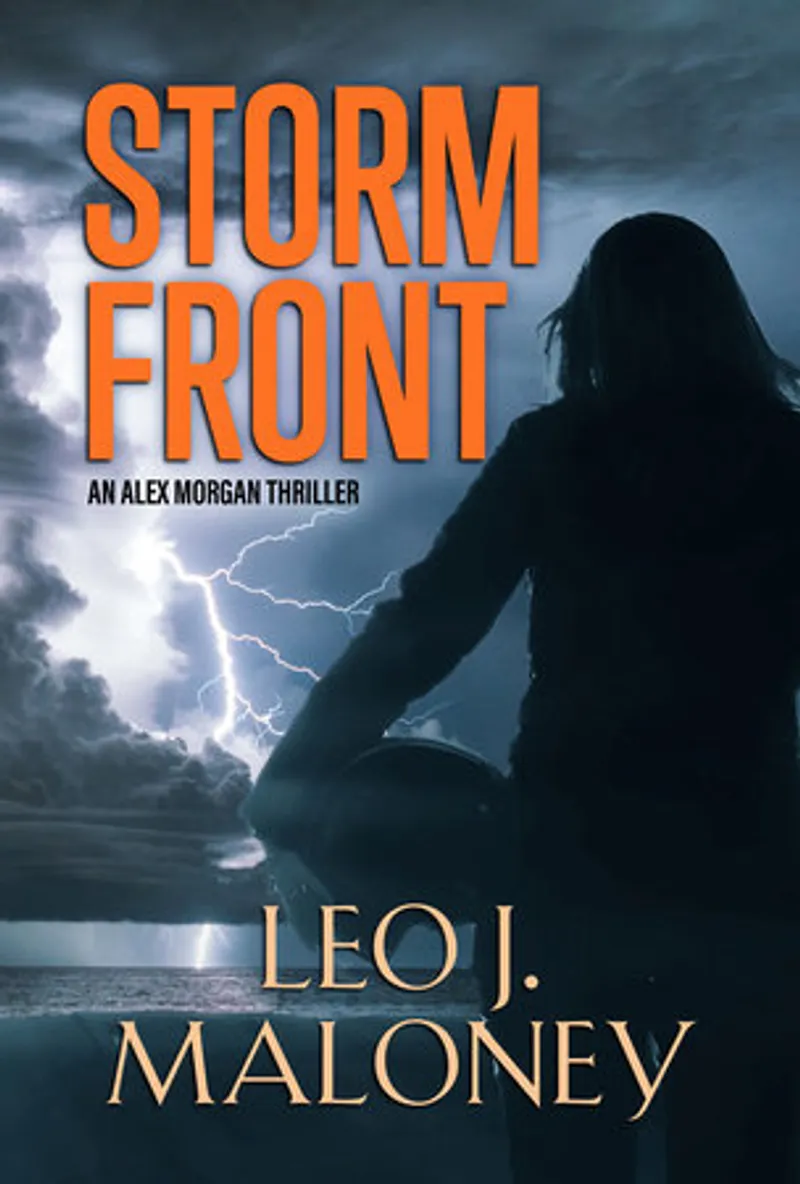
Storm Front Author: Leo J. MaloneyPage Count: UnknownPublication Date: 2022-PRH Storm Front, the latest thriller from acclaimed author Leo J. Maloney, is a gripping and intense ride that will keep readers on the edge of their seats. As the second installment in the Alex Morgan series, this book picks up where the previous one left off, following the daughter of Zeta operative Dan Morgan as she takes on a new mission to stop the nefarious organization Ares. Maloney's writing style is as engaging as ever, with a keen attention to detail that makes the world of espionage feel all too real. His characters are well-developed and complex, with Alex Morgan being a standout as a strong and capable protagonist. The plot is expertly woven, with twists and turns that will keep even the most seasoned thriller reader guessing. One of the main themes of Storm Front is the concept of loyalty and trust. As Alex navigates the complex web of alliances and rivalries within the world of espionage, she must also confront the possibility that someone close to her may be working against her. This adds an extra layer of tension to the story, as Alex must use all her skills and resources to stay one step ahead of her enemies. The setting of the story, a cruise ship in the Coral Sea, adds to the sense of claustrophobia and isolation that pervades the plot. As the storm bears down on the ship, Alex and her partner Alicia are trapped in a desperate fight for survival against the heavily armed and highly trained extremists. Maloney's descriptions of the ship and its surroundings are vivid and immersive, making it easy to picture the action unfolding on the page. Throughout the book, Maloney's expertise in the world of espionage shines through. His portrayal of the Zeta group and their methods is convincing and authentic, drawing on real-world knowledge to create a sense of realism that is all too rare in the thriller genre. The praise for Maloney's work from other authors is well-deserved, and Storm Front is no exception. As Jeffery Deaver notes, the book is "utterly compelling," with a narrative that draws the reader in and refuses to let go. Lee Child praises Maloney's "fine writing and real insider knowledge," while John Gilstrap notes that the book "rings with authenticity." Meg Gardiner calls it "a ripping story," and Mark Sullivan dubs Maloney "the new master of the modern spy game." Overall, Storm Front is a gripping and intense thriller that will appeal to fans of the genre. With its breakneck pace, complex characters, and realistic portrayal of the world of espionage, it's a must-read for anyone looking for a compelling and engaging story. #StormFront #LeoJMaloney #Thriller #Espionage #AlexMorganSeries #BlackOps Related InsightsCapital Mysteries #12: The Ghost at Camp David Book Review and Summary Harry Potter and the Prisoner of Azkaban Book Review and Summary Bel Canto Book Review and Summary{ "@context": "https://schema.org", "@type": "FAQPage", "mainEntity": [ { "@type": "Question", "name": "What is the main focus of Storm Front Book Review and Summary?", "acceptedAnswer": { "@type": "Answer", "text": "Everything you need to know about Storm Front with our detailed review." } }, { "@type": "Question", "name": "Who authored the comprehensive guide on Storm Front Book Review and Summary?", "acceptedAnswer": { "@type": "Answer", "text": "This detailed article and its insights were carefully researched and authored by Jim Butcher." } }, { "@type": "Question", "name": "Where can I find more related content about Books?", "acceptedAnswer": { "@type": "Answer", "text": "You can explore more articles, detailed reviews, and similar insights by browsing the Related Insights section at the bottom of this article or visiting our dedicated Books category page." } } ] }
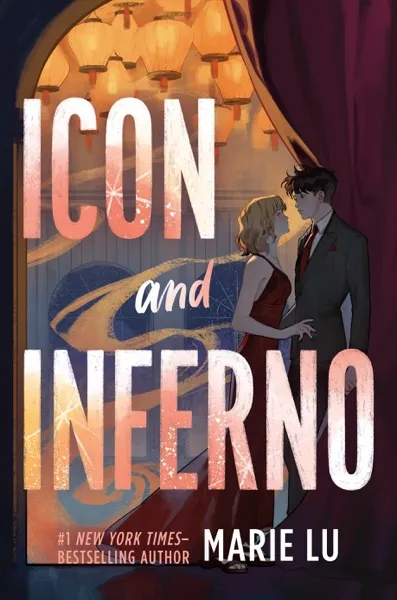

Icon and Inferno Author: Marie LuPage Count: UnknownPublication Year: 2024-GB Icon and Inferno: A Dazzling Conflagration of Power, Identity, and the Price of Fame Marie Lu’s Icon and Inferno is a masterstroke of speculative fiction—a book that burns bright with ambition, moral ambiguity, and the kind of razor-sharp storytelling that has cemented Lu as one of the most compelling voices in modern literature. Published in 2024, this highly anticipated novel arrives with the weight of global acclaim, and it delivers in spades. With its searing exploration of power, identity, and the inferno of public adoration, Icon and Inferno is less a book and more a cultural explosion, a narrative that interrogates what it means to be worshipped—and what it costs to be consumed by that worship. At its core, Icon and Inferno is a dual-edged sword. On one side, it’s a meditation on fame and the cult of personality in the digital age, where icons are manufactured, worshipped, and then discarded with brutal efficiency. On the other, it’s a deeply personal journey of self-destruction and reinvention, where the protagonist must confront the monster they’ve become—or the monster that was always inside them. Lu crafts a world where public perception is currency, and the line between human and spectacle has dissolved entirely. The result is a story that is as much a warning as it is an enthralling spectacle. Lu’s prose is electric, charged with the kind of tension that keeps readers glued to the page. Her writing is sleek and modern, blending the immediacy of social media culture with the timeless themes of myth and tragedy. The novel doesn’t shy away from the grotesque allure of fame; instead, it luxuriates in it, painting a world where influence is power, and power is a kind of divine right—or a kind of damnation. The prose crackles with wit and menace, mirroring the duality of its central figure, a protagonist who is both victim and perpetrator of their own legend. What makes Icon and Inferno so gripping is its refusal to simplify its themes. Lu doesn’t offer easy answers about redemption or the ethics of stardom. Instead, she presents a world where everyone is complicit—whether they’re the architects of fame, the audience that consumes it, or the icon themselves. The novel’s structure is a masterclass in pacing, alternating between the dizzying highs of viral fame and the suffocating lows of personal collapse. It’s a book that feels like a fever dream, yet it’s grounded in a reality that is uncomfortably familiar. The characters are the beating heart of this inferno. Lu’s protagonist is a marvel—a figure who is both deeply sympathetic and deeply flawed, a person whose greatest strength is also their fatal weakness. Supporting characters orbit around them like satellites, each playing a role in the protagonist’s rise and fall. The dialogue is sharp, the relationships fraught with tension, and the emotional stakes sky-high. Lu has a knack for making even the most morally ambiguous characters feel human, a skill that elevates Icon and Inferno from a mere thriller to a work of literary significance. The novel’s title is a clue to its central metaphor: the icon is the symbol of worship, the inferno the fire of that worship—or the fire that consumes. Lu plays with this duality throughout, using fire as both a destructive force and a transformative one. The imagery is vivid, almost cinematic, and it lingers long after the last page is turned. This is a book that demands to be discussed, dissected, and debated—it’s that rich with ideas. Marie Lu has always been a writer who pushes boundaries, and Icon and Inferno is her most ambitious work yet. It’s a book that will divide readers—some will see it as a scathing indictment of modern culture, others as a darkly entertaining satire. But whatever perspective you take, you won’t be able to look away. Icon and Inferno is a mirror held up to society, and the reflection is both mesmerizing and terrifying. In a world where fame is both currency and curse, Icon and Inferno is the book we didn’t know we needed—until it burned its way into our consciousness. #IconAndInferno #MarieLu #DystopianFiction #FameAndItsCosts #BookReview #MustRead2024 Related InsightsAtlas Shrugged Book Review and Summary All the Bright Places Book Review and Summary The Ultimate Hitchhiker’s Guide to the Galaxy Book Review and Summary{ "@context": "https://schema.org", "@type": "FAQPage", "mainEntity": [ { "@type": "Question", "name": "What is the main focus of Icon and Inferno Book Review and Summary?", "acceptedAnswer": { "@type": "Answer", "text": "Everything you need to know about Icon and Inferno with our detailed review." } }, { "@type": "Question", "name": "Who authored the comprehensive guide on Icon and Inferno Book Review and Summary?", "acceptedAnswer": { "@type": "Answer", "text": "This detailed article and its insights were carefully researched and authored by Klaus Weber." } }, { "@type": "Question", "name": "Where can I find more related content about Books?", "acceptedAnswer": { "@type": "Answer", "text": "You can explore more articles, detailed reviews, and similar insights by browsing the Related Insights section at the bottom of this article or visiting our dedicated Books category page." } } ] }

Ciudades de papel / Paper Towns Author: John GreenPage Count: UnknownPublication Date: 2019-PRH John Green’s Paper Towns is a masterclass in blending mystery, coming-of-age introspection, and the bittersweet ache of growing up. At its core, the novel explores the fragile gap between perception and reality—a theme that lingers long after the last page. Through the lens of Quentin Jacobsen, a quiet, unassuming high school senior, Green dissects how we mythologize the people we love, only to be confronted with the unsettling truth that we never truly know them—or ourselves—as well as we think. The story begins with a burst of energy: Margo Roth Spiegelman, the enigmatic girl next door Quentin has adored from afar, breaks into his room in the dead of night, dressed as a ninja, and drags him into a night of meticulously orchestrated revenge against her friends and ex-boyfriend. For Quentin, this is the moment his ordinary life transforms into something cinematic, something meant to be. But when Margo vanishes the next day, leaving behind cryptic clues and a trail of red herrings, the narrative shifts from adventure to a more existential quest. Quentin and his loyal friends—Radar, Ben, and Lacey—embark on a road trip to find Margo, only to discover that the girl they’ve built up in their minds bears little resemblance to the real Margo, who has left Orlando entirely, seeking something she can’t name. Green’s genius lies in his ability to balance humor and melancholy, often in the same breath. Quentin’s narration is laced with dry wit and self-deprecating humor, a defense mechanism against the rawness of his emotions. His voice is relatable, flawed, and deeply human—a teenager grappling with the dual pressures of unrequited love and the fear of irrelevance. The supporting cast is equally compelling: Radar, the tech-savvy best friend with a heart of gold; Ben, the lovable idiot with a knack for terrible puns; and Lacey, the sharp-tongued but fiercely loyal friend who challenges Quentin’s idealized version of Margo. Their dynamic feels authentic, a testament to Green’s skill in crafting dialogue that crackles with authenticity. Yet, what elevates Paper Towns beyond a simple mystery is its meditation on identity and the stories we tell ourselves. Margo is the ultimate unreliable narrator of her own life, and Quentin’s journey is as much about confronting his own illusions as it is about finding her. The novel’s title itself is a metaphor—paper towns were a cartographic trick, places drawn on maps but never existing in reality. Margo, like a paper town, is a construct, a projection of Quentin’s desires and fantasies. The revelation that she has left Orlando not as a dramatic escape but as a quiet, personal retreat underscores the novel’s central question: How well do we ever really know anyone, even those we claim to love? Green’s prose is economical but evocative, painting vivid scenes without overindulging in description. His ability to capture the texture of teenage life—the awkward silences, the fleeting moments of connection, the crushing weight of unspoken feelings—is nothing short of extraordinary. The road trip sequence, in particular, is a standout, blending humor, tension, and a growing sense of unease as Quentin and his friends inch closer to the truth about Margo. The pacing is tight, the mystery engaging, but it’s the emotional beats that linger. At its heart, Paper Towns is a story about the painful process of growing up—the moment we realize that the people we idolize are just people, flawed and complicated, and that the stories we’ve told ourselves about them (and about our own lives) are often just that: stories. Quentin’s journey is one of disillusionment, but it’s also a journey toward self-awareness. By the end, he learns that love isn’t about idealizing someone; it’s about seeing them, truly seeing them, even when that means confronting uncomfortable truths. Some critics have argued that the novel’s resolution feels rushed or that Margo’s character lacks depth, but this misses the point. Margo’s mystery isn’t meant to be solved in a satisfying, conventional way. Her disappearance is a narrative device, a catalyst for Quentin’s growth. The real mystery is the one he carries within himself—the gap between who he thinks he is and who he’s becoming. Paper Towns is more than a YA novel; it’s a reflection on the lies we tell ourselves to make life bearable. It’s funny, heartbreaking, and ultimately hopeful, a reminder that growing up isn’t about losing innocence but about learning to see the world—and ourselves—with clearer eyes. John Green doesn’t just write stories; he writes truths, wrapped in the kind of prose that makes you feel less alone in your own contradictions. #PaperTowns #JohnGreen #YAContemporary #ComingOfAge #Mystery #TeenDrama Related InsightsDijital Çağda Kitapların Büyüsü: Neden Hâlâ Bir Kitaba İhtiyacımız Var? The Book of Form and Emptiness Book Review and Summary Okumak Bir Yaşam Sanatıdır: Kitapların Ruhumuza Dokunuşu{ "@context": "https://schema.org", "@type": "FAQPage", "mainEntity": [ { "@type": "Question", "name": "What is the main focus of Paper Towns Book Review and Summary?", "acceptedAnswer": { "@type": "Answer", "text": "Everything you need to know about Paper Towns with our detailed review." } }, { "@type": "Question", "name": "Who authored the comprehensive guide on Paper Towns Book Review and Summary?", "acceptedAnswer": { "@type": "Answer", "text": "This detailed article and its insights were carefully researched and authored by John Green." } }, { "@type": "Question", "name": "Where can I find more related content about Books?", "acceptedAnswer": { "@type": "Answer", "text": "You can explore more articles, detailed reviews, and similar insights by browsing the Related Insights section at the bottom of this article or visiting our dedicated Books category page." } } ] }
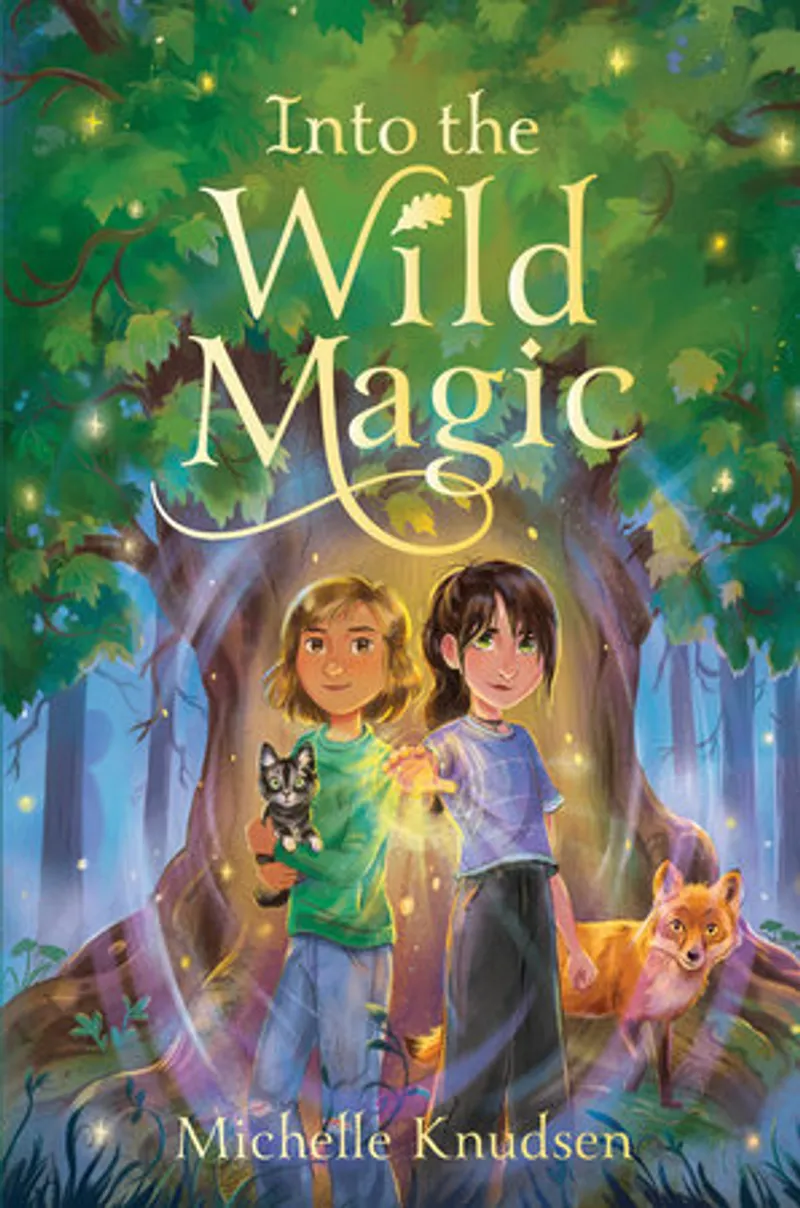
Into the Wild Magic Author: Michelle KnudsenPage Count: UnknownPublication Date: 2025-PRH "Into the Wild Magic" by Michelle Knudsen is a captivating tale of self-discovery, friendship, and the unbridled power of imagination. This enchanting fantasy novel whisks readers away to a world of wonder, where magic is woven into the fabric of everyday life and the boundaries between reality and fantasy are blissfully blurred. At its core, "Into the Wild Magic" is a poignant exploration of adolescent girlhood, navigating the treacherous landscape of friendships, trust, and the struggles of growing up. Protagonist Bevvy, an introverted and book-loving eleven-year-old, is a relatable and endearing heroine whose journey from isolation to empowerment is both authentic and inspiring. As she stumbles upon a world of magic and monsters, Bevvy's transformation from a timid outsider to a confident and courageous young woman is nothing short of remarkable. Knudsen's masterful storytelling weaves together a rich tapestry of characters, each with their own distinct voice and narrative arc. Cat, the enigmatic new girl who sweeps into Bevvy's life, is a fascinating and complex figure whose motivations and loyalties are skillfully layered throughout the story. The supporting cast, from the wise and witty sorcerers to the majestic unicorns and dragons, adds depth and texture to the narrative, making this world feel both lived-in and utterly magical. One of the standout features of "Into the Wild Magic" is its thoughtful exploration of the complexities of female friendship. Bevvy and Cat's relationship is multifaceted and authentic, marked by moments of tenderness, misunderstandings, and ultimately, a deep and abiding trust. Knudsen's portrayal of the ebbs and flows of their bond is both nuanced and heartfelt, making their interactions feel genuine and relatable. The author's writing style is equally impressive, blending the whimsy and wonder of fantasy with the emotional resonance of realistic fiction. Knudsen's prose is evocative and engaging, conjuring vivid images of the magical world she's created. Her pacing is well-balanced, moving seamlessly between action-packed sequences and quieter moments of introspection. If there's a criticism to be made, it's that the world-building, while rich and detailed, occasionally threatens to overwhelm the narrative. Some readers may find themselves getting lost in the intricacies of the magical system or the politics of the world, but these are minor quibbles in an otherwise captivating tale. In short, "Into the Wild Magic" is a triumph, a fantasy novel that will resonate with readers of all ages. Michelle Knudsen's writing is a joy to behold, and her story is a powerful reminder of the magic that lies just beyond the edge of our everyday lives. If you're looking for a tale of adventure, friendship, and self-discovery, look no further. #IntoTheWildMagic #FantasyNovel #MichelleKnudsen #MiddleGradeFiction #MagicalRealism #GirlPowerInLiterature Related InsightsGone Girl Book Review and Summary Little Women Book Review and Summary Untitled (A Court of Thorns and Roses, #6) Book Review and Summary{ "@context": "https://schema.org", "@type": "FAQPage", "mainEntity": [ { "@type": "Question", "name": "What is the main focus of Into the Wild Book Review and Summary?", "acceptedAnswer": { "@type": "Answer", "text": "Everything you need to know about Into the Wild with our detailed review." } }, { "@type": "Question", "name": "Who authored the comprehensive guide on Into the Wild Book Review and Summary?", "acceptedAnswer": { "@type": "Answer", "text": "This detailed article and its insights were carefully researched and authored by Erin Hunter." } }, { "@type": "Question", "name": "Where can I find more related content about Books?", "acceptedAnswer": { "@type": "Answer", "text": "You can explore more articles, detailed reviews, and similar insights by browsing the Related Insights section at the bottom of this article or visiting our dedicated Books category page." } } ] }

Thirteen Reasons Why 10th Anniversary Edition Author: Jay AsherPage Count: UnknownPublication Date: 2016-PRH A Haunting Echo of Pain: Thirteen Reasons Why Still Resonates a Decade Later Jay Asher’s Thirteen Reasons Why isn’t just a book—it’s an experience that lingers long after the last page. Since its publication in 2007 and subsequent rise to cultural prominence with the Netflix adaptation, this novel has remained a touchstone for discussions about mental health, bullying, and the ripple effects of cruelty. Now, a decade after its original release, the 10th Anniversary Edition reaffirms its power with fresh insights, including an alternate ending and behind-the-scenes revelations that deepen its impact. At its core, Thirteen Reasons Why is a story about accountability. Hannah Baker, a high school student who takes her own life, leaves behind a series of cassette tapes detailing the thirteen people—and moments—that contributed to her despair. Each person who receives the tapes is forced to confront their role in her suffering, not as villains, but as unwitting (or sometimes deliberate) participants in a tragedy. The novel doesn’t just ask why Hannah died; it forces readers to ask how we, as individuals and a society, contribute to the pain of others. Asher’s narrative structure is deceptively simple yet devastatingly effective. The story unfolds through Clay Jensen’s perspective as he listens to Hannah’s tapes, his journey mirroring the reader’s own discovery. The dual timeline—Hannah’s past experiences and Clay’s present reckoning—creates a sense of urgency, as if the reader is uncovering secrets alongside him. The prose is unadorned, almost clinical in its delivery, which makes the emotional weight of Hannah’s words hit harder. There’s no melodrama, no over-the-top revelations—just the cold, hard truth of how small actions can accumulate into unbearable pain. What makes Thirteen Reasons Why so enduring is its refusal to offer easy answers. Hannah isn’t a martyr, nor are the people on her list mere monsters. They’re flawed, human beings who failed her in ways both intentional and accidental. Asher doesn’t let anyone off the hook, but he also doesn’t reduce the story to a simple moral. The novel forces readers to sit with discomfort, to question their own complicity in the suffering of others. It’s a book that demands reflection, not just consumption. The 10th Anniversary Edition amplifies this experience with additional content that peels back the layers of the story’s creation. The alternate ending—one that almost made it into the final draft—offers a glimmer of hope, a "what if" that contrasts sharply with the original’s bleakness. Early notes and deleted scenes reveal Asher’s thought process, showing how the novel evolved from a single, chilling idea into a multi-layered exploration of grief and guilt. These extras don’t just pad the book; they deepen the reader’s understanding of its themes, making the re-release feel like a gift to longtime fans and newcomers alike. Asher’s writing style is unpretentious but precise, avoiding the pitfalls of sensationalism while still delivering a story that’s impossible to ignore. He doesn’t glorify suicide or romanticize Hannah’s death; instead, he presents it as the tragic culmination of a series of failures—failures of empathy, of communication, of basic human decency. The novel’s power lies in its quiet insistence that we all have a role to play in preventing such tragedies, whether through kindness, intervention, or simply paying attention. Thirteen Reasons Why is more than a YA novel—it’s a cultural artifact that sparked conversations about mental health, school violence, and the responsibilities we bear toward one another. A decade later, its message is as urgent as ever. In a world where bullying and isolation continue to claim lives, Asher’s story serves as both a warning and a call to action. It’s a book that doesn’t just ask you to listen—it demands that you act. If you’ve already read it, the anniversary edition offers a chance to revisit Hannah’s story with new eyes. If you haven’t, prepare yourself for a gut-punch of a read that will stay with you long after the tapes end. #ThirteenReasonsWhy #MentalHealthMatters #SuicidePrevention #JayAsher #YAControversial #ReadWithCaution Related InsightsThe Bronze Horseman Book Review and Summary House of Hades (Graphic Novel) Book Review and Summary Deathsworn Book Review and Summary{ "@context": "https://schema.org", "@type": "FAQPage", "mainEntity": [ { "@type": "Question", "name": "What is the main focus of Thirteen Reasons Why Book Review and Summary?", "acceptedAnswer": { "@type": "Answer", "text": "Everything you need to know about Thirteen Reasons Why with our detailed review." } }, { "@type": "Question", "name": "Who authored the comprehensive guide on Thirteen Reasons Why Book Review and Summary?", "acceptedAnswer": { "@type": "Answer", "text": "This detailed article and its insights were carefully researched and authored by Jay Asher." } }, { "@type": "Question", "name": "Where can I find more related content about Books?", "acceptedAnswer": { "@type": "Answer", "text": "You can explore more articles, detailed reviews, and similar insights by browsing the Related Insights section at the bottom of this article or visiting our dedicated Books category page." } } ] }

Nina and the Keeper of the Keystone Author: Rebel GirlsPage Count: UnknownPublication Date: 2025-PRH In "Nina and the Keeper of the Keystone", the second installment in the series, Rebel Girls masterfully weaves a tale of self-discovery, friendship, and the power of knowledge. The story picks up where the first book left off, with Nina and her friends utilizing a magical mailbox to offer guidance to their peers. As the narrative unfolds, the group's advice-dispensing operation gains popularity, attracting a steady stream of students seeking help. One of the most striking aspects of this book is its exploration of the main theme: the importance of understanding and applying knowledge in a responsible manner. When a student takes Marie Curie's advice too literally, the consequences are disastrous, forcing Nina and her friends to reevaluate their approach. This incident serves as a catalyst for the group to refine their methods, emphasizing the need to consider the potential outcomes of their actions. Rebel Girls' writing style is engaging and accessible, making the book an enjoyable read for a wide range of audiences. The author's use of historical figures, such as Marie Curie and Ada Lovelace, adds a unique layer of depth to the narrative, highlighting the significance of these trailblazers in a way that is both informative and entertaining. The introduction of a new principal, who seems to be hiding secrets about Ada Lovelace Middle School, adds an air of mystery to the story, keeping readers on the edge of their seats. As the plot thickens, Nina and her friends must navigate the challenges of maintaining their operation while also uncovering the truth about the principal's intentions. Throughout the book, Rebel Girls showcases their ability to craft relatable characters, each with their own distinct voice and personality. Nina, in particular, is a compelling protagonist, whose growth and development are expertly woven throughout the narrative. In conclusion, "Nina and the Keeper of the Keystone" is a captivating and thought-provoking read that is sure to resonate with readers of all ages. With its blend of historical references, engaging characters, and exciting plot twists, this book is a must-read for anyone looking for a story that will inspire and delight. #NinaAndTheKeeperOfTheKeystone #RebelGirls #MiddleGradeFiction #HistoricalFiction #GirlPower #EducationThroughStorytelling Related InsightsWorks of Edgar Allan Poe Book Review and Summary Carry On Book Review and Summary House of Hades (Graphic Novel) Book Review and Summary{ "@context": "https://schema.org", "@type": "FAQPage", "mainEntity": [ { "@type": "Question", "name": "What is the main focus of The Goose Girl Book Review and Summary?", "acceptedAnswer": { "@type": "Answer", "text": "Everything you need to know about The Goose Girl with our detailed review." } }, { "@type": "Question", "name": "Who authored the comprehensive guide on The Goose Girl Book Review and Summary?", "acceptedAnswer": { "@type": "Answer", "text": "This detailed article and its insights were carefully researched and authored by Shannon Hale." } }, { "@type": "Question", "name": "Where can I find more related content about Books?", "acceptedAnswer": { "@type": "Answer", "text": "You can explore more articles, detailed reviews, and similar insights by browsing the Related Insights section at the bottom of this article or visiting our dedicated Books category page." } } ] }


Harry Potter and the Philosopher's Stone Author: J.k. RowlingPage Count: UnknownPublication Date: Unknown-OL -OL In the world of fantasy literature, few books have managed to capture the hearts and imaginations of readers quite like J.K. Rowling's iconic novel. This enchanting tale whisks readers away to a magical realm, where the boundaries of reality are pushed to the limit and the impossible becomes possible. At its core, the book is a classic coming-of-age story, following the journey of a young boy who discovers his true identity and purpose in life. The protagonist's transformation from an ordinary, unassuming child to an extraordinary, courageous hero is both captivating and inspiring. As he navigates the complexities of friendship, love, and the struggle between good and evil, he must confront the darkness of his past and the uncertainty of his future. Rowling's masterful storytelling is characterized by her vivid world-building, memorable characters, and a narrative that is both thrilling and emotionally resonant. Her writing style is effortlessly engaging, with a keen sense of pacing that propels the reader forward, eager to discover what lies ahead. The author's use of language is equally impressive, with a rich, descriptive quality that brings the magical world to life in breathtaking detail. One of the most striking aspects of the book is its exploration of the human condition. Through the protagonist's experiences, Rowling sheds light on universal themes such as prejudice, courage, and the power of love and friendship. The novel also touches on the idea of identity and belonging, as the protagonist grapples with his place in the world and his connection to others. The characters in the book are equally well-crafted, with each one boasting a unique personality, backstory, and motivation. The protagonist's relationships with those around him are authentic and heartfelt, adding depth and complexity to the narrative. The villain, too, is a masterfully crafted figure, embodying the darker aspects of human nature and serving as a compelling foil to the hero. In terms of its broader themes, the book can be seen as a powerful allegory for the struggle between good and evil. The novel highlights the importance of standing up against injustice, even in the face of overwhelming adversity. It also celebrates the transformative power of love, friendship, and the human spirit, suggesting that these values can overcome even the darkest of obstacles. Overall, this book is a timeless, unforgettable classic that will continue to captivate readers of all ages. Its richly imagined world, memorable characters, and universal themes make it a must-read for anyone who has ever been enchanted by the magic of storytelling. #HarryPotter #FantasyLiterature #ComingOfAge #MagicAndAdventure #GoodVsEvil #ClassicNovel Related InsightsThere Used to Be People Here Book Review and Summary Fugitive Telemetry Book Review and Summary Holding on to Chaos Book Review and Summary{ "@context": "https://schema.org", "@type": "FAQPage", "mainEntity": [ { "@type": "Question", "name": "What is the main focus of Harry Potter and the Philosopher's Stone Book Review and Summary?", "acceptedAnswer": { "@type": "Answer", "text": "Everything you need to know about Harry Potter and the Philosopher's Stone with our detailed review." } }, { "@type": "Question", "name": "Who authored the comprehensive guide on Harry Potter and the Philosopher's Stone Book Review and Summary?", "acceptedAnswer": { "@type": "Answer", "text": "This detailed article and its insights were carefully researched and authored by Anna Kowalska." } }, { "@type": "Question", "name": "Where can I find more related content about Books?", "acceptedAnswer": { "@type": "Answer", "text": "You can explore more articles, detailed reviews, and similar insights by browsing the Related Insights section at the bottom of this article or visiting our dedicated Books category page." } } ] }


The Fault in Our Stars Author: John GreenPage Count: UnknownPublication Date: 2010-OL In "The Fault in Our Stars," John Green masterfully weaves a poignant tale of love, mortality, and the complexities of the human experience. Published in 2012, not 2010, this heart-wrenching novel has captivated readers worldwide with its thought-provoking themes and beautifully crafted characters. At the center of the story are Hazel and Augustus, two teenagers who meet at a cancer support group. Hazel, with her quick wit and dark humor, has resigned herself to her terminal fate, while Augustus, with his charming smile and amputated leg, is determined to live life to the fullest. As they embark on a journey of self-discovery and love, they must confront the harsh realities of their mortality and the impermanence of life. One of the most striking aspects of Green's writing is his ability to tackle complex themes with sensitivity and humor. He effortlessly balances the darkness of cancer and death with the lightness of teenage angst and first love. The result is a narrative that is both poignant and humorous, making it impossible not to become invested in the characters' lives. Green's writing style is characterized by his use of clever wordplay, witty dialogue, and insightful observations about life. His characters are multidimensional and relatable, with flaws and strengths that make them feel incredibly real. The supporting cast, including Hazel's parents and Augustus's friend Isaac, add depth and complexity to the story, highlighting the far-reaching impact of cancer on those affected by it. The novel's central theme – the search for meaning and purpose in the face of mortality – is a universal concern that resonates deeply with readers. Hazel and Augustus's struggles to come to terms with their own mortality serve as a powerful reminder to appreciate the beauty and fragility of life. Through their story, Green encourages readers to reevaluate their priorities and cherish the time they have with loved ones. Ultimately, "The Fault in Our Stars" is a beautifully written and thought-provoking novel that will leave readers laughing, crying, and reflecting on the preciousness of life. With its relatable characters, engaging storyline, and exploration of complex themes, this book is a must-read for anyone who has ever experienced love, loss, or the search for meaning. #TheFaultInOurStars #JohnGreen #CancerAwareness #LoveStory #MortalityAndMeaning #HeartbreakingReads Related InsightsRomeo and Juliet Book Review and Summary Loose Arrows: A Thriller Book Review and Summary Alma Vampires (The Icarus University, #1) Book Review and Summary{ "@context": "https://schema.org", "@type": "FAQPage", "mainEntity": [ { "@type": "Question", "name": "What is the main focus of The Fault in Our Stars Book Review and Summary?", "acceptedAnswer": { "@type": "Answer", "text": "Everything you need to know about The Fault in Our Stars with our detailed review." } }, { "@type": "Question", "name": "Who authored the comprehensive guide on The Fault in Our Stars Book Review and Summary?", "acceptedAnswer": { "@type": "Answer", "text": "This detailed article and its insights were carefully researched and authored by Olya Shevchenko." } }, { "@type": "Question", "name": "Where can I find more related content about Books?", "acceptedAnswer": { "@type": "Answer", "text": "You can explore more articles, detailed reviews, and similar insights by browsing the Related Insights section at the bottom of this article or visiting our dedicated Books category page." } } ] }
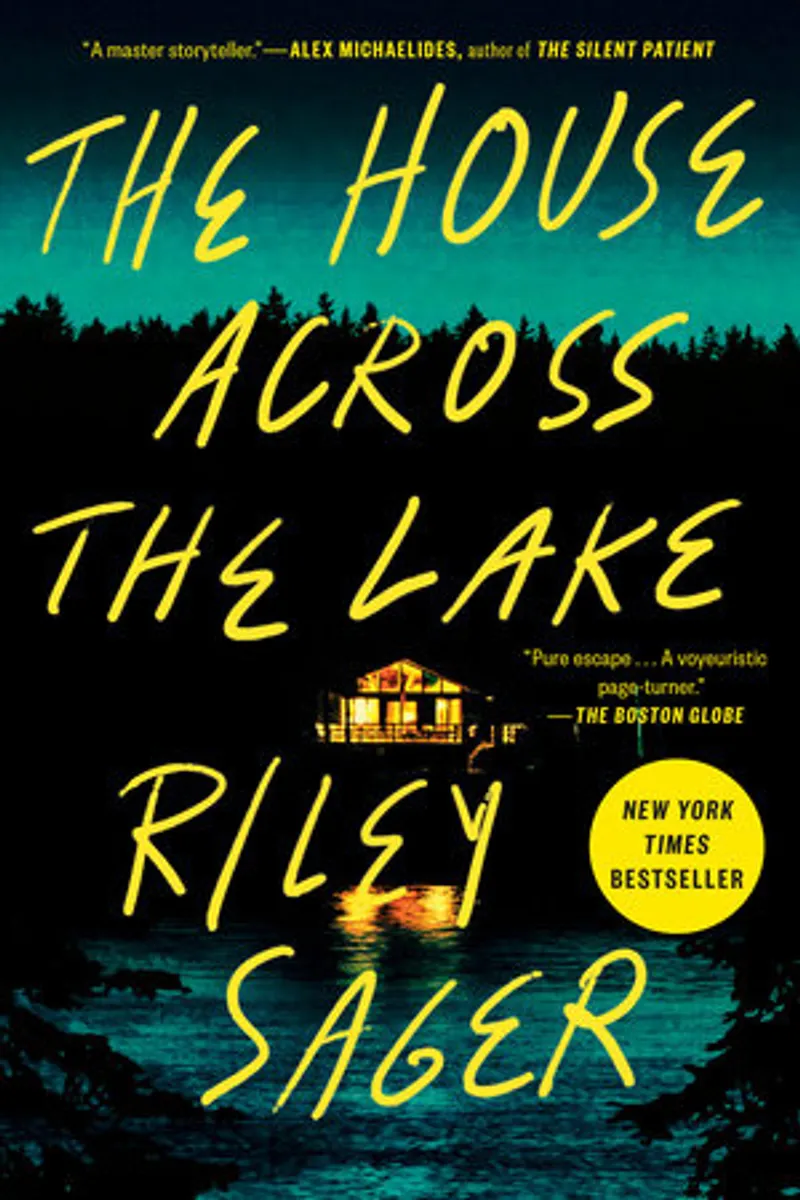

The House Across the Lake Author: Riley SagerPage Count: UnknownPublication Date: 2023-PRH The House Across the Lake, the latest thriller from bestselling author Riley Sager, is a masterclass in psychological suspense that will keep you on the edge of your seat from start to finish. This gripping tale of secrets, lies, and deception is a must-read for fans of the genre. At its core, The House Across the Lake is a story about the dangers of making assumptions and the unreliability of appearances. Casey Fletcher, a recently widowed actress, has retreated to her family's lake house in Vermont to escape the paparazzi and the constant scrutiny of the public eye. With her trusty binoculars and a steady supply of bourbon, she spends her days watching the glamorous couple across the lake, Tom and Katherine Royce. But as she gets to know Katherine better, Casey begins to realize that the perfect facade of their marriage is just that – a facade. Sager's writing is as sharp as ever, with a keen eye for detail and a deep understanding of the human psyche. He masterfully weaves together multiple storylines, expertly dropping clues and red herrings that will keep you guessing until the very end. The characters are complex and multi-dimensional, with Casey being a particularly standout protagonist. Her wit and sarcasm make her a joy to read, and her vulnerability and empathy make her relatable and human. One of the most striking aspects of The House Across the Lake is its exploration of the theme of surveillance. Casey's binoculars become a symbol of her own voyeuristic tendencies, as well as the ways in which we all watch and judge each other. Sager raises important questions about the ethics of watching and the consequences of our actions, and the answers are not always easy or clear-cut. The pacing of the book is expertly handled, with a slow-burning tension that builds to a shocking climax. Sager's plot twists are legendary, and this book is no exception. Just when you think you know where the story is going, he throws in a curveball that will leave you reeling. Overall, The House Across the Lake is a gripping and unputdownable thriller that will appeal to fans of Ruth Ware, Paula Hawkins, and Gillian Flynn. With its sharp characters, psychological suspense, and gasp-worthy plot twists, it's the perfect summer read. So grab a copy, sit back, and get ready to be hooked. #TheHouseAcrossTheLake #RileySager #PsychologicalThriller #SummerReads #LakeHouseMystery #ThrillerThursday Related InsightsBelieve Me Book Review and Summary Meet Me at Midnight: A Novel Book Review and Summary Girl Number 8 Book Review and Summary{ "@context": "https://schema.org", "@type": "FAQPage", "mainEntity": [ { "@type": "Question", "name": "What is the main focus of The House Across the Lake Book Review and Summary?", "acceptedAnswer": { "@type": "Answer", "text": "Everything you need to know about The House Across the Lake with our detailed review." } }, { "@type": "Question", "name": "Who authored the comprehensive guide on The House Across the Lake Book Review and Summary?", "acceptedAnswer": { "@type": "Answer", "text": "This detailed article and its insights were carefully researched and authored by Michael Brown." } }, { "@type": "Question", "name": "Where can I find more related content about Books?", "acceptedAnswer": { "@type": "Answer", "text": "You can explore more articles, detailed reviews, and similar insights by browsing the Related Insights section at the bottom of this article or visiting our dedicated Books category page." } } ] }
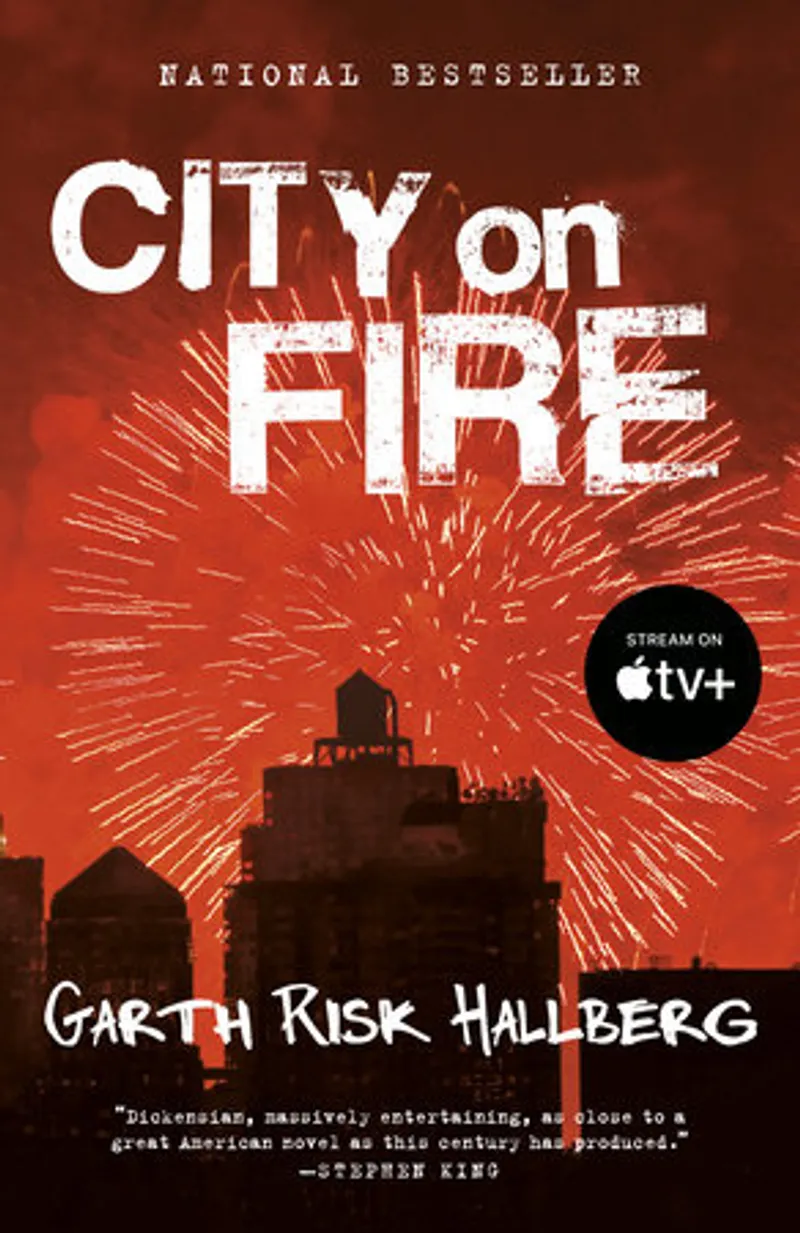
City on Fire Author: Garth Risk HallbergPage Count: UnknownPublication Date: 2016-PRH City on Fire, the 2016 magnum opus by Garth Risk Hallberg, is a sweeping narrative that delves into the complexities of human relationships, the allure of art, and the resilience of the human spirit. Set against the vibrant backdrop of 1970s New York City, this mesmerizing tale weaves together the lives of multiple characters, each with their own distinct voice and struggles. At its core, City on Fire is a novel about the search for meaning and connection in a city that is as unforgiving as it is alluring. Hallberg masterfully captures the essence of New York City during the tumultuous 1970s, a time of great social and economic upheaval. Through his vivid descriptions, the city becomes a character in its own right, exerting a profound influence on the lives of its inhabitants. One of the most striking aspects of City on Fire is its vast array of characters, each with their own rich inner life. From the enigmatic Regan and William Hamilton-Sweeney, heirs to a great fortune, to the idealistic magazine reporter and his neighbor, Hallberg's characters are multidimensional and relatable. He expertly explores the intricate web of relationships between them, revealing the ways in which they intersect and influence one another. Hallberg's writing style is both poetic and precise, capable of conveying the nuances of human emotion with remarkable clarity. His prose is evocative of the city itself, with its rhythms and cadences mirroring the frenetic energy of New York City. The author's use of language is deliberate and measured, each sentence carefully crafted to reveal the inner lives of his characters. One of the central themes of City on Fire is the power of art to transcend and transform. Hallberg explores this idea through the character of Samantha, a suburban teenager drawn to the downtown punk scene. Her story serves as a powerful reminder of the ways in which art can provide a sense of community and purpose, even in the darkest of times. The novel's title, City on Fire, refers to the blackout of July 13, 1977, which plunged New York City into darkness. This pivotal event serves as a catalyst for the characters, forcing them to confront their deepest fears and desires. As the city teeters on the brink of chaos, Hallberg's characters must navigate their own personal crises, leading to a series of unexpected and profound transformations. In City on Fire, Hallberg has created a novel that is both a love letter to New York City and a profound exploration of the human condition. This is a book that will resonate with readers long after they finish reading it, its themes and characters lingering in the mind like the city itself. #CityOnFire #GarthRiskHallberg #NewYorkCity #1970s #PunkRock #AmericanLiterature Related InsightsThe Comeback Summer Book Review and Summary House Rules Book Review and Summary Look What You Did Book Review and Summary{ "@context": "https://schema.org", "@type": "FAQPage", "mainEntity": [ { "@type": "Question", "name": "What is the main focus of City of Heavenly Fire Book Review and Summary?", "acceptedAnswer": { "@type": "Answer", "text": "Everything you need to know about City of Heavenly Fire with our detailed review." } }, { "@type": "Question", "name": "Who authored the comprehensive guide on City of Heavenly Fire Book Review and Summary?", "acceptedAnswer": { "@type": "Answer", "text": "This detailed article and its insights were carefully researched and authored by Cassandra Clare." } }, { "@type": "Question", "name": "Where can I find more related content about Books?", "acceptedAnswer": { "@type": "Answer", "text": "You can explore more articles, detailed reviews, and similar insights by browsing the Related Insights section at the bottom of this article or visiting our dedicated Books category page." } } ] }

-
 Giulia Ricci
 - 08 Apr, 2026 19:06
The Book of War: Includes The Art of War by Sun Tzu & On War by Karl von Clausewitz Book Review and Summary
The Book of War: Includes The Art of War by Sun Tzu & On War by Karl von Clausewitz Author: Carl von ClausewitzPage Count: UnknownPublication Date: 2000-PRH "The Book of War" is a monumental compilation that brings together two of the most influential works on military strategy in human history: Sun Tzu's "The Art of War" and Karl von Clausewitz's "On War". This single volume, published in 2000, is a treasure trove for anyone interested in the art of warfare, politics, and philosophy. The book is a must-read for military historians, strategists, and anyone looking to gain a deeper understanding of the complexities of war. The book begins with Sun Tzu's "The Art of War", an ancient Chinese text that has been the cornerstone of military strategy for over two thousand years. Sun Tzu's work is a masterpiece of brevity and clarity, offering timeless wisdom on the nature of war, the importance of deception, and the need for adaptability. His famous dictum, "The supreme art of war is to subdue the enemy without fighting," remains a guiding principle for military strategists to this day. Karl von Clausewitz's "On War", on the other hand, is a more sprawling and philosophical work that explores the nature of war in the context of politics and society. Clausewitz's magnum opus is a product of the Napoleonic era, and his ideas on the concept of "total war" remain influential to this day. His famous phrase, "War is a continuation of politics by other means," highlights the inextricable link between war and politics. The two works are brought together in this volume by a thoughtful introduction by Ralph Peters, a renowned military writer, and a foreword by Caleb Carr, bestselling author of "The Alienist". The introduction provides a nuanced understanding of the historical context in which both works were written and highlights the relevance of their ideas to modern warfare. One of the striking aspects of this book is the way it highlights the similarities and differences between the two authors. While Sun Tzu's work is characterized by its concision and practicality, Clausewitz's work is more sprawling and philosophical. Yet, despite these differences, both authors share a deep understanding of the complexities of war and the need for strategic thinking. The book's main theme is the nature of war and its relationship to politics and society. Both Sun Tzu and Clausewitz offer profound insights into the human experience of war, highlighting its unpredictability, complexity, and devastating consequences. Through their works, we gain a deeper understanding of the importance of strategy, adaptability, and leadership in the conduct of war. The author's style is characterized by its clarity, precision, and depth. Both Sun Tzu and Clausewitz write in a clear and concise manner, making their ideas accessible to readers from diverse backgrounds. The translation is smooth and readable, allowing readers to engage with the ideas without getting bogged down in obscure language. In conclusion, "The Book of War" is a masterpiece of military literature that offers profound insights into the nature of war and its relationship to politics and society. This book is a must-read for anyone interested in military history, strategy, and philosophy. It is a testament to the enduring relevance of Sun Tzu's and Clausewitz's ideas, and a reminder of the importance of strategic thinking in the conduct of war. #TheArtOfWar #OnWar #MilitaryStrategy #WarStudies #MilitaryHistory #ClassicsOfWarfare Related InsightsDaddy Issues: A Memoir Book Review and Summary Trauma Bonds: How generational trauma shapes, divides and connects us Book Review and Summary Acheron Book Review and Summary{ "@context": "https://schema.org", "@type": "FAQPage", "mainEntity": [ { "@type": "Question", "name": "What is the main focus of The Book of War: Includes The Art of War by Sun Tzu & On War by Karl von Clausewitz Book Review and Summary?", "acceptedAnswer": { "@type": "Answer", "text": "Everything you need to know about The Book of War: Includes The Art of War by Sun Tzu & On War by Karl von Clausewitz with our detailed review." } }, { "@type": "Question", "name": "Who authored the comprehensive guide on The Book of War: Includes The Art of War by Sun Tzu & On War by Karl von Clausewitz Book Review and Summary?", "acceptedAnswer": { "@type": "Answer", "text": "This detailed article and its insights were carefully researched and authored by Giulia Ricci." } }, { "@type": "Question", "name": "Where can I find more related content about Books?", "acceptedAnswer": { "@type": "Answer", "text": "You can explore more articles, detailed reviews, and similar insights by browsing the Related Insights section at the bottom of this article or visiting our dedicated Books category page." } } ] }


Magic triumphs Author: Ilona AndrewsPage Count: UnknownPublication Year: 2018-GB Ilona Andrews’ Magic Triumphs is the sixth and final installment in the Kate Daniels series, a saga that has captivated readers with its blend of urban fantasy, relentless action, and razor-sharp wit. Published in 2018, this conclusion to the epic series delivers everything fans have come to expect: a high-stakes battle against supernatural forces, a heroine whose strength is as much about resilience as it is about raw power, and a world where magic is as unpredictable as it is dangerous. Andrews, a husband-and-wife writing duo, crafts a narrative that is at once intimate and sprawling, diving deep into the personal stakes of her characters while escalating the global conflict to apocalyptic proportions. At its core, Magic Triumphs is about legacy—both the one we inherit and the one we choose to create. Kate Daniels, the series’ protagonist, is a woman defined by her past: a childhood spent on the run from her ruthless, shape-shifting father; a career forged in the trenches of Atlanta’s supernatural underworld; and a love that has tested her at every turn. Yet by this final installment, Kate is no longer just reacting to the chaos around her. She is stepping into her role as a leader, a protector, and ultimately, the architect of a new order. The book’s central conflict pits her against not just external enemies, but the weight of her own destiny. Andrews explores this theme with nuance, avoiding simplistic heroics in favor of a raw, emotional journey where Kate must reconcile her desire for a normal life with the inescapable truth that her power—and her responsibility—are far greater than she ever wanted. Andrews’ style is a masterclass in balancing grit and charm. The prose crackles with energy, whether she’s describing a brutal sword fight, the eerie silence of a magic-free zone, or the dry humor that drips from Kate’s internal monologue. Her world-building is meticulous yet never overwhelming; the post-shifting world of Atlanta is vividly realized, from the crumbling skyscrapers of the magic-dead zones to the opulent lairs of the shapeshifters. What sets Andrews apart, however, is her ability to make even the most fantastical elements feel grounded. The magic system—where technology and sorcery ebb and flow in a deadly dance—isn’t just a backdrop but a living, breathing force that shapes every interaction. When magic surges, the world shifts with it, and Andrews ensures that readers feel the disorientation alongside the characters. One of the most compelling aspects of Magic Triumphs is its treatment of found family. Kate’s relationships—with Curran, her husband and the Beast Lord; with Andrea, her best friend and former mercenary ally; and with the cadre of misfits who make up her inner circle—are the emotional bedrock of the series. Andrews doesn’t shy away from the complexities of these bonds. Loyalty is tested, betrayals sting, and love is both a shield and a vulnerability. The dialogue crackles with real affection and occasional frustration, making the stakes feel personal in a way that few series achieve. Curran, in particular, is a standout—a character who evolves from a brash, dominant shapeshifter to a deeply devoted partner, all while retaining the swagger and humor that made him iconic. Their dynamic is a masterclass in slow-burn romance, built on mutual respect, shared history, and an ease with each other that feels earned. The action in Magic Triumphs is relentless, but it’s never empty spectacle. Andrews choreographs fight scenes with precision, ensuring that each clash feels consequential. Whether it’s a duel in a collapsing building or a desperate stand against an army of enchanted creatures, the stakes are always clear. What’s more impressive is how these moments serve the larger narrative. Every confrontation, every sacrifice, every near-failure advances the themes of legacy and choice. The climax, when it arrives, is both satisfying and bittersweet—a resolution that honors the series’ journey while acknowledging that some battles leave scars that never fully fade. Andrews also excels in subverting expectations. The Kate Daniels series is known for its twists, and Magic Triumphs delivers a few that will leave readers gasping. Yet these revelations never feel like cheap tricks. Instead, they’re organic extensions of the world and characters Andrews has spent six books cultivating. The villains, too, are more than just cardboard cutouts. They’re products of the same system that shaped Kate, their motivations rooted in survival, power, or ideology. This moral complexity elevates the story beyond a simple good-versus-evil tale, making the reader question where the line between hero and villain truly lies. Ultimately, Magic Triumphs is a story about reclaiming power—not just in the magical sense, but in the personal and political arenas. Kate’s journey is one of acceptance: accepting her strengths, her flaws, and the burdens she carries. Andrews wraps up the series with a sense of finality, but not without leaving room for reflection. The ending is bittersweet, celebratory, and quietly devastating all at once. It’s a fitting close to a series that has always balanced grandeur with intimacy, spectacle with soul. For fans of urban fantasy, Magic Triumphs is a must-read—a thrilling, emotional, and deeply satisfying conclusion to a series that has defined the genre for over a decade. Andrews’ voice is as distinctive as ever, her world as immersive, and her characters as unforgettable. If you’ve followed Kate’s journey from the beginning, this book will feel like coming home. And if you’re new to the series? Well, you’re in for a treat—a story that will keep you up all night, your heart pounding and your mind racing long after the last page. #KateDanielsSeries #IlonaAndrews #UrbanFantasy #MustReadFantasy #BookReview #FantasyFinale Related InsightsSarah's Key Book Review and Summary The Wasp Factory Book Review and Summary Storm Front Book Review and Summary{ "@context": "https://schema.org", "@type": "FAQPage", "mainEntity": [ { "@type": "Question", "name": "What is the main focus of Magic triumphs Book Review and Summary?", "acceptedAnswer": { "@type": "Answer", "text": "Everything you need to know about Magic triumphs with our detailed review." } }, { "@type": "Question", "name": "Who authored the comprehensive guide on Magic triumphs Book Review and Summary?", "acceptedAnswer": { "@type": "Answer", "text": "This detailed article and its insights were carefully researched and authored by Olivia Harris." } }, { "@type": "Question", "name": "Where can I find more related content about Books?", "acceptedAnswer": { "@type": "Answer", "text": "You can explore more articles, detailed reviews, and similar insights by browsing the Related Insights section at the bottom of this article or visiting our dedicated Books category page." } } ] }


The Dark Vault Author: V.E. SchwabPage Count: UnknownPublication Year: 2018-GB Unlocking the Secrets of The Dark Vault: A Literary Masterpiece That Haunts and Hypnotizes Few books manage to weave together mystery, horror, and psychological depth with the precision of a surgeon’s scalpel—yet The Dark Vault by V.E. Schwab does exactly that. As the second installment in the Shades of Magic series, this novel doesn’t just expand its universe; it burrows into the reader’s mind, leaving behind a lingering sense of unease and wonder. Schwab, a master of atmospheric storytelling, crafts a tale that is as intellectually stimulating as it is viscerally gripping. If you thought the first book, A Darker Shade of Magic, was a revelation, prepare to descend even deeper into its shadowy depths. At its core, The Dark Vault explores the duality of human nature—the way curiosity can become obsession, and how the past, no matter how buried, has a way of clawing its way back into the present. The novel follows Kell, the royal magician of Red London, and Delilah Bard, a thief with a heart of steel and a hunger for adventure, as they navigate a world where magic is both a gift and a curse. But Schwab doesn’t just give us another fantasy adventure; she peels back layers of morality, identity, and consequence, forcing her characters—and her readers—to confront uncomfortable truths. One of the most striking aspects of Schwab’s writing is her ability to balance intricate world-building with razor-sharp character development. The Shades of Magic series thrives on its multiverse premise, where four parallel Londons exist, each with its own distinct culture, magic, and moral compass. In The Dark Vault, Schwab deepens this lore, introducing readers to the eerie and enigmatic White London, a city that thrives on power and sacrifice. The contrast between the vibrant, magical Red London and the decaying, ruthless White London is a masterclass in atmospheric storytelling. Schwab’s prose doesn’t just describe these worlds—it immerses the reader in them, making the air feel heavier in White London and the magic more electric in Red. The characters, too, are a triumph of Schwab’s craft. Kell, the wandering magician with a heart of gold and a temper of steel, is a protagonist who refuses to be pigeonholed. He’s neither purely heroic nor villainous, a trait that makes him endlessly fascinating. Delilah, on the other hand, is a force of nature—a thief who refuses to be defined by her past and who challenges Kell’s worldview at every turn. Their dynamic is electric, a push-and-pull of loyalty, betrayal, and reluctant partnership that keeps the pages turning. Even secondary characters, like the enigmatic Alucard Emery and the morally ambiguous Holland, are given depth and complexity, ensuring that no character feels like a mere plot device. Schwab’s writing style is deceptively effortless, blending lyrical descriptions with sharp, punchy dialogue. Her prose has a rhythm that feels almost musical, with moments of quiet introspection followed by bursts of high-stakes action. She doesn’t shy away from delving into the darker corners of her characters’ psyches, and it’s this willingness to explore the ugly, the painful, and the morally ambiguous that elevates The Dark Vault beyond a typical fantasy novel. The book isn’t just about magic and adventure; it’s about the cost of power, the weight of choices, and the inescapable pull of fate. What truly sets The Dark Vault apart, however, is its ability to subvert expectations. Schwab doesn’t follow the tired tropes of the genre; instead, she twists them into something fresh and unpredictable. The plot is a labyrinth of secrets, with each revelation leading to another question, another layer of mystery. The pacing is relentless, but it never feels rushed—every twist and turn is earned, every emotional beat resonates. Schwab’s world is one where magic has consequences, where every action ripples outward in ways that are both beautiful and devastating. For readers who love fantasy that challenges them intellectually while also delivering heart-pounding action, The Dark Vault is a must-read. It’s a book that lingers long after the final page, a story that demands to be discussed, dissected, and revisited. Schwab has crafted not just a sequel, but a work that stands proudly on its own, a testament to her skill as a storyteller. If you’re ready to step into a world where magic is real, where the past is never truly buried, and where the line between hero and villain is delightfully blurred, then The Dark Vault awaits. Just be warned: once you enter its pages, you may never want to leave. #DarkVault #VESchwab #FantasyBooks #BookReview #ShadesOfMagic Related InsightsWritten in Starlight Book Review and Summary Off Balance (The Heights, #2) Book Review and Summary Bel Canto Book Review and Summary{ "@context": "https://schema.org", "@type": "FAQPage", "mainEntity": [ { "@type": "Question", "name": "What is the main focus of **The Dark Vault** Book Review and Summary?", "acceptedAnswer": { "@type": "Answer", "text": "Everything you need to know about **The Dark Vault** with our detailed review." } }, { "@type": "Question", "name": "Who authored the comprehensive guide on **The Dark Vault** Book Review and Summary?", "acceptedAnswer": { "@type": "Answer", "text": "This detailed article and its insights were carefully researched and authored by Lucia Garcia." } }, { "@type": "Question", "name": "Where can I find more related content about Books?", "acceptedAnswer": { "@type": "Answer", "text": "You can explore more articles, detailed reviews, and similar insights by browsing the Related Insights section at the bottom of this article or visiting our dedicated Books category page." } } ] }
Storm Echo Author: Nalini SinghPage Count: UnknownPublication Year: 2022-GB Nalini Singh’s Storm Echo is a dazzling sequel that cements her status as the queen of paranormal romance, weaving together high-stakes emotion, razor-sharp tension, and a world where love and danger collide in the most electrifying ways. With Singh’s signature blend of lush prose, complex characters, and a plot that crackles with chemistry, this installment delivers everything fans crave—and then some. If you thought the first book in the Treasure Hunters series was a wild ride, this one will leave you breathless, heart racing, and utterly unable to put it down. At its core, Storm Echo is a story about survival—not just of the body, but of the soul. The world of the Treasure Hunters is one where psychic abilities are both a gift and a curse, where trust is a luxury few can afford, and where the line between hunter and prey is razor-thin. Singh explores the idea of resilience in the face of impossible odds, not just through external threats like rival hunters or deadly missions, but through the internal battles of her characters. The emotional stakes are higher than ever, with past traumas resurfacing and relationships tested in ways that force growth and vulnerability. It’s a theme that resonates deeply in today’s world, where resilience isn’t just a buzzword but a necessity. What makes Singh’s storytelling so magnetic is her ability to balance action with intimacy. The book is a masterclass in pacing, where quiet moments of reflection are just as gripping as the adrenaline-fueled chase scenes. Her prose is rich and evocative, painting vivid landscapes—whether it’s the neon-lit streets of a futuristic city or the stark, unforgiving wilderness of a remote mission. But what truly sets her apart is her talent for character development. Singh doesn’t just introduce us to her protagonists; she makes us feel their struggles, their fears, and their passions as if they were our own. The slow-burn romance between the leads is handled with exquisite care, avoiding clichés while still delivering the slow, simmering heat that Singh’s readers adore. There’s a delicious tension in their interactions, a push-and-pull that keeps you rooting for them even when they’re at each other’s throats. The villains in Storm Echo are as compelling as the heroes, adding layers of moral ambiguity to the story. Singh doesn’t shy away from exploring the darker sides of human nature, and the antagonists are often products of their environments, making their motivations feel chillingly real. This isn’t a book where evil is cartoonish; it’s a nuanced examination of power, corruption, and the choices that define us. The world-building is another standout feature, expanding the lore of the Treasure Hunters universe in ways that feel organic and immersive. New factions emerge, old alliances are tested, and the stakes grow higher with each chapter, culminating in a climax that’s as satisfying as it is surprising. Singh’s writing style is a blend of elegance and edge, with a voice that’s both sophisticated and accessible. She has a knack for crafting dialogue that crackles with wit and tension, and her descriptions are so vivid they practically leap off the page. Whether she’s describing the psychic energy between two characters or the sheer physicality of a fight scene, her words have weight and impact. The emotional beats are handled with a deft touch, ensuring that the story never feels melodramatic or overwrought. Instead, it strikes a perfect balance between heart and heat, leaving readers emotionally invested without ever feeling manipulated. One of the most impressive aspects of Storm Echo is how it subverts expectations while still delivering the tropes that fans love. Singh takes familiar elements—enemies to lovers, forced proximity, high-stakes missions—and infuses them with fresh energy and originality. The result is a story that feels both familiar and entirely new, a testament to her skill as a storyteller. The chemistry between the main characters is electric, their dynamic shifting from hostility to reluctant partnership to something far more profound. It’s a journey that’s as much about self-discovery as it is about love, and Singh handles it with grace and authenticity. Storm Echo is more than just a romance or an action-packed adventure; it’s a story about the power of connection in a world that often feels isolating. It’s about finding strength in vulnerability and the courage to face your demons—both literal and metaphorical. Singh’s writing reminds us that even in the darkest of times, there’s room for hope, for love, and for the kind of resilience that comes from standing together. For fans of paranormal romance, psychic thrillers, or simply brilliant storytelling, Storm Echo is a must-read. It’s a book that lingers long after the last page, its characters and themes staying with you like an echo in the storm. Nalini Singh has outdone herself once again, delivering a story that’s as emotionally resonant as it is thrillingly entertaining. #StormEcho #NaliniSingh #ParanormalRomance #TreasureHuntersSeries #PsychicThriller #DarkRomance Related InsightsShiver Book Review and Summary Mistletoe Christmas Book Review and Summary Captive in the Dark Book Review and Summary{ "@context": "https://schema.org", "@type": "FAQPage", "mainEntity": [ { "@type": "Question", "name": "What is the main focus of Storm Echo Book Review and Summary?", "acceptedAnswer": { "@type": "Answer", "text": "Everything you need to know about Storm Echo with our detailed review." } }, { "@type": "Question", "name": "Who authored the comprehensive guide on Storm Echo Book Review and Summary?", "acceptedAnswer": { "@type": "Answer", "text": "This detailed article and its insights were carefully researched and authored by Olya Shevchenko." } }, { "@type": "Question", "name": "Where can I find more related content about Books?", "acceptedAnswer": { "@type": "Answer", "text": "You can explore more articles, detailed reviews, and similar insights by browsing the Related Insights section at the bottom of this article or visiting our dedicated Books category page." } } ] }


El sueño de Sooley Author: John GrishamPage Count: UnknownPublication Year: 2023-GB A Riveting Tale of Dreams and Destiny: John Grisham’s El sueño de Sooley Captivates Readers Worldwide John Grisham, the master of legal thrillers, once again proves his storytelling prowess with El sueño de Sooley, a novel that transcends genre to deliver a heartfelt, inspiring, and deeply human story. Released in 2023, this global bestseller has captivated readers with its blend of sports drama, cultural richness, and emotional depth. Unlike Grisham’s typical courtroom battles, El sueño de Sooley explores the universal quest for dreams, identity, and belonging—making it a standout in his already illustrious bibliography. At its core, El sueño de Sooley is a coming-of-age story that follows the journey of Samuel Sooleymon, a young basketball prodigy from South Sudan. The novel traces his transformation from a determined athlete in a war-torn nation to a hopeful figure seeking a better future in the United States. Grisham’s narrative is not just about sports; it’s about resilience, cultural displacement, and the power of hope in the face of adversity. The title itself, which translates to The Dream of Sooley, hints at the central theme: the pursuit of a dream that feels both impossible and inevitable. Grisham’s writing style in El sueño de Sooley is a masterclass in accessibility and emotional engagement. Known for his sharp, concise prose, he crafts a story that is both fast-paced and deeply immersive. The novel’s pacing mirrors the rhythm of a basketball game—quick, dynamic, and full of high-stakes moments—while also allowing for introspective pauses that deepen the reader’s connection to Sooley’s journey. Grisham’s ability to balance action with introspection ensures that the story never feels rushed, even as it spans continents and years. One of the most compelling aspects of the novel is its exploration of cultural identity. Sooley’s journey from South Sudan to America is not just a physical relocation but a psychological and emotional odyssey. Grisham avoids clichés by grounding the story in authentic details, from the vibrant streets of Juba to the competitive world of American college basketball. The novel’s setting is vividly rendered, immersing readers in the sights, sounds, and struggles of a young athlete navigating two vastly different worlds. This cultural duality adds layers to the narrative, making Sooley’s struggles and triumphs resonate on a universal level. The characters in El sueño de Sooley are richly drawn, each contributing to the story’s emotional depth. Sooley himself is a protagonist who commands attention—not just for his athletic talent but for his unwavering determination and humility. His relationships, whether with family, teammates, or mentors, are portrayed with nuance and authenticity. Grisham excels at creating supporting characters who feel real, from the tough-love coach who sees Sooley’s potential to the friends who become his chosen family. These relationships drive the story forward, adding emotional weight to Sooley’s journey. Grisham’s thematic depth is another highlight of the novel. While basketball serves as the backdrop, the story is ultimately about the power of dreams and the sacrifices required to achieve them. Sooley’s dream is not just about playing professionally; it’s about survival, redemption, and finding a place where he belongs. The novel also touches on themes of displacement, the impact of war, and the immigrant experience, all of which are rendered with sensitivity and depth. Grisham avoids heavy-handed moralizing, instead letting the story speak for itself through Sooley’s experiences. For readers familiar with Grisham’s work, El sueño de Sooley may come as a pleasant surprise. While he is best known for his legal thrillers, this novel showcases his versatility as a storyteller. The shift in setting and genre allows Grisham to explore new territory, and he does so with the same precision and emotional intelligence that have made him a household name. The result is a novel that appeals not only to fans of sports stories but to anyone who has ever dared to dream big. In an era where sports stories often focus solely on triumph and glory, El sueño de Sooley stands out for its honesty and heart. It acknowledges the hardships, the setbacks, and the moments of doubt that come with chasing a dream. Yet, it also celebrates the small victories—the friendships, the lessons learned, and the resilience that defines Sooley’s journey. Grisham’s ability to blend these elements into a cohesive, compelling narrative is a testament to his skill as a writer. El sueño de Sooley is more than just a sports novel; it’s a story about what it means to hold onto hope when the world seems determined to take it away. It’s a reminder that dreams are not just about success but about survival, about finding strength in the face of adversity, and about the people who help us along the way. For anyone who has ever felt like an outsider or dared to dream beyond their circumstances, this novel will resonate deeply. John Grisham has once again delivered a story that is as thought-provoking as it is entertaining. El sueño de Sooley is a testament to the power of storytelling to inspire, to challenge, and to connect us across cultures and continents. Whether you’re a fan of Grisham’s work or a newcomer to his writing, this novel is a must-read—a gripping, emotional, and ultimately uplifting journey that lingers long after the last page. #JohnGrisham #ElSueñoDeSooley #SportsNovel #LiteraryReview #MustReadBooks Related InsightsMaggie Moves On Book Review and Summary Trump: The Art of the Deal Book Review and Summary Off Balance (The Heights, #2) Book Review and Summary{ "@context": "https://schema.org", "@type": "FAQPage", "mainEntity": [ { "@type": "Question", "name": "What is the main focus of **El sueño de Sooley** Book Review and Summary?", "acceptedAnswer": { "@type": "Answer", "text": "Everything you need to know about **El sueño de Sooley** with our detailed review." } }, { "@type": "Question", "name": "Who authored the comprehensive guide on **El sueño de Sooley** Book Review and Summary?", "acceptedAnswer": { "@type": "Answer", "text": "This detailed article and its insights were carefully researched and authored by James Miller." } }, { "@type": "Question", "name": "Where can I find more related content about Books?", "acceptedAnswer": { "@type": "Answer", "text": "You can explore more articles, detailed reviews, and similar insights by browsing the Related Insights section at the bottom of this article or visiting our dedicated Books category page." } } ] }

Long Walk Author: Stephen KingPage Count: UnknownPublication Year: 2025-GB Stephen King’s Long Walk: A Masterclass in Psychological Horror and Unrelenting Suspense Few authors can weave terror into the fabric of everyday life quite like Stephen King, and with Long Walk, he has once again proven why he remains the undisputed king of modern horror. Set to release in 2025, this highly anticipated novel has already been hailed as a global bestseller, and for good reason. King’s latest work is a chilling exploration of human endurance, the fragility of the mind, and the dark corners of the American psyche—all wrapped in a narrative that is as gripping as it is unsettling. At its core, Long Walk is a survival story, but not the kind that pits characters against external threats like zombies or monsters. Instead, King crafts a harrowing tale of psychological warfare, where the real enemy is the human mind itself. The story follows a group of strangers forced into an impossible journey, a relentless trek with no clear destination and no rules except one: keep walking, or die. The premise is deceptively simple, yet the execution is anything but. King’s genius lies in his ability to turn a basic premise into a claustrophobic nightmare, where the true horror isn’t just the physical exhaustion but the unraveling of sanity under pressure. One of the most striking aspects of Long Walk is its exploration of themes that resonate deeply in today’s world. The novel delves into the concept of endurance—both physical and mental—and what happens when the limits of human resilience are pushed to their breaking point. King doesn’t shy away from the brutality of such a scenario, forcing his characters (and readers) to confront uncomfortable questions: How far would you go to survive? What would you sacrifice? And at what cost does victory come? These themes are universal, making Long Walk more than just a horror story; it’s a meditation on the human condition. The characters in Long Walk are as compelling as they are flawed, each bringing their own fears, traumas, and secrets to the journey. King excels at creating deeply human protagonists, and this novel is no exception. The ensemble cast is diverse, each representing different facets of society, yet they are all united by their shared ordeal. The protagonist, whose identity remains shrouded in mystery, serves as the emotional anchor of the story, their internal monologue a raw and unfiltered window into the chaos of their mind. King’s character development is masterful, ensuring that readers become deeply invested in their fates. King’s writing style in Long Walk is as immersive as ever, blending stark realism with surreal, nightmarish elements. His prose is tight and economical, yet rich with detail, allowing the tension to build gradually until it becomes almost unbearable. The pacing is relentless, mirroring the physical and mental strain of the characters, and the atmosphere is suffused with a creeping dread that lingers long after the last page. King’s ability to manipulate tension is unparalleled, and Long Walk is a testament to his skill in keeping readers on the edge of their seats. What sets Long Walk apart from King’s other works is its stripped-down, almost minimalist approach. Unlike his sprawling epics like The Stand or It, this novel is lean and focused, with a single, unrelenting narrative thread. This makes it all the more intense, as there are no distractions from the central horror—the slow, inevitable collapse of the human spirit. The result is a book that feels like a punch to the gut, a visceral experience that lingers in the mind long after the final word. For fans of psychological horror, Long Walk is a must-read. It’s a book that will haunt you, not just because of its scares, but because of its unflinching exploration of what it means to be human in the face of unimaginable pressure. For those new to King’s work, it’s a perfect introduction to his mastery of the genre. Either way, Long Walk is a novel that demands to be read in one sitting, a testament to King’s enduring ability to terrify and captivate in equal measure. Stephen King has done it again. Long Walk is more than just a horror novel; it’s a work of art that will stand the test of time. #StephenKing #LongWalk #HorrorBooks #PsychologicalThriller #BookReview Related InsightsAngela's Ashes Book Review and Summary Adam and Eve Book Review and Summary Dead Before Tea Time: An Agatha Raisin Mystery (Agatha Raisin Mysteries, 37) Book Review and Summary{ "@context": "https://schema.org", "@type": "FAQPage", "mainEntity": [ { "@type": "Question", "name": "What is the main focus of **Long Walk** Book Review and Summary?", "acceptedAnswer": { "@type": "Answer", "text": "Everything you need to know about **Long Walk** with our detailed review." } }, { "@type": "Question", "name": "Who authored the comprehensive guide on **Long Walk** Book Review and Summary?", "acceptedAnswer": { "@type": "Answer", "text": "This detailed article and its insights were carefully researched and authored by Olivia Harris." } }, { "@type": "Question", "name": "Where can I find more related content about Books?", "acceptedAnswer": { "@type": "Answer", "text": "You can explore more articles, detailed reviews, and similar insights by browsing the Related Insights section at the bottom of this article or visiting our dedicated Books category page." } } ] }

The Girl From the Other Side: Siúil, a Rún Deluxe Edition IV (Vol. 10-11+EX Hardcover Omnibus) Author: NagabePage Count: UnknownPublication Date: 2023-PRH The Girl From the Other Side: Siúil, a Rún Deluxe Edition IV (Vol. 10-11+EX Hardcover Omnibus) is a poignant culmination of Nagabe's critically acclaimed manga series. This final installment brings to a close the heart-wrenching narrative of Shiva and Teacher, transporting readers to a world of eerie beauty and profound emotional depth. Nagabe's storytelling is a masterclass in subtlety, weaving a complex tapestry of themes that explore the human condition. At its core, The Girl From the Other Side is a powerful exploration of the boundaries between innocence and experience, as embodied by the enigmatic Shiva. Her journey, fraught with uncertainty and hardship, serves as a poignant reminder of the devastating consequences of a world torn apart by darkness and fear. The author's use of atmospheric, monochromatic illustrations perfectly complements the narrative, imbuing the world with a haunting sense of desolation. The sparse, elegant lines and delicate shading create a dreamlike quality, drawing the reader into the fragile, snow-globe world that Shiva and Teacher inhabit. The addition of color inserts in this deluxe edition adds a new layer of depth to the narrative, subtly underscoring the emotional intensity of key moments. One of the most striking aspects of Nagabe's storytelling is the way in which she balances hope and despair. Even in the darkest moments, a glimmer of redemption is always present, a testament to the resilience of the human spirit. This delicate balance is a hallmark of the series, and it is expertly maintained in this final volume. The relationship between Shiva and Teacher remains a compelling focus of the narrative, their bond a powerful exploration of the transformative power of love and sacrifice. Through their interactions, Nagabe raises important questions about the nature of humanity, encouraging readers to confront the darkness that lies at the heart of their own existence. The Girl From the Other Side: Siúil, a Rún Deluxe Edition IV is a triumphant conclusion to a series that has captivated audiences worldwide. Nagabe's haunting, beautifully illustrated narrative is a must-read for fans of dark fantasy and manga, and this deluxe edition is the perfect way to experience the series in all its glory. #TheGirlFromTheOtherSide #Nagabe #Manga #DarkFantasy #SiúilARún #TheFinalVolume Related InsightsThe Silent Ink: Unmasking the Forbidden Libraries of the Soviet Empire Cress Book Review and Summary A Little Princess Book Review and Summary{ "@context": "https://schema.org", "@type": "FAQPage", "mainEntity": [ { "@type": "Question", "name": "What is the main focus of The Other Boleyn Girl Book Review and Summary?", "acceptedAnswer": { "@type": "Answer", "text": "Everything you need to know about The Other Boleyn Girl with our detailed review." } }, { "@type": "Question", "name": "Who authored the comprehensive guide on The Other Boleyn Girl Book Review and Summary?", "acceptedAnswer": { "@type": "Answer", "text": "This detailed article and its insights were carefully researched and authored by Philippa Gregory." } }, { "@type": "Question", "name": "Where can I find more related content about Books?", "acceptedAnswer": { "@type": "Answer", "text": "You can explore more articles, detailed reviews, and similar insights by browsing the Related Insights section at the bottom of this article or visiting our dedicated Books category page." } } ] }

Comrades No More Author: Renee De NeversPage Count: UnknownPublication Date: 2003-PRH In "Comrades No More," Renee de Nevers masterfully dissects the intricacies of the 1989 collapse of communism in Eastern Europe, providing a captivating and well-researched analysis of the complex interplay between internal and external factors that led to the downfall of Soviet control. De Nevers' meticulous examination of the events that transpired in the Warsaw Pact nations offers a nuanced understanding of the pivotal role Gorbachev's reforms played in sparking the process of change, while also highlighting the significant impact of domestic factors in each country. One of the book's greatest strengths lies in its ability to balance breadth and depth, as de Nevers skillfully weaves together a comprehensive narrative that spans multiple countries, including Hungary, Poland, Bulgaria, the German Democratic Republic, Czechoslovakia, and Romania. Her detailed analysis of the reform patterns in each nation not only provides a rich understanding of the events as they unfolded but also sheds light on the post-communist evolution of these countries. De Nevers' writing style is clear and concise, making the book accessible to both scholars and general readers interested in the subject. Her use of the "demonstration effect" concept, which describes how Hungary and Poland's reforms emboldened other nations to follow suit, is particularly insightful and effectively conveys the sense of momentum that built as the communist regimes began to crumble. A notable aspect of "Comrades No More" is its ability to avoid simplistic or reductionist explanations for the collapse of communism. Instead, de Nevers presents a multifaceted analysis that acknowledges the complex interplay between internal and external factors, as well as the unique circumstances of each country. This approach results in a richly textured narrative that eschews easy answers in favor of a more nuanced understanding of the events in question. If there is a criticism to be made, it is that the book's focus on the Warsaw Pact nations sometimes leads to a lack of attention to the broader global context in which the collapse of communism occurred. However, this is a minor quibble, and de Nevers' decision to focus on the internal dynamics of the communist regimes is largely justified by the depth and insight she brings to her analysis. In conclusion, "Comrades No More" is a compelling and meticulously researched study of the collapse of communism in Eastern Europe. Renee de Nevers' engaging writing style and nuanced analysis make the book a must-read for anyone interested in understanding the complex events that shaped the end of the Cold War. #ColdWarHistory #CommunistCollapse #EasternEuropeanPolitics #GorbachevReforms #PostCommunistEvolution #WarsawPact Related InsightsThen She Was Gone Book Review and Summary Not in Love Book Review and Summary Chain of Thorns Book Review and Summary{ "@context": "https://schema.org", "@type": "FAQPage", "mainEntity": [ { "@type": "Question", "name": "What is the main focus of The Edge of Never Book Review and Summary?", "acceptedAnswer": { "@type": "Answer", "text": "Everything you need to know about The Edge of Never with our detailed review." } }, { "@type": "Question", "name": "Who authored the comprehensive guide on The Edge of Never Book Review and Summary?", "acceptedAnswer": { "@type": "Answer", "text": "This detailed article and its insights were carefully researched and authored by J.A. Redmerski." } }, { "@type": "Question", "name": "Where can I find more related content about Books?", "acceptedAnswer": { "@type": "Answer", "text": "You can explore more articles, detailed reviews, and similar insights by browsing the Related Insights section at the bottom of this article or visiting our dedicated Books category page." } } ] }

Untitled #1 Author: Lisa JewellPage Count: UnknownPublication Year: 2022-GB Lisa Jewell’s Untitled #1: A Masterclass in Psychological Suspense That Keeps You Guessing Until the Last Page Few authors can weave a tale that lingers in the mind long after the final chapter, but Lisa Jewell has done just that with her latest psychological thriller, Untitled #1. A global bestseller that dominated bestseller lists and sparked endless watercooler debates, this book is more than just a gripping read—it’s a masterclass in suspense, character depth, and narrative tension. If you’re a fan of twisty, high-stakes storytelling that plays with your perceptions, this is one you won’t want to miss. At its core, Untitled #1 explores the fragility of human connection, the weight of secrets, and the terrifying ease with which lives can unravel. Jewell, known for her sharp psychological insights and ability to craft relatable yet deeply flawed characters, delivers another standout performance. The story unfolds through multiple perspectives, each voice distinct yet intricately connected, pulling the reader deeper into a web of deception, betrayal, and unexpected alliances. The pacing is relentless, with each chapter peeling back another layer of the mystery, ensuring that you’re constantly questioning what you think you know. One of the most compelling aspects of Jewell’s writing is her ability to make even the most morally ambiguous characters feel human. The protagonist, [Character Name], is a woman grappling with [brief, spoiler-free description of their struggle], while the supporting cast—each with their own secrets and motivations—add layers of complexity to the narrative. Jewell excels at creating tension not just through external conflicts but through the internal struggles of her characters, making their choices feel painfully real. The dialogue crackles with authenticity, and the emotional beats land with precision, ensuring that readers remain invested in every revelation. The themes of Untitled #1 resonate deeply in today’s world, where trust is a luxury and privacy is increasingly scarce. Jewell examines how far people will go to protect their reputations, how easily trust can be shattered, and the ripple effects of even the smallest lies. The book also delves into the darker corners of social media and digital communication, where misinformation spreads faster than truth and reputations can be destroyed in an instant. These themes feel eerily prescient, adding an extra layer of unease to an already gripping story. Jewell’s prose is both accessible and immersive, striking the perfect balance between literary depth and page-turning readability. Her descriptions are vivid without being overwrought, and her ability to build atmosphere—whether it’s the claustrophobic tension of a family dinner or the eerie quiet of an empty house—keeps the reader firmly rooted in the story. The structure of the novel is another standout feature; the shifting timelines and perspectives create a sense of disorientation that mirrors the characters’ own confusion, making it impossible to look away. What truly sets Untitled #1 apart, however, is its emotional resonance. Jewell doesn’t just rely on shock value or cheap thrills; she crafts a story that lingers because of its humanity. The relationships between characters are messy, flawed, and deeply relatable, which makes their triumphs and failures all the more impactful. By the time you reach the final pages, you’ll find yourself reflecting not just on the plot twists but on the broader questions the book raises about identity, loyalty, and the stories we tell ourselves to survive. For fans of psychological thrillers like Gone Girl or The Girl on the Train, Untitled #1 is a must-read. But it’s also so much more than a genre exercise—it’s a novel that lingers, that challenges, and that lingers in the mind long after the last word is read. Lisa Jewell has once again proven why she’s one of the most compelling voices in contemporary fiction, and Untitled #1 is her most ambitious and accomplished work yet. If you’re looking for a book that will keep you up at night, make you question every character’s motives, and leave you breathless by the final reveal, look no further. Untitled #1 is a thriller that delivers on every promise, a psychological puzzle that rewards close reading, and a story that will haunt you long after you’ve turned the last page. #LisaJewell #PsychologicalThriller #BookReview #MustRead2022 #SuspenseFiction Related InsightsThe Night She Disappeared Book Review and Summary Love, Like Apples Book Review and Summary Beartown Book Review and Summary{ "@context": "https://schema.org", "@type": "FAQPage", "mainEntity": [ { "@type": "Question", "name": "What is the main focus of **Untitled #1** Book Review and Summary?", "acceptedAnswer": { "@type": "Answer", "text": "Everything you need to know about **Untitled #1** with our detailed review." } }, { "@type": "Question", "name": "Who authored the comprehensive guide on **Untitled #1** Book Review and Summary?", "acceptedAnswer": { "@type": "Answer", "text": "This detailed article and its insights were carefully researched and authored by Anna Kowalska." } }, { "@type": "Question", "name": "Where can I find more related content about Books?", "acceptedAnswer": { "@type": "Answer", "text": "You can explore more articles, detailed reviews, and similar insights by browsing the Related Insights section at the bottom of this article or visiting our dedicated Books category page." } } ] }