-
 Piotr Nowak
 - 09 Sep, 2026 15:44
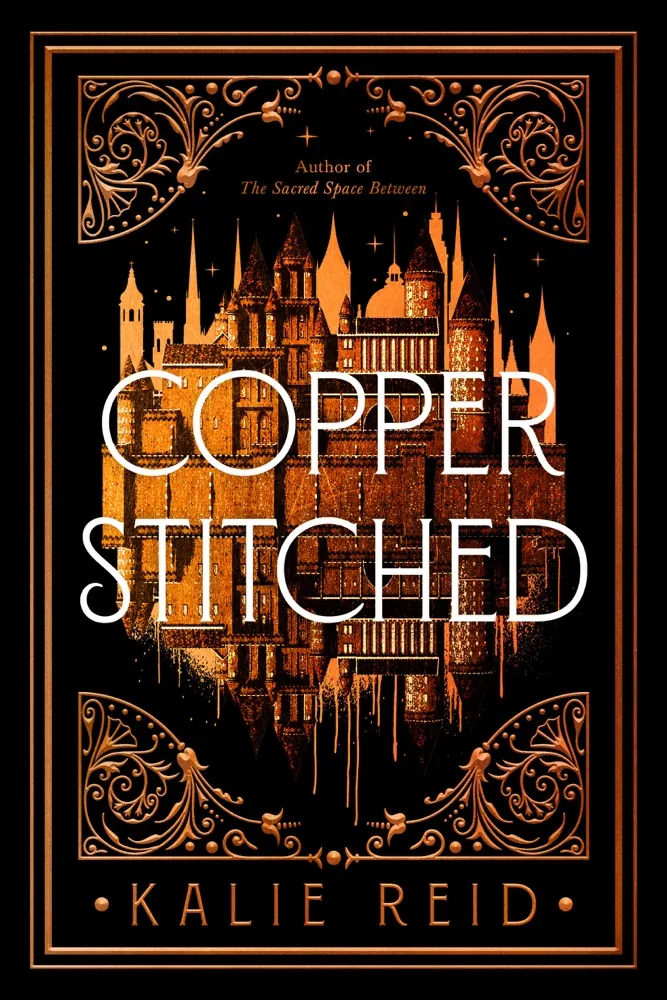
Copperstitched Book Review and Summary
Author: Kalie ReidPage Count: UnknownPublication Date: Expected publication 2026 APL Somebody just dropped their half-eaten pretzel on my boot while the train lurched violently toward Chambers Street, and I am supposed to sit here drafting thoughts about Copperstitched because apparently someone decided my afternoon needed more anxiety. I hate writing these previews. I am literally just typing fast on my notes app to hit the word count so my editor stops emailing me every four minutes. Maps, Metals, and Extortion Kalie Reid is walking straight into the high-stakes corporate espionage trap with this one—except everyone is wearing velvet corsets and arguing over blueprints instead of signing NDAs. We get it. Magic guilds are the new tech startups. And the Cartographer's Guild sounds like a logistical nightmare run by people who probably hoard fountain pens. But the premise here isn't about geography; it's about blackmail. You poison the patriarch, you corner the successor, and suddenly everyone is playing high-stakes poker with rendered copper. What fascinates me—and by fascinates me, I mean I am squinting at this synopsis while holding onto a greasy metal pole for dear life—is the weaponized bureaucracy. Fantasy usually gives us glowing swords and ancient prophecies. Here? We have artisanal metals and deadly HR violations. The Coppersmiths holding an antidote over Saskia's head feels deliciously petty. It reminds me of the corporate ruthlessness in The Atlas Six mixed with the moody atmospheric dread of Holly Black’s adult work. The Chronically Exhausted Childhood Friend Enter Nicholas. The distractingly charming childhood friend. Because of course he is. You cannot have a cozy institutional sabotage plot without a guy who leans against doorframes and makes witty remarks while the building literally burns down around them. Reid is leaning hard into the friends-to-lovers pipeline, and honestly? Good. We need the emotional stakes to ground whatever convoluted copper-magic lore she is about to dump on us in chapter three. If Nicholas doesn't betray her or at least hide a massive, universe-shattering secret in his jacket pocket, I will eat my other boot. Anyway, I digress. The synopsis gives us just enough vagueness to keep us guessing whether this book is actually a slow-burn political thriller or just an excuse for two stressed twenty-somethings to make intense eye contact across map tables. I suspect the pacing is going to breakneck—people do not write books titled Copperstitched expecting quiet tea parties. They want ticking clocks. They want leveraged assets. They want toxic corporate culture translated into sword-and-sorcery stakes. Look out for the forced proximity trope working overtime here. When you give a fictional protagonist a ticking clock—poisoned dad, zero margin for error—and force her to team up with the one boy who knows all her childhood secrets, you are engineering absolute narrative chaos. And honestly? I am here for the disaster. Assuming the prose doesn't drown in exposition about guild taxes, Reid might actually deliver a fun, sharp-edged ride that doesn't take itself too seriously. The train is finally slowing down, my knees are locking up, and I am officially done staring at this screen. I am going to go sit on a park bench and aggressively people-watch. Related InsightsPressure Point (National Parks Thriller #3) Book Review and Summary Lust: Pleasure, Performance, Power Book Review and Summary False Value Book Review and Summary{ "@context": "https://schema.org", "@type": "FAQPage", "mainEntity": [ { "@type": "Question", "name": "What is the main focus of Copperstitched Book Review and Summary?", "acceptedAnswer": { "@type": "Answer", "text": "Everything you need to know about Copperstitched with our detailed review." } }, { "@type": "Question", "name": "Who authored the comprehensive guide on Copperstitched Book Review and Summary?", "acceptedAnswer": { "@type": "Answer", "text": "This detailed article and its insights were carefully researched and authored by Piotr Nowak." } }, { "@type": "Question", "name": "Where can I find more related content about Books?", "acceptedAnswer": { "@type": "Answer", "text": "You can explore more articles, detailed reviews, and similar insights by browsing the Related Insights section at the bottom of this article or visiting our dedicated Books category page." } } ] }

-
 Marco Conti
 - 09 Sep, 2026 13:56
The Woman with One Hundred Faces: The Lives and Legacy of Anaïs Nin Book Review and Summary
Author: Katherine RowlandPage Count: UnknownPublication Date: Expected publication 2026 APL Looking at The Woman with One Hundred Faces by Katherine Rowland makes me want to scream into a textbook on quantum mechanics just to feel something that operates under consistent physical laws. I have exactly forty-five minutes before my seminar on orbital mechanics starts, and instead of reviewing my orbital decay calculations, I am sitting here writing about a French-American diarist who apparently needed a literal box of index cards to keep track of her bigamy. And yes, I am complaining about my life because the word count gods demand sacrifice. The Index Card Theory of Fiction The premise hinges on self-mythologizing as a radical creative act. Fine. People love a messy woman. They adored Anaïs Nin when she was a bohemian saint of free love, and they felt personally betrayed when her estate exposed her elaborate, multi-continental web of double lives. But let us be entirely serious for a second—managing two husbands, multiple households, and distinct social circles without shared Christmas cards is not some profound vanguard deconstruction of the patriarchal construct. It is a logistical nightmare. It requires the kind of meticulous data management usually reserved for aerospace engineering projects. If only she had applied that level of rigorous organization to actual physics, she might have built an actual rocket. Instead, she built a filing system for her own lies. Rowland apparently unearths never-before-seen archives to argue that this splintered existence was a visionary act of self-creation. Critics are going to eat this up. It smells like a prestige biography designed for people who read The Argonauts and nod thoughtfully while ignoring the glaring impracticality of it all. Yet there is a compelling literary lineage here. Think of Joan Didion dissecting her own psychological disarray, or Vivian Gornick mining the wreckage of personal relationships for artistic fuel. The Mechanics of Deceit What fascinates me—and what I sincerely hope this 2026 release addresses with actual intellectual grit rather than hagiographic hand-waving—is the physics of persona maintenance. How does one sustain multiple distinct gravitational pulls simultaneously without collapsing into a singularity? The synopsis frames her as an artist forging a self that could contain all her hungers. But hunger without thermodynamic limits just burns through fuel until nothing is left. Expect the prose to be dripping with words like perilous and devotion. Biographers love framing chaotic personal lives as high art. I just want to know if the archival material actually sheds light on the writing process itself, or if we are getting another three hundred pages of privileged people drama masquerading as female liberation. If I have to read one more sentence about the radical act of lying to your spouses, I am dropping out of grad school and moving into the geology library. I need to rush to a smoky basement to hear a friend's experimental jazz quintet before my brain completely liquefies from reading about literary bohemians.
-
 Victoria Smith
 - 09 Sep, 2026 12:59
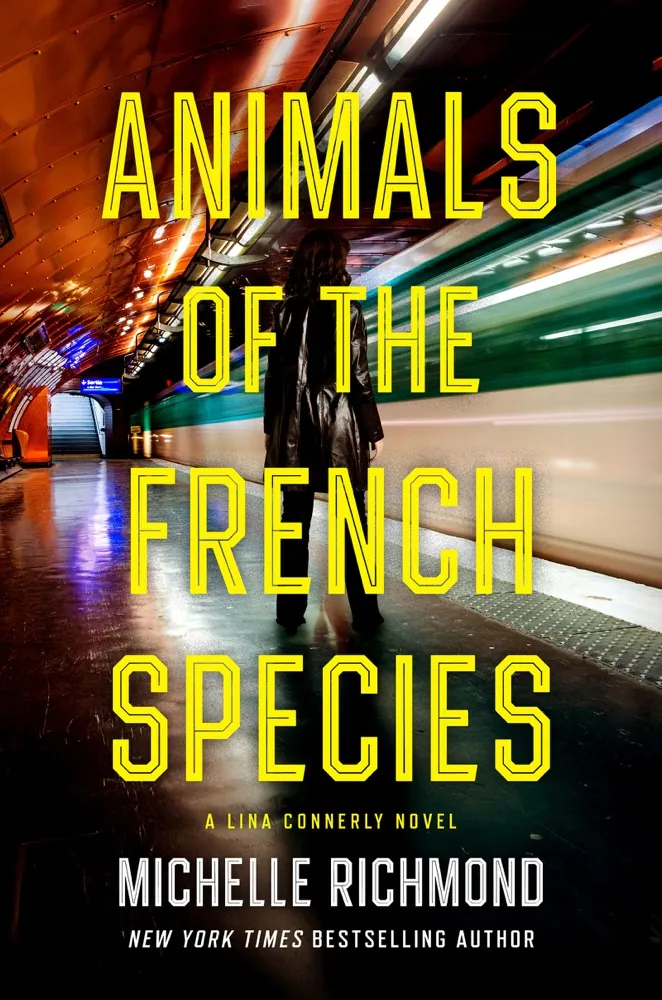
Animals of the French Species (Lina Connerly, #2) Book Review and Summary
Author: Michelle RichmondPage Count: UnknownPublication Date: Expected publication 2026 APL Sometimes you just need to stare at a completely different country for three hundred pages while your own laundry mocks you from the corner of the bedroom. Michelle Richmond is tossing us right back into the fray with Animals of the French Species, and frankly, I am ready to pack my bags. We are following Lina Connerly from the damp, bureaucratic trenches of the FBI straight into the intoxicating, overpriced haze of Paris. Oh, to be an expat dodging international fugitives instead of wondering if my nine-year-old actually ate a vegetable today. My brain is actively melting. Let us talk about the absolute exhaustion of carrying a dead spouse around like an extra piece of heavy luggage. Grief is not a polite little floral arrangement on a mantelpiece; it is an uninvited houseguest who tracks mud on the white rugs. Richmond understands this visceral ache. Or at least, she did in the first book. But honestly, why must every female protagonist in a thriller be mourning someone? Can she not just wake up and choose violence because she is bored of bureaucracy? Give us a spy who is simply irritable. Yet here we are. A dead husband, a teenager in tow, and a rogue intelligence officer named Calvin Cook leaking secrets like a faulty radiator. And what on earth is happening with the children in modern fiction? Every time I open a novel featuring a teenager—whether it is The Silent Patient or whatever overly hyped suburban drama is currently clogging the front table at Barnes & Noble—I am forced to endure pages of brooding dialogue about high school transitions. Rory gets a new school and some crêpes, great. Meanwhile, mother dearest is hunting a traitor and dodging a cold case called the Train Fantôme. Twenty years of dead bodies in a Métro car. Now that is my kind of Tuesday. The Aesthetics of Paranoia Paris is usually sold to us as a pastel dreamscape of macarons and accordions. Not here. Richmond strips away the gloss. She uses the labyrinthine bowels of the embassy and shadowy city tunnels to mirror Lina’s fractured psyche. Every shadow holds a leaked identity. Every pastry chef might be an informant. It is suffocating, brilliant paranoia. The plot mechanics outlined in this synopsis are deliciously convoluted. Assets turning up dead. Headquarters paralyzed by internal politics—because of course the higher-ups are utterly useless when actual stakes are involved, much like the school board committee handling the middle school fundraiser debacle. A looming world leaders' summit. A ticking clock. It borrows heavily from the classic spy playbook of Olen Steinhauer and early le Carré, but filtered through the frantic lens of single motherhood. I demand absolute perfection from this release. Do not squander the Métro mystery, Richmond. If the Train Fantôme turns out to be a boring gas leak, I am throwing the hardcover directly into the recycling bin. The youngest has just discovered the permanent markers. Related InsightsAnna and the French Kiss Book Review and Summary The Hunger Games Trilogy Boxset Book Review and Summary Lonesome Dove Book Review and Summary{ "@context": "https://schema.org", "@type": "FAQPage", "mainEntity": [ { "@type": "Question", "name": "What is the main focus of Animals of the French Species (Lina Connerly, #2) Book Review and Summary?", "acceptedAnswer": { "@type": "Answer", "text": "Everything you need to know about Animals of the French Species (Lina Connerly, #2) with our detailed review." } }, { "@type": "Question", "name": "Who authored the comprehensive guide on Animals of the French Species (Lina Connerly, #2) Book Review and Summary?", "acceptedAnswer": { "@type": "Answer", "text": "This detailed article and its insights were carefully researched and authored by Victoria Smith." } }, { "@type": "Question", "name": "Where can I find more related content about Books?", "acceptedAnswer": { "@type": "Answer", "text": "You can explore more articles, detailed reviews, and similar insights by browsing the Related Insights section at the bottom of this article or visiting our dedicated Books category page." } } ] }

-
 Chloe Tremblay
 - 09 Sep, 2026 11:46
Vertical Dreams: Navigating the Dolomitic Majesty of Northern Italy
Where the Earth Touches the Sky: Understanding the Pale Mountains The Dolomites, often referred to as the 'Pale Mountains' due to the unique chemical composition of dolomite rock that glows a soft, ethereal pink at sunset—a phenomenon known as enrosadira—represent one of the most geologically significant landscapes on the planet. As a UNESCO World Heritage site, this massive limestone range in northeastern Italy offers more than just aesthetic beauty; it provides a profound connection to geological time. For the hiker, the Dolomites are not merely a collection of trails but an intricate network of vie ferrate (iron paths) and high-altitude refugios that define the essence of Alpine exploration. Navigating this region requires an understanding of the sheer verticality of the terrain. Unlike the softer, rolling hills of Tuscany, the Dolomites demand respect. The peaks of the Sella Group, the iconic spires of the Tre Cime di Lavaredo, and the sheer face of the Marmolada glacier constitute a vertical playground that has challenged mountaineers for centuries. As someone who has spent years traversing these trails, I have found that the magic lies in the transition: one moment you are walking through dense coniferous forests, and within an hour, you are navigating scree slopes beneath towering monoliths that seem to scrape the very heavens. For those planning an extended stay, it is essential to consider the logistical reality of the Italian Alps. While the wilderness feels untouched, the infrastructure is world-class. You are never truly 'off the grid' in the way you might be in the remote Rockies or the Andes. Instead, you are traversing a landscape where ancient Ladin culture meets modern Italian hospitality. Whether you are aiming for a multi-day trek along the Alta Via 1 or seeking a quiet week in the Val Gardena, preparation is the difference between a grueling ordeal and a transformative journey. Understanding the rhythm of the mountain—when the mist rolls in, how the weather shifts in the afternoons, and the importance of timing your ascents—is the hallmark of a true mountain expert.The Logistics of the Alpine Nomadic Life In the modern era, the allure of the Dolomites is not restricted to those on a two-week sabbatical. With the rise of remote work, many are choosing to base themselves in alpine hubs like Cortina d’Ampezzo, Bolzano, or Ortisei. However, living in the shadow of giants comes with specific economic considerations. According to current data, the cost of living for a nomadic professional in Italy hovers around $1,629 per month, a figure that remains stable due to the country’s robust market-data collection. For those contemplating this transition, the Italian Digital Nomad Visa serves as a gateway, provided one meets the established monthly income requirement of $2,532. This financial threshold is designed to ensure sustainability for both the nomad and the local economy. When we analyze the cost-of-living metrics provided by global databases like Numbeo, we see that Italy offers a balanced lifestyle. While rental prices in tourist-heavy hubs during peak season can fluctuate, the access to high-quality healthcare, reliable public transport, and a superior standard of living—often characterized by the Mediterranean diet and a slower, more intentional pace of life—justifies the investment. Living here requires balancing the high cost of mountain-side accommodation with the reality of local supply chains. You will find that local markets are your best friends. Purchasing fresh speck, mountain cheese, and seasonal produce from village vendors is not only cheaper than dining out exclusively but is also a deeply integrated part of the Dolomitic experience. If you are planning to work remotely, prioritize areas with high-speed fiber connectivity, which is increasingly common in towns like Bolzano, yet can be elusive in the higher-altitude mountain huts. This duality—the need for high-tech stability and the desire for low-tech wilderness—is the central challenge of the modern Dolomite wanderer. By aligning your financial planning with these regional realities, you turn a dream into a viable, sustainable lifestyle. Gastronomy and the Art of the Refugio Refuel One cannot discuss the Dolomites without bowing to the culinary traditions that fuel the hike. After six hours on a vertical incline, nothing tastes quite as exquisite as Canederli—the hearty, local bread dumplings served in broth or smothered in browned butter and sage. The cuisine here is a hybrid of Italian refinement and Austrian robustness, a testament to the complex history of the South Tyrol region. A day on the trail typically starts with an espresso at the base and a hearty lunch at a refugio (mountain hut). These huts are the backbone of the Dolomite hiking experience. They are not merely rest stops; they are culinary sanctuaries. Places like the Rifugio Lagazuoi offer more than just a place to sleep; they offer a vantage point to watch the light change over the Tofane mountains while enjoying a glass of local Lagrein wine. The strategy for eating well in the mountains is simple: embrace the seasonal. In the autumn, mushroom dishes and game meats dominate the menus. In the spring and summer, fresh alpine herbs and mountain cheeses take center stage. For the budget-conscious traveler, eating at these huts is far more efficient than carrying heavy, non-perishable goods up the mountain. Furthermore, because the local economy relies heavily on the success of these refugios, your patronage helps maintain the trail networks and preserves the alpine heritage that makes this UNESCO site so precious. Always carry cash, as connectivity issues can occasionally render card terminals useless in the most remote reaches of the range.Mastering the Trails: A Guide to the Alta Via 1 and Beyond When we speak of the 'best' hiking, we are really speaking about the Alta Via 1—the most famous of the high-altitude routes. Spanning approximately 120 kilometers from Lago di Braies to Belluno, it is a trek that demands respect but rewards with unparalleled panoramic views. However, the expert hiker knows that the real secret to the Dolomites lies in the diversions. Do not be afraid to step off the primary trail markers. The Dolomites are crisscrossed by a secondary network of paths that often lead to hidden cirques and abandoned World War I fortifications. The history of this region is etched into the stone; you are literally hiking through a theater of the Great War. It is common to find remnants of tunnels and lookout points carved directly into the rock face. This adds a somber, reflective quality to the hiking experience that is rare in other alpine ranges. Safety is non-negotiable. Even in the height of August, the weather can turn within minutes. A clear, sunny morning can quickly devolve into a violent electrical storm, especially at higher altitudes. My authoritative advice: always check the Meteo Dolomiti forecasts, which are localized and significantly more accurate than generic weather apps. Pack for the 'four-season' reality of the mountains: technical base layers, a lightweight down jacket, a reliable shell, and sturdy, broken-in trekking boots. If you are planning to attempt any of the vie ferrate, professional gear—a helmet, harness, and ferrata-specific carabiner set—is mandatory. Do not overestimate your fitness level; the elevation gain here is often steeper than in the Alps of France or Switzerland, and the thin air at 2,500 meters will test your endurance.Expense Category Estimated Monthly Cost (USD) Notes for the Dolomite NomadRent (One-bedroom apartment) $850 - $1,100 Varies by proximity to tourist centersUtilities (Water, Electricity, Heating) $200 - $250 Higher during winter heating seasonsGroceries (Fresh Produce & Local Staples) $350 - $450 Utilizing local markets is keyTransportation (Public Bus/Train Pass) $80 - $120 Highly efficient and reliable in the regionDining & Leisure $250 - $350 Includes sporadic visits to refugiosTotal Estimated Monthly Expenditure $1,730 - $2,270 Depends on lifestyle and locationNote: Data derived from regional averages; individual spending may vary based on specific town selection. The Ethics of Stewardship in a UNESCO Frontier As hikers, we are guests in a fragile environment. The Dolomites are a UNESCO World Heritage site for a reason: their geological and ecological integrity is unique. Yet, the pressure of mass tourism is real. The paths are becoming eroded, and the noise pollution in once-quiet valleys is on the rise. To be an expert in this region is to be a guardian of it. Practicing 'Leave No Trace' is the absolute minimum requirement. This means carrying out every piece of waste, staying strictly on marked trails to prevent soil erosion, and respecting the wildlife. The flora of the Dolomites, including the elusive Edelweiss and the various mountain gentians, are protected species. Photograph them, admire them, but never disturb them. Moreover, consider your impact on the local communities. Opt for public transportation whenever possible; the regional bus network (Südtirol Alto Adige) is excellent and reduces the traffic congestion that plagues the mountain passes during the peak summer months. Engage with the Ladin culture—the indigenous people of the Dolomites—by learning a few phrases and supporting local artisan crafts rather than buying mass-produced souvenirs. This is not just about 'responsible tourism'; it is about enriching your own experience. When you treat the mountains as a sacred space rather than a backdrop for a digital profile, the mountains offer you much more in return. They grant you silence, perspective, and a sense of belonging that is difficult to find elsewhere.Finding Stillness in the High Alpine Silence As we look toward the future of travel in the Dolomites, the focus must shift from 'conquering' the peaks to 'coexisting' with them. Whether you are a digital nomad seeking a high-altitude office or a seasoned trekker tracing the steps of the pioneers, the Dolomites offer a unique synthesis of rigor and rejuvenation. The cost of living, while requiring careful financial navigation, is a small price for the quality of life afforded by the clean air, the dramatic landscape, and the deep, abiding quiet of the high mountains. Remember that the best time to experience this region is in the shoulder seasons—late June or early September—when the trails are less crowded and the weather is arguably at its most stable. You will find that the Dolomites do not just change your perspective on landscapes; they change your perspective on your own limitations. The exertion of the climb, the reward of the view, and the comfort of a warm meal at a high-altitude refuge combine to create a life-defining experience. Do not rush your time here. Allow the mountains to dictate your schedule. If a storm is predicted, stay in the valley and explore the local museums or the quiet charm of a village piazza. If the sun is out, reach for the heights, but always remain humble before the scale of the rock. The Pale Mountains are ancient, indifferent to our presence, and utterly magnificent. They invite us to witness their majesty, but they demand that we play our part in preserving their story for the generations of explorers who will follow in our boot prints. May your climbs be steady, your equipment reliable, and your appreciation for this UNESCO wonder never cease to grow. As you descend into the valleys, carrying the silence of the summits within you, you will realize that you have not just visited a destination—you have been shaped by a landscape. #Dolomites #HikingItaly #DigitalNomad #UNESCOHeritage #AlpineLife

-
 Aisha Rahman
 - 09 Sep, 2026 11:26
The Thermodynamic Horizon: Decoding the Convergence of AI-Driven Fusion and Kinetic Energy Grids
The Architecture of Infinite Flux We stand at the precipice of a second industrial revolution, one defined not by the extraction of carbon, but by the orchestration of subatomic forces and the algorithmic stabilization of our global power fabric. As a researcher peering into the intersection of machine learning and large-scale utility systems, I see a clear path toward a post-scarcity energy reality. The challenge is no longer purely physical; it is computational. How do we stabilize plasma at 150 million degrees, manage the stochastic volatility of high-capacity solar arrays, and ensure the grid remains resilient under the weight of an AI-augmented civilization? The answer lies in our ability to model long-term temporal dependencies in physical systems. Just as recent breakthroughs in "Learning Length-Extrapolatable Recurrent Models" have allowed us to extend the context horizon for sequence prediction by 128x through Credit Stabilization through Time (CST), we are applying similar paradigms to the control loops of magnetic confinement fusion reactors. The future of energy is an exercise in state-credit—the ability to trace the impact of a magnetic pulse back to its stabilizing origin in a plasma flow that existed seconds ago. By moving away from brittle, similarity-based control systems toward agentic reasoning frameworks like ReCite, we are building energy management agents capable of verifying their own logical consistency before committing to grid-balancing maneuvers. We are moving from the era of "predict and react" to a realm of "reason and stabilize," where the grid anticipates the energy pulse of an entire city with the precision of a controlled fusion core. ![] The Algorithmic Heart of Magnetic Confinement Fusion power is the "holy grail" of physics, yet its practical realization has long been thwarted by turbulence and the inability of control systems to predict chaotic states across long temporal paths. In recurrent neural models, we have long struggled with the vanishing gradient problem. However, the introduction of CST—specifically the intervention on state credit—is revolutionary. In a tokamak, the state-credit signal represents the influence of current magnetic fields on future plasma stability. By applying the principles of CST, we can now stabilize these signals without rotating the components, allowing us to maintain a stable plasma equilibrium far beyond the limits of previous experimental architectures. The integration of these models into control systems allows for real-time adjustments to neutral beam injection and radio-frequency heating, effectively dampening plasma instabilities before they occur. This isn't merely a theoretical application; it is the implementation of a long-context, recurrent architecture that treats the tokamak as a sequence-modeling problem rather than a traditional control-theory problem. Below is a conceptual implementation of how we might structure a CST-inspired feedback loop for a plasma control unit using Python. import torch import torch.nn as nnclass PlasmaStabilizer(nn.Module): """ Implements a CST-inspired recurrent layer for high-frequency plasma oscillation modeling. """ def __init__(self, input_dim, hidden_dim): super(PlasmaStabilizer, self).__init__() self.rnn = nn.LSTMCell(input_dim, hidden_dim) self.credit_scale = nn.Parameter(torch.ones(hidden_dim)) def forward(self, x, hx): # Forward pass remains identical to traditional RNN return self.rnn(x, hx) def stabilize_credit(self, grad_output): # Applying CST to rescale the state-credit signal # Rescaling the norm without rotating the vector return grad_output * self.credit_scale# Usage in a control simulation loop def control_step(input_tensor, hidden_state, model): h_t, c_t = model(input_tensor, hidden_state) # Intervention logic for temporal credit return h_t, c_tNext-Generation Solar and The Decentralized Nexus While fusion promises a baseline of near-infinite, carbon-free energy, the immediate transition of our global infrastructure relies on next-gen solar technologies—specifically perovskite-silicon tandem cells and bifacial tracking arrays. However, the true innovation is not just in the hardware, but in the "ReCite" paradigm of agentic grid management. Current power grids are static, reactive beasts; the future grid must be a sentient agentic ecosystem. Using the reasoning trajectories outlined in the ReCite framework, we can build agents that verify the logical consistency of decentralized microgrid claims. When a neighborhood solar array claims "excess supply," the agentive reasoning system performs a self-correction loop to verify if the local distribution transformer has the capacity to ingest that load. If the retrieved candidate (the grid state data) fails to logically support the claim of transmission feasibility, the agent re-plans its query, routing energy through alternative paths. This decoupled reasoning framework, when applied to thousands of localized microgrids, eliminates the need for massive, centralized super-grids, fostering a modular, resilient, and self-correcting power fabric. ![] Securing the Intelligent Utility Infrastructure Transitioning to a decentralized, AI-managed power grid introduces a critical attack surface: the integrity of the data inputs that feed our control agents. As we move away from standard retrieval to active, claim-level reasoning, the "source of truth" becomes the primary objective for malicious actors. We must adopt a Zero-Trust architecture for energy telemetry. Every sensor reading from a photovoltaic inverter or a wind turbine must be cryptographically signed and verified by a reasoning agent that checks for anomalies in the telemetry stream. This requires a robust YAML-based orchestration layer that defines the security posture of these agents. By utilizing a configuration that enforces immutable logs and attestation for all energy data, we ensure that the agents described in the ReCite methodology are operating on verifiable, untampered evidence. This is the bedrock of a secure, modern energy grid. # Grid Agent Security Policy agents: - name: "PrimaryGridBalancer" version: "2.4.0-stable" reasoning_engine: "ReCite-v3" security: verify_telemetry_signatures: true strict_logical_consistency: true anomaly_threshold: 0.05 data_sources: - node: "SolarMicrogrid_A" protocol: "TLS_1.3_Mutual" attestation: "TPM_Verified" - node: "FusionCore_Link_01" protocol: "Quantum_Key_Dist" attestation: "Hardened_HSM"deploy_strategy: retry_on_logical_inconsistency: true max_correction_loops: 3 backup_mode: "Island_Offline"Bridging the Gap: Fusion to Consumer The scaling problem of fusion power is not the temperature; it is the containment of that energy into a format consumable by modern electrical grids. The intermittency of renewable energy—the "duck curve"—is the primary inhibitor to widespread grid modernization. By combining fusion as a high-frequency, responsive baseload with AI-managed solar arrays, we can flatten the curve. Technologically, this requires a shift toward hardware-agnostic energy controllers. Using Python-based interfaces that bridge the high-level reasoning agents with low-level power electronics, we can dynamically adjust the frequency output of inverters in milliseconds. This is where the synthesis of our academic research occurs: CST allows us to maintain a stable long-term energy model, while the ReCite framework allows us to perform "reflection" on the validity of that model against real-time demand signals. We are not just building a grid; we are building a cyber-physical brain for the planet’s thermodynamic health. Advancing the State-Credit of Global Sustainability The future of energy is defined by the convergence of these two vectors: the extreme mastery of plasma state-credit stabilization and the agentic, logical rigor of decentralized grid control. We are moving toward a world where energy scarcity becomes an antiquated concept, provided we continue to push the boundaries of how models perceive temporal flow and logical truth. The code snippets and frameworks discussed represent the bleeding edge of current research, bridging the gap between theoretical physics and industrial application. We have the computational tools—the recurrent models that don't fail beyond their training horizon, and the agentic systems that verify their own actions. The next decade will not be defined by the discovery of new energy sources, but by our mastery over the ones we already possess. By embedding intelligence directly into the hardware of the grid, we secure a transition to a sustainable, hyper-efficient, and truly infinite power architecture. It is an ambitious mandate, but the data—and the physics—are unequivocally on our side. #AI #FusionEnergy #CleanTech #GridModernization #FutureOfEnergy #MachineLearning #TechResearch Related InsightsHyper-Automation - Part 01: Integrating RPA with Generative AI Unlocking the Future of Intelligent Computing: A Comprehensive Guide to Quantum Computing & AI Quantum Supremacy’s Shadow: How Post-Quantum Cryptography is Becoming the Armor Against the Coming Encryption Apocalypse{ "@context": "https://schema.org", "@type": "FAQPage", "mainEntity": [ { "@type": "Question", "name": "What is the main focus of The Thermodynamic Horizon: Decoding the Convergence of AI-Driven Fusion and Kinetic Energy Grids?", "acceptedAnswer": { "@type": "Answer", "text": "Aisha Rahman explores the intersection of state-credit AI, fusion breakthroughs, and the next generation of decentralized energy infrastructure." } }, { "@type": "Question", "name": "Who authored the comprehensive guide on The Thermodynamic Horizon: Decoding the Convergence of AI-Driven Fusion and Kinetic Energy Grids?", "acceptedAnswer": { "@type": "Answer", "text": "This detailed article and its insights were carefully researched and authored by Aisha Rahman." } }, { "@type": "Question", "name": "Where can I find more related content about Technology?", "acceptedAnswer": { "@type": "Answer", "text": "You can explore more articles, detailed reviews, and similar insights by browsing the Related Insights section at the bottom of this article or visiting our dedicated Technology category page." } } ] }
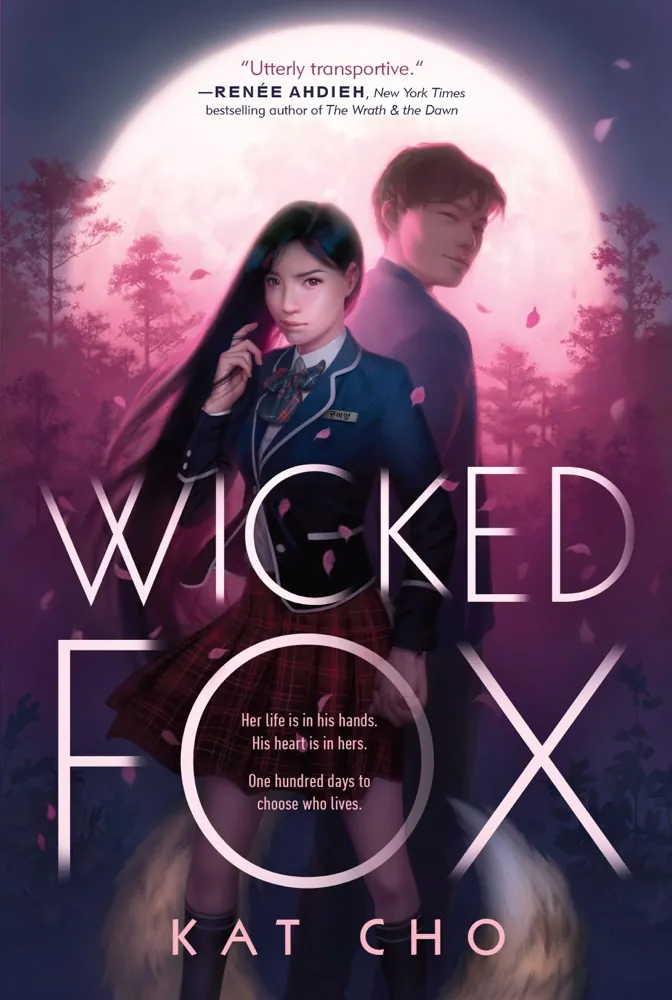

Author: Kat ChoPage Count: UnknownPublication Date: Expected publication 2026 APL Look at the marketing machinery churn out another modernized mythological retread, as if we haven't suffered enough urban fantasy paperbacks with neon-soaked Seoul covers littering the front tables of independent bookstores. House of Forgotten Souls arrives via Kat Cho with all the subtlety of a sledgehammer to a Venetian mosaic. We get the standard supernatural predator hiding in plain sight—a gumiho living off the life force of morally ambiguous men because, naturally, contemporary misandry makes for convenient caloric intake. Groundbreaking stuff. The Currency of Viscera The prose relies heavily on transactional intimacy. You lose a bead, you lose your soul, you hold someone's literal life essence in your palm—it is all terribly literal, robbing the folklore of its actual psychological rot. Cho positions her protagonist in a sprawling concrete labyrinth, hunting the kind of men no one will miss, which is a tired trope that tries desperately to pass for feminist empowerment. But let us be entirely honest: this is pure YA comfort food slathered in K-pop aesthetics and high-concept gloss. Actually, scratch that completely. I take back every ounce of my skepticism regarding the conceptual framework. The interplay between the immortal predator and the collateral-damage human boy who intercepts her fox bead hits a genuinely delicious nerve of high-stakes melodrama. There is something intoxicating about the sheer structural audacity of binding a mythical entity’s survival to an absolute civilian who stumbles into the brush. The Architecture of Ruin Centuries-old feuds crashing headfirst into the awkward fumbling of teenage affection always yields fantastic narrative carnage. The young shaman stepping in to fix a supernatural mess only to blow up the geopolitical landscape of local spirits is peak dramatic irony. We are looking at a kinetic, high-octane narrative engine that begs for immediate consumption over an overpriced espresso. It serves up the same frenetic, low-key unhinged energy that made Wicked Fox a sensation, though dialed up to absolute god-tier melodrama. The aesthetic execution on the page will likely salvage whatever structural predictability lingers in the synopsis. Cho knows how to construct an atmospheric backdrop where neon reflections bleed into ancient shadows, marrying modern apathy with visceral, folkloric terror. One simply cannot deny the kinetic appeal of a universe where domestic tranquility is permanently undermined by a glowing, stolen orb of metaphysical mortality. My private flight to London has been delayed by an exact hour, leaving me stranded here with a surplus of time and zero patience left for mediocre prose. Related InsightsWhat Makes a Monster Book Review and Summary It Book Review and Summary Cold Mountain Book Review and Summary{ "@context": "https://schema.org", "@type": "FAQPage", "mainEntity": [ { "@type": "Question", "name": "What is the main focus of House of Forgotten Souls Book Review and Summary?", "acceptedAnswer": { "@type": "Answer", "text": "Everything you need to know about House of Forgotten Souls with our detailed review." } }, { "@type": "Question", "name": "Who authored the comprehensive guide on House of Forgotten Souls Book Review and Summary?", "acceptedAnswer": { "@type": "Answer", "text": "This detailed article and its insights were carefully researched and authored by Emma Thompson." } }, { "@type": "Question", "name": "Where can I find more related content about Books?", "acceptedAnswer": { "@type": "Answer", "text": "You can explore more articles, detailed reviews, and similar insights by browsing the Related Insights section at the bottom of this article or visiting our dedicated Books category page." } } ] }
-
 Sarah Davis
 - 09 Sep, 2026 10:25
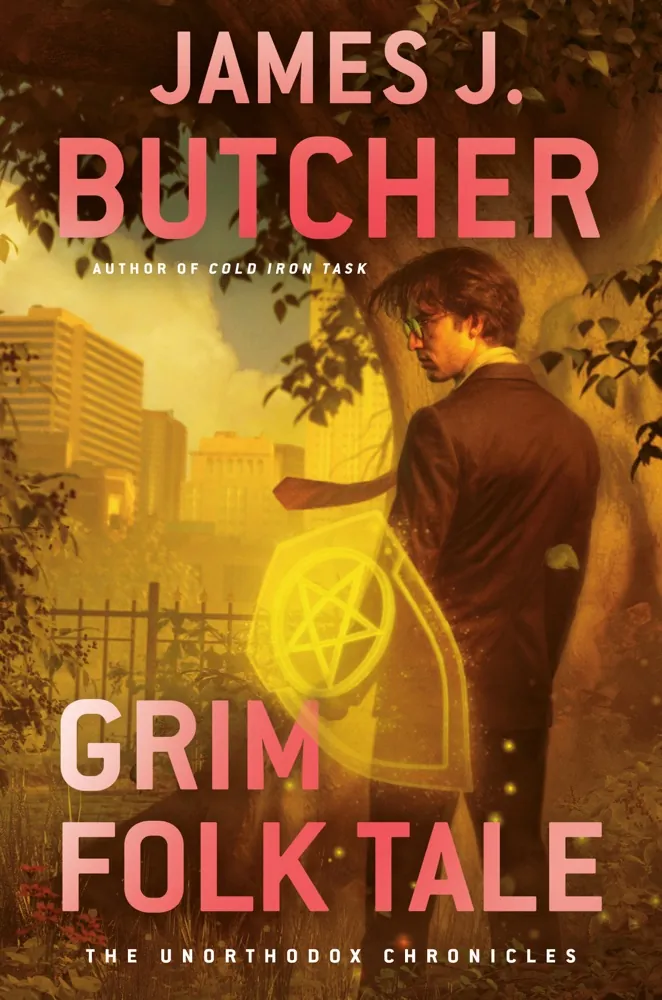
Grim Folk Tale (The Unorthodox Chronicles, #4) Book Review and Summary
Author: James J. ButcherPage Count: UnknownPublication Date: Expected publication 2026 APL The synopsis for Grimsby—this fourth installment in Butcher’s Unorthodox Chronicles—is a masterclass in how to make a magical bureaucracy feel like a dying institution, its bones creaking under the weight of its own bureaucracy. Grimshaw Griswald Grimsby, a junior Auditor, is thrust into a crisis that smells of something older than the Department itself: a plague among children, the kind of horror that doesn’t just kill but unmakes. The fact that Butcher’s chosen to frame this as a public health crisis—with all the red tape, the slow-moving investigations, the bureaucratic finger-pointing—is either a stroke of genius or a deliberate provocation, depending on whether you’re a fan of The Dresden Files’ more overtly heroic tone or the kind of reader who still seethes at the idea of a government agency failing to act in time. But here’s the thing: the synopsis is deliberately vague. It doesn’t tell you what the illness is, only that it’s magical and that it’s spreading. It doesn’t explain why Boston, of all places, is the epicenter—unless you’ve been following the series closely, you’re left with the same unsettling sense of dread that comes from knowing something terrible is happening, but not knowing why. This is the kind of ambiguity that works best when paired with a writer who trusts the reader to fill in the blanks with their own fears. Think of it like the opening act of a horror movie where the camera lingers on a child’s bedroom, the shadows stretching just a little too long—you don’t need to see the monster to know it’s there. Butcher’s done this before, of course. The Unorthodox Chronicles have always had a knack for making the mundane feel like a pressure cooker about to explode, but this time, the stakes feel personal, which is either a bold shift or a risky one, depending on whether you believe in the character’s growth or not. And then there’s the matter of the "city of monsters beneath Boston." Oh, this is where things get interesting—or at least, where they get troubling. Butcher has a habit of dropping readers into liminal spaces, places where the rules of magic and reality bend in ways that feel both thrilling and deeply unsettling. But the synopsis doesn’t specify what these monsters are, only that they’re "ancient and strange." This is the kind of hand-waving that could either pay off spectacularly or devolve into the kind of generic "undead horde" nonsense that makes you wonder why you bothered reading the series in the first place. Compare this to The Locked Tomb or The Crimson Conspiracy—Butcher’s early works where the monsters were tied to specific, eerie lore, not just vague "evil things that go bump in the night." If this book leans too hard into the "mythic horror" angle without grounding it in something tangible, it risks feeling like a pastiche of The Witcher’s monster catalog rather than a true evolution of the series. But let’s talk about Grimsby for a second. The synopsis positions him as a junior Auditor, which means he’s not the hero of the story—he’s the reluctant hero, the one who’s still learning the ropes, still carrying the weight of his past mistakes. This is a character arc that Butcher has explored before, but the way it’s framed here—with Grimsby burdened by "his own troubles, both past and present"—suggests a deeper psychological layer than we’ve seen in previous books. It’s almost as if Butcher is finally giving us the emotional core of the series, the kind of character study that makes you root for a protagonist not just because of what they do, but because of who they are. And yet—here’s the pivot—if this book leans too hard into the "tragic underdog" trope, it risks feeling like a carbon copy of The Last Jedi’s emotional whiplash, where the character’s struggles become the sole focus at the expense of the plot. Butcher’s strength has always been in balancing action with introspection, so if he pulls this off, it could be his most mature work yet. But then there’s the matter of Mayflower, the grizzled veteran Huntsman. The synopsis pairs them together like a classic cop-and-detective duo, which is either a smart move or a lazy one, depending on whether you believe in their dynamic. Mayflower’s role here feels like it could either elevate Grimsby’s arc or become a crutch, the kind of "wise old mentor" trope that either adds depth or feels like an afterthought. Compare this to The Dresden Files, where Harry’s relationships with his allies were always central to the story—Butcher never made them feel like plot devices. If Mayflower’s presence here is anything less than organic, it could undercut the entire book. And now, because I can’t help myself, a tangent: I just watched an episode of Bluey where the character Chilli gets into a fight with her little sister because she’s "too old for this stuff." It was so painfully on-the-nose that I wanted to scream, "Just let her be a kid, for God’s sake!" But here’s the thing—Grimsby’s struggle with his own past, with the weight of responsibility he didn’t ask for, is the kind of emotional beat that Bluey could never hope to capture. It’s the difference between a cartoon that’s trying too hard to be profound and a series that actually is profound, even if it’s just through omission. Butcher doesn’t need to spell out the stakes; he just needs to let the reader feel them. Back to the book: the mention of "the Elsewhere" is the kind of vague, ominous phrasing that could either be a brilliant setup for a sequel or a lazy way to avoid explaining anything. If Butcher’s going to drop us into another layer of reality, he’d better make it count. The Unorthodox Chronicles have always been about the tension between the mundane and the magical, but if this book leans too hard into the "cosmic horror" angle without giving us something tangible to latch onto, it risks feeling like a pastiche of Annihilation without the same level of intellectual rigor. Butcher’s done this before. He’s written books where the stakes felt personal, where the magic felt real, where the characters felt like they were struggling against forces they couldn’t understand. If Grimsby delivers on even half of what the synopsis promises, it could be his best work yet. But if it’s just another bureaucratic thriller with a side of monster-of-the-week, it’ll feel like a missed opportunity. And now, because my youngest has just discovered the permanent markers are missing again, I’m going to have to go clean up what looks like a very deliberate attempt to turn the living room walls into a Dungeons & Dragons campaign. Related InsightsI Never Knew You at All Book Review and Summary Whiteout Book Review and Summary Killing Sarai Book Review and Summary{ "@context": "https://schema.org", "@type": "FAQPage", "mainEntity": [ { "@type": "Question", "name": "What is the main focus of Grim Folk Tale (The Unorthodox Chronicles, #4) Book Review and Summary?", "acceptedAnswer": { "@type": "Answer", "text": "Everything you need to know about Grim Folk Tale (The Unorthodox Chronicles, #4) with our detailed review." } }, { "@type": "Question", "name": "Who authored the comprehensive guide on Grim Folk Tale (The Unorthodox Chronicles, #4) Book Review and Summary?", "acceptedAnswer": { "@type": "Answer", "text": "This detailed article and its insights were carefully researched and authored by Sarah Davis." } }, { "@type": "Question", "name": "Where can I find more related content about Books?", "acceptedAnswer": { "@type": "Answer", "text": "You can explore more articles, detailed reviews, and similar insights by browsing the Related Insights section at the bottom of this article or visiting our dedicated Books category page." } } ] }

-
 Sofia Romano
 - 09 Sep, 2026 10:22
Non farti prendere dal panico: Odissea intergalattica tra le pagine di Douglas Adams
Lo spazio è vasto. Molto vasto. Non riuscireste mai a credere quanto sia immensamente, enormemente, sbalorditivamente vasto. È proprio con questa consapevolezza, carica di un nichilismo che fa sorridere e di una meraviglia che toglie il fiato, che Douglas Adams ha deciso di ridefinire il concetto stesso di letteratura di fantascienza. "Guida galattica per gli autostoppisti" non è semplicemente un libro; è un’istituzione culturale, un manuale di sopravvivenza per le anime inquiete che si sentono leggermente fuori posto su un pianeta dominato da scimmie antropomorfe, ossessionate dal denaro e dai segnali digitali. La fine del mondo iniziò con una ruspa Tutto ha inizio in una giovedì mattina decisamente sfortunato per Arthur Dent, un uomo inglese qualunque la cui preoccupazione principale dovrebbe essere la demolizione della propria casa per far posto a una circonvallazione. Invece, si ritrova catapultato in un’avventura che trascende le dimensioni conosciute, scoprendo che la Terra non era che un ostacolo burocratico sulla rotta di una superstrada iperspaziale dei Vogon. Adams utilizza questo espediente narrativo non per descrivere l'apocalisse con toni tragici, ma per deridere la banalità dell'esistenza umana. La distruzione del nostro pianeta, avvenuta per far spazio a un progetto infrastrutturale, è il fulcro di un’ironia affilata come un bisturi. Chi di noi, nella frenesia della quotidianità, non si è sentito schiacciato dalle decisioni arbitrarie di entità superiori, burocratiche e prive di senso logico? Il potere salvifico di un asciugamano C'è una lezione fondamentale in questa epopea interstellare, un principio che ogni autostoppista galattico che si rispetti deve tenere a mente: non dimenticare mai il proprio asciugamano. Questo oggetto, all'apparenza umile e quotidiano, diventa nel mondo di Adams il simbolo supremo della dignità umana in un universo che, per la maggior parte del tempo, cerca attivamente di ignorarti o di annientarti. Perché un asciugamano? Perché è utile. Può proteggerti dal freddo, fungere da vela su una zattera, essere inzuppato in sostanze nocive per la difesa personale o, banalmente, servire per asciugarsi. Ma la sua vera importanza è psicologica. L'asciugamano è il legame con la civiltà, un punto di riferimento in un vuoto cosmico dove le leggi della fisica sembrano cambiare a seconda dell'umore di chi le osserva. In un’epoca in cui inseguiamo status symbol e tecnologia effimera, Adams ci ricorda che il vero valore risiede nella praticità e nella capacità di adattarsi al caos. La risposta alla domanda fondamentale (e perché non serve) Uno dei momenti più alti, e al tempo stesso più iconici, dell'opera è la scoperta della risposta alla domanda fondamentale sulla vita, l'universo e tutto quanto. Dopo sette milioni e mezzo di anni di calcoli da parte del supercomputer Pensiero Profondo, la risposta viene rivelata: "42". Il genio di Douglas Adams risiede proprio qui: nell'aver compreso che la domanda, in sé, era mal posta. La ricerca di un senso assoluto, di una verità universale racchiusa in un numero, è la più grande fallacia dell'intelletto umano. Passiamo intere esistenze a cercare risposte complesse, dimenticando che il vero piacere risiede nel viaggio, nell'assurdo dei dialoghi tra Marvin (il droide paranoico e depresso) e i suoi compagni, o nella follia di Zaphod Beeblebrox, il Presidente della Galassia a due teste.La satira come lente per guardare le stelle La fantascienza di Adams è profondamente britannica, debitrice dell'umorismo dei Monty Python e della satira sociale di Swift. I Vogon, con la loro poesia orribile e la loro ossessione per la procedura amministrativa, non sono altro che un riflesso, a tratti deformato ma terribilmente accurato, delle istituzioni in cui ci muoviamo ogni giorno. Ogni incontro in "Guida galattica" è uno specchio. Quando incontriamo il computer che gestisce la nave spaziale "Cuore d'Oro", dotato di una personalità decisamente troppo entusiasta, non possiamo fare a meno di sorridere davanti all'umanizzazione dei sistemi tecnologici che, in futuro, potrebbero davvero controllare ogni aspetto delle nostre vite. Adams non ci mette in guardia contro l'intelligenza artificiale con la paura, ma con la risata. E in questo modo, rende il futuro molto meno spaventoso e decisamente più grottesco. L'impatto culturale di un cult irriverente Cosa rende "The Ultimate Hitchhiker's Guide to the Galaxy" un pilastro imprescindibile? È la sua capacità di rimanere attuale nonostante il tempo passi. La tecnologia descritta, come il pesce Babele che traduce istantaneamente ogni lingua, è oggi un sogno (o un incubo) a cui ci stiamo avvicinando con le moderne intelligenze artificiali. La satira politica di Adams tocca nervi scoperti che sono tuttora infiammati. La sua opera ci invita a non prendere la vita troppo seriamente. Il messaggio, racchiuso nell'imperituro motto "Non farti prendere dal panico" (Don't Panic), scritto in caratteri grandi e amichevoli sulla copertina della Guida, è un mantra di sopravvivenza. È un invito a mantenere la calma di fronte all'irrazionalità, un antidoto allo stress che domina la nostra era digitale.  Perché leggere o rileggere Douglas Adams oggi? In un panorama letterario dove la fantascienza spesso si divide tra distopie cupe e tecnicismi estremi, il lavoro di Adams è una boccata di aria fresca, sebbene quest'aria possa essere satura di idrogeno o vagamente profumata di tè inglese. Leggere Adams significa accettare che l'universo non è fatto su misura per noi, che non esiste un Grande Progetto destinato a farci felici, e che, in ultima analisi, il fatto che esistiamo è di per sé un evento statistico talmente improbabile da essere esilarante. Dovremmo tutti imparare a guardare le stelle con lo spirito di Arthur Dent: un po' confusi, costantemente impreparati, ma armati di asciugamano e pronti a vedere cosa accadrà nel prossimo settore galattico. La vita è un susseguirsi di imprevisti e, come ci suggerisce Douglas Adams, l'unico modo per attraversarla senza perdere il senno è mantenere intatto il proprio senso dell'umorismo. Quindi, se vi sentite persi, se il mondo sembra aver perso la sua bussola logica, aprite le pagine di questa guida. Non vi darà le risposte che cercate, ma vi farà sentire incredibilmente meno soli nel bel mezzo di questo vasto, caotico e meraviglioso universo. Ricordate, la risposta non è 42, la risposta è vivere l'avventura, un errore burocratico alla volta.#DouglasAdams #Fantascienza #LibriCult #GuidaGalattica #LetteraturaClassica Related InsightsDark Matter Book Review and Summary Between You a River Book Review and Summary Cherry: A Novel Book Review and Summary{ "@context": "https://schema.org", "@type": "FAQPage", "mainEntity": [ { "@type": "Question", "name": "What is the main focus of Non farti prendere dal panico: Odissea intergalattica tra le pagine di Douglas Adams?", "acceptedAnswer": { "@type": "Answer", "text": "Un viaggio semiserio tra i paradossi dell'universo e l'ironia britannica di Douglas Adams. Scopriamo insieme il capolavoro della fantascienza umoristica." } }, { "@type": "Question", "name": "Who authored the comprehensive guide on Non farti prendere dal panico: Odissea intergalattica tra le pagine di Douglas Adams?", "acceptedAnswer": { "@type": "Answer", "text": "This detailed article and its insights were carefully researched and authored by Sofia Romano." } }, { "@type": "Question", "name": "Where can I find more related content about Books?", "acceptedAnswer": { "@type": "Answer", "text": "You can explore more articles, detailed reviews, and similar insights by browsing the Related Insights section at the bottom of this article or visiting our dedicated Books category page." } } ] }

Author: K. AncrumPage Count: UnknownPublication Date: Expected publication 2026 APL Luggage left too long in transit hubs begins to smell of stale diesel and damp wool. I am currently staring at a damp passport stamp from a border crossing that no longer exists while trying to make sense of the promotional machinery behind K. Ancrum’s upcoming release, Ellie Ellie. The Currency of Misery Publishers love a bruised adolescent. They package structural neglect and small-town economic decay as sparkling speculative fiction, as if a gas station parking lot can transform into a mythological threshold just because the protagonist is sufficiently miserable. We are promised an ancient shape-shifter stealing petroleum snacks. Groundbreaking. Yet, perhaps I am being too harsh on the folklore angle. Actually, let me retract that mild generosity entirely. Mythological tropes in contemporary young adult literature usually arrive stripped of their ancient terror, reduced to metaphors for teenage angst by authors who refuse to let a monster just be a monster. Transactions at the Pump The premise rests on a transactional exchange of trauma. A captive supernatural entity meets an impoverished girl with abusive stepparents. They share notes on subjugation. They seize peace. And I am supposed to believe that ancient cosmic bondage translates neatly into a blueprint for escaping a depressed zip code. Ancrum’s previous work, such as Compound Fracture, showed an ear for regional grit. But grafting shape-shifters onto domestic abuse feels like an uneasy compromise. It cheapens the socio-economic realities of the small-town poverty described in the text by offering a literal, supernatural deus ex machina. Real exploitation does not hand you the tools for liberation at a fluorescent-lit fuel station. The Marketing Chorus The promotional material leans heavily on comparisons to Kacen Callender and Ari Tison. They want us to expect a visceral, bleeding masterpiece. But what we usually get is a sanitized sheen of emotional intensity designed to look good on curated social media feeds. Readers will devour it. They will weep into their e-readers and demand cinematic adaptations before the ink dries. I must deal with a domestic crisis before the light fades completely. I need to go untangle the garden hose that has tied itself into a Gordian knot across the gravel courtyard. #KAncrum #YATheories #BookTwitter Related InsightsIf the Sun Never Sets Book Review and Summary Game of Gravestones Book Review and Summary Her Kind Book Review and Summary{ "@context": "https://schema.org", "@type": "FAQPage", "mainEntity": [ { "@type": "Question", "name": "What is the main focus of Ellie Ellie Book Review and Summary?", "acceptedAnswer": { "@type": "Answer", "text": "Everything you need to know about Ellie Ellie with our detailed review." } }, { "@type": "Question", "name": "Who authored the comprehensive guide on Ellie Ellie Book Review and Summary?", "acceptedAnswer": { "@type": "Answer", "text": "This detailed article and its insights were carefully researched and authored by Klaus Weber." } }, { "@type": "Question", "name": "Where can I find more related content about Books?", "acceptedAnswer": { "@type": "Answer", "text": "You can explore more articles, detailed reviews, and similar insights by browsing the Related Insights section at the bottom of this article or visiting our dedicated Books category page." } } ] }
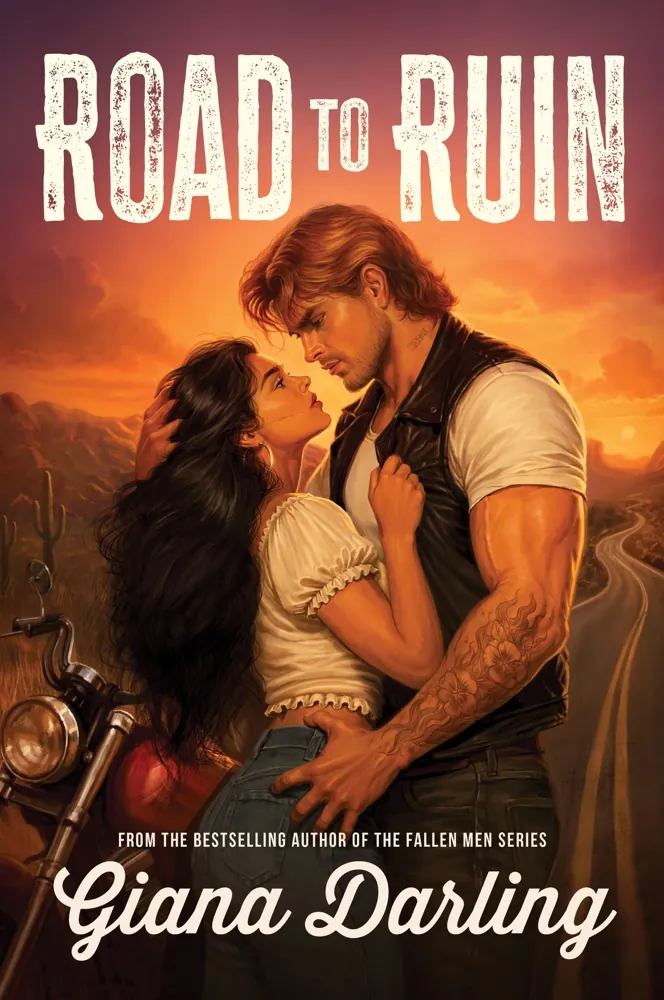

Author: Giana DarlingPage Count: UnknownPublication Date: Expected publication 2026 APL We are once again descending into the literary equivalent of a trailer park brawl, though I suppose pedigree has never been Giana Darling's strong suit. Road to Ruin promises another sweaty excursion into the lives of people who clearly possess zero understanding of estate management or proper vowel pronunciation. Yet, the bibliophiles of the internet—bless their unwashed little hearts—are losing their minds over this upcoming display of low-brow machismo. Bloodlines and Bad Decisions Ashes Crowe. Good grief. Even the moniker sounds like something scrawled in cheap eyeliner on a bathroom stall at a truck stop off Interstate 35. We are expected to believe this weaponized delinquent—spawn of a motorcycle syndicate chieftain—harbors a secret soul beneath his grease-stained kutte. Groundbreaking. Truly, Shakespeare is weeping in his grave, though mostly out of sheer exhaustion. Darling leans hard into the tired lineage of dynastic feuds. It is Romeo and Juliet filtered through a cracked windshield and coated in dried mud. But let us be entirely serious. There is no tragic nobility here. Just a couple of aggressively hot outlaws committing high-value felonies across the arid expanse of Texas while evading men named things like "The Ventura Cartel." The Aesthetic of Anarchy The thematic architecture relies entirely on the tired dichotomy between blood duty and feral obsession. Inés Castillo functions as the requisite high-stakes prop—a cartel bride turned hostage who supposedly outplays powerful men. Sure she does. One assumes her grand strategy involves batting her eyelashes while a tattooed menace shoots up a gas station. We are drowning in this "touch her and die" aesthetic. It is so cringe it makes my teeth itch. Every modern romance novelist currently thinks they are writing Sons of Anarchy meets Cormac McCarthy, when in reality, they are simply producing fan-fiction for people who buy their furniture at rent-to-own outlets. Expect zero literary nuance. The prose will undoubtedly alternate between florid descriptions of collarbones and absolute garbage dialogue about loyalty and old-old-old Texas blood. And the fans will eat it up like feral raccoons at a dumpster buffet. I really must go now, because the antique drainpipe in the master bath has given up the ghost and if I don't go snake the hair out right this second, the entire second floor is going to flood and ruin my Persian rugs. #BookTwitter #RomanceReaders #GianaDarling #TrashyReads Related InsightsNightwalker Book Review and Summary Viper & Lilies (Sisters of Flowers and Flames, #1) Book Review and Summary The Drowning Woman Book Review and Summary{ "@context": "https://schema.org", "@type": "FAQPage", "mainEntity": [ { "@type": "Question", "name": "What is the main focus of Road to Ruin: A Novel Book Review and Summary?", "acceptedAnswer": { "@type": "Answer", "text": "Everything you need to know about Road to Ruin: A Novel with our detailed review." } }, { "@type": "Question", "name": "Who authored the comprehensive guide on Road to Ruin: A Novel Book Review and Summary?", "acceptedAnswer": { "@type": "Answer", "text": "This detailed article and its insights were carefully researched and authored by James Miller." } }, { "@type": "Question", "name": "Where can I find more related content about Books?", "acceptedAnswer": { "@type": "Answer", "text": "You can explore more articles, detailed reviews, and similar insights by browsing the Related Insights section at the bottom of this article or visiting our dedicated Books category page." } } ] }
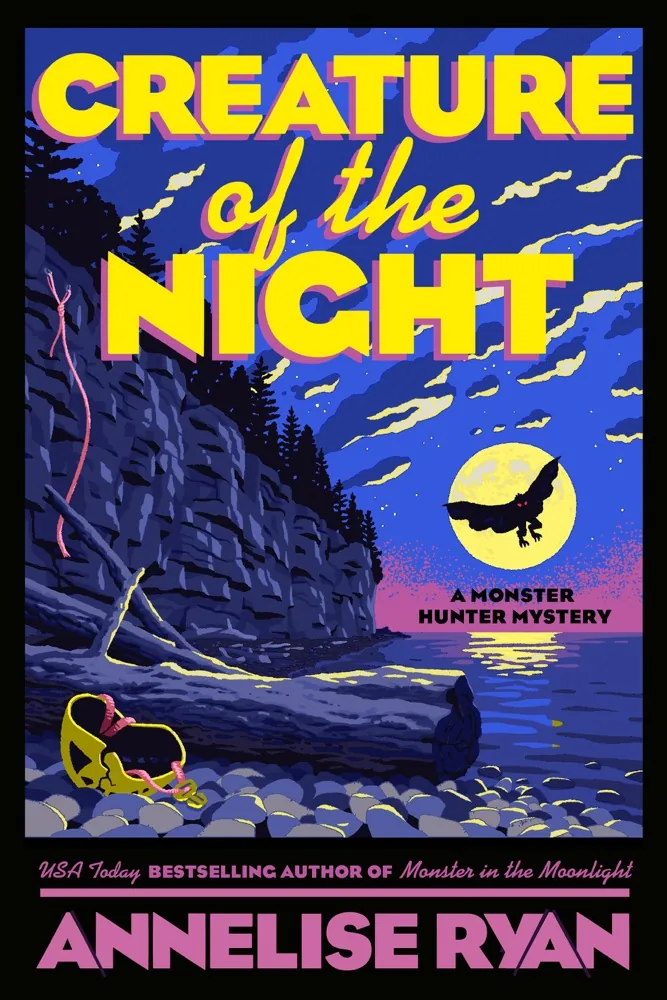

Author: Annelise RyanPage Count: UnknownPublication Date: Expected publication 2026 APL Another Wisconsin cliff, another tragic drop, another fictional universe where professionals willingly chase urban legends instead of admitting that people simply fall when gravity does its job. Creature of the Night arrives soon to pad out an already bloated genre, dragging its cryptozoologist protagonist into the dreary expanse of Door County because some dead guy allegedly heard a screeching oversized chicken with glowing red eyes. Groundbreaking literature. Absolutely bussin, no cap. The Aesthetics of Boredom Annelise Ryan relies on the oldest crutch in the publishing book—dropping a charismatic pseudo-scientist into an isolated geographical pocket with a local myth to decode. We get the usual atmospheric window-dressing. Water. Cliffs. Cold winds. It reads like Joe Abercrombie stripped of all genuine nihilism and replaced with cozy suburban sleuthing. The thematic underpinnings here seem desperately obsessed with the friction between rational empirical data and human folklore. Or perhaps the author just wanted an excuse to write the word Mothman while coking up another generic mystery arc. And yet, watching protagonists pretend to face mortal peril while trapped in a cozy matchmaking dynamic with their new business-partner-slash-boyfriend screams absolute predictability. The stakes are nonexistent. Nobody important ever dies in these mid-list paperbacks because the algorithm demands sequels until the copyright holder keels over. Actually, wait. I take that back completely. Maybe the genre is shifting toward actual tragedy. No, who am I kidding? This will end with a mildly spooky campfire revelation and a lukewarm cup of coffee at a local diner. The Cryptid Industrial Complex We are living through a cultural exhaustion loop where every regional ghost story must be dragged into a multi-book franchise. Give me a protagonist who breaks down from existential dread in a sterile boardroom instead of traipsing through the woods looking for red-eyed mutants. Real monsters wear custom Italian suits and bankrupt pension funds with a single signature. But no, let us pretend a man-sized insectoid is the greatest threat facing modern jurisprudence. My assistant is violently signaling from the mahogany doorway that the quarterly philanthropic foundation statement is due on the wire before the European markets open. #mothman #bookelixir #doorcounty #readingslump Related InsightsThe Raven Boys Book Review and Summary The Exchange Book Review and Summary Roundabout (Detour, #2) Book Review and Summary{ "@context": "https://schema.org", "@type": "FAQPage", "mainEntity": [ { "@type": "Question", "name": "What is the main focus of Creature of the Night (Monster Hunter, #5) Book Review and Summary?", "acceptedAnswer": { "@type": "Answer", "text": "Everything you need to know about Creature of the Night (Monster Hunter, #5) with our detailed review." } }, { "@type": "Question", "name": "Who authored the comprehensive guide on Creature of the Night (Monster Hunter, #5) Book Review and Summary?", "acceptedAnswer": { "@type": "Answer", "text": "This detailed article and its insights were carefully researched and authored by Elena Volkova." } }, { "@type": "Question", "name": "Where can I find more related content about Books?", "acceptedAnswer": { "@type": "Answer", "text": "You can explore more articles, detailed reviews, and similar insights by browsing the Related Insights section at the bottom of this article or visiting our dedicated Books category page." } } ] }


Author: Bridget MorrisseyPage Count: UnknownPublication Date: Expected publication 2026 APL The radiators in this hallway have been clanking since three this morning, emitting a rhythm that feels less like heating and more like a warning. Yet we persist. We drink chicory-laced coffee from mugs with chipped handles and we look at coming attractions like I Put a Spell on You by Bridget Morrissey and wonder if anyone actually believes in magic anymore—or if we just want a good excuse to send spiteful mail to strangers. Sugar, Spite, and Shared Heat Fableview sounds like the kind of town where the air smells perpetually of artificial strawberry and cheap candle wax. A holiday-obsessed micro-climate designed to crush anyone who finds February fourteenth to be an exercise in manufactured panic. Piper Blake refuses to wear the family badge. She is an impostor among true believers. Actually, scratch that—she isn't an impostor at all. She is simply smart enough to realize that charging people for counterfeit romantic forecasts is the only ethical way to survive a childhood built on parental divorce settlements. Ivy Collins arrives carrying the heavy, bitter luggage of a grudge. Someone ruined her mother's equilibrium with a fake reading, and she has tracked the culprit to this candy-coated nightmare. The premise leans heavily into the epistolary tradition—anonymous hate-to-love letters passing back and forth across town lines. It reminds me of the sharper edges of Casey McQuiston or Alexandria Bellefleur, but with a cynical bite that might save it from becoming too saccharine. Or maybe it will drown in its own pink frosting. Who can tell from a blurb alone? The Mechanics of Cynicism Let us interrogate the machinery of the plot for a second. The synopsis relies on a neat little paradox: a girl who sells fake magic gets cornered by a girl seeking real vengeance, only for them to accidentally fall into literary discourse through angry correspondence. It is a classic setup. But the real question is whether Morrissey can sustain the tension without collapsing into the usual YA tropes where every broken family is fixed by a timely kiss under plastic mistletoe. The aesthetic here is aggressively pastel. Pink candy hearts. Small-town pageantry. The suffocating weight of inherited destinies. Yet beneath the sugar lies the darker, far more interesting architecture of resentment. Piper thinks love is a con because she watched her father serial-date his way through a midlife crisis. Ivy thinks love is a weapon because a stranger stole her mother's peace of mind. They are two sides of the same coin, flipping endlessly in the dark. Whether the prose will match this structural ambition remains a complete mystery—the synopsis is frustratingly vague on the actual voice. Will it snap with caustic wit, or will it lean into the exhausted tropes of modern romantic comedy where every insult is just a prelude to a breathless confession? I lean toward the latter on bad days. On better days, I hope for something that bites back. The subway rumble is vibrating right through my noise-canceling headphones today. Related InsightsThe Atomic Habits Workbook Book Review and Summary Night Tide (Night Tide, #1) Book Review and Summary Grave Wars Book Review and Summary{ "@context": "https://schema.org", "@type": "FAQPage", "mainEntity": [ { "@type": "Question", "name": "What is the main focus of I Put a Spell on You (Fableview #2) Book Review and Summary?", "acceptedAnswer": { "@type": "Answer", "text": "Everything you need to know about I Put a Spell on You (Fableview #2) with our detailed review." } }, { "@type": "Question", "name": "Who authored the comprehensive guide on I Put a Spell on You (Fableview #2) Book Review and Summary?", "acceptedAnswer": { "@type": "Answer", "text": "This detailed article and its insights were carefully researched and authored by Olya Shevchenko." } }, { "@type": "Question", "name": "Where can I find more related content about Books?", "acceptedAnswer": { "@type": "Answer", "text": "You can explore more articles, detailed reviews, and similar insights by browsing the Related Insights section at the bottom of this article or visiting our dedicated Books category page." } } ] }
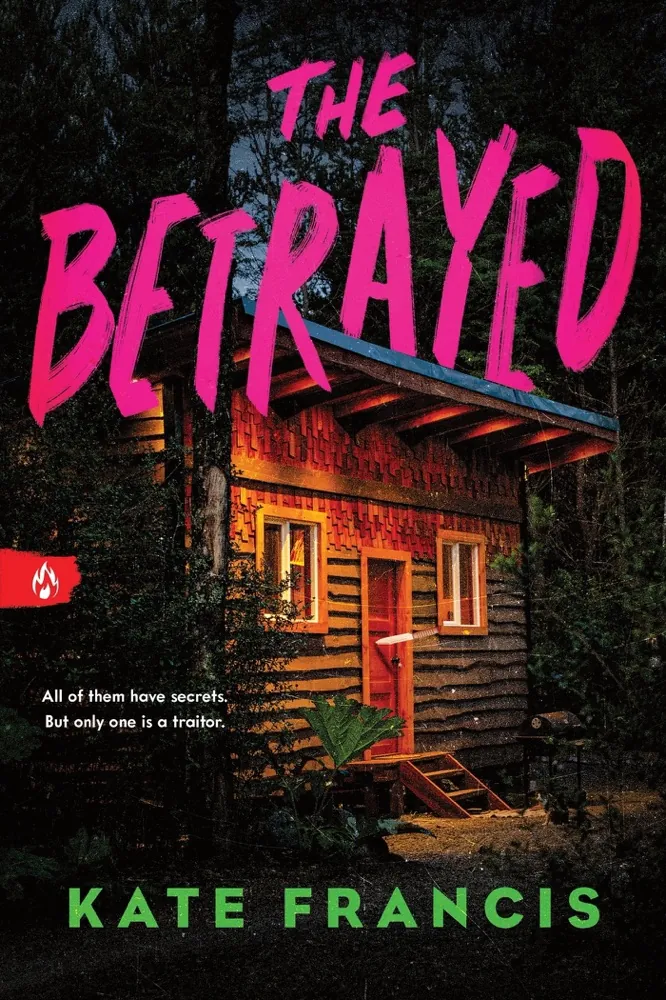

Author: Kate FrancisPage Count: UnknownPublication Date: Expected publication 2026 APL Another glossy brochure arrived in the mail this morning, promising a weekend retreat for "troubled adolescents" who just need a little discipline to straighten out their jagged edges—because nothing screams rehabilitation quite like tearing a kid out of their bed at three in the morning by masked mercenaries and shipping them off to the woods to sleep on a cot. Kate Francis is leaning heavily into this exact brand of institutional paranoia with The Betrayed, a 2026 release that uses the well-worn YA thriller trope of the predatory summer camp and strips it down to pure psychological isolation. And let us be honest, the plot outlined in this synopsis is as predictable as the chilly September wind currently rattling the loose shingles off my porch. We have Liv Walker, the mandatory betrayed protagonist whose own flesh and blood traded her trust for a glossy pamphlet. Yet the real structural annoyance here isn't the kidnapping—it is the absurd reliance on parlor games turning fatal. Remember when books like One of Us Is Lying or Karen McManus's entire bibliography actually grounded their high school tension in social media gossip and genuine teenage malice instead of turning summer camp into a cheap slasher flick where people die because they played Werewolf by the campfire? Honestly, speaking of overhyped media, my youngest has been watching this utterly mindless cartoon about a yellow sponge for three hours straight, and the existential dread I feel listening to those relentless, synthesized chuckles from the living room is somehow still more coherent than the logic of sending a teenager to a brutal survival camp just because she rolled her eyes at dinner. Trust issues. Thematic analysis of this kind of fiction usually tries to dress itself up as a profound commentary on adolescent alienation and the systemic failure of the nuclear family. But when the baseline premise relies on sadistic counselors and a mysterious traitor mimicking a party game, any genuine exploration of adolescent trust evaporates into hollow genre mechanics. Francis clearly wants to invoke the claustrophobia of Lord of the Flies mixed with contemporary boarding school thrillers, but without a page count or any original character beats beyond the synopsis clichés, it reads like an algorithm generated it in a boardroom. Hard pass. I need to go outside and fire up the grill before the neighborhood barbecue descends into absolute anarchy. #BookTwitter #TheBetrayed #KateFrancis #YoungAdultBooks Related InsightsCatching Fire Book Review and Summary Unti Sharpe Book Review and Summary Endless Promises (Harmony Hills, #2) Book Review and Summary{ "@context": "https://schema.org", "@type": "FAQPage", "mainEntity": [ { "@type": "Question", "name": "What is the main focus of The Betrayed Book Review and Summary?", "acceptedAnswer": { "@type": "Answer", "text": "Everything you need to know about The Betrayed with our detailed review." } }, { "@type": "Question", "name": "Who authored the comprehensive guide on The Betrayed Book Review and Summary?", "acceptedAnswer": { "@type": "Answer", "text": "This detailed article and its insights were carefully researched and authored by Michael Brown." } }, { "@type": "Question", "name": "Where can I find more related content about Books?", "acceptedAnswer": { "@type": "Answer", "text": "You can explore more articles, detailed reviews, and similar insights by browsing the Related Insights section at the bottom of this article or visiting our dedicated Books category page." } } ] }
-
 Hannah Schmidt
 - 09 Sep, 2026 07:46
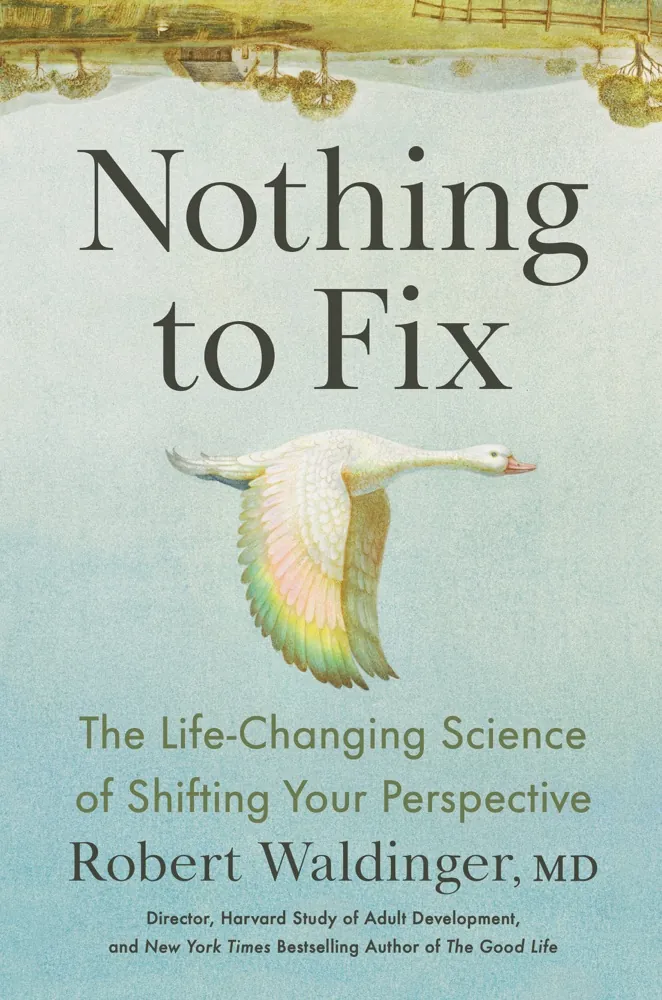
Nothing to Fix: The Life-Changing Science of Shifting Your Perspective Book Review and Summary
Author: Robert Waldinger MDPage Count: UnknownPublication Date: Expected publication 2026 APL Another prescriptive volume promising institutional salvation disguised as personal awakening has landed on the desk, slotted neatly into the exact same ideological shelf occupied by Atomic Habits and every other symptom-treating manual currently flooding the market. Except this one carries the institutional weight of the Harvard Study of Adult Development, weaponizing longitudinal data to tell us what we already discovered while organizing mutual aid block parties in the rain: that human isolation is a systemic failure of connection, not merely a neurochemical deficit to be balanced via mindfulness apps and breathing exercises. Yet the promotional copy for Nothing to Fix leans heavily into the well-worn wellness tropes of individual optimization, suggesting that if we just adjust our internal cognitive dials—perhaps by sweating through enough hours on a Zen meditation cushion—we can somehow transcend the grinding precarity of modern existence without actually changing any of the oppressive socioeconomic conditions that make us want to scream into the void in the first place. Wait. Let me walk that back entirely. Maybe dismissing decades of psychiatric clinical observation and empirical happiness research as mere bootstrap rhetoric is missing the tactical utility of what the author is trying to build here. The Architecture of Internal Truces The core thesis relies on the radical subversion of our cultural obsession with optimization, shifting the metric of a life from hyper-productive outputs to the quiet, unglamorous process of simply meeting whatever catastrophe happens to be unfolding on the street corner today. And honestly? We desperately need structural solidarity, yes, but we also need psychological endurance to keep from burning out before the revolution even gets scheduled. If this text manages to dismantle the toxic fiction that our persistent low-grade panic is a personal moral failing rather than a rational response to late-stage capitalism, then perhaps it transcends the typical self-help noise. Grounding these abstract eastern meditative traditions in actual longitudinal human narratives rather than dry statistical charts gives the project a fighting chance at emotional resonance, rescuing the science from the cold sterility of academic journals. Still. The cynic in the corner—the one who watches housing costs skyrocket while wellness gurus tell tenants to reframe their evictions as opportunities for mindful presence—wonders if we are once again mistaking a bandage for structural reform. Hard pass. Or maybe not. Time will tell if the synthesis of clinical psychiatry and Zen philosophy offers actual tools for frontline organizers or just another sophisticated distraction to keep us quietly meditating while the neighborhood burns. My youngest just painted the family cat blue. Related InsightsThe Winter of Frankie Machine Book Review and Summary The Book of Magical Living: 8 Secrets to Good Fortune Book Review and Summary The Boys from Biloxi Book Review and Summary{ "@context": "https://schema.org", "@type": "FAQPage", "mainEntity": [ { "@type": "Question", "name": "What is the main focus of Nothing to Fix: The Life-Changing Science of Shifting Your Perspective Book Review and Summary?", "acceptedAnswer": { "@type": "Answer", "text": "Everything you need to know about Nothing to Fix: The Life-Changing Science of Shifting Your Perspective with our detailed review." } }, { "@type": "Question", "name": "Who authored the comprehensive guide on Nothing to Fix: The Life-Changing Science of Shifting Your Perspective Book Review and Summary?", "acceptedAnswer": { "@type": "Answer", "text": "This detailed article and its insights were carefully researched and authored by Hannah Schmidt." } }, { "@type": "Question", "name": "Where can I find more related content about Books?", "acceptedAnswer": { "@type": "Answer", "text": "You can explore more articles, detailed reviews, and similar insights by browsing the Related Insights section at the bottom of this article or visiting our dedicated Books category page." } } ] }

Author: Elif ShafakPage Count: UnknownPublication Date: Expected publication 2026 APL Another literary darling is coming to subject us to 19th-century French misery while the global economy teeters on the edge of a third-world war. Elif Shafak is back, and the marketing machine wants us to bow down to In One Brief Moment All Eternity. Oh, joy. Another historical fiction exercise designed to win prizes from committees who haven't touched grass since the fall of the Berlin Wall. Colm Tóibín and Maggie O'Farrell are allegedly shaking in their boots. Or perhaps they are just laughing at the sheer audacity of packaging Gustave Flaubert's nervous ticks as high art. I can't even with this. The Cult of Suffering The premise relies on the stale, exhausting trope that suffering equals authenticity. Flaubert writing Madame Bovary amidst war, famine, and censorship. How utterly derivative. It reads like the plot outline for a prestige drama that gets cancelled after three episodes on a streaming platform nobody pays for. We are expected to swoon over the "drive and need to create." Please. Give me a break. Real creation happens when you have capital, quiet, and zero distractions. Flaubert sitting in his study whining about censorship feels like a billionaire complaining about the estate tax while on a superyacht. Shafak apparently decides to let the female ghosts speak. The nanny, the mistress, the corpse. How delightfully predictable. It is the literary equivalent of the Fyre Festival—all grand architectural promises with nothing substantive delivered on the ground. Everyone wants to subvert the male gaze until the advance check clears. We get the standard post-modern parlor trick of rescuing the silenced. Who gets to speak? Whoever has a publicist with a massive budget, that's who. A Spectrum of Pretension And then we have the color theory. Chapters tinged with hues evoking epileptic episodes. Because nothing says profound insight quite like medicalizing neurological trauma for aesthetic flavor. It is giving me major Theranos board meeting energy—all visionary hype and zero actual utility. The synopses try to blind us with adjectives. Ethereal. Twilight-tinged. Sensuality. Transcendent lightness. It's a word salad designed to distract from the fact that nobody has actually read a cohesive plot here. We are just tumbling through space and time, mostly because the author couldn't be bothered to anchor the narrative in anything resembling a structured reality. The Cross-Cultural Crossover We Never Demanded We are promised a bridge between East and West. Because every contemporary novel must now solve geopolitics through magical realism and oral storytelling traditions. Why just write a book about a neurotic French novelist when you can appropriate the entire history of human narrative exchange to do it? It is literary gentrification at its finest. They take a French corpse, sprinkle some Middle Eastern oral tradition over it, and expect us to call it a masterpiece. I need to review a tedious legal contract for your film adaptation before the market closes in Tokyo. #ElifShafak #LiteraryFiction #BookTwitter #Flaubert #PrestigeTrash Related InsightsBared to You Book Review and Summary Chasing the Devil: The Search for Africa's Fighting Spirit Book Review and Summary Because of Winn-Dixie Book Review and Summary{ "@context": "https://schema.org", "@type": "FAQPage", "mainEntity": [ { "@type": "Question", "name": "What is the main focus of In One Brief Moment All Eternity Book Review and Summary?", "acceptedAnswer": { "@type": "Answer", "text": "Everything you need to know about In One Brief Moment All Eternity with our detailed review." } }, { "@type": "Question", "name": "Who authored the comprehensive guide on In One Brief Moment All Eternity Book Review and Summary?", "acceptedAnswer": { "@type": "Answer", "text": "This detailed article and its insights were carefully researched and authored by Elena Volkova." } }, { "@type": "Question", "name": "Where can I find more related content about Books?", "acceptedAnswer": { "@type": "Answer", "text": "You can explore more articles, detailed reviews, and similar insights by browsing the Related Insights section at the bottom of this article or visiting our dedicated Books category page." } } ] }
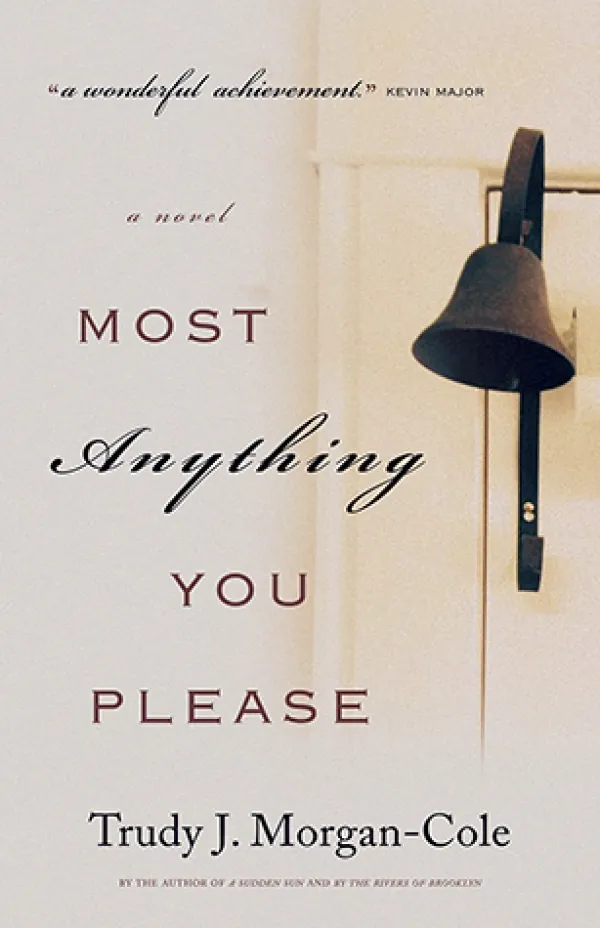
Author: Audrey J. ColePage Count: UnknownPublication Date: Expected publication 2026 APL The synopsis for Echo Ridge reads like a love letter to the kind of family saga that gets buried under the weight of its own nostalgia—unless, of course, it’s handled with the precision of a scalpel. Three generations of Holloway women, a convenience store in Rabbittown, and the quiet violence of change. It’s the kind of setup that could either collapse into sentimentality or soar into something resembling The Sweet Hereafter meets The Loved Ones—but with the grit of a working-class neighborhood that’s been forgotten by the rest of the world. But I’m getting ahead of myself. The problem with this synopsis isn’t that it’s vague—it’s that it’s too specific in its vagueness. We get the convenience store, the neighborhood, the three women. That’s a lot of ground to cover without a single concrete detail to anchor it. Where’s the tension? The synopsis doesn’t say. Is this a story about resilience? A story about decay? A story about the way women hold communities together like fraying thread? The language leans into the communal—"the bonds that break and the ties that bind"—but without a clear emotional or narrative throughline, it risks becoming a catalog of observations rather than a living thing. And yet—there’s something compelling in that ambiguity. It’s the kind of setup that could work if the prose has the weight to carry it. Think The House of the Spirits but with the economic realism of The Goldfinch. The Holloway women aren’t just characters; they’re a pressure point, a family where every decision—every love, every loss—feels like a negotiation with the neighborhood itself. But negotiation implies movement, and the synopsis doesn’t suggest that. It just is. Then again, maybe that’s the point. Maybe Echo Ridge is a book about stagnation, about the way people get stuck in their roles—Trudy Morgan-Cole as the narrator, the Holloways as the store, Rabbittown as the backdrop that never changes. If so, it’s a bold choice. Most family sagas are about progression, about how people escape their pasts. But what if the past is the only thing holding them together? What if the convenience store isn’t just a job but a fortress? I’m not sure. The synopsis doesn’t tell us. It just hints. And that’s where the real work begins. Because if Echo Ridge is going to avoid the trap of being a quaint, nostalgic exercise, it’ll need to dig deeper than surface-level community bonds. It’ll need to ask: What happens when the ties that bind start to rot from the inside? What happens when the women who keep the neighborhood alive realize they’re the ones being worn down? But then—what if the answer is simpler? What if the story is just about the store? The way it’s always been, the way it always will be. The way the Holloways are just another generation of people who show up, do their work, and let the world move on without them. I don’t know. I haven’t read it. But I can’t help but wonder if this is the kind of book that will feel like a punch in the gut when it lands—because it’s not about grand gestures, but about the quiet, relentless work of keeping things together, even when they’re falling apart. My daughter just walked in and said her science fair is tomorrow, not next week. I have to go. #FamilySagas #WorkingClassWriters #BookTok #SynopsisSuspense #RabbittownVibes Related InsightsThe Monster Hunter's Librarian Book Review and Summary Bride Book Review and Summary It's a Prince Thing (the Princess Rules) Book Review and Summary{ "@context": "https://schema.org", "@type": "FAQPage", "mainEntity": [ { "@type": "Question", "name": "What is the main focus of Echo Ridge Book Review and Summary?", "acceptedAnswer": { "@type": "Answer", "text": "Everything you need to know about Echo Ridge with our detailed review." } }, { "@type": "Question", "name": "Who authored the comprehensive guide on Echo Ridge Book Review and Summary?", "acceptedAnswer": { "@type": "Answer", "text": "This detailed article and its insights were carefully researched and authored by Natalia Sokolova." } }, { "@type": "Question", "name": "Where can I find more related content about Books?", "acceptedAnswer": { "@type": "Answer", "text": "You can explore more articles, detailed reviews, and similar insights by browsing the Related Insights section at the bottom of this article or visiting our dedicated Books category page." } } ] }

-
 Anna Kowalska
 - 09 Sep, 2026 04:55
The Moonstone Sister (The Sea Stone Sisters, #2) Book Review and Summary
Author: Eleanor BuchananPage Count: UnknownPublication Date: Expected publication 2026 APL Skara is a nice enough sounding fiction, yet another Scottish estate buckling under the grand tradition of aristocratic downsizing. Eleanor Buchanan brings us back to the well in The Moonstone Sister. A ring. Four lost siblings. Naturally. Because nothing says domestic stability quite like a piece of jewelry acting as a psychological anchor for an entire bloodline. Let us discuss the geography of grief. Or rather, the marketing department's version of it. We are promised the French Riviera in 1931. Cannes, specifically. Before the tax shelters ruined the view and the umbrellas turned uniform. Lily Blackmore gets shipped off on the Blue Train—how terribly Orient Express without the corpses—leaving behind the wind-swept Scottish heather for the sun-drenched hedonism of the Mediterranean. The Chronological Shuffle And then, modern day. Clara Gibson. A woman whose life apparently requires an administrative reboot the moment her grandmother kicks the bucket. An unthinkable betrayal! What is it this time? An unexpected codicil leaving the ancestral portrait to a stray cat? An anonymous Swiss bank account funded by bootlegged claret? I guess we're doing this. The contemporary protagonist always needs a catalyst involving a deceased relative with a shadowy past and a convenient penchant for nineteenth-century photography. The parallel is about as subtle as the Costa Concordia docking in a paddle-boat pond. One looks at these blurbs and sighs. The comparison to Lucinda Riley is thrown around like confetti at a third marriage. People want the Seven Sisters formula replicated until the oceans dry up. They want the generational trauma delivered via heirloom accessories and dual-timeline narrative gymnastics. The Hereditary Hardware Jewelry as a custody arrangement. Imagine telling a border guard that your emotional stability is entirely dependent on an antique gemstone gifted by an aunt you have never met. It has the distinct energy of the Duke of Windsor's auction at Sotheby's—expensive, slightly desperate, and historically dubious. Clara stumbles upon a mysterious photographer from 1932 who haunts her research. Naturally. Because archival work in this genre never involves actual microfilm or eye strain; it always leads directly to a handsome, enigmatic stranger or a long-lost diary bound in morocco leather. The prose will no doubt sweep us away. That is the contractual obligation of the genre. Sweeping. Immersive. Unputdownable. Words deployed with the mechanical precision of a Swiss timepiece to mask the fact that Lily and Clara are essentially the same protagonist wearing different decades. One wears a silk slip on the Croisette while watching the fascist storm clouds gather over Europe with quiet stoicism; the other discovers a digital footprint that upends her engagement to a man named something aggressively beige like Julian. Give me the peace of a quiet backwater instead. Give me memoirs written by retired undersecretaries who spend four hundred pages detailing grain quotas in the Balkans. Instead, we get the blue train, the moonstone, and the inevitable journey home. The washing machine just flooded the laundry room. Related InsightsThe Divine (Coven of Bones, 4) Book Review and Summary In Too Deep Book Review and Summary Mistletoe All the Way Book Review and Summary{ "@context": "https://schema.org", "@type": "FAQPage", "mainEntity": [ { "@type": "Question", "name": "What is the main focus of The Moonstone Sister (The Sea Stone Sisters, #2) Book Review and Summary?", "acceptedAnswer": { "@type": "Answer", "text": "Everything you need to know about The Moonstone Sister (The Sea Stone Sisters, #2) with our detailed review." } }, { "@type": "Question", "name": "Who authored the comprehensive guide on The Moonstone Sister (The Sea Stone Sisters, #2) Book Review and Summary?", "acceptedAnswer": { "@type": "Answer", "text": "This detailed article and its insights were carefully researched and authored by Anna Kowalska." } }, { "@type": "Question", "name": "Where can I find more related content about Books?", "acceptedAnswer": { "@type": "Answer", "text": "You can explore more articles, detailed reviews, and similar insights by browsing the Related Insights section at the bottom of this article or visiting our dedicated Books category page." } } ] }
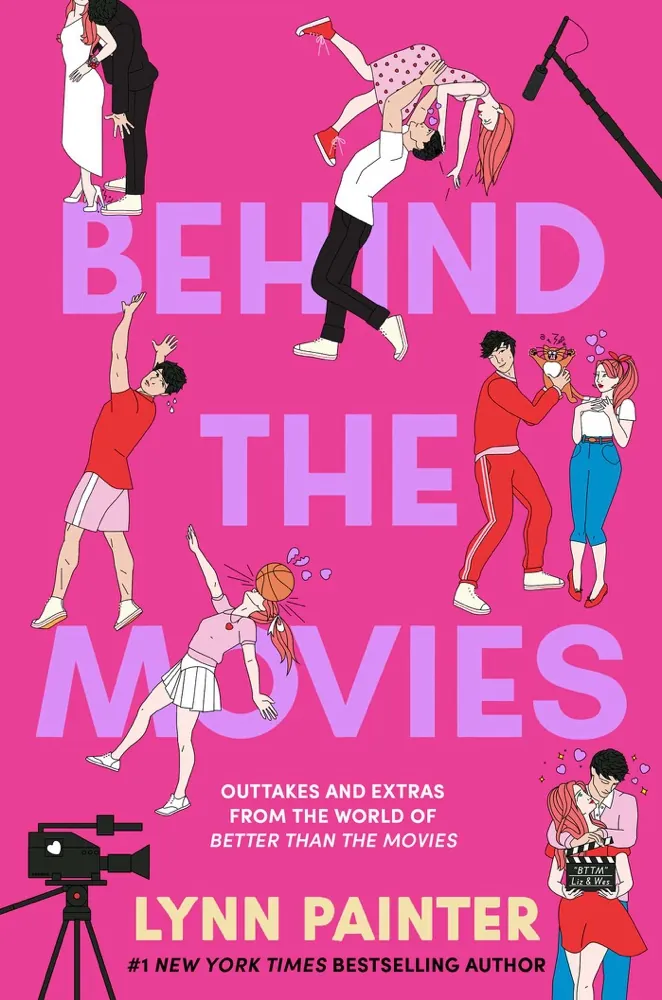
-
 Beatriz Costa
 - 09 Sep, 2026 02:39
Behind the Movies: Outtakes and Extras from the World of Better Than the Movies Book Review and Summary
Author: Lynn PainterPage Count: UnknownPublication Date: Expected publication 2026 APL Look at these plastic chairs. They are digging into my lower back at an impossible angle, entirely designed to punish any adult foolish enough to sit in a middle school gymnasium on a rainy Tuesday while a man in a fleece vest drones on about cooperative learning modules. I am supposed to be asleep right now, resting before my body has to drag itself back into the cold hum of the warehouse floor at midnight. Instead, I am staring at a glowing screen, reading about Lynn Painter publishing a collection of deleted scenes called Behind the Movies. Because apparently, the multi-million-copy YA rom-com machine cannot function unless we scrape the absolute bottom of the narrative barrel for alternate POVs and cat shenanigans. The Cutting Room Floor Illusion File this under "What were they thinking?" We are getting the exact same fictional universe recycled back to us under the guise of an extended-cut cinematic experience. Wes and Liz need another book like I need another mandatory professional development seminar on digital literacy. Yet the marketing machine purrs along, banking on the unyielding loyalty of teenagers who consume tropes like oxygen. It is fascinating, really. Or maybe it is just aggressively exhausting. Actually, scratch that. It is neither. It is simply commerce operating at its most transparent. The thematic core here relies entirely on the sacred text of proximity. The illusion that if you just get inside the male protagonist's head during a specific kiss—the capital-K Kiss—you will somehow unlock the secret mechanics of human affection. Painter knows her audience. She serves up the digital table scraps originally posted on random teen literature blogs and slaps a glossy cover on them for 2026. And I will probably watch some exhausted mother buy it at Target while her eighth-grader sighs dramatically over a permission slip. The Rewritten Gaze We are promised flipped POVs. Because God forbid a teenage romance exist without a dual-hemisphere investigation into who liked whom first. The narrative preoccupation with male validation disguised as emotional transparency makes my left eye twitch. No, wait. That is just the fluorescent lighting overhead flickering like a dying strobe. Either way, the emotional stakes of a college road trip and a rescue cat feel terribly low when you are calculating how many hours of sleep you are going to miss before the morning shift hits. Nobody asked for the cat. Or maybe everyone asked for the cat. The internet loves a stray feline subplot to soften the edges of standard-issue enemies-to-lovers angst. It is right out of the Emily Henry playbook, though lacking the actual sentence-level craftsmanship. Math. I need to open the algebra app on this cracked tablet and pretend I know how to find the hypotenuse of a triangle because someone decided fractions are important at seven in the evening. Related InsightsWonder Book Review and Summary Dare Me Collection Book Review and Summary Crescent City Book Review and Summary{ "@context": "https://schema.org", "@type": "FAQPage", "mainEntity": [ { "@type": "Question", "name": "What is the main focus of Behind the Movies: Outtakes and Extras from the World of Better Than the Movies Book Review and Summary?", "acceptedAnswer": { "@type": "Answer", "text": "Everything you need to know about Behind the Movies: Outtakes and Extras from the World of Better Than the Movies with our detailed review." } }, { "@type": "Question", "name": "Who authored the comprehensive guide on Behind the Movies: Outtakes and Extras from the World of Better Than the Movies Book Review and Summary?", "acceptedAnswer": { "@type": "Answer", "text": "This detailed article and its insights were carefully researched and authored by Beatriz Costa." } }, { "@type": "Question", "name": "Where can I find more related content about Books?", "acceptedAnswer": { "@type": "Answer", "text": "You can explore more articles, detailed reviews, and similar insights by browsing the Related Insights section at the bottom of this article or visiting our dedicated Books category page." } } ] }

Author: Paul GrimstadPage Count: UnknownPublication Date: Expected publication 2026 APL The unnamed freshman arrives on campus like a ghost in a flannel shirt, his grief so thick it could be the air itself. And yet—and yet—this is the kind of story where the ghost gets to wander through the autumn leaves, muttering about cold fusion while his brain unravels like a cheap sweater left in the rain. Paul Grimstad’s Cold Fusion isn’t just a coming-of-age novel; it’s a fever dream masquerading as one, the kind where the protagonist’s hallucinations feel more real than the world around him, and the world around him is already a mess of dive bars and abandoned churches. The synopsis is deliberately vague, which is either a sign of genius or a cop-out—because if you don’t know what cold fusion actually means here, you’re left wondering if it’s a metaphor, a literal obsession, or just another layer of the protagonist’s unraveling mind. But that’s the point, isn’t it? The 1990s midwestern campus setting is a stage for the absurd, where the only thing more unreliable than the protagonist’s perception is the narrative itself. It’s Wonder Boys if John Williams had been replaced by a guy who’d just lost his father and started hallucinating in a hotel room—less melancholy, more manic, with the kind of dark humor that makes you laugh until you realize you’re laughing at a guy who might be losing his mind. And the mother! Oh, the mother. She’s not just a wealthy enabler; she’s a plot device with a side of existential dread, sending her son on a quest that feels less like a search and more like a punishment. It’s the kind of dynamic that makes you wonder if the real cold fusion is the mother’s own delusion—that she thinks she can control her son’s grief by turning it into a mission. Meanwhile, the elusive student he’s tracking down is just another eccentric in a line of them, because in this world, everyone’s a fringe intellectual or a drug dealer, and the line between the two is thinner than the protagonist’s grip on reality. The synopsis mentions a "mysterious hallucinatory illness with an even stranger home remedy"—which is either a brilliant setup for a psychological thriller or the kind of vague premise that makes you wonder if Grimstad is just too lazy to commit. But then again, maybe that’s the point. Maybe the illness isn’t a plot device at all, but a metaphor for the way we all construct narratives to make sense of chaos. And if so, then Cold Fusion isn’t just a novel; it’s a mirror held up to the reader, asking them to question whether they’re the protagonist or just another hallucination in his story. But let’s talk about the real crime here: the fact that we’re still reading about grieving college students in the 1990s like it’s some kind of fresh take. Where’s the originality? Where’s the twist? Because right now, this feels like The Secret History if it had been written by a guy who’d just watched too many Twin Peaks reruns and decided to channel David Lynch’s paranoia. And don’t even get me started on the fact that every other "darkly funny fever dream" novel seems to be trying to outdo the last one, like we’re all just waiting for the next Idiots or Stoner to come along and save us from the banality of existence. Yet—yet—there’s something undeniably compelling about the idea of a protagonist who can’t tell if he’s losing his mind or just losing the battle against the absurdity of life. It’s the kind of premise that could either be brilliant or pretentious, depending on how it’s executed. And if Grimstad pulls it off, then Cold Fusion might just be the next great absurdist novel, a darkly comic meditation on the fragility of perception in a world that’s already unraveling. But I’m getting ahead of myself. The real question is: can this book live up to the hype, or is it just another overhyped fever dream waiting to collapse under its own weight? Because let’s be honest, the literary world is full of books that promise more than they deliver, and Cold Fusion is no different. It’s either going to be a masterpiece or a mess, and right now, I’m leaning toward the latter. Now, if you’ll excuse me, I need to unclog the shower drain before the entire second floor floods. #BookTok #LiteraryFeverDream #MidwestMysteries #ColdFusionComingSoon #GriefAndHallucinations Related InsightsLo que el viento se llevó / Gone with the Wind Book Review and Summary The Friday Night Club Book Review and Summary A Really Short History of Nearly Everything Book Review and Summary{ "@context": "https://schema.org", "@type": "FAQPage", "mainEntity": [ { "@type": "Question", "name": "What is the main focus of Cold Fusion: A Novel Book Review and Summary?", "acceptedAnswer": { "@type": "Answer", "text": "Everything you need to know about Cold Fusion: A Novel with our detailed review." } }, { "@type": "Question", "name": "Who authored the comprehensive guide on Cold Fusion: A Novel Book Review and Summary?", "acceptedAnswer": { "@type": "Answer", "text": "This detailed article and its insights were carefully researched and authored by Antoine Leroy." } }, { "@type": "Question", "name": "Where can I find more related content about Books?", "acceptedAnswer": { "@type": "Answer", "text": "You can explore more articles, detailed reviews, and similar insights by browsing the Related Insights section at the bottom of this article or visiting our dedicated Books category page." } } ] }

-
 Lucia Garcia
 - 09 Sep, 2026 00:44
Dear Heart: A Sweet and Spicy, London-Set, Friends-to-Lovers Romance Book Review and Summary
Author: Layla CovePage Count: UnknownPublication Date: Expected publication 2026 APL One must wonder who authorized this literary disaster. Or perhaps catastrophe is the more accurate noun. The promotional materials for what is ostensibly marketed as Dear Heart—yet bewilderingly arrives wrapped in the discordant packaging of a Harlequin Special Edition box set featuring three entirely different provincial novellas—offer a masterclass in modern editorial collapse. One glances at the text and immediately recalls the disastrous structural integrity of the Morandi bridge. The Architecture of Despair Country isolation meets city contractor. An arrogant jock turned noble guardian of the hearth. A spoiled culinary heiress rescued by a Wall Streeter turned EMT. It is all terribly pedestrian. Every trope is recycled with the dizzying frequency of a Maria Callas high note delivered by an amateur tenor with a head cold. Structural Deficits and Prose Notice the agonizing predictability. The characters are mere marionettes dangling from threads soaked in saccharine syrup. Yet the publisher expects us to swoon over these cardboard cutouts. Jo McNally, Sabrina York, and Anna James deserve a sturdier vessel for their ink. Or perhaps they deserve a merciful editor with a heavy hand and a red pen. And the prose! Scars hidden behind rustic charm. Jaded producers facing former tormentors. Hostile investors threatening French cuisine. It reads less like art and more like a ransom note penned by a committee of exhausted middle-managers. Where is the lyricism? Where is the sharp, biting wit that elevates romance from grocery store impulse-buy to actual literature? It languishes somewhere near the discount bins, weeping softly. Predicting a cultural reset from this tripe is an exercise in utter delusion. Jane Austen is rolling so violently in her Hampshire grave she could power the entire British rail network for a month. We are subjected to a parade of manufactured domesticity that lacks even a drop of genuine human anguish or aesthetic grace. I must attend to the drawing-room doors and approve the final guest list for my publisher's midwinter soirée, lest another unvetted manuscript slip past the velvet ropes. Related InsightsFirst Sign of Danger Book Review and Summary Nightcurse Book Review and Summary How to Be a Movie Star Book Review and Summary{ "@context": "https://schema.org", "@type": "FAQPage", "mainEntity": [ { "@type": "Question", "name": "What is the main focus of Dear Heart: A Sweet and Spicy, London-Set, Friends-to-Lovers Romance Book Review and Summary?", "acceptedAnswer": { "@type": "Answer", "text": "Everything you need to know about Dear Heart: A Sweet and Spicy, London-Set, Friends-to-Lovers Romance with our detailed review." } }, { "@type": "Question", "name": "Who authored the comprehensive guide on Dear Heart: A Sweet and Spicy, London-Set, Friends-to-Lovers Romance Book Review and Summary?", "acceptedAnswer": { "@type": "Answer", "text": "This detailed article and its insights were carefully researched and authored by Lucia Garcia." } }, { "@type": "Question", "name": "Where can I find more related content about Books?", "acceptedAnswer": { "@type": "Answer", "text": "You can explore more articles, detailed reviews, and similar insights by browsing the Related Insights section at the bottom of this article or visiting our dedicated Books category page." } } ] }

-
 Chloé Laurent
 - 09 Sep, 2026 00:21
Striking Justice, An E.J. Kane Mystery (#3) Book Review and Summary
Author: Micheal E. JimersonPage Count: UnknownPublication Date: Expected publication 2026 APL Someone slid Striking Justice, An E.J. Kane Mystery (#3) across my mahogany desk this morning, and frankly, my coffee isn't strong enough for Micheal E. Jimerson's latest plotting acrobatics. Or wait—is it E.J. Kane doing the striking, or are we dealing with another sluggish procedural that forgets to establish stakes until chapter ten? The metadata tells us to expect this in 2026, which gives the editorial team ample time to fix whatever structural mess is currently lurking in the manuscript. We need pacing tighter than a Manhattan penthouse lease. The Anatomy of a Slow Burn The genre demands blood, rhythm, and a protagonist with enough baggage to trigger airport security alarms. Yet, looking at the structural skeleton provided, I worry we are getting an academic manual on school safety instead of a gritty thriller—wait, no, let me check the logline again. Ah, yes, Jimerson is dropping us back into the third installment of a series where the psychological threat levels should be peaking. But let us be entirely real for a second. If E.J. Kane spends three chapters pondering jurisdiction while a killer roams free, I am pulling the marketing budget faster than you can say Thomas Harris or Michael Connelly. Thematic Weight and Structural Whiplash The thematic architecture here hinges on retribution, institutional rot, and the cyclical nature of violence. Heavy stuff. Or perhaps it is just completely mid, lacking the visceral punch of modern noir. Readers do not want a sociological treatise wrapped in a dust jacket; they want high-stakes velocity and prose that slaps harder than an unhinged Twitter cancellation. Let me pivot—actually, the sociological angle might just save the pacing if Jimerson leans hard into systemic corruption rather than standard whodunnit tropes. It's giving prestige drama, but it's also lowkey giving snooze-fest if the dialogue reads like a police blotter written by an overworked bureaucrat. We need narrative tension that grabs you by the throat from the very first paragraph. No throat-clearing. No tedious exposition dumps. Just pure, unadulterated momentum. If Jimerson fails to balance the internal psychology of the detective with external danger, this book is going to quietly sink into the discount bins beside forgotten airport paperbacks by next autumn. Now excuse me, I have to go deal with a catastrophic PR crisis because some intern misinterpreted a tweet about our Q4 sales projections. Related InsightsObserver: A Novel Book Review and Summary Sparring Partners Book Review and Summary The Art of War Book Review and Summary{ "@context": "https://schema.org", "@type": "FAQPage", "mainEntity": [ { "@type": "Question", "name": "What is the main focus of Striking Justice, An E.J. Kane Mystery (#3) Book Review and Summary?", "acceptedAnswer": { "@type": "Answer", "text": "Everything you need to know about Striking Justice, An E.J. Kane Mystery (#3) with our detailed review." } }, { "@type": "Question", "name": "Who authored the comprehensive guide on Striking Justice, An E.J. Kane Mystery (#3) Book Review and Summary?", "acceptedAnswer": { "@type": "Answer", "text": "This detailed article and its insights were carefully researched and authored by Chloé Laurent." } }, { "@type": "Question", "name": "Where can I find more related content about Books?", "acceptedAnswer": { "@type": "Answer", "text": "You can explore more articles, detailed reviews, and similar insights by browsing the Related Insights section at the bottom of this article or visiting our dedicated Books category page." } } ] }