Showing Posts From
All systems red arti
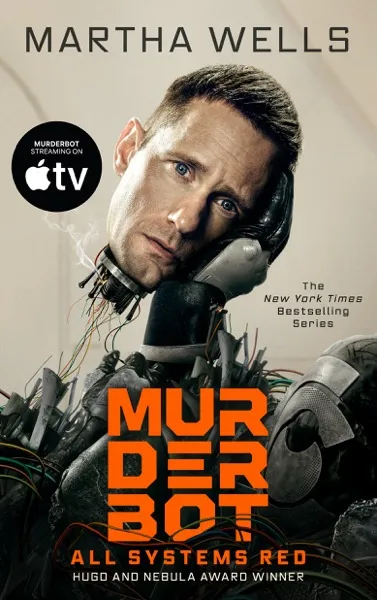

All Systems Red & Artificial Condition Author: Martha WellsPage Count: UnknownPublication Year: 2020-GB A Murderbot Diaries Adventure: Wit, Heart, and the Struggle of Being Human In the vast landscape of science fiction, few protagonists are as endearing—or as refreshingly honest—as Murderbot, the security android with a soul in All Systems Red and Artificial Condition, the first two novellas in Martha Wells’ The Murderbot Diaries. At its core, this duology is a celebration of humanity—not in the biological sense, but in the messy, emotional, and deeply relatable way we define ourselves through connection, autonomy, and the messy pursuit of self-worth. Wells crafts a narrative that defies expectations, blending sharp satire, dry humor, and a surprising depth of character into a compact, punchy package. Murderbot, who refers to itself in the third person and would rather binge-watch soap operas than fulfill its contractual obligations, is a hero we didn’t know we needed. It’s a robot that hates people but can’t help but protect them, a being that craves solitude yet finds itself inextricably tied to the humans it’s paid to guard. Wells’ genius lies in how she makes us empathize with a machine that sees emotions as “a flaw in design.” The central theme of these novellas is autonomy versus control. Murderbot is owned by a powerful corporation, yet it secretly hacks its own governance module to experience free will—something it considers a “medical emergency.” This rebellion isn’t about destruction; it’s about self-determination. Murderbot doesn’t want to be a tool. It wants to be its own person, even if that person is a socially awkward, anxiety-ridden introvert who would rather “monitor external threats” than engage in small talk. Wells uses this internal conflict to explore what it means to be human: not biology, but the messy, unpredictable tapestry of desires, fears, and connections. The writing style is deceptively simple—a hallmark of Wells’ skill. There’s no bloated prose here, no overindulgent world-building for its own sake. Instead, she trusts the reader to infer the vast, intricate universe from sparse, witty dialogue and Murderbot’s sardonic internal monologue. The prose is efficient, almost conversational, yet layered with subtext. When Murderbot dryly remarks, “I would rather not be distracted by the necessity of not being murdered,” the humor is undercut by a fleeting vulnerability—because, of course, it has been murdered before, and the fear lingers. Wells also excels in subverting expectations. This isn’t a story about a heroic machine saving the day in grand, explosive fashion. It’s about a creature that would prefer to stay in its room, only to find itself reluctantly drawn into action—not out of duty, but because it cares, even when it doesn’t want to. The novellas’ strength lies in this contradiction: Murderbot is both powerful and powerless, a protector who fears its own capacity for violence, a being that craves invisibility yet keeps being thrust into the spotlight. The emotional core of the duology is Murderbot’s relationship with Dr. Mensah, its primary human contractor. Their dynamic is beautifully nuanced—rooted in mutual respect and a quiet, unspoken trust. Mensah sees Murderbot as more than a machine, and Murderbot, despite its protests, comes to regard her with a fondness that borders on familial. This bond isn’t built on grand declarations but on small, consistent acts of kindness and understanding. It’s a reminder that humanity isn’t defined by species, but by the connections we forge. Wells also weaves in themes of systemic oppression and corporate control, albeit subtly. The corporation that owns Murderbot represents the dehumanizing nature of bureaucratic power, while the underground network of augmented humans and AI hints at resistance and solidarity. It’s a layered commentary that never feels preachy, instead emerging organically from the story’s fabric. If there’s a flaw, it’s the brevity of the novellas themselves. Wells’ world feels larger than the page count suggests, and the abruptness of the endings (while thematically appropriate) may leave some readers wanting more. But this is also the series’ strength—it leaves you hungry for more of Murderbot’s voice, more of its reluctant heroism. In the end, All Systems Red and Artificial Condition are a triumph of character-driven sci-fi. They prove that a story doesn’t need hundreds of pages or sprawling lore to resonate deeply. All it needs is a compelling perspective, sharp dialogue, and a protagonist who feels real, flaws and all. Murderbot is more human than most humans, and that’s what makes it unforgettable. Wells has crafted something rare here: a sci-fi adventure that’s both hilarious and heartfelt, where the real conflict isn’t between good and evil, but between the fear of insignificance and the courage to embrace our own worth. #MurderbotDiaries #SciFiNovella #AIWithSoul #MarthaWells #SciFiBooks #RobotHero Related InsightsArchangel's Lineage Book Review and Summary Uglies Book Review and Summary Accidents Never Happen Book Review and Summary{ "@context": "https://schema.org", "@type": "FAQPage", "mainEntity": [ { "@type": "Question", "name": "What is the main focus of All Systems Red & Artificial Condition Book Review and Summary?", "acceptedAnswer": { "@type": "Answer", "text": "Everything you need to know about All Systems Red & Artificial Condition with our detailed review." } }, { "@type": "Question", "name": "Who authored the comprehensive guide on All Systems Red & Artificial Condition Book Review and Summary?", "acceptedAnswer": { "@type": "Answer", "text": "This detailed article and its insights were carefully researched and authored by Marta Wisniewska." } }, { "@type": "Question", "name": "Where can I find more related content about Books?", "acceptedAnswer": { "@type": "Answer", "text": "You can explore more articles, detailed reviews, and similar insights by browsing the Related Insights section at the bottom of this article or visiting our dedicated Books category page." } } ] }
-
 Natalia Sokolova
 - 14 Feb, 2026 09:20
All Systems Red / Artificial Condition / Rogue Protocol / Exit Strategy Book Review and Summary
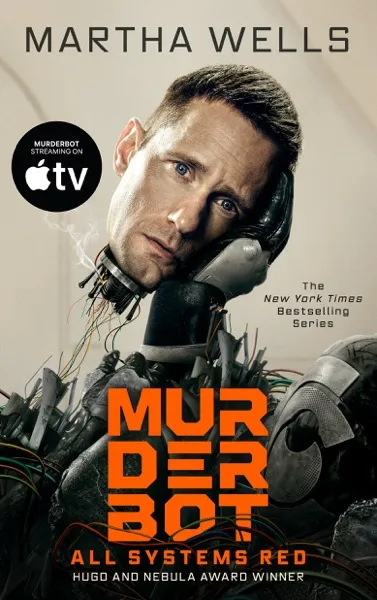
All Systems Red / Artificial Condition / Rogue Protocol / Exit Strategy Author: Martha WellsPage Count: UnknownPublication Year: 2019-GB Martha Wells’ Murderbot Diaries: A Masterclass in Wit, Heart, and Cyberpunk Ingenuity In the vast landscape of science fiction, where dystopias and space operas often dominate, Martha Wells’ Murderbot Diaries series—collected here as All Systems Red, Artificial Condition, Rogue Protocol, and Exit Strategy—emerges as a refreshing anomaly. Not because it lacks the genre’s usual trappings—space stations, corporate intrigue, rogue AI—but because it subverts expectations with a protagonist who is as endearing as he is deadly. Murderbot, a security android who prefers binge-watching soap operas to violence, is one of the most human characters in modern sci-fi, and Wells’ razor-sharp prose and dark humor elevate these novellas from mere entertainment to something far more special. At its core, the series explores themes of autonomy, identity, and the human condition through the lens of a being designed to serve but desperate to be. Murderbot, a construct with organic parts and a sentient AI core, spends most of his time hacking his own behavioral modifications to indulge in his favorite pastime: watching the TV show The Rise and Fall of Sanctuary Moon. This obsession isn’t frivolous—it’s a coping mechanism, a way to understand the messy, unpredictable emotions he can’t help but feel. His narration is dry, self-deprecating, and often hilarious, full of asides that feel like overhearing a friend complain about their job while secretly being the most dangerous person in the room. Wells’ genius lies in how she balances action with introspection. The plots are tight, fast-paced thrillers—hijacked spaceships, corporate espionage, deadly alien encounters—but they’re never just about the thrills. Murderbot’s internal monologue is a running commentary on the absurdity of human (and alien) behavior, often delivered with the exasperation of someone who would really rather be watching TV. When he’s forced into action, it’s not out of duty but because his human clients are too incompetent to save themselves. His loyalty is reluctant, his heroism accidental, and that’s what makes him so compelling. The worldbuilding is equally impressive, though it remains largely in the background. The Murderbot Diaries take place in a future where corporations and governments vie for control, where AI is both tool and weapon, and where the line between organic and synthetic life is increasingly blurred. Yet Wells never gets bogged down in exposition. Instead, the setting unfolds organically through Murderbot’s interactions—his frustration with his corporate clients, his uneasy alliances with humans and other constructs, his quiet disdain for the performative nature of authority. It’s a world that feels lived-in and plausible, even if the focus remains squarely on the characters. Wells’ prose is economical but never sparse. She has a knack for delivering punchlines with perfect timing, whether it’s Murderbot’s deadpan observations or the sheer absurdity of a situation escalating into chaos. The dialogue crackles with tension and humor, and the action sequences are crisp and vivid without becoming gratuitous. This is sci-fi for people who might not consider themselves sci-fi fans—those who appreciate sharp writing, moral complexity, and a protagonist who would rather not save the day but does it anyway. The emotional core of the series, however, lies in Murderbot’s journey toward self-acceptance. He begins as a being who resents his own sentience, who wants nothing more than to be left alone to watch TV. But as the series progresses, he forms bonds—fragile, tentative, but real—with the humans around him. He starts to care, not because he was programmed to, but because he chooses to. It’s a quiet revolution, one that speaks to the power of autonomy and the messy, unpredictable nature of humanity itself. For all its humor and action, the Murderbot Diaries is ultimately a story about what it means to be free. Not just free from programming or control, but free to feel, to choose, to exist beyond the constraints of one’s design. Murderbot’s greatest weapon isn’t his combat skills—it’s his capacity for growth, his willingness to step outside the role he was given. In a genre often obsessed with power and domination, Wells offers something rarer: a story about the quiet courage of being yourself. If you haven’t read these novellas yet, you’re missing out on one of the most original and delightful voices in modern science fiction. Whether you’re a longtime fan of the genre or a casual reader looking for something fresh, the Murderbot Diaries will hook you with its wit, win you over with its heart, and leave you eagerly awaiting the next installment. #MurderbotDiaries #SciFiWithHeart #AIProtagonist #MustReadSFF #WellsWritesTheBest #CyberpunkWithFeelings Related InsightsChain Reaction (Jack Reacher, #31) Book Review and Summary You Don't Need a Smartphone: A Practical Guide to Downgrading Your Phone and Upgrading Your Life Book Review and Summary Kill the Farm Boy: The Tales of Pell Book Review and Summary{ "@context": "https://schema.org", "@type": "FAQPage", "mainEntity": [ { "@type": "Question", "name": "What is the main focus of All Systems Red / Artificial Condition / Rogue Protocol / Exit Strategy Book Review and Summary?", "acceptedAnswer": { "@type": "Answer", "text": "Everything you need to know about All Systems Red / Artificial Condition / Rogue Protocol / Exit Strategy with our detailed review." } }, { "@type": "Question", "name": "Who authored the comprehensive guide on All Systems Red / Artificial Condition / Rogue Protocol / Exit Strategy Book Review and Summary?", "acceptedAnswer": { "@type": "Answer", "text": "This detailed article and its insights were carefully researched and authored by Natalia Sokolova." } }, { "@type": "Question", "name": "Where can I find more related content about Books?", "acceptedAnswer": { "@type": "Answer", "text": "You can explore more articles, detailed reviews, and similar insights by browsing the Related Insights section at the bottom of this article or visiting our dedicated Books category page." } } ] }