Showing Posts From
Ancient history
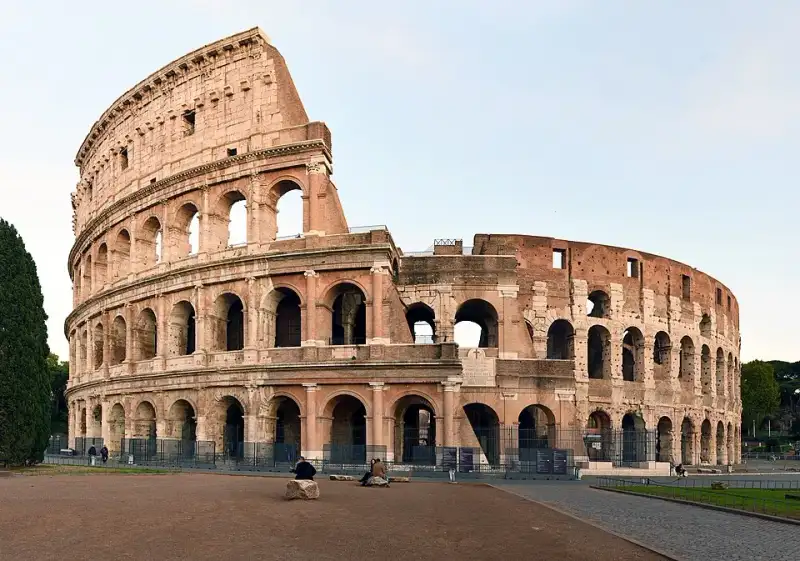

In the very center of the Eternal City, amidst the bustling streets of modern Rome, stands a monument that defies the relentless march of time. The Colosseum, originally known as the Flavian Amphitheatre, is not merely a ruin; it is a profound testament to the ambition, engineering prowess, and complex societal fabric of the Roman Empire. For nearly two millennia, this colossal structure of stone and concrete has captured the imagination of travelers, historians, and artists alike. Its massive, scarred walls whisper tales of glorious triumphs, agonizing defeats, and the roaring crowds that once filled its tiers. To stand before the Colosseum is to stand before the crystallized essence of an empire that once ruled the known world. The story of the Colosseum #Colosseum is inextricably linked to the narrative of Rome itself. It is a story of political maneuvering, architectural innovation, and a cultural obsession with spectacle and violence. From its foundation by Emperor Vespasian to its eventual decline and modern resurrection as a global icon, the Colosseum's journey is a microcosm of human history. This comprehensive exploration will delve into the origins, construction, architectural genius, and the bloody reality of the games that defined this magnificent structure, shedding light on why it remains one of the most recognizable and revered landmarks on the planet #AncientRome. Out of the Ashes: The Origins and Construction The genesis of the Colosseum is rooted in chaos and revolution. Following the suicide of the infamous Emperor Nero in 68 AD, the Roman Empire plunged into a period of violent instability known as the Year of the Four Emperors. Out of this civil war emerged Vespasian, a seasoned military commander who founded the Flavian dynasty. Vespasian was a pragmatic ruler, keenly aware of the need to consolidate his power and appease a populace weary of turmoil and the excesses of his predecessor. Nero had alienated the Roman citizens by confiscating a vast tract of prime real estate in the city center—devastated by the Great Fire of Rome in 64 AD—to build his opulent Domus Aurea, or Golden House. This sprawling palace complex, complete with a massive artificial lake, was a symbol of Nero's tyranny and extravagance #RomanHistory. In a masterstroke of political propaganda, Vespasian decided to dismantle the Domus Aurea and return the land to the people. At the site of Nero's private lake, he decreed the construction of a colossal public amphitheater. This was a clear message: whereas Nero built for his own pleasure, the Flavian emperors would build for the entertainment and benefit of the Roman citizens. The financing for this immense project came from a grim source: the spoils of the First Jewish-Roman War. Following the brutal sack of Jerusalem in 70 AD, immense wealth was brought back to Rome, alongside tens of thousands of Jewish captives who would provide the backbreaking labor required to raise the amphitheater from the ground #AncientEngineering. Construction began around 70-72 AD and proceeded at a remarkable pace, driven by the sheer will of the emperor and the limitless supply of slave labor. The engineering challenges were immense. The site of the former lake had to be drained, a feat accomplished by constructing a massive network of underground drains that channeled the water to the river Tiber. Once the ground was stabilized, the foundations—massive concrete rings up to 13 meters deep—were poured to support the immense weight of the structure. The building materials were sourced from across the region. Over 100,000 cubic meters of travertine limestone, quarried in Tivoli, were transported to Rome along a specially built road. This gleaming white stone was used for the exterior facade and the main load-bearing pillars. Tuff, a softer volcanic rock, and brick-faced concrete were used extensively for the inner walls and vaults, demonstrating the Romans' mastery of concrete (opus caementicium)—a material that revolutionized ancient architecture by allowing for the construction of vast, soaring spaces without the need for internal supports #Architecture. Vespasian did not live to see the completion of his great project. He died in 79 AD, and the amphitheater was inaugurated by his son and successor, Titus, in 80 AD. The inaugural games were an extravagant affair, lasting 100 days and resulting in the slaughter of thousands of wild animals and gladiators. The Colosseum was further modified by Titus's brother, Domitian, who added the highest tier and, crucially, constructed the complex underground network known as the hypogeum. A Symphony of Stone: Architectural Grandeur and Design The sheer scale of the Colosseum is staggering, even by modern standards. It is an elliptical structure, measuring 189 meters (615 feet) long, 156 meters (510 feet) wide, and originally rising to a height of nearly 50 meters (164 feet). It is estimated that it could hold between 50,000 and 80,000 spectators, making it the largest amphitheater ever built. The design is a triumph of functionality and aesthetics, a perfect marriage of form and purpose #MonumentalArchitecture. The exterior facade is perhaps the most iconic element of the Colosseum. It consists of three arcaded tiers, surmounted by a solid, un-arcaded attic story. What makes the facade particularly fascinating is the deliberate progression of architectural orders. The half-columns on the ground floor are of the sturdy, simple Doric order; the second floor features the more elegant Ionic order; and the third floor is adorned with the ornate Corinthian order. The top story features Corinthian pilasters framing rectangular windows. This upward progression, from the heaviest to the most delicate, gives the massive structure a sense of lightness and upward thrust, drawing the eye toward the sky #RomanArchitecture. Inside the amphitheater, the seating arrangement, known as the cavea, was a rigid reflection of Roman social hierarchy. The Colosseum was a microcosm of Roman society, where every citizen knew their place. The podium, the lowest and best tier, was reserved for the Emperor, the Vestal Virgins, senators, and visiting dignitaries. Their seats were inscribed with their names, some of which can still be seen today. The maenianum primum was situated above the podium and was occupied by the equestrian class (knights) and noblemen. The maenianum secundum, divided into an upper and lower section, was for the ordinary Roman citizens (plebeians). The lower part was for wealthier citizens, while the upper part was for poorer individuals. Finally, the maenianum summum in ligneis, added by Domitian, was a steep wooden gallery at the very top of the structure, designated for the lowest classes, including women and slaves #AncientSocieties.One of the most impressive functional aspects of the Colosseum's design was its crowd control system. The architects incorporated 80 numbered arched entrances on the ground level, 76 of which were for the general public. These led into a complex network of vaulted corridors, staircases, and passageways that allowed tens of thousands of spectators to enter and exit the building with astonishing efficiency. These exit points were called vomitoria—not because they were places to regurgitate, as a popular myth suggests, but from the Latin word vomere, meaning "to spew forth," accurately describing how the amphitheater could rapidly empty its vast crowds into the streets of Rome #UrbanPlanning. To protect the spectators from the blistering Roman sun, the Colosseum was equipped with a velarium, an immense retractable awning. This marvel of ancient engineering consisted of a vast canvas suspended from a network of ropes, supported by 240 wooden masts set into corbels around the top cornice. The velarium was operated by a specialized detachment of sailors from the Roman imperial fleet, stationed at the nearby Castra Misenatium. They used complex rigging, similar to that used on a ship, to unfurl and retract the awning, providing shade while allowing a cooling breeze to circulate through the arena #EngineeringMarvel. The Hypogeum: The Beating Heart of the Arena While the soaring arches and tiered seating are the most visible aspects of the Colosseum, its true technological marvel lay hidden beneath the sandy floor of the arena. This subterranean world, known as the hypogeum (Greek for "underground"), was added by Emperor Domitian shortly after the inauguration. It transformed the Colosseum from a simple amphitheater into a highly sophisticated machine designed for death and spectacle #Hypogeum. The hypogeum was a complex, two-level labyrinth of tunnels, chambers, and holding pens. It served as the staging area for the games, a place of frenzied activity where gladiators prepared for battle and exotic beasts were kept in darkness before being thrust into the blinding light of the arena. The logistics of managing this underground city were immense. Hundreds of workers—animal handlers, stagehands, guards, and engineers—toiled in the stifling, foul-smelling darkness to ensure the smooth running of the spectacles above #HiddenHistory. The most ingenious feature of the hypogeum was its intricate system of elevators, pulleys, and trapdoors. The Romans constructed at least 28 sophisticated wooden elevators, powered by capstans turned by slaves. These elevators were used to hoist wild animals—lions, bears, leopards, and wolves—from their cages up to the arena floor. The simultaneous release of dozens of predators from hidden trapdoors across the arena would have created a terrifying and awe-inspiring effect for the audience. Furthermore, the hypogeum was used to raise elaborate stage sets (sylvae). Trees, rocks, and entire buildings could be hoisted into the arena to recreate mythological landscapes or exotic locales, providing a dramatic backdrop for the hunts and executions. The sheer theatricality of these mechanisms demonstrates that the Roman games were not merely bloody slaughters, but highly produced, immersive theatrical events designed to shock, amaze, and entertain #AncientTech. Blood and Sand: The Spectacles of the Colosseum The events held within the Colosseum were central to Roman culture. The games, or ludi, were sponsored by the emperor or wealthy politicians as a means of gaining popularity, demonstrating power, and placating the masses—a strategy famously summarized by the poet Juvenal as "bread and circuses" (panem et circenses). The games were multi-day festivals, and a typical day at the Colosseum followed a structured, gruesome schedule #Gladiators. The morning was typically dedicated to the venationes, or wild animal hunts. The Roman Empire stretched from the deserts of Africa to the forests of Northern Europe, and the emperors used the games to showcase their dominion over the natural world. Exotic beasts—elephants, rhinos, hippos, crocodiles, ostriches, and big cats—were imported at enormous expense and systematically slaughtered. Specially trained hunters, called venatores and bestiarii, armed with spears and bows, would battle the beasts in recreated natural settings. The scale of the slaughter was staggering; it is said that 9,000 animals were killed during the 100-day inaugural games alone, driving some species to the brink of local extinction #RomanEmpire. The midday slot was reserved for the ludi meridiani, the public executions. This was a brutal demonstration of Roman justice, designed to deter crime and reinforce the authority of the state. Criminals, prisoners of war, and, during periods of persecution, Christians, were put to death in increasingly theatrical and sadistic ways. The most common method was damnatio ad bestias, where the condemned were thrown unarmed to starved predators. Others were forced to participate in fatal reenactments of mythological stories, ensuring their deaths were both agonizing and entertaining to the bloodthirsty crowd #AncientJustice. The climax of the day, held in the late afternoon, was the munera—the gladiatorial combats. Gladiators were the superstars of the ancient world. Though predominantly slaves, prisoners of war, or condemned criminals, successful gladiators could achieve immense fame, wealth, and even freedom. They lived in specialized barracks (such as the Ludus Magnus, located near the Colosseum) and underwent rigorous training under the harsh discipline of a lanista #GladiatorLife. There were many distinct types of gladiators, each with specialized armor and weapons, designed to create thrilling and balanced match-ups. The heavily armored Murmillo, with his fish-crested helmet and large rectangular shield, often fought the Thraex, who carried a small square shield and a curved sword. Perhaps the most iconic was the Retiarius, who fought with minimal armor, relying on a weighted net and a trident to entangle and spear his opponent, typically a heavily armored Secutor. The combats were not always chaotic brawls; they were highly regulated martial arts contests overseen by referees. While death was a common outcome, it was not inevitable. Gladiators were expensive investments, and organizers often spared the lives of brave but defeated fighters. The fate of a vanquished gladiator rested in the hands of the emperor, who would heed the roar of the crowd, signaling their preference with a gesture—the infamous "thumbs up" or "thumbs down," though the exact nature of this gesture remains debated among historians #HistoryFacts. There are also ancient accounts of naumachiae, or mock sea battles, being held in the Colosseum. Writers such as Cassius Dio report that the arena was flooded to recreate famous naval engagements. However, the logistics of waterproofing the arena and the subsequent construction of the complex hypogeum make it highly likely that if these sea battles did occur, they happened only in the earliest years of the Colosseum's history, before Domitian's underground renovations made flooding impossible. The Long Twilight: Decline, Fall, and Transformation The bloody spectacles of the Colosseum continued for over four centuries, but the turning point came with the gradual transformation of the Roman Empire. The rise of Christianity, which prioritized the sanctity of human life, increasingly clashed with the brutality of the games. In 325 AD, Emperor Constantine I, the first Christian emperor, issued an edict condemning gladiatorial combat, though the practice persisted. It was not until the early 5th century, under Emperor Honorius, that gladiatorial games were definitively banned, largely due to the martyrdom of a monk named Telemachus, who was stoned to death by the crowd when he tried to intervene in a fight #ChristianHistory. The venationes continued for another century, but as the Western Roman Empire crumbled under economic strain and barbarian invasions, the enormous cost of importing animals and maintaining the vast structure became unsustainable. The last recorded animal hunt took place in 523 AD. Following the cessation of the games, the Colosseum fell into a long period of decline and transformation. It was battered by the forces of nature; a series of devastating earthquakes, particularly a massive tremor in 1349, caused the collapse of the southern side of the outer ring. The ruined structure ceased to be an entertainment venue and was repurposed by the pragmatic citizens of Rome #MiddleAges. During the medieval period, the vast interior was transformed into a bustling neighborhood. The vaulted corridors beneath the seating were walled off and rented out as housing, workshops, and even stables. A small church was built into the structure, and the arena floor was used as a cemetery. In the 12th century, the powerful Frangipani family fortified the Colosseum, turning the ancient monument into a formidable castle to assert their dominance over Rome. Perhaps the greatest damage to the Colosseum was inflicted not by nature, but by humans. For centuries, the building was treated as a vast, convenient quarry. The massive blocks of travertine that had tumbled down during earthquakes were carted away to build palaces, churches, and hospitals throughout Rome, including St. Peter's Basilica. The iron and bronze clamps that held down the stones were meticulously chipped out, leaving the pockmarked facade that is visible today. It is estimated that nearly two-thirds of the original structure was destroyed or removed during this period #HistoricalRuins. Resurrection: The Colosseum in the Modern Era The systematic plundering of the Colosseum only ceased in the mid-18th century. In a bid to preserve the monument, Pope Benedict XIV consecrated the arena in 1749, declaring it a sacred site sanctified by the blood of Christian martyrs—a historically dubious claim, as most early Christian martyrdoms likely occurred in the Circus Maximus or other arenas, but a crucial turning point for the building's survival. The Pope erected the Stations of the Cross around the arena floor, establishing a tradition that continues to this day, with the current Pope leading the Good Friday procession at the Colosseum #Vatican. The 19th and 20th centuries saw concerted efforts to stabilize and restore the ruins. French architects under Napoleon began the first modern excavations of the arena floor, uncovering the forgotten hypogeum. Subsequent Italian governments continued the restoration, shoring up the collapsing outer walls with massive brick buttresses that remain visible today. Under the Fascist regime of Benito Mussolini, the area around the Colosseum was radically altered with the construction of the Via dei Fori Imperiali, an imposing boulevard that cuts through the ancient forums, intended to link Mussolini's new Rome with the glories of the imperial past. Today, the Colosseum stands as one of the most visited archaeological sites on earth, drawing millions of tourists annually. In 1980, it was designated a UNESCO World Heritage Site, and in 2007, it was overwhelmingly voted as one of the New Seven Wonders of the World. Recent restoration projects, funded both by the Italian state and private luxury brands, have meticulously cleaned the facade, restoring the travertine to its original gleaming hue, and opened up new areas of the hypogeum and the upper tiers to the public #WonderOfTheWorld. The cultural impact of the Colosseum is immeasurable. It is a ubiquitous symbol of Rome and Italy, instantly recognizable across the globe. It has served as the dramatic backdrop for countless films, from the classic Roman Holiday to the epic Gladiator, continuing to shape our modern perception of ancient Rome. It remains a powerful muse for artists, writers, and architects, a testament to the enduring power of monumental architecture to inspire awe and reflection #TravelRome. Conclusion The Colosseum is far more than a pile of ancient stones; it is a profound monument to the complexities of human nature. It stands as a pinnacle of Roman engineering, a structure of breathtaking scale and ingenuity that has survived earthquakes, fires, and centuries of plunder. Yet, it is also a chilling reminder of the cruelty and bloodlust that characterized Roman society, an arena where the suffering of men and beasts was consumed as entertainment. To walk through the shadowed archways of the Colosseum is to step back in time. One can almost hear the roar of the eighty thousand spectators, the clash of steel, and the desperate cries of the condemned. It is a place where glory and horror are inextricably linked. As long as its towering walls remain standing, the Colosseum will continue to dominate the skyline of Rome, serving as an eternal bridge between the modern world and the faded, bloody grandeur of the Roman Empire. As the 8th-century English monk the Venerable Bede famously prophesied: "While the Colosseum stands, Rome shall stand; when the Colosseum falls, Rome shall fall; when Rome falls, the world shall fall." #EternalCity #RomeHistory #Colosseum #Rome #AncientHistory #Gladiators Related InsightsEchoes from the Ash: The Rise, Fall, and Resurrection of Pompeii The Acropolis of Athens: A Timeless Citadel of Human Triumph The Whispering Stones of Chichen Itza: Echoes of the Maya{ "@context": "https://schema.org", "@type": "FAQPage", "mainEntity": [ { "@type": "Question", "name": "What is the main focus of The Colosseum: Echoes of Eternity in the Heart of Rome?", "acceptedAnswer": { "@type": "Answer", "text": "Discover the fascinating history, architectural brilliance, and enduring legacy of the Colosseum, Rome's greatest monument and an icon of the ancient world." } }, { "@type": "Question", "name": "Who authored the comprehensive guide on The Colosseum: Echoes of Eternity in the Heart of Rome?", "acceptedAnswer": { "@type": "Answer", "text": "This detailed article and its insights were carefully researched and authored by Liam Carter." } }, { "@type": "Question", "name": "Where can I find more related content about History?", "acceptedAnswer": { "@type": "Answer", "text": "You can explore more articles, detailed reviews, and similar insights by browsing the Related Insights section at the bottom of this article or visiting our dedicated History category page." } } ] }
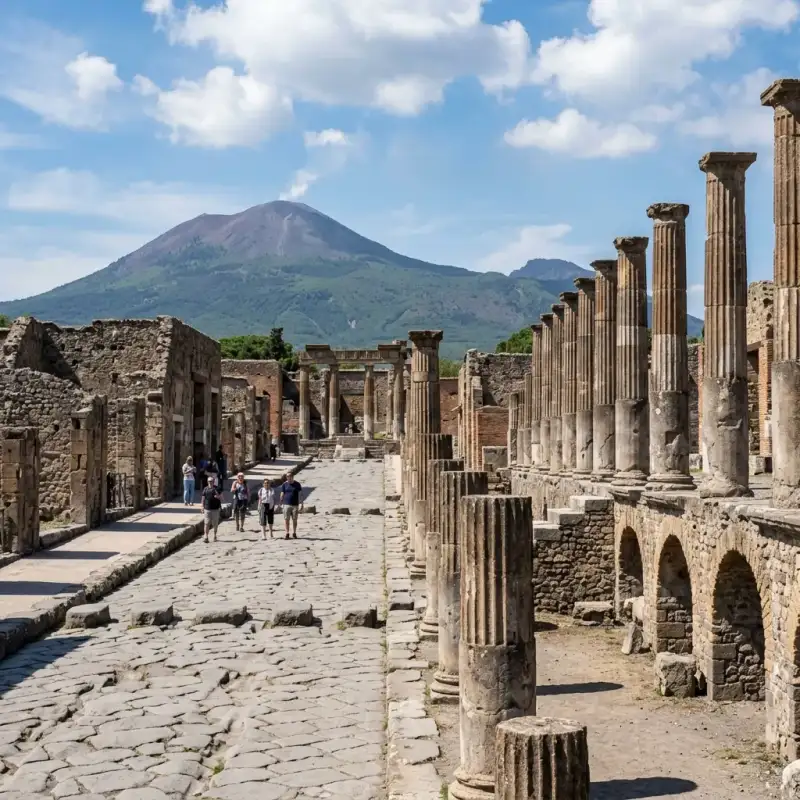
Echoes from the Ash: The Rise, Fall, and Resurrection of Pompeii By Liam Carter Nestled in the sun-drenched shadow of Mount Vesuvius, the ancient city of Pompeii stands as one of the most profound and evocative testaments to the fragility of human existence. It is a place where time did not merely stop; it was violently and abruptly suspended, encased in layers of suffocating volcanic ash and pumice. To walk the cobbled streets of Pompeii today is to step directly into the year 79 AD, to breathe the phantom air of a bustling Roman metropolis that was extinguished in a matter of hours. The story of Pompeii is not merely a tale of geological catastrophe; it is an intimate, unparalleled window into the daily lives, the ambitions, the loves, and the ordinary routines of a civilization long vanished. For centuries, Pompeii has captured the imagination of historians, archaeologists, artists, and travelers alike, offering a paradoxical immortality born from unimaginable devastation. The very mountain that destroyed the city also preserved it, creating an archaeological treasure trove that continues to reveal its secrets to this day. #Pompeii #AncientHistory #MountVesuvius Origins and Early History of a Vesuvian Jewel Before the mountain awoke from its prolonged slumber, Pompeii was a thriving, cosmopolitan hub with a deep and complex history. Situated in the fertile region of Campania in southern Italy, the city was a jewel of the Roman Empire, though its cultural and architectural roots stretched back much further. Long before the Romans claimed the Italian peninsula, the Oscans, an ancient Italic people, founded Pompeii in the 8th century BC. They recognized the strategic value of the location, perched on a volcanic plateau overlooking the Sarno River, which offered excellent access to both the sea and the inland trading routes. Over the centuries, Pompeii became a melting pot of Mediterranean cultures. The Etruscans, with their advanced engineering and urban planning skills, asserted their influence over the region, followed by the ancient Greeks, who established powerful coastal colonies nearby. The Hellenistic influence is still visible in the city's oldest temples and architectural styles. During the Samnite Wars, Pompeii fell under the control of the Samnites, fiercely independent mountain warriors who expanded the city and constructed grand new public buildings. Finally, in the early 1st century BC, after the bloody Social War, the Roman general Sulla besieged and conquered Pompeii, officially transforming it into a Roman colony. Veterans of Sulla's army were settled in the city, bringing with them Roman laws, customs, and language. By the 1st century AD, Pompeii had seamlessly integrated into the Roman world, evolving into a prosperous, vibrant resort town and agricultural center. #RomanEmpire #AncientRome #Campania #ClassicalAntiquity The Architecture of Life and Death: Urban Planning in Pompeii Walking through the excavated ruins today, the sheer vitality and sophisticated urban planning of Pompeian life remain palpable. The city was laid out in a modified grid system, characteristic of Roman urban planning but adapted to the uneven volcanic terrain. The Forum, once the beating political, religious, and commercial heart of the city, was a grand, colonnaded rectangular piazza flanked by the city's most important buildings. Here, politicians debated fiercely, merchants haggled over the price of grain, and citizens gathered to exchange news and local gossip. Dominating the Forum was the grand Temple of Jupiter, a testament to the supreme Roman deity, alongside temples dedicated to Apollo and Venus, the city’s beloved patron goddess. The streets themselves are a marvel of ancient engineering. Paved with massive, tightly fitting polygonal blocks of dark volcanic basalt, they still bear the deep, enduring ruts carved by countless chariot and wagon wheels, a physical imprint of heavy ancient traffic. Elevated stepping stones were strategically placed at intersections. These ingenious stones allowed pedestrians to cross the streets without dirtying their feet in the inevitable muck, animal waste, and rainwater that flowed down the roads, acting as an open sewer and drainage system during heavy rains. Pompeii's public baths, such as the impressive Stabian Baths and the Forum Baths, were architectural marvels and absolutely central to the daily social ritual of a Roman citizen. Citizens from all walks of life—wealthy patricians and humble plebeians alike—would gather here not just to bathe, but to exercise, conduct business, and socialize. The bathing ritual was a complex process moving through the varying temperatures of elaborately decorated chambers: the tepidarium (warm room), caldarium (hot room), and frigidarium (cold room). The walls were adorned with intricate frescoes, and the floors were covered in stunning geometric mosaics that remain remarkably vibrant even after two millennia. Advanced hypocaust systems—underfloor heating systems powered by roaring wood fires—kept the hot rooms sweltering, demonstrating the remarkable technological prowess of Roman engineers. #Archaeology #HistoryBuff #AncientArchitecture #RomanEngineering Economy and Trade: The Lifeblood of the Vesuvian Region The wealth of Pompeii was inextricably linked to the very geological forces that would ultimately destroy it. The rich volcanic soil surrounding the city—fertilized by previous, unrecorded eruptions of Vesuvius over millennia—was incredibly fertile. This lush agricultural hinterland yielded abundant crops of grapes, olives, wheat, and fruit. Wine and olive oil were the cornerstones of the Pompeian economy. The city was renowned for its garum, a pungent, highly prized fermented fish sauce that was exported across the Roman Empire, a testament to Pompeii's thriving trade networks. The city's port, located at the mouth of the Sarno River, hummed with the arrival and departure of merchant vessels from across the Mediterranean world. These ships brought exotic goods, spices, silks, and cultural influences from Egypt, Greece, and the Levant, blending seamlessly into the local fabric. Within the city walls, the economy was highly commercialized and remarkably recognizable. The city was dotted with countless thermopolia—ancient Roman fast-food joints—where locals and visitors could purchase hot food, stews, and wine from large terracotta jars (dolia) embedded in decorated masonry counters. Fulleries (fullonicae), ancient laundries and cloth-dyeing workshops, were big business in Pompeii, processing the wool produced in the surrounding countryside. Bakeries, complete with massive stone mills turned by donkeys or slaves, mass-produced the distinctive round loaves of Roman bread. Taverns and brothels catered to the desires of locals and visiting sailors alike, their walls famously adorned with explicit frescoes that reflect a culture with a far more relaxed and pragmatic attitude toward sexuality than subsequent centuries. Every corner of Pompeii pulsated with the energy of human endeavor, a thriving microcosm of the broader Roman economy. #AncientEconomy #TradeRoutes #RomanLife #HistoricalFacts Gods and Mortals: Religion and Cults in the Doomed City Religion in Pompeii, as in the rest of the Roman world, was deeply intertwined with every aspect of daily life, both public and private. The Romans were polytheistic, worshiping a vast pantheon of gods and goddesses, and they were famously syncretic, eagerly adopting foreign deities that appealed to them. The official state religion was centered around the Capitoline Triad—Jupiter, Juno, and Minerva—who were venerated in the grand temples of the Forum. The Pompeians also held a special devotion to Venus, the goddess of love and beauty, whom the Roman dictator Sulla had installed as the patron deity of the city following his conquest. Beyond the official state cults, Pompeii was a hotbed of religious diversity and mystery cults. The excavation of the spectacular Temple of Isis stands as a testament to the immense popularity of Egyptian cults in the Roman Empire. Following the devastating earthquake of 62 AD, the Temple of Isis was one of the very first public buildings to be entirely rebuilt, funded by a wealthy freedman, highlighting the cult's influence and the social mobility available within the city. Perhaps most famously, the magnificent Villa of the Mysteries, located just outside the city walls, houses some of the most stunning and well-preserved frescoes in the ancient world. These hauntingly beautiful, life-sized paintings depict the secretive, vibrant initiation rites of the Dionysian cult—mysteries dedicated to Bacchus, the god of wine, ecstasy, and ritual madness. On a more domestic level, every Pompeian home, from the humblest dwelling to the grandest villa, contained a lararium—a small household shrine dedicated to the Lares (ancestral spirits) and Penates (spirits of the pantry). Daily offerings of food, wine, and incense were made at these shrines to ensure the protection and prosperity of the household. This deeply personal, pervasive religious worldview shaped how the Pompeians interpreted the terrifying signs that began to plague their city in its final years. #RomanMythology #AncientReligion #TempleOfIsis #CultOfDionysus Tremors and Portents: The Warning Signs of 62 AD and Beyond The tragedy of Pompeii is dramatically amplified by the sheer, terrifying ignorance of its inhabitants regarding the true nature of the looming peak that dominated their skyline. To the Pompeians, Vesuvius was not a volcano; the very concept of an erupting mountain was entirely alien to their experience. The word "volcano" did not even exist yet, later derived from the island of Vulcano and the Roman god of fire, Vulcan. To them, Vesuvius was simply a benign, exceptionally fertile mountain, its gently sloping sides blanketed in lush vineyards and luxurious patrician estates. Yet, the mountain was a sleeping giant, and its violent awakening was preceded by ominous signs that the ancients, lacking modern geological understanding, fundamentally misinterpreted. #Volcano #Geology #Vesuvius In 62 AD, a devastating, massive earthquake rocked the Campanian region, causing widespread, catastrophic destruction in Pompeii, nearby Herculaneum, and other surrounding towns. Grand public buildings collapsed, subterranean water pipes burst, and ferocious fires broke out in the aftermath. The renowned philosopher and statesman Seneca the Younger meticulously documented the event, noting the absolute terror it instilled in the population, causing some to temporarily abandon the city. In the years following, Pompeii underwent massive reconstruction efforts. Temples were rebuilt to be grander, luxurious homes were lavishly redecorated, and the city was still very much a chaotic construction site when the final cataclysm struck seventeen years later. The inhabitants attributed these violent tremors to the restlessness of the gods, or subterranean winds trapped in caverns, as theorized by ancient philosophers like Aristotle. They did not realize that the earthquake of 62 AD, and the smaller, increasingly frequent tremors that plagued the region in the days leading up to the eruption, were the direct result of molten magma aggressively forcing its way up into the stratovolcano's chamber. In the days immediately preceding the disaster, ancient springs inexplicably dried up, and fish washed ashore dead as toxic sulfurous gases began to seep into the local water supply. Dogs howled relentlessly, and an unsettling, heavy stillness hung in the air. Yet, life in Pompeii continued its rhythmic pace. Bakers continued to bake their bread, leaving loaves in the ovens; politicians continued their fervent campaigns, painting electoral slogans on exterior walls; and lovers continued their trysts, all entirely oblivious to the apocalyptic fury building just beneath the earth's crust. #Earthquake #NaturalDisaster #HistoryInFocus #PompeiiRuins The Fury of the Mountain: The Eruption of 79 AD The eruption of Mount Vesuvius in 79 AD remains one of the most famous, devastating, and well-documented natural disasters in recorded human history. Traditionally dated to August 24th, based on the surviving copies of letters written by the Roman administrator and poet Pliny the Younger, modern archaeological evidence has challenged this timeline. The discovery of autumnal fruits like pomegranates, the heavier woolen clothing worn by the victims, and a crucial charcoal inscription found in 2018 strongly suggest the eruption more likely occurred in late October. Regardless of the exact date, the sequence of events was terrifying, unrelenting, and absolute. #PlinyTheYounger #Eruption #MountVesuviusEruption Around midday, the summit of Vesuvius exploded with unimaginable, earth-shattering force, blowing its ancient top and sending a massive, terrifying column of ash, pumice, and highly toxic volcanic gases shooting roughly 20 miles (32 kilometers) into the stratosphere. This massive column, which Pliny the Younger famously described from his vantage point across the Bay of Naples in Misenum as resembling an umbrella pine tree—"for it rose to a great height on a sort of trunk and then split off into branches"—blocked out the sun entirely. The entire region was plunged into an eerie, unnatural darkness in the middle of the afternoon. This specific type of highly explosive, towering volcanic event is now known in modern volcanology as a "Plinian eruption," named in lasting honor of the young Roman's vivid and scientifically accurate eyewitness account. As the massive column reached its atmospheric peak, it began to cool and collapse, unleashing a deadly, relentless rain of pumice lapilli and ash over Pompeii, which tragically lay directly in the path of the prevailing winds. The sheer volume of falling debris was staggering, accumulating in the streets and on rooftops at a terrifying rate of roughly six inches per hour. Roofs began to groan and eventually collapse under the immense weight, crushing those who had foolishly sought shelter inside. Panic erupted in the pitch-black streets, illuminated only by the fiery flashes of the volcano and the burning of collapsed buildings. Some residents grabbed their most precious belongings—gold jewelry, hoards of coins, bronze lanterns—and fled into the terrifying darkness, desperately trying to outrun the fallout. Others chose to wait out the storm, barricading themselves in the perceived safety of their homes, desperately hoping the nightmare would soon pass. It was a fatal miscalculation. #VolcanicAsh #Catastrophe #RomanHistory The true horror, however, came during the night and into the early morning of the second day. As the eruption column continued to violently collapse upon itself, it triggered a series of catastrophic pyroclastic surges and flows. These were massive, ground-hugging avalanches of superheated toxic gas, ash, and pulverized rock that raced down the slopes of the volcano at hurricane speeds, reaching temperatures of up to 700 degrees Celsius (1,300 degrees Fahrenheit). The first surges destroyed the neighboring, wealthier coastal town of Herculaneum, instantaneously vaporizing the organic matter of its inhabitants and turning their brains to glass. When the fourth and fifth surges finally reached Pompeii, they delivered the definitive death blow to anyone who had not yet fled. The superheated cloud moved at hundreds of miles per hour, instantaneously asphyxiating and thermally shocking anyone left in the city. The intense heat caused instant death; bodily fluids boiled instantly, skulls exploded from the pressure, and muscles contracted violently into the "pugilistic stance" so often seen in the victims' remains. The city was then blanketed in a final, thick layer of fine ash, sealing the dead and their beautiful, vibrant city in a silent, suffocating tomb. The once-thriving Roman colony was violently erased from the face of the earth, buried under more than 20 feet of hardened volcanic debris. #PyroclasticFlow #Tragedy #LostCity #Volcanology Frozen in Agony: The Victims and the Casts Perhaps the most haunting and emotionally resonant aspect of Pompeii is the visceral, intensely human connection we feel when confronted with the victims of the eruption. Unlike other ancient archaeological sites where human remains are typically reduced to skeletal fragments, Pompeii offers a terrifyingly detailed, three-dimensional glimpse into the agonizing final moments of individual lives. This profound emotional connection is made possible through a brilliant, yet deeply unsettling, technique developed in the 19th century by the renowned Italian archaeologist Giuseppe Fiorelli. #GiuseppeFiorelli #ArchaeologicalDiscovery #HistoryMystery As the volcanic ash and pumice hardened over the bodies of the victims in the immediate aftermath of the eruption, it formed a rigid, unyielding shell. Over the centuries, the organic matter contained within—flesh, internal organs, clothing, and even wooden furniture—eventually decomposed and vanished, leaving behind perfect hollow voids in the compressed ash, containing only the victims' skeletons. During excavations in the 1860s, Fiorelli realized that by carefully pouring liquid plaster of Paris into these hidden cavities before fully excavating the surrounding material, he could create exact, life-like casts of the victims at the precise, horrifying moment of their deaths. The resulting casts are harrowing, unforgettable, and deeply moving. They capture the agonizing final seconds of Pompeii's citizens with unbearable, photographic clarity. We see mothers desperately shielding their young children; strong men curled into tight fetal positions, clutching tunics to their mouths in a futile attempt to filter the toxic, scorching air; dogs writhing in unimaginable agony, chained to their posts, unable to escape the rising ash. The facial expressions of sheer terror, the intricate folds of their Roman garments, the intricate leather straps of their sandals—all are perfectly, tragically preserved in stark white plaster. These casts transform abstract historical statistics and distant events into deeply personal, relatable tragedies. They compel us to recognize the shared humanity of the victims, bridging the vast chasm of two thousand years. We see the "Muleteer," crouching helplessly against a wall in the Great Palaestra; the "Lovers," two figures locked in a final, poignant embrace as the end approached; and the tragic group found in the Garden of the Fugitives, a heartbreaking tableau of thirteen individuals, including several small children, who fell together while desperately trying to flee across the ash-choked vineyards. These silent figures serve as powerful, enduring reminders of the indiscriminate cruelty of nature and the fundamental vulnerability of the human condition. They are not merely archaeological artifacts; they are monuments to an unimaginable suffering that commands our silent respect. #HumanHistory #TragicPast #HistoricalArtifacts #PompeiiCasts Unearthed from Oblivion: The Archaeological Journey For nearly 1,500 years, Pompeii lay undisturbed, perfectly sealed, and largely forgotten beneath the Italian soil. While local legends occasionally whispered of a buried city called "La Civita," the exact location and the true, monumental scale of the site were lost to time. It wasn't until the late 16th century, during the construction of an underground aqueduct canal by the architect Domenico Fontana, that ancient walls and beautifully painted frescoes were first accidentally uncovered. However, the significance of the find was not immediately recognized, and the ruins were covered back up. Serious exploration did not begin until 1748, initiated by the Bourbon King Charles III of Naples. However, this was not an archaeological endeavor in the modern sense; it was primarily an organized treasure hunt designed to unearth valuable artifacts to enrich the royal collections and impress foreign dignitaries. Early excavations, led by the Spanish military engineer Rocque Joaquín de Alcubierre, were chaotic, haphazard, and often highly destructive. Workers tunneled blindly through the ash, prioritizing the rapid extraction of valuable statues, gold jewelry, and intact mosaics over careful historical preservation, often destroying priceless frescoes in the process. #Excavation #ArchaeologicalDig #BourbonKings The methodology slowly evolved, particularly under the guidance of Karl Weber, a meticulous Swiss architect who introduced more systematic mapping, detailed floor plans, and rigorous documentation of where objects were found. But it was Giuseppe Fiorelli in the late 19th century who truly revolutionized the excavation of Pompeii. Fiorelli halted the haphazard tunneling and plundering, instead mandating that the city be systematically cleared from the top down, layer by layer. He divided the entire city into distinct, logical regions, insulae (blocks), and individual buildings, establishing a meticulous grid system that is still used by archaeologists today. Fiorelli's tenure marked the definitive transition of Pompeii from a mere quarry of antiquities into a rigorous, scientific archaeological site where context was just as important as the artifacts themselves. Throughout the 20th and 21st centuries, extraordinary discoveries continued to emerge from the ash. The sheer volume of material recovered is staggering—from bronze gladiator helmets and delicate surgical instruments to carbonized wooden furniture, scrolls, and loaves of bread perfectly preserved in the oven. Pompeii has provided historians with an unmatched, encyclopedic understanding of everyday Roman life. It is the ultimate, indispensable primary source for the classical world. #RomanArt #AncientDiscoveries #ArchaeologyDaily The Paradox of Preservation: Modern Challenges Today, Pompeii faces a profound and deeply ironic existential threat: the very excavation that brought it miraculously back to light is now accelerating its rapid destruction. For two millennia, the thick layer of volcanic ash acted as a perfect, protective seal, shielding the city's delicate frescoes, intricate mosaics, and fragile masonry from the ravages of weather, sunlight, and destructive human interference. Once exposed to the elements, however, the ancient structures immediately began to deteriorate at an alarming rate. The challenges of conserving a site as massive as Pompeii—spanning over 160 acres, of which roughly two-thirds have been excavated—are practically staggering. The relentless Mediterranean sun and pounding winter rains fade the vibrant, ancient pigments of the frescoes. Weeds, roots, and aggressive vegetation burrow deeply into the ancient mortar, causing massive stone walls to crumble and collapse. Modern pollution blowing over from the densely populated, heavily industrialized city of Naples slowly degrades the porous volcanic stone. Furthermore, the sheer volume of tourists—millions every single year—takes a heavy, undeniable toll, as thousands of footsteps wear down ancient pavements, and careless hands constantly touch fragile surfaces. In 2010, the spectacular and heartbreaking collapse of the Schola Armaturarum (the House of the Gladiators) following exceptionally heavy rains served as a brutal, international wake-up call. It highlighted the chronic mismanagement, catastrophic neglect, and severe underfunding that had plagued the archaeological site for decades. #Conservation #CulturalHeritage #Preservation #SavePompeii In response to global outcry and the threat of losing UNESCO World Heritage status, the Italian government, bolstered by over 100 million euros in funding from the European Union, launched the "Great Pompeii Project." This ambitious, wide-ranging initiative aimed to secure the dangerous unexcavated borders, stabilize thousands of at-risk structures, restore vital ancient drainage systems to prevent water pooling, and implement state-of-the-art laser mapping and monitoring technologies. The project has been a resounding, much-needed success, not only halting the rapid decay but also leading to incredible new discoveries in the previously unexplored regions of the site, known as Regio V. Archaeologists have recently unearthed stunning new frescoes depicting vivid mythological scenes, intricate mosaics, ancient thermopolia with food residue still in the jars, and poignant new victims. This proves unequivocally that Pompeii still holds many secrets waiting to be uncovered. Yet, the battle for preservation is endless and unforgiving. The dedicated caretakers of Pompeii are locked in a perpetual, exhausting struggle against time, weather, and nature, striving to ensure that this invaluable window into the past remains open for future generations. #GreatPompeiiProject #ArchaeologyNews #HeritageSite Conclusion: The Enduring Legacy of the Frozen City The enduring, universal fascination with Pompeii lies not merely in the dramatic, terrifying circumstances of its destruction, but in the profound juxtaposition of the extraordinary and the deeply mundane. The eruption of Mount Vesuvius was a cosmic tragedy of epic proportions, an apocalyptic display of nature's terrifying power and total indifference to human endeavor and civilization. Yet, what the suffocating ash ultimately preserved was the deeply, intimately ordinary: a simple loaf of bread left in a bakery oven, a politically charged piece of graffiti hastily scrawled on a tavern wall complaining about a rival, a beautiful silver cup dropped in a garden, a loyal dog chained to a door. #HistoricalFascination #TimeCapsule #AncientLife #PompeiiLegacy Pompeii strips away the grandiose, marble-clad, heavily mythologized facade of the Roman Empire that we often read about in dry history textbooks. It replaces it with the noisy, colorful, flawed, and instantly recognizable reality of daily life. The citizens of Pompeii worried intensely about local elections, complained bitterly about their noisy neighbors, sought cheap entertainment in the amphitheater, pursued wealth in the forum, and loved fiercely behind the walls of their homes. They were, in essence, exactly like us. When we look at the crumbling ruins of their homes or stare into the agonizing plaster faces of their final, terrified moments, we do not see distant, unrelatable historical figures; we see a direct reflection of our own humanity, our own vulnerabilities, and our own mortality. The ashes of Mount Vesuvius violently extinguished the vibrant life of Pompeii, but in doing so, they granted the city an unexpected, tragic, and paradoxical immortality. It is a city that died a horrifying death so that it might live forever in the historical consciousness of humanity. As long as we continue to carefully unearth its ancient secrets, to walk its worn cobbled streets, and to fiercely preserve its fragile remains against the relentless ravages of time, the echoes of Pompeii will continue to resonate loudly. It stands as a timeless, haunting reminder of a vibrant, complex civilization silenced in a single, fiery afternoon. The story of Pompeii is far from over; with every careful brushstroke of the modern excavator's tool, the city speaks to us anew from across the centuries, continuously whispering the vibrant, tragic tale of the shadows locked forever in the ash. #PompeiiForever #LivingHistory #AncientWonders #HistoryMatters Related InsightsThe Fall of the Spanish Armada: The Sea Battle That Changed History Ghosts of the Tower of London: Betrayal, Blood, and Royal Secrets Roman Gladiators: Glory, Fame, and Certain Death in the Arena{ "@context": "https://schema.org", "@type": "FAQPage", "mainEntity": [ { "@type": "Question", "name": "What is the main focus of Echoes from the Ash: The Rise, Fall, and Resurrection of Pompeii?", "acceptedAnswer": { "@type": "Answer", "text": "Discover the tragic yet mesmerizing story of Pompeii, from its vibrant days as a Roman commercial hub to its catastrophic destruction by Mount Vesuvius and its ongoing archaeological legacy." } }, { "@type": "Question", "name": "Who authored the comprehensive guide on Echoes from the Ash: The Rise, Fall, and Resurrection of Pompeii?", "acceptedAnswer": { "@type": "Answer", "text": "This detailed article and its insights were carefully researched and authored by Liam Carter." } }, { "@type": "Question", "name": "Where can I find more related content about History?", "acceptedAnswer": { "@type": "Answer", "text": "You can explore more articles, detailed reviews, and similar insights by browsing the Related Insights section at the bottom of this article or visiting our dedicated History category page." } } ] }