Showing Posts From
Ancientcuisine
- 06 Jul, 2026 09:04
The Ambrosial Alchemist's Secret: Unearthing Oxymel's Ancient Culinary Resurgence
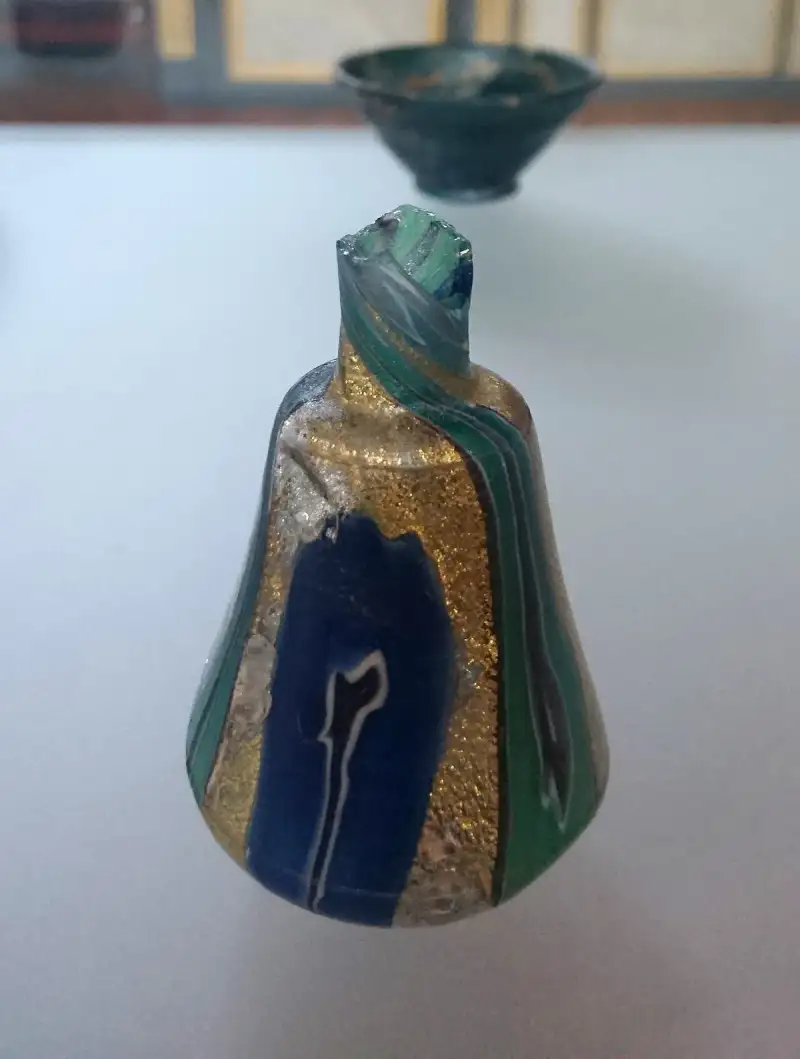
Imagine a time when the boundary between medicine and cuisine blurred, where a single, versatile concoction could soothe ailments, invigorate the spirit, and elevate a simple meal to a feast. This isn't a fantasy from a forgotten age, but the very real legacy of oxymel, an ancient elixir poised for a magnificent culinary renaissance. While familiar culinary stalwarts like olive oil or wine have endured for millennia, oxymel – a deceptively simple blend of honey and vinegar – slipped into the shadows, a quiet whisper in history's vast gastronomic archives. But as modern palates crave authenticity, functionality, and a connection to our culinary past, this sweet-sour tonic is once again stepping into the limelight, revealing its profound depth and versatility far beyond the apothecary's shelf. We are not merely revisiting a historical footnote; we are uncovering a sophisticated, multi-faceted ingredient that predates many of our cherished culinary staples. Oxymel is more than a recipe; it's a testament to ancient wisdom, a bridge between nature's bounty and human ingenuity, and a harbinger of flavor complexities that will challenge and delight the contemporary chef and home cook alike. A Potion of Paradox: Tracing Oxymel's Ancient Lineage The story of oxymel begins not in a bustling marketplace, but in the contemplative chambers of ancient philosophers and healers. Its very name, derived from the Greek oxys (acid) and meli (honey), succinctly defines its core components. While its precise origin is nebulous, medical texts from ancient Greece provide the earliest substantive accounts of its widespread use. Hippocrates, the "Father of Medicine," frequently prescribed oxymel, recognizing the synergistic properties of honey's soothing and antimicrobial qualities combined with vinegar's digestive and cleansing attributes. For the Greeks, it was a panacea, a tonic for respiratory ailments, a digestive aid, and even a fortifying drink for athletes. As Hellenic influence spread, so too did the knowledge of oxymel. The Roman Empire adopted and adapted it, moving it from a purely medicinal context into the realm of daily life and culinary art. Roman gastronomes, renowned for their innovative and often opulent cuisine, saw the potential of oxymel not just as a health tonic but as a foundational flavoring agent. They experimented with different vinegars – wine vinegar being particularly popular – and infused the mixture with a vast array of herbs, spices, and even sea salt. It was used to preserve foods, flavor game meats, dress salads, and create refreshing beverages, a precursor to modern shrubs and cordials. This was not merely a drink; it was an integral part of their flavor matrix, offering a complexity that balanced the richness of their dishes.Through the Medieval period and into the Renaissance, oxymel continued its quiet existence, primarily within monastic orders and folk medicine. While its widespread culinary prominence waned with the rise of new spices and the increasing availability of sugar, apothecaries and herbalists maintained its tradition. They customized oxymels with specific botanical infusions – sage for memory, lavender for calm, ginger for digestion – transforming it into a personalized remedy for a myriad of conditions. It was a time when the kitchen and the clinic were often one and the same, and oxymel epitomized this integrated approach to well-being and sustenance. Its eventual fade from common knowledge can be attributed to several factors: the industrialization of food, the commercialization of pharmaceuticals, and a general cultural shift away from traditional, slow-crafted remedies. Sugar became cheap and ubiquitous, offering an instant sweetness that bypassed the nuanced complexity of honey and vinegar. The convenience of pre-packaged medicines replaced the art of herbal compounding. Oxymel became a relic, an intriguing mention in dusty old texts, awaiting rediscovery. The Alchemy of Sweet and Sour: Flavor and Functionality At its heart, oxymel is a symphony of two seemingly opposing forces: the unctuous sweetness of honey and the sharp acidity of vinegar. Yet, when combined, especially over time, they undergo a subtle alchemy. The vinegar cuts through the cloying nature of honey, while the honey mellows the vinegar's harsh edge, resulting in a balanced, multifaceted flavor profile that is simultaneously invigorating and soothing. The choice of ingredients dramatically influences the final character.Honey: Raw, unfiltered honey brings with it a complex bouquet of floral notes, terroir, and beneficial enzymes. Wildflower honey offers a gentle sweetness, while buckwheat honey introduces a darker, more robust, almost molasses-like depth. Manuka honey, renowned for its potent antimicrobial properties, can elevate an oxymel into a truly functional tonic. Vinegar: The type of vinegar is equally crucial. Raw, unfiltered apple cider vinegar (ACV) is a popular modern choice, known for its "mother" – a symbiotic colony of bacteria and yeast that contributes probiotics and a distinct fruity tang. White wine vinegar provides a crisp, clean acidity, while red wine vinegar lends a richer, more robust flavor. Balsamic vinegar, with its aged complexity, can create a deeply savory and sweet oxymel, perfect for specific gourmet applications. Rice vinegar offers a milder, slightly sweeter option.But the true magic often lies in the infusions. This is where the ancient practice truly shines and modern creativity can take flight. Herbs, spices, fruits, and even vegetables can be steeped in the honey-vinegar mixture, imparting their essences and medicinal properties.Herbal Oxymels: Rosemary for a savory, aromatic blend; thyme for respiratory support; ginger for warmth and digestion; lavender for a delicate floral note; mint for refreshment. Fruited Oxymels: Berries (raspberries, blueberries) for vibrant color and fruity tartness; citrus peels for bright, zesty notes; figs or dates for a deeper, caramelized sweetness. Spiced Oxymels: Cinnamon, star anise, cloves, or cardamom can transform oxymel into a complex, aromatic syrup, ideal for desserts or warming beverages.The fermentation process, albeit a mild one depending on the raw ingredients, further develops these flavors. The acetic acid in vinegar acts as a powerful solvent, extracting compounds from the infused botanicals that might not be soluble in water or alcohol alone. This results in a potent, flavor-dense elixir that captures the very essence of its components. Modern Resurgence: From Apothecary to Avant-Garde Kitchen The modern culinary world is in a constant state of evolution, cycling through trends that often look to the past for inspiration. Oxymel's re-emergence is no accident; it aligns perfectly with several contemporary movements: the farm-to-table ethos, the craft cocktail revolution, the growing interest in fermented foods, and a holistic approach to health and wellness. Chefs and mixologists are rediscovering oxymel not just as a historical curiosity, but as a dynamic ingredient capable of adding layers of complexity to both sweet and savory dishes. Its unique sweet-sour profile offers a sophisticated alternative to simple sugar syrups or plain vinegars. Culinary Applications Reimagined:Vinaigrettes and Dressings: A basic oxymel can form the base of an extraordinary salad dressing. Imagine a fig-infused oxymel drizzled over a goat cheese salad with walnuts, or a rosemary-garlic oxymel enhancing roasted vegetables. Its natural emulsifying properties with oil create a wonderfully smooth texture. Marinades and Glazes: The acidity of oxymel tenderizes meats and fish, while the honey creates a beautiful caramelization. A ginger-chili oxymel could be an exquisite marinade for grilled chicken or pork, imparting both heat and sweetness. Gourmet Beverages: This is where oxymel truly shines in the craft scene. Shrubs/Drinking Vinegars: Oxymel is a natural evolution, offering a softer, more nuanced base. A berry-infused oxymel mixed with sparkling water makes for a refreshing, probiotic-rich soda. Cocktails/Mocktails: Oxymels can replace simple syrups or provide a unique sour element. A lavender oxymel in a gin fizz, or a lemon-ginger oxymel in a bourbon smash, offers an adventurous twist.Sauces and Reductions: Reducing an oxymel with fruit juices or broths can create intensely flavorful sauces for pan-seared duck, pork loin, or even plant-based dishes. A balsamic-infused oxymel reduction can elevate a gourmet cheese board. Dessert Enhancements: While primarily savory, certain oxymels can be surprisingly delightful in desserts. A spiced oxymel drizzled over vanilla ice cream or a fruit salad, or incorporated into a poaching liquid for pears, adds an unexpected depth.Crafting Your Own Oxymel: A Journey of Discovery Making oxymel at home is a wonderfully rewarding process, allowing for endless experimentation and personalization. The basic ratio is typically 1:1 or 2:1 honey to vinegar, but this can be adjusted to taste. Basic Oxymel Recipe:Ingredients:1 part raw, unfiltered honey (e.g., 1 cup) 1 part raw, unfiltered apple cider vinegar (e.g., 1 cup) Optional: Fresh or dried herbs, spices, fruits, or roots (e.g., 1/4 cup fresh ginger slices, 2 sprigs rosemary, 1/2 cup berries)Instructions:Prepare Infusions (Optional): If using fresh ingredients, roughly chop or bruise them to release their flavors. For dried herbs, ensure they are clean. Combine: In a clean glass jar, combine your chosen infusions (if any) with the honey and vinegar. Stir well to thoroughly combine the honey and vinegar. Steep: Cover the jar with a lid (preferably plastic, as vinegar can corrode metal over time, or place parchment paper under a metal lid). Store in a cool, dark place for 2-4 weeks. Shake or stir daily for the first week to ensure the ingredients are well mixed and the honey fully dissolves into the vinegar. Strain: After steeping, strain the oxymel through a fine-mesh sieve or cheesecloth, pressing out all the liquid from the solids. Store: Pour the finished oxymel into a clean, airtight bottle. It will keep for several months, if not indefinitely, in a cool, dark pantry.Tips for Experimentation:Herbal Blends: Combine complementary herbs, like lemon balm and rose petals for a calming oxymel, or oregano and garlic for a potent culinary base. Spicy Kicks: Add thinly sliced jalapeños or a pinch of cayenne pepper during infusion for a fiery oxymel perfect for grilling marinades. Seasonal Fruits: Experiment with seasonal berries, stone fruits, or even melon rinds for unique fruity oxymels.The beauty of homemade oxymel lies in its adaptability. Each batch can be a unique expression of your creativity and the flavors of the season. The Future is Flavored by the Past Oxymel's journey from an ancient panacea to a forgotten curiosity and now to a celebrated culinary ingredient is a testament to the enduring power of simple, natural foods. In an age saturated with artificial flavors and overly processed ingredients, there is a profound satisfaction in reconnecting with methods and flavors that have sustained humanity for millennia. As we continue to explore the vast and often overlooked corners of culinary history, oxymel serves as a shining example of a time-honored tradition perfectly suited for modern palates and contemporary kitchens. It challenges us to look beyond the obvious, to appreciate the delicate balance of contrasting elements, and to embrace the rich, nuanced flavors that emerge when ancient wisdom meets modern ingenuity. So, uncork a bottle, stir up a batch, and let the ambrosial alchemy of oxymel transform your cooking, one sweet-sour drop at a time.#Oxymel #AncientElixir #CulinaryRevival #HistoricalRecipes #GourmetTonic Related InsightsMiddle Eastern Mezze Beyond Turkish: Authentic Lebanese and Syrian Small Plates The Ultimate High-Fiber Whole Grain Shepherd's Pie with Lentil Topping Caprese Salad: A Symphony of Flavors and Antioxidants{ "@context": "https://schema.org", "@type": "FAQPage", "mainEntity": [ { "@type": "Question", "name": "What is the main focus of The Ambrosial Alchemist's Secret: Unearthing Oxymel's Ancient Culinary Resurgence?", "acceptedAnswer": { "@type": "Answer", "text": "Journey through the millennia to discover oxymel, the sweet-sour honey-vinegar tonic, from its ancient medicinal roots to its unexpected re-emergence in contemporary gastronomy." } }, { "@type": "Question", "name": "Who authored the comprehensive guide on The Ambrosial Alchemist's Secret: Unearthing Oxymel's Ancient Culinary Resurgence?", "acceptedAnswer": { "@type": "Answer", "text": "This detailed article and its insights were carefully researched and authored by Demir Sef." } }, { "@type": "Question", "name": "Where can I find more related content about Food?", "acceptedAnswer": { "@type": "Answer", "text": "You can explore more articles, detailed reviews, and similar insights by browsing the Related Insights section at the bottom of this article or visiting our dedicated Food category page." } } ] }
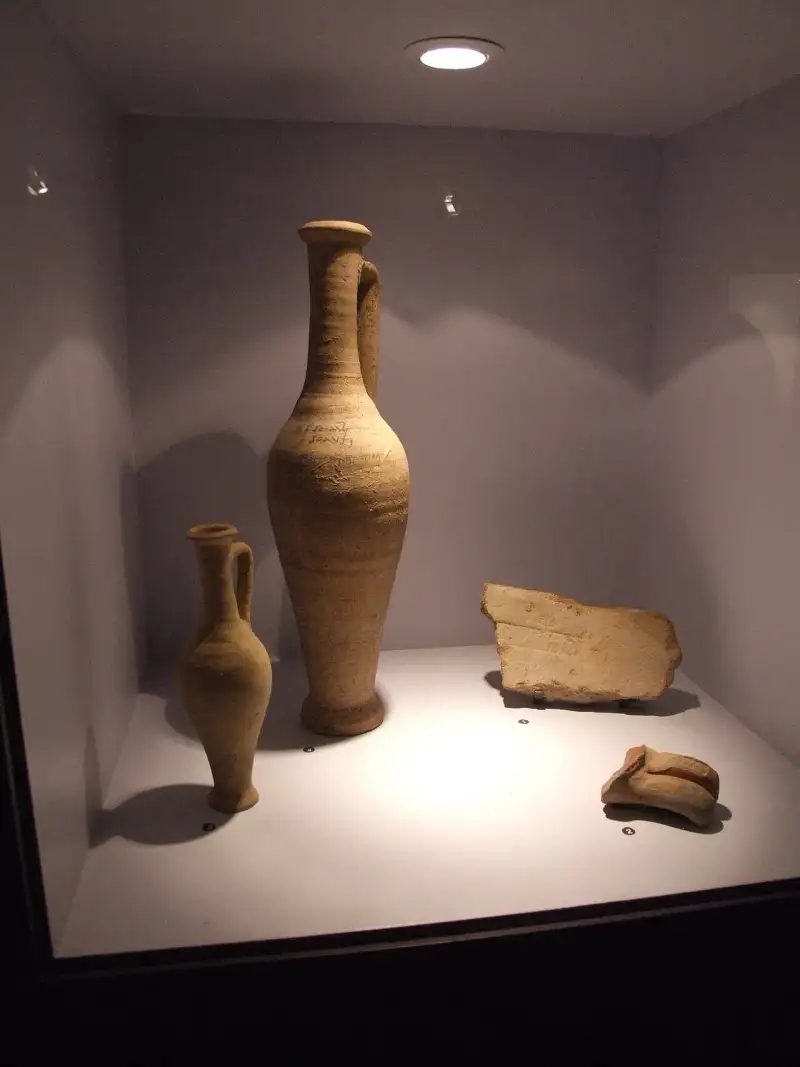

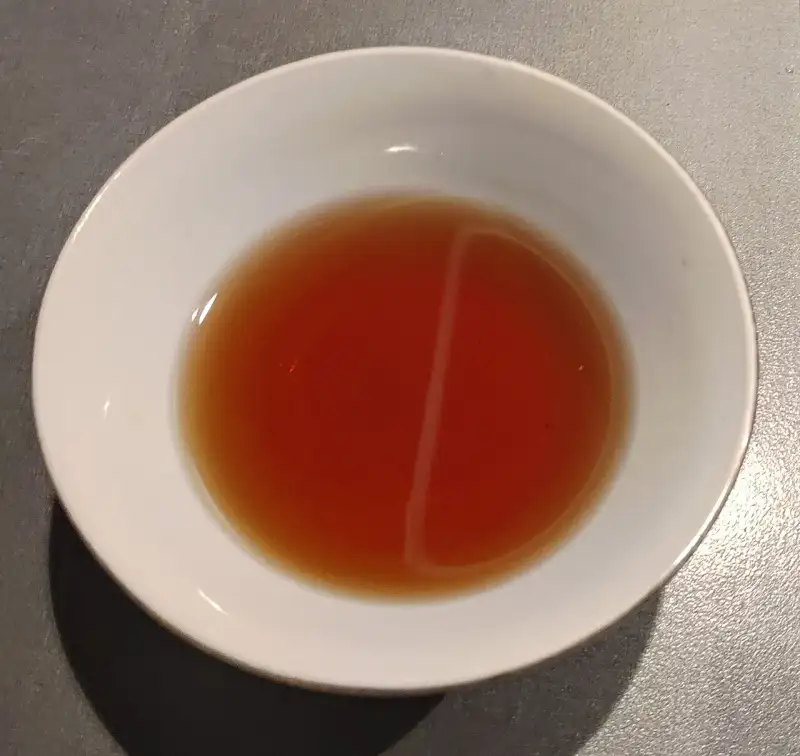
Picture the grandeur of ancient Rome: sprawling forums, magnificent aqueducts, and legions marching with disciplined precision. But beyond the public spectacle and political machinations, lies a culinary secret so pervasive, so fundamental to the Roman palate, that its very absence today leaves a gaping hole in our understanding of their gastronomy. This isn't about gladiatorial feasts or bacchanalian revels, but rather the humble, yet incredibly complex, condiment that permeated virtually every dish: garum. For millennia, the concept of "umami" – that elusive fifth taste, often described as savory or meaty – has been attributed to modern East Asian culinary traditions or the comparatively recent discovery of MSG. Yet, long before shoyu graced Japanese tables or nuoc cham seasoned Vietnamese cuisine, a pungent, savory elixir from the Mediterranean basin reigned supreme. Garum was not merely a seasoning; it was the lifeblood of Roman cooking, an alchemical transformation of fish and salt into a liquid gold that defined the flavor profile of an empire. The Genesis of a Gastronomic Giant: Origins and Production The origins of garum, or its close cousin muria, stretch back further than Rome itself, likely to the Greeks, Phoenicians, and even earlier civilizations. The coastal peoples of the Mediterranean, adept at fishing and salt preservation, inadvertently discovered the power of enzymatic fermentation. The process was simple in concept but meticulous in execution: whole small fish, or the entrails of larger fish (especially mackerel, tuna, and anchovies), were layered with large quantities of salt. This mixture was then left to ferment under the scorching Mediterranean sun for weeks, sometimes months, in large open-air vats or sealed terracotta dolia. The salt acted as a microbial inhibitor, preventing spoilage while drawing out moisture and facilitating autolysis – the breakdown of proteins by the fish's own enzymes. This prolonged, anaerobic decomposition released a rich spectrum of amino acids, particularly glutamate, which is the primary driver of umami. The resulting liquid, clear and amber-hued, was garum. The leftover fermented fish paste was known as allec, often a cheaper byproduct for the masses, while the most prized garum, often from Mackerel or Tuna, was revered. Ancient texts, particularly the Roman cookbook Apicius, offer tantalizing glimpses into its ubiquity. It wasn't just a seasoning for meat or fish; it enhanced vegetables, soups, and even sweet dishes. Imagine a Roman kitchen without garum—it would be akin to a modern Italian kitchen without olive oil or a French kitchen devoid of butter.The Economic Engine: Garum's Industrial Scale and Trade Routes The production of garum was not a cottage industry; it was a massive, industrialized enterprise. Coastal cities like Pompeii and Leptis Magna in North Africa, and Baelo Claudia in Hispania (modern Spain), housed colossal factories dedicated solely to its manufacture. These sites featured rows upon rows of massive stone vats, some capable of holding thousands of liters, indicating an output designed to feed an empire. The stench, one can only imagine, must have been overwhelming, leading these factories to be typically located on the outskirts of towns, downwind from residential areas. The finished product was decanted into distinctive amphorae, sealed, and shipped across the vast Roman network. From the shores of Hispania to the bustling markets of Rome, from the military outposts on the Rhine to the distant provinces of Britannia, garum was a cornerstone of both commerce and cuisine. Its economic importance rivaled that of olive oil and wine, with specific brands and regional varieties commanding premium prices, much like fine wines today. Pliny the Elder, in his Natural History, even discusses the various qualities and origins of garum, lamenting the exorbitant cost of the most prized varieties. This widespread distribution meant that soldiers, senators, slaves, and citizens alike consumed garum. It was democratic in its reach, yet aristocratic in its most refined forms. The ability to flavor food effectively in an age before refrigeration and complex spice routes made garum indispensable. It masked the taste of less-than-fresh ingredients, amplified the flavors of simple staples, and provided vital nutrients. Beyond the Palate: Medicinal and Cultural Significance Garum's role extended beyond mere culinary enhancement. Roman physicians, including Galen, believed in its medicinal properties, prescribing it for various ailments. Its high salt content and fermentation byproducts were thought to have therapeutic effects, from treating indigestion to boosting vitality. While modern science might question its efficacy as a panacea, it undoubtedly contributed electrolytes and minerals to the Roman diet. Culturally, garum became intrinsically linked to Roman identity. To dine like a Roman was to dine with garum. It symbolized Roman ingenuity in food preservation and their ability to harness the elements – sun, sea, and salt – to create something both delicious and enduring. Its decline, therefore, mirrored the decline of the Western Roman Empire itself. As trade routes fragmented, centralized production faltered, and the infrastructure required for its large-scale manufacture dwindled, garum gradually faded from the European culinary landscape, replaced by simpler forms of salt and other spices introduced through new trade. A Pungent Paradox: The Taste of Garum So, what did garum actually taste like? It's a question that has tantalized historians and food enthusiasts for centuries. Descriptions range from "salty and fishy" to "complex, savory, and rich." Modern attempts to recreate garum, often based on ancient recipes and archaeological findings, provide some clues. The consensus points to a flavor profile that is intensely umami, deeply savory, and undeniably fishy, but in a way that is integrated and nuanced, not overtly "fishy" in the way a raw anchovy might be. Think of the depth of aged Parmesan, the complexity of a good soy sauce, or the punch of modern Vietnamese fish sauce (nuoc mam) or Thai fish sauce (nam pla), but with its own distinct Mediterranean terroir. It would have provided a crucial baseline of flavor, elevating simple stews, transforming bland grains, and adding a layer of sophistication to elaborate dishes. Unlike the perception of fish sauce in some modern Western cuisines, where it's often seen as a pungent additive used sparingly, garum was a primary seasoning, often mixed directly into dishes or used as a dipping sauce. Its versatility was legendary, from liquamen (a general term for fish sauce) to oxygarum (garum mixed with vinegar) and hydrogarum (garum diluted with water), demonstrating its adaptability to different culinary applications and social strata. The Echoes of Garum: Modern Resurgence and Parallel Traditions While garum itself largely vanished from European tables after the fall of Rome, the fundamental principle of fermented fish sauce never truly disappeared globally. Across Southeast Asia, fish sauces like nuoc mam and nam pla have thrived for centuries, fulfilling a remarkably similar culinary role. In Italy, the colatura di alici from Cetara, a highly prized artisanal anchovy sauce, is often cited as a direct descendant, or at least a powerful echo, of ancient garum, made through a remarkably similar process of slow fermentation of anchovies in brine. In recent decades, there has been a resurgence of interest in historical gastronomy, leading chefs and food scientists to attempt to recreate garum. These modern iterations often experiment with different fish, fermentation times, and salt ratios, striving to unlock the elusive flavors of antiquity. The motivation is twofold: historical curiosity and the desire to reintroduce a powerful, natural source of umami into contemporary cooking, aligning with the broader movement towards fermentation and ancient techniques. with a vintage-style label on a wooden table with fresh anchovies and sea salt) This revival isn't just about recreating a historical artifact; it's about understanding how our ancestors flavored their world and perhaps even discovering new dimensions of taste. Modern culinary explorations are showing that garum's umami depth can enhance a vast array of dishes, from dressings and marinades to sophisticated sauces, proving that a taste once lost can be found again, enriching our palates with the echoes of empires. Conclusion: A Legacy Reclaimed The story of garum is more than just the tale of an ancient condiment; it's a testament to the enduring human ingenuity in food preservation and flavor enhancement. It reveals how a simple combination of fish and salt, transformed by time and microbes, could become an indispensable pillar of an entire civilization's diet and economy. Its decline reminds us of the fragility of culinary traditions in the face of societal upheaval, yet its modern resurgence highlights our persistent fascination with the past and our ongoing quest for profound, complex flavors. From the sun-drenched vats of Roman Hispania to the artisanal kitchens of today, garum, in its original form or its modern echoes, continues to whisper tales of umami. It reminds us that sometimes, the greatest culinary treasures are not exotic spices from distant lands, but rather the transformative power of nature, patiently harnessed, and patiently rediscovered. As Demir Şef, I urge you to seek out these ancient flavors, for in them lies not just taste, but a living history.#AncientCuisine #Garum #UmamiHistory #RomanFood #Fermentation #CulinaryHistory Related InsightsChettinad Flavors: Fiery Vegan Curries The Alchemy of Appetite: Decoding the Molecular Soul of Our Sustenance The Alchemy of Oaxaca: Decoding the Molecular Symphony of Mole Negro{ "@context": "https://schema.org", "@type": "FAQPage", "mainEntity": [ { "@type": "Question", "name": "What is the main focus of The Liquid Gold of Antiquity: Rediscovering Garum, Rome's Fermented Umami Elixir and Its Forgotten Legacy?", "acceptedAnswer": { "@type": "Answer", "text": "Beyond the opulent banquets, ancient Rome's true culinary foundation lay in garum – a potent, fermented fish sauce. Join Demir Şef as we unearth the pungent paradox that flavored an empire and shaped global gastronomy." } }, { "@type": "Question", "name": "Who authored the comprehensive guide on The Liquid Gold of Antiquity: Rediscovering Garum, Rome's Fermented Umami Elixir and Its Forgotten Legacy?", "acceptedAnswer": { "@type": "Answer", "text": "This detailed article and its insights were carefully researched and authored by Demir Şef." } }, { "@type": "Question", "name": "Where can I find more related content about Food?", "acceptedAnswer": { "@type": "Answer", "text": "You can explore more articles, detailed reviews, and similar insights by browsing the Related Insights section at the bottom of this article or visiting our dedicated Food category page." } } ] }
-
 Michael Chef
 - 05 Jul, 2026 02:13
The Umami Echo: Tracing the Ancient Origins of Fermented Fish Sauce Beyond Roman Garum's Shadow
Imagine a flavour so fundamental, so deeply satisfying, that it has permeated human diets for millennia, shaping empires and defining culinary landscapes long before the advent of refrigeration or even organised agriculture. It is a taste that bridges cultures, transcends time, and yet, for many, remains shrouded in a single, often romanticised, historical narrative: Roman garum. But what if the story we've been told is merely a footnote in a much grander, more ancient, and far more geographically expansive epic of umami? What if the pungent, golden elixir of fermented fish sauce, far from being a singular Roman invention, represents a convergent culinary evolution, a universal human quest for depth of flavour born independently across disparate maritime civilisations? This journey into the past isn't merely an academic exercise; it's an exploration of human ingenuity, resourcefulness, and a profound connection to the sea. It challenges us to look beyond the popular historical spotlight and discover the true, diverse origins of a condiment that continues to define many global cuisines today. Prepare to navigate a world where the sea yielded not just sustenance, but a liquid gold of flavour, painstakingly crafted and fiercely valued, echoing through history long before any Roman legionnaire dipped his bread into a jar of liquamen. The Roman Legacy: A Familiar Narrative, An Incomplete Picture For centuries, any mention of ancient fish sauce inevitably conjured images of the Roman Empire. Garum, or its more dilute cousin liquamen, is frequently cited as the quintessential condiment of antiquity. Roman texts, from the culinary treatise of Apicius to the agricultural writings of Columella, meticulously detail its production: layers of whole small fish, or fish entrails, mixed with salt, left to ferment under the scorching Mediterranean sun for weeks, sometimes months. The resulting amber liquid, strained and prized, was a staple, used to enhance everything from simple stews to elaborate banquets. It was a trade commodity, its production sites sprawling along coastal areas from Spain to North Africa, employing vast numbers and generating immense wealth. The distinct, savoury, almost meaty flavour it imparted was, without question, the umami of its age. However, this widespread familiarity with Roman garum often overshadows a crucial fact: fermentation, particularly of fish, is not a uniquely Roman or even Mediterranean phenomenon. The very concept of utilising salt and time to transform perishable protein into a concentrated flavour bomb is a testament to universal human resourcefulness in regions rich with seafood and a pressing need for preservation. The Romans were, in essence, inheritors and refiners of a tradition that likely predated them by centuries, and which was simultaneously flourishing, and perhaps even originating, in entirely different corners of the globe. The Southeast Asian Cradle: A Symphony of Fermented Flavours To truly understand the primordial genesis of fish sauce, our compass must point eastward, to the verdant coastlines and archipelagic wonders of Southeast Asia. Here, long before the rise of Rome, communities were already perfecting the art of fish fermentation. Archaeological evidence, supported by linguistic and ethnographic studies, suggests a deeply entrenched tradition of processing fish with salt. Consider the modern staples: Vietnamese nước mắm, Thai nam pla, Filipino patis, Cambodian prahok, and Burmese ngapi. These aren't merely contemporary iterations; they are the direct descendants of an unbroken chain of culinary practices stretching back at least two millennia, if not more. While pinpointing the exact "first" occurrence is a fool's errand, the sheer diversity and pervasiveness of fermented fish products in Southeast Asia argue for an independent, possibly earlier, origin story than that of the Mediterranean. The production methods, though varying in specific fish species, salt ratios, and fermentation times, share fundamental similarities with their Roman counterparts. Small, oily fish like anchovies, mackerel, or sometimes even freshwater fish, are layered with salt in large earthenware jars or colossal wooden vats. These are left to ferment, often under the tropical sun, a process that relies on natural enzymes in the fish guts and halophilic bacteria to break down proteins into amino acids – the very source of umami. The resulting liquid is a potent, aromatic condiment, foundational to the regional diet.Unlike the Roman tradition, which largely faded with the Empire's decline, the Southeast Asian tradition not only endured but thrived, evolving into the sophisticated, highly valued products we know today. This continuity points to a deep cultural embedment, where fish sauce is not just a flavour enhancer, but a cultural touchstone, a symbol of identity and culinary heritage. Beyond the Mediterranean and Mekong: Other Ancient Fermentation Frontiers The narrative isn't confined to these two primary epicentres. The concept of fermenting fish and other seafood was, in various forms, a global culinary imperative driven by the need for preservation and flavour enhancement in pre-industrial societies. While liquid fish sauce, as a strained condiment, is most strongly associated with Rome and Southeast Asia, other cultures developed related methods. The ancient Egyptians, for example, were masters of fermentation and preserved fish in various ways, though liquid sauce evidence is less clear. However, their use of salt for preserving fish and the cultural significance of fish in their diet suggest the possibility of related, albeit perhaps less documented, practices. Furthermore, a lesser-known but equally fascinating thread leads us to the indigenous communities of the circumpolar regions. While their methods often leaned towards whole fish fermentation (e.g., Greenlandic kiviaq or Icelandic hákarl, though these are distinct in their specific fermentation processes), they highlight the universal human drive to transform and preserve protein, often resulting in incredibly potent, umami-rich foods. These examples, though not directly fish sauce, underscore the deeply rooted human understanding of fermentation's power across vastly different environments. Even in parts of ancient Europe beyond Rome, rudimentary forms of fermented fish products likely existed. The Celts and Germanic tribes, with their riverine and coastal settlements, would have had abundant access to fish and the salt needed for preservation. While archaeological evidence for widespread, highly refined fish sauce production akin to garum is scarce, it's plausible that localised, less industrialised methods of salting and fermenting fish to create flavourful pastes or rudimentary sauces were part of their dietary repertoire. The absence of textual records doesn't necessarily mean absence of practice. The Alchemy of Umami: Why Fish Sauce? What explains this global, independent invention of fish sauce? The answer lies in the potent synergy of biology, chemistry, and environmental necessity. Fish are inherently rich in proteins, and their guts contain powerful proteolytic enzymes. When combined with salt, these enzymes, along with specific halophilic (salt-loving) bacteria, begin a process of autolysis and fermentation. This breaks down complex proteins into their constituent amino acids, most notably glutamate, aspartate, and inosine monophosphate (IMP). These are the chemical compounds that trigger our taste receptors for umami – that elusive, savory "fifth taste" that provides depth, richness, and mouthfeel. Salt plays a dual role: it draws out moisture, creating a brine, and simultaneously inhibits the growth of spoilage-causing bacteria while encouraging the beneficial, fermenting microbes. The resulting liquid is not only deeply flavourful but also remarkably stable, making it an invaluable foodstuff for ancient societies lacking refrigeration. It was a caloric and flavour dense concentrate, a means of making bland staples palatable, and a vital source of nutrients. Vessels of Flavour: Ancient Techniques and Tools The archaeological record provides tantalising glimpses into the ancient production of fish sauce. In the Roman world, vast complexes of cetariae (fish-salting and garum-making factories) have been unearthed, complete with large fermentation vats (dolia) made of clay or stone, intricate drainage systems, and amphorae for storage and transport. These factories were often strategically located near fishing grounds and sources of salt, highlighting the industrial scale of Roman production.In Southeast Asia, the archaeological footprint is somewhat different, often featuring large earthenware jars found at ancient coastal sites. While less "industrial" in the Roman sense, the sheer number and size of these vessels attest to large-scale, communal, or regional production. Traditional Southeast Asian methods also frequently employ large wooden vats, often made from tropical hardwoods, which are still used by artisanal producers today – a testament to the enduring efficacy of ancient techniques. The use of natural materials, reliance on local fish species, and integration with local knowledge systems allowed these practices to become deeply embedded within the culinary fabric of their respective societies. More Than a Condiment: Economic Power and Cultural Identity Beyond its gastronomic appeal, fermented fish sauce held profound economic and cultural significance. In Rome, garum was a luxury item, traded across the entire empire, its quality and provenance debated by connoisseurs. It was a symbol of Roman culinary sophistication, and its production was a major industry, driving innovation in transport and trade. In Southeast Asia, fish sauce continues to be a cornerstone of the economy in many coastal regions. It is a vital export, a household staple, and a source of national pride. Its distinct regional variations reflect local ingredients, traditions, and even family recipes passed down through generations. It acts as a culinary identifier, with specific nước mắm or nam pla being intrinsically linked to a particular region or culture. The depth of its integration into daily life, religious ceremonies, and social customs far surpasses its role as a mere flavouring. The Fading and the Flourishing: Why Some Traditions Endure The decline of Roman garum production largely coincides with the collapse of the Western Roman Empire. The sophisticated infrastructure, extensive trade networks, and stable political environment required for industrial-scale production dwindled. Salt production became less centralised, and new culinary trends and ingredients emerged. While some localised production might have continued, garum never regained its former prominence. Conversely, the Southeast Asian tradition of fish sauce production not only survived but flourished. This resilience can be attributed to several factors: the perennial abundance of fish, the stable tropical climate ideal for fermentation, deeply embedded cultural practices, and the absence of a large-scale, disruptive political or economic collapse comparable to the Roman Empire's fragmentation. The techniques remained artisanal, adaptable, and essential to local diets, ensuring their continued relevance and evolution. Conclusion: A Global Heritage of Umami The ubiquitous, unassuming bottle of fish sauce on our shelves holds a history far richer and more complex than most realise. It is a legacy not merely of Roman innovation, but of a shared human quest for flavour, preservation, and culinary ingenuity that manifested independently across vast oceans and continents. The "umami echo" resonates from the ancient Mediterranean shores to the bustling markets of Southeast Asia, a testament to the timeless appeal of this pungent, profound condiment. By delving into its global origins, we gain a deeper appreciation for the interconnectedness of human culinary history, the genius of ancient food technologies, and the enduring power of a simple, salty liquid to transform meals and cultures alike. So, the next time you taste that savoury depth, remember: you're partaking in a tradition that predates empires, a global legacy of delicious ingenuity, born from the bounty of the sea and the wisdom of our ancestors.#AncientCuisine #FoodHistory #UmamiResearch #Fermentation #GlobalFlavors Related InsightsDer Apfelstrudel: Ein Meisterwerk der Wiener Mehlspeisenkultur und seine faszinierende Geschichte Unlocking Nature's Secret: How New Nordic Cuisine is Revolutionizing Health and Gastronomy Forever Congee (Jook): The Ultimate Comforting Rice Porridge{ "@context": "https://schema.org", "@type": "FAQPage", "mainEntity": [ { "@type": "Question", "name": "What is the main focus of The Umami Echo: Tracing the Ancient Origins of Fermented Fish Sauce Beyond Roman Garum's Shadow?", "acceptedAnswer": { "@type": "Answer", "text": "Dive into the pungent, profound history of fermented fish sauces, exploring their global genesis far beyond the famed Roman garum, from Southeast Asia to the Mediterranean's forgotten depths." } }, { "@type": "Question", "name": "Who authored the comprehensive guide on The Umami Echo: Tracing the Ancient Origins of Fermented Fish Sauce Beyond Roman Garum's Shadow?", "acceptedAnswer": { "@type": "Answer", "text": "This detailed article and its insights were carefully researched and authored by Michael Chef." } }, { "@type": "Question", "name": "Where can I find more related content about Food?", "acceptedAnswer": { "@type": "Answer", "text": "You can explore more articles, detailed reviews, and similar insights by browsing the Related Insights section at the bottom of this article or visiting our dedicated Food category page." } } ] }