Showing Posts From
Andes
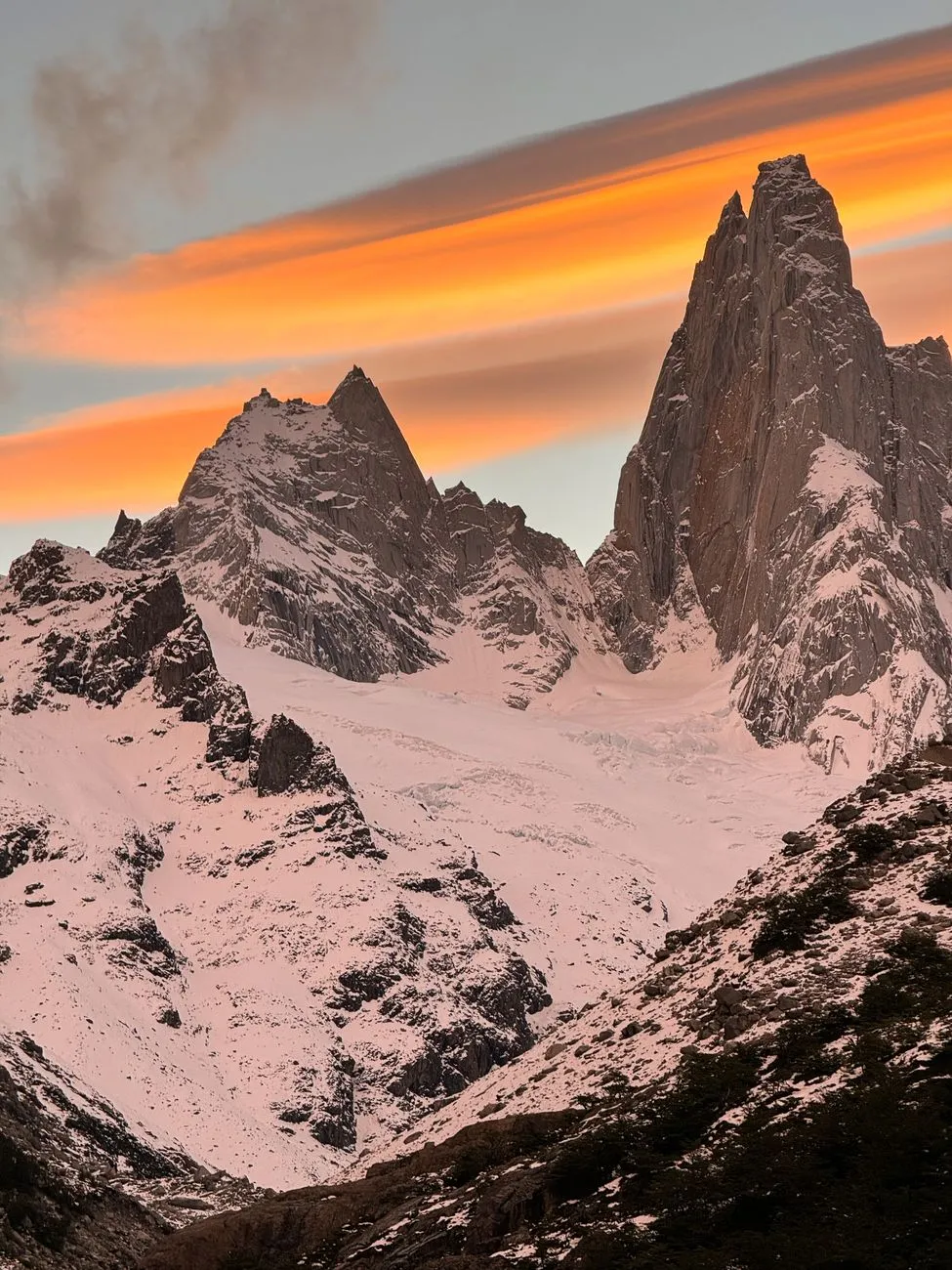

When the Air Thins: Understanding Altitude Physiology The moment you step above 2,500 meters the partial pressure of oxygen drops enough to trigger a cascade of physiological responses. Hemoglobin saturation can fall from 98 % at sea level to below 85 % at 4,000 meters, and the body compensates by increasing ventilation, heart rate, and red‑blood‑cell production. Acute Mountain Sickness (AMS) typically appears within 6–12 hours of rapid ascent and presents as headache, nausea, dizziness, and disturbed sleep. The Lake Louise Scoring System remains the gold standard for field diagnosis; a score ≥3 with a headache warrants descent or pharmacologic intervention. Acclimatization is not a passive waiting game. The “climb high, sleep low” principle—gaining 300–500 meters during the day and descending to sleep—stimulates erythropoietin without overstressing the cardiovascular system. A practical schedule for a 10‑day trek from Cusco (3,400 m) to the Ausangate circuit (5,200 m) includes two rest days at 3,800 m and 4,300 m, each paired with short hikes to 4,600 m. Monitoring SpO₂ with a fingertip pulse oximeter (target ≥90 % at rest) provides objective data; a drop below 85 % at rest signals the need for immediate descent or supplemental oxygen. Pharmacologic prophylaxis—acetazolamide 125 mg twice daily starting 24 hours before ascent—has been shown in randomized trials to reduce AMS incidence by 40–50 %. Dexamethasone 4 mg every 6 hours is reserved for treatment of High‑Altitude Cerebral Edema (HACE) and should never replace descent. Carry a portable hyperbaric bag (e.g., Gamow) for emergencies when evacuation is delayed; a 30‑minute session can simulate a 1,500‑meter descent. Gear That Breathes: Selecting Lightweight, Insulating Systems Every gram matters when you’re hauling a 12‑kilogram pack at 5,000 meters, yet the Andes demand protection against sub‑zero night temperatures, fierce UV, and sudden storms. A three‑layer system—base, mid, shell—remains the most adaptable. Merino wool base layers (150‑200 g/m²) wick moisture while resisting odor for multi‑day use. For the mid‑layer, a 800‑fill‑power down jacket (≈350 g) offers a warmth‑to‑weight ratio unmatched by synthetic alternatives, provided you keep it dry; a water‑repellent down treatment adds a safety margin. The outer shell must be fully waterproof, breathable (≥20,000 g/m²/24 h MVTR), and feature a helmet‑compatible hood. Gore‑Tex Pro or equivalent 3‑layer laminates weigh 400–500 g and survive abrasion from volcanic scree. Pair the shell with insulated, waterproof trekking boots (e.g., 1,200 g per pair) that accommodate crampon compatibility for glacier crossings. Gaiters, insulated gloves (liner + shell), and a balaclava complete the thermal envelope. Sleep systems are equally critical. A 0 °C rated down sleeping bag (≈900 g) combined with a closed‑cell foam pad (R‑value ≥ 4) and an inflatable pad (R‑value ≥ 3) yields a combined R‑value > 7, sufficient for −15 °C nights. A four‑season tent with a double‑wall design, snow‑shedding vestibule, and a footprint adds ~2 kg but prevents condensation and wind loading. Navigation gear: a GPS unit with pre‑loaded topographic maps (scale 1:25,000), a magnetic compass with declination adjustment for the South American magnetic anomaly (~−12°), and a paper map as backup. Power management: a 20,000 mAh solar‑compatible power bank (≈350 g) keeps headlamp, phone, and satellite messenger alive for the entire expedition. Fuel for the Summit: Nutrition, Hydration, and Electrolyte Strategy At altitude the basal metabolic rate rises 10–25 % due to increased ventilation and thermogenesis, while appetite often suppresses. Aim for 4,500–5,500 kcal/day, split 55 % carbohydrate, 25 % fat, 20 % protein. Carbohydrate oxidation requires less oxygen per ATP molecule than fat, making it the preferred fuel above 4,000 m. Portable sources: dehydrated quinoa (120 kcal/30 g), instant mashed potatoes (90 kcal/30 g), and energy gels (25 g carbs each). Protein intake of 1.6 g/kg body weight preserves muscle mass during prolonged catabolism. Lightweight options include vacuum‑sealed tuna (25 g protein/85 g), jerky (15 g/30 g), and plant‑based protein powder (20 g/30 g). Fat provides caloric density; nuts, cheese, and olive‑oil packets (9 kcal/g) add 800–1,000 kcal without bulk. Hydration is a moving target. Cold, dry air increases respiratory water loss to 1–1.5 L/day; sweat adds another 0.5–1 L during exertion. Target 4–5 L total fluid intake, using insulated bottles to prevent freezing. Electrolyte replacement—sodium 500–700 mg/L, potassium 200 mg/L, magnesium 50 mg/L—prevents hyponatremia and muscle cramps. Commercial tablets (e.g., Nuun) or a homemade mix of sea salt, potassium chloride, and magnesium citrate achieve the same profile at lower cost. Micronutrients matter: iron (18 mg/day) supports erythropoiesis; vitamin C (200 mg) enhances iron absorption; vitamin D (2,000 IU) compensates for limited sun exposure on covered skin. A daily multivitamin tailored for endurance athletes covers gaps. Meal timing: a carbohydrate‑rich breakfast (oats + dried fruit + nuts) fuels the morning ascent; a mid‑day “snack‑every‑hour” approach maintains blood glucose; a protein‑fat dinner (tuna + cheese + olive oil) supports overnight recovery. Avoid alcohol and excessive caffeine (>300 mg) as they exacerbate dehydration and impair sleep architecture. Navigating the Invisible: Weather Reading, Route Finding, and Emergency Protocols Andean weather shifts from clear blue to whiteout in minutes. The “Altiplano” high plateau creates a diurnal temperature swing of 20–30 °C. Morning radiation can melt surface snow, creating a fragile crust that collapses under weight by midday. Learn to read cloud formations: lenticular clouds over peaks indicate strong upper‑level winds and potential turbulence; a rapid buildup of cumulonimbus on the leeward side signals thunderstorms and hail. Carry a compact weather‑radio (NOAA/SAME compatible) and a satellite messenger (e.g., Garmin inReach) for real‑time forecasts and SOS capability. Pre‑load the route into the GPS with waypoints every 500 m, marking water sources, emergency shelters, and known avalanche terrain. In the Cordillera Blanca, the “Huayhuash” circuit traverses multiple glacier passes where crevasse risk spikes after warm spells; a 30‑meter rope, crevasse rescue kit, and proficiency in self‑arrest are non‑negotiable. Emergency protocols must be rehearsed before departure. Assign roles: leader (navigation, decision‑making), medic (first‑aid, AMS monitoring), communications (satellite messenger, radio), and gear manager (rope, shelter). Conduct a daily “situation brief” at camp: altitude gained, SpO₂ trends, weather outlook, water status, and any injuries. If a team member scores ≥5 on the Lake Louise scale, initiate immediate descent of at least 500 m, administer oxygen (2 L/min), and give dexamethasone 8 mg stat then 4 mg q6h. Evacuation planning: identify the nearest airstrip (e.g., Juliaca for southern Peru, El Alto for Bolivia) and confirm helicopter availability with local operators. Carry a lightweight litter (≈2 kg) and a portable stretcher for non‑ambulatory patients. Insurance that covers high‑altitude rescue up to 6,000 m is mandatory; verify policy wording for “adventure sports” exclusions. Budgeting the Ascent: Real Cost Data from Cusco, La Paz, and Quito Understanding the financial footprint of an Andean expedition prevents mid‑trip surprises. Numbeo’s crowdsourced database provides city‑level cost‑of‑living indices that translate directly into trek budgeting. The table below aggregates average daily expenses for a solo trekker (mid‑range comfort) in three major gateway cities, converted to USD at 2026‑09‑19 rates.Expense Category Cusco, Peru La Paz, Bolivia Quito, EcuadorHostel (dorm, 1 night) $12 $9 $14Private room (budget hotel) $35 $28 $40Meals (local market, 3×) $8 $6 $10Guide (certified, per day) $45 $38 $50Porter (15 kg load, per day) $20 $18 $22Park entry / permit $30 (Salkantay) $25 (Sajama) $28 (Cotopaxi)Local transport (bus/taxi) $5 $4 $6Estimated Daily Total $155 $128 $170These figures assume a 10‑day itinerary with two acclimatization days in the city. A 10‑day trek from Cusco therefore costs roughly $1,550 excluding international flights, gear rental, and insurance. La Paz offers the lowest baseline, but permit fees for Sajama National Park and limited English‑speaking guides can add hidden costs. Quito’s higher price point reflects stronger tourism infrastructure and easier access to medical facilities. Cost‑saving tactics: book guides and porters through reputable local cooperatives (e.g., Asociación de Guías de Montaña Cusco) to avoid middle‑man mark‑ups; purchase food at municipal markets (San Pedro in Cusco, Mercado Rodríguez in La Paz) where a kilogram of quinoa costs $2.50 versus $5 in tourist shops; share a private room Related Insights喀什:丝绸之路上的明珠与时光交错的古城 The Pantanal, Brazil: Unlocking the World’s Largest Wetland and Its Untamed Wildlife The Faroe Islands: Where Nordic Wilderness Meets Photographic Magic{ "@context": "https://schema.org", "@type": "FAQPage", "mainEntity": [ { "@type": "Question", "name": "What is the main focus of Breathing the Andes: Mastering Survival on the High-Altitude Trail?", "acceptedAnswer": { "@type": "Answer", "text": "Essential high-altitude survival tactics, gear, nutrition, and budget insights for trekking the Andean spine." } }, { "@type": "Question", "name": "Who authored the comprehensive guide on Breathing the Andes: Mastering Survival on the High-Altitude Trail?", "acceptedAnswer": { "@type": "Answer", "text": "This detailed article and its insights were carefully researched and authored by Wei Chen." } }, { "@type": "Question", "name": "Where can I find more related content about Travel?", "acceptedAnswer": { "@type": "Answer", "text": "You can explore more articles, detailed reviews, and similar insights by browsing the Related Insights section at the bottom of this article or visiting our dedicated Travel category page." } } ] }
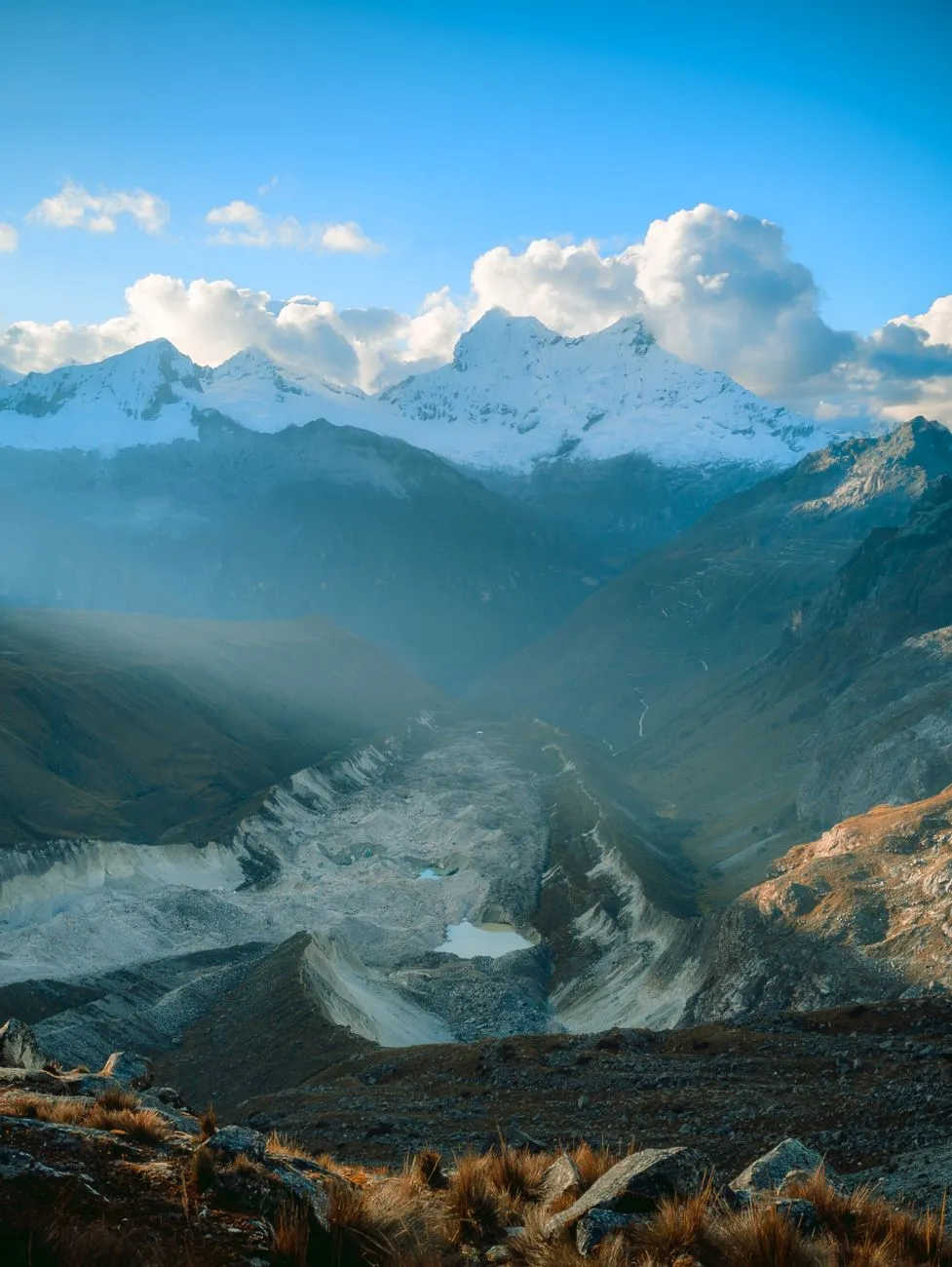
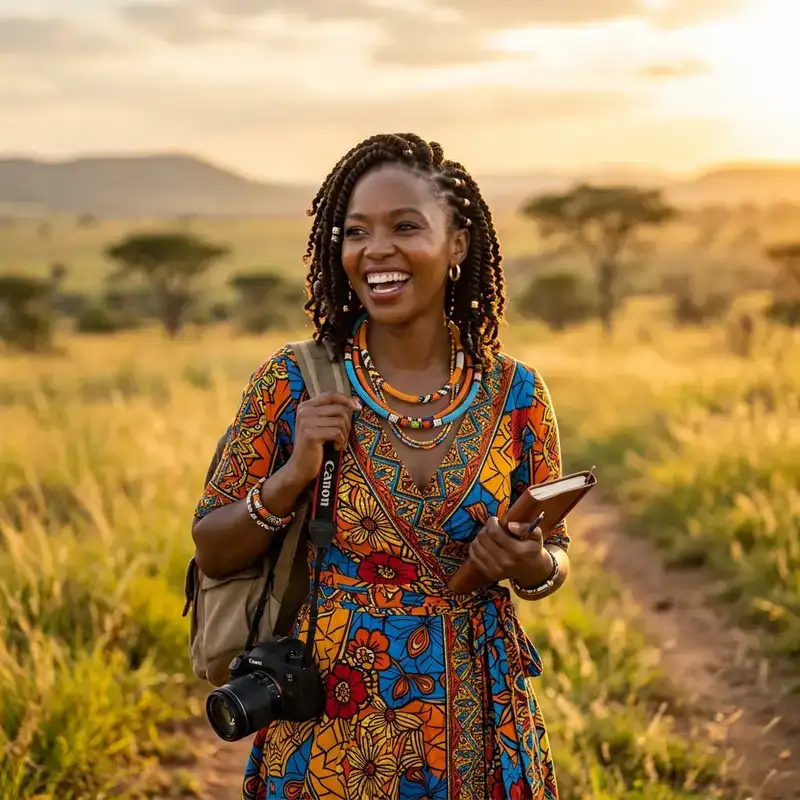
Whispers of the Apurímac: Entering the Uncharted Corridor The Apurímac River carves a canyon deeper than the Grand Canyon, its walls rising 3,000 meters above the turquoise water. Trekkers who venture here step onto a corridor that has no official signage, no ranger stations, and only the faint footprints of local Quechua herders. The approach usually begins in the town of Curahuasi (2,800 m), where a dirt track leads to the trailhead at 3,200 m. From there the path follows the river’s left bank, crossing suspension bridges woven from ichu grass and traversing scree slopes that shift with each seasonal melt. Historical records from the 16th‑century chronicler Pedro Cieza de León describe the Apurímac as “the river that swallows the sun,” a reference to the steep shadows that dominate the gorge at midday. Modern GPS surveys (IGN 1:50,000 sheets 27‑S and 28‑S) confirm that the trail gains 1,200 m over 18 km before reaching the high‑altitude plateau of Pampas de Chilca (4,400 m). Because the route is unmarked, navigation relies on a combination of topographic maps, a handheld GPS loaded with offline OpenStreetMap tiles, and the oral guidance of a local arrieros (muleteer) who knows the seasonal river crossings. Weather in the canyon is notoriously volatile. Morning mist often lifts by 10 am, revealing intense UV radiation (UV index 11+ at 4,000 m). Afternoon thunderstorms can raise the river level by 2 m in minutes, turning fordable sections into dangerous torrents. Trekkers should carry a lightweight four‑season tarp, a 3‑layer waterproof shell, and a compact emergency bivvy. Altitude sickness risk spikes above 3,500 m; a gradual ascent of no more than 300 m per day, combined with a 2‑day acclimatization in Cusco (3,399 m) and a night in the Sacred Valley (2,800 m), reduces acute mountain sickness incidence to under 10 % according to the 2022 High Altitude Medicine & Biology cohort study. Cultural immersion is unavoidable. The corridor passes through the comunidad campesina of Huancarani, where families still practice ayni (reciprocal labor) to maintain irrigation canals that date to the Inca mit’a system. Offering a few coca leaves and a brief pago a la tierra (earth offering) before crossing a sacred apacheta (stone cairn) is both respectful and a practical way to secure safe passage through lands that are technically communal property, not national park. Altitude Alchemy: Acclimatization Strategies for the High Andes Acclimatization is the single most decisive factor for a successful trek in the Andean highlands. The physiological cascade begins the moment you ascend above 2,500 m: ventilation increases, renal bicarbonate excretion rises, and hemoglobin concentration climbs over weeks. In practice, a three‑stage protocol works for most fit adults. Stage 1 – Cusco Base (3,399 m): Spend 48 hours in Cusco, sleeping at 3,400 m, hydrating 3–4 L daily, and avoiding alcohol. Light walks to Sacsayhuamán (3,700 m) and the nearby Q’enqo archaeological site provide incremental exposure without overexertion. A 2021 study by the Universidad Nacional de San Antonio Abad del Cusco showed that trekkers who completed this stage reduced their Lake Louise Score (LLS) by an average of 1.8 points compared with those who flew directly to 4,000 m. Stage 2 – Sacred Valley Descent (2,800 m): Drop to the Urubamba Valley for a night in Ollantaytambo or Pisac. The lower altitude allows the body to consolidate ventilatory gains while still sleeping above 2,500 m. Use this window to test gear, adjust pack weight, and practice breathing techniques such as pressure breathing (inhale 3 seconds, exhale 6 seconds) which improves arterial oxygen saturation by 2–3 % at 4,000 m. Stage 3 – Progressive Ascent (3,500 m → 4,500 m): Begin the trek proper, limiting daily elevation gain to 300 Related Insights明孝陵:大明王朝的开国之陵 Sustainable Archipelagos: Crafting an Eco‑Conscious Island‑Hopping Blueprint for the Azores The Arctic's Whispering Skies: Your Ultimate Guide to Unlocking Scandinavia's Northern Lights Mystique{ "@context": "https://schema.org", "@type": "FAQPage", "mainEntity": [ { "@type": "Question", "name": "What is the main focus of Shadow Trails of the Andes: Unveiling Peru's Hidden Sacred Valleys?", "acceptedAnswer": { "@type": "Answer", "text": "Journey beyond the beaten path into Peru's unmarked sacred valleys, where ancient stone arteries whisper Inca legends and high‑altitude silence tests every trekker." } }, { "@type": "Question", "name": "Who authored the comprehensive guide on Shadow Trails of the Andes: Unveiling Peru's Hidden Sacred Valleys?", "acceptedAnswer": { "@type": "Answer", "text": "This detailed article and its insights were carefully researched and authored by Zola Ndlovu." } }, { "@type": "Question", "name": "Where can I find more related content about Travel?", "acceptedAnswer": { "@type": "Answer", "text": "You can explore more articles, detailed reviews, and similar insights by browsing the Related Insights section at the bottom of this article or visiting our dedicated Travel category page." } } ] }
-
 Pierre Dubois
 - 08 Jul, 2026 20:46
Machu Picchu : Quand les Pierres Éternelles des Incas Murmurent l'Histoire Oubliée au Sommet des Andes
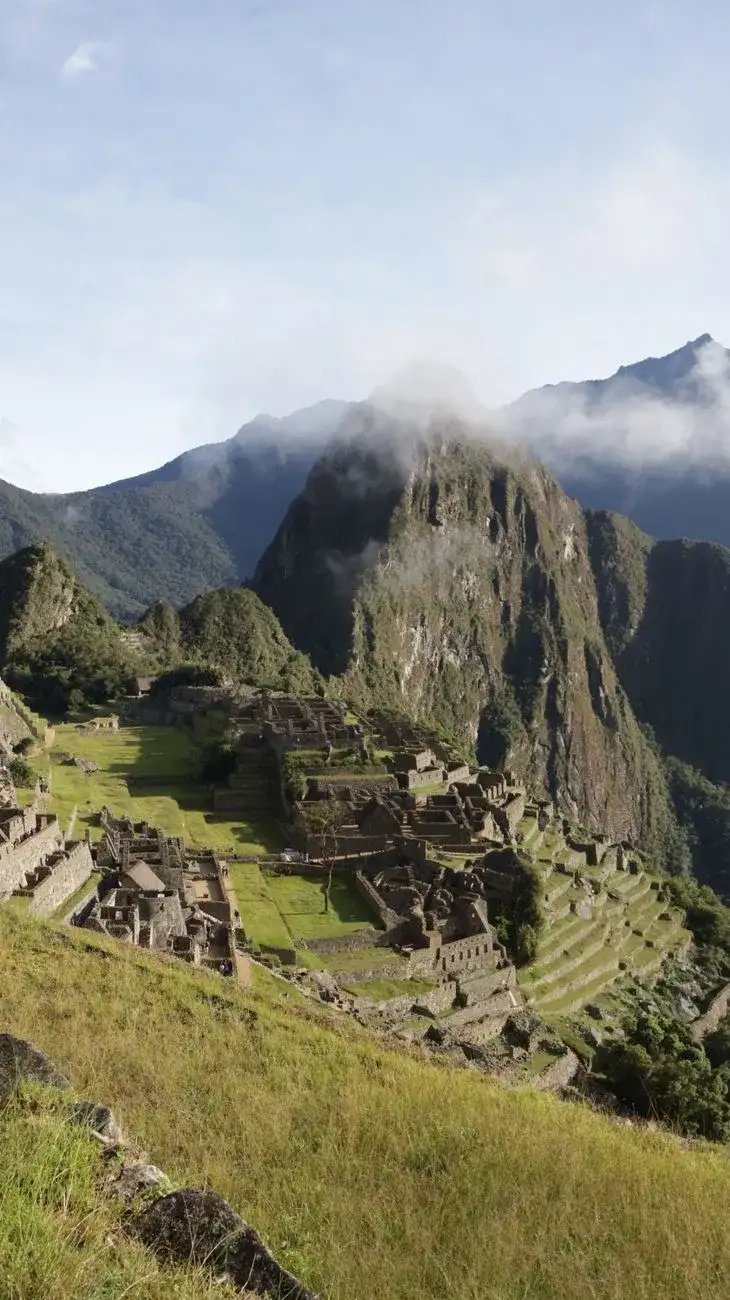
Au cœur de la Cordillère Orientale du Pérou, là où les Andes déchirent le ciel en sommets vertigineux, s'accroche un rêve de pierre et de légende : Machu Picchu. Plus qu'une simple ruine, c'est une sentinelle silencieuse du temps, une citadelle oubliée que les brumes matinales enveloppent encore des mystères de l'Empire Inca. Perchée à une altitude défiant l'imagination, à 2430 mètres précisément, elle n'est pas un monument que l'on visite, mais un sanctuaire que l'on ressent, dont chaque pierre taillée murmure l'ingéniosité d'une civilisation disparue et la grandeur d'un empereur bâtisseur. Cet édifice intemporel, suspendu entre ciel et terre, continue de défier notre compréhension et d'éveiller notre âme d'explorateur, bien au-delà des sentiers battus de la modernité. L'Écho Millénaire d'une Cité Perdue Imaginez une forteresse inexpugnable, érigée au XVe siècle par la puissance Inca, non pas au fond d'une vallée accessible, mais sur une crête de montagne escarpée, à quelque 80 kilomètres au nord-ouest de Cusco. C'est là que Machu Picchu se dresse, surplombant la Vallée Sacrée et longeant le puissant fleuve Urubamba, qui creuse un canyon profond, baigné par un climat subtropical montagnard. Cette position stratégique, presque irréelle, a valu à la citadelle le surnom poétique et énigmatique de « Cité Perdue des Incas », bien qu'elle n'ait jamais réellement été perdue pour les populations locales. Elle incarne l'un des symboles les plus iconiques de cette civilisation fascinante et demeure, sans conteste, l'un des sites archéologiques majeurs de toutes les Amériques. La majesté de Machu Picchu réside autant dans son emplacement spectaculaire que dans l'extraordinaire ingéniosité de sa conception. Elle est le témoin silencieux d'une époque où l'homme et la nature s'unissaient dans une harmonie architecturale défiant le temps. Chaque année, plus de 1,5 million de pèlerins et de curieux du monde entier convergent vers ce sanctuaire, faisant de Machu Picchu la destination touristique internationale la plus visitée du Pérou. Son aura dépasse les frontières, son histoire captive, et son paysage à couper le souffle laisse une empreinte indélébile dans l'esprit de ceux qui foulent ses sentiers ancestraux. Les Pierres Murmurantes des Incas La construction de Machu Picchu, estimée aux alentours de 1450, fut un tour de force architectural, emblématique du style classique Inca. Chaque bloc de pierre, souvent d'une taille monumentale, fut taillé et ajusté avec une précision si parfaite qu'il est impossible d'y glisser la lame d'un couteau entre eux, sans l'usage de mortier. Une technique de maçonnerie à sec, d'une sophistication ahurissante, qui a permis à ces structures de résister aux séismes et aux intempéries pendant des siècles. On dit que cette cité fut édifiée pour servir de domaine à l'empereur Inca Pachacútec, bien qu'aucune chronique écrite contemporaine ne puisse l'attester avec une certitude absolue. Ce souverain légendaire, dont le règne marqua l'apogée de l'Empire, aurait vu en ce lieu une résidence d'exception, un havre de paix et de pouvoir. Parmi les édifices les plus remarquables, le Temple du Soleil se distingue par sa tour semi-circulaire et ses murs courbés, un chef-d'œuvre de stéréotomie, dont les fenêtres étaient alignées avec les solstices, témoignant de la profonde connaissance astronomique des Incas. Le Temple des Trois Fenêtres, avec ses ouvertures trapézoïdales offrant des vues imprenables sur les sommets environnants, et la pierre rituelle de l'Intihuatana, une sorte de cadran solaire sacré, sont d'autres exemples frappants de l'ingénierie et de la spiritualité inca. Chacune de ces structures n'est pas seulement un bâtiment, mais un lien tangible avec le cosmos, une expression de la cosmogonie d'un peuple. La citadelle fut abandonnée environ un siècle plus tard, vraisemblablement lors de la conquête espagnole. Les analyses modernes par datation au radiocarbone placent son occupation entre 1420 et 1530 environ, offrant une fenêtre temporelle plus précise sur son usage. Cette soudaine désertion, sans destruction majeure par les conquistadors, contribua grandement à préserver son mystère et son intégrité, la laissant ainsi sommeiller sous la végétation luxuriante des Andes jusqu'à sa "redécouverte" plus tardive.Chroniques Révisées : Quand l'Histoire se Révèle L'histoire et la chronologie précise de Machu Picchu ont longtemps fait l'objet de débats érudits. Les modèles chronologiques initiaux, principalement basés sur les reconstructions historiques du règne de Pachacútec Inca Yupanqui par John H. Rowe, situaient le début de la construction vers 1450, une décennie après son accession au pouvoir. Cependant, les avancées scientifiques récentes ont permis de jeter un éclairage nouveau et plus précis sur cette période. Une étude marquante de 2021, menée par Richard L. Burger, professeur d'anthropologie à l'Université de Yale, a rapporté 26 mesures par radiocarbone AMS (spectrométrie de masse par accélérateur) effectuées sur des restes humains. Ces analyses ont conclu que Machu Picchu fut occupé entre 1420 et 1530 environ, déplaçant ainsi son origine d'au moins vingt ans plus tôt. Des conclusions similaires, confortant une chronologie plus ancienne au début du XVe siècle, ont été rapportées par d'autres études isotopiques. Il apparaît donc que la construction de la citadelle s'est déroulée sous le règne de deux Sapa Incas successifs : Pachacútec Inca Yupanqui (de 1438 à 1471) et Túpac Inca Yupanqui (de 1472 à 1493). Le consensus parmi les archéologues penche vers l'idée que Pachacútec ordonna l'édification de ce domaine royal après sa conquête des régions moyenne et basse de l'Urubamba. Cette initiative s'inscrivait probablement dans un programme plus vaste visant à établir des domaines royaux le long du fleuve Urubamba, soulignant la volonté de l'empereur d'affirmer son pouvoir et d'organiser son empire. Le complexe palatial de Machu Picchu aurait ainsi fonctionné comme une retraite royale saisonnière, un lieu de villégiature et de représentation pour le souverain et sa cour. Bien que considéré comme un domaine royal, il ne semble pas avoir été transmis par lignée de succession directe. Il fut utilisé pendant environ 80 ans avant d'être brusquement abandonné, probablement en raison des conquêtes espagnoles qui ravageaient d'autres parties de l'Empire Inca. Il est même envisageable qu'une grande partie de ses habitants ait succombé à la variole, maladie introduite par les voyageurs européens, avant même l'arrivée des conquistadors espagnols dans la région isolée de Machu Picchu. Le Mystère du Nom : Entre Ancien Sommet et Jeune Pic Le nom même de cette merveille andine est empreint de poésie et d'histoire linguistique. Le site est niché sur une selle étroite entre deux sommets montagneux emblématiques : Machu Picchu et Huayna Picchu. Dans la langue quechua, "machu" signifie 'vieux' ou 'personne âgée', tandis que "wayna" (orthographié "huayna" en orthographe espagnole standard) signifie 'jeune'. Le terme "pikchu", quant à lui, désigne un 'sommet', un 'pic', ou une 'pyramide'. Ainsi, le nom de la citadelle est souvent traduit par 'vieille montagne' ou 'vieux pic'. Pourtant, le nom originel donné à cette colonie par ses bâtisseurs n'est pas connu avec certitude. Une étude publiée en 2021 dans "Ñawpa Pacha: Journal of the Institute of Andean Studies" suggère que le site était probablement désigné sous le nom de "Huayna Picchu", en référence au pic plus petit et plus proche, ou simplement "Picchu". Selon cette recherche, l'association du nom "Machu Picchu" avec les ruines aurait débuté avec les publications de l'explorateur américain Hiram Bingham en 1911. Cette conclusion est corroborée par les notes de terrain de Bingham, les premières cartes qu'il a utilisées, et divers documents historiques. C'est donc la "redécouverte" moderne qui aurait figé le nom que nous connaissons aujourd'hui, bien que les Incas eux-mêmes aient pu l'appeler différemment. La Vie Animée au Cœur de la Citadelle Royale Au-delà de sa magnificence architecturale, Machu Picchu était un lieu de vie, une micro-société complexe et dynamique. Durant sa période d'utilisation comme domaine royal, on estime qu'environ 750 personnes y résidaient. La majorité d'entre elles étaient des "yanaconas", du personnel de soutien qui vivait là de manière permanente, dédiant leur existence au service de l'empereur et de sa cour. Bien que le domaine appartînt à Pachacútec, des spécialistes religieux et des travailleurs temporaires spécialisés, les "mayocs", y vivaient également, probablement pour assurer le bien-être et le divertissement du souverain. Pendant l'hiver, saison généralement plus rude dans les Andes, les effectifs étaient réduits à quelques centaines de serviteurs et à quelques spécialistes religieux, dont la tâche principale était la maintenance des lieux. Un Mosaïque Humaine au Fil des Andins Les études menées sur les restes squelettiques retrouvés à Machu Picchu ont révélé une réalité fascinante : la plupart des personnes qui y vécurent étaient des immigrants, issus d'horizons divers. Des analyses génomiques ont montré que la communauté des domestiques (yanaconas et anciennes acllas) était génétiquement très variée, incluant des ascendances andines, côtières, équatoriennes et amazoniennes. Fait remarquable, des individus d'origines différentes vivaient, se reproduisaient et étaient inhumés ensemble, témoignant d'une intégration culturelle et sociale au sein de la citadelle. Ces individus ne possédaient pas les marqueurs chimiques et ostéologiques que l'on retrouverait chez des personnes ayant vécu toute leur vie à Machu Picchu. Au contraire, les recherches sur les restes squelettiques ont mis en évidence des lésions osseuses dues à diverses espèces de parasites aquatiques indigènes à différentes régions du Pérou. Des indicateurs ostéologiques de stress variés et des densités chimiques différentes suggéraient également des régimes alimentaires à long terme distincts, caractéristiques de régions éloignées les unes des autres. Ces régimes comprenaient des niveaux variables de maïs, de pommes de terre, de céréales, de légumineuses et de poisson. Cependant, le régime alimentaire à court terme le plus récent pour ces personnes se composait globalement de moins de poisson et de plus de maïs. Cela suggère que plusieurs immigrants provenaient de régions côtières et se sont déplacés vers Machu Picchu, où le maïs constituait une part plus importante de l'alimentation. Une autre observation notable est que la plupart des restes squelettiques découverts sur le site présentaient des niveaux inférieurs d'arthrite et de fractures osseuses par rapport à ceux trouvés dans la plupart des sites de l'Empire Inca. Les individus incas souffrant d'arthrite et de fractures osseuses étaient généralement ceux qui effectuaient un travail physique lourd (tel que la corvée de la "Mit'a") ou servaient dans l'armée inca, ce qui laisse entrevoir une vie relativement moins éprouvante physiquement pour les habitants de Machu Picchu. Des Compagnons et des Offrandes : La Faune de Machu Picchu La présence animale à Machu Picchu était également significative, comme en témoignent les nombreux ossements découverts, dont certains n'étaient pas natifs de la région. La plupart des os d'animaux appartenaient à des lamas et des alpagas. Ces camélidés vivent naturellement à des altitudes d'environ 4 000 mètres, bien plus élevées que les 2 400 mètres de Machu Picchu. Il est fort probable que ces animaux aient été amenés de la région de la Puna, principalement pour leur viande et leurs peaux, essentiels à la subsistance et à l'artisanat. Des cobayes, ou cuy, ont également été retrouvés sur le site, notamment dans des grottes funéraires spéciales. Leur présence dans ces tombes suggère qu'ils étaient au moins utilisés lors de rituels funéraires, pratique courante dans tout l'Empire Inca où ils servaient de sacrifices et de source de viande. Enfin, six chiens ont été découverts sur le site. En raison de leur positionnement parmi les restes humains, il est plausible qu'ils aient servi de compagnons aux défunts, partageant peut-être leur dernier voyage vers l'au-delà.L'Héritage d'un Empire : Redécouverte et Préservation Si Machu Picchu est aujourd'hui une icône mondiale, son histoire moderne est celle d'une révélation progressive. Bien que le site fut connu des populations locales depuis des siècles et atteint au début du XXe siècle par l'explorateur péruvien Agustín Lizárraga, c'est l'historien américain Hiram Bingham III qui, en 1911, attira l'attention internationale sur cette merveille. Ses expéditions et publications permirent au monde entier de découvrir la splendeur et le mystère de cette citadelle inca. Depuis lors, la reconnaissance et la protection de Machu Picchu n'ont cessé de croître. En 1981, le Pérou l'a désigné comme Sanctuaire Historique National, une mesure cruciale pour la conservation de son patrimoine naturel et culturel. Deux ans plus tard, en 1983, l'UNESCO l'a inscrit sur la liste du Patrimoine Mondial, reconnaissant son « importance universelle exceptionnelle ». Plus récemment, en 2007, Machu Picchu a été élu l'une des Nouvelle Sept Merveilles du Monde, cimentant sa place dans la conscience collective de l'humanité. Aujourd'hui, alors que les Andes continuent de veiller sur ce joyau, Machu Picchu demeure une source inépuisable de savoir, d'émerveillement et d'inspiration. C'est un appel à l'exploration, à la compréhension d'un passé glorieux, et à la méditation sur la persévérance et l'ingéniosité de l'esprit humain. Chaque pas sur ses pierres ancestrales est un écho d'une histoire millénaire qui refuse de se taire, une invitation à se connecter avec la grandeur d'un empire dont l'héritage continue de rayonner, suspendu entre les nuages et l'éternité.#MachuPicchu #Incas #Pérou #VoyageCulturel #Andes #CitéPerdue #Archéologie Related InsightsSardegna Profonda: Sulle Tracce Misteriose dei Nuraghi nella Barbagia Nascosta The Stone Dreams of Kings: Unveiling the Loire Valley’s Living Tapestry 清水寺: 断崖に立つ祈りの舞台{ "@context": "https://schema.org", "@type": "FAQPage", "mainEntity": [ { "@type": "Question", "name": "What is the main focus of Machu Picchu : Quand les Pierres Éternelles des Incas Murmurent l'Histoire Oubliée au Sommet des Andes?", "acceptedAnswer": { "@type": "Answer", "text": "Perchée à 2430 mètres, Machu Picchu n'est pas qu'une ruine; c'est un testament éternel à la grandeur inca, un joyau archéologique dont les secrets continuent de fasciner." } }, { "@type": "Question", "name": "Who authored the comprehensive guide on Machu Picchu : Quand les Pierres Éternelles des Incas Murmurent l'Histoire Oubliée au Sommet des Andes?", "acceptedAnswer": { "@type": "Answer", "text": "This detailed article and its insights were carefully researched and authored by Pierre Dubois." } }, { "@type": "Question", "name": "Where can I find more related content about Travel?", "acceptedAnswer": { "@type": "Answer", "text": "You can explore more articles, detailed reviews, and similar insights by browsing the Related Insights section at the bottom of this article or visiting our dedicated Travel category page." } } ] }
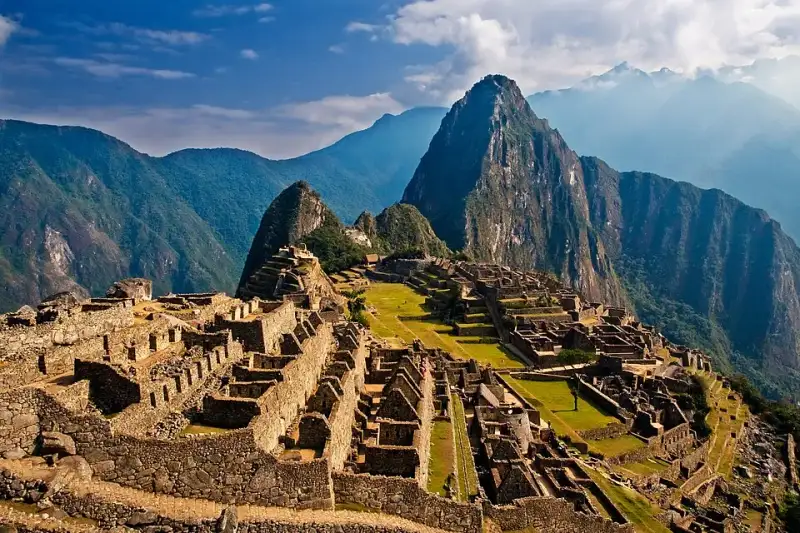

High above the roaring waters of the Urubamba River, enveloped by the perpetual mists of the Peruvian Andes, lies a testament to human ingenuity that has captivated the world’s imagination for over a century. Machu Picchu, often romanticized as the "Lost City of the Incas," is far more than a stunning ruin perched on a dramatic mountain ridge. It is a masterclass in civil engineering, a profound spiritual sanctuary, and a frozen window into the zenith of the Inca Empire—Tawantinsuyu. To stand amidst its perfectly joined stones as the morning fog rolls back is to feel the pulse of a civilization that, despite lacking written language, the wheel, or iron tools, managed to carve out an empire that stretched across the spine of South America. #MachuPicchu #AncientWonders This majestic citadel, nestled at an elevation of 2,430 meters (7,970 feet), has become the ultimate emblem of the Inca civilization. Yet, beneath the postcard-perfect vistas and the countless photographs captured by modern travelers, lies a complex narrative of imperial ambition, staggering labor, astronomical precision, and eventual abandonment. The story of Machu Picchu is not just about the stones themselves, but about the people who quarried them, the ruler who envisioned them, and the mountains that cradle them. #IncaEmpire #TravelPeru The Cradle of the Inca: Geographical Grandeur To understand Machu Picchu, one must first understand its geography. The site is located in the Cusco Region, Urubamba Province, Machupicchu District in Peru. It is situated on a mountain saddle between two prominent peaks: Machu Picchu ("Old Peak" in Quechua) and Huayna Picchu ("New Peak"). This location was no accident; it was chosen with profound geographical and spiritual deliberation. The Inca venerated the landscape, seeing mountains as apus—powerful spirits or deities that governed the natural world. Machu Picchu is surrounded by a pantheon of these sacred peaks, creating a physical and spiritual amphitheater that amplified the site's importance. The environment here is dramatically different from the high-altitude, arid plateau of Cusco, the Inca capital. Machu Picchu sits in a transitional zone where the rugged peaks of the Andes begin to plunge into the lush, verdant Amazon basin. This creates a cloud forest ecosystem—a world of orchids, bromeliads, spectacled bears, and brightly colored tanagers. The constant clash of cold mountain air and warm, moist air rising from the jungle produces the ethereal mists that frequently shroud the citadel. The Urubamba River, known to the Inca as the Vilcanota, tightly coils around the base of the mountain on three sides, creating a natural moat that made the site easily defensible and visually spectacular. #AndesMountains #NatureLovers Pachacuti’s Vision: The Genesis of a Royal Estate Historically, the construction of Machu Picchu is attributed to Pachacuti Inca Yupanqui, the ninth Sapa Inca (emperor), who ruled from 1438 to 1472. Pachacuti was a transformative figure in Inca history, a brilliant military strategist and administrator who expanded a small regional kingdom into a vast empire. Archaeological consensus suggests that Machu Picchu was built as a royal estate for Pachacuti and his lineage. A royal estate in the Inca world served multiple purposes. It was a retreat for the emperor, his family, and his courtiers to escape the bitter cold of the Cusco winter. The warmer climate of the cloud forest allowed for the cultivation of a diverse array of crops, including maize, coca, and various fruits, which could not be grown at higher altitudes. Furthermore, the estate served as an administrative center for the region, asserting imperial control over the newly conquered territories of the Vilcabamba valley. #HistoryBuff #Archaeology The construction of such a monumental site required immense resources, particularly human labor. The Inca utilized a system known as mit'a, a form of compulsory public service exacted from conquered populations. Under the mit'a system, citizens were required to contribute a certain amount of their labor to the state each year. This workforce was responsible for quarrying the massive granite blocks, transporting them up the treacherous mountain slopes, and meticulously carving them into place. It is estimated that thousands of laborers, skilled stonemasons, and engineers were involved in the creation of Machu Picchu, working tirelessly over several decades. Defying Gravity and Earthquakes: Inca Engineering The most visually arresting aspect of Machu Picchu is its architecture. The Inca were master stonemasons, renowned for their use of ashlar—a technique where stones are cut to fit together perfectly without the use of mortar. At Machu Picchu, the finest examples of this masonry can be seen in the most important religious and royal structures. The granite blocks were shaped using harder stones, bronze tools, and sand as an abrasive. The precision is such that even today, a knife blade cannot be slipped between the joints. But this mortarless construction was not merely an aesthetic choice; it was a highly sophisticated engineering solution to the seismic reality of the Andes. Peru is highly prone to earthquakes. When the ground trembles, the mortarless walls of Machu Picchu do not rigidly resist the shockwaves. Instead, the stones are allowed to "dance"—they vibrate and shift slightly, then settle back into their original positions once the tremor has passed. Furthermore, the Inca employed several other anti-seismic features: doors and windows were built with a trapezoidal shape, tilting inward; walls were inclined slightly inward; and L-shaped blocks were used to tie outside corners together. Thanks to these innovations, Machu Picchu has survived centuries of seismic activity while post-conquest colonial buildings in nearby cities have repeatedly collapsed. #EngineeringMarvel #IncaArchitecture The Masterful Hydrology and Agricultural Terracing While the stonework is the most visible marvel, perhaps the true genius of Machu Picchu lies hidden beneath the surface. The mountain receives torrential rainfall during the wet season, and without a sophisticated drainage system, the site would have quickly washed down the steep slopes into the Urubamba River. To prevent this, the Inca engineers expended roughly 60% of their building effort underground. They created a vast, multi-layered drainage system beneath the plazas and buildings, consisting of deep layers of gravel and rock that channeled water safely away. Surrounding the urban sector are hundreds of agricultural terraces, or andenes. These terraces served a dual purpose: they created flat land for farming, and they stabilized the steep mountain slopes, preventing landslides. The terraces were built with stone retaining walls, behind which were layers of large stones, smaller gravel, and finally, nutrient-rich topsoil brought up from the valley floor. Water was brought to the city via an intricately carved stone canal that tapped a natural spring high on the mountain slope. This canal fed a series of sixteen interconnected fountains, providing fresh water to the emperor’s compound first, before flowing down to the rest of the inhabitants. This mastery over water, both in supplying it and draining it away, was absolutely crucial to the survival of the citadel. #SustainableDesign #Agriculture Sacred Stones: The Spiritual Heart of the Citadel Machu Picchu is roughly divided into an agricultural sector and an urban sector, separated by a dry moat and a wall. The urban sector is further divided into a lower, residential area, and an upper, sacred area where the most important temples are located. The Inca religion was deeply tied to astronomy and the observation of the natural world, and the architecture of Machu Picchu reflects this profound spiritual connection. #SpiritualJourney #CulturalHeritage One of the most significant structures is the Temple of the Sun. Built with exquisite, curved masonry, it is situated atop a massive, natural boulder. The temple features a distinctive trapezoidal window that aligns perfectly with the rising sun on the day of the winter solstice. Inside the temple, the natural rock is carved into what is believed to be an altar. Below the temple is a natural cave, finely lined with stonework, which Bingham referred to as the Royal Tomb, though no human remains were ever found there. It is more likely that this space was used for rituals associated with the Earth mother, Pachamama. A short walk from the Temple of the Sun is the Sacred Plaza, home to the Principal Temple and the Temple of the Three Windows. The massive stones used in these structures are among the largest at the site. The three large windows in the latter temple are thought to represent the three realms of the Inca universe: Hanan Pacha (the upper world of the gods), Kay Pacha (the middle world of humans), and Uku Pacha (the underworld of the ancestors). Perhaps the most famous and enigmatic stone at Machu Picchu is the Intihuatana. Often translated as the "Hitching Post of the Sun," this carved granite pillar sits atop a terraced pyramid structure. The Intihuatana served as an astronomical observatory and a calendrical device. By observing the shadows cast by the pillar, the Inca priests could track the solstices and equinoxes, crucial information for timing their agricultural planting and religious festivals. During the winter solstice, the priest would ritually "hitch" the sun to the stone to ensure it would return to warm the earth. #Astronomy #AncientWisdom Another remarkable feature is the Temple of the Condor. Here, the Inca took advantage of a natural rock formation that resembled the outstretched wings of a massive Andean condor. On the ground before the wings, they carved a rock into the shape of the bird's head and neck ruff. The condor was a sacred bird in Inca mythology, representing the upper world, Hanan Pacha. This area was likely used for ceremonies, and the caves behind the "wings" may have been used for ritualistic purposes or even as dungeons, depending on the interpretation. Life in the Clouds: Inhabitants of the Estate Who lived at Machu Picchu? While it was a royal estate, Pachacuti and his royal retinue would have only visited periodically, likely during the warmer months. However, the site was never truly empty. A permanent population was required to maintain the estate, tend the crops, perform religious duties, and guard the site. Estimates suggest that during its peak use, Machu Picchu supported a population of around 500 to 750 people. The majority of these inhabitants were yanaconas, a class of skilled retainers and servants who were dedicated to the service of the emperor and the nobility. These individuals were brought from all over the empire, representing a diverse mix of ethnicities and cultures. Osteological analysis of the skeletal remains found in the burial caves surrounding Machu Picchu confirms this diversity, showing variations in cranial deformation practices and dietary habits that point to origins across Tawantinsuyu. The daily life of these permanent residents was closely tied to the agricultural cycle and the maintenance of the estate. They tended the terraces, cultivating corn, potatoes, and other crops. They maintained the aqueducts, repaired the stonework, and wove textiles. While the royal sections of the city boast the finest ashlar masonry, the residential areas were constructed using a more rustic style known as pirca, where unshaped stones were held together with mud mortar. The roofs of all buildings, royal and residential alike, were originally steeply pitched and covered with thick thatch, giving the city a very different appearance than the bare stone ruins we see today. #Anthropology #AncientLife The Fall of Tawantinsuyu and the Silence of the Citadel Machu Picchu thrived for less than a century. Its active use came to an abrupt end in the 1530s, corresponding with the arrival of the Spanish conquistadors led by Francisco Pizarro. The Spanish invasion unleashed a devastating cascade of events: civil war, the capture and execution of the Sapa Inca Atahualpa, and the collapse of the imperial administration. More devastating than the Spanish swords, however, were the invisible conquerors: European diseases. Smallpox, measles, and influenza swept through the Andes, decimating the indigenous population. It is highly probable that the population of Machu Picchu, or the surrounding valleys that supported it, was severely impacted by these epidemics. As the central authority of Cusco fell, the royal estates lost their purpose and funding. The mit'a labor system broke down, and the supply lines that kept the isolated citadel functioning were severed. The inhabitants of Machu Picchu gradually abandoned the site, returning to their ancestral lands or seeking refuge deeper in the mountains. Remarkably, the Spanish never found Machu Picchu. Unlike many other Inca sites, it was never plundered, its sacred stones were never smashed, and no Catholic church was ever built over its temples. The dense jungle quickly reclaimed the terraces and the buildings, swallowing the city in a cloak of green, hiding it from the outside world for almost four centuries. #LostCity #HistoricalMystery The Myth of the "Lost City" and Hiram Bingham’s Arrival The Western narrative of Machu Picchu often begins in 1911 with the American explorer and Yale historian, Hiram Bingham. Sponsored by Yale University and the National Geographic Society, Bingham was searching for Vilcabamba, the last refuge of the Inca resistance against the Spanish. Guided by a local innkeeper named Melchor Arteaga, Bingham crossed the Urubamba River and climbed the steep, jungle-choked ridge. On July 24, 1911, he was led to the ruins. Bingham was astounded by the sheer scale and quality of the stonework, particularly the Temple of the Sun and the Room of the Three Windows. He believed he had found the legendary "Lost City of the Incas," a moniker that stuck and fueled global fascination, even though later archaeological evidence proved that the true last refuge, Vilcabamba, was located further in the jungle at Espiritu Pampa. #HiramBingham #Exploration However, to say Bingham "discovered" Machu Picchu is to ignore the reality of the local population. The site was never truly lost to the people who lived in the region. When Bingham arrived, he found local Quechua farmers, including the families of Richarte and Alvarez, living amidst the ruins and actively cultivating the ancient Inca terraces. The existence of the ruins was known to local landowners, and a Peruvian explorer named Agustín Lizárraga had even carved his name on the Temple of the Three Windows in 1902, nine years before Bingham’s arrival. Bingham's true achievement was not discovery, but rather scientific documentation and global popularization. Through his writings and the striking photographs published in a dedicated issue of National Geographic magazine in 1913, Bingham brought Machu Picchu to the world's attention. He initiated extensive clearing and excavation, fundamentally changing the site's trajectory from a forgotten ruin to a global icon. #HistoryFacts #NationalGeographic The Artifact Controversy and Repatriation Bingham's expeditions, while scientifically groundbreaking for their time, also sparked a century-long controversy. Between 1912 and 1915, Bingham excavated thousands of artifacts—pottery sherds, skeletal remains, bronze tools, and jewelry—and transported them to Yale University in the United States. He claimed this was done with the permission of the Peruvian government, under a decree that allowed the temporary export of the artifacts for study, with the stipulation that they would eventually be returned. Decades passed, and the artifacts remained at Yale's Peabody Museum. The Peruvian government repeatedly requested their return, leading to a protracted and often bitter legal and diplomatic dispute. Peru argued that the artifacts were an integral part of their national heritage and had been held illegally for nearly a century. Yale argued that they had preserved and studied the artifacts, contributing significantly to global knowledge about the Inca. Finally, in 2010, an agreement was reached. Yale acknowledged Peru's title to the artifacts and agreed to repatriate the entire collection. Between 2011 and 2012, coinciding with the centenary of Bingham's scientific expedition, thousands of pieces were flown back to Peru. Today, they are housed and displayed in the Museo Machu Picchu in the Casa Concha in Cusco, representing a significant victory for cultural heritage repatriation and the right of nations to reclaim their historical treasures. #CulturalHeritage #MuseumStudies Preservation in the Modern Era: Balancing Tourism and Heritage Today, Machu Picchu is one of the most recognized and visited archaeological sites in the world. It was designated a UNESCO World Heritage site in 1983 and was voted one of the New Seven Wonders of the World in 2007. The allure of the citadel draws well over a million visitors annually. However, this immense popularity is a double-edged sword. The relentless foot traffic on the ancient stone paths, the strain on local infrastructure, and the environmental impact on the fragile cloud forest ecosystem pose significant threats to the site's preservation. The very forces that bring people to marvel at Machu Picchu threaten to erode it. #UNESCO #WorldHeritage In recent years, the Peruvian government and international conservation bodies have implemented strict measures to protect the site. Daily visitor numbers are capped, specific circuits have been established to control the flow of foot traffic, and the time visitors can spend in the ruins is limited. There are ongoing efforts to mitigate erosion, stabilize the ancient walls, and monitor the geological fault lines beneath the site. The challenge of managing Machu Picchu is a microcosm of the global struggle in heritage conservation: how to share a profound cultural treasure with the world without destroying it in the process. It requires a delicate balance between accessibility and preservation, between economic benefit for the local region and the sacred integrity of the stones. #Conservation #SustainableTourism Conclusion: The Eternal Echo of the Andes Machu Picchu remains a place of profound mystery and enduring beauty. Despite decades of intensive archaeological study, it still holds secrets. We may never know the names of the master stonemasons who shaped its ashlar walls, or the exact rituals performed upon the Intihuatana. The written language of the Inca, the quipu (a complex system of knotted strings), remains largely undeciphered, leaving us to interpret their world through the stones they left behind and the chronicles of their conquerors. Yet, perhaps it is this very enigma that makes Machu Picchu so captivating. It is a monument to human ambition set against the overwhelming scale of nature. It speaks of a civilization that sought to harmonize its existence with the rugged peaks and the swirling clouds, building not just a city, but an altar to the cosmos. As the sun sets over the Urubamba valley and the shadows lengthen across the Great Plaza, the stones of Machu Picchu seem to resonate with the echoes of the past. They stand as a silent, majestic testament to the genius of the Tawantinsuyu, a dream of empire carved into the granite of the Andes, waiting patiently for the morning mists to rise once more. #Wanderlust #AncientHistory #PeruTravel #MachuPicchu #Inca #Peru #Andes Related InsightsThe Rose Red City: Unveiling the Mysteries of Petra The Colosseum: Echoes of Eternity in the Heart of Rome Ghosts of the Tower of London: Betrayal, Blood, and Royal Secrets{ "@context": "https://schema.org", "@type": "FAQPage", "mainEntity": [ { "@type": "Question", "name": "What is the main focus of Whisper of the Andes: Unraveling the Enigma of Machu Picchu?", "acceptedAnswer": { "@type": "Answer", "text": "A comprehensive exploration of Machu Picchu, delving into the architectural marvels, historical origins, and enduring mysteries of the legendary Inca citadel." } }, { "@type": "Question", "name": "Who authored the comprehensive guide on Whisper of the Andes: Unraveling the Enigma of Machu Picchu?", "acceptedAnswer": { "@type": "Answer", "text": "This detailed article and its insights were carefully researched and authored by Liam Carter." } }, { "@type": "Question", "name": "Where can I find more related content about History?", "acceptedAnswer": { "@type": "Answer", "text": "You can explore more articles, detailed reviews, and similar insights by browsing the Related Insights section at the bottom of this article or visiting our dedicated History category page." } } ] }