Showing Posts From
Antioxidant rich
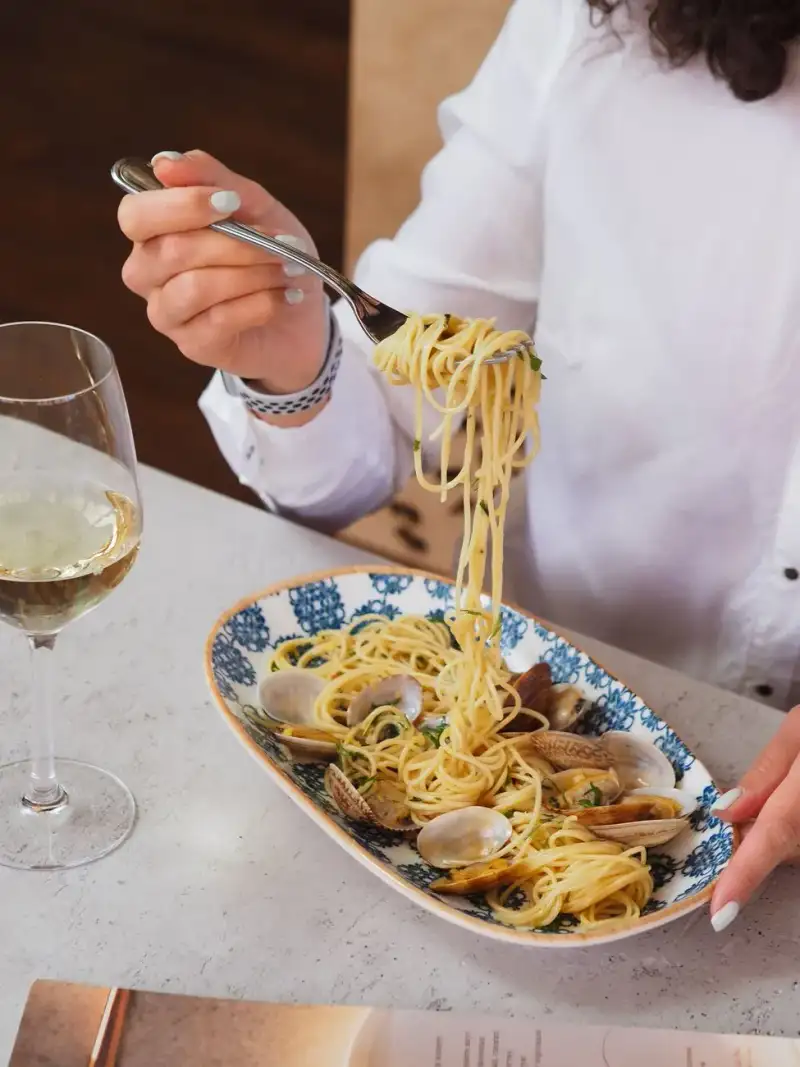

Introduction to the Caprese Salad The Caprese salad, a dish that embodies the essence of Italian cuisine, is more than just a simple salad. It's a symphony of flavors, textures, and aromas that come together to create a culinary experience like no other. According to recent studies, the ingredients used in this salad, particularly tomatoes and extra virgin olive oil, are rich in antioxidants, which play a crucial role in maintaining our overall health. Research on antioxidants shows that they help protect the body against free radicals, which can cause oxidative stress and lead to chronic diseases such as heart disease, cancer, and Alzheimer's.The Health Benefits of Tomatoes Tomatoes, one of the main ingredients in the Caprese salad, are a rich source of antioxidants, including lycopene, beta-carotene, and vitamin C. These compounds have been shown to have numerous health benefits, including reducing the risk of certain cancers, such as prostate cancer, and protecting against heart disease. The antioxidant properties of tomatoes also help to reduce inflammation and improve cognitive function. Furthermore, tomatoes are low in calories and high in fiber, making them an excellent addition to a weight management diet.The Nutritional Value of Wild Arugula Wild arugula, with its peppery flavor and delicate texture, adds a unique dimension to the Caprese salad. This leafy green is rich in vitamins A, C, and K, as well as minerals such as calcium and iron. The antioxidants present in wild arugula, including kaempferol and quercetin, have been shown to have anti-inflammatory properties, which can help to reduce the risk of chronic diseases. Additionally, the fiber content in wild arugula can help to promote digestive health and support healthy blood sugar levels. Extra Virgin Olive Oil: A Rich Source of Antioxidants Extra virgin olive oil, the dressing of choice for the Caprese salad, is a rich source of antioxidants, including vitamin E and polyphenols. These compounds have been shown to have numerous health benefits, including reducing inflammation, improving heart health, and protecting against certain cancers. The high levels of antioxidants in extra virgin olive oil also help to protect against cell damage and promote overall health and well-being.The Cultural Significance of the Caprese Salad The Caprese salad, with its simple yet elegant composition, is a dish that is deeply rooted in Italian culture. The salad is typically served as an antipasto or side dish, and its ingredients are often sourced from local farms and producers. The use of fresh mozzarella, tomatoes, and basil in the Caprese salad is a testament to the Italian tradition of using high-quality, seasonal ingredients to create delicious and memorable meals. Preparing the Caprese Salad To prepare the Caprese salad, start by arranging the sliced tomatoes on a large plate or platter. Top each tomato slice with a round of fresh mozzarella cheese. Drizzle the extra virgin olive oil over the salad and sprinkle with salt and pepper. Add the wild arugula to the salad and drizzle with balsamic vinegar. Finally, garnish with fresh basil leaves and serve immediately. Tips and Variations To add some variety to the Caprese salad, consider using different types of tomatoes, such as heirloom or cherry tomatoes. You can also add other ingredients, such as sliced avocado or prosciutto, to give the salad a unique twist. For a lighter version of the salad, use less mozzarella cheese and add more wild arugula. Experiment with different types of olive oil, such as infused or flavored oils, to add more depth and complexity to the salad.#HealthyLiving #Gastronomy #AntioxidantRich #ItalianCuisine Related InsightsRussian Vinaigrette Salad: A High Fiber Masterpiece Tuscan White Bean and Kale Stew: A High Fiber Delight The Wild Yeast Revolution: Beyond the Loaf into the World of Fermented Alchemy{ "@context": "https://schema.org", "@type": "FAQPage", "mainEntity": [ { "@type": "Question", "name": "What is the main focus of Caprese Salad: A Symphony of Flavors and Antioxidants?", "acceptedAnswer": { "@type": "Answer", "text": "Indulge in the rich flavors of Italy with our Caprese salad recipe, featuring fresh mozzarella, juicy tomatoes, and fragrant basil, all brought together with the goodness of extra virgin olive oil and the peppery bite of wild arugula." } }, { "@type": "Question", "name": "Who authored the comprehensive guide on Caprese Salad: A Symphony of Flavors and Antioxidants?", "acceptedAnswer": { "@type": "Answer", "text": "This detailed article and its insights were carefully researched and authored by Marco Rossi." } }, { "@type": "Question", "name": "Where can I find more related content about Food?", "acceptedAnswer": { "@type": "Answer", "text": "You can explore more articles, detailed reviews, and similar insights by browsing the Related Insights section at the bottom of this article or visiting our dedicated Food category page." } } ] }
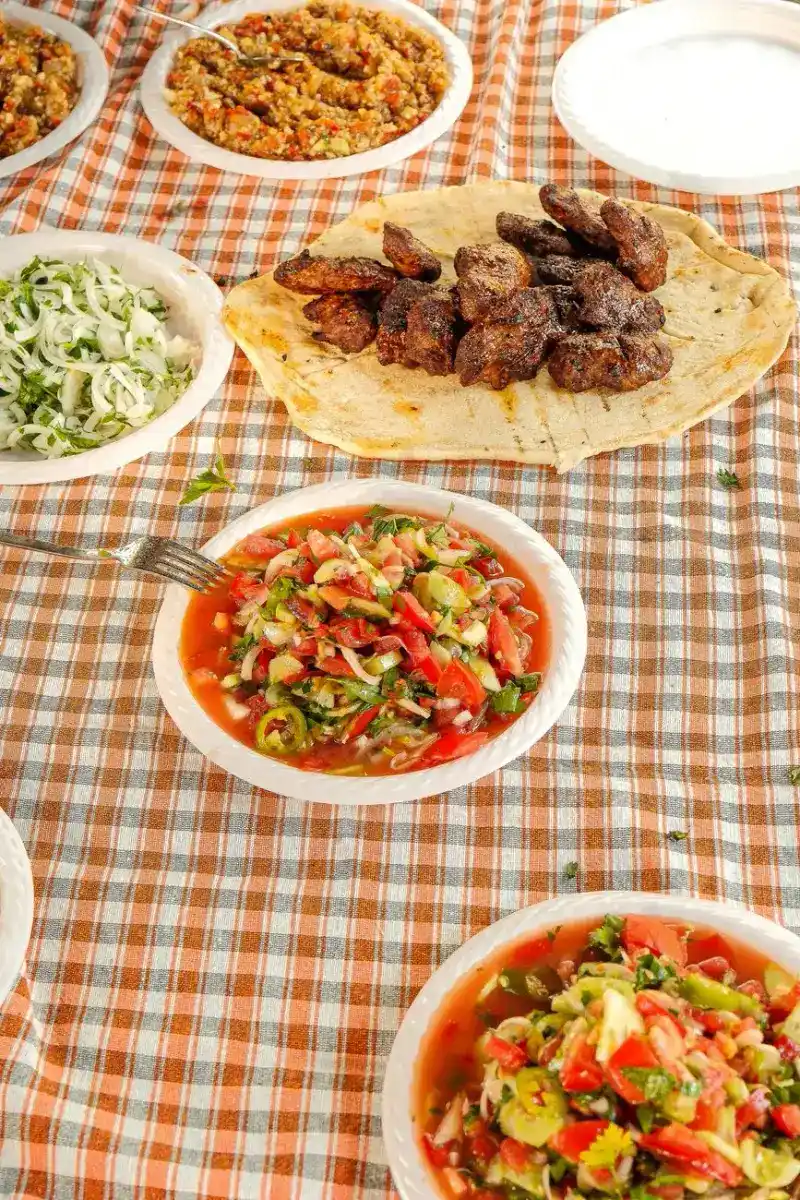

Greetings, food lovers and health enthusiasts! Demir Şef here, inviting you to embark on a culinary journey that transcends mere sustenance, delving deep into the heart of flavor, culture, and profound wellness. Today, we're celebrating a dish that is as ubiquitous as it is beloved across Turkey: the inimitable Çoban Salata, or Shepherd's Salad. But we're not just making any Çoban Salata; we're elevating it, enriching it, and exploring its powerful "antioxidant-rich" properties with the addition of one of nature's most impressive superfoods: walnuts. Prepare to be enchanted by a symphony of fresh tastes and robust health benefits that have sustained generations. The Heartbeat of Turkish Cuisine: A Cultural Overture Turkish cuisine, much like the vibrant tapestry of its history, is a profound expression of identity, heritage, and communal life. From the bustling bazaars to the tranquil village homes, food is more than just a meal; it is a narrative, a shared experience, a connection to the past, and a celebration of the present. Çoban Salata embodies this spirit perfectly. A simple yet incredibly flavorful amalgamation of finely diced tomatoes, cucumbers, green peppers, and onions, dressed lightly with olive oil and lemon juice, it is a staple at virtually every Turkish table, served alongside everything from grilled meats to hearty stews. It’s the refreshing counterpoint, the palate cleanser, the vibrant splash of color and crispness that completes a meal. The cultural significance of food is deeply ingrained, extending even to the linguistic fabric of society. Recent studies, such as the one focusing on Gaziantep's gastronomic values and cultural identity, highlight how culinary elements are woven into the very fabric of social memory and local culture. The research emphasizes that gastronomic nicknames and food-related terminology are not merely descriptive; they are critical in transmitting cultural heritage and sustaining local identity. This suggests that even a dish as seemingly simple as Çoban Salata carries an unspoken cultural weight, becoming a marker of regional identity and a bearer of culinary traditions that span centuries.Similarly, the documentation of diverse culinary traditions is crucial for cultural preservation. Research into Azerbaijani cuisine, for instance, underscores the richness and diversity of regional food cultures and the importance of documenting these "forgotten flavors" to preserve cultural memory. While distinct from Turkish cuisine, the underlying principle holds true: traditional, often simple, recipes like Çoban Salata are vital components of a nation's cultural heritage. They represent a legacy of health and flavor honed over generations, ensuring that valuable gastronomic knowledge is passed down. My version today is a testament to this enduring tradition, enhanced with the nutritional powerhouse of walnuts. Çoban Salata: More Than Just a Salad – An Antioxidant Powerhouse Now, let's turn our attention to the remarkable health benefits packed within this seemingly humble salad. In an age where processed foods dominate, returning to fresh, whole ingredients is paramount for our well-being. Çoban Salata is a shining example of this philosophy. What makes this dish truly extraordinary, particularly with the addition of walnuts, is its incredible concentration of antioxidants. You've likely heard the term "antioxidants" tossed around in health discussions, but what exactly are they, and why are they so crucial? Antioxidants are compounds that combat oxidative stress in our bodies. Oxidative stress is a state where there's an imbalance between free radicals (unstable molecules that can damage cells) and antioxidants. Prolonged oxidative stress can contribute to chronic diseases, inflammation, and premature aging. By neutralizing free radicals, antioxidants play a vital role in protecting our cells, supporting immune function, and promoting overall health. The scientific community has extensively studied the profound benefits of antioxidant-rich foods. For instance, a fascinating study on Aronia (Aronia melanocarpa), often hailed as a "superfruit," showcases its incredibly high content of polyphenolic compounds, including phenolic acids, anthocyanins, and flavonoids. This research identifies Aronia as a powerhouse of antioxidants, suggesting it could even be a functional alternative to blueberries in processed food products due to its high bioactive component profile. While Çoban Salata doesn't feature Aronia, the principle it champions – the immense health benefits derived from a high concentration of polyphenolic compounds – is directly applicable to our dish. The fresh vegetables in Çoban Salata, such as tomatoes, cucumbers, and green peppers, are naturally rich in various vitamins and phytonutrients that act as antioxidants. Tomatoes, for example, are an excellent source of lycopene, a potent antioxidant, especially when slightly processed or in ripe form. Green peppers provide a generous dose of Vitamin C, another powerful antioxidant. Cucumbers offer hydration and a range of beneficial plant compounds. Even the red onion contributes its own unique set of antioxidants like quercetin. Walnuts: The Brain's Best Friend and an Antioxidant Champion However, it's the inclusion of walnuts that truly elevates our Çoban Salata into an unparalleled antioxidant haven. Walnuts are not just a crunchy addition; they are a nutritional goldmine, consistently ranked among the top nuts for their antioxidant capacity. Walnuts are exceptional for their robust profile of polyphenols, particularly ellagic acid, which is known for its potent antioxidant and anti-inflammatory effects. They also contain melatonin, a hormone that not only regulates sleep but also acts as a powerful antioxidant. Furthermore, walnuts are a significant source of alpha-linolenic acid (ALA), a plant-based omega-3 fatty acid. Omega-3s are crucial for heart health, brain function, and reducing inflammation throughout the body. According to various nutritional studies, including those that echo the emphasis on polyphenolic compounds found in "superfruits" like Aronia, walnuts deliver a broad spectrum of protective compounds. By incorporating walnuts into our Çoban Salata, we are not just adding texture and a nutty depth of flavor; we are significantly boosting the salad’s ability to combat oxidative stress and support long-term health. Think of it as a delicious, natural shield against the wear and tear of daily life.The Art of Simplicity: Crafting Your Çoban Salata One of the beauties of Çoban Salata is its simplicity. The magic lies in the freshness of the ingredients and the precise, uniform dicing. Every component should be cut small enough to allow you to get a little bit of everything in each bite, creating a harmonious burst of flavor and texture. This salad is a testament to the idea that the most profound culinary experiences often come from the purest, most unadulterated ingredients. For the best Çoban Salata, source the freshest, ripest seasonal produce you can find. Local farmers' markets are often the best places to discover tomatoes bursting with summer sweetness, crisp cucumbers, and vibrant green peppers. The choice of green pepper is also key: while standard green bell peppers work well, traditional Turkish sivri biber (a long, slender, slightly spicier green pepper) adds an authentic zing that is truly special. The dressing is equally straightforward: a generous glug of high-quality extra virgin olive oil and the bright, tangy squeeze of fresh lemon juice. This simple pairing not only enhances the natural flavors of the vegetables but also provides its own health benefits. Extra virgin olive oil is a cornerstone of the Mediterranean diet, renowned for its monounsaturated fats and its own impressive array of antioxidants, including polyphenols. Lemon juice adds Vitamin C and further brightens the entire dish. Some prefer a touch of sumac, a dried, ground berry with a tart, slightly fruity flavor, which adds another layer of complexity and an additional antioxidant punch.Beyond the Plate: The Lifestyle Connection Incorporating dishes like Çoban Salata with walnuts into your diet is more than just eating a healthy meal; it's embracing a lifestyle. It’s a commitment to fresh, whole foods, a connection to ancient culinary traditions, and a proactive step towards a healthier, more vibrant you. When you prepare and share a dish like this, you're not just nourishing your body; you're participating in a rich cultural narrative that celebrates the earth's bounty and the joy of shared meals. This salad is incredibly versatile. It makes a perfect light lunch on its own, a vibrant side dish for grilled meats or fish, or an excellent component of a larger meze spread. Its refreshing qualities are particularly welcome on hot days, making it a perfect addition to any summer spread. And with the added walnuts, it provides sustained energy and satiety, thanks to its healthy fats, fiber, and protein. The Recipe: Turkish Shepherd's Salad (Çoban Salata) with Walnuts Now, let’s get into the kitchen and create this masterpiece. This recipe is designed to be straightforward yet precise, ensuring you capture the authentic essence and health benefits of this incredible dish. Yields: 4-6 servings Prep time: 20 minutes Cook time: 0 minutes Ingredients:3-4 ripe medium tomatoes, finely diced 2-3 medium cucumbers (English or regular), peeled if desired, finely diced 2-3 green bell peppers or Turkish sivri biber, seeds removed, finely diced 1 small red onion, very finely minced 1/2 cup fresh flat-leaf parsley, finely chopped 1/4 cup fresh mint leaves, finely chopped (optional but highly recommended for an extra layer of freshness) 1/2 cup walnuts, roughly chopped 1/4 cup high-quality extra virgin olive oil Juice of 1-2 fresh lemons (start with 1, adjust to taste) 1 teaspoon sumac (optional, but adds a lovely tang and color) Salt to taste (approximately 1 teaspoon, adjust as needed) Freshly ground black pepper to tasteInstructions:Prepare All Vegetables: Begin by meticulously washing all your produce. The key to a truly authentic and enjoyable Çoban Salata is uniform, fine dicing. Take your time to finely dice the tomatoes, cucumbers, and green peppers into small, even pieces, roughly 1/4 inch cubes. Mince the red onion as finely as possible; a sharp knife is your best friend here. Finely chop the fresh parsley and mint leaves. This precise preparation ensures a harmonious blend of flavors and textures in every bite. Combine Vegetables: In a large, spacious salad bowl, gently combine the diced tomatoes, cucumbers, green peppers, and the finely minced red onion. Handle the ingredients with care to maintain their integrity. Add Herbs and Walnuts: Now, fold in the freshly chopped parsley and mint (if using). Add the roughly chopped walnuts, ensuring they are evenly distributed. You might want to reserve a small sprinkle of walnuts for a beautiful garnish just before serving. Prepare the Dressing: In a separate small bowl or a jar with a lid, whisk together the extra virgin olive oil, fresh lemon juice, sumac (if using), salt, and freshly ground black pepper. Whisk vigorously until the dressing is well emulsified. Taste the dressing and adjust the seasoning – perhaps a little more lemon for zing, or a pinch more salt to your preference. Remember, the dressing is crucial for tying all the flavors together. Dress and Serve: Pour the prepared dressing over the salad ingredients in the large bowl. Using two large spoons or tongs, toss the salad gently but thoroughly, ensuring every piece of vegetable and every walnut is lovingly coated with the vibrant dressing. Allow Flavors to Marry: For the absolute best flavor experience, cover the bowl and let the Çoban Salata rest in the refrigerator for about 10-15 minutes before serving. This brief resting period allows the flavors to meld beautifully and intensify, transforming the individual components into a cohesive, delectable whole. Garnish and Enjoy: Just before serving, give the salad a final gentle toss. Garnish with the reserved walnuts or a fresh sprig of mint for an appealing presentation. Serve immediately and relish the invigorating, antioxidant-rich goodness.This Çoban Salata with walnuts is more than just a recipe; it's an invitation to savor the vibrant heritage and incredible health benefits of Turkish cuisine. It's a reminder that truly nourishing food doesn't have to be complicated, but simply fresh, thoughtful, and prepared with love. Afiyet olsun! (Enjoy your meal!)#TurkishCuisine #ÇobanSalata #AntioxidantRich #HealthyEating #WalnutRecipes Related InsightsThe Fire and the Flesh: Unveiling the Eternal Alchemy of the Turkish Kebab Kimchi's Untold Saga: Unearthing the Fermented Superfoods Beyond the Cabbage You Thought You Knew Hannah Weber's Guide to Delicious and Healthy Sprouted Grain Bread with Avocado and Radish (Vegan){ "@context": "https://schema.org", "@type": "FAQPage", "mainEntity": [ { "@type": "Question", "name": "What is the main focus of The Emerald Jewel of Turkish Cuisine: Çoban Salata with Walnuts – A Masterclass in Antioxidant-Rich Gastronomy?", "acceptedAnswer": { "@type": "Answer", "text": "Discover Çoban Salata, the vibrant Turkish Shepherd's Salad elevated with walnuts, a dish celebrated for its fresh flavors and powerful antioxidant benefits, deeply rooted in culinary heritage." } }, { "@type": "Question", "name": "Who authored the comprehensive guide on The Emerald Jewel of Turkish Cuisine: Çoban Salata with Walnuts – A Masterclass in Antioxidant-Rich Gastronomy?", "acceptedAnswer": { "@type": "Answer", "text": "This detailed article and its insights were carefully researched and authored by Demir Şef." } }, { "@type": "Question", "name": "Where can I find more related content about Food?", "acceptedAnswer": { "@type": "Answer", "text": "You can explore more articles, detailed reviews, and similar insights by browsing the Related Insights section at the bottom of this article or visiting our dedicated Food category page." } } ] }
-
 Isabella Ferrari
 - 17 Jun, 2026 20:32
The Mediterranean Symphony: Whole Wheat Pasta Primavera with Abundant Vegetables
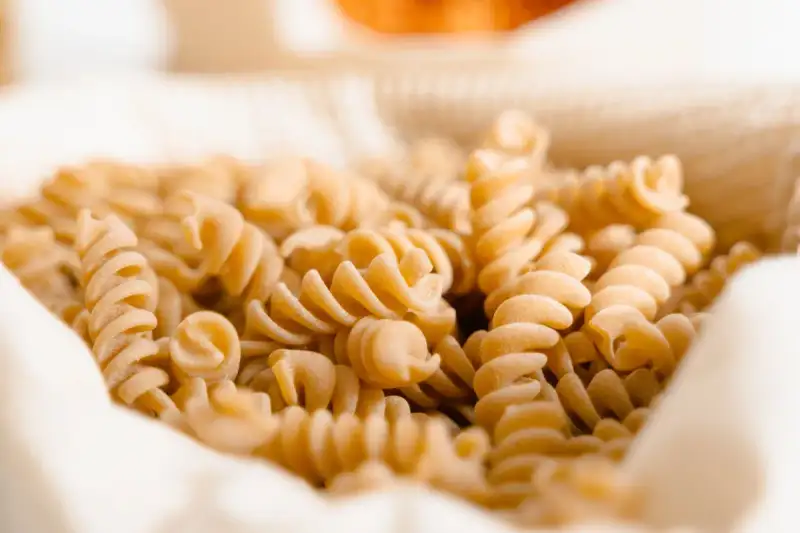
"The Mediterranean Symphony: Whole Wheat Pasta Primavera with Abundant Vegetables" Welcome to my kitchen. I am Isabella Ferrari, and today we are exploring more than just a recipe; we are exploring a lifestyle rooted in the deep, verdant history of the Mediterranean landscape. As we peel back the layers of a dish as classic as Pasta Primavera, we aren't just creating a meal—we are honoring a biological heritage that spans centuries. The Biocultural Heritage of Our Ingredients When we reach for a bottle of high-quality extra virgin olive oil to start our base, we are interacting with what researchers call "biocultural heritage." Recent studies on the monumental olive trees of Sicily highlight that these trees are the only cultivated plants capable of telling the story of Mediterranean landscapes across centuries. Just as stone monuments are preserved for their historical weight, these "green monuments" represent a sustainable relationship between human societies and the land. By using olive oil from these regions, we are tapping into a tradition of longevity that has defined the Mediterranean diet for generations. According to a study titled "The Monumental Olive Trees as Biocultural Heritage of Mediterranean Landscapes," these trees serve as vital indicators of historical landscape stratification. When we cook with the oils derived from these environments, we are essentially consuming the liquid history of the Mediterranean. This is the foundation upon which we build our health. The Science of Plant-Based Vitality In my practice as a culinary advocate, I often refer to the physician’s guide on plant-based nutrition. It is no secret that an ever-increasing body of evidence supports the health advantages of plant-based nutrition. According to current research, a well-balanced, nutrient-dense meal plan is the cornerstone of preventing chronic disease. The Whole Wheat Pasta Primavera I am sharing today is designed to be a "functional dish." It prioritizes complex carbohydrates found in whole wheat—which contain essential fiber and heart-healthy sterols—paired with a rainbow of vegetables that deliver high levels of antioxidants. Unlike refined white pasta, whole wheat provides a slower, more sustained release of energy, keeping your blood sugar stable while delivering essential minerals. Unlocking the Power of Phytosterols One of the most fascinating aspects of modern nutrition science is the role of phytosterols. Recent methodologies for the analysis of phytosterols and their intact esters have provided us with a deeper understanding of how these compounds behave in our bodies. Research confirms that plant foods—specifically cereal grains and nuts—contain significant concentrations of these compounds, which are instrumental in managing cholesterol levels and supporting cardiovascular health.By incorporating whole wheat pasta, we aren't just eating "carbs"; we are consuming a complex matrix of sterols and stanyl esters that contribute to the integrity of our cellular membranes. When you add toasted pine nuts to this dish, you are further increasing the profile of these beneficial lipids. It is a harmonious interplay of chemistry and flavor. Preparing the Primavera: A Culinary Meditation The word "Primavera" literally means "springtime." It is a dish that celebrates the bounty of the harvest. For this recipe, we focus on high-heat sautéing to maintain the structural integrity of the vegetables—ensuring the broccoli retains its bite and the tomatoes burst just enough to create a light, emulsified sauce. Step-by-Step InstructionsThe Pasta Base: Always use high-quality whole wheat linguine or spaghetti. The "al dente" texture is non-negotiable here; the slight resistance to the tooth ensures a lower glycemic impact compared to overcooked pasta. The Sauté: We begin with our olive oil. Remember, use an oil that speaks to the "green monuments" of the Mediterranean. Sauté the broccoli and peppers first; they take the longest. The Emulsion: The secret to a Primavera without heavy cream is the "pasta water trick." By reserving a half-cup of the starchy, salty cooking water, you create a silky, light emulsion that binds the vegetables to the pasta without drowning them in saturated fats. The Finish: We add the fresh basil at the very last second. Heat destroys the delicate essential oils in basil, so letting it wilt just slightly under the steam of the pasta is the professional technique to capture maximum flavor.Why This Dish Matters for Your Health As a physician-guided approach suggests, the transition to plant-based nutrition does not have to be a radical overhaul; it is about the intentionality of what we plate. This Whole Wheat Pasta Primavera acts as a vessel for phytonutrients. The antioxidants present in the bell peppers and tomatoes act as scavengers, neutralizing free radicals that contribute to oxidative stress. When we consume these foods in their natural state, combined with the whole-grain structural benefits of the wheat, we are following a protocol that supports longevity. This is the "physician’s way"—treating the food as the primary therapeutic tool. A Note on Ingredients In this recipe, we use whole wheat linguine as our primary carbohydrate source. If you are curious about the "natural variability" of the nutrients in your pantry, look for brands that stone-grind their wheat. Studies on the analysis of steryl and stanyl esters show that processing methods matter significantly. Keeping the germ and bran intact ensures you are receiving the full spectrum of phytosterols mentioned in the latest clinical research.As you prepare this meal, take a moment to consider the provenance of your produce. A bell pepper grown in soil nurtured by sustainable practices will have a vastly different nutrient density than one mass-produced in a sterile environment. Seek out local farmers' markets. Your body will thank you, and the depth of flavor in your Primavera will be a testament to the quality of your ingredients. Final Reflections To eat is to participate in a cycle of life. By choosing this Whole Wheat Pasta Primavera, you are making a choice for your cardiovascular system, your energy levels, and your connection to the Mediterranean heritage that has nourished humanity for centuries. Cooking is an act of care. Whether you are serving this to your family or enjoying it as a solitary ritual of self-love, know that you are fueling your cells with the best the earth has to offer. Eat with intention, dine with gratitude, and always remember: the best medicine is often found at the end of a fork. #HealthyLiving #MediterraneanDiet #PlantBasedNutrition #WholeWheatPrimavera #AntioxidantRich Related InsightsKimchi's Untold Saga: Unearthing the Fermented Superfoods Beyond the Cabbage You Thought You Knew (Part 2) Der gefaltete Mythos: Eine kulinarische Odyssee durch die tiefgründige Welt des Tacos Bombay Sandwich: The Iconic Triple-Layered Delight{ "@context": "https://schema.org", "@type": "FAQPage", "mainEntity": [ { "@type": "Question", "name": "What is the main focus of The Mediterranean Symphony: Whole Wheat Pasta Primavera with Abundant Vegetables?", "acceptedAnswer": { "@type": "Answer", "text": "Discover a masterclass in plant-based nutrition with my Whole Wheat Pasta Primavera, featuring fiber-rich grains and antioxidant-packed seasonal vegetables." } }, { "@type": "Question", "name": "Who authored the comprehensive guide on The Mediterranean Symphony: Whole Wheat Pasta Primavera with Abundant Vegetables?", "acceptedAnswer": { "@type": "Answer", "text": "This detailed article and its insights were carefully researched and authored by Isabella Ferrari." } }, { "@type": "Question", "name": "Where can I find more related content about Food?", "acceptedAnswer": { "@type": "Answer", "text": "You can explore more articles, detailed reviews, and similar insights by browsing the Related Insights section at the bottom of this article or visiting our dedicated Food category page." } } ] }
-
 Pierre Dubois
 - 04 Jun, 2026 12:59
Ratatouille with Herbs de Provence: A Symphony of Flavors and Antioxidants
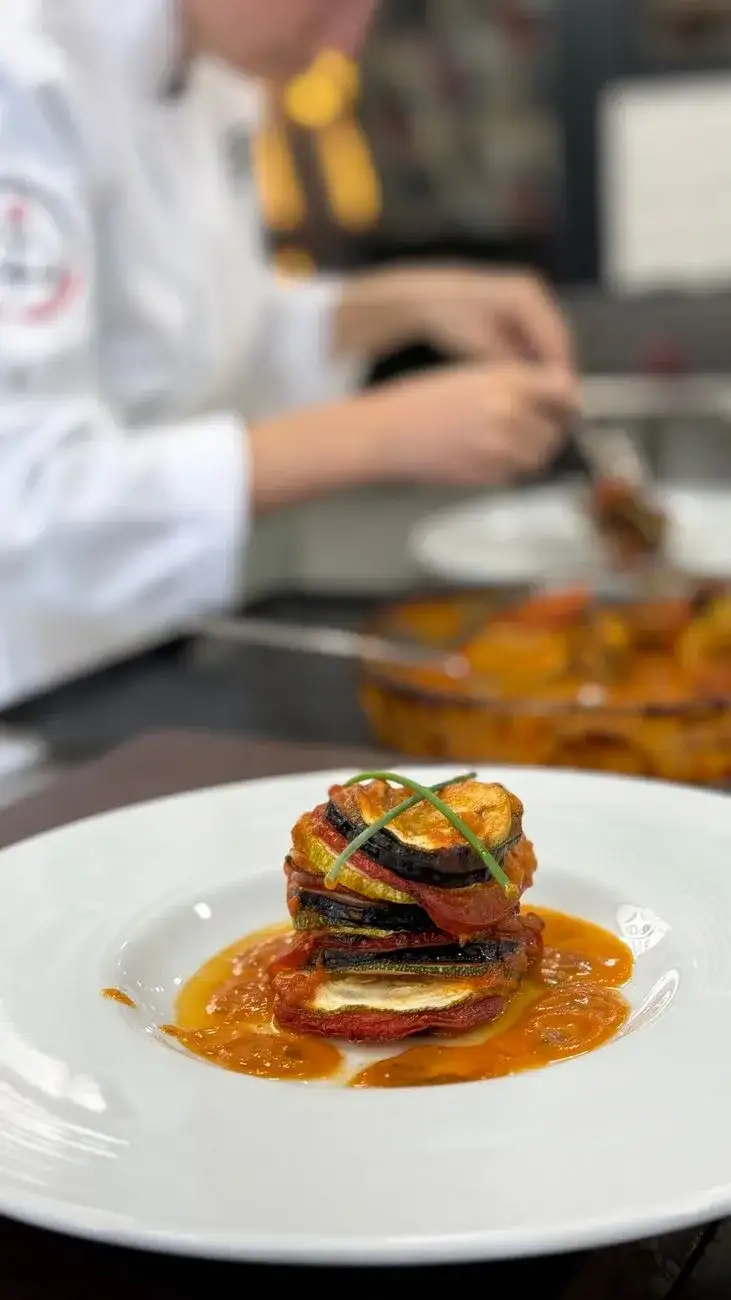
As we embark on this culinary journey through the sun-kissed hills of Provence, we find ourselves immersed in a world of vibrant colors, intoxicating aromas, and unparalleled flavors. At the heart of this gastronomic paradise lies the iconic ratatouille, a traditional vegetable stew originating from the humble kitchens of Nice. This beloved dish has been a staple of Provençal cuisine for centuries, with its rich, velvety texture and deep, satisfying flavors that seem to capture the very essence of the Mediterranean. According to recent studies, the high antioxidant content in ratatouille's key ingredients, such as eggplants, bell peppers, and tomatoes, makes it an excellent addition to a healthy diet.As we delve into the world of ratatouille, we begin to appreciate the intricate dance of flavors and textures that come together to create this masterpiece. The dish typically consists of a medley of tender vegetables, including eggplants, bell peppers, onions, and tomatoes, all slow-cooked in olive oil and infused with the aromatic essence of Herbs de Provence. This iconic blend of herbs, which includes thyme, rosemary, oregano, and lavender, is the quintessential flavor profile of Provence, adding a subtle, nuanced depth to the ratatouille that is nothing short of enchanting.Research on antioxidant-rich foods has consistently shown that a diet high in fruits and vegetables can have a profound impact on our overall health and wellbeing. The antioxidants present in these foods help to protect our cells from damage caused by free radicals, which can contribute to a range of chronic diseases, including heart disease, cancer, and cognitive decline. As we explore the world of ratatouille, we begin to appreciate the numerous health benefits that this dish has to offer, from its high antioxidant content to its rich stores of vitamins, minerals, and fiber.To create this unforgettable ratatouille, we will need the following ingredients: 2 large eggplants, sliced into 1/2-inch thick rounds; 2 large bell peppers, sliced into 1-inch pieces; 1 large onion, chopped; 4 garlic cloves, minced; 2 cups chopped fresh tomatoes; 1 tsp dried Herbs de Provence; 2 tbsp olive oil; salt and pepper to taste. With these simple, wholesome ingredients, we can begin to craft a dish that is not only a feast for the senses but also a powerful tool for promoting health and wellbeing.To begin, preheat the oven to 375F. In a large bowl, toss the sliced eggplants with a pinch of salt to remove excess moisture. Let them sit for 10-15 minutes before patting them dry with a paper towel. In a large Dutch oven, heat 1 tbsp of olive oil over medium heat. Add the chopped onion and sauté until translucent, about 5 minutes. Add the minced garlic and cook for an additional minute, stirring constantly to prevent burning.Next, add the sliced bell peppers to the pot and cook until tender, about 5-7 minutes. Add the chopped fresh tomatoes, dried Herbs de Provence, salt, and pepper. Stir well to combine, then add the sliced eggplants to the pot. Cook for an additional 10-15 minutes, stirring occasionally, until the eggplants are tender and the mixture has reached a rich, velvety consistency.As we sit down to enjoy this unforgettable ratatouille, we are reminded of the profound connection between food, culture, and health. This iconic dish, with its rich flavors and textures, is a testament to the power of traditional cuisine to bring people together and promote wellbeing. Whether served as a side dish, a main course, or a simple snack, ratatouille with Herbs de Provence is a true masterpiece of Provençal cuisine, offering a culinary experience that is nothing short of sublime. #HealthyLiving #Gastronomy #AntioxidantRich #FrenchCuisine #RatatouilleRecipe Related InsightsGalouti Kebab: The Melt-in-Mouth Royal Delicacy The Verdant Alchemy: Why Bhindi is the Ocean-Breeze Snack You Never Knew You Craved From Dragon Fruit to Durian: A Global Tour of the World’s Most Exotic Fruits and Their Secrets{ "@context": "https://schema.org", "@type": "FAQPage", "mainEntity": [ { "@type": "Question", "name": "What is the main focus of Ratatouille with Herbs de Provence: A Symphony of Flavors and Antioxidants?", "acceptedAnswer": { "@type": "Answer", "text": "Indulge in the rich flavors of Provence with this antioxidant-rich ratatouille recipe, featuring the iconic Herbs de Provence blend." } }, { "@type": "Question", "name": "Who authored the comprehensive guide on Ratatouille with Herbs de Provence: A Symphony of Flavors and Antioxidants?", "acceptedAnswer": { "@type": "Answer", "text": "This detailed article and its insights were carefully researched and authored by Pierre Dubois." } }, { "@type": "Question", "name": "Where can I find more related content about Food?", "acceptedAnswer": { "@type": "Answer", "text": "You can explore more articles, detailed reviews, and similar insights by browsing the Related Insights section at the bottom of this article or visiting our dedicated Food category page." } } ] }