Showing Posts From
Australia
-
 Marco Rossi
 - 17 Aug, 2026 18:24
L'Orizzonte Senza Fine: Viaggio nell'Anima e nel Motore del Turismo Australiano
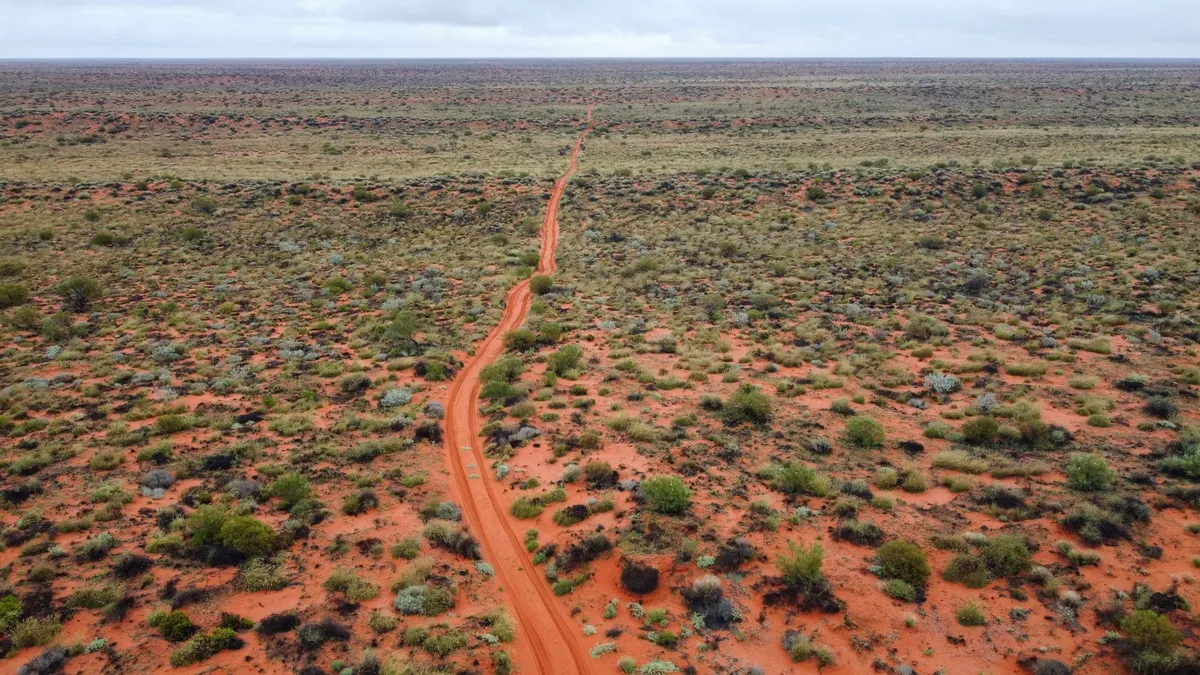
Il vento che soffia attraverso le pianure rosse dell'Outback non trasporta solo polvere, ma i sussurri di un'eterna ricerca. Per l'essere umano, l'Australia non è mai stata soltanto una destinazione geografica, ma un concetto di movimento, un richiamo ancestrale verso l'ignoto che ha plasmato l'identità stessa di chi ha scelto di chiamare "casa" questo continente isolato. È un luogo dove la distanza non è un ostacolo, ma una dimensione dell'esistenza, e dove il viaggio è l'unico modo per comprendere l'immensità di un mondo che sembra non finire mai. Il Battito Economico di un Continente in Movimento Quando osserviamo l'Australia oggi, non possiamo ignorare l'impatto titanico che il turismo esercita sul suo sistema economico. Non si tratta solo di visitatori che scattano foto a un canguro, ma di un'industria che funge da vero e proprio polmone finanziario per la nazione. Analizzando i dati del periodo 2018/19, emerge un quadro di straordinaria rilevanza: il turismo si è posizionato come la quarta più grande esportazione del Paese, crescendo in un decennio a un ritmo superiore rispetto al PIL nazionale. L'impatto numerico parla chiaro. In quel periodo, il settore ha contribuito per il 3,1% al PIL complessivo, versando ben 60,8 miliardi di dollari australiani nell'economia nazionale. Ma l'economia non è fatta solo di cifre, è fatta di persone. Il turismo ha dato lavoro a 666.000 individui, il che significa che, statisticamente, 1 lavoratore su 21 in tutto il Paese opera in questo settore. Un dato interessante riguarda la demografia professionale: circa il 48% degli impiegati nel turismo detiene un contratto a tempo pieno e, significativamente, il 54% della forza lavoro è composta da donne. L'influenza del turismo si estende oltre i confini interni. Nel 2018-19, questo settore ha generato l'8,2% del totale delle entrate da esportazione dell'Australia. Se guardiamo ai flussi internazionali, fino a dicembre 2019, il Paese ha accolto 8,7 milioni di visitatori stranieri, consolidando la sua posizione come quarantesima destinazione più visitata al mondo secondo l'Organizzazione Mondiale del Turismo.Dalle Carrozze al Vapore: L'Eredità della Mobilità Coloniale Per capire perché gli australiani siano così inclini al viaggio, dobbiamo scavare nelle radici coloniali. A differenza di chi era radicato nelle proprie terre da generazioni, i coloni australiani portavano con sé un'indole nomade, alimentata dalla ricerca di sicurezza, ricchezza o dal desiderio struggente di tornare nei paesi d'origine per rivisitare i parenti e risvegliare vecchi ricordi. L'apertura di nuove terre e la rapida fondazione di industrie e città hanno creato una cultura della mobilità e dell'impresa. I primi viaggiatori dovettero affrontare condizioni brutali: spostamenti lenti e scomodi a cavallo, in carrozza o via mare. Inizialmente, le vaste distanze tra i centri abitati limitavano i viaggi alle sole necessità commerciali o professionali. Tuttavia, l'avvento della ferrovia cambiò radicalmente la prospettiva. Il turismo di piacere iniziò a fiorire attorno ai principali centri di popolazione. I primi "rifugi" furono le Blue Mountains nel New South Wales e le località costiere e collinari vicine a Melbourne e ad altre città vittoriane. In quell'epoca, i bureau turistici ferroviari governativi erano i veri orchestratori del viaggio, vendendo pacchetti intrastatali e, talvolta, interstatali, supportati da carrozze a cavalli e, successivamente, autobus che collegavano le stazioni ferroviarie alle destinazioni finali. L'Epoca d'Oro della Promozione e il Sogno del "Walkabout" Dopo la Seconda Guerra Mondiale, l'Australia decise di vendersi al mondo con un vigore senza precedenti. Fu fondata l'Australian National Travel Association (ANTA), con uffici strategici nel Regno Unito e negli Stati Uniti. Questa organizzazione, sostenuta da fondi governativi e contributi industriali, lanciò campagne pubblicitarie aggressive basate su poster evocativi. Un pilastro fondamentale di questa strategia fu la rivista Walkabout, pubblicata dal 1934 al 1974. A partire da agosto 1946, Walkabout non fu solo uno strumento promozionale, ma divenne il giornale ufficiale della neonata Australian Geographical Society (AGS), nata grazie a un finanziamento di 5.000 sterline dell'ANTA. Questa evoluzione editoriale portò nel tempo alla nascita di Australian Geographic, mentre la rivista passò attraverso diverse denominazioni, diventando "Australia's Way of Life Magazine" sotto l'egida della Australian National Publicity Association e della Commissione Turistica Australiana.La Rivoluzione dei Trasporti: Dal Vapore ai Jet Il modo in cui l'Australia è stata esplorata è specchio dell'evoluzione tecnologica globale. Prima dell'era del jet, il mare era il collante della nazione. Flotte di navi passeggeri, come quelle della State Shipping Service of Western Australia e della Adelaide Steamship Company, collegavano i porti di tutto il continente. Esistevano servizi regolari tra Sydney, Melbourne e i porti della Tasmania, alcuni dei quali operano ancora oggi come traghetti. Le crociere invernali verso i porti del Queensland erano l'equivalente di ciò che oggi è un volo verso la Gold Coast o una vacanza nelle isole della Grande Barriera Corallina. Curiosamente, nel 1934-35 furono organizzate le prime crociere verso la Nuova Zelanda, e negli anni immediatamente precedenti la Seconda Guerra Mondiale, era possibile viaggiare verso la Gran Bretagna in classe turista per soli 78 dollari. Tuttavia, la vera svolta avvenne nel 1960 con l'inizio dell'Era del Jet. Aeroplani capaci di trasportare oltre 100 passeggeri a velocità di 600 miglia orarie ridussero virtualmente le distanze mondiali della metà. Questo, unito all'aumento del tenore di vita nel dopoguerra, trasformò il viaggio internazionale in un movimento di massa. La Conquista Interna: Auto, Ferie e Libertà Se il turismo internazionale cresceva, quello domestico esplodeva. L'aumento dei redditi, la diffusione della proprietà dell'auto privata e l'introduzione di tutele sociali come le tre settimane di ferie pagate (introdotte per la prima volta nel New South Wales nel 1958) e i permessi per servizio a lungo termine, permisero a migliaia di australiani di esplorare ogni angolo del proprio Paese. Questo boom del turismo interno ebbe ricadute tangibili sul territorio:Infrastrutture: Massicci investimenti nel miglioramento delle autostrade. Ospitalità: Nascita di nuovi resort in punti remoti del continente. Conservazione: Apertura e valorizzazione di parchi nazionali e aree costiere. Amministrazione: Modernizzazione dei metodi di promozione e gestione turistica.Nel 2003, un White Paper analizzò l'industria, portando all'implementazione della strategia "Tourism 2020", un piano volto a rendere il settore ancora più resiliente e attrattivo. I Templi del Turismo: Dove il Mondo si Incontra L'Australia offre un catalogo di esperienze che spaziano dall'urbanizzazione cosmopolita alla solitudine primordiale. Le città costiere rimangono le porte d'ingresso principali: Sydney e Melbourne sono le mete più ambite, seguite da Brisbane, Perth, Adelaide e la Gold Coast. Ma è fuori dalle metropoli che l'Australia rivela la sua anima più profonda:La Grande Barriera Corallina: Il sistema corallino più grande del mondo, un paradiso di biodiversità che attira milioni di subacquei e amanti della natura. Uluru: Il cuore rosso del continente, simbolo spirituale e naturale del deserto australiano. L'Outback: L'entroterra vasto e selvaggio, dove l'isolamento diventa un'esperienza mistica. La Wilderness della Tasmania: Foreste pluviali e montagne che offrono un contrasto netto con il caldo del nord. La Fauna Selvatica: La presenza di animali unici al mondo rappresenta uno dei principali fattori di attrazione per i visitatori internazionali.Resilienza e Ripartenza: Oltre la Pandemia Il settore turistico non è stato immune alle crisi globali. Prima della pandemia di COVID-19 e della variante Deltacron, il turismo domestico rappresentava ben il 73% del PIL turistico diretto, dimostrando che gli australiani sono i primi sostenitori della bellezza della propria terra. Durante il 2021, nonostante le restrizioni, i viaggi sono proseguiti a livello intrastatale e interstatale quando i confini erano aperti. La svolta definitiva è arrivata a novembre 2021, quando i confini sono stati riaperti ai cittadini australiani completamente vaccinati per i voli internazionali. Da dicembre 2021, l'elenco dei paesi accessibili si è ampliato includendo Malaysia, Singapore, Nuova Zelanda e Giappone, segnando l'inizio di una nuova era di interconnessione. Oggi, l'Australia guarda al futuro con la strategia "Tourism 2030", un piano frutto di consultazioni approfondite per ridefinire il ruolo del turismo in un mondo post-pandemico, puntando su sostenibilità, qualità dell'esperienza e valorizzazione delle aree meno battute. L'Australia non è dunque solo una destinazione, ma un processo continuo di scoperta. Dalle polverose strade percorse in carrozza agli aerei supersonici, il desiderio di esplorare questo continente resta immutato, guidato da quella stessa spinta all'impresa che ha portato i primi coloni a sfidare l'oceano. Chi visita l'Australia oggi non cerca solo un panorama, ma una parte di quella libertà selvaggia che solo l'ultimo continente può offrire. #Australia #TravelGuide #VisitAustralia #TourismEconomy #OutbackAdventure Related InsightsAustralien: Wo die Ewigkeit des Outbacks auf den Puls der Moderne trifft Mount Ararat Mysteries Istanbul: Two Continents{ "@context": "https://schema.org", "@type": "FAQPage", "mainEntity": [ { "@type": "Question", "name": "What is the main focus of L'Orizzonte Senza Fine: Viaggio nell'Anima e nel Motore del Turismo Australiano?", "acceptedAnswer": { "@type": "Answer", "text": "Un'analisi profonda dell'Australia: dal motore economico del turismo alle meraviglie naturali, tra l'eredità coloniale e l'era dei jet." } }, { "@type": "Question", "name": "Who authored the comprehensive guide on L'Orizzonte Senza Fine: Viaggio nell'Anima e nel Motore del Turismo Australiano?", "acceptedAnswer": { "@type": "Answer", "text": "This detailed article and its insights were carefully researched and authored by Marco Rossi." } }, { "@type": "Question", "name": "Where can I find more related content about Travel?", "acceptedAnswer": { "@type": "Answer", "text": "You can explore more articles, detailed reviews, and similar insights by browsing the Related Insights section at the bottom of this article or visiting our dedicated Travel category page." } } ] }
-
 John Explorer
 - 12 Aug, 2026 18:47
Unveiling the Land Down Under: A Journey Through Australia's Thriving Tourism Scene
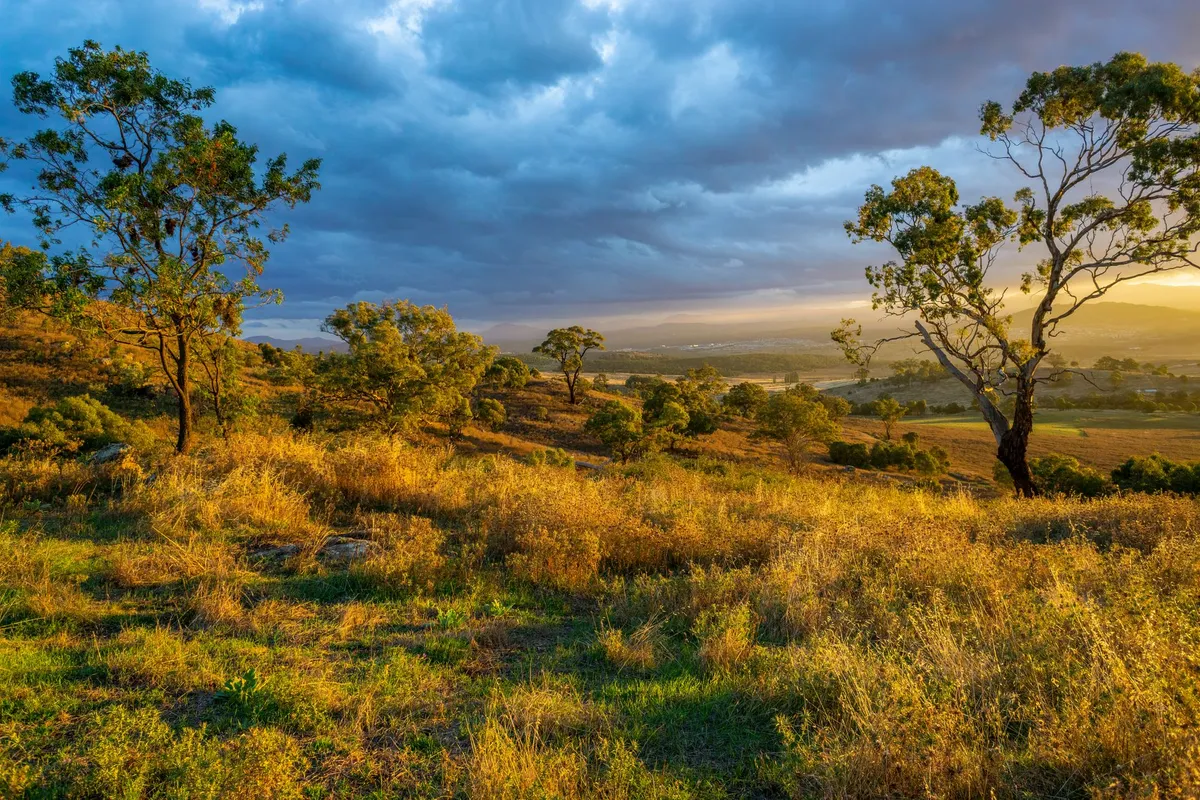
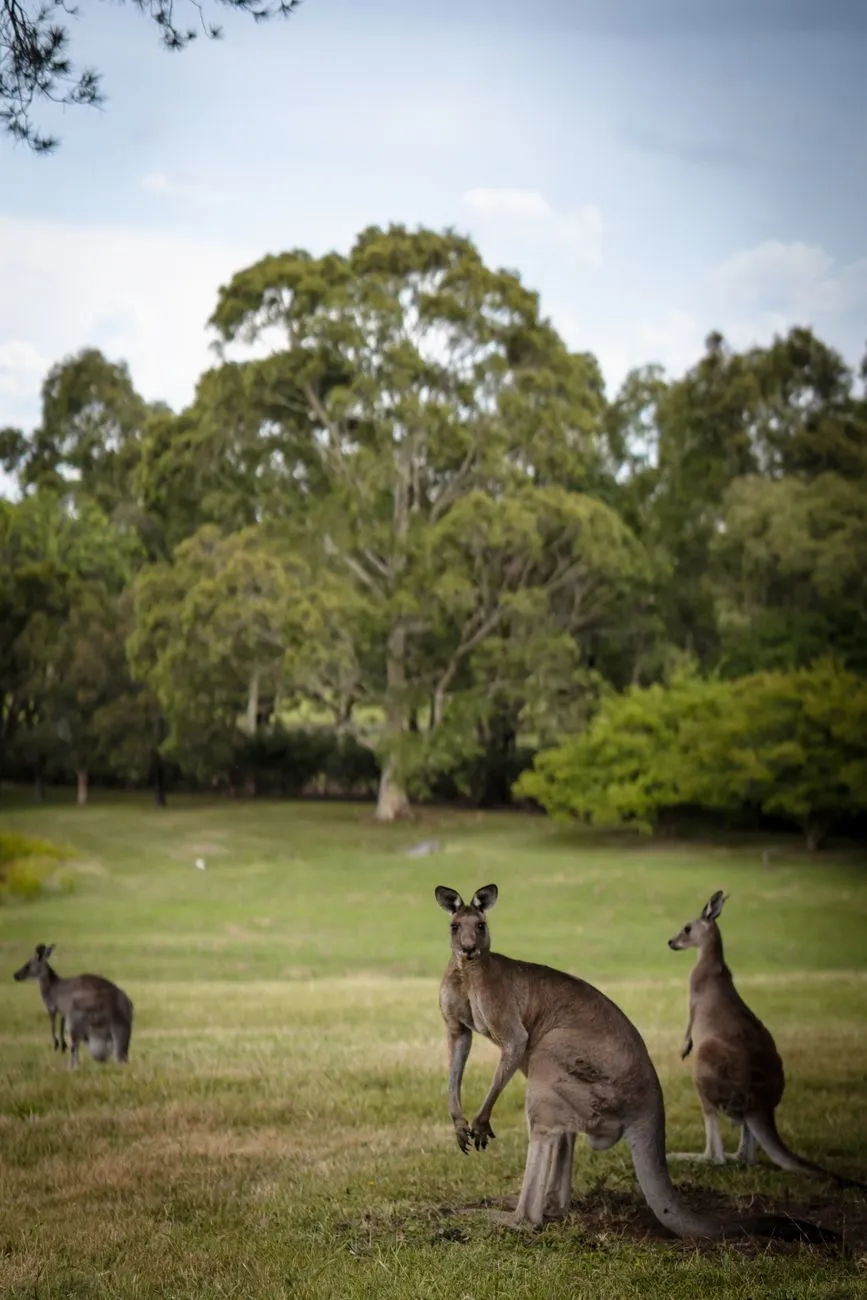
As the sun rises over the vast expanse of the Australian continent, a new day dawns on a land that is as diverse as it is breathtaking. From the snow-capped mountains of the south to the tropical rainforests of the north, Australia is a country that is steeped in history, vibrant culture, and unparalleled natural beauty. For travelers, Australia is a paradise, offering a unique blend of urban excitement, outdoor adventure, and cultural enrichment. In this article, we will embark on a journey to explore the thriving tourism scene in Australia, highlighting the best destinations, experiences, and activities that this incredible country has to offer. A Brief History of Tourism in Australia The concept of travel and tourism in Australia dates back to the colonial era, when the idea of exploring new lands and discovering hidden treasures was a natural part of the Australian psyche. As the country grew and developed, so did the tourism industry, with the establishment of new towns, industries, and transportation networks. The advent of rail travel in the late 19th century marked a significant turning point in the development of tourism in Australia, as it enabled people to travel more easily and comfortably across the vast distances of the continent. Today, tourism is a major contributor to the Australian economy, with over 8.7 million international visitors in 2019, and a total contribution of A$60.8 billion to the national economy.The introduction of rail travel in Australia revolutionized the way people traveled, making it easier and more accessible for tourists to explore the country. Popular Destinations in Australia Australia is a country that is blessed with an incredible array of destinations, each with its own unique character and charm. From the iconic cities of Sydney and Melbourne to the stunning natural wonders of the Great Barrier Reef and Uluru, there is no shortage of amazing places to visit and explore. Some of the most popular destinations in Australia include:The Gold Coast, with its theme parks, beaches, and vibrant nightlife The Great Barrier Reef, the world's largest coral reef system, home to an incredible array of marine life The Blue Mountains, a rugged and scenic mountain range just outside of Sydney The Australian Outback, a vast and remote region of red earth, spinifex grass, and unique wildlife Tasmania, an island state with a wild and rugged landscape, and a rich history and cultureThe Great Barrier Reef is one of Australia's most iconic and popular destinations, attracting millions of visitors each year. Unique Australian Wildlife One of the most fascinating aspects of Australia is its unique and diverse wildlife. From the iconic kangaroo and koala to the more unusual platypus and quokka, Australia is home to a vast array of animals that can be found nowhere else on Earth. The country's unique wildlife is a major drawcard for tourists, with many visitors coming to Australia specifically to see and experience the country's incredible animals. Some of the best places to see Australian wildlife include:The Kangaroo Island, a haven for kangaroos, wallabies, and other native animals The Daintree Rainforest, a tropical rainforest in far north Queensland, home to an incredible array of birds, reptiles, and mammals The Phillip Island, a small island off the coast of Victoria, famous for its penguin parade and other wildlife attractionsThe kangaroo is one of Australia's most iconic and beloved animals, and a major drawcard for tourists. The Future of Tourism in Australia As the world becomes increasingly interconnected, and travel becomes more accessible and affordable, the tourism industry in Australia is poised for continued growth and development. With its unique and diverse natural beauty, vibrant culture, and friendly and welcoming people, Australia is an attractive destination for travelers from all over the world. The Australian government has recognized the importance of tourism to the national economy, and has implemented a range of initiatives and strategies to support the growth and development of the industry. These include the development of new tourism infrastructure, such as hotels, resorts, and attractions, as well as the promotion of Australian tourism through marketing and advertising campaigns.The Sydney Opera House is one of Australia's most iconic and recognizable landmarks, and a major tourist attraction. In conclusion, Australia is a country that is steeped in history, vibrant culture, and unparalleled natural beauty, making it a paradise for travelers. From the iconic cities of Sydney and Melbourne to the stunning natural wonders of the Great Barrier Reef and Uluru, there is no shortage of amazing places to visit and explore. With its unique and diverse wildlife, friendly and welcoming people, and world-class tourism infrastructure, Australia is an attractive destination for travelers from all over the world. #Travel #Australia #Tourism
- Marco Rossi
- 10 Aug, 2026 07:10
Sogno Australiano: Un Viaggio Attraverso le Meraviglie del Paese dei Canguri
Il sogno australiano è un viaggio che ti porta attraverso le meraviglie di un paese unico e affascinante. L'Australia è un destino turístico che offre una vasta gamma di esperienze, dalle città costiere alle barriere coralline, dalle foreste pluviali alle pianure desertiche. In questo articolo, scopriremo insieme le meraviglie dell'Australia e perché è un destino turístico che non puoi perdere. La Storia del Turismo in Australia La storia del turismo in Australia è lunga e affascinante. Già dai tempi coloniali, gli australiani erano abituati a viaggiare per scoprire nuove terre e stabilirsi in nuove aree. La costruzione di nuove strade e la creazione di nuove industrie hanno reso più facile il viaggio e hanno incoraggiato gli australiani a esplorare il loro paese. Con l'avvento del turismo, l'Australia ha iniziato a promuovere le sue attrazioni turistiche, come le città costiere di Sydney e Melbourne, e le meraviglie naturali come la Grande Barriera Corallina.Il turismo in Australia è un'industria in continua crescita, con oltre 8,7 milioni di visitatori internazionali nel 2019. Le città costiere di Sydney e Melbourne sono tra le destinazioni più popolari, ma anche le altre città come Brisbane, Perth e Adelaide offrono una vasta gamma di esperienze culturali e naturali. Le Attrazioni Turistiche dell'Australia L'Australia è un paese che offre una vasta gamma di attrazioni turistiche, dalle città costiere alle barriere coralline, dalle foreste pluviali alle pianure desertiche. La Grande Barriera Corallina è una delle meraviglie naturali più grandi del mondo e una delle destinazioni più popolari per gli amanti del mare. Le foreste pluviali del Queensland e del Nuovo Galles del Sud offrono una vasta gamma di piante e animali unici, mentre le pianure desertiche dell'Australia centrale sono un luogo ideale per gli amanti dell'avventura.Le città costiere di Sydney e Melbourne sono tra le destinazioni più popolari, con una vasta gamma di attrazioni culturali e naturali. Il Sydney Opera House e il Harbour Bridge sono due delle icone più famose della città, mentre la Federation Square di Melbourne è un luogo ideale per gli amanti dell'architettura e della cultura. Il Turismo Sostenibile in Australia Il turismo sostenibile è un tema importante in Australia, con molti operatori turistici che offrono esperienze sostenibili e responsabili. Le aziende australiane stanno lavorando per ridurre l'impatto ambientale del turismo, promuovendo pratiche sostenibili e proteggendo le aree naturali. I visitatori possono scegliere di partecipare a tour guidati che promuovono la conservazione e il rispetto per l'ambiente.Il governo australiano ha anche lanciato iniziative per promuovere il turismo sostenibile, come il programma "Tourism 2020" che mira a ridurre l'impatto ambientale del turismo e a promuovere pratiche sostenibili. I visitatori possono anche scegliere di sostenere le comunità locali e le aziende australiane che promuovono il turismo sostenibile. Conclusione L'Australia è un paese unico e affascinante che offre una vasta gamma di esperienze turistiche. Dalle città costiere alle barriere coralline, dalle foreste pluviali alle pianure desertiche, l'Australia è un destino turístico che non puoi perdere. Con la sua storia affascinante, le sue attrazioni turistiche uniche e il suo impegno per il turismo sostenibile, l'Australia è un luogo ideale per gli amanti dell'avventura e della natura. #Viaggi #Australia #TurismoSostenibile Related InsightsAustria: La Perla delle Alpi{ "@context": "https://schema.org", "@type": "FAQPage", "mainEntity": [ { "@type": "Question", "name": "What is the main focus of Sogno Australiano: Un Viaggio Attraverso le Meraviglie del Paese dei Canguri?", "acceptedAnswer": { "@type": "Answer", "text": "Scopri le meraviglie dell'Australia, un paese che offre una vasta gamma di esperienze uniche e indimenticabili, dalle città costiere alle barriere coralline, dalle foreste pluviali alle pianure desertiche." } }, { "@type": "Question", "name": "Who authored the comprehensive guide on Sogno Australiano: Un Viaggio Attraverso le Meraviglie del Paese dei Canguri?", "acceptedAnswer": { "@type": "Answer", "text": "This detailed article and its insights were carefully researched and authored by Marco Rossi." } }, { "@type": "Question", "name": "Where can I find more related content about Viaggi?", "acceptedAnswer": { "@type": "Answer", "text": "You can explore more articles, detailed reviews, and similar insights by browsing the Related Insights section at the bottom of this article or visiting our dedicated Viaggi category page." } } ] }
-
 Cemre Seyyah
 - 07 Aug, 2026 07:00
Unveiling the Land Down Under: A Journey Through Australia's Tourism
As the sun rises over the horizon, casting a golden glow over the vast expanse of the Australian continent, a sense of adventure and excitement fills the air. The land down under, with its unique blend of cultural heritage, stunning landscapes, and diverse wildlife, is a paradise for travelers and tourists alike. From the bustling streets of Sydney and Melbourne to the rugged beauty of the Outback and the Great Barrier Reef, Australia is a country that has something to offer for every kind of traveler. A Brief History of Tourism in Australia The concept of travel and tourism in Australia dates back to the colonial days, when the idea of exploring new lands and discovering hidden treasures was a natural part of the Australian psyche. As the country grew and developed, the habit of mobility and enterprise encouraged Australians to venture out and explore their surroundings. The opening of new lands, the establishment of industries and towns, and the consequent dispersal of people over Australia created a sense of adventure and possibility that has continued to shape the country's tourism industry to this day.The initial emphasis on tourism was strongest on travel to resorts near the main population centers, such as the Blue Mountains in New South Wales and the hill and coast resorts close to Melbourne and other major Victorian cities. The existing railway services radiating from these cities, together with the 'feeder' horse-drawn, and later motor, coach transport connecting with the railways, rendered the State Government railway tourist bureaux the main means for selling intrastate, and even some interstate, travel. The Growth of International Tourism In the period following the Second World War, the advent of new and improved methods of transportation, combined with rising standards of living and the energetic publicising of foreign destinations, developed international travel into a mass movement. New ocean liners shortened travelling time considerably, and travel by car and bus increased in many countries. Most of all, air travel became widely available, faster, safer, and cheaper. The beginning of the Jet Age in 1960, with larger aeroplanes carrying more than 100 passengers at speeds approximating 600 miles per hour, diminished the world by half in terms of time.Rising standards of living in the post-war period led to greater expenditure on tourism, thus making it more important to the national economy. Australia has shared in this worldwide expansion of travel, particularly in respect of its domestic tourism. Because of the marked increase in incomes and private car ownership among large sections of the population, greater leisure time, three weeks of paid annual holidays, and the introduction of long-service leave, thousands of Australians now travel by road into almost every part of the country. Popular Destinations and Attractions Australia is home to a diverse range of popular destinations and attractions, from the iconic Sydney Opera House and the stunning Great Barrier Reef to the rugged beauty of the Outback and the unique wildlife of the country. The coastal capital cities of Sydney and Melbourne are must-visit destinations, with their vibrant cultural scenes, stunning architecture, and world-class restaurants and bars.Other popular locations include the Gold Coast, with its theme parks and vibrant nightlife, and the Tasmanian wilderness, with its stunning natural beauty and outdoor activities such as hiking and camping. The unique Australian wildlife is also a major drawcard for tourists, with kangaroos, koalas, and wombats being just a few of the many amazing species that can be found in the country's national parks and wildlife sanctuaries. The Future of Tourism in Australia In recent years, the tourism industry in Australia has faced a number of challenges, including the COVID-19 pandemic and the resulting travel restrictions. However, the industry has shown remarkable resilience and adaptability, with many tourism operators and businesses finding new and innovative ways to attract visitors and provide unique and memorable experiences.As the country looks to the future, there is a growing recognition of the importance of sustainable and responsible tourism practices, with a focus on protecting the environment, respecting local cultures, and supporting local communities. With its unique blend of natural beauty, cultural heritage, and friendly and welcoming people, Australia is well-placed to continue to be a popular destination for tourists from around the world. #Travel #Australia #Tourism
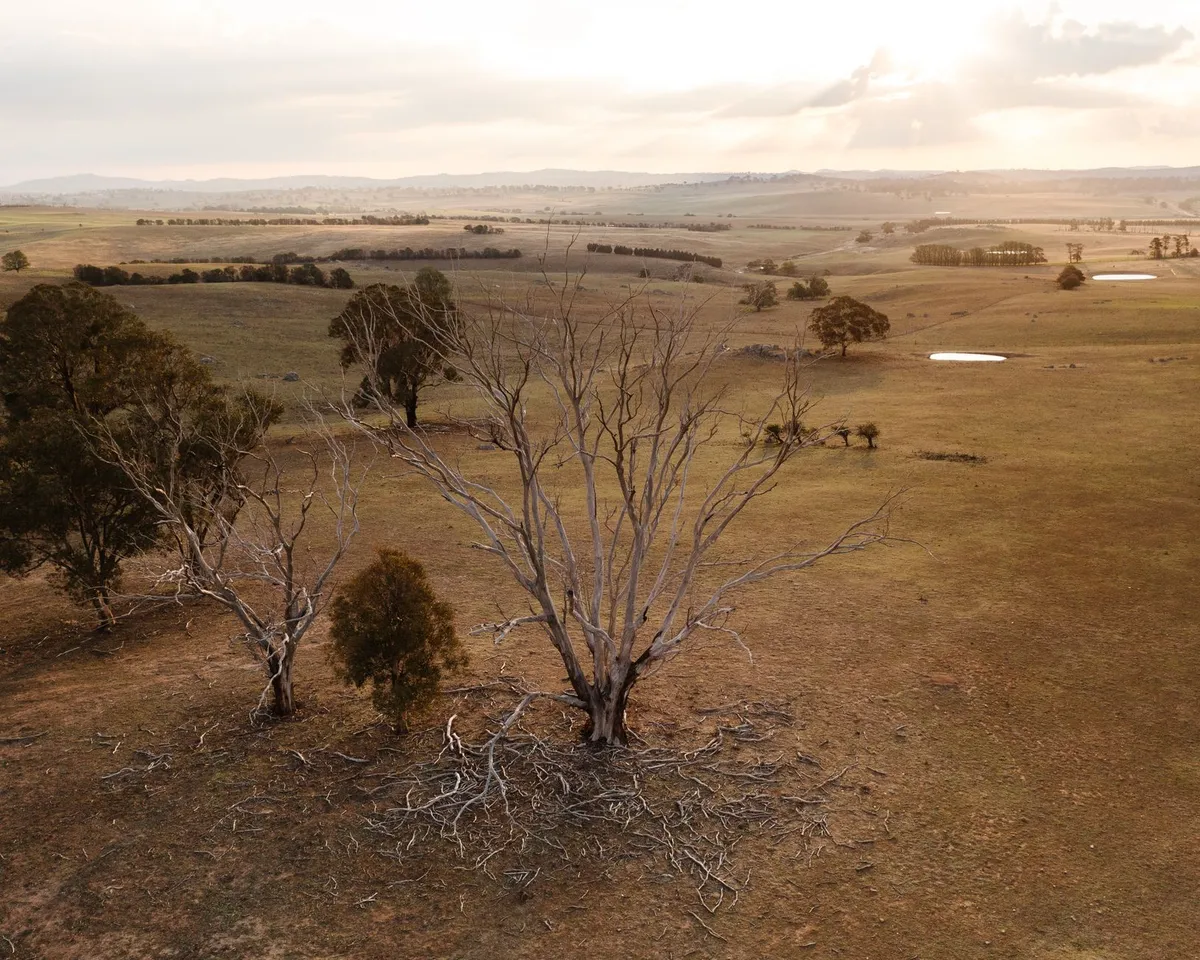
- John Explorer
- 05 Aug, 2026 08:16
Unveiling the Land Down Under: A Journey Through Australia's Thriving Tourism
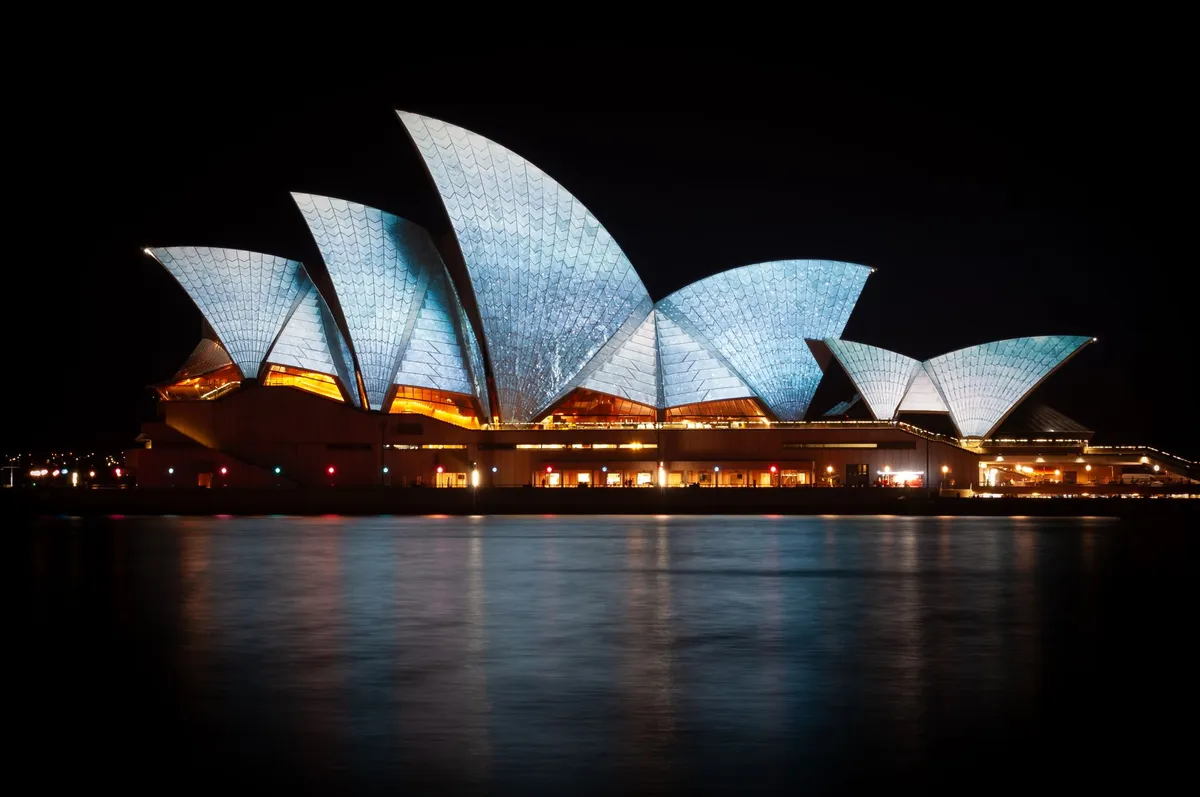
As the sun rises over the horizon, casting a golden glow over the vast expanse of the Australian landscape, the country comes alive with the sound of laughter and excitement. From the bustling streets of Sydney to the rugged beauty of the outback, Australia is a land of contrasts, where the old meets the new and the familiar blends with the unknown. With its unique wildlife, stunning landscapes, and vibrant cities, Australia has become a top destination for travelers from around the world, attracting over 8.7 million international visitors in the calendar year up to December 2019. A Brief History of Australian Tourism The concept of travel has been an integral part of Australian culture since the colonial days, with many Australians embarking on journeys to explore the vast and unforgiving landscape of their country. The opening of new lands, the establishment of industries and towns, and the consequent dispersal of people over Australia created a habit of mobility and enterprise, encouraging Australians to face the hardships of early travel by coach, on horseback, or by ship. As the years passed, the advent of rail travel and later, air travel, made it easier for people to explore the country, and the tourism industry began to take shape.The Australian outback, with its red sands and spinifex grass, is a unique and fascinating region that attracts visitors from around the world. The outback is home to a diverse range of wildlife, including kangaroos, wallabies, and emus, and offers a glimpse into the country's rich and varied history. Popular Destinations in Australia Australia is home to a wide range of popular destinations, each with its own unique character and attractions. From the iconic Sydney Opera House to the stunning natural beauty of the Great Barrier Reef, there is no shortage of exciting places to visit and explore. Some of the most popular destinations in Australia include:Sydney: The largest city in Australia, Sydney is a vibrant and cosmopolitan metropolis with a wide range of cultural attractions, including the Sydney Opera House and the Australian Museum. Melbourne: The cultural capital of Australia, Melbourne is a city of arts, literature, and music, with a wide range of galleries, museums, and performance venues. The Gold Coast: A popular destination for families and thrill-seekers, the Gold Coast is home to a wide range of theme parks, including Dreamworld and Sea World. The Great Barrier Reef: One of the most biologically diverse ecosystems on the planet, the Great Barrier Reef is a snorkeler's and scuba diver's paradise, with a wide range of coral and marine life.The Sydney Opera House is one of the most iconic buildings in the world, with its distinctive sail-like design and stunning harbor views. The Opera House is home to a wide range of cultural events and performances, including ballet, opera, and theater productions. The Economic Impact of Tourism in Australia Tourism is a significant contributor to the Australian economy, with the industry generating over A$60.8 billion in revenue in the financial year 2018/19. The tourism industry also employs a large number of people, with over 666,000 people working in the industry in 2018-19, making it one of the largest employers in the country. The economic impact of tourism in Australia is not limited to the revenue generated by the industry, but also includes the flow-on effects of tourism, such as the creation of new businesses and jobs, and the stimulation of local economies.The beaches of Australia are some of the most beautiful and iconic in the world, with their white sand and crystal-clear water. From the bustling beaches of the Gold Coast to the secluded coves of the Great Ocean Road, there is no shortage of stunning beaches to explore and enjoy. The Future of Tourism in Australia As the world becomes increasingly interconnected, the tourism industry in Australia is likely to continue to grow and evolve. With the rise of social media and online booking platforms, it has never been easier for people to plan and book their trips to Australia. The Australian government has also recognized the importance of the tourism industry, with the development of a range of initiatives and strategies to support the growth of the industry, including the Tourism 2020 strategy and the Tourism 2030 strategy.The cities of Australia are a testament to the country's vibrant and cosmopolitan culture, with their stunning architecture, world-class restaurants, and vibrant arts and cultural scenes. From the iconic skyscrapers of Sydney and Melbourne to the historic buildings of Hobart and Adelaide, there is no shortage of exciting and interesting cities to explore and discover. #Travel #AustralianTourism #TourismIndustry


The Great Barrier Reef: A Fragile Underwater Wonder As I descended beneath the crystalline surface of the Coral Sea, the world transformed. The muted sounds of the boat engine above were replaced by the rhythmic crackle of marine life—a symphony of the ocean. This is the Great Barrier Reef, a living structure so massive it can be seen from space, yet so fragile it is currently fighting for its very existence. #WorldHeritage #OceanConservation Stretching over 2,300 kilometers along the northeastern coast of Australia, the Great Barrier Reef is not a single entity but a vast, intricate network of nearly 3,000 individual reefs and 900 islands. It is a masterpiece of biodiversity, a sanctuary for countless species of marine life, and a vital barometer for the health of our planet's oceans. #Nature #GreatBarrierReef A Kaleidoscope of Life My first dive took me to the Agincourt Reef, a ribbon reef situated on the very edge of Australia's continental shelf. Here, the water is extraordinarily clear, offering visibility that can exceed 30 meters. As I floated in the weightless embrace of the ocean, a kaleidoscope of colors unfolded before my eyes. Vibrant corals—staghorn, brain, and plate corals—formed an underwater cityscape. Darting among these living structures were schools of tropical fish in every conceivable hue. I spotted a pair of clownfish defending their anemone home, their bright orange bodies standing out against the swaying, neon-tipped tentacles. #MarineLife #ScubaDiving But the Great Barrier Reef is more than just colorful fish. It is home to six of the world's seven species of marine turtles. During my time here, I had the profound privilege of swimming alongside a massive green sea turtle, its ancient, wise eyes seeming to hold the secrets of the ocean depths. #SeaTurtles #WildlifePhotography The Threat of Climate Change However, the beauty of the Great Barrier Reef is increasingly overshadowed by a looming crisis. As a documentary maker, my lens is trained not just on the splendor, but on the fragility of these UNESCO World Heritage sites. And nowhere is that fragility more apparent than here. Climate change is the single greatest threat to the reef. As global temperatures rise, so do ocean temperatures. When the water gets too warm, corals become stressed and expel the symbiotic algae (zooxanthellae) living in their tissues. These algae provide the corals with their vibrant colors and, more importantly, their primary source of food through photosynthesis. Without them, the corals turn stark white—a phenomenon known as coral bleaching. #ClimateChange #CoralBleaching During my dives, I witnessed the devastating impact of this firsthand. Alongside the vibrant, healthy reefs were patches of skeletal, bleached coral, resembling underwater graveyards. It is a heartbreaking sight, a stark reminder of the urgent need for global action to reduce greenhouse gas emissions. #SaveOurOceans #EnvironmentalAwareness Indigenous Connections The story of the Great Barrier Reef is inextricably linked to the Indigenous peoples of Australia. For over 60,000 years, Aboriginal and Torres Strait Islander communities have been the traditional custodians of this vast seascape. Their connection to the reef is profound, woven into their culture, spirituality, and daily lives. I spent time with traditional owners from the Yirrganydji and Kuku Yalanji language groups, learning about their deep understanding of the marine environment. They shared ancient stories of creation, explaining how the reef and its inhabitants came to be. Their traditional ecological knowledge is increasingly recognized as vital to the ongoing management and conservation of the reef. #IndigenousCulture #TraditionalKnowledge They are also at the forefront of efforts to monitor and protect the reef. Many traditional owners are now working as sea rangers, combining their ancestral wisdom with modern scientific techniques to manage marine resources sustainably. It is a powerful example of how Indigenous leadership can guide us towards a more harmonious relationship with the natural world. #ConservationLeadership #CommunityAction A Call to Action Leaving the Great Barrier Reef, I carried with me a profound sense of both awe and urgency. This extraordinary ecosystem is a testament to the resilience and beauty of the natural world, but it is also a fragile treasure that is teetering on the brink. As a traveler and a storyteller, I believe we have a responsibility to not just witness these wonders, but to actively protect them. The fate of the Great Barrier Reef is not sealed. By supporting sustainable tourism, advocating for strong climate action, and elevating the voices of Indigenous custodians, we can help ensure that this underwater wonderland continues to thrive for generations to come. #SustainableTravel #ActionForClimate The Great Barrier Reef is not just an Australian treasure; it is a global heritage. Its survival depends on the choices we make today. Let us choose to protect the fragile beauty of our blue planet. #ProtectOurOceans #DocumentaryFilmmaking (Note: As a dedicated documentary filmmaker, I continue to document these locations to preserve their memory, but nothing compares to saving them in reality.) #unesco #documentary #ocean #australia Related Insights姫路城: 白鷺が舞い降りた名城 The Shimmering Waters: Documenting Plitvice Lakes National Park Jalid ibn al-Walid: La Espada de Dios{ "@context": "https://schema.org", "@type": "FAQPage", "mainEntity": [ { "@type": "Question", "name": "What is the main focus of The Great Barrier Reef: A Fragile Underwater Wonder?", "acceptedAnswer": { "@type": "Answer", "text": "Exploring the fragile beauty and climate challenges facing Australia's Great Barrier Reef." } }, { "@type": "Question", "name": "Who authored the comprehensive guide on The Great Barrier Reef: A Fragile Underwater Wonder?", "acceptedAnswer": { "@type": "Answer", "text": "This detailed article and its insights were carefully researched and authored by Sarah Mitchell." } }, { "@type": "Question", "name": "Where can I find more related content about Travel?", "acceptedAnswer": { "@type": "Answer", "text": "You can explore more articles, detailed reviews, and similar insights by browsing the Related Insights section at the bottom of this article or visiting our dedicated Travel category page." } } ] }