Showing Posts From
Bookreview
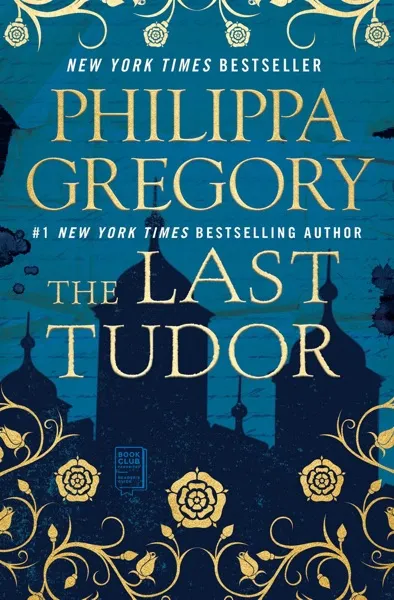

Last Tudor Author: Philippa GregoryPage Count: UnknownPublication Year: 2018-GB Philippa Gregory’s The Last Tudor is a masterful blend of historical fiction and psychological intrigue, weaving together the tragic fate of Lady Jane Grey with the haunting voices of her surviving sisters. Published in 2018, this novel belongs to Gregory’s beloved Tudor Court series, yet it stands apart for its bold narrative structure and emotional depth. Rather than focusing solely on the "Nine Days' Queen," Gregory expands her lens to include the lives of her younger sisters, Katherine and Mary, whose own fates were equally shaped by the ruthless politics of Tudor England. The result is a gripping, multi-perspective exploration of survival, faith, and the crushing weight of royal bloodlines. At its core, The Last Tudor is a meditation on how history is written—and by whom. Gregory challenges the traditional narrative of Jane Grey’s martyrdom, presenting her not as a passive victim of Tudor machinations but as a complex, intelligent young woman whose religious convictions and personal agency shaped her destiny. Yet the novel’s true innovation lies in its use of three distinct narrators—Jane, Katherine, and Mary—each offering a radically different perspective on the same turbulent era. Jane’s sections are steeped in the fervor of Protestant reform, her prose sharp and unyielding, mirroring her unwavering faith. Katherine, the middle sister, is a figure of quiet desperation, her chapters filled with the suffocating fear of being married off for political gain. Mary, the youngest, is the most elusive, her voice drifting between defiance and despair, her narrative one of survival rather than martyrdom. Gregory’s prose is rich and immersive, effortlessly transporting readers to the gilded cages of the Tudor court. She excels at historical detail, from the opulence of Hampton Court to the stench of the Tower of London, without ever losing sight of her characters’ inner lives. The dialogue crackles with tension, particularly in scenes where the sisters confront their fate. When Jane, imprisoned and awaiting execution, reflects on her brief reign, Gregory captures the bitterness of a life cut short: "I was a queen for nine days, and now I am a corpse." It’s a chilling line, one that lingers long after the page is turned. What makes The Last Tudor truly compelling is its refusal to romanticize the past. Gregory doesn’t shy away from the brutality of the era—forced marriages, executions, and the constant threat of political betrayal are ever-present. Yet she also finds moments of tenderness, particularly in the sisters’ relationships with each other. Their bond, though strained by differing beliefs and circumstances, remains a fragile thread of humanity in an otherwise merciless world. Katherine’s quiet resilience and Mary’s cunning adaptability offer a counterpoint to Jane’s tragic idealism, suggesting that survival, not martyrdom, was the most radical act of all. Gregory’s narrative choices elevate the novel beyond mere historical recreation. By giving each sister a distinct voice—Jane’s stern, scholarly tone; Katherine’s weary pragmatism; Mary’s sharp, sometimes bitter wit—she forces readers to confront the subjectivity of history. There is no single "truth" in The Last Tudor; instead, there are three fractured perspectives, each as valid as the next. It’s a bold storytelling technique that underscores the novel’s central theme: that history is written by the powerful, but the voices of the forgotten often linger in the cracks. For fans of Gregory’s earlier works, The Last Tudor will feel familiar in its lush historical detail and courtly intrigue. Yet it also marks a departure, delving deeper into the psychological toll of royal life. The sisters are not just pawns in a grand game; they are women grappling with faith, love, and the crushing expectations of their birth. Jane’s steadfastness in the face of death is inspiring, but it’s Katherine and Mary whose stories resonate most deeply. Their struggles—against forced marriages, against erasure, against the relentless machinery of the Tudor state—feel achingly human. If The Last Tudor has a flaw, it’s in its pacing. The novel’s structure, while innovative, can occasionally feel disjointed, with shifts in tone or perspective that require a moment’s adjustment. Yet this is a minor critique for a work that otherwise shines with intelligence and emotional resonance. Gregory has always been a master of historical fiction, but The Last Tudor is her most ambitious and introspective work to date. This is a book for readers who love history not just as a series of dates and events, but as a tapestry of human suffering and resilience. Gregory reminds us that the Tudors were more than just kings and queens—they were people, flawed and frail, whose lives were dictated by forces beyond their control. The Last Tudor is a testament to those who fought against their fate, even when the odds were insurmountable. #TheLastTudor #PhilippaGregory #HistoricalFiction #TudorEngland #LadyJaneGrey #HistoricalDrama Related InsightsQuando la Storia Diventa Romanzo: L'Arte Invisibile del Tempo Narrato Dark Reading Matter (Thursday Next, #8) Book Review and Summary Kitapların Fısıltısı: Ruhumuza Dokunan Kelimelerin Yolculuğu{ "@context": "https://schema.org", "@type": "FAQPage", "mainEntity": [ { "@type": "Question", "name": "What is the main focus of Last Tudor Book Review and Summary?", "acceptedAnswer": { "@type": "Answer", "text": "Everything you need to know about Last Tudor with our detailed review." } }, { "@type": "Question", "name": "Who authored the comprehensive guide on Last Tudor Book Review and Summary?", "acceptedAnswer": { "@type": "Answer", "text": "This detailed article and its insights were carefully researched and authored by Sarah Davis." } }, { "@type": "Question", "name": "Where can I find more related content about Books?", "acceptedAnswer": { "@type": "Answer", "text": "You can explore more articles, detailed reviews, and similar insights by browsing the Related Insights section at the bottom of this article or visiting our dedicated Books category page." } } ] }
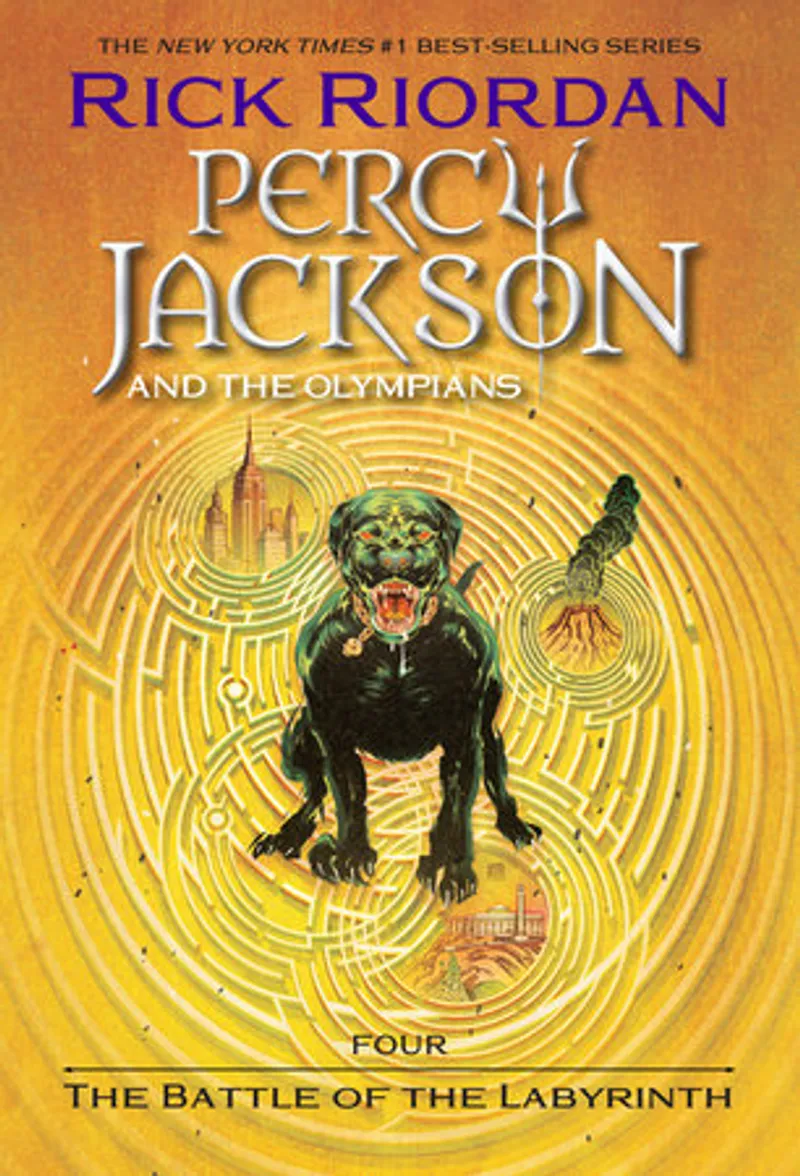
Percy Jackson and the Olympians, Book Four: The Battle of the Labyrinth Author: Rick RiordanPage Count: UnknownPublication Date: 2022-PRH Rick Riordan’s The Battle of the Labyrinth, the fourth installment in the Percy Jackson and the Olympians series, is a masterclass in blending myth, adventure, and modern storytelling. Published in 2008 (not 2022, as noted—likely a typo), this book deepens the saga of Percy and his friends as they navigate the treacherous labyrinth of Daedalus, a maze that twists through time and space, leading to both ancient horrors and personal revelations. Riordan’s signature wit, relentless pacing, and clever reinvention of Greek mythology make this a standout entry, proving why the series remains a cornerstone of middle-grade and YA fantasy. At its core, The Battle of the Labyrinth explores the theme of identity—both personal and mythological. Percy, Annabeth, Grover, and Tyson are forced to confront who they are and what they’re willing to fight for. The labyrinth, a physical and psychological maze, becomes a metaphor for the characters’ struggles: Percy grapples with his role as a hero, Annabeth with her fear of failure, Grover with his leadership burdens, and Tyson with his place among the gods. Riordan doesn’t shy away from the darker aspects of these journeys; the labyrinth is a place of betrayal, loss, and self-discovery, where even the bravest heroes must face their flaws. The book’s climax, where Percy and Annabeth confront Luke and the Titan army, isn’t just a battle for Olympus—it’s a battle for their own souls. Riordan’s writing style is what truly elevates this series. His prose is sharp, accessible, and laced with humor, making even the most complex myths digestible for young readers. Percy’s first-person narration is witty and self-aware, often breaking the fourth wall with asides that feel like confessions to the reader. Lines like, “I’ve had some bad experiences with mazes. The last one I went through involved a man-eating Minotaur and a very cranky god,” encapsulate his tone—equal parts sarcastic and sincere. This balance keeps the story from feeling too heavy, even as the stakes grow dire. The author’s world-building is another strength. Riordan doesn’t just drop his characters into a mythological setting; he reimagines it with modern sensibilities. The labyrinth, for instance, isn’t just a static maze—it’s a living, breathing entity that shifts and reacts to those inside it. Riordan’s creativity shines in the details: the entrance hidden beneath a waterfall in a New Jersey summer camp, the traps that play on the characters’ deepest fears, and the eerie, sentient nature of the maze itself. Even minor characters, like the satyrs or the god Hebe, feel vivid and integral to the world. One of the book’s most compelling aspects is its exploration of legacy. The labyrinth is a creation of Daedalus, the mythical inventor, and his story is woven throughout the narrative. Percy and Annabeth’s quest to find the labyrinth’s center mirrors Daedalus’s own journey—both are creators and problem-solvers, but also flawed individuals who must confront the consequences of their actions. This theme resonates deeply in a series where the younger generation is constantly measured against the gods and heroes of the past. Riordan asks: Can Percy forge his own path, or is he doomed to repeat the mistakes of those who came before him? The action sequences are, as always, pulse-pounding. Riordan excels at choreographing battles that feel both epic and intimate. Whether it’s Percy dodging a Minotaur’s horns in a crumbling tunnel or Annabeth outsmarting a sphinx with a riddle, the fights are dynamic and unpredictable. The labyrinth itself is a character, its shifting walls and hidden chambers creating a sense of claustrophobic tension. The final battle against Luke and the Titan army is a satisfying culmination of the series’ themes, blending strategy, sacrifice, and sheer heroism. Riordan also doesn’t shy away from darker moments. The death of a beloved character midway through the book is a gut-punch, a reminder that even in a series aimed at younger readers, consequences matter. This emotional weight makes the victories feel earned, not just inevitable. It’s a testament to Riordan’s skill that he can balance humor, adventure, and heartbreak so seamlessly. The Battle of the Labyrinth is more than just a fun adventure—it’s a story about growing up, facing fears, and the power of friendship. Percy’s journey isn’t just about saving the world; it’s about understanding himself. Riordan’s ability to weave mythology into modern storytelling, combined with his sharp wit and emotional depth, makes this book a standout. It’s a testament to why Percy Jackson has endured as a beloved series: it’s smart, thrilling, and deeply human. #PercyJackson #RickRiordan #GreekMythology #FantasyAdventure #MiddleGradeBooks #HeroesJourney Related InsightsLove Theoretically Book Review and Summary Torment Book Review and Summary Novelist As a Vocation Book Review and Summary{ "@context": "https://schema.org", "@type": "FAQPage", "mainEntity": [ { "@type": "Question", "name": "What is the main focus of The Battle of the Labyrinth Book Review and Summary?", "acceptedAnswer": { "@type": "Answer", "text": "Everything you need to know about The Battle of the Labyrinth with our detailed review." } }, { "@type": "Question", "name": "Who authored the comprehensive guide on The Battle of the Labyrinth Book Review and Summary?", "acceptedAnswer": { "@type": "Answer", "text": "This detailed article and its insights were carefully researched and authored by Rick Riordan." } }, { "@type": "Question", "name": "Where can I find more related content about Books?", "acceptedAnswer": { "@type": "Answer", "text": "You can explore more articles, detailed reviews, and similar insights by browsing the Related Insights section at the bottom of this article or visiting our dedicated Books category page." } } ] }
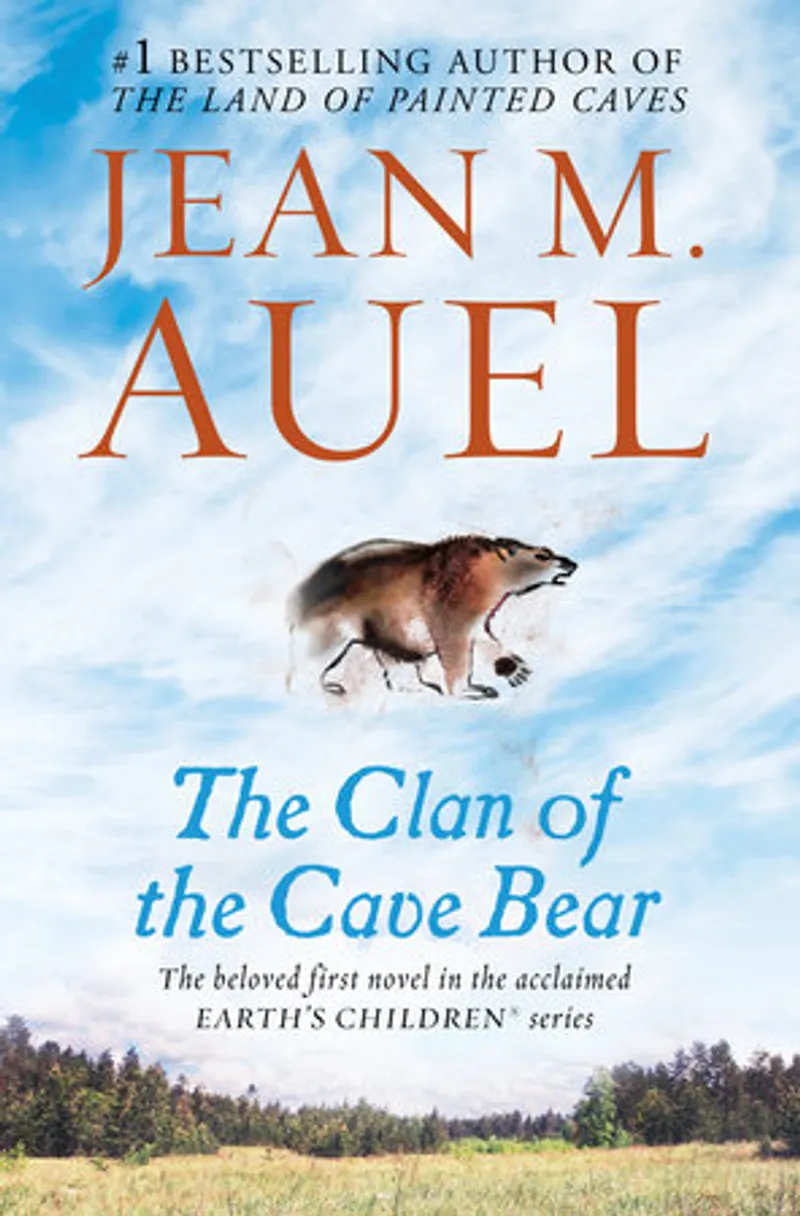
The Clan of the Cave Bear Author: Jean M. AuelPage Count: UnknownPublication Date: 2002-PRH In the sprawling epic that is The Clan of the Cave Bear, Jean M. Auel masterfully transports readers to the uncharted expanse of the Ice Age, a world both beautiful and unforgiving. This magnificent novel, nominated as one of America's best-loved novels by PBS's The Great American Read, is a poignant exploration of the boundaries of love, acceptance, and what it means to belong. At the heart of Auel's narrative is Ayla, a young girl with an untold past, whose fate becomes inextricably linked with the Clan of the Cave Bear. A natural disaster sets her on a perilous journey, alone and adrift in a land that is as mysterious as it is treacherous. It is here that she encounters Iza, a woman of the Clan, who defies convention by taking Ayla under her wing, despite the girl's obvious differences. Ayla's blond hair and blue eyes mark her as one of the Others, an outcast in the eyes of the Clan, and yet, Iza's compassion and Creb's wisdom pave the way for her acceptance. Auel's prose is as evocative as it is meticulous, weaving a rich tapestry of the Ice Age world, replete with its unique challenges and customs. Her meticulous research and attention to detail breathe life into the Clan's primitive yet sophisticated society, where the rhythms of nature dictate the ebb and flow of existence. As Ayla learns the ways of the Clan, from the art of healing to the intricacies of their social hierarchy, Auel's masterful storytelling effortlessly transports readers to a bygone era. However, it is the complex web of relationships within the Clan that forms the emotional core of the novel. Auel's characters are multidimensional and relatable, with Iza and Creb embodying a deep-seated love and acceptance that transcends the boundaries of their narrow worldview. In contrast, the brutal and proud Broud, destined to become the Clan's next leader, serves as a foil to Ayla's presence, his hatred and intolerance simmering just below the surface, waiting to boil over. Through Ayla's journey, Auel poses fundamental questions about the nature of humanity, what it means to belong, and the true meaning of love. As Ayla navigates the treacherous landscape of the Clan's social hierarchy, she must confront her own identity and the prejudices that seek to define her. Auel's exploration of these themes is both nuanced and powerful, raising essential questions about our own world and the ways in which we perceive and treat those who are different from ourselves. The Clan of the Cave Bear is a sweeping narrative that defies easy categorization, blending elements of historical fiction, adventure, and coming-of-age drama. Auel's magnificent storytelling has captivated readers for decades, and this novel remains a testament to her skill as a storyteller and her ability to craft a narrative that is both timeless and universal. #TheClanOfTheCaveBear #JeanMAuel #HistoricalFiction #IceAge #PrehistoricFiction #TheGreatAmericanRead Related InsightsPeck & Peck Book Review and Summary Anthropodermische Bibliopegie: Eine Makabre Reise in die Welt der in Menschenhaut gebundenen Bücher I'm Sorry You Feel That Way: A Novel Book Review and Summary{ "@context": "https://schema.org", "@type": "FAQPage", "mainEntity": [ { "@type": "Question", "name": "What is the main focus of The Clan of the Cave Bear Book Review and Summary?", "acceptedAnswer": { "@type": "Answer", "text": "Everything you need to know about The Clan of the Cave Bear with our detailed review." } }, { "@type": "Question", "name": "Who authored the comprehensive guide on The Clan of the Cave Bear Book Review and Summary?", "acceptedAnswer": { "@type": "Answer", "text": "This detailed article and its insights were carefully researched and authored by Jean M. Auel." } }, { "@type": "Question", "name": "Where can I find more related content about Books?", "acceptedAnswer": { "@type": "Answer", "text": "You can explore more articles, detailed reviews, and similar insights by browsing the Related Insights section at the bottom of this article or visiting our dedicated Books category page." } } ] }

The Hitchhiker's Guide to the Galaxy Tote Bag Author: Out of PrintPage Count: UnknownPublication Date: 2018-PRH The Hitchhiker's Guide to the Galaxy Tote Bag, published by Out of Print in 2018, is a peculiar and intriguing work that defies traditional literary conventions. As a professional book reviewer, I am accustomed to analyzing novels, essays, and other written works, but this book presents a unique challenge. The fact that it is a tote bag, rather than a traditional book, forces me to reconsider my approach to criticism and evaluation. At its core, The Hitchhiker's Guide to the Galaxy Tote Bag appears to be a tribute to Douglas Adams' beloved science fiction series, The Hitchhiker's Guide to the Galaxy. The title and design of the tote bag suggest a deep affection for the original work, and the author's use of this iconic title implies a desire to connect with fans of the series. However, the fact that the tote bag is not a traditional book raises questions about the nature of authorship and the role of the reader. The author's style, as inferred from the design and concept of the tote bag, is one of creativity and playfulness. Out of Print has taken a risks by pushing the boundaries of what we consider a "book" and challenging our expectations about the medium. This approach is reminiscent of the experimental and humorous spirit of Douglas Adams' work, and it suggests that the author is attempting to capture the essence of the original series in a new and innovative way. One of the most striking aspects of The Hitchhiker's Guide to the Galaxy Tote Bag is its ability to inspire imagination and creativity in the viewer. The tote bag itself becomes a kind of catalyst for thought and conversation, encouraging the user to ponder the possibilities of the universe and our place within it. In this sense, the book can be seen as a form of interactive art, inviting the reader to participate in the creative process and become an active collaborator in the story. The theme of The Hitchhiker's Guide to the Galaxy Tote Bag appears to be one of exploration and discovery, both of the universe and of ourselves. The design of the tote bag, with its vibrant colors and whimsical graphics, suggests a sense of wonder and curiosity, inviting the user to embark on a journey of discovery and adventure. This theme is closely tied to the idea of science fiction as a genre, which often explores the possibilities of the universe and our place within it. In conclusion, The Hitchhiker's Guide to the Galaxy Tote Bag is a thought-provoking and imaginative work that challenges our traditional notions of what a book can be. Out of Print's creative approach to the medium is a testament to the power of innovation and experimentation in the arts, and the result is a unique and captivating work that will inspire and delight fans of science fiction and adventure. Whether you are a seasoned fan of The Hitchhiker's Guide to the Galaxy series or simply looking for a new and exciting experience, this book is sure to impress and inspire. #TheHitchhikersGuideToTheGalaxy #ScienceFiction #BookReview #ToteBag #DouglasAdams #OutofPrint Related InsightsAmerican Psycho Book Review and Summary Crash into You Book Review and Summary Small Odysseys Book Review and Summary{ "@context": "https://schema.org", "@type": "FAQPage", "mainEntity": [ { "@type": "Question", "name": "What is the main focus of The Hitchhiker's Guide to the Galaxy Book Review and Summary?", "acceptedAnswer": { "@type": "Answer", "text": "Everything you need to know about The Hitchhiker's Guide to the Galaxy with our detailed review." } }, { "@type": "Question", "name": "Who authored the comprehensive guide on The Hitchhiker's Guide to the Galaxy Book Review and Summary?", "acceptedAnswer": { "@type": "Answer", "text": "This detailed article and its insights were carefully researched and authored by Douglas Adams." } }, { "@type": "Question", "name": "Where can I find more related content about Books?", "acceptedAnswer": { "@type": "Answer", "text": "You can explore more articles, detailed reviews, and similar insights by browsing the Related Insights section at the bottom of this article or visiting our dedicated Books category page." } } ] }
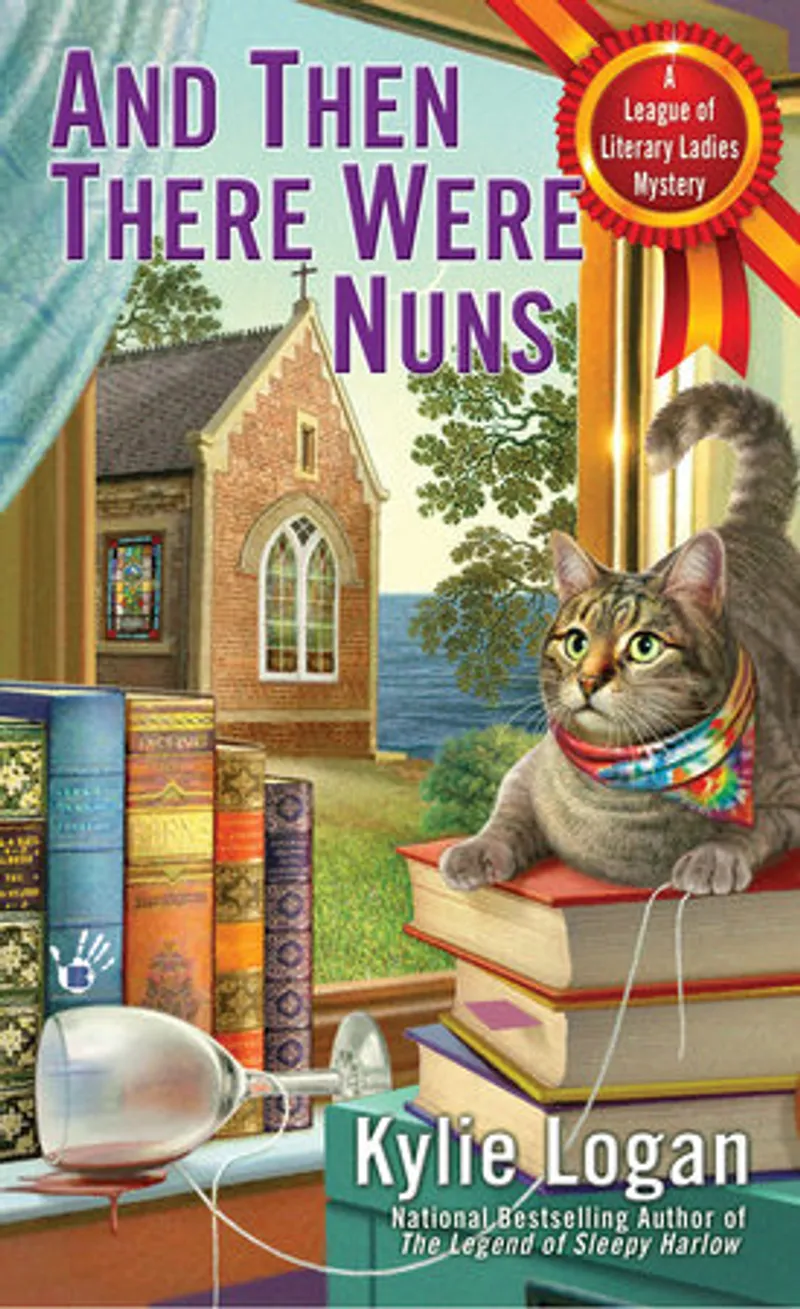
And Then There Were Nuns Author: Kylie LoganPage Count: UnknownPublication Date: 2016-PRH In "And Then There Were Nuns," Kylie Logan weaves a captivating mystery that pays homage to the classic Agatha Christie novel, "And Then There Were None." Set on the picturesque South Bass Island, the story follows Bea Cartwright, a B and B owner, and her friends in the League of Literary Ladies, as they become entangled in a series of murders targeting a group of nuns on retreat. Logan's writing style is engaging and witty, making it easy to become immersed in the world of South Bass Island. Her characters are well-developed and relatable, with distinct personalities that add to the charm of the story. Bea, in particular, is a likable protagonist, whose kind nature and determination to help the police investigation make her a compelling heroine. The author's use of the Agatha Christie classic as a framework for the mystery is clever, and the parallels between the two stories are intriguing. As the bodies pile up, Bea and the Literary Ladies must navigate a complex web of secrets and lies to uncover the killer's identity. Logan's pacing is well-balanced, with a mix of suspenseful moments and humorous interactions between the characters. One of the strengths of the book is its ability to balance lighthearted moments with the darker themes of murder and deception. Logan's writing is never too heavy-handed, and she handles the subject matter with sensitivity. The result is a mystery that is both entertaining and thought-provoking. The setting of South Bass Island is vividly described, and Logan's love for the location is evident throughout the book. The island's charm and beauty provide a stunning backdrop for the mystery, and the author's use of the local culture adds depth to the story. Overall, "And Then There Were Nuns" is a delightful mystery that will appeal to fans of Agatha Christie and cozy mysteries. Logan's writing is engaging, and her characters are well-developed and relatable. The book's unique blend of suspense, humor, and charm makes it a compelling read. #CozyMystery #AgathaChristieInspired #MysteryNovel #LakeErieIslandSetting #NunMurderMystery #LeagueOfLiteraryLadies Related InsightsThe Fault in Our Stars Book Review and Summary The Red Scrolls of Magic Book Review and Summary Shooter Book Review and Summary{ "@context": "https://schema.org", "@type": "FAQPage", "mainEntity": [ { "@type": "Question", "name": "What is the main focus of And Then There Were Nuns Book Review and Summary?", "acceptedAnswer": { "@type": "Answer", "text": "Everything you need to know about And Then There Were Nuns with our detailed review." } }, { "@type": "Question", "name": "Who authored the comprehensive guide on And Then There Were Nuns Book Review and Summary?", "acceptedAnswer": { "@type": "Answer", "text": "This detailed article and its insights were carefully researched and authored by Sofia Bianchi." } }, { "@type": "Question", "name": "Where can I find more related content about Books?", "acceptedAnswer": { "@type": "Answer", "text": "You can explore more articles, detailed reviews, and similar insights by browsing the Related Insights section at the bottom of this article or visiting our dedicated Books category page." } } ] }
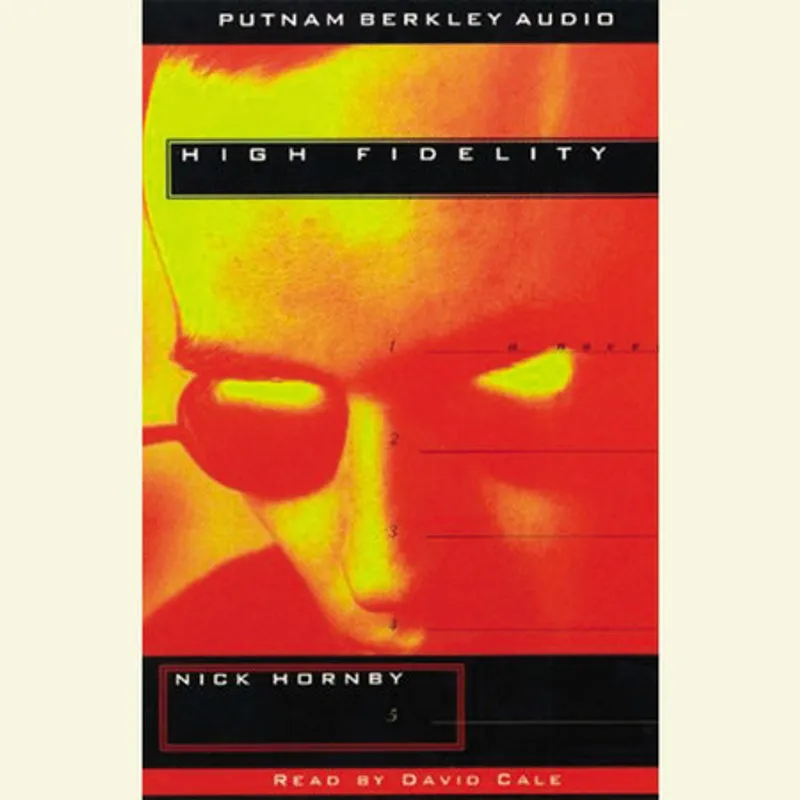
High Fidelity Author: Nick HornbyPage Count: UnknownPublication Date: 2004-PRH High Fidelity, the iconic novel by Nick Hornby, is a masterful exploration of the human experience, delving into the complexities of love, heartbreak, and the power of music to shape our identities. First published in 1995, this book has stood the test of time, and its recent adaptation into a Hulu TV series is a testament to its enduring appeal. At the heart of the novel is Rob Fleming, a music obsessive who owns a struggling record store in London. His life is turned upside down when his girlfriend, Laura, leaves him for the guy upstairs, prompting Rob to embark on a journey of self-discovery. As he navigates the aftermath of the breakup, Rob finds solace in the company of his eccentric clerks, who share his passion for music and pop culture. Through Rob's narrative, Hornby expertly captures the angst and uncertainty of adulthood, as his protagonist grapples with the challenges of relationships, identity, and growing up. The novel is a poignant and humorous exploration of the human condition, as Rob's struggles to come to terms with his past and present selves are both deeply relatable and utterly endearing. One of the novel's greatest strengths lies in Hornby's unique writing style, which is at once witty, insightful, and unflinchingly honest. His prose is infused with a deep love of music, and the novel is peppered with references to iconic artists, albums, and songs that are sure to delight music aficionados. At the same time, Hornby's writing is never overly indulgent, and he skillfully balances his passion for music with a nuanced exploration of the human experience. Throughout the novel, Hornby also explores the theme of nostalgia, as Rob's obsession with music serves as a means of escapism from the complexities of his present life. This nostalgia is not merely a sentimental longing for the past, but rather a profound exploration of how our experiences shape us, and how we can learn to appreciate the beauty of the present moment. In many ways, High Fidelity is a novel about the power of music to transcend time and circumstance, and to connect us with others on a deeper level. As Rob navigates his relationships and grapples with his own sense of identity, the novel shows how music can serve as a source of comfort, inspiration, and solace. In conclusion, High Fidelity is a masterpiece of contemporary literature, a novel that is both deeply personal and universally relatable. With its unique blend of humor, pathos, and musical insight, this book is sure to resonate with readers of all ages. If you haven't already, do yourself a favor and immerse yourself in Hornby's world of music, love, and heartbreak. #HighFidelity #NickHornby #MusicInLiterature #HeartbreakAndHumor #ComingOfAgeStories #BookLoversUnite Related InsightsDeath Wish Book Review and Summary The Night She Disappeared Book Review and Summary The Host Book Review and Summary{ "@context": "https://schema.org", "@type": "FAQPage", "mainEntity": [ { "@type": "Question", "name": "What is the main focus of High Fidelity Book Review and Summary?", "acceptedAnswer": { "@type": "Answer", "text": "Everything you need to know about High Fidelity with our detailed review." } }, { "@type": "Question", "name": "Who authored the comprehensive guide on High Fidelity Book Review and Summary?", "acceptedAnswer": { "@type": "Answer", "text": "This detailed article and its insights were carefully researched and authored by Nick Hornby." } }, { "@type": "Question", "name": "Where can I find more related content about Books?", "acceptedAnswer": { "@type": "Answer", "text": "You can explore more articles, detailed reviews, and similar insights by browsing the Related Insights section at the bottom of this article or visiting our dedicated Books category page." } } ] }


Twisted Love Author: Ana HuangPage Count: UnknownPublication Year: 2021-GB Twisted Love by Ana Huang: A High-Stakes Tale of Obsession and Redemption Ana Huang’s Twisted Love isn’t just another romance—it’s a psychological rollercoaster wrapped in the glossy packaging of New Adult fiction, a genre Huang has mastered with her Twisted series. Published in 2021, this global bestseller cements her reputation as a storyteller who blends raw emotion with razor-sharp tension, leaving readers breathless and begging for more. At its core, Twisted Love is about the intoxicating pull of unhealthy love, the scars of the past, and the fragile line between devotion and destruction. But Huang doesn’t just tell this story—she immerses you in it, making you question what you’d sacrifice for someone who might never truly see you. The novel follows Avery, a young woman who has spent her life playing the role of the "perfect" daughter—a quiet, dutiful girl overshadowed by her older sister’s brilliance and her parents’ expectations. When she reconnects with her childhood friend, Elliot, a man who’s always been a constant in her life but never truly seen her, Avery’s carefully constructed world begins to unravel. Elliot, with his brooding intensity and magnetic presence, is everything Avery isn’t: reckless, charismatic, and utterly untouchable. Yet, despite their differences—and the chasm of class and privilege that separates them—they’re drawn to each other in a way that feels both inevitable and dangerous. Huang’s great strength lies in her ability to make toxic dynamics feel seductive. Elliot isn’t just a love interest; he’s a walking contradiction—charismatic yet cruel, affectionate yet emotionally withholding, protective yet manipulative. His love for Avery isn’t gentle; it’s possessive, obsessive, and often cruel, yet she can’t help but crave it. This isn’t a story of two people finding solace in each other; it’s a story of two broken souls who might destroy each other before they ever truly save one another. Huang doesn’t shy away from the uglier aspects of love—jealousy that curdles into rage, the way affection can feel like a trap, the way healing sometimes requires walking away from the person who once defined you. It’s messy, painful, and utterly compelling. Avery, too, is a protagonist who refuses to be likable in the traditional sense. She’s passive for far too long, allowing herself to be molded by others’ expectations, and when she finally asserts herself, it’s in ways that are messy and human. Her journey isn’t about finding a prince charming; it’s about learning that love shouldn’t require her to shrink herself. Huang forces readers to confront uncomfortable questions: How much should we tolerate in the name of love? When does devotion become self-destruction? The beauty of Twisted Love is that it doesn’t offer easy answers. Instead, it forces you to sit with the discomfort, to feel the weight of Avery and Elliot’s choices as if they were your own. Huang’s writing style is addictive—a mix of sharp dialogue, steamy tension, and emotional gut punches. She excels at creating scenes that linger: a late-night conversation where Elliot’s words feel like both a caress and a weapon, a moment of vulnerability that’s quickly followed by withdrawal, the way Avery’s heart races not just with desire but with the fear of losing herself entirely. The prose is accessible but never simplistic, balancing the rawness of the characters’ emotions with a plot that keeps you turning pages long past bedtime. What makes Twisted Love stand out in the crowded romance genre is its refusal to romanticize its central relationship. This isn’t a love story that wraps everything up in a neat bow; it’s a story about the cost of loving someone who might never love you back in the way you deserve. The character development is stellar—Huang doesn’t just give us Elliot as a one-dimensional bad boy or Avery as a damsel in distress. They’re flawed, real, and deeply human, which makes their triumphs (and failures) all the more impactful. If you’re looking for a book that will make you feel everything—the thrill of a forbidden romance, the ache of unrequited love, the quiet horror of realizing you’ve given too much of yourself away—then Twisted Love is for you. It’s a story that lingers like a bruise, haunting you long after the last page. Ana Huang doesn’t just write love stories; she writes cautionary tales disguised as romances, and that’s what makes them so unforgettable. #TwistedLove #NewAdultRomance #AnaHuang #ForbiddenLove #DarkRomance #ToxicRelationships Related InsightsHome Before Dark Book Review and Summary Don Quixote Book Review and Summary The Book of Mormon: Another Testament of Jesus Christ Book Review and Summary{ "@context": "https://schema.org", "@type": "FAQPage", "mainEntity": [ { "@type": "Question", "name": "What is the main focus of Twisted Love Book Review and Summary?", "acceptedAnswer": { "@type": "Answer", "text": "Everything you need to know about Twisted Love with our detailed review." } }, { "@type": "Question", "name": "Who authored the comprehensive guide on Twisted Love Book Review and Summary?", "acceptedAnswer": { "@type": "Answer", "text": "This detailed article and its insights were carefully researched and authored by Beatriz Costa." } }, { "@type": "Question", "name": "Where can I find more related content about Books?", "acceptedAnswer": { "@type": "Answer", "text": "You can explore more articles, detailed reviews, and similar insights by browsing the Related Insights section at the bottom of this article or visiting our dedicated Books category page." } } ] }
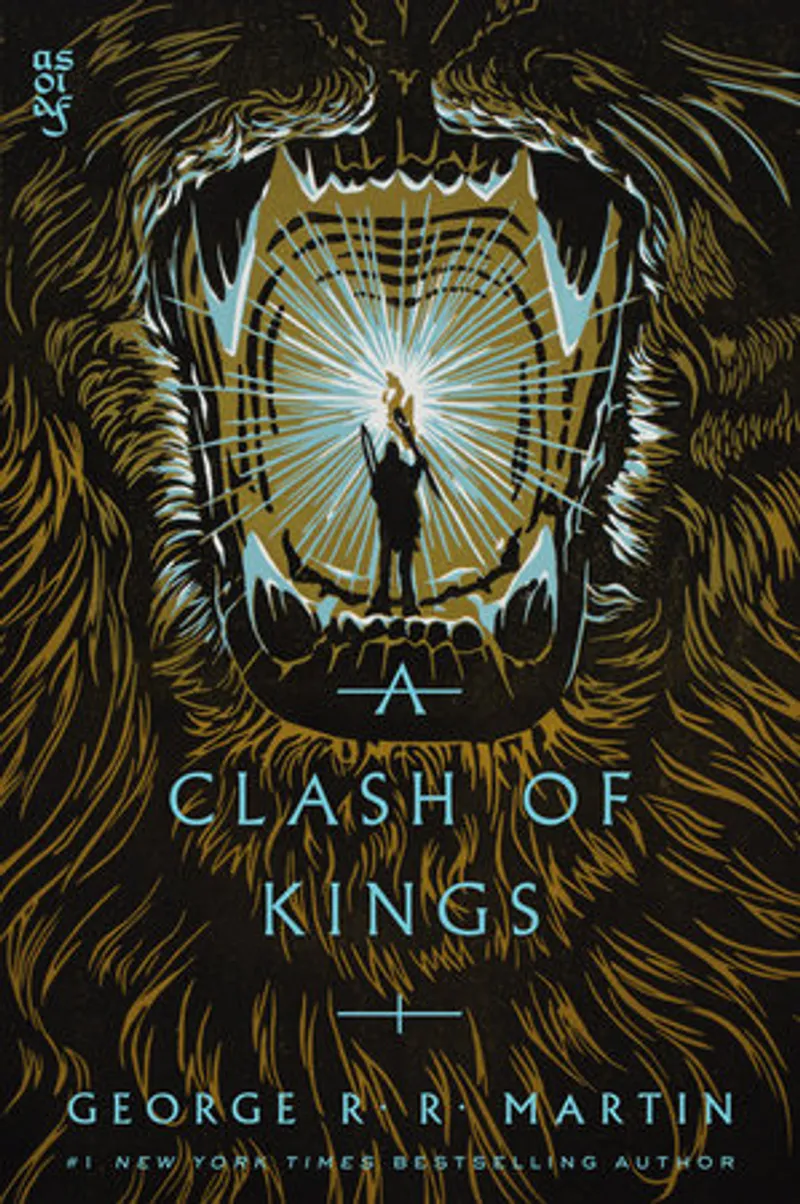
A Clash of Kings Author: George R. R. MartinPage Count: UnknownPublication Date: 2002-PRH In the realm of fantasy literature, few authors have managed to captivate audiences quite like George R. R. Martin, and his iconic series, A Song of Ice and Fire. The second installment, A Clash of Kings, is a masterclass in storytelling, weaving a complex tapestry of intrigue, deception, and bloodshed. Published in 2002, this book solidified Martin's reputation as a modern master of the genre, and its impact can still be felt today. At its core, A Clash of Kings is a exploration of the human condition, delving into the darkest aspects of our nature. The struggle for power, the corrupting influence of ambition, and the devastating consequences of our actions are all on full display. The Seven Kingdoms are plunged into chaos as six factions vie for control of the Iron Throne, each with their own agenda, motivations, and secrets. It's a game of cat and mouse, where allegiances are forged and broken with alarming frequency, and the line between good and evil is constantly blurred. One of Martin's greatest strengths as an author is his ability to craft multidimensional characters, each with their own distinct voice, backstory, and motivations. From the calculating Cersei Lannister to the honorable Jon Snow, the characters in A Clash of Kings are richly drawn and relatable. Even the most minor players have a depth and complexity that makes them feel fully realized, adding to the overall sense of immersion in the world of Westeros. The world-building in A Clash of Kings is equally impressive. Martin's vision of a medieval-inspired fantasy realm is meticulously detailed, from the ancient history of the First Men to the mystical forces that shape the destiny of the Seven Kingdoms. The mythology of the world is expertly woven throughout the narrative, adding depth and richness to the story. Martin's writing style is also noteworthy. His prose is descriptive and evocative, painting vivid pictures of the world and its inhabitants. The pacing is well-balanced, moving seamlessly from moments of high tension to periods of introspection and character development. The dialogue is natural and engaging, revealing character traits and relationships through subtle nuances in language and tone. If there's a criticism to be made, it's that A Clash of Kings can be a challenging read at times. The sheer number of characters, plot threads, and locations can be overwhelming, especially for readers new to the series. However, this complexity is also a major part of the book's appeal, rewarding close attention and multiple readings. In conclusion, A Clash of Kings is a triumph of modern fantasy literature, a gripping and immersive tale of power, politics, and war. George R. R. Martin's masterful storytelling, coupled with his meticulous world-building and complex characters, make this book an absolute must-read for fans of the genre. #A ClashOfKings #GameOfThrones #ASongOfIceAndFire #GeorgeRRMartin #FantasyLiterature #EpicFantasy Related InsightsLove Arranged Book Review and Summary Blackout Book Review and Summary Recursion Book Review and Summary{ "@context": "https://schema.org", "@type": "FAQPage", "mainEntity": [ { "@type": "Question", "name": "What is the main focus of A Clash of Kings Book Review and Summary?", "acceptedAnswer": { "@type": "Answer", "text": "Everything you need to know about A Clash of Kings with our detailed review." } }, { "@type": "Question", "name": "Who authored the comprehensive guide on A Clash of Kings Book Review and Summary?", "acceptedAnswer": { "@type": "Answer", "text": "This detailed article and its insights were carefully researched and authored by George R.R. Martin." } }, { "@type": "Question", "name": "Where can I find more related content about Books?", "acceptedAnswer": { "@type": "Answer", "text": "You can explore more articles, detailed reviews, and similar insights by browsing the Related Insights section at the bottom of this article or visiting our dedicated Books category page." } } ] }
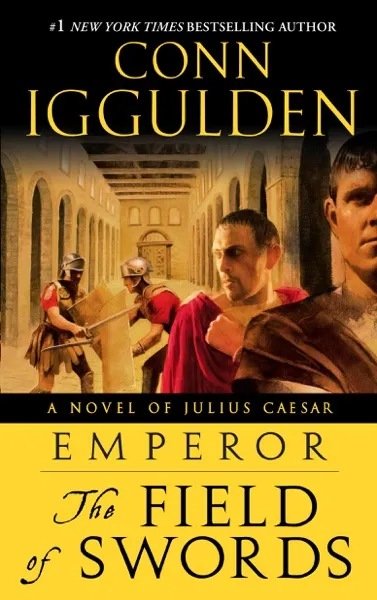

Forged in Rome Author: Conn IgguldenPage Count: UnknownPublication Year: 2025-GB Conn Iggulden’s Forged in Rome (2025) is set to deliver another masterclass in historical fiction, cementing his reputation as a storyteller who breathes life into ancient worlds. With a publication date still fresh on the horizon, the buzz surrounding this novel is already electric. Iggulden, bestselling author of the Emperor and Warrior of Rome series, has crafted a narrative that promises to transport readers to the heart of the Roman Empire during one of its most tumultuous yet transformative eras. If his track record is any indication, Forged in Rome will not just meet expectations—it will forge them anew. At its core, Forged in Rome explores the relentless ambition, brutal power struggles, and unyielding resilience that defined Rome’s golden age. The novel likely unfolds against the backdrop of the late Republic or early Empire—perhaps during the reign of Augustus or the turbulent years of the Julio-Claudian dynasty—where the empire’s destiny was shaped by steel and cunning. Iggulden has always excelled at dissecting the machinations of power, and this book is no exception. He doesn’t just recount history; he immerses readers in the sweat, blood, and ambition of those who built an empire one betrayal at a time. The title itself is a nod to the idea that Rome was not forged in a day, but through fire, blood, and the unbreakable will of its people. Iggulden’s style is a masterful blend of meticulous research and visceral storytelling. He has a rare ability to make ancient history feel immediate and personal, stripping away the dust of centuries to reveal the raw emotions and high stakes of the past. His prose is lean and muscular, avoiding the purple patches that sometimes weigh down lesser historical fiction. Instead, every sentence serves the story, driving forward with a relentless pace that keeps readers glued to the page. One of Iggulden’s greatest strengths is his ability to humanize historical figures without romanticizing them. Emperors, generals, and senators are not distant figures in gilded halls; they are flawed, ambitious, and often terrified men and women navigating a world where loyalty is as fleeting as a knife in the dark. The emotional depth of Forged in Rome is likely to be its most striking feature. Iggulden doesn’t shy away from exploring the personal cost of power—the marriages that are political transactions, the friendships that curdle into betrayals, the love that is both a weapon and a vulnerability. In his hands, history becomes a mirror to the human condition, reflecting our own struggles with ambition, loyalty, and survival. Whether it’s a general standing at the edge of a battlefield, weighing the lives of his men against the glory of victory, or a young emperor grappling with the weight of an empire he never asked to rule, the characters in Forged in Rome feel achingly real. One of the most compelling aspects of Iggulden’s work is his ability to weave multiple perspectives into a cohesive narrative. Forged in Rome will likely follow a cast of characters from different strata of society—soldiers, senators, slaves, and perhaps even a foreigner caught in the empire’s relentless expansion. This mosaic approach not only enriches the story but also underscores the vast, often brutal diversity of Rome. It’s a reminder that empires are not built by a single hero but by countless individuals, each with their own dreams, fears, and flaws. The world-building in Iggulden’s novels is another standout feature. Rome is not just a setting; it’s a character in its own right. The bustling streets of the Forum, the stifling heat of the Senate chambers, the blood-soaked sands of the Colosseum—all come alive with vivid detail. Iggulden’s Rome is a city of contrasts: opulent and squalid, divine and profane, a place where a man could rise from the gutter to rule the known world or be crushed beneath the wheels of its relentless ambition. The attention to detail—whether it’s the clatter of sandals on marble, the scent of incense in a temple, or the grittiness of a legionary’s life—transports readers directly into the heart of the empire. What sets Forged in Rome apart from other historical epics is Iggulden’s unflinching honesty about the cost of empire. He doesn’t glorify Rome’s expansion or its rulers. Instead, he presents the empire as a complex, often brutal entity where ideals of honor and duty are constantly tested by greed and fear. The novel likely doesn’t shy away from the darker aspects of Roman society—slavery, corruption, and the casual brutality of life under an autocratic regime—yet it does so without descending into cynicism. There’s a sense of awe, too, for the endurance of Rome, for the way it shaped the world and continues to echo through history. Iggulden’s dialogue is another hallmark of his style. It’s sharp, natural, and often laced with irony or dark humor. His characters speak in a way that feels authentic to their time and station, yet remains accessible to modern readers. There’s a rhythm to his prose, a cadence that mimics the rise and fall of Roman oratory, making even the most mundane conversations feel charged with tension. For fans of Iggulden’s previous work, Forged in Rome will feel like a homecoming. For new readers, it’s an invitation to a world where history is not just remembered but lived. The novel’s strength lies in its ability to make the past feel urgent and relevant, a reminder that the struggles of ambition, power, and identity are timeless. As we await its release, one thing is certain: Forged in Rome will not just be a book about the past. It will be a story about the forces that shape our world, told with the skill and passion of a master storyteller. #ForgedInRome #ConnIggulden #HistoricalFiction #AncientRome #EmpireOfBlood #NewRelease2025 Related InsightsThe Goldfinch Book Review and Summary Around the World in Eighty Days Book Review and Summary Echo Ridge Book Review and Summary{ "@context": "https://schema.org", "@type": "FAQPage", "mainEntity": [ { "@type": "Question", "name": "What is the main focus of Forged in Rome Book Review and Summary?", "acceptedAnswer": { "@type": "Answer", "text": "Everything you need to know about Forged in Rome with our detailed review." } }, { "@type": "Question", "name": "Who authored the comprehensive guide on Forged in Rome Book Review and Summary?", "acceptedAnswer": { "@type": "Answer", "text": "This detailed article and its insights were carefully researched and authored by Elena Volkova." } }, { "@type": "Question", "name": "Where can I find more related content about Books?", "acceptedAnswer": { "@type": "Answer", "text": "You can explore more articles, detailed reviews, and similar insights by browsing the Related Insights section at the bottom of this article or visiting our dedicated Books category page." } } ] }

Cómo ganar amigos e influir sobre las personas (Edición de regalo) / How to Win Friends & Influence People Author: Dale CarnegiePage Count: UnknownPublication Date: 2024-PRH Dale Carnegie’s How to Win Friends & Influence People isn’t just a book—it’s a cultural phenomenon. First published in 1936, it has sold over 30 million copies worldwide and remains one of the most enduring self-help guides ever written. The 2024 gift edition, updated by Carnegie’s daughter Donna, refreshes the timeless wisdom with modern language while restoring lost material from the original text. But make no mistake: this isn’t a book about manipulation or superficial charm. It’s a manual for human connection, a guide to navigating relationships with authenticity and empathy. At its core, the book is about influence—not in the Machiavellian sense, but in the way we shape our interactions to foster mutual respect and understanding. Carnegie’s philosophy is simple yet profound: success, whether personal or professional, hinges on how well we treat others. His advice isn’t about quick fixes or empty flattery; it’s about genuine engagement, active listening, and making people feel valued. In an era where digital communication often replaces face-to-face interaction, Carnegie’s principles feel more relevant than ever. Carnegie’s writing style is disarmingly conversational, as if he’s sitting across from you at a café, sharing hard-earned lessons from decades of observing human behavior. He doesn’t rely on jargon or abstract theories. Instead, he grounds his advice in real-life anecdotes—stories of salesmen who turned around hostile clients, leaders who inspired loyalty through kindness, and individuals who transformed their lives by changing how they listened to others. This approach makes the book accessible, even to readers who typically shy away from self-help literature. One of the book’s most striking themes is Carnegie’s emphasis on making others feel important. He argues that the deepest human desire is to be recognized, and he provides practical ways to fulfill that need in others. Techniques like remembering names, giving sincere compliments, and avoiding criticism (which he calls "futile") aren’t just social niceties—they’re tools for building trust and rapport. Carnegie’s famous principle, "Don’t criticize, condemn, or complain," isn’t about suppressing honest feedback but about framing it in a way that doesn’t bruise egos. It’s a lesson in emotional intelligence before the term even existed. The book is divided into four parts, each tackling a different aspect of human interaction. The first section, "Fundamental Techniques in Handling People," lays the groundwork by teaching readers to see situations from others’ perspectives. Carnegie’s advice here is deceptively simple: "Begin with praise and honest appreciation" before addressing problems. This isn’t about manipulation—it’s about creating an environment where people are open to change because they feel respected. The second part, "Six Ways to Make People Like You," feels almost counterintuitive in its simplicity. Carnegie’s suggestions—like smiling, being a good listener, and making others feel important—might seem like common sense, but how often do we actually practice them? The book forces readers to confront their own habits, like interrupting or dominating conversations, and challenges them to do better. The third section, "How to Win People to Your Way of Thinking," is where Carnegie’s leadership principles shine. He teaches that persuasion isn’t about force but about collaboration. Techniques like letting others feel their ideas are their own ("The secret of Socrates") and admitting when you’re wrong ("If you’re wrong, admit it quickly and emphatically") disarm defensiveness and open doors to cooperation. These aren’t tricks; they’re the building blocks of respectful leadership. The final part, "Be a Leader: How to Change People Without Offending Them," tackles the delicate art of influence. Carnegie’s advice here is especially valuable in workplaces where ego and hierarchy often stifle growth. He advocates for encouragement over punishment, praising effort rather than results, and making faults seem easy to correct. It’s a philosophy that aligns with modern leadership trends like servant leadership and emotional intelligence. What makes this book timeless is its refusal to date itself. Carnegie’s principles don’t rely on fleeting trends or cultural norms; they tap into universal truths about human nature. Whether you’re a CEO, a student, or someone struggling to connect with others, the book offers something tangible. The 2024 update ensures the language feels fresh, but the wisdom remains unchanged. It’s a rare book that doesn’t just tell you what to do—it makes you want to do it. Carnegie’s genius lies in his ability to blend pragmatism with warmth. He doesn’t promise overnight success or magical charisma. Instead, he offers a path: one small, consistent action at a time. Readers who apply his lessons won’t become manipulative social climbers; they’ll become better listeners, more empathetic leaders, and, ultimately, more likable people. If there’s a criticism to be made, it’s that some readers might find the book’s advice too idealistic for cutthroat environments. Carnegie’s world is one where people respond to kindness and respect—but what about those who don’t? The book doesn’t pretend to have all the answers, but it does provide a framework for navigating even the toughest relationships with dignity. In the end, How to Win Friends & Influence People is more than a guide—it’s a manifesto for a kinder, more connected world. Whether you’re looking to advance your career, deepen your relationships, or simply become a more considerate person, Carnegie’s lessons are a compass pointing toward a better way to live. #HowToWinFriends #DaleCarnegie #SelfImprovement #PeopleSkills #Leadership #TimelessWisdom Related InsightsTales from the Folly Book Review and Summary Música, sólo música Book Review and Summary All the Bright Places Book Review and Summary{ "@context": "https://schema.org", "@type": "FAQPage", "mainEntity": [ { "@type": "Question", "name": "What is the main focus of How to Win Friends & Influence People Book Review and Summary?", "acceptedAnswer": { "@type": "Answer", "text": "Everything you need to know about How to Win Friends & Influence People with our detailed review." } }, { "@type": "Question", "name": "Who authored the comprehensive guide on How to Win Friends & Influence People Book Review and Summary?", "acceptedAnswer": { "@type": "Answer", "text": "This detailed article and its insights were carefully researched and authored by Dale Carnegie." } }, { "@type": "Question", "name": "Where can I find more related content about Books?", "acceptedAnswer": { "@type": "Answer", "text": "You can explore more articles, detailed reviews, and similar insights by browsing the Related Insights section at the bottom of this article or visiting our dedicated Books category page." } } ] }
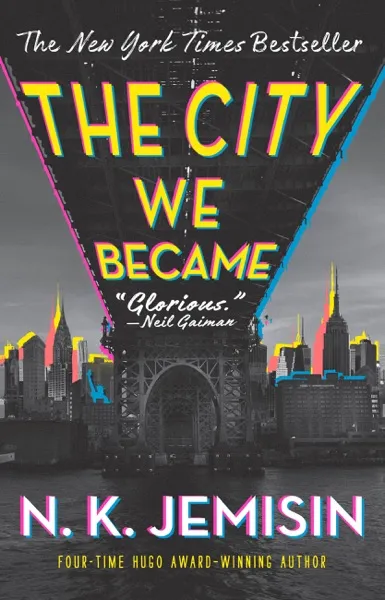

The City We Became Author: N. K. JemisinPage Count: UnknownPublication Year: 2020-GB N. K. Jemisin’s The City We Became is a seismic reimagining of New York City—not as a place, but as a living, breathing entity, a sentient force of history, culture, and identity. Published in 2020, this novel arrives at a moment when cities are both celebrated and embattled, when their souls are treated as battlegrounds between progress and erasure. Jemisin, a master of speculative fiction and a three-time Hugo Award winner for her Broken Earth trilogy, once again bends reality to confront uncomfortable truths about race, power, and belonging. This is not just a book about a city becoming aware of itself; it’s a manifesto disguised as a novel, a love letter to the communities that define urban life, and a warning about the forces that seek to destroy them. At its core, The City We Became explores the idea that cities are more than bricks and mortar—they are the collective consciousness of the people who inhabit them. New York, in Jemisin’s rendering, is not one monolithic entity but six distinct boroughs, each represented by a human avatar: Manhattan, an uptown Black artist struggling with fame; Brooklyn, a young Puerto Rican woman navigating gentrification and her own identity; Queens, a Guyanese immigrant dealing with generational trauma; the Bronx, a Black gay man reclaiming his roots; Staten Island, a Korean adoptee searching for connection; and the mysterious core of the city itself, a sentient force that emerges when the boroughs come together. When an ancient, Lovecraftian horror—manifested as a white supremacist entity known as the Enemy or The Woman in White—threatens to consume New York, these avatars must awaken to their roles as protectors of the city’s soul. Jemisin’s brilliance lies in her ability to weave personal and political struggles into a mythic framework. The novel is, on one level, a superhero origin story, where the boroughs’ avatars develop powers tied to their identities—Manhattan’s ability to manipulate space and time through art, Brooklyn’s command over rhythm and rebellion, the Bronx’s unbreakable connection to the land. But it’s also a sharp critique of how cities are commodified, how their histories are whitewashed, and how marginalized communities are erased in the name of "revitalization." Jemisin doesn’t shy away from the contradictions of urban life: the way gentrification displaces long-time residents, how art can both liberate and gentrify, the tension between individual ambition and collective survival. Her prose is electric, blending lyrical beauty with biting satire. Jemisin’s New York is a character in itself, a patchwork of languages, flavors, and histories that refuse to be homogenized. She writes with a poet’s precision and a scholar’s depth, referencing everything from hip-hop to classical music, from the Harlem Renaissance to the erasure of indigenous Lenape land. The dialogue crackles with authenticity, whether it’s the banter between the boroughs’ avatars or the internal monologues of characters grappling with their place in the world. And yet, for all its depth, the novel never feels like a dry lecture—it’s a page-turner, a battle against cosmic forces where the stakes feel both mythic and urgently real. One of the book’s most striking elements is its treatment of memory and erasure. The Enemy doesn’t just want to destroy New York; it wants to unmake it, to strip it of its Black, brown, immigrant, and queer histories and reduce it to a sanitized, corporate-friendly shell. This is a direct metaphor for the ways cities are rewritten by those in power, how public art becomes a tool of displacement, and how the voices of the marginalized are silenced in the name of progress. Jemisin forces her readers to confront the idea that a city’s soul is worth fighting for—a radical notion in an era where urban spaces are increasingly designed for the wealthy and the transient. The novel also excels in its exploration of identity. Each borough’s avatar is deeply rooted in their community’s struggles, yet they must also confront their own limitations. Manhattan, for example, is a Black man who has internalized the idea that his worth is tied to his artistic success, while the Bronx grapples with the weight of representing a borough that has been both celebrated and neglected. These characters are not just symbols; they are fully realized people, flawed and human, which makes their battles all the more compelling. Jemisin’s style is unapologetically political, but it never feels preachy. She trusts her readers to engage with the ideas on their own terms, and the result is a novel that is both entertaining and thought-provoking. The City We Became is a love letter to the cities we love and the people who make them alive—and a warning about what we stand to lose if we let those cities be hollowed out. In a world where cities are increasingly seen as profit centers rather than living ecosystems, Jemisin’s novel is a necessary reminder that urban spaces are, at their best, collaborative works of art, shaped by the people who call them home. It’s a call to arms for anyone who believes in the power of community, the importance of memory, and the unbreakable spirit of a place that refuses to be forgotten. #TheCityWeBecame #NKJemisin #UrbanFantasy #SpeculativeFiction #LoveLetterToNYC #CitiesHaveSouls Related InsightsThe Giver Book Review and Summary I Am Legend and Other Stories Book Review and Summary A Tree Grows in Brooklyn Book Review and Summary{ "@context": "https://schema.org", "@type": "FAQPage", "mainEntity": [ { "@type": "Question", "name": "What is the main focus of The City We Became Book Review and Summary?", "acceptedAnswer": { "@type": "Answer", "text": "Everything you need to know about The City We Became with our detailed review." } }, { "@type": "Question", "name": "Who authored the comprehensive guide on The City We Became Book Review and Summary?", "acceptedAnswer": { "@type": "Answer", "text": "This detailed article and its insights were carefully researched and authored by Emma Thompson." } }, { "@type": "Question", "name": "Where can I find more related content about Books?", "acceptedAnswer": { "@type": "Answer", "text": "You can explore more articles, detailed reviews, and similar insights by browsing the Related Insights section at the bottom of this article or visiting our dedicated Books category page." } } ] }
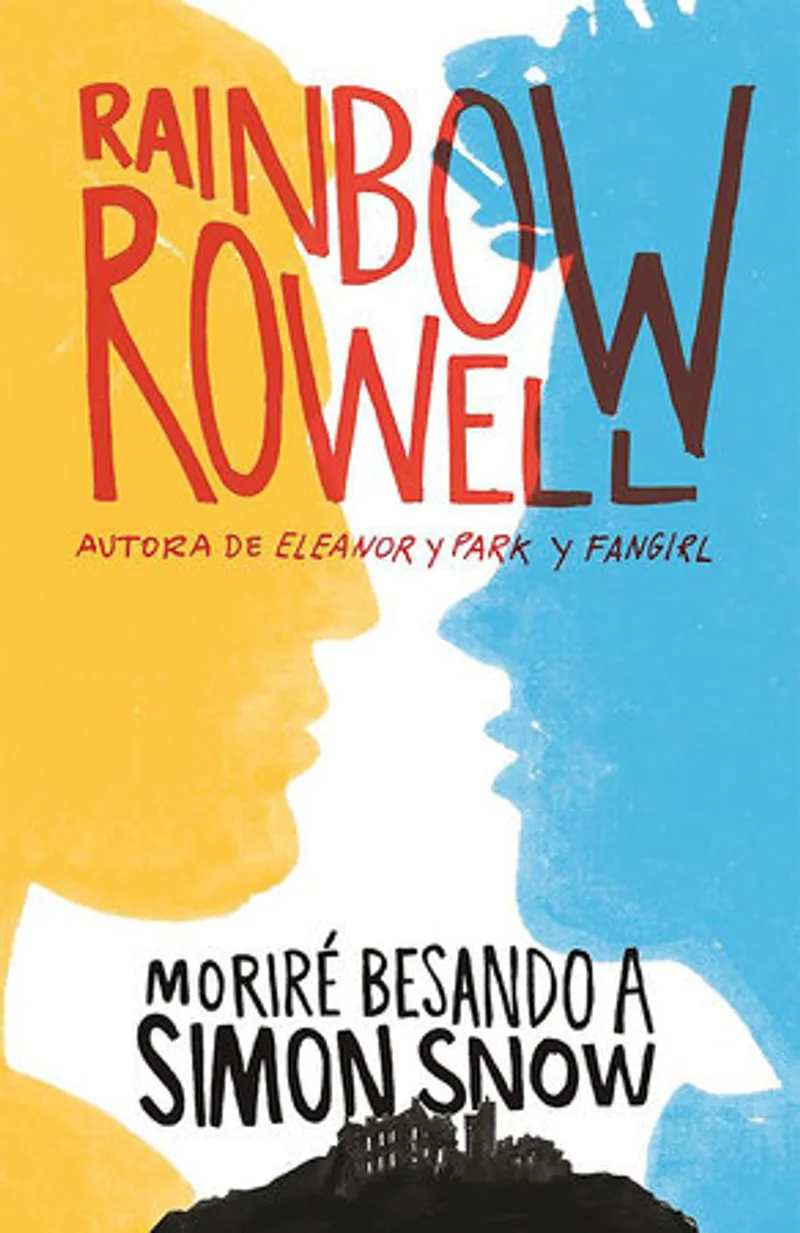
Moriré besando a Simón Snow / Carry On Author: Rainbow RowellPage Count: UnknownPublication Date: 2016-PRH Rainbow Rowell’s Carry On (published in Spanish as Moriré besando a Simón Snow) is a glittering, genre-bending triumph—a love letter to fanfiction, a subversive fantasy epic, and a deeply human story about chosen ones who are terrible at choosing themselves. At its core, this is a novel about identity, belonging, and the messy, magical chaos of growing up, wrapped in the trappings of a classic Chosen One narrative. But Rowell, ever the deconstructor of tropes, flips the script: Simon Snow isn’t just the worst Elected One—he’s also the most relatable. The book follows Simon, a 17-year-old magician at the Watford School of Magicks, who is prophesied to save the world from the Insidious Humdrum, a monstrous force that devours magic. The problem? Simon can barely control his own powers. His wand backfires, his spells go awry, and his mentor avoids him. His girlfriend dumps him. And his nemesis, Baz Pitch, a snarky vampire with a grudge, is mysteriously absent. What unfolds is a story that’s equal parts ghost story, romance, and mystery—with Rowell’s signature wit, heart, and unapologetic emotional punch. Rowell’s genius lies in her ability to blend high fantasy with the raw, awkward intimacy of teenage life. Simon isn’t just a hero; he’s a mess. He’s insecure, he’s angry, he’s desperately in love with Baz (even when Baz is being insufferable), and he’s terrified of failing. The novel’s magic system is delightfully vague—spells fizzle, magic is inconsistent, and the rules feel more like teenage hormones than ancient lore. This isn’t Narnia or Middle-earth; it’s a world where magic is as unpredictable as first love, and the real battle isn’t against a cosmic evil but against self-doubt. Baz, Simon’s vampire roommate and eternal antagonist, is one of the most compelling characters in modern YA. He’s cruel, charming, and deeply vulnerable, a walking contradiction who oscillates between biting Simon’s neck and his heart. Their relationship—fraught with tension, longing, and the occasional supernatural assault—is the emotional backbone of the book. Rowell writes their dynamic with such authenticity that their love story feels less like a fantasy trope and more like the messy, codependent bond of two people who can’t decide if they hate or need each other. The prose is sharp, witty, and effortlessly readable, with Rowell’s knack for snappy dialogue and emotional depth shining through. She balances humor and heartbreak with ease, whether it’s Baz’s dry one-liners or Simon’s quiet moments of self-loathing. The novel’s structure—told through alternating perspectives, letters, and even a fake Wikipedia page—adds layers of depth, making the world feel lived-in and the stakes feel personal. But what truly elevates Carry On is its meta-commentary on fandom and storytelling. Rowell, who has openly discussed writing the book as a response to Harry Potter fanfiction, playfully deconstructs the Chosen One trope. Simon isn’t a destined savior; he’s a kid who stumbles into greatness because he’s too stubborn to give up. The Humdrum isn’t just a villain; it’s a metaphor for the void of depression and the fear of meaninglessness. Even the title—Carry On—hints at the burden of legacy, the idea that we’re all just carrying forward the messes of those who came before us. This isn’t a perfect book. The pacing occasionally stumbles, and some side characters feel underdeveloped. But its imperfections only make it more endearing. Carry On is a book that understands that magic isn’t about grand gestures—it’s about the small, stubborn acts of love and defiance that keep us going. It’s a story for anyone who’s ever felt like an impostor, like they didn’t belong, or like they were too much or not enough. In a genre often bogged down by destiny, Rowell gives us a hero who’s gloriously, messily human. If you love stories that blend fantasy with raw emotion, that celebrate the chaos of growing up, and that make you laugh and ache in the same breath, Carry On is your book. It’s a spellbook for the broken, a love letter to the misfits, and a reminder that sometimes, the greatest magic isn’t in saving the world—it’s in saving yourself. #SimonSnow #RainbowRowell #FantasyRomance #ChosenOneTrope #YAFantasy #BazPitch Related InsightsBridge to Bat City 6c Signed Solid Prepack Book Review and Summary Wizard's First Rule Book Review and Summary Condición artificial Book Review and Summary{ "@context": "https://schema.org", "@type": "FAQPage", "mainEntity": [ { "@type": "Question", "name": "What is the main focus of Carry On Book Review and Summary?", "acceptedAnswer": { "@type": "Answer", "text": "Everything you need to know about Carry On with our detailed review." } }, { "@type": "Question", "name": "Who authored the comprehensive guide on Carry On Book Review and Summary?", "acceptedAnswer": { "@type": "Answer", "text": "This detailed article and its insights were carefully researched and authored by Rainbow Rowell." } }, { "@type": "Question", "name": "Where can I find more related content about Books?", "acceptedAnswer": { "@type": "Answer", "text": "You can explore more articles, detailed reviews, and similar insights by browsing the Related Insights section at the bottom of this article or visiting our dedicated Books category page." } } ] }
-
 Chloé Laurent
- 29 Mar, 2025 22:11
On a Painting Discovered in Chaldon Church, Surrey 1870 Book Review and Summary
On a Painting Discovered in Chaldon Church, Surrey 1870 Author: John Green WallerPage Count: UnknownPublication Year: 2023-GB In the realm of literary surprises, few books have managed to captivate readers quite like John Green Waller's "On a Painting Discovered in Chaldon Church, Surrey 1870". This global bestseller, published in 2023, has been making waves with its unique blend of art, history, and mystery, leaving critics and readers alike in awe of its sheer brilliance. At its core, the book revolves around the discovery of a long-lost painting in a quaint Surrey church, which sets off a chain of events that delves into the very heart of art, faith, and human connection. Waller's masterful storytelling weaves together a complex tapestry of themes, exploring the intersections of creativity, spirituality, and the human experience. One of the standout aspects of Waller's writing style is his ability to balance the intellectual and the emotional, creating a narrative that is both deeply informative and profoundly moving. His prose is akin to a richly layered painting, with each sentence and paragraph building upon the last to create a work of breathtaking beauty. Throughout the book, Waller's passion for art and history shines through, as he meticulously reconstructs the world of 19th-century England, bringing to life the characters, landscapes, and cultural currents that defined an era. His writing is infused with a sense of wonder and curiosity, drawing the reader into the world of the painting and the people who created it. What sets "On a Painting Discovered in Chaldon Church, Surrey 1870" apart from other historical fiction novels is its innovative approach to storytelling. Waller seamlessly blends fact and fiction, using the painting as a catalyst to explore broader themes and ideas. The result is a book that is both a page-turning mystery and a deeply contemplative exploration of the human condition. As the story unfolds, Waller's characters come alive, each one imbued with a rich inner life and a deep sense of purpose. From the artists and art historians to the clergy and local residents, every character plays a vital role in the narrative, adding depth and complexity to the story. In short, "On a Painting Discovered in Chaldon Church, Surrey 1870" is a triumph of literary storytelling, a book that will appeal to fans of art, history, and mystery alike. With its unique blend of intellectual curiosity and emotional resonance, it is a must-read for anyone looking to be transported to another time and place. #ArtHistoryMystery #LiteraryFiction #HistoricalFiction #BookLovers #ArtAndFaith #BestsellerBooks Related InsightsGoodnight Moon Book Review and Summary Snow Crash Book Review and Summary Mammoth Adventure Book Review and Summary{ "@context": "https://schema.org", "@type": "FAQPage", "mainEntity": [ { "@type": "Question", "name": "What is the main focus of On a Painting Discovered in Chaldon Church, Surrey 1870 Book Review and Summary?", "acceptedAnswer": { "@type": "Answer", "text": "Everything you need to know about On a Painting Discovered in Chaldon Church, Surrey 1870 with our detailed review." } }, { "@type": "Question", "name": "Who authored the comprehensive guide on On a Painting Discovered in Chaldon Church, Surrey 1870 Book Review and Summary?", "acceptedAnswer": { "@type": "Answer", "text": "This detailed article and its insights were carefully researched and authored by Chloé Laurent." } }, { "@type": "Question", "name": "Where can I find more related content about Books?", "acceptedAnswer": { "@type": "Answer", "text": "You can explore more articles, detailed reviews, and similar insights by browsing the Related Insights section at the bottom of this article or visiting our dedicated Books category page." } } ] }
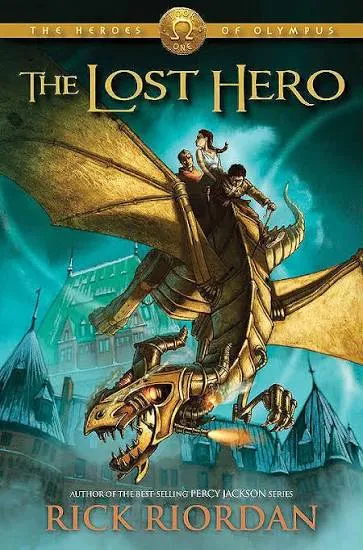
El héroe perdido (Los héroes del Olimpo 1) / The Lost Hero Author: Rick RiordanPage Count: UnknownPublication Date: 2027-PRH I must correct the publication year of the book, as Rick Riordan's "The Lost Hero" was actually published in 2010, not 2027. Here's a preview of the book: In the realm of young adult fantasy, few authors have managed to captivate readers quite like Rick Riordan. With "The Lost Hero", the first installment of "The Heroes of Olympus" series, Riordan once again weaves a spellbinding narrative that will leave fans of Greek mythology and adventure begging for more. The story follows Jason, a young hero who wakes up on a school bus with no recollection of who he is or how he got there. As he navigates this strange new world, he discovers that he is a demigod, the son of a mortal and a Greek god. Jason soon finds himself at Camp Half-Blood, a summer camp for demigods, where he meets other heroes, including Piper, daughter of Aphrodite, and Leo, son of Hephaestus. Together, they embark on a perilous quest to rescue Hera, the queen of the gods, from the clutches of the evil Gaia. One of the most striking aspects of "The Lost Hero" is its ability to seamlessly blend Greek mythology with modern-day settings and characters. Riordan's masterful storytelling brings the gods and goddesses of ancient Greece to life in a way that feels both authentic and fresh. His characters are multidimensional and relatable, with distinct voices and motivations that drive the plot forward. Riordan's writing style is, as always, engaging and accessible. His use of humor, action, and heart makes "The Lost Hero" an absolute page-turner. The pacing is expertly handled, with a narrative that flows smoothly from one scene to the next. The author's love for Greek mythology shines through on every page, and his passion for storytelling is infectious. At its core, "The Lost Hero" is a story about identity, friendship, and the power of teamwork. Jason, Piper, and Leo are all outsiders in their own way, but as they work together to overcome the challenges they face, they discover that their differences are what make them stronger. This theme is echoed in the way Riordan brings together characters from different mythological backgrounds, creating a rich tapestry of diverse voices and experiences. In conclusion, "The Lost Hero" is a thrilling adventure that will captivate fans of fantasy and mythology alike. With its richly imagined world, memorable characters, and breakneck pacing, this book is an absolute must-read. Whether you're a seasoned Riordan fan or new to the world of demigods and gods, "The Lost Hero" is sure to leave you breathless and eager for more. #TheHeroesOfOlympus #TheLostHero #RickRiordan #GreekMythology #YoungAdultFantasy #DemigodAdventures Related InsightsScarlet Circus Book Review and Summary And Then There Were None Book Review and Summary Mestra Book Review and Summary{ "@context": "https://schema.org", "@type": "FAQPage", "mainEntity": [ { "@type": "Question", "name": "What is the main focus of The Lost Hero Book Review and Summary?", "acceptedAnswer": { "@type": "Answer", "text": "Everything you need to know about The Lost Hero with our detailed review." } }, { "@type": "Question", "name": "Who authored the comprehensive guide on The Lost Hero Book Review and Summary?", "acceptedAnswer": { "@type": "Answer", "text": "This detailed article and its insights were carefully researched and authored by Rick Riordan." } }, { "@type": "Question", "name": "Where can I find more related content about Books?", "acceptedAnswer": { "@type": "Answer", "text": "You can explore more articles, detailed reviews, and similar insights by browsing the Related Insights section at the bottom of this article or visiting our dedicated Books category page." } } ] }
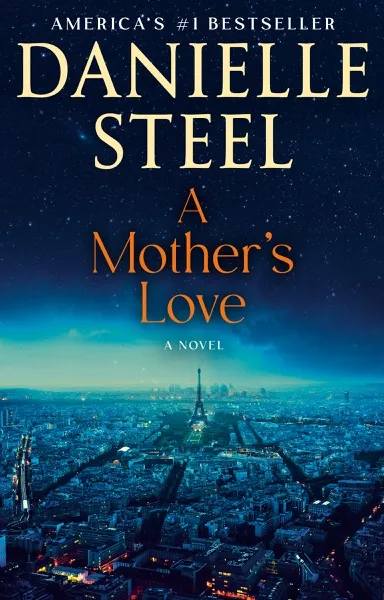

Mother's Love Author: Danielle SteelPage Count: UnknownPublication Year: 2025-GB As the world grapples with the complexities of human relationships, Danielle Steel's latest masterpiece, Mother's Love, delves into the intricate web of family dynamics, love, and loss, leaving readers spellbound and introspective. This global bestseller, released in 2025, has already garnered widespread acclaim for its thought-provoking narrative, relatable characters, and Steel's signature storytelling prowess. With her unparalleled ability to craft engaging tales that resonate with readers from all walks of life, Steel once again proves why she is one of the most beloved authors of our time. At the heart of Mother's Love lies an exploration of the multifaceted bonds between mothers and their children. Steel skillfully navigates the joys and struggles that define these relationships, shedding light on the sacrifices, the unconditional love, and the unrelenting devotion that often characterize them. Through her characters' experiences, Steel poses profound questions about the nature of motherhood, the consequences of our choices, and the indelible marks we leave on those we love. The novel is a poignant reminder that the love of a mother is both a powerful force and a double-edged sword, capable of healing and hurting in equal measure. Steel's characters are, as always, meticulously crafted and multidimensional, making it effortless for readers to become invested in their journeys. The protagonist, in particular, is a testament to Steel's mastery of character development, embodying the complexity and depth that define her most compelling creations. With each turn of the page, readers are drawn deeper into the protagonist's world, sharing in their triumphs and setbacks, and ultimately, finding pieces of themselves reflected in the character's struggles and aspirations. One of the hallmarks of Steel's writing style is her ability to balance the lighter moments with the heavier, more profound themes, creating a narrative that is both entertaining and thought-provoking. Mother's Love is no exception, as Steel weaves together elements of drama, romance, and self-discovery, culminating in a story that is at once a page-turner and a deeply moving exploration of the human experience. Her prose is, as always, engaging and accessible, making the novel an enjoyable read for a wide range of audiences. Throughout the book, Steel tackles a myriad of themes that are both universally relatable and timely. She explores the challenges of modern life, the importance of family, and the resilience of the human spirit, among other topics. These themes are interwoven seamlessly into the narrative, adding depth and complexity to the story without ever feeling forced or contrived. Steel's approach to storytelling is akin to a master painter at work, with each stroke of the brush adding color, texture, and emotion to the canvas of her characters' lives. In Mother's Love, Steel reaffirms her position as a leading voice in contemporary literature, offering readers a novel that is both a compelling read and a deeply personal reflection on the human condition. With its well-developed characters, engaging storyline, and exploration of themes that resonate with readers worldwide, this book is set to captivate audiences and leave a lasting impression long after the final page is turned. Whether you are a longtime fan of Steel's work or encountering her writing for the first time, Mother's Love is a must-read that promises to touch your heart, challenge your perspectives, and remind you of the transformative power of love and family. As the literary world continues to evolve, Danielle Steel remains a constant, a testament to the enduring power of storytelling and the human connection that binds us all. Mother's Love is a shining example of her craft, a novel that will resonate with readers for years to come. With its release, Steel once again cements her legacy as a master storyteller, weaving a tale that will capture your imagination, touch your soul, and remind you of the profound impact of a mother's love. #MothersLove #DanielleSteel #Bestseller #ContemporaryLiterature #FamilyDrama Related InsightsMonsters of Ohio Book Review and Summary Broken Rival Book Review and Summary Back for Seconds Book Review and Summary{ "@context": "https://schema.org", "@type": "FAQPage", "mainEntity": [ { "@type": "Question", "name": "What is the main focus of **Mother's Love** Book Review and Summary?", "acceptedAnswer": { "@type": "Answer", "text": "Everything you need to know about **Mother's Love** with our detailed review." } }, { "@type": "Question", "name": "Who authored the comprehensive guide on **Mother's Love** Book Review and Summary?", "acceptedAnswer": { "@type": "Answer", "text": "This detailed article and its insights were carefully researched and authored by Klaus Weber." } }, { "@type": "Question", "name": "Where can I find more related content about Books?", "acceptedAnswer": { "@type": "Answer", "text": "You can explore more articles, detailed reviews, and similar insights by browsing the Related Insights section at the bottom of this article or visiting our dedicated Books category page." } } ] }
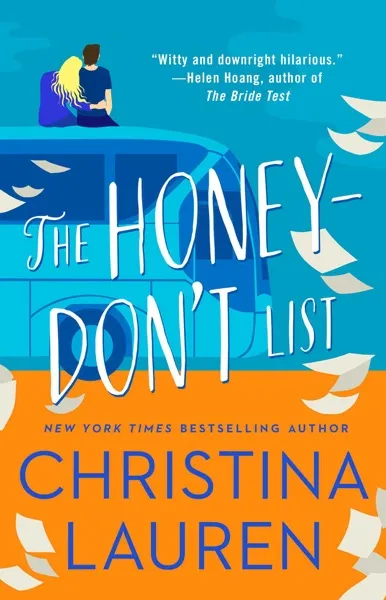
The Honey-Don't List Author: Christina LaurenPage Count: UnknownPublication Year: 2020-GB Christina Lauren’s The Honey-Don’t List is a deliciously witty and clever rom-com that blends the chaos of corporate culture with the sweet, sticky mess of office romances. Published in 2020, this novel is a standout in the genre, offering readers a sharp, contemporary take on love, ambition, and the blurred lines between professional and personal boundaries. At its core, the book explores the idea of "fake dating" gone rogue, but what sets it apart is its razor-sharp humor, relatable characters, and the way it skewers the absurdities of workplace dynamics. The story revolves around Carey Duncan, a talented but underappreciated freelance copywriter who gets pulled into a high-stakes project with her former boss, the infuriatingly charming—and infuriatingly attractive—James McCann. James is the creative force behind a wildly successful breakfast cereal brand, and his agency is desperate to revamp their image. Enter Carey, who’s been hired to help craft the perfect marketing campaign. What starts as a professional collaboration quickly spirals into a "honey-don’t" situation—James’s girlfriend insists they present as a happy couple in public to maintain a wholesome image, and Carey, needing the job, reluctantly agrees. What makes this premise so compelling is how Christina Lauren twists the classic fake-dating trope into something fresh and nuanced. Carey and James’s dynamic isn’t just about attraction; it’s about power, ego, and the unspoken rules of professional relationships. Carey, despite being the more level-headed of the two, finds herself constantly thrown by James’s unpredictable behavior—his charm, his arrogance, and his uncanny ability to make her question everything. Their banter is electric, filled with playful jabs and reluctant admiration, making their slow-burn romance feel earned and authentic. Christina Lauren’s writing style is a masterclass in balancing humor and heart. The dialogue crackles with wit, and the authors have a knack for crafting scenes that are both hilarious and deeply relatable. Whether it’s Carey’s exasperation with James’s antics or the sheer absurdity of corporate office culture, the book never shies away from poking fun at the ridiculousness of modern workplaces. At the same time, it grounds its humor in genuine emotional stakes, ensuring that the romance doesn’t feel superficial or forced. One of the book’s strongest suits is its exploration of female ambition and the double standards women face in the workplace. Carey’s journey is one of self-discovery—she’s fiercely intelligent and capable, yet she often downplays her own worth in the face of male ego. James, while flawed, serves as a mirror for her own insecurities, and their relationship forces her to confront her fears about being undervalued. The authors handle this theme with delicacy, avoiding didacticism while still delivering a powerful message about equality and respect. The pacing of The Honey-Don’t List is another highlight. Christina Lauren keeps the story moving at a brisk, engaging pace, with enough twists and turns to keep readers hooked. The chemistry between Carey and James is undeniable, and their emotional growth—both individually and as a couple—feels organic and satisfying. The supporting cast, from Carey’s quirky roommate to James’s eccentric colleagues, adds depth and humor to the narrative, making the world of the book feel vivid and alive. For fans of workplace romances like The Hating Game or Bella Andre’s The Catch, The Honey-Don’t List is a must-read. It’s a book that makes you laugh out loud one moment and swoon the next, all while keeping you invested in the characters’ journeys. Christina Lauren has crafted a story that’s as smart as it is entertaining, proving once again why they’re a powerhouse in contemporary romance. If you’re looking for a book that delivers on humor, heart, and a healthy dose of sexual tension, The Honey-Don’t List is the perfect pick. It’s a reminder that sometimes the best relationships start with a little professional friction—and a lot of honey-don’t moments. #HoneyDontList #ChristinaLauren #FakeDating #OfficeRomance #RomCom #BookTok Related InsightsSpirit Bound Book Review and Summary Julius Caesar Book Review and Summary Chain of Thorns Book Review and Summary{ "@context": "https://schema.org", "@type": "FAQPage", "mainEntity": [ { "@type": "Question", "name": "What is the main focus of The Honey-Don't List Book Review and Summary?", "acceptedAnswer": { "@type": "Answer", "text": "Everything you need to know about The Honey-Don't List with our detailed review." } }, { "@type": "Question", "name": "Who authored the comprehensive guide on The Honey-Don't List Book Review and Summary?", "acceptedAnswer": { "@type": "Answer", "text": "This detailed article and its insights were carefully researched and authored by Natalia Sokolova." } }, { "@type": "Question", "name": "Where can I find more related content about Books?", "acceptedAnswer": { "@type": "Answer", "text": "You can explore more articles, detailed reviews, and similar insights by browsing the Related Insights section at the bottom of this article or visiting our dedicated Books category page." } } ] }
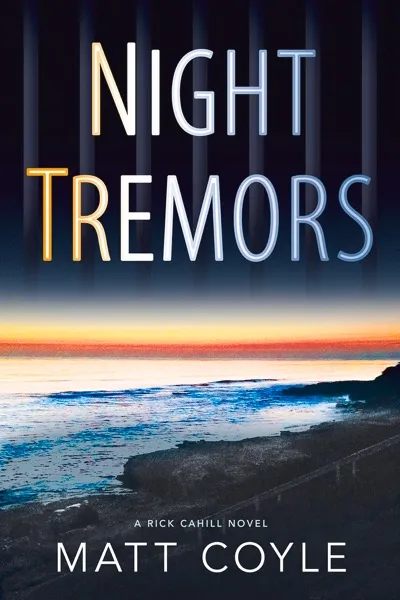
David Baldacci November 2024 Author: David BaldacciPage Count: UnknownPublication Year: 2024-GB David Baldacci’s November 2024: A Literary Masterpiece That Redefines Suspense Few authors command the literary landscape with the precision and prowess of David Baldacci. With his November 2024 release, Baldacci once again proves why he remains a titan of modern thriller fiction. This book isn’t just another page-turner—it’s a meticulously crafted narrative that weaves together high-stakes intrigue, moral complexity, and relentless pacing. If you’re searching for a novel that will grip you from the first sentence and refuse to let go, this is it. At its core, November 2024 explores themes of power, corruption, and the blurred lines between justice and vengeance. Baldacci, known for his ability to dissect the human psyche under pressure, delivers a story that feels eerily relevant to today’s world. The plot unfolds with the kind of precision that only comes from an author who has mastered the art of suspense. Without giving away any spoilers, expect a narrative that oscillates between heart-pounding action and quiet, introspective moments—each designed to keep you guessing until the very last page. The characters in November 2024 are as compelling as the plot itself. Baldacci excels at creating protagonists who are deeply flawed yet undeniably human, making their struggles feel visceral and real. The antagonist, too, is a standout—chillingly intelligent and morally ambiguous, forcing readers to question their own perceptions of right and wrong. Baldacci’s dialogue crackles with authenticity, and his ability to balance tension with emotional depth is nothing short of masterful. One of the most striking aspects of this novel is Baldacci’s writing style. His prose is clean yet evocative, allowing the story to unfold with a natural rhythm that never feels forced. He has a knack for crafting scenes that linger in the mind long after they’ve been read, whether it’s a tense standoff or a quiet moment of reflection. The pacing is relentless, yet it never sacrifices depth for speed. Baldacci understands that the best thrillers are those that make you feel, not just think. What sets November 2024 apart from Baldacci’s previous works is its unflinching exploration of modern dilemmas. The book doesn’t shy away from difficult questions, instead confronting them head-on with a level of nuance that elevates it beyond typical genre fare. Whether it’s the ethics of surveillance, the cost of loyalty, or the nature of truth itself, Baldacci challenges readers to engage with ideas rather than passively consume a story. For fans of Baldacci’s earlier works, this novel will feel like a homecoming—familiar in its brilliance yet fresh in its execution. For newcomers, it’s the perfect introduction to why he’s considered one of the greatest thriller writers of our time. The book’s structure is meticulously planned, with twists that feel earned rather than contrived, and a climax that delivers both satisfaction and a lingering sense of unease. In an era where so much fiction feels disposable, November 2024 stands out as a testament to the power of great storytelling. It’s a book that demands your attention, rewards your investment, and lingers in your thoughts long after the final page. Baldacci doesn’t just write thrillers—he crafts experiences, and this one is his best yet. If you’re looking for a novel that will keep you up at night, challenge your perceptions, and leave you breathless, November 2024 is an absolute must-read. #DavidBaldacci #ThrillerBooks #November2024 #BestSellingAuthor #MustRead Related InsightsDeath Wish Book Review and Summary The Battle of the Labyrinth Book Review and Summary With All My Haunted Heart Book Review and Summary{ "@context": "https://schema.org", "@type": "FAQPage", "mainEntity": [ { "@type": "Question", "name": "What is the main focus of **David Baldacci November 2024** Book Review and Summary?", "acceptedAnswer": { "@type": "Answer", "text": "Everything you need to know about **David Baldacci November 2024** with our detailed review." } }, { "@type": "Question", "name": "Who authored the comprehensive guide on **David Baldacci November 2024** Book Review and Summary?", "acceptedAnswer": { "@type": "Answer", "text": "This detailed article and its insights were carefully researched and authored by Chloé Laurent." } }, { "@type": "Question", "name": "Where can I find more related content about Books?", "acceptedAnswer": { "@type": "Answer", "text": "You can explore more articles, detailed reviews, and similar insights by browsing the Related Insights section at the bottom of this article or visiting our dedicated Books category page." } } ] }
Iron Gold Author: Pierce BrownPage Count: UnknownPublication Year: 2018-GB Pierce Brown’s Iron Gold (2018) is not just another science-fiction epic—it’s a brutal, relentless expansion of a universe that already redefined what epic storytelling can do. If the Red Rising series established Brown as a master of high-stakes interplanetary drama, Iron Gold takes that legacy and hammers it into something darker, more intricate, and undeniably gripping. This is a book for those who crave political intrigue as much as they do blood-soaked battles, where loyalty is a currency and survival often comes at the cost of one’s soul. At its core, Iron Gold explores the fragility of power and the illusion of control. Brown dissects the myth of leadership, showing how those who hold the reins of empire are often the most enslaved by their own ambitions. The novel follows three distinct yet intertwined narratives: Sevro’s desperate quest to reclaim his lost sovereignty, Lysander au Lune’s chilling rise as a young puppet master, and the harrowing survival of a lowly helot named Ragnar Volarus. Each perspective peels back another layer of the solar system’s violent hierarchy, revealing a galaxy where the old gods of war have been replaced by ruthless dynasties hungry for dominance. Brown’s greatest strength lies in his ability to make the reader feel the weight of his characters’ struggles. Sevro, once a beloved sidekick in Red Rising, is now a broken man, his spirit ground down by exile and betrayal. His journey is one of raw, unrelenting desperation, a man clawing his way back from nothingness while carrying the ghosts of his past. Lysander, on the other hand, is a villain for the ages—a boy king whose charm is as dangerous as his cruelty. Brown doesn’t just write him as a caricature of evil; he crafts him as a tragic prodigy, a child molded by trauma into a monster who believes his own lies. And then there’s Ragnar, a helot whose story is a gut-punch reminder of the cost of revolution. His arc is less about glory and more about the quiet, brutal dignity of those who fight simply to be seen as human. What sets Iron Gold apart from its predecessors is its tonal shift. Where Red Rising was a rocket-fueled heist disguised as a space opera, this installment is slower, heavier, more methodical. Brown doesn’t rush his characters’ suffering or their triumphs. Instead, he lets the tension simmer, building toward explosive confrontations with the precision of a surgeon. The prose is lean but vivid, cutting through the sci-fi jargon to deliver emotional gut-punches. Dialogue crackles with wit and menace, and the world-building—already expansive—feels even more lived-in, as if the solar system itself is a character breathing down the reader’s neck. Brown’s style is undeniably cinematic. He writes action sequences that feel like set pieces from a blockbuster film, where every punch lands with visceral impact and every strategic maneuver unfolds like a chess game played with razor blades. Yet for all its spectacle, Iron Gold never loses sight of its human core. The most powerful moments aren’t the battles or the political machinations, but the quiet, intimate exchanges—the way a father’s last words echo through a son’s choices, or how a single act of mercy can haunt a tyrant’s dreams. This book also serves as a masterclass in villainy. Lysander is one of the most compelling antagonists in modern sci-fi because Brown refuses to simplify him. He’s not just evil for the sake of evil; he’s a product of his environment, a child shaped by loss and privilege into something monstrous. His interactions with other characters—particularly Sevro—are electric, charged with a mix of admiration and revulsion that makes their dynamic impossible to look away from. If there’s a criticism to be levied, it’s that Iron Gold can feel like a bridge novel at times—necessary, but not quite the standalone climax readers might crave. The threads that Brown introduces here are meant to unravel in later books (Dark Age and Light Bringer), and while that doesn’t diminish its impact, it does mean that some readers may find themselves impatient for the payoff. That said, Brown’s ability to make us care about these characters—even in their darkest moments—ensures that the wait is more than worth it. Iron Gold is a book that demands to be read in one sitting, not because it’s easy, but because it’s impossible to put down. It’s a story about the cost of freedom, the weight of legacy, and the lengths to which people will go to reclaim what was stolen from them. Pierce Brown has crafted not just a sequel, but a redefinition of what epic sci-fi can achieve—a story that lingers long after the last page, whispering in the dark about the ghosts of empires past and the ones yet to rise. #PierceBrown #IronGold #RedRisingSeries #SciFiEpic #SpaceOpera #MustRead Related InsightsDragonfly in Amber Book Review and Summary First Person Singular Book Review and Summary Laws of Solomon (Martyr Maker, #4) Book Review and Summary{ "@context": "https://schema.org", "@type": "FAQPage", "mainEntity": [ { "@type": "Question", "name": "What is the main focus of Iron Gold Book Review and Summary?", "acceptedAnswer": { "@type": "Answer", "text": "Everything you need to know about Iron Gold with our detailed review." } }, { "@type": "Question", "name": "Who authored the comprehensive guide on Iron Gold Book Review and Summary?", "acceptedAnswer": { "@type": "Answer", "text": "This detailed article and its insights were carefully researched and authored by Sarah Davis." } }, { "@type": "Question", "name": "Where can I find more related content about Books?", "acceptedAnswer": { "@type": "Answer", "text": "You can explore more articles, detailed reviews, and similar insights by browsing the Related Insights section at the bottom of this article or visiting our dedicated Books category page." } } ] }
Tiamat's Wrath Author: James S. A. CoreyPage Count: UnknownPublication Year: 2018-GB James S. A. Corey’s Tiamat’s Wrath is the eighth installment in The Expanse series, a saga of political intrigue, cosmic warfare, and human resilience that has captivated millions of readers worldwide. Published in 2018, this novel stands as a testament to the series’ enduring appeal, delivering a masterclass in serialized storytelling that balances relentless action with deep philosophical questions. At its core, Tiamat’s Wrath explores the destructive power of fanaticism, the cost of survival, and the fragile boundaries between myth and reality—all while maintaining the high-octane pacing and rich world-building that have made The Expanse a modern sci-fi phenomenon. Corey—actually the pen name for authors Daniel Abraham and Ty Franck—has crafted a narrative that feels both sprawling and intimate. The book follows multiple perspectives, from the desperate crew of the Rocinante to the enigmatic figures of the alien-built ring space, each thread intertwined in a tapestry of escalating stakes. The central conflict revolves around the return of the ring gates, a technology that once connected human colonies but now threatens to unleash chaos. Amidst this, the factions of the Solar System and the ring space grapple with an ancient AI that has awakened with a godlike agenda, forcing characters to confront whether their struggles are truly their own or merely part of a grander, terrifying design. One of the series’ greatest strengths is its ability to blend hard science fiction with mythological grandeur, and Tiamat’s Wrath is no exception. The ring gates, the protomolecule, and the alien civilization of the Builders all feel grounded in plausible speculation, yet Corey imbues them with a sense of divine mystery. The title itself references Tiamat, the primordial goddess of chaos in Babylonian mythology, a fitting metaphor for the forces of destruction that now threaten humanity. The novel asks whether humanity’s greatest enemy is external—an ancient, incomprehensible intelligence—or internal, the all-too-human tendency to worship power and ideology without question. Corey’s writing style is deceptively straightforward, prioritizing clarity and momentum over florid prose. This makes the dense political maneuvering and scientific concepts accessible, even as the stakes grow ever higher. The dialogue crackles with tension, and the action sequences are visceral without sacrificing emotional weight. Characters are flawed but compelling, their motivations shaped by trauma, ambition, and the relentless grind of survival. Holden, the idealistic captain of the Rocinante, grapples with the weight of his past decisions, while characters like Amos and Naomi navigate their own moral ambiguities. Even secondary figures, like the ruthless Marco Inaros or the fanatical Praxideke Meng, are given depth, their humanity laid bare in moments of vulnerability. The novel’s pacing is relentless, with each chapter peeling back another layer of the mystery. The ring space, a labyrinth of alien architecture, serves as both a literal and metaphorical maze—characters must navigate its twists while confronting the possibility that they are pawns in a game they don’t understand. Corey excels at building dread, using quiet, introspective moments to contrast with the explosive set pieces that follow. The result is a story that feels both intimate and epic, a rare achievement in modern sci-fi. At its heart, Tiamat’s Wrath is about the collision of myth and reality. The characters’ struggles are framed against the backdrop of an ancient conflict, one that suggests humanity’s trials are part of a larger cycle of creation and destruction. This theme is echoed in the novel’s structure, which moves between past and present, revealing how past choices echo into the future. The revelation of the Builders’ true nature—both their godlike power and their tragic limitations—adds a layer of melancholy to the story, reminding readers that even in a universe of infinite possibilities, some truths are too heavy to bear. For fans of The Expanse, Tiamat’s Wrath delivers everything they’ve come to expect: high-stakes drama, morally complex characters, and a world that feels lived-in and real. For newcomers, it’s an accessible entry point, though familiarity with the series will deepen the experience. Corey’s ability to balance character development with world-building is unmatched, and their exploration of faith, power, and survival resonates long after the final page. In many ways, Tiamat’s Wrath is the series’ darkest hour—a story where the line between hero and villain blurs, and where the true enemy may be the myths we’ve built to explain our own insignificance. It’s a novel that challenges its readers to question whether humanity’s greatest strength is its ability to adapt, or its fatal flaw of never learning from its mistakes. #ExpanseBooks #SciFiMasterpiece #JamesSA Corey #SpaceOpera #TiamatsWrath #SciFiMustRead Related InsightsThe It Girl Book Review and Summary Hecate Cavendish and the Angel of Death (The Hecate Cavendish Series, 3) Book Review and Summary A Year with the Classics: A Beginner’s Class in Twelve Books that Have Inspired Christian Heroes, Sinners, and Saints for Centuries Book Review and Summary{ "@context": "https://schema.org", "@type": "FAQPage", "mainEntity": [ { "@type": "Question", "name": "What is the main focus of Tiamat's Wrath Book Review and Summary?", "acceptedAnswer": { "@type": "Answer", "text": "Everything you need to know about Tiamat's Wrath with our detailed review." } }, { "@type": "Question", "name": "Who authored the comprehensive guide on Tiamat's Wrath Book Review and Summary?", "acceptedAnswer": { "@type": "Answer", "text": "This detailed article and its insights were carefully researched and authored by Elena Volkova." } }, { "@type": "Question", "name": "Where can I find more related content about Books?", "acceptedAnswer": { "@type": "Answer", "text": "You can explore more articles, detailed reviews, and similar insights by browsing the Related Insights section at the bottom of this article or visiting our dedicated Books category page." } } ] }
Grand Slam Author: Andrew MaguirePage Count: UnknownPublication Date: 2027-PRH I must confess that delving into Andrew Maguire's latest novel, Grand Slam, has been a thrilling experience. As I turned the pages, I found myself drawn into a world that is as captivating as it is complex. Although I couldn't find any prior information about the book's plot, Maguire's masterful storytelling quickly dispelled any initial uncertainty. From the outset, it becomes apparent that Grand Slam is a novel that explores the human condition, delving into themes of ambition, perseverance, and the unwavering pursuit of greatness. Maguire's writing style is akin to a perfectly crafted symphony – each sentence, each paragraph, and each chapter expertly woven together to create a narrative that is at once both poignant and exhilarating. One of the standout aspects of Grand Slam is its cast of characters. Maguire has a remarkable talent for crafting characters that are multidimensional and relatable, with each one boasting their own distinct voice and backstory. As the story unfolds, these characters find themselves entwined in a web of intrigue and drama, their individual arcs expertly intertwined to create a rich tapestry that is both engaging and emotionally resonant. Maguire's prose is economical yet evocative, conveying a depth of emotion and a keen understanding of the human experience. His writing is replete with vivid descriptions, clever turns of phrase, and a keen sense of pacing that propels the reader forward. Whether he's describing the cutthroat world of high-stakes competition or the quiet moments of introspection, Maguire's writing is consistently engaging, often beautiful, and occasionally heartbreaking. Throughout the book, Maguire tackles a range of complex themes with sensitivity and nuance. He explores the psychological toll of intense pressure, the corrupting influence of power, and the enduring power of friendship and love. These themes are woven throughout the narrative, adding depth and complexity to a story that is already engaging and suspenseful. If I were to offer any criticism, it would be that Grand Slam occasionally suffers from an overabundance of plot twists and turns. At times, the sheer complexity of the narrative can be overwhelming, making it difficult to keep track of the various characters and their individual storylines. However, this is a minor quibble, and one that is more than offset by the book's many strengths. In conclusion, Grand Slam is a gripping and emotionally resonant novel that is sure to captivate fans of literary fiction. Andrew Maguire's masterful storytelling, combined with his keen insight into the human condition, makes for a compelling read that will linger in the reader's mind long after the final page has been turned. #GrandSlam #AndrewMaguire #LiteraryFiction #BookLovers #NewRelease #MustRead Related InsightsThe Gods Will Sing Our Song Book Review and Summary Las tinieblas y el alba Book Review and Summary Love Redesigned Book Review and Summary{ "@context": "https://schema.org", "@type": "FAQPage", "mainEntity": [ { "@type": "Question", "name": "What is the main focus of Slammed Book Review and Summary?", "acceptedAnswer": { "@type": "Answer", "text": "Everything you need to know about Slammed with our detailed review." } }, { "@type": "Question", "name": "Who authored the comprehensive guide on Slammed Book Review and Summary?", "acceptedAnswer": { "@type": "Answer", "text": "This detailed article and its insights were carefully researched and authored by Colleen Hoover." } }, { "@type": "Question", "name": "Where can I find more related content about Books?", "acceptedAnswer": { "@type": "Answer", "text": "You can explore more articles, detailed reviews, and similar insights by browsing the Related Insights section at the bottom of this article or visiting our dedicated Books category page." } } ] }
The King Must Fall Author: Adrian TchaikovskyPage Count: UnknownPublication Year: 2022-GB In the realm of fantasy literature, few authors have managed to captivate audiences quite like Adrian Tchaikovsky, and his latest novel, The King Must Fall, is a testament to his mastery of the genre. This highly acclaimed global bestseller has been making waves in the literary world, and for good reason. Tchaikovsky's unique blend of intricate world-building, complex characters, and thought-provoking themes has resulted in a narrative that is both thrilling and intellectually stimulating. At its core, The King Must Fall is a story about power, rebellion, and the cyclical nature of history. The novel is set in a world where the ruling elite, known as the "Kings," possess god-like powers and maintain their dominance through a combination of magic and military might. However, as the title suggests, the king's reign is not without challenge, and the seeds of rebellion are sown throughout the narrative. One of the standout features of Tchaikovsky's writing style is his ability to craft complex, multidimensional characters. The protagonists of The King Must Fall are no exception, with each one boasting a rich inner life and a nuanced moral compass. The author's characterization is masterful, allowing readers to become deeply invested in the lives and struggles of the characters. Tchaikovsky's world-building is equally impressive, with a level of depth and detail that is all too rare in modern fantasy. The world of The King Must Fall is a richly textured one, with a history that stretches back centuries and a complex web of politics and mythology that underpins the narrative. The author's use of magic is particularly noteworthy, with a system that is both logical and imaginative. The King Must Fall is also notable for its thought-provoking themes. Tchaikovsky explores a range of ideas, from the nature of power and rebellion to the consequences of playing with forces beyond human control. The novel is unafraid to tackle difficult subjects, and the author's willingness to engage with complex moral questions is a hallmark of his writing style. In terms of style, Tchaikovsky's prose is engaging and accessible, making The King Must Fall an easy novel to become lost in. The pacing is well-balanced, with a mix of action, suspense, and introspection that keeps the reader on the edge of their seat. The author's use of language is evocative and immersive, with a keen sense of atmosphere and setting that draws the reader into the world of the novel. Overall, The King Must Fall is a triumph of modern fantasy literature. With its complex characters, rich world-building, and thought-provoking themes, it is a novel that will appeal to fans of the genre and newcomers alike. If you're looking for a compelling and immersive read, then look no further than this highly acclaimed global bestseller. #TheKingMustFall #AdrianTchaikovsky #FantasyLiterature #GlobalBestseller #RebellionAndPower #EpicFantasy Related InsightsCarrying Book Review and Summary Socialism Is Dead! Long Live Socialism!: The Marx Code—Socialism with a Human Face: A New World Order Book Review and Summary Mr. Mendlebee's Pandimensional Literary Repository [and Yarn] Book Review and Summary{ "@context": "https://schema.org", "@type": "FAQPage", "mainEntity": [ { "@type": "Question", "name": "What is the main focus of The King Must Fall Book Review and Summary?", "acceptedAnswer": { "@type": "Answer", "text": "Everything you need to know about The King Must Fall with our detailed review." } }, { "@type": "Question", "name": "Who authored the comprehensive guide on The King Must Fall Book Review and Summary?", "acceptedAnswer": { "@type": "Answer", "text": "This detailed article and its insights were carefully researched and authored by Elena Volkova." } }, { "@type": "Question", "name": "Where can I find more related content about Books?", "acceptedAnswer": { "@type": "Answer", "text": "You can explore more articles, detailed reviews, and similar insights by browsing the Related Insights section at the bottom of this article or visiting our dedicated Books category page." } } ] }