Showing Posts From
Bookreview
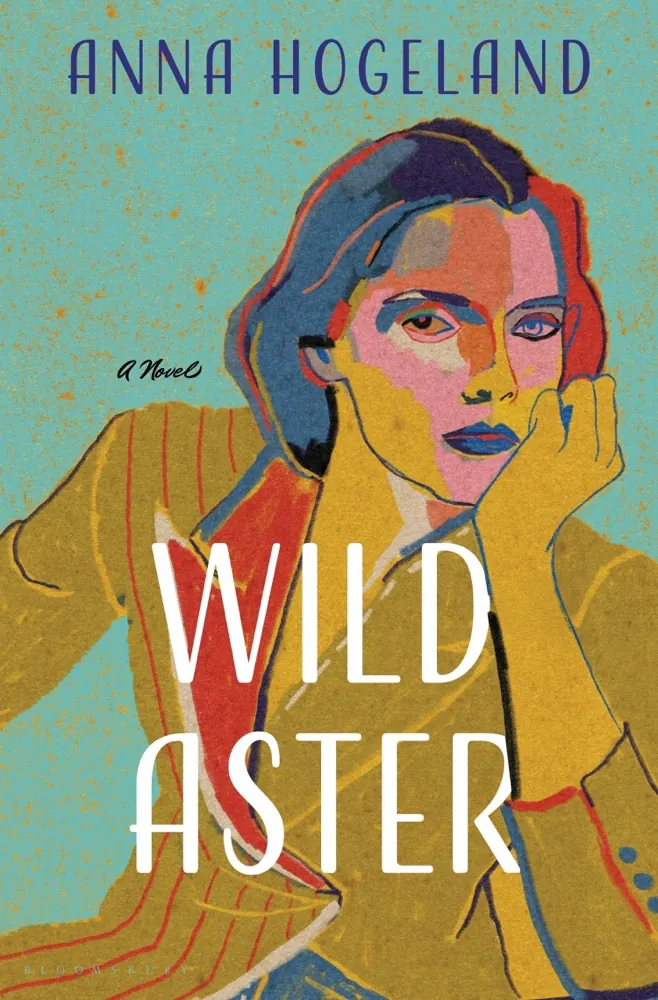

Author: Anna HogelandPage Count: UnknownPublication Date: Expected publication 2026-12-01 APL The lives we lead, and the lives we're given. Wild Aster, Anna Hogeland's forthcoming novel, promises to unfurl the intricate, fervent, and complex portrait of Mae Smith, a woman born of chaos and forged in the fires of mid-century America. And yet, the more I read about this book, the more I'm struck by the frustrating lack of specificity. What does it truly mean to be a "stolen good," to be kidnapped by one's biological mother and raised on the run? How does this shape Mae's psyche, her relationships, her very sense of self? But, I suppose that's the point. We're meant to be drawn in by the mystery, the allure of the unknown. The parallels to Alice McDermott and Anita Diamant are certainly intriguing – a nod to the lyrical, character-driven fiction that has captivated readers for decades. Still, I find myself wondering if Wild Aster will truly deliver on its promise of a "gentle, generous portrait" or if it will succumb to the pitfalls of melodrama, of relying too heavily on the sensational aspects of Mae's story. And then, of course, there's the elephant in the room – or rather, the elephant that isn't in the room. The synopsis is woefully vague, offering more platitudes than genuine insight into Mae's world. A classic case of overpromising. We're told that she must "reckon with the choices she's made and life's inexorable turns," but what does that even mean? How does she grapple with the consequences of her mother's actions, of her own desires and disappointments? The more I read, the more I'm left with questions, with a nagging sense that Wild Aster might be more style than substance. But, I digress. I've been reading a lot of children's books lately – my kid's obsessed with this one cartoon, Bluey, and I've found myself drawn into the world of anthropomorphic dogs and suburban Australian life. It's strange, but there's something about the way the show tackles complex themes – identity, family, community – that feels more honest, more raw, than a lot of the literary fiction I've been reading lately. Maybe that's the problem – we're so focused on crafting these elegant, lyrical narratives that we forget to get our hands dirty, to really explore the messiness of human experience. And yet, despite my reservations, I find myself drawn to Wild Aster. There's something about Mae's story that resonates, that speaks to the quiet desperation and resilience that defines so much of human existence. Perhaps, just perhaps, Hogeland will surprise me, will craft a narrative that's both beautiful and brutal, that truly captures the complexity of Mae's world. I need to unclog the shower drain before the entire second floor floods. #amreading #literaryfiction #bookreview
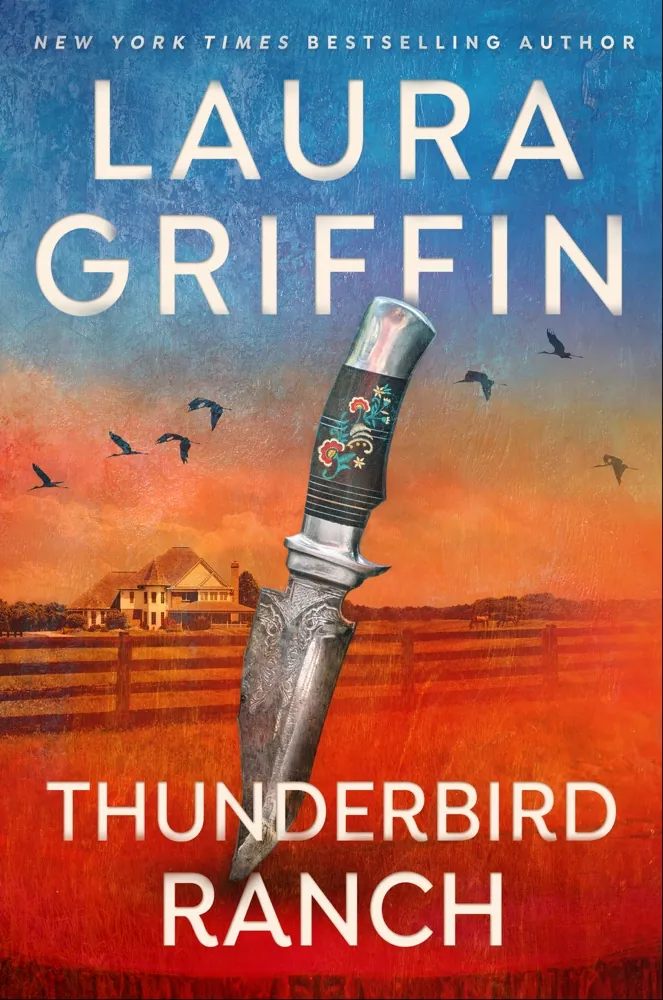

Author: Laura GriffinPage Count: UnknownPublication Date: Expected publication 2026-11-10 APL Flour is currently dusting every single flat surface in my downstairs domain—including my favorite woolen cardigan, which is just fantastic—because I thought it would be a charming domestic endeavor to let the seven-year-old measure out baking soda while I tried to parse Laura Griffin’s upcoming procedural, Thunderbird Ranch. And look. When a Texas shindig concludes with a corpse and a bunch of ungrateful heirs pointing fingers at each other like they are starring in a low-rent regional theater production of The Little Foxes, we are not exactly treading into uncharted literary territory, are we? Yet there is something delicious about a messy family dynamic when you are ankle-deep in sticky dough and wishing for a glass of something heavy enough to forget that the school bake sale requires organic, gluten-free, emotion-regulated cupcakes by tomorrow morning. The synopsis sets up a classic closed-circle-of-suspects thriller—or semi-closed, considering our frantic protagonist is sprinting through a creek bed covered in actual homicide evidence while trying to remember why she agreed to date into this nest of vipers in the first place—and honestly, the vibe screams Shari Lapena meets late-night Lifetime movie marathon, minus the self-awareness. My youngest just dumped an entire carton of chocolate chips directly onto the floor, scattering them across the hardwood with the chaotic energy of a rogue feline, and I am choosing to stare straight ahead at my laptop screen rather than scream into the empty mixing bowl. Murder. Griffin is leaning hard into the wealthy-dynasty-in-financial-ruin trope, which feels about as fresh as yesterday’s sourdough starter, but sometimes you just want a straightforward whodunit where everyone is lying through their veneered teeth and the local detective has to wade through enough passive-aggressive Texas charm to choke a mule. Kate Graham—our beleaguered badge-holder—has her work cut out for her with Faye McCann and her disgruntled offspring, and I sincerely hope the manuscript avoids the lazy trap of making the outsider girl the actual killer just because she happened to be jogging through a creek in a bloody panic. Predictable. Give us a real twist, Laura. Or at least give us a sharp-tongued matriarch who uses a shotgun as a walking stick before the final chapter. I have to go because the oven timer is screaming at me like a banshee and I need to grade a stack of middle-school persuasive writing essays on the structural decline of modern culture. Related InsightsThe Divinity Thieves Book Review and Summary Wuthering Heights Book Review and Summary Prodigy Book Review and Summary{ "@context": "https://schema.org", "@type": "FAQPage", "mainEntity": [ { "@type": "Question", "name": "What is the main focus of Thunderbird Ranch Book Review and Summary?", "acceptedAnswer": { "@type": "Answer", "text": "Everything you need to know about Thunderbird Ranch with our detailed review." } }, { "@type": "Question", "name": "Who authored the comprehensive guide on Thunderbird Ranch Book Review and Summary?", "acceptedAnswer": { "@type": "Answer", "text": "This detailed article and its insights were carefully researched and authored by Sarah Davis." } }, { "@type": "Question", "name": "Where can I find more related content about Books?", "acceptedAnswer": { "@type": "Answer", "text": "You can explore more articles, detailed reviews, and similar insights by browsing the Related Insights section at the bottom of this article or visiting our dedicated Books category page." } } ] }
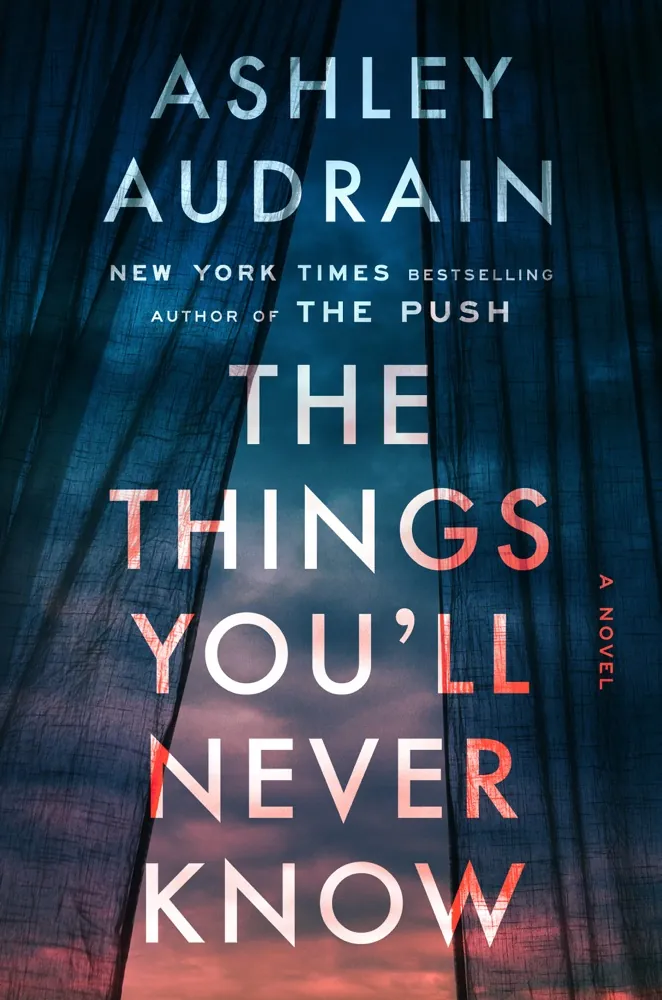

Author: Ashley AudrainPage Count: UnknownPublication Date: Expected publication 2026 APL The Things You'll Never Know - a title that reverberates with the crushing weight of secrets left unspoken. And yet, it's this very premise that draws me in, a moth to the flame of Ashley Audrain's unflinching examination of motherhood, desire, and the performative identities we don to conceal our true selves. As I delve into the synopsis - no, scratch that - as I grapple with the sparse, tantalizing details Audrain has chosen to share, I'm struck by the eerie sense of disconnection that pervades this narrative. A mother, Fiona, lies on the hallway floor, her body taken away by the ambulance, yet she remains, a spectral presence haunting the lives of her loved ones. It's a bold, disorienting choice, one that defies the conventions of traditional storytelling. And I'm intrigued. But what of Fiona's family, those who are left to pick up the pieces of her life? Her husband, Adam, her children, her best friend - all seem to be hiding something, their faces masks that conceal the truth. It's a hall of mirrors, where reflections distort and reality blurs. Audrain's exploration of the tension between our public personas and private selves is a timely one, a scathing critique of the societal expectations that suffocate us. And then, of course, there's the diary - Fiona's secret confessional, where the stunning betrayal she had been hiding is finally revealed. But what does this betrayal entail? Is it a revelation that will shatter the fragile bonds of family, or a truth that will set them free? Audrain's vagueness is a clever ploy, a deliberate withholding of information that only serves to heighten the sense of anticipation. Or does it? Perhaps I'm just frustrated by the lack of concrete details, the absence of a clear narrative thread to cling to. Maybe I'm just not patient enough, too accustomed to the instant gratification of plot reveals and tidy resolutions. But that's the thing about Audrain's writing - it's not about providing answers; it's about posing questions, probing the dark recesses of the human experience. Yet. And yet. As I ponder the themes of The Things You'll Never Know, I'm reminded of the works of Ottessa Moshfegh, another author who excels at excavating the complexities of female desire, the ways in which we perform our identities to appease the expectations of others. There's a kinship here, a shared concern with the ways in which societal pressures can suffocate us. Literally. But what of Fiona's ultimate question - will we find who we really are, before we die? It's a query that hangs in the air, a challenge to the reader to confront their own mortality, their own sense of self. And it's here, in the face of this existential uncertainty, that Audrain's writing truly comes alive. My youngest just painted the family cat blue. Related InsightsTerrible Worlds Book Review and Summary Her Life in Ruins Book Review and Summary Madeline McKnight Signs Off: A Novel Book Review and Summary{ "@context": "https://schema.org", "@type": "FAQPage", "mainEntity": [ { "@type": "Question", "name": "What is the main focus of The Things You'll Never Know Book Review and Summary?", "acceptedAnswer": { "@type": "Answer", "text": "Everything you need to know about The Things You'll Never Know with our detailed review." } }, { "@type": "Question", "name": "Who authored the comprehensive guide on The Things You'll Never Know Book Review and Summary?", "acceptedAnswer": { "@type": "Answer", "text": "This detailed article and its insights were carefully researched and authored by Camille Dubois." } }, { "@type": "Question", "name": "Where can I find more related content about Books?", "acceptedAnswer": { "@type": "Answer", "text": "You can explore more articles, detailed reviews, and similar insights by browsing the Related Insights section at the bottom of this article or visiting our dedicated Books category page." } } ] }
-
 Giulia Ricci
 - 22 Aug, 2026 08:56
The Lost Souls of Saint Oda's (Ruby Vaughn #4) Book Review and Summary
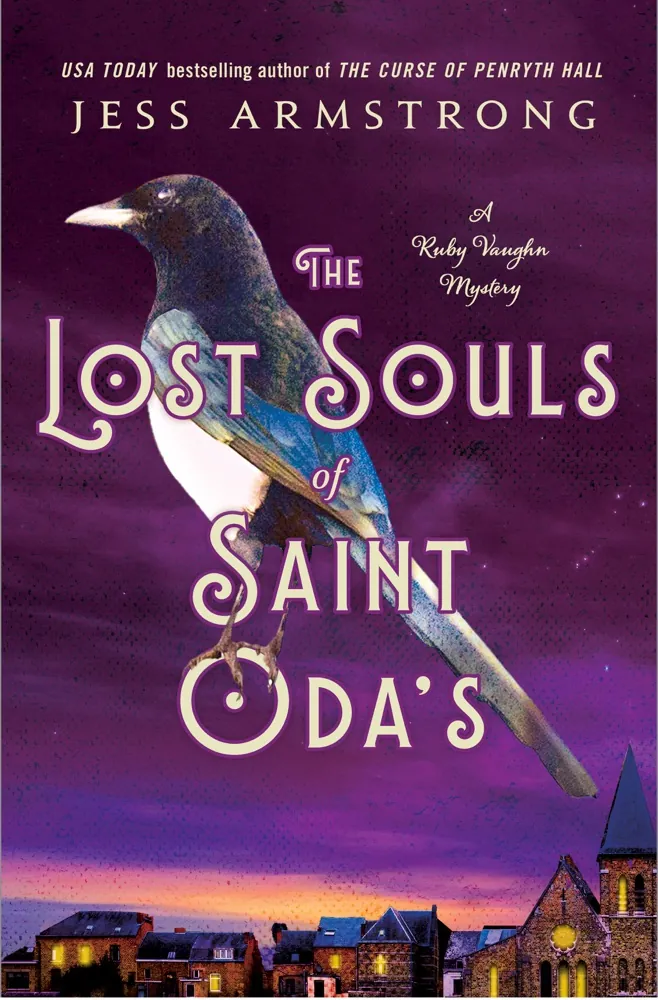
Author: Jess ArmstrongPage Count: UnknownPublication Date: Expected publication 2026-11-03 APL Charcoal is ground into my cuticles again, stubbornly resisting pumice, turpentine, and sheer will. Yet I am expected to sit here and construct an architectural sketch of a novel I cannot touch yet—specifically The Lost Souls of Saint Oda’s. Jess Armstrong is serving up another slice of historical sleuthing, dragging poor Ruby Vaughn back into the mire of 1923 Cornwall-adjacent baggage. Wait. Did the synopsis say Cornwall? No, they go to Belgium. I take it back; geography is malleable when a character needs a new backdrop for grief. The Architecture of Despair and Printed Matter We are looking at a masterclass in the weaponization of hope. The genre demands that protagonists suffer, but Armstrong leans heavily into the Gothic machinery of the missing parent trope. It is the literary equivalent of a frayed canvas where the priming coat was applied with too much turpentine. Ruby wants a quiet life running a rare book shop with an octogenarian boss. A painfully quaint setup. Naturally, the universe laughs, hands her a telegram, and shoves her onto a boat across the Channel. We have seen this blueprint a thousand times. Deanna Raybourn built an entire career on this exact brand of sarcastic, upper-class female insouciance mixed with historical murder. Elizabeth Peters walked so these modern historical heroines could run in sensible boots. But where Peters gave us Amelia Peabody's glorious, unearned arrogance, Armstrong opts for jaded self-protection. Hope is a broken heart. Groundbreaking. We are plumbing the depths of human trauma via a missing mother who manages to die five minutes before her long-lost daughter arrives at the Belgian priory. How terribly convenient for the narrative arc. The Mechanics of Missing Corpses Let us discuss the structural integrity of this plot skeleton. A woman is found, only to be hastily buried days prior. How gothic. How utterly predictable. Saint Oda’s priory holds secrets simmering since the Great War. Ah, the Great War—the ultimate narrative spice sprinkled over any 1920s manuscript to guarantee a moody atmosphere of suppressed shell shock and societal decay. Armstrong uses this backdrop not to examine actual historical trauma, but to justify why everyone in the vicinity is acting shady behind heavy oak doors. Actually, scratch that critique. The inclusion of the folk healing Pellar, Ruan Kivell, saves this from being a standard-issue Downton Abbey murder-of-the-week pastiche. The friction between clinical 1920s modernity and old-world occult superstition is where the actual artistic merit lies. If Armstrong leans hard into the folk horror elements—the old gods lurking beneath the Belgian mud—this might actually transcend its cozy genre constraints. Or it will just be another three-hundred-page exercise in cataloging red herrings. Honestly, I am losing the thread because I have three yards of raw burlap drying on the radiator and a canvas stretched over a frame that is warping in this humidity. Why do I have to dissect marketing copy about fictional dead mothers when the light in the studio is dying and my turpentine smells like solvent-induced regret? Words are exhausting. Paint stays put. I have to go drag a discarded mid-century chair off the pavement before the rain ruins the cane seating. Related InsightsWindow Shopping Book Review and Summary Grim Tidings (Ghosted, #2) Book Review and Summary Bruja’s Nest Book Review and Summary{ "@context": "https://schema.org", "@type": "FAQPage", "mainEntity": [ { "@type": "Question", "name": "What is the main focus of The Lost Souls of Saint Oda's (Ruby Vaughn #4) Book Review and Summary?", "acceptedAnswer": { "@type": "Answer", "text": "Everything you need to know about The Lost Souls of Saint Oda's (Ruby Vaughn #4) with our detailed review." } }, { "@type": "Question", "name": "Who authored the comprehensive guide on The Lost Souls of Saint Oda's (Ruby Vaughn #4) Book Review and Summary?", "acceptedAnswer": { "@type": "Answer", "text": "This detailed article and its insights were carefully researched and authored by Giulia Ricci." } }, { "@type": "Question", "name": "Where can I find more related content about Books?", "acceptedAnswer": { "@type": "Answer", "text": "You can explore more articles, detailed reviews, and similar insights by browsing the Related Insights section at the bottom of this article or visiting our dedicated Books category page." } } ] }
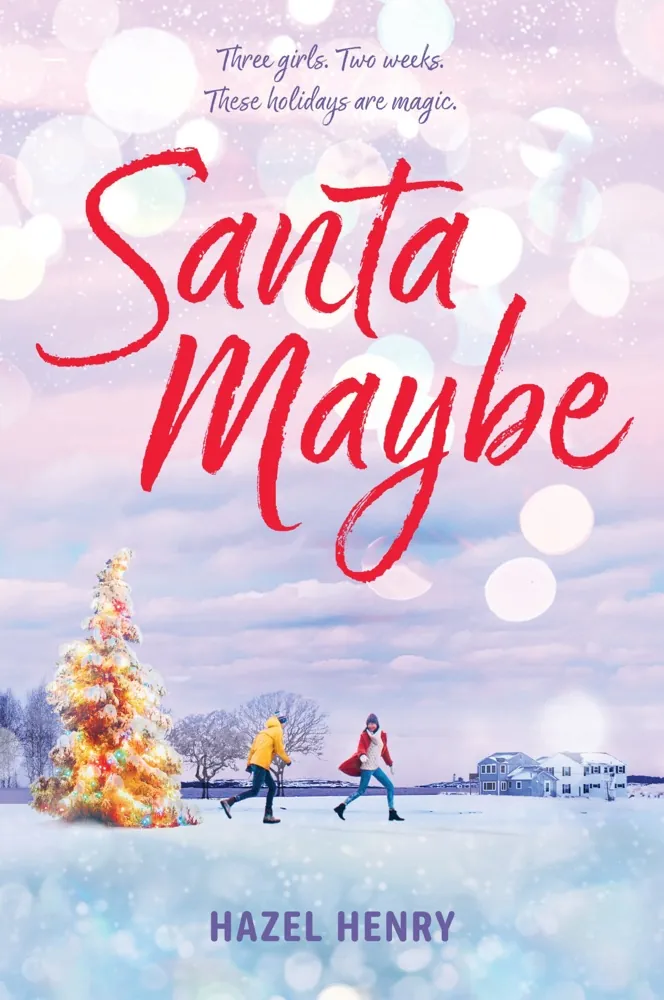

Author: Hazel HenryPage Count: UnknownPublication Date: Expected publication 2026-10-06 APL A Christmas romance that promises to be as warm and fuzzy as a Hallmark movie — how trite. Santa Maybe by Hazel Henry is the latest addition to the Holliday Girls series, a tale of three girls, two weeks, and a whole lot of festive feels. But beneath the sparkly surface, what secrets lie in wait? The premise is deceptively simple: Daisy, Georgia, and Eden, three sisters navigating love, loss, and self-discovery against the backdrop of a quaint Rhode Island town's annual Christmas festival. Yet, it's precisely this simplicity that raises red flags. Where's the depth? The complexity? The nuance? It's all a bit too... neat. A bit too... predictable. Like a made-for-TV movie, minus the edginess. Take Daisy, for instance. She's pining for Owen, and we're expected to buy into their will-they-won't-they dynamic. But what about the emotional labor that goes into maintaining such a relationship? The power struggles, the compromises, the messy, imperfect bits? Do we get any of that? Or is it just a glossy, Instagram-perfect romance? And then there's Georgia, ready for a fresh start, but is she brave enough to put herself first? Ah, the age-old conundrum of the female protagonist: to prioritize oneself or to prioritize others. It's a tired trope, one that's been done to death by authors like Jenny Han and Elin Hilderbrand. Can Henry bring something new to the table, or will it be more of the same old, same old? But what truly sets my teeth on edge is the setting: a charming Rhode Island town, straight out of a Hallmark movie. How quaint. How... sanitized. Where's the grit? The grime? The imperfections that make a place truly come alive? It's all a bit too... Disney-fied. And yet, despite my reservations, I'll admit that there's something undeniably alluring about Santa Maybe. Perhaps it's the promise of a feel-good, escapist read, perfect for curling up by the fire with a cup of hot cocoa. Or perhaps it's the prospect of getting to know the Holliday girls, with all their quirks and flaws. Whatever the reason, I'll be keeping a watchful eye on this one. As I sit here, sipping my champagne and adjusting my diamond-encrusted reading glasses, I'm reminded of the infamous Ishtar debacle — a movie so catastrophically bad, it became a cult classic. Will Santa Maybe follow suit, or will it rise above the fray? Only time will tell. But for now, I have more pressing matters to attend to. I need to approve the final guest list for my publisher's soirée, and I still have to decide on the perfect canapés to serve. Santa Maybe will have to wait... for now. #ChristmasRomance #HallmarkMovie #HollidayGirls Related InsightsBook of Night Book Review and Summary It Book Review and Summary City of Last Chances Book Review and Summary{ "@context": "https://schema.org", "@type": "FAQPage", "mainEntity": [ { "@type": "Question", "name": "What is the main focus of Santa Maybe (The Holliday Girls, 2) Book Review and Summary?", "acceptedAnswer": { "@type": "Answer", "text": "Everything you need to know about Santa Maybe (The Holliday Girls, 2) with our detailed review." } }, { "@type": "Question", "name": "Who authored the comprehensive guide on Santa Maybe (The Holliday Girls, 2) Book Review and Summary?", "acceptedAnswer": { "@type": "Answer", "text": "This detailed article and its insights were carefully researched and authored by Emma Thompson." } }, { "@type": "Question", "name": "Where can I find more related content about Books?", "acceptedAnswer": { "@type": "Answer", "text": "You can explore more articles, detailed reviews, and similar insights by browsing the Related Insights section at the bottom of this article or visiting our dedicated Books category page." } } ] }

Author: Gabriel BumpPage Count: UnknownPublication Date: Expected publication 2026-11-10 APL A geographical cure, really? That's the best they've got? I'm not sure if I'm more amused or appalled by the notion that a change of scenery can somehow magically fix the deep-seated issues that plague our protagonist, David. And yet, as I read through the synopsis of Gabriel Bump's Don't Stop Snowing, I find myself drawn to the quiet desperation that permeates this narrative. The Inheritance of Chaos It's clear that David is struggling to come to terms with his own troubled past, and the fact that his parents are at a loss for how to help him only serves to underscore the sense of disconnection that pervades this story. The suggestion that a relocation might be the key to unlocking some sort of healing process is, at best, a simplistic solution to a complex problem. But perhaps that's the point – perhaps Bump is highlighting the ways in which we often grasp at straws in our attempts to find meaning and purpose in our lives. As David finds himself in the unlikeliest of places – snowy, grey Buffalo – he's forced to confront the fact that his cousin Flip's life is even more unsteady than his own. The image of David being enlisted to take care of Flip, to fill in for him at his job, is a powerful one – it's a testament to the ways in which we often find ourselves shouldering the burdens of those around us, even as we struggle to come to terms with our own demons. The Weight of Inheritance There's a sense, too, that Bump is exploring the idea that our psyches are not our own – that we inherit not just our eye, hair, and skin color from our parents, but also their complicated, messy emotions. It's a notion that's both terrifying and liberating, and one that I suspect will be a major theme throughout this narrative. But what really draws me to this story is the way in which Bump seems to be embracing the absurdity of life. The image of David falling into a new life, a new way of seeing the world, is a powerful one – it's a testament to the ways in which we can find meaning and purpose in the most unlikely of places. And yet, as I read through the synopsis, I find myself wondering – what's the real story here? What's the narrative that's being obscured by the surface-level details? The vagueness of the synopsis is frustrating, to say the least – I want to know more about David's past, about the ways in which his parents are struggling to connect with him. But perhaps that's the point – perhaps Bump is deliberately obscuring the details in order to focus on the emotional resonance of the story. Perhaps the real narrative is not about the specifics of David's past, but about the ways in which he's struggling to come to terms with his own emotions. The Geography of the Soul As I think about it, I realize that I was wrong to dismiss the idea of a geographical cure out of hand. Perhaps the idea that a change of scenery can somehow fix our deep-seated issues is not so ridiculous after all – perhaps it's a testament to the ways in which our surroundings can shape our emotions, our perceptions of the world. But I'm still not convinced – I think there's more to this story than meets the eye. I think Bump is using the idea of a geographical cure as a metaphor for something deeper, something more profound. And that's what draws me to this narrative – the sense that there's something more going on beneath the surface. The sense that Bump is exploring the complexities of the human psyche in a way that's both nuanced and profound. Oh, wait – I just realized I need to patch a hole in my favorite tweed jacket. #literaryfiction #geographicalcure #bookreview Related InsightsThe Haunting of Hill House Book Review and Summary Tempted Book Review and Summary The Foreign Correspondent's Wife Book Review and Summary{ "@context": "https://schema.org", "@type": "FAQPage", "mainEntity": [ { "@type": "Question", "name": "What is the main focus of Don't Stop Snowing Book Review and Summary?", "acceptedAnswer": { "@type": "Answer", "text": "Everything you need to know about Don't Stop Snowing with our detailed review." } }, { "@type": "Question", "name": "Who authored the comprehensive guide on Don't Stop Snowing Book Review and Summary?", "acceptedAnswer": { "@type": "Answer", "text": "This detailed article and its insights were carefully researched and authored by Marco Conti." } }, { "@type": "Question", "name": "Where can I find more related content about Books?", "acceptedAnswer": { "@type": "Answer", "text": "You can explore more articles, detailed reviews, and similar insights by browsing the Related Insights section at the bottom of this article or visiting our dedicated Books category page." } } ] }

-
 Elena Volkova
 - 22 Aug, 2026 05:12
Solo and Together: Charles and Anne Morrow Lindbergh, an Enigmatic Life and Marriage Book Review and Summary
Author: James R. HansenPage Count: UnknownPublication Date: Expected publication 2026-11-10 APL Solo and Together promises to be an explosive exposé of one of the 20th century's most enigmatic power couples – Charles and Anne Morrow Lindbergh. But, as I scan the synopsis, I'm left wondering: will this be another tawdry tell-all or a genuinely incisive character study? The Lindberghs' lives are a veritable goldmine of drama – the historic transatlantic flight, the kidnapping and murder of their first child, Charles's secret life, and Anne's own private struggles – yet Hansen's approach seems curiously... vague. What exactly does Hansen mean by "groundbreaking archival research"? Are we talking about some long-buried cache of Lindbergh family documents or simply a rehashing of existing biographies? And those "intimate interviews with family members"? How intimate, exactly? The Lindberghs were notorious for their reserve; I highly doubt they'd open up to just anyone. Still, I suppose it's possible Hansen has managed to coax some juicy revelations out of the family – after all, the man did write First Man, that gripping Neil Armstrong biography. As for the Lindberghs themselves, I'm intrigued by the promise of a "deeply human portrait." It's about time someone shed some light on Anne Morrow Lindbergh's own struggles and desires – her literary achievements are often overshadowed by her husband's derring-do. And Charles, of course, remains an enigma – a brilliant aviator with a disturbingly isolationist streak. His secret life, with its three European women and seven children, sounds like the stuff of a particularly salacious novel. But will Hansen manage to balance the Lindberghs' personal dramas with their larger historical significance? Or will this be another biography that prioritizes sensationalism over substance? I'm reminded of Erik Larson's The Devil in the White City, which similarly explored the intersection of personal and historical drama. If Hansen can pull off something similar, Solo and Together might just be a compelling read. Still, I'm not holding my breath. The synopsis reeks of that familiar, overhyped "must-read" quality – you know, the kind of book that's touted as a "definitive account" before it's even hit the shelves. I've seen it before, and I'll see it again. If Hansen can deliver something genuinely insightful, something that challenges our assumptions about the Lindberghs and their place in history, then maybe – just maybe – Solo and Together will be worth reading. For now, I'll reserve judgment. I have more pressing concerns – like piecing together this shattered vase before anyone notices. #Lindbergh #Biography #HistoricalDrama Related InsightsThe Misfit Caravan (The Tarot Sequence, #4) Book Review and Summary The Poppy War / The Dragon Republic / The Burning God Book Review and Summary The Twelve Loves of Christmas: An Advent Romance Collection Book Review and Summary{ "@context": "https://schema.org", "@type": "FAQPage", "mainEntity": [ { "@type": "Question", "name": "What is the main focus of Solo and Together: Charles and Anne Morrow Lindbergh, an Enigmatic Life and Marriage Book Review and Summary?", "acceptedAnswer": { "@type": "Answer", "text": "Everything you need to know about Solo and Together: Charles and Anne Morrow Lindbergh, an Enigmatic Life and Marriage with our detailed review." } }, { "@type": "Question", "name": "Who authored the comprehensive guide on Solo and Together: Charles and Anne Morrow Lindbergh, an Enigmatic Life and Marriage Book Review and Summary?", "acceptedAnswer": { "@type": "Answer", "text": "This detailed article and its insights were carefully researched and authored by Elena Volkova." } }, { "@type": "Question", "name": "Where can I find more related content about Books?", "acceptedAnswer": { "@type": "Answer", "text": "You can explore more articles, detailed reviews, and similar insights by browsing the Related Insights section at the bottom of this article or visiting our dedicated Books category page." } } ] }

Author: Erika LustPage Count: UnknownPublication Date: Expected publication 2026-10-13 APL The rooftop’s foghorn of a breeze carries the scent of truffle-infused air and the faintest whiff of something electric—like the moment before a live feed cuts to static, the kind of pause that makes you wonder if the artist even knew they were holding your attention. Lust arrives like that: a manifesto disguised as memoir, a book that promises to dismantle the porn industry’s reputation with the precision of a scalpel and the flair of a tabloid headline. Erika Lust’s project here isn’t just to rewrite the rules of adult filmmaking—it’s to prove that the most radical feminism isn’t about burning down the old system, but about making it better, or at least less toxic than the alternative. Which, given the current state of sexual politics, is a low bar to clear. The synopsis does what it should: it sells the idea of a counter-narrative, the kind of book that will make puritanical critics clutch their pearls while also earning the grudging respect of anyone who’s ever watched a feminist porn film and wondered, Is this really changing anything? Lust’s argument—that porn isn’t the problem, but a reflection of it—isn’t exactly groundbreaking. It’s the same tired refrain as The Pornography Problem (1981) by Andrea Dworkin, only with more Swedish charm and a production company to back it up. But where Dworkin’s work felt like a sermon, Lust’s sounds like a negotiation. She’s not here to shame; she’s here to renegotiate. And that’s where the real tension lies. The casting of performers as collaborators, the emphasis on consent as a process rather than a checkbox—these are the kind of details that make the book feel less like a manifesto and more like a blueprint. But here’s the thing: blueprints are only as good as the hands that build them. And if we’re being honest, the adult industry has a long history of treating its own blueprints like afterthoughts. The synopsis mentions “the passion and chaos of making art about sex,” which is either a brilliant way to frame the creative process or a thinly veiled apology for the fact that even the most ethical porn studio is still, at its core, a business. And businesses, as we’ve seen with the recent collapse of OnlyFans’ algorithmic ethics, are not exactly known for their commitment to radical transparency. Lust’s rejection of censorship is a smart move—because censorship, as we all know, is just the first step toward creating a black market of its own. But the book’s real strength, if it lives up to its promise, will be in its ability to hold up a mirror to the broader cultural anxieties around sex. The way Lust frames pleasure as a right rather than a privilege is refreshing, but it also risks sounding like a corporate PR statement unless she can tie it to something more concrete. Where’s the reckoning with the fact that even the most “ethical” porn still operates within a system that commodifies desire? Where’s the discussion of how these films are received by audiences who aren’t just looking for escapism, but for validation? The synopsis hints at this, but it’s all so abstract—like a love letter to a stranger you’ve never met. And then there’s the matter of the tone. Lust’s voice in the synopsis is confident, almost defiant, but there’s a danger in assuming that defiance alone will be enough. Consider the recent backlash against Barbie’s sexual politics—how quickly a film that dared to center female desire could be reduced to a meme about “woke capitalism.” Lust’s book risks the same fate unless it can prove that its ethics aren’t just performative, but structural. Because let’s be clear: the adult industry has been trying to “ethicalize” itself for decades, and look how that turned out. The only thing worse than a porn studio that doesn’t care about consent is one that thinks it does. I’ll take that with a mountain of salt. The book’s greatest sin, if it’s to be one, will be its vagueness. The synopsis reads like a pitch for a TED Talk rather than a literary work, which is fine if you’re aiming for a bestseller, but if Lust wants to be taken seriously as a critic, she’ll need to do more than just talk about the problems—she’ll need to show how they’re solved. And that requires more than just a few anecdotes about casting and consent talks. It requires a reckoning with the fact that even the most “ethical” porn is still a product of a culture that treats sex as either a taboo or a commodity. Until she can bridge that gap, Lust will remain what it is now: a promising idea, not yet a manifesto. Which is why I must fire the ghostwriter who turned my vision of a searing critique into a series of bullet points. They clearly missed the point entirely—this isn’t about what Lust says, but how she says it. And if they can’t handle the difference between a manifesto and a manifesto-lite, then they’re not worth the paper they’re not on. #FeministPorn #EthicalIndustry #SexPositive #ManifestosThatMissTheMark #GhostwriterFail Related Insights'Die stille Revolution: Wie Noise-Cancelling-Kopfhörer die Welt zum Verstummen bringen' Uglies Book Review and Summary Sheever's Journal, Diary of a Poison Master Book Review and Summary{ "@context": "https://schema.org", "@type": "FAQPage", "mainEntity": [ { "@type": "Question", "name": "What is the main focus of Lust: Pleasure, Performance, Power Book Review and Summary?", "acceptedAnswer": { "@type": "Answer", "text": "Everything you need to know about Lust: Pleasure, Performance, Power with our detailed review." } }, { "@type": "Question", "name": "Who authored the comprehensive guide on Lust: Pleasure, Performance, Power Book Review and Summary?", "acceptedAnswer": { "@type": "Answer", "text": "This detailed article and its insights were carefully researched and authored by Lucia Garcia." } }, { "@type": "Question", "name": "Where can I find more related content about Books?", "acceptedAnswer": { "@type": "Answer", "text": "You can explore more articles, detailed reviews, and similar insights by browsing the Related Insights section at the bottom of this article or visiting our dedicated Books category page." } } ] }
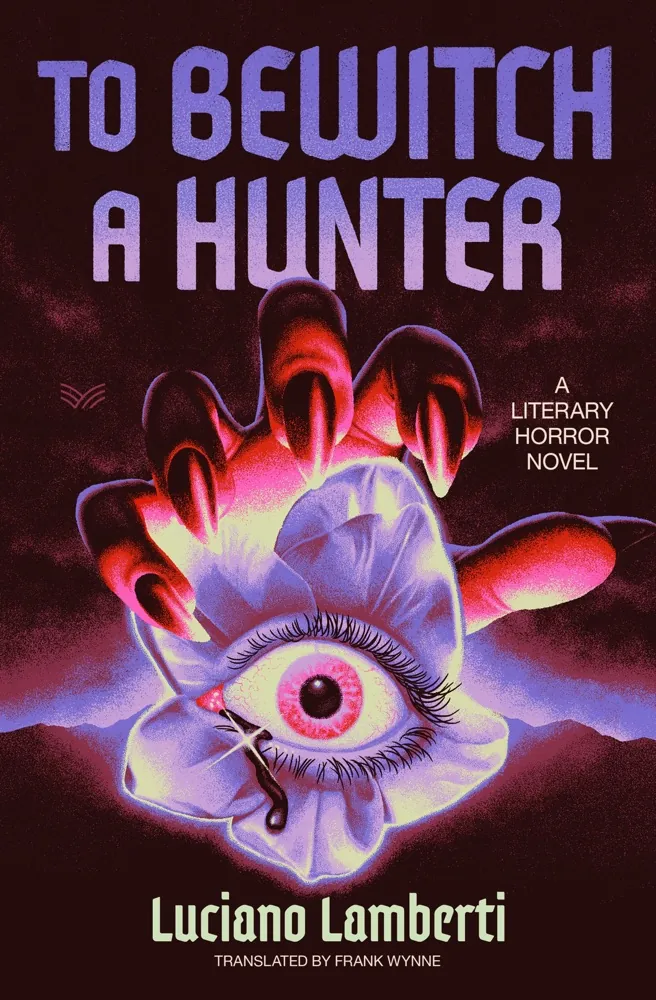
Author: Luciano LambertiPage Count: UnknownPublication Date: Expected publication 2026-10-13 APL The exhausting world outside my window seems to be suffocating me today, its bleakness seeping into my pores, weighing me down. And yet, it's on days like these that I find solace in the darker corners of literature. To Bewitch a Hunter, Luciano Lamberti's latest offering, seems to be just the thing to match my somber mood. This Argentinean novel, winner of the prestigious Premio Clarín, promises a terrifying odyssey into the dark years of dictatorship and a family's descent into the depths of human depravity. As I read through the synopsis, I'm struck by the eerie echoes of Pet Sematary and Tender is the Flesh, two books that expertly wove together the threads of psychological horror and the supernatural. Lamberti's work, too, appears to be a masterful exploration of the darkest recesses of the human heart. The story begins with Julia Ruiz, an adopted woman whose life is turned upside down by the enigmatic Griselda, who claims to be her real grandmother. The encounter sets off a chain reaction of events that hurtles Julia into a world of hallucinations, blood sacrifice, and unspeakable terror. But what draws me to this book is not just its promise of a spine-tingling narrative; it's the way it seems to tap into the collective psyche of a nation still reeling from the aftermath of dictatorship. The dark years of Argentina's history, with their attendant disappearances and bloodshed, are a fertile ground for horror, and Lamberti appears to have cultivated this soil with a deft hand. The character of Griselda, in particular, fascinates me – a woman driven by love and desperation to make a pact with a terror beyond comprehension. Her story, intertwined with that of the Lara family, seems to be a powerful exploration of the human condition, with all its attendant complexities and contradictions. And yet, as I read through the synopsis, I find myself wondering – what lies at the heart of this novel? Is it a straightforward tale of horror, or is there something more nuanced at play? The vagueness of the synopsis is both intriguing and frustrating, leaving me with more questions than answers. But perhaps that's the point – to draw me in, to make me want to unravel the mystery that lies at the heart of To Bewitch a Hunter. The Unraveling But, I must confess, my initial enthusiasm is tempered by a growing sense of unease. As I think about it more, I realize that my earlier comparison to Pet Sematary and Tender is the Flesh might be a bit of a stretch. Lamberti's work, after all, is a product of a different cultural context, one that is uniquely Argentinean. Perhaps, I'm projecting my own expectations onto the book, rather than allowing it to speak for itself. Literally. The more I think about it, the more I'm convinced that To Bewitch a Hunter is going to be a game-changer. It's a book that will push the boundaries of horror, that will challenge my assumptions and leave me breathless. Or, it could be a crushing disappointment, a book that fails to live up to its promise. Either way, I'm willing to take the risk. Ugh, I have to go – my teenage son's driving lesson awaits. #horrorfiction #argentineanliterature #darkfantasy Related InsightsThank You for Remembering: A Novel Book Review and Summary Millennium Vol. 1: The Girl With The Dragon Tattoo Book Review and Summary Last Guard Book Review and Summary{ "@context": "https://schema.org", "@type": "FAQPage", "mainEntity": [ { "@type": "Question", "name": "What is the main focus of To Bewitch a Hunter Book Review and Summary?", "acceptedAnswer": { "@type": "Answer", "text": "Everything you need to know about To Bewitch a Hunter with our detailed review." } }, { "@type": "Question", "name": "Who authored the comprehensive guide on To Bewitch a Hunter Book Review and Summary?", "acceptedAnswer": { "@type": "Answer", "text": "This detailed article and its insights were carefully researched and authored by Victoria Smith." } }, { "@type": "Question", "name": "Where can I find more related content about Books?", "acceptedAnswer": { "@type": "Answer", "text": "You can explore more articles, detailed reviews, and similar insights by browsing the Related Insights section at the bottom of this article or visiting our dedicated Books category page." } } ] }
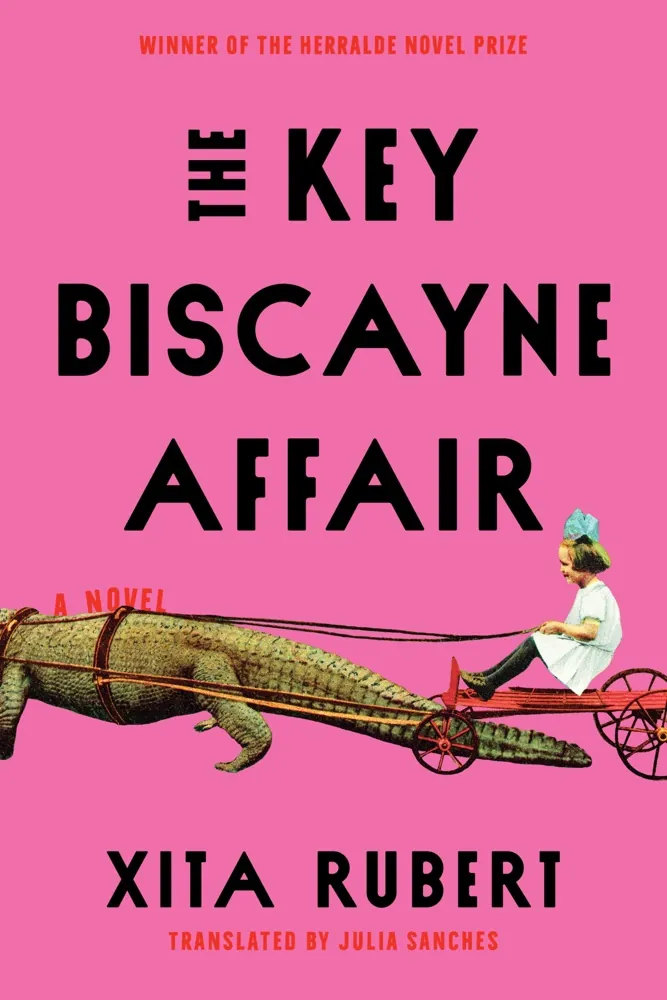
Author: Xita RubertPage Count: UnknownPublication Date: Expected publication 2026-11-10 APL As I gaze out at the European countryside whizzing by, the words of The Key Biscayne Affair linger in my mind like the faint scent of cigarette smoke on a stranger's jacket. A darkly funny coming-of-age novel, we're told, where Florida's sun-drenched strangeness meets the dangers of derelict parenting and misplaced devotion. But what does that even mean? Is it a scathing critique of the wealthy elite, or a tender exploration of the fragility of childhood? Or perhaps it's something in between—a morally ambiguous world where the lines between right and wrong are blurred like the horizon on a humid summer day. The setup, at least, sounds intriguing: an eccentric Spanish philosophy professor, a custody battle, and two children thrust into the midst of a glittering social scene on a gated island off the coast of Miami. I can almost see the pastel-colored mansions, the manicured lawns, and the stifling sense of entitlement that comes with them. But it's the unnamed, unreliable narrator who really catches my attention—a girl drawn into the island's morally ambiguous world, her innocence at risk, as she becomes both witness and accomplice to her father's erratic behavior. It's a classic trope, of course—the corrupting influence of wealth and privilege—but one that never gets old, especially when done well. And then, of course, there's the father himself—a man so charismatic, so recklessly devoted to his own desires, that he's willing to isolate his children from their concerned mother. It's a familiar figure, this—the charismatic, self-absorbed patriarch who wreaks havoc on those around him. I think of the fathers in Donna Tartt's novels, or the toxic masculinity that pervades the works of Ottessa Moshfegh. But what sets The Key Biscayne Affair apart, I wonder? Is it the unique blend of Spanish philosophy and Floridian excess? The way the author, Xita Rubert, weaves together themes of childhood, memory, and the dangers of unchecked privilege? I find myself thinking of the recent trend of "dark academia" novels, where the rarefied world of higher learning is turned on its head to reveal the rot and corruption beneath. Is The Key Biscayne Affair a part of this trend, or does it subvert it in some way? I'm not entirely sure, and that's what makes me so curious. But what I do know is that this novel has the potential to be something truly special—a powerful meditation on childhood, memory, and the knotty truths that we leave behind. It's a book that could linger in my mind long after I finish reading it, like the faint scent of cigarette smoke on a stranger's jacket. And yet, I'm not entirely convinced. There's something about the synopsis that feels vague, something that makes me wonder if the book will live up to its promise. Is it just a clever marketing ploy, or is there real substance beneath the surface? I suppose only time will tell. — Ah, but I'm getting ahead of myself. The truth is, I have no idea what The Key Biscayne Affair is really about, beyond the vague hints and suggestions in the synopsis. And that's what makes me so eager to read it. I need to go break up a wrestling match in the living room. #TheKeyBiscayneAffair #ComingOfAge #DarkAcademia Related InsightsThe First Flame (The Aerimander Chronicles #2) Book Review and Summary Night Tide (Night Tide, #1) Book Review and Summary Dawn of Labor Book Review and Summary{ "@context": "https://schema.org", "@type": "FAQPage", "mainEntity": [ { "@type": "Question", "name": "What is the main focus of The Key Biscayne Affair: A Novel Book Review and Summary?", "acceptedAnswer": { "@type": "Answer", "text": "Everything you need to know about The Key Biscayne Affair: A Novel with our detailed review." } }, { "@type": "Question", "name": "Who authored the comprehensive guide on The Key Biscayne Affair: A Novel Book Review and Summary?", "acceptedAnswer": { "@type": "Answer", "text": "This detailed article and its insights were carefully researched and authored by Irina Ivanova." } }, { "@type": "Question", "name": "Where can I find more related content about Books?", "acceptedAnswer": { "@type": "Answer", "text": "You can explore more articles, detailed reviews, and similar insights by browsing the Related Insights section at the bottom of this article or visiting our dedicated Books category page." } } ] }
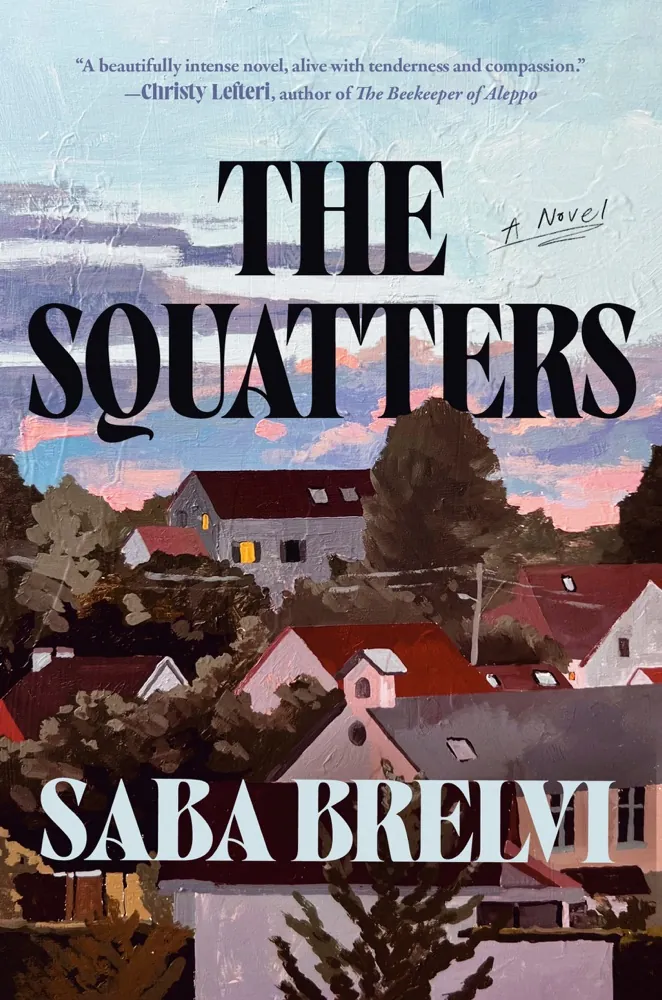

Author: Saba BrelviPage Count: UnknownPublication Date: Expected publication 2026-11-10 APL The Squatters, Saba Brelvi's debut novel, promises to be a thought-provoking exploration of the complexities of motherhood, migration, and the human condition. Set in the quiet, affluent area of Surrey, just outside of London, the story revolves around Dalia Waheed, a second-generation immigrant who feels like an outsider in her own community. Her chance encounter with Hajira, a pregnant refugee, sets off a chain of events that forces Dalia to confront the harsh realities of the world around her. As I delve into the synopsis, I'm struck by the sense of unease that permeates the narrative. Dalia's decision to help Hajira find alternative housing seems like a simple act of kindness, but it quickly spirals into a political firestorm that threatens to upend her entire life. This dichotomy between intention and consequence is a powerful theme that resonates deeply in today's world. But what truly sets The Squatters apart is its unflinching portrayal of the refugee experience. In an era where xenophobia and nationalism are on the rise, Brelvi's novel offers a much-needed counter-narrative. By humanizing the struggles of refugees like Hajira, the author sheds light on the often-overlooked faces of the crisis. And yet, despite the synopsis's emphasis on the refugee experience, I'm left wondering about the character of Dalia herself. What drives her to take such a risk? Is she motivated by a sense of guilt, a desire to prove herself, or something more complex? The vagueness surrounding her character is both intriguing and frustrating, leaving me with more questions than answers. As I ponder the themes and characters of The Squatters, I'm reminded of the works of authors like Patmeena Sabit and Leila Aboulela, who have also explored the complexities of identity and belonging in their writing. Brelvi's novel seems to occupy a similar space, one that is both deeply personal and universally relatable. But just as I'm about to praise the synopsis for its thought-provoking themes, I'm struck by the realization that I'm reading into the narrative far more than I should. The truth is, I know very little about The Squatters beyond its synopsis. Don't hold your breath. And yet, despite this uncertainty, I'm drawn to the novel's promise of a gripping, unflinching narrative. There's something about the way Brelvi weaves together the threads of motherhood, migration, and identity that feels both timely and timeless. As I sit here, surrounded by the cramped, cluttered space of my shared apartment, I'm reminded of the power of literature to challenge our assumptions and broaden our perspectives. The Squatters may be a novel about the refugee experience, but it's also a story about the human condition – our frailties, our illusions, and our capacity for moral courage. But what does it mean to critique a book in today's world? Is it enough to simply analyze the themes and characters, or do we need to consider the broader cultural context in which the novel is being published? As I ponder these questions, I'm struck by the realization that modern critique is in a state of crisis. We're more focused on clickbait headlines and Twitter soundbites than on truly engaging with the literature itself. Perhaps it's time for us to rethink our approach to critique, to move beyond the superficial and engage with the complexities of the narrative. The Squatters may be just a novel, but it's also a reflection of our times – a reminder that the stories we tell ourselves about identity, belonging, and humanity are far more complex than we often care to admit. #TheSquatters #SabaBrelvi #RefugeeExperience #Motherhood #Migration #Identity #LiteraryFiction Related InsightsTwo by Two Book Review and Summary The Goldfinch Book Review and Summary Redeemed Book Review and Summary{ "@context": "https://schema.org", "@type": "FAQPage", "mainEntity": [ { "@type": "Question", "name": "What is the main focus of The Squatters: A Novel Book Review and Summary?", "acceptedAnswer": { "@type": "Answer", "text": "Everything you need to know about The Squatters: A Novel with our detailed review." } }, { "@type": "Question", "name": "Who authored the comprehensive guide on The Squatters: A Novel Book Review and Summary?", "acceptedAnswer": { "@type": "Answer", "text": "This detailed article and its insights were carefully researched and authored by Olya Shevchenko." } }, { "@type": "Question", "name": "Where can I find more related content about Books?", "acceptedAnswer": { "@type": "Answer", "text": "You can explore more articles, detailed reviews, and similar insights by browsing the Related Insights section at the bottom of this article or visiting our dedicated Books category page." } } ] }
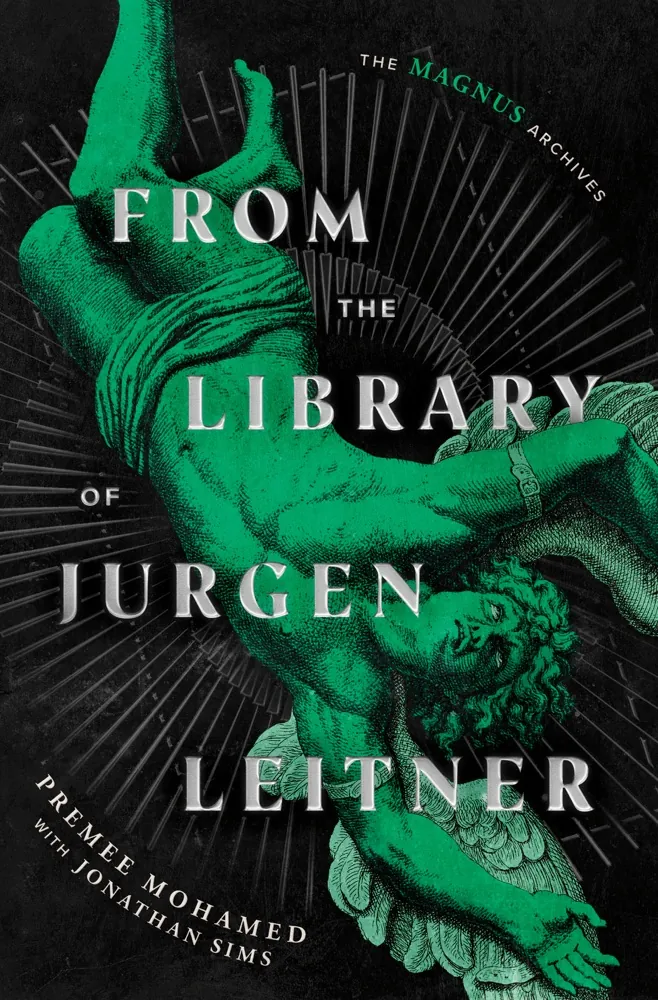

Author: Premee MohamedPage Count: UnknownPublication Date: Expected publication 2026-10-27 APL The air-conditioning in this office is broken again—somehow the humidity outside has seeped through like a bad horror movie plot, and now the synopsis for From the Library of Jurgen Leitner feels like it’s been left in the backseat of a car on a summer afternoon. It’s thick with the kind of dread that doesn’t just lurk in the margins but breathes on the page, like a library book that’s been sitting too long in the stacks. Premee Mohamed and Jonathan Sims—two names that already carry the weight of The Magnus Archives’ slow-burn cosmic horror—have crafted something that smells like old parchment and bad decisions, the kind of thing that makes you wonder if you should’ve stayed in bed with the AC blasting instead of reading this. The premise is deliciously vague, which is either a genius move or a sign that the authors are playing a long game with the reader’s patience. Hugh Franklin and Sebastian Everett—two men who, despite working in the same cursed institution decades apart, are bound by forces they don’t yet understand. One is a translator, the other an acquisition specialist, both drawn to the library like moths to a flame that isn’t quite real. The books themselves aren’t just dangerous—they’re alive, and not in the cozy, Practical Magic way. There’s a starving cookbook. A scroll that breezes. A hardback that demands you dig, dig, dig—like something out of a Lovecraftian fever dream, but with the kind of bureaucratic precision that makes you think of The Library of Babel meets The Terror. And yet, the synopsis doesn’t tell you what happens—it just hints, like a librarian who’s already seen too much and doesn’t want to look at you too long. The real hook here is the structure. Parallel timelines, two men who never meet but are inextricably linked by the library’s rules—it’s the kind of narrative trick that works best when it feels inevitable, like the way a bad dream loops back on itself. But the synopsis doesn’t give you enough to grab onto. Where’s the payoff? Is this a slow descent into madness, like Annihilation’s cosmic horror, or is it something more personal, like The Fisherman’s quiet dread? The way it’s framed—“free, these books are more than simply unnerving—they’re deadly”—suggests a tone that’s equal parts Lovecraftian and folk horror, the kind of thing that would make The Witch’s atmosphere feel like a Sunday afternoon tea party by comparison. But without more detail, it’s hard to tell if this is going to be a House of Leaves-style labyrinth or a Mexican Gothic-style slow burn. And then there’s the character work. Hugh Franklin, the translator, sounds like the kind of guy who’s spent too long in archives, his skills honed by books that don’t just teach but corrupt. Sebastian Everett, the acquisition specialist, is the kind of character who’d make The Magnus Archives’ own Elias Ash look like a choirboy—arcane ambitions, a willingness to pretend, a job that’s more about survival than scholarship. The way their stories are woven together, decades apart, feels like it’s borrowing from The Haunting of Hill House’s temporal play, but with the cosmic weight of The Only Good Indians. The question is: are they victims, or are they complicit? The synopsis doesn’t say, and that’s the kind of ambiguity that either makes or breaks a horror novel. The biggest risk here is that the vagueness becomes too much. If this is going to work, it needs to pull the reader in with the kind of specificity that makes you feel the weight of the library’s rules. Right now, it’s all implied—the deadliness of the books, the library’s true nature, the fate of Hugh and Sebastian—but without more, it’s easy to imagine this becoming the literary equivalent of a Twilight Zone episode that never lands. Compare it to The Fisherman or The Only Good Indians, and you can see the potential, but without that sharp focus, it might just feel like a really expensive haunted house attraction. And then there’s the summer factor. August in this office is oppressive, the kind of heat that makes you want to curl up with something that’s equal parts chilling and escapist. This synopsis has that potential—if it delivers on the promise of a library that’s not just a setting but a character, one that’s as alive and breathing as the books it contains. But right now, it’s just hinting, like a librarian who’s already seen too much and doesn’t want to look at you too long. The draft on my screen is starting to blur from the heat, and I can’t tell if that’s the AC or the way the synopsis is making my skin prickle. Either way, I’ll be watching for this one—if it lives up to the promise of The Magnus Archives and Mohamed’s own Nebula-winning chops, it could be the kind of horror that sticks with you like a book you can’t put down, even if you know it’s going to ruin you. But if it’s just another cosmic horror with too many loose ends, it’ll end up like a half-read book on a summer night, left in the sun to warp. #horror #bookstagram #cosmichorror #premeemohamed #libraryhorror Related InsightsWatching you Book Review and Summary The Portrait of a Lady Book Review and Summary The Squatters: A Novel Book Review and Summary{ "@context": "https://schema.org", "@type": "FAQPage", "mainEntity": [ { "@type": "Question", "name": "What is the main focus of From the Library of Jurgen Leitner Book Review and Summary?", "acceptedAnswer": { "@type": "Answer", "text": "Everything you need to know about From the Library of Jurgen Leitner with our detailed review." } }, { "@type": "Question", "name": "Who authored the comprehensive guide on From the Library of Jurgen Leitner Book Review and Summary?", "acceptedAnswer": { "@type": "Answer", "text": "This detailed article and its insights were carefully researched and authored by Beatriz Costa." } }, { "@type": "Question", "name": "Where can I find more related content about Books?", "acceptedAnswer": { "@type": "Answer", "text": "You can explore more articles, detailed reviews, and similar insights by browsing the Related Insights section at the bottom of this article or visiting our dedicated Books category page." } } ] }
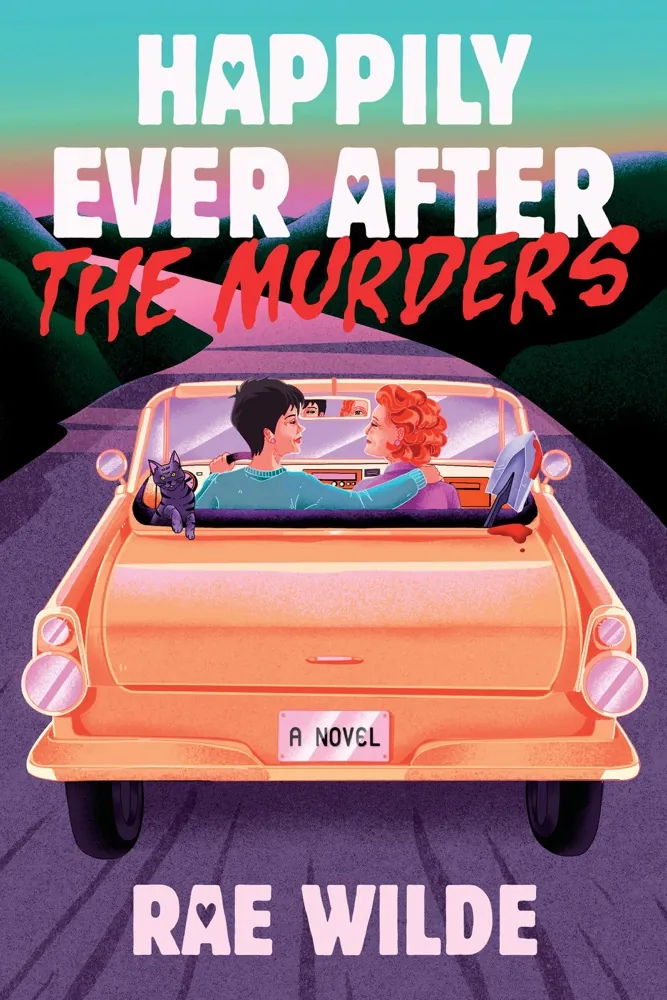
Author: Rae WildePage Count: UnknownPublication Date: Expected publication 2026-11-03 APL Two elderly women, Ida and Jean, on the run for a double murder they committed four decades ago – this is the stuff of which dark, twisted fairy tales are made. And yet, Rae Wilde's Happily Ever After the Murders promises to be so much more than that. A mashup of The Golden Girls, Bonnie and Clyde, and Thelma and Louise, this novel seems to be a wildly entertaining, genre-bending romp through the American heartland. But what's really at the heart of this story? Is it the cat-and-mouse game between Ida and Jean and the detective hot on their heels? Or is it something deeper – a commentary on the societal expectations that have held these two women back for so long? The fact that they're a lesbian couple, forced to keep their relationship a secret for fear of ostracism, adds a layer of poignancy to their tale. It's a reminder that, even in the 1990s, there were still so many barriers to overcome. And then, of course, there's the fact that they're on the run – a scenario that's both thrilling and terrifying. I'm reminded of the film Thelma and Louise, in which two women embark on a similarly ill-fated road trip. But whereas that movie was a commentary on the toxic masculinity that can drive women to desperation, Happily Ever After the Murders seems to be more about the power of female friendship and the unbreakable bonds between two women who've been through hell together. But I'm getting ahead of myself. The real question is – can Wilde pull off this ambitious, genre-bending narrative? Can she balance the dark humor and wit with the deeper themes and emotions? I think she can. I think she's going to create a novel that's both a wildly entertaining page-turner and a powerful commentary on the human condition. And yet...I'm also reminded of another book, one that promised the world but ultimately fell flat. The Girls by Emma Cline – remember that one? It was supposed to be this big, sweeping novel about female friendship and the darker side of human nature. But in the end, it just felt like a bunch of shallow, pretentious navel-gazing. I'm hoping that Happily Ever After the Murders won't suffer the same fate. But I digress. The real test of this novel will be its ability to balance tone and theme. Can Wilde make us laugh and cry and cheer for Ida and Jean, even as we're aware of the darker forces driving them? I think she can. I think she's going to create a novel that's both a wildly entertaining romp and a powerful commentary on the human condition. And speaking of wildly entertaining romps...have you seen that kids' cartoon Adventure Time? I mean, what's up with that show? It's like they took every weird, quirky element from the 1980s and mashed them all together into this bizarre, fantastical world. I mean, I love it, but it's just so...out there. Anyway, I was watching it with my kid the other day, and I started thinking about how it's kind of like Happily Ever After the Murders – both are these wildly entertaining, genre-bending narratives that are also secretly deep and meaningful. But I'm getting off track. The point is – Happily Ever After the Murders has the potential to be a truly great novel. It's got the perfect blend of dark humor, wit, and heart. And if Wilde can pull it off, I think we're in for a real treat. Oh, wait – the baby monitor just illuminated with terrifying activity. #LGBTQ+ #WomenInCrime #RoadTripNovels Related InsightsThe Fellowship of the Ring Book Review and Summary The Dragon Republic Book Review and Summary The Drakon King Book Review and Summary{ "@context": "https://schema.org", "@type": "FAQPage", "mainEntity": [ { "@type": "Question", "name": "What is the main focus of Happily Ever After the Murders Book Review and Summary?", "acceptedAnswer": { "@type": "Answer", "text": "Everything you need to know about Happily Ever After the Murders with our detailed review." } }, { "@type": "Question", "name": "Who authored the comprehensive guide on Happily Ever After the Murders Book Review and Summary?", "acceptedAnswer": { "@type": "Answer", "text": "This detailed article and its insights were carefully researched and authored by Camille Dubois." } }, { "@type": "Question", "name": "Where can I find more related content about Books?", "acceptedAnswer": { "@type": "Answer", "text": "You can explore more articles, detailed reviews, and similar insights by browsing the Related Insights section at the bottom of this article or visiting our dedicated Books category page." } } ] }
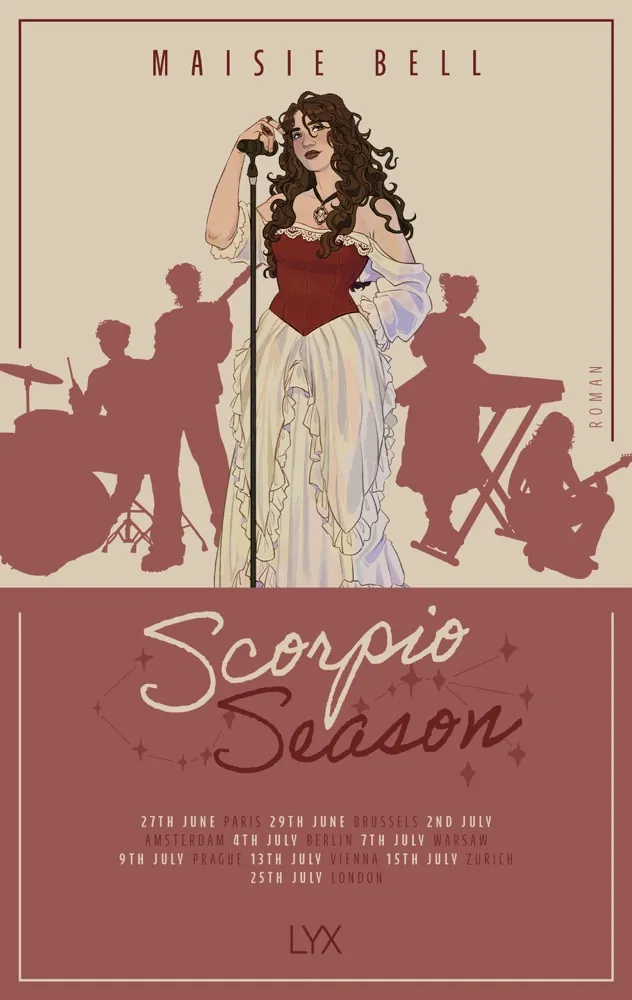

Author: Maisie BellPage Count: UnknownPublication Date: Expected publication 2026-10-20 APL The eternal curse of the queered rockstar romance - will Scorpio Season fall prey to the same tired tropes, or will it shatter the mold with its unapologetic portrayal of Florence Gibson and Luca Walsh's tumultuous relationship? The official synopsis teases a tantalizing premise, but leaves much to be desired in terms of actual plot progression. And yet, that's what makes this book so intriguing - the lacuna of information only serves to heighten our expectations, like the aching silence between two would-be lovers. One can't help but think of the likes of Rainbow Rowell and Taylor Jenkins Reid, who have both mastered the art of crafting relatable, flawed protagonists. Will Maisie Bell follow suit, imbuing Florence and Luca with the same depth and nuance that has come to define the New Adult genre? The fact that the band's success hinges on their ability to keep their past tryst a secret raises all sorts of questions about the performative nature of identity, and the blurred lines between reality and artifice. Can Scorpio Season successfully navigate these complexities, or will it devolve into a clichéd exploration of "forbidden love"? And then, of course, there's the setting - the cramped, sweaty confines of a rock tour bus, where the boundaries between bandmates are constantly being tested. It's a powder keg of emotions, just waiting to be ignited by the spark of Florence and Luca's unresolved tension. But will Bell be able to sustain this tension over the course of the book, or will it fizzle out like a damp squib? Only time will tell. One thing's for certain, though - Scorpio Season is going to be a wild ride, full of all the angst and drama that we've come to expect from the rockstar romance genre. Whether it'll be a worthwhile journey remains to be seen, but one thing's for sure - I'll be keeping a close eye on this one. The queer representation in Scorpio Season is, of course, a major selling point - but will it be more than just a tokenistic gesture, a checkbox on the diversity quota? Can Bell truly capture the essence of queer identity, or will it feel like a shallow attempt to appease the zeitgeist? The fact that Florence and Luca's relationship is already fraught with tension and secrecy raises all sorts of red flags - will their love be able to survive the scrutiny of the public eye, or will it be torn asunder by the pressures of fame? Literally. The more I think about Scorpio Season, the more I'm convinced that it's going to be a game-changer - or, at the very least, a fascinating case study in the perils of queer representation. Whether it'll be a triumphant success or a catastrophic failure remains to be seen, but one thing's for sure - I'll be reading it with bated breath. Ugh, and now my favorite fountain pen has leaked all over my only clean shirt. #queerrepresentationmatters #newadultfiction #rockstarrromance Related InsightsOn Writing: A Memoir of the Craft Book Review and Summary Return to Breakneck Island (The Treasure Hunters Club #2) Book Review and Summary You Don't Need a Smartphone: A Practical Guide to Downgrading Your Phone and Upgrading Your Life Book Review and Summary{ "@context": "https://schema.org", "@type": "FAQPage", "mainEntity": [ { "@type": "Question", "name": "What is the main focus of Scorpio Season Book Review and Summary?", "acceptedAnswer": { "@type": "Answer", "text": "Everything you need to know about Scorpio Season with our detailed review." } }, { "@type": "Question", "name": "Who authored the comprehensive guide on Scorpio Season Book Review and Summary?", "acceptedAnswer": { "@type": "Answer", "text": "This detailed article and its insights were carefully researched and authored by Thomas Wright." } }, { "@type": "Question", "name": "Where can I find more related content about Books?", "acceptedAnswer": { "@type": "Answer", "text": "You can explore more articles, detailed reviews, and similar insights by browsing the Related Insights section at the bottom of this article or visiting our dedicated Books category page." } } ] }

Author: Kayla MariaPage Count: UnknownPublication Date: Expected publication 2026 APL The seductive promise of How to Get the Girl—a romance novel that whispers secrets of the woods, of unyielding desire, and of the untamed thrill of the unknown. Yet, as I sit here, sipping coffee and staring at the synopsis, I find myself underwhelmed by the vagueness of it all. What exactly does "kinky fantasies" entail? Is it a genuine exploration of the human psyche, or a shallow attempt to titillate and provoke? And then, of course, there's the obligatory mention of a "thrilling journey" and a "captivating tale." Phrases that have been beaten to death by the romance genre, leaving me to wonder if How to Get the Girl will truly deliver on its promises. Will it be a nuanced exploration of love and desire, or a shallow, predictable romp through the woods? As I ponder these questions, my mind wanders to the works of Anaïs Nin, who wrote with such unflinching honesty about the complexities of human desire. Can How to Get the Girl possibly live up to the standards set by such literary giants? I highly doubt it. But, I must admit, the idea of a mysterious girl in the woods is tantalizing. It's a trope that's been explored countless times before, from the myth of the Green Man to the eerie, atmospheric landscapes of the Brothers Grimm. Yet, there's something undeniably alluring about the idea of a woman shrouded in mystery, waiting to be unraveled by our intrepid hero, David. Take all my money, right now. I'll buy into the hype, at least for now. But, as I delve deeper into the world of How to Get the Girl, I'll be watching closely for signs of substance, of depth, of a genuine attempt to explore the complexities of the human heart. And, yet, as I sit here, I find myself distracted by the memory of a particularly grueling episode of SpongeBob SquarePants. You know, the one where Squidward gets his tentacles stuck in a cheese grater? Ah, the existential despair that washes over me as I recall that episode. It's a feeling that I fear How to Get the Girl may not be able to replicate, no matter how hard it tries. As I return to the synopsis, I'm struck by the promise of a "relaxing tone." Ah, but what does that even mean? Is it a gentle, soothing balm for the weary soul, or a shallow attempt to lull the reader into a false sense of security? I suppose only time will tell. But, for now, I'll reserve my judgment. After all, I'm a father, a guardian of sorts, and I know that true wisdom lies in patience, in allowing the story to unfold without preconceptions or biases. So, I'll wait, and I'll watch, and I'll see if How to Get the Girl can truly deliver on its promises. And, now, if you'll excuse me, I have to go unclog the lawnmower deck because the grass was too wet. #RomanceNovel #LiteraryCriticism #TheStruggleIsReal Related InsightsTempest Book Review and Summary Mortal Things Book Review and Summary Last Exit to Brooklyn Book Review and Summary{ "@context": "https://schema.org", "@type": "FAQPage", "mainEntity": [ { "@type": "Question", "name": "What is the main focus of How To Get The Girl Book Review and Summary?", "acceptedAnswer": { "@type": "Answer", "text": "Everything you need to know about How To Get The Girl with our detailed review." } }, { "@type": "Question", "name": "Who authored the comprehensive guide on How To Get The Girl Book Review and Summary?", "acceptedAnswer": { "@type": "Answer", "text": "This detailed article and its insights were carefully researched and authored by Michael Brown." } }, { "@type": "Question", "name": "Where can I find more related content about Books?", "acceptedAnswer": { "@type": "Answer", "text": "You can explore more articles, detailed reviews, and similar insights by browsing the Related Insights section at the bottom of this article or visiting our dedicated Books category page." } } ] }
-
 Chloé Laurent
 - 22 Aug, 2026 02:54
Return to the Shack: A Journey into Redemption Book Review and Summary
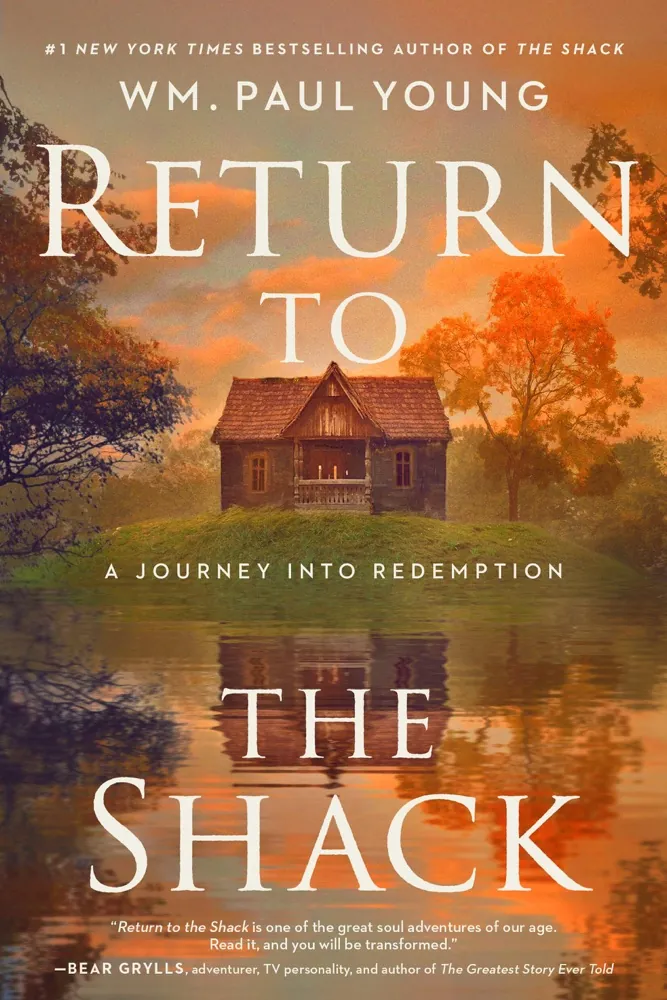
Author: Wm. Paul YoungPage Count: UnknownPublication Date: Expected publication 2026-10-06 APL In the damp, dimly lit basement, where the cacophony of underground poetry assaults my senses, I find myself pondering the return of a literary phenomenon – Return to the Shack. A decade after the events that shook Mackenzie Allen Phillips to his core, Wm. Paul Young invites us to re-enter the world of pain, faith, and the relentless possibility of hope. But what of the narrative itself? The synopsis tantalizes with promises of confronting the unthinkable, of delving into the darkest recesses of the human heart, and yet, it leaves me with more questions than answers. How will Young balance the weight of grief with the complexity of trauma? Can he truly capture the raw emotion of a shattered heart, or will it devolve into sentimentalism? And then, there's the elephant in the room – the serial killer. A figure so reviled, so inhuman, that the mere mention of their presence sends shivers down the spine. Will Young humanize this monster, or will they remain a one-dimensional specter, a symbol of evil incarnate? The world of literature is replete with examples of authors who have attempted to walk this tightrope – think of Dostoevsky's Crime and Punishment, or the more recent The Silence of the Lambs by Thomas Harris. Can Young join their ranks? Yet, as I scan the synopsis, I'm struck by the vagueness that permeates it. What does it mean to forgive the unforgivable? How do we live with God's silence when our wounds cry out for answers? These are questions that have haunted humanity for centuries, and I fear that Young may be biting off more than he can chew. The themes he's tackling are nothing short of monumental, and I worry that the narrative may become mired in its own ambition. But, I must confess, there's something about the premise that resonates with me. Perhaps it's the promise of exploring the devastating impact of mental illness, abuse, and violence on relationships. Or maybe it's the hint of hope that even in the darkest of places, redemption can take root. Whatever the reason, I'm reminded of the works of authors like Anne Lamott, who have woven together the threads of faith, doubt, and redemption into a rich tapestry of storytelling. Still, I remain skeptical. The world of literature is littered with the carcasses of books that promised the world and delivered nothing but platitudes. Will Return to the Shack be another addition to this pile, or will it rise above the noise? I suppose only time will tell. For now, I'll leave the basement, the poetry, and the questions behind. I'm going to go sit on a park bench, watch the world go by, and see if the humanity that Young promises to capture can be found in the faces of those around me. #LiteraryFiction #FaithAndDoubt #RedemptionNarratives Related InsightsBlack Cake Book Review and Summary Charlotte’s Web Book Review and Summary Electric Idol Book Review and Summary{ "@context": "https://schema.org", "@type": "FAQPage", "mainEntity": [ { "@type": "Question", "name": "What is the main focus of Return to the Shack: A Journey into Redemption Book Review and Summary?", "acceptedAnswer": { "@type": "Answer", "text": "Everything you need to know about Return to the Shack: A Journey into Redemption with our detailed review." } }, { "@type": "Question", "name": "Who authored the comprehensive guide on Return to the Shack: A Journey into Redemption Book Review and Summary?", "acceptedAnswer": { "@type": "Answer", "text": "This detailed article and its insights were carefully researched and authored by Chloé Laurent." } }, { "@type": "Question", "name": "Where can I find more related content about Books?", "acceptedAnswer": { "@type": "Answer", "text": "You can explore more articles, detailed reviews, and similar insights by browsing the Related Insights section at the bottom of this article or visiting our dedicated Books category page." } } ] }
-
 Antoine Leroy
 - 22 Aug, 2026 02:36
The Killing of a Chestnut Tree (Havelock Harper Mysteries #1) Book Review and Summary
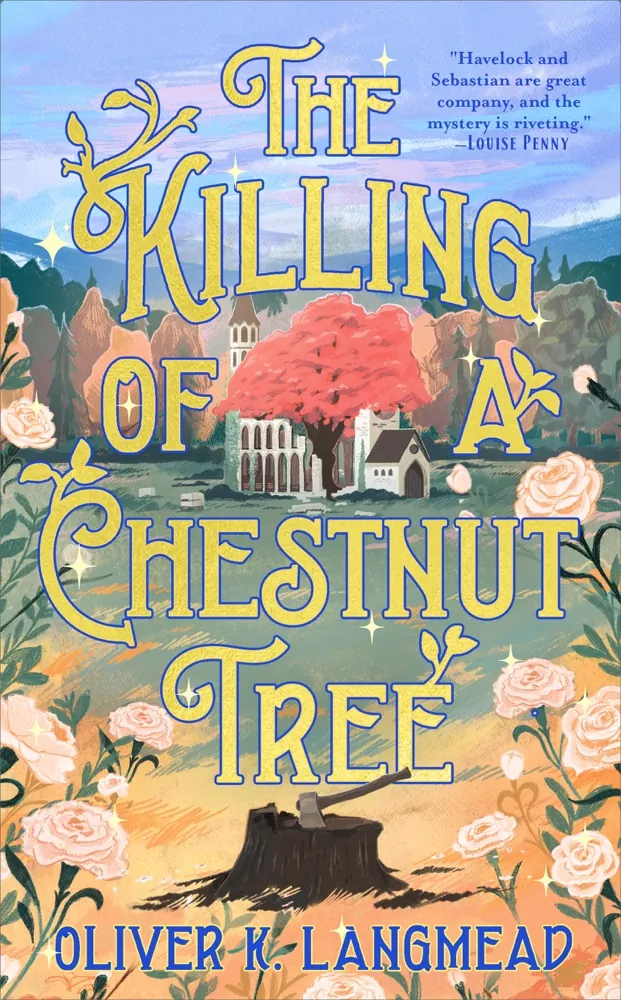
Author: Oliver K. LangmeadPage Count: UnknownPublication Date: Expected publication 2026-10-27 APL The bass is rattling my ribcage right now, vibrating right through this sticky basement floor while some kid in a violently oversized beanie screams poetry about public transit, and honestly? Good for him. Art should hurt a little. Speaking of things that refuse to stay neatly in their lanes, Oliver K. Langmead is about to drop The Killing of a Chestnut Tree, and my desk smells faintly of yesterday's cold brew and tomorrow's existential dread. Be gay, solve crimes. It is a marketing hook so sharp it could cut glass, echoing the cozy domesticity of Louise Penny crossed with the fey whimsy of Oscar Wilde if he decided to write cozy fantasy procedurals while heavily caffeinated. The Arboricidal Murder Mystery Consider the sheer audacity of the setup. Havelock Harper and Major Sebastian Wright—what a magnificent pair of names, dripping with starch and secret longing—are summoned to a secluded forest because a literal tree was murdered. Not just any tree, mind you, but an ancient chestnut who apparently enjoyed leaving typographical art in its own bark. Do me a favor. Tell me that does not sound like the exact kind of high-concept, low-stakes queer pastiche the publishing machine desperately needs right now instead of another grimdark epic about miserable men stabbing each other in the mud. I am so profoundly tired of grimdark. Give me sentient flora spelling out grievances in the underbrush over another three-hundred-page dissertation on dynastic taxation any day of the week. My nephew spent four hours yesterday explaining the lore of some terrible cartoon about a blue dog, and I would willingly listen to him recite the entire nutritional value of dry wall rather than sit through another fantasy novel where the primary emotional currency is generational trauma. Magnificent. There is a distinct flavor to this kind of cozy genre-mashing. It relies entirely on the chemistry of the sleuths to prevent the premise from collapsing under the weight of its own whimsy. If the banter between Havelock and Sebastian lacks bite, the arboreal homicide becomes a gimmick. Yet, the advance praise suggests a genuine, lived-in emotional core. A domestic partnership surviving the rigors of magical consulting in Victorian-adjacent England. Maybe. My editor is breathing down my neck about word counts, but the baking soda volcano for the kids' science fair protocol takes absolute precedence over this manuscript, and I have to go buy vinegar. #cozyfantasy #queerreads #bookstagram Related InsightsNotes on an Execution Book Review and Summary Deep End Book Review and Summary Dreams of Ruin (Soul of Shadow #3) Book Review and Summary{ "@context": "https://schema.org", "@type": "FAQPage", "mainEntity": [ { "@type": "Question", "name": "What is the main focus of The Killing of a Chestnut Tree (Havelock Harper Mysteries #1) Book Review and Summary?", "acceptedAnswer": { "@type": "Answer", "text": "Everything you need to know about The Killing of a Chestnut Tree (Havelock Harper Mysteries #1) with our detailed review." } }, { "@type": "Question", "name": "Who authored the comprehensive guide on The Killing of a Chestnut Tree (Havelock Harper Mysteries #1) Book Review and Summary?", "acceptedAnswer": { "@type": "Answer", "text": "This detailed article and its insights were carefully researched and authored by Antoine Leroy." } }, { "@type": "Question", "name": "Where can I find more related content about Books?", "acceptedAnswer": { "@type": "Answer", "text": "You can explore more articles, detailed reviews, and similar insights by browsing the Related Insights section at the bottom of this article or visiting our dedicated Books category page." } } ] }
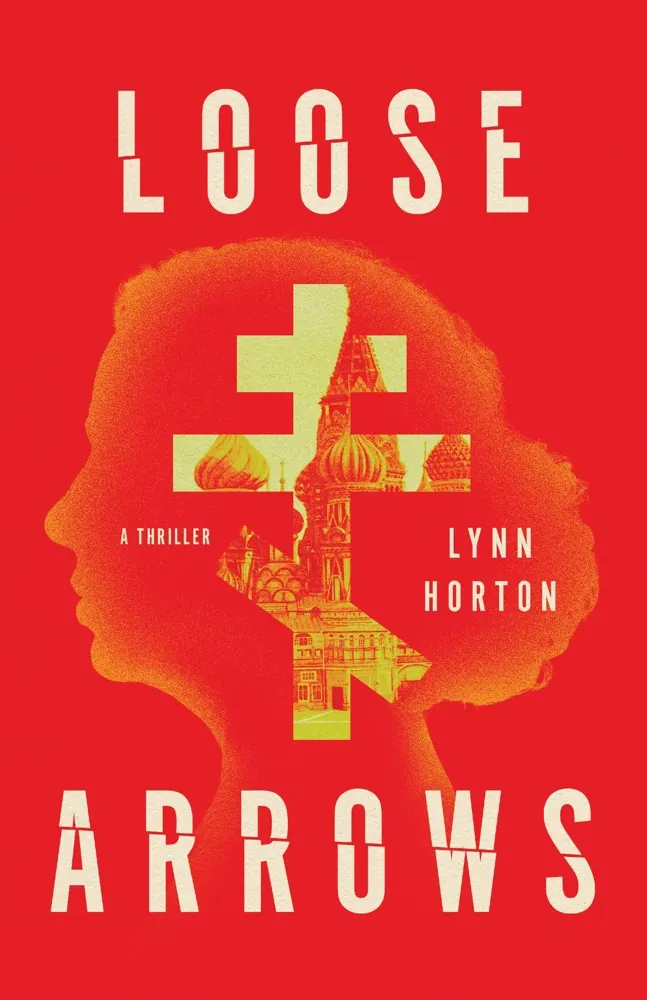
Author: Lynn HortonPage Count: UnknownPublication Date: Expected publication 2026-10-20 APL What's the point of a thriller if it's just going to recycle the same tired Cold War tropes? Loose Arrows seems to promise more of the same: a tough-as-nails CIA operative, a kidnapped child, and a world on the brink of nuclear war. Yawn. But then, there's something about the way Lynn Horton's prose weaves together the threads of Nina Abrams' complicated past - the daughter of Stalin's favorite portraitist, no less - that suggests there might be more depth here than initially meets the eye. The thing that really catches my attention is the way Nina's grief is described as "paralyzing." Not just a emotional state, but a physical one, too. That's interesting. It implies that Nina's emotional pain is so overwhelming that it's literally debilitating. And yet, when her father's last words set her on a quest for the truth, she's suddenly driven to take action. It's a compelling contradiction - is Nina a force to be reckoned with, or is she just a fragile, grieving mother? But let's not get too caught up in the character analysis just yet. The real question is: can Horton deliver on the promise of a gripping thriller? The plot sounds like a mishmash of every 80s action movie cliche - missing nukes, deadly competition, and a hero who's just one step ahead of the bad guys. It's all a bit too familiar, like a lazy rehashing of Tom Clancy's greatest hits. And don't even get me started on the "grisly reminder" left by the vandals - it's a bit too on-the-nose, don't you think? It's like Horton is trying to tell us, "Hey, this is a serious thriller, guys! Look, there's blood and stuff!" And yet...and yet...there's something about the way Horton describes Nina's world that feels almost... operatic. Like a grand, sweeping drama, with Nina as the tragic heroine at its center. It's a bit like the way Puccini's Tosca uses the backdrop of war and politics to explore the human condition. But instead of a soprano, we've got a CIA operative with a penchant for getting in over her head. But I'm not convinced. I mean, can Horton really deliver on the promise of a nuanced, thought-provoking thriller? Or is this just another shallow, action-packed romp? I'm reminded of the Chernobyl disaster - all that hype, all that drama, and in the end, it was just a bunch of bureaucrats covering their own behinds. Let's hope Loose Arrows doesn't suffer the same fate. I'll be keeping an eye on this one, if only to see if Horton can manage to surprise me. But for now, I'm skeptical. My Rolex needs servicing, which is a profound inconvenience. #thriller #nuclearwar #CIA Related InsightsDay of Ascension Book Review and Summary Never Say War: Life in Russia Today Book Review and Summary Drop Dead Handsome Book Review and Summary{ "@context": "https://schema.org", "@type": "FAQPage", "mainEntity": [ { "@type": "Question", "name": "What is the main focus of Loose Arrows: A Thriller Book Review and Summary?", "acceptedAnswer": { "@type": "Answer", "text": "Everything you need to know about Loose Arrows: A Thriller with our detailed review." } }, { "@type": "Question", "name": "Who authored the comprehensive guide on Loose Arrows: A Thriller Book Review and Summary?", "acceptedAnswer": { "@type": "Answer", "text": "This detailed article and its insights were carefully researched and authored by Tiago Silva." } }, { "@type": "Question", "name": "Where can I find more related content about Books?", "acceptedAnswer": { "@type": "Answer", "text": "You can explore more articles, detailed reviews, and similar insights by browsing the Related Insights section at the bottom of this article or visiting our dedicated Books category page." } } ] }
- Antoine Leroy
- 22 Aug, 2026 00:52
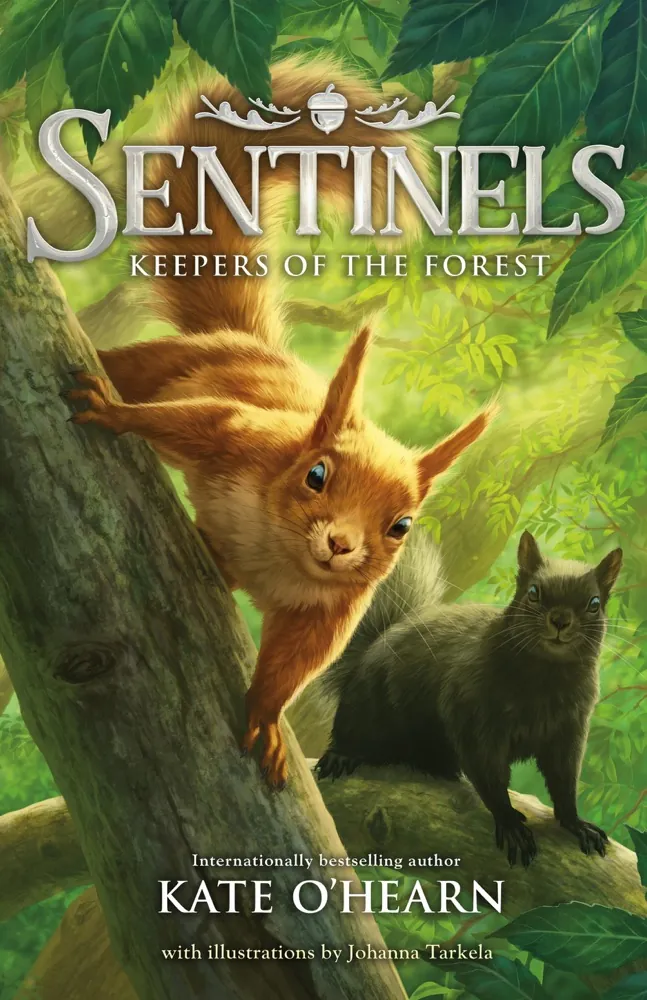
Sentinels: Keepers of the Forest (Sentinels #1) Book Review and Summary
Author: Kate O'HearnPage Count: UnknownPublication Date: Expected publication 2026-11-10 APL The afternoon sun presses heavily against the windowpanes, baking the dust motes lazy in the August air. Yet my mind wanders far from this sweltering room, drifting instead toward a cold, looming mountain ridge where the canopy shakes with ancient omens. Kate O'Hearn is sharpening her quills for November, and the middle-grade trenches are about to shift entirely. We have survived the feline diplomacy of the clans and the avian monasticism of long ago. Now comes the time of the arboreal rodents. The Weight of the Runt Look at the blueprints of myth. It is always the runt. Always the outcast sitting at the periphery, dismissed by the sleek, well-fed aristocracy of the Sky Clan, who catches the invisible ripple in the fabric of things. Rum is not just a squirrel; he is a vessel for collective anxiety. A sentinel. The synopsis leans hard into this tired, yet stubbornly effective, chosen-one architecture. But wait. Let me correct myself immediately—I actually despise the chosen-one trope, and no amount of furry nobility will ever convince me that prophecy is good storytelling. Actually, ignore that irritation. The truth is, I live for the sheer dramatic weight of an underdog thrust into a cataclysm. There is something intoxicating about a society governed by hoarding and territory suddenly forced to face an apocalyptic fire. Arboricultural Armageddon Forest fires are the ultimate great equalizers in animal fantasy. They strip away the petty politics of clan rivalries faster than a hawk diving through a gap in the pines. O'Hearn is channeling the raw, visceral pacing of Warriors by Erin Hunter, yet she is grafting it onto a heavily illustrated middle-grade aesthetic that begs for comparisons to Kathryn Lasky's Guardians of Ga'Hoole. The Missing Piece And then we have the structural MacGuffin—the missing final sentinel. The synopsis dangles her like a golden acorn just out of reach. We must trek to find her secret message before the mountain burns to ash. How original. Or rather, how tiresomely predictable. I refuse to believe a modern author can rescue this cliché without subverting it completely, yet I find myself circling back to my excitement anyway. Stubbornness is a curse, but so is waiting for a book to drop when the heat outside makes coherent thought nearly impossible. The cursor blinks on the blank screen, mocking my endless stream of thoughts with its rhythmic, mechanical pulse—an existential dread that feels far heavier than any looming forest fire. Related InsightsThe Outsiders Book Review and Summary Mother Daughter Sister Stranger Book Review and Summary Die unendliche Odyssee der Worte: Eine Reise durch die Geschichte des Romans{ "@context": "https://schema.org", "@type": "FAQPage", "mainEntity": [ { "@type": "Question", "name": "What is the main focus of Sentinels: Keepers of the Forest (Sentinels #1) Book Review and Summary?", "acceptedAnswer": { "@type": "Answer", "text": "Everything you need to know about Sentinels: Keepers of the Forest (Sentinels #1) with our detailed review." } }, { "@type": "Question", "name": "Who authored the comprehensive guide on Sentinels: Keepers of the Forest (Sentinels #1) Book Review and Summary?", "acceptedAnswer": { "@type": "Answer", "text": "This detailed article and its insights were carefully researched and authored by Antoine Leroy." } }, { "@type": "Question", "name": "Where can I find more related content about Books?", "acceptedAnswer": { "@type": "Answer", "text": "You can explore more articles, detailed reviews, and similar insights by browsing the Related Insights section at the bottom of this article or visiting our dedicated Books category page." } } ] }
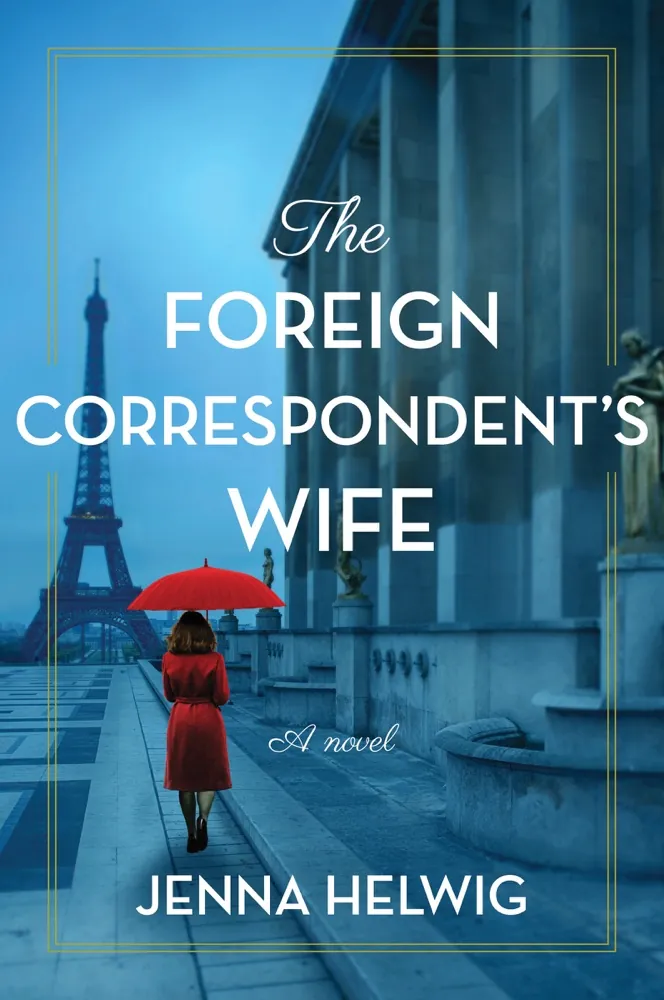
Author: Jenna HelwigPage Count: UnknownPublication Date: Expected publication 2026-10-20 APL My brain currently feels like the interior of the Titanic dining room after the iceberg struck—utterly flooded, structurally compromised, and incapable of processing another declarative sentence about post-war Parisian ennui. Jenna Helwig wants us to care about The Foreign Correspondent's Wife. But do we? Really? Another American expat stumbling over a corpse in the City of Light because the local cordon bleu program apparently doubles as a drop-point for the French underworld. How terribly original. It reads like F. Scott Fitzgerald ghostwriting a mid-tier airport paperback while having a mild stroke at a bistro table. The Gastronomic Guillotine of Clichés Let us examine the architecture of this premise. We have a fiercely independent former reporter—because of course she is fierce, adjectives do the heavy lifting here—pushed out of journalism by the patriarchal machinery of the late nineteen-forties. Naturally, she pivots to butter, cream, and murder. The culinary arts as a metaphor for bourgeois concealment. Groundbreaking. Yet the synopsis leans entirely on the most shopworn tropes of historical genre fiction. It smells faintly of stale Gauloises and desperate Netflix adaptation bids. We are expected to tremble at the notion that the glittering surface hides dark truths. Groundbreaking news, truly. One might as well write a thriller about the Vatican being vaguely shady. The Geopolitics of Butter and Blood The thematic aspirations here are painfully transparent. The juxtaposition of post-war recovery—this forced, glittering joie de vivre—with the rotting underbelly of intelligence networks and criminal syndicates. It is the literary equivalent of dressing up like Edie Sedgwick for a Tuesday grocery run. You are not channeling the avant-garde; you are merely cosplaying trauma for aesthetic symmetry. Compare this to the chilling precision of Alan Furst, or the existential grit of early Graham Greene. Helwig trades in a sort of sanitized jeopardy. Kat Kelly finds a bloody body. She investigates. She saves her marriage. Because every mid-century murder mystery apparently requires a domestic reconciliation subplot to justify the word count. Heaven forbid an expat homicide investigation not double as couples therapy for people who drink too much vermouth at noon. One shudders to imagine the dialogue. Charlie, the hotshot foreign correspondent, will undoubtedly say something profoundly tragic while adjusting his trench coat. It gives me the exact same visceral fatigue I felt watching the third season of The White Lotus get greenlit before the writers even finished their oat milk lattes. Epilogue of Domestic Despair Still, the marketing apparatus will push this into every curated airport bookstore from JFK to Heathrow. Readers will devour it between glasses of lukewarm Chardonnay. They will pretend to ponder the moral ambiguity of diplomacy versus the underworld while actually just waiting for the recipe for a passable cassoulet at the back. Speaking of maintenance, I need to focus my dwindling cognitive reserves on far more pressing existential horrors. Namely, finding a decent dry cleaner in Manhattan who understands the structural fragility of vintage silk before my afternoon tea appointment. Related InsightsP.S. I Love You Book Review and Summary Great and Precious Things Book Review and Summary Great Big Beautiful Life Book Review and Summary{ "@context": "https://schema.org", "@type": "FAQPage", "mainEntity": [ { "@type": "Question", "name": "What is the main focus of The Foreign Correspondent's Wife Book Review and Summary?", "acceptedAnswer": { "@type": "Answer", "text": "Everything you need to know about The Foreign Correspondent's Wife with our detailed review." } }, { "@type": "Question", "name": "Who authored the comprehensive guide on The Foreign Correspondent's Wife Book Review and Summary?", "acceptedAnswer": { "@type": "Answer", "text": "This detailed article and its insights were carefully researched and authored by Sofia Bianchi." } }, { "@type": "Question", "name": "Where can I find more related content about Books?", "acceptedAnswer": { "@type": "Answer", "text": "You can explore more articles, detailed reviews, and similar insights by browsing the Related Insights section at the bottom of this article or visiting our dedicated Books category page." } } ] }

Author: Emily GrayPage Count: UnknownPublication Date: Expected publication 2026-11-17 APL Ah yes, By the Light of the Stars. Another monumental contribution to the literary canon where a girlboss in a tiara suddenly realizes that absolute monarchy might just be slightly problematic. Groundbreaking. Emily Gray is apparently dropping this space opera in late 2026, and I am already preemptively exhausted by the sheer audacity of the recycled tropes. The Mandatory Riot Against the Patriarchy (In Space) We begin with a pristine lunar colony because apparently, future dystopias must maintain immaculate housekeeping before they fall apart. Princess Lyrii Thana is dutiful. She is wearing the gilded chains of her birthright. And by the gods, she is ready to marry an austere commander from a Sisterworld just for the vibes—well, no, for geopolitical stability. How deeply thrilling. Then comes the obligatory assassination attempt. Because no YA-adjacent sci-fi romance can function without an inciting incident that literally drops a handsome rogue directly into the heroine's lap. Enter Kade Maxwell. He is mysterious. He is a space pilot. He is giving major Han Solo-meets-TikTok-boyfriend energy, and I am rolling my eyes so hard I might detach my retinas. The Predictable Epiphany Pipeline Of course, she has to trust him because she has no Uber. And OF COURSE they stumble upon a secret refugee spaceship—because nothing screams systemic critique quite like stumbling into a poorly hidden proletariat metaphor. Suddenly, her entire worldview is shattered. Who could have possibly predicted that the ruling family was built on lies? Not Lyrii, apparently, who possesses the critical thinking skills of a damp piece of toast until a hot guy flies her past a marginalized demographic. And then we get the eternal internal monologue of doom. Is she loyal? Is she terrified? Or is she just extremely distracted by his jawline while her arranged wedding looms like a ticking clock of marital oppression? Groundbreaking literary deconstruction of late-stage capitalism and dynastic rule, truly. It is giving Sarah J. Maas meets every generic Kindle Unlimited space romance churned out by an algorithm in a basement. The Inevitable Subversion of Absolutely Nothing Let us be completely real here. We all know how this manuscript ends. She is going to choose herself. She is going to reject the system, smash the patriarchy, and probably fly off into the sunset with Kade while a civilization collapses behind them. But hey, at least she got a boyfriend out of the systemic collapse of her home planet. Priorities! My tea is ready to be steeped. I am going to brew a cup of lapsang souchong and ponder my existential dread. #BookTok #SpaceOpera #SciFiRomance #LiteraryDespair Related InsightsNightshade Book Review and Summary American Vampire Book One Book Review and Summary Mokradla Book Review and Summary{ "@context": "https://schema.org", "@type": "FAQPage", "mainEntity": [ { "@type": "Question", "name": "What is the main focus of By the Light of the Stars Book Review and Summary?", "acceptedAnswer": { "@type": "Answer", "text": "Everything you need to know about By the Light of the Stars with our detailed review." } }, { "@type": "Question", "name": "Who authored the comprehensive guide on By the Light of the Stars Book Review and Summary?", "acceptedAnswer": { "@type": "Answer", "text": "This detailed article and its insights were carefully researched and authored by Marta Wisniewska." } }, { "@type": "Question", "name": "Where can I find more related content about Books?", "acceptedAnswer": { "@type": "Answer", "text": "You can explore more articles, detailed reviews, and similar insights by browsing the Related Insights section at the bottom of this article or visiting our dedicated Books category page." } } ] }