Showing Posts From
Bookreview
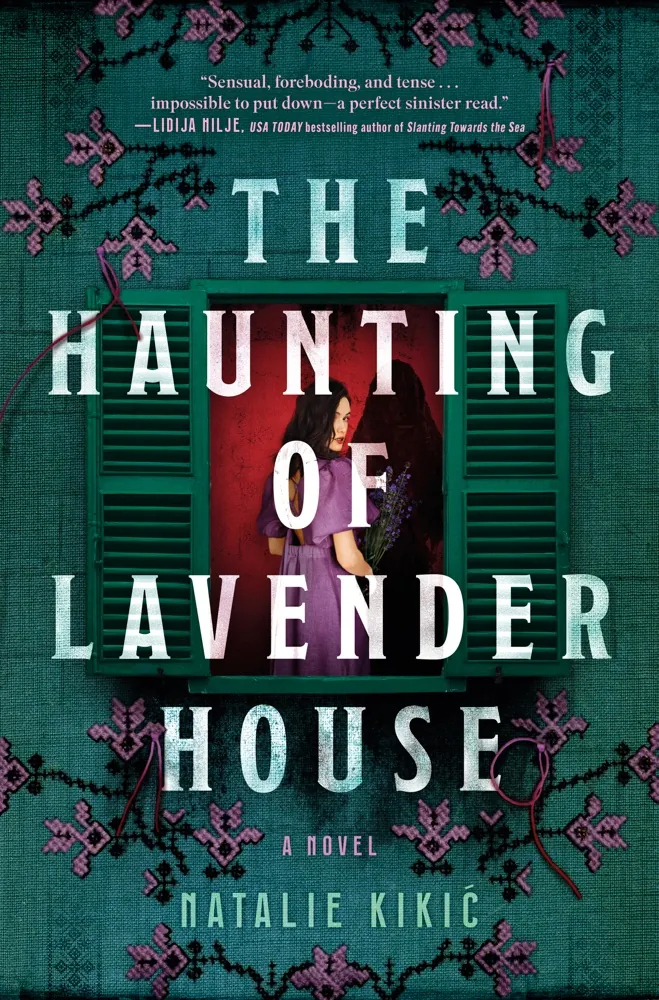

Author: Natalie KikicPage Count: UnknownPublication Date: Expected publication 2026-10-20 APL Staring blankly at a half-eaten packet of stale ramen while trying to hit an arbitrary word count makes one deeply question the academic viability of contemporary publishing trends. Yet, here we are, pretending to care about the promotional copy for Natalie Kikić’s debut, The Haunting of Lavender House. Because nothing screams financial stability quite like analyzing marketing blurbs for a book that won’t even exist in physical form until late 2026. The synopsis leans heavily on the usual dual-timeline crutch, pairing a grieving modern descendant named Petra with a persecuted 19th-century healer named Magdalena. Groundbreaking. We are promised sunlit dread on the Adriatic Sea—a juxtaposition that sounds suspiciously like every domestic thriller currently being pumped out by major houses hoping to capitalize on the Silvia Moreno-Garcia pipeline. The Semiotics of Sun-Drenched Terror There is a distinct, exhausting formula to modern gothic marketing. Take a dilapidated structure, add a local folklore monster—in this case, a bloodthirsty mora from Croatian tradition—and season liberally with generational trauma. But let us look at the physics of this narrative. If the sun is perpetually beating down on these supposed lavender fields, the atmospheric dread loses its claustrophobia. Dread requires shadows, atmospheric pressure, and actual darkness, not a Mediterranean resort brochure masquerading as a horror novel. And yet, the premise of Magdalena in 1895 being labeled a witch while simultaneously playing savior to the local elite possesses a deliciously petty energy. Women healing people only to be branded as sinners is historical fiction 101, but Kikić’s framing of the monster motif—what it actually means to be perceived as non-human by a hostile society—might actually elevate the text above standard genre tropes. Or it will just be another three-hundred-page exercise in historical vibes over structural coherence. Honestly? It's giving mid. The Inheritance of Structural Fatigue Petra’s modern arc relies on the oldest trick in the speculative fiction playbook: the sudden revelation of a living relative who happens to reside in a haunted ancestral estate. Why do grandmothers in these books always lurk on obscure islands instead of just sending a text message? The text asks us to contemplate the cost of belonging, but if Petra's primary obstacle is walking around a house feeling like someone is watching her while she fails to sleep, the psychological stakes are going to feel aggressively thin. We are constantly subjected to publisher comparisons like The Lost Apothecary and The Hacienda, as if publishers genuinely believe readers possess zero imagination beyond whatever sat atop the bestseller lists three years ago. Give us something original. Stop selling us the same haunted real estate dressed up in different regional folklore. Still, if the prose actually delivers on the "gorgeous, sweeping" promise rather than defaulting to purple-prose exposition dumps, it might be worth stealing from the university library. Not that I'm paying for it. My bank account currently consists of four dollars and a dream of dropping out to live in a cave. Oh well. Time to go drink lukewarm absinthe and pretend I am writing modernist poetry in 1920s Paris while avoiding my landlord. #bookstagram #gothicfiction #literarycriticism Related InsightsCruel Seduction Book Review and Summary L'Inchiostro Proibito: Il Silenzio Forzato delle Pagine nell'Impero Sovietico ALIEN STAGE: The Art Book (Deluxe Edition) Book Review and Summary{ "@context": "https://schema.org", "@type": "FAQPage", "mainEntity": [ { "@type": "Question", "name": "What is the main focus of The Haunting of Lavender House Book Review and Summary?", "acceptedAnswer": { "@type": "Answer", "text": "Everything you need to know about The Haunting of Lavender House with our detailed review." } }, { "@type": "Question", "name": "Who authored the comprehensive guide on The Haunting of Lavender House Book Review and Summary?", "acceptedAnswer": { "@type": "Answer", "text": "This detailed article and its insights were carefully researched and authored by Marco Conti." } }, { "@type": "Question", "name": "Where can I find more related content about Books?", "acceptedAnswer": { "@type": "Answer", "text": "You can explore more articles, detailed reviews, and similar insights by browsing the Related Insights section at the bottom of this article or visiting our dedicated Books category page." } } ] }
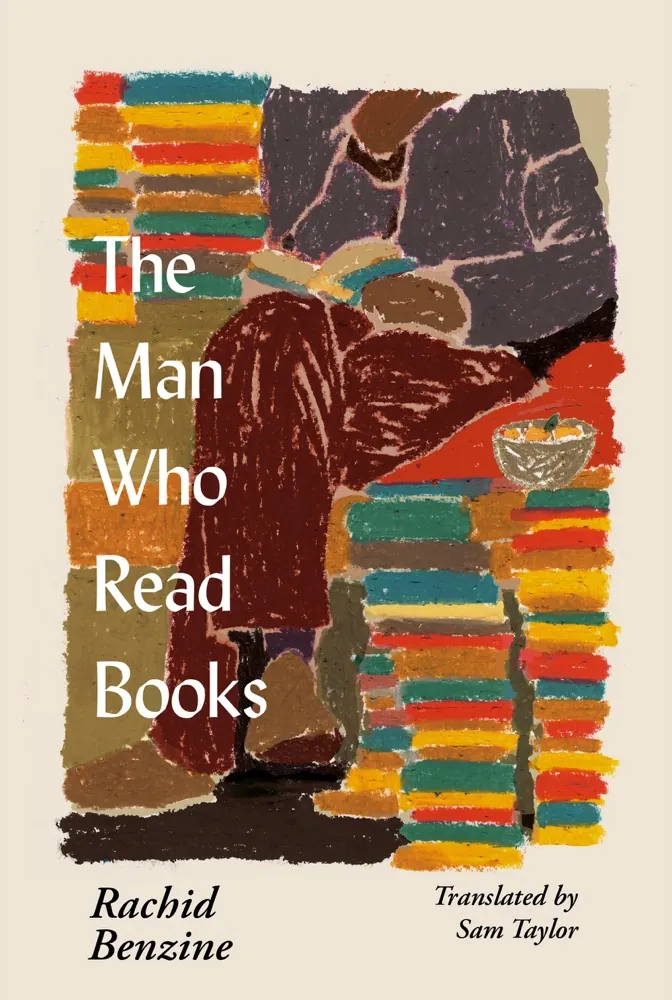
Author: Rachid BenzinePage Count: UnknownPublication Date: Expected publication 2026-11-10 APL The Man Who Read Books – a title that already feels like a quiet defiance in the face of chaos – promises to be a poignant exploration of the human condition, set against the backdrop of a war-torn Palestine. Rachid Benzine's latest offering is a tale of an elderly bookseller, a man who finds solace in the written word, and shares his story with a young French photographer. But what does it mean, really, to find refuge in literature? Is it a form of escapism, a way to temporarily forget the harsh realities of one's surroundings? Or is it something more profound, a way to connect with the world beyond the confines of one's own experience? The bookseller's story, we're told, is one that encompasses exile, imprisonment, activism, and love – all tied to the books that helped him make sense of it all. Milan Kundera, Frantz Fanon, Umberto Eco – the names are dropped like breadcrumbs, leading us deeper into the heart of the narrative. And yet, despite the promise of this setup, the synopsis feels curiously vague. We're given glimpses of the bookseller's life, but the specifics are sketchy at best. What does his story really entail? How do the books he reads shape his understanding of the world? The answers, it seems, lie within the pages of the book itself. But I'm willing to take a chance on Benzine's vision. There's something about this setup that feels reminiscent of Azouz Begag's Shantytown Kid, or even the works of Assia Djebar – a sense of resilience in the face of adversity, a determination to hold on to hope, no matter what. And the writing, judging from the synopsis, seems to be infused with a sense of lyricism, a poetic sensibility that's hard to ignore. Still, I have my doubts. Will the narrative feel overly sentimental, relying too heavily on the power of literature to transform lives? Or will it be something more nuanced, a exploration of the complexities of human experience? The truth is, I don't know – and that's what makes me want to read this book. The Man Who Read Books feels like a love letter to literature, a testament to the power of words to sustain us in the darkest of times. It's a theme that's been explored before, of course – but there's something about Benzine's approach that feels fresh, innovative. And so, I'll wait for the book to be released, my curiosity piqued. I'll read it, and I'll see if it lives up to the promise of its synopsis. Until then, I'll just have to stare at this blank canvas, waiting for inspiration to strike. #Gaza #Palestine #LiteraryFiction #ThePowerOfWords Related InsightsA Streetcar Named Desire Book Review and Summary The Lightning-Bug and the Lightning: Debunking the Myths of Mark Twain, in His Own Words Book Review and Summary Carry On Book Review and Summary{ "@context": "https://schema.org", "@type": "FAQPage", "mainEntity": [ { "@type": "Question", "name": "What is the main focus of The Man Who Read Books Book Review and Summary?", "acceptedAnswer": { "@type": "Answer", "text": "Everything you need to know about The Man Who Read Books with our detailed review." } }, { "@type": "Question", "name": "Who authored the comprehensive guide on The Man Who Read Books Book Review and Summary?", "acceptedAnswer": { "@type": "Answer", "text": "This detailed article and its insights were carefully researched and authored by Irina Ivanova." } }, { "@type": "Question", "name": "Where can I find more related content about Books?", "acceptedAnswer": { "@type": "Answer", "text": "You can explore more articles, detailed reviews, and similar insights by browsing the Related Insights section at the bottom of this article or visiting our dedicated Books category page." } } ] }
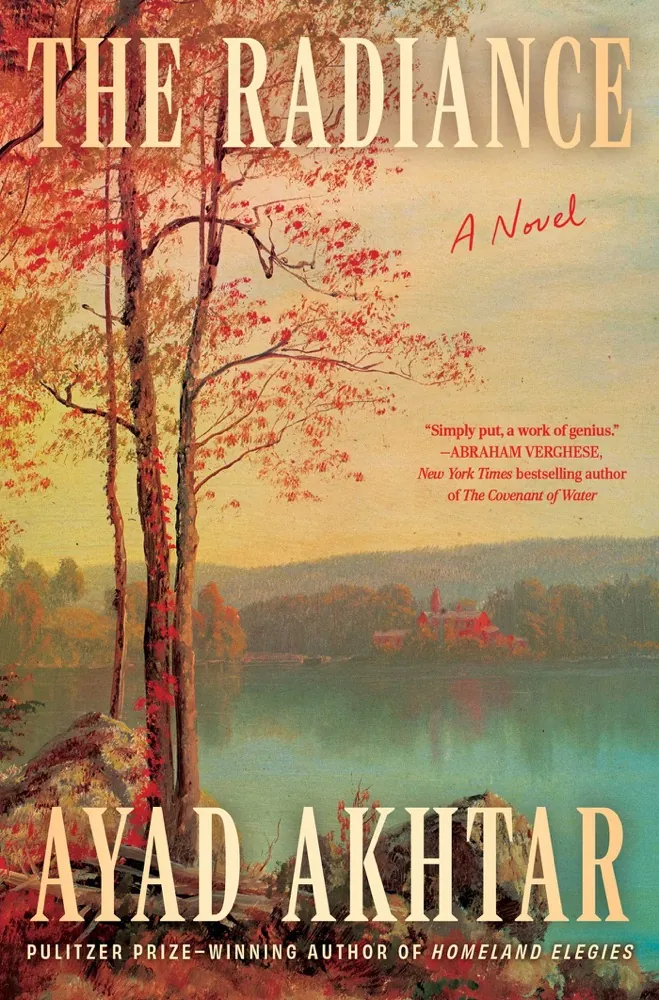

Author: Ayad AkhtarPage Count: UnknownPublication Date: Expected publication 2026-09-29 APL Sunlight is pooling across the eighteenth-century parquet in a manner that demands an immediate glass of Sancerre, provided the staff remembers where the good vintage is kept. Meanwhile, the literary world is hyperventilating over the forthcoming arrival of The Radiance. Ayad Akhtar has decided to grace us plebeians with what the blurbs promise is a masterpiece. God save us all from Pulitzer winners who discover God on rural asphalt. The Geometry of a Crack-Up Consider the premise. A routine hit-and-run precipitates an existential awakening. How dreadfully suburban. Yet, if anyone can elevate mid-life metaphysical whiplash into high art, it is Akhtar. We are promised an intoxicating descent—or perhaps a profoundly pretentious psychological unravelling—where madness and divine revelation blur into the exact same shade of grey. And quite frankly, I am entirely here for the ensuing dumpster fire of academic scandal. The synopsis breathlessly outlines an illicit liaison with a campus colleague, because nothing accelerates spiritual transcendence quite like tenure-track infidelity. We have seen this exact flavor of intellectual self-flagellation before. It leans heavily into the Don DeLillo or Philip Roth playbook of aging men grappling with their own irrelevance while the cultural architecture crumbles around them. But let us be entirely real for a second: the man is cooking with gas, and the prose is bound to slap harder than a disgruntled curator at an exclusive biennale. Geographies of the Ineffable The canvas here stretches across rural America and Europe, dragging Islam and Christianity into the ring for a heavyweight bout on the nature of the fractured modern soul. One prays the dialectical sparring avoids the heavy-handed earnestness that usually plagues contemporary novels attempting to map the cosmos in three hundred pages. Give me cynicism wrapped in silk. Give me prose that tastes like expensive iodine. Mary Gaitskill blurbs it with a breathless mention of the ineffable. Naturally. Critics love throwing around mysticism when a book refuses to explain its own symbolism. Yet, the tension between the domestic debris—a hidden family secret—and the cosmic radio static of the narrator's brain-damaged epiphany holds immense promise. Or it will completely implode under the weight of its own ambition. Either way, the cocktail party chatter will be insufferable. I am buying extra champagne just to survive the launch parties. Now, if you will excuse me, my wealth manager is calling on the private line because some hedge-fund barbarian is aggressively outbidding me for an obscure seventeenth-century Flemish oil painting at Christie's, and I simply must go ruin someone's financial life before luncheon. Related InsightsCity of Heavenly Fire Book Review and Summary Witch Dance (The Spellbound History Quartet, #2) Book Review and Summary Dark Tides Book Review and Summary{ "@context": "https://schema.org", "@type": "FAQPage", "mainEntity": [ { "@type": "Question", "name": "What is the main focus of The Radiance Book Review and Summary?", "acceptedAnswer": { "@type": "Answer", "text": "Everything you need to know about The Radiance with our detailed review." } }, { "@type": "Question", "name": "Who authored the comprehensive guide on The Radiance Book Review and Summary?", "acceptedAnswer": { "@type": "Answer", "text": "This detailed article and its insights were carefully researched and authored by Emma Thompson." } }, { "@type": "Question", "name": "Where can I find more related content about Books?", "acceptedAnswer": { "@type": "Answer", "text": "You can explore more articles, detailed reviews, and similar insights by browsing the Related Insights section at the bottom of this article or visiting our dedicated Books category page." } } ] }
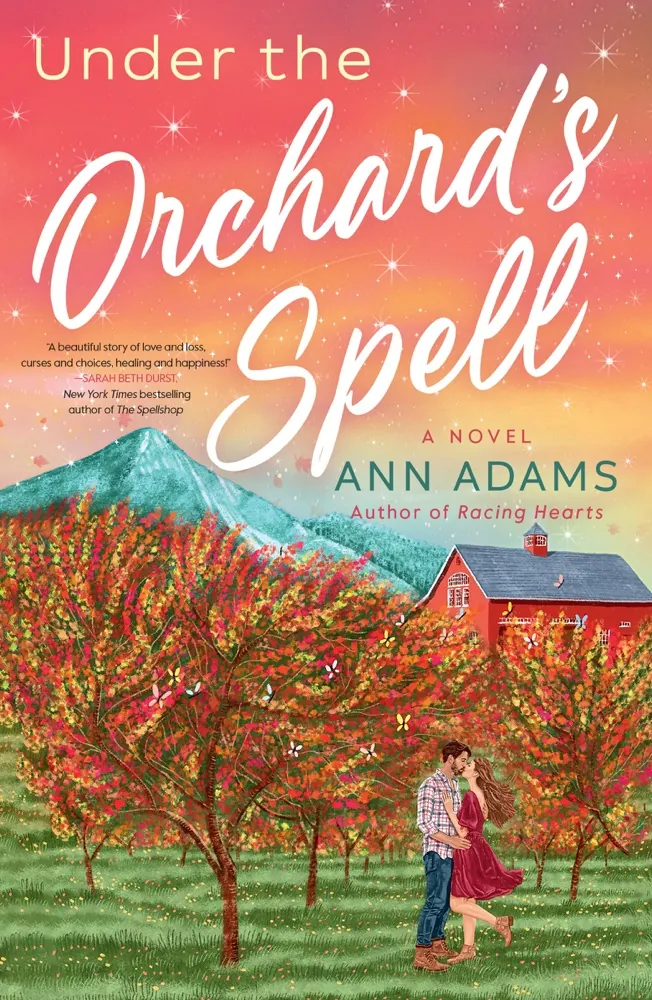

Author: Ann AdamsPage Count: UnknownPublication Date: Expected publication 2026-10-06 APL Ann Adams wants us to believe that a failing piece of agricultural real estate can be saved by emotional resurrection and some aggressively plaid carpentry. Under the Orchard's Spell is coming for our TBR piles this October, and honestly? The literary pretensions here are giving me a migraine. We are looking at a masterclass in cozy escapism wrapped in horticultural financial ruin. The Economics of Magical Pears Ali Reid inherits an orchard that is apparently sinking faster than my fourth-quarter portfolio on a bad crypto day—bankrupt, abandoned by human decency in the form of a rogue fiancé, and plagued by existential fruit rot. Peak suffering. But instead of liquidating the acreage, cutting her losses, and investing in municipal bonds like any rational sentient being, she opts for supernatural domesticity. Because nothing screams "second chance at life" quite like mystical weather anomalies and literal jewel-toned rabbits squatting in the barn. Logan Wright enters stage left. He is the stoic carpenter archetype. You know the type. He wears flannel, stares at floorboards with unearned intensity, and carries the emotional availability of a brick wall. They have fourteen years of unresolved history hanging over them like a bad tax audit. The Domestic Trauma Aesthetic Let us talk about the stakes here. Pears are crystallizing on branches like some sort of bourgeois Grimm fairy tale gone wrong. Unnatural storms are brewing. And what does our protagonist do? She leans into the vibe. This is trauma-bonding over stone fruits. We are expected to buy into the premise that fourteen years of absence can be cured by manual labor and shared glances across a decrepit farmhouse kitchen island. Actually, scratch that. The romantic pragmatism here is almost impressive. Who needs a diversified investment portfolio when you have a brooding woodworker fixing your rotting fence posts while the local ecosystem literally rebels against the laws of physics? I predict this book will sell a metric ton of copies to people who think a weekend cabin trip constitutes roughing it. It borrows heavily from the whimsical agricultural charm of Sarah Beth Durst’s The Spellshop, minus the self-awareness. Adams is leaning hard into the cottagecore fantasy industrial complex, serving up domesticity as a panacea for systemic economic collapse. And yet—wait, no. The pacing described in the synopsis actually suggests a relentless narrative momentum that might just save the manuscript from drowning in its own saccharine mulch. The supernatural intrusion of cursed fruit prevents it from being a total snooze-fest of mid-tier emotional processing. The Ledger of Heartbreak The underlying motif here is painfully transparent. Land holds memory. People break promises. Pears turn into gemstones because capitalism hates romance. It is a psychological defense mechanism writ large across a dysfunctional farm. If you ignore the glaring lack of basic agricultural zoning laws and the total absence of a viable business plan, the metaphorical weight of a cursed orchard doing the heavy lifting for a stale romance trope is peak contemporary fiction. My publicist is currently screaming in my ear and demanding an immediate, sanitized statement for the press before the markets open. #BookTwitter #CozyFantasy #CursedPears Related InsightsWhat Lies in the Woods Book Review and Summary Hidden Pictures Book Review and Summary Dreams of Ruin (Soul of Shadow #3) Book Review and Summary{ "@context": "https://schema.org", "@type": "FAQPage", "mainEntity": [ { "@type": "Question", "name": "What is the main focus of Under the Orchard's Spell Book Review and Summary?", "acceptedAnswer": { "@type": "Answer", "text": "Everything you need to know about Under the Orchard's Spell with our detailed review." } }, { "@type": "Question", "name": "Who authored the comprehensive guide on Under the Orchard's Spell Book Review and Summary?", "acceptedAnswer": { "@type": "Answer", "text": "This detailed article and its insights were carefully researched and authored by Elena Volkova." } }, { "@type": "Question", "name": "Where can I find more related content about Books?", "acceptedAnswer": { "@type": "Answer", "text": "You can explore more articles, detailed reviews, and similar insights by browsing the Related Insights section at the bottom of this article or visiting our dedicated Books category page." } } ] }
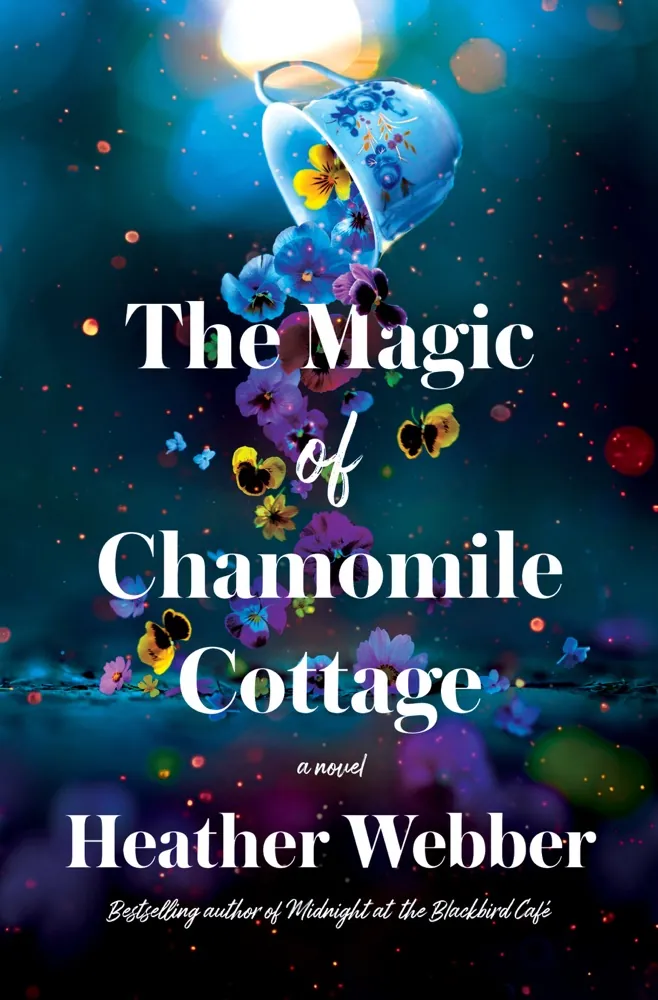

Author: Heather WebberPage Count: UnknownPublication Date: Expected publication 2026-12-01 APL There is something profoundly settling about a good cup of herbal tea when the world outside is falling apart. Yet the synopsis for The Magic of Chamomile Cottage promises an emotional rescue mission wrapped in dried leaves and small-town grit. Heather Webber clearly understands the exact emotional anatomy of comfort fiction. Think Sarah Addison Allen meets the coziest corners of Alice Hoffman. But let us be entirely serious for a moment about the narrative architecture here. Why do fictional towns always possess a failing artisanal hub right when a burned-out protagonist rolls into town? It is a formula, yes. Yet I will defend this formula until my dying breath because modern existence is relentless and sometimes we just need to watch fictional people fix a struggling tea factory using sheer pluck and familial affection. Speaking of familial affection, my eldest child has spent the past forty-eight minutes trying to convince their younger sibling that broccoli possesses actual sentient intelligence and therefore must be banished from the dinner table. It is an absolute catastrophe of logic and negotiation happening three feet from my desk. Why children treat vegetables like political enemies requires a degree in forensic psychology that I simply do not possess. Anyway. Back to the small-town revitalization efforts of Sunny Callaway and her mysterious cousin. Steeped in Sorrow and Second Chances The thematic core here relies on a brilliant friction. Sunny is a professional storyteller who cannot write her own narrative anymore. That is a delicious irony. A creator struck dumb by a devastating diagnosis and a shattered heart. That specific brand of creative paralysis feels painfully authentic. You look at a blank screen and realize your life has derailed while you were busy outlining someone else's triumph. And then you have Nova Frances Clark. An old soul running a shop with a secret recipe book. The synopsis implies that chamomile does more than soothe a mild sore throat. It heals the spirit. Webber is leaning hard into magical realism, and honestly, the genre needs more unapologetic magic right now. Everything is so gritty and grim in contemporary publishing. Give me the herbal infusions. Give me the long-lost cousins who show up precisely when the local economy is flatlining. The emotional arc maps out cleanly. Two women carrying distinct invisible loads—one nursing physical and creative burnout, the other carrying the quiet burden of a failing community—find salvation in each other's orbit. It is about kinship. It is about trusting that vulnerability is not a liability. I am calling it right now. This book is going to make me ugly cry into my mug on a Tuesday afternoon, and I will not regret a single second of it. I must go. The television remote has somehow become a hostage in an ongoing territorial dispute between two miniature dictators and I am the only available mediator. Related InsightsDel cosmos a la vida / From the Cosmos to Life Book Review and Summary Other: Race, Sex, and the Hidden Harms of Human Categories Book Review and Summary The Silent Ink: Unmasking the Forbidden Libraries of the Soviet Empire{ "@context": "https://schema.org", "@type": "FAQPage", "mainEntity": [ { "@type": "Question", "name": "What is the main focus of The Magic of Chamomile Cottage Book Review and Summary?", "acceptedAnswer": { "@type": "Answer", "text": "Everything you need to know about The Magic of Chamomile Cottage with our detailed review." } }, { "@type": "Question", "name": "Who authored the comprehensive guide on The Magic of Chamomile Cottage Book Review and Summary?", "acceptedAnswer": { "@type": "Answer", "text": "This detailed article and its insights were carefully researched and authored by Camille Dubois." } }, { "@type": "Question", "name": "Where can I find more related content about Books?", "acceptedAnswer": { "@type": "Answer", "text": "You can explore more articles, detailed reviews, and similar insights by browsing the Related Insights section at the bottom of this article or visiting our dedicated Books category page." } } ] }
-
 Tiago Silva
 - 17 Aug, 2026 01:04
The Rush: California Gold, the Civil War, and the Making of the Modern World Book Review and Summary
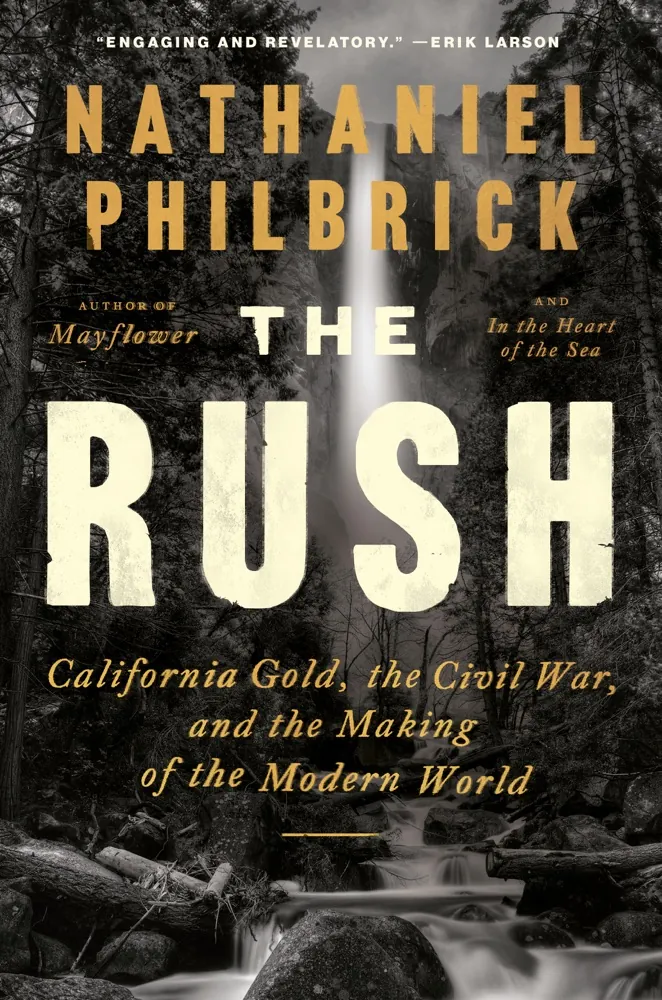
Author: Nathaniel PhilbrickPage Count: UnknownPublication Date: Expected publication 2026-10-06 APL Nathaniel Philbrick's forthcoming The Rush: California Gold, the Civil War, and the Making of the Modern World reads like a promise, a siren's call to the historians who have long been enthralled by the California Gold Rush's mythos. But what lies within the covers of this National Book Award winner's latest magnum opus? A story of American exceptionalism, perhaps, or a cautionary tale of the perils of unchecked capitalism? I suspect, however, that The Rush will instead be another instance of the author's fondness for romanticizing the American past, that old trope of the rugged individualist triumphing over adversity. Philbrick's prose often veers towards the grand, a sweeping panorama of American history that threatens to engulf the reader in its sheer velocity. But what about the nuances, the messy contradictions that make for compelling historical fiction? Does Philbrick's vision of California gold, with its promises of instant wealth and boundless possibility, also acknowledge the systemic inequalities that fueled this very rush—Native American dispossession, Chinese immigrant labor, the racial tensions that simmered just beneath the surface of the mining camps? I, for one, wouldn't be surprised if Philbrick chose to sidestep these complexities, opting instead for a more crowd-pleasing narrative that revels in the romance of America's Wild West. But what about the character of Samuel Brannan, the merchant-showman who finds himself at the center of vigilantism in San Francisco? Is he more than just a cipher, a straw man to be pitted against the Southern power broker William Gwin? Philbrick mentions Brannan's "drawn into the center of early vigilantism," but what does this mean, exactly? That he's a passive observer, swept up in the tumultuous politics of California? Or is he perhaps more integral to the story, a symbol of the rough-and-tumble capitalism that defined this era? —In a move that should give even the most hardened literary critics pause, Philbrick is rumored to be collaborating with a prominent film director to adapt The Rush into a feature-length drama. This would be a cinematic version of The Exorcist's infamous 'head-spinning' scene, a mess of conflicting ideas and competing interests that threatens to blow the very lid off the American narrative. The Rush's supposed focus on the intersection of California and the Civil War feels like a bold, innovative move—especially given the relative dearth of literature on this period of American history. Yet, I remain skeptical, my mind wandering instead to the more sensationalized accounts of this era, the pulp fiction versions that reduced complex historical events to simple tales of good vs. evil. A Question of Timing Is it merely a coincidence that The Rush is set to release in the midst of a national reckoning with our country's history of racism and inequality? Or is this a deliberate attempt by Philbrick to tap into the zeitgeist, to offer a timely reminder of the American experience's more unsavory aspects? Either way, I imagine The Rush will be a commercial success, its grand narrative and larger-than-life characters resonating with readers eager to revisit a more storied, more heroic past. —And don't even get me started on the problematic implications of Philbrick's historical narrative, a thinly veiled defense of Manifest Destiny that threatens to whitewash the brutal realities of American expansionism. Can anyone say 'Wendy Doniger's 'The Hindus'*? Philbrick's writing does possess a certain gravitas, a sense of authority that commands attention. But can we trust that authority, given the author's propensity for mythologizing historical events? Is he merely offering a fresh spin on familiar tales, or is there genuine insight to be gleaned from The Rush? Only time (and a thorough reading of the book itself) will tell. I, for one, expect The Rush to leave me feeling unsatisfied, like a dinner guest whose appetites have been cruelly tantalized but never quite satiated. But what about the reader who craves a panoramic epic, a sweeping narrative that redefines the contours of American history? Will they find The Rush to be a revelation, or simply another disappointment in a long line of grand, but ultimately hollow, historical narratives? For now, I'll continue to await the release of The Rush, my skepticism tempered by the knowledge that even the most questionable historians can sometimes produce something unexpected, something truly remarkable. And now, I need to appraise my antique watch collection for insurance purposes. #GoldRushEra #CivilWarEra #AmericanHistory #HistoricalFiction #NathanielPhilbrick #TheRush #booktoread Related InsightsRabbit Rabbit Book Review and Summary Defy Me (Shatter Me) Book Review and Summary Find Me Book Review and Summary{ "@context": "https://schema.org", "@type": "FAQPage", "mainEntity": [ { "@type": "Question", "name": "What is the main focus of The Rush: California Gold, the Civil War, and the Making of the Modern World Book Review and Summary?", "acceptedAnswer": { "@type": "Answer", "text": "Everything you need to know about The Rush: California Gold, the Civil War, and the Making of the Modern World with our detailed review." } }, { "@type": "Question", "name": "Who authored the comprehensive guide on The Rush: California Gold, the Civil War, and the Making of the Modern World Book Review and Summary?", "acceptedAnswer": { "@type": "Answer", "text": "This detailed article and its insights were carefully researched and authored by Tiago Silva." } }, { "@type": "Question", "name": "Where can I find more related content about Books?", "acceptedAnswer": { "@type": "Answer", "text": "You can explore more articles, detailed reviews, and similar insights by browsing the Related Insights section at the bottom of this article or visiting our dedicated Books category page." } } ] }
-
 Sofia Bianchi
 - 17 Aug, 2026 00:50
Murder Unabridged: An Old Juniper Bookshop Mystery Book Review and Summary
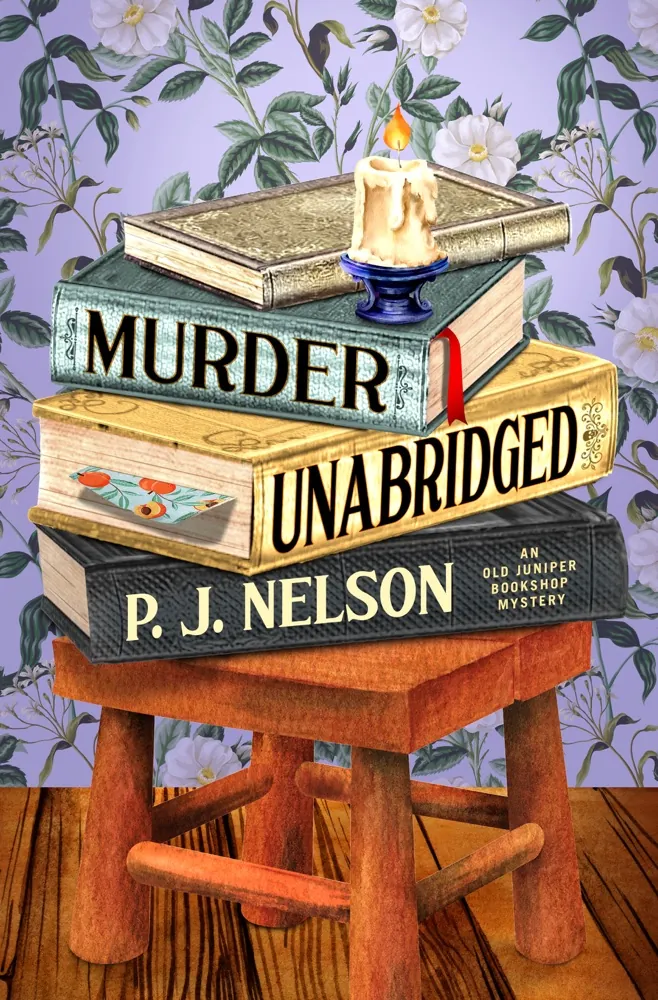
Author: P.J. NelsonPage Count: UnknownPublication Date: Expected publication 2026-12-01 APL The air conditioning in this townhouse has surrendered entirely to the suffocating weight of August, leaving one to ponder the existential utility of linen shirts when the humidity mimics the atmosphere of a greenhouse. P.J. Nelson’s forthcoming Murder Unabridged: An Old Juniper Bookshop Mystery arrives with the heavy, unearned certainty of a trust fund baby lecturing the proletariat on fiscal austerity. Enigma, Georgia. A quaint moniker for a small college town that apparently functions as a perpetual magnet for homicide, arson, and inconveniently placed corpses. The Architecture of the Absurd Madeline Brimley trades the slow, agonizing death of a stagnant acting career for the considerably more kinetic peril of running an inherited Victorian bookstore. One notes the glaring structural cliché here. The failed-thespian-turned-amateur-sleuth trope is as tired as the scandals surrounding the Duke of York, yet we lap it up like parched hounds in the dog days of summer. Or perhaps we do not lap it up at all. Actually, let us reconsider this sweeping dismissal; perhaps the theatrical background provides a necessary lens for a protagonist forced to stage-manage her own survival while local law enforcement plays the heavy. Nelson relies heavily on the gothic convenience of midnight confessions. A frail, aged wanderer named Trilby—surely a name burdened with literary baggage—drags his weathered bones through a storm only to confess to a forgotten murder within the very floorboards of The Old Juniper Bookstore. Naturally, he promptly expires by sunrise. Poisoned, no less. Epistemological Dread in the Southern Heat The synopsis outlines a neat little epistemological puzzle wrapped in cozy genre tropes. What does it mean to inherit a house that breathes history, only to find that the history is actively trying to frame you for murder? The ontological weight of the Victorian homestead looms large over this narrative. Yet the publisher’s blurb treats this metaphysical rot with the breezy indifference of a summer afternoon spent lounging by a chlorinated pool in Palm Beach. One suspects the manuscript will lean heavily into cozy procedural banalities when it hits shelves in December—though why anyone sets a Southern Gothic in the dead of winter escapes logic—rather than exploring the darker recesses of inherited guilt. The premise demands a philosophical excavation of memory and physical space. Instead, we shall likely receive standard-issue quaintness with a side of iced tea and small-town gossip. The sommelier just arrived with the new vintage and requires attention. Related InsightsTangled Up In You Book Review and Summary Starter Villain Book Review and Summary Our Skin Colour Book Review and Summary{ "@context": "https://schema.org", "@type": "FAQPage", "mainEntity": [ { "@type": "Question", "name": "What is the main focus of Murder Unabridged: An Old Juniper Bookshop Mystery Book Review and Summary?", "acceptedAnswer": { "@type": "Answer", "text": "Everything you need to know about Murder Unabridged: An Old Juniper Bookshop Mystery with our detailed review." } }, { "@type": "Question", "name": "Who authored the comprehensive guide on Murder Unabridged: An Old Juniper Bookshop Mystery Book Review and Summary?", "acceptedAnswer": { "@type": "Answer", "text": "This detailed article and its insights were carefully researched and authored by Sofia Bianchi." } }, { "@type": "Question", "name": "Where can I find more related content about Books?", "acceptedAnswer": { "@type": "Answer", "text": "You can explore more articles, detailed reviews, and similar insights by browsing the Related Insights section at the bottom of this article or visiting our dedicated Books category page." } } ] }
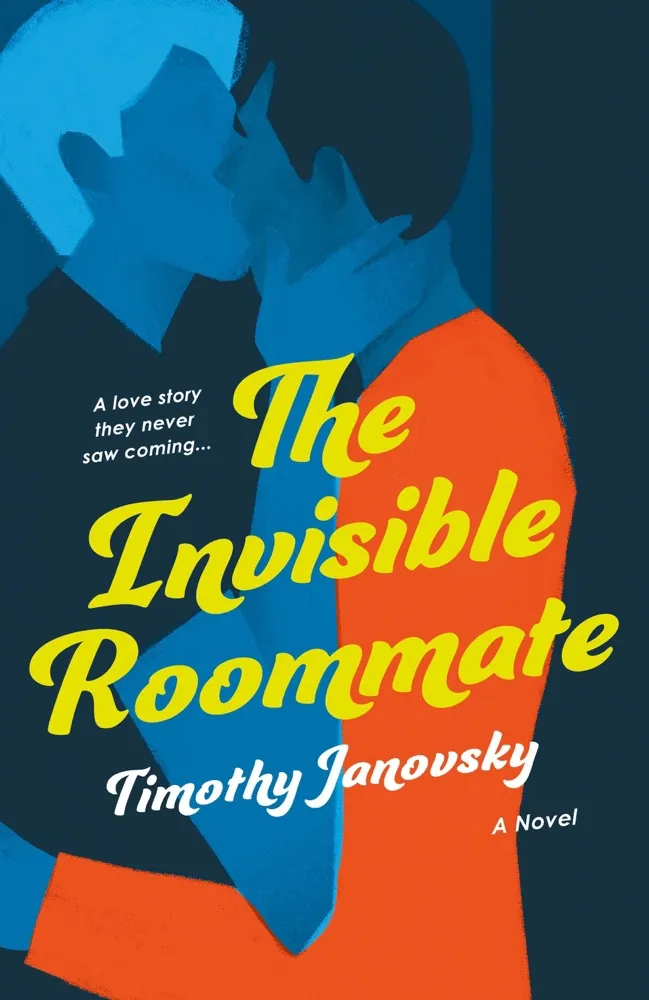

Author: Timothy JanovskyPage Count: UnknownPublication Date: Expected publication 2026-09-29 APL Steam hisses from the commercial wand behind me, drowning out the miserable screech of another customer ordering a half-caf macchiato with far too many syllables. I am wiping down a sticky stainless-steel counter for the fourth time this hour, glaring at the dark puddles left by the morning rain while waiting for the espresso machine to stop groaning. And yet, I am expected to sit here and dissect The Invisible Roommate by Timothy Janovsky. Joyous. Truly, nothing screams literary terror quite like a premise crossing HGTV house-hunting with H.G. Wells on a budget. The Sub-Basement of Romance Tropes The synopsis tells us we are getting an autumnal love story where a pop star escapes fame on a crumbling Chesapeake Bay island and accidentally shacks up with an invisible graduate school drop-out. Because nothing says gothic dread quite like forced proximity in a damp Victorian fixer-upper. Wait. Let me correct myself immediately. Maybe the dampness is actually doing heavy lifting here. Maybe the mold is sentient. Or maybe I am just desperately searching for a phantom slice of dread in a book that sounds aggressively engineered for a TikTok book club. And look, I usually love a good monster feature. Give me Cronenberg body horror or Shirley Jackson's slow-acting psychological rot any day of the week. But marrying the classic tale of isolation with a reality dating show hook—Love is Blind meets biological invisibility—feels less like a descent into the macabre and more like a fever dream hatched in a sterile writers' room. Can we talk about the sheer absurdity of hiding from the local police while conducting groundbreaking invisibility research in a rental? Actually, let us not talk about it. I have three hundred words left to write before my shift mercifully ends, and my caffeine-addled brain refuses to unpack the jurisprudence of spectral trespassing. Autumnal Bleakness Versus Manufactured Quirp The thematic stakes here allegedly hinge on vulnerability and secrets as Halloween approaches. But where is the blood? Where is the psychological devastation of watching your own body slowly vanish from the earthly plane? Instead, we get a cute autumnal backdrop. Give me actual ghosts. Give me a protagonist losing his mind to isolation rather than a pop star whining about chart rankings. Though, to be fair, maybe Janovsky is slipping a sharp little critique of surveillance capitalism under the rom-com rug. Or maybe I am projecting my deep, abiding hatred for open-plan living onto a fictional Victorian house. Let us be entirely honest with ourselves for a fraction of a second. I am only tapping away at this keyboard because my rent skyrocketed by twenty percent and the tips this week have been abysmal. If I wanted to read about rich men crying in remote locations, I would read standard literary fiction. Yet here we are. Waiting for the invisible shoe to drop. The new taxes on luxury imports are seriously impacting my wine collection. Related InsightsCity of Last Chances Book Review and Summary The Inward Trip: The Untold Story of Meditation in the West Book Review and Summary Call Off the Dark Book Review and Summary{ "@context": "https://schema.org", "@type": "FAQPage", "mainEntity": [ { "@type": "Question", "name": "What is the main focus of The Invisible Roommate Book Review and Summary?", "acceptedAnswer": { "@type": "Answer", "text": "Everything you need to know about The Invisible Roommate with our detailed review." } }, { "@type": "Question", "name": "Who authored the comprehensive guide on The Invisible Roommate Book Review and Summary?", "acceptedAnswer": { "@type": "Answer", "text": "This detailed article and its insights were carefully researched and authored by Diego Lopez." } }, { "@type": "Question", "name": "Where can I find more related content about Books?", "acceptedAnswer": { "@type": "Answer", "text": "You can explore more articles, detailed reviews, and similar insights by browsing the Related Insights section at the bottom of this article or visiting our dedicated Books category page." } } ] }
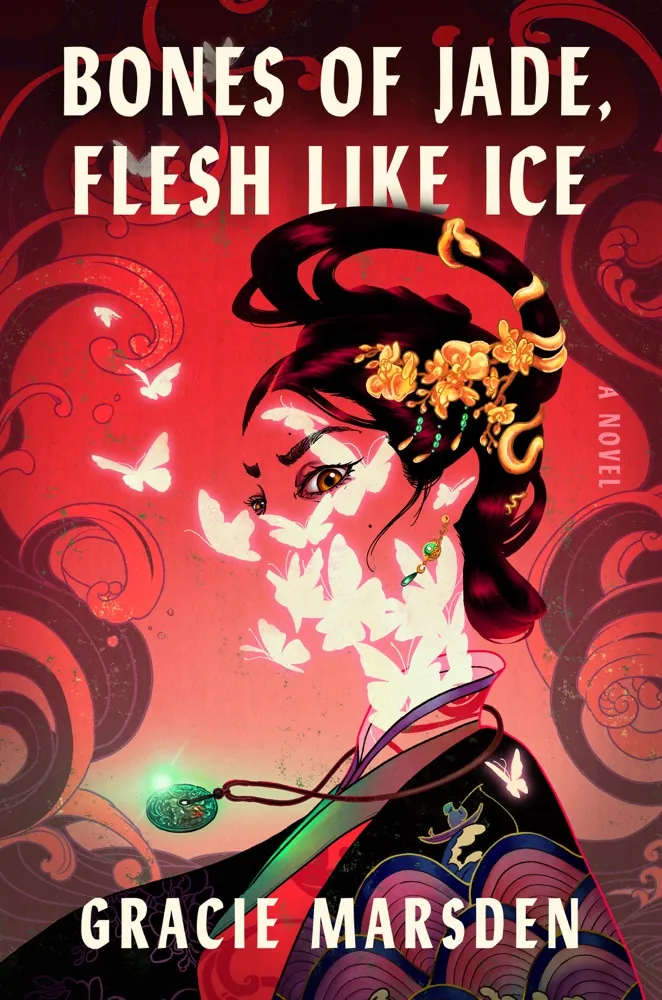

Author: Gracie MarsdenPage Count: UnknownPublication Date: Expected publication 2026-11-10 APL Look at this red clay caked onto my boots. It is three days past the equinox, the soil is still too stubbornly sodden to turn with a spade, and I am supposed to sit here parsing promotional blurbs about Eleventh-century demons. People think working the earth is a romantic exercise in mindfulness. It is actually just a relentless war against mud, bureaucratic water restrictions, and crows that have somehow evolved an immunity to every scarecrow design invented since the Bronze Age. And then a publisher sends over a synopsis for Bones of Jade, Flesh Like Ice. The Transactional Cost of Soil and Soul Gracie Marsden wants us to look at an eleventh-century Kangzhu where youth is bartered away to shapeshifting entities like sacks of grain. A girl named Yu’er gets sold off because a demon promised her parents unearned wealth. Naturally. Because nothing says domestic stability quite like economic mobility founded on supernatural extortion. Shelley Parker-Chan compares the construction to a finger trap. A clever blurb. But let us be entirely honest about what a finger trap actually requires. You pull away in a panic, and the weave tightens. You submit, and you are stuck. Or maybe the real tragedy here isn't the demon bargain at all. Maybe the tragedy is the sheer predictability of humans trading love for autonomy the second the floorboards start rotting. We pretend we are different from our medieval ancestors just because our exploitation comes with a corporate retirement plan. Actually, scratch that entire line of reasoning. The demon bargains are obviously just clever metaphors for predatory lending practices in contemporary housing markets. No, wait. That is completely absurd and pretentious. It is a historical fantasy with mythical beasts, not a seminar on municipal zoning laws. I am just projecting my sheer exhaustion with the local county council denying my permit for a rainwater catchment tank onto a book about dynastic court politics. Speaking of infuriating things, has anyone forced themselves to read the latest climate-apocalypse YA trilogy currently dominating every bestseller list? It is four hundred pages of privileged teenagers complaining about melting glaciers while sipping synthetic oat lattes in a glass-domed biodome, completely ignoring the fundamental physics of soil microbiome collapse. Every single page reads like a McKinsey report written by a depressed seventeen-year-old who just discovered Marx on TikTok. At least Marsden has the decency to set her devastation in a historical past where people actually had to bleed for their firewood, instead of just crying into an iPad about carbon footprints. The Royal Court and the Rot Yu’er leaves her husband, leaves her home, and trades her domestic sanctuary for absolute power in the royal court. A classic literary trajectory. Power always demands the shedding of one's softer edges—the bones of jade, the flesh like ice. It is a striking aesthetic paradox. Jade is brittle if struck incorrectly. Ice melts the moment the temperature shifts. Expect this book to sell a million copies to people who have never had to shovel muck in the freezing rain at dawn. They will read about Yu’er sacrificing her humanity for agency, sigh deeply into their designer throw pillows, and order takeout. The draft coming through the ill-fitted seal on the north window is currently slicing straight through my flannel shirt like a rusty saw blade, and I am entirely done pretending this wind is going to drop before sundown. Related InsightsThe consuming fire Book Review and Summary It's a Prince Thing (the Princess Rules) Book Review and Summary A Court of Wings and Ruin Book Review and Summary{ "@context": "https://schema.org", "@type": "FAQPage", "mainEntity": [ { "@type": "Question", "name": "What is the main focus of Bones of Jade, Flesh Like Ice Book Review and Summary?", "acceptedAnswer": { "@type": "Answer", "text": "Everything you need to know about Bones of Jade, Flesh Like Ice with our detailed review." } }, { "@type": "Question", "name": "Who authored the comprehensive guide on Bones of Jade, Flesh Like Ice Book Review and Summary?", "acceptedAnswer": { "@type": "Answer", "text": "This detailed article and its insights were carefully researched and authored by William Clark." } }, { "@type": "Question", "name": "Where can I find more related content about Books?", "acceptedAnswer": { "@type": "Answer", "text": "You can explore more articles, detailed reviews, and similar insights by browsing the Related Insights section at the bottom of this article or visiting our dedicated Books category page." } } ] }
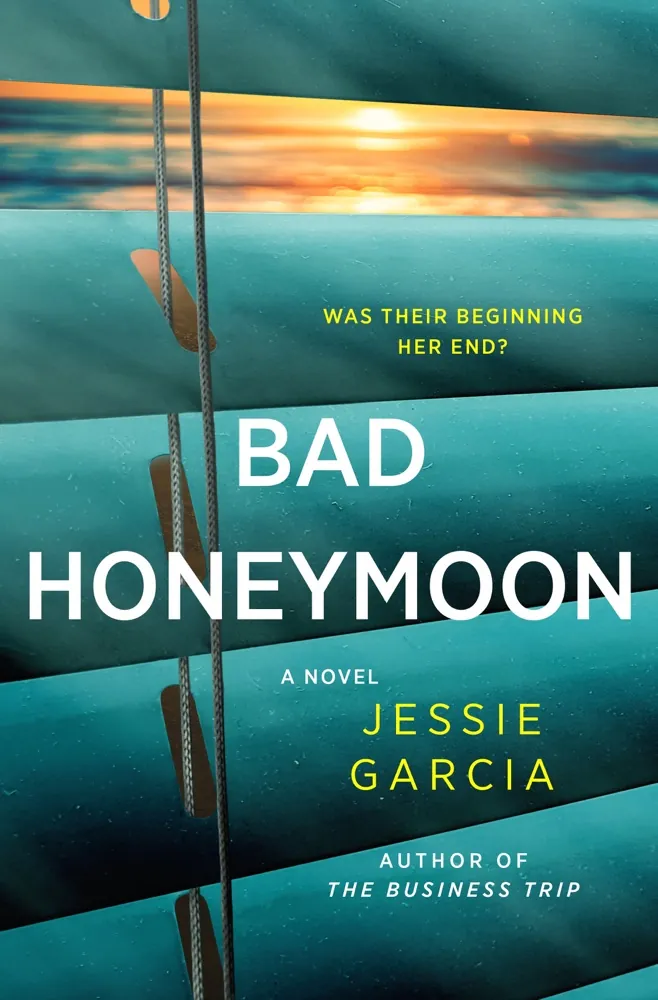
Author: Jessie GarciaPage Count: UnknownPublication Date: Expected publication 2026 APL Sitting here folding another tiny pair of socks while the news drones on about another missing person, another tragedy reduced to a soundbite, I keep thinking about how easily a human life becomes content. Jessie Garcia is giving us Bad Honeymoon in 2026, and based strictly on the premise, it feels like a sharp, cynical mirror held up to our desperate need for a ratings bump and a good scare before bedtime, echoing the brisk, commercial paranoia of Freida McFadden or Mary Kubica, though I honestly suspect Garcia's multi-POV framing will rely too heavily on withholding simple timeline facts just to trick us. And yet, looking at Becca Larson packing her bags for Florida to exploit a stranger's ruined vacation, I find myself strangely exhausted by the sheer machinery of modern storytelling where every single marriage must strain under doubt and every career must unravel because of a missing source. Actually, wait. Maybe the marriage isn't the point at all. Maybe Garcia is trying to say something much darker about the way grief and tragedy are commodified by people who claim to be looking for the truth, even if I complained a second ago about cheap narrative tricks. The synopsis tells us the story starts with a compelling, disturbing interview and ends with a corpse and a vanishing act, which sounds less like a deeply moving exploration of human loss and more like a slick, disposable beach read that forgot how to feel like anything real. The Currency of Despair We consume horror and sudden death like candy because we are desperately trying to inoculate ourselves against the quiet terror of losing someone we love, hoping that if we watch enough fictional reporters get framed for enough fictional murders, we might somehow understand how a life can vanish into thin air between one phone call and the next. Predictable. The smoke detector in the hallway is shrieking because my daughter decided to microwave a potato wrapped entirely in aluminum foil for her science project. Related InsightsLove, Death + Robots Book Review and Summary Once in a Timeline Book Review and Summary La llama en la niebla Book Review and Summary{ "@context": "https://schema.org", "@type": "FAQPage", "mainEntity": [ { "@type": "Question", "name": "What is the main focus of Bad Honeymoon Book Review and Summary?", "acceptedAnswer": { "@type": "Answer", "text": "Everything you need to know about Bad Honeymoon with our detailed review." } }, { "@type": "Question", "name": "Who authored the comprehensive guide on Bad Honeymoon Book Review and Summary?", "acceptedAnswer": { "@type": "Answer", "text": "This detailed article and its insights were carefully researched and authored by Victoria Smith." } }, { "@type": "Question", "name": "Where can I find more related content about Books?", "acceptedAnswer": { "@type": "Answer", "text": "You can explore more articles, detailed reviews, and similar insights by browsing the Related Insights section at the bottom of this article or visiting our dedicated Books category page." } } ] }
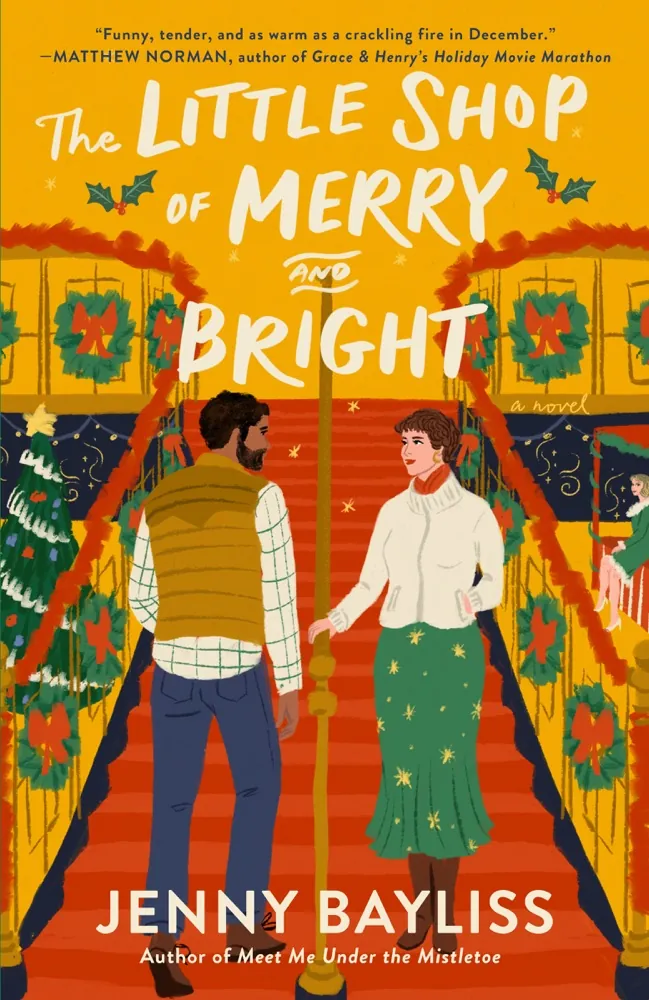
Author: Jenny BaylissPage Count: UnknownPublication Date: Expected publication 2026-09-22 APL The synopsis of The Little Shop of Merry and Bright is a masterclass in anti-escapism—which, ironically, is exactly what it promises. The premise is a glittering bait-and-switch: a woman who fled public life after a viral humiliation is offered a deal by a Christmas spirit, one that sounds like a Dark Souls boss fight wrapped in tinsel. But here’s the thing—this isn’t a fantasy novel about magic or redemption. It’s a quietist’s revenge fantasy, the kind where the real horror isn’t the alternate realities but the idea that Casey might like any of them. The bargain itself is a perfect setup for the kind of psychological tension you’d find in The Love Hypothesis meets The Secret History—if the latter had been written by a disgruntled Amazon reviewer. Margo, the Spirit of Christmas Present, isn’t some benevolent Santa. She’s a transactional entity, the kind of NPC you’d find in a Stardew Valley mod where the farmer’s daughter just wants to erase the past. The catch—five alternate realities—feels less like a test and more like a choose-your-own-adventure where the real question isn’t which life Casey prefers, but why she’d ever want to leave the one she’s in. Because let’s be honest, the life she’s in now is the one where she’s not being roasted on Twitter. That’s a luxury. Yet—and here’s where the synopsis starts to unravel—there’s a subtle undercurrent of something far more dangerous than escapism. The idea that Casey might not want the video erased isn’t just a plot device; it’s a psychological landmine. It’s the same tension you’d find in The Perks of Being a Wallflower, but with the emotional stakes of a Netflix breakup drama where the villain is her own self-loathing. The question isn’t whether she’ll choose the erased life—it’s whether she’ll even recognize the one she’s in as worth keeping. And that’s where the synopsis fails. It doesn’t tell us what those alternate realities look like. Are they worse? Better? Or just different enough to make her question whether she’s been running from something or just from everything? Let me grab my reading glasses for this mess. Because here’s the thing: the synopsis is too neat. It’s the kind of setup that would make a Twilight fanboy weep with joy—magic! spirits! alternate lives!—but it’s missing the grit. Where’s the real cost? Where’s the moment where Casey realizes that the life she’s trying to escape isn’t the one that made her a viral joke, but the one where she chose to stay quiet? The synopsis reads like a Hallmark Christmas movie synopsis, not a novel. And that’s a problem, because The Little Shop of Merry and Bright isn’t just about Christmas magic—it’s about the weight of silence. The kind of silence that makes you wonder if you’re the one who’s been haunted all along. But then again, maybe that’s the point. Maybe the real magic isn’t in the alternate realities, but in the decision to stay. And if that’s the case, then the synopsis is deliberately vague—because the best stories aren’t about the places you go, but the ones you choose not to leave. And yet—lexical whiplash—I can already see the booktok reactions: "This sounds like a cozy fantasy with a twist!" "I need this in my life!" "Why does this make me cry?!" It’s the same energy as The Song of Achilles, but with the emotional range of a McDonald’s Happy Meal. The synopsis sells the idea of magic, but it doesn’t sell the cost. And that’s where the real tension should be. I must select the floral arrangements for my upcoming book launch. Related Insightsالقرآن الكريم Book Review and Summary The Moon Is a Harsh Mistress Book Review and Summary Mokradla Book Review and Summary{ "@context": "https://schema.org", "@type": "FAQPage", "mainEntity": [ { "@type": "Question", "name": "What is the main focus of The Little Shop of Merry and Bright Book Review and Summary?", "acceptedAnswer": { "@type": "Answer", "text": "Everything you need to know about The Little Shop of Merry and Bright with our detailed review." } }, { "@type": "Question", "name": "Who authored the comprehensive guide on The Little Shop of Merry and Bright Book Review and Summary?", "acceptedAnswer": { "@type": "Answer", "text": "This detailed article and its insights were carefully researched and authored by Elena Volkova." } }, { "@type": "Question", "name": "Where can I find more related content about Books?", "acceptedAnswer": { "@type": "Answer", "text": "You can explore more articles, detailed reviews, and similar insights by browsing the Related Insights section at the bottom of this article or visiting our dedicated Books category page." } } ] }
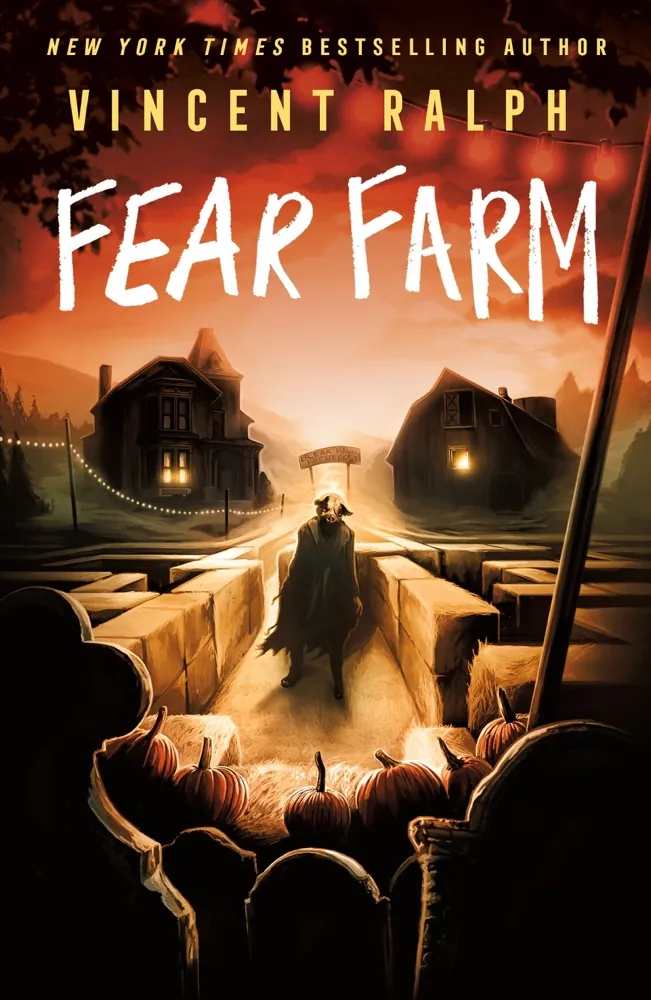

Author: Vincent RalphPage Count: UnknownPublication Date: Expected publication 2026-09-15 APL August air is practically dripping through the window screens this afternoon, heavy and cicada-strummed, making it entirely too warm to contemplate anything darker than a dry white wine. Yet here we are, staring down the bleak horizon of Vincent Ralph’s Fear Farm. The final installment of the Bleak Haven series arrives this September, carrying the kind of heavy-handed promise that usually makes me wince. We are promised a town you cannot leave. We are promised a fright-fest where residents pay to be terrified. Groundbreaking concepts, truly. We have not seen this exact narrative chassis since every direct-to-video slasher released during the Bush administration. But Ralph writes with a frantic, teeth-gritting momentum that somehow elevates standard-issue YA carnage into something worth watching. The Performance of Dread Tori Swift is seventeen. Tori Swift has ideas. Naturally. Or perhaps I am being too harsh on poor Tori before she has even drawn her fictional breath. Actually, let me correct that instinct entirely because teenage resourcefulness in modern horror is the only thing keeping the genre afloat right now, echoing the sharp, paranoid energy of Karen McManus or Natasha Preston at their finest. The thematic spine here is wonderfully transparent—performance as survival. Bleak Haven turns terror into commerce, laundering local trauma and suspicious "accidents" through the safe, neon-lit fog of an annual haunt. Tori does not just hide from the monster; she auditions to play the villain. She puts on the greasepaint. She steps onto the stage of her own volition. Shadows in the Footlights We find ourselves swimming in metatextual commentary about masks and authenticity. Yet the synopsis relies on the laziest shorthand of the trade. "Tragedy strikes." What a deeply informative phrase. One could drive a Mack truck through that plot hole, and yet we are expected to gasp when the fake blood suddenly matches the real iron-scented variety on the floorboards. And yet, I will read it. I will sit under the humming ceiling fan next month and turn the pages, hoping for a shred of genuine subversion. My home insurance renewal just landed on the kitchen counter, which means I now have to spend the next hour reviewing a policy that costs more than my first car, a singularly joyless task. Related InsightsPotions & Prejudice (The Moonflower Witches, #1) Book Review and Summary How to Let Go: A Memoir of Finding Peace in Endings Book Review and Summary After Midnight Book Review and Summary{ "@context": "https://schema.org", "@type": "FAQPage", "mainEntity": [ { "@type": "Question", "name": "What is the main focus of Fear Farm (Bleak Haven, #4) Book Review and Summary?", "acceptedAnswer": { "@type": "Answer", "text": "Everything you need to know about Fear Farm (Bleak Haven, #4) with our detailed review." } }, { "@type": "Question", "name": "Who authored the comprehensive guide on Fear Farm (Bleak Haven, #4) Book Review and Summary?", "acceptedAnswer": { "@type": "Answer", "text": "This detailed article and its insights were carefully researched and authored by Maximilian Fischer." } }, { "@type": "Question", "name": "Where can I find more related content about Books?", "acceptedAnswer": { "@type": "Answer", "text": "You can explore more articles, detailed reviews, and similar insights by browsing the Related Insights section at the bottom of this article or visiting our dedicated Books category page." } } ] }
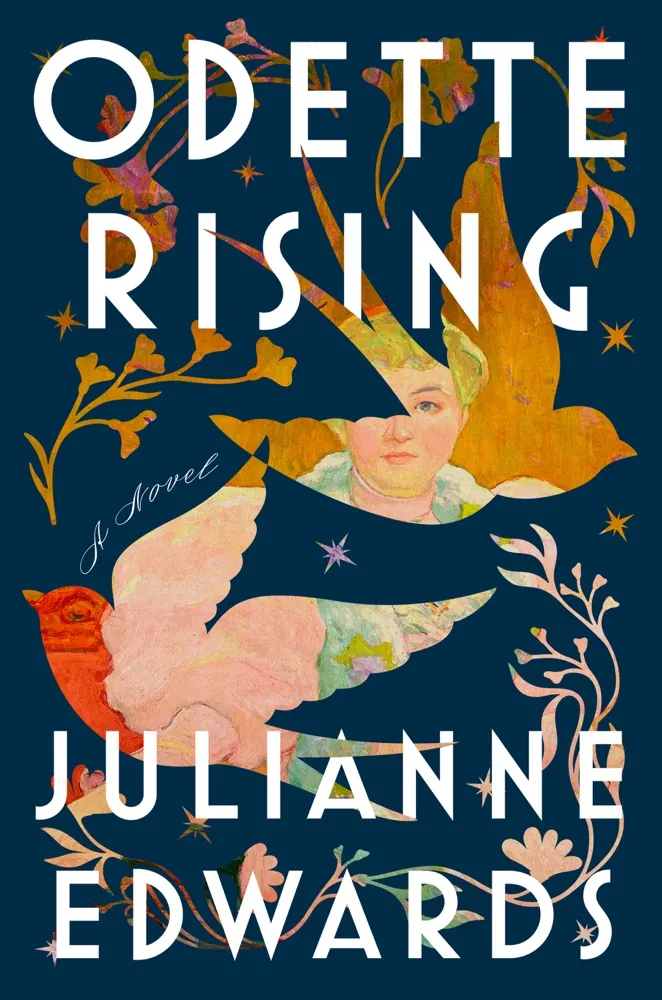

Author: Julianne EdwardsPage Count: UnknownPublication Date: Expected publication 2026-10-13 APL Ten years of voluntary enclosure in Sèvres because society demands female docility is a choice that makes my eye twitch. Not to burst anyone's bubble, but the trope of the sequestered maiden waiting for a dead man's estate to violently yank her into consciousness is exhausting. Julianne Edwards is dropping Odette Rising in October 2026, and the publishing machine is already trying to sell us another bourgeois girlboss awakening fueled by inherited hosiery capital. Give me a break. Or better yet, give this protagonist a guillotine. The Gilded Cage of Bourgeois Legitimization We are supposed to swoon over a twenty-one-year-old recluse who spent a decade hiding from loss by reading and carb-loading. Relatable? Sure. Radically subversive? Absolutely not. The premise hinges on a massive fortune tied to stockings that adorn the slender ankles of Parisian femmes célèbres. And there it is. The mandatory commodification of female vanity—even in a supposedly triumphant coming-of-age narrative. Yet the marketing copy insists on framing this inheritance as an emancipation tool. Men die, women inherit the factory floor, and suddenly capitalism is feminist empowerment. Right. Finding Agency in the Patriarchal Ledger Let us look closely at the architecture of this anticipated text. Odette unearths paternal secrets and stumbles upon her true identity through an unorthodox found family. Yawn. We have read this exact blueprint in every historical drama marketed toward book clubs that pretend they want grit while demanding a cozy resolution. Clare Leslie Hall compares it to Broken Country, which tells me to expect lush prose masking deeply conventional character arcs. Odette is touted as complex and flawed—which usually translates to making mildly bad decisions before the narrative gently rewards her with self-actualization and a found family hug. Where is the feral rage? Where is the institutional demolition? The Tyranny of the Comfort Read We refuse to accept that healing requires a quirky supporting cast and a dusty ledger of industrial secrets. A decade of agoraphobia broken down by a pair of designer stockings and some dead man's paperwork defies any realistic psychological trajectory—it is pure literary comfort food disguised as a triumph of storytelling. And yet, the prose excerpt promises moments of genuine sensory awakening. The tension between the shadows and the sudden shock of joy might actually save the manuscript from drowning in its own predictable domesticity. Or maybe it will just be another three hundred pages of crying into brioche until a man or a legacy saves her. Time will tell if Edwards has the teeth to bite the hand that binds her heroine. The washing machine just flooded the laundry room. Related InsightsThe Five People You Meet in Heaven Book Review and Summary Clockwork Princess Book Review and Summary Love Story Book Review and Summary{ "@context": "https://schema.org", "@type": "FAQPage", "mainEntity": [ { "@type": "Question", "name": "What is the main focus of Odette Rising Book Review and Summary?", "acceptedAnswer": { "@type": "Answer", "text": "Everything you need to know about Odette Rising with our detailed review." } }, { "@type": "Question", "name": "Who authored the comprehensive guide on Odette Rising Book Review and Summary?", "acceptedAnswer": { "@type": "Answer", "text": "This detailed article and its insights were carefully researched and authored by Marta Wisniewska." } }, { "@type": "Question", "name": "Where can I find more related content about Books?", "acceptedAnswer": { "@type": "Answer", "text": "You can explore more articles, detailed reviews, and similar insights by browsing the Related Insights section at the bottom of this article or visiting our dedicated Books category page." } } ] }
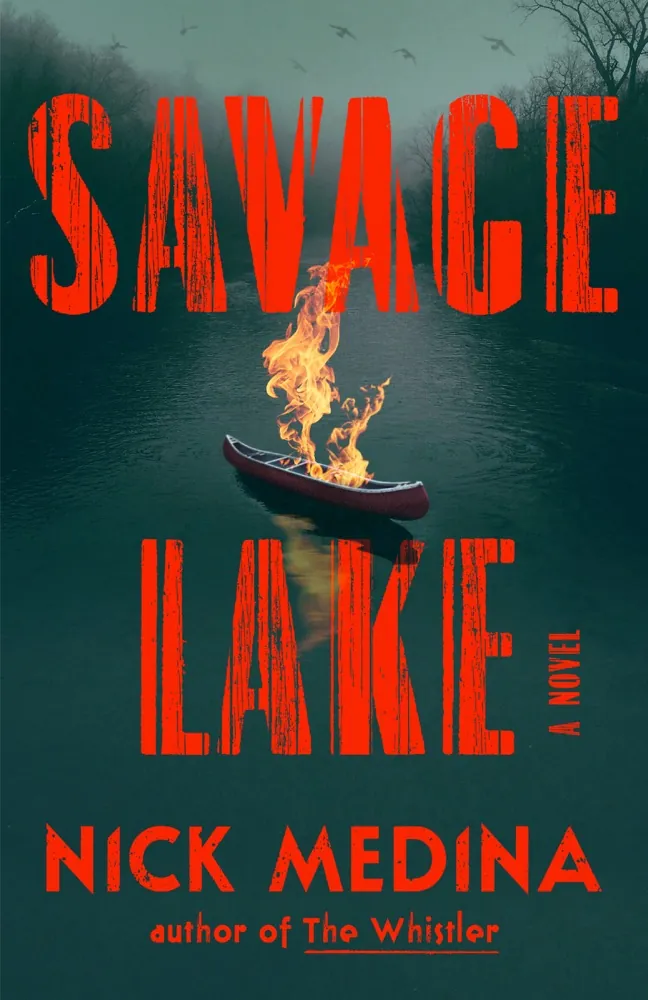
Author: Nick MedinaPage Count: UnknownPublication Date: Expected publication 2026-10-27 APL Nick Medina is heading back into the woods with Savage Lake, and honestly, my chest tightens just looking at the cover art. But let us be real for a second about the entire marketing apparatus surrounding modern horror. Every single synopsis relies on the exact same tired tropes about generational trauma and cabins that somehow hold memories like a cheap jar of preserves. Give me a break. People talk endlessly about the psychological depth of these grief-driven narratives, yet half the time it is just characters wandering around shouting names in the dark while a local community tries to mind its own business. Speaking of communities trying to protect their borders from outsiders who refuse to respect boundaries, why is the local homeowners association on my street allowed to dictate the exact shade of beige we paint our front porches? I swear, last Tuesday I spent three agonizing hours listening to Mrs. Higgins argue about the historical integrity of aluminum siding while my chest felt like it was caving in from sheer exhaustion, which honestly brings me right back to the suffocating cabin atmosphere Medina is promising us. The Geography of Resentment Torchlight Lake sounds less like a vacation spot and more like a bureaucratic trap. And who can blame the local Tribe for throwing up barricades? If tourists kept tracking their emotional baggage onto sovereign land, I would blockade the roads too. We are supposed to view these systemic friction points as mere window dressing for a ghost story. Yet the real friction is political, messy, and entirely real-world. It operates in the background while the teenagers complain about cell service. Nick Medina clearly wants to channel Stephen Graham Jones or Alma Katsu, blending folklore with domestic rot. I'll believe it when I see it on the shelves. Because leaning on Native land as a spooky backdrop for a white teenager's horror-movie meta-commentary feels dangerously close to cultural set-dressing. The Burden of Inheritance The synopsis leans heavily on the mother's fracturing psyche. Nell has a past. Naturally. Her dad passed away. Naturally. Now she has to drag her kid back to a dilapidated shack because apparently no one in horror fiction ever utilizes a local real estate agent. The thematic core here is blatantly obvious—we inherit our parents' ghosts whether we want them or not. Groundbreaking stuff. Oscar plays the role of the genre-savvy teen who recognizes the setup, which is a cute wink to the audience that usually falls flat when the actual prose takes itself entirely too seriously. If Medina avoids the trap of turning Indigenous sovereignty into just another monster-of-the-week obstacle, this might actually pack a punch. Otherwise, it is just another overpriced exercise in parental regret wrapped in pine needles. I am operating on three hours of sleep and pure espresso. Related InsightsThe Divine Comedy: Inferno - Purgatorio - Paradiso Book Review and Summary A Canticle for Leibowitz Book Review and Summary Clash of Kings Book Review and Summary{ "@context": "https://schema.org", "@type": "FAQPage", "mainEntity": [ { "@type": "Question", "name": "What is the main focus of Savage Lake Book Review and Summary?", "acceptedAnswer": { "@type": "Answer", "text": "Everything you need to know about Savage Lake with our detailed review." } }, { "@type": "Question", "name": "Who authored the comprehensive guide on Savage Lake Book Review and Summary?", "acceptedAnswer": { "@type": "Answer", "text": "This detailed article and its insights were carefully researched and authored by Hannah Schmidt." } }, { "@type": "Question", "name": "Where can I find more related content about Books?", "acceptedAnswer": { "@type": "Answer", "text": "You can explore more articles, detailed reviews, and similar insights by browsing the Related Insights section at the bottom of this article or visiting our dedicated Books category page." } } ] }
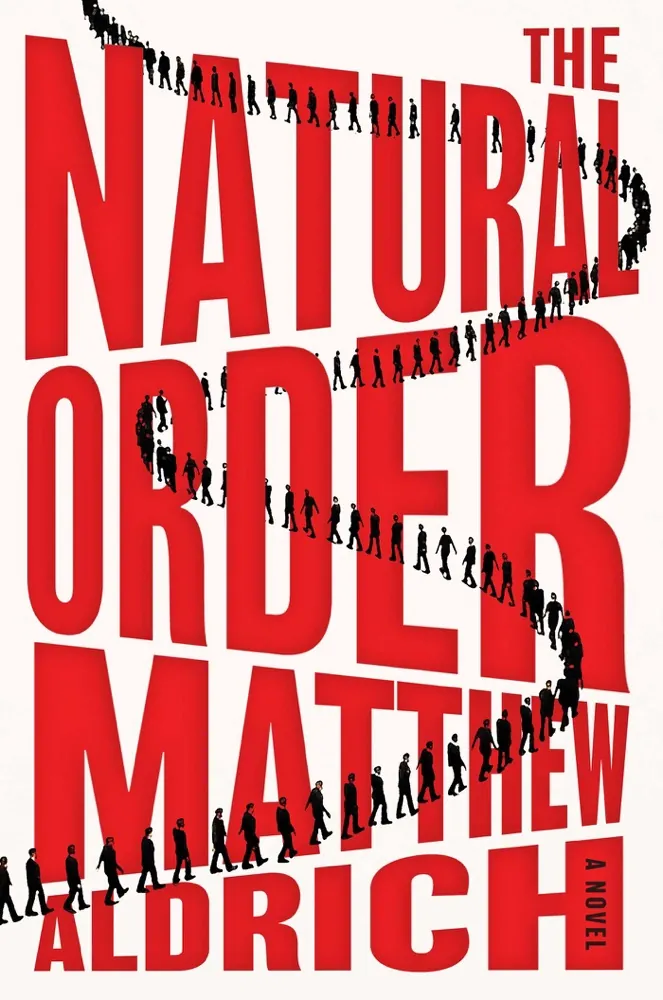

Author: Matthew AldrichPage Count: UnknownPublication Date: Expected publication 2026-10-27 APL The book synopsis has a certain... allure to it. The Natural Order, a novel by Matthew Aldrich, promises an unflinching look at our dystopian future. Paul Whitmore, the world's wealthiest man, has cracked the code to eternal life—a notion that should excite us, yet the author's warning signs are waving frantically like a reckless driver on a highway. The setup is straightforward: a billionaire with a foolproof plan to stop aging, an extremist group hell-bent on foiling his plans, and a tense reunion with his estranged son. It's a familiar, yet intriguing combination—think The Road meets The Immortalists with a dash of Black Mirror. The stakes are clear: the future of humanity hangs in the balance, and the protagonist's fragile family bond is put to the test. However, I find myself questioning the vagueness of it all. What does this "method" really entail? How does it work? These unanswered questions leave me with an unsettling feeling, as if the author is deliberately withholding crucial information. It's like being shown a fascinating but incomplete blueprint—enough to pique my curiosity, but not enough to fully commit to the project. This is where The Natural Order starts to feel like a Frankenstein's monster of themes and ideas. We have our familiar dystopian warning signs, our tech-obsessed billionaire, and our family drama. It's a mix that should resonate with fans of authors like Kim Stanley Robinson and Margaret Atwood, but somehow it feels... unrefined. Like a still-learning screenwriter trying too hard to make a point. Yet, despite my reservations, I can see the sparks flying. There's a potential richness here—this is a novel that could grapple with issues of technology, longevity, and the human condition in ways that would make for a thought-provoking and unsettling read. Aldrich has set the stage for a thought-provoking exploration of what it means to be human in a world where our mortality is a distant memory. I'm not yet convinced that The Natural Order will deliver on its promise, but I'm willing to give it a shot. With the right execution, this could be a haunting and humane novel that lingers in the reader's mind long after the final page is turned. Literally. Reviewing life insurance policies is not exactly my idea of a fun afternoon activity. #DystopianFiction #FutureScopes #EternalLife Related InsightsAnother Life Book Review and Summary Amarilla Book Review and Summary New Year's Grieve Book Review and Summary{ "@context": "https://schema.org", "@type": "FAQPage", "mainEntity": [ { "@type": "Question", "name": "What is the main focus of The Natural Order: A Novel Book Review and Summary?", "acceptedAnswer": { "@type": "Answer", "text": "Everything you need to know about The Natural Order: A Novel with our detailed review." } }, { "@type": "Question", "name": "Who authored the comprehensive guide on The Natural Order: A Novel Book Review and Summary?", "acceptedAnswer": { "@type": "Answer", "text": "This detailed article and its insights were carefully researched and authored by Michael Brown." } }, { "@type": "Question", "name": "Where can I find more related content about Books?", "acceptedAnswer": { "@type": "Answer", "text": "You can explore more articles, detailed reviews, and similar insights by browsing the Related Insights section at the bottom of this article or visiting our dedicated Books category page." } } ] }
- Tiago Silva
- 16 Aug, 2026 12:59
The Dark Lord's Guide to Honeymooning (and Other Acts of Tyranny) Book Review and Summary
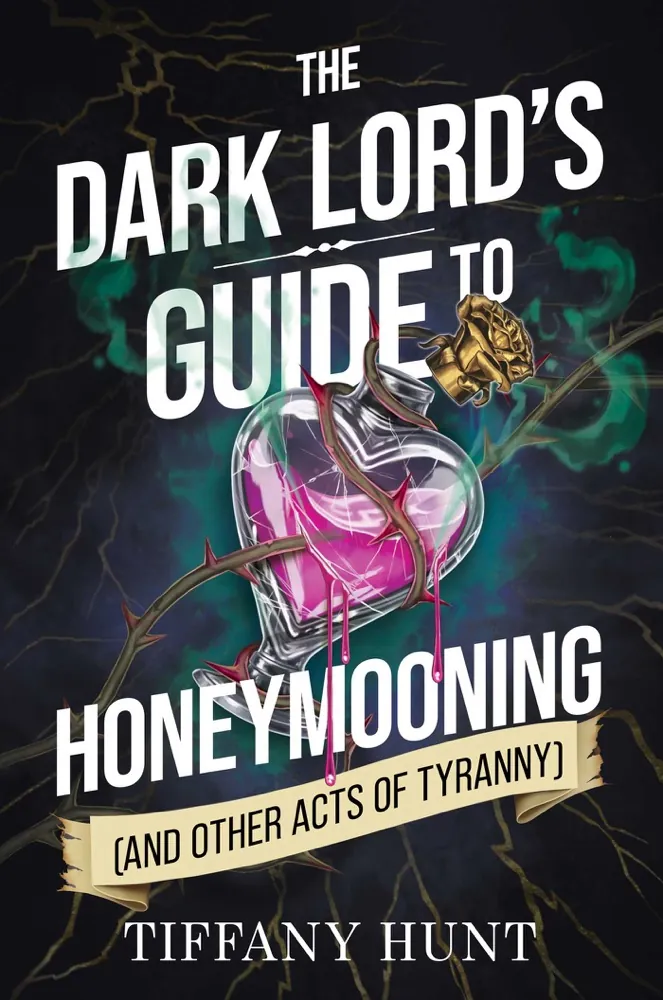
Author: Tiffany HuntPage Count: UnknownPublication Date: Expected publication 2026-09-08 APL Another afternoon bleeding away into the champagne bucket while my portfolio takes a nosedive off a metaphorical cliff, and what am I doing? Staring at promotional copy for The Dark Lord's Guide to Honeymooning (and Other Acts of Tyranny) by Tiffany Hunt. God forbid I drink my vintage in peace without contemporary publishing dragging me back into the gutter of trope-heavy romantasy. Look. We are expected to swallow the premise that domestic bliss can coexist with mass kidnappings and demonic possession. Groundbreaking. Truly, the avant-garde literature of our generation. The Aesthetics of Domestic Terrorism Hunt is apparently leaning hard into the Assistant to the Villain meets Dreadful vibe, which tells me absolutely nothing original while simultaneously promising a very specific brand of chaotic domesticity. Kazimir Blackrose and Arabella are bound by marriage and some magical artifact called an Heirloom—how delightfully pedestrian. Every modern indie darling needs a glowing rock or a cursed piece of IKEA furniture to anchor their relationship arc. Yet. The sheer audacity of framing a world-conquest timeline around a honeymoon itinerary deserves a slow clap. We are promised villains who stay deliciously wicked while being catastrophically in love. A masterclass in cognitive dissonance. You cannot dismantle the socio-political structures of Solandris while simultaneously worrying about artisanal scones baked by a pastry chef with heroic blood. Make it make sense. Or don't. At this point, my existential dread is too heavy to care about artisanal pastry mechanics. Actually, scrap that entirely. The pastry chef detail is genius. It is unhinged, carb-loaded chaos, and I will tolerate zero slander against weaponized baked goods. Sizzling Spice and Structural Collapse The core tension of this entire text relies on three dangerous little words. Three. We all know what they are. It is the literary equivalent of a jump scare in a slasher flick. One second you are plotting global domination, and the next you are having an emotional breakdown over a missing memory and a demonic ex-roommate. The psychological whiplash is palpable. Hunt is riding the coattails of the current romantasy zeitgeist where characters can commit war crimes on Tuesday and hold hands by Thursday. It is trashy. It is glossy. It is probably going to spend six months on the bestseller list while my stocks burn to ash. Let us be entirely honest with ourselves for a fraction of a second. The synopsis reads like a fanfiction prompt generator designed by an algorithm hopped on cold brew. And yet? I am pre-ordering the sprayed-edge hardcover edition. Shame is a social construct anyway. Excuse me. I need to authorize a multi-million dollar wire transfer for a philanthropic endeavor involving endangered sphinx cats, or the tax attorneys will scream. #romantasy #darkacademia #booktok #scones Related InsightsThe Twilight Collection Book Review and Summary Daughter of Smoke & Bone Book Review and Summary Doctor Zhivago Book Review and Summary{ "@context": "https://schema.org", "@type": "FAQPage", "mainEntity": [ { "@type": "Question", "name": "What is the main focus of The Dark Lord's Guide to Honeymooning (and Other Acts of Tyranny) Book Review and Summary?", "acceptedAnswer": { "@type": "Answer", "text": "Everything you need to know about The Dark Lord's Guide to Honeymooning (and Other Acts of Tyranny) with our detailed review." } }, { "@type": "Question", "name": "Who authored the comprehensive guide on The Dark Lord's Guide to Honeymooning (and Other Acts of Tyranny) Book Review and Summary?", "acceptedAnswer": { "@type": "Answer", "text": "This detailed article and its insights were carefully researched and authored by Tiago Silva." } }, { "@type": "Question", "name": "Where can I find more related content about Books?", "acceptedAnswer": { "@type": "Answer", "text": "You can explore more articles, detailed reviews, and similar insights by browsing the Related Insights section at the bottom of this article or visiting our dedicated Books category page." } } ] }


Author: Laleh KhadiviPage Count: UnknownPublication Date: Expected publication 2026-09-22 APL Ah, Female Life on Planet Earth by Laleh Khadivi is marching toward its September 2026 release date draped in all the usual blurb-heavy armor. Katie Kitamura calls it intoxicating. Naturally. But let us pause for a fraction of a second to address the sheer exhaustion of the dead-mother revelation trope. If I had a nickel for every time I've read this premise, I could afford to permanently delete my shared calendar and buy a vineyard in Umbria where fidelity is actually a baseline expectation rather than a decorative suggestion. Consider the setup: pristine homemaker mother kicks the bucket, leaving behind an unmarked envelope containing photographic proof of a radical, gun-toting youth. It is The Deep Blue Goodbye meets Normal People via a middle-class Los Angeles traffic jam. Yet Khadivi—an award-winning voice—deserves better than my immediate cynicism. The publisher's pitch relies heavily on the juxtaposition of domestic mundanity (client accounts, aggressive soccer moms) against the kinetic, burning-building anarchy of Ana’s past. And yet, I worry the book will lean too hard into the quirky-aunt chorus. Do we really need an entire Greek chorus of hilarious neighbors to teach our protagonist about female autonomy? Or can we just let a daughter stare at a photograph of her mother holding a firearm and sit with the terrifying realization that we never actually know the people we invite into our beds, our kitchens, and our hearts? Actually, strike that. The chorus of chatting women might be the exact salvation of this manuscript. Maybe the real brilliance lies in the cacophony. Or maybe it is just noise. Bleak. The thematic architecture here hinges entirely on inheritance and lineage—words that usually make my eye twitch because they are so frequently weaponized by authors who refuse to plot their second acts. Khadivi writes with bristling intelligence, according to the jacket copy, which usually means the prose will be gorgeous enough to distract us from the fact that Heti is just another stressed-out LA professional navigating the modern wasteland of email pings and soccer practices. We are promised a celebration of the boundlessness of women over time and space. But I am inherently suspicious of any book that promises to explain the contradictory possibilities inside every woman while ignoring how easily trust gets shredded by a single hidden photograph. Or a secret double life. Or a casual betrayal that blindsides you on a Tuesday afternoon when you were simply trying to fold the fitted sheets. Trust is a fragile architecture. Brittle. September 2026 will arrive soon enough, bringing with it the inevitable stack of glowing reviews in major quarterlies. I will probably buy it anyway. I will sit on the sofa, drink too much espresso, and hope against hope that Heti finds some semblance of peace while I try to remember why I ever believed that people come with warning labels. #FemaleLifeOnPlanetEarth #LalehKhadivi #LiteraryFiction #BookTwitter I have to go untangle the dog's leash from the dining table. Related InsightsFinal Fantasy XIV: Stormblood -- The Art of the Revolution -Western Memories- Book Review and Summary Uglies Book Review and Summary 1Q84 Book Review and Summary{ "@context": "https://schema.org", "@type": "FAQPage", "mainEntity": [ { "@type": "Question", "name": "What is the main focus of Female Life on Planet Earth Book Review and Summary?", "acceptedAnswer": { "@type": "Answer", "text": "Everything you need to know about Female Life on Planet Earth with our detailed review." } }, { "@type": "Question", "name": "Who authored the comprehensive guide on Female Life on Planet Earth Book Review and Summary?", "acceptedAnswer": { "@type": "Answer", "text": "This detailed article and its insights were carefully researched and authored by Isabella Moore." } }, { "@type": "Question", "name": "Where can I find more related content about Books?", "acceptedAnswer": { "@type": "Answer", "text": "You can explore more articles, detailed reviews, and similar insights by browsing the Related Insights section at the bottom of this article or visiting our dedicated Books category page." } } ] }
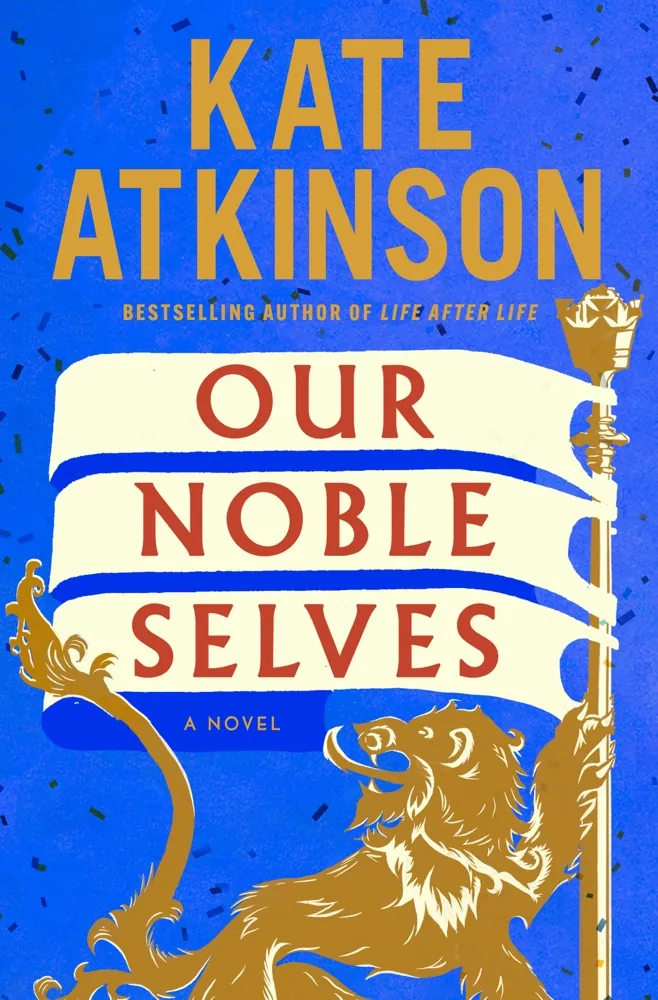
Author: Kate AtkinsonPage Count: UnknownPublication Date: Expected publication 2026-09-15 APL The synopsis for Our Noble Selves is so deliberately vague it’s almost a feature—like a film poster that refuses to reveal the villain’s face until the final act. This is either a masterstroke of marketing ambiguity or a sign that Atkinson is playing with the reader’s expectations like a cat with a mouse. Either way, it’s a gambit that demands patience, the kind of patience only a broken university student with a PhD in literary theory and a rent due next week can muster. The Festival of Britain, a government-sponsored spectacle meant to paper over the cracks of a nation still bleeding from war, is the perfect setting for a story about memory, guilt, and the ways institutions lie to themselves. But here’s the thing—Atkinson’s best work (Life After Life, Case Histories) thrives on the tension between the personal and the historical, where a single character’s trauma becomes a microcosm of a larger collective amnesia. The synopsis hints at Flynn’s amnesia as a plot device, but amnesia in Atkinson’s hands is rarely just a plot device. It’s a metaphor for the way history itself erases inconvenient truths. So when Flynn can’t remember the night the Frenchwoman vanished, we’re not just dealing with a whodunit—we’re dealing with the question of who gets to decide what’s remembered and what’s forgotten. Yet the synopsis also drops a red flag: the "misfits and eccentrics" of the Festival team. This is a trope Atkinson has used before (Life After Life’s ensemble of time-traveling siblings, Human Croquet’s surrealist cast), but the phrasing here feels almost throwaway, like an afterthought. If this is another ensemble piece, then Atkinson’s challenge will be to make each character feel as vivid as the historical backdrop. Because let’s be honest—when the synopsis lists a cast of "misfits," it’s either a promise of rich, layered characters or a warning that the book might lean too heavily on the "eccentric" as shorthand for depth. I’m betting on the former, but only because I’ve seen Atkinson pull it off before. Still, the vagueness here is maddening—where’s the specificity? Where’s the hint of a character who isn’t just "eccentric" but haunting? And then there’s the Festival itself, a government-funded carnival meant to celebrate Britain’s creativity. But Atkinson’s work has always been skeptical of such grand gestures—Life After Life’s alternate histories are a critique of national mythmaking, and Case Histories’ fragmented narratives refuse to let the state tell a single, cohesive story. So if Our Noble Selves is about a nation reconstructing its image, then the real question isn’t who killed the Frenchwoman—it’s who benefits from the story that gets told. The synopsis doesn’t say. It doesn’t need to. But it leaves you wondering: is this a story about individual guilt, or is it about the collective lies we tell to survive? I keep thinking about The Remains of the Day here, the way James Bond’s butler’s quiet complicity in the horrors of his era is the real tragedy. But Atkinson’s work is more subversive than that—she doesn’t just expose the lies, she makes the reader complicit in uncovering them. So if Flynn’s amnesia is the hook, then the real tension will be in how much we, as readers, are allowed to see. And if the Festival is the backdrop, then the question isn’t just who’s hiding something—it’s who’s performing for whom. But I’m getting ahead of myself. The synopsis is deliberately opaque, and that’s fine—it’s a trick Atkinson has used before, a way to make the reader work. And honestly? I’m glad. Because if this book is half as good as the synopsis suggests, then it’ll be worth the wait. But if it’s just another historical mystery with a few "eccentrics" thrown in, then I’ll have to ask myself why I’m even bothering to write this review in the first place. I need to go to a poetry reading. It’ll be terrible, but at least it’ll be over by midnight. And unlike this book, I’ll know exactly what to expect. Related InsightsOne Perfect Couple Book Review and Summary Wonder Book Review and Summary The Invention of Hugo Cabret Book Review and Summary{ "@context": "https://schema.org", "@type": "FAQPage", "mainEntity": [ { "@type": "Question", "name": "What is the main focus of Our Noble Selves Book Review and Summary?", "acceptedAnswer": { "@type": "Answer", "text": "Everything you need to know about Our Noble Selves with our detailed review." } }, { "@type": "Question", "name": "Who authored the comprehensive guide on Our Noble Selves Book Review and Summary?", "acceptedAnswer": { "@type": "Answer", "text": "This detailed article and its insights were carefully researched and authored by Marco Conti." } }, { "@type": "Question", "name": "Where can I find more related content about Books?", "acceptedAnswer": { "@type": "Answer", "text": "You can explore more articles, detailed reviews, and similar insights by browsing the Related Insights section at the bottom of this article or visiting our dedicated Books category page." } } ] }
Author: Candice Carty-WilliamsPage Count: UnknownPublication Date: Expected publication 2026-09-08 APL The anticipation is almost palpable as we await the return of Candice Carty-Williams's iconic character, Queenie Jenkins, in her highly anticipated sequel, Queenie Is Working on It. While the original Queenie has been adapted into a television series on Hulu, the allure of Carty-Williams's prose is undeniable—especially for those who have fallen under the spell of authors like Zadie Smith and Chimamanda Ngozi Adichie. As I sit in quiet contemplation, surrounded by the warmth of a late summer evening, I find myself drawn into the world of this beloved and flawed protagonist. Queenie, at thirty-three, is the editorial director of The Good Sis, a media network championing the voices of Black women—a stark contrast to her toxic past. And yet, as she confronts the possibility of motherhood, her own desires and uncertainties come to the forefront. What I find intriguing is the way Carty-Williams weaves together the themes of time, identity, and purpose. Queenie's struggles to define herself are all too relatable in today's fast-paced landscape where careers, relationships, and societal expectations converge to confound us. Yet, as I ponder the synopsis, I'm struck by the opacity of Carty-Williams's narrative trajectory. The plot threads seem tantalizingly thin, leaving me wanting—much like Queenie, who finds herself torn between love, family, and her own autonomy. But this is where the true brilliance lies: in the messy, imperfect, and unapologetic portrayal of Queenie's inner world. Carty-Williams has a remarkable talent for capturing the nuances of her character's emotions, which are raw, authentic, and all the more captivating for their vulnerability. I'm reminded of the works of authors like Angela Flournoy and Akwaeke Emezi, who have skillfully probed the depths of the human experience. Now, I must confess—having read only the synopsis, I'm left with a nagging sense of uncertainty. Will Carty-Williams successfully navigate the complexities of Queenie's life without sacrificing the character's agency? Or will she succumb to the pitfalls of predictable storytelling? These are questions I'm eager to have answered. One thing is certain: as a literary community, we're witnessing a seismic shift in the way Black women are being represented in literature, and Carty-Williams is at the forefront of this movement. Her unflinching dedication to exploring the intricacies of identity and the Black female experience is both a testament to her craft and a beacon of hope for readers seeking more nuanced portrayals. Literally. My mind is racing with the possibilities. In Queenie Is Working on It, Carty-Williams seems poised to deliver a sequel that is both a love letter to her character and a scathing critique of the societal pressures that constrain us. As I await the release on September 8th, I'm left wondering: will Queenie finally find her footing in this chaotic, beautiful, and utterly confounding journey called life? And now, for some reason, the baby monitor just illuminated with terrifying activity. Related InsightsEscuadrón Cielo Book Review and Summary To All the Boys I've Loved Before Book Review and Summary Kafka on the Shore Book Review and Summary{ "@context": "https://schema.org", "@type": "FAQPage", "mainEntity": [ { "@type": "Question", "name": "What is the main focus of Queenie Is Working on It (Queenie, #2) Book Review and Summary?", "acceptedAnswer": { "@type": "Answer", "text": "Everything you need to know about Queenie Is Working on It (Queenie, #2) with our detailed review." } }, { "@type": "Question", "name": "Who authored the comprehensive guide on Queenie Is Working on It (Queenie, #2) Book Review and Summary?", "acceptedAnswer": { "@type": "Answer", "text": "This detailed article and its insights were carefully researched and authored by Camille Dubois." } }, { "@type": "Question", "name": "Where can I find more related content about Books?", "acceptedAnswer": { "@type": "Answer", "text": "You can explore more articles, detailed reviews, and similar insights by browsing the Related Insights section at the bottom of this article or visiting our dedicated Books category page." } } ] }
-
 Antoine Leroy
 - 16 Aug, 2026 10:30
Something Is Killing the Children: Hope Is a Knife: A Novel Book Review and Summary
Author: James Tynion IVPage Count: UnknownPublication Date: Expected publication 2026-10-13 APL Listen close, you little ruffians. Sit by the hearth while the embers still pop. We used to tell tales about bog-hags and iron-toothed wolves to keep you from wandering into the dark woods alone after sundown. Back then, the monsters were simple. They wanted your bones. They didn't wear a human mask or wrap themselves in the comforting blankets of localized mass hysteria. James Tynion IV and Kiersten White are bringing that old, brutal folklore back to the page with Something Is Killing the Children: Hope Is a Knife, and I suspect most of you are entirely unready for the teeth waiting in the dark. The Weight of Iron and Blood Erica Slaughter is back, dragging her cold efficiency into Badwater, Idaho. And what a miserable little hamlet it must be. We have traded the comforting predictability of ancient myth for the sharper, uglier terror of modern panic. Think Shirley Jackson meets Stephen King on a particularly bad hangover. What fascinates me—and infuriates me about modern publishing trends—is this desperate need to adapt every comic panel into a prose novel. Why must we stretch the canvas? Are our collective imaginations so brittle now that we require two hundred pages of internal monologue to understand why a child's terror can curdle into a flesh-eating entity? Back in my day, a monster lived under the floorboards because you were disobedient, not because of a nuanced psychological trauma profile engineered by focus groups. Kids these days watch those glowing rectangle screens until their eyes glaze over, completely losing touch with the oral tradition of storytelling, staring blankly at cartoons featuring neon-colored ponies that solve all their interpersonal anxieties through the magic of interpretive dance while the real world outside collapses into absolute bureaucratic mush, but I suppose Erica Slaughter would handle those obnoxious ponies with a silver-plated hatchet and zero hesitation. The Anatomy of Hysteria The synopsis hints at a charismatic doomsday preacher driving a town off a cliff. Brilliant. Nothing terrifies me more than a man with a microphone and a terrible haircut. Tynion understands that the true monster is rarely the clawed beast in the shadows; it is the mob holding the torches, waiting for an excuse to burn the village. Erica faces an impossible mathematical equation in Hope Is a Knife. Find the traumatized kid. Destroy the manifestation of their fear. Do it before the zealots decide to sacrifice the hunter instead of the prey. It is a tight, suffocating premise. Whether the prose can sustain the kinetic, visceral pacing of the original comics without the visual punch of Werther Dell'edera’s artwork remains the great, looming question. I am deeply skeptical. Print can be a clumsy cage for pure nightmare fuel. Watch your step in the brush. The old stories warn us that the things hunting us usually look like neighbors first. Now, hush. I need to go find where the dog dragged my only good pair of dress shoes before the rain starts. Related InsightsMortal Minds (The Broken Realms #2) Book Review and Summary Peter Pan Book Review and Summary Scandals & Whiskey (The Whiskey Women, #2) Book Review and Summary{ "@context": "https://schema.org", "@type": "FAQPage", "mainEntity": [ { "@type": "Question", "name": "What is the main focus of Something Is Killing the Children: Hope Is a Knife: A Novel Book Review and Summary?", "acceptedAnswer": { "@type": "Answer", "text": "Everything you need to know about Something Is Killing the Children: Hope Is a Knife: A Novel with our detailed review." } }, { "@type": "Question", "name": "Who authored the comprehensive guide on Something Is Killing the Children: Hope Is a Knife: A Novel Book Review and Summary?", "acceptedAnswer": { "@type": "Answer", "text": "This detailed article and its insights were carefully researched and authored by Antoine Leroy." } }, { "@type": "Question", "name": "Where can I find more related content about Books?", "acceptedAnswer": { "@type": "Answer", "text": "You can explore more articles, detailed reviews, and similar insights by browsing the Related Insights section at the bottom of this article or visiting our dedicated Books category page." } } ] }


Author: Wesley KingPage Count: UnknownPublication Date: Expected publication 2026-10-20 APL Flour is currently coating every single horizontal surface in this kitchen because the children demanded cinnamon rolls in the oppressive heat of August, which makes zero logical sense unless you enjoy sweating directly into yeast dough. Yet here I am, scraping dried batter off the counter while staring at the synopsis for Wesley King’s Wolf Season. The Illusion of the Prodigal Return Every single publisher in New York insists on recycling this exact same tired trope. The prodigal son comes home. The sheriff father is missing. The small Montana town hides dark secrets. It is entirely uninspired laziness masquerading as suspense. Why do we pretend that hiding bodies in the woods constitutes high art? People act like rural isolation automatically breeds supernatural phenomena and generational curses, but half the time it is just poor plumbing and repressed emotions. Give me a locked-room drawing-room puzzle with three eccentric spinsters and a missing teacup any day over another brooding man staring pensively at a pine tree. The flour has now somehow migrated onto my favorite cookbook, which is fantastic. Speaking of messes, I am still seething over that garbage recommendation last month where the detective miraculously solved the locked-vault murder by remembering a childhood sunburn. Absolute narrative insolvency. It made me want to throw my mixing bowl straight through the drywall. Honestly, why are we rewarding authors who cannot construct a logical timeline without relying on ghost sightings or spectral wolves? The Romance Trap And naturally, we get the mandatory former flame. Because an investigation into a missing father obviously cannot proceed without longing glances over cracked floorboards and unresolved sexual tension with Bernadine Armel. Call me cynical—and heaven knows my spouse would agree with that diagnosis—but nobody solves a homicide while simultaneously rekindling a teenage romance in the middle of a remote wilderness. It simply strains credulity. Real love involves arguing over who forgot to empty the dishwasher, not whispering about shadowy female clans guarding prime acreage under the pale Montana moon. Expect this book to wrap up with a neat little bow that explains away the supernatural elements as mere human malice, or worse, leave them frustratingly ambiguous because the writer painted themselves into a corner. I refuse to be fooled. Happy endings are just unresolved plot points wrapped in marketing. Wait. That loud crashing sound from the playroom demands an immediate investigation before someone permanently glues the family cat to the rug. #WolfSeason #BookTwitter #CozyMysteryHater