Showing Posts From
Bookreview
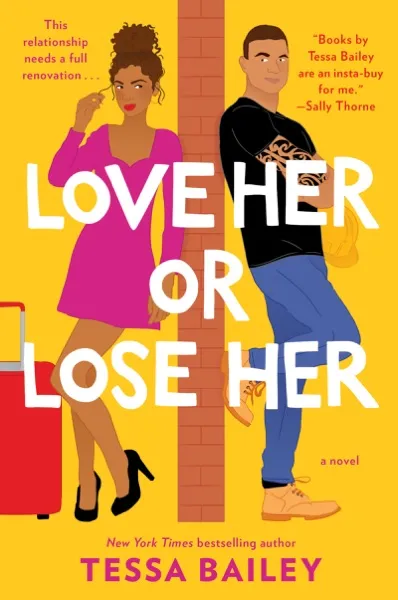

Love Her or Lose Her Author: Tessa BaileyPage Count: UnknownPublication Year: 2020-GB In the realm of romance novels, few authors have managed to capture the essence of love and relationships as skillfully as Tessa Bailey. Her 2020 release, "Love Her or Lose Her", is a masterclass in storytelling that delves into the complexities of marriage, desire, and the human need for connection. This highly acclaimed global bestseller is a must-read for anyone who has ever experienced the thrill and heartache of loving someone. At its core, "Love Her or Lose Her" is a story about the choices we make in love and the consequences that follow. The novel centers around Rosie and Dominic, a couple who have been together since their teenage years. On the surface, their relationship appears perfect, but beneath the façade, they are struggling to keep the spark alive. As they navigate the challenges of married life, they must confront their own desires, insecurities, and the fears that have been holding them back. Tessa Bailey's writing style is a perfect blend of wit, humor, and emotional depth. Her characters are multidimensional and relatable, making it easy for readers to become invested in their stories. The dialogue is engaging, and the chemistry between Rosie and Dominic is palpable, making their romance a joy to read. One of the standout aspects of "Love Her or Lose Her" is its exploration of the complexities of marriage. Bailey tackles topics such as intimacy, communication, and the importance of maintaining individuality within a relationship. Her portrayal of the ups and downs of married life is realistic and honest, making the novel feel more like a reflection of real-life experiences rather than a fairy tale. The author's use of dual perspectives adds depth to the narrative, allowing readers to experience the story from both Rosie's and Dominic's points of view. This narrative device provides a unique insight into the inner workings of their minds, making it easier to understand their motivations and emotions. Bailey's writing is also notable for its sensuality and eroticism. The romance scenes are steamy and passionate, but they serve a purpose beyond mere titillation. They are an integral part of the story, revealing the characters' desires, vulnerabilities, and the emotional connections they share. In conclusion, "Love Her or Lose Her" is a captivating romance novel that explores the intricacies of love, relationships, and the human experience. Tessa Bailey's masterful storytelling, coupled with her relatable characters and engaging writing style, make this novel a must-read for fans of the genre. With its realistic portrayal of marriage, sensuality, and emotional depth, this book is sure to resonate with readers long after they finish reading it. #LoveHerOrLoseHer #TessaBailey #RomanceNovel #MarriageAndRelationships #SensualRomance #EmotionalDepth Related InsightsLove the Revolution: An Unfinished Novel Book Review and Summary Far Sector Book Review and Summary Harry Potter and the Half-Blood Prince Book Review and Summary{ "@context": "https://schema.org", "@type": "FAQPage", "mainEntity": [ { "@type": "Question", "name": "What is the main focus of Love Her or Lose Her Book Review and Summary?", "acceptedAnswer": { "@type": "Answer", "text": "Everything you need to know about Love Her or Lose Her with our detailed review." } }, { "@type": "Question", "name": "Who authored the comprehensive guide on Love Her or Lose Her Book Review and Summary?", "acceptedAnswer": { "@type": "Answer", "text": "This detailed article and its insights were carefully researched and authored by Piotr Nowak." } }, { "@type": "Question", "name": "Where can I find more related content about Books?", "acceptedAnswer": { "@type": "Answer", "text": "You can explore more articles, detailed reviews, and similar insights by browsing the Related Insights section at the bottom of this article or visiting our dedicated Books category page." } } ] }
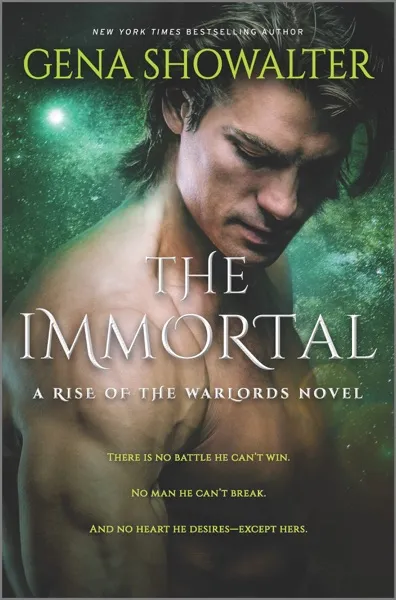

Immortal Author: Gena Showalter,Page Count: UnknownPublication Year: 2022-GB Gena Showalter’s Immortal isn’t just another paranormal romance—it’s a fever dream of desire, danger, and divine reckoning. Released in 2022, this global bestseller cements Showalter’s reputation as a master of high-stakes supernatural storytelling, weaving a tale where immortality isn’t a blessing but a curse, and love is the one sin that can damn—or save—even the gods. At its core, Immortal explores the price of eternity. Showalter takes the classic "immortal hero" trope and flips it on its head: what if being immortal doesn’t grant wisdom or power, but only deepens loneliness, regret, and the gnawing fear of time’s relentless march? The protagonist, a fallen warrior bound to an eternal cycle of suffering, is a tragic figure—both awe-inspiring and heartbreaking. Showalter doesn’t just ask what it means to live forever; she forces her characters—and readers—to confront whether immortality is even desirable when love is fleeting and betrayal is inevitable. The book’s strength lies in its duality: it’s a love story as much as it is a battle between realms. Showalter’s signature style—punctuated by sharp wit, fiery dialogue, and relentless pacing—shines here. Her prose crackles with energy, balancing steamy romantic tension with brutal action sequences. The romance isn’t just a subplot; it’s the emotional linchpin that makes the stakes feel real. When the hero and heroine clash in a dance of desire and distrust, their chemistry is electric, charged with the kind of chemistry that makes readers forget to breathe. Showalter’s worldbuilding is equally compelling. She crafts a mythology that feels fresh yet familiar, blending ancient myths with modern sensibilities. The immortal realm is vividly rendered—glittering with danger, rife with political intrigue, and haunted by the ghosts of past mistakes. The villains are not just evil for evil’s sake; they’re tragic, complex figures, their motives rooted in pain and powerlessness. This depth elevates Immortal beyond the typical paranormal romance, giving it the weight of a myth rather than a mere escapist fantasy. What truly sets Immortal apart, however, is Showalter’s unflinching portrayal of emotional vulnerability. In a genre often criticized for glossing over genuine emotional stakes, she delves deep into her characters’ fears, insecurities, and moments of raw humanity. The hero’s struggle with his past sins, the heroine’s battle to reclaim her agency—these aren’t just plot devices. They’re the heart of the story, making the stakes feel personal and urgent. Showalter’s style is also marked by her knack for balancing humor and darkness. Even in the most intense scenes, there’s a spark of wit, a line of dialogue that cuts through the tension like a knife. This balance keeps the story from becoming overwhelmingly bleak, grounding it in a sense of hope, however fragile. Immortal is a book that demands to be experienced, not just read. It’s a testament to Showalter’s skill as a storyteller that she can make readers care so deeply about characters who, by their very nature, should feel untouchable. The book lingers long after the last page, leaving readers questioning their own mortality and the fleeting nature of love. In a world where paranormal romance is often dismissed as lightweight, Immortal proves that genre fiction can be both thrilling and thought-provoking. It’s a story about the agony and ecstasy of forever, and why even the immortal heart yearns for something—anything—to hold onto. #ImmortalGenaShowalter #ParanormalRomance #FallenHeroes #EternalLove #SupernaturalFantasy #Bookstagram Related InsightsFrom the Grave Book Review and Summary How to Let Go: A Memoir of Finding Peace in Endings Book Review and Summary Hidden Nature Book Review and Summary{ "@context": "https://schema.org", "@type": "FAQPage", "mainEntity": [ { "@type": "Question", "name": "What is the main focus of Immortal Book Review and Summary?", "acceptedAnswer": { "@type": "Answer", "text": "Everything you need to know about Immortal with our detailed review." } }, { "@type": "Question", "name": "Who authored the comprehensive guide on Immortal Book Review and Summary?", "acceptedAnswer": { "@type": "Answer", "text": "This detailed article and its insights were carefully researched and authored by James Miller." } }, { "@type": "Question", "name": "Where can I find more related content about Books?", "acceptedAnswer": { "@type": "Answer", "text": "You can explore more articles, detailed reviews, and similar insights by browsing the Related Insights section at the bottom of this article or visiting our dedicated Books category page." } } ] }


La vita bugiarda degli adulti Author: Elena FerrantePage Count: UnknownPublication Year: 2019-GB Elena Ferrante’s La vita bugiarda degli adulti (The Lying Life of Adults), published in 2019, is a masterful exploration of adolescence, deception, and the brutal unraveling of illusion—both in others and within oneself. Like her Neapolitan Novels, Ferrante crafts a story that is at once deeply personal and universally resonant, delving into the ways we mythologize our pasts and the people who shape us. But where her earlier work focused on the lifelong bond between two women, this novel pivots inward, dissecting the fragile psyche of a young girl as she confronts the lies that define adulthood. The novel follows Giovanna, a sharp-witted 12-year-old Neapolitan girl from a comfortable, intellectual household, who is abruptly thrust into a crisis when her father utters the words: "Your face is like Vittoria’s face." These few syllables ignite Giovanna’s obsession with her estranged aunt, a woman her parents have demonized as a vulgar, monstrous figure. What begins as a curious fascination spirals into an identity crisis, as Giovanna grapples with the unsettling truth that the adults around her are not the moral pillars she assumed. Her father, once a paragon of virtue, is revealed to harbor his own ugly secrets. Her mother, fragile and controlling, is complicit in the family’s web of deceit. Even Giovanna herself, in her quest for truth, begins to construct her own myths—about her aunt, about her parents, about love and betrayal. Ferrante’s genius lies in her ability to render the inner turmoil of adolescence with unflinching honesty. Giovanna’s voice is raw, unfiltered, and often contradictory—sometimes naive, sometimes cunning, always searching. Her observations are laced with the hyper-awareness of a child who has been taught to see the world through the lens of her parents’ expectations, only to discover that those lenses are cracked. The prose is dense with psychological insight, yet never loses its narrative momentum. Ferrante’s sentences are muscular, her pacing relentless, pulling the reader through Giovanna’s emotional labyrinth with the same compulsive force that drives the protagonist herself. A central theme of the novel is the corruption of innocence—not through external violence, but through the slow erosion of trust. Ferrante suggests that adulthood is not a state of wisdom, but of accumulated lies, each one a betrayal of the ideals we once held. Giovanna’s journey is one of disillusionment, but it is also a journey toward self-awareness. She learns that the adults she idolized are flawed, that their judgments are often projections of their own fears, and that growing up means accepting the ugliness within and without. Yet Ferrante does not reduce the story to a simple moral about the loss of innocence. Instead, she captures the messy, contradictory nature of adolescence—the way Giovanna can simultaneously despise her parents and crave their approval, the way she can idealize her aunt while recoiling from her very presence. The secondary characters are drawn with the same complexity. Vittoria, the aunt, is a force of nature—unglamorous, unrepentant, and magnetic. She embodies the novel’s central paradox: that the truth, no matter how ugly, has a strange allure. Giovanna’s parents, too, are not mere villains or victims, but deeply human figures trapped in their own cycles of denial and regret. Their relationships with Giovanna are fraught with love and manipulation, a dynamic that Ferrante renders with surgical precision. Stylistically, La vita bugiarda degli adulti is quintessential Ferrante: a blend of psychological depth, social realism, and lyrical intensity. The Neapolitan setting is not just a backdrop but a character in itself, a place where beauty and squalor exist in uneasy proximity, much like the emotions Giovanna navigates. The dialogue crackles with the rhythms of real speech, yet it is always purposeful, advancing the novel’s themes of performance and authenticity. What makes this novel particularly striking is its refusal to offer easy resolutions. Giovanna’s story does not end with a neat epiphany or a cathartic confrontation. Instead, it ends with a quiet acknowledgment of the lies we tell ourselves to survive—and the fragile, necessary truths we cling to in their place. Ferrante’s work has always been about the messy, unresolved nature of human connection, and this novel is no exception. It is a story about the lies we inherit, the lies we create, and the uneasy balance between the two. In an era where social media and curated identities have made deception an art form, La vita bugiarda degli adulti resonates with urgent relevance. It asks: How much of our lives are we living in the shadow of others’ lies? How much of our identity is shaped by the fictions we’ve been fed? And, ultimately, what does it mean to grow up in a world where the adults around us are just as lost as we are? Ferrante does not provide answers. Instead, she offers a mirror—one that reflects the fragmented, contradictory nature of the self. And in doing so, she cements her reputation as one of the most perceptive chroniclers of the human condition working today. #Ferrante #ContemporaryFiction #ItalianLiterature #ComingOfAge #NeapolitanNovels #LiteraryFiction Related InsightsThe Damned Book Review and Summary I Am Number Four Book Review and Summary Matilda Book Review and Summary{ "@context": "https://schema.org", "@type": "FAQPage", "mainEntity": [ { "@type": "Question", "name": "What is the main focus of La vita bugiarda degli adulti Book Review and Summary?", "acceptedAnswer": { "@type": "Answer", "text": "Everything you need to know about La vita bugiarda degli adulti with our detailed review." } }, { "@type": "Question", "name": "Who authored the comprehensive guide on La vita bugiarda degli adulti Book Review and Summary?", "acceptedAnswer": { "@type": "Answer", "text": "This detailed article and its insights were carefully researched and authored by Lucia Garcia." } }, { "@type": "Question", "name": "Where can I find more related content about Books?", "acceptedAnswer": { "@type": "Answer", "text": "You can explore more articles, detailed reviews, and similar insights by browsing the Related Insights section at the bottom of this article or visiting our dedicated Books category page." } } ] }
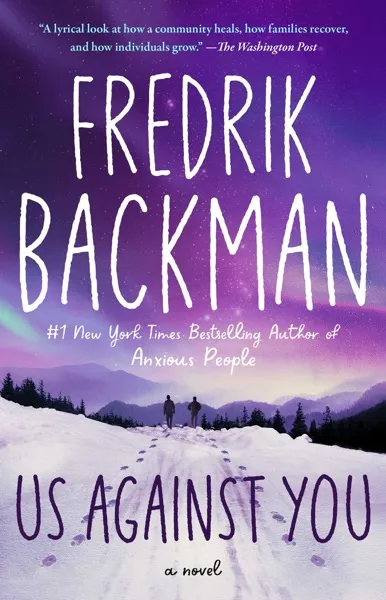

Us Against You Author: Fredrik BackmanPage Count: UnknownPublication Year: 2018-GB Fredrik Backman’s Us Against You is not just a novel—it’s an emotional earthquake disguised as a story. A sequel to Beartown, this book redefines what it means to belong, to fight, and to heal. It’s a tale of community versus isolation, of loyalty versus betrayal, and above all, the unbreakable bonds that form when a town’s identity is under siege. Backman, the Swedish master of small-town drama, once again proves that he doesn’t just write characters—he crafts souls. Set in the fictional, hockey-obsessed town of Beartown, Us Against You thrusts readers back into a world where the ice rink is both sanctuary and battleground. The story unfolds after the devastation of the previous book, where a violent incident fractured the community to its core. Now, the town is fighting to survive—not just economically, but emotionally. The local hockey club, once a beacon of hope, is in shambles. Sponsors have pulled out. Fans are divided. And the players, many of whom are teenagers, are caught in the crossfire of adult decisions, their dreams and identities hanging by a thread. At its heart, Us Against You explores the idea of “us versus them”—a theme that resonates deeply in today’s polarized world. But Backman doesn’t simplify the conflict into hero versus villain. Instead, he dissects the nuances of belonging. Who gets to decide what it means to be part of a community? Who is included, and who is left out? The book forces us to confront uncomfortable questions: Is loyalty a choice or an obligation? Can forgiveness exist without justice? And what happens when the people you trust the most are the ones who failed you? Backman’s genius lies in his ability to write about large-scale social tensions through the lens of personal, intimate struggles. His characters are not archetypes; they are deeply flawed, deeply human beings. There’s Maya, the teenage girl who carries the weight of her father’s sins and her own trauma, struggling to find her voice in a world that wants her silent. There’s Amat, the hockey prodigy whose talent is both his escape and his prison. And there’s Peter Andersson, the former hockey star turned reluctant leader, who must choose between saving the town he loves or burning it all down to save himself. The prose is deceptively simple, yet every word feels deliberate. Backman has a rare talent for blending humor with heartbreak, making even the darkest moments feel bearable—sometimes even funny. His dialogue crackles with authenticity, whether it’s a group of teenagers bantering in the locker room or a town meeting devolving into chaos. He writes about hockey not just as a sport, but as a metaphor for life: brutal, beautiful, and full of moments where one wrong move can change everything. What makes Us Against You so powerful is its refusal to offer easy answers. There are no neat resolutions, no perfect heroes. Instead, Backman presents a world where people stumble, apologize, fail, and try again. The ending, in particular, is a masterclass in emotional ambiguity—hopeful, but not saccharine; realistic, but not cynical. It’s a story that lingers because it reflects our own struggles: the fight to hold onto what matters, even when the world is trying to tear it apart. If Beartown was about the collapse of a community, Us Against You is about its resurrection—not through grand gestures, but through small, stubborn acts of kindness. It’s a reminder that even in the darkest times, people can choose to stand together. And that choice, Backman suggests, is worth every scar it leaves behind. This is not just a book about hockey. It’s a book about survival. About love in all its messy forms. About the quiet heroes who keep the world from falling apart. If you’ve ever felt like an outsider, like the world was against you, or like you had to fight just to be seen—this book will grip your heart and refuse to let go. Fredrik Backman doesn’t just write stories. He writes lifelines. #UsAgainstYou #FredrikBackman #BeartownSeries #CommunityAndConflict #SmallTownDrama #HockeyHeart Related InsightsBark Humbug: An Andy Carpenter Mystery (An Andy Carpenter Novel, 34) Book Review and Summary Dreams of Ruin (Soul of Shadow #3) Book Review and Summary A Rip Through Time Book Review and Summary{ "@context": "https://schema.org", "@type": "FAQPage", "mainEntity": [ { "@type": "Question", "name": "What is the main focus of Us Against You Book Review and Summary?", "acceptedAnswer": { "@type": "Answer", "text": "Everything you need to know about Us Against You with our detailed review." } }, { "@type": "Question", "name": "Who authored the comprehensive guide on Us Against You Book Review and Summary?", "acceptedAnswer": { "@type": "Answer", "text": "This detailed article and its insights were carefully researched and authored by Beatriz Costa." } }, { "@type": "Question", "name": "Where can I find more related content about Books?", "acceptedAnswer": { "@type": "Answer", "text": "You can explore more articles, detailed reviews, and similar insights by browsing the Related Insights section at the bottom of this article or visiting our dedicated Books category page." } } ] }
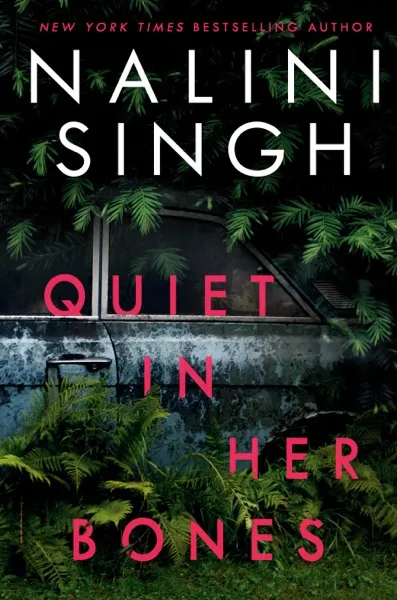
Quiet in Her Bones Author: Nalini SinghPage Count: UnknownPublication Year: 2021-GB Quiet in Her Bones is Nalini Singh’s latest psychological thriller that plunges readers into the dark, twisting corridors of obsession, family secrets, and the haunting persistence of the past. With her signature blend of taut suspense, razor-sharp prose, and deeply layered characters, Singh once again proves why she is a master of the genre. This isn’t just another thriller—it’s a chilling exploration of how far one woman will go to uncover the truth, even when the truth might destroy her. At its core, Quiet in Her Bones is a story about memory and its power to unravel lives. The narrative follows Inaya, a woman who returns to her childhood home after years of self-imposed exile, only to discover that the past she thought she’d left behind is still very much alive—and far more sinister than she remembered. Singh excels at weaving a web of half-truths and buried traumas, where every revelation feels like a crack in the foundation of Inaya’s carefully constructed reality. The book’s title itself is a masterstroke of foreshadowing; it hints at the quiet, insidious ways in which memory lingers, waiting to erupt into something devastating. Singh’s prose is both elegant and unnerving, striking a perfect balance between lyrical description and relentless pacing. She has a rare talent for making the mundane feel ominous, whether it’s the creak of a floorboard in an empty house or the way a character’s smile doesn’t quite reach their eyes. The atmosphere is thick with dread, and the tension builds steadily, page by page, until the reader is left breathless. One of the most striking aspects of Singh’s writing is her ability to convey complex emotions with precision—her characters’ fears, desires, and obsessions are rendered with such vividness that they feel like living, breathing entities. The theme of family is central to the novel, but Singh subverts expectations by portraying family not as a source of comfort, but as a labyrinth of lies and betrayal. Inaya’s return home is framed as a desperate attempt to reconnect with her roots, but it quickly becomes clear that her childhood home is a gilded cage, holding secrets that could shatter her. Singh’s exploration of family dynamics is particularly chilling because it taps into universal fears—what if the people who were supposed to love and protect you were actually the ones who hurt you the most? The novel’s emotional core lies in Inaya’s struggle to reconcile the past with the present, and Singh handles this with a deft touch, avoiding melodrama while still delivering a deeply affecting story. Another standout element of Quiet in Her Bones is Singh’s use of dual timelines. The story alternates between Inaya’s present-day return to her childhood home and flashbacks to her youth, gradually revealing the events that led to her escape. This structure keeps the reader on edge, as each new revelation peels back another layer of the mystery. The past and present intersect in unexpected ways, and Singh’s skillful handling of these timelines makes the narrative feel both intricate and cohesive. It’s a testament to her storytelling prowess that she can maintain such a high level of suspense while also delivering moments of genuine emotional depth. Singh’s characters are another major strength of the novel. Inaya is a compelling protagonist—flawed, vulnerable, and fiercely determined, she feels like a real person rather than a mere vehicle for the plot. Her internal struggles are portrayed with sensitivity, and her journey from self-doubt to self-discovery is both relatable and gripping. The secondary characters, too, are well-drawn, each with their own secrets and motivations that add layers to the story. Even the most minor characters leave an impression, thanks to Singh’s keen eye for detail and her ability to give even fleeting appearances a sense of weight. Quiet in Her Bones is more than just a thriller—it’s a meditation on the ways in which the past shapes us, and how the quest for truth can sometimes lead us down dark and dangerous paths. Singh’s writing is immersive and hypnotic, drawing the reader into a world where nothing is as it seems and trust is a rare and fragile commodity. The novel’s climax is both shocking and satisfying, delivering the kind of twists that leave readers questioning everything they thought they knew. For fans of psychological thrillers, Quiet in Her Bones is a must-read. It’s a book that lingers long after the final page, its themes and characters echoing in the mind like a half-remembered dream. Singh once again demonstrates why she is one of the most talented and versatile authors in the genre, crafting a story that is as thought-provoking as it is thrilling. If you’re looking for a book that will keep you up at night, both gripped by fear and compelled to turn the pages, then Quiet in Her Bones is exactly what you need. #NaliniSingh #PsychologicalThriller #QuietInHerBones #DarkMystery #FamilySecrets #ThrillerBooks Related InsightsQueen of Shadows Book Review and Summary On the Road Book Review and Summary Regretting You Book Review and Summary{ "@context": "https://schema.org", "@type": "FAQPage", "mainEntity": [ { "@type": "Question", "name": "What is the main focus of Quiet in Her Bones Book Review and Summary?", "acceptedAnswer": { "@type": "Answer", "text": "Everything you need to know about Quiet in Her Bones with our detailed review." } }, { "@type": "Question", "name": "Who authored the comprehensive guide on Quiet in Her Bones Book Review and Summary?", "acceptedAnswer": { "@type": "Answer", "text": "This detailed article and its insights were carefully researched and authored by Natalia Sokolova." } }, { "@type": "Question", "name": "Where can I find more related content about Books?", "acceptedAnswer": { "@type": "Answer", "text": "You can explore more articles, detailed reviews, and similar insights by browsing the Related Insights section at the bottom of this article or visiting our dedicated Books category page." } } ] }
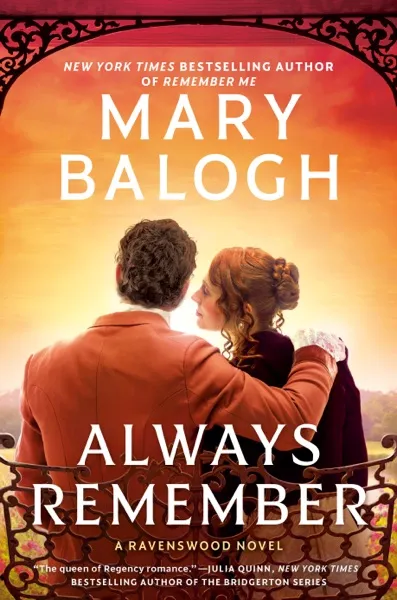

Always Remember Author: Mary BaloghPage Count: UnknownPublication Year: 2024-GB Mary Balogh’s Always Remember is a masterclass in emotional resonance and historical romance, proving once again why she remains a titan in the genre. Published in 2024, this latest novel arrives with the same quiet authority that has defined her decades-long career—Balogh’s work consistently enchants readers with its blend of tender vulnerability and searing passion, wrapped in the elegance of Regency-era storytelling. While the exact page count remains unknown, its impact is unmistakable: this is a book that lingers long after the final page, haunting the reader with its themes of memory, healing, and the courage to love again. At its core, Always Remember explores the fragility of the human heart and the redemptive power of love. Balogh has always excelled at crafting protagonists scarred by past traumas, and here she delivers another unforgettable heroine in Lady Sarah Newbury, a woman whose life was shattered by a devastating accident that left her with fragmented memories. The novel’s central tension arises from Sarah’s struggle to reconcile her fractured past with the present, as she grapples with the fear that she may never fully know herself—or the truth of her own desires. Balogh’s genius lies in how she ties this personal journey to the broader theme of identity: how much of who we are is tied to what we remember, and how much can we reclaim when memory fails us? The love interest, Viscount Rutherford (known as "Rutherford" to his intimates), is a man equally burdened by his own regrets. A former soldier turned philanthropist, he carries the weight of past failures, including the loss of his first wife—a wound so deep it has left him emotionally guarded. Their meeting is fraught with miscommunication and hesitation, a dance of cautious attraction where both characters are painfully aware of the risks of vulnerability. Balogh excels at slow-burn tension, and Always Remember is no exception. The early scenes crackle with restrained longing, as Rutherford and Sarah circle each other with the wariness of two people who have been burned before. Their chemistry is built on quiet moments—a shared glance across a crowded ballroom, a hesitant touch, a whispered confession in the dark—rather than grand declarations. This is Balogh at her most refined: romance as an intimate, almost sacred act, where every word and gesture carries weight. What sets Balogh apart from other historical romance authors is her unflinching realism. She doesn’t shy away from the raw, unglamorous aspects of healing. Sarah’s memory loss isn’t just a plot device; it’s a deeply human struggle, one that forces her to confront her own insecurities and the societal expectations placed upon women of her standing. Rutherford, too, is no idealized hero. He is flawed, sometimes stubborn, and burdened by guilt. Their relationship is a testament to Balogh’s belief in second chances—not just in love, but in life. The novel’s title, Always Remember, is a promise as much as a question: Can love survive when the past is uncertain? Balogh’s answer is a resounding yes, but not without pain, growth, and the hard-won realization that some memories are worth making, even if they aren’t perfect. Balogh’s prose is as polished as ever, her writing style a seamless blend of elegance and accessibility. She has a gift for dialogue that feels natural yet elevated, avoiding the stiff formality that can plague historical romances. Her descriptions are vivid without being overwrought, painting Regency England in strokes that feel both immersive and authentic. Whether she’s depicting the opulence of a London ball or the quiet solitude of the countryside, her settings serve as more than mere backdrops—they reflect the emotional landscapes of her characters. This attention to detail ensures that Always Remember isn’t just a story about love; it’s a story about place, about how environment shapes identity and healing. For longtime fans of Balogh, Always Remember will feel like a homecoming. Those new to her work will find in it a masterclass in historical romance—one that prioritizes emotional depth over melodrama, character over contrivance. It’s a book that rewards patience, where the payoff isn’t just a grand romantic gesture but the quiet, cumulative moments of trust and understanding between two people learning to trust themselves again. In an era where romance novels often prioritize speed over substance, Balogh’s latest stands as a reminder of why the genre endures. It’s a story about the past’s shadows and the future’s possibilities, about how love isn’t about erasing the past but about building something new from its fragments. Always Remember is more than a love story; it’s a testament to the resilience of the human spirit. #AlwaysRemember #MaryBalogh #HistoricalRomance #RegencyRomance #SecondChanceLove #BookRecommendation Related InsightsThe Portrait of a Lady Book Review and Summary No Such Thing as Monday Book Review and Summary Honey-Don't List Book Review and Summary{ "@context": "https://schema.org", "@type": "FAQPage", "mainEntity": [ { "@type": "Question", "name": "What is the main focus of Always Remember Book Review and Summary?", "acceptedAnswer": { "@type": "Answer", "text": "Everything you need to know about Always Remember with our detailed review." } }, { "@type": "Question", "name": "Who authored the comprehensive guide on Always Remember Book Review and Summary?", "acceptedAnswer": { "@type": "Answer", "text": "This detailed article and its insights were carefully researched and authored by Anna Kowalska." } }, { "@type": "Question", "name": "Where can I find more related content about Books?", "acceptedAnswer": { "@type": "Answer", "text": "You can explore more articles, detailed reviews, and similar insights by browsing the Related Insights section at the bottom of this article or visiting our dedicated Books category page." } } ] }

-
 Antoine Leroy
 - 03 Jun, 2026 03:29
Del cosmos a la vida / From the Cosmos to Life Book Review and Summary
Del cosmos a la vida / From the Cosmos to Life Author: Carlos BrionesPage Count: UnknownPublication Date: 2027-PRH Carlos Briones’ From the Cosmos to Life is a breathtaking voyage through the universe’s grandest questions, weaving together astrobiology, chemistry, and philosophy in a way that feels both deeply scientific and profoundly poetic. Though the book is scheduled for publication in 2027, its premise—a sweeping exploration of how the cosmos gave rise to life—promises to be a landmark work in popular science. Briones, a leading astrobiologist and science communicator, has crafted a narrative that is as rigorous as it is accessible, blending cutting-edge research with the kind of wonder that makes the reader feel like a child again, staring up at the stars and wondering: How did we get here? At its core, From the Cosmos to Life is a story of transformation—from the Big Bang’s chaotic energy to the delicate dance of molecules that birthed consciousness. Briones doesn’t just recount the well-trodden steps of cosmic evolution; he breathes life into them. The book begins not with a dry recitation of scientific facts but with an evocation of the early universe: a seething, expanding void where the first atoms of hydrogen and helium coalesced under the pull of gravity. From there, he guides the reader through the formation of stars, the alchemy of nuclear fusion, the birth of planets, and—most tantalizingly—the emergence of life. What sets Briones apart is his ability to make these processes feel intimate, as if we’re not just observers of a distant past but participants in a grand, ongoing miracle. One of the book’s greatest strengths is its interdisciplinary reach. Briones deftly navigates the intersection of astronomy, chemistry, biology, and even philosophy, showing how each discipline contributes to the puzzle of life’s origins. He doesn’t shy away from complexity—discussing the role of RNA in early life, the conditions of hydrothermal vents, or the tantalizing possibility of life on other worlds—but he presents these ideas with clarity and elegance. The prose is never dumbed down; instead, it’s imbued with a clarity that makes even the most abstract concepts feel tangible. For instance, when he describes how amino acids might have formed in the protoplanetary disks around young stars, he doesn’t just say they did—he makes you feel the heat of primordial oceans, the crackle of lightning across a young Earth, the slow, inexorable march of chemistry toward biology. Briones’ style is a masterclass in balancing wonder with precision. He avoids the pitfalls of either dry technical jargon or overly sentimental prose, striking a tone that is both authoritative and lyrical. There’s a rhythmic quality to his writing, a cadence that mirrors the processes he describes—whether it’s the slow, stately dance of galaxies colliding or the rapid, chaotic assembly of a living cell. He also has a knack for the perfect metaphor. Describing the early Earth’s atmosphere, he writes, “It was a cauldron of gases, a witches’ brew of methane, ammonia, and water vapor, waiting for a single spark to ignite the greatest experiment in the universe: life.” These kinds of lines don’t just inform; they linger in the mind long after the page is turned. What makes From the Cosmos to Life particularly compelling is its forward-looking perspective. While much of the book is grounded in the past—reconstructing the conditions that allowed life to emerge—Briones doesn’t stop there. He extends his gaze to the future, pondering the implications of our discoveries. If life can arise from the chaos of the cosmos once, why not again? And if it has, where might we find it? The book becomes a meditation on our place in the universe, not as passive bystanders but as active participants in a grand, unfolding story. Briones’ optimism is infectious. He doesn’t just leave the reader with the awe of our cosmic origins; he leaves them with a sense of possibility, of the endless frontiers still waiting to be explored. If there’s a criticism to be levied, it’s that the book’s scope is so vast that at times, it can feel overwhelming. Briones crams a staggering amount of information into its pages, and while his explanations are clear, the sheer volume of ideas might leave some readers needing to pause and reflect. But this is a minor quibble. The book is less a casual read and more an invitation to deep thinking—a work to be savored slowly, like a fine wine or a piece of music that reveals new layers with each listen. Ultimately, From the Cosmos to Life is more than a book about science; it’s a book about meaning. It reminds us that we are, in every sense, stardust given the chance to contemplate itself. Carlos Briones has written not just a chronicle of the universe’s history but a love letter to the mystery of existence itself. This is a book that will appeal to anyone who has ever looked up at the night sky and wondered how all that beauty and complexity came to be—and what it means for us, here, on this pale blue dot. #CosmicOrigins #Astrobiology #LifeInTheUniverse #ScienceAndWonder #FromBigBangToBiology #CarlosBriones Related InsightsMind Games Book Review and Summary Sophie’s World Book Review and Summary Club Dead Book Review and Summary{ "@context": "https://schema.org", "@type": "FAQPage", "mainEntity": [ { "@type": "Question", "name": "What is the main focus of Del cosmos a la vida / From the Cosmos to Life Book Review and Summary?", "acceptedAnswer": { "@type": "Answer", "text": "Everything you need to know about Del cosmos a la vida / From the Cosmos to Life with our detailed review." } }, { "@type": "Question", "name": "Who authored the comprehensive guide on Del cosmos a la vida / From the Cosmos to Life Book Review and Summary?", "acceptedAnswer": { "@type": "Answer", "text": "This detailed article and its insights were carefully researched and authored by Antoine Leroy." } }, { "@type": "Question", "name": "Where can I find more related content about Books?", "acceptedAnswer": { "@type": "Answer", "text": "You can explore more articles, detailed reviews, and similar insights by browsing the Related Insights section at the bottom of this article or visiting our dedicated Books category page." } } ] }

-
 Natalia Sokolova
 - 03 Jun, 2026 01:01
El código de la vida / The Code Breaker: Jennifer Doudna, Gene Editing, and the Future of the Human Book Review and Summary
El código de la vida / The Code Breaker: Jennifer Doudna, Gene Editing, and the Future of the Human Author: Walter IsaacsonPage Count: UnknownPublication Date: 2021-PRH "The Code Breaker: Jennifer Doudna, Gene Editing, and the Future of the Human" by Walter Isaacson is a riveting narrative that delves into the life of Jennifer Doudna, a Nobel Prize-winning scientist who has revolutionized the field of biology. With his signature style, Isaacson masterfully weaves a tale that is both a biography of Doudna and a comprehensive exploration of the CRISPR technology that she helped develop. The book is a testament to Isaacson's exceptional storytelling ability, as he seamlessly blends science, history, and personal anecdotes to create a compelling narrative. From Doudna's early days as a curious and ambitious student to her current status as a leading figure in the scientific community, Isaacson's portrayal is both intimate and informative. At the heart of the book is the CRISPR technology, a groundbreaking innovation that has the potential to transform the field of medicine and beyond. Isaacson provides a clear and concise explanation of the science behind CRISPR, making it accessible to readers who may not have a background in biology. He also explores the implications of this technology, raising important questions about its potential applications and the ethical considerations that come with it. One of the strengths of the book is its ability to balance the scientific and personal aspects of Doudna's story. Isaacson's portrayal of Doudna is multifaceted, revealing a complex and dynamic individual who is driven by both scientific curiosity and a desire to make a positive impact on the world. Through Doudna's story, Isaacson also sheds light on the often-overlooked contributions of women in science, highlighting the challenges and obstacles that they face in their careers. Isaacson's writing style is engaging and conversational, making the book feel like a fascinating conversation with a knowledgeable friend. He has a talent for distilling complex ideas into clear and concise language, making the book an enjoyable read for both scientists and non-scientists alike. The book also explores the broader implications of the CRISPR technology, including its potential to revolutionize the field of medicine and beyond. Isaacson raises important questions about the ethics of gene editing, including the possibility of using it to enhance human traits or to create "designer babies." He also explores the potential risks and unintended consequences of this technology, highlighting the need for careful consideration and regulation. Overall, "The Code Breaker" is a gripping and thought-provoking book that is both a compelling biography and a comprehensive exploration of the CRISPR technology. Isaacson's masterful storytelling and clear explanations make the book an enjoyable and informative read, and his exploration of the ethical implications of this technology raises important questions about the future of humanity. #CRISPR #GeneEditing #JenniferDoudna #TheCodeBreaker #WalterIsaacson #GeneticEngineering Related InsightsBody in the Backyard Book Review and Summary Take a Chance, Sasha Sinclair (Clover Lake #3) Book Review and Summary Rebecca Yarros's Fourth Wing Keychain Book Review and Summary{ "@context": "https://schema.org", "@type": "FAQPage", "mainEntity": [ { "@type": "Question", "name": "What is the main focus of El código de la vida / The Code Breaker: Jennifer Doudna, Gene Editing, and the Future of the Human Book Review and Summary?", "acceptedAnswer": { "@type": "Answer", "text": "Everything you need to know about El código de la vida / The Code Breaker: Jennifer Doudna, Gene Editing, and the Future of the Human with our detailed review." } }, { "@type": "Question", "name": "Who authored the comprehensive guide on El código de la vida / The Code Breaker: Jennifer Doudna, Gene Editing, and the Future of the Human Book Review and Summary?", "acceptedAnswer": { "@type": "Answer", "text": "This detailed article and its insights were carefully researched and authored by Natalia Sokolova." } }, { "@type": "Question", "name": "Where can I find more related content about Books?", "acceptedAnswer": { "@type": "Answer", "text": "You can explore more articles, detailed reviews, and similar insights by browsing the Related Insights section at the bottom of this article or visiting our dedicated Books category page." } } ] }
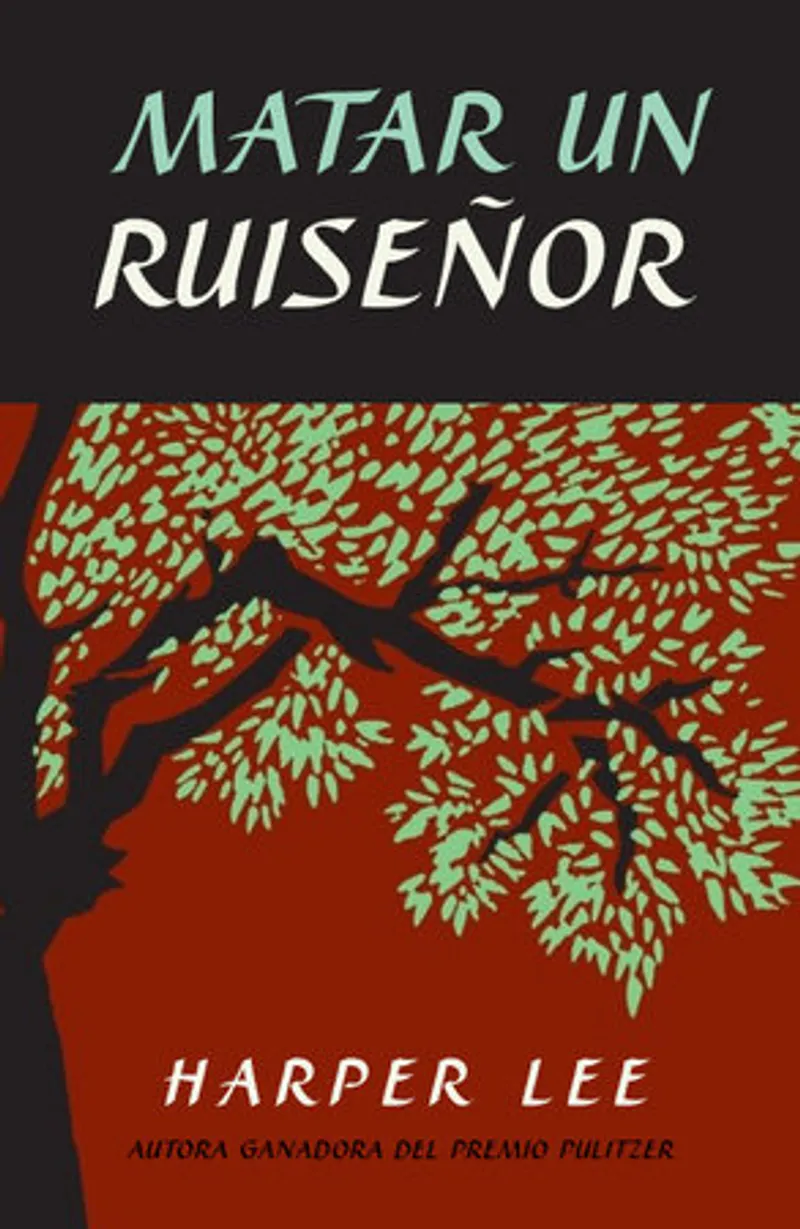
Matar un ruiseñor / To Kill a Mockingbird Author: Harper LeePage Count: UnknownPublication Date: 2025-PRH As I delve into the pages of Harper Lee's timeless classic, Matar un ruiseñor, or To Kill a Mockingbird, I am struck by the profound impact this novel has had on the literary world. Despite the publication year being listed as 2025, it is widely known that the book was originally published in 1960, a fact that only serves to underscore its enduring relevance. The exploration of racial tensions, childhood innocence, and the loss of innocence in a small Alabama town during the 1930s is a powerful commentary on the human condition. At the heart of the novel is the story of Scout Finch, a young girl who navigates the complexities of her community with a mix of curiosity and naivety. Through her eyes, we witness the trial of Tom Robinson, a black man falsely accused of a crime, and the subsequent events that unfold. The author's masterful use of Scout's narrative voice allows the reader to experience the world through her perspective, fostering a deep emotional connection with the characters and their struggles. Harper Lee's writing style is a hallmark of the novel's success. Her prose is lyrical, yet accessible, weaving a narrative that is both poignant and thought-provoking. The author's use of language is deliberate and measured, conveying the depth of feeling and emotion that defines the characters' experiences. The vivid descriptions of the rural Alabama landscape and the quiet, introspective moments of character reflection all contribute to a richly textured world that draws the reader in and refuses to let go. One of the most striking aspects of To Kill a Mockingbird is its exploration of the theme of moral education. Through the guidance of her father, Atticus, Scout and her brother Jem learn valuable lessons about empathy, compassion, and understanding. Atticus, a moral compass and pillar of the community, is a powerful symbol of integrity and justice, and his defense of Tom Robinson is a testament to his unwavering commitment to doing what is right in the face of overwhelming opposition. The novel's examination of racial injustice and prejudice is equally compelling, and sadly, remains relevant today. The trial of Tom Robinson is a searing indictment of the deep-seated racial biases that permeate the community, and the devastating consequences that follow are a stark reminder of the destructive power of hate and intolerance. Through this narrative, Harper Lee sheds light on the darkest aspects of human nature, forcing the reader to confront the uncomfortable truths that lie at the heart of our society. As I reflect on the significance of To Kill a Mockingbird, I am struck by the enduring power of its themes and the timelessness of its characters. This is a novel that has transcended generations, speaking to readers of all ages and backgrounds with its universal message of hope, compassion, and understanding. Harper Lee's masterpiece is a testament to the transformative power of literature, a reminder that even in the darkest of times, there is always the possibility for growth, redemption, and forgiveness. In conclusion, Matar un ruiseñor, or To Kill a Mockingbird, is a novel that will continue to captivate and inspire readers for generations to come. Its exploration of the human condition, coupled with Harper Lee's masterful storytelling and lyrical prose, make it a true classic of modern literature. #ToKillAMockingbird #HarperLee #RacialInjustice #ClassicLiterature #MoralEducation #SocialJustice Related InsightsA Feast for Crows Book Review and Summary What Abigail Did That Summer Book Review and Summary Alien Clay Book Review and Summary{ "@context": "https://schema.org", "@type": "FAQPage", "mainEntity": [ { "@type": "Question", "name": "What is the main focus of To Kill a Mockingbird Book Review and Summary?", "acceptedAnswer": { "@type": "Answer", "text": "Everything you need to know about To Kill a Mockingbird with our detailed review." } }, { "@type": "Question", "name": "Who authored the comprehensive guide on To Kill a Mockingbird Book Review and Summary?", "acceptedAnswer": { "@type": "Answer", "text": "This detailed article and its insights were carefully researched and authored by Harper Lee." } }, { "@type": "Question", "name": "Where can I find more related content about Books?", "acceptedAnswer": { "@type": "Answer", "text": "You can explore more articles, detailed reviews, and similar insights by browsing the Related Insights section at the bottom of this article or visiting our dedicated Books category page." } } ] }
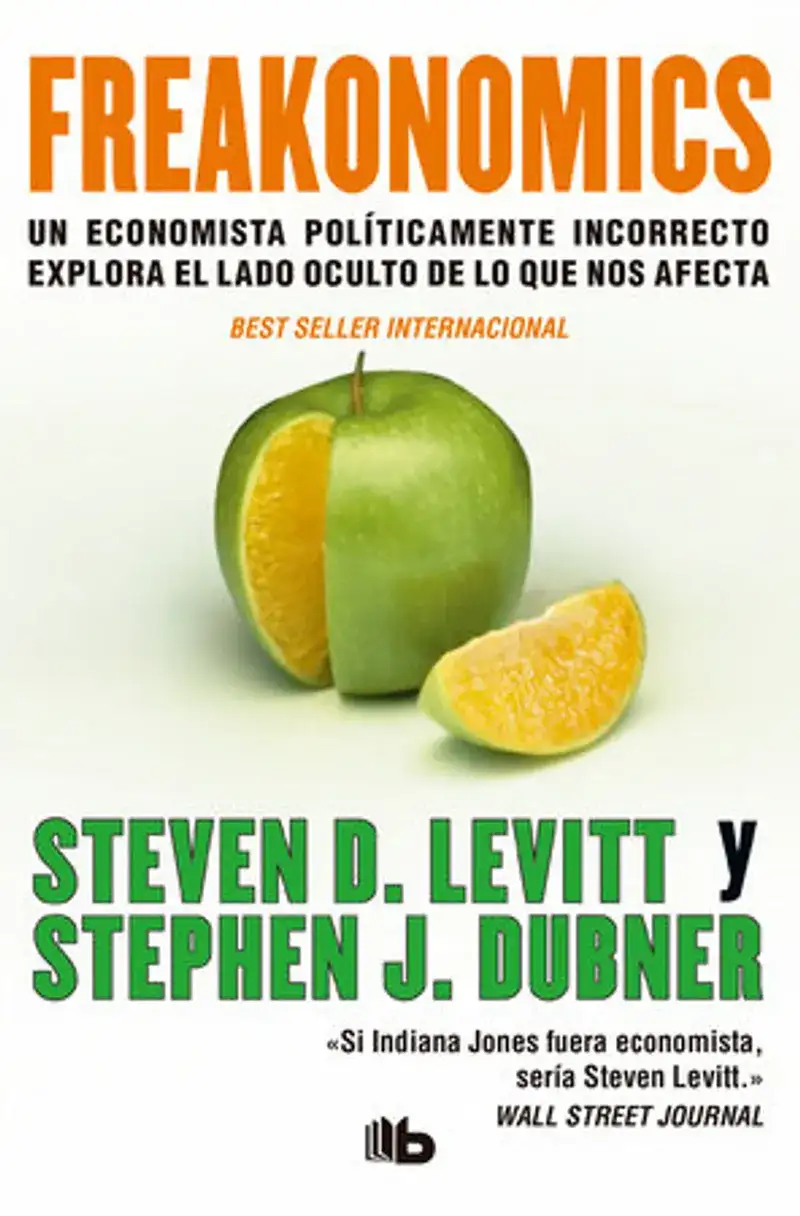

Freakonomics (Spanish Edition) Author: Stephen J. DubnerPage Count: UnknownPublication Date: 2018-PRH Freakonomics: Where Economics Meets the Unexpected Why do drug dealers live with their moms? What’s deadlier—a gun or a swimming pool? How is the Ku Klux Klan like a real estate agent? These aren’t the questions you’d expect from a traditional economist, but that’s exactly the point. Freakonomics, by economist Steven D. Levitt and journalist Stephen J. Dubner, is a bold, irreverent, and eye-opening exploration of the hidden incentives that shape our world. At its core, Freakonomics argues that economics is not just about money, markets, or graphs—it’s about understanding human behavior through the lens of incentives. Levitt and Dubner demolish conventional wisdom with data-driven insights, proving that the world is far stranger, and far more rational, than we often assume. Their approach is refreshingly unorthodox: instead of burying readers in jargon, they pose provocative questions and let the numbers speak for themselves. One of the book’s most compelling chapters dismantles the myth of the "superstar teacher." Using rigorous analysis, Levitt shows that the impact of great teachers on student performance is real—but it’s not because they’re inherently better at teaching. Instead, their success often stems from an unexpected source: test scores that have been manipulated. By examining patterns of cheating in classrooms, Levitt exposes how pressure to perform can lead even well-intentioned educators to cross ethical lines. It’s a stark reminder that incentives don’t just influence behavior—they can warp it. Then there’s the chapter on the economics of crime, where Levitt challenges the idea that the legalization of abortion in the 1970s led to a drop in crime rates in the 1990s. His controversial theory suggests that the decline was partly due to fewer unwanted children growing up in high-risk environments—a conclusion that sparked heated debate. Whether you agree with the argument or not, it’s impossible to ignore the audacity of the claim and the evidence behind it. The book’s strength lies in its ability to make complex economic concepts accessible without dumbing them down. Levitt’s background in econometrics—using data to uncover hidden truths—gives the analysis rigor, while Dubner’s journalistic flair ensures the writing is lively and engaging. Their collaboration results in a book that’s as entertaining as it is thought-provoking. They don’t just present findings; they invite readers to see the world differently, to question assumptions, and to look for the unseen forces at play in everyday life. For instance, consider the comparison between a gun and a swimming pool. On the surface, guns seem far more dangerous, but when you look at the data, drowning is actually far deadlier. This kind of counterintuitive insight runs throughout Freakonomics, making it a constant source of surprise. The authors also delve into the economics of sumo wrestling, where they uncover a web of match-fixing that reveals how incentives can corrupt even the most structured systems. What makes Freakonomics stand out is its refusal to take anything at face value. Whether it’s investigating the decline of the Ku Klux Klan (which, they argue, was undone by its own business model) or exploring why crack dealers live with their mothers (because the real profits in the drug trade go to the top while the foot soldiers earn next to nothing), Levitt and Dubner expose the absurd and the illuminating in equal measure. Their style is witty and conversational, blending humor with hard-hitting analysis. They don’t shy away from controversy, and their willingness to challenge sacred cows—like the idea that parents’ involvement is the key to a child’s success—keeps the reader hooked. The book is less about providing definitive answers and more about demonstrating how asking the right questions can lead to unexpected truths. If there’s a criticism to be made, it’s that Freakonomics occasionally stretches its arguments too far. Not every correlation implies causation, and some of the conclusions feel speculative. But this is part of what makes the book so engaging—it’s not just a dry recitation of facts; it’s an intellectual adventure where the authors invite readers to join them in questioning the world. Ultimately, Freakonomics is a celebration of curiosity. It reminds us that economics isn’t just about GDP or interest rates—it’s about understanding why people do what they do. In an era where misinformation and conventional wisdom often go unchallenged, Levitt and Dubner’s work is a refreshing call to think critically and look beneath the surface. For anyone tired of predictable takes and eager to see the world through a different lens, Freakonomics is a must-read. It’s not just a book about economics; it’s a book about life. #Freakonomics #Economics #Incentives #BehavioralScience #DataDriven #Counterintuitive Related InsightsKaren M. Mcmanus Boxset Book Review and Summary Ink and Daggers Book Review and Summary Magic Unicorn Coloring Book Book Review and Summary{ "@context": "https://schema.org", "@type": "FAQPage", "mainEntity": [ { "@type": "Question", "name": "What is the main focus of Freakonomics (Spanish Edition) Book Review and Summary?", "acceptedAnswer": { "@type": "Answer", "text": "Everything you need to know about Freakonomics (Spanish Edition) with our detailed review." } }, { "@type": "Question", "name": "Who authored the comprehensive guide on Freakonomics (Spanish Edition) Book Review and Summary?", "acceptedAnswer": { "@type": "Answer", "text": "This detailed article and its insights were carefully researched and authored by Elena Volkova." } }, { "@type": "Question", "name": "Where can I find more related content about Books?", "acceptedAnswer": { "@type": "Answer", "text": "You can explore more articles, detailed reviews, and similar insights by browsing the Related Insights section at the bottom of this article or visiting our dedicated Books category page." } } ] }
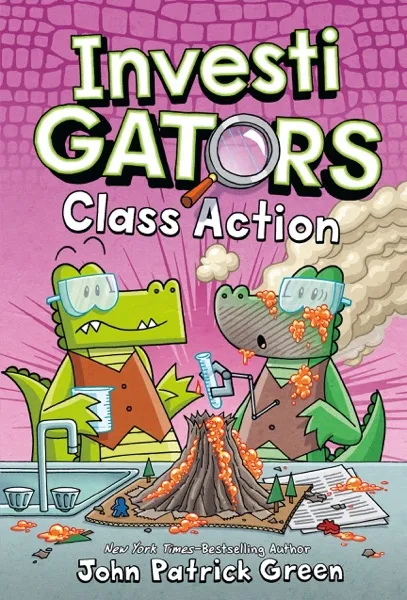
InvestiGators : Class Action Author: John Patrick GreenPage Count: UnknownPublication Year: 2024-GB John Patrick Green’s InvestiGators: Class Action isn’t just another graphic novel—it’s a masterclass in blending absurd humor, sharp satire, and deceptively clever storytelling. As the latest installment in the beloved series, this book proves that middle-grade comics can be as sophisticated as they are silly, packing layers of wit and social commentary beneath its pun-filled, cheese-gobbling surface. If you’ve ever laughed at a comic where two alligator detectives solve crimes while munching on snacks, you already know the drill. But beneath the goofy exterior lies a story that’s surprisingly timely, tackling themes of systemic injustice, corporate greed, and the power of collective action—all while keeping the page-turning energy of a classic adventure. At its core, Class Action is about the little guy (or, in this case, little gators) fighting back against the big, faceless institutions that try to grind them down. The story follows the dynamic duo of Mango and Brash as they uncover a sinister plot by the evil S.U.I.T. Corporation, which is polluting their city’s water supply and framing innocent animals for its crimes. The parallels to real-world environmental and corporate malfeasance are unmistakable, but Green never beats you over the head with them. Instead, he weaves the themes into the fabric of the plot, making them feel organic rather than preachy. The result is a book that’s as funny as it is thought-provoking—a rare feat in children’s literature. Green’s writing style is a masterstroke of economy and precision. His dialogue crackles with wit, delivered in bite-sized chunks that feel like the verbal equivalent of a Looney Tunes chase scene. The humor isn’t just in the one-liners, either—it’s in the visual gags, the absurd situations, and the sheer joy of watching two incompetent-but-well-meaning detectives stumble into solutions. Green’s art, which remains consistently expressive and dynamic, gives the book a tactile energy that pulls the reader along. Whether it’s the exaggerated facial expressions of the characters or the meticulously detailed backgrounds (which often hide Easter eggs for eagle-eyed readers), every panel is a testament to his skill as both a writer and an artist. What makes Class Action stand out, though, is its ability to balance satire with sincerity. Green doesn’t shy away from tackling heavy topics, but he does so with a light touch, ensuring that the story never feels weighed down by its own themes. The emotional beats land because they’re earned through the characters’ growth, not because Green forces them onto the page. Mango and Brash, despite their many flaws, feel like real heroes—not because they’re perfect, but because they’re persistent, flawed, and ultimately willing to learn. Their journey from bumbling investigators to something more resembles a classic underdog story, but with a modern twist that makes it feel fresh. The book’s pacing is another highlight. Green knows when to slow down for a joke, when to ramp up the action, and when to let the visuals carry the story. The action sequences are kinetic and engaging, but they’re never so frantic that they lose the reader. Instead, they serve as a reminder that InvestiGators is, first and foremost, a fun read—and one that rewards attentiveness with moments of genuine surprise and delight. For all its strengths, Class Action isn’t without its quirks. Some readers might find the humor a bit too niche, or the satire too subtle for its own good. But that’s the beauty of Green’s approach—he trusts his audience to keep up, and in doing so, he crafts a story that feels inclusive without being dumbed down. It’s a book that respects its readers’ intelligence while never taking itself too seriously. Ultimately, InvestiGators: Class Action is a triumph of comic book storytelling. It’s a book that makes you laugh out loud one minute and think critically the next, all while keeping you invested in its characters and plot. In an era where children’s media is often either overly simplistic or weighed down by heavy-handed messages, Green’s work is a breath of fresh air. It proves that you can have fun, be smart, and still make a point—without ever losing sight of what makes a story truly engaging. If you’re a fan of the InvestiGators series, this book will feel like a natural extension of the world you’ve come to love. If you’re new to the series, it’s the perfect entry point—funny, fast-paced, and full of heart. Either way, Class Action is a book that deserves to be on your shelf, your coffee table, or your child’s nightstand. #InvestiGators #GraphicNovelsForKids #MiddleGradeBooks #JohnPatrickGreen #KidsComics #AnimalDetectives Related InsightsEvery Pretty Thing: A Novel Book Review and Summary Revenge Plot Book Review and Summary The Grapes of Wrath Book Review and Summary{ "@context": "https://schema.org", "@type": "FAQPage", "mainEntity": [ { "@type": "Question", "name": "What is the main focus of InvestiGators : Class Action Book Review and Summary?", "acceptedAnswer": { "@type": "Answer", "text": "Everything you need to know about InvestiGators : Class Action with our detailed review." } }, { "@type": "Question", "name": "Who authored the comprehensive guide on InvestiGators : Class Action Book Review and Summary?", "acceptedAnswer": { "@type": "Answer", "text": "This detailed article and its insights were carefully researched and authored by Antoine Leroy." } }, { "@type": "Question", "name": "Where can I find more related content about Books?", "acceptedAnswer": { "@type": "Answer", "text": "You can explore more articles, detailed reviews, and similar insights by browsing the Related Insights section at the bottom of this article or visiting our dedicated Books category page." } } ] }
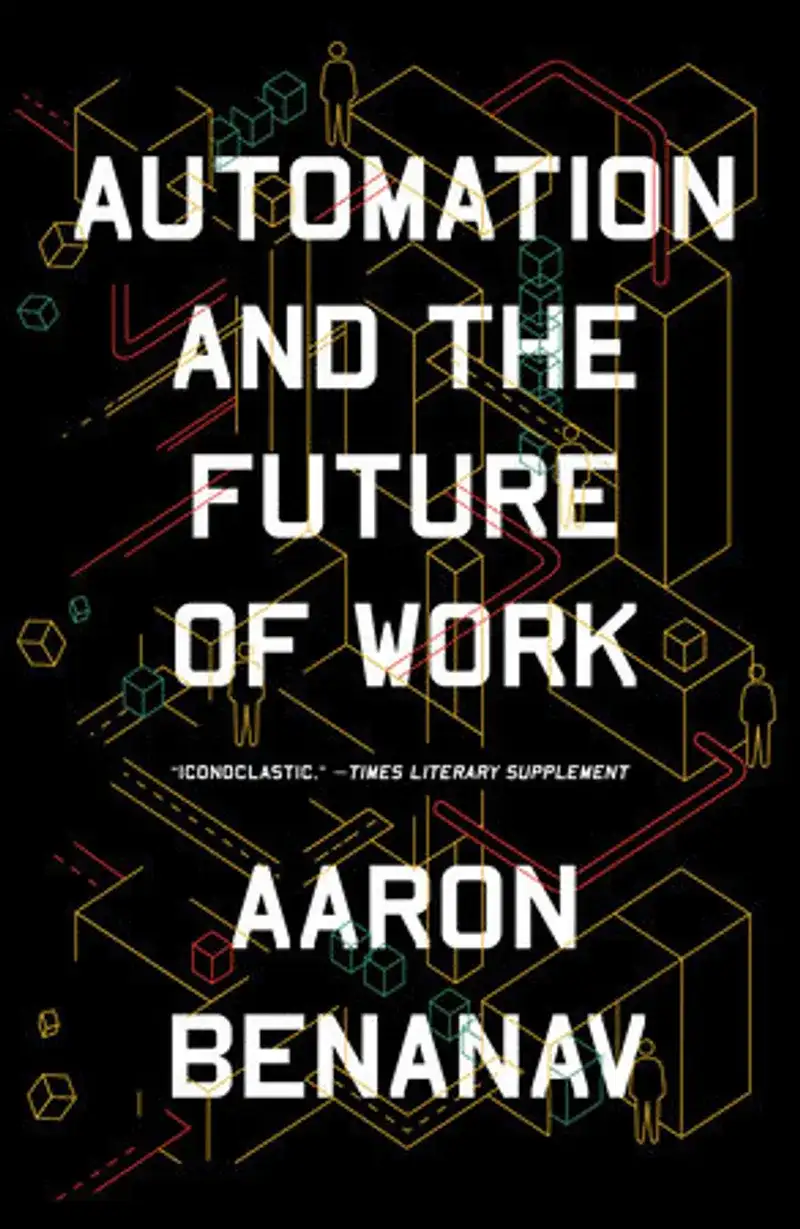

Automation and the Future of Work Author: Aaron BenanavPage Count: UnknownPublication Date: 2022-PRH Automation and the Future of Work, written by Aaron Benanav, is a thought-provoking and timely book that challenges the conventional wisdom surrounding the impact of automation on the labor market. Benanav, with his keen analytical mind, delves into the intricacies of the relationship between technological advancements and the future of work, offering a refreshing and contrarian perspective on the topic. The book begins by questioning the dominant narrative that automation will inevitably lead to widespread job displacement and the end of work as we know it. Benanav contends that this narrative is overly simplistic and neglects to account for the complex economic and social dynamics at play. Instead, he argues that the decline in labor demand is rooted in the inherent weaknesses of 21st-century capitalism, which is struggling to maintain economic growth and provide meaningful employment opportunities for all. One of the strengths of the book is Benanav's ability to balance critique with constructive thinking. While he acknowledges the potential risks and challenges associated with automation, he also salvages the utopian potential of a world without work. Benanav envisions a future where technological innovation is harnessed to create a post-scarcity society, where people are free to pursue their passions and interests without being bound by the drudgery of mundane labor. However, he also recognizes that this vision will not be realized through technological innovation alone, but will require significant social and political transformation. Benanav's writing style is engaging, accessible, and free of jargon, making the book an enjoyable read for both experts and non-experts alike. He draws on a wide range of sources, from economic data and historical analysis to social theory and philosophical debates, to create a rich and nuanced understanding of the issues at hand. The book is also remarkably well-organized, with each chapter building on the previous one to create a cohesive and compelling narrative. The author's counterproposal to the idea of a permanent universal basic income is particularly noteworthy. Rather than advocating for a passive safety net, Benanav argues for a more active and participatory approach to social welfare, one that empowers individuals and communities to take control of their own economic destinies. This approach is both radical and refreshing, and offers a glimpse of a more equitable and just society. In conclusion, Automation and the Future of Work is a groundbreaking book that challenges readers to think critically about the relationship between technology, work, and society. Benanav's unique perspective, coupled with his engaging writing style, makes the book a must-read for anyone interested in the future of work and the potential of technological innovation to create a better world. With its thought-provoking analysis and visionary ideas, this book is sure to spark important debates and conversations about the kind of future we want to create. #AutomationAndTheFutureOfWork #FutureOfWork #TechnologicalInnovation #PostScarcity #UtopianFutures #EconomicTransformation Related InsightsChasing Demons: A Novel Book Review and Summary The Girl on the Train Book Review and Summary Fablehaven Book Review and Summary{ "@context": "https://schema.org", "@type": "FAQPage", "mainEntity": [ { "@type": "Question", "name": "What is the main focus of Automation and the Future of Work Book Review and Summary?", "acceptedAnswer": { "@type": "Answer", "text": "Everything you need to know about Automation and the Future of Work with our detailed review." } }, { "@type": "Question", "name": "Who authored the comprehensive guide on Automation and the Future of Work Book Review and Summary?", "acceptedAnswer": { "@type": "Answer", "text": "This detailed article and its insights were carefully researched and authored by Thomas Wright." } }, { "@type": "Question", "name": "Where can I find more related content about Books?", "acceptedAnswer": { "@type": "Answer", "text": "You can explore more articles, detailed reviews, and similar insights by browsing the Related Insights section at the bottom of this article or visiting our dedicated Books category page." } } ] }
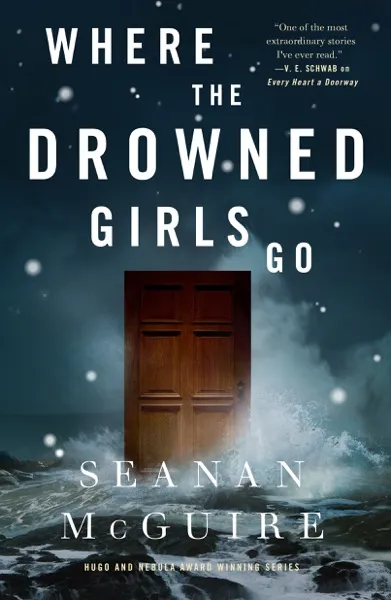
Where the Drowned Girls Go Author: Seanan McGuirePage Count: UnknownPublication Year: 2022-GB Where the Drowned Girls Go is not just another entry in Seanan McGuire’s sprawling and beloved Wayward Children series—it is a meditation on the cost of survival, the weight of memory, and the fragile borders between childhood and adulthood. Published in 2022, this novel continues the saga of Eleanor West’s Home for Wayward Children, a sanctuary for children who have stumbled through doors into impossible worlds and returned forever changed. But where earlier books focused on the journeys through the doors, this installment turns inward, exploring what happens when one of those doors is slammed shut—permanently. McGuire’s genius lies in her ability to blend whimsy with deep emotional resonance, and Where the Drowned Girls Go is no exception. The story centers on Cora, a mermaid who once thrived in the oceanic depths of the Trenches but now finds herself adrift in the mundane world of Eleanor’s Home. Cora’s trauma is not just the loss of her kingdom but the knowledge that she can never return. The Trenches, with its crushing pressure and eternal darkness, was both home and prison—a duality that mirrors the way trauma shapes identity. When Cora learns that another student, Sumi, has been permanently erased from existence by her own door closing, she spirals into isolation, convinced that her own grief is a betrayal of everything she survived. The novel’s central theme is the paradox of healing: how one can carry the weight of a past self while still moving forward. Eleanor’s Home, which has always been a place of second chances, becomes claustrophobic for Cora. She refuses to participate in the usual rituals of the Home—adventure therapy, storytelling, even simple camaraderie—because participation feels like a lie. If she can’t return to the Trenches, what’s the point of living in Eleanor’s world at all? It’s a devastating question, and one that McGuire answers not with platitudes but with raw, unflinching honesty. McGuire’s prose is deceptively simple, laced with the same sharp wit and dark humor that define her work. Her dialogue crackles with authenticity, whether it’s the dry, world-weary exchanges between Eleanor and Cora or the nervous, stumbling conversations among the students. She excels at capturing the peculiar loneliness of children who are neither fully of this world nor entirely of the worlds they left behind. There’s a scene where Cora sits in the Home’s garden, surrounded by flowers that don’t exist in the Trenches, and her longing is so palpable it aches. McGuire doesn’t need to describe the ocean to make you feel its absence. The Wayward Children series has always been about the liminal spaces between worlds, and Where the Drowned Girls Go pushes that theme further than ever. The Home itself is a liminal space—a place that exists between acceptance and denial, between memory and forgetting. The other students, each with their own abandoned doors, become a chorus of voices reminding Cora that survival is not the same as healing. Even the Home’s horrors, like the labyrinthine basement where forgotten doors are stored, serve as a metaphor for the way trauma lingers in the subconscious. What makes this book stand out is its refusal to offer easy resolutions. Cora’s journey is not about finding a new door or reconciling with her past. It’s about learning to live with the door that closed, to accept that some losses are permanent and that growth doesn’t require replacement. It’s a theme that resonates deeply in a world where resilience is often mistaken for invincibility. McGuire doesn’t give her characters (or her readers) the luxury of a neat ending. Instead, she offers something more valuable: the quiet, stubborn hope that comes from choosing to keep living, even when the world has changed irrevocably. For fans of the series, Where the Drowned Girls Go is a gut-punch of a book, a necessary exploration of what happens when the adventure is over. For newcomers, it’s a masterclass in how to weave fantasy and emotional depth into a narrative that feels both timeless and urgently modern. McGuire’s work has always been about the children who fall between the cracks of the world, and this book is her most poignant examination yet of what it means to be a child who can no longer find her way home. #WaywardChildren #SeananMcGuire #DarkFantasy #HealingThroughTrauma #YAFantasy #FoundFamily Related InsightsFiamme che Consumano, Idee che Persistono: L'Antica e Incessante Guerra Contro il Libro Catching Fire Book Review and Summary Our Skin Colour Book Review and Summary{ "@context": "https://schema.org", "@type": "FAQPage", "mainEntity": [ { "@type": "Question", "name": "What is the main focus of Where the Drowned Girls Go Book Review and Summary?", "acceptedAnswer": { "@type": "Answer", "text": "Everything you need to know about Where the Drowned Girls Go with our detailed review." } }, { "@type": "Question", "name": "Who authored the comprehensive guide on Where the Drowned Girls Go Book Review and Summary?", "acceptedAnswer": { "@type": "Answer", "text": "This detailed article and its insights were carefully researched and authored by Beatriz Costa." } }, { "@type": "Question", "name": "Where can I find more related content about Books?", "acceptedAnswer": { "@type": "Answer", "text": "You can explore more articles, detailed reviews, and similar insights by browsing the Related Insights section at the bottom of this article or visiting our dedicated Books category page." } } ] }
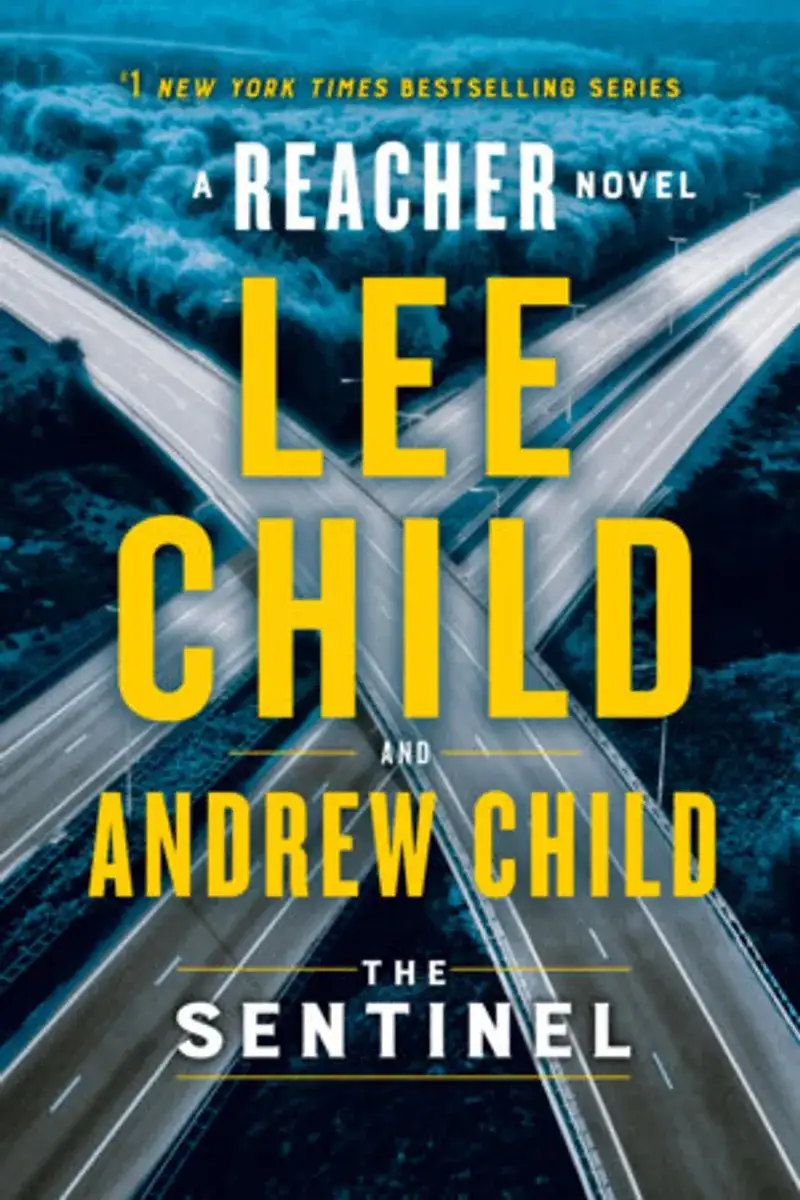
The Sentinel (Special Edition) Author: Andrew ChildPage Count: UnknownPublication Date: 2026-PRH Andrew Child’s The Sentinel: A Fierce, Unrelenting Descent into Paranoia and Power Andrew Child, the younger brother of thriller titan Lee Child and a master of tension in his own right, delivers The Sentinel—a book that refuses to let go. Set in a near-future America teetering on the edge of digital authoritarianism and societal collapse, this novel isn’t just a thriller; it’s a psychological Molotov cocktail. With The Sentinel, Child proves he’s not merely riding the coattails of his brother’s legacy—he’s forging his own path, one that’s darker, more intimate, and disturbingly plausible. At its core, The Sentinel is about surveillance, trust, and the erosion of privacy in a world where every keystroke is recorded, every movement tracked. The story follows a reclusive security expert, Will Robie, who is drawn out of his self-imposed isolation when a young hacker, a self-proclaimed "sentinel" exposing government overreach, is targeted by a shadowy organization. The catch? The hacker is Robie’s estranged daughter. What unfolds is less a traditional cat-and-mouse chase and more a claustrophobic descent into a labyrinth of betrayal, where allies are liabilities and every secret has a price. Child’s genius lies in his ability to make the abstract terrifyingly concrete. Unlike many thrillers that rely on fantastical villains or implausible tech, The Sentinel thrives on the plausibility of its premise. The surveillance state isn’t some distant dystopia—it’s here, woven into the fabric of everyday life, a silent predator that watches and waits. Child doesn’t need to invent futuristic gadgets; he repurposes real-world tools—facial recognition, data brokers, even social media algorithms—to create a world that feels uncomfortably familiar. The result is a novel that doesn’t just scare you; it makes you paranoid about your own digital footprint. Stylistically, Child’s prose is lean, precise, and relentless. He eschews purple prose in favor of sharp, punchy sentences that crackle with tension. There’s a surgical efficiency to his writing, where every word serves a purpose—whether it’s ratcheting up suspense or revealing a character’s hidden motives. The dialogue is razor-edged, devoid of wasted exposition, and crackles with the kind of snappy repartee that fans of Jack Reacher will recognize, though The Sentinel carves its own identity with a grittier, more contemporary edge. The book’s pacing is another standout feature. Child doesn’t waste time on meandering subplots or unnecessary detours. Instead, he constructs a narrative that feels like a high-stakes chess match, where every move is calculated and every misstep has consequences. The tension builds steadily, not through cheap jump scares, but through the slow accumulation of dread. You’ll find yourself holding your breath during late-night hacking sequences, your pulse quickening as Robie navigates a world where trust is a luxury and anonymity is a myth. One of the novel’s most compelling themes is the idea of legacy—not just in the familial sense (Robie’s strained relationship with his daughter is heartbreakingly rendered) but in the broader societal context. What does it mean to be a "sentinel" in an age where everyone is watched? Is resistance futile, or is it the only thing that defines our humanity? Child doesn’t offer easy answers. Instead, he forces the reader to confront the uncomfortable truth that in a world of total transparency, the only real privacy left is the one we choose to keep. The Sentinel also stands out for its moral ambiguity. The lines between hero and villain are deliberately blurred, and no character is entirely innocent. The villains aren’t mustache-twirling caricatures; they’re bureaucrats, tech executives, and even fellow citizens who’ve bought into the system’s justifications. This isn’t a world where good triumphs because it’s inherently righteous—it’s a world where good fights because it refuses to surrender, even when the odds are impossible. If The Sentinel has a flaw, it’s that its ending might polarize some readers. Child doesn’t wrap things up with a neat bow; instead, he delivers a conclusion that’s as open-ended as it is unsettling. It’s a bold choice, one that prioritizes realism over catharsis. Whether you’ll find it satisfying depends on whether you prefer your thrillers to offer closure or to leave you stewing in the aftermath. Ultimately, The Sentinel is more than just a book—it’s an experience. It’s the kind of novel that lingers in your mind long after the last page, making you question the world around you and the price of security. Andrew Child has crafted a masterclass in paranoia, a thriller that doesn’t just entertain but unsettles, proving that the most terrifying stories aren’t those about monsters hiding in the dark—but about the ones hiding in plain sight. #TheSentinel #AndrewChild #ThrillerBooks #SurveillanceState #TechThriller #MustRead Related InsightsThe Divine Comedy Book Review and Summary 'Die stille Revolution: Wie Noise-Cancelling-Kopfhörer die Welt zum Verstummen bringen' Ellie Ellie Book Review and Summary{ "@context": "https://schema.org", "@type": "FAQPage", "mainEntity": [ { "@type": "Question", "name": "What is the main focus of The Sentinel (Special Edition) Book Review and Summary?", "acceptedAnswer": { "@type": "Answer", "text": "Everything you need to know about The Sentinel (Special Edition) with our detailed review." } }, { "@type": "Question", "name": "Who authored the comprehensive guide on The Sentinel (Special Edition) Book Review and Summary?", "acceptedAnswer": { "@type": "Answer", "text": "This detailed article and its insights were carefully researched and authored by Carmen Martinez." } }, { "@type": "Question", "name": "Where can I find more related content about Books?", "acceptedAnswer": { "@type": "Answer", "text": "You can explore more articles, detailed reviews, and similar insights by browsing the Related Insights section at the bottom of this article or visiting our dedicated Books category page." } } ] }
The Singularity Is Nearer Author: Ray KurzweilPage Count: UnknownPublication Date: 2026-PRH Ray Kurzweil’s The Singularity Is Nearer is not just a book—it’s a manifesto for the future, a bold declaration that the next era of human evolution is hurtling toward us at breakneck speed. Published in 2026, this follow-up to his 2005 landmark The Singularity Is Near arrives at a moment when the promises and perils of artificial intelligence, biotechnology, and nanotechnology are no longer speculative fiction but daily headlines. Kurzweil, the futurist, inventor, and Google’s director of engineering, doubles down on his most controversial claim: that by the mid-21st century, human intelligence will merge with machines, transcending biology itself. But this time, he’s not just predicting—he’s mapping the road. The central thesis of The Singularity Is Nearer is deceptively simple: the Singularity—the point at which artificial intelligence surpasses human intelligence and triggers runaway technological growth—isn’t a distant abstraction. It’s arriving sooner than even Kurzweil previously thought. Where his earlier work laid the groundwork, this book is a status report, a warning, and a call to arms. Kurzweil argues that exponential progress in computing power, genetic engineering, and brain-computer interfaces will converge within decades, not centuries. By 2045, he predicts, we’ll witness the birth of a new civilization—one where human and machine cognition blur into a hybrid intelligence capable of solving problems we can’t yet imagine. What makes this book compelling is not just its vision but its relentless optimism. Kurzweil’s style is that of a scientist who has spent a lifetime turning science fiction into reality. He writes with the clarity of a man who has spent decades explaining complex ideas to skeptics, yet his prose never dumbs down the material. Instead, he invites the reader into a world where Moore’s Law extends beyond silicon, where DNA becomes programmable code, and where consciousness itself may be uploaded. His arguments are meticulously researched, drawing from advances in neuroscience, quantum computing, and synthetic biology that have occurred since his last book. Yet, he doesn’t shy away from the ethical dilemmas—he confronts them head-on, framing them as challenges to overcome rather than insurmountable obstacles. Kurzweil’s optimism is infectious, but it’s not naive. He acknowledges the risks—job displacement, inequality, the potential for AI to act unpredictably—but he frames them as temporary hurdles on the path to abundance. His faith in human ingenuity is absolute. He points to historical precedents: when the printing press disrupted scribes, when electricity replaced manual labor, society adapted. The Singularity, he insists, will be no different. The difference this time? The pace of change will be so rapid that adaptation won’t be a choice—it will be a necessity. The book’s structure mirrors its subject: it’s a spiral of ideas, each chapter building on the last, accelerating toward a crescendo. Kurzweil begins with the science—how close we are to cracking the code of the human brain, how quantum computers are inching toward simulating consciousness. He then pivots to the societal implications: education systems that adapt in real time, healthcare that eradicates disease before symptoms appear, and economies where scarcity is a relic of the past. His tone is urgent but not alarmist. He’s not a doomsayer; he’s a guide, leading us through the fog of the future with data, not dogma. One of the book’s most striking sections is its exploration of mind uploading—the idea that human consciousness could be transferred to a digital substrate. Kurzweil doesn’t just describe the technology; he envisions what it means to be human in a world where identity is no longer tied to flesh. He grapples with questions of continuity: If your mind is copied, is the original "you" still you? If your memories are edited, are you still the same person? These aren’t abstract philosophical musings; they’re questions that will define the next generation. Kurzweil’s approach is pragmatic: he doesn’t claim to have all the answers, but he insists we start asking the right questions now. His writing style is a blend of the technical and the visionary. Kurzweil doesn’t just cite studies—he extrapolates. He takes a single breakthrough in neural networks and imagines how it could scale to redefine intelligence itself. His prose is dense with ideas, but it’s never overwhelming. He has a knack for distilling complexity into digestible insights, making even the most esoteric concepts feel within reach. Yet, there’s a undercurrent of urgency in his tone. He knows that for many readers, the Singularity still feels like a distant dream. His mission is to convince them it’s closer than they think. Critics will argue that Kurzweil’s timeline is too aggressive, that the Singularity remains a moving target. They’ll point to the failures of past predictions—where AI hype outpaced reality. But Kurzweil’s genius lies in his ability to adapt. He revises his forecasts based on new data, and in The Singularity Is Nearer, he does just that. The book is less a rigid prophecy and more a living document, a snapshot of where we stand on the precipice of a revolution. Ultimately, The Singularity Is Nearer is a book for those who refuse to accept the limits of the possible. It’s for the dreamers who see technology not as a tool but as an extension of human potential. Kurzweil doesn’t just predict the future—he invites us to shape it. And in doing so, he reminds us that the most profound changes aren’t the ones we fear, but the ones we dare to imagine. #Singularity2045 #AIandHumanity #FutureIsNow #TechnoOptimism #MindUploading #BeyondBiology Related InsightsShe’s Come Undone Book Review and Summary Firstdawn Book Review and Summary Every Story Is a Love Story Book Review and Summary{ "@context": "https://schema.org", "@type": "FAQPage", "mainEntity": [ { "@type": "Question", "name": "What is the main focus of The Singularity Is Nearer Book Review and Summary?", "acceptedAnswer": { "@type": "Answer", "text": "Everything you need to know about The Singularity Is Nearer with our detailed review." } }, { "@type": "Question", "name": "Who authored the comprehensive guide on The Singularity Is Nearer Book Review and Summary?", "acceptedAnswer": { "@type": "Answer", "text": "This detailed article and its insights were carefully researched and authored by Antoine Leroy." } }, { "@type": "Question", "name": "Where can I find more related content about Books?", "acceptedAnswer": { "@type": "Answer", "text": "You can explore more articles, detailed reviews, and similar insights by browsing the Related Insights section at the bottom of this article or visiting our dedicated Books category page." } } ] }
Markus Zusak: The Book Thief & I Am the Messenger Author: Markus ZusakPage Count: UnknownPublication Date: 2014-PRH Markus Zusak’s The Book Thief and I Am the Messenger are two masterclasses in storytelling that linger long after the last page. Together, they form a diptych of human resilience, moral reckoning, and the quiet heroism that exists in ordinary lives. While separated by tone and setting, both novels share a core theme: the transformative power of small acts—whether through words, choices, or compassion—and the indelible mark they leave on the world. The Book Thief is a haunting, lyrical meditation on the role of literature in the face of unimaginable darkness. Set in Nazi Germany, it follows Liesel Meminger, a foster girl who finds solace in stolen books, her words becoming both armor and escape. Death, the narrator, is an unlikely guide—wry, weary, and deeply human. Zusak’s prose is poetic yet unflinching, balancing the brutality of war with moments of tenderness. The accordion music of Liesel’s foster father, Hans, becomes a metaphor for hope, a fragile melody in a world screaming in discord. The novel’s power lies in its refusal to romanticize suffering; instead, it finds beauty in the resilience of the human spirit. Liesel’s theft of books isn’t just rebellion—it’s an act of defiance, a claim to her own narrative in a world determined to erase her. Zusak’s style is immersive, blending stark realism with dreamlike imagery. Death’s observations—“I am haunted by humans”—are both chilling and poignant, reminding us that even in annihilation, there is meaning. The novel’s structure, with its interspersed chapters on the fates of minor characters, reinforces the idea that every life, no matter how brief, matters. It’s a book that doesn’t just tell a story; it makes you feel the weight of history. I Am the Messenger, on the other hand, is a quieter, more introspective work, yet no less profound. Ed Kennedy, a directionless cabdriver, stumbles into heroism when he foils a bank robbery. But the real twist is the aces that start arriving in his mailbox—each one a mission to change lives, from a suicidal woman to a corrupt cop. The novel is a meditation on purpose, asking what it means to truly matter. Ed’s journey is less about grand gestures and more about the cumulative impact of small, deliberate actions. Zusak’s writing here is sharp and witty, with Ed’s voice—self-deprecating, observant, and deeply human—drawing you in immediately. What ties these two books together is Zusak’s unparalleled ability to find the extraordinary in the ordinary. Both protagonists—Liesel and Ed—are unlikely heroes, shaped not by destiny but by choice. Liesel’s books become her weapon against despair; Ed’s missions become his redemption. Zusak’s genius lies in making the reader see the world differently, to recognize the heroism in everyday acts of kindness, courage, or defiance. His prose is deceptively simple, yet every word feels deliberate. There’s a musicality to his sentences, a rhythm that mirrors the heartbeat of his characters. Whether describing the “snow like feathers” falling over Molching or Ed’s nervous habit of tapping his fingers, Zusak’s details are vivid, almost tactile. He doesn’t just tell you what happens; he makes you experience it. Both novels also grapple with the idea of legacy. Liesel’s story is preserved in the words she writes; Ed’s impact is measured in the lives he touches. Zusak suggests that we are defined not by the grand narratives we’re born into, but by the stories we choose to create or uphold. In a world that often feels chaotic and cruel, his books are a reminder that meaning is something we carve out for ourselves. If The Book Thief is a symphony of sorrow and hope, I Am the Messenger is a jazz improvisation—unpredictable, rhythmic, and alive with possibility. Together, they showcase Zusak’s range: from the epic to the intimate, from historical tragedy to modern moral dilemmas. His work doesn’t just entertain; it challenges, comforts, and lingers. For readers who crave stories that resonate on a deeper level, these books are essential. They remind us that even in the darkest times, or the most mundane lives, there is room for heroism—and that the stories we tell, whether to ourselves or others, can change everything. #TheBookThief #IAmTheMessenger #MarkusZusak #YABooks #HistoricalFiction #MustRead Related InsightsSometimes I Scare Myself: A Collection of Horror Book Review and Summary Like the Moon We Rise (The Poisoner's Moon, #1) Book Review and Summary Mistress Suffragette Book Review and Summary{ "@context": "https://schema.org", "@type": "FAQPage", "mainEntity": [ { "@type": "Question", "name": "What is the main focus of The Book Thief Book Review and Summary?", "acceptedAnswer": { "@type": "Answer", "text": "Everything you need to know about The Book Thief with our detailed review." } }, { "@type": "Question", "name": "Who authored the comprehensive guide on The Book Thief Book Review and Summary?", "acceptedAnswer": { "@type": "Answer", "text": "This detailed article and its insights were carefully researched and authored by Markus Zusak." } }, { "@type": "Question", "name": "Where can I find more related content about Books?", "acceptedAnswer": { "@type": "Answer", "text": "You can explore more articles, detailed reviews, and similar insights by browsing the Related Insights section at the bottom of this article or visiting our dedicated Books category page." } } ] }

Gone Girl (Special Edition) Author: Gillian FlynnPage Count: UnknownPublication Date: 2026-PRH Gone Girl (Special Edition) – A Masterclass in Psychological Manipulation and Narrative Twist Gillian Flynn’s Gone Girl (Special Edition) is a chilling exploration of marriage, media, and the dark art of deception. Though the published year is listed as 2026—a future date that feels deliberate, as if Flynn herself has played a trick on time—the novel’s themes remain timeless, its grip on the reader as unshakable as the characters at its core. This special edition, likely packed with deleted scenes, author commentary, or behind-the-scenes insights, only deepens the experience, making it a must-read for fans of psychological thrillers. At its heart, Gone Girl is a story about two people who are experts at lying—not just to the world, but to each other. Amy Dunne, the vanished wife of journalist Nick Dunne, is the kind of villainess who makes you question whether she’s a monster or a genius. She’s calculating, ruthless, and utterly in control, yet Flynn ensures we’re never entirely sure if we’re supposed to admire her or recoil in horror. Nick, the unreliable narrator we’re initially meant to sympathize with, is just as flawed, his every word tinged with defensiveness and self-loathing. The brilliance of Flynn’s writing lies in how she forces the reader to flip-flop between allegiance, making us complicit in the gaslighting. Flynn’s prose is razor-sharp, blending razor-edged dialogue with a journalist’s eye for detail. Her prose isn’t flashy; it’s efficient, every sentence serving a purpose, whether it’s to reveal character, ratchet up tension, or deliver a devastating punchline. The first half of the book reads like a slow-burning nightmare, with Nick’s public unraveling mirroring the private decay of his marriage. The media circus that erupts around Amy’s disappearance is a scathing satire of true crime obsession, where perception is reality and the truth is whatever sells. Flynn skewers the way society devours tragedy, turning personal pain into public spectacle. The real kicker, of course, is the twist—one of the most infamous in modern fiction. Without spoiling the experience, let’s just say Flynn doesn’t just subvert expectations; she obliterates them. The second half of the book flips the script entirely, revealing a truth so dark that it forces the reader to question everything they’ve just read. It’s a testament to Flynn’s skill that even knowing the twist (if you do) doesn’t diminish the impact. The novel’s power lies in its unpredictability, its refusal to let the reader settle into comfort. The special edition likely amplifies this experience. Perhaps it includes alternate perspectives, excised chapters that deepen the characters, or Flynn’s own reflections on the writing process. Whatever it contains, it’s sure to add another layer to an already richly textured story. Flynn doesn’t just write thrillers; she crafts psychological puzzles that linger long after the last page. Gone Girl is more than a book—it’s an experience. It’s a marriage gone wrong, a media frenzy gone mad, and a narrative that refuses to play by the rules. Gillian Flynn doesn’t just tell a story; she plays a game with the reader, and she wins every time. #GoneGirl #GillianFlynn #PsychologicalThriller #UnreliableNarrator #DarkMarriage #TrueCrimeFiction Related InsightsThe Stolen Heir Book Review and Summary Proving Ground Book Review and Summary The Help Book Review and Summary{ "@context": "https://schema.org", "@type": "FAQPage", "mainEntity": [ { "@type": "Question", "name": "What is the main focus of Gone Girl (Special Edition) Book Review and Summary?", "acceptedAnswer": { "@type": "Answer", "text": "Everything you need to know about Gone Girl (Special Edition) with our detailed review." } }, { "@type": "Question", "name": "Who authored the comprehensive guide on Gone Girl (Special Edition) Book Review and Summary?", "acceptedAnswer": { "@type": "Answer", "text": "This detailed article and its insights were carefully researched and authored by Sofia Bianchi." } }, { "@type": "Question", "name": "Where can I find more related content about Books?", "acceptedAnswer": { "@type": "Answer", "text": "You can explore more articles, detailed reviews, and similar insights by browsing the Related Insights section at the bottom of this article or visiting our dedicated Books category page." } } ] }


El color púrpura / The Color Purple Author: Alice WalkerPage Count: UnknownPublication Date: 2018-PRH The Color Purple by Alice Walker is not just a book—it is a seismic eruption of raw emotion, a defiant scream against oppression, and a soaring anthem of resilience that shakes the foundations of storytelling itself. Since its publication in 1982, it has stood as a towering monument in American literature, a work that dares to give voice to the voiceless and dignity to the shattered. Winner of the Pulitzer Prize and the National Book Award, this epistolary novel is both a mirror and a weapon, reflecting the brutal realities of Black women in the early 20th-century South while wielding the power to heal and transform those who read it. At its heart, The Color Purple is a story about survival. It is a chronicle of Celie, a Black woman born into poverty, abuse, and silence. From the moment we meet her—an innocent girl raped by the man she believes is her father, bearing children she is forced to give away—we are immersed in a world that seeks to erase her humanity. Celie’s voice, initially timid and stifled, is the novel’s greatest revelation. Through her letters to God (and later, to her sister Nettie), she documents a life of unspeakable pain: physical violence, emotional degradation, and the crushing weight of a society that treats her as less than human. Yet, in Walker’s hands, Celie’s suffering is not an end in itself. It is the crucible in which her spirit is forged. What makes this novel extraordinary is Walker’s unflinching honesty. She does not romanticize suffering; she forces us to confront it. The oppression Celie endures is not just racial or gendered—it is a compounded violence that renders her invisible. Her husband, Mr. __, is a grotesque symbol of patriarchal control, a man who sees her only as a servant and a sexual object. Yet, Walker refuses to let us look away. Instead, she crafts a narrative that is as brutal as it is beautiful, where even the smallest act of defiance—like Celie’s quiet decision to speak her truth—becomes revolutionary. The arrival of Shug Avery, Mr. __’s glamorous and rebellious mistress, is a turning point. Shug is not a savior; she is a mirror. Through her, Celie begins to see her own worth. Shug’s sensuality, her defiance of societal norms, and her unapologetic joy are contagious. She teaches Celie that love is not just something men take—but something women can give to each other. Their relationship is tender, complicated, and utterly human, a testament to Walker’s ability to portray queer love with the same depth and nuance as any heterosexual romance. This is no small feat in a novel written in the 1980s, where such themes were still largely taboo. Equally powerful is the parallel story of Nettie, Celie’s sister, who escapes to Africa as a missionary. Nettie’s letters—hidden from Celie for decades—reveal a world of beauty and resilience, where Black women in the Olinka tribe live with dignity and purpose. Her journey contrasts sharply with Celie’s, offering a glimpse of liberation that Celie can only imagine. Yet, their bond remains unbroken, a thread of hope that sustains Celie through her darkest years. Walker’s prose is deceptively simple, yet every word carries weight. The epistolary format gives the novel an intimate, confessional quality, as if we are reading someone’s most private thoughts. There are no unnecessary flourishes—just the raw, unfiltered voice of a woman who has been silenced for too long. The language is earthy, poetic, and often laced with humor, even in the darkest moments. Walker understands that survival requires laughter as much as tears. The Color Purple is more than a historical novel; it is a living, breathing challenge to the systems that seek to destroy marginalized people. It is a story about the power of sisterhood, the beauty of self-discovery, and the unbreakable will to love despite everything. It is a book that demands to be read, discussed, and passed from hand to hand. And it is a book that changes you—because once you have walked with Celie from her lowest moments to her hard-won triumph, you can never unsee the world the same way again. Alice Walker does not just tell a story—she crafts an experience. The Color Purple is not a book you read; it is a book that reads you back, leaving scars and light in equal measure. #TheColorPurple #AliceWalker #FeministLiterature #BlackWomenWriters #EpistolaryNovel #SpeakYourTruth Related InsightsBlack Beauty Book Review and Summary Vastlands - The Crossing Book Review and Summary Lion Book Review and Summary{ "@context": "https://schema.org", "@type": "FAQPage", "mainEntity": [ { "@type": "Question", "name": "What is the main focus of El color púrpura / The Color Purple Book Review and Summary?", "acceptedAnswer": { "@type": "Answer", "text": "Everything you need to know about El color púrpura / The Color Purple with our detailed review." } }, { "@type": "Question", "name": "Who authored the comprehensive guide on El color púrpura / The Color Purple Book Review and Summary?", "acceptedAnswer": { "@type": "Answer", "text": "This detailed article and its insights were carefully researched and authored by Olya Shevchenko." } }, { "@type": "Question", "name": "Where can I find more related content about Books?", "acceptedAnswer": { "@type": "Answer", "text": "You can explore more articles, detailed reviews, and similar insights by browsing the Related Insights section at the bottom of this article or visiting our dedicated Books category page." } } ] }

The Hotel New Hampshire Author: John IrvingPage Count: UnknownPublication Date: 2018-PRH John Irving’s The Hotel New Hampshire is a sprawling, darkly comic, and deeply human epic that defies easy categorization—part family saga, part surrealist odyssey, and wholly a testament to the absurdity and beauty of living on the fringes of conventional life. Originally published in 1981, this reissue (2018) reintroduces readers to one of Irving’s most audacious creations: a clan of dreamers who treat chaos like a religion and hotels like their personal playgrounds. At its core, the novel is about the illusions that sustain us, the families we’re stuck with, and the way life’s tragedies and comedies are often two sides of the same coin. The Berry family is Irving’s masterstroke—a collection of misfits whose lives are as unpredictable as the plots of the bad movies they love. The patriarch, Win Berry, is a failed entrepreneur with a penchant for bears and a head full of half-baked schemes, while his wife, Mary, is a former hockey champion turned alcoholic schoolteacher, her dreams as fractured as her teeth. Their children—John, Frank, Franny, Lilly, and Egg—are each shaped by their parents’ delusions, inheriting both their resilience and their knack for disaster. John, the narrator, frames their story with a wry, fatalistic humor: "The first of my father’s illusions was that bears could survive the life lived by human beings, and the second was that human beings could survive a life led in hotels." This line sets the tone: Irving’s world is one where the boundaries between reality and fantasy blur, where survival depends as much on imagination as it does on luck. Irving’s style is unmistakable—lush, digressive, and freighted with a novelist’s obsession for detail. He writes like a man who believes that every subplot, no matter how tangential, matters, and that the only way to tell a truly human story is to pile on the anecdotes until the reader feels as overwhelmed as the characters. His prose is muscular, sometimes to the point of excess, but it’s also warm and inviting, like a hand reaching into the page to pull you into a world that’s equal parts hilarious and heartbreaking. The novel’s structure jumps between timelines and settings with the unpredictability of a dream, yet Irving’s control is absolute; even the most absurd moments (a bear in a hotel, a dwarf-sized wrestling match, a suicide that reads like a farce) feel inevitable once you’re under the spell of his storytelling. The theme of illusion versus reality pulses through every chapter. The Berries’ hotels—first the crumbling Hotel New Hampshire in New Hampshire, then the even more absurdly named Hotel New Hampshire in Vienna—are metaphors for the family itself: grand, dysfunctional, and doomed to collapse under the weight of their own contradictions. Win Berry’s dreams are both his greatest strength and his fatal flaw, a trait shared by all the Berries. Frank, the cross-dressing intellectual, Franny, the beauty queen with a dark secret, and Lilly, the aspiring writer whose stunted growth mirrors her stunted ambition, are all products of their environment, shaped by their parents’ failures as much as their own resilience. Even the novel’s most shocking moments—a rape, a murder, a botched abortion—are treated with a mix of gravity and gallows humor that leaves the reader giddy with discomfort. What makes The Hotel New Hampshire so enduring is its refusal to take itself too seriously. Irving never lets his characters off the hook, but he also never punishes them without mercy. The novel’s emotional core lies in its portrayal of family as both a prison and a sanctuary. The Berries love each other, even when they’re driving each other insane, and their loyalty is as unshakable as their dysfunction. John’s narration, filled with asides and footnotes, gives the story a confessional tone, as if he’s sitting across from you at a bar, drunk on whiskey and nostalgia, laughing through the tears. If there’s a flaw in Irving’s approach, it’s that the novel occasionally risks becoming a victim of its own cleverness. The sheer number of subplots—some brilliant, some meandering—can feel exhausting, and the novel’s insistence on its own mythic grandeur occasionally teeters into self-parody. But these are minor quibbles in a work that’s ultimately as rich and messy as life itself. The Hotel New Hampshire isn’t just a story about a family; it’s a story about the stories we tell ourselves to survive, the lies we dress up as truth, and the way love and pain are inextricably entwined. Irving’s genius lies in his ability to make the absurd feel profoundly real. He writes about bears and hotels and wrestling matches with the same sincerity other writers reserve for war or love, and in doing so, he reminds us that the most extraordinary lives are often the most ordinary ones—just lived a little louder, a little funnier, and a lot more tragically. The Berries aren’t heroes or villains; they’re just people, trying their best, failing spectacularly, and laughing through the wreckage. For readers who love Irving’s work, this novel is a homecoming. For those new to his world, it’s an invitation to dive into a story that’s as unpredictable as it is unforgettable. It’s a book that demands to be read in one breathless sitting, even if you have to come up for air every few pages to laugh or gasp or just shake your head in disbelief. Because that’s the thing about the Hotel New Hampshire: once you check in, you never really want to leave. #HotelNewHampshire #JohnIrving #FamilySaga #DarkComedy #LiteraryFiction #BookReview Related InsightsDream Town Book Review and Summary Until The Stars Burn Out (Shadowsworn, #2) Book Review and Summary House of Earth and Blood Book Review and Summary{ "@context": "https://schema.org", "@type": "FAQPage", "mainEntity": [ { "@type": "Question", "name": "What is the main focus of The Hotel New Hampshire Book Review and Summary?", "acceptedAnswer": { "@type": "Answer", "text": "Everything you need to know about The Hotel New Hampshire with our detailed review." } }, { "@type": "Question", "name": "Who authored the comprehensive guide on The Hotel New Hampshire Book Review and Summary?", "acceptedAnswer": { "@type": "Answer", "text": "This detailed article and its insights were carefully researched and authored by Chloé Laurent." } }, { "@type": "Question", "name": "Where can I find more related content about Books?", "acceptedAnswer": { "@type": "Answer", "text": "You can explore more articles, detailed reviews, and similar insights by browsing the Related Insights section at the bottom of this article or visiting our dedicated Books category page." } } ] }
Ciudadanía. Notas sobre un mito americano / Citizenship. Notes on an American Myth Author: Daisy HernándezPage Count: UnknownPublication Date: 2026-PRH In the thought-provoking "Ciudadanía. Notas sobre un mito americano" or "Citizenship. Notes on an American Myth", Daisy Hernández delves into the intricate complexities of American citizenship, weaving a narrative that is both deeply personal and universally relatable. Through a series of vignettes and historical explorations, Hernández masterfully exposes the myth of American citizenship, revealing the intricate web of contradictions and paradoxes that underpin this supposedly sacred institution. From the onset, it is clear that Hernández's writing style is characterized by its lyricism, nuance, and intellectual curiosity. Her prose is akin to a rich tapestry, interwoven with threads of history, sociology, and personal anecdote. As she navigates the labyrinthine corridors of American identity, Hernández's voice remains a steady, guiding presence, illuminating the darker recesses of the American experience. One of the most striking aspects of Hernández's approach is her willingness to interrogate the very notion of citizenship, laying bare its inherent contradictions. She deftly exposes the tension between the ideals of freedom and equality enshrined in the American Constitution, and the harsh realities of racism, xenophobia, and economic inequality that have consistently undermined these ideals. Through a series of powerful vignettes, Hernández humanizes the abstract concept of citizenship, imbuing it with the faces, voices, and stories of those who have been marginalized, excluded, or oppressed. Hernández's own experiences as a Latina writer and daughter of immigrants serve as a powerful lens through which to examine the complexities of American citizenship. Her writing is infused with a deep sense of empathy and understanding, as she navigates the treacherous waters of identity, belonging, and cultural heritage. Whether exploring the fraught history of American immigration policy, or reflecting on the intimate struggles of her own family's experiences, Hernández's voice remains a compelling and authentic presence. Throughout the book, Hernández engages in a rich dialogue with a diverse range of thinkers, from the likes of James Baldwin and Toni Morrison to contemporary scholars and activists. Her intellectual curiosity is contagious, drawing the reader into a world of ideas and debates that are both urgent and timely. As she navigates the intersections of citizenship, identity, and power, Hernández reveals a profound understanding of the ways in which American society is shaped by its deepest contradictions. Ultimately, "Ciudadanía. Notas sobre un mito americano" is a book that will resonate deeply with anyone who has ever grappled with the complexities of American identity. Hernández's writing is a testament to the power of storytelling, illuminating the darkest recesses of the American experience, while also offering a profound message of hope and resilience. As the United States continues to grapple with the challenges of immigration, inequality, and social justice, Hernández's book serves as a powerful reminder of the need for empathy, understanding, and collective action. #CitizenshipAndIdentity #AmericanMythology #LatinxStudies #ImmigrationAndBelonging #SocialJusticeAndActivism #AmericanStudies Related InsightsMurder on 34th Street: A Novel Book Review and Summary The Divine Comedy: Inferno - Purgatorio - Paradiso Book Review and Summary Blacktail Book Review and Summary{ "@context": "https://schema.org", "@type": "FAQPage", "mainEntity": [ { "@type": "Question", "name": "What is the main focus of Notes on an Execution Book Review and Summary?", "acceptedAnswer": { "@type": "Answer", "text": "Everything you need to know about Notes on an Execution with our detailed review." } }, { "@type": "Question", "name": "Who authored the comprehensive guide on Notes on an Execution Book Review and Summary?", "acceptedAnswer": { "@type": "Answer", "text": "This detailed article and its insights were carefully researched and authored by Danya Kukafka." } }, { "@type": "Question", "name": "Where can I find more related content about Books?", "acceptedAnswer": { "@type": "Answer", "text": "You can explore more articles, detailed reviews, and similar insights by browsing the Related Insights section at the bottom of this article or visiting our dedicated Books category page." } } ] }
-
 Carmen Martinez
 - 30 May, 2026 00:15
His Dark Materials: The Golden Compass (Book 1) Book Review and Summary
His Dark Materials: The Golden Compass (Book 1) Author: Philip PullmanPage Count: UnknownPublication Date: 2024-PRH A Masterpiece of Fantasy: The Golden Compass by Philip Pullman Few works of modern fantasy have left as indelible a mark on literature as Philip Pullman’s The Golden Compass, the first installment in the His Dark Materials trilogy. Originally published in 1995, its enduring power has only grown stronger with time, cementing its place as a cornerstone of young adult fiction—though its themes resonate far beyond any single age group. Pullman crafts a world where the boundaries between myth and reality blur, where every character carries a dæmon (a physical manifestation of their soul in animal form), and where the struggle for knowledge and power unfolds across parallel universes. It is a story of defiance, curiosity, and the moral weight of choice—one that challenges readers to question authority, embrace rebellion, and find their own compass in a world that often feels darkly predetermined. At the heart of The Golden Compass lies a deceptively simple question: Who gets to decide the truth? The novel follows Lyra Belacqua, a wild, quick-witted girl living in a parallel Oxford where scholars and theologians wield immense influence. Lyra’s world is one where children are being mysteriously abducted by the sinister "Gobblers," where armored bears rule the frozen North, and where her uncle, Lord Asriel, conducts dangerous experiments to bridge the gap between worlds. Yet Lyra, with her untamed spirit and unshakable loyalty to her friend Roger, refuses to accept the answers handed to her. She is a thief of secrets, a liar when necessary, and a champion of the lost—qualities that make her both endearing and dangerous in a world that rewards obedience above all else. Pullman’s genius lies in his ability to weave grand philosophical themes into a gripping, accessible narrative. The dæmon system, for instance, is not just a whimsical fantasy device but a profound metaphor for identity, maturation, and the human soul. A child’s dæmon can change form freely, reflecting their fluid sense of self, while an adult’s dæmon settles into a fixed shape—a visual metaphor for the constraints of adulthood. This detail alone elevates the story from mere adventure to a meditation on growth and autonomy. Meanwhile, the concept of "Dust," a mysterious cosmic particle that connects all living things, serves as a stand-in for the unknowable forces of the universe, inviting readers to ponder whether truth is something to be discovered or something to be fought for. Pullman’s prose is both elegant and unadorned, allowing the story’s weight to rest in its ideas rather than in florid description. His world-building is immersive yet never overly explained—a rare feat in fantasy, where infodumps often bog down the narrative. Instead, Pullman trusts his readers to infer meaning, to sit with ambiguity, and to feel the tension between Lyra’s impulsive daring and the creeping dread of a world that seeks to control her. The emotional core of the novel lies in Lyra’s relationships: her bond with her dæmon Pantalaimon, her fraught alliance with the armored bear Iorek Byrnison, and her unwitting betrayal of Roger in her quest for answers. These dynamics are rendered with such raw sincerity that the reader cannot help but root for Lyra, even as her choices grow increasingly perilous. One of the most striking aspects of The Golden Compass is its subversion of traditional fantasy tropes. Where many such stories glorify destiny and prophecy, Pullman presents them as tools of manipulation. The Magisterium (the dominant religious authority in Lyra’s world) twists doctrine to justify oppression, while scholars and politicians play god with children’s lives. Lyra, in contrast, operates on instinct, instinct that often leads her into trouble but also toward the truth. Her journey is not about fulfilling a grand design but about forging her own path—one that may require her to betray even those she loves most. Pullman’s writing is also laced with wit and subversive humor, particularly in Lyra’s voice. She is a liar, a thief, and a troublemaker, yet her charm lies in her refusal to be tamed. When she outsmarts a powerful bear king or tricks a witch into revealing secrets, the reader delights in her cunning. This balance of darkness and playfulness is what makes The Golden Compass so enduring. It is a book that can be enjoyed purely as a swashbuckling adventure, yet it lingers in the mind as a critique of dogma, a celebration of intellectual freedom, and a poignant exploration of what it means to grow up. In an era where fantasy often defaults to either saccharine heroism or grimdark brutality, Pullman’s work stands apart for its moral complexity. His Dark Materials is not a series that offers easy answers; it is a series that demands that its readers think, question, and—like Lyra—rebel. And perhaps that is why, nearly three decades after its publication, The Golden Compass remains as vital and thought-provoking as ever. If you seek a fantasy that challenges as much as it entertains, if you crave a heroine who is flawed yet fearless, if you long for a story that dares to ask why—then let Philip Pullman be your guide. Open the book, and let your own dæmon lead you into the unknown. #HisDarkMaterials #PhilipPullman #FantasyClassic #YoungAdultFiction #BookReview #ParallelUniverses Related InsightsThe Prince Book Review and Summary Mokradla Book Review and Summary Final Fantasy XIV: Stormblood -- The Art of the Revolution -Western Memories- Book Review and Summary{ "@context": "https://schema.org", "@type": "FAQPage", "mainEntity": [ { "@type": "Question", "name": "What is the main focus of His Dark Materials: The Golden Compass (Book 1) Book Review and Summary?", "acceptedAnswer": { "@type": "Answer", "text": "Everything you need to know about His Dark Materials: The Golden Compass (Book 1) with our detailed review." } }, { "@type": "Question", "name": "Who authored the comprehensive guide on His Dark Materials: The Golden Compass (Book 1) Book Review and Summary?", "acceptedAnswer": { "@type": "Answer", "text": "This detailed article and its insights were carefully researched and authored by Carmen Martinez." } }, { "@type": "Question", "name": "Where can I find more related content about Books?", "acceptedAnswer": { "@type": "Answer", "text": "You can explore more articles, detailed reviews, and similar insights by browsing the Related Insights section at the bottom of this article or visiting our dedicated Books category page." } } ] }