Showing Posts From
Budget travel
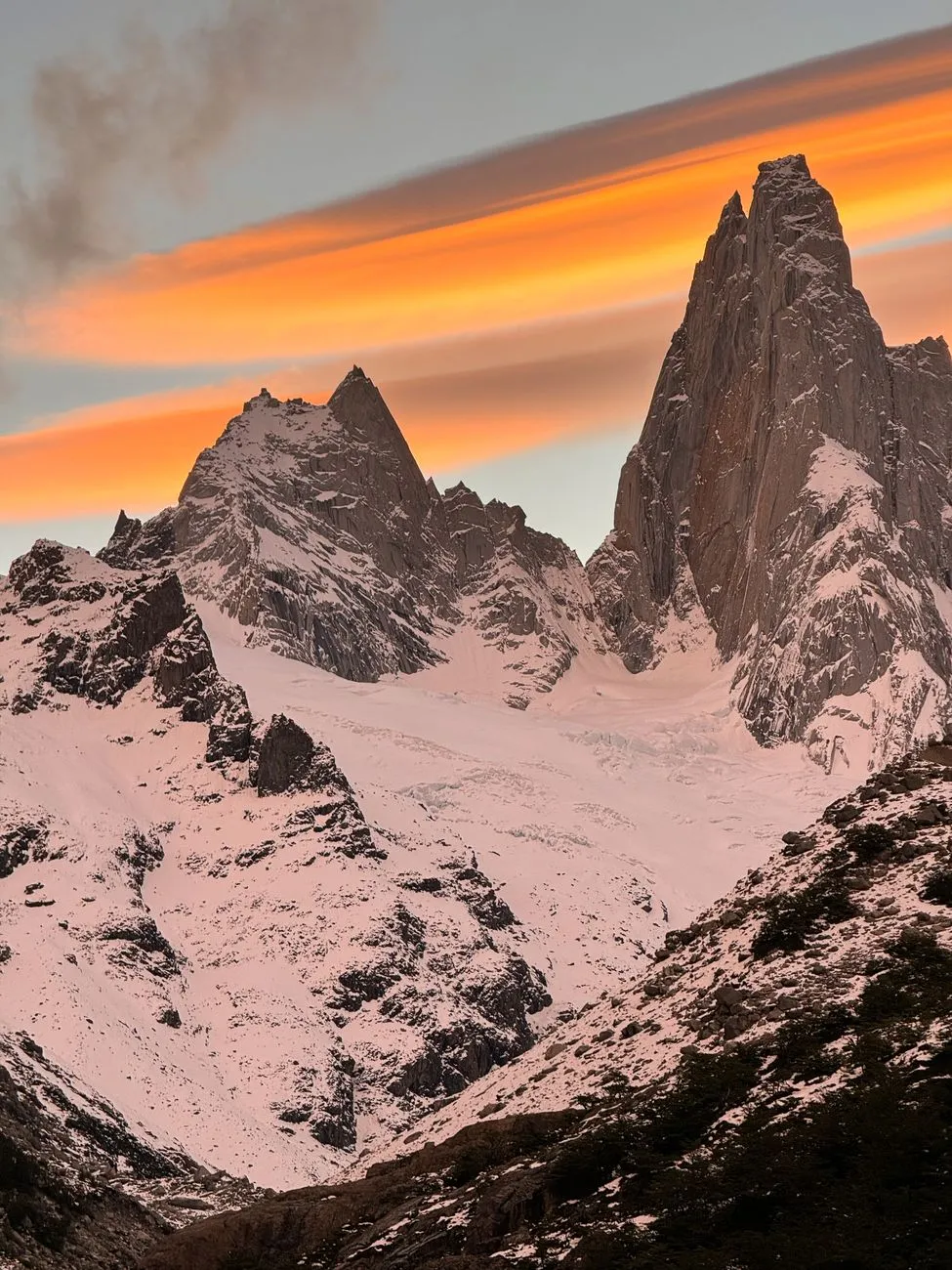

When the Air Thins: Understanding Altitude Physiology The moment you step above 2,500 meters the partial pressure of oxygen drops enough to trigger a cascade of physiological responses. Hemoglobin saturation can fall from 98 % at sea level to below 85 % at 4,000 meters, and the body compensates by increasing ventilation, heart rate, and red‑blood‑cell production. Acute Mountain Sickness (AMS) typically appears within 6–12 hours of rapid ascent and presents as headache, nausea, dizziness, and disturbed sleep. The Lake Louise Scoring System remains the gold standard for field diagnosis; a score ≥3 with a headache warrants descent or pharmacologic intervention. Acclimatization is not a passive waiting game. The “climb high, sleep low” principle—gaining 300–500 meters during the day and descending to sleep—stimulates erythropoietin without overstressing the cardiovascular system. A practical schedule for a 10‑day trek from Cusco (3,400 m) to the Ausangate circuit (5,200 m) includes two rest days at 3,800 m and 4,300 m, each paired with short hikes to 4,600 m. Monitoring SpO₂ with a fingertip pulse oximeter (target ≥90 % at rest) provides objective data; a drop below 85 % at rest signals the need for immediate descent or supplemental oxygen. Pharmacologic prophylaxis—acetazolamide 125 mg twice daily starting 24 hours before ascent—has been shown in randomized trials to reduce AMS incidence by 40–50 %. Dexamethasone 4 mg every 6 hours is reserved for treatment of High‑Altitude Cerebral Edema (HACE) and should never replace descent. Carry a portable hyperbaric bag (e.g., Gamow) for emergencies when evacuation is delayed; a 30‑minute session can simulate a 1,500‑meter descent. Gear That Breathes: Selecting Lightweight, Insulating Systems Every gram matters when you’re hauling a 12‑kilogram pack at 5,000 meters, yet the Andes demand protection against sub‑zero night temperatures, fierce UV, and sudden storms. A three‑layer system—base, mid, shell—remains the most adaptable. Merino wool base layers (150‑200 g/m²) wick moisture while resisting odor for multi‑day use. For the mid‑layer, a 800‑fill‑power down jacket (≈350 g) offers a warmth‑to‑weight ratio unmatched by synthetic alternatives, provided you keep it dry; a water‑repellent down treatment adds a safety margin. The outer shell must be fully waterproof, breathable (≥20,000 g/m²/24 h MVTR), and feature a helmet‑compatible hood. Gore‑Tex Pro or equivalent 3‑layer laminates weigh 400–500 g and survive abrasion from volcanic scree. Pair the shell with insulated, waterproof trekking boots (e.g., 1,200 g per pair) that accommodate crampon compatibility for glacier crossings. Gaiters, insulated gloves (liner + shell), and a balaclava complete the thermal envelope. Sleep systems are equally critical. A 0 °C rated down sleeping bag (≈900 g) combined with a closed‑cell foam pad (R‑value ≥ 4) and an inflatable pad (R‑value ≥ 3) yields a combined R‑value > 7, sufficient for −15 °C nights. A four‑season tent with a double‑wall design, snow‑shedding vestibule, and a footprint adds ~2 kg but prevents condensation and wind loading. Navigation gear: a GPS unit with pre‑loaded topographic maps (scale 1:25,000), a magnetic compass with declination adjustment for the South American magnetic anomaly (~−12°), and a paper map as backup. Power management: a 20,000 mAh solar‑compatible power bank (≈350 g) keeps headlamp, phone, and satellite messenger alive for the entire expedition. Fuel for the Summit: Nutrition, Hydration, and Electrolyte Strategy At altitude the basal metabolic rate rises 10–25 % due to increased ventilation and thermogenesis, while appetite often suppresses. Aim for 4,500–5,500 kcal/day, split 55 % carbohydrate, 25 % fat, 20 % protein. Carbohydrate oxidation requires less oxygen per ATP molecule than fat, making it the preferred fuel above 4,000 m. Portable sources: dehydrated quinoa (120 kcal/30 g), instant mashed potatoes (90 kcal/30 g), and energy gels (25 g carbs each). Protein intake of 1.6 g/kg body weight preserves muscle mass during prolonged catabolism. Lightweight options include vacuum‑sealed tuna (25 g protein/85 g), jerky (15 g/30 g), and plant‑based protein powder (20 g/30 g). Fat provides caloric density; nuts, cheese, and olive‑oil packets (9 kcal/g) add 800–1,000 kcal without bulk. Hydration is a moving target. Cold, dry air increases respiratory water loss to 1–1.5 L/day; sweat adds another 0.5–1 L during exertion. Target 4–5 L total fluid intake, using insulated bottles to prevent freezing. Electrolyte replacement—sodium 500–700 mg/L, potassium 200 mg/L, magnesium 50 mg/L—prevents hyponatremia and muscle cramps. Commercial tablets (e.g., Nuun) or a homemade mix of sea salt, potassium chloride, and magnesium citrate achieve the same profile at lower cost. Micronutrients matter: iron (18 mg/day) supports erythropoiesis; vitamin C (200 mg) enhances iron absorption; vitamin D (2,000 IU) compensates for limited sun exposure on covered skin. A daily multivitamin tailored for endurance athletes covers gaps. Meal timing: a carbohydrate‑rich breakfast (oats + dried fruit + nuts) fuels the morning ascent; a mid‑day “snack‑every‑hour” approach maintains blood glucose; a protein‑fat dinner (tuna + cheese + olive oil) supports overnight recovery. Avoid alcohol and excessive caffeine (>300 mg) as they exacerbate dehydration and impair sleep architecture. Navigating the Invisible: Weather Reading, Route Finding, and Emergency Protocols Andean weather shifts from clear blue to whiteout in minutes. The “Altiplano” high plateau creates a diurnal temperature swing of 20–30 °C. Morning radiation can melt surface snow, creating a fragile crust that collapses under weight by midday. Learn to read cloud formations: lenticular clouds over peaks indicate strong upper‑level winds and potential turbulence; a rapid buildup of cumulonimbus on the leeward side signals thunderstorms and hail. Carry a compact weather‑radio (NOAA/SAME compatible) and a satellite messenger (e.g., Garmin inReach) for real‑time forecasts and SOS capability. Pre‑load the route into the GPS with waypoints every 500 m, marking water sources, emergency shelters, and known avalanche terrain. In the Cordillera Blanca, the “Huayhuash” circuit traverses multiple glacier passes where crevasse risk spikes after warm spells; a 30‑meter rope, crevasse rescue kit, and proficiency in self‑arrest are non‑negotiable. Emergency protocols must be rehearsed before departure. Assign roles: leader (navigation, decision‑making), medic (first‑aid, AMS monitoring), communications (satellite messenger, radio), and gear manager (rope, shelter). Conduct a daily “situation brief” at camp: altitude gained, SpO₂ trends, weather outlook, water status, and any injuries. If a team member scores ≥5 on the Lake Louise scale, initiate immediate descent of at least 500 m, administer oxygen (2 L/min), and give dexamethasone 8 mg stat then 4 mg q6h. Evacuation planning: identify the nearest airstrip (e.g., Juliaca for southern Peru, El Alto for Bolivia) and confirm helicopter availability with local operators. Carry a lightweight litter (≈2 kg) and a portable stretcher for non‑ambulatory patients. Insurance that covers high‑altitude rescue up to 6,000 m is mandatory; verify policy wording for “adventure sports” exclusions. Budgeting the Ascent: Real Cost Data from Cusco, La Paz, and Quito Understanding the financial footprint of an Andean expedition prevents mid‑trip surprises. Numbeo’s crowdsourced database provides city‑level cost‑of‑living indices that translate directly into trek budgeting. The table below aggregates average daily expenses for a solo trekker (mid‑range comfort) in three major gateway cities, converted to USD at 2026‑09‑19 rates.Expense Category Cusco, Peru La Paz, Bolivia Quito, EcuadorHostel (dorm, 1 night) $12 $9 $14Private room (budget hotel) $35 $28 $40Meals (local market, 3×) $8 $6 $10Guide (certified, per day) $45 $38 $50Porter (15 kg load, per day) $20 $18 $22Park entry / permit $30 (Salkantay) $25 (Sajama) $28 (Cotopaxi)Local transport (bus/taxi) $5 $4 $6Estimated Daily Total $155 $128 $170These figures assume a 10‑day itinerary with two acclimatization days in the city. A 10‑day trek from Cusco therefore costs roughly $1,550 excluding international flights, gear rental, and insurance. La Paz offers the lowest baseline, but permit fees for Sajama National Park and limited English‑speaking guides can add hidden costs. Quito’s higher price point reflects stronger tourism infrastructure and easier access to medical facilities. Cost‑saving tactics: book guides and porters through reputable local cooperatives (e.g., Asociación de Guías de Montaña Cusco) to avoid middle‑man mark‑ups; purchase food at municipal markets (San Pedro in Cusco, Mercado Rodríguez in La Paz) where a kilogram of quinoa costs $2.50 versus $5 in tourist shops; share a private room Related Insights喀什:丝绸之路上的明珠与时光交错的古城 The Pantanal, Brazil: Unlocking the World’s Largest Wetland and Its Untamed Wildlife The Faroe Islands: Where Nordic Wilderness Meets Photographic Magic{ "@context": "https://schema.org", "@type": "FAQPage", "mainEntity": [ { "@type": "Question", "name": "What is the main focus of Breathing the Andes: Mastering Survival on the High-Altitude Trail?", "acceptedAnswer": { "@type": "Answer", "text": "Essential high-altitude survival tactics, gear, nutrition, and budget insights for trekking the Andean spine." } }, { "@type": "Question", "name": "Who authored the comprehensive guide on Breathing the Andes: Mastering Survival on the High-Altitude Trail?", "acceptedAnswer": { "@type": "Answer", "text": "This detailed article and its insights were carefully researched and authored by Wei Chen." } }, { "@type": "Question", "name": "Where can I find more related content about Travel?", "acceptedAnswer": { "@type": "Answer", "text": "You can explore more articles, detailed reviews, and similar insights by browsing the Related Insights section at the bottom of this article or visiting our dedicated Travel category page." } } ] }
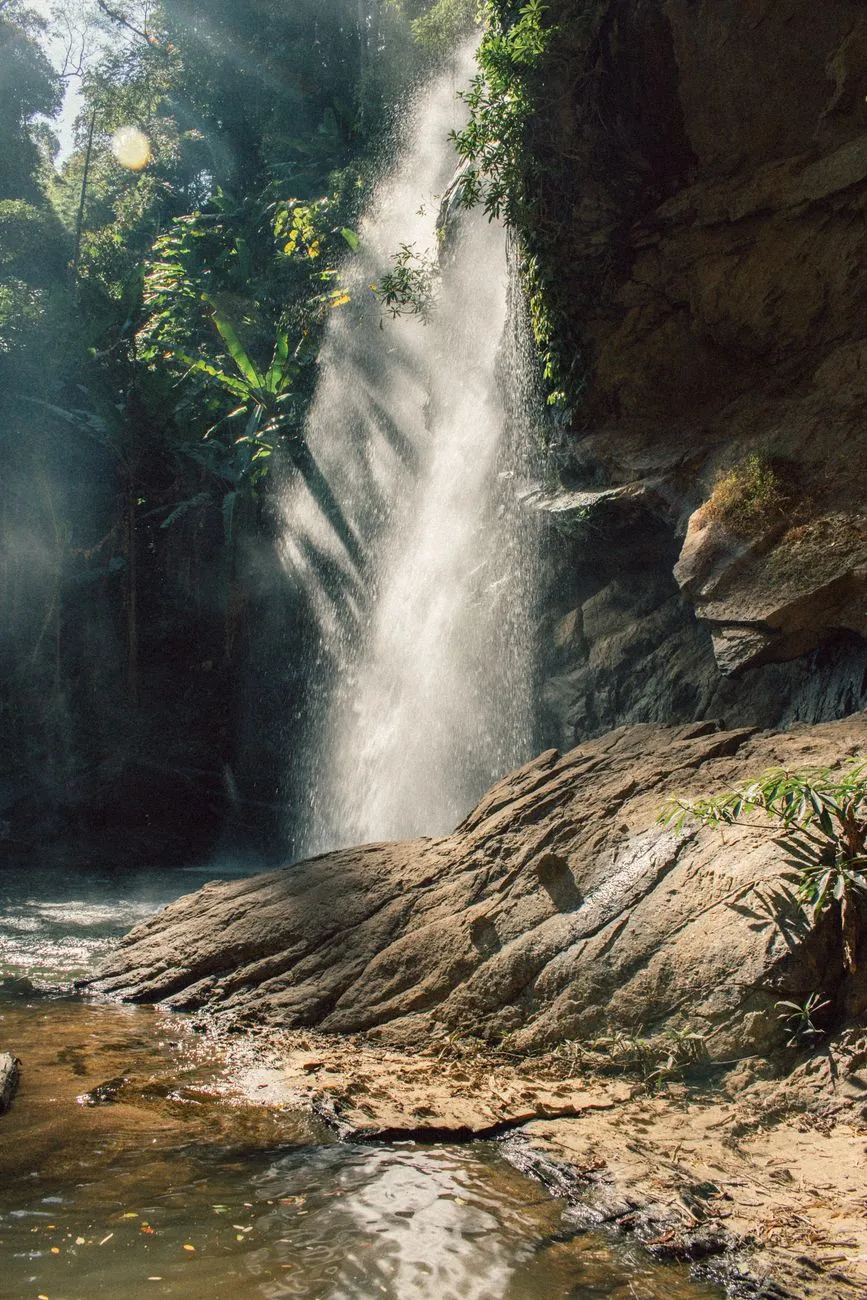

Where the Crowds Never Go: The Real Southeast Asia Awaits Southeast Asia has long been a magnet for travelers, but the well-trodden paths of Bali, Bangkok, and Hanoi are only the beginning. In 2026, a new wave of adventurers is uncovering the region’s hidden gems—places where pristine beaches, lush jungles, and vibrant cultures thrive without the tourist hordes. From the misty highlands of northern Laos to the ancient temples of Cambodia’s Siem Reap, these destinations offer something far more authentic than the typical backpacker route. Whether you're a digital nomad chasing reliable Wi-Fi or a thrill-seeker hunting for untouched landscapes, Southeast Asia’s best-kept secrets promise an experience that’s as enriching as it is exhilarating.Siem Reap: Beyond Angkor Wat – A Digital Nomad’s Paradise Emerges For decades, Siem Reap was known solely as the gateway to Angkor Wat, a place where travelers rushed in, snapped photos, and fled. But in 2026, this Cambodian gem has transformed into a digital nomad haven, offering a perfect blend of affordability, culture, and modern convenience. The city’s internet infrastructure has seen a dramatic upgrade, with speeds now ranging from 50 to 80 Mbps in the city center—a far cry from the dial-up days of the past. Coworking spaces like AngkorHub and The Factory provide high-speed connections, ergonomic setups, and networking opportunities, all for a fraction of what you’d pay in Bangkok or Bali. The cost of living is another draw. A digital nomad can comfortably live on $700–$1,100 per month, including rent, food, and coworking fees. A studio apartment in the city center costs around $300–$500, while a meal at a local amok (Cambodian curry) restaurant runs just $3–$5. Even gym memberships and social events are budget-friendly, with most activities costing under $10. The visa situation has also improved, with Cambodia’s Digital Nomad Visa (introduced in 2024) now fully operational. For $290, you get a 12-month visa with the option to extend, making it one of the most straightforward and affordable options in Southeast Asia. But Siem Reap isn’t just about saving money—it’s about immersion. The city’s growth has brought a wave of new cafes, art galleries, and coworking hubs, all while preserving its rich heritage. The Phare Circus, a social enterprise employing at-risk youth, offers evening performances that blend acrobatics with Cambodian folklore. Meanwhile, the Siem Reap Pub Street has evolved beyond its backpacker reputation, now featuring rooftop bars with live music and craft cocktails. For those seeking adventure, day trips to the Tonlé Sap Lake or the Kulen Promtep Wildlife Sanctuary offer kayaking, hiking, and encounters with rare wildlife.Da Nang: Vietnam’s Coastal Secret Where Urban Sophistication Meets Beachside Bliss While Ho Chi Minh City and Hanoi dominate Vietnam’s travel narrative, Da Nang has quietly emerged as the country’s most dynamic coastal destination. In 2026, this city of 1.2 million is a digital nomad hotspot, offering a rare combination of urban amenities, stunning beaches, and affordability. The cost of living for a digital nomad hovers between $700–$1,100 per month, making it one of the most budget-friendly cities in Southeast Asia for those who want a high quality of life. A modern one-bedroom apartment in the An Thuong district costs $400–$600, while a meal at a local seafood restaurant is just $5–$8. Coworking spaces like DNC Coworking Space and The Hive Da Nang provide high-speed internet (up to 100 Mbps), meeting rooms, and networking events for $80–$150 per month. What sets Da Nang apart is its diverse landscape. The city is nestled between the Marble Mountains (a series of limestone hills with caves and pagodas) and My Khe Beach, one of Vietnam’s most pristine stretches of sand. Adventure seekers can surf the consistent waves, paraglide over the coastline, or hike through the Son Tra Peninsula, home to the rare red-shanked douc langur. For culture lovers, the Dragon Bridge—a 656-foot-long steel structure that breathes fire and water on weekends—is a must-see. Meanwhile, the Hoi An Ancient Town (a UNESCO World Heritage Site) is just a 30-minute drive away, offering lantern-lit streets, tailor-made clothing, and riverside dining. The city’s digital nomad community is thriving, with monthly meetups, tech conferences, and beachside coworking sessions. The Da Nang Digital Nomad Visa (introduced in 2025) allows stays of up to 6 months, with an easy extension process. Health insurance is affordable, with plans starting at $30 per month, and the city’s international hospital (Vinmec) provides top-tier medical care. Currency risk is minimal, as Vietnam’s dong remains stable against the dollar, making budgeting straightforward.Chiang Mai: The Northern Thai Enclave Where Tradition and Innovation Collide Chiang Mai has long been a digital nomad favorite, but in 2026, it’s evolved into something even more special—a place where ancient temples, lush mountains, and a burgeoning tech scene coexist. According to Numbeo’s May 2026 data, Chiang Mai is 11.7% pricier than Ho Chi Minh City, but the trade-off is worth it. A digital nomad budget here ranges from $1,000–$1,500 per month, covering rent, food, coworking, and leisure. A modern studio apartment in the Nimmanhaemin Road area costs $500–$800, while a meal at a trendy café runs $4–$7. Coworking spaces like Punspace and CAMP (Creative and Meeting Place) offer high-speed internet (up to 120 Mbps), yoga sessions, and networking events for $100–$200 per month. The city’s digital nomad visa (the Thailand LTR Visa) is one of the most attractive in Southeast Asia. For $1,500–$2,000 per year, you get a 5-year visa, tax benefits, and the ability to work remotely. Health insurance is mandatory but affordable, with plans starting at $50 per month, and Thailand’s Bumrungrad Hospital is one of the best in the region. The currency risk is low, as the Thai baht remains relatively stable against the dollar. But Chiang Mai isn’t just about work—it’s about culture and adventure. The city is surrounded by mountains, waterfalls, and hill tribes, offering endless opportunities for trekking, elephant sanctuaries, and meditation retreats. The Doi Suthep Temple, perched on a mountain overlooking the city, provides breathtaking views and a glimpse into Northern Thai Buddhism. Meanwhile, the Sunday Night Market is a sensory overload of street food, handicrafts, and live music. For those who crave nightlife, the Nimman area is packed with rooftop bars, live music venues, and craft beer pubs.Bali’s Hidden Highlands: Where the Island’s Soul Resides Beyond the Beaten Path Bali is synonymous with beaches and resorts, but in 2026, the island’s hidden highlands are stealing the spotlight. Places like Sidemen, Munduk, and Amed offer a quieter, more authentic experience, where rice terraces, volcanoes, and traditional villages take center stage. The cost of living in these areas is $1,170+ per month for a digital nomad, but the trade-off is unparalleled beauty and tranquility. A villa with a private pool in Sidemen costs $600–$1,000, while a meal at a local warung is just $2–$5. Coworking spaces are sparse, but cafes like Zest Ubud and Seniman Coffee offer reliable Wi-Fi (up to 50 Mbps) for $5–$10 per day. The B211 Digital Nomad Visa (introduced in 2025) allows stays of up to 6 months, with an easy extension process. Health insurance is mandatory but affordable, with plans starting at $40 per month, and Bali’s international hospitals (like BIMC Hospital) provide excellent care. The currency risk is minimal, as the Indonesian rupiah remains stable against the dollar. What makes Bali’s highlands so special is their untouched beauty. The Sidemen Valley is a UNESCO Biosphere Reserve, home to ancient irrigation systems (subak) and volcanic lakes. The Munduk Waterfalls are a series of seven cascading falls, each more stunning than the last. Meanwhile, Amed is a fishing village turned diver’s paradise, with coral reefs, WWII shipwrecks, and black sand beaches. For adventure seekers, Mount Batur offers sunrise hikes, while traditional weaving villages like Tenganan provide a glimpse into Bali’s pre-colonial culture.Bangkok’s Secret Side: The City’s Underrated Neighborhoods and Hidden Adventures Bangkok is often dismissed as a chaotic metropolis, but in 2026, savvy travelers are discovering its hidden neighborhoods—places where local culture, street food, and modern luxury collide. Areas like Ari, Thonglor, and On Nut offer a more authentic experience than the tourist-heavy Khao San Road or Sukhumvit. The cost of living for a digital nomad is $1,000–$1,500 per month, with studio apartments costing $500–$900 and meals at local eateries ranging from $2–$7. Coworking spaces like The Hive Bangkok and WeWork Phrom Phong provide high-speed internet (up to 150 Mbps) and networking events for $120–$200 per month. The Thailand LTR Visa (same as Chiang Mai) is the best option for long-term stays, offering 5 years with tax benefits. Health insurance is mandatory but affordable ($50–$80 per month), and Bangkok’s Bumrungrad Hospital is one of the best in Asia. The currency risk is low, as the Thai baht remains stable. Bangkok’s hidden gems are endless. The Chatuchak Weekend Market (the world’s largest) is a shopper’s paradise, with over 15,000 stalls selling everything from antiques to street food. The Bang Krachao area, known as the "Green Lung of Bangkok," is a car-free zone with cycling paths, mangrove forests, and floating markets. Meanwhile, the Rooftop Cinema Club offers movie screenings with panoramic city views, and the Talad Neon Night Market is a vibrant hub for live music and craft beer.The Ultimate 2026 Southeast Asia Digital Nomad Cost BreakdownCity Monthly Budget (USD) Rent (1BR Apartment) Coworking (Monthly) Meal (Local Restaurant) Visa Cost (Annual) Internet Speed (Mbps)Siem Reap $700–$1,100 $300–$500 $80–$120 $3–$5 $290 50–80Da Nang $700–$1,100 $400–$600 $80–$150 $5–$8 N/A (6-month visa) 80–100Chiang Mai $1,000–$1,500 $500–$800 $100–$200 $4–$7 $1,500–$2,000 100–120Bali (Highlands) $1,170+ $600–$1,000 $5–$10 (daily) $2–$5 $35–$50 (monthly) 30–50Bangkok $1,000–$1,500 $500–$900 $120–$200 $2–$7 $1,500–$2,000 120–150Costs are approximate and based on 2026 data. Visa costs are for digital nomad-specific visas.Why 2026 is the Year to Explore Southeast Asia’s Hidden Gems Southeast Asia in 2026 is not the same as it was in 2016. The region has evolved, with better infrastructure, more digital nomad-friendly policies, and a growing appreciation for sustainable tourism. Places like Siem Reap, Da Nang, and Bali’s highlands offer something that the overcrowded hotspots can’t—authenticity, affordability, and adventure. For digital nomads, the cost of living is still a fraction of what you’d pay in Europe or North America, while the quality of life is often higher. The internet speeds are improving, the visa options are expanding, and the communities are thriving. Whether you’re hiking through Cambodia’s jungles, surfing Vietnam’s coastlines, or meditating in Thailand’s mountains, Southeast Asia’s hidden gems promise an experience that’s as rewarding as it is unforgettable. The question isn’t why you should visit these places—it’s when you’ll book your ticket.#DigitalNomadLife #HiddenGems #SoutheastAsia2026 #AdventureAwaits #TravelSmart Related InsightsMétéora : L'Ascension Mystique entre Ciel et Pierre Crossing the Roof of the World: Karakoram Highway Road Trip – Part 02: The Khunjerab Border Ethiopia’s Danakil Depression: A Journey to Earth’s Hottest and Most Alien Landscape{ "@context": "https://schema.org", "@type": "FAQPage", "mainEntity": [ { "@type": "Question", "name": "What is the main focus of Southeast Asia’s Best-Kept Secrets: Uncharted Adventures and Untouched Wonders in 2026?", "acceptedAnswer": { "@type": "Answer", "text": "Discover the most breathtaking and underrated destinations in Southeast Asia for 2026, where adventure meets untouched beauty and digital nomads thrive without breaking the bank." } }, { "@type": "Question", "name": "Who authored the comprehensive guide on Southeast Asia’s Best-Kept Secrets: Uncharted Adventures and Untouched Wonders in 2026?", "acceptedAnswer": { "@type": "Answer", "text": "This detailed article and its insights were carefully researched and authored by Mark Dinn." } }, { "@type": "Question", "name": "Where can I find more related content about Travel?", "acceptedAnswer": { "@type": "Answer", "text": "You can explore more articles, detailed reviews, and similar insights by browsing the Related Insights section at the bottom of this article or visiting our dedicated Travel category page." } } ] }
-
 Mateo García
 - 26 Aug, 2026 20:59
From Ancient Ruins to Modern Feasts: A Deep Dive into Italy’s Timeless Travel and Culinary Secrets
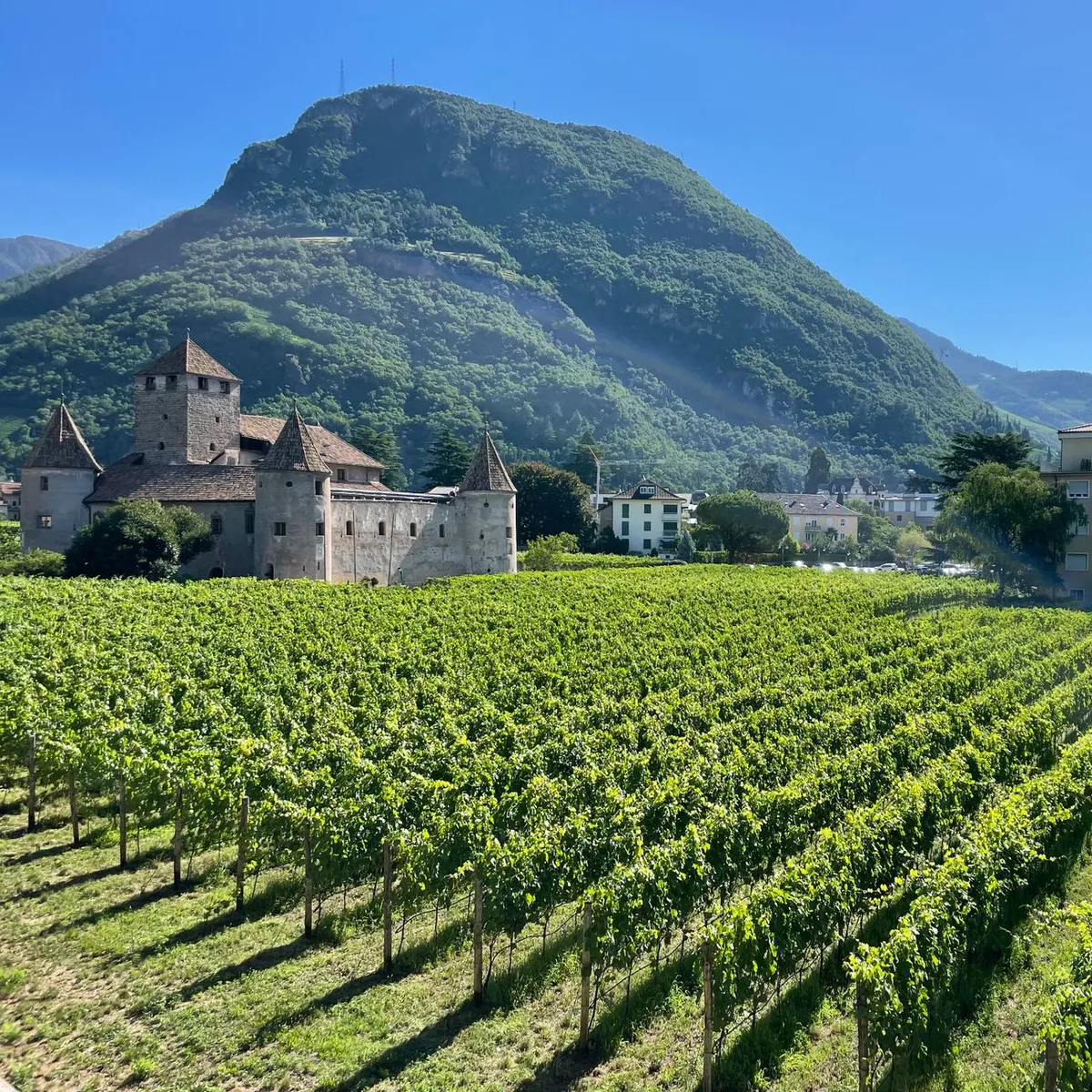
Where Time Stands Still: The Eternal Allure of Italy’s Past and PlateItaly is a land where every cobblestone whispers a story, and every meal is a masterpiece. From the sun-drenched vineyards of Tuscany to the labyrinthine canals of Venice, this country is a living museum of art, architecture, and gastronomy. But beyond the postcard-perfect scenes lies a deeper narrative—one of resilience, innovation, and culinary revolution. Whether you’re a history buff tracing the footsteps of emperors, a digital nomad seeking affordable havens, or a foodie chasing the origins of pizza and pasta, Italy offers an unparalleled journey. This guide isn’t just a travel manual; it’s a time machine. We’ll dissect Italy’s layered history, decode its regional cuisines, and equip you with the practical tools to explore like a local. By the end, you’ll understand why Italy isn’t just a destination—it’s an obsession.The Grand Tapestry of Italy: A Timeline of Triumphs and TurmoilItaly’s history is a palimpsest, where ancient civilizations, medieval power struggles, and Renaissance brilliance overlap. To truly appreciate its present, we must rewind the clock. The Birth of a Nation (800 BCE – 476 CE) Long before Italy existed as a unified country, the Italian Peninsula was a mosaic of cultures. The Etruscans, Italy’s first great civilization, flourished in modern-day Tuscany and Lazio from the 9th to the 3rd century BCE. Their advanced engineering, art, and writing laid the groundwork for Rome. By 27 BCE, Rome had transitioned from a republic to an empire under Augustus, becoming the epicenter of a vast network that stretched from Britain to Mesopotamia. The Colosseum, built in 80 CE, symbolized Rome’s engineering prowess, hosting gladiatorial games that drew 50,000 spectators. Yet, this golden age crumbled under the weight of internal decay and barbarian invasions, culminating in the fall of the Western Roman Empire in 476 CE. The Medieval Maze (500–1400 CE) After Rome’s collapse, Italy fragmented into city-states like Venice, Florence, and Genoa, each vying for dominance. The Middle Ages were a period of paradox: while the Church wielded immense power (the Vatican’s influence peaked during this era), trade flourished through maritime republics. Venice, with its strategic position, became a hub for spices, silk, and ideas from the East. Meanwhile, the Black Death in 1348 wiped out a third of Europe’s population, leaving indelible scars on society. Yet, this darkness birthed the Renaissance—a cultural rebirth centered in Florence, where artists like Leonardo da Vinci and Michelangelo redefined human potential. Unification and the Modern Era (1800–Present) Italy’s unification, or Risorgimento, was a 19th-century movement that culminated in 1861 under King Victor Emmanuel II. However, the young nation faced immediate challenges: poverty, illiteracy, and regional divides. The 20th century brought further turmoil—fascism under Mussolini, World War II’s devastation, and the Years of Lead in the 1970s, marked by political violence. Yet, Italy’s resilience shone through. Post-war economic miracles transformed it into a global powerhouse, while its cultural exports—from cinema to cuisine—became universal languages. Today, Italy is a paradox: a G7 economy with medieval towns, a leader in high fashion and slow food, and a nation where ancient ruins coexist with cutting-edge technology. Its history isn’t just a relic; it’s a living, breathing force that shapes every espresso you sip and every cobblestone you tread.The Digital Nomad’s Italian Dream: Costs, Visas, and Hidden HavensItaly isn’t just for sun-seeking retirees or art historians—it’s a rising star for remote workers. With its affordable coastal towns, fast internet, and vibrant expat communities, Italy is carving a niche in the digital nomad world. But navigating its bureaucracy and budget requires strategy. The Nomad Visa: Italy’s Golden Ticket In 2024, Italy launched its Digital Nomad Visa, a one-year renewable permit for non-EU remote workers earning at least €28,000 annually. To qualify, you’ll need:A valid passport. Proof of remote employment or freelance contracts. Health insurance covering Italy. A clean criminal record.The visa is a game-changer, offering tax benefits under the Flat Tax Regime for new residents (100,000 euros/year tax for 15 years). Popular hubs include:Palermo (Sicily): A bohemian paradise with coworking spaces like Impact Hub and a cost of living 30% below Milan. Lecce (Puglia): Known as the "Florence of the South," with Baroque architecture and a thriving digital community. Turin (Piedmont): A tech hub with affordable rents and proximity to the Alps.Budget Breakdown: Where to Splurge and Save Italy’s cost of living varies wildly. Here’s a snapshot based on Numbeo (2024 data):Expense Rome (City Center) Florence (City Center) Naples (City Center) Small Town (e.g., Orvieto)Rent (1-bed apt) €1,200–€1,800 €900–€1,400 €600–€1,000 €400–€700Groceries (monthly) €250–€350 €200–€300 €180–€280 €150–€250Dining Out (meal) €15–€30 €12–€25 €10–€20 €8–€15Coworking Space €150–€250 €120–€200 €100–€180 €80–€150Public Transport €35 (monthly) €30 (monthly) €25 (monthly) €20 (monthly)Pro Tips for Nomads:Avoid Tourist Traps: Skip Venice’s overpriced cafés and dine in Trastevere (Rome) or Sant’Ambrogio (Florence). Seasonal Savings: Visit in shoulder seasons (April–May or September–October) for lower prices. Local SIMs: TIM and Vodafone offer unlimited data plans for €20–€30/month. Coworking Hubs: Copernico (Milan) and WeWork (Rome) provide reliable spaces.Italy’s nomad scene is still young, but its potential is vast. With the right visa and budgeting, you can live like a local while working remotely—all while sipping aperitivo by the Arno.A Culinary Odyssey: Italy’s Regional Flavors and Their HistoriesItalian cuisine isn’t just food—it’s a cultural manifesto. Each region’s dishes tell a story of geography, conquest, and ingenuity. Let’s embark on a gastronomic tour, from the Alps to Sicily. Northern Italy: Butter, Rice, and Alpine Majesty The north’s cuisine is shaped by its proximity to Europe and the Alps. Here, butter and rice reign supreme, a legacy of French and Austrian influences.Piedmont: The home of truffles, Barolo wine, and agnolotti (stuffed pasta). The Truffle Festival in Alba (October) is a must. Lombardy: Risotto alla Milanese (saffron risotto) and cotoletta alla Milanese (breaded veal cutlet) reflect its Germanic roots. Veneto: Bigoli in salsa (whole wheat pasta with anchovies) and sarde in saor (sweet-and-sour sardines) showcase Venetian trade history.Central Italy: The Heart of Tradition Central Italy’s cuisine is rustic, rooted in peasant traditions and the Mezzogiorno (midday meal) culture.Tuscany: Ribollita (bread soup), bistecca alla Fiorentina (T-bone steak), and cantucci (almond biscotti) are staples. The Chianti wine region is a must-visit. Umbria: Known as the "green heart of Italy," it’s famous for strangozzi al tartufo (hand-rolled pasta with truffle) and sagrantino wine. Lazio (Rome): Cacio e pepe, carbonara, and supplì (fried rice balls) are born here. The Testaccio market is a foodie paradise.Southern Italy: Spice, Sea, and Sun The south’s cuisine is bold, spicy, and seafood-heavy, influenced by Greek, Arab, and Spanish rule.Campania (Naples): The birthplace of pizza Margherita (1889, named after Queen Margherita) and sfogliatella (ricotta-filled pastry). Pompeii’s ruins are a short trip away. Sicily: A melting pot of cultures, featuring arancini (fried rice balls), cannoli (ricotta-filled pastries), and pasta alla Norma (eggplant and ricotta salata). Puglia: Orecchiette con cime di rapa (ear-shaped pasta with turnip greens) and burrata cheese are local specialties. The Trulli houses in Alberobello are UNESCO-listed.The Unwritten Rules of Italian DiningNever Order Cappuccino After 11 AM: Italians drink it only in the morning. Pasta is a First Course: It’s not a side dish—it’s primo. Bread is for Scraping: Use it to mop up sauce, but don’t ask for butter (it’s a northern thing). Wine is Local: Opt for house wine (vino della casa)—it’s cheaper and often better.Italy’s food isn’t just about taste; it’s about terroir—the soil, climate, and history that make each bite unique. Whether you’re slurping gnocchi in Trentino or savoring gelato in Sicily, you’re tasting centuries of tradition.Beyond the Tourist Trail: Italy’s Secret Gems and Local SecretsItaly’s tourist hotspots—Pompeii, the Colosseum, the canals of Venice—are undeniably breathtaking. But the real magic lies off the beaten path. These are the places where Italy’s soul shines brightest. The Underrated CitiesMatera (Basilicata): A UNESCO-listed labyrinth of sassi (cave dwellings) carved into rock. Its Casa Grotta offers a glimpse into prehistoric living. Lucca (Tuscany): A walled medieval city with piazzas lined with gelaterias and a bike-friendly core. Climb the Torre Guinigi for panoramic views. Bologna (Emilia-Romagna): The food capital of Italy, home to tagliatelle al ragù (the real Bolognese sauce) and the oldest university in Europe (founded 1088).The Coastal SecretsCinque Terre (Liguria): Five colorful villages connected by hiking trails. Manarola and Riomaggiore are the most photogenic. Tropea (Calabria): A cliffside town with a sandy beach and red onion (a local delicacy) festivals. Polignano a Mare (Puglia): A cliffside village where Giacomo Leopardi, Italy’s greatest poet, was born. Its Grotta Palazzese restaurant is carved into a cave.The Local ExperiencesTruffle Hunting in San Miniato (Tuscany): Join a truffle hunt with a local cinghiale (wild boar) and his dog. Wine Tasting in Valpolicella (Veneto): Visit family-run wineries for Amarone and Ripasso wines. Cooking Classes in Sicily: Learn to make pasta from scratch in a masseria (farmhouse) near Agrigento.The Sustainable Traveler’s Italy Italy is embracing eco-tourism. Stay in agriturismi (farm stays), dine at zero-km restaurants, and explore car-free zones like Capri’s pedestrian paths. The Cinque Terre National Park offers hiking trails with minimal environmental impact. These hidden gems aren’t just alternatives to the crowds—they’re the essence of Italy. They’re where you’ll find nonnas (grandmothers) making fresh pasta, fishermen hauling in the day’s catch, and locals sipping wine at sunset. This is Italy as it was meant to be experienced.The Final Bite: Why Italy Will Steal Your Heart (and Your Wallet)Italy isn’t a place you visit—it’s a place you fall in love with. It’s the history that hums in every piazza, the food that lingers on your tongue, and the people who welcome you like family. But Italy demands something in return: your time, your curiosity, and your willingness to slow down. Will you linger over a caffè at a Roman café, watching the world go by? Will you get lost in the narrow streets of a hilltop town, stumbling upon a family-run trattoria? Will you let the sound of church bells and the smell of fresh basil become your soundtrack? Italy isn’t just a destination—it’s a transformation. It’s where you’ll learn that the best meals are shared, the best stories are lived, and the best memories are made when you least expect them. So pack your bags, leave your itinerary at home, and let Italy surprise you. Benvenuti in Italia—welcome to Italy.#ItalyTravel #FoodHistory #DigitalNomadLife #SlowTravel #HiddenGems Related InsightsFrom Street Food to Fine Dining: The Ultimate Food Lover’s Guide to Bangkok’s Culinary Wonderland Antigua and Barbuda Unveiled: A Digital Nomad’s Paradise of Turquoise Waters, Spice-Infused Cuisine, and Colonial Charm Portugal Unveiled: A Deep Dive into Viagem, Cultura, Vida, Gastronomia, and História{ "@context": "https://schema.org", "@type": "FAQPage", "mainEntity": [ { "@type": "Question", "name": "What is the main focus of From Ancient Ruins to Modern Feasts: A Deep Dive into Italy’s Timeless Travel and Culinary Secrets?", "acceptedAnswer": { "@type": "Answer", "text": "Explore Italy’s rich history, hidden gems, and iconic foods with this expert guide covering travel costs, nomad visas, and the best regional dishes." } }, { "@type": "Question", "name": "Who authored the comprehensive guide on From Ancient Ruins to Modern Feasts: A Deep Dive into Italy’s Timeless Travel and Culinary Secrets?", "acceptedAnswer": { "@type": "Answer", "text": "This detailed article and its insights were carefully researched and authored by Mateo García." } }, { "@type": "Question", "name": "Where can I find more related content about Travel/Food?", "acceptedAnswer": { "@type": "Answer", "text": "You can explore more articles, detailed reviews, and similar insights by browsing the Related Insights section at the bottom of this article or visiting our dedicated Travel/Food category page." } } ] }
-
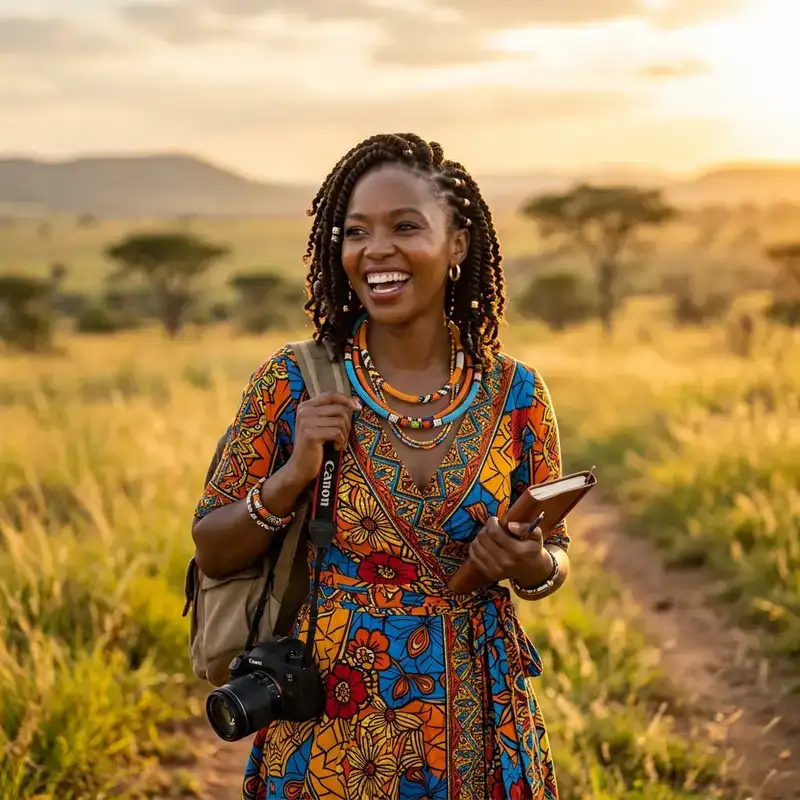 Zola Ndlovu
 - 22 Jul, 2026 07:13
Albania’s Riviera vs Montenegro’s Bay of Kotor: Europe’s Best-Kept Secret Coastlines Revealed
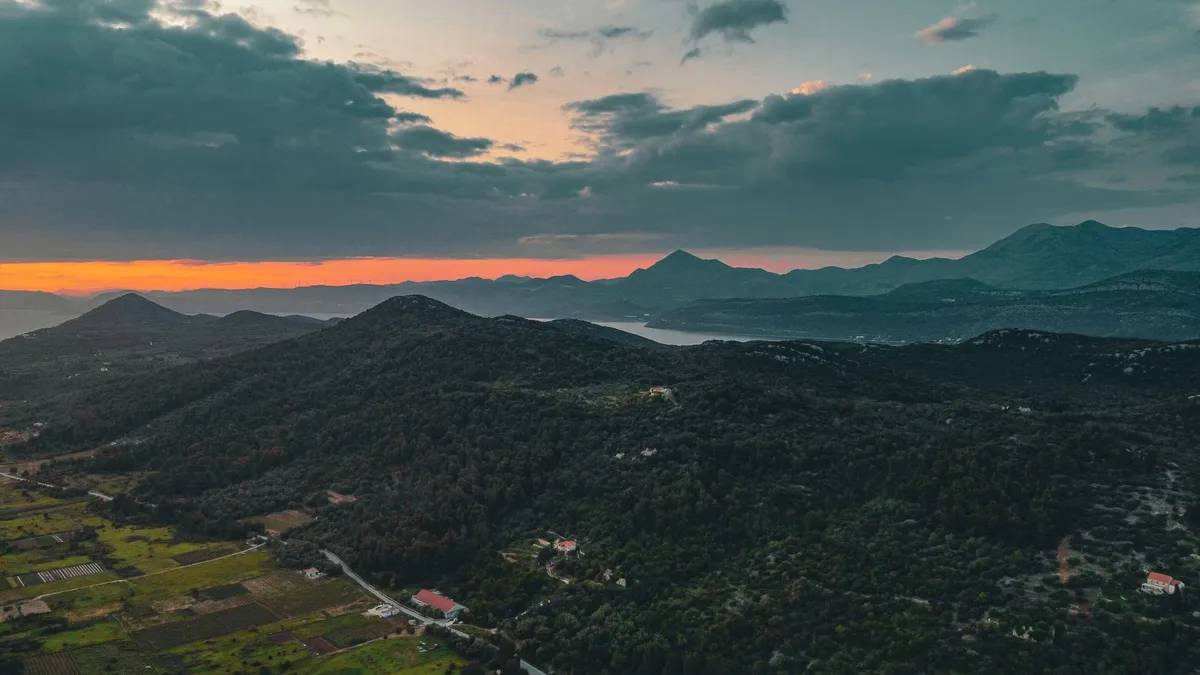
Albania’s Riviera and Montenegro’s Bay of Kotor are Europe’s most underrated coastal destinations—where rugged cliffs meet turquoise waters, medieval villages cling to mountainsides, and the cost of living is a fraction of Western Europe’s. While Croatia’s Dalmatian Coast hogs the spotlight, these two Balkan neighbors offer an intoxicating blend of affordability, authenticity, and natural splendor. Albania’s Riviera stretches 447 kilometers along the Adriatic and Ionian Seas, boasting some of the continent’s last truly wild beaches, while Montenegro’s Bay of Kotor—a UNESCO-listed fjord-like inlet—delivers dramatic scenery and a mix of Venetian, Ottoman, and Slavic heritage. For adventurous travelers, expats, and digital nomads, these regions represent a rare opportunity to experience Mediterranean beauty without the crowds or exorbitant prices. But which destination suits your travel style? Is Albania’s rock-bottom pricing and fast-growing infrastructure the better choice, or does Montenegro’s compact beauty and EU candidacy edge it out? Let’s dive into the hidden gems, practical tips, and hard data to help you decide.1. Albania’s Riviera: Europe’s Last Wild Coastline Albania’s Riviera is a 447-kilometer stretch of coastline along the Adriatic and Ionian Seas, often compared to the French Riviera but without the crowds or pretension. This region, stretching from Vlorë in the north to Sarandë in the south, is a paradise for travelers seeking untouched beaches, crystal-clear waters, and a slow-paced, authentic lifestyle. Unlike Croatia’s overdeveloped Dalmatian Coast, Albania’s Riviera remains largely undiscovered, with only 10% of its potential developed for tourism. This makes it a haven for those who crave solitude, adventure, and a taste of the "real" Mediterranean. The Best Beaches and Hidden Coves Albania’s Riviera is home to some of Europe’s most pristine beaches, many of which are accessible only by boat or a short hike. Ksamil Beach, often called the "Caribbean of Europe," is a postcard-perfect destination with four small islands just offshore, accessible by kayak or paddleboard. The water here is so clear that you can see fish swimming beneath your feet. For a more secluded experience, Gjipe Beach—a hidden cove near Vlorë—requires a 30-minute hike through a lush canyon, rewarding visitors with a nearly empty stretch of golden sand and dramatic cliffs.Jale Beach, near Dhermi, is another gem, known for its bohemian vibe and cliffside hostels where backpackers and digital nomads gather. The beach itself is a crescent of white pebbles and sand, backed by pine forests and towering limestone cliffs. For those willing to venture off the beaten path, Llogara Pass offers breathtaking views of the Ionian Sea from 1,000 meters above sea level, with hiking trails leading to secluded beaches like Drymades Beach, where the water is so calm it resembles a lake. Cultural and Historical Gems Albania’s Riviera isn’t just about beaches—it’s also rich in history and culture. Butrint National Park, a UNESCO World Heritage Site, is a must-visit. This ancient Greek and Roman city, nestled in a marshy lagoon, feels like a lost civilization. The ruins include a 2,500-year-old theater, a Byzantine basilica, and a Venetian castle, all surrounded by lush vegetation and wildlife. Nearby, the Blue Eye Spring (Syri i Kaltër) is a natural phenomenon where a deep blue pool of water bubbles up from the earth, creating a surreal, almost mystical atmosphere. For a taste of Albania’s Ottoman past, head to Gjirokastër, a UNESCO-listed "Stone City" with cobblestone streets, Ottoman-era houses, and a fortress that offers panoramic views of the surrounding mountains. The city is also famous for its traditional qoftë (meatballs) and byrek (savory pastry), which you can enjoy at local teahouses tucked away in the old town. Practical Tips for Visiting Albania’s RivieraBest Time to Visit: May to September is ideal, with temperatures ranging from 25°C to 35°C (77°F to 95°F). July and August are peak months, so book accommodations early. Getting Around: Buses and furgons (shared minivans) are the most common forms of transport. Renting a car gives you the freedom to explore hidden beaches and villages. Where to Stay: For budget travelers, Dhermi and Himarë offer affordable hostels and guesthouses. For luxury, Ksamil has boutique hotels with private beach access. Food and Drink: Albanian cuisine is a blend of Mediterranean and Balkan flavors. Don’t miss tavë kosi (baked lamb with yogurt), qifqi (rice balls), and fresh seafood grilled by the shore. Local wine from the Berat region is a must-try. Safety: Albania is generally safe, but petty theft can occur in tourist areas. Avoid leaving valuables unattended on beaches.2. Montenegro’s Bay of Kotor: Europe’s Southernmost Fjord Montenegro’s Bay of Kotor is often called Europe’s southernmost fjord, a dramatic inlet surrounded by towering mountains and medieval towns. This UNESCO-listed bay is a geological wonder, formed by tectonic shifts millions of years ago, and it’s one of the most stunning coastal landscapes in the world. Unlike Albania’s Riviera, which is spread out along a long coastline, the Bay of Kotor is compact, with most attractions concentrated in a small area. This makes it perfect for travelers who want to explore a lot in a short amount of time. The Highlights of the Bay of Kotor The bay is divided into four main sections: the inner bay (Boka Kotorska), the outer bay, the channel of Verige, and the Gulf of Tivat. The inner bay is the most picturesque, with Kotor Old Town as its crown jewel. This medieval walled city, with its narrow alleys, Byzantine churches, and Venetian palaces, feels like stepping into a fairy tale. The Cathedral of Saint Tryphon, built in 1166, and the Church of Our Lady of Remedy are must-see landmarks.For breathtaking views, hike up to the San Giovanni Fortress, which offers a panoramic view of the bay. The hike is steep and challenging, but the reward is worth it. Alternatively, take a boat tour from Perast to the Our Lady of the Rocks island, home to a 17th-century church and a museum showcasing local maritime history. Hidden Villages and Natural Wonders Beyond Kotor, the bay is dotted with charming villages that seem frozen in time. Perast, a UNESCO-listed town, is famous for its Baroque architecture and two iconic islets: Our Lady of the Rocks and Saint George Island. The town’s palaces and churches are a testament to its wealthy maritime past. For nature lovers, Lovćen National Park is a must-visit. The park is home to Mount Lovćen, which offers stunning views of the bay, and the Njegoš Mausoleum, a striking white structure at the summit. The drive up the mountain is an adventure in itself, with hairpin turns and breathtaking vistas. Another hidden gem is Tivat, a port town known for its luxury marina and the Porto Montenegro development, a playground for the rich and famous. While Tivat itself is more modern, it serves as a great base for exploring the bay. Practical Tips for Visiting the Bay of KotorBest Time to Visit: May to October is ideal, with temperatures ranging from 20°C to 30°C (68°F to 86°F). July and August are peak months, so expect crowds in Kotor. Getting Around: Buses and taxis are the most common forms of transport. Renting a car is useful for exploring the surrounding areas, but parking can be difficult in Kotor. Where to Stay: For luxury, Porto Montenegro offers high-end hotels and yacht charters. For budget travelers, Perast and Tivat have affordable guesthouses. Food and Drink: Montenegrin cuisine is a blend of Mediterranean and Balkan flavors. Don’t miss njeguški pršut (smoked ham), kačamak (cornmeal porridge), and fresh seafood. Local wine from the Crmnica region is a must-try. Safety: Montenegro is generally safe, but be cautious of pickpockets in crowded areas like Kotor Old Town.3. Cost of Living: Albania vs. Montenegro When it comes to affordability, Albania has a clear edge over Montenegro. According to Numbeo, the Cost of Living Index for Albania is significantly lower than that of Montenegro, making it an ideal destination for budget travelers, digital nomads, and expats. Below is a breakdown of key expenses in both countries, based on Numbeo’s latest data:Expense Category Albania (USD) Montenegro (USD) ComparisonMeal at an Inexpensive Restaurant $5 - $10 $8 - $15 Albania is ~30% cheaperMid-range Restaurant Meal (for two) $20 - $40 $30 - $60 Albania is ~40% cheaperLocal Beer (0.5L) $1 - $2 $1.50 - $3 Albania is ~25% cheaperCappuccino $1 - $2 $1.50 - $2.50 Albania is ~20% cheaperMonthly Rent (1-bedroom apartment in city center) $200 - $400 $300 - $600 Albania is ~40% cheaperMonthly Rent (1-bedroom apartment outside city center) $150 - $300 $200 - $400 Albania is ~30% cheaperPublic Transport (Monthly Pass) $15 - $25 $20 - $35 Albania is ~30% cheaperTaxi (1km) $0.50 - $1 $0.70 - $1.50 Albania is ~30% cheaperAs the table shows, Albania is consistently cheaper than Montenegro across all categories. This makes it an attractive option for travelers on a budget or those looking to stretch their euros further. However, Montenegro’s prices are still reasonable compared to Western Europe, and the country offers a higher standard of living in some areas, particularly in cities like Podgorica and Tivat. For digital nomads, Albania’s Dhermi and Himarë are popular hubs with coworking spaces and fast internet. Montenegro’s Kotor and Tivat also have coworking spaces, but the cost of living is higher. Ultimately, your choice will depend on your budget and priorities—whether you prioritize affordability or a slightly higher standard of living.4. Adventure and Activities: What to Do in Albania and Montenegro Both Albania and Montenegro offer a wealth of adventure activities, from hiking and kayaking to diving and cultural explorations. Here’s a breakdown of the best things to do in each destination: Albania’s Riviera: Adventure AwaitsHiking in the Accursed Mountains (Bjeshkët e Namuna): This rugged mountain range in northern Albania offers some of the most challenging and rewarding hikes in Europe. The Valbona Pass and Theth to Valbona trek are must-do routes for experienced hikers. Kayaking in Ksamil: Paddle through the crystal-clear waters of Ksamil’s four islands, where you can snorkel and explore underwater caves. Paragliding in Dhermi: Soar above the Ionian Sea with a tandem paragliding flight, offering breathtaking views of the coastline. Canyoning in Llogara Pass: Descend into hidden canyons and waterfalls near the Llogara Pass, a thrilling adventure for adrenaline junkies. Wine Tasting in Berat: Visit local wineries in the Berat region, known for its indigenous grape varieties like Kallmet and Shesh.Montenegro’s Bay of Kotor: A Mix of Culture and NatureHiking to San Giovanni Fortress: This challenging hike rewards you with panoramic views of the Bay of Kotor, one of the most stunning vistas in Europe. Boat Tour to Our Lady of the Rocks: Explore the historic islet and its museum, then enjoy a seafood lunch in Perast. Kayaking in the Bay of Kotor: Paddle through the calm waters of the bay, passing by medieval towns and hidden coves. Cycling the Bay of Kotor: Rent a bike and cycle along the scenic coastal roads, stopping at villages like Prčanj and Muo. Diving in the Blue Cave: Explore the underwater caves and shipwrecks near Herceg Novi, a popular diving spot.Both destinations offer a mix of adventure and relaxation, but Albania’s Riviera is better suited for those who love hiking, water sports, and off-the-beaten-path experiences. Montenegro’s Bay of Kotor, on the other hand, is ideal for culture lovers, history buffs, and those who enjoy a mix of city and nature.5. Digital Nomad and Expat Life: Which Destination is Right for You? For digital nomads and expats, both Albania and Montenegro offer unique advantages, but the best choice depends on your lifestyle, budget, and priorities. Albania: The Affordable Paradise Albania is quickly becoming a hotspot for digital nomads, thanks to its low cost of living, fast-growing infrastructure, and welcoming locals. Tirana, the capital, has a thriving coworking scene with spaces like The Roof and Impact Hub Tirana. The city is also home to a growing number of cafes and restaurants catering to remote workers. In the coastal towns of Dhermi and Himarë, you’ll find a mix of expats and locals, with affordable guesthouses and a laid-back vibe. The internet is reliable in most areas, and the time zone (CET) is convenient for European and American remote workers. Pros of Living in Albania:Extremely affordable cost of living. Fast-growing infrastructure and digital nomad community. Stunning beaches and natural beauty. Friendly locals and a relaxed pace of life.Cons of Living in Albania:Limited healthcare options outside major cities. Bureaucracy can be slow and frustrating. Public transport is unreliable in rural areas.Montenegro: The Compact European Gem Montenegro is a small but diverse country, offering a mix of coastal living, mountain adventures, and city life. Podgorica, the capital, is a modern city with a growing coworking scene, while Kotor and Tivat offer a more relaxed, coastal lifestyle. For expats, Montenegro’s EU candidacy is a major draw, as it offers the potential for easier travel and business opportunities within the EU. The country also has a higher standard of living than Albania, with better healthcare and infrastructure. Pros of Living in Montenegro:Higher standard of living and better infrastructure. EU candidacy offers future opportunities. Stunning natural beauty and diverse landscapes. More developed healthcare system.Cons of Living in Montenegro:Higher cost of living than Albania. Bureaucracy can be slow and inefficient. Limited digital nomad community outside major cities.Ultimately, your choice will depend on your budget and priorities. If you’re looking for an affordable, laid-back lifestyle with stunning beaches, Albania is the better choice. If you prefer a higher standard of living and don’t mind paying a bit more, Montenegro’s Bay of Kotor is an excellent option.Albania’s Riviera and Montenegro’s Bay of Kotor are two of Europe’s most underrated coastal destinations, each offering a unique blend of natural beauty, culture, and affordability. Albania’s Riviera is perfect for travelers seeking wild beaches, adventure, and a slow-paced lifestyle, while Montenegro’s Bay of Kotor is ideal for those who love history, medieval towns, and a mix of city and nature. Both destinations are affordable compared to Western Europe, but Albania has a clear edge in terms of cost of living. Whether you’re a digital nomad, an expat, or a traveler looking for your next adventure, these two Balkan gems are sure to captivate you. So pack your bags, grab your passport, and get ready to explore Europe’s best-kept secret coastlines.#BalkanTravel #HiddenGems #CoastalAdventures #BudgetTravel #EuropeanRiviera Related InsightsL'Or Pourpre de la Provence : Voyage au Cœur des Océans de Lavande Svalbard: Arctic Adventures Beyond the Northern Lights – A Remote Paradise for Explorers Hidden Gems of Eastern Anatolia{ "@context": "https://schema.org", "@type": "FAQPage", "mainEntity": [ { "@type": "Question", "name": "What is the main focus of Albania’s Riviera vs Montenegro’s Bay of Kotor: Europe’s Best-Kept Secret Coastlines Revealed?", "acceptedAnswer": { "@type": "Answer", "text": "Discover Albania’s untouched Riviera and Montenegro’s dramatic Bay of Kotor—two Balkan coastal jewels offering affordability, adventure, and breathtaking beauty." } }, { "@type": "Question", "name": "Who authored the comprehensive guide on Albania’s Riviera vs Montenegro’s Bay of Kotor: Europe’s Best-Kept Secret Coastlines Revealed?", "acceptedAnswer": { "@type": "Answer", "text": "This detailed article and its insights were carefully researched and authored by Zola Ndlovu." } }, { "@type": "Question", "name": "Where can I find more related content about Travel?", "acceptedAnswer": { "@type": "Answer", "text": "You can explore more articles, detailed reviews, and similar insights by browsing the Related Insights section at the bottom of this article or visiting our dedicated Travel category page." } } ] }