Showing Posts From
Business
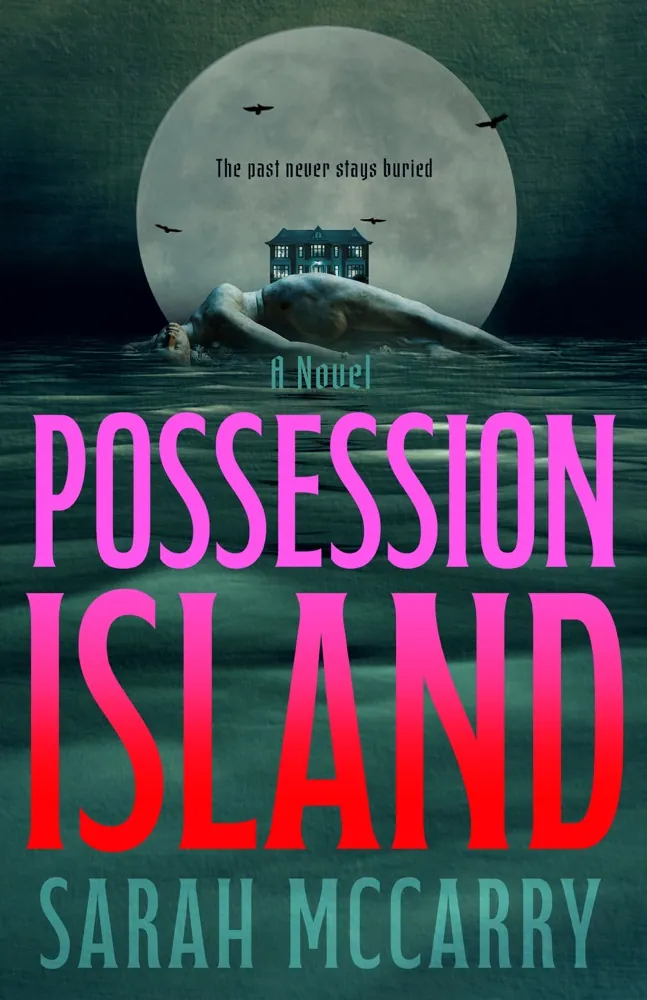
Author: Sarah McCarryPage Count: UnknownPublication Date: Expected publication 2026-12-01 APL Grade eight attendance sheets are an existential void from which no mortal soul returns unscarred, yet here we are dissecting Possession Island: A Novel by Sarah McCarry because a decent joke or a sharp narrative hook is the only thing standing between my sanity and a complete collapse into the linoleum floor. The premise gives us Angela Bell returning to her mother's gothic Pacific Northwest tourist trap of a hometown only for her estranged best friend to end up brutally murdered, leaving Angela cornered by a botched police investigation. Naturally. Because no literary protagonist can simply walk down to the local bodega for a bag of chips without stumbling over a corpse or uncovering a century-old town curse involving vampires and petty high school grudges. Speaking of absolute nonsense, why do we constantly subject ourselves to reading about moody teenagers solving crimes when I spent twenty uninterrupted minutes this morning trying to explain to twelve human children that the plural of octopus is not octopussies? A kid literally cried because I wouldn't let him name the classroom hamster "Apocalypse." It makes me want to scream into a bucket of industrial-strength sanitizer. At least Sarah McCarry has the decency to pit Angela against her former nemesis, Sally Raleigh—trapped by family duty and a charismatic twin—in an alliance born of grief and small-town claustrophobia. Shadows, Doppelgängers, and Damp Flannel The thematic mechanics rely heavily on the tired trope of the literary offspring haunted by maternal shadow-work. We have seen this exact mood board executed with varying degrees of success in Plain Bad Heroines and the endlessly undulating adaptations of Anne Rice. Yet, the queer gothic framing suggests a welcome dose of teeth—literally, if the marketing copy is to be trusted. Wait. Let me backtrack entirely. The marketing copy actually promises nothing of the sort regarding literal biting; it is probably just a metaphorical reclamation of female rage, which means we are in for three hundred pages of atmospheric brooding, damp moss, and lingering subtext that never quite transforms into the bloody spectacle we are promised. The synopsis leans entirely on atmospheric shorthand. Remote island? Check. Dead best friend? Check. High school enemies forced to cooperate while harboring dark secrets? Double check. It is a paint-by-numbers template for contemporary dark academia, relying on vibes rather than mechanical originality. And yet, McCarry writes with a precision that usually elevates these predictable structural beats into something genuinely sharp. The tension hinges on the lies these characters tell each other, which brings to mind the absolute nightmare of trying to police hallway gossip between periods when the hormonal fluctuations are severe enough to alter local gravity. Anyway, the book drops in December of 2026, which gives us plenty of time to brace for the inevitable wave of breathless blurbs comparing it to Interview with the Vampire. Let us just hope the prose carries enough bite to survive the comparison. I completely forgot to take the trash out and I can hear the diesel engine of the garbage truck rumbling down the alley right now. Related InsightsThe Stolen Crown (The Ever Seas, #4) Book Review and Summary Stardust Book Review and Summary Record Lows Book Review and Summary{ "@context": "https://schema.org", "@type": "FAQPage", "mainEntity": [ { "@type": "Question", "name": "What is the main focus of Possession Island: A Novel Book Review and Summary?", "acceptedAnswer": { "@type": "Answer", "text": "Everything you need to know about Possession Island: A Novel with our detailed review." } }, { "@type": "Question", "name": "Who authored the comprehensive guide on Possession Island: A Novel Book Review and Summary?", "acceptedAnswer": { "@type": "Answer", "text": "This detailed article and its insights were carefully researched and authored by Thomas Wright." } }, { "@type": "Question", "name": "Where can I find more related content about Books?", "acceptedAnswer": { "@type": "Answer", "text": "You can explore more articles, detailed reviews, and similar insights by browsing the Related Insights section at the bottom of this article or visiting our dedicated Books category page." } } ] }
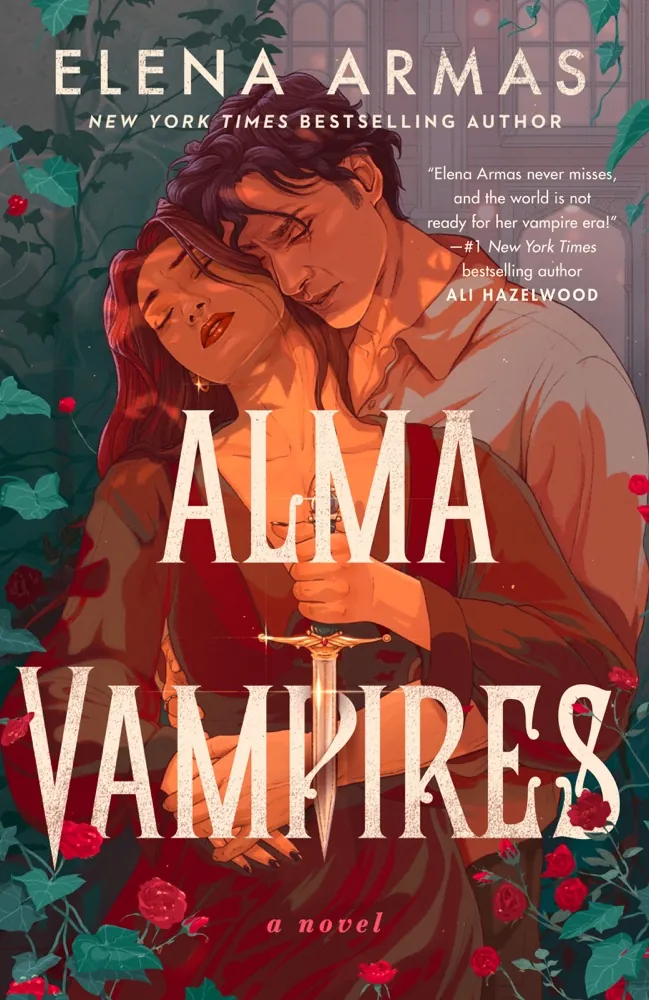
Author: Elena ArmasPage Count: UnknownPublication Date: Expected publication 2026-11-17 APL Listen, I grade thirty-five persuasive essays a day on why cell phones shouldn't be allowed in the cafeteria, so when I look at a piece of writing, I smell sincerity. Or the lack of it. Elena Armas is stepping out of her cozy contemporary lane and straight into the moody, stenciled-edge halls of Alma Vampires. And honestly? As someone who spends her days convincing thirteen-year-olds that reading is actually cooler than scrolling on TikTok, I am vibrating with pure, unadulterated caffeine and excitement. From Ivy League Desks to Immortal Danger Let us talk about the absolute whiplash of Valle Cepeda's syllabus. One day you are stressing over a macroeconomics midterm, and the next you own a multi-million-dollar fashion empire because of a mother you never even knew existed. Talk about a glow-up with a high body count. And Hadrian Cruz? The brooding, calculating vampire who is supposedly just playing a corporate game until a hundred-year-old blood debt comes due? Sign me up for this extra credit assignment immediately. The Adolescent Symphony of Power and Trust Why does this premise make teachers like me feel so wildly inspired? Because it captures the exact hormonal, volatile essence of being a teenager magnified by a thousand. Think about how high schoolers feel when their entire identity shifts in a single Tuesday homeroom period. Val goes back to Icarus University feeling manipulated by everyone, surrounded by shifting power dynamics—a classic coming-of-age metaphor wrapped nicely in fangs and designer clothes. She wants autonomy. She wants answers. But she has to rely on a literal monster just to survive her own inheritance. And let us be real for a second. The synopsis is delightfully vague on the actual mechanics of this blood debt. Is it a cursed family heirloom? A supernatural corporate merger? Who knows! But we are eating it up anyway. If this book channels even half the delicious, angsty tension of Tracy Wolff’s Crave or the sharp academic vibes of Ninth House, it is going to absolutely dominate the reading charts this winter. Armas knows how to write chemistry that makes your face hot—trust me, I have confiscated enough paperbacks under desks to recognize elite romantic tension when I read it. I just got a brain freeze. #BookTok #ElenaArmas #AlmaVampires #ParanormalRomance Related InsightsThe Red Pyramid Book Review and Summary Lectures on the Ethics of T. H. Green, Mr. Herbert Spencer, and J. Martineau Book Review and Summary Best American Science Fiction and Fantasy 2020 Book Review and Summary{ "@context": "https://schema.org", "@type": "FAQPage", "mainEntity": [ { "@type": "Question", "name": "What is the main focus of Alma Vampires (The Icarus University, #1) Book Review and Summary?", "acceptedAnswer": { "@type": "Answer", "text": "Everything you need to know about Alma Vampires (The Icarus University, #1) with our detailed review." } }, { "@type": "Question", "name": "Who authored the comprehensive guide on Alma Vampires (The Icarus University, #1) Book Review and Summary?", "acceptedAnswer": { "@type": "Answer", "text": "This detailed article and its insights were carefully researched and authored by Thomas Wright." } }, { "@type": "Question", "name": "Where can I find more related content about Books?", "acceptedAnswer": { "@type": "Answer", "text": "You can explore more articles, detailed reviews, and similar insights by browsing the Related Insights section at the bottom of this article or visiting our dedicated Books category page." } } ] }
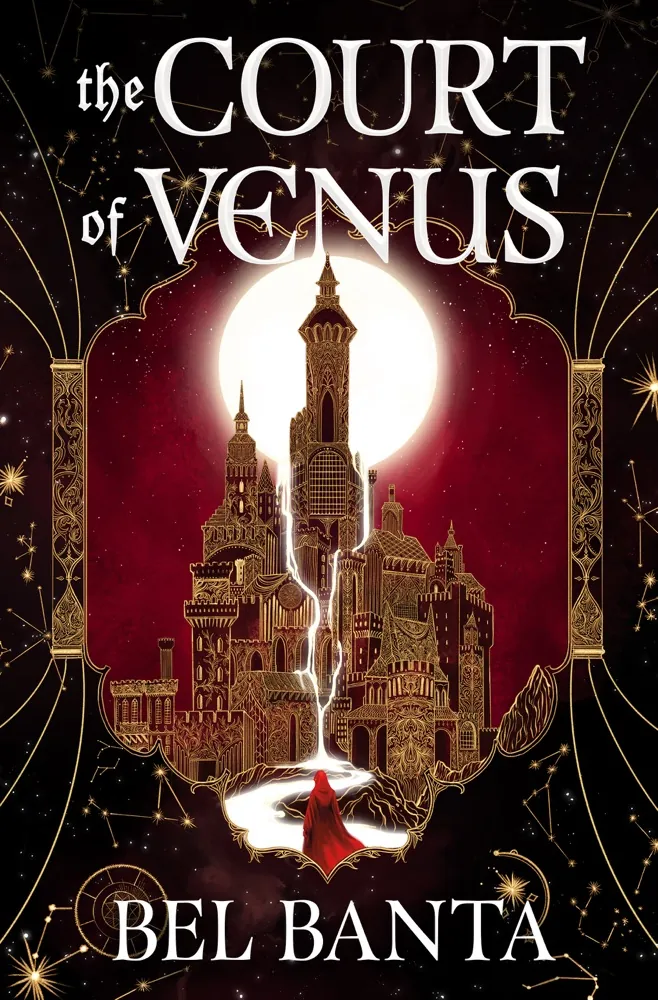
Author: Bel BantaPage Count: UnknownPublication Date: Expected publication 2026-09-29 APL What's the deal with all these young adult fantasy novels featuring magical courts and ancient prophecies, anyway? The Court of Venus by Bel Banta is the latest addition to this ever-growing list, and I'm both excited and skeptical about its potential. As a middle-school teacher, I'm always on the lookout for books that showcase positive representation of youth, and this one seems to tick a few boxes. The Unseen Magician Bianca Mortlake, the protagonist, is a Moonborn magician – a rare breed, apparently. I love how her abilities are shrouded in mystery, even to herself. It's a great way to create tension and curiosity in the reader. But what really caught my attention is the fact that Bianca has been living a quiet life, away from the magical court. It's not every day you see a YA protagonist who's not eager to jump into the fray. This could be a great opportunity to explore themes of identity, duty, and the weight of expectations. Now, let's talk about Roland, the infuriatingly alluring Venusborn magician. I'm getting some serious A Darker Shade of Magic vibes from this character – you know, the whole "rivals-to-lovers" trope. It's a bit predictable, but I'm willing to give it a chance. What I'm more interested in is how Roland's character will challenge Bianca's perceptions of herself and her place in the world. Courtly Intrigue and the Politics of Power The magical court in The Court of Venus seems like a powder keg of intrigue and backstabbing – literally. Two queens have already met their demise, and Bianca's return could be the spark that sets off a chain reaction of events. I'm reminded of the complex power dynamics in The Knight and The Moth, where alliances are forged and broken with ease. It'll be fascinating to see how Bianca navigates this treacherous landscape, especially with Roland by her side. But here's the thing: the synopsis is a bit too vague about the actual plot. What's the central conflict that Bianca and Roland need to resolve? Is it a murder mystery, a magical tournament, or something else entirely? I'm not sure, and that's a bit frustrating. I hope the book itself will provide more clarity on this front. The Astrology of Character One aspect that really stands out to me is the use of astrology as a way to determine magical abilities. It's a clever way to create a sense of depth and history in the world-building. I'm curious to see how the different planetary influences will shape the characters and their relationships with each other. Overall, I'm cautiously optimistic about The Court of Venus. It's got all the makings of a compelling YA fantasy novel, with a strong protagonist, complex world-building, and a dash of romance. But I need to see how it all comes together. Now, if you'll excuse me, I need to go buy more charcoal for the weekend barbecue – I've got some burgers to grill! #YAFantasy #MagicalRealism #CourtlyIntrigue Related InsightsSystem Collapse Book Review and Summary Atonement Book Review and Summary I Am the Monster Under the Bed Book Review and Summary{ "@context": "https://schema.org", "@type": "FAQPage", "mainEntity": [ { "@type": "Question", "name": "What is the main focus of The Court of Venus Book Review and Summary?", "acceptedAnswer": { "@type": "Answer", "text": "Everything you need to know about The Court of Venus with our detailed review." } }, { "@type": "Question", "name": "Who authored the comprehensive guide on The Court of Venus Book Review and Summary?", "acceptedAnswer": { "@type": "Answer", "text": "This detailed article and its insights were carefully researched and authored by Thomas Wright." } }, { "@type": "Question", "name": "Where can I find more related content about Books?", "acceptedAnswer": { "@type": "Answer", "text": "You can explore more articles, detailed reviews, and similar insights by browsing the Related Insights section at the bottom of this article or visiting our dedicated Books category page." } } ] }
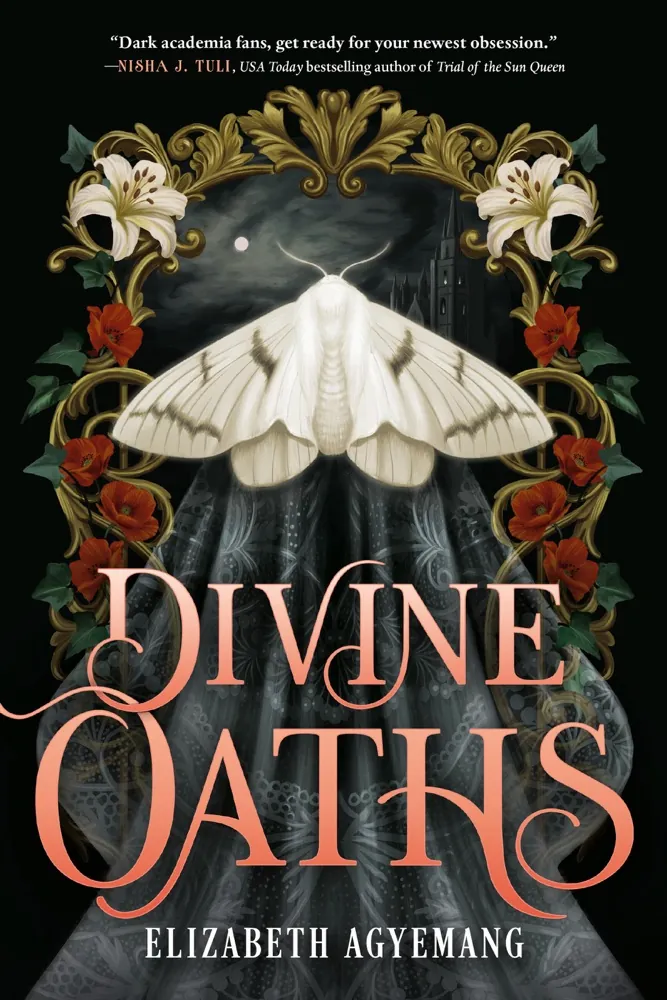
Author: Elizabeth AgyemangPage Count: UnknownPublication Date: Expected publication 2026-09-01 APL Teaching eighth-graders means watching kids teeter on that brutal cliff edge between childhood and the terrifying unknown of growing up. Naturally, when a synopsis crosses my desk that promises a brooding academic setting where a teenager suddenly inherits supernatural burdens, I pay attention. Elizabeth Agyemang’s upcoming Divine Oaths lands on my radar not just because of the publisher's glossy comparisons, but because it taps directly into the psychological wreckage my students face daily—the crushing weight of expectations. The Heavy Burden of Teenage Agency Look at the setup. Sianna Adu loses her family and instantly gains the supernatural ability to peer into lifelines, pasts, and futures. And what does she do? She takes dead-end jobs. How wonderfully, frustratingly realistic. Teenagers rarely get to choose their tragedies, yet they are expected to march forward as if their internal worlds haven't just been detonated. Dark academia as a genre—think Leigh Bardugo’s Ninth House or Tracy Deonn’s Legendborn—succeeds precisely because it treats adolescent anxiety with deadly seriousness. Westfield University isn't just a spooky campus hidden in a Virginia swamp. It is a metaphorical pressure cooker for youth culture. Yet, the synopsis relies heavily on familiar genre scaffolding. Secret societies? Check. Centuries-old curses? Double check. But does it reinvent the wheel? The jury is out. Romance as a Trap Door And then, naturally, we have Kasem Saint James. The "undeniably handsome heir" who ropes our protagonist into his mess. Sianna worries her newfound powers are tethered directly to him, forcing a proximity that screams enemies-to-lovers or reluctant allies. Here is my bold prediction as a reader who watches kids navigate hallway politics every single day: the romantic tension will either elevate this book into a masterclass of YA angst or drag it down into trope-heavy quicksand. The synopsis gives very little away about Sianna's internal voice outside of her trauma and her crush. I want bite. I want cynicism. If Sianna simply melts every time Kasem enters a room, I will throw the book across my classroom. Ultimately, Agyemang is playing in a crowded sandbox. The blending of supernatural destiny with institutional corruption mirrors the exact powerlessness twelve- and thirteen-year-olds feel within rigid school systems. They are forced to play games whose rules were written centuries before they were born. Now, if you will excuse me, I am going to go make a terrible pun about swamp-dwelling curses to annoy my wife. #DivineOaths #DarkAcademia #YABooks Related InsightsSnowed Inn (Honeycrisp Orchard, #2) Book Review and Summary East of Envy (The Great and Terrible Land, #2) Book Review and Summary Last Sacrifice Book Review and Summary{ "@context": "https://schema.org", "@type": "FAQPage", "mainEntity": [ { "@type": "Question", "name": "What is the main focus of Divine Oaths Book Review and Summary?", "acceptedAnswer": { "@type": "Answer", "text": "Everything you need to know about Divine Oaths with our detailed review." } }, { "@type": "Question", "name": "Who authored the comprehensive guide on Divine Oaths Book Review and Summary?", "acceptedAnswer": { "@type": "Answer", "text": "This detailed article and its insights were carefully researched and authored by Thomas Wright." } }, { "@type": "Question", "name": "Where can I find more related content about Books?", "acceptedAnswer": { "@type": "Answer", "text": "You can explore more articles, detailed reviews, and similar insights by browsing the Related Insights section at the bottom of this article or visiting our dedicated Books category page." } } ] }

Author: Leslie WolfePage Count: UnknownPublication Date: Expected publication 2026 APL August afternoon heat presses softly against the living room window, thick and heavy, while the kitchen counter is buried beneath a mountain of chopped bell peppers, glass storage containers, and my Sunday afternoon meal prep routine. Grading seventh-grade English essays all week drains every ounce of emotional bandwidth a person possesses. So, I sit here on the worn velvet couch with a cold glass of iced tea, a stack of spiral notebooks waiting by my feet, and an intriguing synopsis for Leslie Wolfe’s upcoming 2026 thriller, A Beautiful Couple. At first glance, the premise relies on a deliciously cynical look at domestic facades. A renowned surgeon, a devoted wife, an immaculate home, and a sudden, catastrophic operating room failure. Yet, beneath the sterile surgical lighting lies something far messier. The synopsis hinges on a classic narrative tension—the terrifying realization that the person closest to you is a stranger holding a scalpel. Or perhaps, holding the entire political future of a district. What fascinates me most here—speaking strictly from an educator's weary vantage point—is the total lack of actual youth representation in the promotional text. We have ambitious career professionals, a mayoral candidate, and a ruthless criminal prosecutor. But where are the kids? Where are the teenagers navigating the collateral damage of parental ambition? Wolfe focuses entirely on the microscopic fractures in elite adult marriages. A predictable choice, perhaps. But effective. Prosecutor Paula Fuselier smells blood in the water. And Derreck, the aspiring mayor, stands right in the crosshairs of an explosive scandal involving both the doctor and the prosecutor. But notice how vague the synopsis remains regarding the actual crime. Did Dr. Anne Wiley intentionally let the patient die? Did she panic? The text leaves us stranded in the fog of a moral abyss, refusing to offer a single spoiler. Refreshing, really. So many publishers ruin the entire arc before publication day. I suspect this will read very much like the sleek, fast-paced domestic noir popularized by Freida McFadden or Shari Lapena. Clean prose, short chapters designed to keep commuters awake, and enough political posturing to make you lock your front door twice. Will the execution match the high-stakes setup? Time will tell. For now, my roasted vegetables are cooling on the counter, the seventh-grade essays still demand grading, and I am left wondering how anyone manages to keep a secret while running for public office. Related InsightsThe Cruel Prince Book Review and Summary Dumpling Therapy: My Mother, Chinese Food, and Five Thousand Years of Not-So-Ancient Recipes Book Review and Summary Ivanhoe Book Review and Summary{ "@context": "https://schema.org", "@type": "FAQPage", "mainEntity": [ { "@type": "Question", "name": "What is the main focus of A Beautiful Couple Book Review and Summary?", "acceptedAnswer": { "@type": "Answer", "text": "Everything you need to know about A Beautiful Couple with our detailed review." } }, { "@type": "Question", "name": "Who authored the comprehensive guide on A Beautiful Couple Book Review and Summary?", "acceptedAnswer": { "@type": "Answer", "text": "This detailed article and its insights were carefully researched and authored by Thomas Wright." } }, { "@type": "Question", "name": "Where can I find more related content about Books?", "acceptedAnswer": { "@type": "Answer", "text": "You can explore more articles, detailed reviews, and similar insights by browsing the Related Insights section at the bottom of this article or visiting our dedicated Books category page." } } ] }
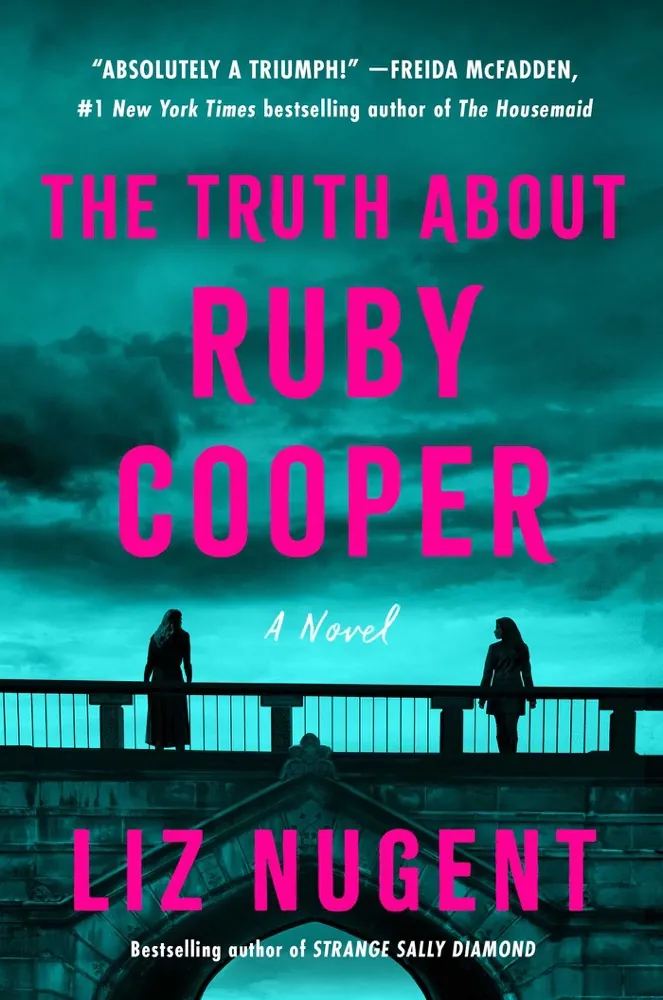
Author: Liz NugentPage Count: UnknownPublication Date: Expected publication 2026 APL Chopping these bell peppers feels remarkably like dealing with teenage drama—tedious, slightly stinging to the eyes, and utterly inescapable even on a sweltering August Sunday afternoon when all I want is to sit on the couch with a glass of iced tea and ignore my middle-school homeroom roster. Yet here I am, stirring ground turkey in a skillet while aggressively sizing up Liz Nugent’s upcoming 2026 thriller, The Truth About Ruby Cooper. Another domestic suspense novel about sisters with dark secrets. Groundbreaking. Let us look at the raw material here. The synopsis leans heavily on that classic, tired trope: an "incident" involving a teenage girl, a boy, and a family explosion. If I had a dollar for every manuscript that used a vague, life-altering catastrophe in 1999 to excuse decades of terrible adult decision-making, I would not be grading essays on a teacher’s salary. Freida McFadden calls it a triumph. Naturally. Because what screams high art to the mass market these days other than a flashy paperback you can finish while mindlessly eating chicken salad? Thematic Analysis of Youth and Chaos Consider the premise. Sixteen-year-old Ruby causes an uproar with her sister Erin's boyfriend, Milo, and suddenly half the household flees to Ireland while the other half stays behind in Boston. Fascinating in theory. But as someone who spends forty hours a week mediating petty teenage meltdowns, I find it genuinely hilarious—and deeply exhausting—when adult authors try to capture the actual psychology of youth. They always swing between portraying teenagers as demonic sociopaths or tragic victims of circumstance. Real adolescents are just deeply annoying and occasionally loud. Nugent splits the difference by making Ruby a self-destructive mess and Erin a paranoid adult riddled with trust issues. Shocker. And what about the vagueness of this synopsis? We get zero details about the actual incident. Was it a crime? A kiss? A betrayal of epic proportions? The marketing department relies entirely on buzzwords like "brilliantly dark and tangled web" to do the heavy lifting. Time will tell if the actual prose holds up or if it is just another hollow ride manufactured by an algorithm that thinks readers have the attention span of a gnat. A Cynical Prediction I predict this will sell millions at airport bookstores alongside Gillian Flynn clones and domestic thrillers featuring unreliable narrators who drink too much Chardonnay. My kitchen smells like garlic and burning ambition, and I am already entirely fatigued by the prospect of another multi-decade trauma timeline. Can we please write a book where siblings just send a polite text and go to therapy instead of ruining their entire lives over a boy named Milo? Probably not. Drama pays the bills. Will I still buy it on my Kindle? Absolutely. What else am I going to read while grading grammar worksheets in September? Related InsightsTerror and Truth Book Review and Summary Blood Meridian, or, the Evening Redness in the West Book Review and Summary Marple Book Review and Summary{ "@context": "https://schema.org", "@type": "FAQPage", "mainEntity": [ { "@type": "Question", "name": "What is the main focus of The Truth About Ruby Cooper Book Review and Summary?", "acceptedAnswer": { "@type": "Answer", "text": "Everything you need to know about The Truth About Ruby Cooper with our detailed review." } }, { "@type": "Question", "name": "Who authored the comprehensive guide on The Truth About Ruby Cooper Book Review and Summary?", "acceptedAnswer": { "@type": "Answer", "text": "This detailed article and its insights were carefully researched and authored by Thomas Wright." } }, { "@type": "Question", "name": "Where can I find more related content about Books?", "acceptedAnswer": { "@type": "Answer", "text": "You can explore more articles, detailed reviews, and similar insights by browsing the Related Insights section at the bottom of this article or visiting our dedicated Books category page." } } ] }
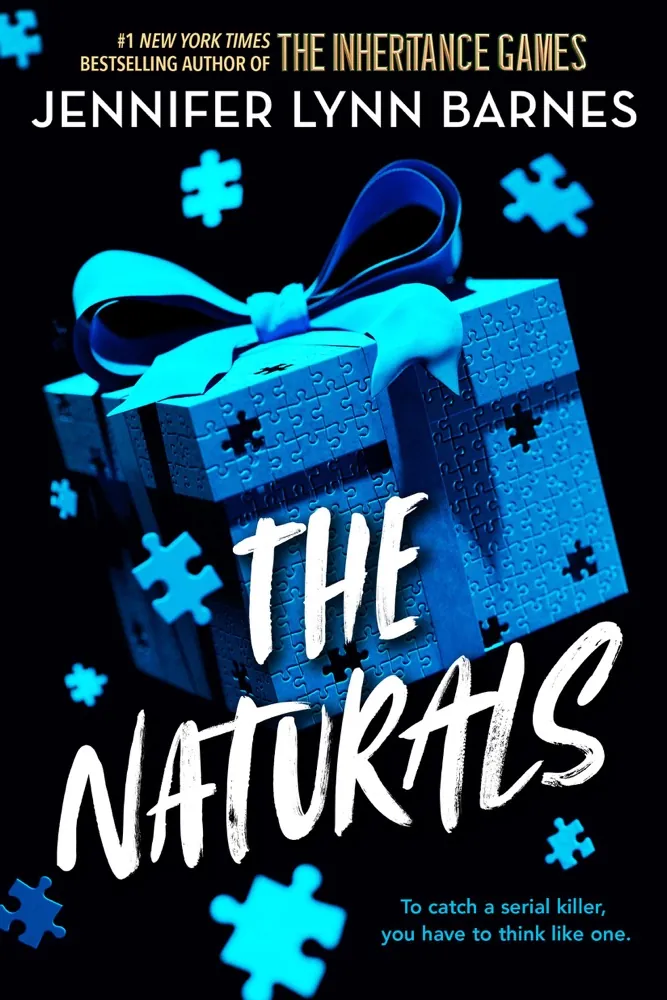
Dangerous Impulses (The Naturals, #5) Author: Jennifer Lynn BarnesPage Count: UnknownPublication Date: Expected publication 2026 APL Cold Cases Are About to Get Hot: What to Expect from Jennifer Lynn Barnes’s Highly Anticipated "Dangerous Impulses" For millions of readers who have tracked every twist, turn, and psychological deduction in Jennifer Lynn Barnes’s blockbuster The Naturals series, the wait for the next installment is nearly over. Slated for an expected publication in 2026, Dangerous Impulses promises to bring back the high-stakes, chilling atmosphere that has made this New York Times and USA Today bestselling series a titan of the YA thriller genre. With over 3 million copies sold, Barnes has cemented her reputation as a master craftsman of suspense. While her recent dominance with phenomena like The Inheritance Games and The Debutantes duet has kept readers glued to their pages, the return to The Naturals is a homecoming that crime fiction fans have been clamoring for. If you loved her previous masterclasses in misdirection, smart pacing, and lethal cat-and-mouse games, Dangerous Impulses is shaping up to be an unputdownable addition to your bookshelf. For those looking to catch up on the journey so far, or newcomers ready to dive into the phenomenon, here is the official synopsis setting the stage for the series: Seventeen-year-old Cassie is a natural at reading people. Piecing together the tiniest details, she can tell you who you are and what you want. But, it's not a skill that she's ever taken seriously. That is, until the FBI come knocking: they've begun a classified program that uses exceptional teenagers to crack infamous cold cases, and they need Cassie. What Cassie doesn't realize is that there's more at risk than a few unsolved homicides-especially when she's sent to live with a group of teens whose gifts are as unusual as her own. Soon, it becomes clear that no one in the Naturals program is what they seem. And when a new killer strikes, danger looms close. Caught in a lethal game of cat and mouse with a killer, the Naturals are going to have to use all of their gifts just to survive. Think The Mentalist meets Pretty Little Liars—Jennifer Lynn Barnes's The Naturals is a gripping psychological thriller with killer appeal, a to-die-for romance, and the bones of a gritty and compelling series. As we count down the months to 2026, anticipation is at an all-time high. Will Cassie and the rest of the Naturals outwit their latest threat? What dark secrets are still waiting to be unearthed? One thing is certain: when Jennifer Lynn Barnes steps back into the world of criminal profilers and lethal minds, readers should expect the unexpected. #TheNaturals #DangerousImpulses #JenniferLynnBarnes #PsychologicalThriller #YAMystery #BookTok Related InsightsThe One We Buried Book Review and Summary Gone Book Review and Summary King of Scars Book Review and Summary{ "@context": "https://schema.org", "@type": "FAQPage", "mainEntity": [ { "@type": "Question", "name": "What is the main focus of Dangerous Impulses (The Naturals, #5) Book Review and Summary?", "acceptedAnswer": { "@type": "Answer", "text": "Everything you need to know about Dangerous Impulses (The Naturals, #5) with our detailed review." } }, { "@type": "Question", "name": "Who authored the comprehensive guide on Dangerous Impulses (The Naturals, #5) Book Review and Summary?", "acceptedAnswer": { "@type": "Answer", "text": "This detailed article and its insights were carefully researched and authored by Thomas Wright." } }, { "@type": "Question", "name": "Where can I find more related content about Books?", "acceptedAnswer": { "@type": "Answer", "text": "You can explore more articles, detailed reviews, and similar insights by browsing the Related Insights section at the bottom of this article or visiting our dedicated Books category page." } } ] }
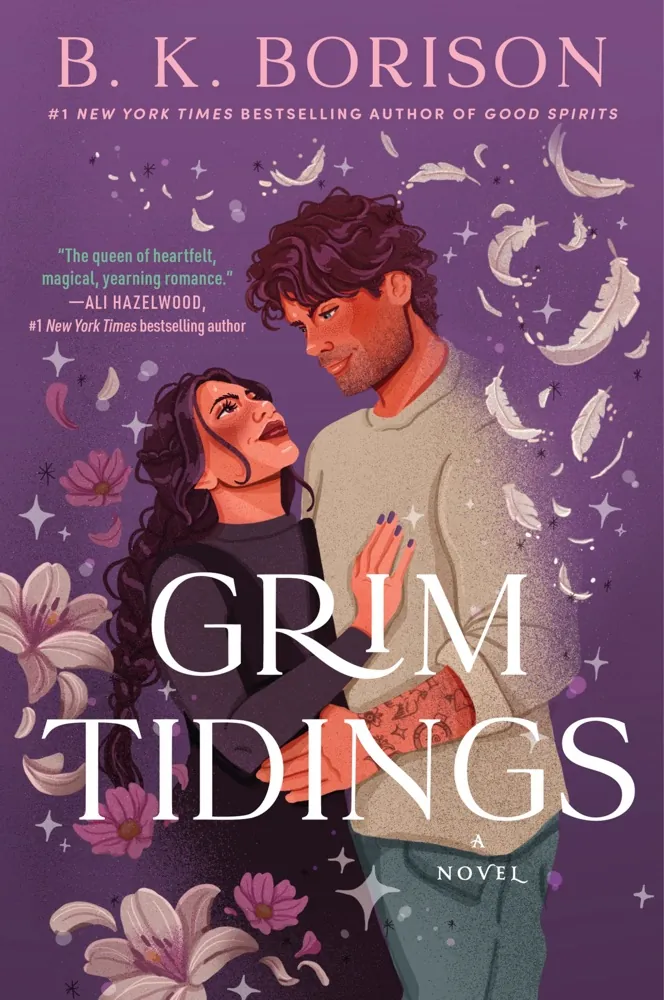
Grim Tidings (Ghosted, #2) Author: B.K. BorisonPage Count: UnknownPublication Date: Expected publication 2026-09-15 APL Exclusive Preview: Grim Tidings, the Highly Anticipated Sequel by B.K. Borison Get ready to be enthralled by the whimsical and haunting romance that follows B.K. Borison's new release, Grim Tidings. This spellbinding tale continues the enchanting journey of Darcy Moore, a Grim Reaper torn between her duty and her desire to defy the conventional path of her existence. From the Original Synopsis: "When a runaway grim reaper tries to save a life, she clashes with a skeptical Guardian, forcing them to form an unlikely partnership beyond the grave." With this gripping premise, Borison masterfully weaves together an intricate web of themes, expertly blurring the lines between good and evil, fate and free will. "Darcy Moore is tired of death... She'll be saving him instead," a daring move that sets the stage for a heart-pounding adventure. Borison's ability to balance whimsy and darkness is evident in the way she describes the relationship between Darcy, a Grim Reaper with a strong moral compass, and Gabriel Aetos, the Guardian Angel sworn to protect the world from threats like Darcy. As their paths collide, they must navigate the consequences of defying the natural order and confront their own biases. Will their unlikely partnership lead to a forbidden love or a catastrophic outcome? The Ghosted series has already captured the hearts of many readers worldwide, and with Grim Tidings, Borison takes us on an even more thrilling ride. Fans of dark fantasy, paranormal romance, and fantasy series are sure to be captivated by this tale of star-crossed lovers and changing one's fate. If you loved Borison's previous works... you've been eagerly waiting for this sequel, and it's only a matter of time now. With Grim Tidings, be prepared to immerse yourself in a world of magic, mystery, and romance that will leave you spellbound until the very end. Mark your calendars for the release date, September 15, 2026, and get ready to indulge in this thrilling ride. As a literary journalist, I'm excited to witness the reception of Grim Tidings and eagerly await Borison's next masterpiece. #DarkFantasy #ParanormalRomance #FantasySeries #GrimTidings #BK Borison #GhostedSeries Related InsightsThe 10:12: A Novel Book Review and Summary Alarga tu esperanza de vida: Cómo la ciencia nos ayuda a controlar, frenar y revertir el proceso de envejecimiento / Lifespan: Why We Age - and Why We Don't Book Review and Summary Don Quixote Book Review and Summary{ "@context": "https://schema.org", "@type": "FAQPage", "mainEntity": [ { "@type": "Question", "name": "What is the main focus of Grim Tidings (Ghosted, #2) Book Review and Summary?", "acceptedAnswer": { "@type": "Answer", "text": "Everything you need to know about Grim Tidings (Ghosted, #2) with our detailed review." } }, { "@type": "Question", "name": "Who authored the comprehensive guide on Grim Tidings (Ghosted, #2) Book Review and Summary?", "acceptedAnswer": { "@type": "Answer", "text": "This detailed article and its insights were carefully researched and authored by Thomas Wright." } }, { "@type": "Question", "name": "Where can I find more related content about Books?", "acceptedAnswer": { "@type": "Answer", "text": "You can explore more articles, detailed reviews, and similar insights by browsing the Related Insights section at the bottom of this article or visiting our dedicated Books category page." } } ] }

-
 Thomas Wright
 - 29 Jun, 2026 19:18
Estuche Albert Camus (contiene: El extranjero / Calígula / El mito de Sísifo) / Albert Camus Box Set (includes: The Stranger / Caligula / The Myth of Sisyphus Book Review and Summary
Estuche Albert Camus (contiene: El extranjero / Calígula / El mito de Sísifo) / Albert Camus Box Set (includes: The Stranger / Caligula / The Myth of Sisyphus Author: Albert CamusPage Count: UnknownPublication Date: 2027-PRH Albert Camus’ Estuche Albert Camus is more than a box set—it’s a philosophical grenade wrapped in poetic prose. Published in an era where existential dread and moral ambiguity dominate our collective consciousness, this collection (The Stranger, Caligula, and The Myth of Sisyphus) feels less like a relic and more like a mirror held up to our own fractured times. Camus, the Nobel laureate whose work anticipated the absurdity of modern life, remains a voice that refuses to let us look away. At the heart of these three works lies the same unshakable question: What does it mean to live authentically in a world that offers no inherent meaning? Camus’ answer isn’t one of despair but of defiance. His protagonists—Mersault, the detached outsider of The Stranger; Caligula, the mad emperor who turns philosophy into tyranny in Caligula; and the silent, ever-rolling Sisyphus in The Myth of Sisyphus—are all prisoners of absurdity. Yet their rebellion isn’t in rejecting the absurd but in embracing it, in finding a kind of freedom in the very act of pushing against meaninglessness. The Stranger is the most accessible of the three, a novella so deceptively simple it tricks readers into underestimating its depth. Mersault, the protagonist, attends his mother’s funeral with the same emotional detachment he applies to everything else—smoking, swimming, shooting an Arab man on a beach. His trial isn’t for murder but for his failure to perform grief in the way society expects. Camus exposes the arbitrariness of human judgment, where morality is less about actions and more about conformity. The prose is stark, almost clinical, mirroring Mersault’s emotional flatness. Yet this restraint makes the rare moments of raw emotion—like his outburst in the courtroom—land with devastating force. The Stranger isn’t just a story; it’s a provocation, a challenge to question the rituals and expectations we mistake for truth. Caligula takes the theme of absurd rebellion to its most theatrical extreme. Here, Camus presents the Roman emperor as a philosopher-king gone mad, a man who embraces the void of existence so fully that he seeks to "live by the impossible." His demand that the moon be a ring for his finger, his orchestration of chaos, his ultimate assassination—Caligula is the embodiment of Nietzsche’s Übermensch, unconstrained by morality or consequence. Yet Camus doesn’t glorify him. Instead, he shows how the pursuit of absolute freedom leads to tyranny, not enlightenment. The play is a dark comedy, a satire of power and ideology, where the characters’ desperate attempts to rationalize Caligula’s madness only highlight the absurdity of their own worldviews. Camus’ dialogue crackles with wit and menace, blending the grotesque with the profound. If The Stranger and Caligula are clinical dissections of absurdity, The Myth of Sisyphus is the philosophical manifesto that binds them together. Camus’ essay is both a meditation on suicide and a defense of life. He argues that the absurd isn’t a reason to end things but a reason to live with unflinching clarity. Sisyphus, condemned to roll his boulder uphill for eternity, becomes a symbol of defiance. His fate isn’t tragic—it’s heroic. Camus writes, "The struggle itself toward the heights is enough to fill a man’s heart." This idea—that meaning isn’t found but created in the act of living—is the beating heart of Camus’ philosophy. The essay is dense, dense with ideas that challenge the reader to confront their own relationship with existence. Yet Camus’ prose remains luminous, turning abstract concepts into something almost tangible. What makes Camus’ work timeless isn’t just his themes but his style. He writes with a precision that feels surgical, yet his sentences carry an almost poetic weight. There’s no grandiloquence, no unnecessary ornamentation—just the cold, hard truth of existence given form. His characters are flawed, often unsympathetic, but that’s the point. They’re us, stripped of illusion. Camus doesn’t offer answers; he offers a way of seeing. And in a world where meaning is increasingly commodified, his insistence on embracing the void feels radical. The Estuche Albert Camus isn’t just a collection of books—it’s a confrontation. It asks us to stare into the abyss and, like Sisyphus, find a kind of joy in the struggle. Whether you’re drawn to the existential tension of The Stranger, the dark humor of Caligula, or the philosophical depth of The Myth of Sisyphus, you’ll find in these pages a mirror, a challenge, and perhaps, a lifeline. #Camus #Existentialism #Absurdism #PhilosophyBooks #TheStranger #Caligula Related InsightsTruth and Other Stories Book Review and Summary One Hundred Years of Solitude Book Review and Summary The Four Winds Book Review and Summary{ "@context": "https://schema.org", "@type": "FAQPage", "mainEntity": [ { "@type": "Question", "name": "What is the main focus of Estuche Albert Camus (contiene: El extranjero / Calígula / El mito de Sísifo) / Albert Camus Box Set (includes: The Stranger / Caligula / The Myth of Sisyphus Book Review and Summary?", "acceptedAnswer": { "@type": "Answer", "text": "Everything you need to know about Estuche Albert Camus (contiene: El extranjero / Calígula / El mito de Sísifo) / Albert Camus Box Set (includes: The Stranger / Caligula / The Myth of Sisyphus with our detailed review." } }, { "@type": "Question", "name": "Who authored the comprehensive guide on Estuche Albert Camus (contiene: El extranjero / Calígula / El mito de Sísifo) / Albert Camus Box Set (includes: The Stranger / Caligula / The Myth of Sisyphus Book Review and Summary?", "acceptedAnswer": { "@type": "Answer", "text": "This detailed article and its insights were carefully researched and authored by Thomas Wright." } }, { "@type": "Question", "name": "Where can I find more related content about Books?", "acceptedAnswer": { "@type": "Answer", "text": "You can explore more articles, detailed reviews, and similar insights by browsing the Related Insights section at the bottom of this article or visiting our dedicated Books category page." } } ] }

- Thomas Wright
- 25 Jun, 2026 18:39
Cómo ganar amigos e influir sobre las personas para chicas / How to Win Friends and Influence People For Teen Girls Book Review and Summary
Cómo ganar amigos e influir sobre las personas para chicas / How to Win Friends and Influence People For Teen Girls Author: Donna Dale CarnegiePage Count: UnknownPublication Date: 2022-PRH How to Win Friends and Influence People for Teen Girls – A Fresh Take on an Enduring Classic When Dale Carnegie’s original “How to Win Friends and Influence People” first appeared in 1936, it reshaped the way adults thought about interpersonal skill‑building. In 2022, his daughter Donna Dale Carnegie revives that timeless formula for a new audience: teenage girls navigating a world saturated with social media, peer pressure, and rapidly shifting gender expectations. The result is a brisk, upbeat manual that feels both familiar and distinctly modern, marrying the foundational principles of the Carnegie legacy with a clear, feminist perspective. The Core Message: Empowerment Through Empathy At its heart, the book reiterates Carnegie’s age‑old credo: genuine interest in others breeds trust, and trust is the currency of influence. Donna reframes this idea for the teenage girl, emphasizing that empathy is not a soft skill but a strategic tool for personal empowerment. By encouraging readers to “listen first, judge later,” she positions emotional intelligence as the gateway to leadership—whether in a classroom debate, a group chat, or a budding romantic relationship. What sets this edition apart is its insistence that empathy be practiced without sacrificing self‑respect. The author weaves a subtle but firm line between kindness and people‑pleasing, warning readers against the “nice‑girl trap” that can erode boundaries. In doing so, she offers a nuanced roadmap: be warm, be authentic, but also be unapologetically firm when your values are at stake. Style: Conversational, Inclusive, and Quiz‑Driven Donna’s voice is conversational without ever slipping into patronizing teen‑talk. She writes as a mentor who remembers the awkwardness of high school corridors, yet she maintains a polished clarity that makes each chapter feel like a well‑structured lesson rather than a lecture. The prose is peppered with relatable anecdotes—stories of a girl who turned a gossip session into a constructive dialogue, or a freshman who used the “three‑step praise” technique to calm a heated debate in a student council meeting. These vignettes are not only illustrative; they serve as proof that the Carnegie techniques work in the digital age. Interspersed throughout the text are “Reality Check” boxes and short quizzes that invite readers to apply concepts in real time. A quick self‑assessment after the chapter on “Defusing Arguments” might ask, “When was the last time I said ‘I’m sorry for how I made you feel,’ and what was the outcome?” This interactive format transforms the book from a passive read into an active workbook, encouraging teenage girls to experiment with the strategies as they encounter everyday social scenarios. Modern Themes: Gossip, Peer Pressure, and Digital Etiquette Donna does not shy away from the challenges unique to today’s teen experience. The sections on gossip and social media are particularly compelling, offering concrete tactics for cutting the rumor mill short while preserving one’s reputation. For instance, the “Pause‑Post‑Reflect” method teaches girls to hold off before sharing a provocative story online, weigh the potential impact, and then either edit or delete the post—a skill that feels indispensable in an era where a careless tweet can spiral into a viral backlash. Peer pressure, another central concern, is reframed as an opportunity for influence rather than a threat to autonomy. The author outlines a three‑step “Positive Pivot” technique: acknowledge the group’s desire, propose an alternative that satisfies the underlying need, and frame the suggestion as a win‑win. This not only helps girls resist harmful trends (such as binge drinking or cyberbullying) but also positions them as leaders who can steer the collective toward healthier choices. Romantic Relationships and the Transition to Adult Responsibilities One of the book’s most daring chapters tackles friendships with boys, commitment issues, and break‑ups—a terrain often omitted in “self‑help” manuals aimed at young women. Here, Donna maintains the same balanced tone: she advises readers to communicate expectations clearly, to honor their own emotional boundaries, and to view every romantic interaction as a practice ground for broader influence skills. The advice is practical—draft a “conversation checklist” before a difficult talk, use “I‑statements” to express feelings, and practice “graceful exits” when a relationship no longer serves mutual growth. Beyond romance, the guide anticipates the next phase of teenage life: driving, college interviews, and entry‑level jobs. The brief yet potent sections on “First Impressions on the Road” and “Interview Influence” demonstrate how the same Carnegie principles scale up. A teenage girl preparing for a college interview, for example, is encouraged to employ the “Three‑P Rule”—Preparation, Presence, and Positivity—to leave a memorable, authentic impression. Strengths and Minor Shortcomings The book’s greatest strength lies in its ability to distill complex social psychology into bite‑size, actionable steps without diluting the underlying philosophy. The inclusion of quizzes and reality checks turns abstract advice into habit‑forming practice, which is essential for readers still developing executive function skills. However, the very brevity that makes the book accessible can also feel limiting for readers craving deeper exploration. Some chapters skim over nuanced topics—such as intersectional identity and cultural differences in communication—leaving space for future editions to broaden the inclusivity lens. Additionally, while the feminist framing is empowering, occasional reliance on “girls should be nurturing” tropes may unintentionally reinforce gender stereotypes. A more explicit discussion about diverse gender identities could have strengthened the book’s modern relevance. Conclusion: A Timely Companion for the Modern Teen Girl Donna Dale Carnegie succeeds in translating a classic self‑help framework into a vibrant, teen‑centric guide that respects both the legacy of its predecessor and the lived realities of today’s young women. By marrying timeless principles with contemporary scenarios, the book equips teenage girls with a toolkit for building authentic connections, navigating social challenges, and stepping confidently into leadership roles. It is an ideal bedside read for high schoolers, a useful resource for parents and educators, and a reminder that the art of influence is, at its best, an act of empathy and self‑respect. #TeenSelfHelp #GirlPower #EmpathyLeadership #SocialSkills #ModernCarnegie #TeenInfluence Related InsightsLevel Up for Love: A Novel Book Review and Summary Universe of Grace Book Review and Summary Taipei Story Book Review and Summary{ "@context": "https://schema.org", "@type": "FAQPage", "mainEntity": [ { "@type": "Question", "name": "What is the main focus of Cómo ganar amigos e influir sobre las personas para chicas / How to Win Friends and Influence People For Teen Girls Book Review and Summary?", "acceptedAnswer": { "@type": "Answer", "text": "Everything you need to know about Cómo ganar amigos e influir sobre las personas para chicas / How to Win Friends and Influence People For Teen Girls with our detailed review." } }, { "@type": "Question", "name": "Who authored the comprehensive guide on Cómo ganar amigos e influir sobre las personas para chicas / How to Win Friends and Influence People For Teen Girls Book Review and Summary?", "acceptedAnswer": { "@type": "Answer", "text": "This detailed article and its insights were carefully researched and authored by Thomas Wright." } }, { "@type": "Question", "name": "Where can I find more related content about Books?", "acceptedAnswer": { "@type": "Answer", "text": "You can explore more articles, detailed reviews, and similar insights by browsing the Related Insights section at the bottom of this article or visiting our dedicated Books category page." } } ] }
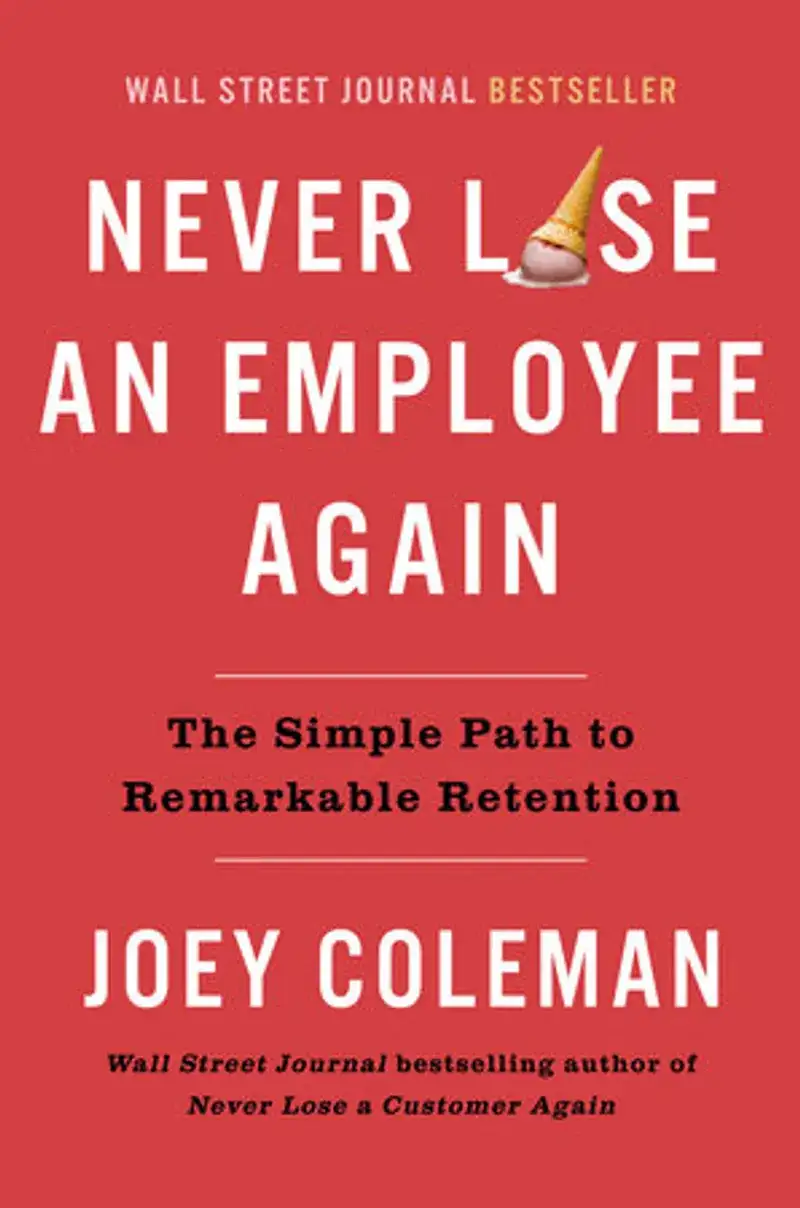
Never Lose an Employee Again Author: Joey ColemanPage Count: UnknownPublication Date: 2023-PRH Never Lose an Employee Again: A Masterclass in Retention That Demands Action Joey Coleman’s Never Lose an Employee Again isn’t just another management book—it’s a survival guide for businesses drowning in the Great Resignation. With turnover costs soaring and employee loyalty at an all-time low, Coleman, a renowned expert in employee experience, delivers a razor-sharp playbook designed to stop the revolving door of talent before it even starts. This isn’t theory; it’s a battle-tested system backed by over fifty case studies from organizations spanning seven continents. If you’re tired of losing good people—or worse, hiring someone who leaves before their first anniversary—this book is your lifeline. At its core, Never Lose an Employee Again dismantles the myth that retention starts after someone is hired. Coleman flips the script, arguing that the real war for talent is won—or lost—in the first ninety days. His framework revolves around eight critical phases of the employee journey, each demanding a strategic approach to communication and connection. Unlike generic advice that treats employees as replaceable assets, Coleman treats them as human beings whose engagement is shaped from day one (and can unravel just as quickly). The book’s genius lies in its specificity. Coleman doesn’t just tell you to "engage your team"; he breaks down how—detailing six communication channels (in-person, email, phone, mail, video, and even gifts) to deploy at every phase. This isn’t about sending a welcome email and calling it a day; it’s about crafting an experience so intentional that new hires feel valued before they’ve even touched their keyboards. He tackles the unspoken fears of new employees—like "hire’s remorse"—before they fester, and he shows how to re-engage existing workers who’ve grown complacent. Coleman’s writing style is engaging yet punchy, blending storytelling with actionable steps. He peppers the book with real-world examples, from a tech startup that halved its turnover by revamping its onboarding to a global corporation that boosted retention by surprising employees with handwritten notes. His tone is authoritative but never condescending, making complex concepts feel accessible. The result? A book that feels like a conversation with a mentor who’s been in the trenches and knows what works. One of the most compelling aspects is Coleman’s emphasis on the "first ninety days" as a make-or-break period. He argues that most companies fail new hires by treating them like they’re already part of the team on day one, when in reality, they’re still evaluating whether you’re the right fit. By addressing this disconnect early—through rituals, recognition, and intentional feedback—you can turn tentative recruits into loyal advocates. That said, the book isn’t without its challenges. Coleman’s system requires discipline, and his approach may feel overwhelming to small business owners juggling a hundred priorities. Some readers might bristle at the granularity, questioning whether every phase and communication channel is necessary. But Coleman’s response is clear: retention isn’t about perfection; it’s about consistency. Even implementing a few of his strategies could yield dramatic results. Ultimately, Never Lose an Employee Again is a wake-up call for leaders who’ve accepted turnover as an inevitability. Coleman’s message is simple: The cost of replacing an employee is far greater than the cost of keeping one. By designing an employee experience that starts before the hire and evolves long after, you don’t just retain talent—you build a competitive edge. If you’re ready to stop hemorrhaging employees and start building a workforce that sticks around (and performs at their best), Coleman’s blueprint is your roadmap. Read it, apply it, and watch your retention—and your profits—soar. #EmployeeRetention #HiringStrategies #Onboarding #LeadershipDevelopment #WorkplaceCulture #JoeyColeman Related InsightsEverything is Illuminated Book Review and Summary These Savage Stars Book Review and Summary La pitonisa y el idiota / The Prophet and the Idiot Book Review and Summary{ "@context": "https://schema.org", "@type": "FAQPage", "mainEntity": [ { "@type": "Question", "name": "What is the main focus of Never Lose an Employee Again Book Review and Summary?", "acceptedAnswer": { "@type": "Answer", "text": "Everything you need to know about Never Lose an Employee Again with our detailed review." } }, { "@type": "Question", "name": "Who authored the comprehensive guide on Never Lose an Employee Again Book Review and Summary?", "acceptedAnswer": { "@type": "Answer", "text": "This detailed article and its insights were carefully researched and authored by Thomas Wright." } }, { "@type": "Question", "name": "Where can I find more related content about Books?", "acceptedAnswer": { "@type": "Answer", "text": "You can explore more articles, detailed reviews, and similar insights by browsing the Related Insights section at the bottom of this article or visiting our dedicated Books category page." } } ] }
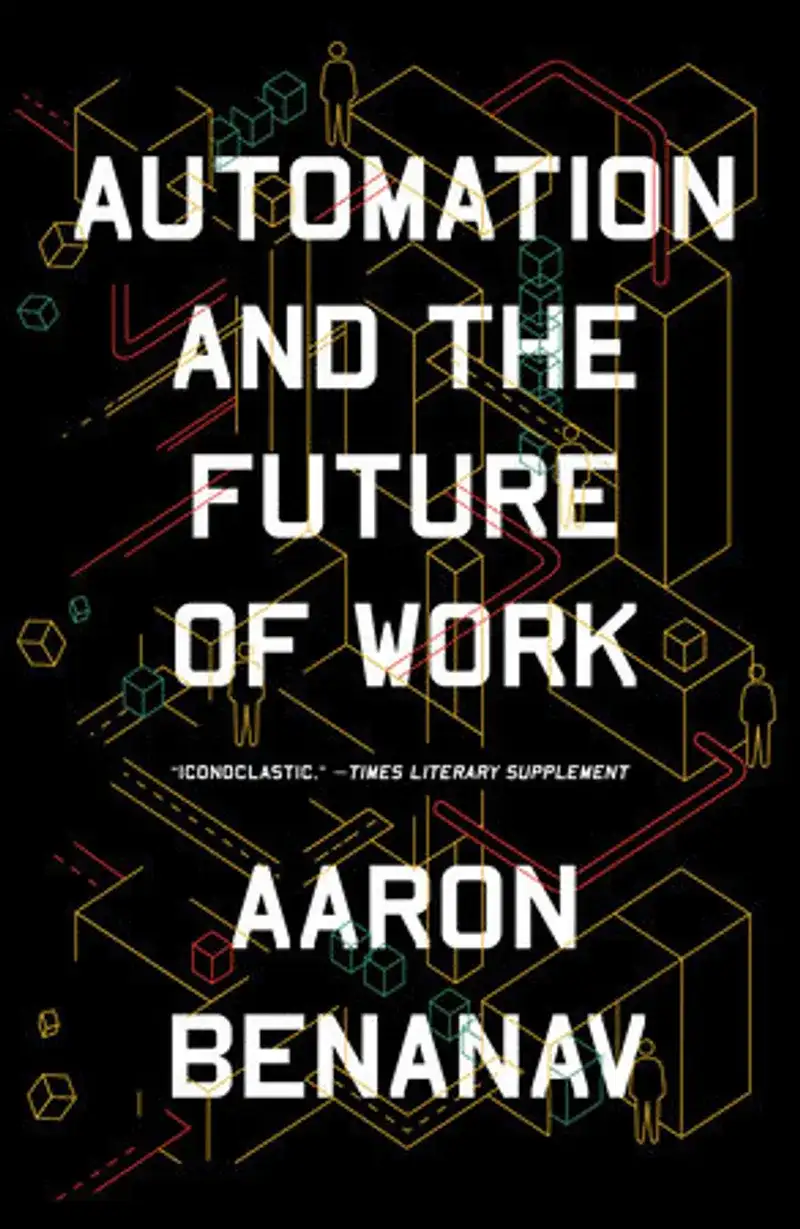
Automation and the Future of Work Author: Aaron BenanavPage Count: UnknownPublication Date: 2022-PRH Automation and the Future of Work, written by Aaron Benanav, is a thought-provoking and timely book that challenges the conventional wisdom surrounding the impact of automation on the labor market. Benanav, with his keen analytical mind, delves into the intricacies of the relationship between technological advancements and the future of work, offering a refreshing and contrarian perspective on the topic. The book begins by questioning the dominant narrative that automation will inevitably lead to widespread job displacement and the end of work as we know it. Benanav contends that this narrative is overly simplistic and neglects to account for the complex economic and social dynamics at play. Instead, he argues that the decline in labor demand is rooted in the inherent weaknesses of 21st-century capitalism, which is struggling to maintain economic growth and provide meaningful employment opportunities for all. One of the strengths of the book is Benanav's ability to balance critique with constructive thinking. While he acknowledges the potential risks and challenges associated with automation, he also salvages the utopian potential of a world without work. Benanav envisions a future where technological innovation is harnessed to create a post-scarcity society, where people are free to pursue their passions and interests without being bound by the drudgery of mundane labor. However, he also recognizes that this vision will not be realized through technological innovation alone, but will require significant social and political transformation. Benanav's writing style is engaging, accessible, and free of jargon, making the book an enjoyable read for both experts and non-experts alike. He draws on a wide range of sources, from economic data and historical analysis to social theory and philosophical debates, to create a rich and nuanced understanding of the issues at hand. The book is also remarkably well-organized, with each chapter building on the previous one to create a cohesive and compelling narrative. The author's counterproposal to the idea of a permanent universal basic income is particularly noteworthy. Rather than advocating for a passive safety net, Benanav argues for a more active and participatory approach to social welfare, one that empowers individuals and communities to take control of their own economic destinies. This approach is both radical and refreshing, and offers a glimpse of a more equitable and just society. In conclusion, Automation and the Future of Work is a groundbreaking book that challenges readers to think critically about the relationship between technology, work, and society. Benanav's unique perspective, coupled with his engaging writing style, makes the book a must-read for anyone interested in the future of work and the potential of technological innovation to create a better world. With its thought-provoking analysis and visionary ideas, this book is sure to spark important debates and conversations about the kind of future we want to create. #AutomationAndTheFutureOfWork #FutureOfWork #TechnologicalInnovation #PostScarcity #UtopianFutures #EconomicTransformation Related InsightsChasing Demons: A Novel Book Review and Summary The Girl on the Train Book Review and Summary Fablehaven Book Review and Summary{ "@context": "https://schema.org", "@type": "FAQPage", "mainEntity": [ { "@type": "Question", "name": "What is the main focus of Automation and the Future of Work Book Review and Summary?", "acceptedAnswer": { "@type": "Answer", "text": "Everything you need to know about Automation and the Future of Work with our detailed review." } }, { "@type": "Question", "name": "Who authored the comprehensive guide on Automation and the Future of Work Book Review and Summary?", "acceptedAnswer": { "@type": "Answer", "text": "This detailed article and its insights were carefully researched and authored by Thomas Wright." } }, { "@type": "Question", "name": "Where can I find more related content about Books?", "acceptedAnswer": { "@type": "Answer", "text": "You can explore more articles, detailed reviews, and similar insights by browsing the Related Insights section at the bottom of this article or visiting our dedicated Books category page." } } ] }
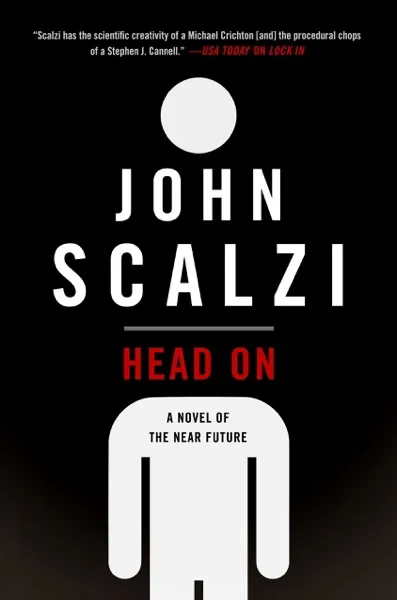
Head On Author: John ScalziPage Count: UnknownPublication Year: 2018-GB In the realm of science fiction, few authors have managed to captivate audiences with the same level of intellectual curiosity and wit as John Scalzi. His 2018 novel, "Head On", is a testament to his mastery of the genre, delving into the intricacies of a world where virtual reality has become indistinguishable from reality itself. At its core, "Head On" is an exploration of the human condition, probing the boundaries of identity, community, and what it means to be alive. Scalzi's vision of a future where people can upload their consciousness into a virtual world, known as the "Haden" universe, raises fundamental questions about the nature of existence and our place within it. As the protagonist, Detective Chris Shane, navigates this complex landscape, Scalzi skillfully weaves together a narrative that is both a gripping mystery and a profound philosophical inquiry. One of Scalzi's greatest strengths as a writer is his ability to balance action, suspense, and humor with intellectual depth. His prose is effortlessly engaging, making even the most complex ideas accessible to a broad range of readers. The world-building in "Head On" is meticulous and immersive, with a keen attention to detail that draws the reader into the Haden universe. Through Chris Shane's character, Scalzi explores the tensions between the physical and virtual worlds, highlighting the implications of a society where people can exist in multiple realms simultaneously. As Shane delves deeper into a mystery involving a string of murders in the Haden universe, Scalzi expertly exposes the fault lines between those who have access to this technology and those who do not. Scalzi's style is characterized by his trademark wit and humor, which adds a layer of levity to even the most intense moments in the narrative. His characters are multidimensional and relatable, with distinct voices and motivations that drive the plot forward. The supporting cast, including Shane's partner, Leslie Vex, and the enigmatic figure of Haden's creator, are equally well-crafted, adding depth and complexity to the story. What sets "Head On" apart from other science fiction novels is its thought-provoking exploration of the human condition. Scalzi challenges readers to consider the consequences of emerging technologies on our society, our relationships, and our sense of self. As the boundaries between the physical and virtual worlds continue to blur, "Head On" serves as a timely reminder of the importance of empathy, compassion, and understanding in navigating these uncharted territories. In conclusion, "Head On" is a masterpiece of science fiction that will appeal to fans of the genre and newcomers alike. Scalzi's unique blend of intellectual curiosity, wit, and engaging storytelling makes this novel a must-read for anyone interested in exploring the complexities of the human condition. With its thought-provoking themes, memorable characters, and gripping narrative, "Head On" is an unforgettable journey into the heart of what it means to be alive. #ScienceFiction #VirtualReality #JohnScalzi #BookReview #HeadOn #FutureSociety Related InsightsMythology Book Review and Summary Archer's Voice Book Review and Summary The Princess Rules Book Review and Summary{ "@context": "https://schema.org", "@type": "FAQPage", "mainEntity": [ { "@type": "Question", "name": "What is the main focus of Head On Book Review and Summary?", "acceptedAnswer": { "@type": "Answer", "text": "Everything you need to know about Head On with our detailed review." } }, { "@type": "Question", "name": "Who authored the comprehensive guide on Head On Book Review and Summary?", "acceptedAnswer": { "@type": "Answer", "text": "This detailed article and its insights were carefully researched and authored by Thomas Wright." } }, { "@type": "Question", "name": "Where can I find more related content about Books?", "acceptedAnswer": { "@type": "Answer", "text": "You can explore more articles, detailed reviews, and similar insights by browsing the Related Insights section at the bottom of this article or visiting our dedicated Books category page." } } ] }

In Search of Safety: Voices of Refugees Author: Susan KuklinPage Count: UnknownPublication Date: 2020-PRH In Search of Safety: Voices of Refugees by Susan Kuklin is a searing, humanizing testament to resilience in the face of unimaginable hardship. Published in 2020, this book doesn’t just recount the statistics of displacement—it breathes life into them through the raw, unfiltered voices of five refugees whose journeys to America are marked by war, persecution, and the quiet determination to survive. Kuklin, known for her empathetic and immersive storytelling in works like Beyond Magenta and We Are Here to Stay, once again proves herself a masterful chronicler of marginalized lives. Here, she doesn’t just tell their stories; she amplifies them, letting each voice reverberate with the weight of lived experience. At its core, In Search of Safety is a book about displacement—not just geographical, but existential. The five narrators—Fraidoon from Iraq, Nathan from Myanmar, Shireen from South Sudan, Nyarout from Burundi, and Ahmed from Afghanistan—each carry the scars of a world that has repeatedly tried to erase them. Their testimonies are not just historical records; they are acts of defiance against the erasure of refugee narratives. Fraidoon’s chilling words—"From 1984, when I was born, until July 16, 2017, when I arrived in the United States, I never lived in a place where there was no war"—encapsulate the relentless violence that forces people to flee. For Fraidoon, survival meant escaping ISIS captivity; for Nathan, it was fleeing Myanmar’s ethnic cleansing; for Shireen, it was growing up in a famine-stricken camp. Each story is a microcosm of global crises, yet Kuklin ensures they remain deeply personal. What sets this book apart is Kuklin’s refusal to reduce these lives to mere tales of suffering. Instead, she frames their narratives within the broader context of resilience and hope. The inclusion of full-color photographs of the refugees’ new lives in Nebraska is a deliberate choice—it juxtaposes the bleakness of their pasts with the fragile normalcy of their presents. The images are not just decorative; they are a visual promise that survival is possible, even if the scars remain. This balance between pain and progress is Kuklin’s greatest strength. She doesn’t shy away from the brutality of their experiences—child soldiers, human trafficking, near-starvation—but she also highlights the small victories: reuniting with family, learning English, finding work. It’s a reminder that refugees are not just victims; they are survivors, builders, and contributors. Kuklin’s style is immersive and journalistic, yet deeply compassionate. She employs a straightforward, first-person approach, letting each narrator’s voice dominate without excessive editorializing. The result is a book that feels intimate, as if the reader is sitting across from each person, listening to their story unfold. The end matter—chapter notes, historical timelines, resources—serves as a crucial educational tool, grounding the personal narratives in broader geopolitical realities. This blend of storytelling and context makes the book accessible to both young adult and adult readers, ensuring its relevance in classrooms and beyond. The book’s greatest power lies in its ability to humanize the often-dehumanizing experience of displacement. In a political climate where refugees are frequently reduced to political talking points, In Search of Safety does something radical: it demands that we see them as individuals with dreams, fears, and agency. Kuklin’s work is not just a call to empathy; it’s a call to action. By centering these voices, she challenges readers to confront the consequences of war and displacement while also recognizing the extraordinary capacity for hope in even the darkest circumstances. This is a book that will leave a mark. It’s not just about the past; it’s about the present and the future, about the choices we make as a society to either welcome or reject those who have already suffered so much. Kuklin’s prose is unflinching but never exploitative, and her subjects are not just survivors—they are storytellers who refuse to be silenced. If you read one book this year about the human cost of global conflict, let it be this one. It’s not just a story of escape; it’s a story of reclaiming life. #RefugeeStories #HumanRights #ImmigrationNarratives #SusanKuklin #Resilience #GlobalDisplacement Related InsightsThe Scarlet Ball Book Review and Summary Animal Farm Book Review and Summary Cold Mountain Book Review and Summary{ "@context": "https://schema.org", "@type": "FAQPage", "mainEntity": [ { "@type": "Question", "name": "What is the main focus of In Search of Safety: Voices of Refugees Book Review and Summary?", "acceptedAnswer": { "@type": "Answer", "text": "Everything you need to know about In Search of Safety: Voices of Refugees with our detailed review." } }, { "@type": "Question", "name": "Who authored the comprehensive guide on In Search of Safety: Voices of Refugees Book Review and Summary?", "acceptedAnswer": { "@type": "Answer", "text": "This detailed article and its insights were carefully researched and authored by Thomas Wright." } }, { "@type": "Question", "name": "Where can I find more related content about Books?", "acceptedAnswer": { "@type": "Answer", "text": "You can explore more articles, detailed reviews, and similar insights by browsing the Related Insights section at the bottom of this article or visiting our dedicated Books category page." } } ] }
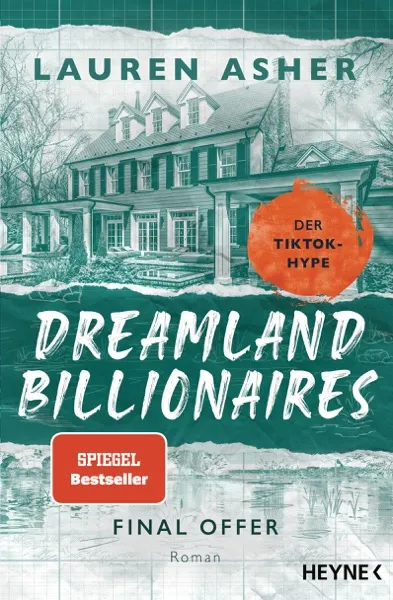
Final Offer Author: Lauren AsherPage Count: UnknownPublication Year: 2023-GB In the world of high-stakes business and cutthroat negotiations, few authors have managed to capture the intensity and allure of the corporate world as masterfully as Lauren Asher in her latest novel, Final Offer. This global bestseller has taken the literary world by storm, and for good reason – Asher's writing is a force to be reckoned with. At its core, Final Offer is a story about the art of negotiation, the power of persuasion, and the blurred lines between business and pleasure. Asher's protagonist is a master negotiator, a wizard of words who can talk his way into (or out of) just about any deal. But as the stakes grow higher and the tension builds, it becomes clear that this is more than just a game of corporate cat and mouse – it's a battle for control, for dominance, and for the very soul of the company. Asher's writing style is as sleek and polished as the high-rise office buildings that serve as the backdrop for her story. Her prose is crisp and efficient, with a keen eye for detail and a deep understanding of the inner workings of the corporate world. She has a talent for crafting characters that are both complex and relatable, with motivations that are multifaceted and often surprising. One of the most striking aspects of Final Offer is its exploration of the theme of power and control. Asher's characters are all vying for dominance, whether it's in the boardroom or the bedroom, and the lines between business and pleasure are constantly blurred. This is a world where the stakes are high and the players are ruthless, where one misstep can mean disaster and one clever move can mean victory. But Asher's novel is more than just a shallow exploration of corporate greed and ambition. It's a nuanced and thoughtful examination of the human condition, a probing of the darker corners of the human heart. Her characters are multidimensional and richly drawn, with flaws and weaknesses that make them all the more believable and relatable. Throughout the book, Asher's writing is infused with a sense of tension and urgency, a feeling that the stakes are always high and the outcome is never certain. This is a novel that will keep you on the edge of your seat, guessing and second-guessing until the very end. Overall, Final Offer is a gripping and thought-provoking novel that will appeal to fans of corporate thrillers and romance alike. Asher's writing is top-notch, her characters are complex and compelling, and her exploration of the theme of power and control is both timely and timeless. If you're looking for a book that will keep you up late at night, turning pages and guessing until the very end, then Final Offer is the perfect choice. #CorporateThriller #RomanceNovel #BusinessFiction #GlobalBestseller #LaurenAsher #FinalOffer Related InsightsA Wizard of Earthsea Book Review and Summary Recruitment (The Resistance Trilogy #1) Book Review and Summary Big Math: The Hidden Codes That Run Our World Book Review and Summary{ "@context": "https://schema.org", "@type": "FAQPage", "mainEntity": [ { "@type": "Question", "name": "What is the main focus of Final Offer Book Review and Summary?", "acceptedAnswer": { "@type": "Answer", "text": "Everything you need to know about Final Offer with our detailed review." } }, { "@type": "Question", "name": "Who authored the comprehensive guide on Final Offer Book Review and Summary?", "acceptedAnswer": { "@type": "Answer", "text": "This detailed article and its insights were carefully researched and authored by Thomas Wright." } }, { "@type": "Question", "name": "Where can I find more related content about Books?", "acceptedAnswer": { "@type": "Answer", "text": "You can explore more articles, detailed reviews, and similar insights by browsing the Related Insights section at the bottom of this article or visiting our dedicated Books category page." } } ] }
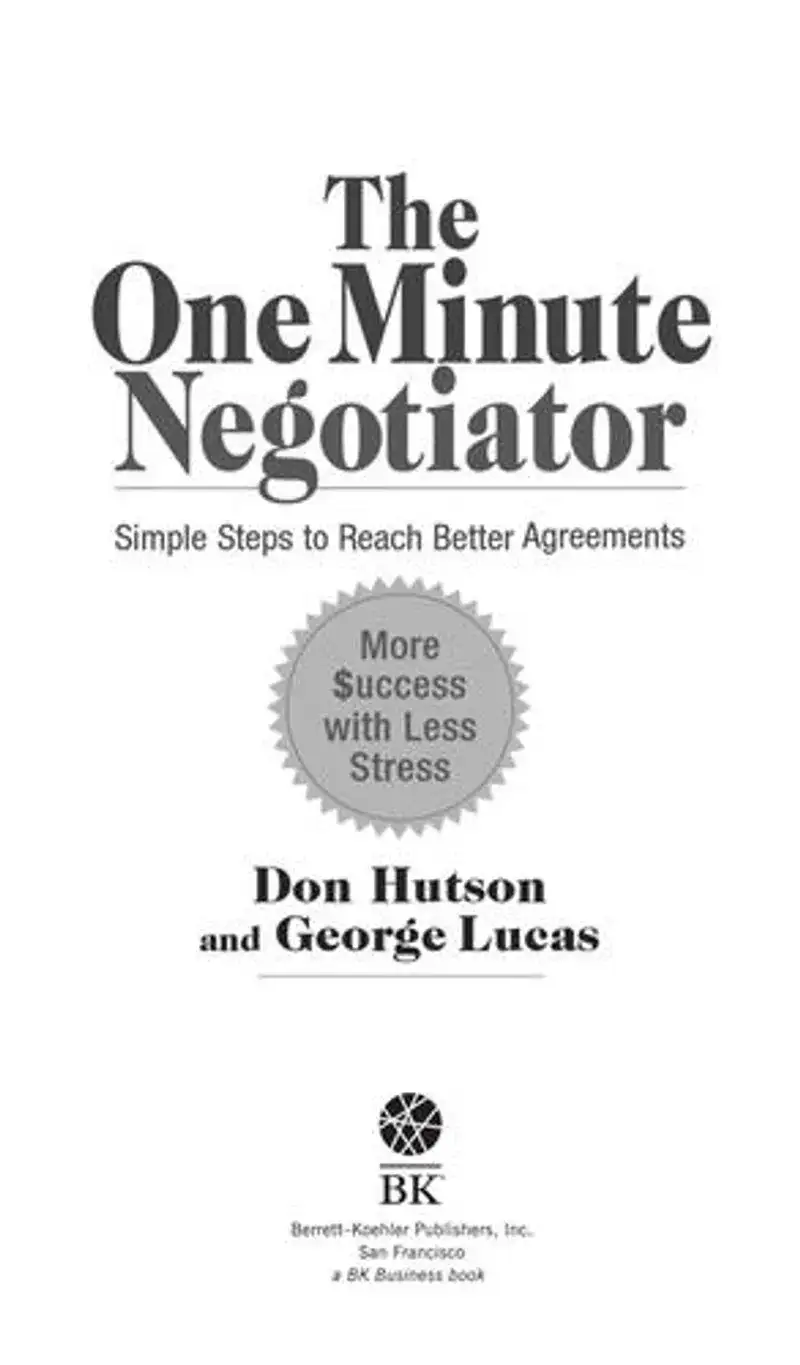
The One Minute Negotiator Author: Don HutsonPage Count: UnknownPublication Date: 2010-PRH The One Minute Negotiator: A Masterclass in Overcoming Negotiaphobia Negotiation is the silent pulse of human interaction, a skill that permeates our professional pursuits, personal relationships, and everyday transactions. Yet, despite its ubiquity, many of us recoil at the mere thought of engaging in a negotiation. Enter The One Minute Negotiator by Don Hutson, a book that doesn’t just promise to sharpen your negotiation skills—it aims to cure what the authors call negotiaphobia, the crippling fear that keeps us from securing the best outcomes. Hutson, a seasoned sales and leadership expert, teams up with co-author George Lucas (not the filmmaker, though one can’t help but wonder if his namesake’s storytelling prowess lent a touch of cinematic flair to the narrative) to deliver a refreshing take on the art of deal-making. The book avoids the dry, prescriptive tone of traditional negotiation guides, opting instead for a narrative-driven approach that feels as engaging as a business parable. At the heart of the book is Jay Baxter, a high-performing salesperson whose success is undermined by his habit of giving away too much to close deals. Jay’s story serves as a relatable entry point for readers who may recognize their own tendencies—whether in sales, management, or even personal conflicts. His journey from frustration to mastery is the backbone of the book, making the lessons feel tangible rather than abstract. Hutson and Lucas shatter the myth that negotiation is a one-size-fits-all endeavor. The book’s core proposition is that flexibility is key, and the authors introduce four distinct negotiating strategies: Collaborate, Compete, Avoid, and Accommodate. Rather than advocating for a single approach—whether it’s the win-win idealism of collaborative negotiation or the cutthroat tactics of competitive bargaining—The One Minute Negotiator teaches readers to assess the situation, their own strengths, and the other party’s approach before choosing a strategy. This adaptability is what sets the book apart. Many negotiation guides pigeonhole readers into rigid frameworks, but Hutson and Lucas recognize that real-world interactions are fluid. The book doesn’t just tell you what to do; it helps you feel capable of doing it. The authors dismantle the intimidation factor by framing negotiation as a skill that can be learned in small, manageable steps—hence the "one minute" promise. It’s not about mastering complex tactics overnight but about making incremental, confidence-building adjustments. Hutson’s writing style is straightforward and devoid of jargon, which makes the book accessible to anyone, from seasoned executives to students entering the workforce. His tone is that of a mentor rather than a lecturer, offering practical advice without overwhelming the reader. The narrative structure keeps the book engaging, and the pacing ensures that even the most skeptical reader won’t feel bogged down by theory. One of the book’s most compelling arguments is that negotiation isn’t just about closing deals—it’s about reducing stress and reclaiming control. Hutson and Lucas highlight how unresolved negotiations can linger in our minds, breeding regret and second-guessing. By providing clear strategies, the book empowers readers to walk away from negotiations knowing they’ve done their best, not wondering what they missed. While the book doesn’t delve into the psychological underpinnings of negotiation (readers seeking deep analysis might turn to works like Never Split the Difference by Chris Voss), it excels at delivering actionable insights in a digestible format. The "one minute" framework is a clever hook—it suggests that even those who dread negotiation can make meaningful progress quickly. The One Minute Negotiator isn’t revolutionary, but it is refreshingly pragmatic. It doesn’t promise to turn you into a ruthless dealmaker or a saintly collaborator; instead, it equips you with the tools to navigate the spectrum of negotiation styles with confidence. For anyone tired of feeling at the mercy of others in high-stakes conversations, this book is a lifeline. In a world where negotiation is often reduced to either aggression or passivity, Hutson and Lucas offer a middle path: one that’s strategic, adaptable, and, above all, human. #NegotiationSkills #BusinessBooks #SalesSuccess #ConfidenceBoost #DealMaking #OneMinuteNegoator Related InsightsThe Key Biscayne Affair: A Novel Book Review and Summary Harbinger Book Review and Summary Anatomía del corazón: Compasión budista para transformar tu vida / A Fearless Heart: How the Courage to Be Compassionate Can Transform Our Lives Book Review and Summary{ "@context": "https://schema.org", "@type": "FAQPage", "mainEntity": [ { "@type": "Question", "name": "What is the main focus of The One Minute Negotiator Book Review and Summary?", "acceptedAnswer": { "@type": "Answer", "text": "Everything you need to know about The One Minute Negotiator with our detailed review." } }, { "@type": "Question", "name": "Who authored the comprehensive guide on The One Minute Negotiator Book Review and Summary?", "acceptedAnswer": { "@type": "Answer", "text": "This detailed article and its insights were carefully researched and authored by Thomas Wright." } }, { "@type": "Question", "name": "Where can I find more related content about Books?", "acceptedAnswer": { "@type": "Answer", "text": "You can explore more articles, detailed reviews, and similar insights by browsing the Related Insights section at the bottom of this article or visiting our dedicated Books category page." } } ] }
301 More Ways to Have Fun At Work Author: Dave HemsathPage Count: UnknownPublication Date: 2001-PRH Review: "301 More Ways to Have Fun At Work" by Dave Hemsath – Where Productivity Meets Play In a world where burnout and disengagement plague modern workplaces, Dave Hemsath’s 301 More Ways to Have Fun At Work arrives not just as a breath of fresh air but as a compelling case for why joy should be a core business strategy. A follow-up to his successful 2001 book, this sequel doesn’t just recycle ideas—it expands them, offering fresh, actionable ways to infuse fun into every corner of corporate life. At a time when employees crave meaning and companies struggle to retain talent, Hemsath’s message is timely: fun isn’t a frivolous perk—it’s a productivity powerhouse. Hemsath, coauthor of the original 301 Ways to Have Fun at Work, was ahead of his time. While the idea of workplace fun was once dismissed as unprofessional, today’s research overwhelmingly supports his thesis: teams that laugh together are more creative, resilient, and loyal. The 2001 publication helped spark a cultural shift, and this follow-up builds on that momentum by tackling new frontiers—hiring, customer service, leadership, and corporate culture—where fun can make a measurable difference. What makes Hemsath’s approach so effective is his blend of pragmatism and enthusiasm. He doesn’t just preach the gospel of joy; he arms readers with tangible strategies. Each chapter is packed with case studies—real companies and employees who turned mundane tasks into moments of levity. Whether it’s a sales team using playful competitions to boost morale or a customer service department adopting lighthearted scripts to ease client interactions, the examples are vivid and transferable. Hemsath understands that fun isn’t one-size-fits-all; it must be tailored to the organization’s culture, size, and industry. His writing style is engaging and accessible, avoiding corporate jargon in favor of a conversational tone that feels like advice from a trusted mentor. Sprinkled throughout are “Fun Facts” (did you know that laughter reduces stress hormones by up to 39%?) and “Fun Quotes” that add levity without undermining the book’s credibility. Even his playful “Dave’s Hierarchy of Fun”—a playful nod to Maslow’s needs hierarchy—reinforces the idea that fun, like any workplace initiative, must be structured and intentional. One of the book’s strengths is its refusal to treat fun as a gimmick. Hemsath ties every suggestion back to tangible outcomes: higher retention, improved teamwork, and even enhanced profitability. He argues that fun isn’t just an HR initiative—it’s a competitive advantage. In an era where employees quit managers, not companies, his advice on leadership—how to model joy, encourage creativity, and foster psychological safety—is particularly resonant. That said, the book isn’t without its limitations. Some readers might find the sheer volume of ideas overwhelming, and a few suggestions—like “bring your pet to work day” or themed dress-up days—feel more like band-aid solutions than deep cultural shifts. Yet, Hemsath acknowledges this: he presents fun as a spectrum, from small daily wins to large-scale transformations. The key is progress, not perfection. Ultimately, 301 More Ways to Have Fun At Work is more than a manual—it’s a manifesto for a happier, healthier workplace. Hemsath’s infectious optimism is impossible to resist, making this book as enjoyable to read as the ideas it espouses. For leaders tired of watching productivity suffer under the weight of dreary routines, or employees desperate for a workplace that doesn’t drain their soul, this book is a lifeline. If the first 301 Ways helped normalize fun at work, this sequel ensures it stays relevant. Because in the end, fun isn’t just about feeling good—it’s about working better. #WorkplaceFun #EmployeeEngagement #HappyEmployees #CorporateCulture #LeadWithJoy #FunAtWork Related InsightsThe Gods Will Sing Our Song Book Review and Summary Deep End Book Review and Summary Jane Eyre Book Review and Summary{ "@context": "https://schema.org", "@type": "FAQPage", "mainEntity": [ { "@type": "Question", "name": "What is the main focus of 301 More Ways to Have Fun At Work Book Review and Summary?", "acceptedAnswer": { "@type": "Answer", "text": "Everything you need to know about 301 More Ways to Have Fun At Work with our detailed review." } }, { "@type": "Question", "name": "Who authored the comprehensive guide on 301 More Ways to Have Fun At Work Book Review and Summary?", "acceptedAnswer": { "@type": "Answer", "text": "This detailed article and its insights were carefully researched and authored by Thomas Wright." } }, { "@type": "Question", "name": "Where can I find more related content about Books?", "acceptedAnswer": { "@type": "Answer", "text": "You can explore more articles, detailed reviews, and similar insights by browsing the Related Insights section at the bottom of this article or visiting our dedicated Books category page." } } ] }
The Heart of the Deal Author: Lindsay MacMillanPage Count: UnknownPublication Date: 2022-PRH In "The Heart of the Deal," Lindsay MacMillan delivers a poignant and thought-provoking exploration of what it means to find success and happiness in one's late twenties. This debut novel is a must-read for fans of Emily Henry and Jojo Moyes, as it masterfully captures the uncertainty and self-doubt that often accompany this pivotal stage of life. At the heart of the story is Rae, a high-powered Wall Street banker struggling to navigate the challenges of her career and love life. Feeling the pressure of her ticking biological clock, Rae approaches her romantic life with the same analytical mindset she applies to her job, determined to "lock in" a husband before her 30th birthday. However, as she delves deeper into the Manhattan dating scene, she begins to realize that love cannot be reduced to a simple business deal. MacMillan's writing is both nuanced and evocative, offering a searing commentary on the societal expectations placed on women, particularly when it comes to their careers and relationships. Through Rae's journey, the author sheds light on the often-unspoken struggles of mental health, the complexities of female friendships, and the true meaning of happiness. One of the standout aspects of "The Heart of the Deal" is its thoughtful portrayal of Rae's relationship with Dustin, a kindred spirit who challenges her to reevaluate her priorities. As they navigate the ups and downs of their romance, MacMillan tackles the difficult topic of depression with sensitivity and realism, highlighting the ways in which mental health can impact even the most seemingly perfect relationships. Throughout the novel, MacMillan's prose is engaging and witty, with a keen eye for the absurdities of modern dating. Her characters are multidimensional and relatable, making it easy to become fully invested in their stories. The author's use of language is also noteworthy, with a unique blend of poeticism and humor that adds depth and complexity to the narrative. Ultimately, "The Heart of the Deal" is a powerful exploration of what it means to find success on one's own terms. As Rae grapples with the constraints of her corporate job and the expectations of those around her, she must confront the possibility that true happiness may require her to forge her own path. Will she be able to break free from the pressures of her high-stakes world and follow her heart, or will she remain bound to the idea of what her life "should" look like? With its timely commentary on the challenges faced by women in their late twenties, "The Heart of the Deal" is a must-read for anyone looking for a thought-provoking and emotionally resonant novel. MacMillan's writing is both moving and authentic, making this a truly unforgettable read. #TheHeartOfTheDeal #LindsayMacMillan #RomanceNovel #MentalHealthAwareness #FemaleFriendshipGoals #LateTwentySomethingProblems Related InsightsThe Anatomy of the Written Word: Unraveling the Sacred and Secular History of Literary Criticism Archer's Voice Book Review and Summary Bittersweet Empire: Billionaire Sugar Barons and the Ghosts of Slavery Book Review and Summary{ "@context": "https://schema.org", "@type": "FAQPage", "mainEntity": [ { "@type": "Question", "name": "What is the main focus of The Heart of the Deal Book Review and Summary?", "acceptedAnswer": { "@type": "Answer", "text": "Everything you need to know about The Heart of the Deal with our detailed review." } }, { "@type": "Question", "name": "Who authored the comprehensive guide on The Heart of the Deal Book Review and Summary?", "acceptedAnswer": { "@type": "Answer", "text": "This detailed article and its insights were carefully researched and authored by Thomas Wright." } }, { "@type": "Question", "name": "Where can I find more related content about Books?", "acceptedAnswer": { "@type": "Answer", "text": "You can explore more articles, detailed reviews, and similar insights by browsing the Related Insights section at the bottom of this article or visiting our dedicated Books category page." } } ] }

We Are Still Here Author: Nahid ShahalimiPage Count: UnknownPublication Year: 2022-GB "We Are Still Here" by Nahid Shahalimi is a global bestseller that has left an indelible mark on the literary world since its publication in 2022. This poignant and thought-provoking novel delves into the complexities of human existence, identity, and the unyielding resilience of the human spirit. At its core, "We Are Still Here" is a powerful exploration of the immigrant experience, displacement, and the struggle to find one's place in a foreign land. Shahalimi masterfully weaves a narrative that is both deeply personal and universally relatable, drawing readers into a world of vivid imagery and unflinching honesty. One of the most striking aspects of Shahalimi's writing style is her ability to balance the brutal realities of her characters' experiences with a sense of hope and defiance. Her prose is evocative and immersive, conjuring the sights, sounds, and emotions of a world that is both familiar and foreign. Through her characters' stories, Shahalimi sheds light on the often-overlooked struggles of those who have been forced to leave their homes and start anew. Throughout the book, Shahalimi's voice is unapologetic and unwavering, refusing to shy away from the harsh truths of racism, xenophobia, and social injustice. And yet, even in the face of adversity, her characters remain unbroken, their spirits fueled by a fierce determination to survive and thrive. What sets "We Are Still Here" apart from other works of contemporary fiction is its unwavering commitment to telling the stories that need to be told. Shahalimi's writing is not just a reflection of her own experiences, but also a testament to the power of storytelling as a means of resistance and resilience. Her characters are not mere victims of circumstance; they are complex, multidimensional human beings who demand to be seen, heard, and understood. As a global bestseller, "We Are Still Here" has resonated with readers from diverse backgrounds and cultures, speaking to a universal human experience that transcends borders and boundaries. Shahalimi's writing is a powerful reminder that, despite our differences, we are all connected by a shared humanity that cannot be erased or forgotten. In short, "We Are Still Here" is a masterpiece of contemporary literature that will leave readers moved, inspired, and perhaps even transformed. It is a testament to the enduring power of the human spirit and a reminder that, no matter where we come from or what challenges we face, we are all still here, our voices, stories, and experiences worthy of being heard and celebrated. #WeAreStillHere #NahidShahalimi #ImmigrantExperience #RefugeeStories #DiversityInLiterature #SocialJusticeFiction
Sweet Obsession Author: Katee RobertPage Count: UnknownPublication Year: 2025-GB Sweet Obsession, the latest offering from the inimitable Katee Robert, is a masterclass in the art of crafting a compelling narrative that burrows deep under the reader's skin and refuses to let go. This global bestseller has been making waves in the literary world, and it's easy to see why – Robert's writing is a potent blend of the dark, the sensual, and the unapologetically raw. At its core, Sweet Obsession is a tale of all-consuming passion, of the kind that threatens to destroy everything in its wake. Robert's protagonist is a complex, multidimensional creation, driven by desires that she can't quite explain, and drawn to a figure who embodies the very essence of danger. As their relationship deepens, the stakes grow higher, and the reader is left breathlessly wondering what will happen next. One of Robert's greatest strengths as a writer is her ability to craft characters that are at once relatable and deeply flawed. Her people are messy, contradictory, and often downright unlikeable – and yet, we can't help but be drawn to them. They're the kind of characters that you'd want to have a drink with, if only to unravel the tangled threads of their psyche. Robert's prose is equally impressive, with a lyrical quality that belies the darkness of her subject matter. She writes with a poet's ear for language, conjuring up images that are at once vivid and unsettling. Her pacing is impeccable, too, ratcheting up the tension to almost unbearable levels as the story reaches its climax. If you're a fan of Robert's previous work, you'll know what to expect from Sweet Obsession – and yet, this book feels like a departure, too. It's as if Robert has taken all the lessons she's learned from her previous novels, and distilled them into something new, something raw, and something utterly unmissable. Of course, no review of Sweet Obsession would be complete without mentioning its themes. This is a book that explores the very nature of obsession, of the ways in which it can both liberate and destroy us. It's a book that asks difficult questions about the human condition, and refuses to offer easy answers. In short, Sweet Obsession is a triumph – a book that will appeal to fans of the dark, the sensual, and the unapologetically raw. If you're looking for a read that will leave you breathless, bewildered, and begging for more, then this is the book for you. #SweetObsession #KateeRobert #DarkRomance #Obsession #EroticFiction #Bestseller Related InsightsThe Search For Life In The Universe Book Review and Summary Lethal Kiss Book Review and Summary El dilema del omnívoro: En busca de la comida perfecta / The Omnivore's Dilemma: A Natural History of Four Meals Book Review and Summary{ "@context": "https://schema.org", "@type": "FAQPage", "mainEntity": [ { "@type": "Question", "name": "What is the main focus of Sweet Obsession Book Review and Summary?", "acceptedAnswer": { "@type": "Answer", "text": "Everything you need to know about Sweet Obsession with our detailed review." } }, { "@type": "Question", "name": "Who authored the comprehensive guide on Sweet Obsession Book Review and Summary?", "acceptedAnswer": { "@type": "Answer", "text": "This detailed article and its insights were carefully researched and authored by Thomas Wright." } }, { "@type": "Question", "name": "Where can I find more related content about Books?", "acceptedAnswer": { "@type": "Answer", "text": "You can explore more articles, detailed reviews, and similar insights by browsing the Related Insights section at the bottom of this article or visiting our dedicated Books category page." } } ] }
The Think and Grow Rich Journal Author: Napoleon HillPage Count: UnknownPublication Date: 2022-PRH Think and Grow Rich Journal: A Blueprint for Turning Dreams into Reality Napoleon Hill’s Think and Grow Rich has long been hailed as the cornerstone of success literature, a book that distills the principles of achievement into a timeless philosophy. But what if you could live those principles—not just read about them? That’s the promise of The Think and Grow Rich Journal, a companion guide designed to transform Hill’s wisdom from abstract theory into actionable steps. Published in 2022, this journal is more than a notebook; it’s a strategic tool for those who refuse to let their ambitions remain idle. At its core, the journal reinforces Hill’s 13 laws of success—from desire and faith to organized planning and the power of the mastermind—but it does so with a refreshing twist: interactivity. Hill’s original work is dense with philosophy, but this journal pares it down to its essence, offering bite-sized insights followed by prompts that force the reader to confront their own goals, habits, and mindset. It’s not enough to know the principles; you must apply them, and this book ensures you do just that. Hill’s writing style in the original Think and Grow Rich is authoritative, almost prophetic, blending storytelling with unshakable conviction. The journal adopts a similar tone but with a more conversational, almost Socratic approach. Instead of lecturing, it asks: What’s your burning desire? How will you cultivate faith in your vision? What’s your plan to turn persistence into action? The questions are direct, sometimes blunt, but always purposeful. They don’t just invite reflection—they demand commitment. One of the journal’s strongest features is its structure. Each section aligns with Hill’s laws, providing a mix of Hill’s original quotes, modern interpretations, and blank spaces for the reader to fill in their own answers. For example, under the law of Desire, the journal might ask: "What is the one goal that, if achieved, would change everything for you?" It’s a simple question, but one that cuts to the heart of motivation. The act of writing forces clarity, turning vague aspirations into concrete targets. The journal also excels in its emphasis on habit tracking. Success, Hill argues, is the result of daily disciplines, not sporadic bursts of effort. The journal includes sections for tracking progress, noting setbacks, and revisiting past entries to identify patterns. This isn’t just busywork; it’s a way to hold yourself accountable. In a world where distractions are endless, this kind of structure is invaluable. That said, the journal isn’t without its limitations. Some readers might find the prompts repetitive or overly simplistic, especially if they’re already familiar with Hill’s work. Others may crave deeper dives into the psychology behind the principles—why, for instance, does desire need to be transmuted into obsession? Hill touches on these ideas in the original book, but the journal occasionally skims over them in favor of brevity. Still, for those new to Hill’s philosophy, this is a feature, not a bug. It distills complex ideas into digestible steps, making success feel attainable rather than overwhelming. The real magic of The Think and Grow Rich Journal lies in its ability to bridge the gap between inspiration and execution. Hill’s original book is a masterclass in what to think; this journal teaches how to think—and act—like a success. It’s not a passive read; it’s a call to arms. Whether you’re chasing financial freedom, career growth, or personal transformation, this journal forces you to confront the gap between where you are and where you want to be. If Think and Grow Rich is the map, this journal is the compass, the flashlight, and the walking stick—all in one. It doesn’t just tell you to climb the mountain; it helps you take the first step, then the next, and the next, until the summit is in sight. For anyone serious about turning their dreams into reality, this isn’t just a journal. It’s a contract with yourself. #ThinkAndGrowRich #NapoleonHill #SuccessJournal #MindsetMatters #GoalSetting #PersonalDevelopment Related InsightsKafka on the Shore Book Review and Summary I Know This Much Is True Book Review and Summary A Beautiful Lie Book Review and Summary{ "@context": "https://schema.org", "@type": "FAQPage", "mainEntity": [ { "@type": "Question", "name": "What is the main focus of The Think and Grow Rich Journal Book Review and Summary?", "acceptedAnswer": { "@type": "Answer", "text": "Everything you need to know about The Think and Grow Rich Journal with our detailed review." } }, { "@type": "Question", "name": "Who authored the comprehensive guide on The Think and Grow Rich Journal Book Review and Summary?", "acceptedAnswer": { "@type": "Answer", "text": "This detailed article and its insights were carefully researched and authored by Thomas Wright." } }, { "@type": "Question", "name": "Where can I find more related content about Books?", "acceptedAnswer": { "@type": "Answer", "text": "You can explore more articles, detailed reviews, and similar insights by browsing the Related Insights section at the bottom of this article or visiting our dedicated Books category page." } } ] }