Showing Posts From
Cleaneating
-
 Michael Chef
 - 10 Jul, 2026 11:25
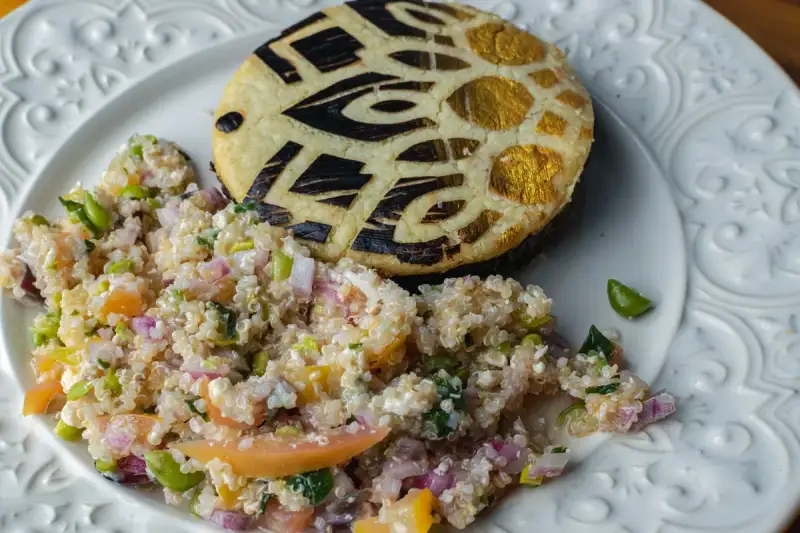
The Antioxidant Powerhouse: Quinoa Salad with Roasted Sweet Potatoes and Kale
"The Antioxidant Powerhouse: Quinoa Salad with Roasted Sweet Potatoes and Kale" Welcome to my kitchen, food enthusiasts and wellness seekers. I’m Michael Chef, and today we aren’t just preparing a meal; we are curating a biological shield for your body. In the modern era, where our schedules are packed and stress levels are often pushed to the brink, what we put on our plates determines not just our energy, but our longevity. Today, we are exploring a dish that sits at the intersection of haute cuisine and functional medicine: a vibrant, antioxidant-rich Quinoa Salad with Roasted Sweet Potatoes and Kale. The Gastronomy of Resilience Culinary art has always been about the marriage of textures and flavors. Here, the earthiness of the roasted sweet potatoes contrasts beautifully with the slight bitterness of massaged kale and the delicate, nutty pop of cooked quinoa. But as a chef deeply invested in health, I believe that the "gastronomy of resilience" requires us to look beyond the palate and into the cellular matrix of our ingredients. Why do we choose these specific components? Because the body, much like a high-performance machine, requires high-quality fuel to manage oxidative stress. According to research on the role of dietary antioxidants for healthcare professionals, high-stress environments lead to oxidative stress, which causes a measurable decline in cognitive and physical energy. This study emphasizes that targeted dietary interventions—specifically those rich in polyphenols and vitamins—are essential for counteracting these negative effects. By building a bowl filled with these specific nutrients, we are essentially crafting an "energy-enhancing" strategy that tastes extraordinary.The Science of Immune Defense When we look at the immune-boosting functional components of natural foods, we find a compelling argument for the diversity of our ingredients. Scientific reviews have highlighted that nutrients like vitamins A, C, E, and phytochemicals are critical for protecting the body against degenerative diseases. Our salad features sweet potatoes, which are goldmines for beta-carotene (vitamin A), and kale, a notorious superfood packed with vitamin C and K. Research indicates that these natural compounds have profound protective effects, ranging from anti-inflammatory responses to cardiovascular support. When we discuss inflammation, it is impossible to ignore the Groningen Anti-Inflammatory Diet (GrAID). Although the GrAID focuses heavily on whole foods to manage inflammatory bowel disease, the core philosophy applies to all of us: prioritizing vegetables, legumes, and nutrient-dense grains while avoiding processed additives. By preparing this salad, you are adhering to these evidence-based principles—lean, clean, and entirely whole-food focused. The Culinary Process: Step-by-Step Cooking is a therapeutic ritual. The preparation of this dish should be as nourishing as the consumption. First, let's talk about the quinoa. Quinoa is a pseudo-cereal that serves as the backbone of this salad, providing complete plant-based protein and fiber. To ensure it is light and fluffy, always rinse it under cold water to remove the natural saponins which can cause a bitter finish. Cooking it in vegetable broth rather than water infuses the grain with deep, savory notes that ground the sweetness of the roasted potatoes.Next, we address the kale. Many people find kale too tough or fibrous. The secret? "Massage." By pouring your dressing—composed of extra virgin olive oil, apple cider vinegar, and Dijon—over the kale and manually working the leaves until they darken and soften, you break down the cellulose. This makes the nutrients more bioavailable and the texture infinitely more pleasant. The Roasted Element: Sweet Potatoes The sweet potatoes provide the "energy-enhancement" component. When roasted with smoked paprika, they develop a caramelized depth that provides a necessary contrast to the fresh greens. Roasting is more than a heating method; it is a chemical transformation that enhances the flavor profile while retaining the vitamins that combat oxidative stress.Assembling the Bowl: A Symphony of Nutrients Finally, we top this dish with pomegranate seeds and walnuts. Pomegranates are legendary for their antioxidant capacity, and their sharp, acidic sweetness cuts through the richness of the olive oil. Walnuts provide the omega-3 fatty acids mentioned in recent clinical literature as essential for mitigating the physical stress experienced in high-demand daily routines. By integrating these elements, we aren't just eating a salad; we are consuming a blueprint for better health. This recipe is an invitation to take control of your well-being through the joy of cooking. Remember, as the scientific literature suggests, the path to a robust immune system and sustained energy starts with the consistent choice of natural, unprocessed foods. Detailed Preparation GuidePreparation (15 Minutes): Begin by preheating your oven. Clean your kale thoroughly. The massage step is vital—do not skip it! It is the difference between a salad that feels like a chore and one that feels like a gourmet experience. The Roast (30 Minutes): Ensure your sweet potato cubes are uniform in size to ensure even cooking. They should have a slight char on the edges; this is where the flavor lives. The Balance: Once your quinoa is cooked, let it cool slightly before mixing it with the kale. If you add the quinoa while it's piping hot, the kale will wilt into a soggy mess—we want "tender," not "boiled."Health Benefits SummarizedAntioxidant Defense: The combination of kale and pomegranate provides a dual-action defense against free radical damage. Anti-Inflammatory Support: Using the GrAID framework, this recipe relies on whole, plant-derived ingredients that avoid processed sugars and artificial additives. Energy Metabolism: The complex carbohydrates in quinoa, paired with healthy fats from walnuts and olive oil, provide a sustained energy release, preventing the "afternoon crash" often associated with high-glycemic lunches.Final Thoughts I encourage you to try this recipe this week. Share it with your family or enjoy it as a quiet, meditative meal prep for your busy days. When you understand the science behind your food, every bite takes on a new level of appreciation. You are fueling your potential, protecting your cells, and indulging in the culinary arts all at once. This is Michael Chef, reminding you that your kitchen is the most important laboratory for your health. Stay nourished, stay curious, and keep cooking with purpose.#HealthyLiving #Gastronomy #AntiInflammatory #QuinoaSalad #WholeFoodDiet Related InsightsPani Puri: Explosive Flavors in a Bite Goi Cuon: The Fresh and Healthy Summer Rolls Echoes of the Sun God: Unearthing the Lost Amaranth Varieties of Ancient Mesoamerica{ "@context": "https://schema.org", "@type": "FAQPage", "mainEntity": [ { "@type": "Question", "name": "What is the main focus of The Antioxidant Powerhouse: Quinoa Salad with Roasted Sweet Potatoes and Kale?", "acceptedAnswer": { "@type": "Answer", "text": "Elevate your health with this delicious, nutrient-dense quinoa salad featuring roasted sweet potatoes and kale, backed by the latest in nutritional science." } }, { "@type": "Question", "name": "Who authored the comprehensive guide on The Antioxidant Powerhouse: Quinoa Salad with Roasted Sweet Potatoes and Kale?", "acceptedAnswer": { "@type": "Answer", "text": "This detailed article and its insights were carefully researched and authored by Michael Chef." } }, { "@type": "Question", "name": "Where can I find more related content about Food?", "acceptedAnswer": { "@type": "Answer", "text": "You can explore more articles, detailed reviews, and similar insights by browsing the Related Insights section at the bottom of this article or visiting our dedicated Food category page." } } ] }
-
 Isabella Ferrari
 - 08 Jul, 2026 17:57
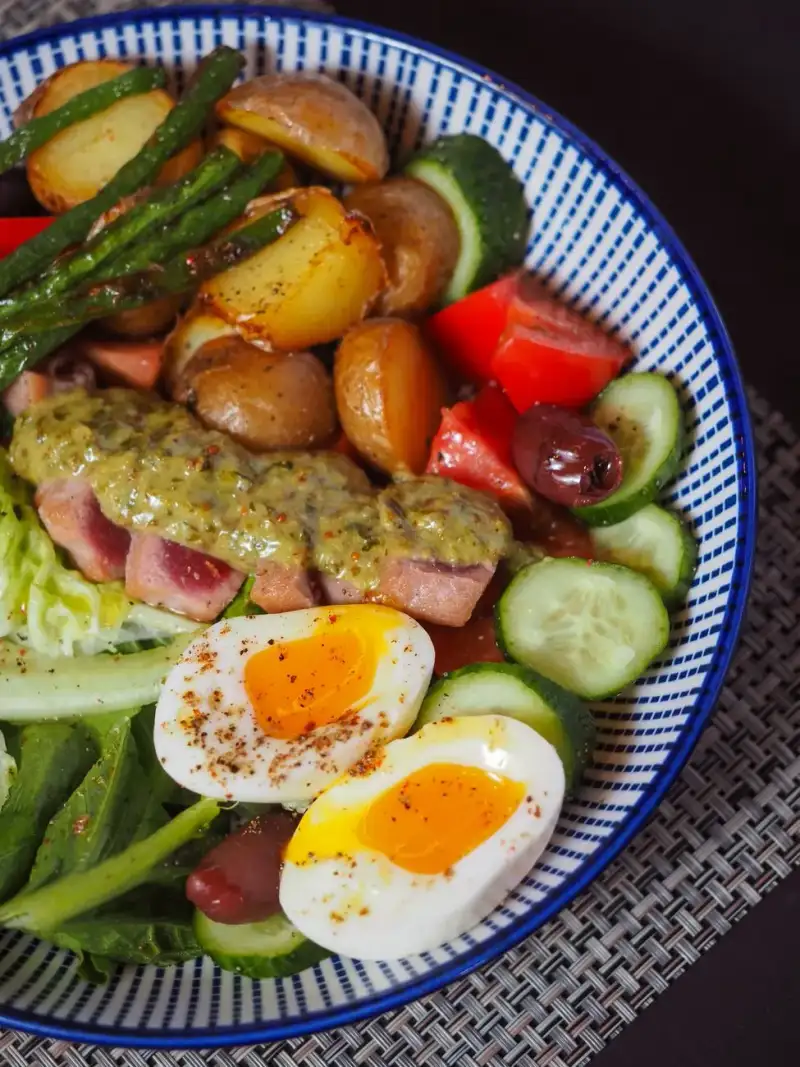
The Mediterranean Vitality Bowl: A Masterclass in Omega-3 Rich Chickpea and Tuna Salad
"The Mediterranean Vitality Bowl: A Masterclass in Omega-3 Rich Chickpea and Tuna Salad" Welcome back to my culinary sanctuary. I am Isabella Ferrari, and today we are venturing into the heart of the Mediterranean—a region where the secret to longevity is not found in a laboratory, but in the vibrant, sun-drenched ingredients that grace the dinner table. We often talk about "food as medicine," but in the Mediterranean basin, this isn't just a trendy hashtag; it is a way of life that has sustained generations. Today’s focus is a dish that sits at the intersection of nutritional science and culinary delight: the Mediterranean Chickpea and Tuna Salad. This isn't your average lunch; it is a carefully calibrated balance of omega-3 fatty acids, plant-based fibers, and potent antioxidants. The Science of Longevity: Why Omega-3s Matter When we discuss the health benefits of Mediterranean cuisine, we inevitably return to the concept of fat—specifically, high-quality fats. Research into dietary habits shows that the inclusion of oily fish like tuna, rich in long-chain omega-3 fatty acids (specifically EPA and DHA), plays a critical role in cardiovascular health and cognitive function. According to general nutritional consensus and broad scientific literature, omega-3 fatty acids are essential building blocks of the human brain and retina. They are known for their anti-inflammatory properties, which help counteract the systemic inflammation often triggered by modern, highly processed diets. By pairing the fatty acids from high-quality tuna with the complex carbohydrates and prebiotic fibers found in chickpeas, we create a synergistic effect. The fiber in the chickpeas slows the absorption of nutrients, ensuring a steady release of energy without the glycemic spikes associated with less wholesome meals.The Art of the Mediterranean Vinaigrette The backbone of this dish is the lemon vinaigrette. In the Mediterranean, acid is the primary tool used to "wake up" a dish. By whisking extra virgin olive oil—a staple rich in polyphenols—with fresh lemon juice, we create an emulsion that does more than just add flavor. The citric acid helps to brighten the palate, while the polyphenols in the oil work in concert with the omega-3s to support endothelial function, the lining of our blood vessels. I always encourage my readers to use the highest quality tuna they can source. Whether you choose pole-and-line caught albacore or skipjack, look for options packed in olive oil. The oil serves as a protective medium for the delicate fatty acids, preserving their integrity from the moment of canning to the moment they reach your bowl. Cultivating the Mindful Kitchen Cooking is an act of mindfulness. When you are dicing the cucumbers or mincing the red onion, take a moment to appreciate the texture and the color. The vibrant red of the tomatoes, the earthy green of the parsley, and the golden-tan of the chickpeas create a tapestry of nutrients. Science suggests that the Mediterranean diet’s success is not just about the what, but the how. Eating in a state of relaxation—what some call the "parasympathetic state"—improves digestion. When you prepare this salad with intention, you are already nourishing your body before the first bite even hits your tongue.Step-by-Step Culinary Excellence The preparation of this salad is deceptively simple, yet it requires respect for the ingredients. Do not rush the marination process. By coating the chickpeas in the vinaigrette first, you allow the fibers to soften slightly and absorb the garlic-infused oil. This "priming" of the pulse is what separates a mundane salad from a gourmet Mediterranean experience.Preparation: Gather your ingredients. Using fresh parsley is non-negotiable—it provides a bright, herbal finish that lifts the richness of the tuna. The Emulsion: Start by whisking your base. Use a flat whisk to ensure the mustard and olive oil become a stable, creamy emulsion. The Folding Technique: When combining the tuna and chickpeas, use a gentle hand. You want the tuna to remain chunky; pulverizing it into a paste ruins the mouthfeel. The Finish: Serve this in wide, shallow bowls. Garnish with an extra drizzle of cold-pressed olive oil if you are feeling indulgent—it adds a layer of depth that truly sings.Integrating Nutrition into Your Lifestyle Why make this a staple? In a world of fast food and erratic eating, having a "go-to" recipe that provides high-quality protein and omega-3s is a form of self-defense. Nutritional studies consistently demonstrate that those who consume regular servings of omega-3-rich seafood and fiber-dense legumes experience better metabolic health and improved satiety levels. This salad keeps you full, prevents the "afternoon slump," and provides your brain with the sustained fuel it needs to perform throughout the day. As you incorporate this into your weekly rotation, remember that the Mediterranean diet is not a rigid set of rules—it is an invitation to celebrate the earth’s bounty. Feel free to add kalamata olives for a salty punch or roasted red peppers for a touch of sweetness. The recipe is a canvas; your health and your palate are the artists. I hope this dish brings as much vitality to your table as it has to mine. Eating well is the highest form of self-respect. Until next time, stay vibrant, stay curious, and always keep cooking with love. #HealthyLiving #MediterraneanDiet #Omega3Rich #CleanEating #Gastronomy Related InsightsAromatic Flavors of India: Understanding Biryani's Rich Legacy Exploring the Delightful World of Cheese Pairings Kung Pao: Die Alchemie des Feuers und die Kunst des perfekten Kontrasts{ "@context": "https://schema.org", "@type": "FAQPage", "mainEntity": [ { "@type": "Question", "name": "What is the main focus of The Mediterranean Vitality Bowl: A Masterclass in Omega-3 Rich Chickpea and Tuna Salad?", "acceptedAnswer": { "@type": "Answer", "text": "Experience the perfect harmony of heart-healthy fats and plant-based protein in this Mediterranean-inspired salad that fuels your body and soul." } }, { "@type": "Question", "name": "Who authored the comprehensive guide on The Mediterranean Vitality Bowl: A Masterclass in Omega-3 Rich Chickpea and Tuna Salad?", "acceptedAnswer": { "@type": "Answer", "text": "This detailed article and its insights were carefully researched and authored by Isabella Ferrari." } }, { "@type": "Question", "name": "Where can I find more related content about Food?", "acceptedAnswer": { "@type": "Answer", "text": "You can explore more articles, detailed reviews, and similar insights by browsing the Related Insights section at the bottom of this article or visiting our dedicated Food category page." } } ] }