The Mediterranean Vitality Bowl: A Masterclass in Omega-3 Rich Chickpea and Tuna Salad
-
 Isabella Ferrari
 - 08 Jul, 2026 17:57
“The Mediterranean Vitality Bowl: A Masterclass in Omega-3 Rich Chickpea and Tuna Salad”
Welcome back to my culinary sanctuary. I am Isabella Ferrari, and today we are venturing into the heart of the Mediterranean—a region where the secret to longevity is not found in a laboratory, but in the vibrant, sun-drenched ingredients that grace the dinner table. We often talk about “food as medicine,” but in the Mediterranean basin, this isn’t just a trendy hashtag; it is a way of life that has sustained generations.
Today’s focus is a dish that sits at the intersection of nutritional science and culinary delight: the Mediterranean Chickpea and Tuna Salad. This isn’t your average lunch; it is a carefully calibrated balance of omega-3 fatty acids, plant-based fibers, and potent antioxidants.
The Science of Longevity: Why Omega-3s Matter
When we discuss the health benefits of Mediterranean cuisine, we inevitably return to the concept of fat—specifically, high-quality fats. Research into dietary habits shows that the inclusion of oily fish like tuna, rich in long-chain omega-3 fatty acids (specifically EPA and DHA), plays a critical role in cardiovascular health and cognitive function.
According to general nutritional consensus and broad scientific literature, omega-3 fatty acids are essential building blocks of the human brain and retina. They are known for their anti-inflammatory properties, which help counteract the systemic inflammation often triggered by modern, highly processed diets. By pairing the fatty acids from high-quality tuna with the complex carbohydrates and prebiotic fibers found in chickpeas, we create a synergistic effect. The fiber in the chickpeas slows the absorption of nutrients, ensuring a steady release of energy without the glycemic spikes associated with less wholesome meals.
The Art of the Mediterranean Vinaigrette
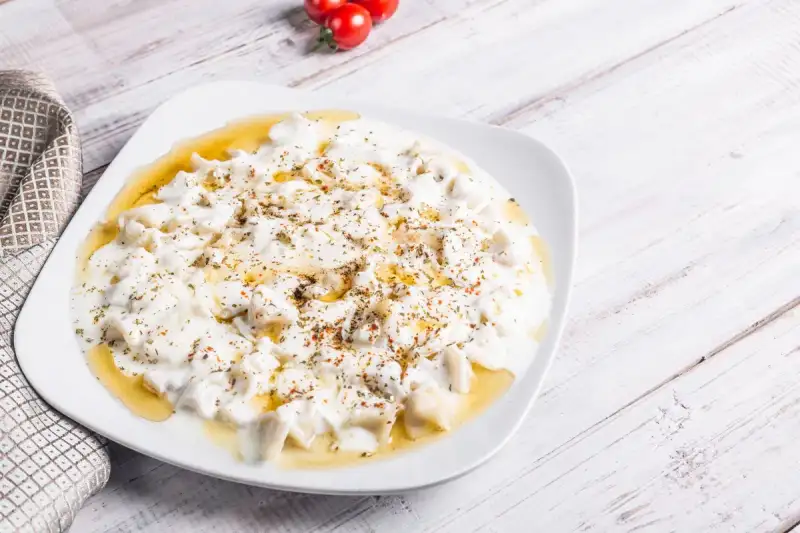
The backbone of this dish is the lemon vinaigrette. In the Mediterranean, acid is the primary tool used to “wake up” a dish. By whisking extra virgin olive oil—a staple rich in polyphenols—with fresh lemon juice, we create an emulsion that does more than just add flavor. The citric acid helps to brighten the palate, while the polyphenols in the oil work in concert with the omega-3s to support endothelial function, the lining of our blood vessels.
I always encourage my readers to use the highest quality tuna they can source. Whether you choose pole-and-line caught albacore or skipjack, look for options packed in olive oil. The oil serves as a protective medium for the delicate fatty acids, preserving their integrity from the moment of canning to the moment they reach your bowl.
Cultivating the Mindful Kitchen
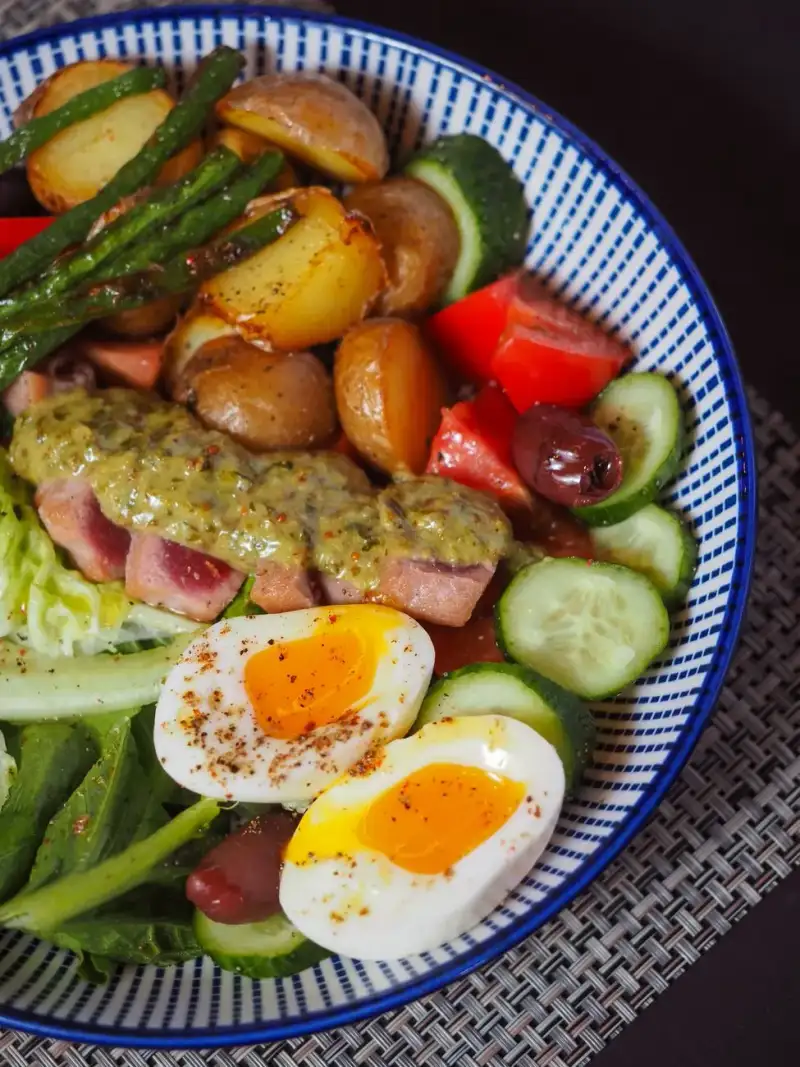
Cooking is an act of mindfulness. When you are dicing the cucumbers or mincing the red onion, take a moment to appreciate the texture and the color. The vibrant red of the tomatoes, the earthy green of the parsley, and the golden-tan of the chickpeas create a tapestry of nutrients.
Science suggests that the Mediterranean diet’s success is not just about the what, but the how. Eating in a state of relaxation—what some call the “parasympathetic state”—improves digestion. When you prepare this salad with intention, you are already nourishing your body before the first bite even hits your tongue.
Step-by-Step Culinary Excellence
The preparation of this salad is deceptively simple, yet it requires respect for the ingredients. Do not rush the marination process. By coating the chickpeas in the vinaigrette first, you allow the fibers to soften slightly and absorb the garlic-infused oil. This “priming” of the pulse is what separates a mundane salad from a gourmet Mediterranean experience.
- Preparation: Gather your ingredients. Using fresh parsley is non-negotiable—it provides a bright, herbal finish that lifts the richness of the tuna.
- The Emulsion: Start by whisking your base. Use a flat whisk to ensure the mustard and olive oil become a stable, creamy emulsion.
- The Folding Technique: When combining the tuna and chickpeas, use a gentle hand. You want the tuna to remain chunky; pulverizing it into a paste ruins the mouthfeel.
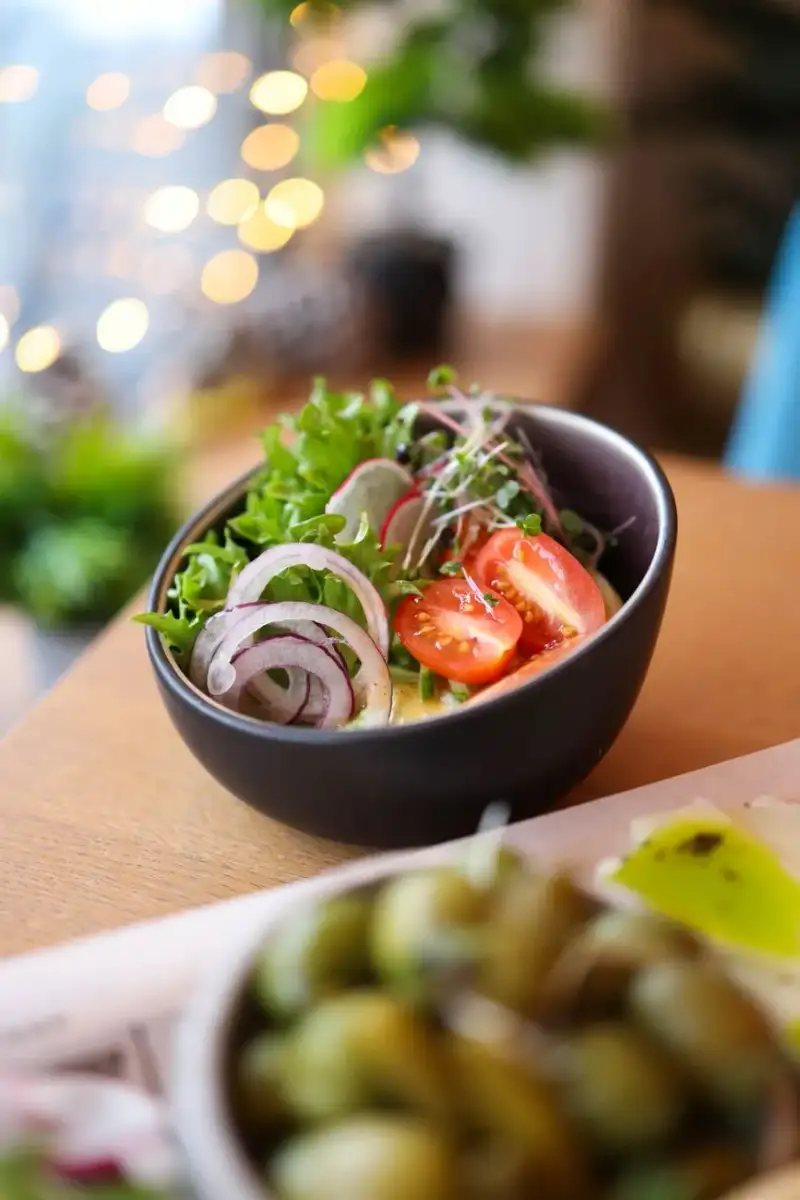
- The Finish: Serve this in wide, shallow bowls. Garnish with an extra drizzle of cold-pressed olive oil if you are feeling indulgent—it adds a layer of depth that truly sings.
Integrating Nutrition into Your Lifestyle
Why make this a staple? In a world of fast food and erratic eating, having a “go-to” recipe that provides high-quality protein and omega-3s is a form of self-defense. Nutritional studies consistently demonstrate that those who consume regular servings of omega-3-rich seafood and fiber-dense legumes experience better metabolic health and improved satiety levels. This salad keeps you full, prevents the “afternoon slump,” and provides your brain with the sustained fuel it needs to perform throughout the day.
As you incorporate this into your weekly rotation, remember that the Mediterranean diet is not a rigid set of rules—it is an invitation to celebrate the earth’s bounty. Feel free to add kalamata olives for a salty punch or roasted red peppers for a touch of sweetness. The recipe is a canvas; your health and your palate are the artists.
I hope this dish brings as much vitality to your table as it has to mine. Eating well is the highest form of self-respect. Until next time, stay vibrant, stay curious, and always keep cooking with love.
#HealthyLiving #MediterraneanDiet #Omega3Rich #CleanEating #Gastronomy