Showing Posts From
Dim sum
-
 Lin Yao
 - 21 Aug, 2026 07:26
Dim Sum Decoded: The Ultimate Cantonese Culinary Journey Through Hong Kong’s Hidden Gems
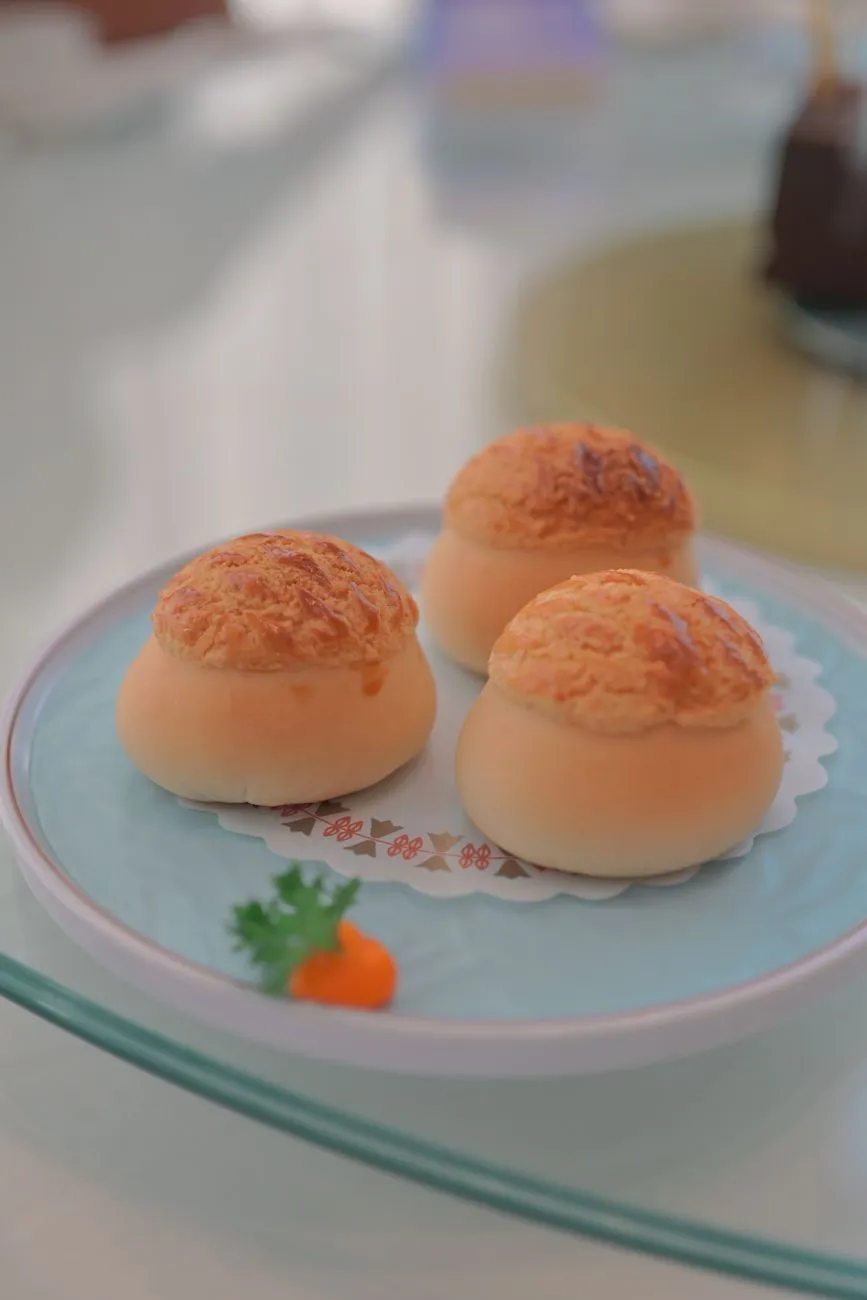
Where Tradition Meets Innovation: The Timeless Art of Dim Sum Dim sum, the heart of Cantonese culinary culture, is more than just a meal—it’s a ritual. Originating in the teahouses of Guangzhou during the Song Dynasty (960–1279 AD), dim sum evolved from simple snacks to a sophisticated dining experience. The term "dim sum" translates to "touch the heart," reflecting its role as a communal meal that brings people together. In Hong Kong, dim sum has been elevated to an art form, blending ancient traditions with modern creativity. The magic of dim sum lies in its variety. From delicate shrimp dumplings (har gow) to crispy fried spring rolls (cha siu baau), each dish tells a story. The most iconic dim sum dishes include:Siu Mai: Open-topped pork dumplings with a hint of shrimp. Char Siu Bao: Steamed buns filled with barbecued pork. Turnip Cake: A savory, slightly sweet steamed cake made from shredded radish. Egg Tarts: Crispy pastry shells filled with creamy egg custard.Hong Kong’s dim sum culture is deeply rooted in its history as a trading hub. The British influence introduced tea culture, which merged with local traditions to create the modern dim sum experience. Today, the city boasts over 1,000 dim sum restaurants, ranging from century-old teahouses to trendy fusion spots.The Ritual of the Teahouse: A Step-by-Step Guide to Authentic Dim Sum Stepping into a Hong Kong teahouse is like entering a time capsule. The clatter of bamboo steamers, the aroma of soy sauce and ginger, and the lively chatter of locals create an atmosphere that’s both nostalgic and vibrant. To fully appreciate dim sum, one must understand its rituals.Choosing Your Tea: Tea is the soul of dim sum. The most popular choices are:Pu-erh: Earthy and aged, perfect for rich dishes. Jasmine: Floral and aromatic, ideal for lighter bites. Oolong: Balanced and slightly toasty, a crowd favorite.Ordering Like a Local: Dim sum is served in small portions, so order a variety of dishes to share. Start with lighter items like shrimp dumplings, then move to heartier fare like sticky rice with Chinese sausage.The Art of the Steam Basket: Most dim sum dishes are steamed, which preserves their natural flavors and textures. The bamboo steamers not only infuse the food with a subtle aroma but also keep dishes warm and moist.The Role of the Server: In traditional teahouses, servers use a coded system of hand signals or stamps on your table to track orders. This ensures no dish is missed and adds to the charm of the experience.Pro Tip: Arrive early to avoid crowds, and don’t be afraid to ask for recommendations. Many teahouses have handwritten menus with seasonal specialties.From Guangzhou to Hong Kong: The Evolution of Cantonese Cuisine Cantonese cuisine, also known as Yue cuisine, is one of China’s eight major culinary traditions. Its roots trace back to the Guangdong province, where the mild climate and abundant seafood shaped its flavors. Unlike spicy Sichuan or bold Shandong cuisine, Cantonese food emphasizes freshness, subtlety, and balance. The migration of Cantonese people to Hong Kong in the 19th and 20th centuries brought this cuisine to new heights. Hong Kong’s dim sum culture flourished as chefs experimented with ingredients and techniques, creating dishes that were both familiar and innovative. For example, the pineapple bun (bo lo bao) is a Hong Kong invention, blending Western baking with Chinese flavors. Key Characteristics of Cantonese Cuisine:Fresh Ingredients: Seafood, poultry, and vegetables are sourced daily. Light Seasoning: Sauces like soy, oyster, and hoisin are used sparingly to highlight natural flavors. Texture Contrast: Dishes often combine crispy, tender, and chewy textures. Balanced Flavors: Sweet, sour, bitter, and umami are harmoniously blended.The Dim Sum Dilemma: Where to Eat in Hong Kong Hong Kong is a dim sum lover’s paradise, but not all teahouses are created equal. Here’s a breakdown of the best spots to indulge:Teahouse Specialty Dishes Price Range (per person) AtmosphereLuk Yu Tea House Har gow, turnip cake, egg tarts $50–$100 HKD Old-school, elegantTim Ho Wan Min gu gai (steamed chicken feet) $30–$80 HKD Michelin-starred, casualYum Lai Heen Shrimp dumplings, BBQ pork buns $100–$150 HKD Luxury, high-endSun Hing Glutinous rice dumplings $20–$50 HKD Local favorite, bustlingLin Heung Tea House Steamed spare ribs, congee $40–$90 HKD Traditional, livelyCost Comparison: Using Numbeo’s Cost of Living Comparison tool, we see that dining out in Hong Kong is more affordable than in cities like New York or London. For example, a dim sum meal at a mid-range teahouse costs around $50–$100 HKD ($6.50–$13 USD), while a similar meal in New York would set you back $30–$50 USD.Beyond the Basket: Modern Twists on Classic Dim Sum While traditional dim sum remains a staple, modern chefs are pushing boundaries with innovative twists. Fusion dim sum combines Cantonese techniques with global flavors, creating dishes like:Sushi-inspired Har Gow: Shrimp dumplings wrapped in nori. Truffle Char Siu Bao: Luxurious buns infused with truffle oil. Vegan Dumplings: Made with mushrooms and tofu for plant-based diners.Where to Find Fusion Dim Sum:Mott 32: A high-end restaurant offering dim sum with a gourmet twist. Little Bao: A trendy spot blending Taiwanese and Cantonese flavors. Chiu Chow Curry House: Known for its spicy, aromatic curry-filled dumplings.The Health Factor: Nutritional Insights into Dim Sum Dim sum is often seen as indulgent, but it can be part of a balanced diet. Here’s a breakdown of the nutritional profiles of popular dishes:Dish Calories (per serving) Protein (g) Carbs (g) Fat (g)Har Gow 120 6 15 4Char Siu Bao 250 8 30 10Turnip Cake 180 3 25 7Egg Tart 200 4 22 11Tips for Healthier Dim Sum Choices:Opt for steamed dishes over fried ones. Choose dishes with lean proteins like shrimp or chicken. Share portions to control calorie intake.The Global Dim Sum Movement: Where to Find Authentic Flavors Worldwide Dim sum’s popularity has spread far beyond Hong Kong. Cities like London, New York, and San Francisco boast vibrant dim sum scenes. Here’s where to find authentic Cantonese cuisine outside of Asia:London: Baozi Inn and Hakkasan offer modern takes on classic dim sum. New York: Nom Wah Tea Parlor and Jing Fong are must-visits for traditional flavors. San Francisco: City View Restaurant and Good Mong Kok Bakery serve up Cantonese classics. Melbourne: Supernormal and China Soul blend Australian ingredients with Cantonese techniques.Why Dim Sum Travels Well:Portability: Many dim sum dishes are easy to eat on the go. Versatility: It adapts to local tastes while retaining its essence. Cultural Appeal: The communal nature of dim sum resonates globally.Final Feast: Your Dim Sum Bucket List No dim sum journey is complete without ticking off these must-try dishes and experiences:Breakfast at a Local Teahouse: Start your day with a classic dim sum spread. Afternoon Tea at a Luxury Hotel: Indulge in high-end dim sum with a view. Night Market Dim Sum: Try street-style versions in Hong Kong’s night markets. Cooking Class: Learn to make dim sum from scratch with a local chef. Dim Sum Crawl: Sample dishes at multiple teahouses in one day.Remember: The best dim sum is made with love and tradition. Whether you’re a first-time visitor or a seasoned connoisseur, every bite tells a story of Cantonese heritage.#DimSumLovers #CantoneseCuisine #HongKongFoodie #TravelAndEat #CulinaryAdventure Related InsightsFrom Street Food to Fine Dining: The Ultimate Food Lover’s Guide to Bangkok’s Culinary Wonderland From Ancient Ruins to Modern Feasts: A Deep Dive into Italy’s Timeless Travel and Culinary Secrets Savoring the Soul of West Africa: A Journey Through Senegalese Street Food & Culinary Traditions{ "@context": "https://schema.org", "@type": "FAQPage", "mainEntity": [ { "@type": "Question", "name": "What is the main focus of Dim Sum Decoded: The Ultimate Cantonese Culinary Journey Through Hong Kong’s Hidden Gems?", "acceptedAnswer": { "@type": "Answer", "text": "Unlock the secrets of Cantonese cuisine with this definitive guide to dim sum, from historic teahouses to modern eateries, complete with insider tips and cost comparisons." } }, { "@type": "Question", "name": "Who authored the comprehensive guide on Dim Sum Decoded: The Ultimate Cantonese Culinary Journey Through Hong Kong’s Hidden Gems?", "acceptedAnswer": { "@type": "Answer", "text": "This detailed article and its insights were carefully researched and authored by Lin Yao." } }, { "@type": "Question", "name": "Where can I find more related content about Travel/Food?", "acceptedAnswer": { "@type": "Answer", "text": "You can explore more articles, detailed reviews, and similar insights by browsing the Related Insights section at the bottom of this article or visiting our dedicated Travel/Food category page." } } ] }
-
 Kenji Sato
 - 18 Aug, 2026 19:09
The Art of Dim Sum: Hong Kong’s Tiny Bites That Pack a World of Flavor
Where Bamboo Steamers Meet Century-Old Traditions Hong Kong’s dim sum culture is a living museum of culinary artistry, where the clatter of bamboo steamers and the hum of teacups create a symphony of tradition. Born in the teahouses of Cantonese-speaking regions during the Song Dynasty (960–1279 AD), dim sum—literally translating to "touch the heart"—was originally a snack served with tea to travelers and farmers. By the time British colonial rule took hold in the 19th century, these humble bites evolved into a sophisticated dining ritual, blending Chinese heritage with Western influences. Today, dim sum is the heartbeat of Hong Kong’s food scene, a daily ritual for locals and a must-try experience for visitors. The magic of dim sum lies in its communal nature. Unlike Western meals where dishes are served sequentially, dim sum is a parade of small plates passed around the table, encouraging sharing and conversation. Each bite tells a story—whether it’s the delicate folds of a har gow (shrimp dumpling) that reveal a chef’s skill or the crispy layers of a char siu bao (barbecue pork bun) that hint at hours of steaming. The artistry extends beyond taste to presentation: dumplings are pleated into intricate shapes, buns are dusted with sesame seeds, and rice rolls are garnished with vibrant vegetables. Even the choice of tea—from floral jasmine to robust pu-erh—plays a role in balancing the flavors of the meal. But dim sum is more than just food; it’s a cultural institution. In Hong Kong, teahouses like Lin Heung Tea House in Central or the legendary Luk Yu Tea House in Central District have been serving dim sum since the 1920s, their wooden booths and tiled floors echoing with the laughter of families and the clinking of teacups. These institutions are where generations gather to celebrate birthdays, weddings, and even business deals. The tradition is so ingrained that the Hong Kong Tourism Board has designated dim sum as an intangible cultural heritage, recognizing its role in shaping the city’s identity.To truly understand dim sum, one must start with its foundation: the teahouse. In Hong Kong, these establishments are more than just restaurants; they’re social hubs where the elderly sip tea for hours while younger generations catch up over plates of siu mai (pork dumplings) and turnip cakes. The teahouse culture is a testament to the city’s fast-paced yet deeply rooted lifestyle. Here, time slows down, and every bite is savored with intention. The teahouse isn’t just a place to eat—it’s a sanctuary where the past and present collide in a steam-filled embrace.From Har Gow to Egg Tarts: The Dim Sum Pantheon You Must Know Dim sum is a vast and varied world, with over 100 dishes that can be broadly categorized into steamed, fried, baked, and rice-based bites. Each category offers a unique texture and flavor profile, making the dim sum menu a playground for adventurous eaters. To navigate this culinary labyrinth, it’s essential to familiarize yourself with the most iconic dishes, each a masterpiece in its own right. Steamed Delights: The Art of the Dumpling Steamed dim sum is where precision meets passion. The most celebrated of these is har gow (虾饺), the translucent shrimp dumpling with a pleated edge that resembles a lotus bud. Made from wheat starch and tapioca flour, har gow’s skin is so thin it’s almost translucent, revealing the plump shrimp and pork filling inside. The dumpling’s texture is a delicate balance—chewy yet tender, with a slight bounce that melts in the mouth. Authentic har gow is made with fresh, high-quality shrimp, and the pleats are hand-folded, a skill that takes years to master. In Hong Kong, teahouses like Maxim’s Palace pride themselves on their har gow, often serving it as the first dish to whet the appetite. Next in line is siu mai (烧卖), the open-faced pork dumpling that’s a staple in every dim sum spread. Unlike har gow, siu mai’s skin is thicker and slightly chewy, designed to hold its shape during steaming. The filling is a mix of minced pork, shrimp, and sometimes mushrooms or water chestnuts for added texture. The top is often garnished with a tiny piece of carrot or a pea, adding a pop of color. The best siu mai are juicy and flavorful, with a hint of sweetness from the pork fat. In Hong Kong, siu mai is often paired with chili sauce or soy sauce, but purists prefer it plain to appreciate the purity of the ingredients. Another steamed gem is the cheung fun (肠粉), a delicate rice noodle roll filled with shrimp, beef, or barbecue pork. The noodles are steamed into thin sheets, then rolled around the filling and sliced into bite-sized pieces. Cheung fun is often served with a drizzle of soy sauce and sesame oil, and in some teahouses, it’s topped with crispy fried dough sticks for added crunch. The texture is silky and smooth, with a slight chewiness that makes it irresistible. Cheung fun is a favorite among locals, especially as a breakfast item, and it’s a dish that showcases the versatility of rice in Cantonese cuisine. Fried and Baked Wonders: Crisp, Golden, and Irresistible Fried dim sum is where texture takes center stage. The most iconic of these is the char siu bao (叉烧包), a fluffy steamed bun filled with sweet and savory barbecue pork. The bun’s skin is soft and pillowy, with a slight sheen from the steaming process, while the filling is sticky, sweet, and infused with the smoky aroma of char siu. In Hong Kong, char siu bao is often served as a mid-morning snack or as part of a dim sum brunch. The best versions are made with slow-cooked pork that’s been marinated in a blend of soy sauce, honey, and five-spice powder, then glazed with a sweet hoisin sauce. Another fried delight is the turnip cake (萝卜糕), a savory cake made from shredded daikon radish and rice flour. The cake is steamed until firm, then pan-fried until crispy on the outside and tender on the inside. Turnip cake is often served with a side of chili sauce or soy sauce, and it’s a popular choice for those who prefer a heartier bite. The texture is a delightful contrast—crispy on the outside, soft and slightly sticky on the inside, with a subtle sweetness from the radish. In Hong Kong, turnip cake is a common sight in dim sum teahouses, often served as part of a larger spread. For those with a sweet tooth, the egg tart (蛋挞) is a must-try. This Portuguese-inspired pastry features a buttery, flaky crust filled with a rich, creamy custard. The custard is made from egg yolks, sugar, and condensed milk, giving it a velvety texture and a deep golden color. In Hong Kong, egg tarts are a staple in dim sum menus, with each teahouse offering its own twist. Some versions are baked until the custard is slightly caramelized on top, while others are steamed for a softer finish. The best egg tarts have a custard that’s just set, with a slight wobble when shaken, and a crust that’s crisp yet tender. Rice-Based Bites: Comfort in Every Bite Rice-based dim sum offers a comforting alternative to dumplings and buns. The most beloved of these is the glutinous rice roll (糯米卷), a sticky rice roll filled with mushrooms, pork, or shrimp. The rice is steamed until tender, then rolled into a cylinder and sliced into bite-sized pieces. Glutinous rice rolls are often served with a drizzle of soy sauce or a sprinkle of sesame seeds, and they’re a popular choice for those who prefer a heartier texture. In Hong Kong, glutinous rice rolls are a common sight in dim sum teahouses, often served as part of a larger spread. Another rice-based gem is the congee (粥), a savory rice porridge that’s often served as a starter or a light meal. In dim sum culture, congee is typically topped with ingredients like century egg, pork floss, or pickled vegetables. The porridge itself is smooth and creamy, with a subtle sweetness from the rice. Congee is a comforting dish that’s perfect for a chilly morning or a late-night snack, and it’s a staple in many Hong Kong teahouses.The Dim Sum Ritual: How to Order, Eat, and Savor Like a Local Ordering dim sum can be intimidating for first-timers, but with a few insider tips, you’ll be navigating the menu like a pro. The key is to start with a mix of steamed, fried, and rice-based dishes to get a sense of the flavors and textures. In Hong Kong, dim sum is typically served in a continuous stream, with carts or waitstaff circling the restaurant to offer dishes. To order, simply point at the dishes you want or ask the server for recommendations. If you’re unsure, look for dishes with high turnover—like har gow or char siu bao—as these are often fresher. One of the most important aspects of dim sum is the tea. In Hong Kong, tea is more than just a beverage; it’s a ritual. The most common teas served with dim sum are pu-erh, jasmine, and oolong, each chosen for its ability to cleanse the palate and complement the flavors of the food. When the tea arrives, it’s poured into small cups, and the server will often leave the pot at the table so you can refill as needed. A local tip: never fill your own cup; instead, let the server or a dining companion pour for you as a sign of respect. Timing is everything when it comes to dim sum. In Hong Kong, the best time to go is between 8 AM and 11 AM, when the teahouses are buzzing with locals enjoying their morning ritual. If you’re visiting a popular spot like Lin Heung Tea House or Luk Yu Tea House, be prepared to wait—these places are often packed, and the wait can be up to an hour during peak hours. Once seated, don’t rush. Dim sum is meant to be savored slowly, with plenty of time for conversation and laughter. Another local custom is the use of dim sum lingo. For example, har gow is often called "prawn dumplings," while siu mai is referred to as "pork dumplings." If you’re unsure about a dish, don’t hesitate to ask the server for clarification. And remember, in Hong Kong, it’s perfectly acceptable to order just one or two dishes and share them with your dining companions. Dim sum is all about variety, so don’t feel pressured to try everything at once. When it comes to eating, the rules are simple: use chopsticks for dumplings and buns, and a spoon for rice-based dishes. If you’re unsure how to eat a particular dish, watch what the locals do and follow their lead. And don’t forget to try the dipping sauces! Soy sauce, chili sauce, and vinegar are common accompaniments, but some teahouses offer unique sauces like XO sauce or hoisin sauce for added depth of flavor.Beyond the Basics: Regional Variations and Modern Twists While Cantonese dim sum is the most widely recognized, Hong Kong’s culinary scene is a melting pot of influences, and this is reflected in the city’s dim sum offerings. From traditional teahouses to modern fusion restaurants, there’s a dim sum experience for every palate. One of the most exciting trends in Hong Kong’s dim sum scene is the rise of modern twists on classic dishes. Chefs are experimenting with ingredients and techniques to create innovative takes on traditional bites. For example, some restaurants now offer har gow made with lobster instead of shrimp, or siu mai filled with truffle-infused pork. Others are reimagining egg tarts with matcha or black sesame custard, or turning turnip cake into a deconstructed dish with crispy elements and dipping sauces. These modern interpretations are a testament to Hong Kong’s dynamic food culture, where tradition and innovation coexist. Another trend is the fusion of dim sum with other cuisines. In recent years, some restaurants have begun offering dim sum-inspired dishes with Japanese, Korean, or even Western influences. For example, you might find sushi rolls made with dim sum fillings, or dumplings stuffed with cheese and bacon. These fusion dishes are a fun way to explore the versatility of dim sum, but purists argue that they stray too far from the traditional roots of the cuisine. Regional variations also play a role in Hong Kong’s dim sum scene. While Cantonese dim sum dominates, you’ll also find dishes inspired by other Chinese regional cuisines. For example, Shanghai-style soup dumplings (xiao long bao) are now a common sight in some teahouses, as are Sichuan-style dumplings with spicy fillings. These regional variations add a new dimension to the dim sum experience, allowing diners to explore the diverse flavors of China in a single meal. For those looking to dive deeper into Hong Kong’s dim sum culture, there are plenty of resources available. Cookbooks like Dim Sum: The Art of Chinese Tea Lunch by Eileen Yin-Fei Lo offer step-by-step guides to making classic dishes at home, while food tours like the Dim Sum Crawl in Central provide a hands-on introduction to the city’s best teahouses. And if you’re visiting Hong Kong, be sure to check out the annual Dim Sum Festival, where local chefs showcase their creativity and innovation in the world of dim sum.The Dim Sum Diet: Nutrition, Calories, and How to Enjoy Guilt-Free Dim sum is often associated with indulgence, and for good reason. Many dishes are fried, steamed in oil, or filled with rich ingredients like pork fat and barbecue sauce. However, dim sum can also be a balanced and nutritious meal if you make smart choices. The key is to focus on dishes that are steamed or baked rather than fried, and to balance richer bites with lighter options. Here’s a breakdown of the nutritional profiles of some popular dim sum dishes, based on standard serving sizes:Dish Calories (per serving) Protein (g) Carbs (g) Fat (g) Fiber (g)Har gow (3 pieces) 120 6 18 2 1Siu mai (3 pieces) 150 8 15 5 1Char siu bao (1 bun) 250 10 35 8 1Turnip cake (1 slice) 180 3 25 7 2Egg tart (1 tart) 200 3 22 12 0Cheung fun (1 roll) 100 4 18 2 1As you can see, dim sum dishes vary widely in their nutritional content. Steamed dishes like har gow and cheung fun are lighter and lower in calories, while fried and baked items like char siu bao and egg tarts are richer and higher in fat. To enjoy dim sum without overindulging, consider sharing dishes with your dining companions, and opt for steamed or baked options whenever possible. You can also balance richer bites with lighter dishes like congee or rice rolls. Another tip is to pay attention to portion sizes. In Hong Kong, dim sum dishes are typically served in small portions, but it’s easy to overindulge when faced with a table full of delicious bites. To avoid overeating, try to limit yourself to 6–8 dishes per meal, and take your time savoring each bite. And don’t forget to hydrate! Tea is a great way to cleanse the palate and aid digestion, so be sure to sip plenty throughout the meal. For those with dietary restrictions, dim sum can still be enjoyed with a few adjustments. Many teahouses offer vegetarian or gluten-free options, such as steamed vegetable dumplings or rice-based dishes like cheung fun. Be sure to ask the server about ingredients and preparation methods to avoid allergens or unwanted ingredients. And if you’re watching your sodium intake, opt for dishes that are steamed or baked rather than fried, and ask for sauces on the side to control the amount you consume.Where to Find the Best Dim Sum in Hong Kong: A Local’s Guide Hong Kong is a city of culinary wonders, and its dim sum scene is no exception. From century-old teahouses to modern fusion restaurants, there’s a dim sum experience for every taste and budget. Here’s a local’s guide to the best spots to indulge in Hong Kong’s iconic bites. Classic Teahouses: Timeless Elegance For a taste of old-school Hong Kong, head to one of the city’s classic teahouses. Lin Heung Tea House in Central is a must-visit, with its wooden booths, tiled floors, and bustling atmosphere. The har gow here is legendary, and the siu mai is juicy and flavorful. Another iconic spot is Luk Yu Tea House in Central District, which has been serving dim sum since 1933. The egg tarts here are a standout, with a buttery crust and a rich, creamy custard. Modern Twists: Innovation Meets Tradition If you’re looking for a contemporary take on dim sum, check out restaurants like Tim Ho Wan, which gained fame as the world’s cheapest Michelin-starred restaurant. Tim Ho Wan offers a modern dim sum menu with dishes like baked BBQ pork buns and truffle dumplings. Another great option is Lung King Heen, the first Chinese restaurant in the world to earn three Michelin stars. Their dim sum menu features dishes like lobster dumplings and abalone congee, showcasing the best of Cantonese cuisine with a modern twist. Hidden Gems: Off the Beaten Path For a more local experience, venture off the beaten path to teahouses like Yum Lai Yuen in Mong Kok. This no-frills spot is beloved by locals for its generous portions and affordable prices. The turnip cake here is a must-try, and the congee is comforting and flavorful. Another hidden gem is the Tsui Hang Village Teahouse in Sheung Wan, which offers a mix of traditional and modern dim sum in a cozy, rustic setting. Late-Night Dim Sum: For the Night Owls Dim sum isn’t just a breakfast or lunch affair in Hong Kong—it’s a 24-hour culture. For late-night dim sum, head to Maxim’s Palace in Tsim Sha Tsui, which stays open until 4 AM. The char siu bao here is a standout, and the atmosphere is lively and bustling, even in the wee hours. Another great option is the New Asia Tea House in Tsuen Wan, which offers a mix of classic and modern dim sum until the early morning. Street Food Dim Sum: Casual and Delicious If you’re looking for a more casual dim sum experience, check out the city’s street food stalls. At the Sham Shui Po Cooked Food Market, you’ll find vendors selling everything from steamed dumplings to fried rice rolls. The prices are unbeatable, and the flavors are authentic. Another great spot is the Temple Street Night Market, where you can enjoy dim sum while soaking in the vibrant atmosphere of the market.The Last Bite: Why Dim Sum is More Than Just Food Dim sum is more than just a meal—it’s a cultural experience that embodies the spirit of Hong Kong. It’s a celebration of tradition, innovation, and community, where every bite tells a story and every teahouse has its own unique charm. Whether you’re a first-time visitor or a seasoned local, dim sum offers something for everyone, from the delicate folds of a har gow to the crispy layers of a char siu bao. In a city that’s constantly evolving, dim sum remains a constant, a reminder of Hong Kong’s rich culinary heritage. It’s a dish that brings people together, fostering connections and creating memories that last a lifetime. So the next time you find yourself in Hong Kong, skip the fancy restaurants and head to a teahouse instead. Pull up a stool, pour yourself a cup of tea, and let the magic of dim sum unfold. And remember, the best dim sum is the kind that’s shared with good company. So gather your friends and family, order a spread of your favorite dishes, and savor every bite. Because in the end, dim sum isn’t just about the food—it’s about the people you share it with.#DimSumDelights #HongKongEats #CantoneseCuisine #TeaHouseCulture #FoodieAdventures Related InsightsAromatic Flavors of India: Understanding Biryani's Rich Legacy The Heartbeat of Anatolia: Demir Şef's High-Protein Red Lentil Soup with Invigorating Mint and Chili Il Farro Inquieto: Tracce di un Cereale Millenario Tra Imperi Dimenticati e Rivoluzioni Gastronomiche Rurali{ "@context": "https://schema.org", "@type": "FAQPage", "mainEntity": [ { "@type": "Question", "name": "What is the main focus of The Art of Dim Sum: Hong Kong’s Tiny Bites That Pack a World of Flavor?", "acceptedAnswer": { "@type": "Answer", "text": "Dive into the vibrant world of Hong Kong dim sum, where tradition meets innovation in steamed, fried, and baked morsels. Discover the history, must-try dishes, and insider tips to savor these iconic bites like a local." } }, { "@type": "Question", "name": "Who authored the comprehensive guide on The Art of Dim Sum: Hong Kong’s Tiny Bites That Pack a World of Flavor?", "acceptedAnswer": { "@type": "Answer", "text": "This detailed article and its insights were carefully researched and authored by Kenji Sato." } }, { "@type": "Question", "name": "Where can I find more related content about Food?", "acceptedAnswer": { "@type": "Answer", "text": "You can explore more articles, detailed reviews, and similar insights by browsing the Related Insights section at the bottom of this article or visiting our dedicated Food category page." } } ] }
-
 Klaus Weber
 - 20 Jul, 2026 06:45
Das Herz des Dampfes: Die Kunst und Philosophie hinter der Dim Sum Kultur
Ein zarter Schleier aus weißem Dampf steigt in den Morgenstunden aus geflochtenen Bambuskörben auf, während das Klirren von Porzellantassen und das lebhafte Stimmengewirr eines erwachenden Viertels die Luft erfüllen. Es ist mehr als nur ein Frühstück; es ist ein ritueller Tanz der Sinne, eine Choreografie aus Teeblättern und Teigtaschen, die seit Jahrhunderten die soziale Architektur Südchinas prägt. In der Welt des Dim Sum wird das Essen zur Poesie, und jeder kleine Bissen erzählt eine Geschichte von Präzision, Geduld und der tiefen Verbundenheit zwischen Mensch und Gemeinschaft. Die Philosophie des „Berührens des Herzens“ Um Dim Sum wirklich zu verstehen, muss man zuerst die Sprache betrachten. Der Begriff „Dim Sum“ (点心) lässt sich wörtlich als „das Herz berühren“ übersetzen. Doch diese poetische Definition verbirgt eine kulinarische Disziplin, die in ihrer Komplexität wenigen anderen Küchen gleicht. Ursprünglich waren Dim Sum kleine Snacks, die dazu dienten, den Appetit anzuregen oder eine leichte Zwischenmahlzeit zu bieten, lange bevor sie zu dem monumentalen Festmahl wurden, das wir heute kennen. Historisch gesehen ist Dim Sum untrennbar mit der Kultur der Teehäuser in der Provinz Guangdong und insbesondere in Hongkong verbunden. Hier entstand das Konzept von Yum Cha (饮茶), was schlicht „Tee trinken“ bedeutet. Während der Tee das Zentrum des Geschehens ist, bilden die Dim Sum die perfekte Ergänzung. Es ist ein soziales Ereignis, bei dem Generationen zusammenkommen, um bei einem heißen Topf Jasmin- oder Oolong-Tee die neuesten Familienneuigkeiten auszutauschen.Die Architektur der Aromen: Die verschiedenen Kategorien Dim Sum ist kein einzelnes Gericht, sondern ein ganzes Universum an Speisen. Die Vielfalt ist atemberaubend und lässt sich grob in verschiedene Zubereitungsarten unterteilen, die jeweils eine eigene Technik und Textur erfordern. Die Gedämpften (Steamed) Das Herzstück jeder Dim Sum-Auswahl sind die gedämpften Köstlichkeiten. Hier ist die Meisterschaft des Teigs entscheidend.Ha Gao (Garnelen-Dumplings): Diese gelten als Goldstandard. Der Teig besteht oft aus Weizenstärke und Tapioka, was ihm eine charakteristische Transluzenz und eine leicht klebrige, elastische Textur verleiht. Die Füllung aus knackigen Garnelen muss perfekt ausbalanciert sein. Siu Mai (Offene Dumplings): Im Gegensatz zu den geschlossenen Ha Gao sind Siu Mai oben offen. Die klassische Füllung besteht aus Schweinefleisch und Garnelen, oft gekrönt mit einer kleinen Erbsenbeere oder einer Karottenwürfelung für den farblichen Akzent. Char Siu Bao (Gedämpfte BBQ-Schweinefleisch-Brötchen): Diese schneeweißen, fluffigen Hefeteigbrötchen umschließen eine süß-salzige Füllung aus mariniertem Schweinefleisch. Die Herausforderung liegt hier in der Luftigkeit des Teigs.Die Gebratenen und Frittierten (Fried) Kontrast ist in der kantonesischen Küche essenziell. Neben der Sanftheit des Dampfes folgt die Knusprigkeit des Feuers.Spring Rolls (Frühlingsrollen): Dünne Teigblätter, gefüllt mit Gemüse und Fleisch, goldbraun ausgebacken. Fried Tofu Skins: Mit einer würzigen Mischung gefüllte Tofuhäute, die eine wunderbare Texturvarianz bieten.Die Gesunden und Leichten (Savory & Sweet) Nicht alles bei Dim Sum ist herzhaft. Die Balance wird oft durch süße Abschlüsse vervollständigt, wie etwa gedämpfte Eiertörtchen oder kleine Mango-Desserts, die den Gaumen nach den intensiven Umami-Geschmack der Dumplings reinigen. Die technische Meisterschaft hinter der Herstellung Was für den Gast wie ein einfacher kleiner Happen aussieht, ist in Wahrheit das Ergebnis höchster handwerklicher Präzision. Ein Dim Sum Meister verbringt Jahre damit, die perfekte Faltung zu erlernen. Die Anzahl der Falten in einem Ha Gao-Dumpling ist nicht zufällig; sie ist ein Zeichen für das Können des Kochs. Je feiner und gleichmäßiger die Falten, desto höher das Prestige des Restaurants. Zudem spielt die Temperaturkontrolle eine entscheidende Rolle. Der Dampf muss konstant sein, damit der Teig nicht zu weich wird oder aufplatzt. Die Verwendung von Bambuskörben ist hierbei kein nostalgisches Accessoire, sondern funktional: Das Bambusmaterial absorbiert überschüssige Feuchtigkeit, sodass die Dumplings nicht im eigenen Kondenswasser schwimmen, sondern ihre perfekte Konsistenz behalten.Yum Cha: Mehr als nur eine Mahlzeit Wenn man ein traditionelles Dim Sum Restaurant betritt, wird man oft von der Dynamik des Service überwältigt. In klassischen Etablissements gibt es immer noch die Tradition der Wagen, auf denen die Köstlichkeiten präsentiert werden. Der Gast zeigt einfach auf das, was ihn anspricht. In moderneren Betrieben nutzt man Markierungsbögen, auf denen der Kellner die bestellten Gerichte mit Stempeln markiert. Doch das eigentliche Zentrum ist der Tee. Ohne Tee gibt es kein Dim Sum. Der Tee fungiert als Verdauungshilfe und neutralisiert die fettigen Komponenten der frittierten Speisen. Ein wichtiger Teil der Etikette ist das "Tee-Dankeschön": Wenn jemand anderes den Tee für den Tisch nachschenkt, klopft man mit zwei Fingern leicht auf den Tisch. Diese Geste stammt aus einer alten Legende, in der ein Kaiser verkleidet unter seinem Volk reiste und seine Begleiter eine diskrete Art fanden, ihm zu danken, ohne seine Identität preiszugeben. Die regionale Evolution: Von Kanton in die Welt Obwohl die Wurzeln tief in der Provinz Guangdong liegen, hat sich Dim Sum weltweit verbreitet und an lokale Gegebenheiten angepasst. In Hongkong wurde es zu einer urbanen Institution, in den USA und Europa zu einem Symbol für die Raffinesse der chinesischen Küche. Interessant ist die Entwicklung hin zu "Modern Dim Sum". Heute experimentieren Spitzenköche mit Zutten wie Trüffeln, Kaviar oder sogar veganen Alternativen, die mithilfe von molekularer Gastronomie die Textur von Garnelen oder Schweinefleisch imitieren. Dennoch bleibt der Kern derselbe: Die Suche nach dem perfekten Gleichgewicht zwischen Teig und Füllung, zwischen Hitze und Frische. Zusammenfassung der Essenz: Warum Dim Sum zeitlos ist Die Beständigkeit von Dim Sum liegt in seiner Fähigkeit, Intimität und Opulenz zu vereinen. Es ist eine Küche des Teilens. Man bestellt viele verschiedene Teller, die in die Mitte des Tisches gestellt werden, und jeder nimmt ein Stück von allem. Dies spiegelt die konfuzianischen Werte von Harmonie und Gemeinschaft wider. In einer Welt, die immer schneller wird, bietet ein Dim Sum Frühstück eine seltene Gelegenheit zur Entschleunigung. Man lässt sich Zeit, trinkt Tasse um Tasse Tee und genießt die kleinen, perfekt geformten Kunstwerke aus Teig und Dampf.Tipps für das ultimative Dim Sum Erlebnis Wenn Sie sich zum ersten Mal in diese Welt stürzen, beachten Sie folgende Empfehlungen, um das Maximum aus Ihrem Besuch herauszuholen:Die Reihenfolge beachten: Beginnen Sie mit den leicht gedämpften Gerichten wie Ha Gao, gehen Sie über zu den reichhaltigeren Siu Mai und beenden Sie das Mahl mit den frittierten Optionen und etwas Süßem. Der Tee ist heilig: Wählen Sie eine Sorte, die zum Essen passt. Pu-erh Tee ist ideal für fettigere Speisen, während Jasmintee die Zartheit von Garnelendumplings unterstreicht. Die Saucen nutzen: Nutzen Sie die bereitgestellten Saucen (meist eine Mischung aus Sojasauce, Chili-Öl und schwarzem Essig) sparsam, um die feinen Aromen der Füllung nicht zu überdecken. Die Gesellschaft genießen: Dim Sum ist nicht für Einzelgänger gedacht. Laden Sie Freunde oder Familie ein, denn die Vielfalt der Gerichte ist darauf ausgelegt, geteilt zu werden.Dim Sum ist somit weit mehr als nur "chinesische Tapas". Es ist ein kulturelles Erbe, ein handwerkliches Meisterstück und eine Lektion in Achtsamkeit. Wer einmal den Duft von frischem Bambus und dampfenden Teigtaschen eingeatmet hat, weiß, dass dieses kulinarische Erlebnis tatsächlich das Herz berührt.#DimSum #YumCha #KantonesischeKüche #Kulinarik #FoodCulture #AsianGastronomy Related InsightsDelicious Baked Sea Bass with Cherry Tomatoes and Capers The Enigmatic Umami of Antiquity: Unearthing the Lost Flavors of Roman Garum Mapo Tofu: The Spicy and Numbing Classic{ "@context": "https://schema.org", "@type": "FAQPage", "mainEntity": [ { "@type": "Question", "name": "What is the main focus of Das Herz des Dampfes: Die Kunst und Philosophie hinter der Dim Sum Kultur?", "acceptedAnswer": { "@type": "Answer", "text": "Eine tiefgehende Reise durch die Welt der Dim Sum – von den Teehäusern Kantons bis zur Meisterschaft der gedämpften Köstlichkeiten." } }, { "@type": "Question", "name": "Who authored the comprehensive guide on Das Herz des Dampfes: Die Kunst und Philosophie hinter der Dim Sum Kultur?", "acceptedAnswer": { "@type": "Answer", "text": "This detailed article and its insights were carefully researched and authored by Klaus Weber." } }, { "@type": "Question", "name": "Where can I find more related content about Food?", "acceptedAnswer": { "@type": "Answer", "text": "You can explore more articles, detailed reviews, and similar insights by browsing the Related Insights section at the bottom of this article or visiting our dedicated Food category page." } } ] }