Showing Posts From
Fermentation science
-
 Michael Chef
 - 10 Oct, 2026 20:52
The Alchemy of Time: How Microbial Magic Transforms Simple Ingredients into Culinary Gold
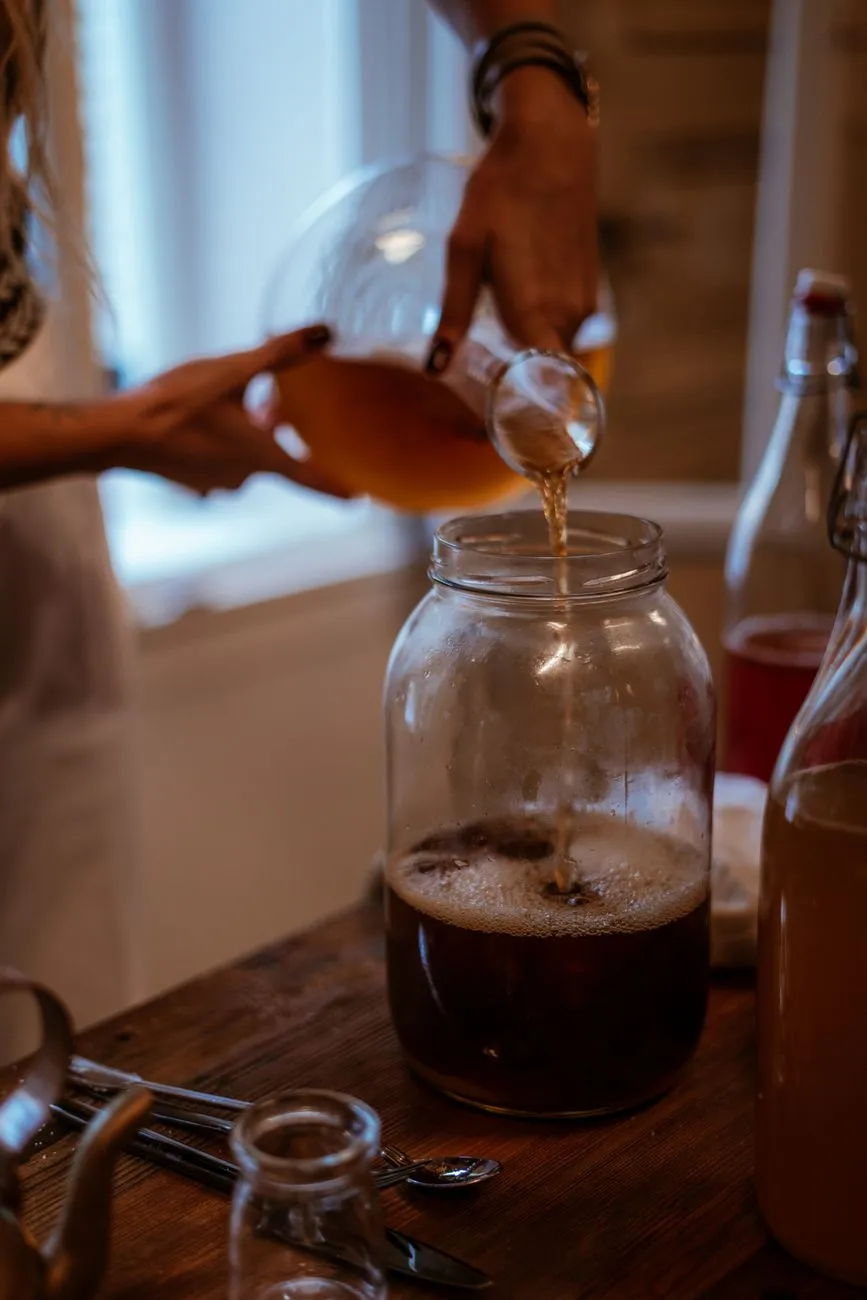
There is a quiet revolution happening in the dark, anaerobic corners of our kitchens. It doesn’t scream; it bubbles. It doesn’t rush; it waits. Long before we understood the microbiome, before the word "probiotic" hit marketing labels, our ancestors stumbled upon a biological loophole: the art of controlled rot. They didn't call it biochemistry. They called it survival. They called it flavor. Today, we call it fermentation, but the magic remains exactly the same—a symbiotic dance between human intention and microbial ambition. The Invisible Architects of Flavor We like to think we are the chefs. In reality, we are merely the set designers. The true artisans are microscopic, measuring their lifespans in minutes, their populations in billions. Lactobacillus, Saccharomyces, Aspergillus, Acetobacter—these are the names of the invisible brigade. They do not work for praise; they work for sugar. In the absence of oxygen, they tear apart glucose molecules, harvesting energy and leaving behind metabolic exhaust that we have learned to prize: lactic acid, ethanol, carbon dioxide, and a kaleidoscope of aromatic compounds.Consider the humble cabbage. Left on a counter, it molds into slime. Submerged in a 2% salt brine, it becomes sauerkraut. The salt is the bouncer at the door, checking IDs. It suppresses the spoilage bacteria—Clostridium, Pseudomonas—who cannot tolerate the salinity. It rolls out the red carpet for Leuconostoc mesenteroides, the pioneer species. They acidify the environment, dropping the pH. Once the stage is set, Lactobacillus plantarum takes the lead, driving the acidity down to a fortress-like 3.5. No pathogen survives that gauntlet. The cabbage doesn't just survive; it transforms. Its rigid cellulose softens, its sugars vanish, and in their place rises a complex, sour, umami-laden profile that fresh cabbage could never dream of achieving. This is not preservation by sterilization; it is preservation by biological warfare. We recruit an army to hold the line. The Geography of the Jar: Terroir at a Microscopic Scale Winemakers obsess over terroir—the soil, the slope, the sun. Fermentation obsessives know that the jar has its own terroir. A sourdough starter in San Francisco tastes different from one in London, not just because of the flour, but because the air carries different strains of Candida milleri and Lactobacillus sanfranciscensis. Your hands carry a unique microbial fingerprint. Studies have shown that bakers imprint their starters with their own skin flora. You are not just feeding the dough; you are seeding it with yourself.This concept extends globally. In Korea, the onggi—breathing earthenware vessels—host unique biofilms on their porous walls that seed every new batch of kimchi with the "hand taste" (son-mat) of generations. In Japan, the koji room (muro) in a miso brewery is a sacred space, its wooden beams inoculated with Aspergillus oryzae spores accumulated over centuries. You cannot simply buy the spore; you must inherit the room. The flavor lives in the wood, the air, the walls. It is a microbial heirloom. Koji: The Noble Rot That Built an Empire If lactic acid bacteria are the foot soldiers of fermentation, Aspergillus oryzae—koji mold—is the alchemist. It doesn't just preserve; it dismantles. Sprinkle spores onto steamed rice or soybeans, keep it warm and humid, and the mold sends out white, velvet mycelia, pumping out a arsenal of enzymes: amylases that shatter starch into sweet glucose, proteases that unravel tight protein knots into free amino acids (glutamate—the taste of umami), and lipases that crack fats into aromatic esters.Without koji, there is no sake, no miso, no soy sauce, no mirin, no rice vinegar. It is the foundational architecture of Japanese cuisine. The genius of koji is its generosity. It pre-digests the food for us. When you sip a bowl of miso soup, the koji has already done the heavy lifting. The amino acids hit your tongue instantly, no chewing required. It is flavor in its most bioavailable form. The Japanese government designated Aspergillus oryzae as the "national fungus" (kokkin) in 2006—a rare instance of a microbe receiving state honors. The Fizzy Logic of Symbiosis: SCOBYs and Grains Some fermentations refuse to be monocultures. They demand a village. Enter the SCOBY—Symbiotic Culture Of Bacteria and Yeast. In kombucha, a cellulose pellicle floats like a rubbery pancake, a biofilm city built by Komagataeibacter (formerly Gluconacetobacter). Inside, yeast (Zygosaccharomyces, Brettanomyces) ferments sugar to alcohol. The bacteria immediately oxidize that alcohol into acetic acid and gluconic acid. The yeast needs the bacteria to lower the pH and remove the toxic alcohol; the bacteria need the yeast to produce the alcohol in the first place. It is a metabolic handshake.Kefir grains operate on similar logic, but in solid form. These cauliflower-like clusters are a matrix of kefiran polysaccharide, housing lactic acid bacteria, acetic acid bacteria, and yeasts in a stable, self-replicating structure. Milk kefir grains can contain over 50 microbial species. Water kefir grains (tibicos) do the same for sugar water. They are living heirlooms. You cannot easily invent a kefir grain from scratch in a lab; you must receive a piece of one from someone else. It is a chain of custody stretching back to the Caucasus mountains, passed hand to hand, a living link to the past. The Chemistry of Safety: Why the Brine Protects Us Modern food safety relies on the "hurdle concept." Fermentation is the original multi-hurdle technology.Acid Hurdle: Lactic acid drops pH below 4.6. Clostridium botulinum cannot sporulate or produce toxin. Salt Hurdle: Reduces water activity (a_w), dehydrating spoilage microbes. Competitive Exclusion: The "good" bugs occupy every niche, consuming all available nutrients. Antimicrobial Metabolites: Bacteriocins (like nisin), hydrogen peroxide, and reuterin are natural antibiotics produced in situ by the fermenters.This is why a properly fermented vegetable is statistically safer than a raw salad. The acidic environment is hostile to E. coli, Salmonella, and Listeria. The data is clear: documented foodborne illness from properly fermented vegetables is vanishingly rare. The risk lies not in the process, but in the deviation—using too little salt, exposing the solids to air (allowing kahm yeast or mold to bridge the surface), or ignoring the sensory signals (putrid smell, slime, fuzzy mold). Trust the pH strip. Trust your nose. The microbes tell you the truth. Beyond Preservation: The Nutritional Upgrade Fermentation doesn't just keep food edible; it often makes it more nutritious. It is a pre-digestion service.Anti-nutrient Reduction: Phytic acid in grains and legumes binds minerals (iron, zinc, calcium). Phytase enzymes produced during fermentation (especially by lactic acid bacteria and yeasts in sourdough) hydrolyze phytic acid, liberating minerals for absorption. Vitamin Synthesis: Lactobacillus and Bifidobacterium strains synthesize B-vitamins—folate (B9), riboflavin (B12), and B12 analogues. Tempeh, fermented soybeans bound by Rhizopus oligosporus, sees a massive spike in riboflavin and niacin, and the mold produces phytase to unlock minerals. Lactose Digestion: Yogurt and kefir bacteria consume lactose. Many lactose-intolerant individuals tolerate fermented dairy perfectly because the microbes did the digesting for them. Bioactive Peptides: Proteolysis during cheese aging or miso fermentation releases peptides with ACE-inhibitory (blood pressure lowering), antioxidant, and immunomodulatory properties.We didn't evolve to eat sterile food. We evolved eating dirt-covered, microbe-rich fare. Our immune system expects a microbial dialogue. Fermentation restores that conversation. The Flavor Library: Writing with Microbes As a chef, I view fermentation not as a preservation technique, but as a flavor technology. It creates tastes that do not exist in nature.The Funk of Brettanomyces: In lambic beers and natural wines, "Brett" paints with barnyard, horse blanket, tropical pineapple, and metallic acidity. It is the taste of wildness. The Chocolate Notes of Aspergillus niger: In pu-erh tea fermentation, this mold drives the earthy, camphor, dark chocolate profile of aged cakes. The Meatiness of Neurospora: Red oncom (Indonesia) uses Neurospora intermedia to turn peanut press cake into a savory, mushroomy protein block. The Floral Lift of Hanseniaspora: In early wine fermentation, apiculate yeasts pump out ethyl acetate (nail polish remover at high levels, pear/floral at low levels), defining the nose of the final bottle.We are only beginning to map this territory. Metagenomic sequencing reveals that a single spoonful of traditional kimchi contains hundreds of species, interacting in metabolic networks we barely understand. We are managing ecosystems, not just recipes. The Ritual of Patience In a world of instant pots and microwave meals, fermentation is an act of rebellion. It forces slowness. You cannot rush a 3-year aged Parmigiano-Reggiano. You cannot hack a 6-month miso. The time is the ingredient. During those months, enzymes work molecule by molecule. Maillard reactions crawl forward in the dark. Esters form and reform. The flavor deepens, integrates, rounds off sharp edges. I have jars on my shelf that are older than my niece. A miso started in 2018. A garum (fish sauce) from 2020. A vinegar mother from a bottle of 2015 cider. They are living timestamps. When I open them, I taste the weather of that year, the specific barley I malted, the specific fish I caught. It is culinary time travel. Troubleshooting the Dark Arts Even the best alchemists face failures.Kahm Yeast: A white, dusty film on the surface of brines. Harmless but imparts a paint/chemical off-flavor. Skim it, ensure submersion, lower temperature. Surface Mold: Fuzzy, colored (green, black, pink). If the brine is acidic (pH < 4.0) and the mold is only on top, you can scoop it (generous margin) and salvage, but for beginners: when in doubt, throw it out. The risk of mycotoxins isn't worth the jar of pickles. Soft Pickles: Usually enzymatic activity from blossom ends of cucumbers (pectinase) or too high temperature/low salt. Trim blossom ends religiously. Add tannin sources (oak, grape, cherry leaves, black tea) to inhibit pectinase. Stalled Fermentation: Salt too high (>5%), temp too low (<15°C/59°F), or starter culture dead. Warm it up, check salinity.The Future is Cultured We stand at a fascinating intersection. Precision fermentation now programs yeast to produce casein (cow milk protein without the cow), heme (the blood flavor in Impossible Burger), and vanilla without orchids. Bioreactors replace jars. This is not the death of traditional fermentation; it is its high-tech cousin. Both rely on the same fundamental truth: microbes are the most efficient chemists on Earth. Meanwhile, the home fermenter is the guardian of biodiversity. Every jar of wild sauerkraut, every bottle of ginger bug soda, every crock of nukazuke (rice bran pickles) is a reservoir of microbial diversity. In an era of antibiotic resistance and sterilized guts, these jars are ark ships. The Final Seal Next time you hear the hiss of a jar opening—the sharp, clean perfume of lactic acid hitting the air—pause. You are not just eating a pickle. You are participating in a 10,000-year-old collaboration. You are tasting the labor of quadrillions of organisms who lived and died to turn salt and cabbage into something transcendent. Keep your jars full. Keep your brines salty. Keep the dark warm. The microbes are waiting.#fermentation #guthealth #traditionalfoods #microbiome #homefermentation #umami #foodscience #slowfood Related InsightsThe Brothers Karamazov Book Review and Summary All I Know (Silver Springs, #3) Book Review and Summary Dead Take the a Train Book Review and Summary
-
 Eleanor Hughes
 - 18 Sep, 2026 21:10
The Living Gold of the Koji Room: Decoding Traditional Miso Fermentation
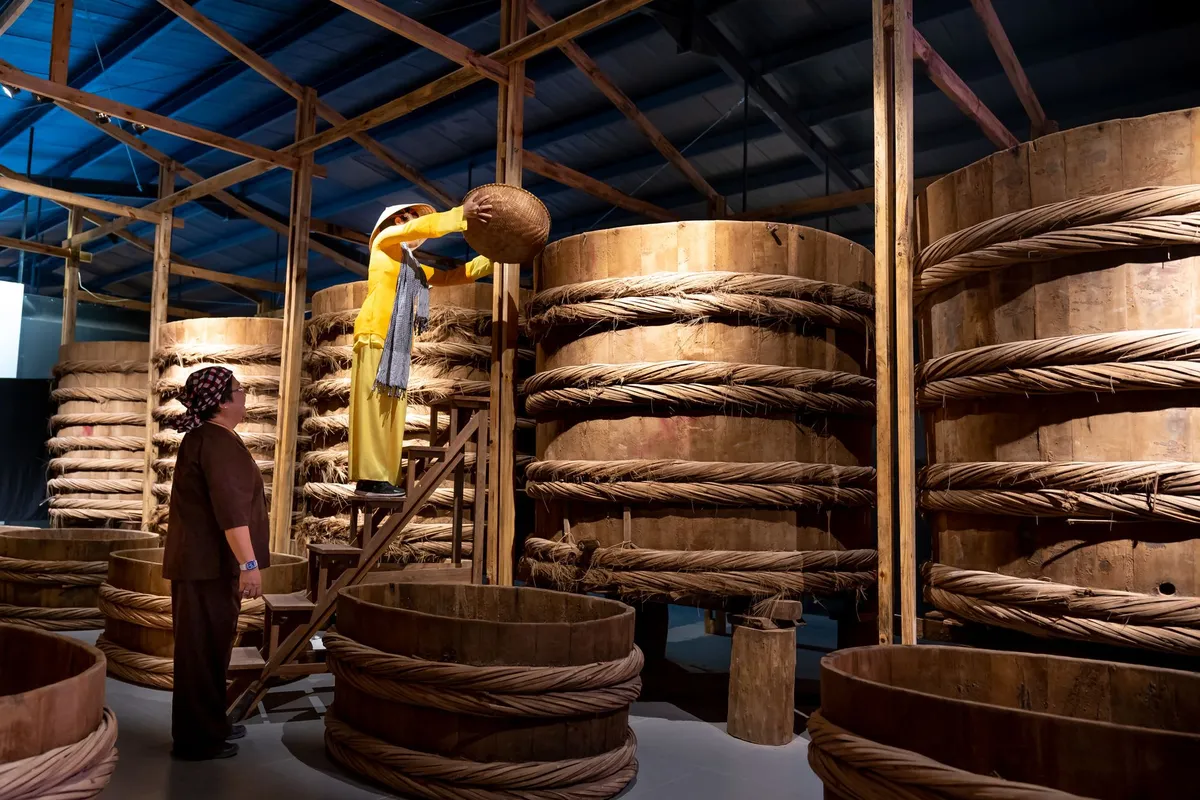
The scent hits you before you slide the cedar door open—a thick, floral perfume of chestnut and wet earth, underscored by a sharp, sweet tang that prickles the sinuses. This is the muro, the koji room, the beating heart of every traditional miso kura (brewery). Here, steamed grains transform into a living substrate, inoculated by Aspergillus oryzae, a fungus domesticated over millennia to serve as the primary engine of Japanese flavor. Unlike the wild ferments of wine or lambic beer, koji cultivation is an act of high-precision agriculture conducted on a microscopic scale. The koji-ya (koji master) does not merely wait; they orchestrate a 48-hour thermodynamic ballet, manipulating moisture, temperature, and gas exchange to coax specific enzymatic profiles from a single species of mold. The resulting koji—grains cloaked in white mycelium—dictates whether the final miso will be a sweet, white shiro miso ready in weeks, or a dark, saline aka miso demanding years of patience. Modern metagenomics confirms what the guilds knew empirically: the microbiome succession in the moromi (fermentation mash) is entirely seeded by this initial cultivation. If the koji fails, the miso fails; no amount of time in the cedar vat can correct a flawed enzymatic foundation.The Architecture of the Muro: Where Spores Meet Steam The muro is not merely a room; it is a bioreactor constructed from sugi (Japanese cedar) and hinoki (cypress), woods chosen for their antimicrobial volatile oils and hygroscopic stability. The walls breathe, buffering the violent humidity swings required by the cultivation cycle. Traditional muro design follows a strict geometry: a sunken floor (doma) for steam generation, raised wooden beds (toko) lined with cloth, and a ceiling vent (tenmado) adjustable by a long bamboo pole. This architecture creates a microclimate where the koji-ya acts as the PID controller. The process begins with mushimai—steaming rice or barley to a precise "hard outside, soft inside" texture (kata-gayu). Over-cooked grains burst, creating a paste that suffocates the aerobic mold; under-cooked kernels resist enzymatic penetration later in the moromi. The target moisture content is a razor-thin 38–42%. Once steamed, the grain is spread in thin layers—never exceeding 3 centimeters depth—on the toko to cool. This cooling phase (hikikomi) is critical: the grain must hit 35–40°C (95–104°F) before inoculation. Inoculation (tane-tsuke) involves dusting tane-koji (spore starter) through a fine sieve. The koji-ya moves with a specific rhythm, tossing the grain to ensure uniform distribution without crushing the kernels. A single kilogram of grain receives roughly 0.1 to 0.3 grams of starter, a ratio calibrated by lineage and grain variety. The inoculated mass is then wrapped in koji-bukuro (hemp or cotton cloth) and blanketed with futon covers to initiate the first exothermic spike. Tane-Koji: The Ancestral Seed Stock and Strain Selection The tane-koji is the brewery’s most guarded intellectual property, often maintained as a pure culture lineage for centuries. Unlike commercial baker’s yeast, tane-koji is a complex consortium: predominantly Aspergillus oryzae, but frequently carrying symbiotic yeasts and lactic acid bacteria (LAB) that survive the sporulation process. Modern multi-omics analysis reveals these "contaminants" are actually functional keystones; they acidify the microenvironment early, suppressing Bacillus spoilage and priming the grain for the main fungal bloom. Strain selection is dictated by the target miso. Shiro miso demands high amylase/low protease strains—often A. oryzae var. oryzae "white mutants"—to rapidly saccharify starch into glucose, yielding sweetness and pale color via limited Maillard reaction. Aka miso requires high protease/peptidase activity—typically A. oryzae var. sojae or robust A. luchuensis crosses—to hydrolyze soybean protein into glutamate-rich peptides, driving the deep umami and brown pigment formation over years. Mugi (barley) miso utilizes strains tolerant of higher fiber and beta-glucan content. The tane-ya (starter shops) in cities like Kyoto and Tokyo maintain libraries of hundreds of isolates, characterized not by genome sequencing, but by tewaza (hand technique) performance: sporulation density, heat tolerance, and haze-komi (mycelial penetration depth). The koji-ya selects their starter like a winemaker selects a clone, knowing that the enzymatic fingerprint laid down now will echo through the sensory profile of the miso two years hence.The Dance of Temperature and Humidity: A 48-Hour Vigil Once wrapped, the koji enters kirikaeshi (the first turning), typically at hour 18–22. The core temperature has surged to 40–43°C (104–109°F) due to metabolic heat. The koji-ya unwraps the bundles, breaks the clumps by hand—feeling for the "skin" formation on grains—and redistributes the mass to dissipate heat and reintroduce oxygen. Aspergillus oryzae is an obligate aerobe; CO2 accumulation above 5% stunts sporulation and shifts metabolism toward unwanted organic acids. The turning also equalizes moisture migration; the bottom grains are wetter, the top drier. Post-turning, the beds are re-covered, but ventilation increases. The second critical window is naka-shigoto (middle work) around hour 30–36. Temperature is forced down to 32–35°C (90–95°F) by thinning the bed depth and maximizing airflow. This thermal downshift triggers the switch from vegetative growth (biomass) to secondary metabolism (enzyme secretion). It is here that the protease/amylase ratio is fixed. The final stage, shimai-shigoto (finishing work), occurs at hour 42–48. The koji is "finished" when the mycelium has fully penetrated the grain center (haze-komi complete), visible as a white core when a kernel is bisected. The aroma shifts from mushroomy to distinctly sweet, floral, and nutty. The koji-ya judges readiness by tewaza: grabbing a handful, squeezing—it should hold a loose clump but crumble instantly with zero stickiness. The final moisture is dropped to ~30% to arrest growth and stabilize enzymes. This entire timeline is a negotiation with thermodynamics; a 1°C error at hour 20 cascades into a 20% enzyme yield variance at hour 48. Reading the Mycelium: Sensory Evaluation Beyond the Microscope In the absence of lab equipment, the koji-ya relies on a sophisticated sensory protocol that correlates perfectly with modern analytical chemistry. Visual assessment focuses on haze (mycelial growth pattern). So-haze (total haze) indicates strong protease activity—mycelium penetrates deep, grains fuse into a cake. Kata-haze (hard haze) or tsuki-haze (surface haze) indicates high amylase/low protease—mycelium stays superficial, grains remain discrete. The color of the spore head (conidial head) shifts from white to yellow-green to olive-green; harvesting at "white spore" stage maximizes enzyme yield for sweet miso, while "green spore" stage maximizes protease for long-aged miso. Olfactory evaluation is paramount. The koji-ya distinguishes over 20 aromatic descriptors: kuri (chestnut), an (apricot), hana (floral), doku (poisonous/chemical off-note indicating bacterial contamination). A "clean" koji smells of steamed sweet potato and fresh pear. Tactile analysis—the nigiri (grip) test—assesses water activity (aw). The grain must feel cool, dry, and powdery, never slimy. Gustatory confirmation involves chewing a raw kernel; the starch should vanish instantly, replaced by intense sweetness (amylase) or savory brothiness (protease). This sensory data maps directly to the enzymatic assay: glucose release (DNS method) correlates with amakuchi (sweetness) perception; free amino nitrogen (formol titration) correlates with kokumi (mouthfulness). The OpenAlex data on sensory systems in fermentation highlights that human panelists still outperform electronic noses in predicting the final quality of the moromi because the human palate integrates the complex volatile ester/aldehyde profile generated by the koji's specific metabolic fingerprint. From Koji Lid to Fermentation Crock: The Handoff The finished koji (deki-koji) is not an ingredient; it is a catalyst. It is cooled rapidly to 15°C (59°F) on sugi trays to prevent autolysis and spore maturation (which causes bitterness and green dust). It is then mixed with cooked soybeans, salt, and mizu (water) in precise ratios defined by the buai (weight ratio). For shiro miso: Koji:Soy:Salt = 1.5:1:0.5 (high koji, low salt). For aka miso: 0.5:1:1.2 (low koji, high salt). The mixing (shikomi) is performed in wooden oke vats or stone kame crocks. The koji enzymes—amylases, proteases, pectinases, cellulases—immediately attack the soybean matrix. But the koji also brings its "passenger" microbiome: Tetragenococcus halophilus (salt-tolerant LAB) and Zygosaccharomyces rouxii (osmotolerant yeast) clinging to the hyphae. These microbes, seeded from the tane-koji and the kura environment, initiate the secondary fermentation. The koji-ya’s work is done; the moromi now belongs to time and the slow anaerobic alchemy of the vat. Yet the koji-ya returns monthly for tenkai (turning the mash), exposing the bottom layers to air, restarting aerobic cycles briefly to drive off volatile acids and encourage yeast metabolism. The data table below illustrates the parametric divergence driven entirely by the initial koji cultivation strategy.Miso Style Koji Ratio (Koji:Soy) Salt % (Final) Target Enzyme Profile Cultivation Temp Peak Haze Type Typical AgingShiro (Sweet White) 1.5 : 1 (High) 5–7% Very High Amylase / Low Protease 40°C (Low/Controlled) Kata-haze (Surface) 2 Weeks – 3 MonthsShinshu (Yellow) 1.0 : 1 (Equal) 10–12% Balanced Amylase / Protease 42°C (Standard) So-haze (Moderate) 6 – 12 MonthsAka (Red/Dark) 0.5 : 1 (Low) 12–14% High Protease / Peptidase 44°C (High Tolerance) So-haze (Deep Penetration) 1 – 3+ YearsMugi (Barley) 1.3 : 1 (High) 10–13% High Beta-Glucanase / Protease 38°C (Barley Specific) Tsuki-haze (Fluffy) 6 – 18 MonthsHatcho (Soybean Only) 0.0 : 1 (Soy Koji) 11–13% Extreme Protease / Lipase 45°C (Thermotolerant) So-haze (Very Deep) 2 – 3+ YearsThe Quiet Alchemy of Time Standing in the kura surrounded by rows of black crocks breathing under stone weights, one realizes that the "science" of miso is not confined to the 48 hours in the muro. It is a continuum. The koji-ya writes the genetic code of the fermentation in those two days—scripting the enzymatic potential, the microbial inoculum, the volatile precursor load. The years that follow are merely the execution of that script. Modern food science, armed with metagenomics and metabolomics, is only now beginning to decode the syntax: how a specific A. oryzae strain’s secondary metabolite profile at hour 36 dictates the specific pyrazine and furanone profile that defines "nutty" versus "burnt" in a three-year aka miso. But the koji-ya never needed a mass spectrometer to know that the haze-komi depth on day two determines the kokumi depth on year three. They know it in their fingertips, in the scent of the cedar, in the weight of the grain. The fermentation science of miso is ultimately a science of discipline—a rigorous, repeatable, yet deeply intuitive dialogue between a human steward and a domesticated fungus. The living gold on the wooden trays is not just mold on rice; it is the concentrated intention of the brewery, waiting to unfold.#FermentationScience Related InsightsBanh Mi: The Perfect French-Vietnamese Fusion Sandwich Turning Kitchen Scraps into Gourmet Gold: The Zero‑Waste Revolution Misal Pav: Maharashtra's Fiery Breakfast{ "@context": "https://schema.org", "@type": "FAQPage", "mainEntity": [ { "@type": "Question", "name": "What is the main focus of The Living Gold of the Koji Room: Decoding Traditional Miso Fermentation?", "acceptedAnswer": { "@type": "Answer", "text": "Explore the precise science and ancestral intuition behind cultivating Aspergillus oryzae, the microbial cornerstone of authentic miso production." } }, { "@type": "Question", "name": "Who authored the comprehensive guide on The Living Gold of the Koji Room: Decoding Traditional Miso Fermentation?", "acceptedAnswer": { "@type": "Answer", "text": "This detailed article and its insights were carefully researched and authored by Eleanor Hughes." } }, { "@type": "Question", "name": "Where can I find more related content about Food?", "acceptedAnswer": { "@type": "Answer", "text": "You can explore more articles, detailed reviews, and similar insights by browsing the Related Insights section at the bottom of this article or visiting our dedicated Food category page." } } ] }