Showing Posts From
Fermentedfoods
-
 Eleanor Hughes
 - 13 Jul, 2026 13:51
Unveiling Injera: Why This Sour, Spongy Ethiopian Staple Is the World's Most Underrated Superfood (And How to Master It)
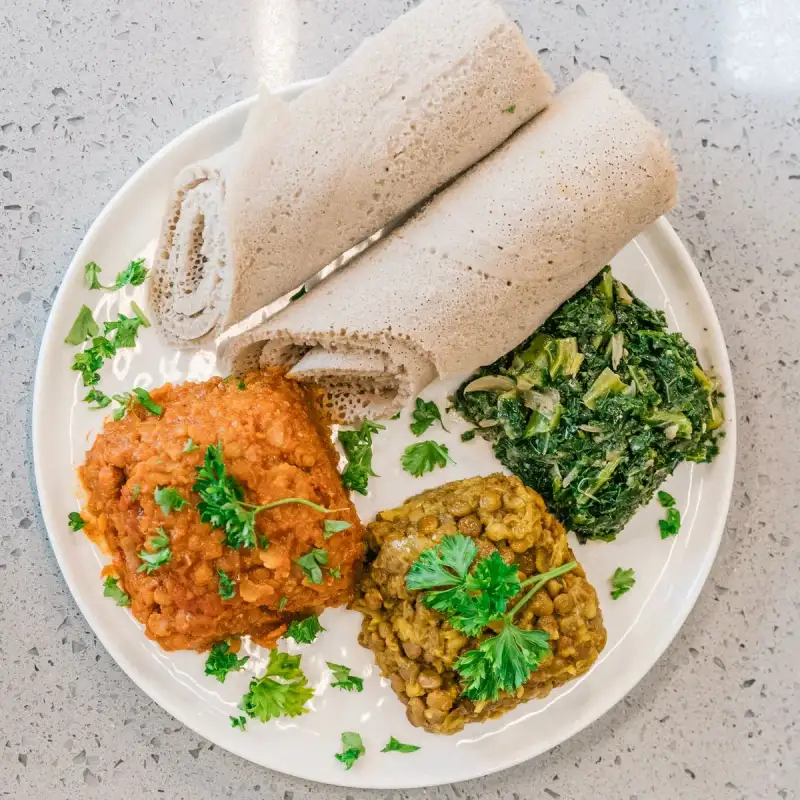
In the vibrant tapestry of global cuisine, few dishes possess the mystique, cultural gravitas, and sheer nutritional power of Injera. This isn't just a flatbread; it's the very soul of Ethiopian and Eritrean gastronomy, a sour, spongy, and endlessly fascinating staple that transcends mere sustenance to become a communal canvas for some of the world's most aromatic and flavorful stews. For the uninitiated, the first encounter with Injera can be an enigma: its unique tangy profile, its distinctive "eyes" (tiny holes), and its role as both plate and utensil are unlike anything found in Western dining. Yet, beneath its humble appearance lies a complex interplay of ancient grains, sophisticated fermentation, and profound health benefits that make it a compelling subject for any culinary explorer or health enthusiast. My journey into the world of Ethiopian cuisine began years ago, spurred by a quest for foods that tell a story – a narrative of tradition, resilience, and connection to the earth. Injera, crafted from the tiny, iron-rich grain called Teff, quickly emerged as a revelation. It's a food that demands patience and respect, a slow art passed down through generations. But the rewards are immense: not only a delicious, versatile accompaniment to a dazzling array of dishes but also a powerhouse of nutrition that quietly supports digestive health, bolsters mineral intake, and offers a naturally gluten-free alternative to common grains. Join me as we peel back the layers of this extraordinary food, from the fields of Ethiopia where Teff flourishes to the warmth of the Mitad where Injera comes to life, uncovering why this "sour sponge" is truly an underrated global superfood. The Ancient Grain: Teff and Its Nutritional Powerhouse Status At the heart of every authentic Injera lies Teff, an ancient, resilient grain native to Ethiopia and Eritrea. Despite its minuscule size – it’s often described as the smallest grain in the world, about the size of a poppy seed – Teff (scientific name: Eragrostis tef) boasts an exceptionally robust nutritional profile that puts many modern grains to shame. Cultivated for thousands of years, Teff thrives in diverse Ethiopian climates, adapting to both drought and waterlogging, making it a sustainable and vital food source for millions. There are primarily three types: white (Nech), red (Key), and brown (Sergegna), with white Teff yielding the lightest-colored Injera, while red and brown varieties contribute a deeper hue and often a more pronounced earthy flavor. What makes Teff a veritable nutritional powerhouse? Its micronutrient density is simply staggering. Teff is remarkably rich in iron, a critical mineral for oxygen transport and energy production. A single cup of cooked Teff can provide approximately 20% of the recommended daily intake for iron, a significant contribution, especially in regions where iron deficiency anemia is prevalent. This bioavailability of iron in Teff is a subject of ongoing research; a study published in the Journal of Cereal Science (2018) highlighted Teff's superior iron and zinc absorption compared to other grains, attributing it to its unique phytate-to-mineral ratio and specific processing methods like fermentation. Beyond iron, Teff is an excellent source of calcium, containing more of this bone-building mineral than most other grains, often cited as equivalent to a glass of milk per serving. It also provides a significant amount of magnesium, phosphorus, copper, and B vitamins. Furthermore, Teff is celebrated for its high fiber content, particularly its resistant starch. This type of starch escapes digestion in the small intestine and ferments in the large intestine, acting as a prebiotic that feeds beneficial gut bacteria. Research from the American Journal of Clinical Nutrition (2020) demonstrated that Teff's resistant starch content is notably higher than that found in common grains like wheat or rice, contributing to improved digestive health, better blood sugar regulation, and enhanced satiety, which can aid in weight management. Its protein content is also noteworthy, offering a complete amino acid profile, a rare trait for a plant-based food, making it an invaluable protein source for vegetarians and vegans. Critically, Teff is naturally gluten-free, a characteristic that has propelled it into the global spotlight as a safe and nutritious alternative for individuals with celiac disease or gluten sensitivity. Its distinctive properties, from its ancient origins to its modern nutritional acclaim, firmly establish Teff as the bedrock of Injera's status as a superfood.The Art of Fermentation: Crafting the Perfect Injera Batter The transformation of humble Teff flour into the iconic Injera is a testament to the ancient art of fermentation, a process that imbues the flatbread with its signature sour tang, airy texture, and enhanced nutritional profile. This isn't a quick bake; it's a slow, deliberate dance with microorganisms that demands patience and a keen understanding of natural processes. The journey begins with what appears to be a simple mixture: Teff flour and water. However, the secret ingredient is "ersho" (or irsho), a sourdough starter reserved from a previous batch, which acts as the microbial inoculant, much like a sourdough starter for bread. To craft the perfect Injera batter, a ratio of approximately 1 part Teff flour to 2 parts water is typically used, though this can vary slightly based on the flour's absorption. The flour is mixed with water in a large bowl, traditionally a clay pot called a "barmile," to form a thick, smooth batter, similar in consistency to pancake batter. The ersho is then incorporated, introducing a complex community of wild yeasts (Saccharomyces cerevisiae and related species) and lactic acid bacteria (Lactobacillus plantarum, Lactobacillus fermentum, Pediococcus pentosaceus, among others). This microbial symphony, as elucidated in studies like one published in Food Microbiology (2019), is responsible for the intricate flavor profile and increased nutrient bioavailability observed in fermented Teff products. The covered batter is then left to ferment at room temperature, ideally between 20-25°C (68-77°F), for anywhere from two to five days. During this period, the lactic acid bacteria convert carbohydrates into lactic acid, acetic acid, and other organic acids, which impart the characteristic sourness. Simultaneously, yeasts produce carbon dioxide, creating the tiny gas bubbles that will eventually form Injera's distinctive "eyes." The appearance of a watery, greyish layer on top, known as "aflegn," and a frothy, bubbly surface are visual cues that fermentation is progressing successfully. To prevent excessive sourness or spoilage, this aflegn is typically removed, and a small portion of the fermented batter, along with fresh flour and water, is cooked into a thin porridge called "absit" or "mokaka." This absit is then cooled and stirred back into the main batter, providing a final boost of starch and flavor, regulating the pH, and ensuring a smooth final texture. Troubleshooting is an inherent part of this art: if the batter isn't sour enough, it may need more time or a warmer environment; if it's too sour, the fermentation might have gone too long or lacked the absit step. A well-fermented batter will possess a pleasant, distinctly sour aroma and a consistency that is pourable but not watery, ready for its transformation on the griddle. This elaborate process is not just about taste; it also pre-digests certain components of the Teff, making nutrients more accessible and aiding digestion, truly enhancing its superfood status. From Batter to Bread: Mastering the Injera Cooking Technique The culinary magic of Injera culminates on a hot griddle, where the fermented Teff batter is transformed into its iconic, spongy form. This stage, while seemingly straightforward, requires precision, timing, and a practiced hand to achieve the perfect texture and signature "eyes" (enat) that define authentic Injera. Traditionally, Injera is cooked on a "mitad" (or mogogo), a large, round, flat clay or cast-iron griddle heated over an open fire or an electric element. For home cooks outside of Ethiopia, a large non-stick skillet or an electric griddle can serve as an effective substitute, though achieving the exact Mitad temperature and heat distribution requires some experimentation. The key to success lies in maintaining a consistent, medium-high heat. Too low, and the Injera will be tough and lack eyes; too high, and it will burn quickly before the top can steam properly. Before pouring, the griddle should be lightly greased with a small amount of oil, then wiped clean, leaving only a fine film to prevent sticking. The batter, having undergone its meticulous fermentation, should be stirred gently to reincorporate any settled flour, ensuring a uniform consistency. The pouring technique is perhaps the most crucial step. Using a measuring cup or a ladle, a precise amount of batter (typically about 1/2 to 3/4 cup for an 8-10 inch Injera) is poured onto the hot griddle. Starting from the outer edge, the batter is swiftly poured in a continuous, spiral motion, working inward to cover the entire surface evenly. Speed and confidence are paramount here; hesitation can result in an uneven thickness. As soon as the surface is covered, the griddle is immediately covered with a tight-fitting lid. This traps the steam, allowing the top of the Injera to cook and firm up, and crucially, encouraging the formation of those characteristic "eyes" as trapped gases escape. Cooking time is brief, typically 2-3 minutes. You'll know it's ready when the edges begin to curl slightly, and the entire surface is dotted with numerous small holes, indicating the steam has worked its magic. The top should be firm but not browned, retaining its light, moist quality. The Injera is then carefully lifted with a spatula, ensuring it doesn't tear, and transferred to a cooling rack or a clean cloth to cool completely before stacking. It’s essential to let each piece cool fully to prevent stickiness before layering them. A well-cooked Injera will be soft, flexible, and possess a slight springiness, perfectly ready to absorb the rich flavors of Ethiopian stews. Mastering this stage is not just about cooking a flatbread; it's about perfecting the canvas upon which an entire culinary tradition is presented.Unveiling the Wots and Tibs: A Symphony of Ethiopian Stews Injera, in its magnificent simplicity, serves as the perfect edible plate and utensil for the vibrant, aromatic, and deeply flavorful stews that constitute the heart of Ethiopian cuisine. These stews, primarily known as "wots" (pronounced "woats") and "tibs," are a symphony of spices, textures, and ingredients, offering a culinary journey that is both hearty and profoundly satisfying. The communal act of dining, where multiple wots and tibs are arranged on a large platter of Injera, encourages sharing and connection, embodying the spirit of Ethiopian hospitality. The foundation of many traditional wots is a generous amount of finely chopped red onions, slowly cooked until caramelized, forming a rich base. To this, garlic and ginger are added, creating a pungent aromatic layer. However, the true soul of Ethiopian stews lies in two essential ingredients: "Berbere" and "Niter Kibbeh." Berbere is an intricate, fiery red spice blend, often comprising 16 or more ingredients, including chili powder, fenugreek, ginger, garlic, cardamom, allspice, and paprika. Its complexity offers layers of heat, sweetness, and earthiness. Research in the Journal of Ethnopharmacology (2017) has explored Berbere's rich antioxidant profile, attributed to its diverse blend of spices, suggesting potential anti-inflammatory benefits. Niter Kibbeh, on the other hand, is a spiced clarified butter, infused with herbs and spices such as fenugreek, cumin, coriander, and turmeric. This golden elixir imparts a distinct depth of flavor and richness that is incomparable to plain butter. Among the most iconic wots is Doro Wot, a national dish, featuring chicken drumsticks and hard-boiled eggs simmered in a rich, spicy Berbere sauce. For those seeking milder flavors, Alicha Wot offers a delicious alternative, typically made with beef, lamb, or vegetables (like potatoes and carrots) in a turmeric-based sauce without Berbere. Vegetarian options are abundant and equally celebrated. Misir Wot (red lentil stew) is a staple, seasoned with Berbere, onions, garlic, and ginger, providing a protein and fiber-rich meal. Shiro Wot, a creamy, smooth stew made from powdered chickpeas or fava beans, is another vegetarian favorite, often prepared with or without Berbere. "Tibs" refer to sautéed pieces of meat or vegetables, usually lamb, beef, or chicken, often cooked quickly with onions, peppers, and various spices, served sizzling hot. Key Wot (spicy beef stew) and Derek Tibs (dry-fried meat) are particularly popular. The beauty of these stews is their versatility and the balance they strike: the cooling, tangy Injera perfectly complements the robust, often spicy, and deeply savory flavors of the wots and tibs. A typical Injera meal offers a harmonious blend of macros, with the carbohydrates from Injera, protein from meats or lentils, and healthy fats from Niter Kibbeh, making for a holistic and incredibly satisfying dining experience. The tradition of scooping up these stews with pieces of Injera, eschewing cutlery, is not just cultural but also enhances the sensory experience, connecting the diner more intimately with the food.The Health Benefits Beyond Gluten-Free: A Holistic Perspective While Injera's naturally gluten-free nature is a significant draw for many, its health benefits extend far beyond catering to gluten sensitivities. The holistic combination of its Teff base and the traditional fermentation process creates a food that is a powerhouse of nutrition, contributing to digestive health, micronutrient intake, and overall well-being. From a nutritional science standpoint, Injera embodies several principles of a healthy, traditional diet. Firstly, digestive health is profoundly supported. Teff's high fiber content, particularly its resistant starch, acts as a potent prebiotic. This resistant starch ferments in the colon, nurturing beneficial gut bacteria and promoting a healthy microbiome. Furthermore, the fermentation process used to create Injera batter introduces live probiotic cultures, including Lactobacillus species. While cooking reduces the live cultures, the byproducts of fermentation, such as lactic acid, can still contribute to a healthier gut environment by making nutrients more digestible and creating a slightly acidic pH that inhibits the growth of pathogenic bacteria. A meta-analysis published in Nutrition Reviews (2021) indicated that fermented grains like Injera can significantly enhance micronutrient absorption by breaking down phytates, which are compounds that bind to minerals and hinder their absorption. Secondly, Injera is an exceptional source of micronutrients. As highlighted earlier, Teff is notably rich in iron, calcium, and zinc. For populations globally facing deficiencies in these critical minerals, Injera offers a bioavailable and culturally significant dietary source. The fermentation process further aids in the liberation and absorption of these minerals, making them more accessible to the body. Its complete protein profile makes it a valuable plant-based option for muscle repair and satiety. Thirdly, its impact on blood sugar regulation is significant. The complex carbohydrates and high fiber content of Teff contribute to a lower glycemic index compared to refined grains. This means that Injera releases glucose into the bloodstream more slowly, helping to prevent sharp spikes and crashes in blood sugar levels, making it beneficial for individuals managing diabetes or seeking sustained energy. Lastly, the overall nutritional density of an Injera meal, especially when paired with traditional wots and tibs, offers a balanced intake of macronutrients (carbohydrates, proteins, fats) and a wide array of vitamins and minerals. The spices used in Ethiopian stews, such as fenugreek, turmeric, and ginger, are themselves rich in antioxidants and possess documented anti-inflammatory properties, further contributing to a holistic health profile. The traditional method of preparation, relying on whole ingredients and minimal processing, aligns perfectly with contemporary dietary recommendations for health and longevity. Injera, therefore, is not merely a component of a meal; it is a nutritional foundation that showcases the profound wisdom embedded in ancient culinary practices, offering a delicious path to improved health and a deeper connection to food.Nutritional Component Teff Flour (100g) Typical Wheat Flour (100g) Notes on Injera PreparationCalories 367 kcal 364 kcal Similar caloric density, but Injera's fermentation enhances digestibility.Protein 13.0g 12.0g Complete amino acid profile in Teff, rare for a grain.Fat 2.4g 1.0g Low in fat; often served with Niter Kibbeh (spiced clarified butter).Carbohydrates 73.0g 76.0g Primarily complex carbs, including resistant starch.Fiber 8.0g 3.0g Significantly higher fiber, contributing to gut health.Iron 7.6mg (42% DV) 3.6mg (20% DV) Exceptionally high; fermentation improves bioavailability.Calcium 180mg (18% DV) 15mg (1% DV) Outstanding source, aiding bone health.Magnesium 183mg (46% DV) 47mg (12% DV) Crucial for numerous bodily functions.Zinc 4.6mg (31% DV) 1.0mg (7% DV) Enhanced absorption due to fermentation process.Gluten None Present Naturally gluten-free, safe for celiacs.Note: DV = Daily Value. Values are approximate and can vary based on specific Teff varieties and processing. Injera's final nutritional profile is also influenced by water content and residual fermentation products.Conclusion The journey through the world of Ethiopian Injera reveals far more than just a unique flatbread. It unearths a culinary legacy deeply rooted in ancient wisdom, sustainable agriculture, and profound respect for natural processes. From the incredible nutritional density of Teff, the tiny grain that defies expectations, to the intricate art of fermentation that gives Injera its distinctive sourness and spongy texture, every aspect of this food tells a story of health, tradition, and community. Injera is not merely a vehicle for stews; it is a superfood in its own right. Its naturally gluten-free composition, coupled with its remarkable content of iron, calcium, fiber, and complete protein, positions it as an exceptional dietary staple. The traditional fermentation process further enhances its digestibility and nutrient bioavailability, nurturing gut health and offering sustained energy. When paired with the vibrant, spice-rich wots and tibs, an Injera meal becomes a perfectly balanced, holistic culinary experience that nourishes both body and soul. For too long, Injera has remained a hidden gem outside its native lands. Yet, as we increasingly seek out wholesome, naturally beneficial, and culturally rich foods, Injera stands ready to take its rightful place on the global stage. I encourage you to seek out authentic Ethiopian restaurants, or better yet, embark on the rewarding journey of making your own Injera at home. It’s an act of culinary exploration that promises not only exquisite flavors but also a deeper appreciation for the power of traditional foodways. Dive into this sour sponge; your palate, and your health, will thank you.#EthiopianFood #InjeraLove #TeffGrain #FermentedFoods #GutHealth #GlutenFreeEats #SuperfoodDiscovery
- 06 Jul, 2026 09:04
The Ambrosial Alchemist's Secret: Unearthing Oxymel's Ancient Culinary Resurgence
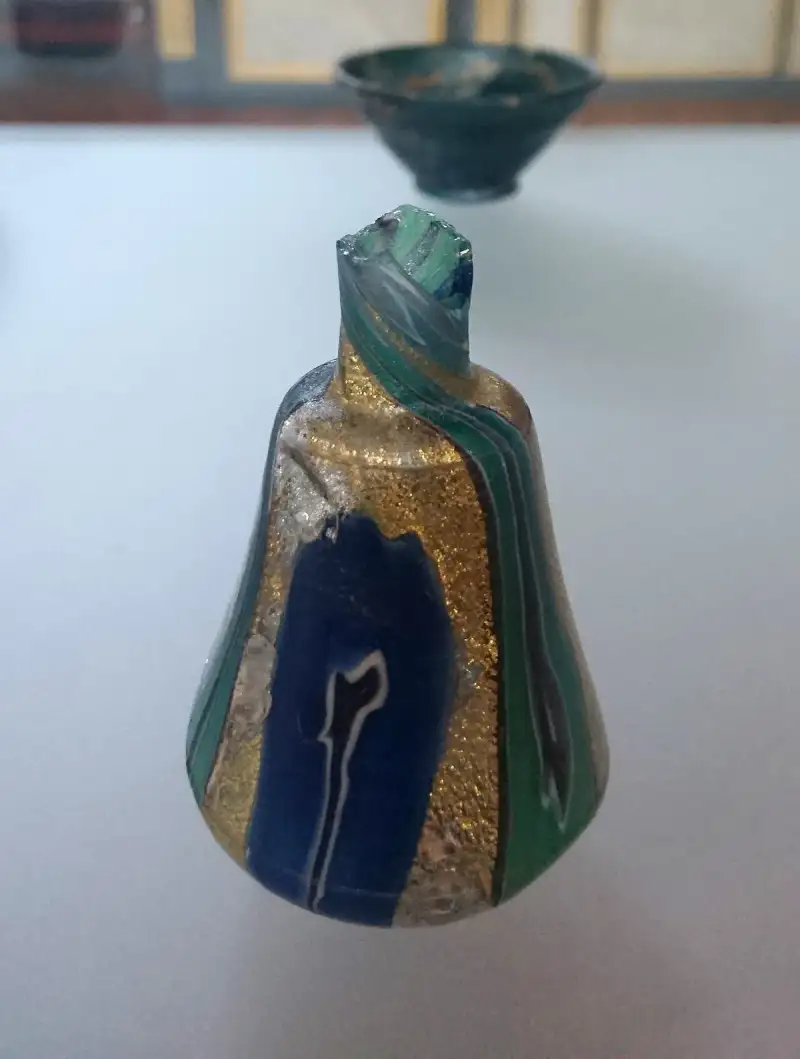
Imagine a time when the boundary between medicine and cuisine blurred, where a single, versatile concoction could soothe ailments, invigorate the spirit, and elevate a simple meal to a feast. This isn't a fantasy from a forgotten age, but the very real legacy of oxymel, an ancient elixir poised for a magnificent culinary renaissance. While familiar culinary stalwarts like olive oil or wine have endured for millennia, oxymel – a deceptively simple blend of honey and vinegar – slipped into the shadows, a quiet whisper in history's vast gastronomic archives. But as modern palates crave authenticity, functionality, and a connection to our culinary past, this sweet-sour tonic is once again stepping into the limelight, revealing its profound depth and versatility far beyond the apothecary's shelf. We are not merely revisiting a historical footnote; we are uncovering a sophisticated, multi-faceted ingredient that predates many of our cherished culinary staples. Oxymel is more than a recipe; it's a testament to ancient wisdom, a bridge between nature's bounty and human ingenuity, and a harbinger of flavor complexities that will challenge and delight the contemporary chef and home cook alike. A Potion of Paradox: Tracing Oxymel's Ancient Lineage The story of oxymel begins not in a bustling marketplace, but in the contemplative chambers of ancient philosophers and healers. Its very name, derived from the Greek oxys (acid) and meli (honey), succinctly defines its core components. While its precise origin is nebulous, medical texts from ancient Greece provide the earliest substantive accounts of its widespread use. Hippocrates, the "Father of Medicine," frequently prescribed oxymel, recognizing the synergistic properties of honey's soothing and antimicrobial qualities combined with vinegar's digestive and cleansing attributes. For the Greeks, it was a panacea, a tonic for respiratory ailments, a digestive aid, and even a fortifying drink for athletes. As Hellenic influence spread, so too did the knowledge of oxymel. The Roman Empire adopted and adapted it, moving it from a purely medicinal context into the realm of daily life and culinary art. Roman gastronomes, renowned for their innovative and often opulent cuisine, saw the potential of oxymel not just as a health tonic but as a foundational flavoring agent. They experimented with different vinegars – wine vinegar being particularly popular – and infused the mixture with a vast array of herbs, spices, and even sea salt. It was used to preserve foods, flavor game meats, dress salads, and create refreshing beverages, a precursor to modern shrubs and cordials. This was not merely a drink; it was an integral part of their flavor matrix, offering a complexity that balanced the richness of their dishes.Through the Medieval period and into the Renaissance, oxymel continued its quiet existence, primarily within monastic orders and folk medicine. While its widespread culinary prominence waned with the rise of new spices and the increasing availability of sugar, apothecaries and herbalists maintained its tradition. They customized oxymels with specific botanical infusions – sage for memory, lavender for calm, ginger for digestion – transforming it into a personalized remedy for a myriad of conditions. It was a time when the kitchen and the clinic were often one and the same, and oxymel epitomized this integrated approach to well-being and sustenance. Its eventual fade from common knowledge can be attributed to several factors: the industrialization of food, the commercialization of pharmaceuticals, and a general cultural shift away from traditional, slow-crafted remedies. Sugar became cheap and ubiquitous, offering an instant sweetness that bypassed the nuanced complexity of honey and vinegar. The convenience of pre-packaged medicines replaced the art of herbal compounding. Oxymel became a relic, an intriguing mention in dusty old texts, awaiting rediscovery. The Alchemy of Sweet and Sour: Flavor and Functionality At its heart, oxymel is a symphony of two seemingly opposing forces: the unctuous sweetness of honey and the sharp acidity of vinegar. Yet, when combined, especially over time, they undergo a subtle alchemy. The vinegar cuts through the cloying nature of honey, while the honey mellows the vinegar's harsh edge, resulting in a balanced, multifaceted flavor profile that is simultaneously invigorating and soothing. The choice of ingredients dramatically influences the final character.Honey: Raw, unfiltered honey brings with it a complex bouquet of floral notes, terroir, and beneficial enzymes. Wildflower honey offers a gentle sweetness, while buckwheat honey introduces a darker, more robust, almost molasses-like depth. Manuka honey, renowned for its potent antimicrobial properties, can elevate an oxymel into a truly functional tonic. Vinegar: The type of vinegar is equally crucial. Raw, unfiltered apple cider vinegar (ACV) is a popular modern choice, known for its "mother" – a symbiotic colony of bacteria and yeast that contributes probiotics and a distinct fruity tang. White wine vinegar provides a crisp, clean acidity, while red wine vinegar lends a richer, more robust flavor. Balsamic vinegar, with its aged complexity, can create a deeply savory and sweet oxymel, perfect for specific gourmet applications. Rice vinegar offers a milder, slightly sweeter option.But the true magic often lies in the infusions. This is where the ancient practice truly shines and modern creativity can take flight. Herbs, spices, fruits, and even vegetables can be steeped in the honey-vinegar mixture, imparting their essences and medicinal properties.Herbal Oxymels: Rosemary for a savory, aromatic blend; thyme for respiratory support; ginger for warmth and digestion; lavender for a delicate floral note; mint for refreshment. Fruited Oxymels: Berries (raspberries, blueberries) for vibrant color and fruity tartness; citrus peels for bright, zesty notes; figs or dates for a deeper, caramelized sweetness. Spiced Oxymels: Cinnamon, star anise, cloves, or cardamom can transform oxymel into a complex, aromatic syrup, ideal for desserts or warming beverages.The fermentation process, albeit a mild one depending on the raw ingredients, further develops these flavors. The acetic acid in vinegar acts as a powerful solvent, extracting compounds from the infused botanicals that might not be soluble in water or alcohol alone. This results in a potent, flavor-dense elixir that captures the very essence of its components. Modern Resurgence: From Apothecary to Avant-Garde Kitchen The modern culinary world is in a constant state of evolution, cycling through trends that often look to the past for inspiration. Oxymel's re-emergence is no accident; it aligns perfectly with several contemporary movements: the farm-to-table ethos, the craft cocktail revolution, the growing interest in fermented foods, and a holistic approach to health and wellness. Chefs and mixologists are rediscovering oxymel not just as a historical curiosity, but as a dynamic ingredient capable of adding layers of complexity to both sweet and savory dishes. Its unique sweet-sour profile offers a sophisticated alternative to simple sugar syrups or plain vinegars. Culinary Applications Reimagined:Vinaigrettes and Dressings: A basic oxymel can form the base of an extraordinary salad dressing. Imagine a fig-infused oxymel drizzled over a goat cheese salad with walnuts, or a rosemary-garlic oxymel enhancing roasted vegetables. Its natural emulsifying properties with oil create a wonderfully smooth texture. Marinades and Glazes: The acidity of oxymel tenderizes meats and fish, while the honey creates a beautiful caramelization. A ginger-chili oxymel could be an exquisite marinade for grilled chicken or pork, imparting both heat and sweetness. Gourmet Beverages: This is where oxymel truly shines in the craft scene. Shrubs/Drinking Vinegars: Oxymel is a natural evolution, offering a softer, more nuanced base. A berry-infused oxymel mixed with sparkling water makes for a refreshing, probiotic-rich soda. Cocktails/Mocktails: Oxymels can replace simple syrups or provide a unique sour element. A lavender oxymel in a gin fizz, or a lemon-ginger oxymel in a bourbon smash, offers an adventurous twist.Sauces and Reductions: Reducing an oxymel with fruit juices or broths can create intensely flavorful sauces for pan-seared duck, pork loin, or even plant-based dishes. A balsamic-infused oxymel reduction can elevate a gourmet cheese board. Dessert Enhancements: While primarily savory, certain oxymels can be surprisingly delightful in desserts. A spiced oxymel drizzled over vanilla ice cream or a fruit salad, or incorporated into a poaching liquid for pears, adds an unexpected depth.Crafting Your Own Oxymel: A Journey of Discovery Making oxymel at home is a wonderfully rewarding process, allowing for endless experimentation and personalization. The basic ratio is typically 1:1 or 2:1 honey to vinegar, but this can be adjusted to taste. Basic Oxymel Recipe:Ingredients:1 part raw, unfiltered honey (e.g., 1 cup) 1 part raw, unfiltered apple cider vinegar (e.g., 1 cup) Optional: Fresh or dried herbs, spices, fruits, or roots (e.g., 1/4 cup fresh ginger slices, 2 sprigs rosemary, 1/2 cup berries)Instructions:Prepare Infusions (Optional): If using fresh ingredients, roughly chop or bruise them to release their flavors. For dried herbs, ensure they are clean. Combine: In a clean glass jar, combine your chosen infusions (if any) with the honey and vinegar. Stir well to thoroughly combine the honey and vinegar. Steep: Cover the jar with a lid (preferably plastic, as vinegar can corrode metal over time, or place parchment paper under a metal lid). Store in a cool, dark place for 2-4 weeks. Shake or stir daily for the first week to ensure the ingredients are well mixed and the honey fully dissolves into the vinegar. Strain: After steeping, strain the oxymel through a fine-mesh sieve or cheesecloth, pressing out all the liquid from the solids. Store: Pour the finished oxymel into a clean, airtight bottle. It will keep for several months, if not indefinitely, in a cool, dark pantry.Tips for Experimentation:Herbal Blends: Combine complementary herbs, like lemon balm and rose petals for a calming oxymel, or oregano and garlic for a potent culinary base. Spicy Kicks: Add thinly sliced jalapeños or a pinch of cayenne pepper during infusion for a fiery oxymel perfect for grilling marinades. Seasonal Fruits: Experiment with seasonal berries, stone fruits, or even melon rinds for unique fruity oxymels.The beauty of homemade oxymel lies in its adaptability. Each batch can be a unique expression of your creativity and the flavors of the season. The Future is Flavored by the Past Oxymel's journey from an ancient panacea to a forgotten curiosity and now to a celebrated culinary ingredient is a testament to the enduring power of simple, natural foods. In an age saturated with artificial flavors and overly processed ingredients, there is a profound satisfaction in reconnecting with methods and flavors that have sustained humanity for millennia. As we continue to explore the vast and often overlooked corners of culinary history, oxymel serves as a shining example of a time-honored tradition perfectly suited for modern palates and contemporary kitchens. It challenges us to look beyond the obvious, to appreciate the delicate balance of contrasting elements, and to embrace the rich, nuanced flavors that emerge when ancient wisdom meets modern ingenuity. So, uncork a bottle, stir up a batch, and let the ambrosial alchemy of oxymel transform your cooking, one sweet-sour drop at a time.#Oxymel #AncientElixir #CulinaryRevival #HistoricalRecipes #GourmetTonic Related InsightsMiddle Eastern Mezze Beyond Turkish: Authentic Lebanese and Syrian Small Plates The Ultimate High-Fiber Whole Grain Shepherd's Pie with Lentil Topping Caprese Salad: A Symphony of Flavors and Antioxidants{ "@context": "https://schema.org", "@type": "FAQPage", "mainEntity": [ { "@type": "Question", "name": "What is the main focus of The Ambrosial Alchemist's Secret: Unearthing Oxymel's Ancient Culinary Resurgence?", "acceptedAnswer": { "@type": "Answer", "text": "Journey through the millennia to discover oxymel, the sweet-sour honey-vinegar tonic, from its ancient medicinal roots to its unexpected re-emergence in contemporary gastronomy." } }, { "@type": "Question", "name": "Who authored the comprehensive guide on The Ambrosial Alchemist's Secret: Unearthing Oxymel's Ancient Culinary Resurgence?", "acceptedAnswer": { "@type": "Answer", "text": "This detailed article and its insights were carefully researched and authored by Demir Sef." } }, { "@type": "Question", "name": "Where can I find more related content about Food?", "acceptedAnswer": { "@type": "Answer", "text": "You can explore more articles, detailed reviews, and similar insights by browsing the Related Insights section at the bottom of this article or visiting our dedicated Food category page." } } ] }
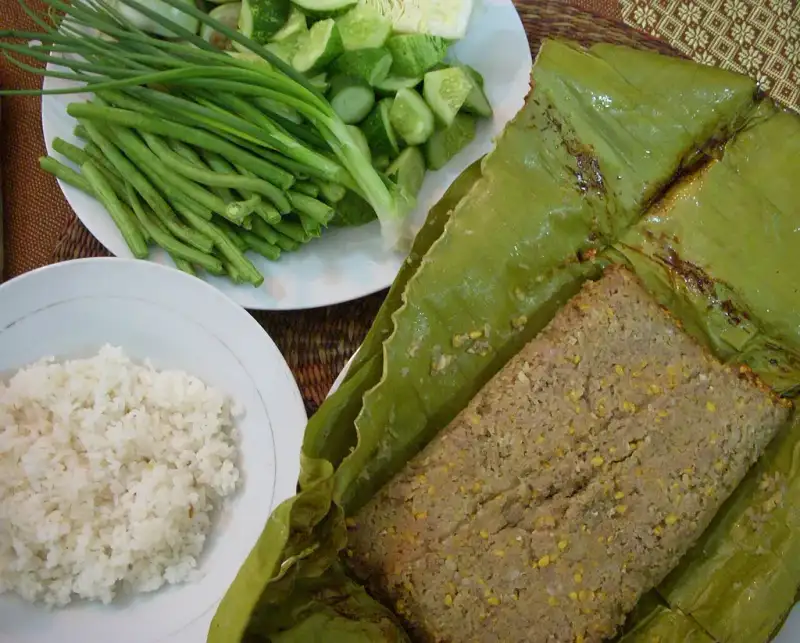

There are culinary experiences that merely delight the palate, and then there are those that challenge the very boundaries of gastronomic perception, forcing a reconsideration of what food can be. Prahok, the legendary fermented fish paste of Cambodia, undeniably belongs to the latter category. For the uninitiated, its potent, almost aggressive aroma can be an immediate deterrent, a primal alarm signaling something foreign, perhaps even alarming. Yet, for millions of Khmers, Prahok is not just food; it is the very soul of their cooking, an indispensable, revered cornerstone of their culinary identity, embodying history, struggle, and an unwavering connection to the land and water. To truly understand Prahok is to embark on a sensory and cultural journey far removed from the sanitized aisles of modern supermarkets. It is to wade into the muddy banks of the Tonle Sap, to witness the chaotic ballet of fishermen at harvest, and to appreciate the ingenious alchemy of preservation born out of necessity centuries ago. This is not a mere condiment; it is a repository of tradition, a testament to resourcefulness, and a polarizing delicacy that defines Cambodian tables more profoundly than any other single ingredient. The Ancestral Whispers: A History Woven in Salt and Fish The origins of fermentation are as old as humanity's struggle against spoilage. In Southeast Asia, where tropical climates accelerate decay, methods of preserving highly perishable protein sources like fish became paramount. Prahok, in its most fundamental form, is the ingenious solution devised by the Khmer people to harness the annual bounty of the Tonle Sap and Mekong River systems, ensuring sustenance through lean seasons. Centuries before refrigeration, communities relied on salting, drying, and fermenting. The Tonle Sap, a unique hydrological marvel that reverses its flow annually, floods vast plains, providing an unparalleled breeding ground for freshwater fish. When the waters recede, the fish are caught in staggering numbers. Faced with an abundance that could not be consumed fresh, the ancestors of modern Cambodians turned to a time-honored technique: controlled decomposition. Early forms of Prahok likely emerged from simple practices of salting fish and burying them in earthenware jars, allowing natural enzymes and microbes to work their magic. Over generations, this process was refined, becoming the complex, multi-stage fermentation we recognize today. It was not merely about preventing rot but about transforming the fish into something entirely new – a concentrated source of umami, packed with flavor and nutrients, capable of enduring for months, even years. Prahok thus became the bedrock of the Khmer diet, a stable, accessible source of protein and flavor, particularly crucial during times of war, famine, and displacement, which have tragically marked much of Cambodian history. Its very existence is a testament to the resilience and ingenuity of a people who have learned to thrive in harmony with their environment, making the most of its cyclical gifts. The Art and Alchemy: Crafting the Essence of Khmer Cuisine The making of Prahok is a communal and often festive affair, deeply ingrained in the annual rhythm of rural Cambodian life. It typically begins after the peak fishing season, usually between December and February, when the waters are receding, and fish are plentiful and robust. The process, while seemingly straightforward, requires skilled hands and an understanding of the subtle nuances of fermentation. First, immense quantities of small freshwater fish, often varieties like trey riel, are meticulously cleaned. This involves removing scales, guts, and sometimes heads, though regional variations exist. The cleaned fish are then crushed or pounded into a paste – traditionally by hand or foot, in large wooden mortars, a laborious task often shared by many. This crushing is crucial; it breaks down the fish muscle and exposes more surface area for salt penetration and microbial activity. Next comes the salting. A generous amount of salt is mixed thoroughly with the fish paste. The precise ratio varies by family and region, a closely guarded secret passed down through generations. The salt not only draws out moisture, inhibiting spoilage bacteria, but also kickstarts the fermentation by favoring salt-tolerant microbes. The salted paste is then packed tightly into large earthenware jars, clay pots, or sometimes even concrete vats, ensuring no air pockets remain.The jars are sealed, often with a layer of banana leaves or a heavy lid, and left to ferment in a cool, dark place for several months, sometimes up to a year or more. During this period, enzymes within the fish, along with beneficial bacteria, break down the fish proteins and fats, creating a complex array of amino acids and fatty acids that contribute to Prahok's distinctive flavor and aroma. The characteristic pungency develops as sulfur compounds are formed, a hallmark of fermented fish products across Asia. Some traditions involve sun-drying the fish slightly before salting, or adding other ingredients like roasted rice powder or spices, leading to different grades and flavors of Prahok, each with its own specific culinary application. The careful monitoring of temperature and humidity is vital, as is the patience of the makers, understanding that time is the ultimate ingredient. More Than a Condiment: Prahok's Place at the Cambodian Table To dismiss Prahok as a mere "fish paste" is to profoundly misunderstand its culinary role. It is not just an ingredient; it is the fundamental flavor base for countless Cambodian dishes, performing a similar function to fish sauce in Thai or Vietnamese cuisine, but with a far more robust, earthy, and complex profile. Prahok provides the deep umami, the salty anchor, and the signature funk that defines Khmer cooking. One of the most common ways Prahok is consumed is as a dip or relish. Prahok ktis is a beloved dish where minced pork is cooked with Prahok, coconut milk, eggplant, and chilies, resulting in a creamy, savory, and spicy dip often served with fresh vegetables like cucumbers, raw cabbage, and long beans. Another popular preparation is Prahok chien, where the paste is stir-fried with pork or beef, garlic, and chilies until caramelized, intensifying its flavors. This fiery dish is typically eaten with plain white rice and a mountain of fresh herbs. Prahok also serves as a crucial flavoring agent in soups and curries. A classic example is Samlor Korko, a hearty mixed vegetable soup often featuring slices of fresh fish or pork, flavored heavily with Prahok, creating a rich, deeply savory broth. It's often added to marinades for grilled meats or fish, imparting a depth that is unmistakable. Even in dishes where its presence is subtle, Prahok provides that essential "Khmerness," a foundational layer of flavor that would be conspicuously absent without it. Its versatility is such that it can be roasted, fried, steamed, or eaten raw (if meticulously prepared and traditionally aged), showcasing its adaptability across the entire culinary spectrum. with fresh garden vegetables and steamed rice, rustic setting) Cultural Crossroads: Identity, Poverty, and Global Palates Prahok's omnipresence in Cambodian cuisine is inextricably linked to the nation's history and socioeconomic realities. For centuries, Prahok was a vital source of protein for the rural poor, offering an affordable, shelf-stable alternative to fresh meat or fish. Its production also created livelihoods, from the fishermen to the families involved in its painstaking preparation. During the brutal Khmer Rouge regime, when resources were scarce and people were forced into agricultural labor, Prahok, often scavenged or made in secret, became a critical survival food, a grim testament to its enduring importance. This history further imbues Prahok with a profound cultural resonance, making it a symbol of resilience and survival. However, Prahok also stands at a fascinating cultural crossroads. While revered domestically, its pungent aroma and intense flavor profile can be challenging for non-Khmer palates, even among other Southeast Asian cultures accustomed to fermented fish products. This has led to Prahok being a defining, yet sometimes divisive, marker of Cambodian identity, both celebrated internally and occasionally misunderstood externally. In the modern era, the artisanal production of Prahok faces new challenges. Traditional methods are labor-intensive, and the younger generation, drawn to urban opportunities, may not always embrace the arduous process. Environmental concerns, such as overfishing, pollution, and climate change impacting the Tonle Sap's delicate ecosystem, threaten the very fish stocks necessary for Prahok production. The rise of industrial-scale production also raises questions about quality, authenticity, and the preservation of traditional knowledge. Yet, there is also a burgeoning appreciation. As global culinary explorers delve deeper into niche and authentic flavors, Prahok is slowly finding its way onto more adventurous menus outside Cambodia. Chefs are beginning to experiment with its umami depth, using it sparingly to add complexity, much like how anchovy paste or aged cheese is used in Western cuisine. This growing recognition offers a glimmer of hope for the continuation of this ancient craft, perhaps even inspiring new generations to reconnect with this vital piece of their heritage. The Future of Funk: Preserving a Culinary Legacy The future of Prahok, like many traditional foods, hangs in a delicate balance between modernization and preservation. Efforts are needed to support the artisanal producers, ensuring fair trade practices and promoting sustainable fishing methods. Educating younger generations about the cultural significance and intricate craft of Prahok making is crucial to prevent its knowledge from fading. Furthermore, innovative approaches to marketing and presenting Prahok to a wider audience, without compromising its authenticity, could help secure its place in the global culinary landscape. For the adventurous eater, approaching Prahok requires an open mind and a willingness to transcend preconceived notions of taste. Start by trying it in dishes where its flavor is integrated rather than raw or dominant. Embrace the intensity, appreciate the history, and understand that beneath the challenging aroma lies a depth of flavor and a story of survival that few ingredients can match. Prahok is more than just fermented fish; it is the enduring heartbeat of Cambodian cuisine, a symbol of a people's enduring connection to their past, their land, and their unwavering spirit. To taste Prahok is to taste Cambodia itself, in all its complexity, resilience, and profound beauty.#CambodianCuisine #Prahok #FermentedFoods #KhmerFood #CulinaryHeritage Related InsightsThe Fifth Dimension of Flavor: How a Bowl of Seaweed Broth Rewrote the History of Taste Ndambe: The Comforting Black-Eyed Pea Stew Turning Kitchen Scraps into Gourmet Gold: The Zero‑Waste Revolution{ "@context": "https://schema.org", "@type": "FAQPage", "mainEntity": [ { "@type": "Question", "name": "What is the main focus of Prahok: The Fermented Soul of Cambodia's Culinary Identity?", "acceptedAnswer": { "@type": "Answer", "text": "Unravel the complex history, cultural significance, and intricate craft of Prahok, Cambodia's polarizing yet indispensable fermented fish paste. Beyond its pungent aroma, discover a symbol of resilience, heritage, and the true essence of Khmer cuisine." } }, { "@type": "Question", "name": "Who authored the comprehensive guide on Prahok: The Fermented Soul of Cambodia's Culinary Identity?", "acceptedAnswer": { "@type": "Answer", "text": "This detailed article and its insights were carefully researched and authored by Demir Şef." } }, { "@type": "Question", "name": "Where can I find more related content about Food?", "acceptedAnswer": { "@type": "Answer", "text": "You can explore more articles, detailed reviews, and similar insights by browsing the Related Insights section at the bottom of this article or visiting our dedicated Food category page." } } ] }
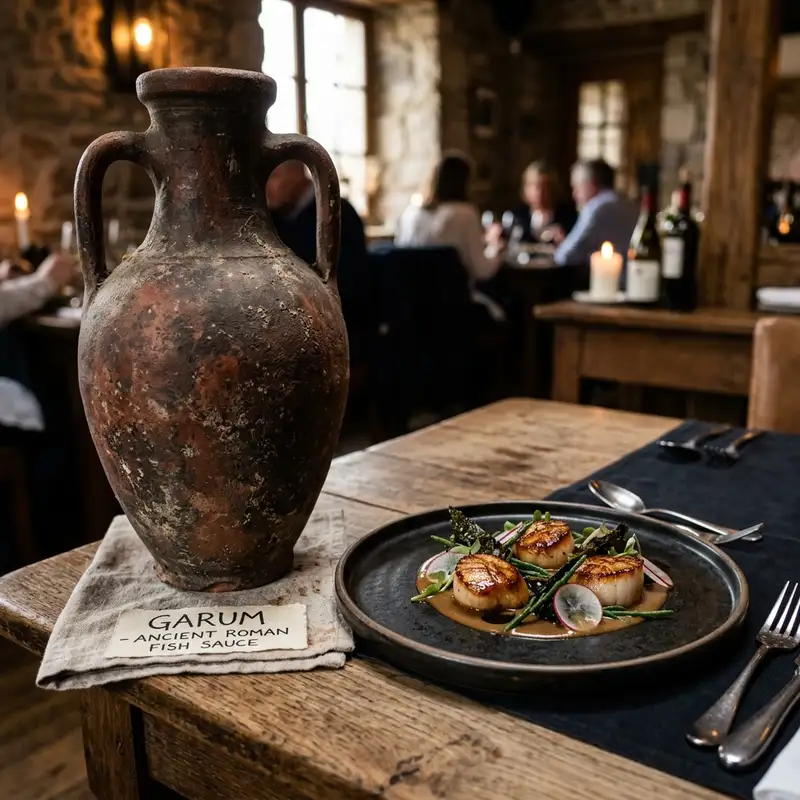
Imagine a world where every meal, from the simplest gruel to the most lavish imperial banquet, was seasoned with a single, pervasive condiment. A flavor so integral, so universally present, that its absence would render dishes incomplete, its very aroma defining the culinary landscape. This was the gastronomic reality of #ancient #Rome, and its undisputed king was not salt, nor pepper, nor any fresh herb, but garum – a fermented fish sauce that was the very heartbeat of Roman cuisine, a liquid gold flowing through the veins of an #empire. For centuries, garum remained a mere historical footnote, relegated to dusty texts and archaeological dig sites, often misunderstood as a simple, crude fermentation. Yet, to dismiss garum as just "ancient fish sauce" would be akin to calling a symphony mere noise. It was a complex, nuanced, and utterly essential flavor enhancer, the ultimate expression of umami long before the term was coined. Its story is one of innovation, empire, decline, and a remarkable, unexpected modern resurgence, a testament to the enduring power of fundamental flavors. The Pervasive Taste of Empire: Garum's Ancient Reign Garum wasn't merely a niche ingredient; it was an industrial commodity, produced on a massive scale across the Roman Empire, from the shores of Hispania (modern #Spain) and Lusitania (Portugal) to North Africa and the Levant. Its production centers, often sprawling complexes of vats and processing areas, were economic powerhouses, contributing significantly to regional wealth. The sheer volume of garum produced speaks volumes about its demand. Amphorae, bearing distinctive stamps identifying their origin and contents, have been found in shipwrecks and archaeological sites across the Roman world, evidence of an intricate and far-reaching trade network. The process of making garum was surprisingly sophisticated for its time, relying on the natural enzymatic breakdown of fish guts and whole small fish, layered with salt, and left to ferment under the scorching Mediterranean sun. This slow, anaerobic digestion transformed proteins into amino acids, yielding a liquid brimming with intensely savory compounds. Classical authors provided tantalizing glimpses into this industry:Pliny the Elder in his Natural #history described garum as "a liquor of exquisite taste." Apicius, the famed Roman gourmand, featured garum extensively in his cookbook, De re coquinaria, indicating its versatility in everything from sauces and stews to dressings and even desserts (though likely in savory-sweet combinations).Different qualities and types of garum existed, much like today's olive oils or balsamic vinegars. Key varieties included:Garum (or Liquamen): The most common, clear, amber liquid. Alleс: The thick, pasty sediment left after the garum was strained, often used as a spread or thickener. Muria: A simpler brine used for curing fish. Haemation: A prized, dark red garum made from tuna blood and guts. Garum Flos Floris: "The flower of flowers," indicating a premium, possibly first-press, variety.The aroma, by modern standards, would have been intense, to say the least. Ancient sources occasionally mention its powerful smell, even referencing it in jokes and proverbs. Yet, it was the smell of prosperity, of flavor, and of a complex culinary civilization. It seasoned vegetables, meats, and even bread. Soldiers carried it on campaigns, and it was a staple in every Roman household, irrespective of social standing, though the wealthy might have access to finer, more aged varieties. The Curious Case of Its Disappearance The decline of garum production is a fascinating tangent in culinary history. As the Roman Empire fragmented and eventually collapsed, so too did many of its sophisticated infrastructures. The large-scale, industrial production of garum, which required substantial investment, extensive trade routes, and a stable political environment, began to wane. Several factors contributed to its eventual disappearance:Economic Disruption: The breakdown of imperial trade routes made it difficult and dangerous to transport goods like garum over long distances. Changing Palates: Over centuries, new culinary influences, ingredients, and cooking methods emerged across Europe. Fermented products remained, but perhaps the specific intensity and production method of garum fell out of favor. Rise of Spices: The increasing availability and affordability of spices from the East, facilitated by new trade networks, offered alternative ways to flavor food, potentially overshadowing the need for garum. Sanitary Concerns: While essential to the Roman diet, the production of garum, with large quantities of fermenting fish in open vats, was undeniably odorous and potentially unhygienic in areas not properly managed. As populations shifted and new urban centers grew, public health concerns, however rudimentary, might have played a role. Loss of Knowledge: The complex techniques, specific ratios, and knowledge of ideal fish species for garum production might have simply been lost or diluted over generations as production dwindled.By the early medieval period, garum had largely vanished from European tables, replaced by a multitude of other seasonings, notably salt, vinegar, and early forms of mustard and herb pastes. It became a ghostly echo in the annals of history, a forgotten flavor of a bygone era. From Rubble to Revival: The Modern Renaissance For nearly two millennia, garum remained buried in history. Then, in the late 20th and early 21st centuries, a confluence of factors led to its astonishing revival. This resurgence isn't merely about historical curiosity; it's a testament to the power of umami and the continuous quest for unique, profound flavors in modern gastronomy. The catalysts for this revival are multifaceted:Culinary Archaeology: Growing interest in reconstructing ancient recipes and foodways. Scholars and food historians began to meticulously translate ancient texts and analyze archaeological findings from sites like Pompeii, where garum factories and residue-filled amphorae provided concrete evidence. The Umami Revolution: The widespread recognition and popularization of "umami" as the fifth basic taste, largely driven by Japanese cuisine and its use of fermented ingredients like soy sauce and dashi. This created a context for appreciating the deep savoriness of garum. Chef-Driven Innovation: Forward-thinking chefs, always seeking new dimensions of flavor, started looking beyond conventional ingredients. The idea of resurrecting an "ancient secret weapon" held immense appeal. Fermentation Trend: The global trend towards fermented foods, celebrated for their complex flavors and health benefits, provided a natural framework for re-evaluating garum.One of the most notable figures in the modern garum movement is the Italian chef Gennaro Esposito, whose commitment to authentic regional ingredients led him to explore Colatura di Alici di Cetara. While not exactly garum, colatura is a traditional anchovy-based fish sauce produced in Cetara on the Amalfi Coast, a direct descendant of ancient Roman garum. Its production method – salt-cured anchovies pressed for their liquid – is remarkably similar to one of the ancient techniques. This existing tradition provided a tangible link to the past. Inspired by colatura and archaeological research, chefs and food scientists began experimenting with true garum production. The challenges were significant: recreating ancient conditions, sourcing appropriate fish, controlling fermentation, and ensuring food safety. Modern garum production often involves:Selection of Fish: Small, oily fish like anchovies, sardines, or even mackerel are preferred, often whole or with guts. Salting: Layering fish with high-quality sea salt. Fermentation: Placing the mixture in controlled environments (sometimes temperature-regulated, sometimes relying on passive solar heat) for several months, often up to a year or more. Pressing and Filtering: After fermentation, the liquid is pressed out and filtered to achieve clarity.The Flavor Profile and Modern Applications What does modern garum taste like? It’s a revelation. Unlike many commercial fish sauces, which can be aggressively salty or fishy, well-made garum is complex, deep, and incredibly savory. It possesses a distinct umami punch, often with notes of:Briny sweetness: A subtle sweetness that balances the salt. Nutty undertones: Some compare its depth to aged parmesan or cured meats. Earthy funk: A pleasant, fermented aroma that adds character without being overtly "fishy." Roundness: It adds a foundational richness to dishes, enhancing other flavors rather than dominating them.The culinary world has embraced garum with open arms. Michelin-starred restaurants globally are featuring it on their menus, incorporating it into innovative dishes. Here are some ways modern chefs are utilizing garum:Sauces and Dressings: A few drops can elevate a vinaigrette, Hollandaise, or simple pan sauce to new heights. Marinades: Imparting a profound depth to meats, poultry, and seafood. Vegetable Enhancer: Drizzled over roasted vegetables (asparagus, broccoli, tomatoes) to intensify their natural flavors. Broths and Soups: A secret ingredient for a richer, more complex stock or consommé. Pasta Dishes: A natural fit, especially with seafood or simple garlic and oil preparations. Fermented Food Pairings: Enhancing other fermented products like kimchi or miso. Cocktails (Surprisingly!): A daring dash in savory cocktails like a Bloody Mary for an unexpected layer of umami.The beauty of garum lies in its ability to provide a background hum of savoriness, making other ingredients shine more brightly. It's not about making a dish taste like fish sauce; it's about making it taste more. Beyond the Palate: What Garum's Revival Tells Us The #journey of garum, from its imperial dominance to its millennia-long slumber and dramatic reawakening, offers more than just a culinary curiosity. It speaks to the cyclical #nature of human endeavor, the enduring allure of fundamental flavors, and our persistent desire to connect with the past through our senses. The effort to revive garum is an act of culinary archaeology, a dedication to understanding and appreciating the ingenuity of ancient cultures. It highlights the sophistication of Roman gastronomy, often overlooked in favor of more dramatic historical narratives. It also underscores the universality of umami, a taste that transcends cultures and eras, connecting the banquets of emperors to the plates of modern epicureans. As we continue to explore the boundaries of flavor, products like garum remind us that sometimes, the most innovative tastes are not newly invented, but rather rediscovered echoes from a distant past. The pungent, profound liquid that once fueled an empire is now inspiring a new generation of chefs and food lovers, proving that a great flavor, however ancient, never truly disappears; it merely waits for its moment to be tasted again. #Umami #Garum #CulinaryHistory #AncientRomanCuisine #FermentedFoods Related InsightsKung Pao: The Perfect Balance of Sweet and Heat The World on a Plate: How Street Food Shaped Civilizations and Continues to Feed Billions The Obscure Origins and Transcendent Transformation of Cacao's Dark Heart{ "@context": "https://schema.org", "@type": "FAQPage", "mainEntity": [ { "@type": "Question", "name": "What is the main focus of The Umami Echo: Tracing Garum's Resurgence from Pompeii to Michelin Stars?", "acceptedAnswer": { "@type": "Answer", "text": "Delve into the fascinating, pungent history of Garum, ancient Rome's omnipresent condiment, and discover its unexpected culinary revival in modern gastronomy." } }, { "@type": "Question", "name": "Who authored the comprehensive guide on The Umami Echo: Tracing Garum's Resurgence from Pompeii to Michelin Stars?", "acceptedAnswer": { "@type": "Answer", "text": "This detailed article and its insights were carefully researched and authored by Demir Şef." } }, { "@type": "Question", "name": "Where can I find more related content about Food?", "acceptedAnswer": { "@type": "Answer", "text": "You can explore more articles, detailed reviews, and similar insights by browsing the Related Insights section at the bottom of this article or visiting our dedicated Food category page." } } ] }