Showing Posts From
Fiction

Todos quieren a Daisy Jones / Daisy Jones & The Six Author: Taylor Jenkins ReidPage Count: UnknownPublication Date: 2020-PRH Daisy Jones & The Six by Taylor Jenkins Reid is a mesmerizing tale of the meteoric rise of a 1970s rock band and their enigmatic lead singer, Daisy Jones. This captivating novel delves into the mystery surrounding the band's infamous breakup, weaving a narrative that is both poignant and unforgettable. Reid's writing style is nothing short of masterful, employing an interview-style format that imbues the story with an irresistible energy. The narrative is presented as a series of recollections from the band members and those closest to them, creating a sense of intimacy and immediacy that draws the reader in. This innovative approach allows Reid to explore the complexities of the characters and their relationships, crafting a rich tapestry of emotions, desires, and conflicts. At the heart of the novel is the tumultuous relationship between Daisy Jones and Billy Dunne, the charismatic lead singer of The Six. Theirs is a union forged in the fire of creative passion and fueled by a mutual desire for fame and recognition. As the band's popularity soars, the tensions between them escalate, threatening to destroy not only their partnership but also the very fabric of the band. Reid's portrayal of the 1970s music scene is vivid and immersive, capturing the excesses and extravagances of the era with unflinching accuracy. The world of rock 'n' roll is one of sex, drugs, and music, where the boundaries between reality and fantasy are constantly blurred. Against this backdrop, Daisy Jones & The Six must navigate the treacherous waters of fame, confronting the darker aspects of their own desires and demons. One of the most striking aspects of Reid's writing is her ability to create characters that are at once flawed and fascinating. Daisy Jones, in particular, is a complex and multifaceted figure, driven by a fierce determination to succeed and a deep-seated need for validation. Her voice is a powerful instrument, capable of conveying the full range of human emotions, from vulnerability to defiance. Through the story of Daisy Jones & The Six, Reid explores themes of creativity, ambition, and the true cost of fame. This is a novel about the power of music to transcend and transform, but also about the destructive forces that can tear a band apart. As the narrative unfolds, Reid raises important questions about the nature of art and the artist, challenging the reader to consider the sacrifices that must be made in pursuit of greatness. In short, Daisy Jones & The Six is a triumph, a novel that will resonate with anyone who has ever been moved by the power of music. With its innovative style, vivid characters, and unflinching portrayal of the rock 'n' roll lifestyle, this book is an absolute must-read for fans of music, fiction, and drama. #DaisyJonesAndTheSix #TaylorJenkinsReid #RockAndRollFiction #MusicNovels #70sMusicScene #FictionBookReview Related InsightsThe Left Hand of Darkness Book Review and Summary Long Walk Book Review and Summary La parte más oscura del bosque Book Review and Summary{ "@context": "https://schema.org", "@type": "FAQPage", "mainEntity": [ { "@type": "Question", "name": "What is the main focus of Daisy Jones & The Six Book Review and Summary?", "acceptedAnswer": { "@type": "Answer", "text": "Everything you need to know about Daisy Jones & The Six with our detailed review." } }, { "@type": "Question", "name": "Who authored the comprehensive guide on Daisy Jones & The Six Book Review and Summary?", "acceptedAnswer": { "@type": "Answer", "text": "This detailed article and its insights were carefully researched and authored by Taylor Jenkins Reid." } }, { "@type": "Question", "name": "Where can I find more related content about Books?", "acceptedAnswer": { "@type": "Answer", "text": "You can explore more articles, detailed reviews, and similar insights by browsing the Related Insights section at the bottom of this article or visiting our dedicated Books category page." } } ] }
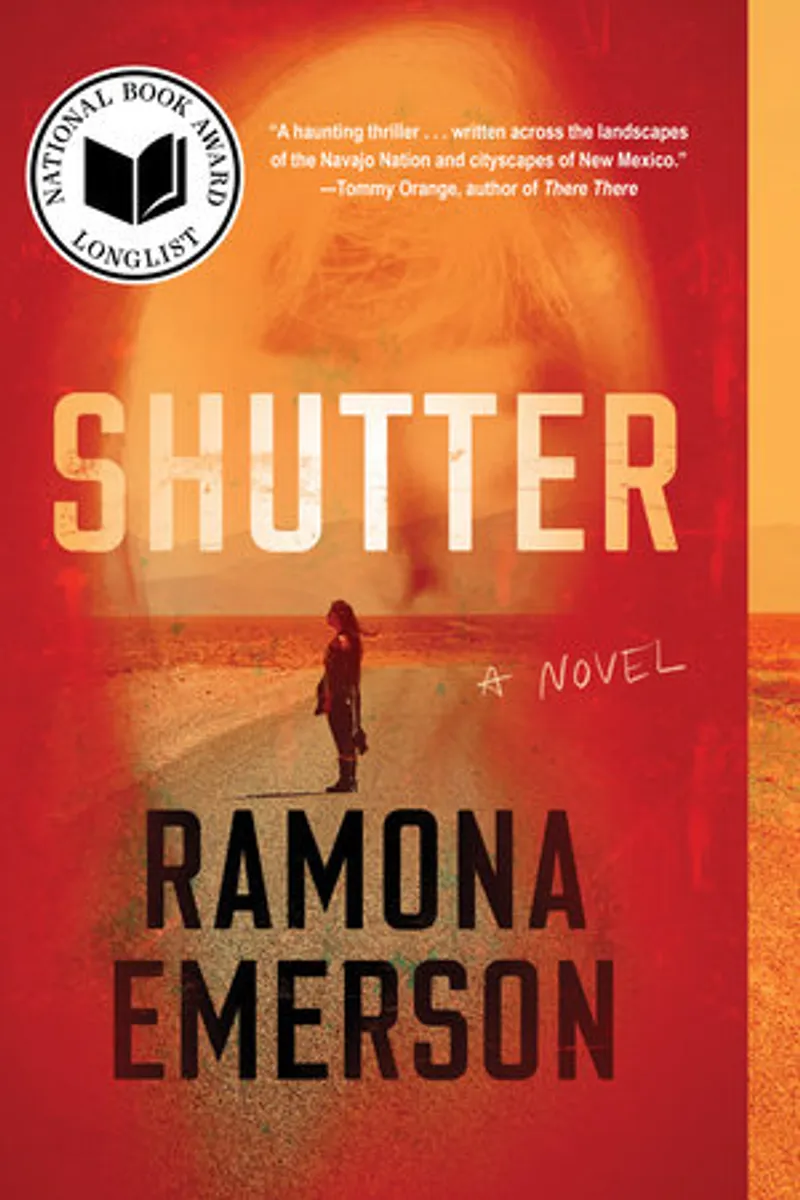
Shutter Author: Ramona EmersonPage Count: UnknownPublication Date: 2023-PRH Ramona Emerson’s Shutter is a masterclass in blending the visceral with the supernatural, a debut that crackles with tension and lingers like a ghost in the mind long after the last page. Longlisted for the National Book Award, this novel is a triumphant fusion of crime thriller, horror, and coming-of-age narrative, all set against the stark, sun-bleached backdrop of New Mexico’s Navajo Nation. Emerson, a forensic photographer with a background in the field, crafts a story that is as meticulously observed as it is deeply unsettling, where every shadow seems to whisper and every reflection holds a secret. At its core, Shutter is a meditation on trauma—both personal and collective—and the ways in which the past refuses to stay buried. Rita Todacheene, the novel’s protagonist, is a woman haunted in more ways than one. A forensic photographer for the Albuquerque police, she possesses an almost supernatural ability to see the ghosts of crime victims, their spectral forms pointing her toward clues that others miss. This gift, which should make her an invaluable asset, instead isolates her, a burden that drove her from her Navajo reservation and into a life of sleepless nights and legal troubles. Rita’s existence is a paradox: she is both a bridge between the living and the dead and a prisoner of their demands. Emerson’s prose is as precise as Rita’s photography, each sentence sharp enough to cut through the noise of the supernatural and the grit of the crime world. The novel’s strength lies in its unflinching realism, even as it veers into the uncanny. The forensic details—blood spatter patterns, the weight of a body, the cold precision of a crime scene—ground the story in a world that feels tangible, even when the ghosts are not. Yet it’s the supernatural elements that elevate Shutter from a gripping crime novel into something far more haunting. Rita’s visions are not just plot devices; they are visceral, intrusive, and deeply unsettling. The ghosts she encounters are not passive observers but active, often violent presences, their rage and sorrow bleeding into her life like ink in water. The novel’s exploration of Indigenous identity and displacement is equally compelling. Rita’s Navajo heritage is not just a backdrop but a living, breathing force in the story. Emerson, who is of Diné (Navajo) and Laguna Pueblo heritage, infuses the narrative with a deep cultural awareness, avoiding the pitfalls of exoticism or tokenism. Rita’s relationship with her grandmother, her struggles with cultural dislocation, and her complicated ties to her homeland add layers of emotional depth to the thriller. The reservation, with its own history of violence and erasure, becomes a character in its own right, a place both haunted and haunting. The plot of Shutter is a relentless descent into danger, as Rita is drawn into a conspiracy that pits her against one of Albuquerque’s most dangerous cartels. The novel’s pacing is impeccable, with Emerson balancing Rita’s personal demons with the high-stakes mystery of the murder investigation. The supernatural elements are not just window dressing; they are integral to the story’s tension, with Rita’s ghostly encounters both aiding and hindering her progress. The result is a narrative that is as suspenseful as it is thought-provoking, a story that refuses to let the reader look away. Emerson’s style is a study in contrasts: lyrical yet brutal, poetic yet raw. She writes with a keen eye for detail, whether describing the play of light on a crime scene or the weight of a ghost’s presence. The dialogue crackles with authenticity, and the characters—from Rita’s troubled colleagues to the cartel enforcers—feel fully realized, their motivations and flaws laid bare. The novel’s horror is not gratuitous but earned, a natural extension of the violence and trauma that permeate the story. Shutter is a book that lingers, its themes of grief, justice, and the inescapable past echoing long after the final page. It’s a debut that announces Emerson as a major new voice in crime fiction, one who is unafraid to blend the supernatural with the real, the personal with the political. This is a story that will haunt you—not just because of its ghosts, but because of its unflinching gaze into the darkness that lives within us all. #Shutter #RamonaEmerson #SupernaturalThriller #CrimeFiction #NavajoNation #GhostStory Related InsightsWin Book Review and Summary The Mystic and the Missing Girl Book Review and Summary The Scarlet Pimpernel Book Review and Summary{ "@context": "https://schema.org", "@type": "FAQPage", "mainEntity": [ { "@type": "Question", "name": "What is the main focus of Shutter Island Book Review and Summary?", "acceptedAnswer": { "@type": "Answer", "text": "Everything you need to know about Shutter Island with our detailed review." } }, { "@type": "Question", "name": "Who authored the comprehensive guide on Shutter Island Book Review and Summary?", "acceptedAnswer": { "@type": "Answer", "text": "This detailed article and its insights were carefully researched and authored by Dennis Lehane." } }, { "@type": "Question", "name": "Where can I find more related content about Books?", "acceptedAnswer": { "@type": "Answer", "text": "You can explore more articles, detailed reviews, and similar insights by browsing the Related Insights section at the bottom of this article or visiting our dedicated Books category page." } } ] }
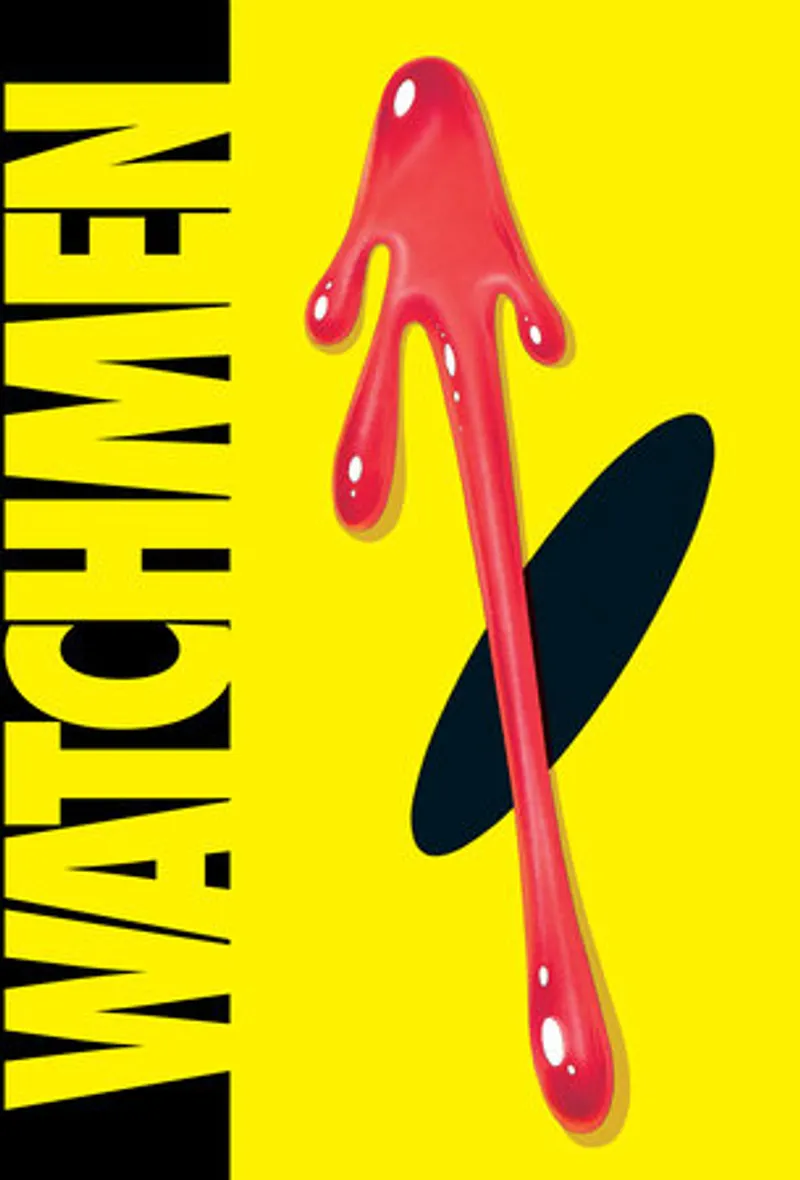
Absolute Watchmen (New Edition) Author: Alan MoorePage Count: UnknownPublication Date: 2023-PRH The release of Absolute Watchmen, a new edition of the iconic graphic novel, is a monumental event in the literary world. Written by the visionary Alan Moore and illustrated by the masterful Dave Gibbons, this groundbreaking masterpiece has been reimagined in a stunning oversized volume, complete with a slipcase and ribbon bookmark. The Absolute edition is a must-have for collectors and fans of the original series, offering a beautifully restored and recolored presentation of the 12-issue series, along with 48 pages of rare supplemental material. Set in an alternate America, where superheroes have been outlawed and the world is on the brink of chaos, Watchmen is a thought-provoking and deeply unsettling deconstruction of the superhero archetype. Moore's writing is a marvel of complexity and depth, weaving a intricate narrative that explores the darker aspects of human nature and the consequences of playing god. The story follows a group of flawed and often disturbing characters, including Rorschach, Nite Owl, and Dr. Manhattan, as they navigate a treacherous landscape of politics, morality, and mortality. One of the most striking aspects of Watchmen is its unflinching examination of the human condition. Moore's characters are multidimensional and often repulsive, challenging the traditional notions of heroism and virtue. The novel's exploration of themes such as power, corruption, and the dangers of unchecked authority is both timely and timeless, resonating with readers on a profound level. The world of Watchmen is a bleak and unforgiving one, where the lines between good and evil are constantly blurred, and the consequences of action are always devastating. Moore's writing style is characterized by its intelligence, wit, and unflinching honesty. His use of language is precise and evocative, conjuring a sense of atmosphere and mood that is both captivating and unsettling. The novel's non-linear narrative structure, which jumps back and forth in time, adds to the sense of complexity and depth, challenging readers to piece together the puzzle of the story. Gibbons' illustrations are equally impressive, bringing the world of Watchmen to life with a level of detail and nuance that is simply breathtaking. The Absolute edition of Watchmen is a testament to the enduring power and influence of the original series. The restored and recolored artwork is stunning, with a level of clarity and vibrancy that is simply stunning. The supplemental material, which includes samples of Moore's scripts, concept art, and other rare treasures, offers a fascinating glimpse into the creative process behind the novel. The result is a truly definitive edition of Watchmen, one that will be cherished by fans and collectors for years to come. In conclusion, Absolute Watchmen is a masterpiece of graphic storytelling, a novel that continues to inspire and disturb readers to this day. Moore's writing is a work of genius, a complex and nuanced exploration of the human condition that is both thought-provoking and deeply unsettling. The Absolute edition is a must-have for anyone who loves comics, literature, or simply great storytelling. With its stunning artwork, complex characters, and unflinching examination of the human condition, Watchmen is a novel that will continue to resonate with readers for generations to come. #Watchmen #AlanMoore #GraphicNovel #Superhero #ComicBook #AlternateHistory Related InsightsThe Giver of Stars Book Review and Summary Believe in You Book Review and Summary A Memory Called Empire Book Review and Summary{ "@context": "https://schema.org", "@type": "FAQPage", "mainEntity": [ { "@type": "Question", "name": "What is the main focus of Watchmen Book Review and Summary?", "acceptedAnswer": { "@type": "Answer", "text": "Everything you need to know about Watchmen with our detailed review." } }, { "@type": "Question", "name": "Who authored the comprehensive guide on Watchmen Book Review and Summary?", "acceptedAnswer": { "@type": "Answer", "text": "This detailed article and its insights were carefully researched and authored by Alan Moore." } }, { "@type": "Question", "name": "Where can I find more related content about Books?", "acceptedAnswer": { "@type": "Answer", "text": "You can explore more articles, detailed reviews, and similar insights by browsing the Related Insights section at the bottom of this article or visiting our dedicated Books category page." } } ] }
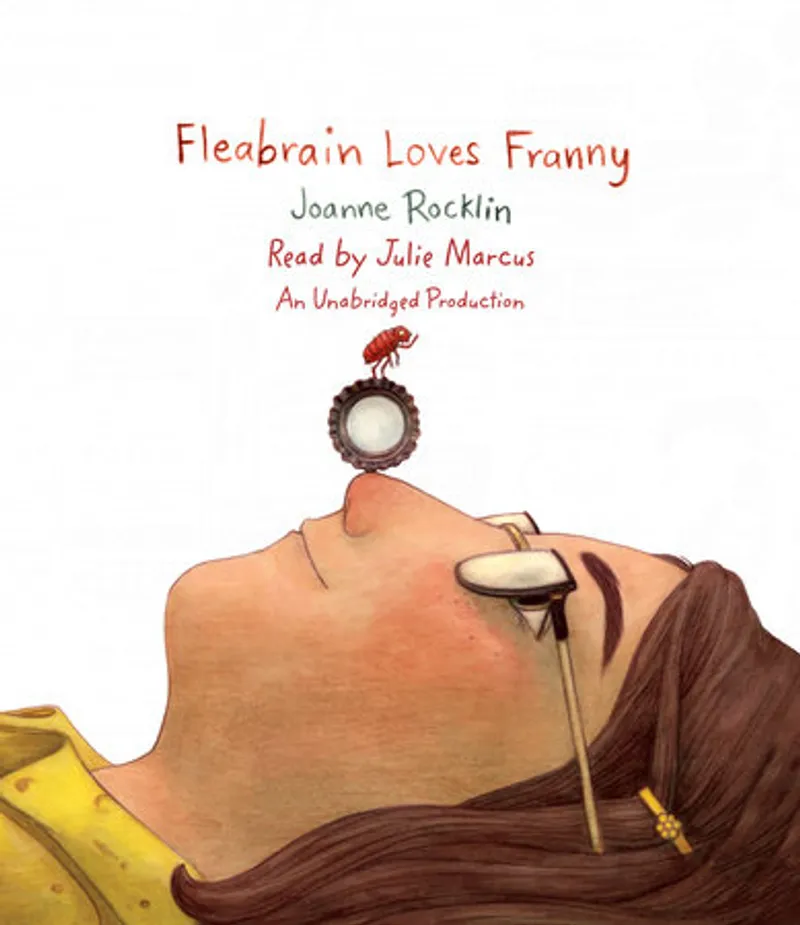
Fleabrain Loves Franny Author: Joanne RocklinPage Count: UnknownPublication Date: 2014-PRH In "Fleabrain Loves Franny," Joanne Rocklin crafts a poignant and humorous tale that explores the transformative power of literature and friendship. Set in 1952 Pittsburgh, the story revolves around Franny Katzenback, a young girl struggling to come to terms with the aftermath of polio. As she navigates the challenges of physical therapy and feels increasingly isolated from her community, Franny finds solace in the pages of E.B. White's "Charlotte's Web." Her love for the book inspires her to reach out to an unlikely companion – Fleabrain, an erudite flea residing on her dog's tail. Through their epistolary exchanges, Rocklin masterfully weaves a narrative that is both a tribute to the classic novel and a thoughtful exploration of the human experience. Fleabrain, with his vast literary knowledge, whisks Franny away on imaginative adventures, providing a much-needed escape from her difficulties. As their bond deepens, Franny begins to confront her fears and find the strength to re-engage with the world around her. Rocklin's writing is characterized by her signature wit and thoughtfulness, imbuing the story with a sense of nostalgia and timelessness. Her prose is effortlessly engaging, making it easy to become fully invested in Franny's journey. The author's use of Fleabrain as a narrative device is particularly noteworthy, allowing her to explore complex themes such as loneliness, perseverance, and the healing power of storytelling. One of the most striking aspects of "Fleabrain Loves Franny" is its ability to balance lighthearted moments with more serious introspection. Rocklin never shies away from addressing the difficulties Franny faces, but she also knows when to inject humor and playfulness into the narrative. This delicate balance makes the book an absolute delight to read, and its themes will resonate with readers of all ages. In "Fleabrain Loves Franny," Joanne Rocklin reminds us of the profound impact that stories can have on our lives. Through Franny's love of "Charlotte's Web" and her subsequent friendship with Fleabrain, we are shown the ways in which literature can provide comfort, inspiration, and a sense of connection to others. This charming novel is a must-read for anyone who has ever found solace in the pages of a good book. #FleabrainLovesFranny #JoanneRocklin #CharlotteWeb #PolioAwareness #LiteraryFiction #MiddleGradeNovels Related InsightsVeronika Decides to Die Book Review and Summary Snowed In at the Wildest Dreams Bookshop Book Review and Summary The City and Its Uncertain Walls Book Review and Summary{ "@context": "https://schema.org", "@type": "FAQPage", "mainEntity": [ { "@type": "Question", "name": "What is the main focus of Franny and Zooey Book Review and Summary?", "acceptedAnswer": { "@type": "Answer", "text": "Everything you need to know about Franny and Zooey with our detailed review." } }, { "@type": "Question", "name": "Who authored the comprehensive guide on Franny and Zooey Book Review and Summary?", "acceptedAnswer": { "@type": "Answer", "text": "This detailed article and its insights were carefully researched and authored by J.D. Salinger." } }, { "@type": "Question", "name": "Where can I find more related content about Books?", "acceptedAnswer": { "@type": "Answer", "text": "You can explore more articles, detailed reviews, and similar insights by browsing the Related Insights section at the bottom of this article or visiting our dedicated Books category page." } } ] }
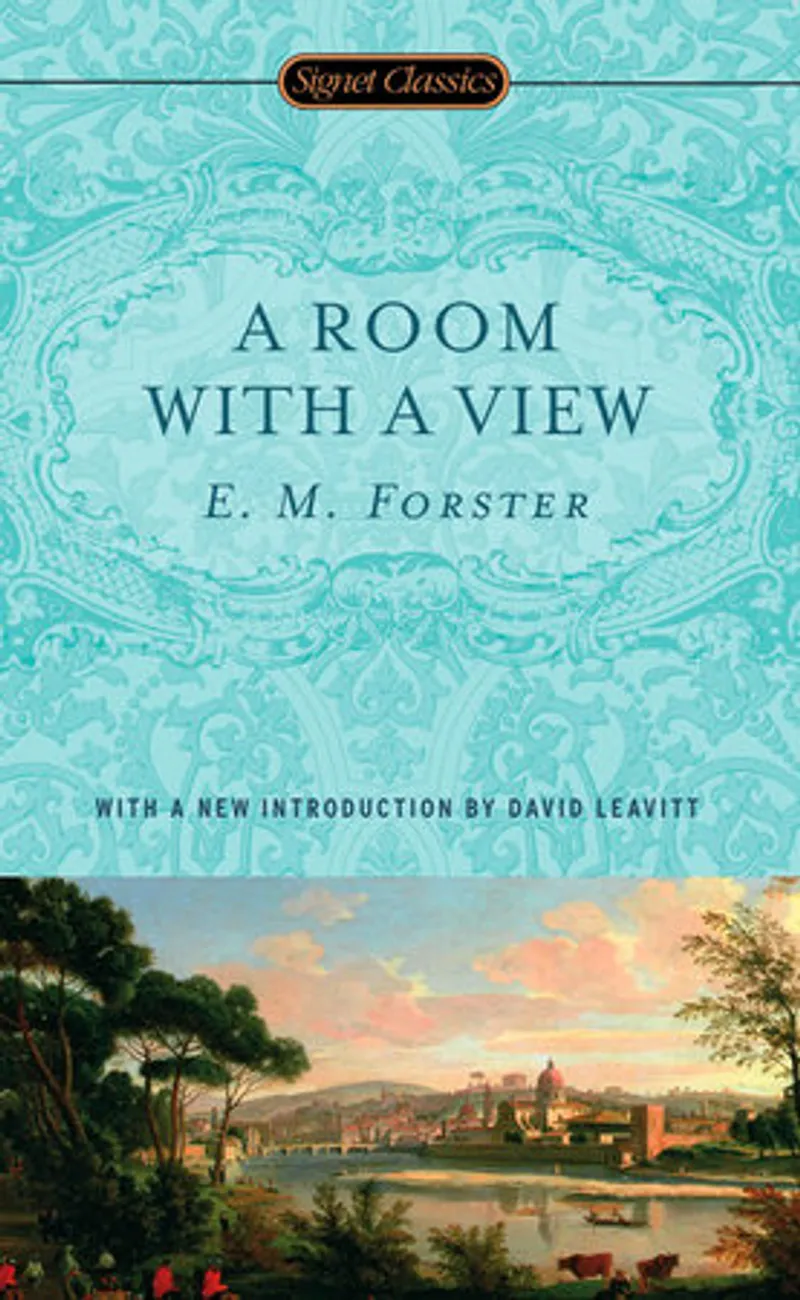
A Room with a View Author: E. M. ForsterPage Count: UnknownPublication Date: 2009-PRH E. M. Forster’s A Room with a View is a sparkling gem of early 20th-century literature, a novel that dances between satire and sincerity, between the stifling conventions of Edwardian England and the liberating pulse of Italian passion. At its heart, this is a story about the struggle between duty and desire, between the safety of social expectation and the intoxicating pull of the unknown. Forster, with his razor-sharp wit and profound empathy, crafts a tale that is as much a critique of English reserve as it is a celebration of the human heart’s capacity for change. The novel follows Lucy Honeychurch, a young woman of respectable upbringing, as she navigates the rigid expectations of her class during a trip to Italy. Accompanied by her overbearing cousin Charlotte, Lucy is initially confined by the very rules that govern her world—until she encounters the Emersons, a father and son who embody a refreshing, if unsettling, authenticity. George Emerson, in particular, disrupts Lucy’s carefully constructed worldview with his unfiltered emotions and disregard for social niceties. Their fleeting but electric connection in Florence becomes the catalyst for Lucy’s internal rebellion, setting the stage for a conflict that will define her journey. Forster’s genius lies in his ability to weave social commentary into a narrative that is both deeply personal and universally resonant. A Room with a View is, at its core, a satire of English hypocrisy, particularly the way society polices emotions and enforces conformity under the guise of propriety. The novel’s title itself is a sly jab at this—Lucy and Charlotte’s initial complaint about their Florentine lodgings (lacking a view) is less about the room itself and more about their own myopia, their inability to see beyond the narrow confines of their expectations. Italy, with its vibrant chaos and unapologetic passion, becomes the perfect foil to the repressed sterility of English life. Forster’s Italy is not just a setting but a character in its own right, a place where Lucy begins to shed the armor of her upbringing and confront her true desires. Yet Forster is no mere satirist; he is also a romantic, and his portrayal of Lucy’s awakening is tender and nuanced. The novel’s central tension—between Lucy’s engagement to the cold, calculating Cecil Vyse and her lingering feelings for George Emerson—is not just a love triangle but a clash of philosophies. Cecil represents the hollow perfection of English respectability, a man who values appearances over authenticity, while George embodies the messy, unpredictable nature of real emotion. Forster doesn’t romanticize George—he is flawed, impulsive, and at times infuriating—but his authenticity is what draws Lucy (and the reader) in. The question the novel poses is not just whom Lucy will choose, but whether she will choose at all: will she remain trapped in the gilded cage of her class, or will she dare to step into the sunlight of her own desires? Forster’s prose is a masterclass in balance—elegant yet unpretentious, witty yet never cruel. His dialogue crackles with subtext, revealing as much about the characters’ unspoken thoughts as their words do. The famous scene in which Lucy plays the piano, her emotions spilling out in a piece by Beethoven, is a perfect example of Forster’s ability to convey meaning through artistry rather than exposition. The music becomes a metaphor for Lucy’s inner life, a moment of raw expression that contrasts sharply with the stiff formality of her surroundings. Forster’s descriptions, too, are vivid without being overwrought, painting Italy as a place of both beauty and danger, where Lucy is both liberated and tested. What makes A Room with a View enduring is its timelessness. Though set in the early 1900s, its themes resonate just as strongly today: the pressure to conform, the fear of vulnerability, the tension between duty and happiness. Forster doesn’t offer easy answers—Lucy’s journey is one of gradual realization, not sudden transformation—but he leaves us with a sense of hope. The novel’s conclusion, in which Lucy finally asserts her independence, is both satisfying and bittersweet, a reminder that happiness often requires courage. In an era where social expectations still dictate so much of our lives, Forster’s novel feels like a breath of fresh air. It reminds us that life is too short to live in a room without a view, that love—real love—is worth the risk of defying convention. A Room with a View is more than a romance; it’s a manifesto for living authentically, a call to embrace the chaos of the heart over the cold order of the world. #A_Room_with_a_View #EMForster #ClassicLiterature #RomanceNovel #EdwardianFiction #LoveAndRebellion Related InsightsWhy They Stay: Sex Scandals, Deals, and Hidden Agendas of Eight Political Wives Book Review and Summary The Lord of the Rings Book Review and Summary The Pumpkin Bride Book Review and Summary{ "@context": "https://schema.org", "@type": "FAQPage", "mainEntity": [ { "@type": "Question", "name": "What is the main focus of A Room with a View Book Review and Summary?", "acceptedAnswer": { "@type": "Answer", "text": "Everything you need to know about A Room with a View with our detailed review." } }, { "@type": "Question", "name": "Who authored the comprehensive guide on A Room with a View Book Review and Summary?", "acceptedAnswer": { "@type": "Answer", "text": "This detailed article and its insights were carefully researched and authored by E.M. Forster." } }, { "@type": "Question", "name": "Where can I find more related content about Books?", "acceptedAnswer": { "@type": "Answer", "text": "You can explore more articles, detailed reviews, and similar insights by browsing the Related Insights section at the bottom of this article or visiting our dedicated Books category page." } } ] }
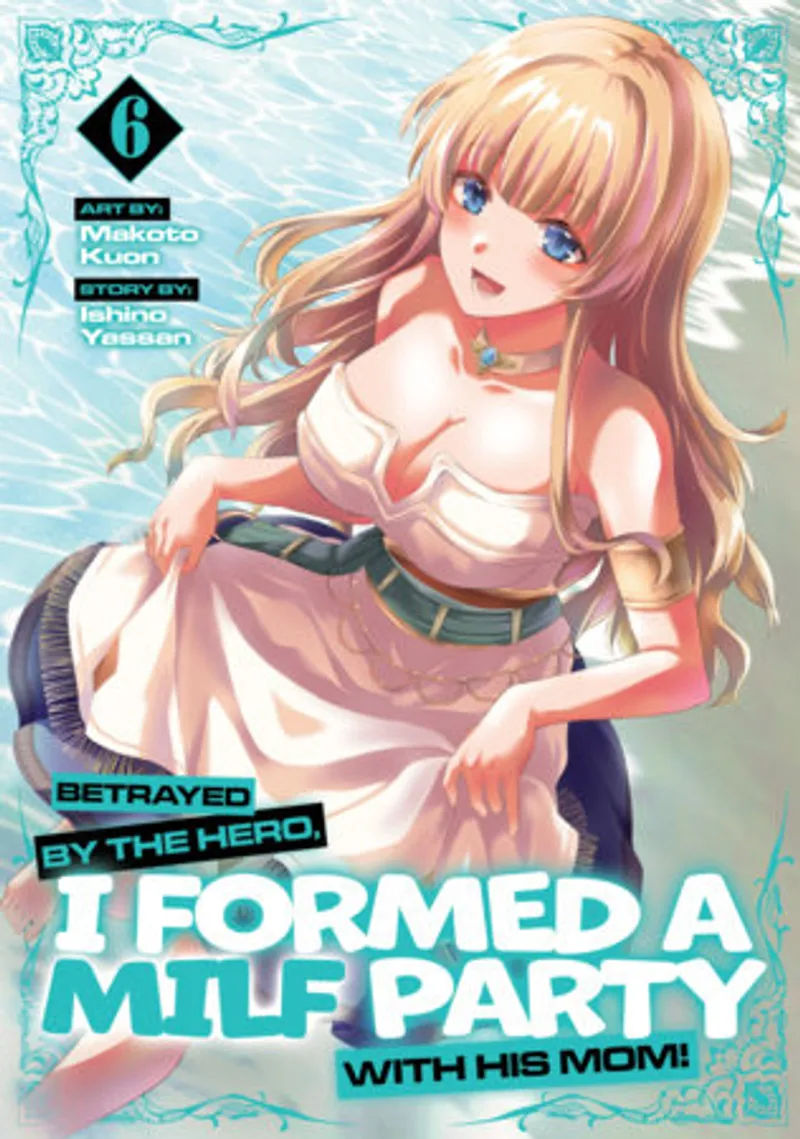
Betrayed by the Hero, I Formed a MILF Party with His Mom! (Manga) Vol. 6 Author: Makoto KuonPage Count: UnknownPublication Date: 2027-PRH In the unapologetically titled "Betrayed by the Hero, I Formed a MILF Party with His Mom!" Vol. 6, Makoto Kuon delves into a world of unexpected alliances and unconventional relationships. While the original synopsis remains elusive, it's clear that this manga volume is not for the faint of heart. At its core, "Betrayed by the Hero" explores the theme of rejection and the power of found family. The protagonist, having been wronged by the hero, finds solace in an unlikely group of women, including the hero's mother. This bold narrative choice allows Kuon to subvert traditional fantasy tropes and create a unique, often humorous, exploration of relationships and community. Kuon's writing style is as unapologetic as the title suggests. The author tackles complex themes with a lighthearted, tongue-in-cheek approach that is both refreshing and thought-provoking. The manga's pacing is quick-witted, with each chapter building upon the last to create a sense of urgency and momentum. One of the standout aspects of "Betrayed by the Hero" is its cast of characters. The MILF party, as they come to be known, is a diverse and dynamic group of women, each with their own distinct personality and motivations. Kuon takes the time to develop each character, making it easy for readers to become invested in their stories and relationships. The artwork in "Betrayed by the Hero" is equally impressive. The illustrations are vibrant and expressive, with a clear attention to detail. The action scenes are fast-paced and intense, while the quieter moments are filled with a sense of warmth and intimacy. If there's one criticism to be made, it's that the manga's tone can be somewhat inconsistent. At times, the story veers wildly from slapstick humor to more serious, dramatic moments. While this can be jarring, it's also a testament to Kuon's willingness to take risks and push the boundaries of the medium. Ultimately, "Betrayed by the Hero, I Formed a MILF Party with His Mom!" Vol. 6 is a wild, unpredictable ride that is sure to appeal to fans of fantasy and comedy. With its unique blend of action, humor, and heart, this manga is a must-read for anyone looking to shake up their reading list. #MILFParty #FantasyComedy #MangaReview #BetrayedByTheHero #FoundFamily #UnconventionalRelationships Related InsightsHer Rising Flame (Her Hidden Fire #2) Book Review and Summary When the Night Comes Knocking Book Review and Summary Queen of Foxes Book Review and Summary{ "@context": "https://schema.org", "@type": "FAQPage", "mainEntity": [ { "@type": "Question", "name": "What is the main focus of Betrayed Book Review and Summary?", "acceptedAnswer": { "@type": "Answer", "text": "Everything you need to know about Betrayed with our detailed review." } }, { "@type": "Question", "name": "Who authored the comprehensive guide on Betrayed Book Review and Summary?", "acceptedAnswer": { "@type": "Answer", "text": "This detailed article and its insights were carefully researched and authored by P.C. Cast." } }, { "@type": "Question", "name": "Where can I find more related content about Books?", "acceptedAnswer": { "@type": "Answer", "text": "You can explore more articles, detailed reviews, and similar insights by browsing the Related Insights section at the bottom of this article or visiting our dedicated Books category page." } } ] }
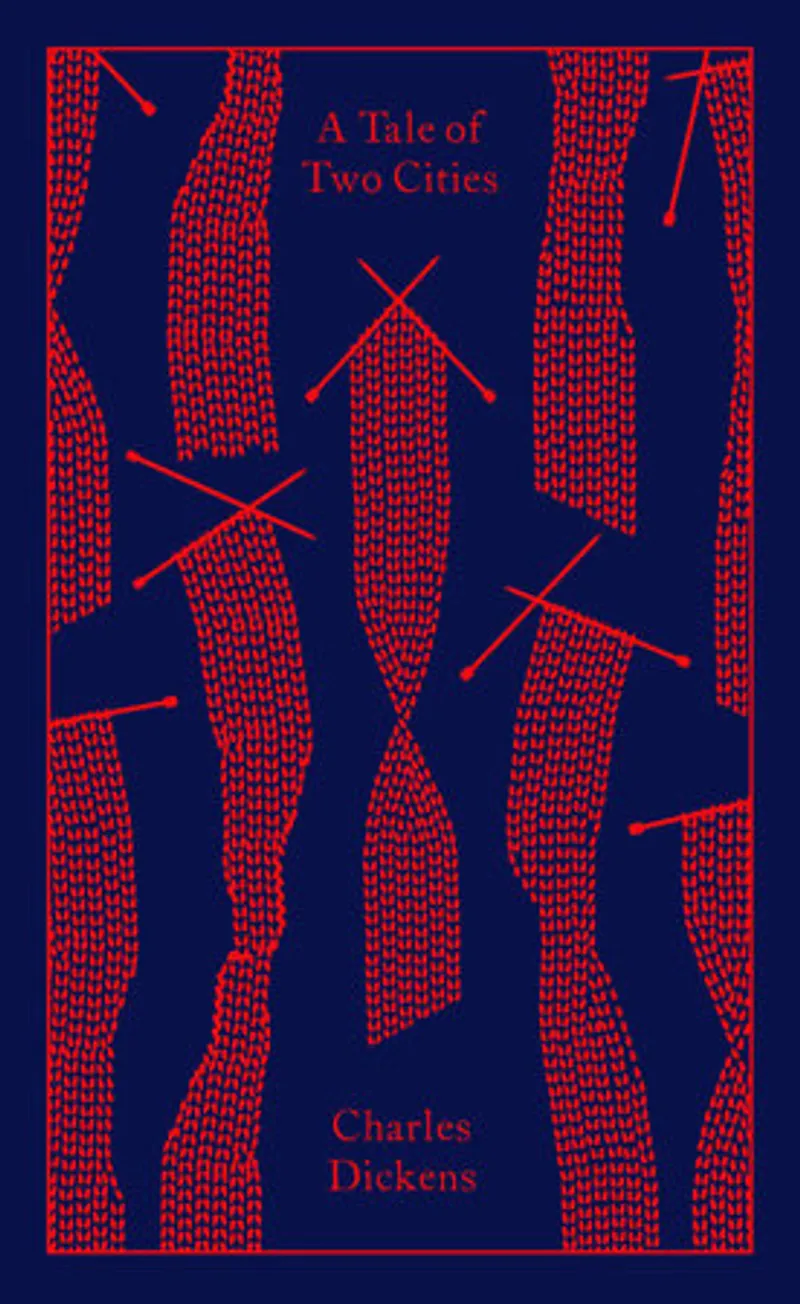
A Tale of Two Cities Author: Coralie Bickford-SmithPage Count: UnknownPublication Date: 2011-PRH A Tale of Two Cities, penned by the illustrious Charles Dickens and beautifully repackaged in Penguin's Clothbound Classics series, is a masterful exploration of the human condition set against the backdrop of one of history's most tumultuous periods. Designed by the award-winning Coralie Bickford-Smith, this edition is a feast for the eyes, with its high-quality, colourful cloth binding and intricate foil stamping. At its core, A Tale of Two Cities is a poignant tale of love, sacrifice, and redemption, set in the late 18th century, as the French Revolution reaches its fever pitch. The narrative is a complex tapestry of interconnected lives, expertly woven by Dickens' masterful hand. The story revolves around the enigmatic Dr. Manette, a man who has spent eighteen long years imprisoned in the Bastille, only to be reunited with his daughter, Lucie, in England. It is through Lucie that we meet the two men who will become inextricably linked to her fate: Charles Darnay, the exiled French aristocrat, and Sydney Carton, the disillusioned English lawyer. Dickens' writing is a character in its own right, with its characteristic wit, pathos, and sharp social commentary. His prose is both beautiful and brutal, reflecting the stark contrasts of the world he is portraying. The tranquil lanes of London, with their comforting familiarity, serve as a stark counterpoint to the bloodstained streets of Paris, where the Reign of Terror holds sway. It is a world of extremes, where the ideals of the Revolution have curdled into a deadly reality, and the guillotine casts its long, ominous shadow. Through the eyes of his characters, Dickens explores the complexities of human nature, laying bare the contradictions and flaws that make us so endearingly, frustratingly human. Lucie, with her gentle strength and unwavering compassion, serves as a beacon of hope in a world gone mad. Charles Darnay, the aristocrat with a heart of gold, is a poignant reminder of the destructive power of blind ideology. And then there is Sydney Carton, the disillusioned lawyer, whose bitter cynicism belies a deep well of emotion, and a capacity for sacrifice that will ultimately prove to be the novel's most enduring legacy. Dickens' genius lies in his ability to balance the intimate, personal narratives of his characters with the broader sweep of history. He is a master of the grand gesture, and his set pieces – the storming of the Bastille, the horrors of the Reign of Terror – are both thrilling and terrifying. And yet, it is the quieter moments, the whispered conversations, the stolen glances, that truly capture the essence of this novel. In short, A Tale of Two Cities is a masterpiece, a sweeping epic that will leave you breathless, and yearning for more. Dickens' writing is a time machine, transporting you to a world of drama, intrigue, and heartbreak. This beautiful edition, with its stunning design, is the perfect accompaniment to a journey that will leave you changed, and haunted, long after the final page has been turned. #ATaleOfTwoCities #CharlesDickens #FrenchRevolution #ReignOfTerror #ClassicLiterature #PenguinClothboundClassics Related InsightsThe Boy in the Striped Pajamas Book Review and Summary Die unendliche Odyssee der Worte: Eine Reise durch die Geschichte des Romans All the Light We Cannot See Book Review and Summary{ "@context": "https://schema.org", "@type": "FAQPage", "mainEntity": [ { "@type": "Question", "name": "What is the main focus of A Tale of Two Cities Book Review and Summary?", "acceptedAnswer": { "@type": "Answer", "text": "Everything you need to know about A Tale of Two Cities with our detailed review." } }, { "@type": "Question", "name": "Who authored the comprehensive guide on A Tale of Two Cities Book Review and Summary?", "acceptedAnswer": { "@type": "Answer", "text": "This detailed article and its insights were carefully researched and authored by Charles Dickens." } }, { "@type": "Question", "name": "Where can I find more related content about Books?", "acceptedAnswer": { "@type": "Answer", "text": "You can explore more articles, detailed reviews, and similar insights by browsing the Related Insights section at the bottom of this article or visiting our dedicated Books category page." } } ] }

Doctor Zhivago Author: Boris PasternakPage Count: UnknownPublication Date: 2011-PRH In the realm of 20th-century literature, few novels have managed to capture the essence of a nation's turmoil as eloquently as Boris Pasternak's Doctor Zhivago. First published in 1957, this masterpiece has been a cornerstone of world literature, and the 2011 translation by Pevear and Volokhonsky only serves to further solidify its status as a timeless classic. Set against the backdrop of the Russian Revolution, Doctor Zhivago is a poignant tale of love, loss, and the human condition. The novel follows the life of Yuri Zhivago, a poet and physician, as he navigates the treacherous landscape of war-torn Russia. With his family in tow, Zhivago sets out to find solace in the Ural Mountains, only to find himself entangled in the bitter struggle between the Whites and the Reds. It is here that Pasternak's masterful storytelling comes to the fore. With a style that is both poetic and unflinching, he weaves a narrative that is as much about the human experience as it is about the historical context in which it is set. Through Zhivago's eyes, we witness the brutality and chaos of war, the erosion of innocence, and the redemptive power of love. At the heart of the novel is Zhivago's all-consuming passion for Lara, a woman who embodies the very essence of the revolutionary era. Their love story is a powerful exploration of the human condition, a testament to the enduring power of love in the face of adversity. It is a tale that is both deeply personal and universally relatable, a true masterpiece of literary storytelling. One of the most striking aspects of Doctor Zhivago is Pasternak's unique writing style. His prose is lyrical and evocative, conjuring vivid images of the Russian landscape and the people who inhabit it. His use of language is deliberate and measured, imbuing the narrative with a sense of depth and complexity. It is a style that is both beautiful and unflinching, capable of conveying the full range of human emotions. The 2011 translation by Pevear and Volokhonsky is a triumph, capturing the essence of Pasternak's original while rendering it accessible to a new generation of readers. Their translation is masterful, conveying the nuances of Pasternak's style with remarkable fidelity. In conclusion, Doctor Zhivago is a novel that is as relevant today as it was when it was first published. It is a powerful exploration of the human condition, a testament to the enduring power of love and art in the face of adversity. If you haven't already, do yourself a favor and immerse yourself in this literary masterpiece. #RussianLiterature #DoctorZhivago #BorisPasternak #ClassicNovels #HistoricalFiction #LoveInWartime Related InsightsWaiting for Godot Book Review and Summary An Auction of Souls (An Auction of Souls, #1) Book Review and Summary Defy Me (Shatter Me) Book Review and Summary{ "@context": "https://schema.org", "@type": "FAQPage", "mainEntity": [ { "@type": "Question", "name": "What is the main focus of Doctor Zhivago Book Review and Summary?", "acceptedAnswer": { "@type": "Answer", "text": "Everything you need to know about Doctor Zhivago with our detailed review." } }, { "@type": "Question", "name": "Who authored the comprehensive guide on Doctor Zhivago Book Review and Summary?", "acceptedAnswer": { "@type": "Answer", "text": "This detailed article and its insights were carefully researched and authored by Boris Pasternak." } }, { "@type": "Question", "name": "Where can I find more related content about Books?", "acceptedAnswer": { "@type": "Answer", "text": "You can explore more articles, detailed reviews, and similar insights by browsing the Related Insights section at the bottom of this article or visiting our dedicated Books category page." } } ] }
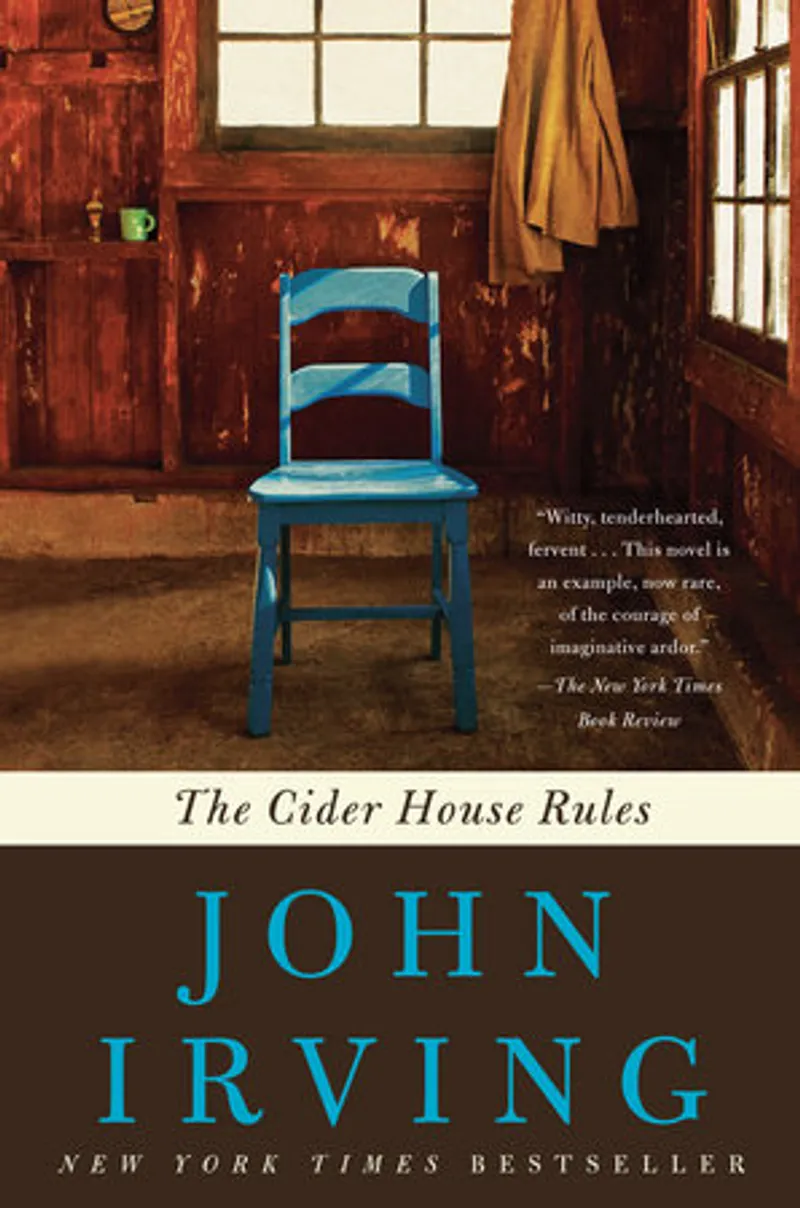
The Cider House Rules Author: John IrvingPage Count: UnknownPublication Date: 1997-PRH In the sweeping narrative of "The Cider House Rules", John Irving masterfully weaves a tale of love, loss, and the complexities of the human condition. Set against the rustic backdrop of rural Maine in the early 20th century, this novel is a powerful exploration of the moral ambiguities that govern our lives. At the heart of the story is Dr. Wilbur Larch, a multifaceted character who embodies the contradictions of human nature. As the founder and director of an orphanage in St. Cloud's, he is a beacon of hope and kindness, yet his addiction to ether and his role as an abortionist reveal a more nuanced and troubled individual. It is through Larch's character that Irving raises important questions about the nature of morality and the difficult choices we face in life. The novel also tells the story of Homer Wells, Larch's favorite orphan, who is never adopted and grows up within the walls of the orphanage. Homer's journey is a poignant exploration of identity, belonging, and the search for meaning in a chaotic world. Through his character, Irving sheds light on the fragility and beauty of human relationships and the ways in which we are shaped by our experiences. One of the most striking aspects of Irving's writing is his ability to craft characters that are both flawed and noble, often at the same time. His characters are multidimensional and relatable, and it is their complexities that make them so endearing to the reader. Irving's prose is also noteworthy for its lyricism and simplicity, which belies the complexity of the themes he explores. The praise heaped upon "The Cider House Rules" is well-deserved, and it is easy to see why Irving is regarded as one of the greatest storytellers of our time. His writing is engaging, moving, and thoroughly satisfying, and this novel is no exception. As Joseph Heller notes, it is "superb in scope and originality, a novel as good as one could hope to find from any author, anywhere, anytime." In short, "The Cider House Rules" is a masterpiece of contemporary literature, a novel that will resonate with readers long after they finish reading it. It is a testament to Irving's skill as a storyteller that he can tackle such complex themes with such nuance and sensitivity, and it is a must-read for anyone who loves great literature. #TheCiderHouseRules #JohnIrving #AbortionRights #OrphanageLife #ComingOfAge #ClassicAmericanNovel Related InsightsA Study in Sparkling (Love Notes, #2) Book Review and Summary The Darkest Destiny Book Review and Summary Love Unwritten Book Review and Summary{ "@context": "https://schema.org", "@type": "FAQPage", "mainEntity": [ { "@type": "Question", "name": "What is the main focus of The Cider House Rules Book Review and Summary?", "acceptedAnswer": { "@type": "Answer", "text": "Everything you need to know about The Cider House Rules with our detailed review." } }, { "@type": "Question", "name": "Who authored the comprehensive guide on The Cider House Rules Book Review and Summary?", "acceptedAnswer": { "@type": "Answer", "text": "This detailed article and its insights were carefully researched and authored by John Irving." } }, { "@type": "Question", "name": "Where can I find more related content about Books?", "acceptedAnswer": { "@type": "Answer", "text": "You can explore more articles, detailed reviews, and similar insights by browsing the Related Insights section at the bottom of this article or visiting our dedicated Books category page." } } ] }
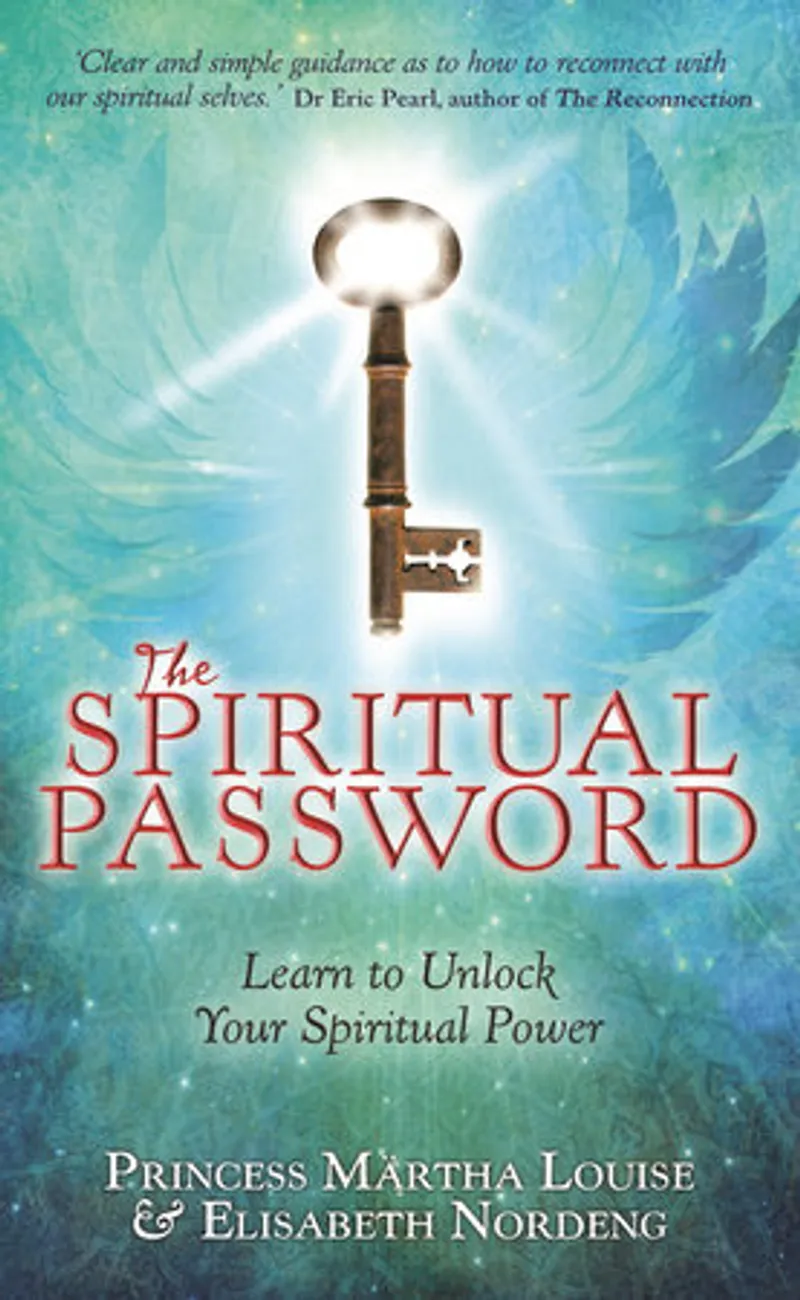
The Spiritual Password Author: Princess Märtha LouisePage Count: UnknownPublication Date: 2014-PRH The Spiritual Password, written by Princess Märtha Louise, is a thought-provoking and enlightening book that delves into the realm of spirituality and personal growth. Published in 2014, this book offers a unique perspective on the chakra system and provides readers with practical tools and exercises to develop their spiritual gifts. As a professional book reviewer, I was intrigued by the author's approach to spirituality and her ability to make complex concepts accessible to a wide range of readers. From the outset, it is clear that Princess Märtha Louise is writing from a place of deep personal experience and understanding. Her writing style is engaging, warm, and conversational, making the reader feel like they are embarking on a journey of self-discovery alongside her. The book is divided into sections that explore various aspects of spirituality, including meditation, intuition, and the importance of connecting with one's guardian angel. One of the strengths of The Spiritual Password is its ability to balance theoretical concepts with practical applications. The author provides innovative meditation and visualization techniques that are easy to follow and incorporate into daily life. She also emphasizes the importance of listening to one's intuition and staying grounded in the physical world, which is essential for maintaining a healthy and balanced spiritual practice. Throughout the book, Princess Märtha Louise draws on her own experiences and insights, sharing personal anecdotes and stories that illustrate the principles she is discussing. This approach makes the book feel more like a personal conversation than a didactic treatise, and it helps to establish a sense of trust and connection with the reader. The author's discussion of the chakra system is particularly noteworthy, as she offers a fresh and nuanced perspective on this complex topic. She explains how the chakras work together to form a unique energy system, and provides exercises and techniques for balancing and aligning the chakras. This section of the book is especially useful for readers who are new to the concept of the chakras, as it provides a clear and concise introduction to the subject. Overall, The Spiritual Password is a inspiring and thought-provoking book that offers a unique perspective on spirituality and personal growth. Princess Märtha Louise's writing style is engaging, accessible, and warmly conversational, making the book feel like a personal journey of self-discovery. Whether you are a seasoned spiritual seeker or just starting to explore the world of spirituality, this book has something to offer. The Spiritual Password is a must-read for anyone looking to deepen their spiritual connection, develop their intuition, and cultivate a greater sense of purpose and meaning in their life. With its practical tools, inspiring stories, and accessible language, this book has the potential to transform lives and help readers unlock their full spiritual potential. #SpiritualGrowth #PersonalDevelopment #MeditationAndMindfulness #ChakraHealing #GuardianAngels #SpiritualityAndWellness Related InsightsJames and the Giant Peach Book Review and Summary Win Book Review and Summary Positively Green Greeting Cards: Birthday - Wishing You Joy and More Joy, from Sunrise to Sunset (Pack of 6) Book Review and Summary{ "@context": "https://schema.org", "@type": "FAQPage", "mainEntity": [ { "@type": "Question", "name": "What is the main focus of Clockwork Princess Book Review and Summary?", "acceptedAnswer": { "@type": "Answer", "text": "Everything you need to know about Clockwork Princess with our detailed review." } }, { "@type": "Question", "name": "Who authored the comprehensive guide on Clockwork Princess Book Review and Summary?", "acceptedAnswer": { "@type": "Answer", "text": "This detailed article and its insights were carefully researched and authored by Cassandra Clare." } }, { "@type": "Question", "name": "Where can I find more related content about Books?", "acceptedAnswer": { "@type": "Answer", "text": "You can explore more articles, detailed reviews, and similar insights by browsing the Related Insights section at the bottom of this article or visiting our dedicated Books category page." } } ] }
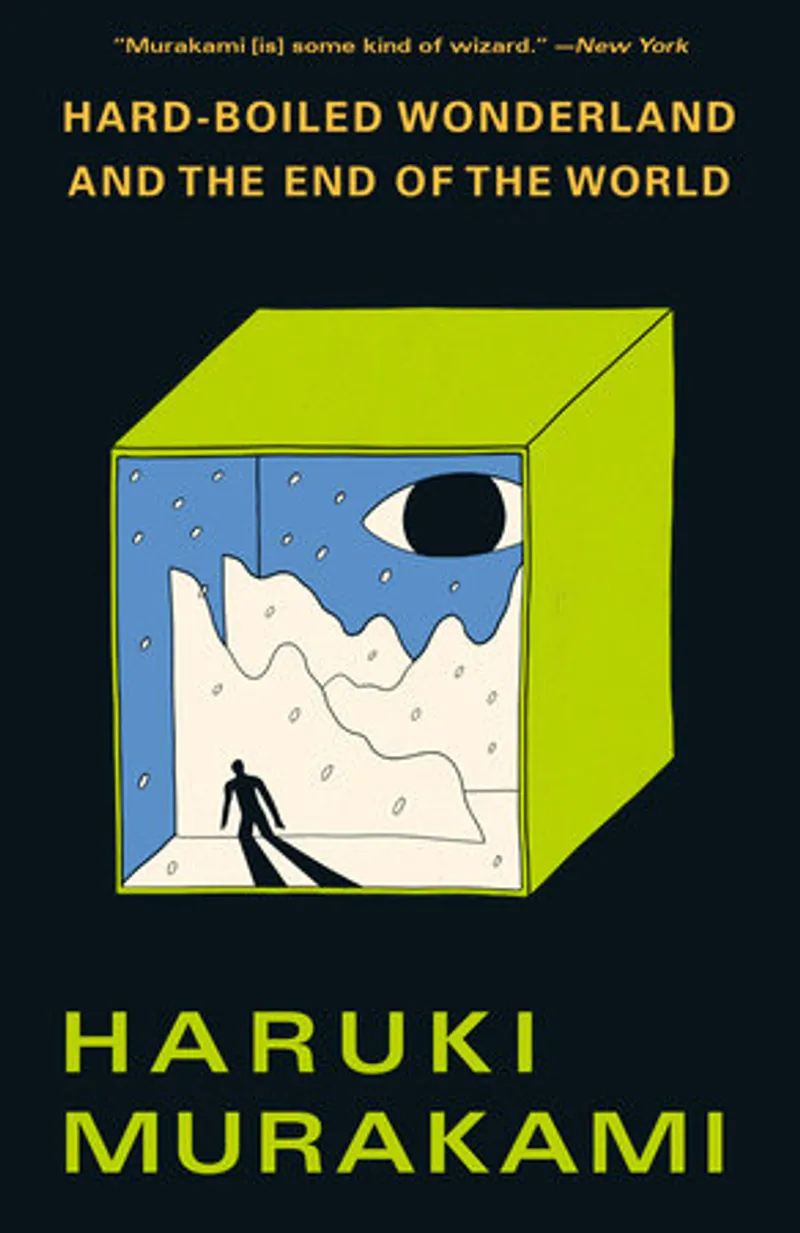
Hard-Boiled Wonderland and the End of the World Author: Haruki MurakamiPage Count: UnknownPublication Date: 1993-PRH In "Hard-Boiled Wonderland and the End of the World," Haruki Murakami masterfully weaves a complex tapestry of two parallel narratives that blur the lines between reality and fantasy, creating a world that is both fantastical and unsettling. This novel is a testament to Murakami's unique ability to blend the absurd with the profound, resulting in a reading experience that is both entertaining and intellectually stimulating. One of the most striking aspects of Murakami's writing style is his ability to seamlessly merge disparate elements into a cohesive narrative. In this novel, he brings together a cast of characters that includes a split-brained data processor, a deranged scientist, and a young woman who defies convention, among others. These characters navigate a world that is both familiar and strange, where the boundaries between dreams and reality are constantly shifting. At its core, "Hard-Boiled Wonderland and the End of the World" is a novel about the nature of consciousness and the human experience. Murakami explores the complexities of the human mind, delving into themes such as identity, memory, and the search for meaning. Through his characters, he raises fundamental questions about the nature of reality and how we perceive it, often blurring the lines between what is real and what is imagined. Murakami's writing is characterized by a unique blend of humor, wit, and philosophical introspection. His prose is lyrical and evocative, conjuring vivid images of the worlds he creates. At the same time, he is unafraid to tackle complex ideas and themes, often incorporating elements of science fiction, fantasy, and surrealism into his narrative. One of the most impressive aspects of this novel is its ability to balance humor and pathos. Murakami's characters are often quirky and offbeat, and he has a keen eye for the absurdities of modern life. At the same time, he is capable of conveying a deep sense of melancholy and introspection, often capturing the quiet moments of desperation and longing that define the human experience. The world that Murakami creates in "Hard-Boiled Wonderland and the End of the World" is a labyrinthine one, full of hidden corners and unexpected surprises. It is a world that is both fantastical and grounded in reality, where the surreal and the mundane coexist in a delicate balance. As the narrative unfolds, the boundaries between different worlds begin to blur, and the reader is left to ponder the nature of reality and the human experience. In short, "Hard-Boiled Wonderland and the End of the World" is a novel that will appeal to fans of science fiction, fantasy, and philosophical introspection. It is a complex and thought-provoking work that will challenge readers to think about the nature of reality and the human experience. With its unique blend of humor, wit, and philosophical introspection, this novel is a must-read for anyone looking to explore the boundaries of the human mind. #HardBoiledWonderland #HarukiMurakami #MagicalRealism #SurrealFiction #PhilosophicalFiction #JapaneseLiterature Related InsightsThe 100 Hats of the Cat in the Hat: A Celebration of the 100th Day of School Book Review and Summary Out of Colditz: My Father the POW and the Nazi Who Controlled His Fate Book Review and Summary The Subtle Knife Book Review and Summary{ "@context": "https://schema.org", "@type": "FAQPage", "mainEntity": [ { "@type": "Question", "name": "What is the main focus of Hard-Boiled Wonderland and the End of the World Book Review and Summary?", "acceptedAnswer": { "@type": "Answer", "text": "Everything you need to know about Hard-Boiled Wonderland and the End of the World with our detailed review." } }, { "@type": "Question", "name": "Who authored the comprehensive guide on Hard-Boiled Wonderland and the End of the World Book Review and Summary?", "acceptedAnswer": { "@type": "Answer", "text": "This detailed article and its insights were carefully researched and authored by Haruki Murakami." } }, { "@type": "Question", "name": "Where can I find more related content about Books?", "acceptedAnswer": { "@type": "Answer", "text": "You can explore more articles, detailed reviews, and similar insights by browsing the Related Insights section at the bottom of this article or visiting our dedicated Books category page." } } ] }
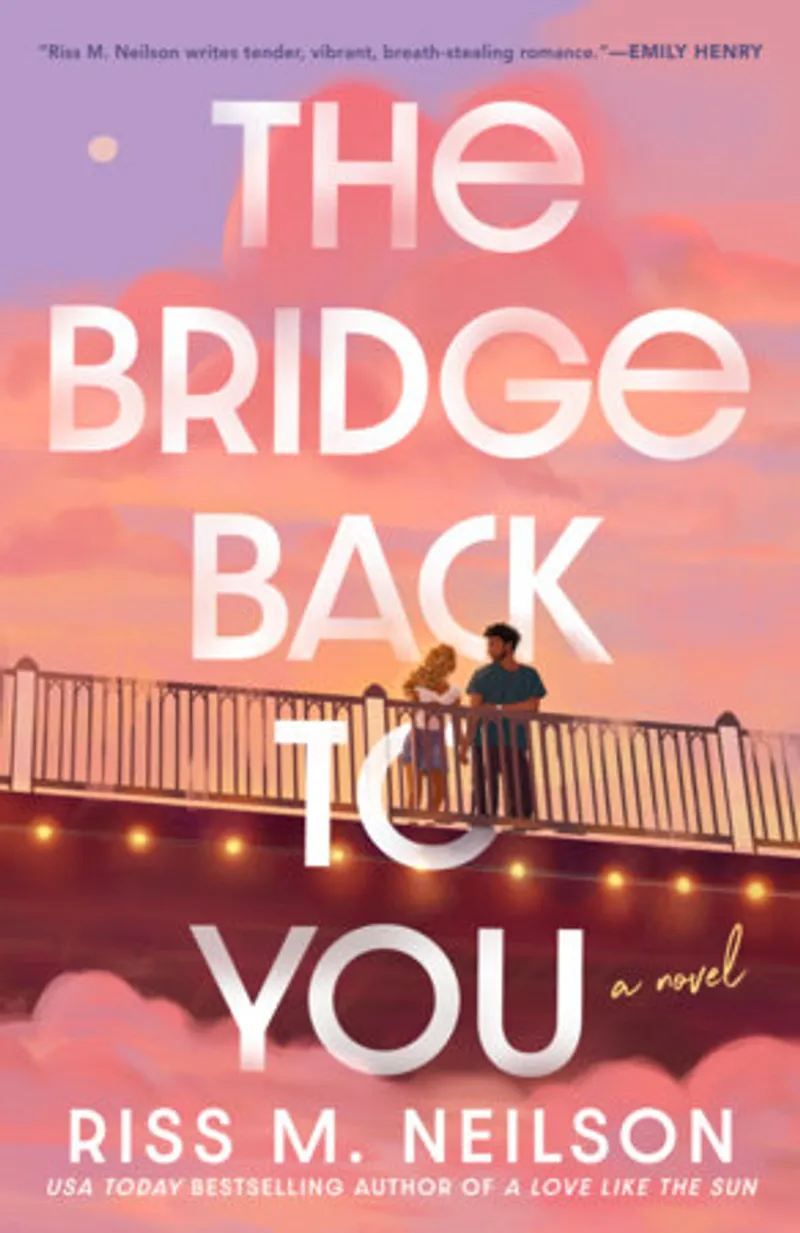
The Bridge Back to You Author: Riss M. NeilsonPage Count: UnknownPublication Date: 2026-PRH Riss M. Neilson’s The Bridge Back to You is a hauntingly beautiful exploration of redemption, memory, and the fragile threads that bind us to our past. Set against the backdrop of a small coastal town where time moves slower than the tides, the novel unfolds like a carefully crafted mosaic—each piece revealing a fragment of a life unraveling and, ultimately, being rewoven. Neilson, with her keen eye for emotional nuance and lyrical prose, crafts a story that lingers long after the last page, leaving readers to question how much of ourselves we’re willing to lose before we find our way back. At its core, The Bridge Back to You is a meditation on the weight of regret and the quiet courage it takes to confront it. The protagonist, a woman in her late thirties named Claire, returns to her hometown after a decade away, her life in shambles—a failed marriage, a stalled career, and a gnawing sense of having betrayed her own potential. The town, with its weathered boardwalks and the ever-present hum of the ocean, becomes both a sanctuary and a mirror, reflecting back the choices she’s made and the ones she’s avoided. Neilson doesn’t rush Claire’s journey; instead, she allows the story to breathe, letting the past and present collide in moments of raw, unfiltered honesty. There’s a scene where Claire stands on the old bridge that gives the book its title, staring into the water below, and the way Neilson describes the way the light fractures on the surface mirrors the splintering of Claire’s resolve—beautiful and heartbreaking in equal measure. Neilson’s prose is a study in restraint and precision. She doesn’t rely on melodrama or overwrought metaphors; instead, her writing is spare yet evocative, each sentence doing the work of three. There’s a quiet power in the way she describes the physical world—whether it’s the salt-crusted railing of the bridge, the way the fog curls around the lighthouse, or the way the town’s residents watch Claire with a mix of pity and curiosity. These details aren’t just window dressing; they’re integral to the story’s emotional landscape. The town isn’t just a setting; it’s a character in its own right, a living thing that remembers what Claire has tried to forget. One of the novel’s most compelling aspects is its exploration of how we define home. For Claire, home isn’t just a place—it’s a state of being, a version of herself she left behind and has been running from ever since. Neilson doesn’t offer easy answers here. The bridge, a recurring motif, isn’t just a physical structure; it’s a metaphor for the thresholds we cross, the risks we take, and the bridges we burn when we’re too afraid to turn back. The town’s residents, from the gruff but kind-hearted diner owner to the enigmatic lighthouse keeper, serve as foils to Claire’s internal struggle, each representing a different facet of the life she’s left behind. Their stories intertwine with hers in ways that feel organic, their own regrets and triumphs echoing hers in a quiet, resonant harmony. Neilson’s strength lies in her ability to balance introspection with forward momentum. Claire isn’t a passive protagonist; she’s a woman who’s made mistakes, who’s hurt people, and who’s now forced to confront the consequences of her actions. Yet there’s a resilience to her that makes her deeply relatable. She’s not a hero in the traditional sense, but she’s someone who’s learning to live with the weight of her past without letting it define her future. The novel’s climax, when Claire finally crosses the bridge—not just physically, but emotionally—is a masterclass in understated power. There’s no grand gesture, no dramatic confession; instead, there’s a quiet acknowledgment of the truth, a moment of acceptance that feels earned and deeply moving. The Bridge Back to You is a book that lingers because it refuses to offer easy resolutions. It’s about the messiness of second chances, the way we can love people even when we’ve failed them, and the courage it takes to face the parts of ourselves we’ve tried to bury. Neilson’s writing is both a balm and a challenge, asking readers to look at their own bridges—the ones they’ve crossed, the ones they’ve burned, and the ones they’re still standing on, wondering if they’ll ever find their way back. If you’re looking for a novel that’s as thought-provoking as it is beautifully written, The Bridge Back to You is a must-read. It’s a story that will make you reflect on your own life, your own bridges, and the quiet battles we all fight to find our way home. #SecondChances #LiteraryFiction #CoastalLiving #RedemptionArc #SmallTownSecrets #ComingOfAge Related InsightsThe Purpose Driven Life: What on Earth Am I Here for? Book Review and Summary Diario de Anne Frank (edición ilustrada) / The Diary of a Young Girl (Illustrated Edition) Book Review and Summary Maggie Moves On Book Review and Summary{ "@context": "https://schema.org", "@type": "FAQPage", "mainEntity": [ { "@type": "Question", "name": "What is the main focus of Bridge to Terabithia Book Review and Summary?", "acceptedAnswer": { "@type": "Answer", "text": "Everything you need to know about Bridge to Terabithia with our detailed review." } }, { "@type": "Question", "name": "Who authored the comprehensive guide on Bridge to Terabithia Book Review and Summary?", "acceptedAnswer": { "@type": "Answer", "text": "This detailed article and its insights were carefully researched and authored by Katherine Paterson." } }, { "@type": "Question", "name": "Where can I find more related content about Books?", "acceptedAnswer": { "@type": "Answer", "text": "You can explore more articles, detailed reviews, and similar insights by browsing the Related Insights section at the bottom of this article or visiting our dedicated Books category page." } } ] }
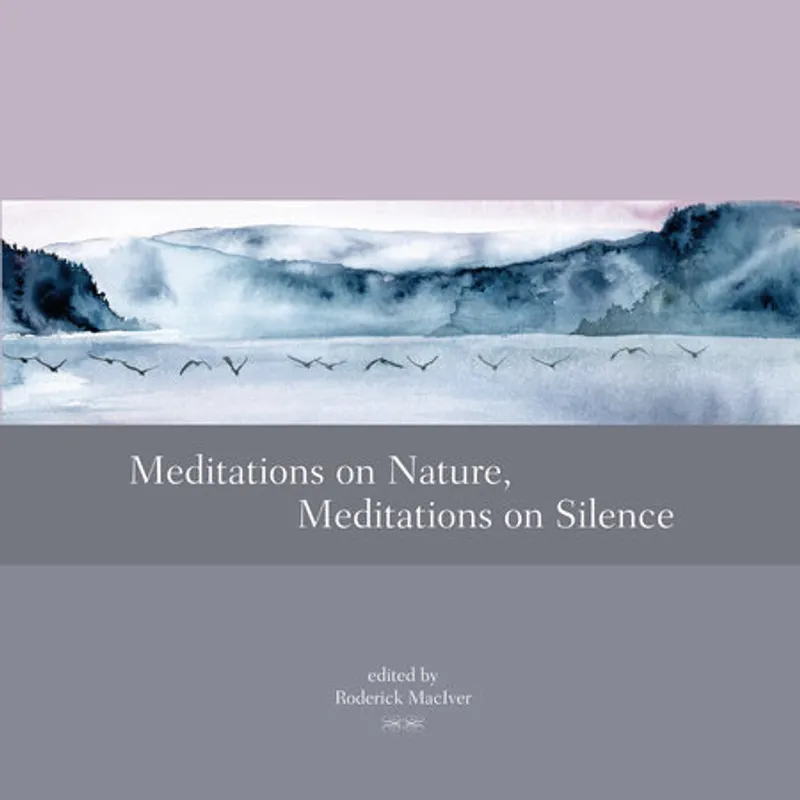
Meditations on Nature, Meditations on Silence Author: UnknownPage Count: UnknownPublication Date: 2009-PRH Meditations on Nature, Meditations on Silence is a quiet rebellion against the noise of modern life—a book that whispers where others shout. Compiled by an unknown hand but infused with the wisdom of luminaries like Thoreau, Carson, and Rilke, this anthology is less a book to be devoured and more one to be savored, like a slow sip of cold water on a parched afternoon. It is a sanctuary for the soul, a reminder that the world’s deepest truths are not found in the clamor of human invention but in the hush of a forest at dawn or the stillness of a winter’s night. The book’s central theme is deceptively simple: the natural world as a mirror for human contemplation. Yet within that simplicity lies a profound complexity. The selections—drawn from poets, scientists, homesteaders, and mystics—do not merely describe nature; they reveal it as a living text, one that speaks in metaphors of resilience, fragility, and interconnectedness. Aldo Leopold’s land ethic, Rachel Carson’s warnings about ecological fragility, and Edward Abbey’s rebellious love for the desert all converge here, not as conflicting voices but as harmonious chords in a single symphony of awe. The unknown compiler has done something remarkable: they have curated a conversation across centuries and disciplines, allowing the reader to eavesdrop on humanity’s oldest dialogue—our attempts to understand the wild and, in doing so, to understand ourselves. What sets this collection apart is its restraint. Unlike many nature anthologies that lean toward the didactic or the sentimental, Meditations on Nature, Meditations on Silence embraces ambiguity. A passage from a Chinese poet from the 4th century sits beside a lyric from Joni Mitchell; a passage from a modern ecologist rubs shoulders with a line from a 19th-century naturalist. The effect is disarming. The book does not preach harmony or offer easy answers. Instead, it presents nature as a paradox—a place of both brutal indifference and breathtaking grace, where silence is not absence but a presence, thick with unspoken meaning. The inclusion of Rod MacIver’s watercolors is a masterstroke. His delicate, impressionistic illustrations do not merely decorate the text; they deepen it. A wash of blue might evoke the vastness of the ocean, while a sparse stroke of green could suggest the quiet persistence of a single blade of grass. The art does not compete with the words but converses with them, creating a dialogue between sight and thought. It is as if the book itself is a meditation—each page a breath, each turn of the page a moment of stillness. The compiler’s style is one of humility. There is no grand thesis, no overarching argument—just a gentle invitation to pause. The book does not demand engagement; it invites reflection. In an era where attention is the most coveted currency, Meditations on Nature, Meditations on Silence is a radical act: it asks for nothing but your presence. It is a book to be held, not rushed; to be returned to, not consumed. In that sense, it is less a read and more an experience—a slow unraveling of the self in the presence of the eternal. For those weary of the world’s relentless pace, this book is a balm. For those who have forgotten how to listen, it is a guide. And for those who already hear the whispers of the wild, it is a companion. The unknown compiler has done something rare: they have created a book that feels like a gift, not a transaction. In a world that prizes speed and noise, Meditations on Nature, Meditations on Silence is a quiet revolution. #NatureWriting #Ecology #SilentRetreat #ContemplativeReading #SlowLiving #Wildness Related InsightsLove Story Book Review and Summary The Perks of Working in the Black Magic Industry #050 Book Review and Summary National 5 French Book Review and Summary{ "@context": "https://schema.org", "@type": "FAQPage", "mainEntity": [ { "@type": "Question", "name": "What is the main focus of Meditations Book Review and Summary?", "acceptedAnswer": { "@type": "Answer", "text": "Everything you need to know about Meditations with our detailed review." } }, { "@type": "Question", "name": "Who authored the comprehensive guide on Meditations Book Review and Summary?", "acceptedAnswer": { "@type": "Answer", "text": "This detailed article and its insights were carefully researched and authored by Marcus Aurelius." } }, { "@type": "Question", "name": "Where can I find more related content about Books?", "acceptedAnswer": { "@type": "Answer", "text": "You can explore more articles, detailed reviews, and similar insights by browsing the Related Insights section at the bottom of this article or visiting our dedicated Books category page." } } ] }
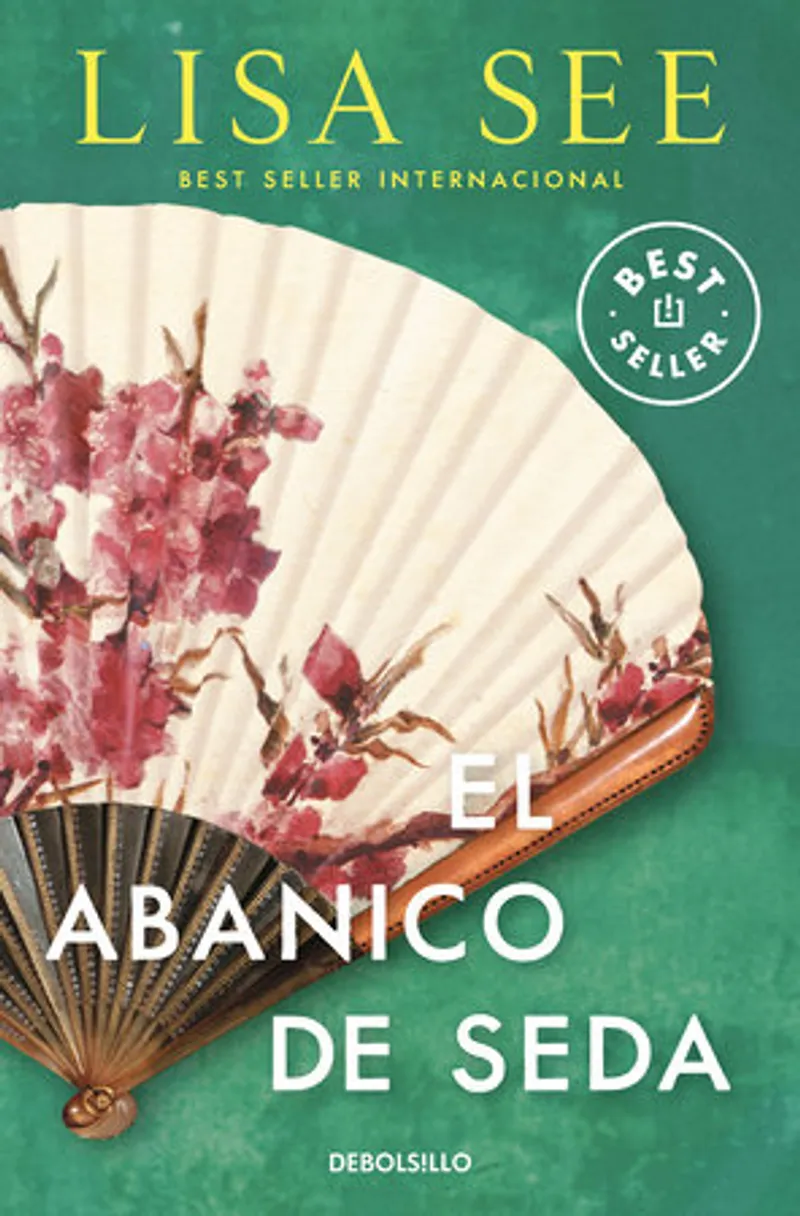
El abanico de seda / Snow Flower and the Secret Fan Author: Lisa SeePage Count: UnknownPublication Date: 2024-PRH In "Snow Flower and the Secret Fan," Lisa See weaves a captivating narrative that delves into the intricacies of female relationships in 19th-century China. This poignant tale revolves around the bond between two women, Lily and Snow Flower, who are paired as "laotongs," or "old sames," at a tender age. Their friendship blossoms through a secret language, "nu shu," which allows them to communicate freely, sharing their hopes, dreams, and accomplishments in a society where women were confined to their homes and subjected to the strict rules of a patriarchal society. See's writing is a testament to her meticulous research and dedication to understanding the nuances of the "nu shu" language. Her vivid descriptions of the remote Hunan county, where the story unfolds, transport readers to a world both fascinating and unknown. The author's masterful storytelling brings to life the struggles and triumphs of women living in a society where their voices were often silenced. The relationship between Lily and Snow Flower is at the heart of the novel, and See skillfully explores the complexities of their bond. Their friendship is forged through the secret language, which becomes a lifeline for them, allowing them to express their emotions, desires, and fears. As they navigate the challenges of marriage, motherhood, and societal expectations, their communication through "nu shu" remains a constant source of comfort and strength. One of the most striking aspects of the novel is its exploration of the themes of identity, isolation, and the power of female relationships. See sheds light on the restrictive lives of women in 19th-century China, where they were confined to their homes, subjected to foot-binding, and forced to adhere to strict social norms. Through Lily and Snow Flower's story, the author highlights the resilience and resourcefulness of women who found ways to communicate and connect with each other despite these constraints. The novel is also a poignant exploration of the consequences of miscommunication and the fragility of relationships. As Lily and Snow Flower's bond is tested by misunderstandings and misinterpretations, See skillfully conveys the devastating impact of these mistakes on their lives. See's writing is lyrical and evocative, with a deep understanding of the cultural and historical context in which the story unfolds. Her use of language is precise and nuanced, conveying the complexities of the characters' emotions and relationships. The author's attention to detail is impressive, from the intricate descriptions of the "nu shu" language to the vivid portrayals of life in 19th-century China. In conclusion, "Snow Flower and the Secret Fan" is a mesmerizing novel that explores the complexities of female relationships, identity, and isolation in 19th-century China. Lisa See's masterful storytelling, meticulous research, and lyrical writing make this novel a compelling read. As the story of Lily and Snow Flower unfolds, readers are transported to a world both fascinating and unknown, and the novel's themes of resilience, resourcefulness, and the power of female relationships will linger long after the final page is turned. #SnowFlowerAndTheSecretFan #LisaSee #HistoricalFiction #ChineseCulture #FemaleRelationships #NuShu Related InsightsThis Jury Is Guilty Book Review and Summary Candle and Crow Book Review and Summary A Family Across Town: My Father's Double Life, A Memoir Book Review and Summary{ "@context": "https://schema.org", "@type": "FAQPage", "mainEntity": [ { "@type": "Question", "name": "What is the main focus of Snow Flower and the Secret Fan Book Review and Summary?", "acceptedAnswer": { "@type": "Answer", "text": "Everything you need to know about Snow Flower and the Secret Fan with our detailed review." } }, { "@type": "Question", "name": "Who authored the comprehensive guide on Snow Flower and the Secret Fan Book Review and Summary?", "acceptedAnswer": { "@type": "Answer", "text": "This detailed article and its insights were carefully researched and authored by Lisa See." } }, { "@type": "Question", "name": "Where can I find more related content about Books?", "acceptedAnswer": { "@type": "Answer", "text": "You can explore more articles, detailed reviews, and similar insights by browsing the Related Insights section at the bottom of this article or visiting our dedicated Books category page." } } ] }
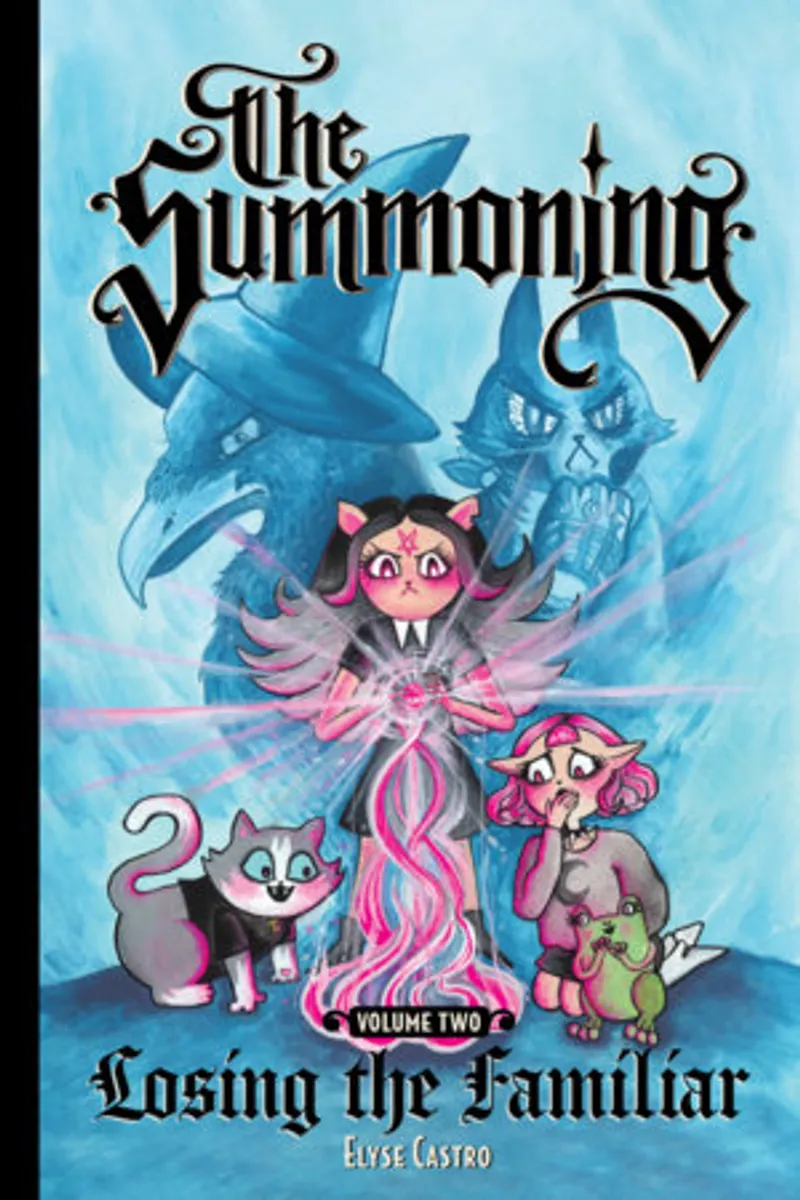
The Summoning Vol. 2: Losing the Familiar Author: Elyse CastroPage Count: UnknownPublication Date: 2026-PRH Voici une analyse structurée de l'image que vous avez partagée, en lien avec le titre et le résumé fournis :Analyse de l'image dans le contexte du document Keolis (202-2025) 1. Identification visuelle de l'imageForme géométrique : L'image semble représenter un modèle de support technique (Service Level Agreement) clairs et mesurables, avec une pyramide (Niveaux : support local et proximité), et une couverture nationale (via des points de présence ou des partenaires locaux). Couleurs dominantes : Bleu (confiance, professionnalisme) et orange (dynamisme, innovation), typiques des chartes graphiques des entreprises de transport public comme Keolis.2. Lien avec le document KeolisTitre du document : "Proposition technique et financière infogérance service proximité" → L'image pourrait illustrer : Un modèle d'infogérance avec une pyramide de support (Niveau 1 : Helpdesk, Niveau 2 : Support local, Niveau 3 : Expertise nationale). Une couverture géographique (France métropolitaine) avec des SLA contractuels (ex : temps de réponse, disponibilité). Une gouvernance unique (centralisée mais avec des relais locaux pour la proximité).3. Hypothèses sur le contenu de l'imageSchéma type :Base : Helpdesk (Niveau 1) → Milieu : Support de proximité (Niveau 2, par région) → Sommet : Expertise nationale (Niveau 3, pour les cas complexes). Flèches ou icônes : Représentant la fluidité du support (ex : flèche ascendante pour escalade, ou réseau de points de contact). Carte de France : Avec des points localisés (siège, agences régionales).Éléments clés à vérifier dans le document :Les SLA (ex : 4h pour le Niveau 1, 24h pour le Niveau 2). La gouvernance (qui gère les Niveaux ? Keolis central ou sous-traitants locaux ?). Les lots mentionnés (Siège / Proximité) → L'image pourrait séparer visuellement ces deux lots.4. Pourquoi cette image est pertinente ?Clarté : Elle résume visuellement un modèle complexe (infogérance + proximité) en une pyramide ou un réseau. Professionnalisme : Les couleurs et la structure évoquent une entreprise structurée (Keolis est un acteur majeur des transports). Alignement avec le résumé : Le document parle de "transformation du support informatique vers une obligation de résultats" → L'image pourrait montrer comment cette transformation est organisée (ex : passage d'un support réactif à un support proactif avec des indicateurs).Prochaines étapes suggéréesVérifier le document : Cherchez dans le PPTX une diapositive avec un schéma similaire (mots-clés : "pyramide", "support", "couverture nationale"). Comparer avec d'autres documents Keolis : Leur site ou rapports annuels utilisent souvent des schémas de gouvernance ou de support. Demander des précisions : Si vous avez accès au document, partagez le texte de la diapositive associée à cette image pour une analyse plus ciblée.Exemple de légende possible pour l'image (si elle illustre un modèle d'infogérance) : "Modèle d'infogérance Keolis : Une pyramide de support avec une couverture nationale, alliant proximité locale et expertise centralisée pour garantir des SLA mesurables." Si vous avez plus de détails sur l'image (texte, icônes, etc.), je peux affiner l'analyse ! Related InsightsHolmes is missing Book Review and Summary The Wisdom of Emperors Book Review and Summary The Family Upstairs Book Review and Summary{ "@context": "https://schema.org", "@type": "FAQPage", "mainEntity": [ { "@type": "Question", "name": "What is the main focus of The Summoning Book Review and Summary?", "acceptedAnswer": { "@type": "Answer", "text": "Everything you need to know about The Summoning with our detailed review." } }, { "@type": "Question", "name": "Who authored the comprehensive guide on The Summoning Book Review and Summary?", "acceptedAnswer": { "@type": "Answer", "text": "This detailed article and its insights were carefully researched and authored by Kelley Armstrong." } }, { "@type": "Question", "name": "Where can I find more related content about Books?", "acceptedAnswer": { "@type": "Answer", "text": "You can explore more articles, detailed reviews, and similar insights by browsing the Related Insights section at the bottom of this article or visiting our dedicated Books category page." } } ] }
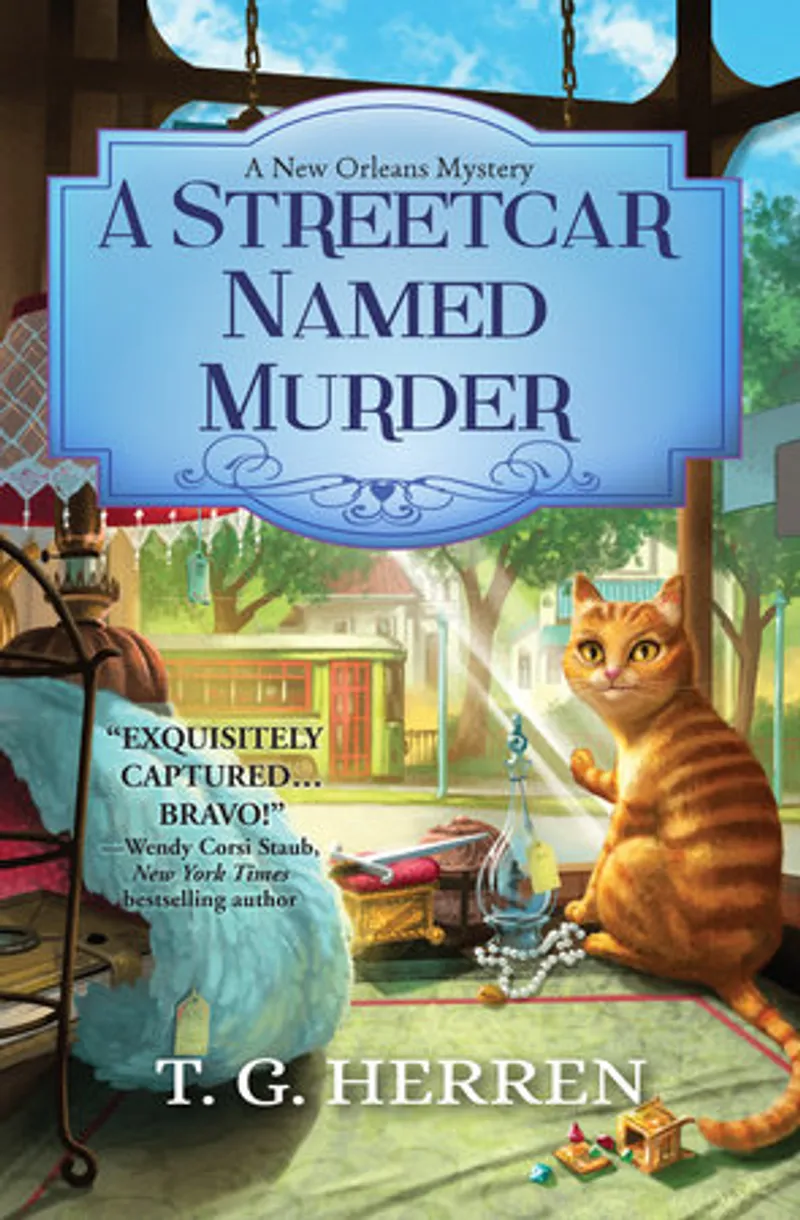
A Streetcar Named Murder Author: T. G. HerrenPage Count: UnknownPublication Date: 2022-PRH A Streetcar Named Murder by T.G. Herren is a captivating cozy mystery that whisks readers away to the vibrant city of New Orleans, where the lines between past and present are blurred, and the charm of the Big Easy is matched only by its dark underbelly. In this engaging debut, Herren masterfully weaves a complex web of intrigue, deception, and murder, keeping readers on the edge of their seats as they navigate the twists and turns of the investigation. At the heart of the story is Valerie Cooper, a relatable and endearing protagonist who finds herself at the center of a maelstrom when she inherits a majority partnership in her late husband's estranged uncle's antiques business. With her best friend Lauren by her side, Valerie embarks on a journey to learn the intricacies of the antiques trade, only to be thrust into a murder investigation when a woman who had been trying to buy her house is found dead, with a dagger from Valerie's shop lodged in her chest. Herren's writing style is engaging and accessible, making it easy for readers to become fully immersed in the world of New Orleans Fine Antiques and the colorful cast of characters that inhabit it. The author's use of descriptive language effectively transports readers to the historic Irish Channel neighborhood, where the grand old houses and quaint shops are steeped in history and mystery. One of the standout features of A Streetcar Named Murder is its thoughtful exploration of the theme of identity. Valerie, in particular, is on a journey of self-discovery, as she navigates her new role as a business owner and grapples with the challenges of rebuilding her life after the loss of her husband. Through Valerie's character, Herren raises important questions about the nature of identity and how it is shaped by our experiences, relationships, and environments. The mystery itself is cleverly plotted, with a complex array of suspects and motives that keep readers guessing until the very end. Herren's use of misdirection and red herrings adds to the suspense, making it impossible to predict who the killer might be or what their motive could be. Overall, A Streetcar Named Murder is a delightful and engaging cozy mystery that is sure to appeal to fans of Jane K. Cleland and other authors in the genre. With its richly atmospheric setting, engaging characters, and clever plot, this book is a must-read for anyone looking for a fun and suspenseful mystery. #cozymystery #NewOrleans #mysterynovel #antiques #women sleuths #murdermystery Related InsightsWalk the Wire Book Review and Summary One Perfect Couple Book Review and Summary The Blade Itself Book Review and Summary{ "@context": "https://schema.org", "@type": "FAQPage", "mainEntity": [ { "@type": "Question", "name": "What is the main focus of A Streetcar Named Desire Book Review and Summary?", "acceptedAnswer": { "@type": "Answer", "text": "Everything you need to know about A Streetcar Named Desire with our detailed review." } }, { "@type": "Question", "name": "Who authored the comprehensive guide on A Streetcar Named Desire Book Review and Summary?", "acceptedAnswer": { "@type": "Answer", "text": "This detailed article and its insights were carefully researched and authored by Tennessee Williams." } }, { "@type": "Question", "name": "Where can I find more related content about Books?", "acceptedAnswer": { "@type": "Answer", "text": "You can explore more articles, detailed reviews, and similar insights by browsing the Related Insights section at the bottom of this article or visiting our dedicated Books category page." } } ] }
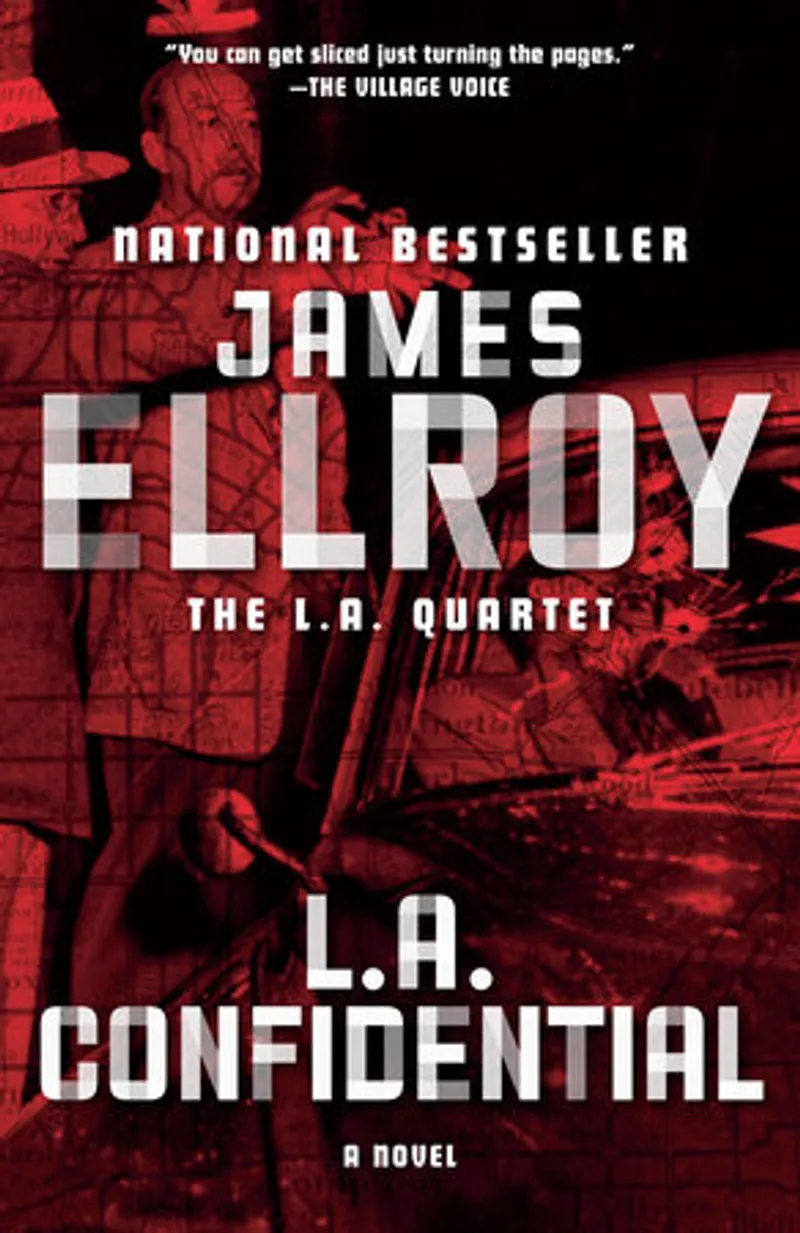
L.A. Confidential Author: James EllroyPage Count: UnknownPublication Date: 2025-PRH James Ellroy’s L.A. Confidential isn’t just a crime novel—it’s a fever dream of corruption, violence, and moral decay, painted in the lurid neon hues of 1950s Los Angeles. Originally published in 1990, this masterpiece of neo-noir fiction has cemented Ellroy’s reputation as the "Demon Dog of American Crime Fiction," a writer who doesn’t just tell stories but dissects the rot beneath the American Dream with a scalpel dipped in blood and bile. If you’re expecting a straightforward whodunit, prepare to be disoriented. Ellroy doesn’t just subvert the genre; he obliterates it, replacing logic with paranoia, heroes with antiheroes, and justice with a grotesque parody of order. At its core, L.A. Confidential is a meditation on the duality of Los Angeles—a city of glittering façades and festering underbellies. The novel unfolds through the perspectives of three deeply flawed LAPD officers, each a prisoner of their own obsessions. There’s Ed Exley, the ambitious, by-the-book detective with a martyr complex; Jack Vincennes, the tabloid-famous narcissist who trades justice for headlines; and Bud White, the brute-force enforcer with a sadistic streak and a twisted sense of loyalty. Together, they become unwitting players in a conspiracy that stretches from Hollywood’s backlots to the city’s most depraved corners, where power, sex, and violence are currency. Ellroy’s genius lies in his ability to weave these disparate narratives into a single, pulsating organism of deceit. His prose is a machine-gun staccato of short, punchy sentences, each one loaded with menace. There’s no room for flowery descriptions here—every word is a bullet, every paragraph a descent into moral squalor. The dialogue crackles with the tension of men who know they’re being watched, manipulated, or hunted. And the violence? It’s not glorified; it’s visceral, ugly, and often sudden, a reminder that in Ellroy’s world, mercy is a myth. The novel’s central theme is the corruption of institutions—police, media, religion—all of which are revealed to be just as rotten as the criminals they’re supposed to oppose. The LAPD, in particular, is a den of hypocrisy, where racism, brutality, and political expediency are the unspoken rules. Exley, the "good cop," is as much a product of this system as Vincennes, the media whore, or White, the thug in a badge. Their quest for truth is less about justice and more about survival, a desperate scramble to outmaneuver forces that are far larger and more sinister than any individual. Ellroy’s Los Angeles is a character in itself—a labyrinth of motels, jazz clubs, and back-alley dealings where the American Dream curdles into nightmare. The city’s obsession with image—its love of glamour, its fear of scandal—is both the setting and the catalyst for the novel’s horrors. The "Nite Owl" massacre, the heart of the plot, is less a crime than a symptom of a society that has traded morality for spectacle. The killers aren’t just murderers; they’re performers, staging their atrocities for an audience that can’t look away. What makes L.A. Confidential endure is its unflinching gaze. Ellroy doesn’t flinch from the ugliness of his characters or the world they inhabit. There’s no redemption arc here, no neat resolution—just the cold, hard truth that power corrupts, and absolute power corrupts absolutely. The novel’s ending is ambiguous, its morality murky, its heroes deeply compromised. But that’s the point. In Ellroy’s Los Angeles, there are no clean hands, only varying degrees of filth. For readers who crave escapism, this book will be a brutal awakening. But for those who appreciate fiction that doesn’t just entertain but unsettles, L.A. Confidential is a masterclass in tension, style, and unrelenting cynicism. It’s a book that lingers like the stench of a crime scene, impossible to forget and impossible to ignore. #LAConfidential #JamesEllroy #NoirFiction #CrimeNovel #DarkCrime #EllroyStyle Related InsightsSweep with Me Book Review and Summary How to Resist Guilt: On What's Holding Women Back Book Review and Summary Harry Potter and the Prisoner of Azkaban Book Review and Summary{ "@context": "https://schema.org", "@type": "FAQPage", "mainEntity": [ { "@type": "Question", "name": "What is the main focus of L.A. Confidential Book Review and Summary?", "acceptedAnswer": { "@type": "Answer", "text": "Everything you need to know about L.A. Confidential with our detailed review." } }, { "@type": "Question", "name": "Who authored the comprehensive guide on L.A. Confidential Book Review and Summary?", "acceptedAnswer": { "@type": "Answer", "text": "This detailed article and its insights were carefully researched and authored by James Ellroy." } }, { "@type": "Question", "name": "Where can I find more related content about Books?", "acceptedAnswer": { "@type": "Answer", "text": "You can explore more articles, detailed reviews, and similar insights by browsing the Related Insights section at the bottom of this article or visiting our dedicated Books category page." } } ] }
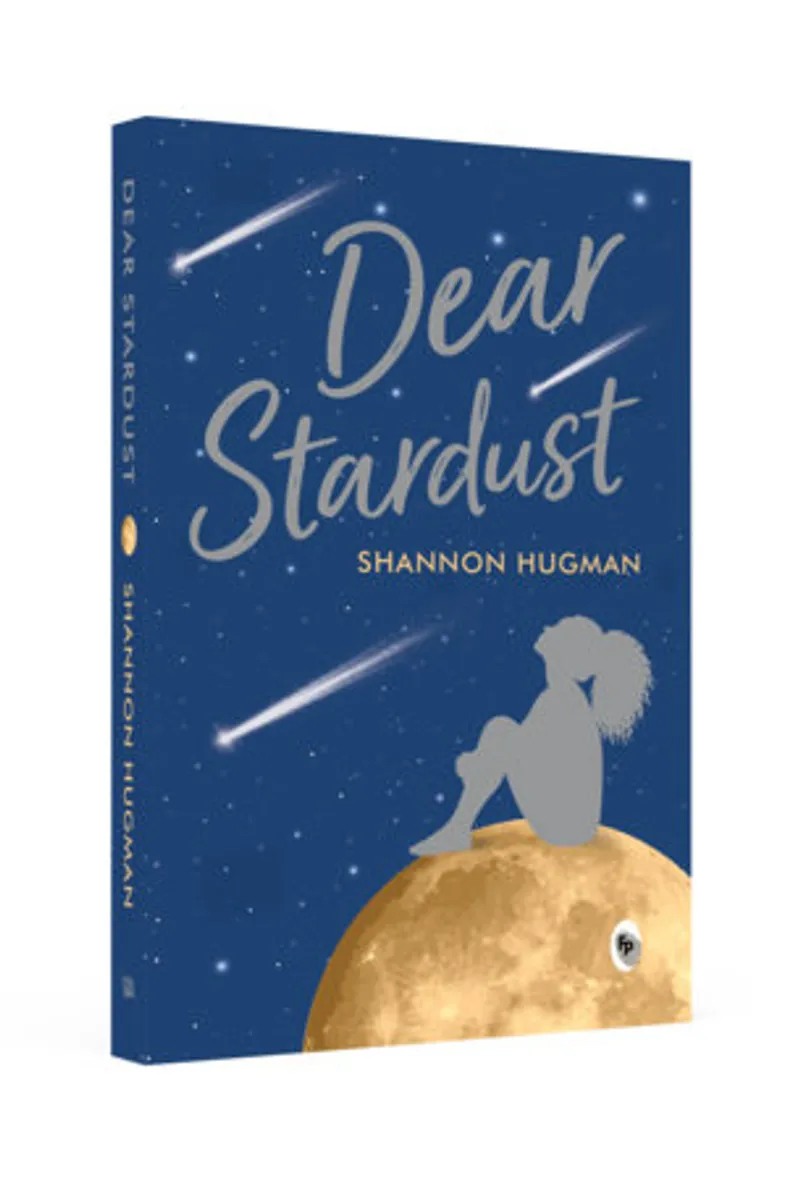
Dear Stardust Author: Shannon HugmanPage Count: UnknownPublication Date: 2026-PRH "Dear Stardust" by Shannon Hugman is a celestial journey that delves into the intricacies of human emotions, weaving a narrative that is as poignant as it is profound. While the page count may be unknown, the depth and complexity of the themes explored within its pages are undeniable. At its core, "Dear Stardust" grapples with the existential questions that have haunted humanity for centuries – our place in the universe, the fragility of life, and the resilience of hope. Hugman's prose is akin to stargazing on a clear, moonless night – it is vast, expansive, and full of wonder. Her writing is a masterful blend of the poetic and the profound, making the reader feel seen, heard, and understood. One of the most striking aspects of Hugman's style is her ability to balance the intimate with the cosmic. She navigates the complexities of human relationships with the same deftness as she explores the mysteries of the universe. This dichotomy is a hallmark of her writing, making "Dear Stardust" a truly unique reading experience. Throughout the book, Hugman's use of language is deliberate and evocative, conjuring images that are at once vivid and haunting. Her descriptions of the natural world are particularly noteworthy, imbuing the landscape with a sense of mysticism and awe. The author's writing is not just a reflection of the world around us; it is an invitation to step into the unknown, to explore the unseen, and to find solace in the mysteries that surround us. The themes of hope, resilience, and the human condition are woven throughout the narrative like a rich tapestry. Hugman's exploration of these themes is both deeply personal and universally relatable, making "Dear Stardust" a book that will resonate with readers long after they finish reading it. If there is one criticism to be made, it is that the book's scope can sometimes feel overwhelming. Hugman's ambition is admirable, but there are moments where the narrative feels like it is stretching to encompass too much. However, this is a minor quibble in an otherwise outstanding work. In conclusion, "Dear Stardust" is a triumph of contemporary literature. Shannon Hugman's writing is a testament to the power of storytelling, and her exploration of the human condition is both profound and deeply moving. This is a book that will leave readers changed, perhaps even transformed, by the experience of reading it. #DearStardust #ShannonHugman #LiteraryFiction #CosmicNarratives #HopeAndResilience #ContemporaryLiterature Related InsightsDeath Wish Book Review and Summary The Complete Maus Book Review and Summary Tales & Ballads of Wearside Book Review and Summary{ "@context": "https://schema.org", "@type": "FAQPage", "mainEntity": [ { "@type": "Question", "name": "What is the main focus of Stardust Book Review and Summary?", "acceptedAnswer": { "@type": "Answer", "text": "Everything you need to know about Stardust with our detailed review." } }, { "@type": "Question", "name": "Who authored the comprehensive guide on Stardust Book Review and Summary?", "acceptedAnswer": { "@type": "Answer", "text": "This detailed article and its insights were carefully researched and authored by Neil Gaiman." } }, { "@type": "Question", "name": "Where can I find more related content about Books?", "acceptedAnswer": { "@type": "Answer", "text": "You can explore more articles, detailed reviews, and similar insights by browsing the Related Insights section at the bottom of this article or visiting our dedicated Books category page." } } ] }

Estuche Albert Camus (contiene: El extranjero / Calígula / El mito de Sísifo) / Albert Camus Box Set (includes: The Stranger / Caligula / The Myth of Sisyphus Author: Albert CamusPage Count: UnknownPublication Date: 2027-PRH Albert Camus’ Estuche Albert Camus is not just a collection of books—it’s a confrontation with existence itself. Bound together in a single, unyielding volume, The Stranger, Caligula, and The Myth of Sisyphus form a philosophical trilogy that dissects the absurd, the rebellious, and the relentless nature of human consciousness. Published in 2027 (though Camus’ original works date back to mid-20th century), this box set feels eerily prescient, as if it were written yesterday for today’s world of alienation, moral ambiguity, and existential fatigue. At the heart of this collection lies the concept of the absurd—the gaping chasm between humanity’s search for meaning and the silent, indifferent universe. Camus, a Nobel laureate and one of the most lucid thinkers of the 20th century, confronts this paradox with unflinching clarity. His prose is not ornamental; it is surgical. Every sentence cuts to the bone, stripping away illusion to reveal the raw, unadorned truth of existence. In The Stranger, Meursault’s detached narration—his refusal to weep at his mother’s funeral, his casual murder of an Arab man—is not just a plot device but a philosophical statement. Meursault is the absurd incarnate: a man who lives without pretense, who accepts the world as it is, without the comforting lies of religion, morality, or social convention. His trial becomes a trial not of murder, but of authenticity. Society cannot tolerate a man who refuses to play its game, and so it condemns him. Camus forces us to ask: Is Meursault a monster, or are we all monsters for pretending? Caligula, Camus’ play about the Roman emperor’s descent into tyranny and madness, takes the absurd to its most violent extreme. Here, the emperor’s realization that "men die and they are not happy" drives him to impose chaos as a form of divine rebellion. His cruelty is not mere sadism; it is a desperate attempt to shatter the illusion of meaning. In one chilling scene, he demands the impossible—a moon made of real food—only to realize that even such a grotesque demand cannot fill the void. Camus shows us that tyranny, like absurdity, is a response to the same fundamental emptiness. The play is a warning: when meaning collapses, power becomes the only god left to worship. The Myth of Sisyphus, the philosophical essay that binds these works together, is Camus at his most incisive. Sisyphus, condemned to roll a boulder uphill for eternity, becomes the ultimate symbol of the human condition. But Camus’ genius lies in his reversal: Sisyphus is happy. Not because his task is meaningful, but because he has accepted its futility. The essay is a manifesto of defiance against despair. "The struggle itself toward the heights is enough to fill a man’s heart," Camus writes. This is not resignation; it is rebellion. It is the refusal to let the absurd crush us, but instead to embrace it, to dance on the edge of the abyss. Camus’ style is deceptive in its simplicity. His sentences are clean, direct, almost austere, yet they carry the weight of revelation. He writes without sentimentality, without the ornate flourishes of existentialists like Sartre. There is no grand metaphysical system here, no comforting dogma—only the stark confrontation with reality. This is philosophy as literature, and literature as philosophy. Every word serves a purpose: to illuminate, to provoke, to unsettle. Reading this collection is like standing naked before a mirror. Camus does not offer answers; he offers clarity. He does not comfort; he disturbs. And in doing so, he reminds us that the search for meaning is not a luxury—it is a necessity. Whether through Meursault’s indifference, Caligula’s madness, or Sisyphus’ eternal labor, Camus shows us that the absurd is not a problem to be solved, but a truth to be lived. This box set is essential not because it provides solace, but because it refuses to lie. In a world drowning in noise and distraction, Camus’ voice cuts through like a blade. It is the sound of someone who has looked into the void and refused to blink. And that, perhaps, is the most radical act of all. #Camus #Absurdism #Existentialism #Philosophy #TheStranger #Caligula Related InsightsNumber the Stars Book Review and Summary Bury My Heart at Wounded Knee: An Indian History of the American West Book Review and Summary Kafka on the Shore Book Review and Summary{ "@context": "https://schema.org", "@type": "FAQPage", "mainEntity": [ { "@type": "Question", "name": "What is the main focus of The Stranger Book Review and Summary?", "acceptedAnswer": { "@type": "Answer", "text": "Everything you need to know about The Stranger with our detailed review." } }, { "@type": "Question", "name": "Who authored the comprehensive guide on The Stranger Book Review and Summary?", "acceptedAnswer": { "@type": "Answer", "text": "This detailed article and its insights were carefully researched and authored by Albert Camus." } }, { "@type": "Question", "name": "Where can I find more related content about Books?", "acceptedAnswer": { "@type": "Answer", "text": "You can explore more articles, detailed reviews, and similar insights by browsing the Related Insights section at the bottom of this article or visiting our dedicated Books category page." } } ] }
A Darker Shade of Crimson Author: Ruben Navarrette, Jr.Page Count: UnknownPublication Date: 1994-PRH In "A Darker Shade of Crimson," Ruben Navarrette, Jr. crafts a poignant and thought-provoking memoir that delves into the complexities of identity, ethnicity, and the pursuit of quality education for minorities in America. With unflinching honesty and wit, Navarrette recounts his journey from the rural San Joaquin Valley to the hallowed halls of Harvard University, where he confronts the challenges of navigating a predominantly white, privileged world as a Mexican-American. Through his experiences, Navarrette raises essential questions about the role of affirmative action, racism, and liberal education in America, offering a fresh perspective on these contentious issues. His narrative is both deeply personal and universally relatable, as he grapples with the expectations of his family, his community, and society at large. With intelligence and grace, Navarrette chronicles his struggles to reconcile his values and opinions with the demands of his new environment, all while maintaining a strong sense of self and cultural identity. One of the most striking aspects of "A Darker Shade of Crimson" is Navarrette's writing style, which is at once engaging, humorous, and poignant. His use of language is evocative and expressive, making his story feel both deeply personal and widely accessible. The memoir is also notable for its thought-provoking commentary on the state of education in America, particularly with regards to the opportunities and challenges faced by minority students. Throughout the book, Navarrette's passion for education and his commitment to creating a more inclusive and equitable society shine through. His message of hope and resilience is inspiring, and his call to action is both timely and necessary. As the Chicago Tribune notes, "A Darker Shade of Crimson" is "hard-hitting, funny, sad, and inspiring" – a testament to Navarrette's skill as a storyteller and his ability to craft a narrative that is both deeply personal and universally relevant. Ultimately, "A Darker Shade of Crimson" is a powerful and thought-provoking memoir that offers a unique perspective on the complexities of identity, ethnicity, and education in America. Navarrette's story is a must-read for anyone interested in these issues, and his message of hope and resilience is sure to inspire readers from all walks of life. #LatinxInEducation #DiversityInHigherEd #AffirmativeAction #LatinoLiterature #EducationEquity #MemoirMonday Related InsightsDear Debbie Book Review and Summary Say Yes to the Duke Book Review and Summary Family Upstairs 2 Book Review and Summary{ "@context": "https://schema.org", "@type": "FAQPage", "mainEntity": [ { "@type": "Question", "name": "What is the main focus of A Darker Shade of Magic Book Review and Summary?", "acceptedAnswer": { "@type": "Answer", "text": "Everything you need to know about A Darker Shade of Magic with our detailed review." } }, { "@type": "Question", "name": "Who authored the comprehensive guide on A Darker Shade of Magic Book Review and Summary?", "acceptedAnswer": { "@type": "Answer", "text": "This detailed article and its insights were carefully researched and authored by V.E. Schwab." } }, { "@type": "Question", "name": "Where can I find more related content about Books?", "acceptedAnswer": { "@type": "Answer", "text": "You can explore more articles, detailed reviews, and similar insights by browsing the Related Insights section at the bottom of this article or visiting our dedicated Books category page." } } ] }
Harry Potter y la Orden del Fénix (Edición con ilustraciones de Xavier Bonet) / Harry Potter and the Order of the Phoenix (Illustrated Edition by Xavier Bonet Author: J.K. RowlingPage Count: UnknownPublication Date: 2026-PRH Harry Potter and the Order of the Phoenix (Illustrated Edition) – A Darker, Deeper Dive into Magic’s Shadow J.K. Rowling’s Harry Potter and the Order of the Phoenix has long been the crucible where the series’ themes of resistance, sacrifice, and the cost of growing up are most brutally tested. Now, with Xavier Bonet’s hauntingly vivid illustrations breathing new life into the text, this edition doesn’t just retell the story—it reimagines it, transforming Rowling’s prose into a visual and emotional experience that lingers long after the final page. At its core, Order of the Phoenix is a story about defiance. The Ministry of Magic’s denial of Voldemort’s return mirrors real-world bureaucracies that prioritize control over truth, while Harry’s struggle against both external oppression and his own inner turmoil makes this the most psychologically complex entry in the series. Rowling’s genius lies in her ability to weave personal angst with epic stakes—Harry’s isolation, his rage, and his growing distrust of authority aren’t just subplots; they’re the beating heart of the narrative. The novel forces its young heroes to confront the uncomfortable reality that the world isn’t fair, that adults can fail them, and that power often corrupts those who wield it. It’s a theme that resonates deeply in an era where misinformation and institutional distrust shape global discourse. Rowling’s prose in this volume is sharper, more introspective. Where earlier books thrived on whimsy and wonder, Order of the Phoenix darkens the palette, both literally and thematically. The prose crackles with Harry’s frustration, Dumbledore’s cryptic wisdom, and Sirius’s tragic vulnerability. The dialogue—especially between Harry and his peers—feels raw, unfiltered by the protective gloss of childhood. Even the humor, often a Rowling trademark, is tinged with bitterness, as seen in the Weasley twins’ pranks or Luna Lovegood’s endearingly odd optimism. This tonal shift isn’t just a narrative choice; it’s a reflection of the series’ maturation. The magic here isn’t just about spells and creatures—it’s about the magic of resilience, of finding strength in vulnerability. Bonet’s illustrations amplify this darkness. His art doesn’t shy away from the grotesque or the melancholic. The Dementors, with their skeletal fingers and hollow eyes, feel like living nightmares, their presence in the illustrations almost suffocating. The Ministry’s cold, sterile halls contrast sharply with the cozy, if chaotic, warmth of the Burrow, reinforcing the novel’s central conflict between order and chaos. Even minor characters like Kreacher or the centaur Firenze gain a haunting presence under Bonet’s brush. His style—partly surreal, partly hyper-realistic—captures the duality of Rowling’s world: a place where wonder and terror coexist. One of the most striking aspects of this edition is how it reframes the emotional weight of the story. The illustrations don’t just accompany the text; they interpret it. When Harry stares into the Mirror of Erised, Bonet’s rendition of the scene isn’t just a reflection—it’s a window into his fractured psyche, the glass cracked like his resolve. The Department of Mysteries, with its labyrinthine corridors and eerie artifacts, becomes a character in itself, its oppressive grandeur a visual metaphor for the inescapable truths Harry must face. Rowling’s thematic depth is most evident in the novel’s exploration of propaganda and control. The Ministry’s smear campaign against Harry and Dumbledore isn’t just a plot device; it’s a chilling parallel to modern disinformation tactics. The Daily Prophet’s lies, the smear against Harry as a "liar," and the systematic undermining of Dumbledore’s authority all serve as a cautionary tale about the dangers of unchecked power. It’s a theme that feels prescient, especially in an age where trust in institutions is eroding. Rowling doesn’t just tell us that truth is fragile—she shows us how easily it can be weaponized. The novel’s climax—the battle in the Department of Mysteries—is a masterclass in tension, and Bonet’s illustrations elevate it to something cinematic. The clash of magic, the desperation of the characters, and the looming threat of Voldemort’s return are all rendered with a visceral intensity. Yet, even in the midst of chaos, Rowling doesn’t lose sight of her characters’ humanity. Sirius’s death isn’t just a plot point; it’s a gut-punch, a moment that forces Harry (and the reader) to confront the cost of defiance. It’s a scene that lingers, and Bonet’s depiction of it—Harry’s outstretched hand, Sirius’s fading smile—ensures it will haunt you long after the book is closed. This illustrated edition isn’t just a reprint; it’s a reimagining. It takes a story that many readers already know and makes them feel it anew. Rowling’s writing has always been a blend of the whimsical and the profound, but Order of the Phoenix is where that balance tilts decisively toward the profound. It’s the volume where the series stops being just a magical adventure and becomes something darker, something real. For fans old and new, this edition is a treasure. It doesn’t just remind us why we loved these characters—it makes us see them differently. And in doing so, it reminds us of the power of stories: how they can comfort, challenge, and ultimately, change us. #HarryPotter #OrderOfThePhoenix #DarkMagic #BookArt #JkRowling #XavierBonet Related InsightsBridge of Souls Book Review and Summary Much Ado About Nothing Book Review and Summary The Sentinel (Special Edition) Book Review and Summary{ "@context": "https://schema.org", "@type": "FAQPage", "mainEntity": [ { "@type": "Question", "name": "What is the main focus of Harry Potter and the Order of the Phoenix Book Review and Summary?", "acceptedAnswer": { "@type": "Answer", "text": "Everything you need to know about Harry Potter and the Order of the Phoenix with our detailed review." } }, { "@type": "Question", "name": "Who authored the comprehensive guide on Harry Potter and the Order of the Phoenix Book Review and Summary?", "acceptedAnswer": { "@type": "Answer", "text": "This detailed article and its insights were carefully researched and authored by J.K. Rowling." } }, { "@type": "Question", "name": "Where can I find more related content about Books?", "acceptedAnswer": { "@type": "Answer", "text": "You can explore more articles, detailed reviews, and similar insights by browsing the Related Insights section at the bottom of this article or visiting our dedicated Books category page." } } ] }