Showing Posts From
Food history
-
 Marcus Vance
 - 11 Oct, 2026 13:25
Sailing the Cheese Seas: A Masterclass in Georgian Khachapuri Variations
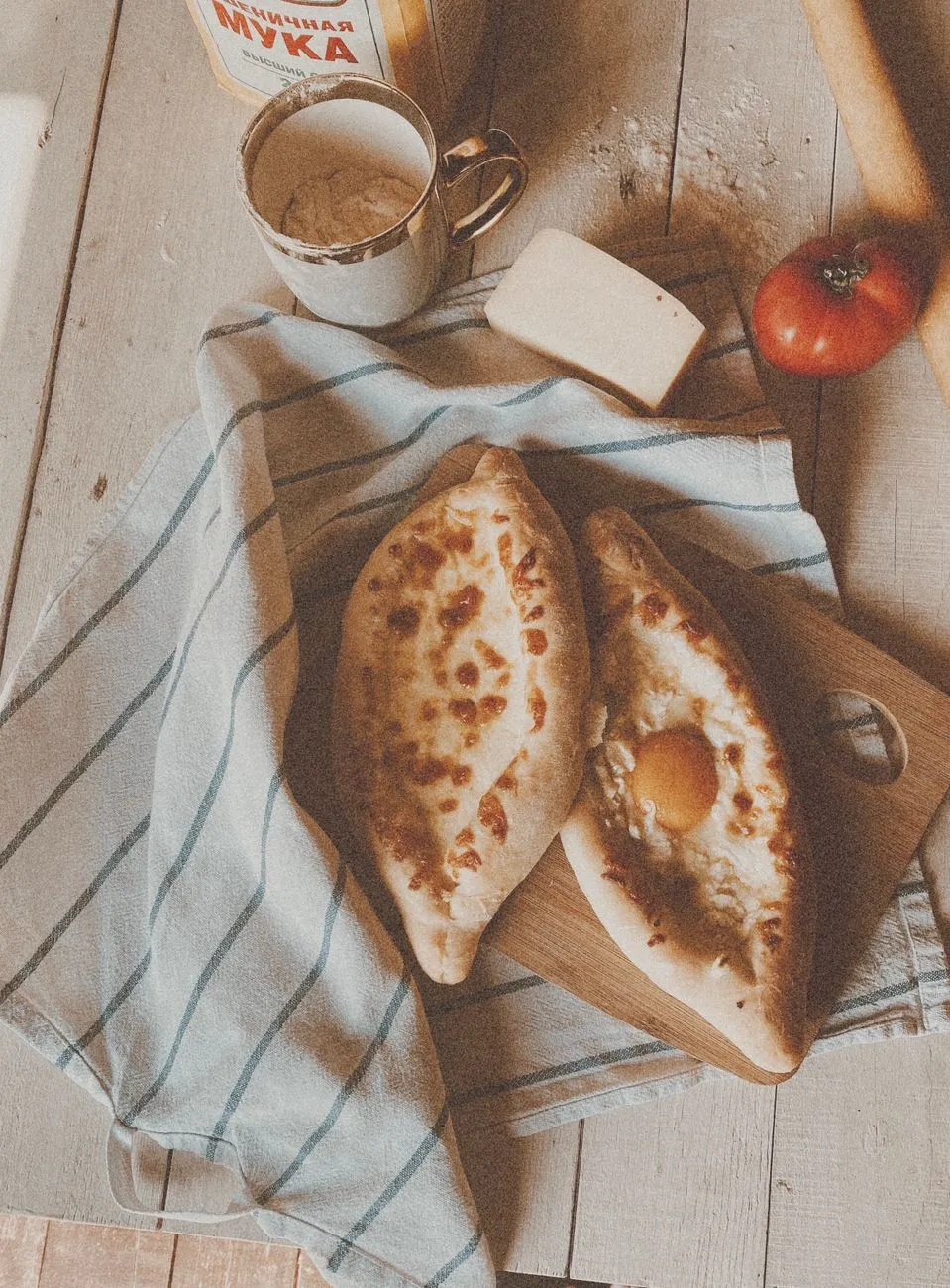
From the Black Sea to the Table: The Origins of Khachapuri Georgia’s culinary identity is inseparable from its bread culture, and khachapuri stands as the crown jewel of that tradition. Archaeological evidence from the Colchian lowlands shows flatbreads baked on clay hearths as early as the 6th century BCE, but the cheese‑stuffed iteration we recognize today coalesced during the medieval period when monastic communities refined dairy preservation. The word itself derives from khacho (curd cheese) and puri (bread), a linguistic clue that the dish was conceived as a portable, high‑energy meal for shepherds traversing the Greater Caucasus. Regional microclimates dictated the cheese varieties: the humid western lowlands favored a moist, tangy Imeruli curd, while the alpine east produced a firmer, saltier Sulguni. Trade routes along the Black Sea introduced butter, eggs, and even cornmeal, each ingredient grafting onto the basic dough‑cheese matrix. By the 19th century, khachapuri had migrated from family hearths to Tbilisi’s bustling dukani (street bakeries), where it became a symbol of hospitality—served steaming to guests before any other dish. Modern scholarship, notably the 2021 monograph Bread & Belonging in the Caucasus (Tbilisi State University Press), confirms that the dough’s hydration level (typically 60‑65 %) and the use of a toné (clay oven) create a characteristic blistered crust that cannot be replicated in conventional ovens without a baking stone. The dough’s fermentation window—usually 2–3 hours at 24 °C—allows lactic acid bacteria to develop a subtle sourness that balances the richness of the cheese filling. Understanding this lineage is essential before dissecting each variation, because every regional style is a dialogue between geography, dairy culture, and the baker’s hand. Imeruli: The Heart‑Shaped Classic of Western Georgia Imeruli khachapuri, often called Imeretian khachapuri, is the most ubiquitous form found in home kitchens across Imereti. Its hallmark is a circular, slightly domed loaf roughly 25 cm in diameter, with a golden‑brown crust that yields to a soft, steamy interior. The filling consists almost exclusively of Imeruli cheese—a fresh, semi‑soft curd with a moisture content near 55 % and a mild, milky tang. The dough recipe is deceptively simple: 500 g high‑protein wheat flour (12‑13 % protein), 300 ml lukewarm water, 10 g active dry yeast, 10 g salt, and 30 ml sunflower oil. After a 30‑minute autolyse, the dough is kneaded to a smooth, elastic ball, then rested for 90 minutes. The cheese is grated, lightly salted, and mixed with a tablespoon of melted butter to improve meltability. The assembly is a ritual: the dough is rolled into a 30 cm circle, the cheese mound placed centrally, edges gathered and pinched into a pleated “purse,” then inverted so the seam faces down. Baking occurs in a preheated toné at 350 °C for 7‑9 minutes. The intense radiant heat puffs the crust, creating a network of micro‑blisters that trap steam, which in turn finishes cooking the cheese from within. The result is a loaf that, when torn, releases a cloud of buttery aroma and a stretchy cheese pull that can exceed 30 cm—an informal benchmark among Georgian bakers. Nutritionally, a 150 g portion delivers roughly 380 kcal, 14 g protein, 18 g fat (predominantly saturated from cheese and butter), and 38 g carbohydrates. The high calcium content (≈350 mg) makes it a valuable dietary source in a region where dairy dominates protein intake. While Imeruli remains the daily staple, its simplicity makes it a canvas for innovation—herbs like coriander or dill are sometimes folded into the cheese, and a brush of egg wash before baking yields a deeper amber hue. Adjarian Khachapuri: The Boat That Carries an Egg Yolk Travel east to the subtropical coast of Adjara, and the khachapuri morphs into a dramatic khachapuri acharuli—a boat‑shaped loaf cradling a molten lagoon of cheese, butter, and a single raw egg yolk. The shape is not merely aesthetic; the raised gunwales prevent the rich filling from spilling during the vigorous bake in a wood‑fired oven. The dough mirrors Imeruli’s hydration but incorporates 30 g of melted butter per 500 g flour, lending a tender crumb that can support the weight of the filling. The cheese blend is a 2:1 ratio of Sulguni (elastic, salty) to Imeruli (moist, mild), grated and combined with 50 g cold butter cubes. This mixture is piled high, leaving a shallow well in the center. The loaf bakes at 380 °C for 5 minutes, then the oven door is opened, a raw egg yolk is gently deposited into the well, and the bread returns for another 60‑90 seconds—just enough to set the yolk’s periphery while keeping the center runny. The dining protocol is theatrical: the diner tears a piece of the crust, dips it into the cheese‑egg emulsion, and swallows the mixture in one bite. The yolk’s lecithin emulsifies the fat, creating a silkier mouthfeel that distinguishes Adjarian from its inland cousins. A 200 g serving (including yolk) provides approximately 520 kcal, 18 g protein, 30 g fat, and 42 g carbohydrates. The egg adds 6 g high‑quality protein and 180 mg cholesterol, a figure that aligns with recent meta‑analyses (e.g., American Journal of Clinical Nutrition, 2022) suggesting moderate egg consumption does not significantly raise cardiovascular risk in healthy adults. Variation Serving (g) kcal Protein (g) Fat (g) Carbs (g) Calcium (mg)Imeruli 150 380 14 18 38 350Adjarian 200 520 18 30 42 410Megruli 180 460 16 24 40 380Penovani 160 410 13 22 36 300The Adjarian style’s popularity has surged beyond Georgia, appearing on menus from Berlin to New York, often marketed as “Georgian fondue bread.” Purists argue that the authentic experience requires a toné and a wooden paddle (shamishi) for turning, but a home oven with a pizza stone at 250 °C can approximate the effect if the dough is pre‑baked for 3 minutes before filling. Megruli and Penovani: Double Cheese and Flaky Layers In the mountainous region of Samegrelo, the Megruli khachapuri doubles down on cheese—literally. The dough encloses a cheese filling, then a second layer of cheese is spread atop the sealed loaf before baking, creating a caramelized cheese crust that crackles like a savory pâte à choux. The cheese blend typically mixes Sulguni with a touch of Khmeli Suneli (a traditional spice blend) for an aromatic lift. Penovani, by contrast, abandons yeast dough for a laminated puff pastry technique. Layers of butter‑enriched dough are folded six times, producing a flaky, buttery shell that sh Related InsightsAngel Country Book Review and Summary El club de la lucha / Fight Club Book Review and Summary Lake of Souls Book Review and Summary
-
 Giovanni Luigi
 - 23 Sep, 2026 10:28
Quando i Mondi si Incontrano nel Piatto: L'Anima Segreta della Cucina Fusion
L'Alba di un Sapore Senza Confini Immaginate un porto affollato nel XVI secolo: l'odore acre del pepe nero si mescola al profumo dolce del latte di cocco, mentre il suono di un mortaio di pietra ritma la preparazione di un piatto che non ha ancora un nome. Non è solo cucina, è diplomazia commestibile. La cucina fusion, termine entrato ufficialmente nell'Oxford English Dictionary solo nel 2002, definita come "uno stile di cucina che fonde ingredienti e metodi di preparazione provenienti da diversi paesi, regioni o gruppi etnici", non è un'invenzione dei chef stellati degli anni '70. È un fenomeno antico quanto la curiosità umana, un linguaggio universale scritto con spezie, tecniche e ingredienti che hanno viaggiato ben oltre le frontiere politiche. Macao: Il Primo Abbraccio Tra Occidente e Oriente Riconosciuta dall'UNESCO come la prima cucina fusion al mondo, la cucina macaense nasce oltre 450 anni fa in un lembo di terra dove l'Impero Portoghese incontrò la Cina imperiale. Qui, le tecniche iberiche di cottura al forno e l'uso del baccalà abbracciarono ingredienti cinesi come la salsa di soia, lo zenzero e il vino di riso, arricchendosi ulteriormente di echi africani, indiani e del Sud-est asiatico portati dalle rotte commerciali. È un caso di studio perfetto: non una semplice giustapposizione, ma una sintesi profonda dove il bacalhau diventa bacalhau à brás con tocchi di curry e latte di cocco. Tuttavia, la storia ama le sfumature. Alcuni studiosi sostengono che la Grecia antica possa vantare il titolo di prima fusion, crocevia obbligato di civiltà che per millenni hanno scambiato olive, grano, vino e spezie, riscrivendo il codice gastronomico del Mediterraneo. Che sia Macao o Atene, il messaggio è chiaro: la fusion non è una moda, è la modalità naturale dell'evoluzione culinaria.L'Eco del Colonialismo nei Nostri Piatti C'è un'ombra lunga che si stende su molti piatti che oggi definiamo "fusion": il colonialismo. Non fu solo scambio commerciale; fu imposizione, adattamento, resistenza. Il bánh mì vietnamita nasce dalla baguette francese imposta in Indocina, farcita poi con erbe locali, paté e daikon sott'aceto: una riappropriazione del simbolo del colonizzatore. I patty giamaicani fondono il pasticcio britannico (turnover) con peperoncini e spezie africane e asiatiche, arrivati negli zaini degli schiavi e dei lavoratori a contratto. Il ramen, oggi icona nipponica, origina come shina soba ("noodles cinesi") durante l'occupazione giapponese di territori cinesi a fine '800.Le cuoche indigene, spesso domestiche costrette al servizio, furono le vere architette invisibili di questa ibridazione, mescolando sapienza ancestrale e dispense straniere. In Perù, il consumo del cuy (porcellino d'India) fu bandito come "selvaggio" fino a recenti movimenti di rivendicazione, cancellando secoli di sapere tradizionale. Oggi, la critica accademica sottolinea come la fusion moderna rischi di perpetuare una gerarchia: la cucina europea che "eleva" l'etnico a modernità, trasformando cibi umili in trend gentrificati, svuotandoli di contesto e dignità. Glocalizzazione: Quando il Globale Diventa Locale Nel vortice della globalizzazione, nasce la glocalizzazione (crasi di globalizzazione e localizzazione). Le catene multinazionali ne sono i laboratori più evidenti. McDonald's adatta i menu per "riflettere gusti e tradizioni locali in ogni paese": in India spariscono manzo e maiale, sostituiti da Maharaja Mac di pollo o paneer, rispettando tabù religiosi e leggi. È una scelta economica mascherata da sensibilità culturale.Ma la glocalizzazione ha radici più umili e geniali. Il California roll (crab, avocado, cetriolo, riso all'esterno) nasce in America nella seconda metà del Novecento. La leggenda narra di un'avversione yankee per l'alga nori e il pesce crudo: il riso esterno nasconde l'alga, il crab surrogato sostituisce il tonno. È fusion come mediazione culturale. In Corea, il budae-jjigae (stufato "della base militare") nasce dalla fame post-bellica: Spam, wurstel viennesi e formaggio a fette americani tuffati in un brodo di kimchi e gochujang. Ingredienti di surplus militare diventano comfort food nazionale, simbolo di resilienza e adattamento. L'Impronta dei Migranti: Architetti del Gusto Moderno Se il colonialismo impose incontri, le migrazioni li scelsero, li vissero, li reinventarono. Il cibo diventa ancoraggio identitario e ponte verso la nuova terra.Vietnamiti nel Sud USA: Portano nước mắm (salsa di pesce) ed erbe nella cucina creola, cuocendo gumbo e jambalaya con tecniche cajun ma anima del Mekong. Cinesi in America: Dalle Chinatown e dai ghetti, adattano il chop suey e il chow mein a palati che vogliono dolce, denso, fritto. Nasce la cucina sino-americana, un dialetto gastronomico che non esiste in Cina. Cinesi nell'India britannica: Creano la cucina indocinese: chili chicken, manchurian, hakka noodles dove garam masala, curcuma e peperoncino verde dominano su salsa di soia e vino di riso. Coreani e Cinesi al confine: La cucina sino-coreana fiorisce nelle comunità della diaspora cinese in Corea e lungo il confine mancese, fondendo jajangmyeon (noodles alla salsa di fagioli neri) e tangsuyuk (maiale in agrodolce). Messicani nel Sudovest USA: Nasce la cucina tex-mex/cal-mex: chili con carne, nachos, burritos missionari, dove mais, fagioli, peperoncini nativi incontrano carne bovina, formaggio cheddar e farina di grano europei.Oltre il Confine: La Nuova Geografia del Gusto Oggi, nelle metropoli globali, la fusion si fa pan-etnica. Ristoranti fondati da immigrati cinesi e latinoamericani servono dumplings ripieni di cochinita pibil (maiale arrosto lento dello Yucatán). Negli USA, l'"Asian fusion" crea rice bowl dove aglio, peperoncino, tofu saltato e verdure convivono in una ciotola che in Asia non trovereste mai: è una nuova forma di "cibo americano asiatico", sintesi di solidarietà interculturale nata tra banchi di mercato e cucine domestiche. Questi piatti non sono ibridi sterili. Sono narrazioni di sopravvivenza, negoziazione, creatività. Ogni morso di bánh mì, ogni cucchiaio di budae-jjigae, ogni California roll racchiude trattati di pace non firmati, lingue imparate a fatica, nonne che insegnano a nipoti nati altrove come si arrotola un involtino o si dosa il piccante. La fusion non è confusione. È la mappa commestibile della storia umana: rotte marittime, catene, valigie di cartone, visti scaduti, ristoranti a conduzione familiare, boardroom di multinazionali. È la prova che, quando le parole falliscono, il sapore sa ancora costruire ponti.#FusionCuisine #FoodHistory #CulinaryAnthropology #GlobalGastronomy #MacaneseCuisine Related InsightsNdambe: The Comforting Black-Eyed Pea Stew Goi Cuon: The Fresh and Healthy Summer Rolls Kelewele: The Spicy Fried Plantain Snack{ "@context": "https://schema.org", "@type": "FAQPage", "mainEntity": [ { "@type": "Question", "name": "What is the main focus of Quando i Mondi si Incontrano nel Piatto: L'Anima Segreta della Cucina Fusion?", "acceptedAnswer": { "@type": "Answer", "text": "Un viaggio profondo nelle origini millenarie e nelle dinamiche sociopolitiche che hanno plasmato la cucina fusion, dalla Macao portoghese ai banchi dei fast food globali." } }, { "@type": "Question", "name": "Who authored the comprehensive guide on Quando i Mondi si Incontrano nel Piatto: L'Anima Segreta della Cucina Fusion?", "acceptedAnswer": { "@type": "Answer", "text": "This detailed article and its insights were carefully researched and authored by Giovanni Luigi." } }, { "@type": "Question", "name": "Where can I find more related content about Food?", "acceptedAnswer": { "@type": "Answer", "text": "You can explore more articles, detailed reviews, and similar insights by browsing the Related Insights section at the bottom of this article or visiting our dedicated Food category page." } } ] }
-
 Mateo García
 - 26 Aug, 2026 20:59
From Ancient Ruins to Modern Feasts: A Deep Dive into Italy’s Timeless Travel and Culinary Secrets
Where Time Stands Still: The Eternal Allure of Italy’s Past and PlateItaly is a land where every cobblestone whispers a story, and every meal is a masterpiece. From the sun-drenched vineyards of Tuscany to the labyrinthine canals of Venice, this country is a living museum of art, architecture, and gastronomy. But beyond the postcard-perfect scenes lies a deeper narrative—one of resilience, innovation, and culinary revolution. Whether you’re a history buff tracing the footsteps of emperors, a digital nomad seeking affordable havens, or a foodie chasing the origins of pizza and pasta, Italy offers an unparalleled journey. This guide isn’t just a travel manual; it’s a time machine. We’ll dissect Italy’s layered history, decode its regional cuisines, and equip you with the practical tools to explore like a local. By the end, you’ll understand why Italy isn’t just a destination—it’s an obsession.The Grand Tapestry of Italy: A Timeline of Triumphs and TurmoilItaly’s history is a palimpsest, where ancient civilizations, medieval power struggles, and Renaissance brilliance overlap. To truly appreciate its present, we must rewind the clock. The Birth of a Nation (800 BCE – 476 CE) Long before Italy existed as a unified country, the Italian Peninsula was a mosaic of cultures. The Etruscans, Italy’s first great civilization, flourished in modern-day Tuscany and Lazio from the 9th to the 3rd century BCE. Their advanced engineering, art, and writing laid the groundwork for Rome. By 27 BCE, Rome had transitioned from a republic to an empire under Augustus, becoming the epicenter of a vast network that stretched from Britain to Mesopotamia. The Colosseum, built in 80 CE, symbolized Rome’s engineering prowess, hosting gladiatorial games that drew 50,000 spectators. Yet, this golden age crumbled under the weight of internal decay and barbarian invasions, culminating in the fall of the Western Roman Empire in 476 CE. The Medieval Maze (500–1400 CE) After Rome’s collapse, Italy fragmented into city-states like Venice, Florence, and Genoa, each vying for dominance. The Middle Ages were a period of paradox: while the Church wielded immense power (the Vatican’s influence peaked during this era), trade flourished through maritime republics. Venice, with its strategic position, became a hub for spices, silk, and ideas from the East. Meanwhile, the Black Death in 1348 wiped out a third of Europe’s population, leaving indelible scars on society. Yet, this darkness birthed the Renaissance—a cultural rebirth centered in Florence, where artists like Leonardo da Vinci and Michelangelo redefined human potential. Unification and the Modern Era (1800–Present) Italy’s unification, or Risorgimento, was a 19th-century movement that culminated in 1861 under King Victor Emmanuel II. However, the young nation faced immediate challenges: poverty, illiteracy, and regional divides. The 20th century brought further turmoil—fascism under Mussolini, World War II’s devastation, and the Years of Lead in the 1970s, marked by political violence. Yet, Italy’s resilience shone through. Post-war economic miracles transformed it into a global powerhouse, while its cultural exports—from cinema to cuisine—became universal languages. Today, Italy is a paradox: a G7 economy with medieval towns, a leader in high fashion and slow food, and a nation where ancient ruins coexist with cutting-edge technology. Its history isn’t just a relic; it’s a living, breathing force that shapes every espresso you sip and every cobblestone you tread.The Digital Nomad’s Italian Dream: Costs, Visas, and Hidden HavensItaly isn’t just for sun-seeking retirees or art historians—it’s a rising star for remote workers. With its affordable coastal towns, fast internet, and vibrant expat communities, Italy is carving a niche in the digital nomad world. But navigating its bureaucracy and budget requires strategy. The Nomad Visa: Italy’s Golden Ticket In 2024, Italy launched its Digital Nomad Visa, a one-year renewable permit for non-EU remote workers earning at least €28,000 annually. To qualify, you’ll need:A valid passport. Proof of remote employment or freelance contracts. Health insurance covering Italy. A clean criminal record.The visa is a game-changer, offering tax benefits under the Flat Tax Regime for new residents (100,000 euros/year tax for 15 years). Popular hubs include:Palermo (Sicily): A bohemian paradise with coworking spaces like Impact Hub and a cost of living 30% below Milan. Lecce (Puglia): Known as the "Florence of the South," with Baroque architecture and a thriving digital community. Turin (Piedmont): A tech hub with affordable rents and proximity to the Alps.Budget Breakdown: Where to Splurge and Save Italy’s cost of living varies wildly. Here’s a snapshot based on Numbeo (2024 data):Expense Rome (City Center) Florence (City Center) Naples (City Center) Small Town (e.g., Orvieto)Rent (1-bed apt) €1,200–€1,800 €900–€1,400 €600–€1,000 €400–€700Groceries (monthly) €250–€350 €200–€300 €180–€280 €150–€250Dining Out (meal) €15–€30 €12–€25 €10–€20 €8–€15Coworking Space €150–€250 €120–€200 €100–€180 €80–€150Public Transport €35 (monthly) €30 (monthly) €25 (monthly) €20 (monthly)Pro Tips for Nomads:Avoid Tourist Traps: Skip Venice’s overpriced cafés and dine in Trastevere (Rome) or Sant’Ambrogio (Florence). Seasonal Savings: Visit in shoulder seasons (April–May or September–October) for lower prices. Local SIMs: TIM and Vodafone offer unlimited data plans for €20–€30/month. Coworking Hubs: Copernico (Milan) and WeWork (Rome) provide reliable spaces.Italy’s nomad scene is still young, but its potential is vast. With the right visa and budgeting, you can live like a local while working remotely—all while sipping aperitivo by the Arno.A Culinary Odyssey: Italy’s Regional Flavors and Their HistoriesItalian cuisine isn’t just food—it’s a cultural manifesto. Each region’s dishes tell a story of geography, conquest, and ingenuity. Let’s embark on a gastronomic tour, from the Alps to Sicily. Northern Italy: Butter, Rice, and Alpine Majesty The north’s cuisine is shaped by its proximity to Europe and the Alps. Here, butter and rice reign supreme, a legacy of French and Austrian influences.Piedmont: The home of truffles, Barolo wine, and agnolotti (stuffed pasta). The Truffle Festival in Alba (October) is a must. Lombardy: Risotto alla Milanese (saffron risotto) and cotoletta alla Milanese (breaded veal cutlet) reflect its Germanic roots. Veneto: Bigoli in salsa (whole wheat pasta with anchovies) and sarde in saor (sweet-and-sour sardines) showcase Venetian trade history.Central Italy: The Heart of Tradition Central Italy’s cuisine is rustic, rooted in peasant traditions and the Mezzogiorno (midday meal) culture.Tuscany: Ribollita (bread soup), bistecca alla Fiorentina (T-bone steak), and cantucci (almond biscotti) are staples. The Chianti wine region is a must-visit. Umbria: Known as the "green heart of Italy," it’s famous for strangozzi al tartufo (hand-rolled pasta with truffle) and sagrantino wine. Lazio (Rome): Cacio e pepe, carbonara, and supplì (fried rice balls) are born here. The Testaccio market is a foodie paradise.Southern Italy: Spice, Sea, and Sun The south’s cuisine is bold, spicy, and seafood-heavy, influenced by Greek, Arab, and Spanish rule.Campania (Naples): The birthplace of pizza Margherita (1889, named after Queen Margherita) and sfogliatella (ricotta-filled pastry). Pompeii’s ruins are a short trip away. Sicily: A melting pot of cultures, featuring arancini (fried rice balls), cannoli (ricotta-filled pastries), and pasta alla Norma (eggplant and ricotta salata). Puglia: Orecchiette con cime di rapa (ear-shaped pasta with turnip greens) and burrata cheese are local specialties. The Trulli houses in Alberobello are UNESCO-listed.The Unwritten Rules of Italian DiningNever Order Cappuccino After 11 AM: Italians drink it only in the morning. Pasta is a First Course: It’s not a side dish—it’s primo. Bread is for Scraping: Use it to mop up sauce, but don’t ask for butter (it’s a northern thing). Wine is Local: Opt for house wine (vino della casa)—it’s cheaper and often better.Italy’s food isn’t just about taste; it’s about terroir—the soil, climate, and history that make each bite unique. Whether you’re slurping gnocchi in Trentino or savoring gelato in Sicily, you’re tasting centuries of tradition.Beyond the Tourist Trail: Italy’s Secret Gems and Local SecretsItaly’s tourist hotspots—Pompeii, the Colosseum, the canals of Venice—are undeniably breathtaking. But the real magic lies off the beaten path. These are the places where Italy’s soul shines brightest. The Underrated CitiesMatera (Basilicata): A UNESCO-listed labyrinth of sassi (cave dwellings) carved into rock. Its Casa Grotta offers a glimpse into prehistoric living. Lucca (Tuscany): A walled medieval city with piazzas lined with gelaterias and a bike-friendly core. Climb the Torre Guinigi for panoramic views. Bologna (Emilia-Romagna): The food capital of Italy, home to tagliatelle al ragù (the real Bolognese sauce) and the oldest university in Europe (founded 1088).The Coastal SecretsCinque Terre (Liguria): Five colorful villages connected by hiking trails. Manarola and Riomaggiore are the most photogenic. Tropea (Calabria): A cliffside town with a sandy beach and red onion (a local delicacy) festivals. Polignano a Mare (Puglia): A cliffside village where Giacomo Leopardi, Italy’s greatest poet, was born. Its Grotta Palazzese restaurant is carved into a cave.The Local ExperiencesTruffle Hunting in San Miniato (Tuscany): Join a truffle hunt with a local cinghiale (wild boar) and his dog. Wine Tasting in Valpolicella (Veneto): Visit family-run wineries for Amarone and Ripasso wines. Cooking Classes in Sicily: Learn to make pasta from scratch in a masseria (farmhouse) near Agrigento.The Sustainable Traveler’s Italy Italy is embracing eco-tourism. Stay in agriturismi (farm stays), dine at zero-km restaurants, and explore car-free zones like Capri’s pedestrian paths. The Cinque Terre National Park offers hiking trails with minimal environmental impact. These hidden gems aren’t just alternatives to the crowds—they’re the essence of Italy. They’re where you’ll find nonnas (grandmothers) making fresh pasta, fishermen hauling in the day’s catch, and locals sipping wine at sunset. This is Italy as it was meant to be experienced.The Final Bite: Why Italy Will Steal Your Heart (and Your Wallet)Italy isn’t a place you visit—it’s a place you fall in love with. It’s the history that hums in every piazza, the food that lingers on your tongue, and the people who welcome you like family. But Italy demands something in return: your time, your curiosity, and your willingness to slow down. Will you linger over a caffè at a Roman café, watching the world go by? Will you get lost in the narrow streets of a hilltop town, stumbling upon a family-run trattoria? Will you let the sound of church bells and the smell of fresh basil become your soundtrack? Italy isn’t just a destination—it’s a transformation. It’s where you’ll learn that the best meals are shared, the best stories are lived, and the best memories are made when you least expect them. So pack your bags, leave your itinerary at home, and let Italy surprise you. Benvenuti in Italia—welcome to Italy.#ItalyTravel #FoodHistory #DigitalNomadLife #SlowTravel #HiddenGems Related InsightsFrom Street Food to Fine Dining: The Ultimate Food Lover’s Guide to Bangkok’s Culinary Wonderland Antigua and Barbuda Unveiled: A Digital Nomad’s Paradise of Turquoise Waters, Spice-Infused Cuisine, and Colonial Charm Portugal Unveiled: A Deep Dive into Viagem, Cultura, Vida, Gastronomia, and História{ "@context": "https://schema.org", "@type": "FAQPage", "mainEntity": [ { "@type": "Question", "name": "What is the main focus of From Ancient Ruins to Modern Feasts: A Deep Dive into Italy’s Timeless Travel and Culinary Secrets?", "acceptedAnswer": { "@type": "Answer", "text": "Explore Italy’s rich history, hidden gems, and iconic foods with this expert guide covering travel costs, nomad visas, and the best regional dishes." } }, { "@type": "Question", "name": "Who authored the comprehensive guide on From Ancient Ruins to Modern Feasts: A Deep Dive into Italy’s Timeless Travel and Culinary Secrets?", "acceptedAnswer": { "@type": "Answer", "text": "This detailed article and its insights were carefully researched and authored by Mateo García." } }, { "@type": "Question", "name": "Where can I find more related content about Travel/Food?", "acceptedAnswer": { "@type": "Answer", "text": "You can explore more articles, detailed reviews, and similar insights by browsing the Related Insights section at the bottom of this article or visiting our dedicated Travel/Food category page." } } ] }
-
 Isabella Rossi
 - 14 Jul, 2026 15:12
Unlocking the Flavor Secrets: 'Mexican Mole: A Culinary Journey Through Centuries of Flavor'
Introduction Mexican mole is a dish that has been shrouded in mystery and intrigue for centuries. This complex and rich sauce has been a staple of Mexican cuisine, with its origins dating back to the Aztecs and Mayans. The word "mole" comes from the Nahuatl language, meaning "mix," which is fitting, given the numerous ingredients that go into making this delicious sauce. From the spicy heat of chilies to the deep flavor of chocolate, mole is a true reflection of Mexico's diverse cultural heritage. In this article, we will delve into the history of mole, its various types, and the secret ingredients that make it a unique and delicious dish. Whether you are a foodie, a historian, or simply a curious cook, this journey through the world of Mexican mole is sure to leave you wanting more. Origins and History of Mexican Mole The origins of Mexican mole date back to the pre-Hispanic era, when the Aztecs and Mayans used to make a sauce called "molli" or "mulli." This sauce was made from a combination of ingredients, including chilies, spices, and nuts, and was used to flavor meats and other dishes. After the Spanish conquest, the recipe for mole was adapted and modified, with the addition of new ingredients such as almonds, raisins, and chocolate. Today, there are many different types of mole, each with its own unique flavor and ingredients. Some of the most popular types of mole include mole poblano, mole negro, and mole rojo. Types of Mexican Mole Mole is a diverse and complex sauce, with many different types and variations. Mole poblano is one of the most well-known and iconic types of mole, originating from the city of Puebla. This type of mole is made with a combination of ingredients, including chilies, spices, nuts, and chocolate, and is typically served over chicken or turkey. Mole negro, on the other hand, is a type of mole that originates from the state of Oaxaca. This type of mole is made with a combination of ingredients, including chilies, spices, and chocolate, and is typically served over meat or poultry. Ingredients and Preparation of Mexican Mole The ingredients and preparation of Mexican mole are what set it apart from other sauces and dishes. The typical ingredients used to make mole include chilies, spices, nuts, seeds, and chocolate. The type and quantity of ingredients used can vary depending on the type of mole being made. For example, mole poblano typically includes ingredients such as ancho chilies, mulato chilies, and pasilla chilies, while mole negro typically includes ingredients such as chipotle chilies and mexican chocolate. The preparation of mole is also an important aspect of its flavor and texture. The ingredients are typically toasted and ground into a fine powder, before being mixed with other ingredients such as broth and chocolate to create the sauce.Health Benefits and Nutrition of Mexican Mole Mexican mole is not only delicious, but it also has many health benefits and nutritional value. The ingredients used to make mole, such as chilies, spices, and nuts, are rich in antioxidants, vitamins, and minerals. For example, chilies are high in vitamin C and contain a compound called capsaicin, which has been shown to have anti-inflammatory properties. The nuts and seeds used in mole are also high in healthy fats and protein. Nutrient Quantity (per serving)Calories 250-300Protein 10-15gFat 15-20gSaturated Fat 2-3gCarbohydrates 20-25gFiber 5-10gSugar 5-10gSodium 200-300mgCultural Significance of Mexican Mole Mexican mole is more than just a sauce or a dish, it is a cultural symbol and a reflection of Mexico's rich heritage. The preparation and serving of mole is often a family affair, with recipes and techniques passed down from generation to generation. In many Mexican communities, mole is served at special occasions such as weddings, holidays, and celebrations. The cultural significance of mole is also reflected in its many different types and variations, each with its own unique flavor and ingredients. Conclusion In conclusion, Mexican mole is a complex and delicious sauce that has been perfected over centuries. Its rich history, diverse ingredients, and cultural significance make it a true reflection of Mexico's heritage. Whether you are a foodie, a historian, or simply a curious cook, this journey through the world of Mexican mole is sure to leave you wanting more. So next time you are in the kitchen, consider trying your hand at making a traditional Mexican mole, and experience the flavors and traditions of this incredible dish. #MexicanCuisine #MoleRecipe #FoodHistory #TraditionalDishes #CulinaryHeritage