Showing Posts From
Health
-
 Isabella Moore
 - 16 Oct, 2026 15:45
To Kill These Monstrous Gods (Gods Beyond the Skies, #2) Book Review and Summary
Author: Molly X. ChangPage Count: UnknownPublication Date: Expected publication 2026 APL Betrayal stings, but watching fictional characters miscommunicate while holding magical death powers is a special kind of agonizing torture that I simply cannot look away from. To Kill These Monstrous Gods arrives with the heavy burden of sophomore novel expectations, dangling a deliciously dangerous premise right in front of us. Ruying faces an empire draining her home dry, yet instead of curling into a ball of despair, she plots a high-stakes assassination alongside her childhood crush, Baihu. Let us talk about emotional honesty for a single second. Why do fantasy protagonists always hide behind layers of political subterfuge instead of just sitting down and having an honest conversation about their feelings? It reminds me of watching third-tier soap operas where a simple text message could resolve an entire season of romantic tension, or that utterly baffling subplot in the third season of Bridgerton where everybody just whispered in corners instead of expressing basic human vulnerability. Real love requires open communication, mutual respect, and zero assassination plots against royal family members at welcoming parties—though I suppose hosting a deadly coup with your former crush beats a traditional dinner date any day of the week. The Aesthetics of Regicide Power dynamics in speculative fiction are fascinating when they mirror real emotional imbalances. Ruying wields the actual magic of Death—a wonderfully subtle metaphor for how holding onto past resentments can completely kill a budding romance—while navigating the treacherous waters of Roman hierarchy. Cassius arrives as the third prince, holding the ultimate trump card of subjugation or destruction. And yet. My heart always roots for the healthy baseline. I want emotional transparency. I want someone to look their partner in the eye and say, "Hey, let's not murder three princes today, let's instead communicate our boundaries." But where is the fun in emotional maturity? Molly X. Chang clearly leans into the same delicious, knife-to-the-throat tension that made R.F. Kuang and Shelley Parker-Chan household names. We are here for the dramatic yearning. We are here for the shared glances across crowded imperial ballrooms right before someone summons the skeletal remnants of the afterlife. Fingers crossed that the hidden forces mentioned in the final lines do not devolve into a messy, rushed love triangle, because life is simply too short for manufactured jealousy tropes when there is an entire colonial regime to overthrow. Anyway, I have to go hunt down a decent cup of matcha in this aggressively gentrified neighborhood before my blood sugar plummets entirely. #BookTok #FantasyReads #ToKillTheseMonstrousGods
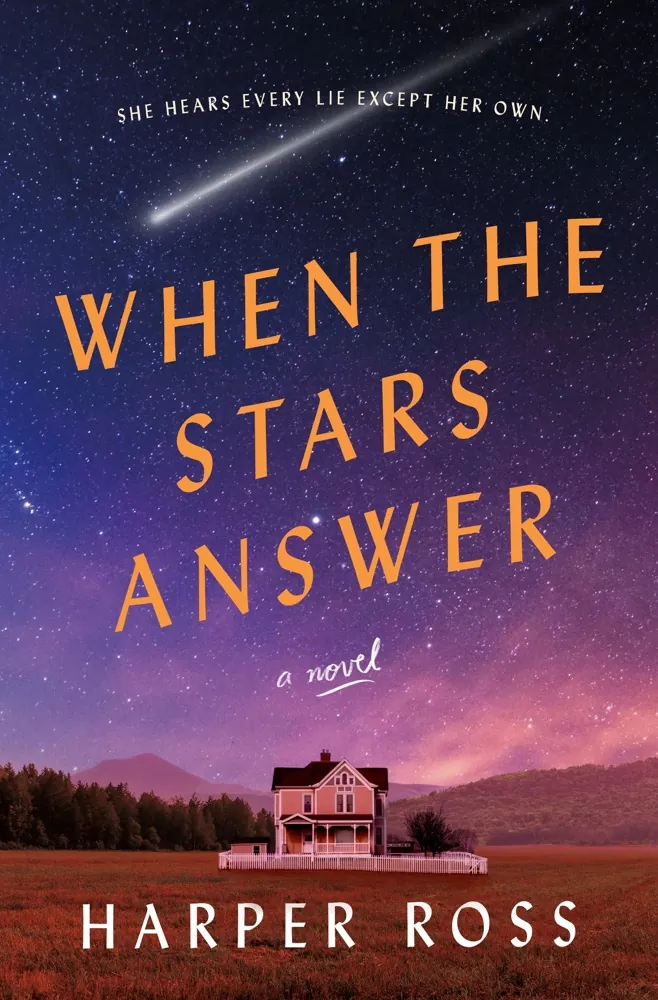
Author: Harper RossPage Count: UnknownPublication Date: Expected publication 2026 APL The espresso is far too acidic this morning, leaving a bitter ghost on the tongue that no amount of sparkling water can quite wash away. A cashmere sleeve brushes a polished walnut table as I slide the galley notes for Harper Ross's upcoming When the Stars Answer across the marble surface, wondering if we are all collectively doomed to read another supernatural conceit masquerading as profound human introspection. Pinebridge, Vermont. Of course it's Pinebridge. Why must every bruised protagonist retreat to a New England hamlet where the autumn leaves rot on cue and everybody knows the exact brand of cigarettes your estranged sibling smokes? It is an exhausting literary crutch. Speaking of lazy tropes, I am still recovering from that dreadful fantasy series last month where the protagonist spent four hundred pages staring into a magical pond while the entire kingdom collapsed into mud and political apathy—honestly, give me a well-rendered mortgage crisis or an awkward dinner party over another chosen one weeping into a mystical puddle any day of the week, but I suppose Ross is aiming for something slightly more grounded here, even if the premise hinges on a birthday wish during a meteor shower granting a disgraced Boston journalist the literal ability to hear dishonesty. Friction. Let us dissect the machinery of this premise. Rowan Winslow loses her high-status chair at a metropolitan daily because of an unyielding crusade for absolute veracity, only to retreat home and receive an omniscient lie detector kit via celestial RNG. The irony is thicker than cold cream. Ross—previously responsible for The Unwritten Rules of Magic—clearly loves a protagonist who confuses emotional bludgeoning with moral integrity. And that is where the architecture of this narrative will either soar or collapse into a puddle of melodramatic goo. Healthy human connection requires the delicate, trembling grace of mutual trust, not the psychological claustrophobia of weaponized omniscience. When you can hear every white lie, every defensive platitude, every tiny social omission designed to keep a fragile world from shattering, you do not become enlightened. You become a monster standing in a house of glass with a pocket full of stones. The synopsis promises an impossible choice regarding a family secret. Naturally. Because no modern domestic drama can simply let characters talk through their trauma without a supernatural plot device blowing up the living room floorboards. Yet, the true test of Ross's prose won't be how she orchestrates the external fallout of this magical eavesdropping, but whether she has the discipline to explore the terrifying loneliness of a person who no longer allows anyone the grace of a polite falsehood. We posture constantly, shaping our words to protect the people we love from the jagged edges of our unfiltered thoughts. Strip that away, and you are left with a scorched earth of pure, unadulterated hostility. Hard pass on the magical realism if it forgets that love is a choice we make despite what we do not know. God, I need to go wash a soccer uniform that smells truly horrific. #harperross #bookstagram #literaryfiction #readinglife
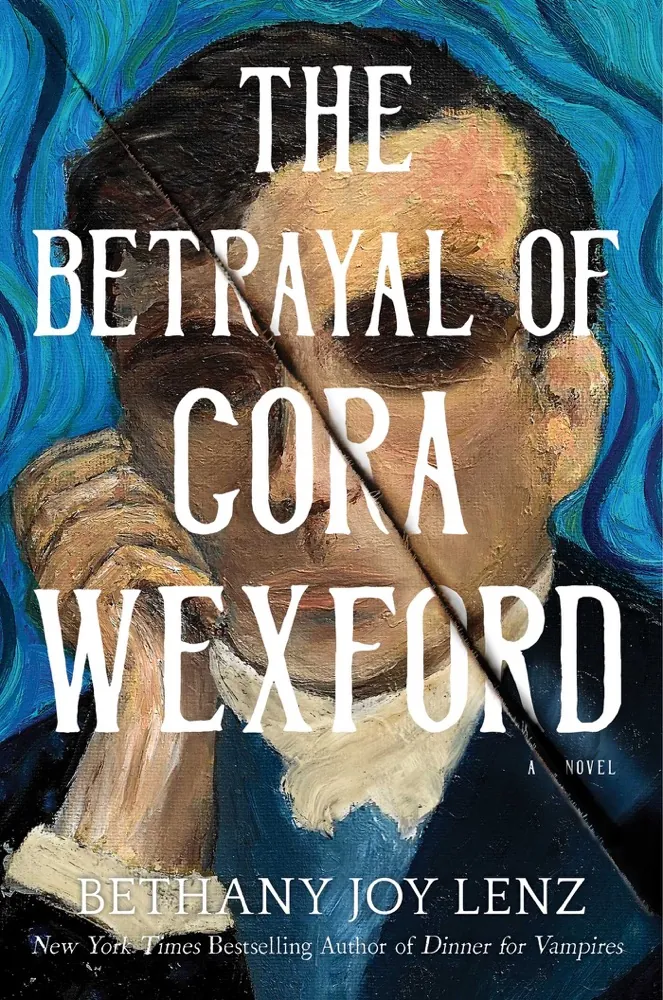
Author: Bethany Joy LenzPage Count: UnknownPublication Date: Expected publication 2026-10-20 APL Candlelight is entirely overrated. Give me a Tuesday afternoon with the windows thrown open wide, letting in the chaotic hum of traffic and the persistent scent of fresh eucalyptus. I am feeling unusually tender today. Soft, even. Which makes picking up The Betrayal of Cora Wexford by Bethany Joy Lenz a dangerous exercise in romantic optimism. The Aesthetics of Deception Picture 1880s London. Cobblestones slick with fog, gas lamps hissing in the dark, and a solitary woman painting the dead because life left her with precious few alternatives. It is gothic. It is grim. Publishers Weekly is already calling it a dark tale. But look closer at the premise. Cora meets a charming stranger named Miles Vale on her birthday—the exact cinematic cliché that makes every sensible person scream at the page—and suddenly she is falling into trust and surrender. Wait. Let me rephrase that. Surrender is a terrible word. Nobody should surrender anything in a partnership, let alone their autonomy to a man who waltzes into their life smelling of cologne and hidden agendas. Actually, scratch that entire thought. Maybe surrender is precisely what makes love delicious. Total, unadulterated vulnerability. Or perhaps I am just projecting my afternoon sentimentality onto a text that promises to be a blood-soaked psychological nightmare. Shadows in Whitechapel The book intertwines Cora’s private unraveling with the terrifying backdrop of the Jack the Ripper murders. She is commissioned to paint ordinary women ignored by a broken system, immortalizing victims of a cruel society while a monster stalks Whitechapel. It is a brilliant thematic collision. Art as a monument to the overlooked. Yet, the synopsis plays it remarkably close to the chest regarding Miles. We are told he dismantles her over time, right there in her own bed, while witnesses watch. It smells of gaslighting in a corset. Fans of Laura Purcell or Sarah Waters will find plenty to adore here, provided Lenz avoids the trap of melodrama. We do not need histrionics when quiet psychological erosion is so much more effective. Give me the slow-drip poison of a toxic domestic dynamic over a shadowy villain in a cape any day of the week. Real terror wears a familiar face and drinks your morning tea. The synopsis leaves us guessing about the mechanics of the betrayal, relying heavily on mood and Victorian atmosphere to carry the weight. Will it hold up across an entire novel? Absolutely. Lenz has a knack for theatricality, and placing a woman at the intersection of public tragedy and private gaslighting is a masterstroke of suspense pacing. I just desperately hope Miles turns out to be a ghost, though the universe rarely grants us such merciful supernatural outs. Romance is hard enough without factoring in Victorian serial killers and emotional architects. My home office has been invaded by action figures. Related InsightsA Conspiracy of Charming Monsters: Illustrated Tales from Elfhame Book Review and Summary The Blue Zones Kitchen One Pot Meals Book Review and Summary Network Effect Book Review and Summary{ "@context": "https://schema.org", "@type": "FAQPage", "mainEntity": [ { "@type": "Question", "name": "What is the main focus of The Betrayal of Cora Wexford Book Review and Summary?", "acceptedAnswer": { "@type": "Answer", "text": "Everything you need to know about The Betrayal of Cora Wexford with our detailed review." } }, { "@type": "Question", "name": "Who authored the comprehensive guide on The Betrayal of Cora Wexford Book Review and Summary?", "acceptedAnswer": { "@type": "Answer", "text": "This detailed article and its insights were carefully researched and authored by Isabella Moore." } }, { "@type": "Question", "name": "Where can I find more related content about Books?", "acceptedAnswer": { "@type": "Answer", "text": "You can explore more articles, detailed reviews, and similar insights by browsing the Related Insights section at the bottom of this article or visiting our dedicated Books category page." } } ] }
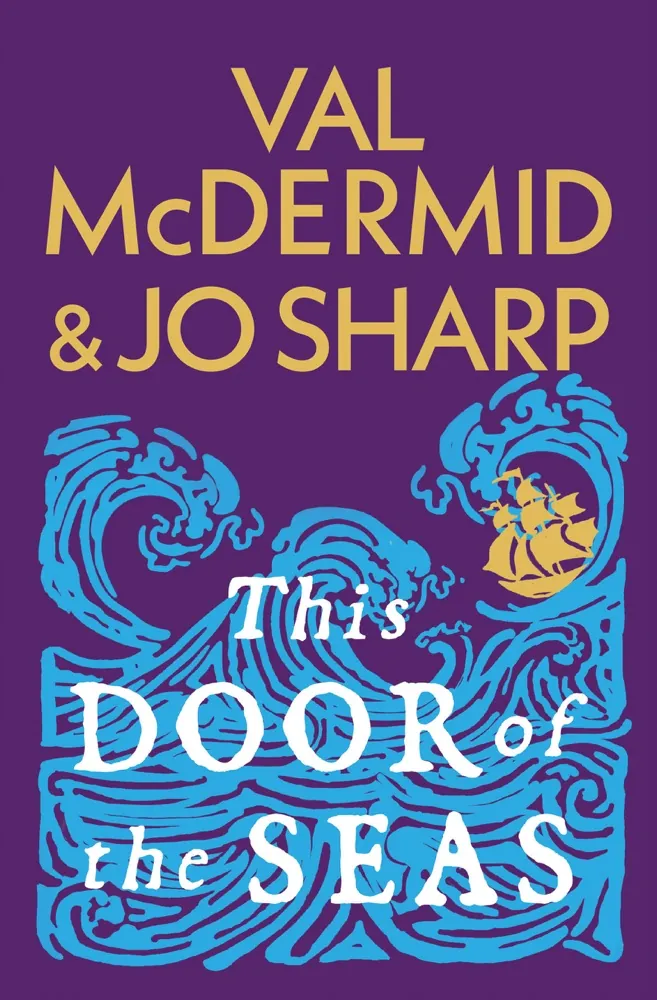
Author: Val McDermidPage Count: UnknownPublication Date: Expected publication 2026 APL The crisp September air smells faintly of decaying oak leaves and the roasted hazelnuts I bought from the cart on the corner. I wrapped my woolen scarf twice around my neck before sitting down at the antique cedar desk to examine the preliminary buzz surrounding Val McDermid and Jo Sharp’s upcoming collaboration, This Door of the Seas. And what a fascinating, albeit thinly outlined, premise we have here. The Weight of Ancient Missteps At the end of the seventeenth century, a hopeful band of Scots dared to dream of empire. They looked toward the jungle-choked coast of Panama, envisioning a bustling trade hub that would rival the ambitions of larger nations. Yet, history tells us how that grand ambition curdled into the catastrophic Darien Scheme—an ill-fated colonial venture that bankrupted an entire populace. McDermid and Sharp frame this tragedy through an epistolary lens, relying on the fictionalized dispatches of expedition scientist Dr. James Wallace. Letters home to a spouse and a Geographer Royal. It is a classic narrative architecture. Epistolary formats require an immense amount of emotional heavy lifting to sustain tension across vast geographical distances. Can a series of written missives truly capture the suffocating humidity of a Central American jungle while maintaining a steady pulse of dramatic irony? I certainly hope so. I am endlessly fascinated by how people communicate their vulnerabilities when they are drowning in circumstances entirely beyond their control. Mutual vulnerability is the bedrock of any enduring bond, after all—whether in a doomed colonial outpost or in a modern partnership where one partner refuses to communicate about their career anxieties. On Structural Fragility Actually, scrap that line of reasoning. The epistolary device is entirely overdone. It feels like a stylistic crutch rather than an organic narrative choice, reminiscent of those insufferable historical dramas where characters constantly narrate their inner turmoils via quill and parchment just so the reader doesn't have to work for their exposition. Wait. Let me rephrase that. The epistolary format is actually brilliant for this specific kind of isolation. Speaking of isolation, my neighbor has been practicing the bass guitar in the apartment above mine for three straight hours, hitting the exact same four-note funk riff with the rhythmic precision of a leaking faucet, and frankly, it is testing my capacity for human grace far more than any seventeenth-century Scottish economic ruin ever could. Why do people insist on inflicting their half-formed artistic projects on the rest of the building? At least McDermid has the decency to collaborate with a literal Geographer Royal, ensuring the historical topography won't read like a badly researched Wikipedia entry. Anticipating the Aftermath Readers should expect something akin to Amitav Ghosh’s sweeping historical critiques or James Robertson’s meticulous explorations of Scottish identity. The synopsis leans heavily on the buzzwords of epic historical fiction—betrayal, anguish, a dream turning into a nightmare. It is a bit generic, I must admit. Publishers love to slap a dramatic quote from Chris Brookmyre on the cover and call it a day, leaving us to guess whether the prose will actually match the grandeur of the historical collapse. But given McDermid’s sharp psychological acuity and Sharp’s geographic expertise, the interpersonal dynamics buried beneath the geopolitical disaster will likely provide the real emotional anchor. Drafting this review with my poorly insulated window rattling against the autumn gusts is making it utterly impossible to type a coherent closing thought.
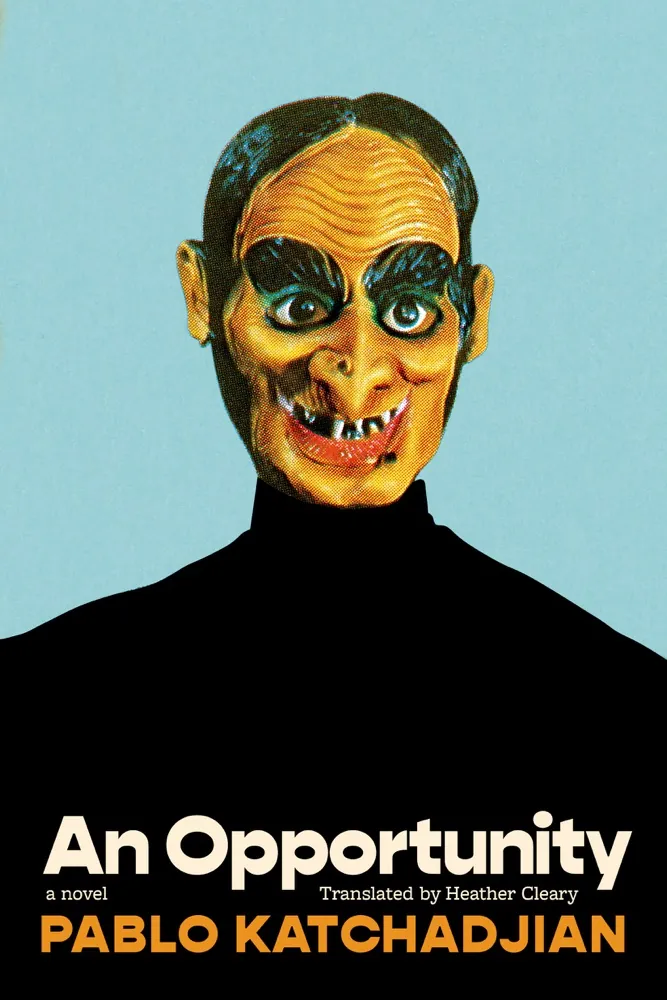
Author: Pablo KatchadjianPage Count: UnknownPublication Date: Expected publication 2026 APL The synopsis for An Opportunity is so deliberately opaque it feels like a spell itself—one that promises to unravel only if you’re willing to chase the shadows it casts. There’s a certain thrill in reading about a man who believes he’s been cursed with indecision, because what’s more human than the terror of paralysis? Yet the way Katchadjian frames it—this "invisible monster" sapping energy, the "secret literary police"—it’s less a horror story and more a fever dream of bureaucratic absurdity, the kind only a Latin American surrealist could conjure. The mention of a "gig reporting from the frontlines of a far-flung war" makes me wonder if this is a novel about the performative nature of witnessing, the way even the most urgent truths get mediated into something else. It’s the kind of premise that could easily collapse into self-parody, but the praise from Schweblin and Aira suggests Katchadjian has the precision to make it feel like a ritual rather than a joke. But here’s where the synopsis fails—it doesn’t tell us how the narrator’s quest becomes a meditation on storytelling. Is it through fragmented narratives? A narrator who keeps slipping into unreliable modes? Or is it something more visceral, like the way the "monster" might manifest in the gaps between sentences? The lack of specificity is maddening, but also tantalizing. It’s the same kind of controlled ambiguity you’d find in The Night Circus or The Library at Mount Char—books that let the reader’s imagination do the heavy lifting, even as they demand you suspend disbelief. Yet unlike those, An Opportunity seems to lean into the idea that storytelling itself is a kind of enchantment, a spell that can bind as easily as it can free. And then there’s the translation—Heather Cleary’s name is a guarantee of lyrical precision, but also of a certain tonal rigor. Katchadjian’s work often dances between the grotesque and the tender, so if this novel is as "hallucinogenic" as Rimsky claims, it might feel like being trapped in a dream where the walls are made of ink. The "secret literary police" trope is particularly intriguing—does it reference actual censorship, or is it a metaphor for the self-imposed constraints of art? Either way, it’s the kind of detail that could make this book feel like a love letter to the act of creation, even as it’s being policed. But wait—if the narrator is so indecisive, how does he even begin to break the spell? The synopsis doesn’t say. And that’s the problem. It’s not that the premise is weak; it’s that it’s too open. There’s no anchor, no clear throughline beyond the idea of "freedom at any cost," which feels less like a thematic anchor and more like a tagline for a cult movie. Compare it to The Secret History or The Savage Detectives—books where the mystery of the protagonist’s descent is as compelling as the descent itself. Here, the descent is just… a premise. Yet—here’s the pivot—I might be overthinking it. Maybe the beauty of this book is exactly that it refuses to be pinned down. Maybe the "invisible monster" isn’t just a metaphor for indecision but for the act of writing itself, the way a story can consume you until you’re nothing but a vessel. If that’s the case, then the synopsis is doing its job: it’s not giving you answers, it’s giving you the illusion of a quest. And in a world where so many books feel like they’ve been pre-packaged for algorithmic consumption, that’s a rare and dangerous thing. But then again, if the narrator is so trapped by his own indecision, how does he ever actually break free? The synopsis doesn’t say. And that’s the real question—does this book dare to answer it, or is it just another exercise in the illusion of choice? I need to mediate a brutal sibling rivalry over the remote before I lose my mind entirely. Related InsightsA Year Without Home Book Review and Summary Magic Tides Book Review and Summary Nebula Awards Showcase 2019 Book Review and Summary{ "@context": "https://schema.org", "@type": "FAQPage", "mainEntity": [ { "@type": "Question", "name": "What is the main focus of An Opportunity Book Review and Summary?", "acceptedAnswer": { "@type": "Answer", "text": "Everything you need to know about An Opportunity with our detailed review." } }, { "@type": "Question", "name": "Who authored the comprehensive guide on An Opportunity Book Review and Summary?", "acceptedAnswer": { "@type": "Answer", "text": "This detailed article and its insights were carefully researched and authored by Isabella Moore." } }, { "@type": "Question", "name": "Where can I find more related content about Books?", "acceptedAnswer": { "@type": "Answer", "text": "You can explore more articles, detailed reviews, and similar insights by browsing the Related Insights section at the bottom of this article or visiting our dedicated Books category page." } } ] }
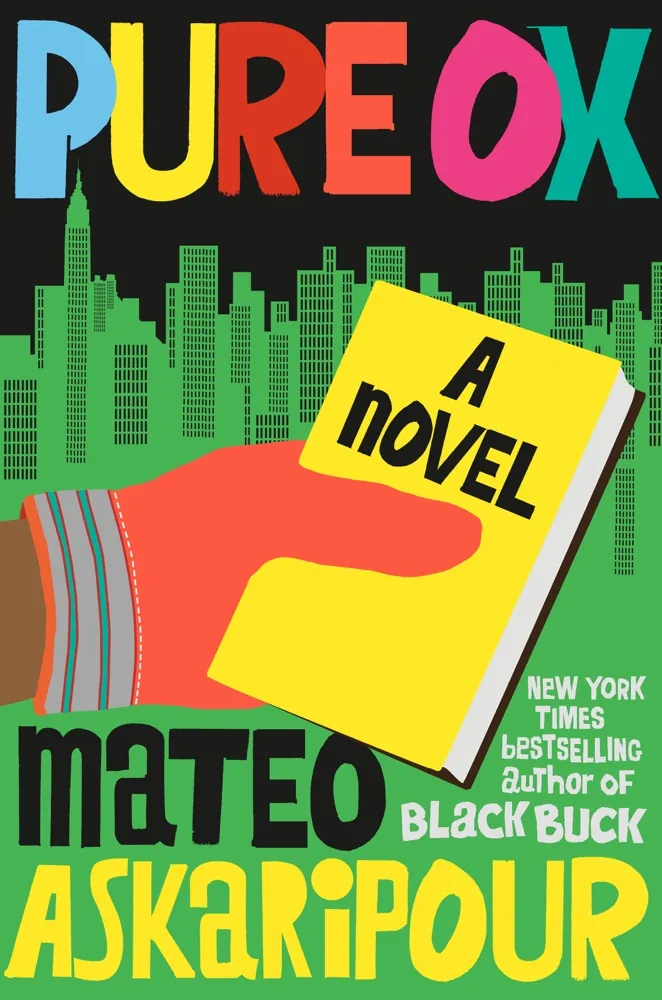
Author: Mateo AskaripourPage Count: UnknownPublication Date: Expected publication 2026 APL Brooklyn has a way of erasing the people who keep it breathing, doesn’t it? Ox—a man defined by the quiet labor of the early morning—represents the kind of invisibility that keeps the city functioning while the rest of us are still deciding between dreams and reality. The industry loves a narrative of the "ordinary" man pulled from the shadows, but Pure Ox feels like it might actually have the teeth to bite back. Mateo Askaripour proved with Black Buck that he knows exactly how to expose the rot underneath the polished veneer of corporate success. This time, he’s aiming his gaze at the literary machine. The Myth of the Doorstep Miracle It is a charming fiction, isn't it? The idea that one manuscript left on a porch—a literal sacrifice of art to the altar of a high-powered agent—can change everything. It’s the kind of romantic nonsense that keeps me awake on rainy Tuesdays when the dust motes are dancing in the lamplight. I worry Askaripour might lean too heavily into the "dream-come-true" trope, which is frankly as tired as the ink-stained floorboards in my study. If the agency world is going to be the antagonist, I expect blood. I expect a lack of grace. Honestly, it reminds me of that dreadful memoir I skimmed last summer about the venture capitalist who thought he "discovered" poverty by buying a sandwich in Queens. The sheer audacity of these types to turn genuine human struggle into a prop for their own brand—it makes my teeth ache. I’d rather watch a three-hour loop of Bluey than endure another scene of some suit condescending to a "voice of the streets" while nursing a tepid espresso. It’s the same vapid performance art, just with different actors. But back to Ox, who at least seems to possess the dignity of a person who actually does real work. The Cost of Being Seen Success is rarely a gift; it is a negotiation. When the sanitation workers strike, the friction between Ox’s individual ambition and his collective obligation will serve as the true marrow of the story. I am betting that the tension here isn't just about his writing—it’s about his betrayal of the hands that helped him. Is he still Ox, the man on the truck, or is he now a product to be sold? People love to talk about "authenticity" in literature, yet they never account for the fact that to be fully seen is to be partially dismantled. I suspect the novel will argue that you cannot leave your life behind without losing the very thing that made your writing worth reading in the first place. I’ll be watching to see if he loses the girl, the job, or his mind. My money is on the sanity. It is always the first casualty in a race for relevance. Perhaps the most tragic element is the realization that the literary world doesn't want the man; it just wants the story he stole from his own life. The commodification of the soul is, after all, the oldest trade in history. I hope the ending doesn't offer a clean resolution. Life—and particularly a life split between the heavy lifting of reality and the weight of a page—never rewards us with such tidy bows. I should probably get back to the manuscript on my desk, but I cannot seem to find my favorite fountain pen. I suppose the toddler has hidden it in the toy box again. #MateoAskaripour #BookChat #LitCrit #BrooklynReads Related InsightsThe Bureau of Unknown Fates: A Novel Book Review and Summary Nightjars Book Review and Summary If These Walls Could Talk Book Review and Summary{ "@context": "https://schema.org", "@type": "FAQPage", "mainEntity": [ { "@type": "Question", "name": "What is the main focus of Pure Ox Book Review and Summary?", "acceptedAnswer": { "@type": "Answer", "text": "Everything you need to know about Pure Ox with our detailed review." } }, { "@type": "Question", "name": "Who authored the comprehensive guide on Pure Ox Book Review and Summary?", "acceptedAnswer": { "@type": "Answer", "text": "This detailed article and its insights were carefully researched and authored by Isabella Moore." } }, { "@type": "Question", "name": "Where can I find more related content about Books?", "acceptedAnswer": { "@type": "Answer", "text": "You can explore more articles, detailed reviews, and similar insights by browsing the Related Insights section at the bottom of this article or visiting our dedicated Books category page." } } ] }
- Isabella Moore
- 01 Sep, 2026 03:40
A Court of Forgotten Melody (A Court of Thorns and Roses, #7) Book Review and Summary
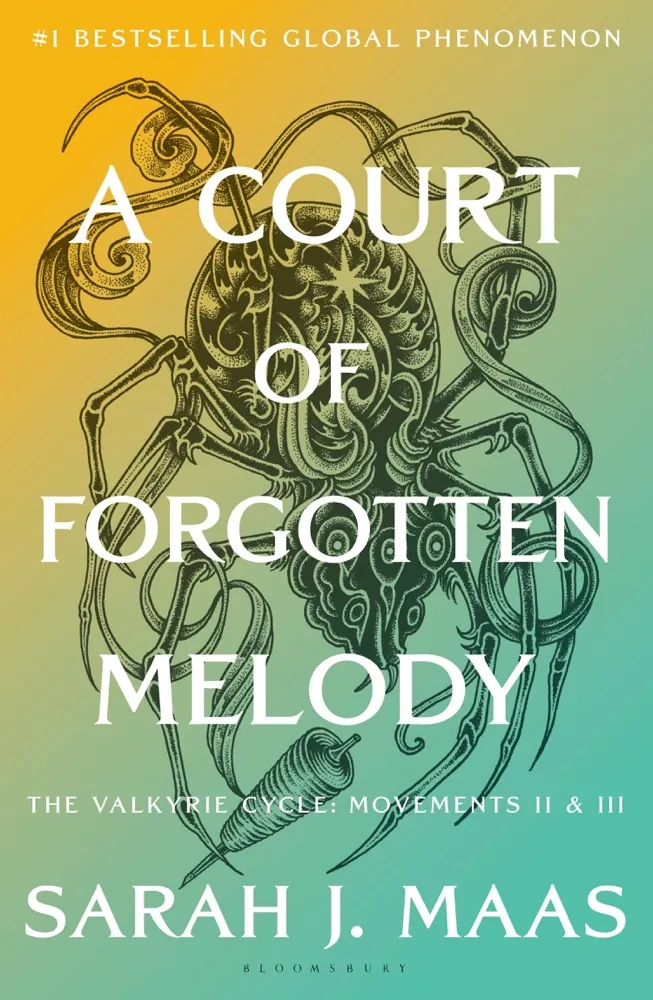
Author: Sarah J. MaasPage Count: UnknownPublication Date: Expected publication 2026 APL The coffee is stone cold, someone has smeared peanut butter across the stainless-steel toaster handle, and I am staring down Sarah J. Maas’s A Court of Forgotten Melody while the hum of the refrigerator threatens to deafen me. Here's the catch. The official synopsis reads like a word salad generated by a caffeinated marketing intern who just discovered the thesaurus function under the headings of political instability and generic peril. Prythian might never be the same again? Traditional alliances are crumbling? Please. It is the exact same breathless marketing speak plastered over every romantasy paper-weight currently clogging the bestseller lists next to Rebecca Yarros and Jennifer L. Armentrout. We get it. The stakes are high. The shadows are looming. The immortal fae are throwing temper tantrums while ancient evil lurks just off-screen, refusing to actually do anything until chapter fifty. When the Dust Settles on the Dishwasher The cultural obsession with ancient warlords who suddenly turn into soft-hearted domestic partners who do the dishes needs to be studied by sociologists, because I am watching my eight-year-old try to construct a functioning catapult out of dried fettuccine and a damp sponge right now and showing infinitely more innovation than these multi-perspective territorial disputes about dying stars and forgotten melodies. Exhausting. The Symphony of Shattered Alliances Give me characters who communicate like functional adults instead of brooding behind suspiciously well-moisturized cheekbones while the world literally burns around them. The synopsis promises that bonds will be tested and power will shift, yet we all know this just means another three hundred pages of decorative agonizing before a deus ex machina saves the day and everyone goes back to drinking enchanted wine in their ridiculously oversized mountain mansions. Unimaginative. Stop screaming about the television volume. I have to go stop a full-scale geopolitical crisis over the living room remote right now. #fantasy #books #romantasy #reading Related InsightsRabbit Rabbit Book Review and Summary Dark Restraint Book Review and Summary Lolita Book Review and Summary{ "@context": "https://schema.org", "@type": "FAQPage", "mainEntity": [ { "@type": "Question", "name": "What is the main focus of A Court of Forgotten Melody (A Court of Thorns and Roses, #7) Book Review and Summary?", "acceptedAnswer": { "@type": "Answer", "text": "Everything you need to know about A Court of Forgotten Melody (A Court of Thorns and Roses, #7) with our detailed review." } }, { "@type": "Question", "name": "Who authored the comprehensive guide on A Court of Forgotten Melody (A Court of Thorns and Roses, #7) Book Review and Summary?", "acceptedAnswer": { "@type": "Answer", "text": "This detailed article and its insights were carefully researched and authored by Isabella Moore." } }, { "@type": "Question", "name": "Where can I find more related content about Books?", "acceptedAnswer": { "@type": "Answer", "text": "You can explore more articles, detailed reviews, and similar insights by browsing the Related Insights section at the bottom of this article or visiting our dedicated Books category page." } } ] }
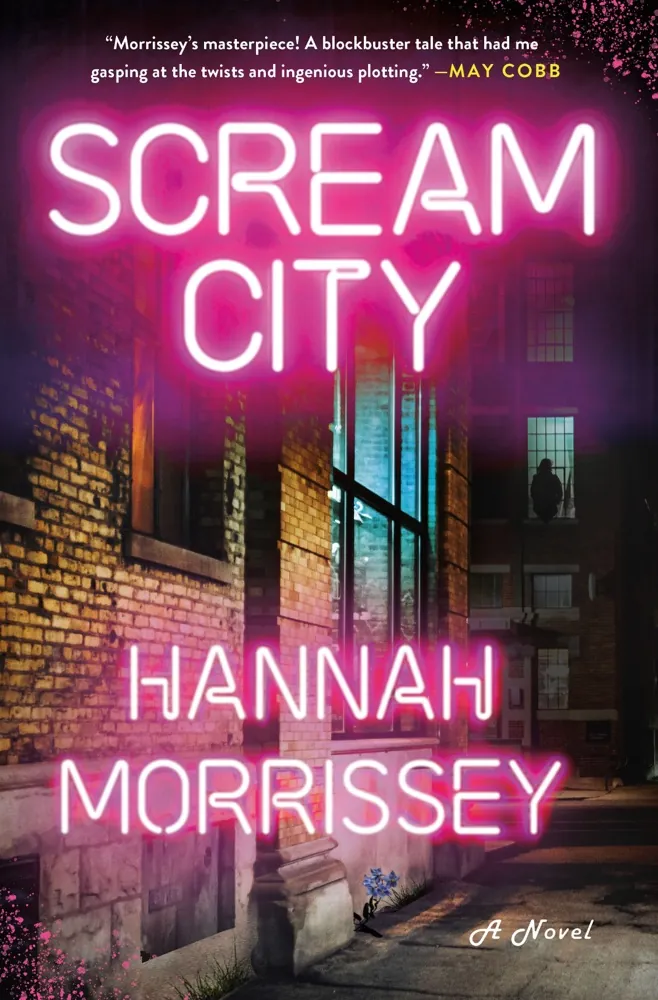
Author: Hannah MorrisseyPage Count: UnknownPublication Date: Expected publication 2026 APL Milwaukee in the late nineties smelled like damp wool, stale beer, and the distinct desperation of industrial decline. Hannah Morrissey knows this landscape in Scream City. Rex Hale stands at the center of this grim architectural decay. Divorced, suspended from the badge, and acting as the muscle for predatory gentrification by serving eviction notices. Yet the universe finds a way to sharpen the knife. The local tenants he legally boots keep turning up dead in his wake. And then there is Alice Foster. Granddaughter of the infamous Cream City Killer. She runs a haunted bookstore that refuses to die under the developer's wrecking ball. Sparks have flown between Rex and Alice for years. But romance in a noir thriller usually involves caution tape. I cannot stand modern fiction where couples immediately start couples therapy before their first kiss. Give me mutual respect, slow-burn emotional safety, and two adults who actually communicate their boundaries while dodging a serial killer. Why is it so rare to find a fictional protagonist who believes in radical honesty instead of brooding in a dark corner? My neighbor has been trying to assemble a trampoline in his front yard for four days and the sheer ineptitude of his spatial reasoning is causing me physical pain. It is just like watching fictional detectives ignore obvious alibis because they prefer the toxic thrill of miscommunication. Give these characters a healthy attachment style, or at least a decent couples counselor, before someone gets axed in the stacks. The Architecture of Collaboration Suspicion makes for a poor foundation in romance, yet it is the mortar holding this plot together. Rex and Alice carry baggage heavy enough to derail any freight train. Nobody trusts them. They must trust each other. The synopsis leans hard into the historical echoes of the eighties killings. Morrissey uses the copycat trope not just for cheap thrills, but to examine how trauma seeps into the floorboards of an old neighborhood. The thematic core revolves around legacy. Rex's father put the original monster away. Alice shares blood with the butcher. Both are trapped by paternal ghosts. But the real enemy here is corporate greed disguised as urban renewal. Gentrification is terrifying long before the bodies start dropping. I have to go untangle the dog's leash from the dining table. Related InsightsThe Secret Garden Book Review and Summary Foundation Book Review and Summary Bravely Book Review and Summary{ "@context": "https://schema.org", "@type": "FAQPage", "mainEntity": [ { "@type": "Question", "name": "What is the main focus of Scream City: A Novel Book Review and Summary?", "acceptedAnswer": { "@type": "Answer", "text": "Everything you need to know about Scream City: A Novel with our detailed review." } }, { "@type": "Question", "name": "Who authored the comprehensive guide on Scream City: A Novel Book Review and Summary?", "acceptedAnswer": { "@type": "Answer", "text": "This detailed article and its insights were carefully researched and authored by Isabella Moore." } }, { "@type": "Question", "name": "Where can I find more related content about Books?", "acceptedAnswer": { "@type": "Answer", "text": "You can explore more articles, detailed reviews, and similar insights by browsing the Related Insights section at the bottom of this article or visiting our dedicated Books category page." } } ] }
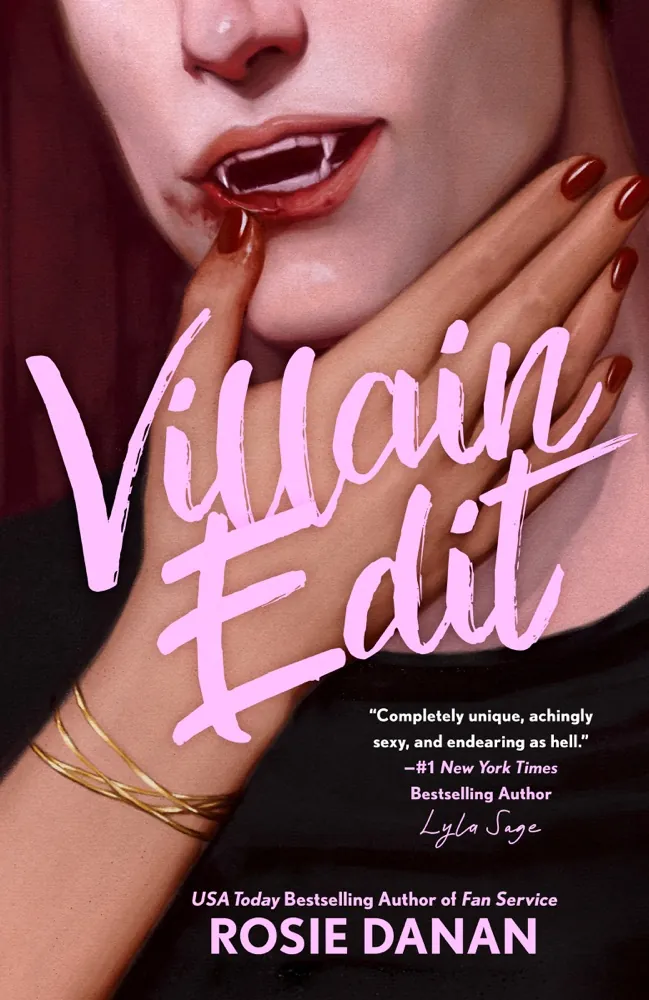
Author: Rosie DananPage Count: UnknownPublication Date: Expected publication 2026-12-08 APL The house is finally quiet, save for the rhythmic, ominous hum of the refrigerator and the faint, ghostly creak of floorboards upstairs where I desperately hope two small humans are actually falling asleep instead of plotting drywall destruction. And so I turn my exhausted gaze to the publishing world's latest offering, Villain Edit, because apparently, we are still aggressively mining the corpse of late-stage capitalism and reality television for romance tropes. Rosie Danan is back with an upcoming paranormal rom-com that asks a truly staggering question: What if a vampire—yes, an actual immortal creature of the night who is supposed to be terrifying—was forced to audition for a dating show in a Southern California retirement community? Breathe. Just breathe. Because nothing screams "healthy, emotionally mature adult communication" quite like a centuries-old bloodsucker being exploited by a desperate network producer for ratings while wearing a hot mic. We are swimming in a cultural swamp where every single interpersonal dynamic must be manufactured, edited, and weaponized for our collective entertainment, and now we are apparently romanticizing the exact machinery of that exploitation under the guise of a cute meet-cute. Why do we insist on finding our happily-ever-afters inside a panopticon? Give me a break. Honestly, I am so profoundly exhausted by modern fiction that tries to make toxic institutional settings look quirky. Remember when people just fell in love over burnt toast and shared trauma in a quiet room without three camera operators hiding behind fake ficus trees? Alyssa Cole and Talia Hibbert understand how to write actual human affection with real stakes, whereas this premise reads like it was generated by a sleep-deprived algorithmic dartboard thrown at a whiteboard of trending Netflix docuseries. Yet here we are. We are supposed to cheer for Harper Calloway as she tries to whip a reluctant, blood-shy vampire into an advertiser-friendly bachelor within three weeks, as if emotional vulnerability can be fast-tracked by a production schedule and a ring light. The synopsis tells us he doesn't even fit the dark fantasy, which is the most cliché, teethless subversion imaginable—pun entirely intended. We take every sharp edge off our monsters until they are just polite, marketable boyfriends who happen to have fangs. Tragic. Hard pass. I have to go convince a tiny dictator that water is not an acid meant to melt their flesh, and that taking a bath is somehow not a human rights violation orchestrated exclusively by me.
- Isabella Moore
- 24 Aug, 2026 11:17
The Land of Tears and Hope: The Ukrainian Story Book Review and Summary
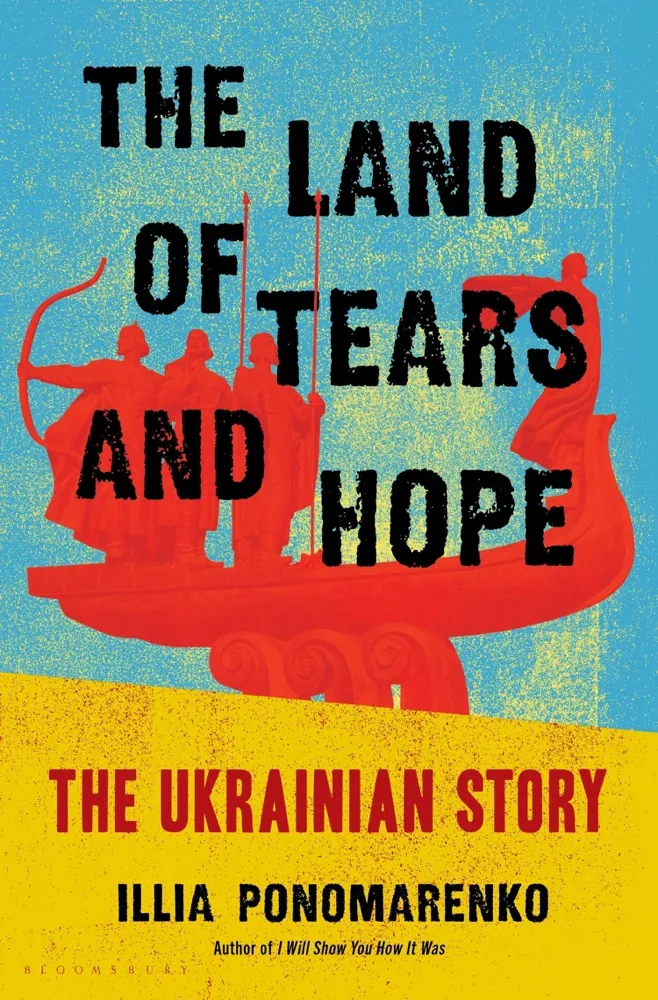
Author: Illia PonomarenkoPage Count: UnknownPublication Date: Expected publication 2026-11-10 APL The synopsis for The Land of Tears and Hope reads like a manifesto—bold, defiant, and steeped in the kind of historical fury that only comes from a nation fighting for its soul. Illia Ponomarenko isn’t just writing a book; he’s assembling a counter-narrative, a living rebuttal to the kind of revisionist history that turns entire cultures into footnotes in someone else’s grand delusion. And yet—here’s the problem—it’s all so abstract. The synopsis doesn’t just promise a history; it promises a feeling, a visceral, mythic reckoning with Ukraine’s past. But where are the specifics? Where’s the moment when Yaroslav the Wise’s laws clash with the Cossack’s rebellion? Where’s the raw, unfiltered voice of a Shevchenko poem translated not as art, but as a scream? Because right now, it’s all potential—like a war correspondent’s notebook before the ink has dried. And speaking of war correspondents, I can’t help but think of The Road to Unfreedom by Timothy Snyder—how it turned historical analysis into a warning, a howl against the slow creep of authoritarianism. Ponomarenko’s book has that same urgency, but where Snyder dissects systems, Ponomarenko seems determined to reclaim them. The mention of Serhiy Korolyov is a masterstroke—because who better to remind the world that Ukraine’s genius wasn’t just cultural, but technological, the backbone of a space program that put men on the moon? But again, the synopsis doesn’t show us Korolyov’s hands stained with rocket fuel and ambition. It just tells us he’s there. And that’s the difference between a book that lingers and one that fades into the noise. I was just reading a YA fantasy series where the protagonist’s entire world is built on one poorly rendered map, and the whole thing collapses under its own vagueness. The Land of Tears and Hope risks the same fate if it doesn’t ground its grandeur in something tangible. Because here’s the thing—Ukraine’s history isn’t just about dates and battles. It’s about the sound of a Cossack’s whistle in the steppe, the smell of smoke from a burning village, the weight of a poet’s quill bending under the weight of oppression. The synopsis hints at all of that, but it doesn’t embody it. And that’s what makes me wonder: will this be a book that feels like a nation’s breath, or just another academic exercise in national pride? Yet—despite my grumbling—there’s something undeniably right about this project. The way it frames itself as both history and manifesto, both chronicle and battle cry. It’s the kind of book that should’ve been written decades ago, the kind of book that makes you sit up straight in your chair and think, This is why we fight. But the synopsis leaves me with more questions than answers. Where’s the voice? Where’s the rage? Because right now, it’s all potential, and potential is just another word for promise—and promises are easy to break. Literally. The youngest just found the permanent markers. Related InsightsKnockout Book Review and Summary The Scorch Trials Book Review and Summary Beloved Book Review and Summary{ "@context": "https://schema.org", "@type": "FAQPage", "mainEntity": [ { "@type": "Question", "name": "What is the main focus of The Land of Tears and Hope: The Ukrainian Story Book Review and Summary?", "acceptedAnswer": { "@type": "Answer", "text": "Everything you need to know about The Land of Tears and Hope: The Ukrainian Story with our detailed review." } }, { "@type": "Question", "name": "Who authored the comprehensive guide on The Land of Tears and Hope: The Ukrainian Story Book Review and Summary?", "acceptedAnswer": { "@type": "Answer", "text": "This detailed article and its insights were carefully researched and authored by Isabella Moore." } }, { "@type": "Question", "name": "Where can I find more related content about Books?", "acceptedAnswer": { "@type": "Answer", "text": "You can explore more articles, detailed reviews, and similar insights by browsing the Related Insights section at the bottom of this article or visiting our dedicated Books category page." } } ] }
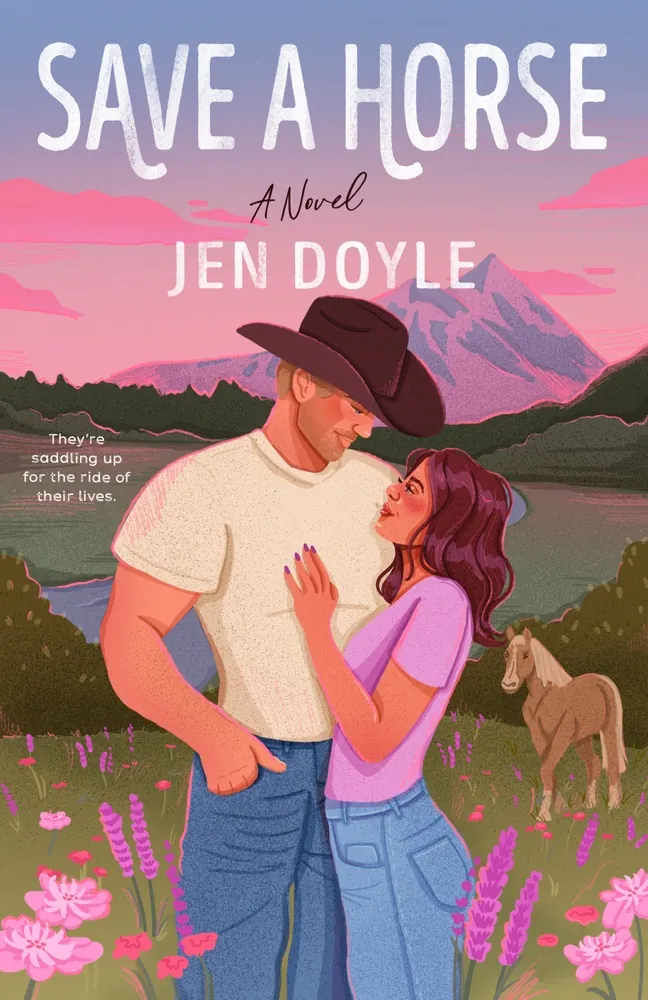
Author: Jen DoylePage Count: UnknownPublication Date: Expected publication 2026 APL The synopsis for Save a Horse reads like a love letter to the kind of romance that gets dusted off every few years—because apparently, the world still needs another cowboy who rides in on a white horse (metaphorically, since we’re not dealing with actual horses here, just the emotional equivalent) to sweep a city girl off her feet. And yet—and yet—it’s not even original. The trope is so well-worn it’s practically a genre unto itself, like a well-loved sweater that’s seen better decades. Molly Parker’s arrival in Bitterroot Valley is the kind of setup that makes me wonder if the author’s ever heard of The Horse Whisperer—because let’s be real, this is just The Horse Whisperer with a professor instead of a therapist and a saloon instead of a barn. The problem isn’t that the premise is bad—it’s that it’s predictable. Molly’s a woman on the run from her own life, Gabe’s a man tied to the land like a barnacle to a ship, and the whole "will they/won’t they" dynamic is so cliché it’s almost comical. But here’s the thing: clichés aren’t inherently bad. They’re the literary equivalent of a well-worn path—familiar, comforting, and sometimes even necessary. The question is whether the author has the chops to make it feel fresh. And so far, the synopsis doesn’t give me much hope. It’s all sunshine and horseback rides, with no real stakes beyond "she’s leaving soon" and "he’s too stubborn to leave." Where’s the conflict? Where’s the teeth? This feels like the kind of book that gets praised for its "wholesome" vibes but gets buried under the weight of its own sentimentality. And don’t even get me started on the timing. 2026 is supposed to be the year of the "quiet romance," where the focus is on emotional intimacy over explosive drama. But Save a Horse doesn’t even pretend to be quiet. It’s loud, in the way a siren is loud—annoying, unnecessary, and impossible to ignore. The synopsis is all about the feelings, the connection, the sunny days—but where’s the tension? Where’s the mess? Because real relationships aren’t just about shared dinners and horseback rides. They’re about the fights, the misunderstandings, the moments when one person feels like they’re being pulled in two directions. And yet, here we are, with Molly and Gabe gliding through their romance like they’re on a Disney boat ride, hand in hand, no rough waters in sight. I can’t help but think of The Notebook here—because let’s be honest, this is just another love story where the woman is the one who leaves, and the man is the one who stays, and the whole thing is framed as some kind of tragic inevitability. But The Notebook at least had the decency to be dramatic. This? This is just… safe. And in a genre that’s supposed to be about escapism, safety feels like the opposite of what we’re looking for. But fine, let’s say the book delivers on the romance. Let’s say the writing is sharp, the characters are layered, and the emotional beats land. Even then, I’d still have a problem with the way the synopsis treats Gabe like some kind of noble, untouchable figure. Single dad? Rugged rancher? Protective? It’s all so neatly packaged, so perfect, that it’s almost insulting. Real men aren’t just protective—they’re flawed, complicated, and sometimes downright infuriating. And real women? They don’t just fall into place like puzzle pieces. They fight for their place. But I guess that’s not the kind of story we’re getting here. I need to go yell at my gardener about the hydrangeas. Again. #BookTok #RomanceNovels #WhyIsEverythingSoPredictable Related InsightsSlaughterhouse-Five Book Review and Summary Red Queen Book Review and Summary On a Painting Discovered in Chaldon Church, Surrey 1870 Book Review and Summary{ "@context": "https://schema.org", "@type": "FAQPage", "mainEntity": [ { "@type": "Question", "name": "What is the main focus of Save a Horse Book Review and Summary?", "acceptedAnswer": { "@type": "Answer", "text": "Everything you need to know about Save a Horse with our detailed review." } }, { "@type": "Question", "name": "Who authored the comprehensive guide on Save a Horse Book Review and Summary?", "acceptedAnswer": { "@type": "Answer", "text": "This detailed article and its insights were carefully researched and authored by Isabella Moore." } }, { "@type": "Question", "name": "Where can I find more related content about Books?", "acceptedAnswer": { "@type": "Answer", "text": "You can explore more articles, detailed reviews, and similar insights by browsing the Related Insights section at the bottom of this article or visiting our dedicated Books category page." } } ] }
- Isabella Moore
- 22 Aug, 2026 21:14
A Christmas Inn, Maine: A Feel-Good, Queer Holiday Rom-Com Book Review and Summary
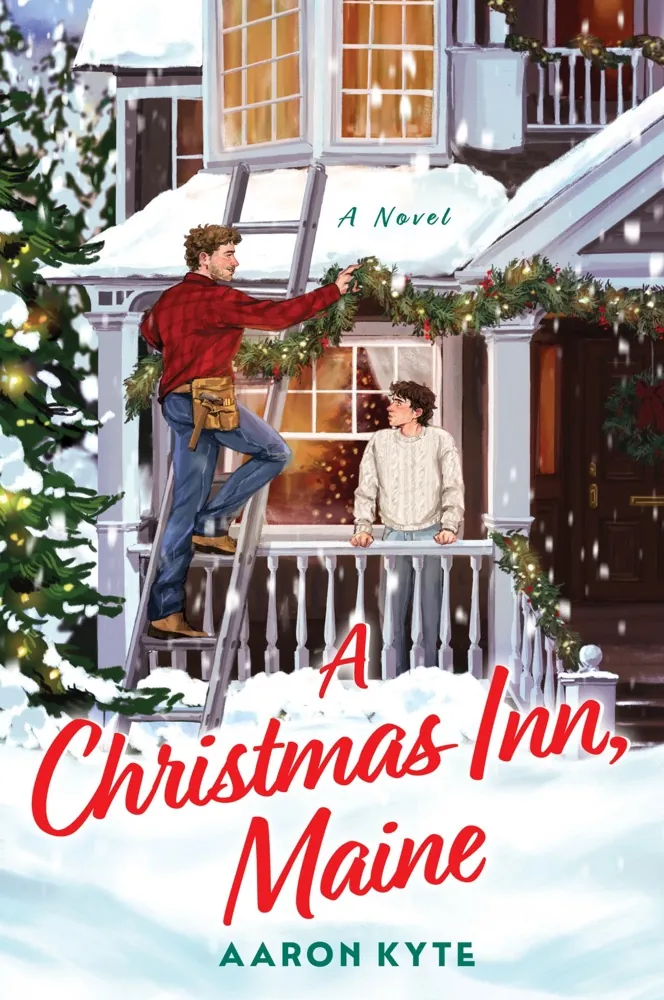
Author: Aaron KytePage Count: UnknownPublication Date: Expected publication 2026-10-13 APL The house is finally, mercifully quiet—save for the muffled hum of the baby monitor down the hall and the floorboard that always groans if you so much as breathe near it—which means it is prime time to aggressively project all my unspoken anxieties onto Aaron Kyte’s upcoming October release, A Christmas Inn, Maine, a book that I am already prepared to defend with my life against any cynical literary snob who dares dismiss it as mere seasonal fluff. Consider the sheer structural brilliance of the setup found in the synopsis. We have Adam Wheatley, a freshly unemployed book editor who has retreated to his sleepy hometown with a list of personal failures longer than his arm, colliding forcefully with Graham—a maddeningly competent, ridiculously attractive contractor who trades labor for lodging. It is the classic forced-proximity trope wrapped in flannel and smelling faintly of pine needles, but what excites me here isn't just the cozy aesthetic or the high-stakes ticking clock of an aunt's failing business; it is the delicious, slow-burn psychological torture of an emotionally guarded professional being systematically dismantled by a man who knows how to wield a hammer and basic emotional intelligence with equal precision. If Kyte leans into the structural parallel between fixing a broken-down historic building and repairing a fractured adult ego—if he allows the sawdust and the late-night contractor banter to truly sting before the inevitable third-act emotional reckoning—then this book is going to scratch the exact same itch that made Alexis Hall's Boyfriend Material or Casey McQuiston's work an absolute masterclass in romantic tension, entirely because I demand characters who communicate like functioning adults rather than moody teenagers trapped in thirty-year-old bodies, and if Adam tries to pull the tired "I'm pushing you away for your own good" nonsense after Graham has already stayed up until two in the morning sanding pine wainscoting, I am going to throw this hardcover directly across the room while whispering vicious threats to the drywall. Boundaries. The thematic architecture of this novel relies entirely on the deconstruction of the urban-exile trope, contrasting the sterile, unforgiving corridors of corporate publishing with the rustic, unvarnished reality of a failing small-business rescue mission, forcing our protagonist to realize that his self-worth was never actually tied to a corner office or a sleek metropolitan zip code, but rather to the terrifying, messy vulnerability of planting roots where people actually know his middle name and remember when he fell off his first bicycle. Yet I remain deeply suspicious of publishers who rely too heavily on the "sworn off romance permanently" crutch, because nobody ever stays permanently sworn off romance in a holiday rom-com, and frankly, I expect Kyte to subvert that tired chestnut by showing us that Adam’s aversion isn't a personality trait to be cured by a pretty face and a flannel shirt, but a legitimate defense mechanism forged from professional burnout that requires actual, unglamorous labor to unpack, much like the black mold lurking behind the inn's Victorian drywall. And right as I typed that sentence, the family golden retriever somehow managed to slip past the baby gate, sneak into the home office, and completely consume my handwritten chapter outline for the quarterly budget review. Related InsightsBeyond the Baths of Stars Book Review and Summary From the Mixed-up Files of Mrs. Basil E. Frankweiler Book Review and Summary Wheel of the Infinite Book Review and Summary{ "@context": "https://schema.org", "@type": "FAQPage", "mainEntity": [ { "@type": "Question", "name": "What is the main focus of A Christmas Inn, Maine: A Feel-Good, Queer Holiday Rom-Com Book Review and Summary?", "acceptedAnswer": { "@type": "Answer", "text": "Everything you need to know about A Christmas Inn, Maine: A Feel-Good, Queer Holiday Rom-Com with our detailed review." } }, { "@type": "Question", "name": "Who authored the comprehensive guide on A Christmas Inn, Maine: A Feel-Good, Queer Holiday Rom-Com Book Review and Summary?", "acceptedAnswer": { "@type": "Answer", "text": "This detailed article and its insights were carefully researched and authored by Isabella Moore." } }, { "@type": "Question", "name": "Where can I find more related content about Books?", "acceptedAnswer": { "@type": "Answer", "text": "You can explore more articles, detailed reviews, and similar insights by browsing the Related Insights section at the bottom of this article or visiting our dedicated Books category page." } } ] }
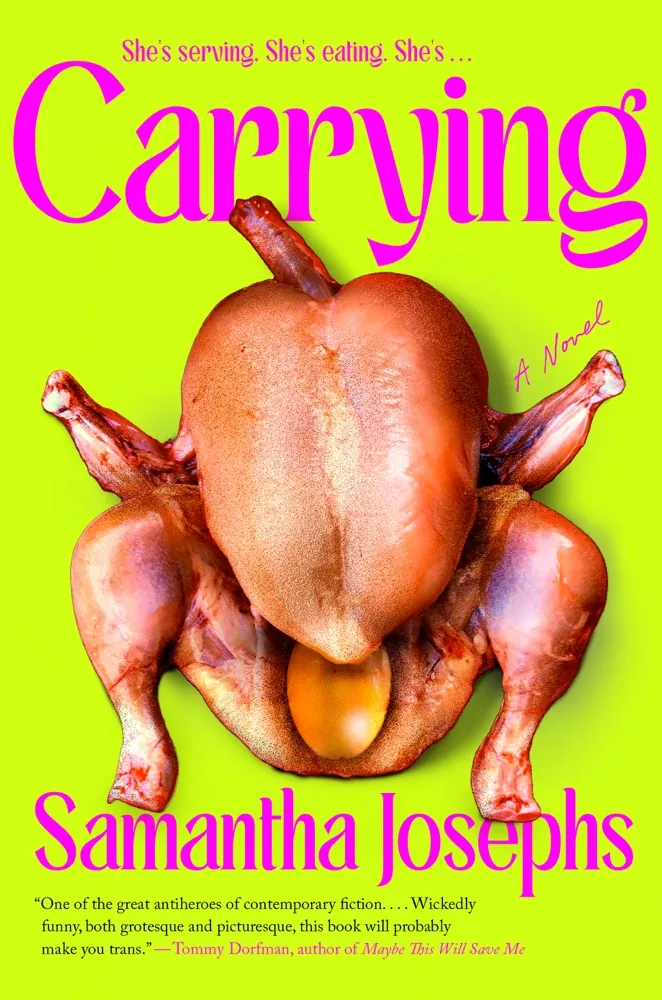
Author: Samantha JosephsPage Count: UnknownPublication Date: Expected publication 2026-10-06 APL The summer air is heavy with anticipation, and as I struggle to focus on the task at hand, my mind keeps drifting back to the latest literary sensation: Carrying by Samantha Josephs. This electrifying horror debut has been making waves, and I'm both intrigued and terrified to dive in. The premise is deceptively simple: Martha, a stealth trans woman, has built a picture-perfect life, only to find herself facing an impossible pregnancy. But, of course, it's not that simple. What draws me to Carrying is the promise of a nuanced exploration of identity, motherhood, and the blurring of lines between reality and horror. Josephs' use of the word "stealth" to describe Martha's trans status already raises red flags - what does it mean to be "stealth" in a world where visibility is often the only currency that matters? Is Martha's secrecy a form of self-preservation or a manifestation of internalized shame? The more I think about it, the more I realize that Carrying might be less about the supernatural elements and more about the horror of being trapped in a life that's not entirely yours. But what's with the vagueness of the synopsis? We're told that Martha's body is changing rapidly, that she's struggling to maintain her life, but what does that really mean? Is she experiencing some kind of grotesque physical transformation? Is she losing her grip on reality? The lack of concrete details is both frustrating and tantalizing - it's like being teased with a whispered secret that you're not quite privy to. Yet. Literally. I find myself drawing parallels between Carrying and the works of Carmen Maria Machado, whose Her Body and Other Parties is a masterclass in blending the surreal with the deeply personal. Both authors seem to be exploring the idea that the body is a site of trauma, a vessel that can be both a source of power and a prison. But while Machado's work is often more overtly experimental, Josephs' approach seems more subtle, more insidious. It's like she's sneaking up on you, whispering terrible truths in your ear when you're not looking. And then, of course, there's the question of motherhood. What does it mean to be a mother when your own identity is already a performance? Is Martha's pregnancy a symbol of her own creation, a manifestation of her deepest desires, or is it a monstrous imposition, a reminder that her body is not entirely her own? The more I think about it, the more I realize that Carrying might be less about the supernatural and more about the horror of being a woman in a world that's constantly trying to control your body. But I'm getting ahead of myself. The baby monitor just illuminated with terrifying activity. #horror #translit #newrelease Related InsightsRuby Fever Book Review and Summary The 1619 Project Book Review and Summary Treasure State Book Review and Summary{ "@context": "https://schema.org", "@type": "FAQPage", "mainEntity": [ { "@type": "Question", "name": "What is the main focus of Carrying Book Review and Summary?", "acceptedAnswer": { "@type": "Answer", "text": "Everything you need to know about Carrying with our detailed review." } }, { "@type": "Question", "name": "Who authored the comprehensive guide on Carrying Book Review and Summary?", "acceptedAnswer": { "@type": "Answer", "text": "This detailed article and its insights were carefully researched and authored by Isabella Moore." } }, { "@type": "Question", "name": "Where can I find more related content about Books?", "acceptedAnswer": { "@type": "Answer", "text": "You can explore more articles, detailed reviews, and similar insights by browsing the Related Insights section at the bottom of this article or visiting our dedicated Books category page." } } ] }
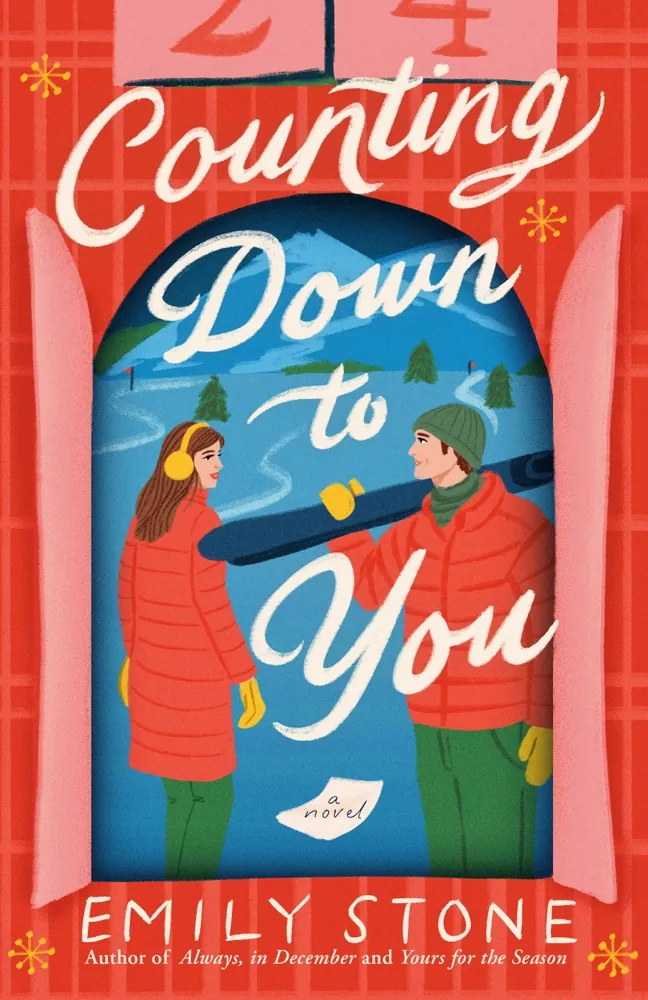
Author: Emily StonePage Count: UnknownPublication Date: Expected publication 2026-10-06 APL The humidity hovering over my desk right now is genuinely offensive, a thick, stagnant blanket of heat thanks to an office air conditioning unit that apparently died sometime around the Clinton administration. And yet, I am expected to sit here and wax poetic about a winter wonderland. Emily Stone is back with Counting Down to You, and my internal thermostat is sweating just looking at the press release. The Architecture of Grief and Advent Calendars The premise leans heavily on the contemporary obsession with structured emotional recovery. A dead best friend. A posthumous countdown. It is the literary equivalent of a Hallmark movie directed by someone who read Joan Didion once and decided grief needs a schedule. Delete your ex. Tell the guy you like him. Throw out the scales. It is quirky grief management. Why must every deadpan emotional crisis be solved by an itinerary? I swear, if I have to read one more contemporary romance where trauma is unlocked via a scavenger hunt or a series of index cards left behind by a deceased loved one, I am going to throw my iced coffee directly through the drywall. Give me messy people who just cry in their cars instead of organizing a whimsical, life-altering December ski trip to the Alps. Fake Dating and Frosty Bosses Enter Leo. The stoic, seriously hot boss. Of course he is stoic. He cannot just be a regular guy with mild emotional availability; he has to be an iceberg waiting for the right woman's stubborn sunshine to melt him. The fake dating trope is doing an Olympic-level sprint here. Co-workers assume they are an item, he plays along to save her from awkwardness, and suddenly they are sharing longing glances over Vin Chaud. Emily Stone made a career out of timing our collective tears—remember Always, in December? Exactly. You know the machinery. You know the emotional beats. But I am fiercely rooting against the third-act misunderstanding fueled by undisclosed trauma. Just communicate. Adults should not need an Advent calendar to tell each other the truth. This reminds me entirely of that aggressively mid-tier mystery novel I read last month where the protagonist solved a decades-old murder entirely by finding color-coded sticky notes in a dead architect's attic. Who leaves sticky notes? Who has the stationary budget for that level of retroactive plotting? It insults the reader's intelligence. At least Stone usually commits to the emotional carnage, unlike those sanitized YA adaptations Netflix churns out where the heaviest burden any teenager carries is choosing which Ivy League sweater to wear. The Final Verdict on the Frost Stone writes well enough to make us tolerate the manufactured contrivances of the plot. But I demand emotional realism beneath the alpine aesthetic. If Leo's tragic backstory turns out to be something profoundly stupid like a failed pastry shop in Zurich, I am returning my galley copy to the void. Hang on. I hear the unmistakable sound of a body slamming into the drywall from the hallway, followed immediately by a six-year-old shouting about who owns the plastic lightsaber. I have to go break up a full-scale gladiatorial combat match in the living room before someone loses an eye. Related InsightsTotem: The Untold Story of Sculpture Book Review and Summary A Game of Thrones Book Review and Summary Long Shadows Book Review and Summary{ "@context": "https://schema.org", "@type": "FAQPage", "mainEntity": [ { "@type": "Question", "name": "What is the main focus of Counting Down to You Book Review and Summary?", "acceptedAnswer": { "@type": "Answer", "text": "Everything you need to know about Counting Down to You with our detailed review." } }, { "@type": "Question", "name": "Who authored the comprehensive guide on Counting Down to You Book Review and Summary?", "acceptedAnswer": { "@type": "Answer", "text": "This detailed article and its insights were carefully researched and authored by Isabella Moore." } }, { "@type": "Question", "name": "Where can I find more related content about Books?", "acceptedAnswer": { "@type": "Answer", "text": "You can explore more articles, detailed reviews, and similar insights by browsing the Related Insights section at the bottom of this article or visiting our dedicated Books category page." } } ] }
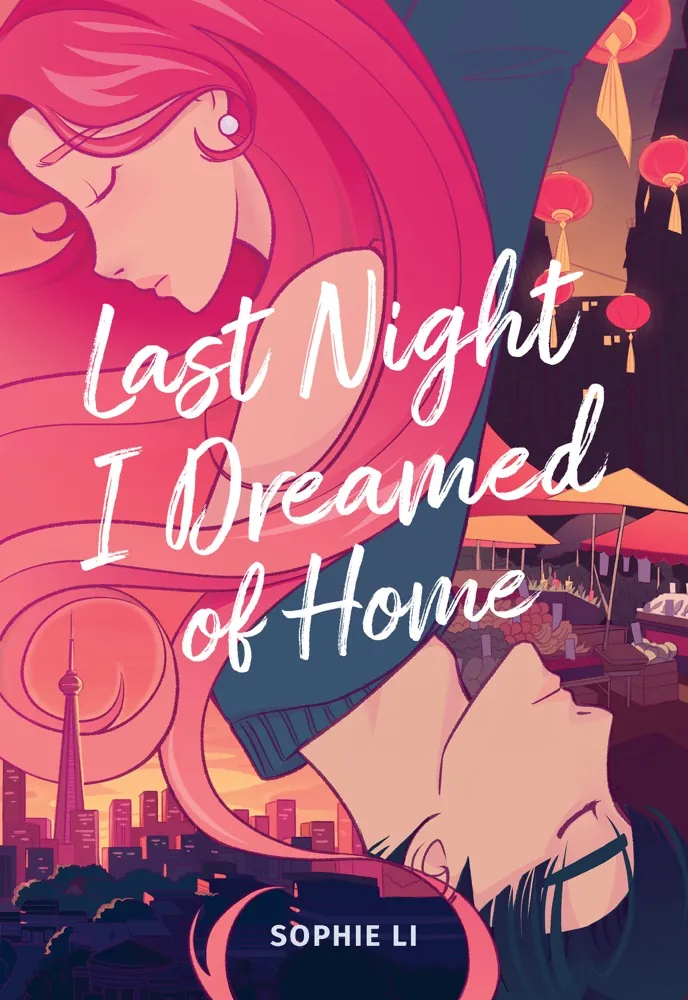
Author: Sophie LiPage Count: UnknownPublication Date: Expected publication 2026-10-20 APL Sweating through a heavy linen shirt while the August heat radiates off the pavement outside my open window does little to temper my profound exhaustion regarding the tired clichés of the college romance genre, yet Sophie Li’s upcoming graphic novel Last Night I Dreamed of Home somehow manages to catch my eye anyway. Perhaps it is the promise of emotional honesty in a medium that so frequently relies on exaggerated facial expressions and neon-colored bubble tea aesthetics to do the heavy lifting of character development. Alice wants to party like the North Americans on television—a wonderfully specific, mildly cynical nod to media consumption and cultural displacement—while Haoran carries the crushing, guilt-ridden weight of parental sacrifice on his shoulders alongside a secret desire to draw comics instead of staring at spreadsheets all day. And honestly, who among us hasn’t wanted to throw away a pragmatic future for the sweet, terrifying uncertainty of an artistic calling, especially when the alternative is a corporate cubicle and a slow death of the soul? Wait. Let me rephrase that entirely because I am making it sound like an indie drama about existential dread when the publisher is explicitly marketing a sweetly satisfying romantic comedy. Actually, scratch that optimism. The synopsis leans heavily on the forced-proximity playbook—stuck elevators, burnt cooking, late-night caffeine runs—which usually signals a painful reliance on tropes that insult the reader's intelligence rather than challenging it, meaning Li walks a razor-thin line between a genuinely touching cross-cultural coming-of-age story and a paint-by-numbers YA graphic novel that belongs on a TikTok shelf rather than a serious critic's desk. Think Heartstopper meets a quieter, more academic iteration of Everything I Never Told You, though that might be giving the premise too much credit given how vaguely the synopsis glosses over the actual stakes of that mysterious creative opportunity. Sigh. The rising cost of color film for my analog camera is getting entirely out of hand, and quite frankly, paying eighteen dollars for a single roll of Portra 400 just to capture the harsh, blinding afternoon light on my balcony is draining my wallet faster than buying iced lattes to survive this miserable late-summer humidity. Related InsightsEl planeta inhóspito: La vida después del calentamiento / The Uninhabitable Earth: Life After Warming Book Review and Summary The Wisdom of Emperors Book Review and Summary The Ship of Death Book Review and Summary{ "@context": "https://schema.org", "@type": "FAQPage", "mainEntity": [ { "@type": "Question", "name": "What is the main focus of Last Night I Dreamed of Home Book Review and Summary?", "acceptedAnswer": { "@type": "Answer", "text": "Everything you need to know about Last Night I Dreamed of Home with our detailed review." } }, { "@type": "Question", "name": "Who authored the comprehensive guide on Last Night I Dreamed of Home Book Review and Summary?", "acceptedAnswer": { "@type": "Answer", "text": "This detailed article and its insights were carefully researched and authored by Isabella Moore." } }, { "@type": "Question", "name": "Where can I find more related content about Books?", "acceptedAnswer": { "@type": "Answer", "text": "You can explore more articles, detailed reviews, and similar insights by browsing the Related Insights section at the bottom of this article or visiting our dedicated Books category page." } } ] }
- Isabella Moore
- 18 Aug, 2026 17:20
Crowned by Roses (Beasts of the Briar, #7) Book Review and Summary
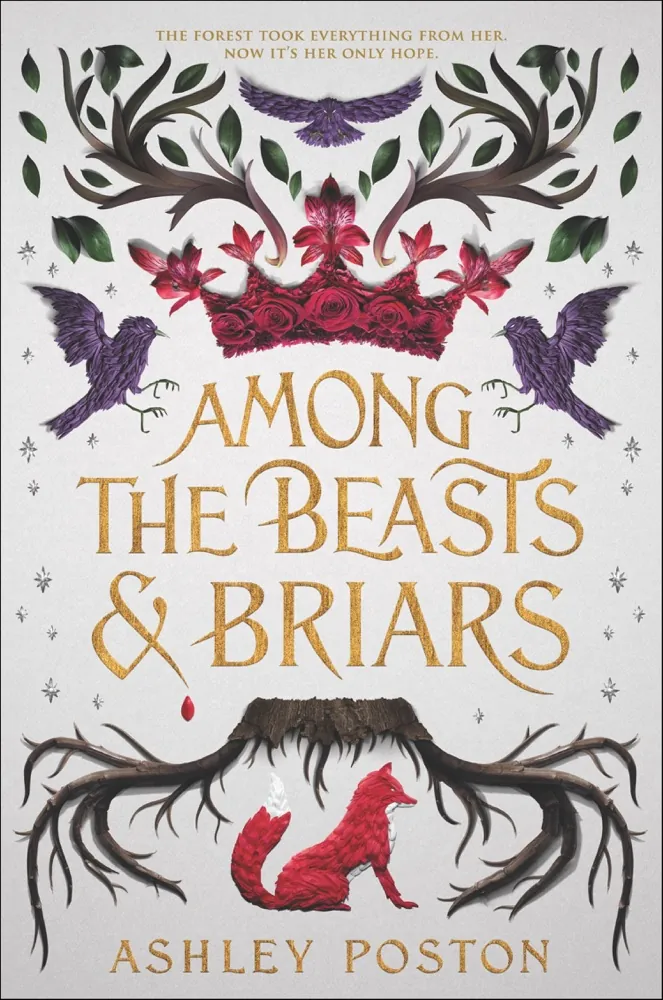
Author: Elizabeth HelenPage Count: UnknownPublication Date: Expected publication 2026 APL The allure of a lush, dark fairy tale – it's a siren's call I've fallen prey to time and time again. Crowned by Roses, the latest offering from Elizabeth Helen, promises to be just that: a rich, atmospheric fantasy that will transport readers to a world of ancient magic and whispered secrets. And yet, as I scan the synopsis, I find myself growing increasingly irritable – what's the point of teasing a world so vivid, so full of potential, only to leave me with so many unanswered questions? A kingdom prospering at the cost of its surrounding woods, a curse that's been simmering for centuries, a young protagonist with a mysterious connection to the very heart of the forest... it's all so deliciously familiar, and yet, so frustratingly vague. I'm reminded of The Wrath and the Dawn by Renée Ahdieh, with its lush, Middle Eastern-inspired setting and its brooding, mystical atmosphere – but where Ahdieh's world-building was meticulous, deliberate, Helen's seems almost... lazy. The woods are dark and cursed, the kingdom is peaceful and prosperous – but what does that really mean? What are the stakes, the consequences, the underlying tensions that drive this world forward? And then, of course, there's Cerys herself – a protagonist with a traumatic past, a dash of magic in her veins, and a determination to save her home. It's a familiar archetype, to say the least – I'm thinking of The Girl of Fire and Thorns by Rae Carson, with its own plucky, magic-wielding heroine – but what sets Cerys apart? What unique perspective, what compelling voice, will she bring to this narrative? As I ponder these questions, my mind begins to wander – I find myself thinking of Adventure Time, of all things, and its own exploration of the tension between nature and civilization. The show's creators, Pendleton Ward and Dentsu Aegis Network, managed to craft a world that was both whimsical and profound, full of characters that were at once relatable and strange – can Helen do the same? Can she balance the darkness of her world with a sense of wonder, of magic, that will keep readers entranced? But I digress – or do I? The truth is, I'm not sure what to expect from Crowned by Roses, and that uncertainty is both thrilling and infuriating. Will it be a lush, atmospheric fantasy that will transport me to another world, or a shallow, predictable retread of familiar tropes? I suppose I'll just have to wait and see – but for now, I'm left with more questions than answers, and a growing sense of impatience. And speaking of impatience – I really need to pack these lunches. Three of them, to be exact, and I have a feeling they'll all come back uneaten. Ah, the joys of parenthood. #FairyTaleFantasy #DarkAndMoody #YAbooks Related InsightsIn Too Deep Book Review and Summary All Quiet on the Western Front Book Review and Summary The Traveler's Atlas of the World Book Review and Summary{ "@context": "https://schema.org", "@type": "FAQPage", "mainEntity": [ { "@type": "Question", "name": "What is the main focus of Crowned by Roses (Beasts of the Briar, #7) Book Review and Summary?", "acceptedAnswer": { "@type": "Answer", "text": "Everything you need to know about Crowned by Roses (Beasts of the Briar, #7) with our detailed review." } }, { "@type": "Question", "name": "Who authored the comprehensive guide on Crowned by Roses (Beasts of the Briar, #7) Book Review and Summary?", "acceptedAnswer": { "@type": "Answer", "text": "This detailed article and its insights were carefully researched and authored by Isabella Moore." } }, { "@type": "Question", "name": "Where can I find more related content about Books?", "acceptedAnswer": { "@type": "Answer", "text": "You can explore more articles, detailed reviews, and similar insights by browsing the Related Insights section at the bottom of this article or visiting our dedicated Books category page." } } ] }
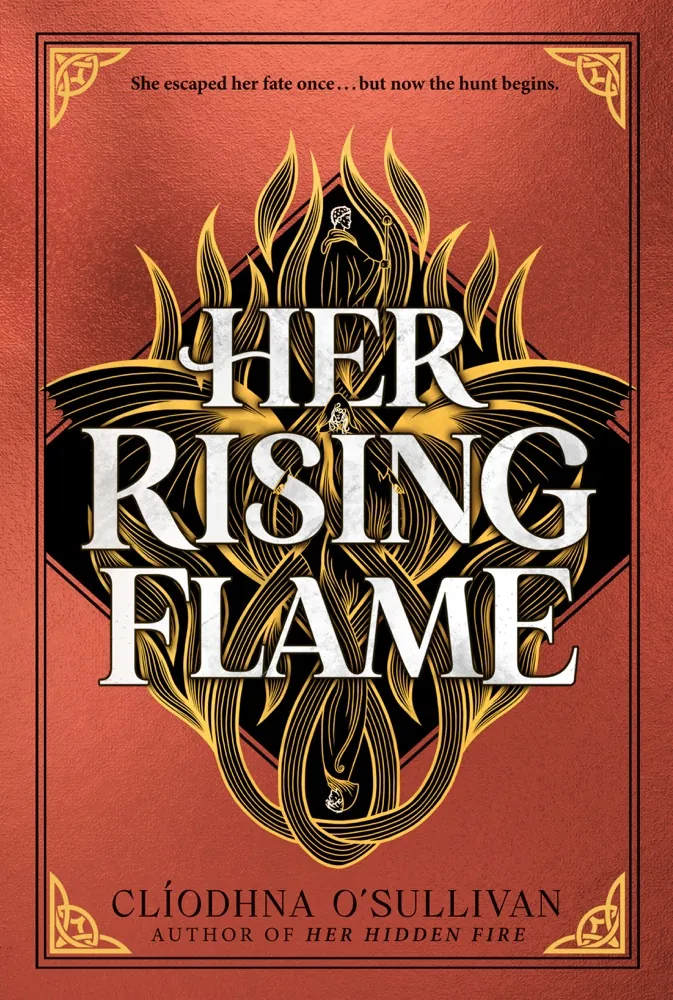
Author: Clíodhna O'SullivanPage Count: UnknownPublication Date: Expected publication 2026-11-03 APL The vagueness surrounding Her Rising Flame is a clever marketing ploy, but it's also a double-edged sword. On one hand, it has me curious about the intricate web of secrets and lies that Éadha, Ionáin, and Gry must untangle. On the other hand, it's a masterclass in obfuscation – the more I read about this world, the more questions I have. What secrets lie beneath the surface of this fantasy realm? What kind of power dynamics are at play, exactly? The Master Channellers, the Fodder holds, the hidden secrets – it's all so deliciously vague, like a tantalizing whisper in my ear. But let's get to the good stuff. As a hopeful romantic, I'm excited to see how the relationships between these characters will evolve. The original Her Hidden Fire was a game-changer for the romantasy genre – it showed us that even the most unlikely protagonists could find love and acceptance in the face of adversity. So, what can we expect from Her Rising Flame? More of the same, perhaps, with a few new twists and turns to keep us on our toes. Or perhaps not. Perhaps this sequel will be a complete departure from the original, and we'll see Éadha, Ionáin, and Gry struggling with the very same toxic power dynamics that they should be fighting against. Maybe Gry's newfound powers will be used to manipulate and control those around him, or perhaps Ionáin's lack of power will make him even more dependent on the very people he wants to overthrow. It's a delicate balancing act, and I'm not sure I'm ready to see these characters take the leap. Literally. As an industry insider, I have to say that Her Rising Flame has all the makings of a bestseller. With its diverse cast of characters, intricate world-building, and epic romance, it's got all the hallmarks of a A Court of Thorns and Roses-esque fantasy hit. And yet...and yet, I'm struggling to connect with the vagueness surrounding this story. Is it a commentary on the dangers of unchecked power, or is it simply an exercise in genre-bending experimentation? Perhaps I'm just a cynic, expecting too much depth and complexity from a genre that often gets stuck in the same old tropes. But – and I know this sounds like a cop-out – I'm willing to give this book a chance. Maybe the vagueness is a deliberate choice, a way of mirroring the uncertainty and chaos that Éadha, Ionáin, and Gry are experiencing in their world. Maybe the Master Channellers are simply a manifestation of our own worst fears and desires, and Her Rising Flame is a warning about the dangers of giving in to those impulses. Or maybe it's just a really good story with a lot of twists and turns. I mean, who knows? I haven't read the book yet. The Blurry Line Between Love and Toxicity I'm reminded of The Night Circus by Erin Morgenstern, where the line between love and obsession is blissfully blurred. Is that what we're seeing in Her Rising Flame, too? A delicate dance between Éadha, Ionáin, and Gry, where the stakes are high and the consequences of failure are dire? Or is it something more sinister, a commentary on the ways in which we often enable and excuse toxic behavior in our relationships? I'm not sure, but I do know that I'm intrigued. #bookstagram #romantasybooks #fandom Related InsightsThe Roommate Book Review and Summary In Search of Safety: Voices of Refugees Book Review and Summary No Such Thing as Monday Book Review and Summary{ "@context": "https://schema.org", "@type": "FAQPage", "mainEntity": [ { "@type": "Question", "name": "What is the main focus of Her Rising Flame (Her Hidden Fire #2) Book Review and Summary?", "acceptedAnswer": { "@type": "Answer", "text": "Everything you need to know about Her Rising Flame (Her Hidden Fire #2) with our detailed review." } }, { "@type": "Question", "name": "Who authored the comprehensive guide on Her Rising Flame (Her Hidden Fire #2) Book Review and Summary?", "acceptedAnswer": { "@type": "Answer", "text": "This detailed article and its insights were carefully researched and authored by Isabella Moore." } }, { "@type": "Question", "name": "Where can I find more related content about Books?", "acceptedAnswer": { "@type": "Answer", "text": "You can explore more articles, detailed reviews, and similar insights by browsing the Related Insights section at the bottom of this article or visiting our dedicated Books category page." } } ] }

Author: Laleh KhadiviPage Count: UnknownPublication Date: Expected publication 2026-09-22 APL Ah, Female Life on Planet Earth by Laleh Khadivi is marching toward its September 2026 release date draped in all the usual blurb-heavy armor. Katie Kitamura calls it intoxicating. Naturally. But let us pause for a fraction of a second to address the sheer exhaustion of the dead-mother revelation trope. If I had a nickel for every time I've read this premise, I could afford to permanently delete my shared calendar and buy a vineyard in Umbria where fidelity is actually a baseline expectation rather than a decorative suggestion. Consider the setup: pristine homemaker mother kicks the bucket, leaving behind an unmarked envelope containing photographic proof of a radical, gun-toting youth. It is The Deep Blue Goodbye meets Normal People via a middle-class Los Angeles traffic jam. Yet Khadivi—an award-winning voice—deserves better than my immediate cynicism. The publisher's pitch relies heavily on the juxtaposition of domestic mundanity (client accounts, aggressive soccer moms) against the kinetic, burning-building anarchy of Ana’s past. And yet, I worry the book will lean too hard into the quirky-aunt chorus. Do we really need an entire Greek chorus of hilarious neighbors to teach our protagonist about female autonomy? Or can we just let a daughter stare at a photograph of her mother holding a firearm and sit with the terrifying realization that we never actually know the people we invite into our beds, our kitchens, and our hearts? Actually, strike that. The chorus of chatting women might be the exact salvation of this manuscript. Maybe the real brilliance lies in the cacophony. Or maybe it is just noise. Bleak. The thematic architecture here hinges entirely on inheritance and lineage—words that usually make my eye twitch because they are so frequently weaponized by authors who refuse to plot their second acts. Khadivi writes with bristling intelligence, according to the jacket copy, which usually means the prose will be gorgeous enough to distract us from the fact that Heti is just another stressed-out LA professional navigating the modern wasteland of email pings and soccer practices. We are promised a celebration of the boundlessness of women over time and space. But I am inherently suspicious of any book that promises to explain the contradictory possibilities inside every woman while ignoring how easily trust gets shredded by a single hidden photograph. Or a secret double life. Or a casual betrayal that blindsides you on a Tuesday afternoon when you were simply trying to fold the fitted sheets. Trust is a fragile architecture. Brittle. September 2026 will arrive soon enough, bringing with it the inevitable stack of glowing reviews in major quarterlies. I will probably buy it anyway. I will sit on the sofa, drink too much espresso, and hope against hope that Heti finds some semblance of peace while I try to remember why I ever believed that people come with warning labels. #FemaleLifeOnPlanetEarth #LalehKhadivi #LiteraryFiction #BookTwitter I have to go untangle the dog's leash from the dining table. Related InsightsFinal Fantasy XIV: Stormblood -- The Art of the Revolution -Western Memories- Book Review and Summary Uglies Book Review and Summary 1Q84 Book Review and Summary{ "@context": "https://schema.org", "@type": "FAQPage", "mainEntity": [ { "@type": "Question", "name": "What is the main focus of Female Life on Planet Earth Book Review and Summary?", "acceptedAnswer": { "@type": "Answer", "text": "Everything you need to know about Female Life on Planet Earth with our detailed review." } }, { "@type": "Question", "name": "Who authored the comprehensive guide on Female Life on Planet Earth Book Review and Summary?", "acceptedAnswer": { "@type": "Answer", "text": "This detailed article and its insights were carefully researched and authored by Isabella Moore." } }, { "@type": "Question", "name": "Where can I find more related content about Books?", "acceptedAnswer": { "@type": "Answer", "text": "You can explore more articles, detailed reviews, and similar insights by browsing the Related Insights section at the bottom of this article or visiting our dedicated Books category page." } } ] }
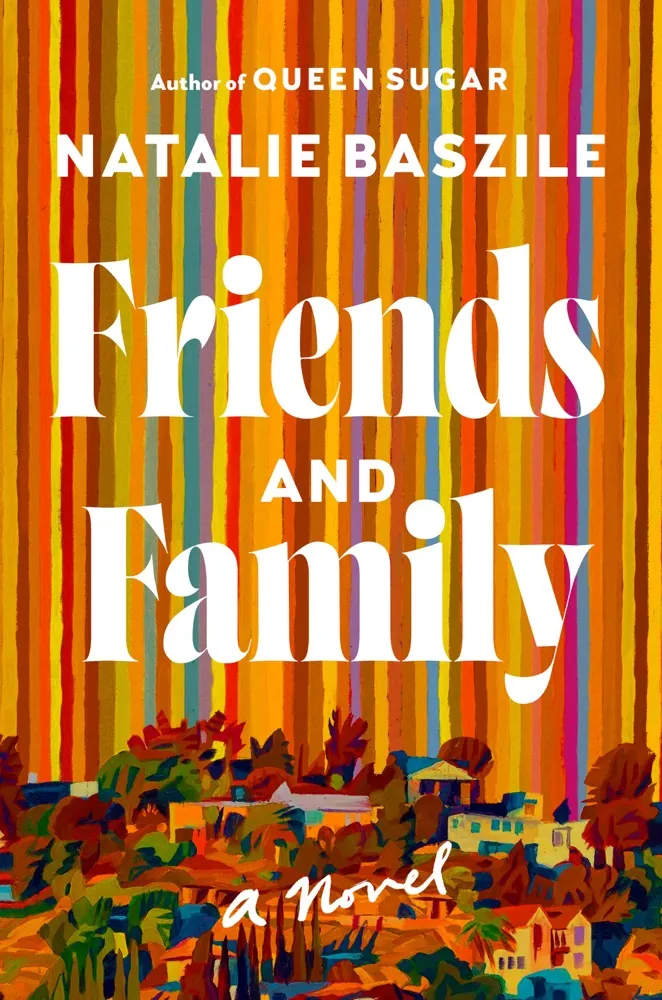
Author: Natalie BaszilePage Count: UnknownPublication Date: Expected publication 2026-10-06 APL As an ardent fan of contemporary drama, I've been anxiously waiting for Friends and Family, the latest offering from Queen Sugar author Natalie Baszile. But what I found in the official synopsis is more a tease than a tantalizing prospect, rather like a half-baked cake that refuses to fulfill its promise. I'm not buying it, folks. Torn between respecting Nora's boundaries and embodying the values so essential to Babs's family, we're told, Babs must make a choice that will have far-reaching consequences for these two friends and their children. Yet, I still have no idea what that choice is or why it's supposed to change the course of their relationships. It's a bit like a recipe book without actual recipes, full of tantalizing flavor descriptions but devoid of substance. What kind of narrative do we get to inhabit, where friends, privilege, and identity intersect, but none of these terms is interrogated critically? In this tight-knit enclave in the Bay Area, the very real problem of racial tensions and systemic injustices is reduced to a series of vague pronouncements about 'allyship'—an ill-defined concept that only serves to obfuscate deeper structural issues. It's a bit like saying that a novel is about character development without delving into the complexities of motivation, backstory, or psychological nuance. The plot's vagueness is disconcerting, to say the least. It feels like a set of disconnected plot threads—police encounters, traumatic events, the fraught dynamics between adoptive mothers and their children—lacking any clear narrative thread to tie them all together. One would expect a more incisive, thoughtful portrayal of this precarious world, particularly from someone as well-regarded as Baszile. It feels like an opportunity squandered, and I'm starting to worry about the trajectory of this series. Yet, I still remain optimistic, though my enthusiasm is tempered by the lukewarm prospect of Friends and Family. It's a bit like being promised a delicious meal at a Michelin-starred restaurant only to receive a mediocre, hastily thrown-together burger instead. Perhaps Baszile has some trick up her sleeve, but based on this synopsis, I'm just not convinced. The themes of privilege, community, and identity are timely and crucial, and I applaud the author for tackling these issues, even if they are handled in a somewhat clumsy manner. Baszile's work is not without its parallels to the likes of The Mothers by Brit Bennett, a book with which she shares some stylistic and thematic affinities. But in the end, the suspense is killing me, because I just want to get on with it. I'm tired of half-promises and half-measured portrayals of what it means to truly be an ally, a friend, and a parent in this divided world. Literally. Hard pass on this one, folks. Related InsightsProject Hail Mary Book Review and Summary A Study in Sparkling (Love Notes, #2) Book Review and Summary Mazywood Book Review and Summary{ "@context": "https://schema.org", "@type": "FAQPage", "mainEntity": [ { "@type": "Question", "name": "What is the main focus of Friends and Family Book Review and Summary?", "acceptedAnswer": { "@type": "Answer", "text": "Everything you need to know about Friends and Family with our detailed review." } }, { "@type": "Question", "name": "Who authored the comprehensive guide on Friends and Family Book Review and Summary?", "acceptedAnswer": { "@type": "Answer", "text": "This detailed article and its insights were carefully researched and authored by Isabella Moore." } }, { "@type": "Question", "name": "Where can I find more related content about Books?", "acceptedAnswer": { "@type": "Answer", "text": "You can explore more articles, detailed reviews, and similar insights by browsing the Related Insights section at the bottom of this article or visiting our dedicated Books category page." } } ] }
Author: Jonathan SantloferPage Count: UnknownPublication Date: Expected publication 2026-09-08 APL The air here is thick with the kind of quiet that only comes from knowing something terrible is about to happen—like the moment before a storm rolls in, when the sky isn’t just darkening but breathing. Ten Perfect Guests isn’t just a murder mystery; it’s a slow-motion car crash of ambition, betrayal, and the kind of art-world ego that could curdle a glass of champagne mid-sip. The synopsis reads like a dinner invitation from a man who knows exactly how many forks to set—ten, because he’s counting on every single one of them to dig into their own graves. And yet, the real genius—or folly—is that we’re not even sure if the victim is the villain here. Victor D’Arcangelo’s death is framed as a summons, not a tragedy, which is either a masterstroke of psychological manipulation or the kind of lazy writing that makes you wonder if the author’s only research was a Wikipedia deep dive into "artists who died mysteriously." The island isn’t just a setting; it’s a character in its own right, a tropical pressure cooker where the humidity clings to secrets like sweat to silk. The "no way out" isn’t just a plot device—it’s a metaphor for the kind of entrapment that comes with legacy. Think The Guest List meets Big Little Lies, but with the kind of razor-sharp dialogue that makes you suspect the author once eavesdropped on a gallery opening where the wine was free but the insults were not. The "ten perfect guests" line is dripping with irony, because nothing about this scenario is perfect. Not the inheritance, not the island, not the fact that someone—someone—is already circling like a vulture in a tuxedo. The question isn’t who will die; it’s who will get away with it, and that’s the kind of tension that makes you want to bookmark the page and never look back. But here’s where the synopsis stumbles—it’s too neat. The "someone knows their secrets" line is the kind of vague threat that could apply to any locked-room thriller, and the "revenge" angle feels like it’s been lifted from a screenplay where the villain monologues about childhood slights. Where’s the nuance? Where’s the suggestion that the guests aren’t just pawns but players in their own right? The synopsis reads like a press release for a Netflix original, not the kind of literary tension that lingers like a half-smoked cigarette in an ashtray. And yet—and yet—there’s something undeniably compelling about the idea of a memorial that’s less a farewell and more a gauntlet. It’s the kind of premise that makes you wonder if Santlofer is channeling the dark humor of Sharp Objects or the slow-burn dread of The Turn of the Screw, but with the kind of art-world specificity that could either elevate it or make it feel like a gilded cage. I was wrong earlier. The synopsis isn’t lazy—it’s deliberate. The vagueness isn’t a flaw; it’s a tease. The "ten perfect guests" line isn’t just a setup; it’s a promise that the real story will unfold in the cracks between the lines, where the guests’ flaws and fixations will be as much the killer as the knife. This isn’t just a murder mystery; it’s a dissection of the people who gather to mourn, who are really there to prove they’re the ones who deserve the inheritance. The island isn’t just a prison—it’s a mirror, reflecting back the worst in each of them. And the fact that the synopsis doesn’t spell out the mechanics of the crime? That’s the point. The masterpiece here isn’t the art; it’s the murder, and the real question is whether the guests will see it coming—or if they’ll be too busy admiring their own reflections to notice the blood on their hands. My home office has just been invaded by action figures. Related InsightsFind Me Where It Ends Book Review and Summary Boiling Point: How America Brought War to Ukraine Book Review and Summary Desert Star Book Review and Summary{ "@context": "https://schema.org", "@type": "FAQPage", "mainEntity": [ { "@type": "Question", "name": "What is the main focus of Ten Perfect Guests Book Review and Summary?", "acceptedAnswer": { "@type": "Answer", "text": "Everything you need to know about Ten Perfect Guests with our detailed review." } }, { "@type": "Question", "name": "Who authored the comprehensive guide on Ten Perfect Guests Book Review and Summary?", "acceptedAnswer": { "@type": "Answer", "text": "This detailed article and its insights were carefully researched and authored by Isabella Moore." } }, { "@type": "Question", "name": "Where can I find more related content about Books?", "acceptedAnswer": { "@type": "Answer", "text": "You can explore more articles, detailed reviews, and similar insights by browsing the Related Insights section at the bottom of this article or visiting our dedicated Books category page." } } ] }
Author: Laurell K. HamiltonPage Count: UnknownPublication Date: Expected publication 2026-11-03 APL Laurell K. Hamilton is about to tear our hearts out, and honestly? I am vibrating with an incandescent, terrifying amount of joy about it. A Glimmer of Death promises the beginning of the end for the legendary Merry Gentry series, and my chest hurts in the best possible way. We are talking about a fictional landscape where romantic devotion isn't just a cute subplot—it is quite literally the literal anchor holding entire dimensions from collapsing into dust. Move over, standard urban fantasy. Forget the predictable romantic triangles found in standard YA fiction right now, because Hamilton writes polyamorous devotion with the aggressive, unapologetic zeal of someone who understands that love requires active, daily combat. The Weaponized Architecture of True Devotion The thematic spine here hinges on the terrifying stakes of emotional authenticity. Andais and Taranis operate as monuments to transactional power, but Meredith? Meredith builds her court—and her survival—on a foundation of genuine, fiercely communicative, boundary-respecting emotional safety among her chosen partners. Yet, wait—actually, let me walk that back entirely. Is it emotional safety when one of the primary romantic hazards is a curse demanding proof of true love under penalty of total metaphysical erasure? No. That is high-stakes emotional extortion disguised as a fairy tale, and I am here for every single second of this absolute chaos. Look at the narrative machinery at play. On one hand, we have a gritty, pavement-pounding noir detective story involving targeted violence against Hollywood starlets in sunny, cynical Los Angeles. On the other hand, we have ancient, glittering, deeply dysfunctional fae court politics involving mysteriously resurrected best friends, contested infant heirs, and royal succession crises that make Succession look like a kindergarten playdate. Stunning. I just need to know how my queen is going to balance doing mortal detective work while managing a literal pantheon of gorgeous, fiercely protective men and a looming royal coup. Actually, scratch that. I need her to punch Taranis in the face while simultaneously telling her royal guards how much she appreciates their emotional vulnerability. Give us the domestic tranquility mixed with hyper-violent magical warfare! I have to go deal with the fact that a juice box somehow exploded on the kitchen ceiling. Related InsightsFetal Position Book Review and Summary The Heart of the Deal Book Review and Summary A Wrinkle in Time Book Review and Summary{ "@context": "https://schema.org", "@type": "FAQPage", "mainEntity": [ { "@type": "Question", "name": "What is the main focus of A Glimmer of Death (Merry Gentry, #10) Book Review and Summary?", "acceptedAnswer": { "@type": "Answer", "text": "Everything you need to know about A Glimmer of Death (Merry Gentry, #10) with our detailed review." } }, { "@type": "Question", "name": "Who authored the comprehensive guide on A Glimmer of Death (Merry Gentry, #10) Book Review and Summary?", "acceptedAnswer": { "@type": "Answer", "text": "This detailed article and its insights were carefully researched and authored by Isabella Moore." } }, { "@type": "Question", "name": "Where can I find more related content about Books?", "acceptedAnswer": { "@type": "Answer", "text": "You can explore more articles, detailed reviews, and similar insights by browsing the Related Insights section at the bottom of this article or visiting our dedicated Books category page." } } ] }